
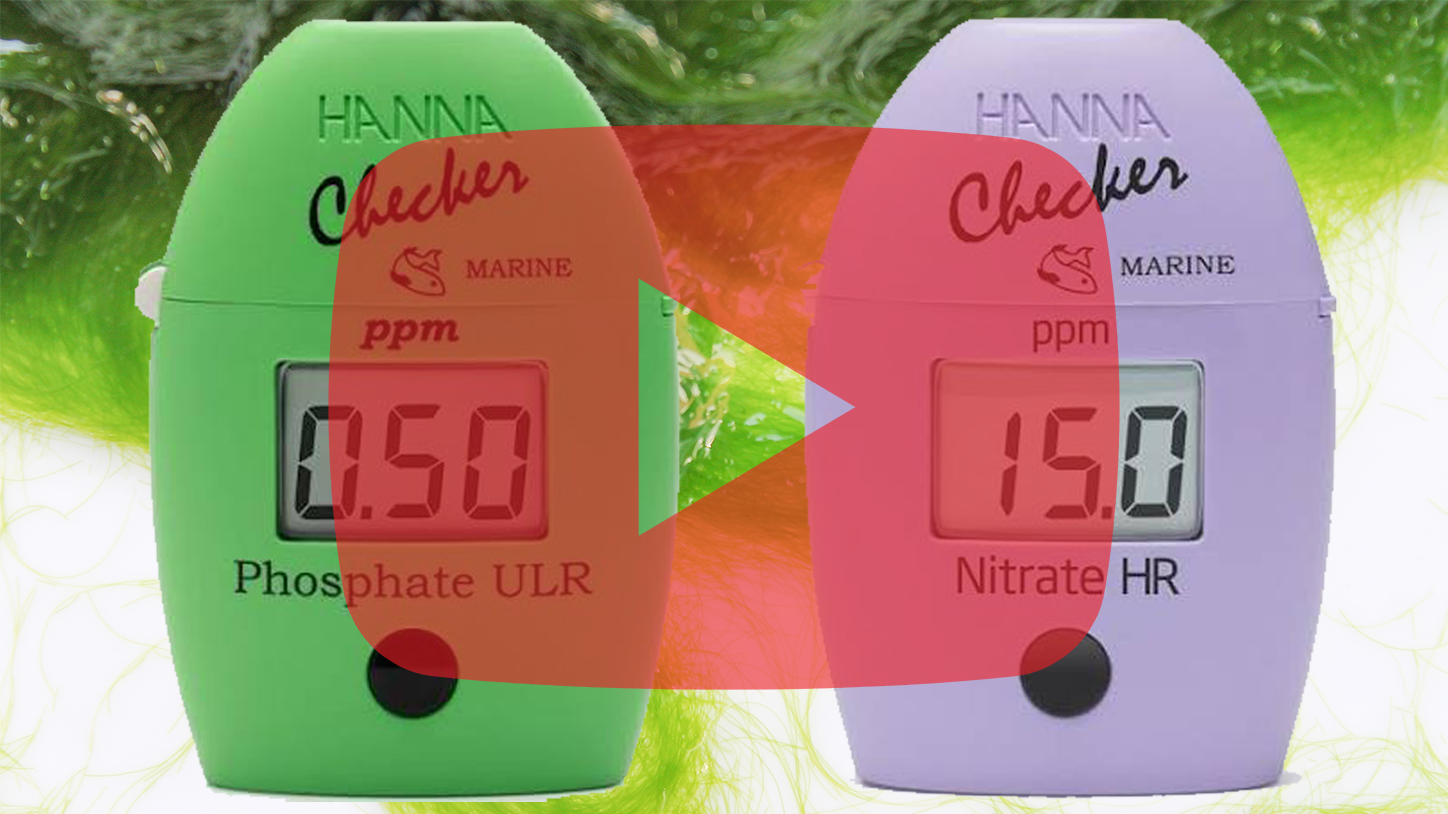
Why Do We Have Hair Algae With Zero Nitrate and Phosphate?
Getting a zero reading for nitrate and phosphate while hair algae is growing all over the tank feels backwards. If the nutrients are supposedly zero, what is the algae living on?
The quick answer is simple: if we have fish in the aquarium and we feed them, we are adding nitrogen and phosphorus every day. Those nutrients are in the system, even when our test kits cannot detect them.
Getting a zero reading for nitrate and phosphate while hair algae is growing all over the tank feels backwards. If the nutrients are supposedly zero, what is the algae living on?
The quick answer is simple: if we have fish in the aquarium and we feed them, we are adding nitrogen and phosphorus every day. Those nutrients are in the system, even when our test kits cannot detect them.
Zero on a Test Does Not Mean Zero in the Aquarium
Fish food introduces nutrients into the tank. Fish process that food, waste enters the water, and nitrogen and phosphorus become available somewhere in the system.
Hair algae is a photosynthetic organism, and it is very good at taking advantage of those available nutrients. It can absorb nitrogen and phosphorus as they arrive, often before they build up in the water column enough for a hobby-grade test to register them.
In other words, the algae can be acting like the test kit. It is consuming the nutrients faster than we can measure them.
That is why a tank can have both of these things at the same time:
A test result showing zero nitrate and zero phosphate
Visible hair algae growing vigorously
The algae does not prove there are no nutrients. It proves that nutrients are continually entering the tank and being used.
Hair Algae Can Keep Nutrient Readings Low
When hair algae is established, it can pull available nitrogen and phosphorus out of the water rapidly. That keeps the measurable concentration low, but it does not stop the daily nutrient input from feeding fish.
This is the important distinction: a nutrient test is a snapshot of what is available to test at that moment. It is not necessarily a complete picture of how much nitrogen and phosphorus are moving through the aquarium over time.
If hair algae is absorbing those compounds as quickly as they become available, there may be little left in the water for the test kit to detect. The algae is effectively outcompeting the measurement.
A Little Hair Algae Is Not Automatically a Disaster
We do not need to treat every bit of hair algae as evidence that the aquarium is failing. Modern reef keepers generally do not worry about hair algae in quite the same way we once did.
In fact, having absolutely no hair algae growing anywhere can sometimes be a sign that we are pushing the system too far in the other direction. A living reef aquarium has nutrient input, nutrient consumption, and ongoing biological activity. Some amount of algae growth can simply reflect that reality.
The useful takeaway is not that zero nitrate and phosphate readings are wrong. It is that they need context. Fish feeding still adds nutrients, and photosynthetic growth can remove those nutrients fast enough to make them difficult to detect.
The Bottom Line
Hair algae can grow with zero nitrate and zero phosphate test results because nitrogen and phosphorus are still entering the tank through feeding. The algae consumes those nutrients rapidly, potentially faster than they can accumulate or be measured.
So when we see hair algae alongside undetectable nutrients, we should not assume the tank contains no nitrogen or phosphorus. More often, we are seeing an active nutrient cycle where algae is using what enters the system almost immediately.

Municipal Water Monitoring
Continuous data integration facilitated regulatory compliance, improved citizen satisfaction scores, and minimized unplanned service interruptions across eighteen miles of pipeline.

Renewable Microgrid Design
The solution decreased diesel dependence by seventy-five percent while delivering granular performance analytics to support ongoing optimization initiatives.

Healthcare Data Unification
Unified records reduced administrative overhead, facilitated telemedicine adoption, and enabled regulators to verify compliance through auditable reporting dashboards.