Is EcoScape Rock Really More Porous? Putting It to the Test -SR Labs
Why Test Rock Porosity?
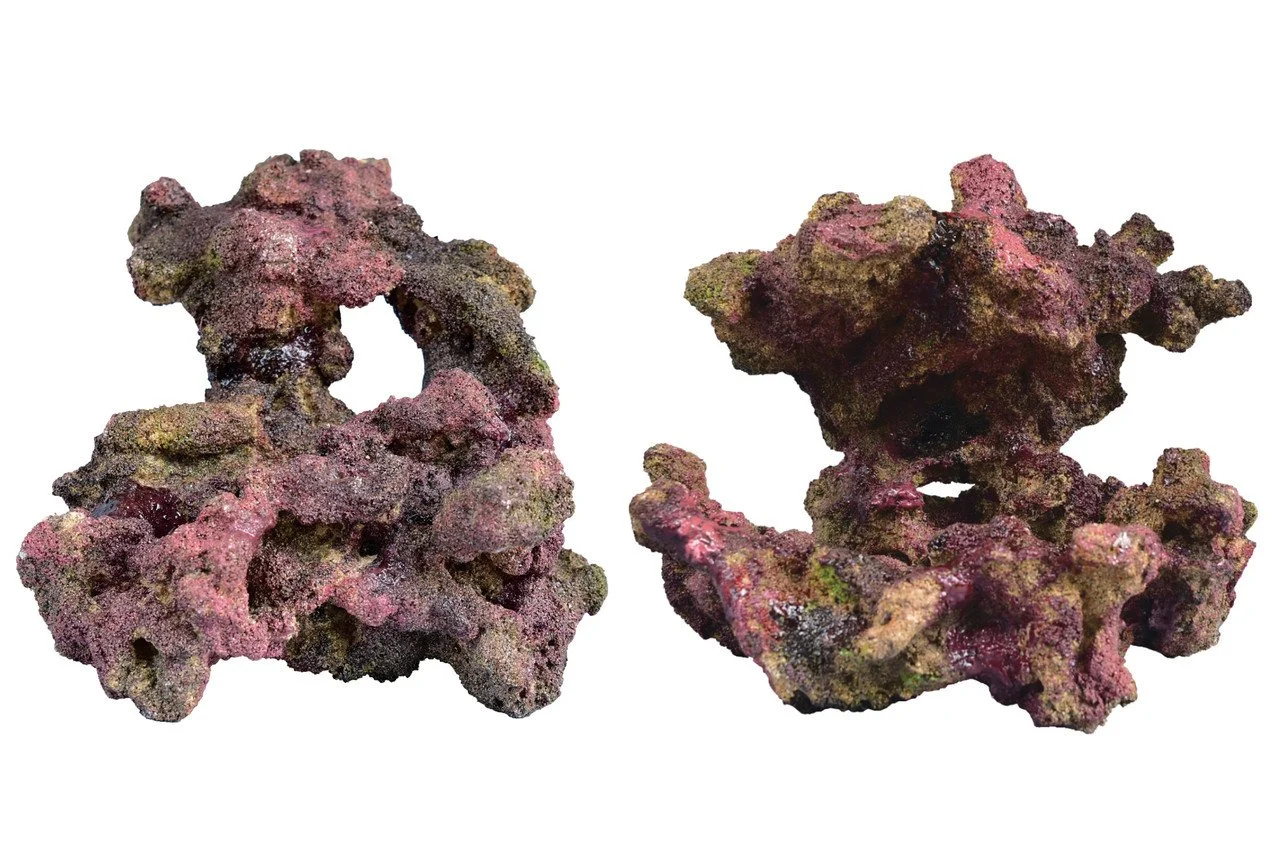
Surface area and porosity used to be the dominant talking points when choosing the best live rock. Somewhere along the way that conversation faded, but the question remained relevant to us: does porosity still matter? We were prompted to run a simple experiment after seeing EcoScape rocks in person.
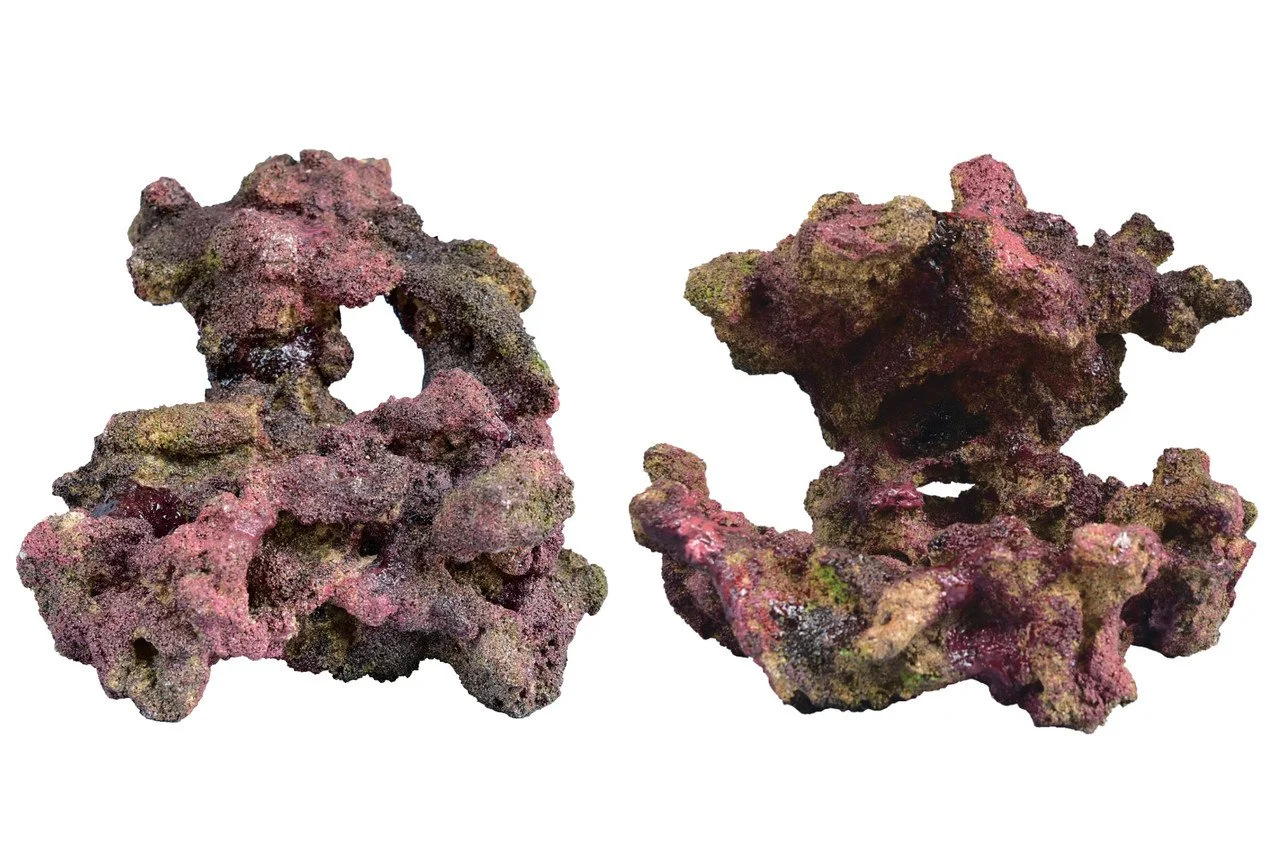
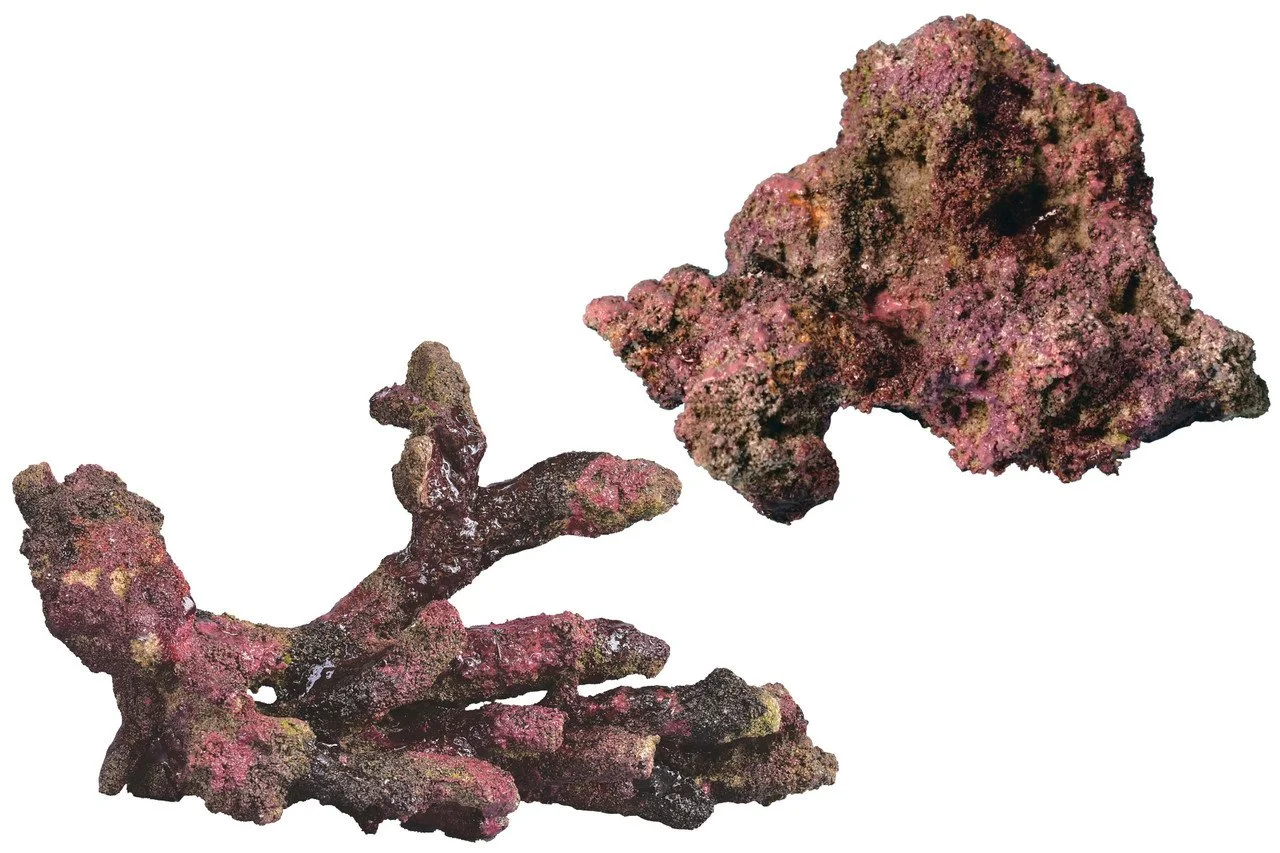
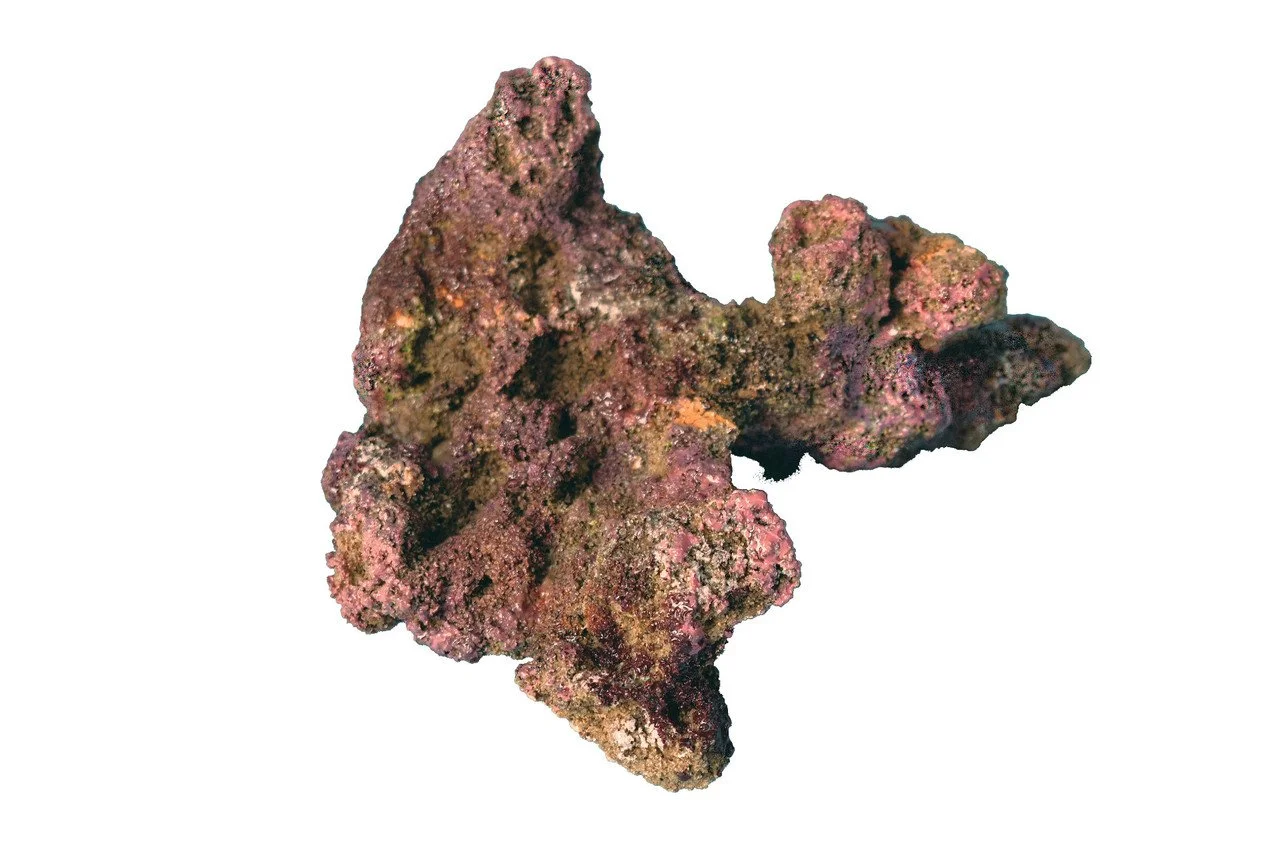
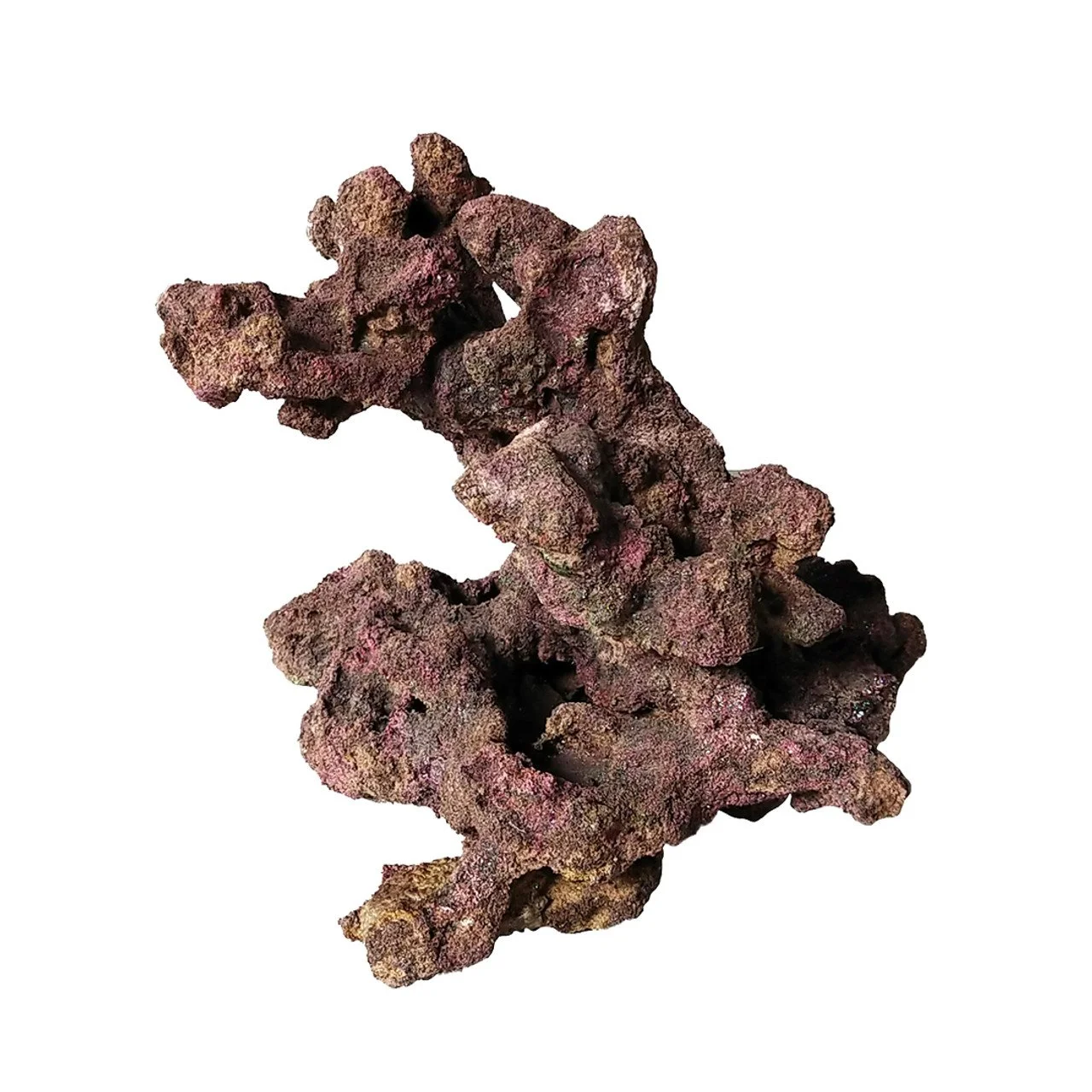
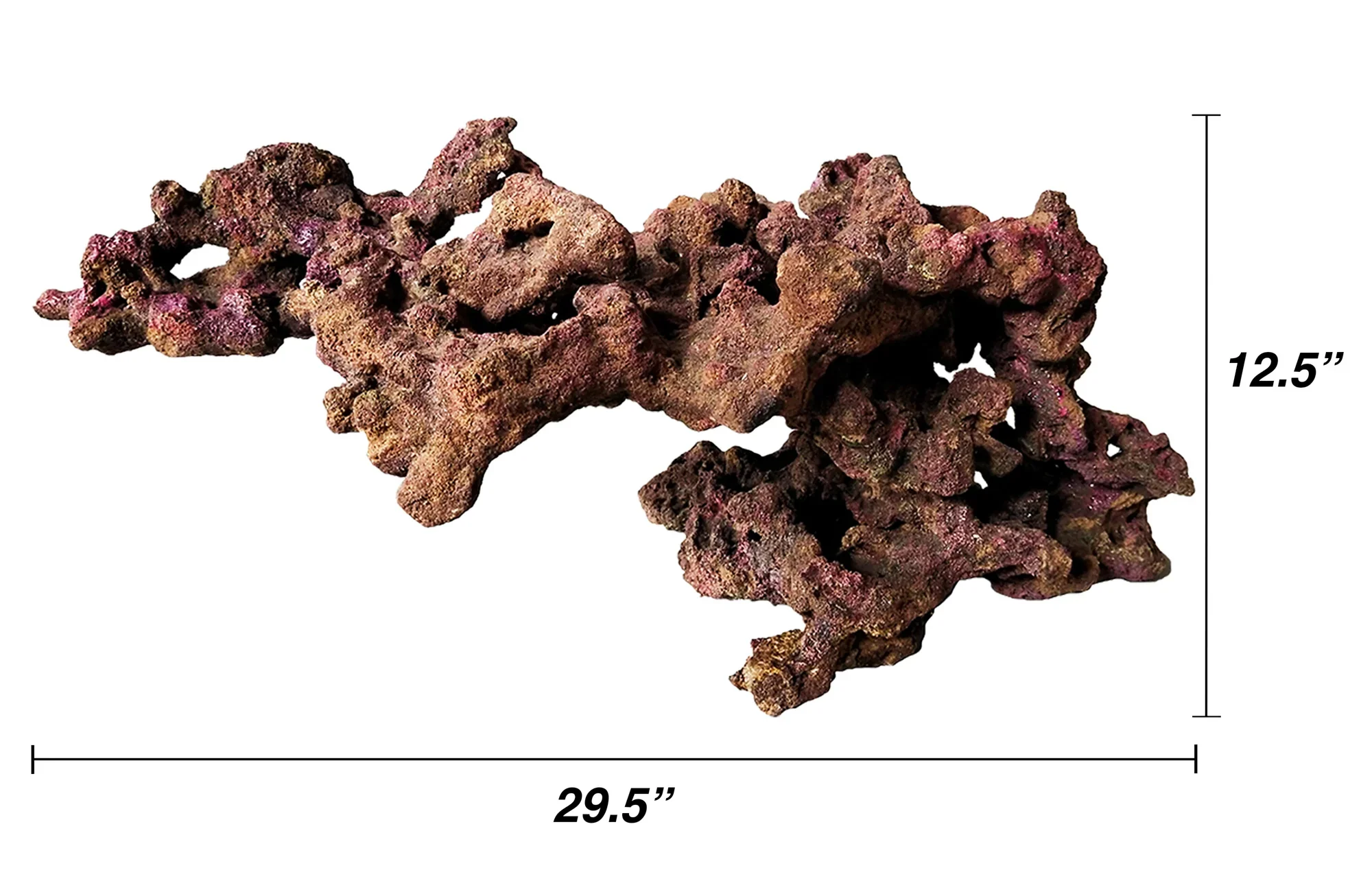
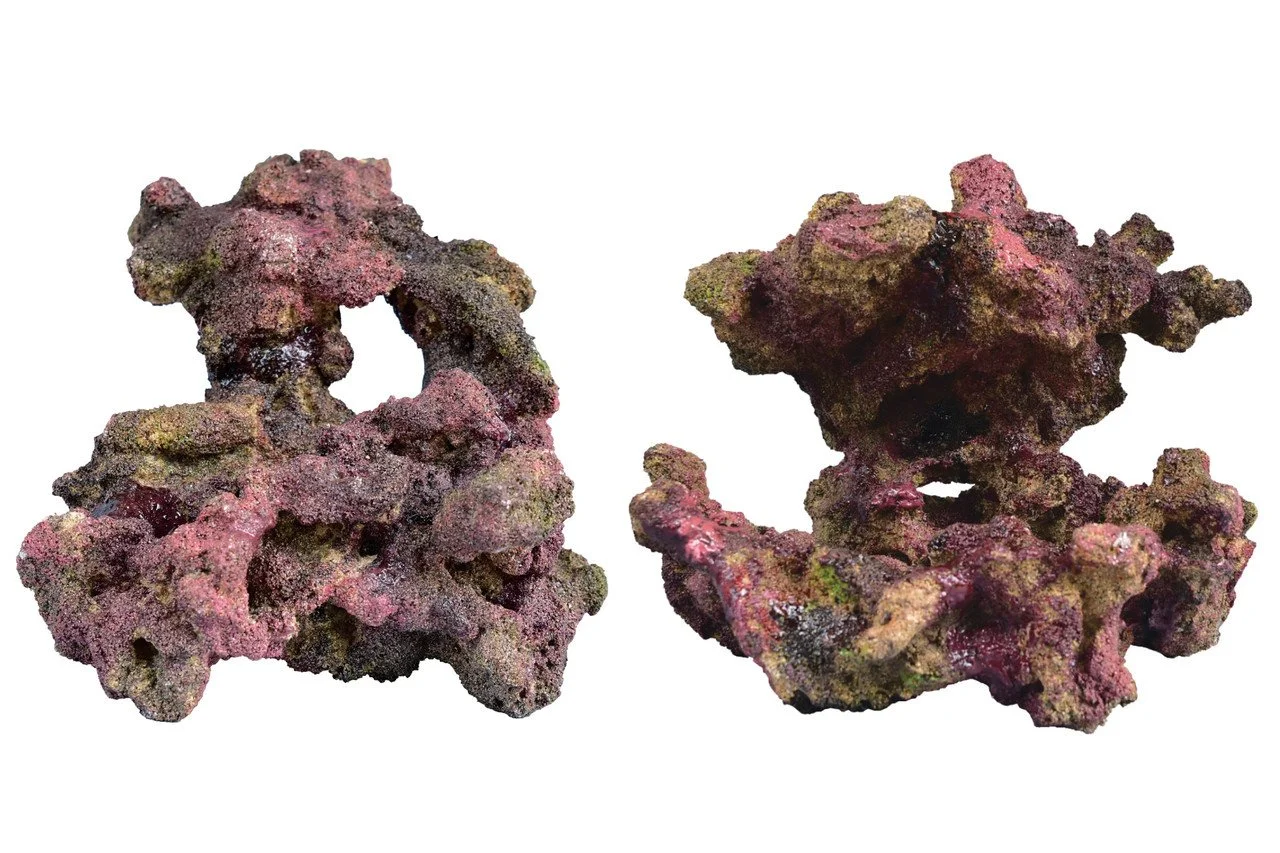
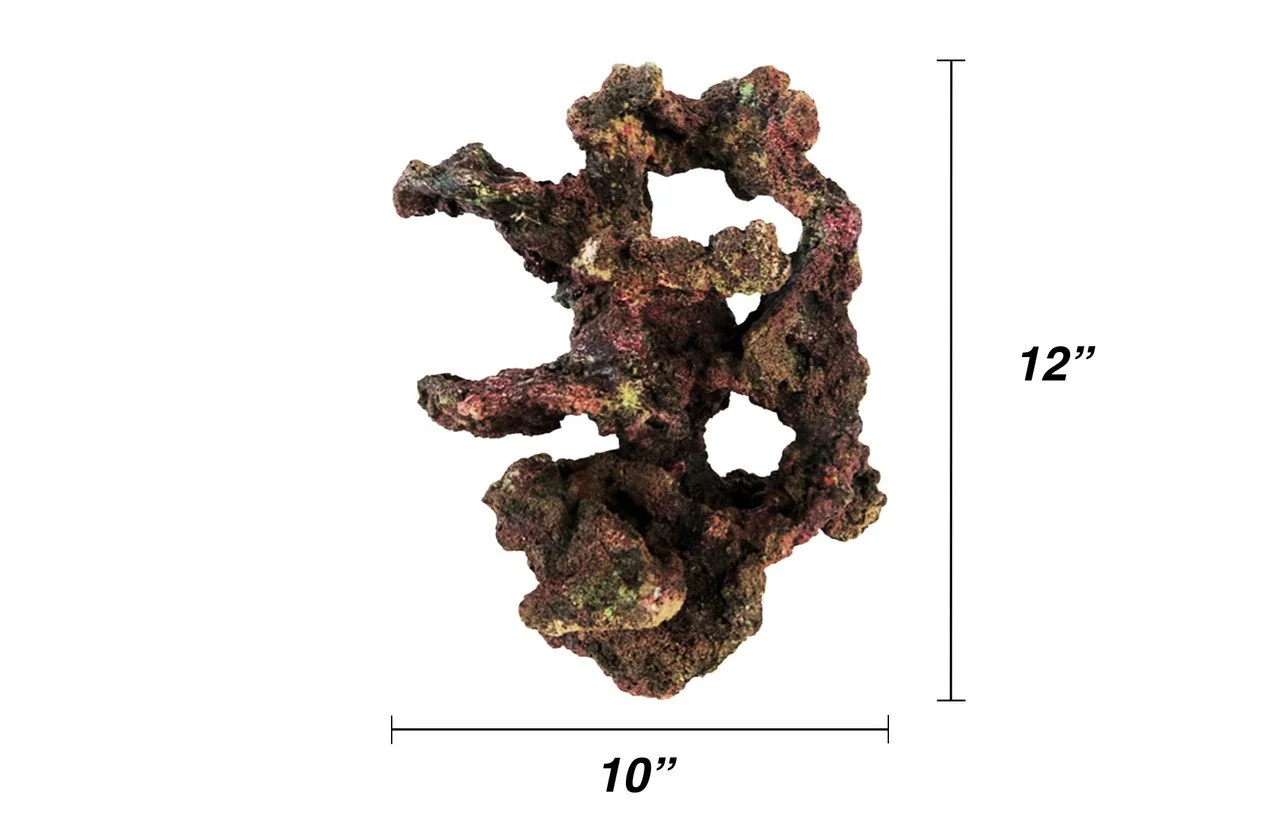
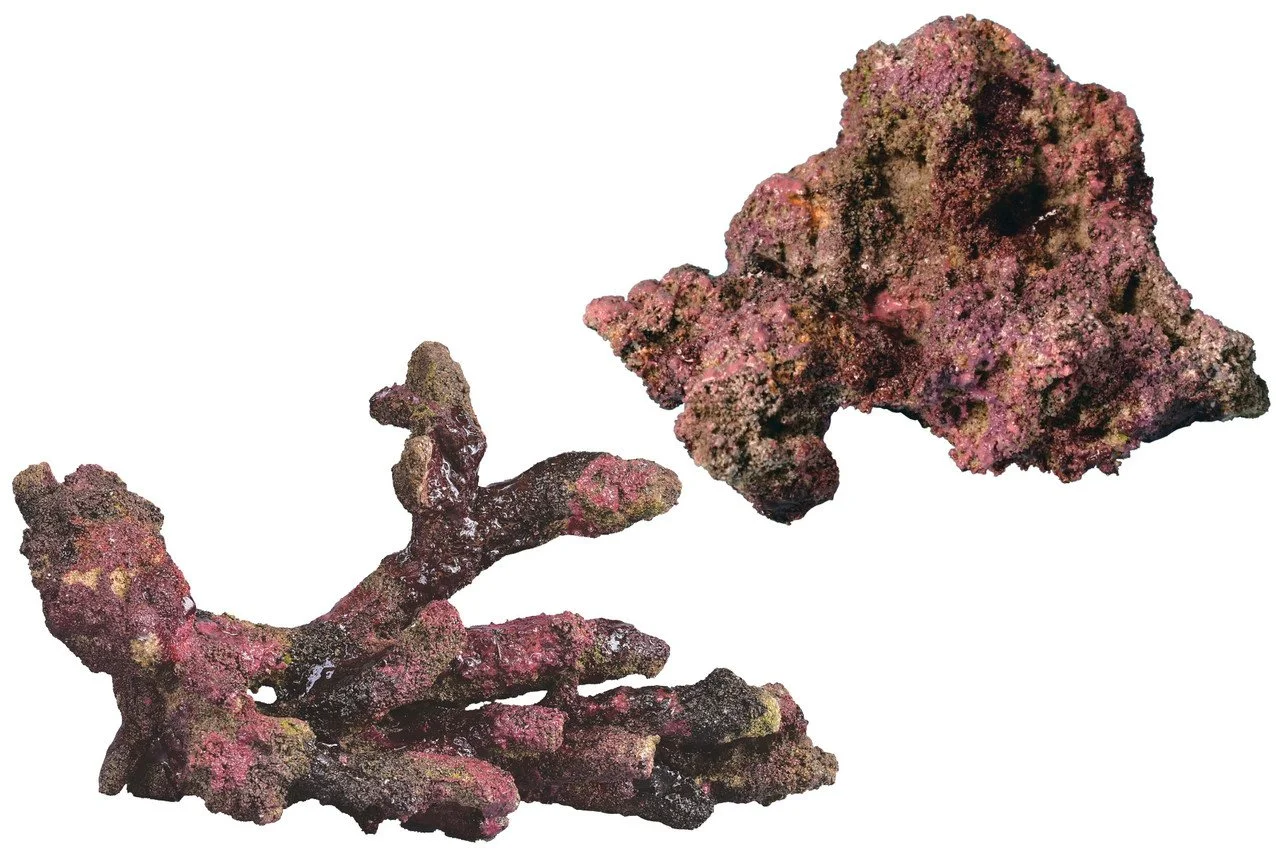
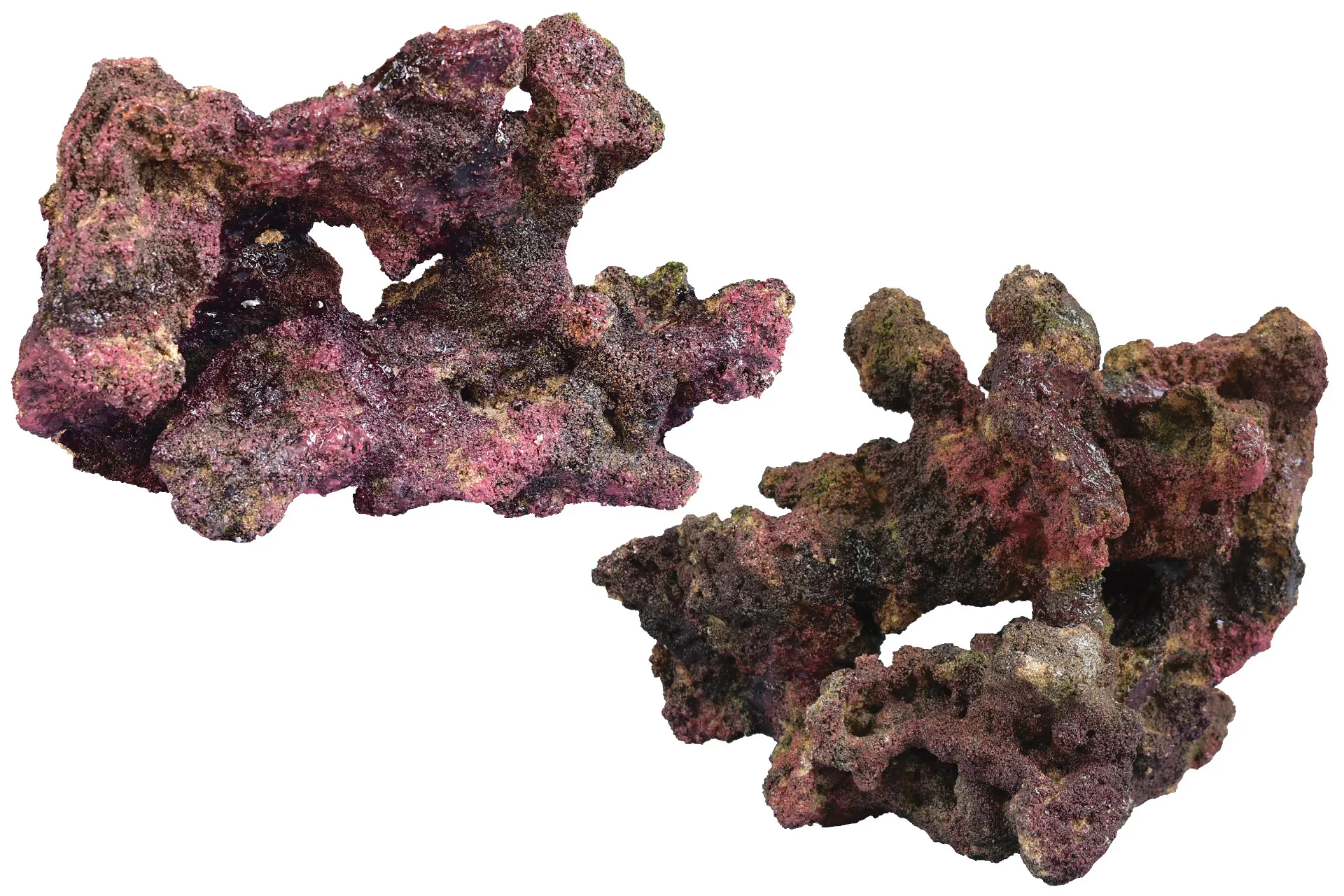
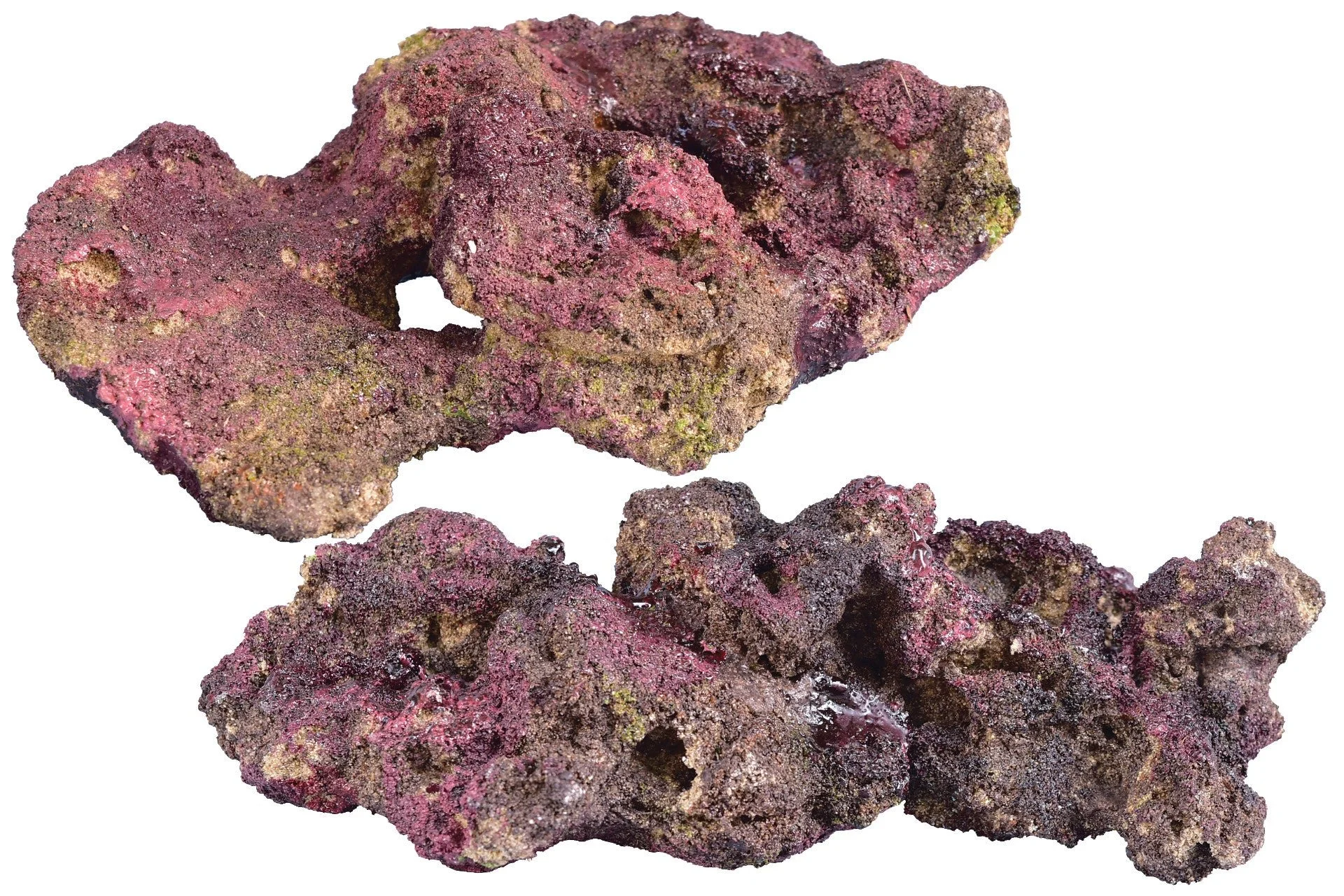
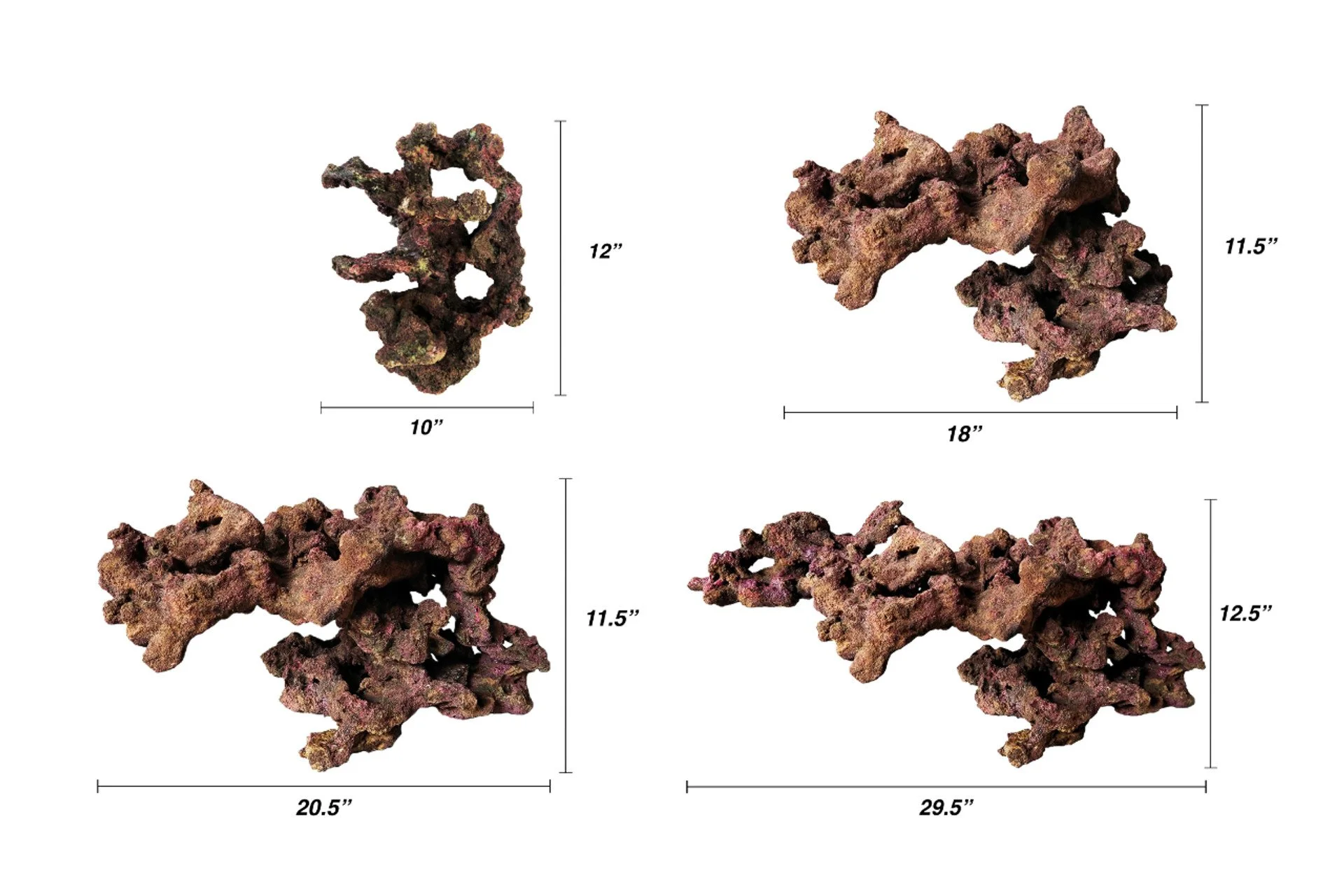
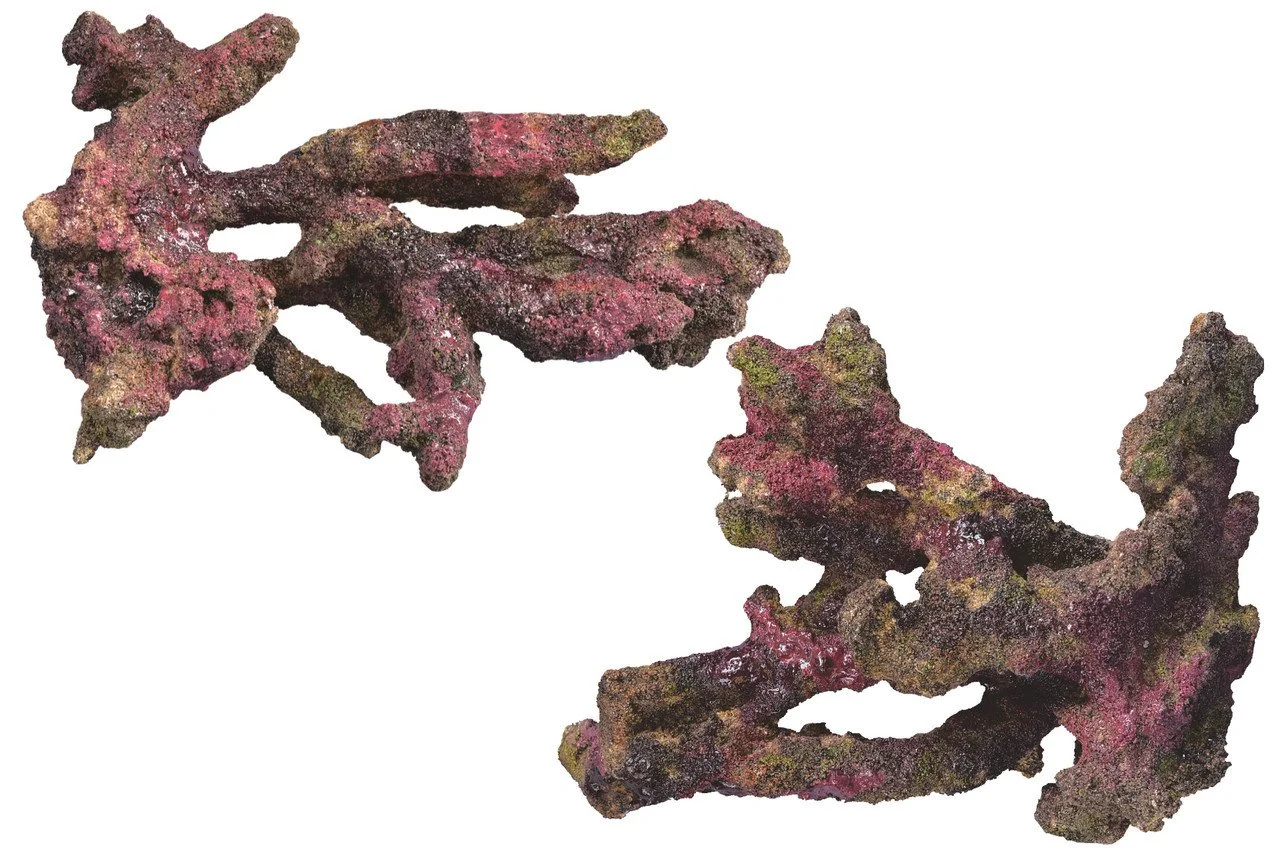
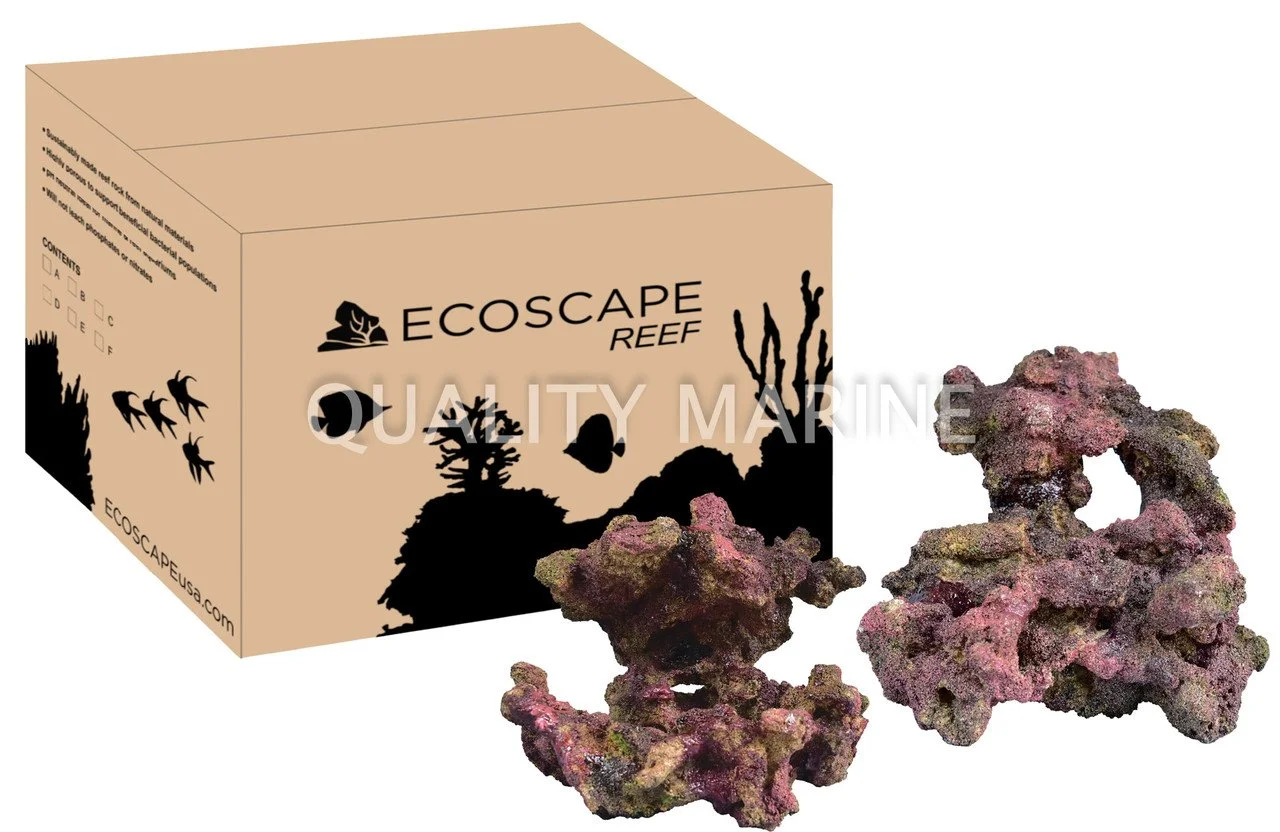
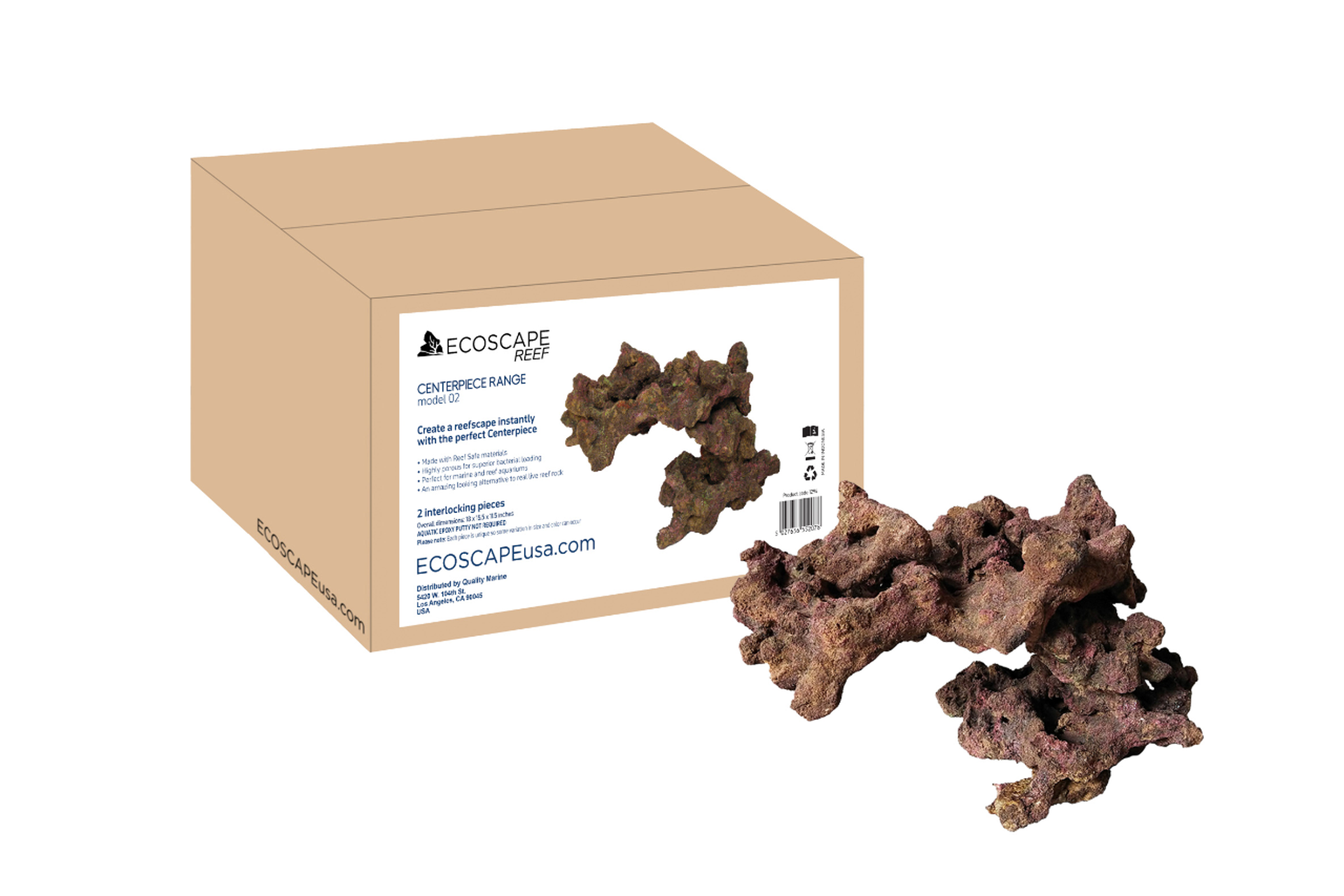
EcoScape rock has striking coloration, lots of nooks and crannies, and shapes that make aquascaping easy. But what caught our attention most was a recurring comment from sellers and peers: the rock is so porous that some pieces will float when first placed in water until they soak up water and sink.
That floating behavior suggested a significant internal pore network. We wanted to quantify that with a repeatable, straightforward test to compare EcoScape against a range of other man-made and natural aquarium rocks.
Note: Paid YouTube SR Members Using A Chrome Browser can watch videos natively above on Seriousreefs.com. Sign up HERE
SR videos are a community funded member only resource. Serious Reefs buys everything we review, accepts no sponsorships, and your memberships make it possible to keep every review truly unfiltered.
Manufacturing note and origin story
An interesting background detail on EcoScape is its origin. The product is manufactured in Indonesia. Historically, that region supplied natural live rock to the aquarium trade, but as live collection declined, people who knew the natural rock forms began making man-made replacements. One technique reportedly used in creating highly porous rocks is mixing salt into the raw material and then leaching it out during curing. The salt leaves behind voids that contribute to available pore structure.
Testing Note
With SR Labs we don’t start with a presumed winner because that can introduce bias and skew the results. Occasionally a product that performs unusually well catches our attention and prompts testing against its peers. In this case Ecoscapes rock appeared to be exceptionally porous and it was but it didn’t end up being the most porous. Let’s dig in.
What we tested and why
We tested seven different rock sources to get a sense of how much water each would absorb into its internal pore structure. The goal was not to measure microscopic surface area or bacterial colonization directly, but to use how much water a rock soaks up as an indicator of available internal porosity.
The rocks we tested:
Marco Rock (mined rock)
Real Reef (man-made rock)
CaribSea (Modified Mined Rock)
Walt Smith 2.1 (man-made rock - Fiji)
AquaForest (man-made rock)
EcoScape (man-made rock - Indonesia)
Tropic Eden (man-made rock)
Method: the water void fill test
We used a simple and repeatable approach we call the water void fill test:
Weigh a dry piece of rock and record the starting weight.
Soak the rock submerged in water overnight to allow pores to fill.
Weigh the rock again the next morning.
Calculate percent increase in weight to determine how much water was absorbed into internal voids.
This test does not measure microscopic surface texture or total surface area available for bacteria, but it does give a directional indication of how much water a rock can draw into its internal pore network and therefore how "available" that internal porosity is.
Results: how much water each rock absorbed
Marco Rock: dry 0.77 kg → soaked 0.83 kg. Increase 7.79%.
Real Reef: dry 1.28 kg → soaked 1.40 kg. Increase 9.38%.
CaribSea: dry 0.71 kg → soaked 0.78 kg. Increase 9.86%.
Walt Smith 2.1: dry 1.59 kg → soaked 1.77 kg. Increase 11.32%.
AquaForest: dry 0.56 kg → soaked 0.63 kg. Increase 12.50%.
EcoScape: dry 0.60 kg → soaked 0.79 kg. Increase 31.67%.
Tropic Eden: dry 0.32 kg → soaked 0.45 kg. Increase 40.63%.
As expected, the lightest, air-filled rocks showed the largest relative increases. EcoScape absorbed substantially more water than most of the other rocks we tested, but Tropic Eden surprised us by absorbing the most by percent.
Interpretation: what porosity likely means for aquaria
There are two main takeaways from these numbers.
First, percent weight increase from the water void fill test is a useful directional indicator of how much internal pore volume is available and how readily that pore network will take on water. Rocks that initially float because they contain trapped air and then sink after soaking are clearly drawing water into internal voids.
Second, internal porosity can be functionally important. An interconnected pore network increases internal surface area and can create anaerobic microzones where bacteria can carry out the final stages of the nitrogen cycle. That can be beneficial for overall filtration, especially in systems relying on natural biological processing.
Caveats and limitations
We want to be clear about the limits of this test:
This was not a surface area measurement. Surface area includes microscopic texture and external crevices that bacteria colonize and is more complicated to measure.
A higher percent water uptake does not automatically make a rock "best" for every aquarium. Aesthetic preferences, density, mechanical strength, and compatibility with livestock all matter.
Long-term biological performance was not measured. How well a rock supports bacterial communities over months and years involves many variables beyond initial porosity.
So does porosity matter in choosing rock?
Yes, porosity is an important factor, but it is not the only consideration. The water void fill test gives us directionally correct information about relative internal pore availability. That helps identify rocks that are likely to offer significant internal void volume for bacteria and anaerobic processing.
However, porosity should be weighed alongside other factors:
Long-term color stability and finish.
Mechanical strength and how the rock stacks or aquascapes.
Specific goals for filtration and the type of system being built.
Budget and availability.
Our conclusion
EcoScape does show substantially higher water uptake than many other popular man-made rocks, supporting the claim that it is highly porous and has available internal pore volume. Tropic Eden, though, displayed the highest relative uptake in our test, which was a surprise.
Ultimately, porosity is an important piece of the "best rock" debate but not the whole story. The water void fill test is a practical, repeatable way to estimate available internal porosity and can help guide choices, especially if creating anaerobic microzones is a priority. Long-term aesthetics and biological performance still require observation over months to fully judge a rock's overall value.
Ecoscapes Rock FAQ
What exactly is the water void fill test and what does it measure?
Weigh a dry rock, soak it submerged overnight, then weigh it again. The percent increase in weight indicates how much water the rock absorbed into its internal voids. It measures available internal pore volume, not microscopic surface area.
Which rocks absorbed the most water in our test?
Tropic Eden showed the largest percent increase at 40.63%, followed by EcoScape at 31.67%. Other rocks ranged from about 7.8% to 12.5% in our sample set.
Does greater porosity guarantee better filtration in an aquarium?
Not by itself. Greater internal porosity can create anaerobic microzones that support the last stages of nitrogen processing, but filtration performance also depends on bacterial colonization, water flow, tank maintenance, and overall system design.
Why do some rocks float and then sink when soaked?
If a rock has trapped air in its internal pores, it can initially float. As it soaks and water displaces the air inside those voids, the rock becomes heavier and sinks. That floating behavior is a practical indicator of significant internal porosity.
Are there aesthetic or longevity concerns with manufactured colored rocks?
Yes. Some colored or flaked finishes can fade or change over time. A rock can perform well biologically but lose coloration or flake, which affects appearance. We recommend monitoring new materials over several months to judge long-term stability. Our experience is Ecoscapes maintains it’s color.
Where is EcoScape rock made and how is the porosity achieved?
EcoScape rock is manufactured in Indonesia. One reported technique to create high porosity is incorporating salt into the material and removing it during curing, leaving behind a porous structure. The product was developed by people familiar with natural live rock forms in regions where live collection declined.
Acknowledgments
Thank you to the Serious Reefs community. Your membership funds the creation of articles and videos like this one.
Support Serious Reefs
Patreon is the best option If you…
Want to discuss with the SR community and ask questions.
Want immediate notifications of every release.
Listen with phone screen off. Patreon app works with phone closed
Want 25% off via annual discounts.
YouTube members is the best option If you…
Watch SR videos on a TV via youtube App
Want to watch videos natively here on seriousreefs.com - (You must use chrome browser and be logged into google account with youtube membership)
Are a YouTube power user.
Tell a friend. Best option if want more (and faster).
If you like what we’re doing, give SR a quick shout-out on your favorite forum, YouTube, Facebook, TikTok, or Instagram. Let your local fish store know SR is helping you explore the hobby and keep it fun. Thanks for the support!
Disclaimer
Full Disclaimer HERE. This is the gist of it.
Content is based on personal experience, not professional advice. Do your research and reef responsibly. Serious Reefs should not be your sole source of information on any topic.
By watching, you agree that Serious Reefs and its creators aren’t liable for how you use this info. Please don’t utilize our information if you are not ok with this.
Serious Reefs has no sponsors, doesn’t accept product or payment for reviews. We do use affiliate links in articles that earn a small commission to support our work. Shop wherever you like, we won’t be offended.
