Coral 101 – Coral Care Guides, Troubleshooting, and Tips | Serious Reefs
Serious Reefs Coral 101 is a clear, practical series of coral care guides designed to help reef tank owners successfully introduce, grow, and maintain healthy coral in saltwater aquariums. Each guide focuses on proven methods that remove guesswork and increase success rates for both beginner-friendly corals and expert-only species where accuracy truly matters.
Our coral care guides walk reefers step by step through the most important factors for long-term coral health, including proper acclimation and introduction, lighting and PAR requirements, water flow, reef tank chemistry, feeding and nutrition, placement strategies, growth behavior, and identification of common coral pests and problems.
Whether you are keeping soft corals, LPS, or SPS, Coral 101 provides straightforward troubleshooting tips to help diagnose issues like poor polyp extension, fading color, slow growth, or tissue loss before they become major problems. Each coral profile is written to be practical, repeatable, and based on real reef tank experience rather than theory alone.
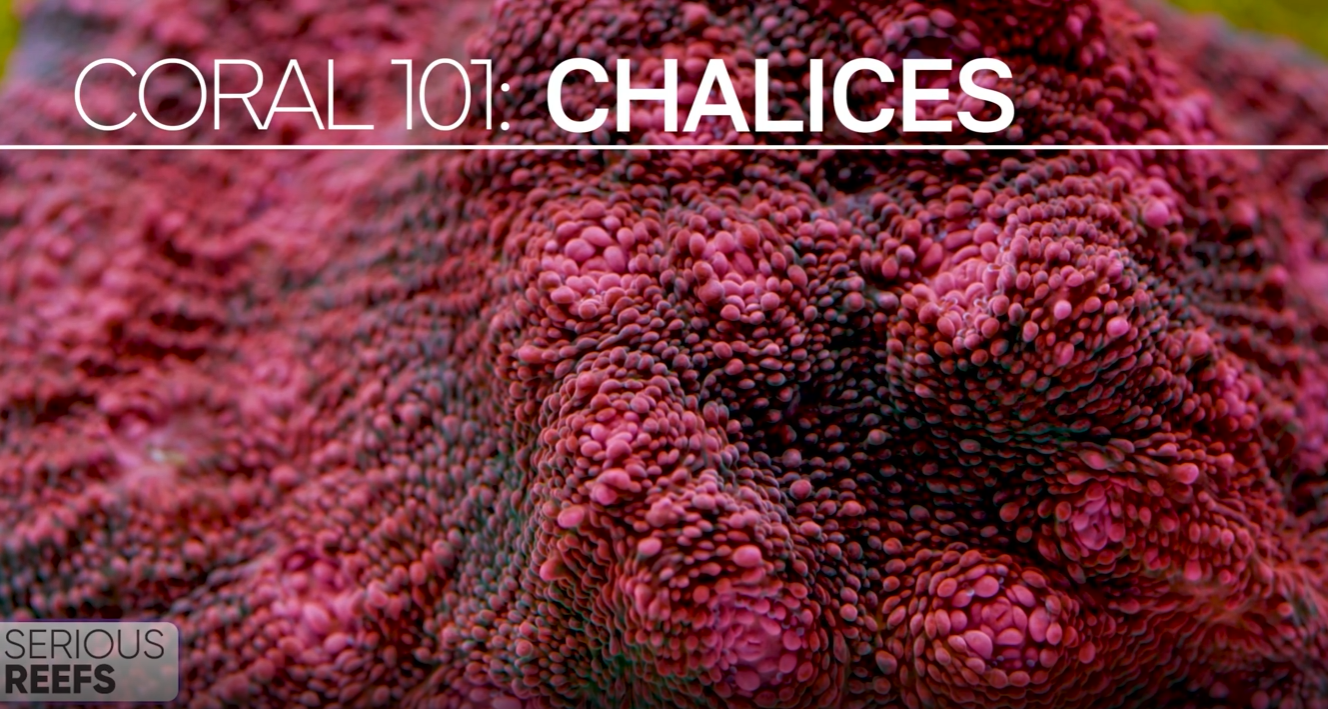
Chalice | Coral 101 Care Guide, Tips, & Troubleshooting
Chalice corals aren’t a single species so much as a convenient name for a family of plating large polyp stony corals. Genera you’ll commonly see include Echinopora, Oxypora, Mycedium, and Echinophyllia. They share a cup or plate-like growth form, but they vary wildly in color, texture, and the way they plate out. Many of the corals available today are aquacultured, and their captive growth habits often flatten and blur the differences between genera, which is why identification can be tricky
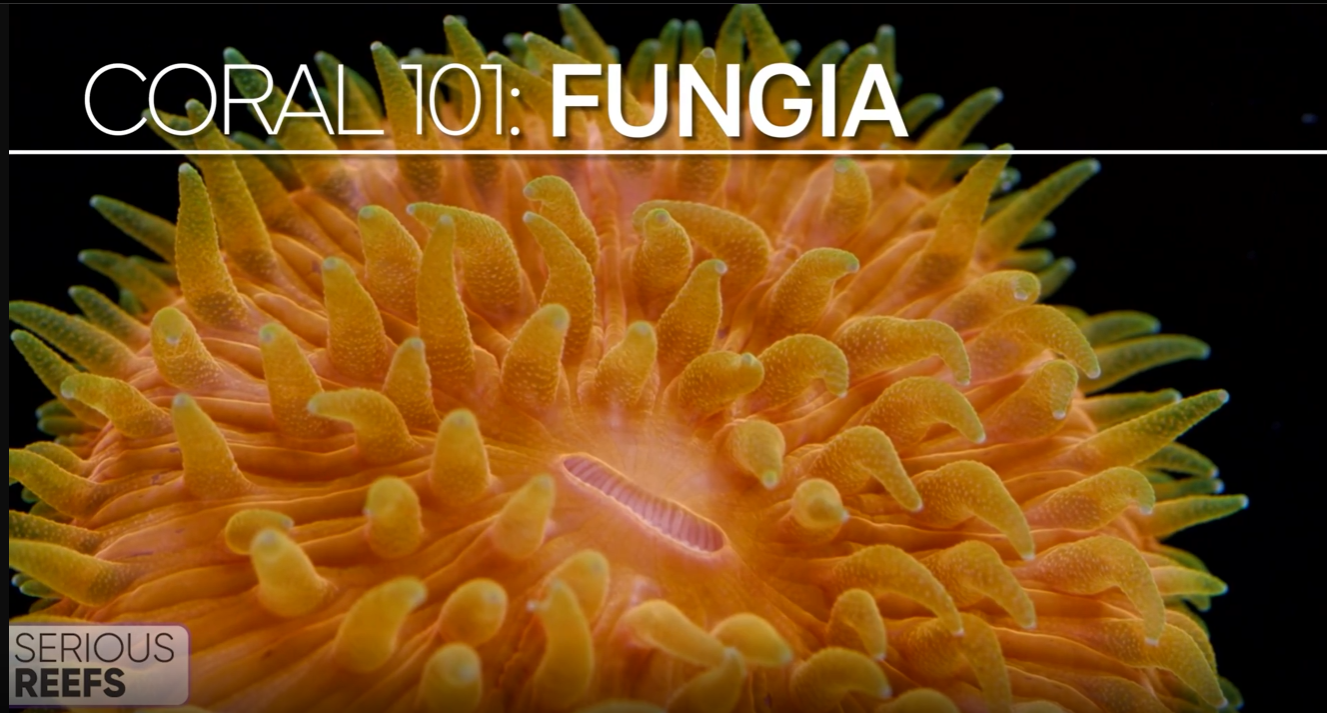
Fungia | Coral 101 Care Guide, Tips, & Troubleshooting
Fungiid plate corals are some of the most distinctive and rewarding corals to keep. They are large polyp stony corals that come in a wide variety of shapes, tentacle lengths, and colors. Because many different genera share the same flattened, plate-like form, hobbyists often group them together as plate corals. This guide explains what makes them special, how to care for them, and the practical tips that keep them healthy and colorful in our tanks.

Palythoa | Coral 101 Care Guide, Tips, & Troubleshooting
We call Palythoa one of the most bipolar corals in the hobby. On the one hand, they are extraordinarily hardy and easy to keep alive. On the other hand, they can be dangerous and unpredictable because many Palythoa contain palytoxin, one of the most potent marine toxins known. That tension—simplicity of care versus real safety risks—is the single most important thing to accept before we consider adding these corals to our systems.
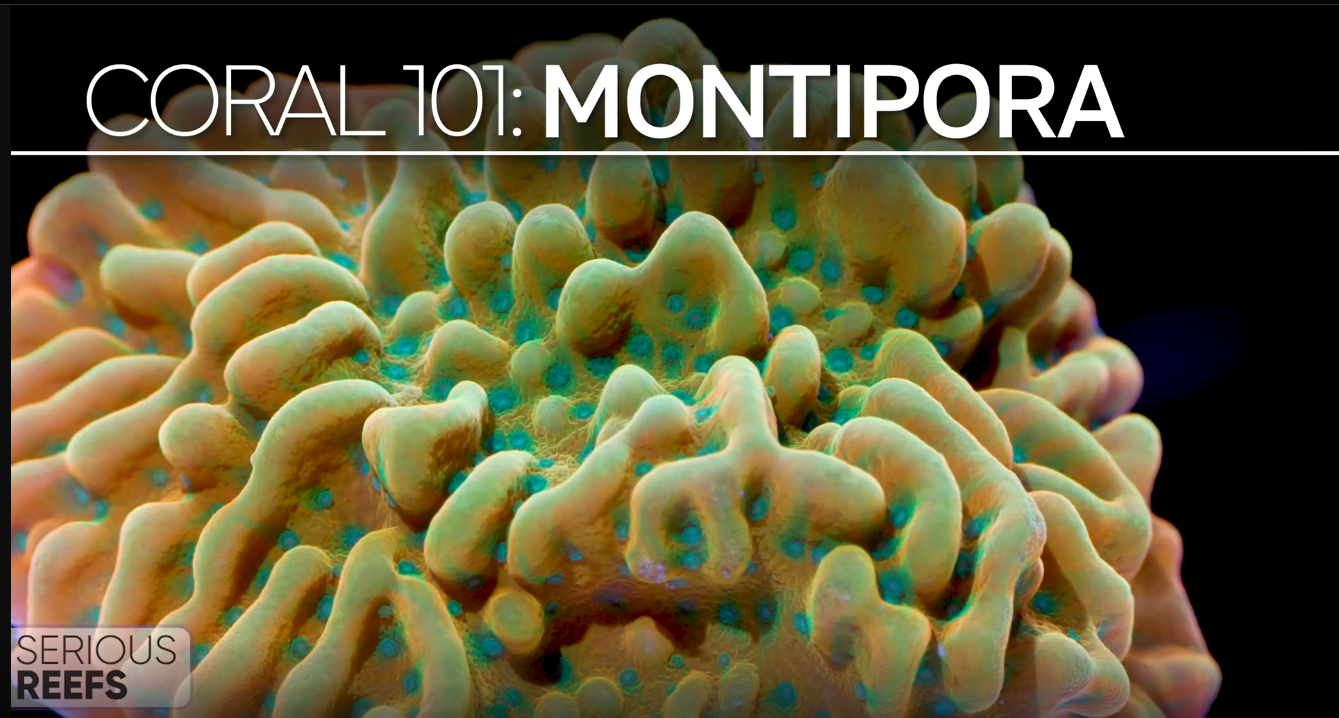
Montipora | Coral 101 Care Guide, Tips, & Troubleshooting
Montipora is a small polyp stony coral that I like to call the gateway into SPS. It delivers a lot of the aesthetics people chase in acropora without nearly the same level of headache. Montipora comes in an incredible range of growth forms, shapes, and colors—branching, encrusting, plating, and even hybrids that produce that melted crayon look. If you want a versatile, fast-growing SPS that can carry a show tank, Montipora is one of the best bets.
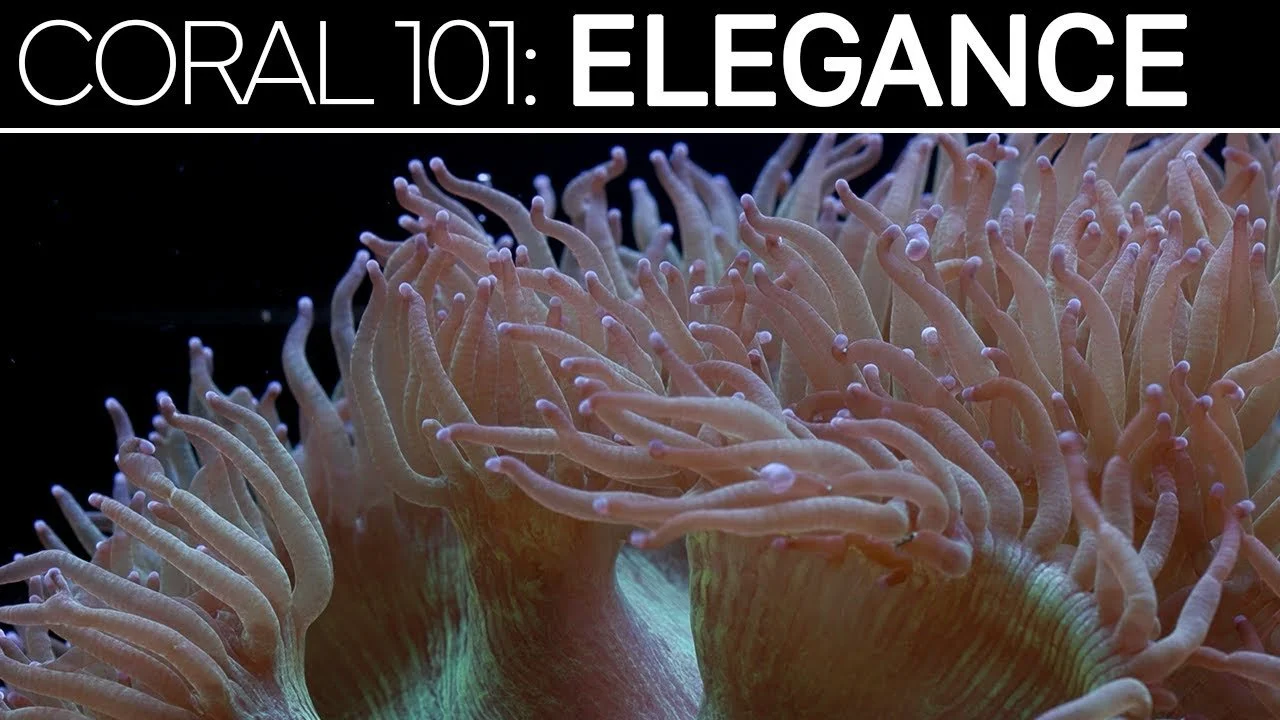
Elegance | Coral 101 Care Guide, Tips, & Troubleshooting
Elegance coral is one of those stand-out stony corals that draws hobbyists because of its anemone-like, flowing tentacles and dramatic presence. In this guide we cover everything you need to know to care for Elegance coral: lighting, flow, water chemistry, placement, feeding, pests, and common problems. We keep this practical and straightforward so you can succeed with these spectacular corals.h without the worry of them eating corals or invertebrates.
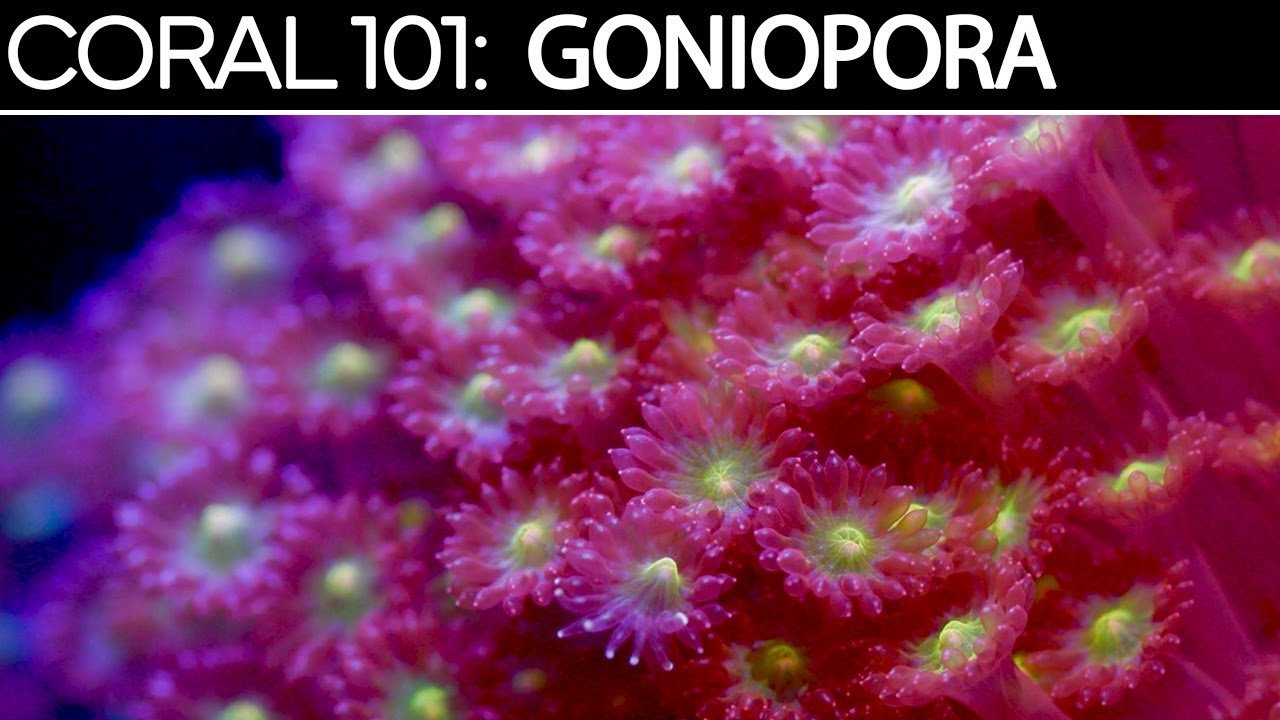
Goniopora | Coral 101 Care Guide, Tips, & Troubleshooting
Goniopra are the classic flower pot corals that many reef keepers love and fear at the same time. In this guide we cover everything we think is important for long term success: why they are so coveted, proper light and flow, water chemistry and trace elements, feeding, pests, dips, placement, and troubleshooting.