Montipora | Coral 101 Care Guide, Tips, & Troubleshooting
Montipora is a small polyp stony coral that I like to call the gateway into SPS. It delivers a lot of the aesthetics people chase in acropora without nearly the same level of headache. Montipora comes in an incredible range of growth forms, shapes, and colors—branching, encrusting, plating, and even hybrids that produce that melted crayon look. If you want a versatile, fast-growing SPS that can carry a show tank, montipora is one of the best bets.
Note: Paid YouTube SR Members Using A Chrome Browser can watch videos natively above on Seriousreefs.com. Sign up HERE
SR videos are a community funded member only resource. Serious Reefs buys everything we review, accepts no sponsorships, and your memberships make it possible to keep every review truly unfiltered.
What Makes Montipora Coral Special
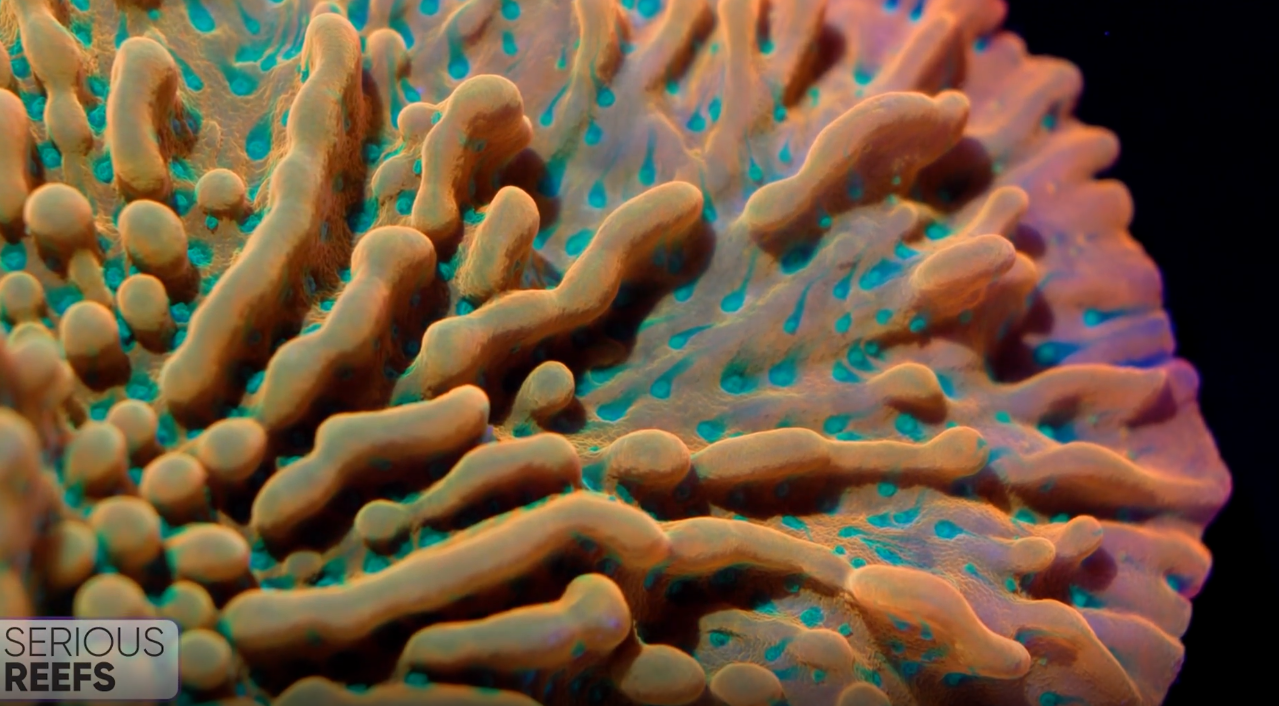
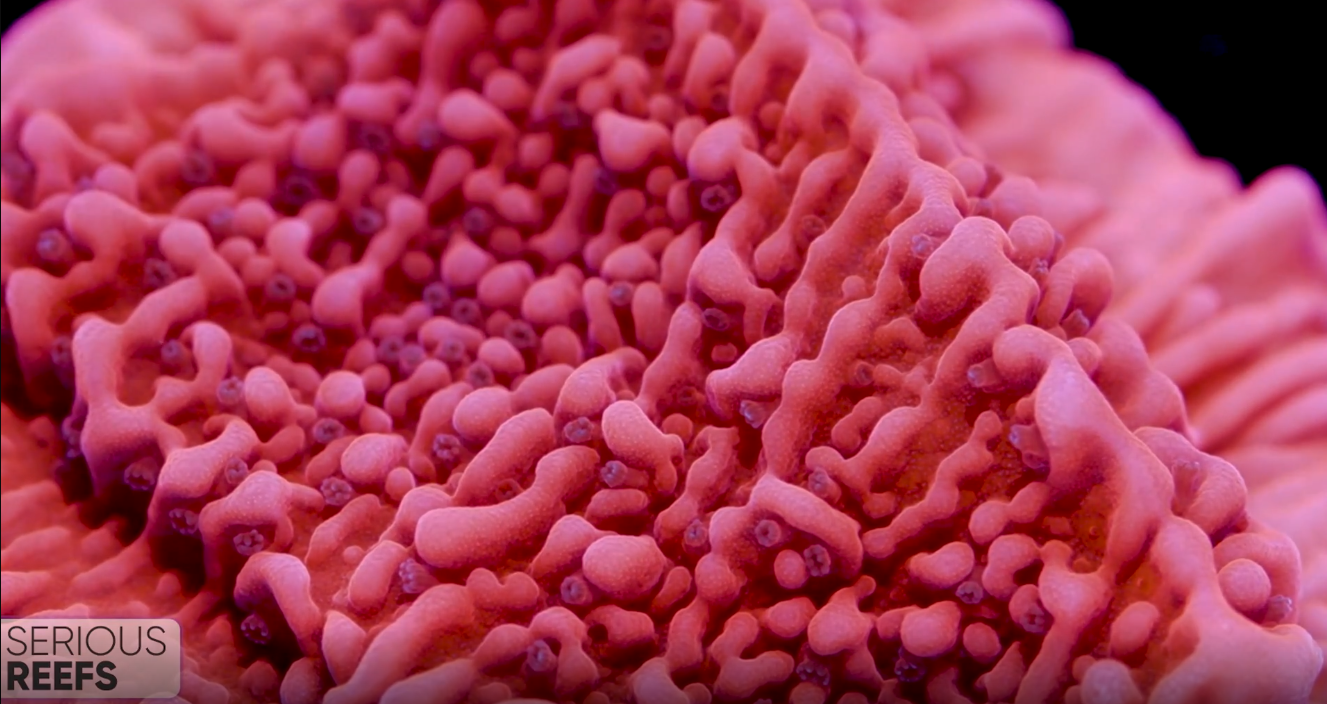
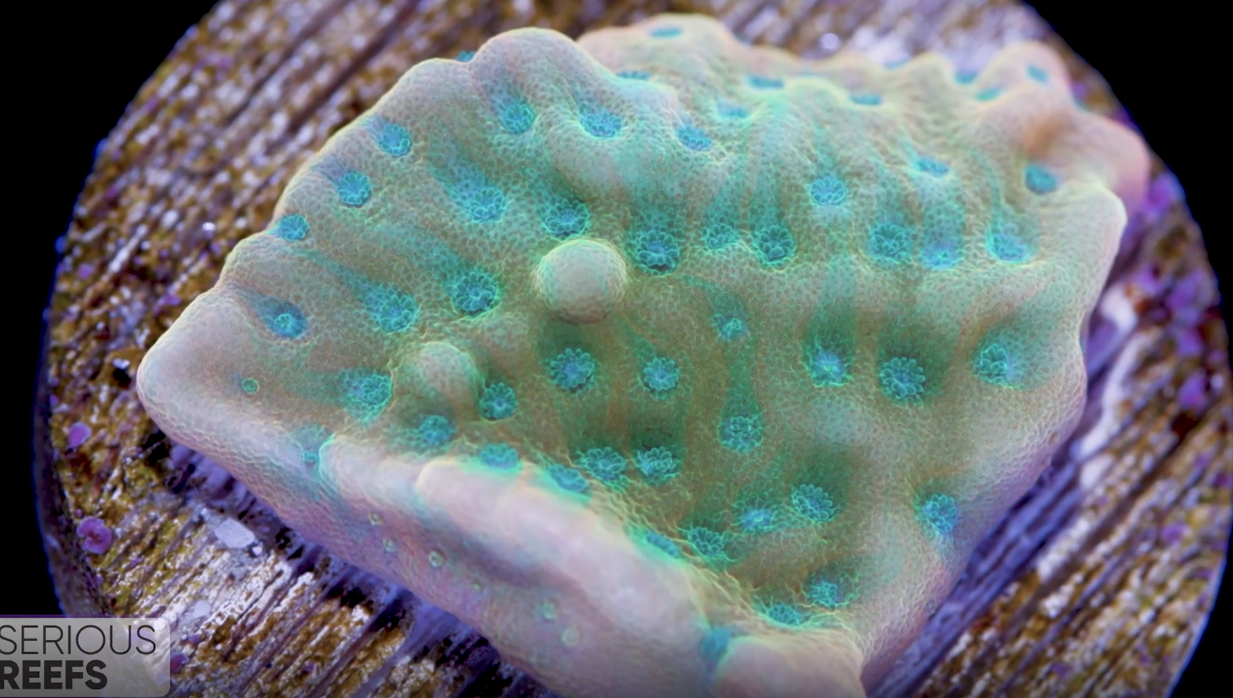
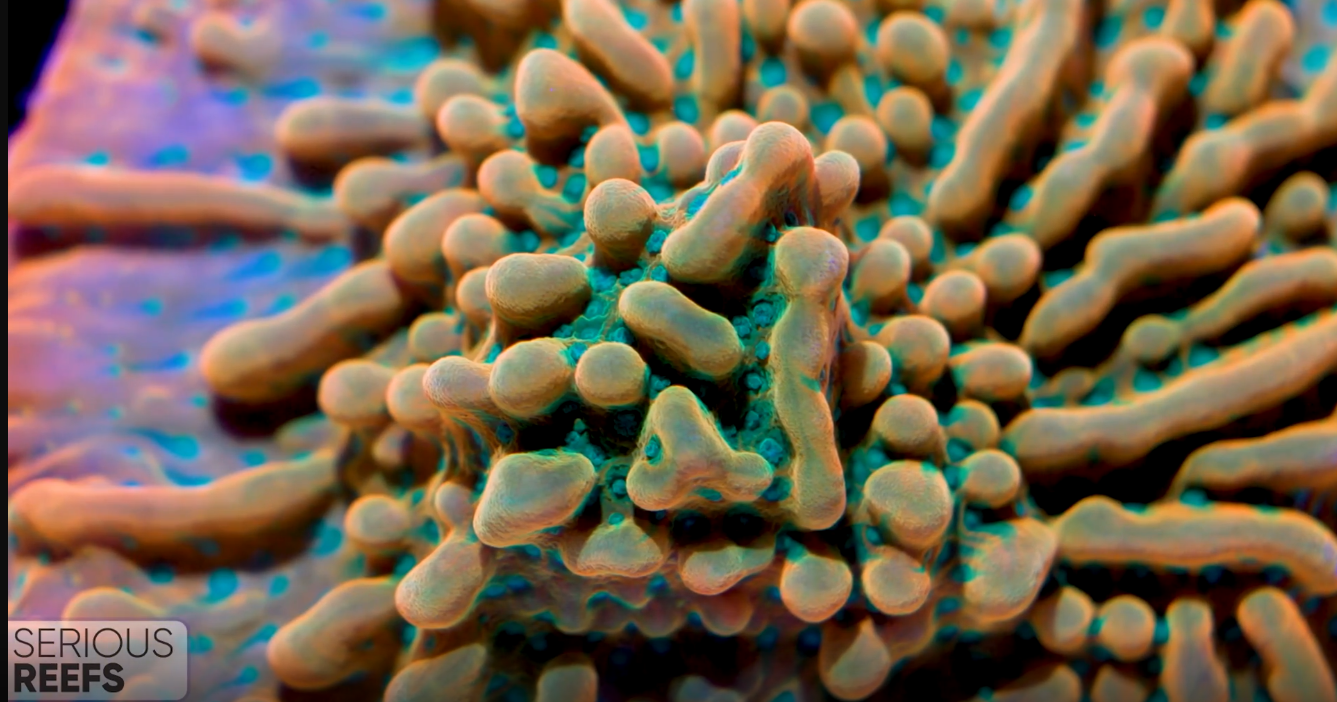
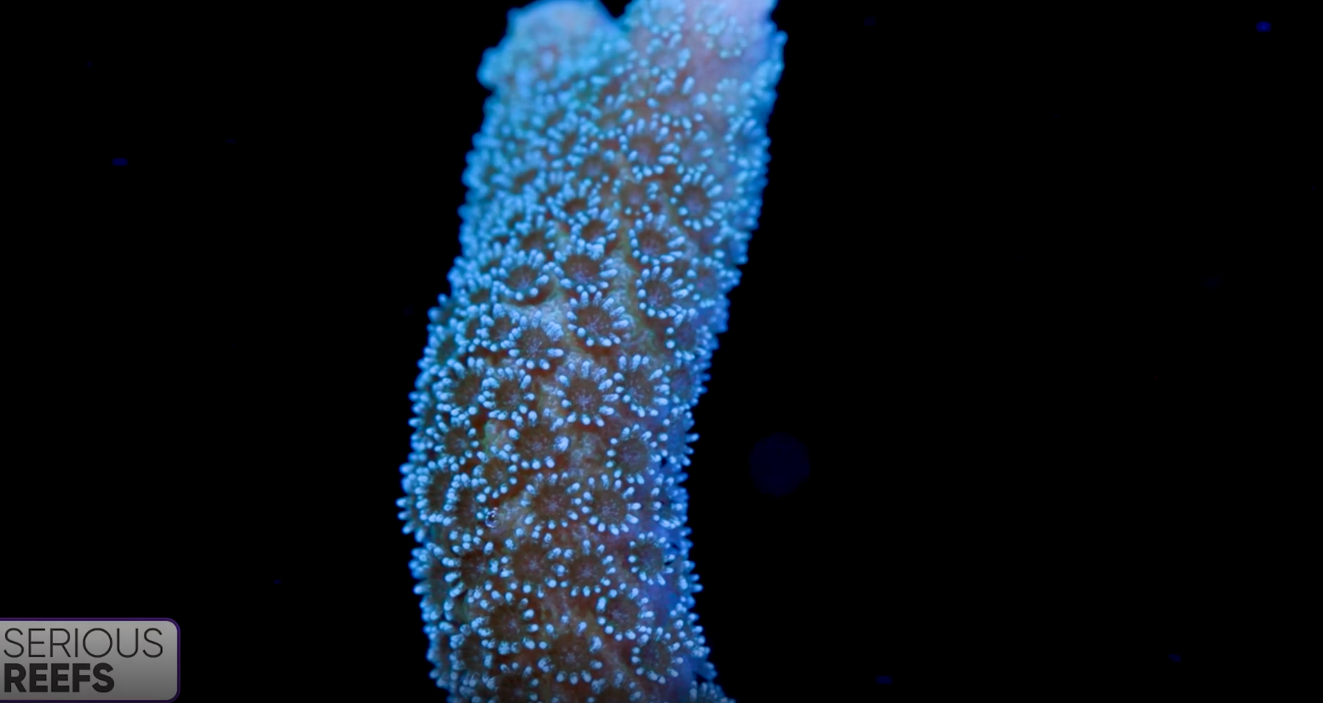
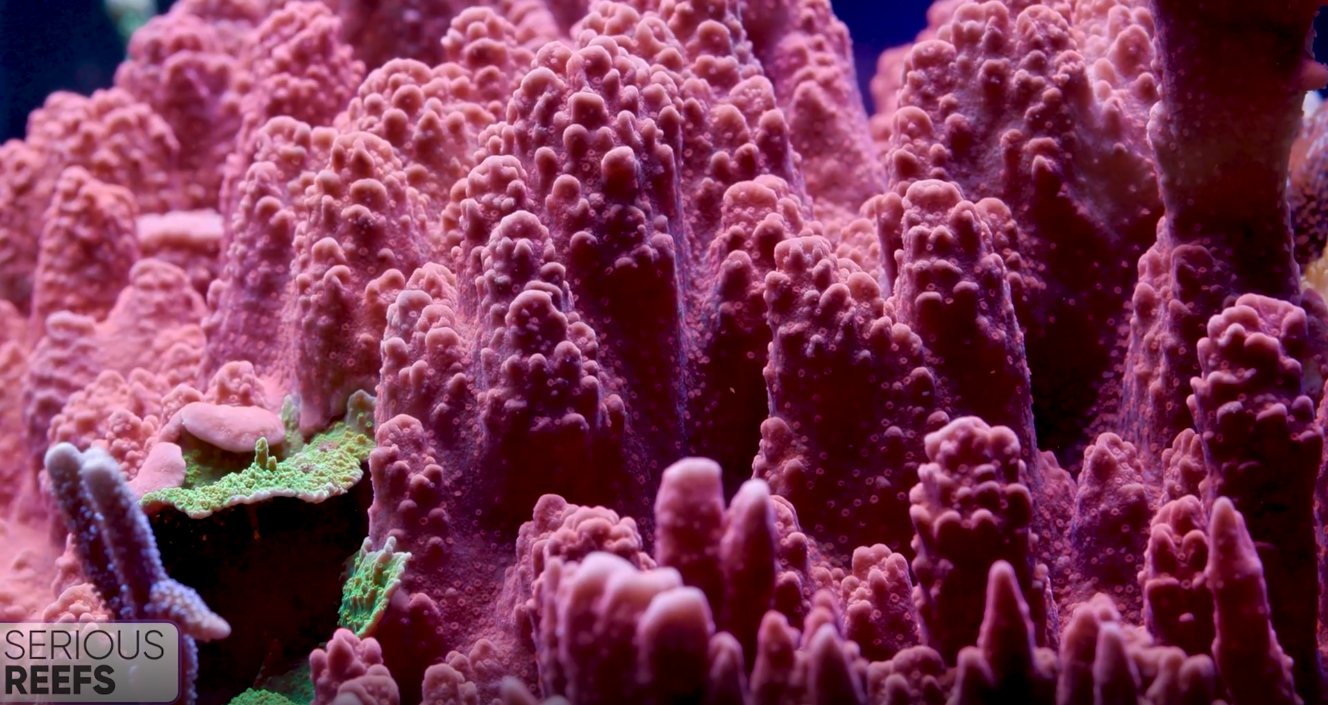
Montipora can be found in nearly every color and in many growth morphs:
Branching: Varieties that resemble small acropora branches.
Encrusting: Types that spread over rockwork.
Plating: Morphs that form bowls and large discs.
Hybrids and splice patterns: Create dramatic color blends, the so-called "melted crayon" effect.
Because of that variety, Montipora can be the main theme of a tank. A Montipora-only display can look like a full reef all by itself.


Quick Care Checklist
Lighting: 125-150 PAR, adaptable and up to 500 PAR is fine
Flow: Randomized, turbulent flow—not a straight, constant blast
Water chemistry: Stable calcium, alkalinity, and magnesium are essential.
Feeding: Avoid routine direct feeding unless you have a specific reason and can manage nutrient load.
Placement: Just about anywhere but watch for shading of neighbors
Dips: Be vigilant for Montipora-eating nudibranchs; treat infestations aggressively.
Lighting: Spectrum vs Intensity
In general, Montipora prefers higher light. A practical guideline is around 125 to 150 PAR. That said, Montipora is adaptable. We have seen colonies tolerate and thrive under much higher intensities, even 300 to 500 PAR.
What matters a lot is the spectrum. Some Montipora color up dramatically under very blue light; others show their best colors under daylight spectrum. You may find a colony that grows fine at low PAR but develops far better coloration at higher intensity or under a different spectrum. Expect to experiment with placement and lighting to find a sweet spot for coloration and growth.
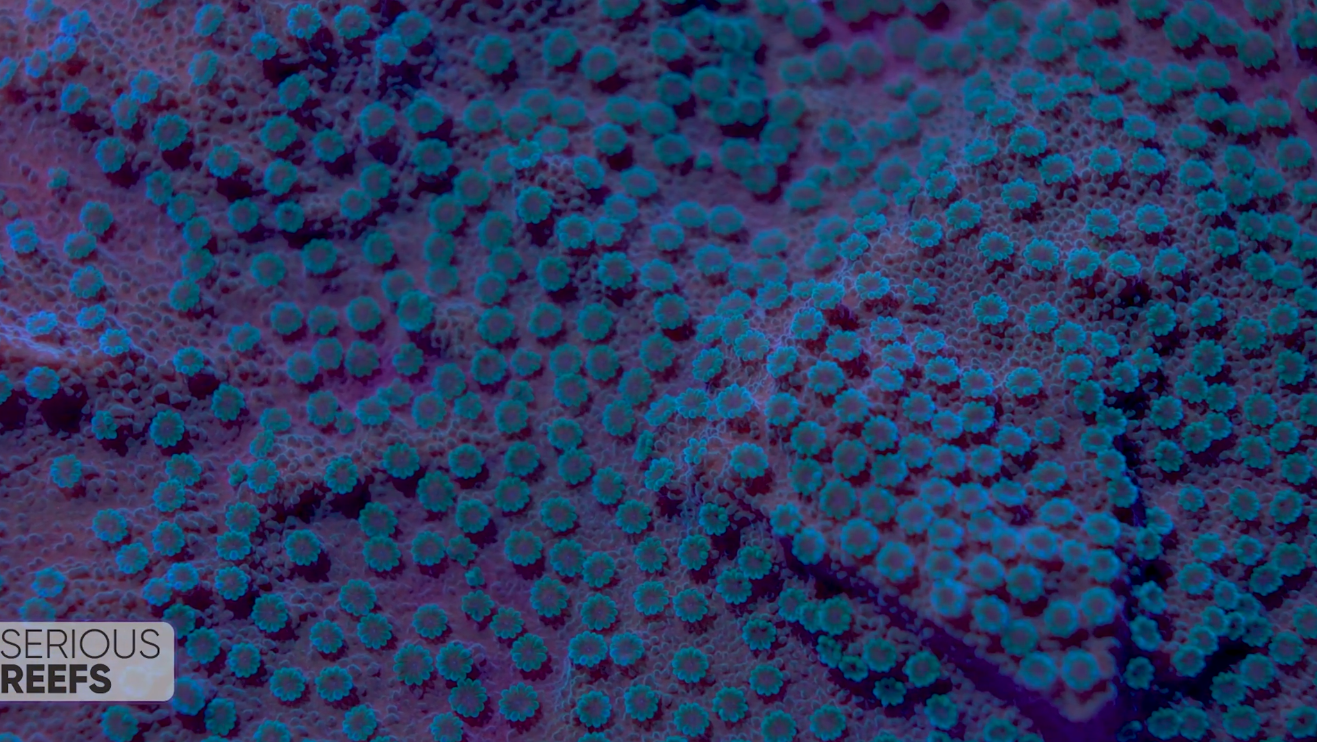


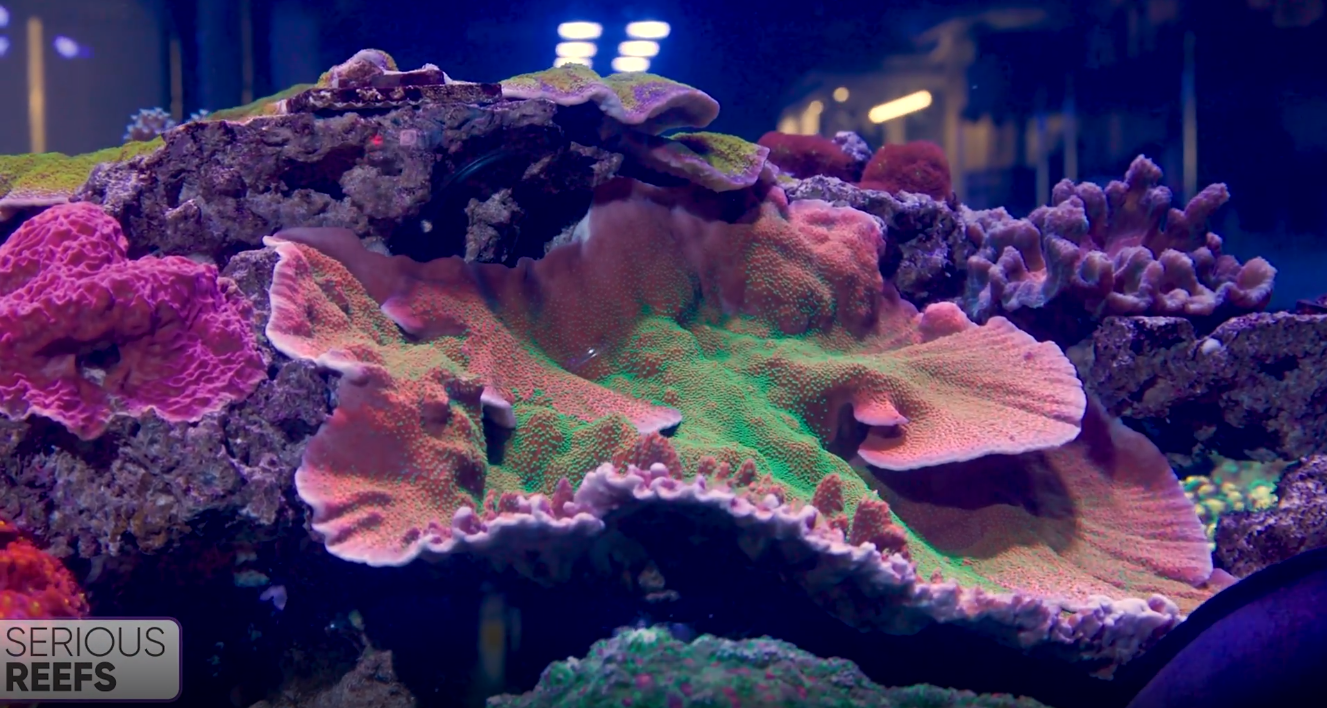
Water Flow: Randomized and Strong
Like other SPS, Montipora appreciates a lot of randomized, turbulent flow—not a straight, constant blast. Strong, varied flow keeps tissue healthy and prevents sediment from settling.
Be aware of the coral's own growth pattern: as branching colonies become more intricate they can reduce flow into their interior and create dead spots. Plating Montipora form bowls that collect detritus. If detritus settles inside a plate bowl it will kill that area, and decay can lead to wider problems by attracting pests or disease. The rule of thumb is:
Audit and vary your flow regularly.
Prune back colonies when they begin to create shading or dead spots.
Increase flow if you see plates collecting debris or interior tissue starting to recede.

Tunze Stream Pump

Jebao Gyre
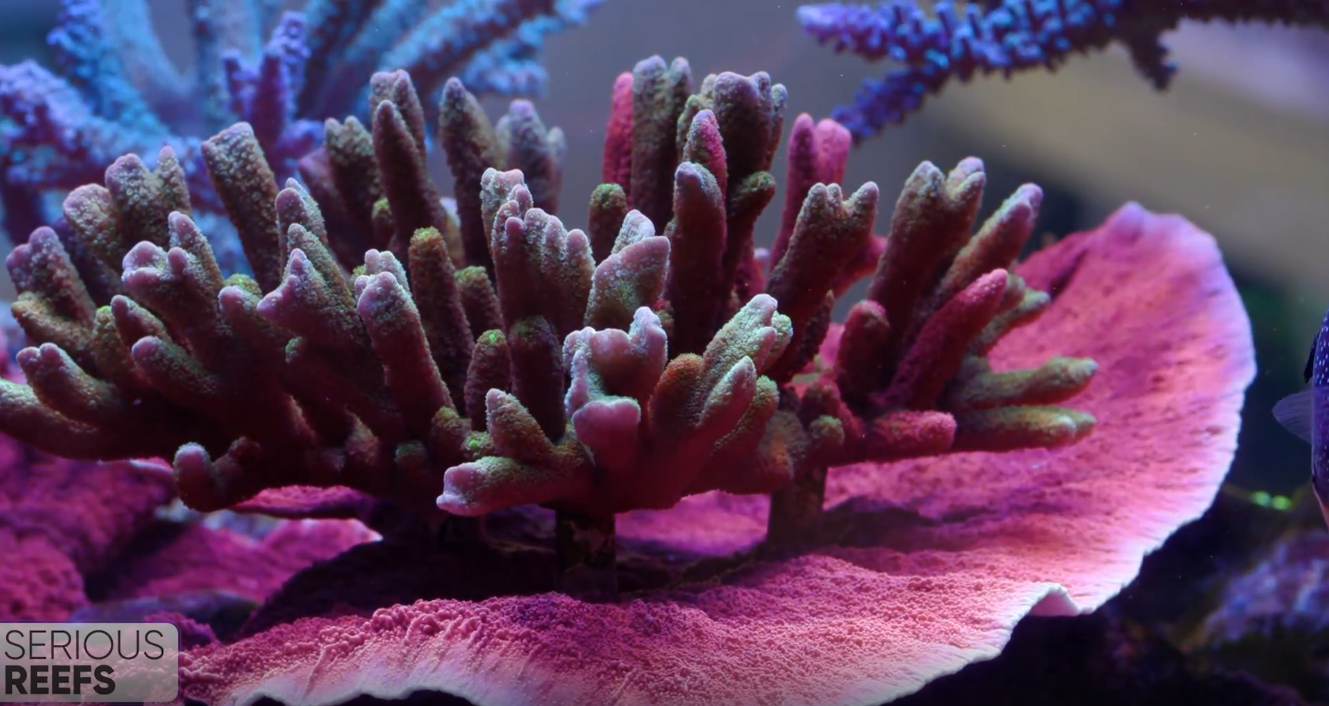
Coral within Montipora Colony
Placement and Layout
Placement depends on the morph and your goals. People often place Montipora high in the tank to maximize light, but plating morphs can grow large and shade everything below. Be ready to move or prune corals that become shaded.
Bottom placement is not out of the question. If you already run an SPS-oriented system you likely have enough light to keep some Montipora healthy on the lower rockwork. Large public aquarium colonies have been documented at massive sizes—12 feet across—so be prepared for continuous growth.
You can also combine morphs creatively. For example, a branching Montipora grafted into the center of a plating colony creates an antler-in-a-bowl look that can be striking.
Growth Rate and Management
Montipora is generally very fast growing. That is both a blessing and a liability: rapid growth can "self-sabotage" the colony by creating its own poor flow or shading other corals. Regular pruning and rearranging of flow and neighbors are part of responsible Montipora care.
Water Chemistry: The Essentials
As a fast-growing SPS, Montipora needs stable major elements. If you keep calcium, alkalinity, and magnesium stable you are already 95 percent of the way to success.
Trace elements can matter, too. Anecdotally, we had some very slow-growing Montipora that remained stagnant for years until we started a blanket trace element addition. Within a year those colonies exploded in growth. That was a niche case, but it shows trace supplementation can unlock growth problems in some situations. Use trace additions carefully and monitor your tank's response.

Montipora Major Elements
Nutrients: Nitrate and Phosphate
Yes, watch your nitrate and phosphate. Lower nutrient systems generally make it easier to achieve peak coloration in Montipora. Excessive phosphate and nitrate can blunt colors and affect growth. Keep nutrients balanced for the best visual results. Nitrates between 5-20ppm and phosphates around 0.1ppm are a great target.
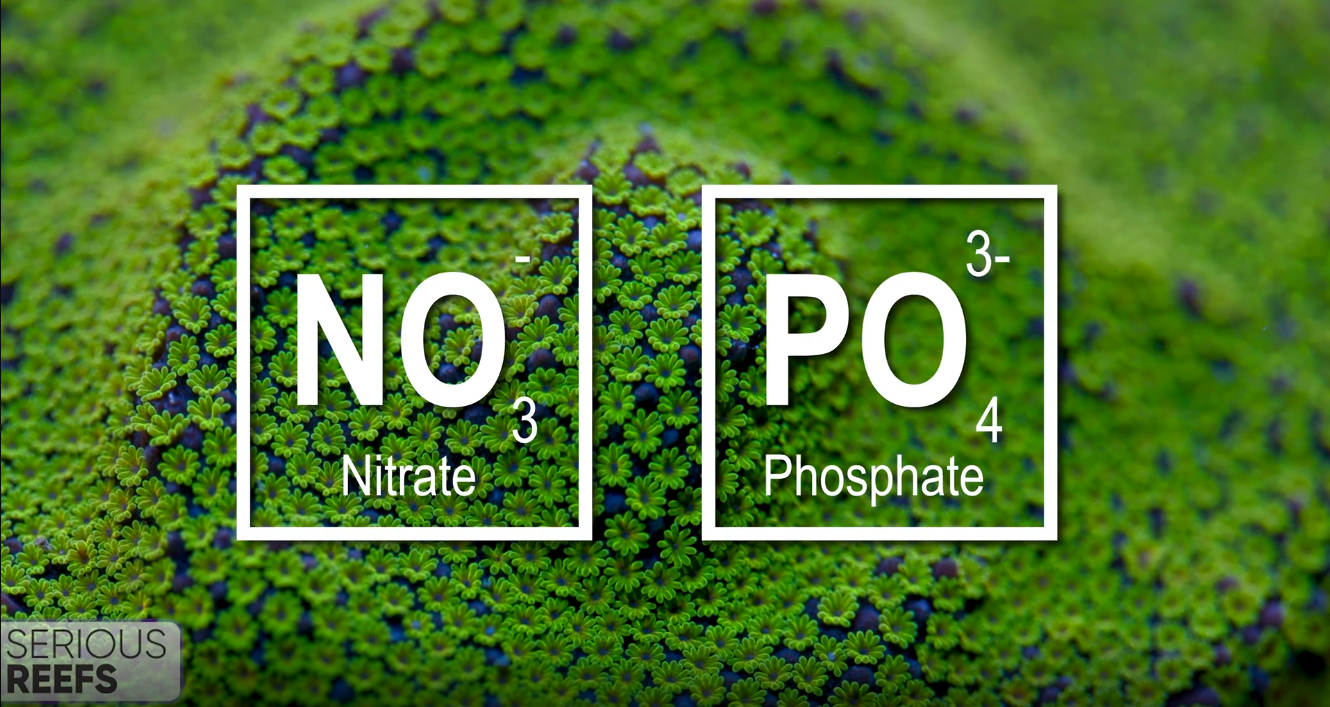
Montipora Nutrients
Feeding and Nutrition
We do not recommend routine feeding specifically for Montipora. While they can take up bacterial products or amino acids and you might notice pop corallites extending during such feedings, the practical benefits are limited. You can achieve peak growth and coloration without targeted feeding, and the risk of overfeeding and causing nutrient spikes often outweighs the marginal gains.
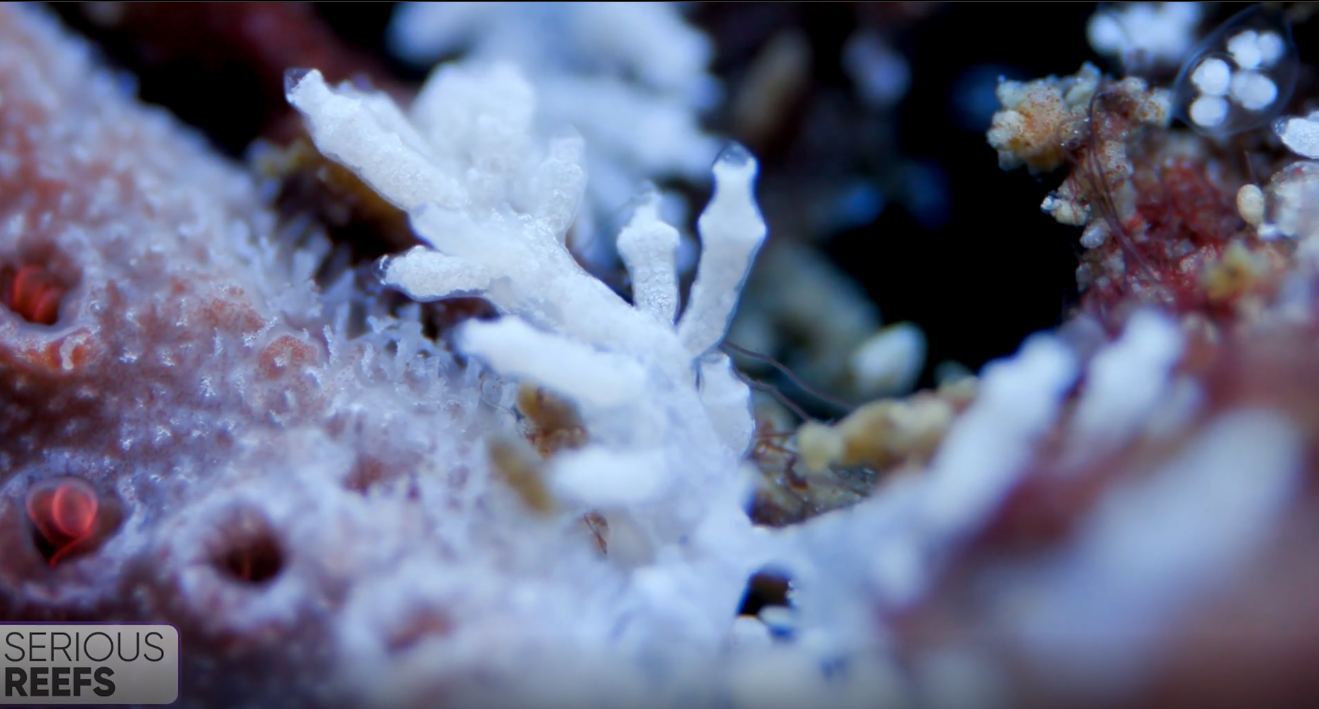
Monti Eating Nudibranch
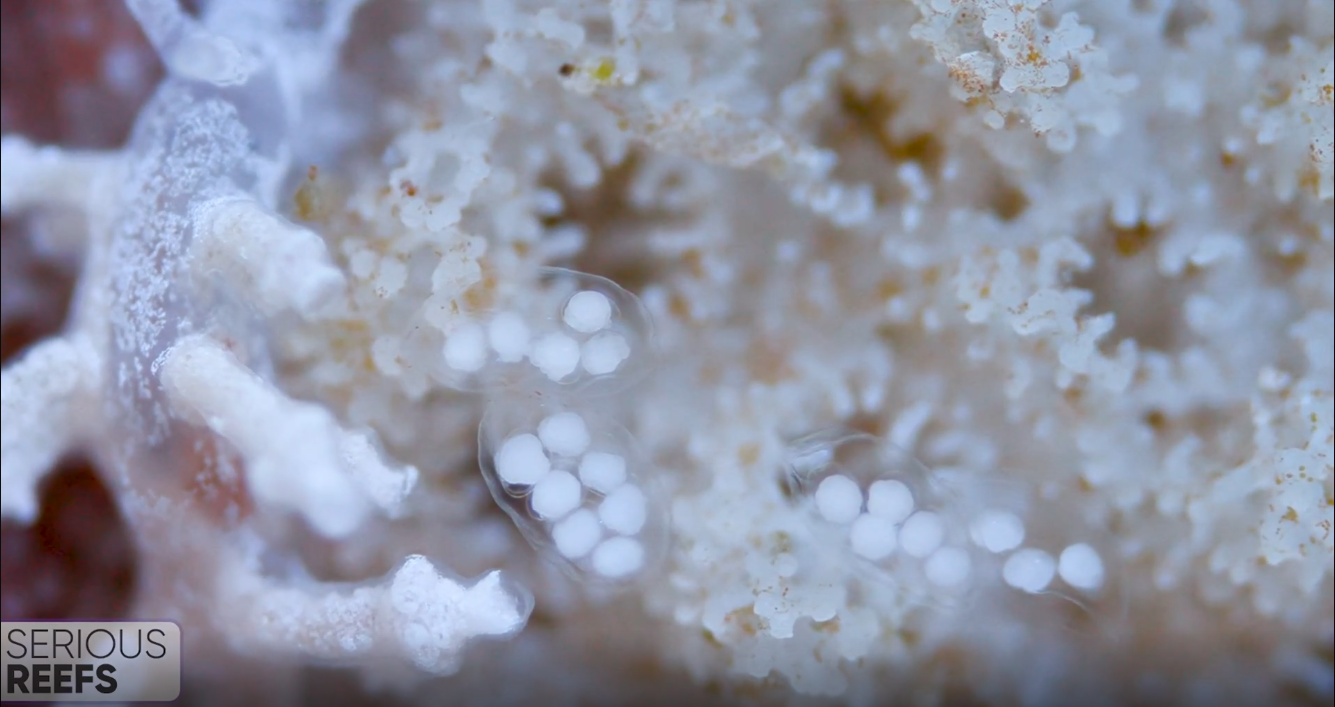
Monti Eating Nudibranch Eggs
Pests: The Big Danger
The pest to fear most with Montipora is the Montipora-eating nudibranch. This critter will do more than be an eyesore. It can kill a Montipora colony and then spread to every other Montipora in the system and potentially to related SPS like Acropora. The problem is compounded because:
The nudibranchs can be very resilient; their eggs can survive harsh treatments and remain dormant for a long time.
Dips that kill visible adults may not eliminate eggs or wandering nudibranchs elsewhere in the tank.
Even if you remove and dip all Montipora, nudibranchs can re-find new hosts once you reintroduce the corals.
If you are fighting a widespread Montipora-eating nudibranch problem, the harsh reality is you may need to remove all Montipora from the system to stop the cycle.
Final Thoughts
Montipora is one of the most versatile and visually rewarding SPS corals. Its variety of forms and colors make it both a beautiful centerpiece and a practical stepping stone for hobbyists moving into SPS keeping. With proper lighting, strong randomized flow, stable major elements, and vigilance against pests, Montipora will reward you with fast growth and spectacular coloration.
Get comfortable auditing flow, pruning as needed, and dialing in light and nutrients for each individual colony. Done right, Montipora can carry an entire show tank on its own.
Montipora FAQ
What PAR range should we aim for with Montipora?
Start around 125 to 150 PAR for most Montipora. Some colonies will do well at lower or substantially higher levels, so observe each colony and adjust. Spectrum matters as much as intensity.
How much flow does Montipora need?
Montipora prefers strong, randomized flow. Avoid constant direct blasts and provide varying directions to prevent detritus settling. Increase flow if you notice dead spots inside branching colonies or detritus collecting in plating bowls.
Do we need to feed Montipora directly?
Direct feeding is not necessary for most systems. Montipora will often reach peak growth and coloration without targeted feeding. If you choose to feed, do so cautiously to avoid nutrient spikes.
How do we deal with Montipora-eating nudibranchs?
They are a serious pest. Dips can remove adults, but eggs and roaming individuals make eradication difficult. Severe infestations may require removing all Montipora from the tank and treating the system to eliminate the pest population.
Are trace elements necessary for Montipora?
Stable calcium, alkalinity, and magnesium come first. Some Montipora will respond positively to broad-spectrum trace element additions, and in niche cases trace supplementation has unlocked rapid growth. Use trace elements carefully and monitor coral response.
Should we place Montipora at the top or bottom of the tank?
Montipora can thrive near the top, middle, or bottom depending on your lighting and the specific morph. Plating types placed high can shade corals below, so plan for pruning or rearrangement. If your system already supports SPS lighting, bottom placement can also yield excellent results.
What’s Next?

Acknowledgments
Thank you to Than Thien for sharing his knowledge with the SR community. Thank you to Ryan Thompson for summarizing the video and making it available to everyone.
Thank you to the Serious Reefs community. Your membership funds the creation of articles and videos like this one.
Support Serious Reefs
Patreon is the best option If you…
Want to discuss with the SR community and ask questions.
Want immediate notifications of every release.
Listen with phone screen off. Patreon app works with phone closed
Want 25% off via annual discounts.
YouTube members is the best option If you…
Watch SR videos on a TV via youtube App
Want to watch videos natively here on seriousreefs.com - (You must use chrome browser and be logged into google account with youtube membership)
Are a YouTube power user.
Tell a friend. Best option if want more SR (and faster).
If you like what we’re doing, give SR a quick shout-out on your favorite forum, YouTube, Facebook, TikTok, or Instagram. Let your local fish store know SR is helping you explore the hobby and keep it fun. Thanks for the support!
Disclaimer
Full Disclaimer HERE. This is the gist of it.
Content is based on personal experience, not professional advice. Do your research and reef responsibly. Serious Reefs should not be your sole source of information on any topic.
By watching, you agree that Serious Reefs and its creators aren’t liable for how you use this info. Please don’t utilize our information if you are not ok with this.
Serious Reefs has no sponsors, doesn’t accept product, or payment for reviews. We do use affiliate links in articles that earn a small commission to support our work. Shop wherever you like, we won’t be offended.
Chalice corals aren’t a single species so much as a convenient name for a family of plating large polyp stony corals. Genera you’ll commonly see include Echinopora, Oxypora, Mycedium, and Echinophyllia. They share a cup or plate-like growth form, but they vary wildly in color, texture, and the way they plate out. Many of the corals available today are aquacultured, and their captive growth habits often flatten and blur the differences between genera, which is why identification can be tricky