CORAL 101: Fungia
Fungia: Their time to shine!
Coral 101: Fungia
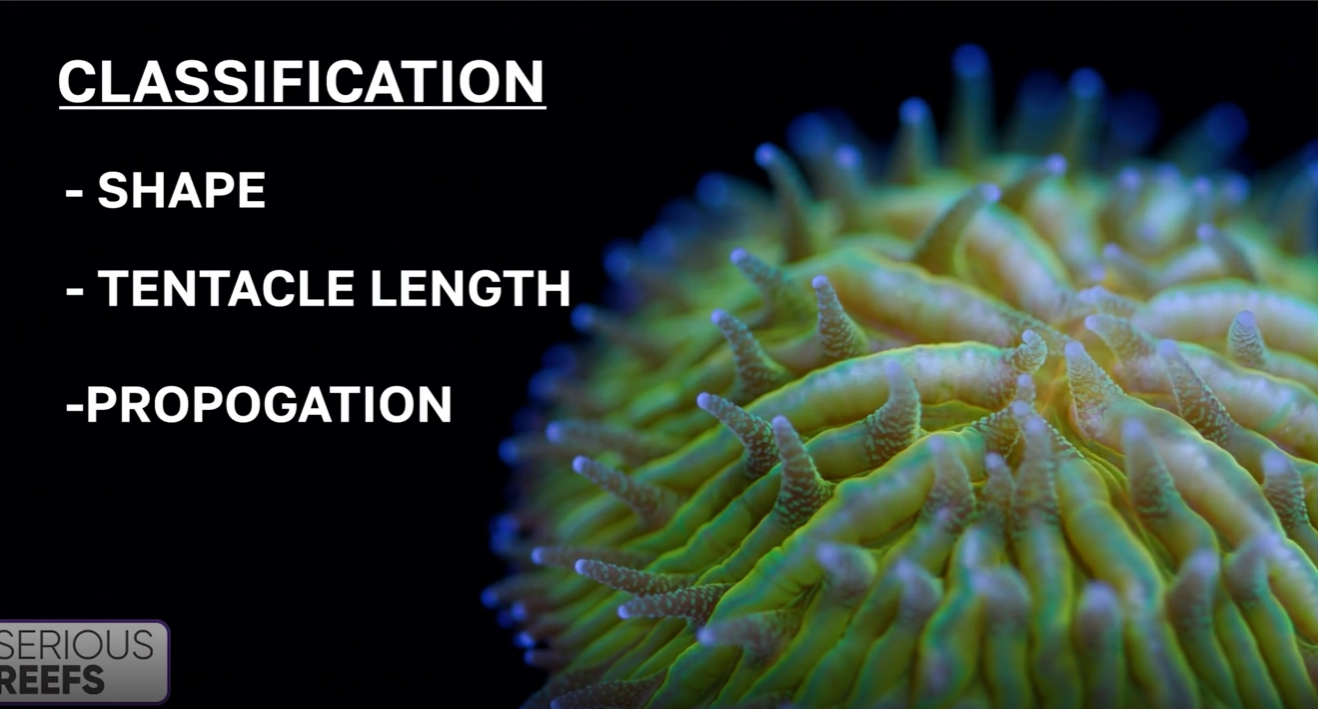
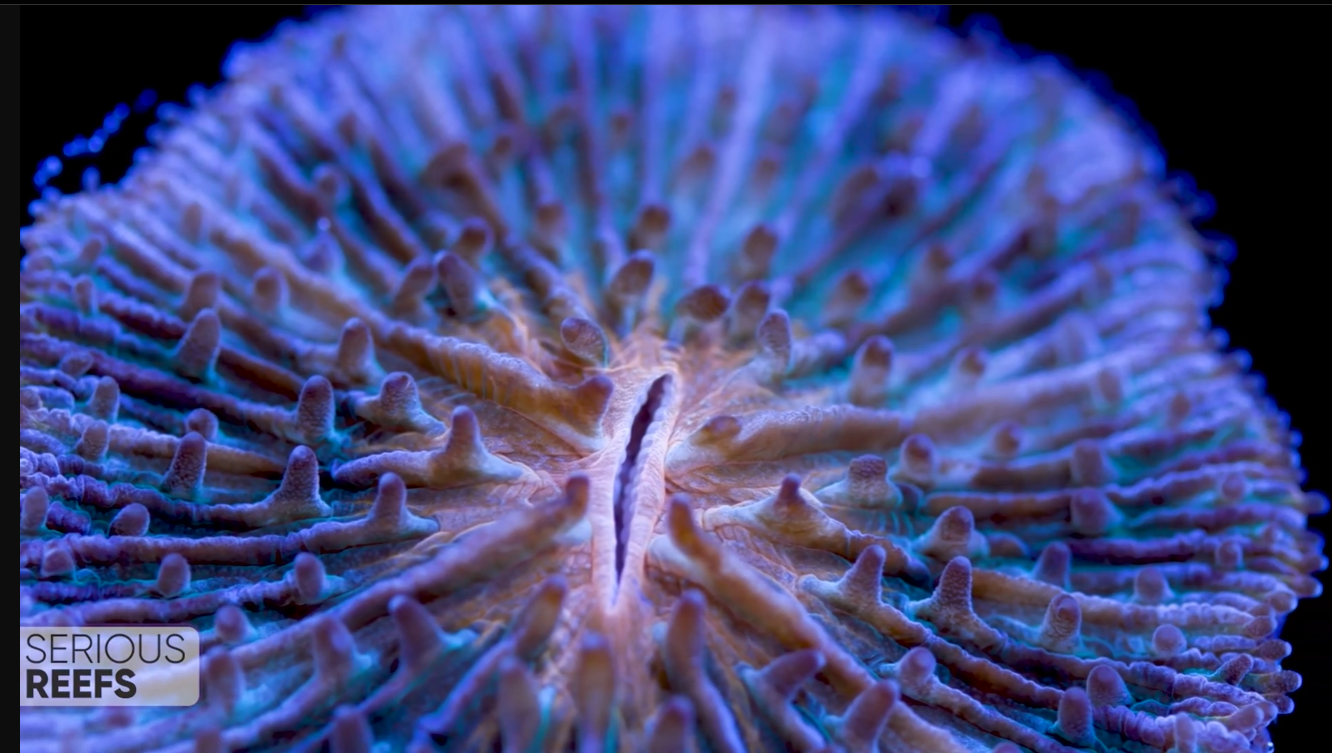
Fungiid plate corals are some of the most distinctive and rewarding corals to keep. They are large polyp stony corals that come in a wide variety of shapes, tentacle lengths, and colors. Because many different genera share the same flattened, plate-like form, hobbyists often group them together as plate corals. This guide explains what makes them special, how to care for them, and the practical tips that keep them healthy and colorful in our tanks.
Note: Paid YouTube SR Members Using A Chrome Browser can watch videos natively above on Seriousreefs.com. Sign up HERE
SR videos are a community funded member only resource. Serious Reefs buys everything we review, accepts no sponsorships, and your memberships make it possible to keep every review truly unfiltered.
What are fungiid plate corals?
Fungiid plates include several genera commonly available in the hobby — for example, Fungia, Cycloseris, Daseris, and related plate-like corals. Taxonomy in this group is messy, so labels at the store are often based on appearance and propagation characteristics rather than strict scientific classification.
Key features:
Large polyps with a hard skeleton.
Plate or disk shape that may be flat or slightly cupped.
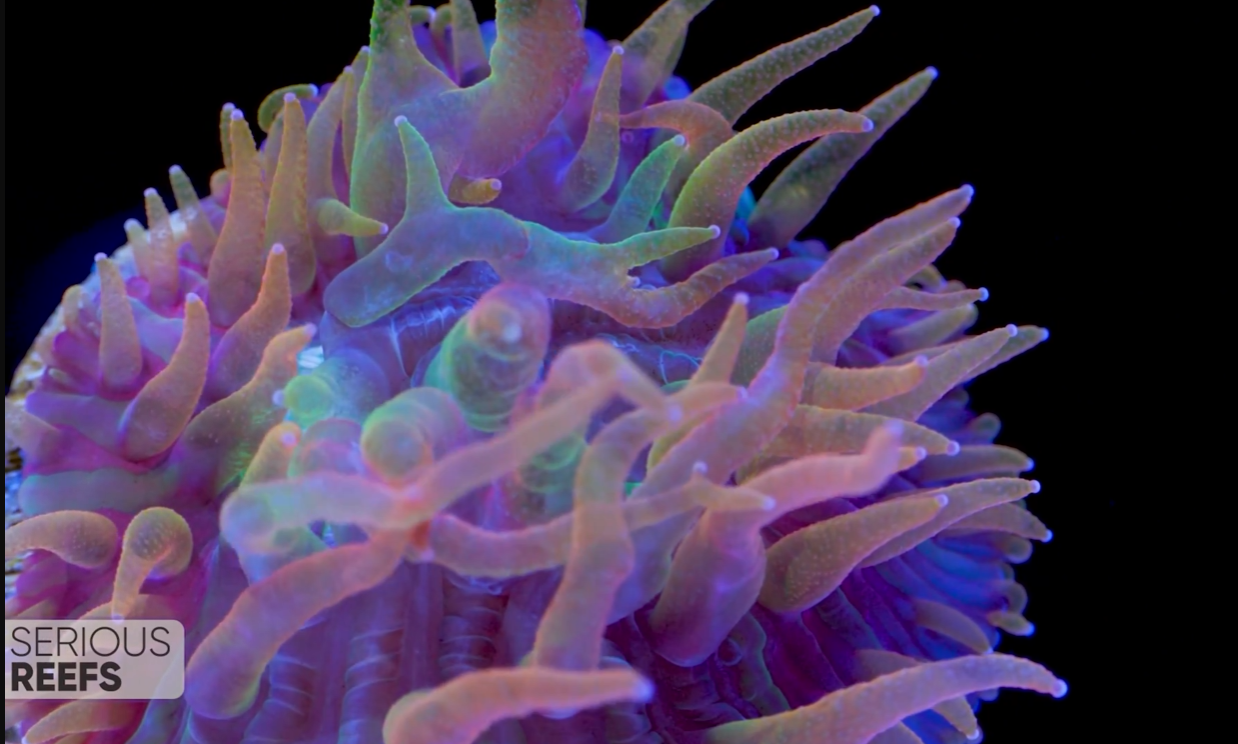
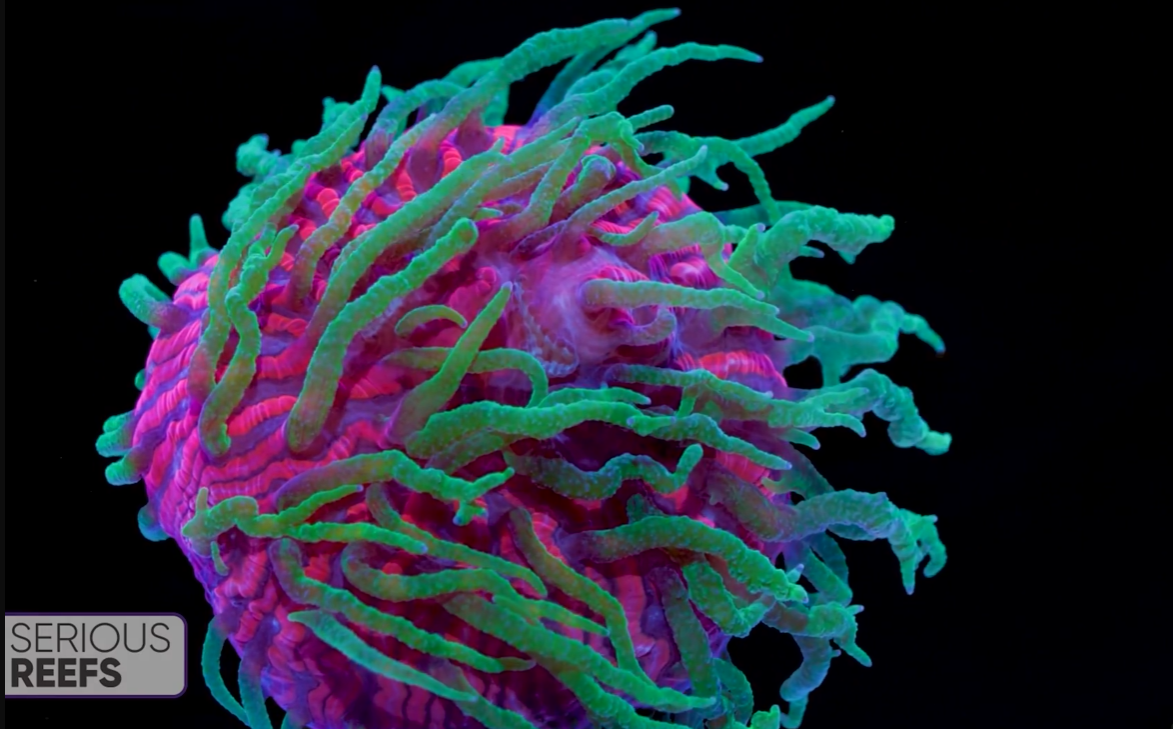
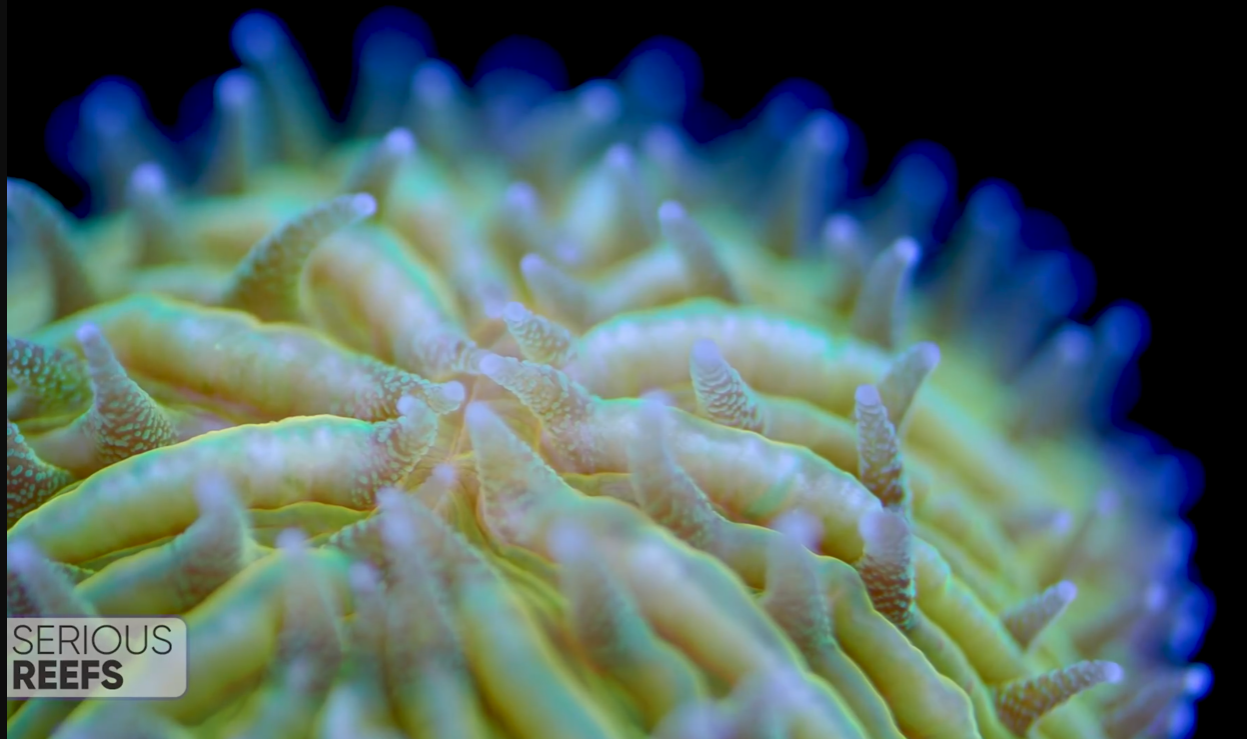
Tentacle length varies widely — from short, stubby tentacles to long, flowing ones.
Ability to move by inflating and contracting tissue, allowing them to scoot across the substrate.
Quick Care Checklist
Lighting: 50–150 PAR, blue spectrum for best fluorescence.
Flow: Low to moderate, steady, avoid strong jets.
Placement: Substrate or coarse rubble; consider baskets to limit movement.
Water chemistry: Maintain calcium, alkalinity, magnesium; control nitrates and phosphates.
Feeding: Occasional small meaty foods or powdered coral foods; reduce flow during feeding.
Why Plate Corals Are Trending
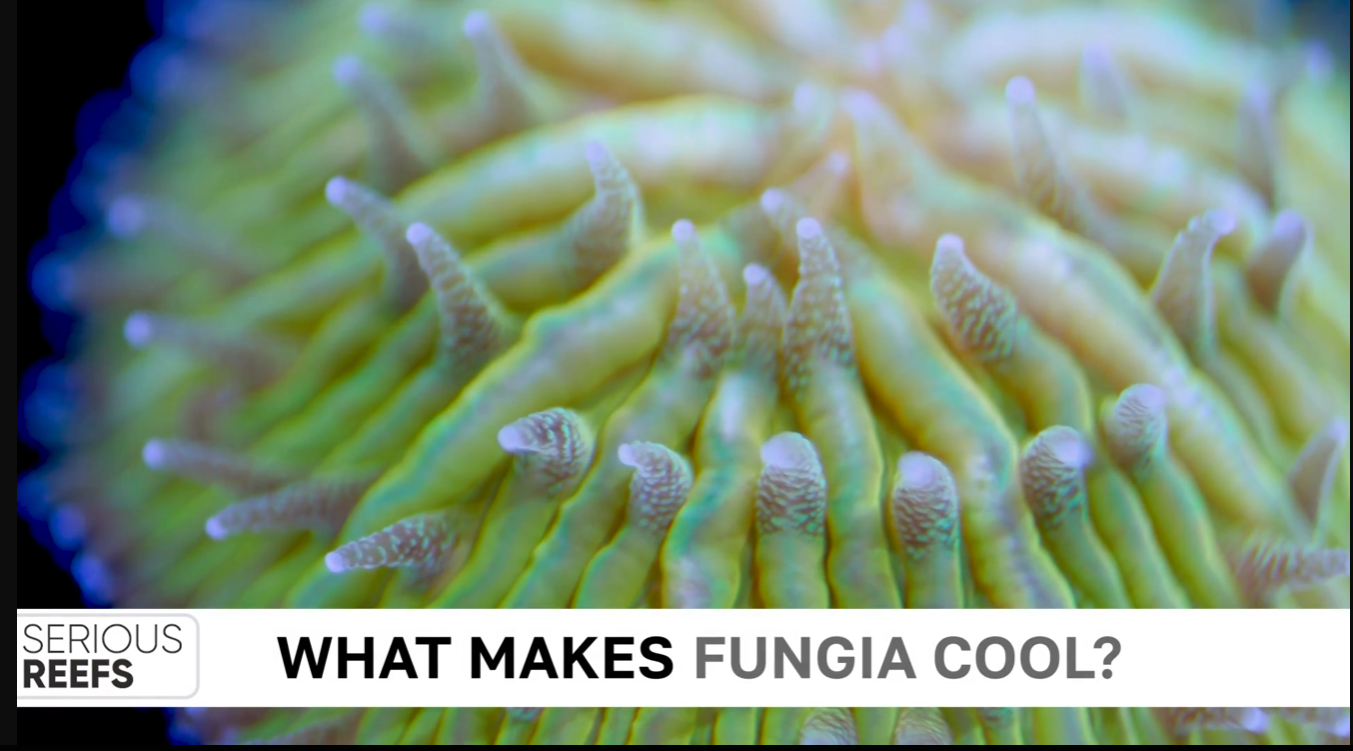
What makes them cool?
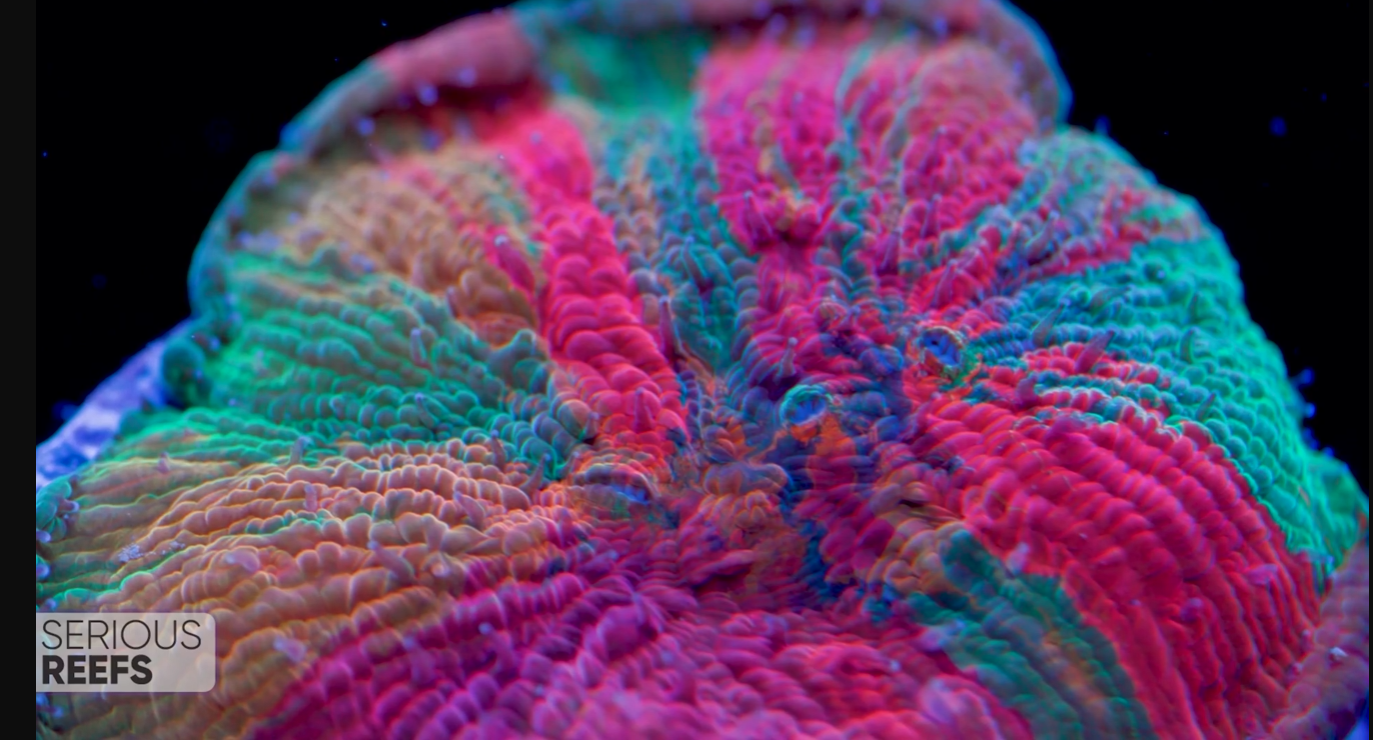
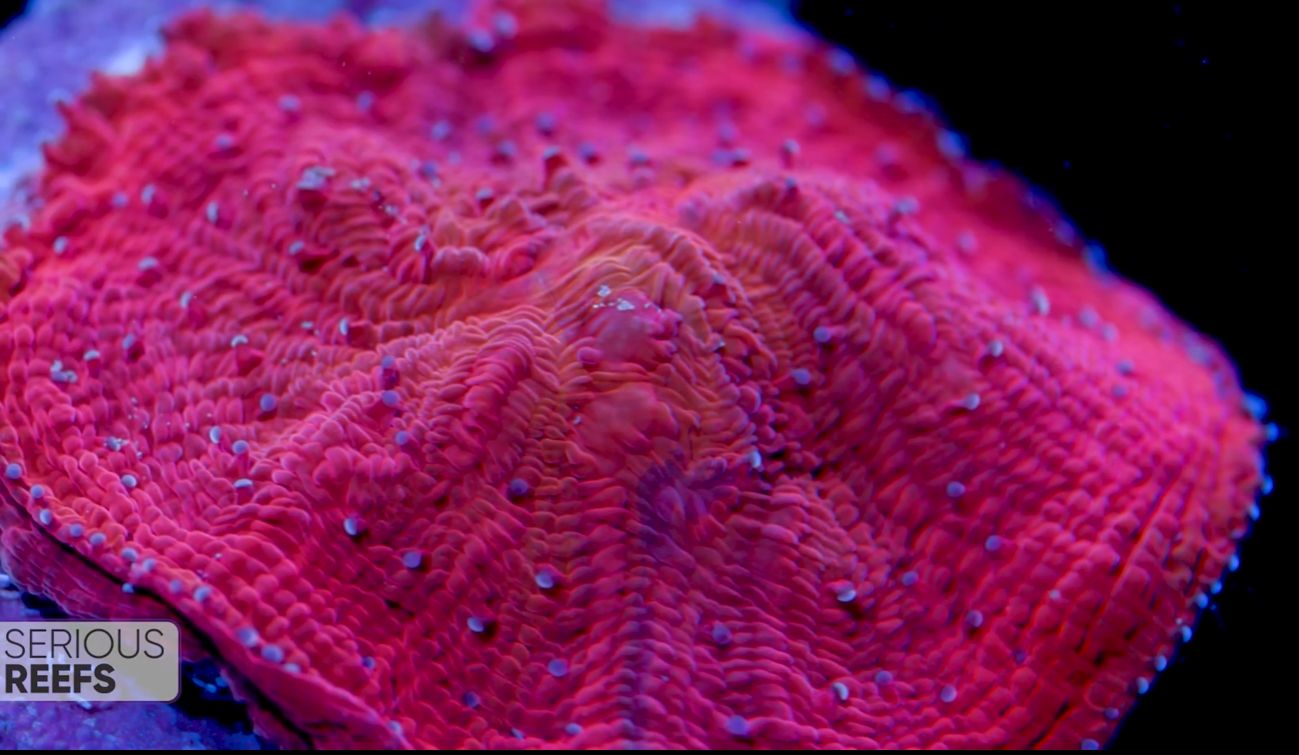
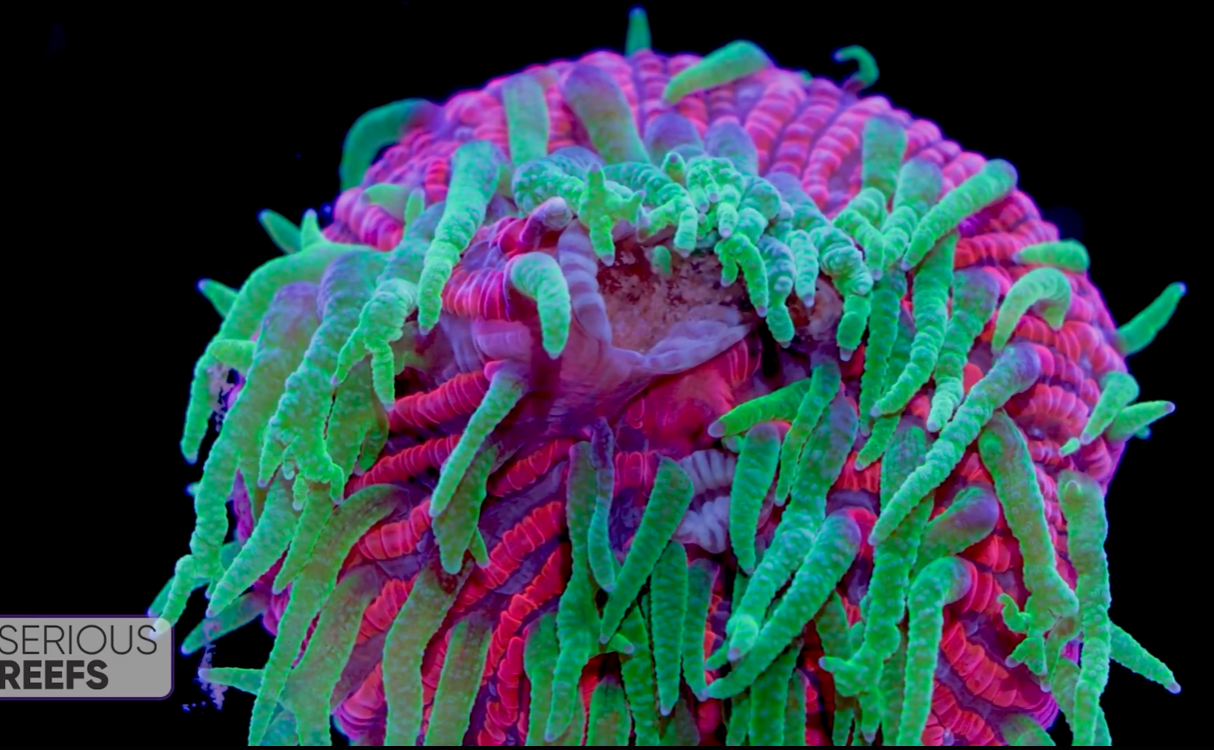
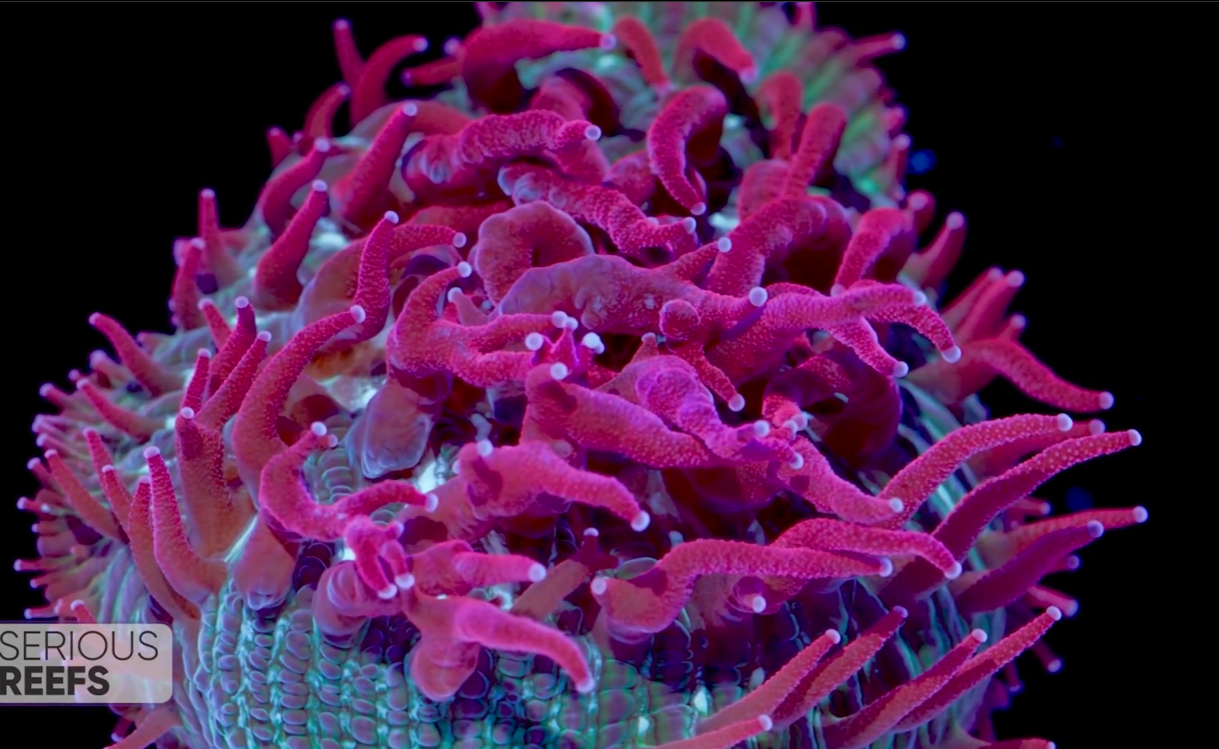
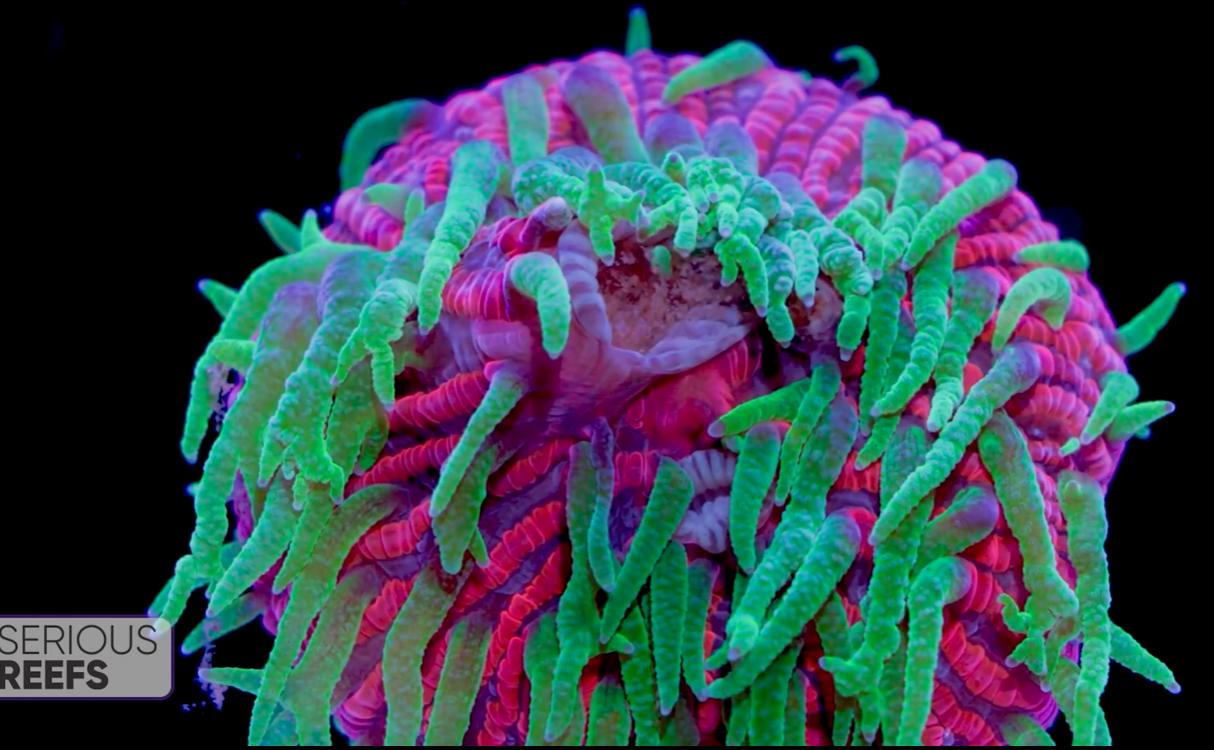
Plate corals are going through a resurgence. Recent years have produced striking color morphs that were rare or unavailable before. Examples include rainbow-patterned specimens and highly saturated variants nicknamed things like “Diablo Daseris” and the “insanity plate” that displays bright fuchsia bodies and contrasting tentacles. These unique looks have pushed interest among collectors and reef keepers.
Lighting: Intensity vs. Spectrum
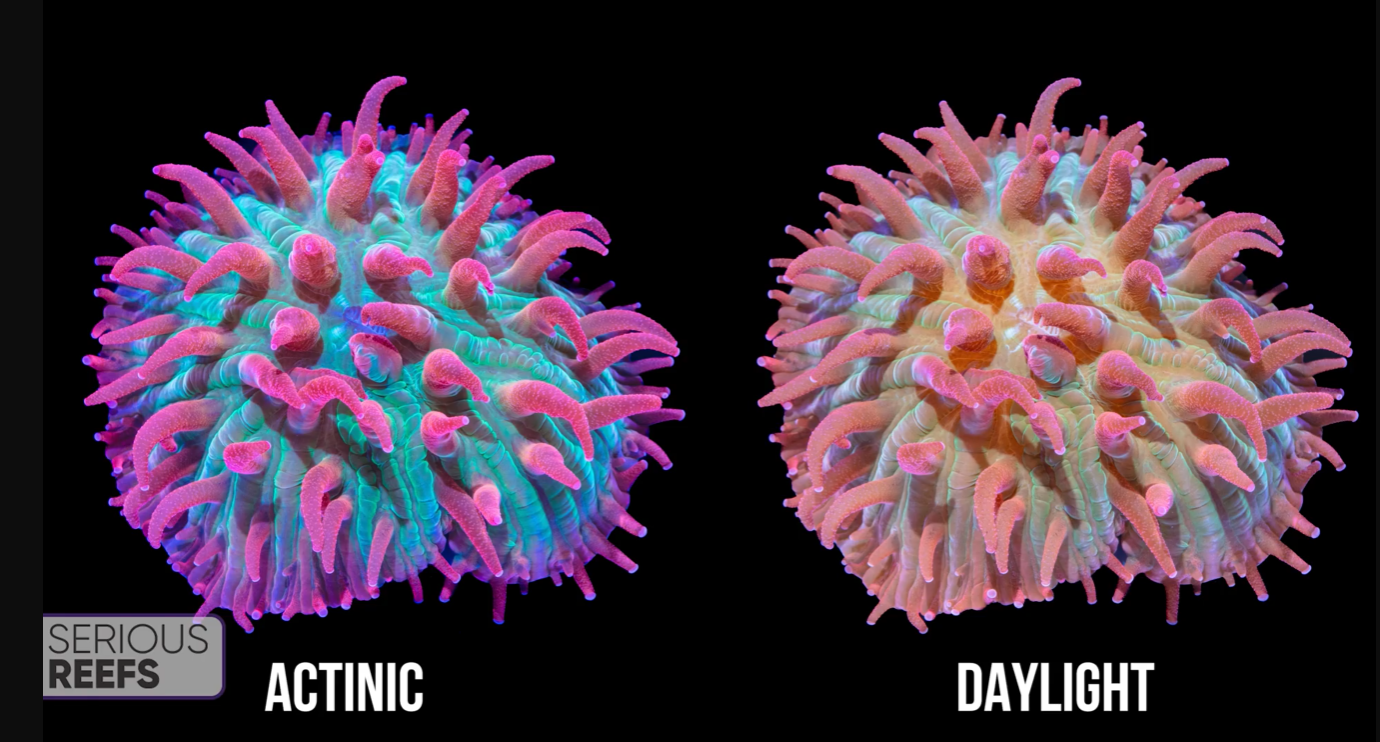
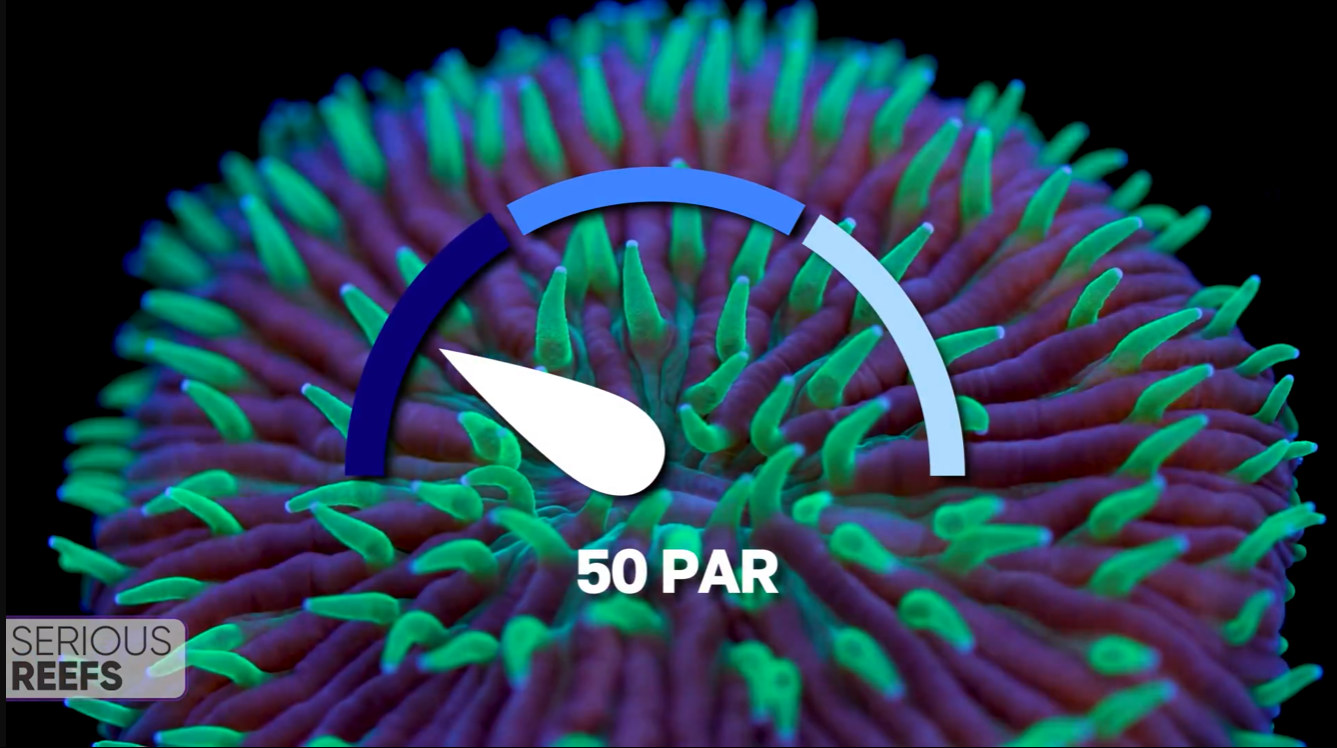
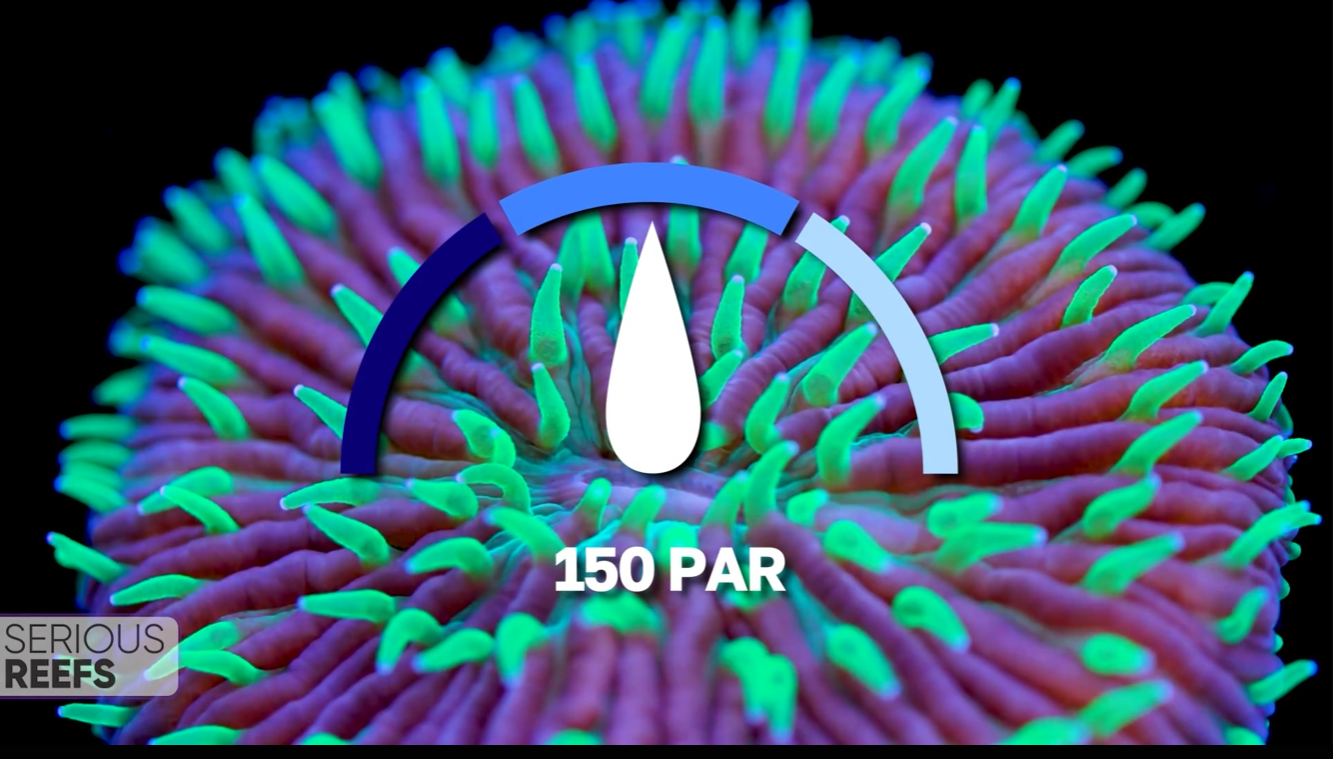
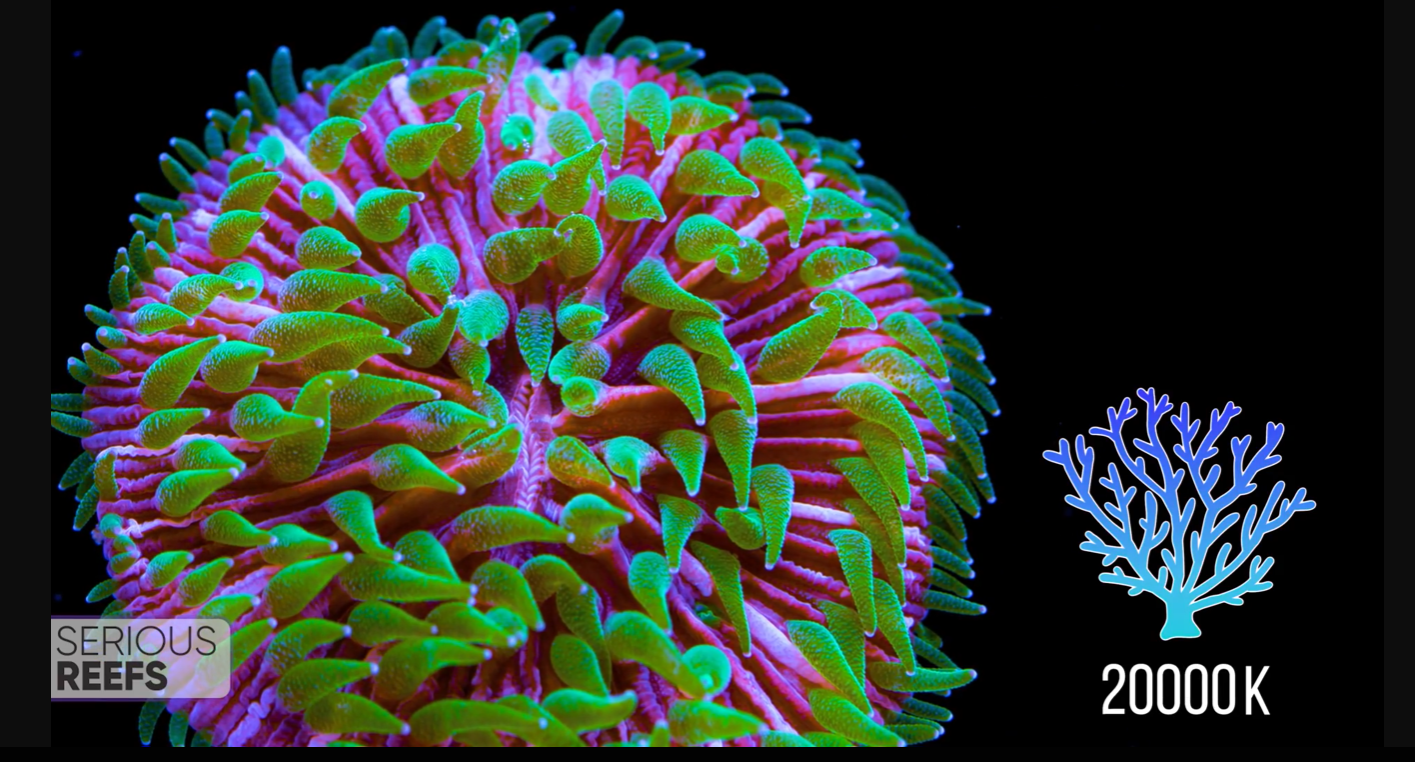
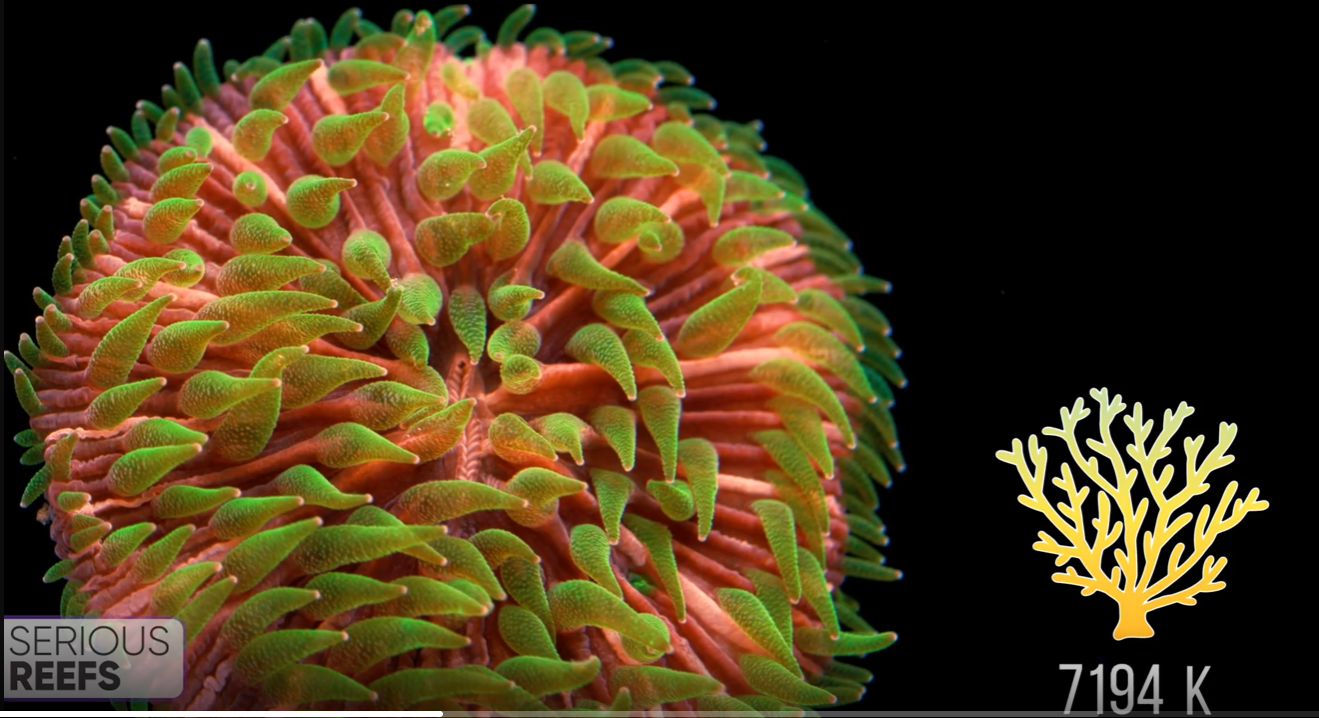
Lighting intensity is forgiving for plate corals. They adapt well across a range of intensities, and we typically keep them under roughly 50 to 150 PAR. More important than raw intensity is the light spectrum. Fluorescent pigments show best under strong blue lighting, so for display and coloration we favor blue-heavy spectrum for observation.
Flow: Keep it moderate and predictable
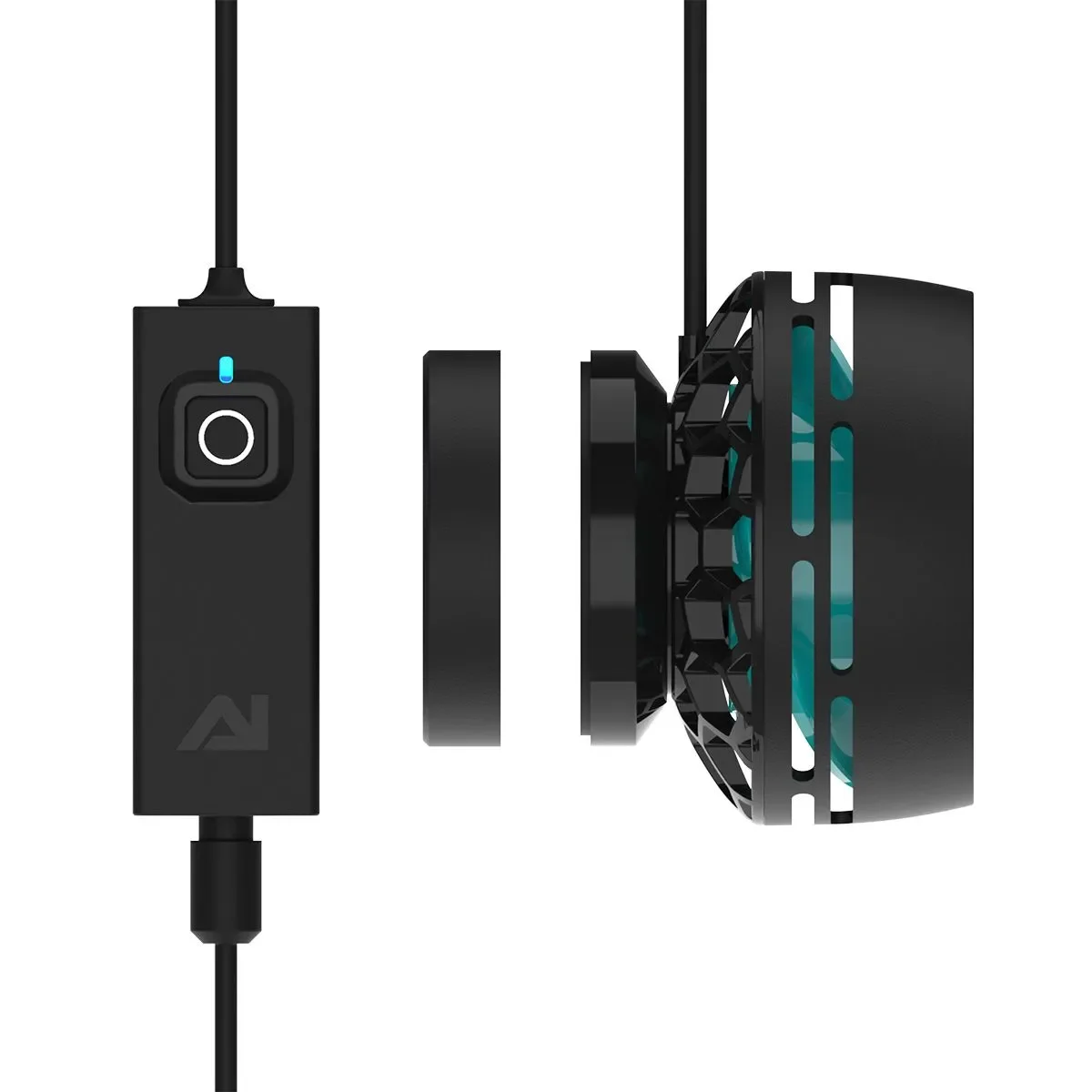
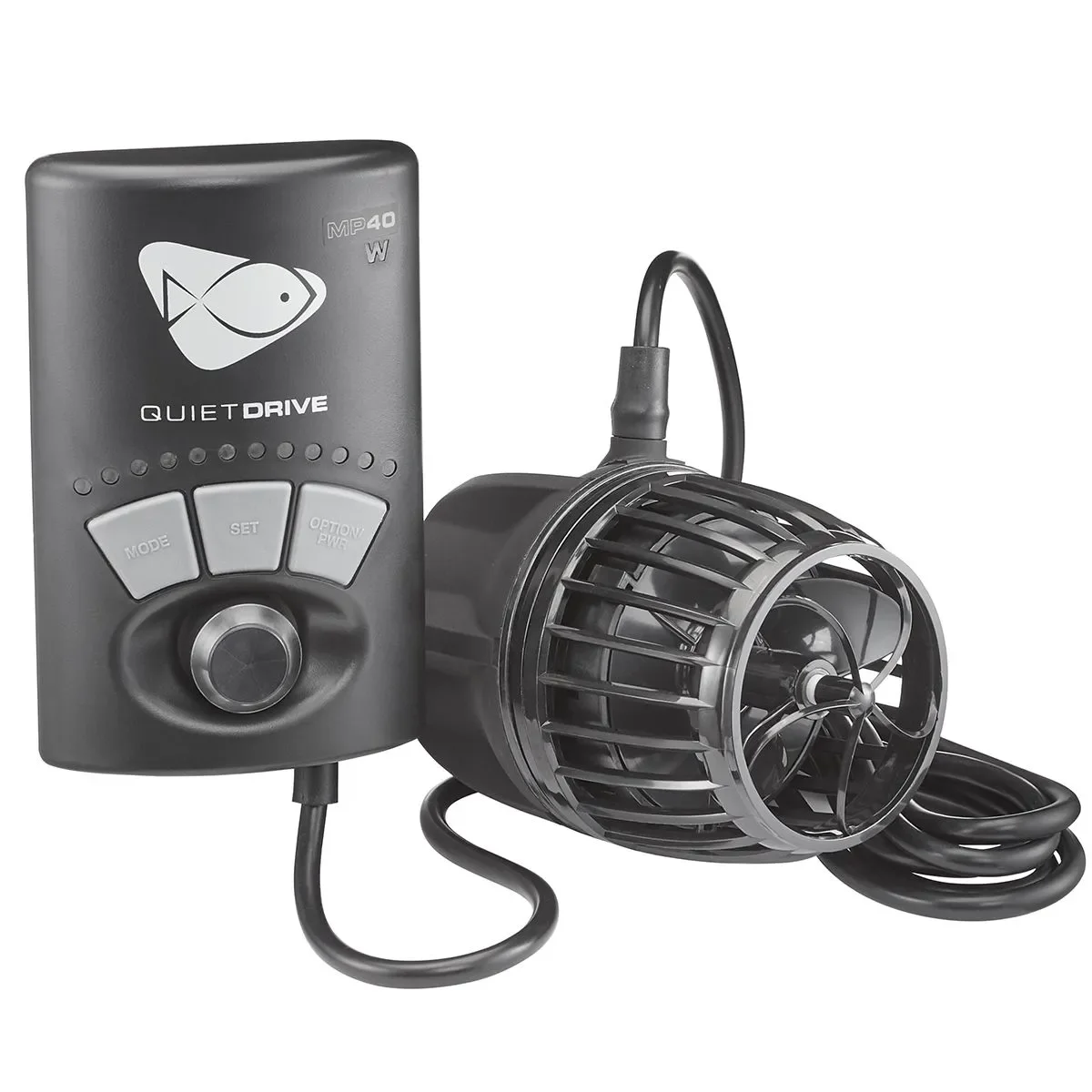
Flow plays two roles: health and stability. Plate corals generally look fuller and happier with moderate, even flow. Low to moderate flow helps them remain fleshy and reduces the chance they become parasitic to detritus on their underside. Avoid strong, turbulent flow that can act like a parachute and flip a plate — a flipped plate can quickly become stressed or die.
AI Nero
Vortech MP40
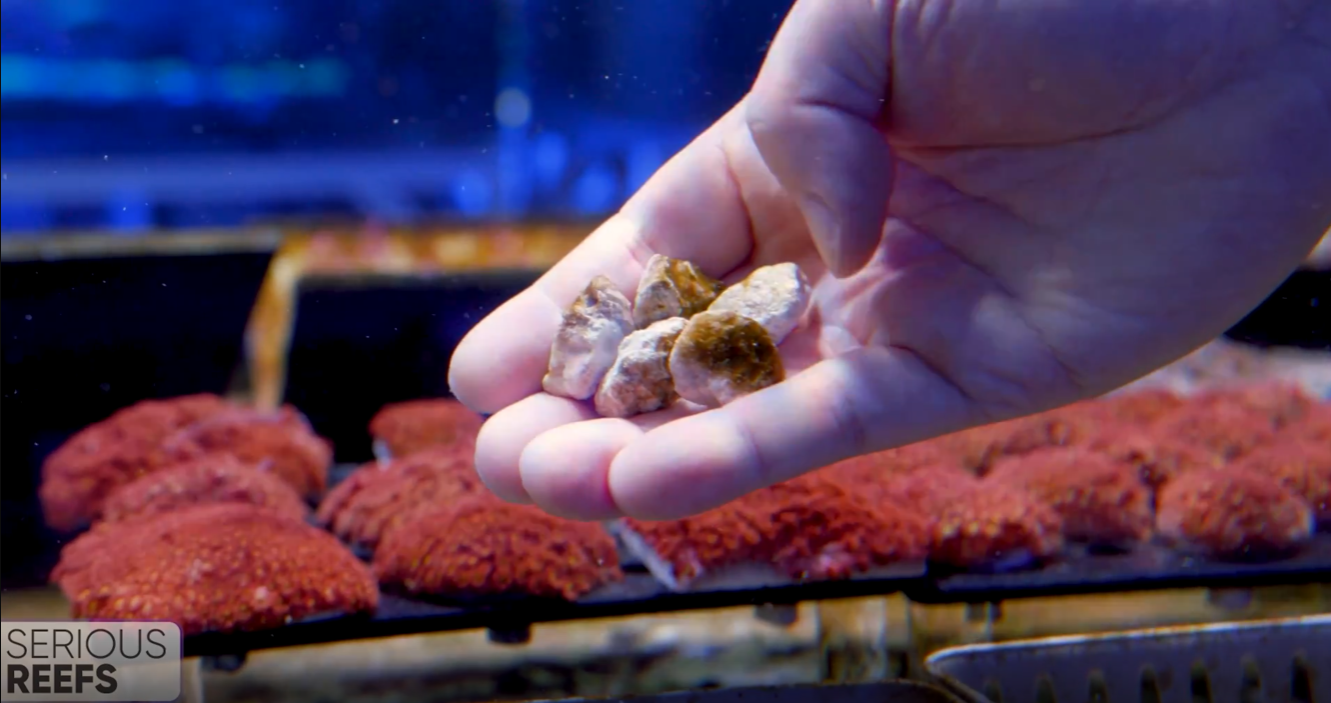
Rubble Substrate
Placement and Substrate
We strongly recommend placing plate corals on the substrate rather than on high rockwork. Plates naturally move and will generally end up on the sand or rubble even if you put them on rock. Where possible, provide coarse rubble or irregular surfaces rather than very fine sand. In the wild, plates are commonly found on mixed rubble. Coarse substrate lets the coral’s underside breathe and prevents the bottom tissue from being completely sealed against the substrate, which can cause die-off and infection.
Plates can travel surprisingly far overnight. If you don’t want them roaming, keep them in baskets or low-traffic rubble pockets.
Water Chemistry
Because these are large polyp stony corals, monitor and maintain macro elements used for skeletal growth: calcium, alkalinity, and magnesium. Trace elements may offer marginal benefits but are not strictly required if overall husbandry is solid.
Alkalinity: 8-9dKh
Calcium: 420-450ppm
Magnesium: 1350-1500ppm
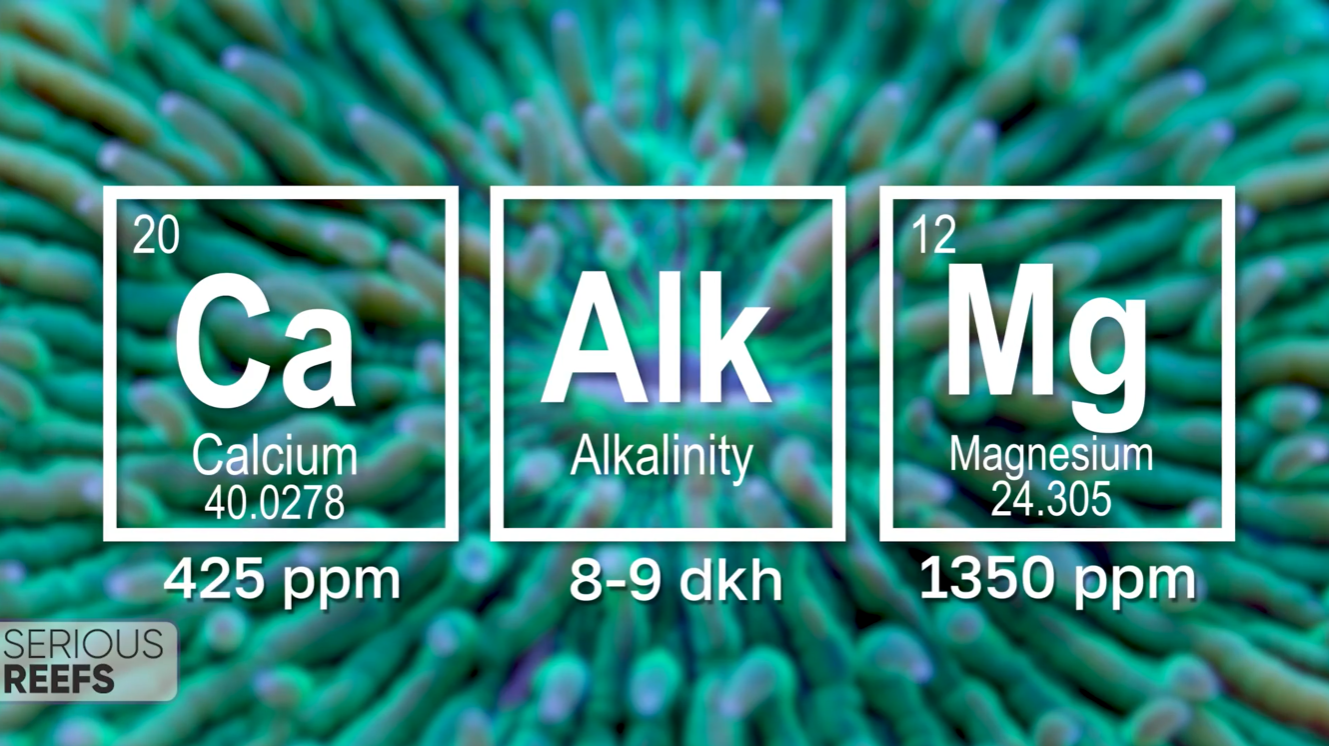
Fungia Major Elements
Feeding and Nutrition
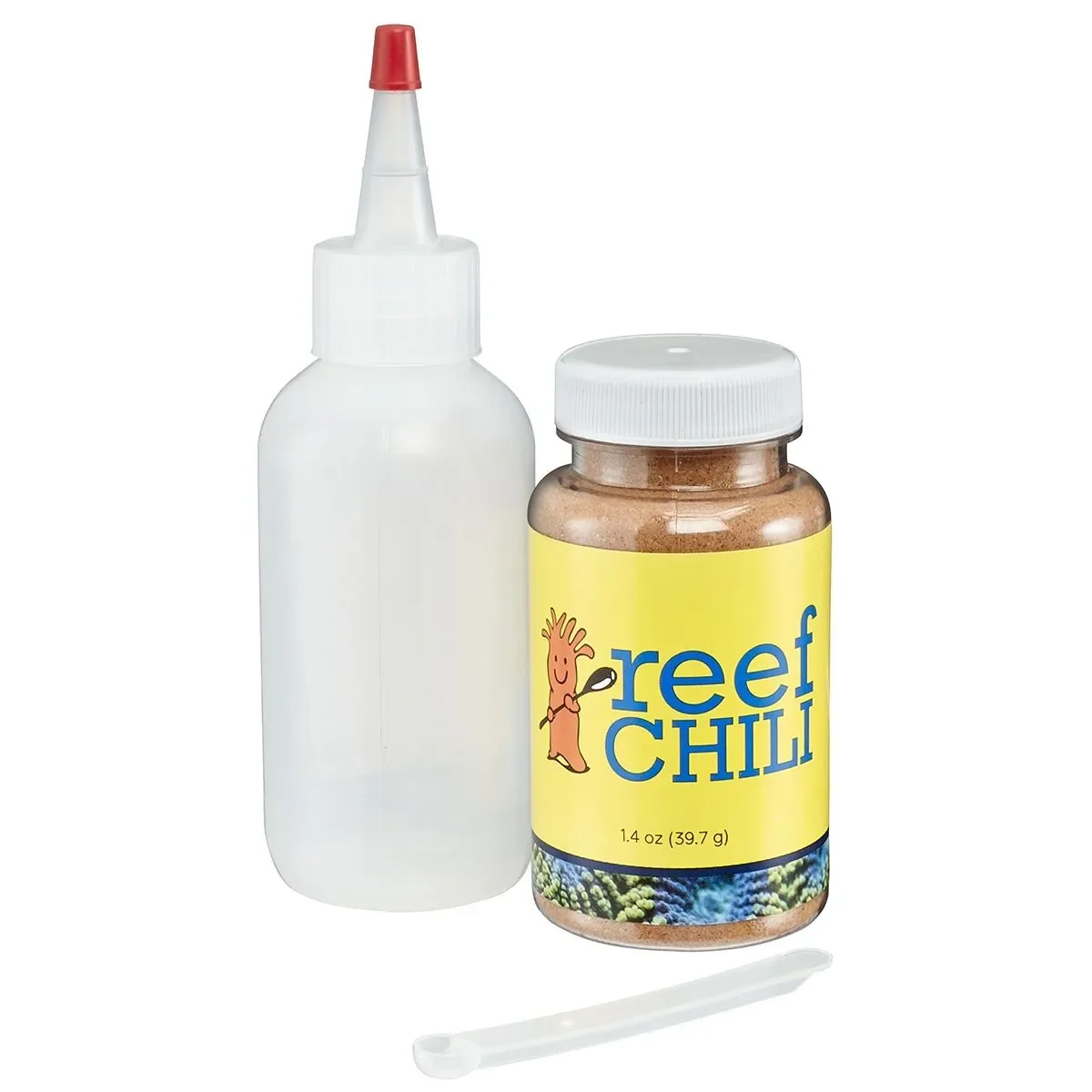
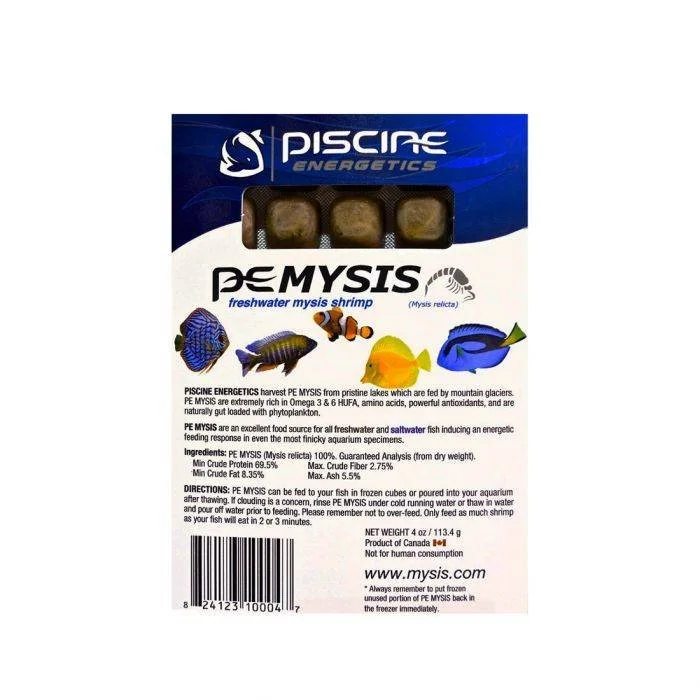
Fungiid plates get a significant portion of nutrition from photosynthesis, but they are also excellent feeders and will readily capture small meaty foods. We feed them occasionally with powdered coral foods or small pieces of Mysis shrimp. If you feed, reduce local flow so the coral can capture and ingest the food — their feeding displays can be impressive.
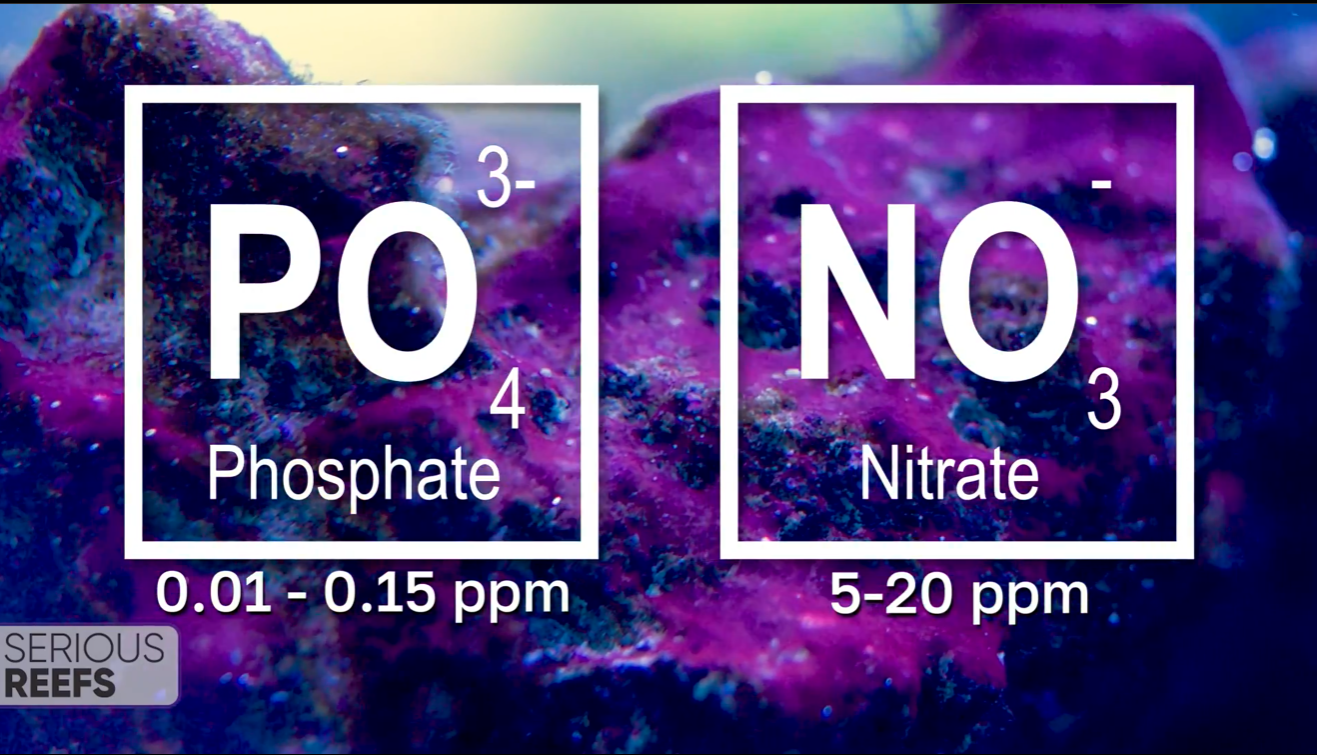
More critical is keeping nutrient levels in check. Elevated nitrates and phosphates or unmanaged algae can create local pollution where plates sit and lead to health problems.
Propagation and Fragging
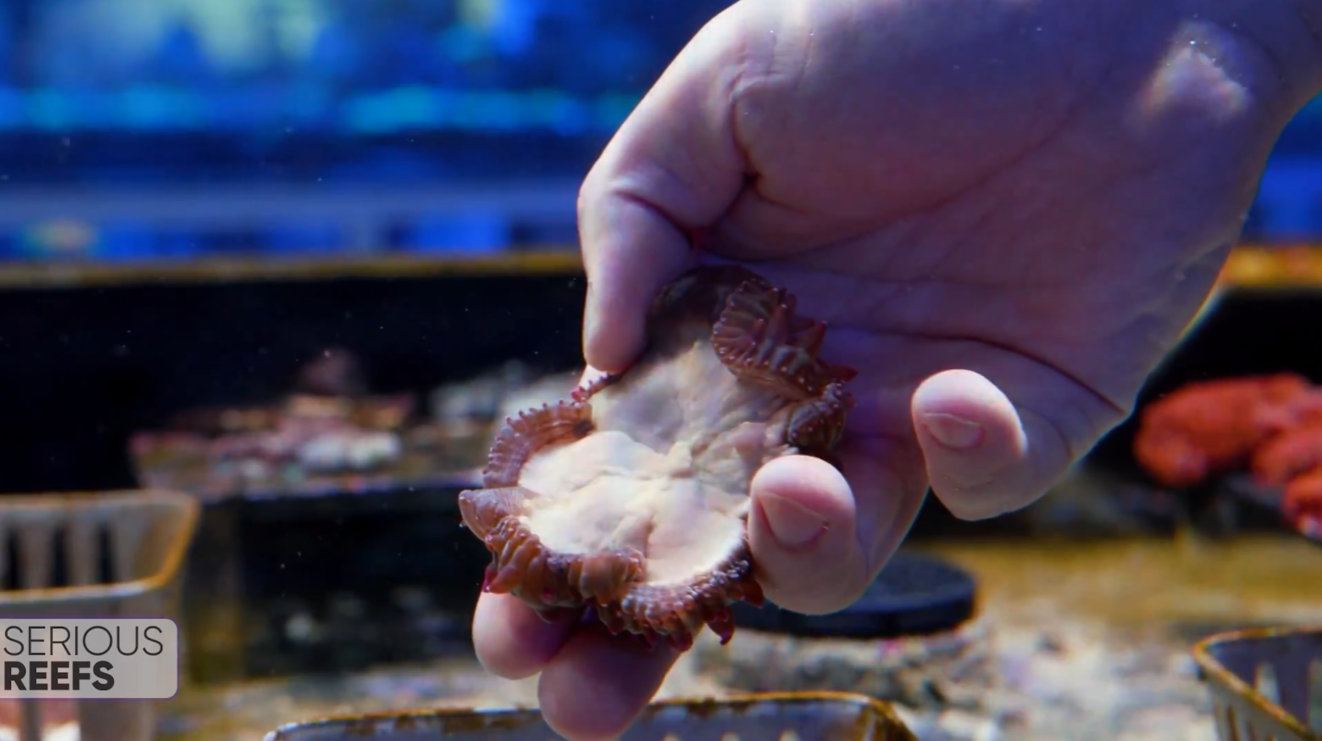
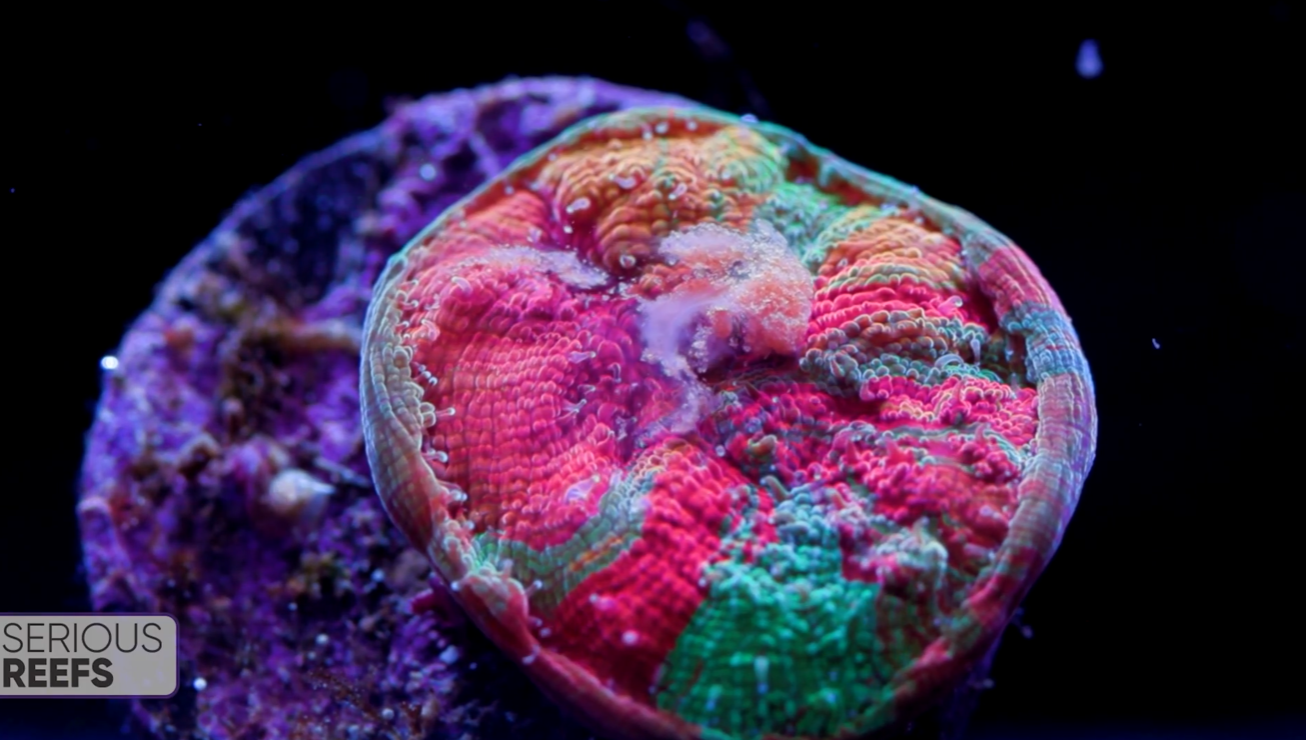
Underside of Fungia
Propagation behavior varies by species. Some plate corals have skeletons that fragment easily and tolerate cutting, so small pieces survive and regrow. Others do not like being cut and will do poorly when fragged. Labels such as “Daseris” are often used by the trade to denote plates that are easier to propagate, but taxonomy is not consistent. If you plan to frag, start with small test pieces and watch how the coral recovers.
Special Caution: Long-tentacled Plates
Certain long-tentacled plates have a reputation for being fragile and short-lived in captivity. These forms can be more challenging to keep; many hobbyists report them lasting only a few months before declining. When considering these morphs, be prepared for higher risk and try to source from experienced suppliers who have demonstrated success with the variety.
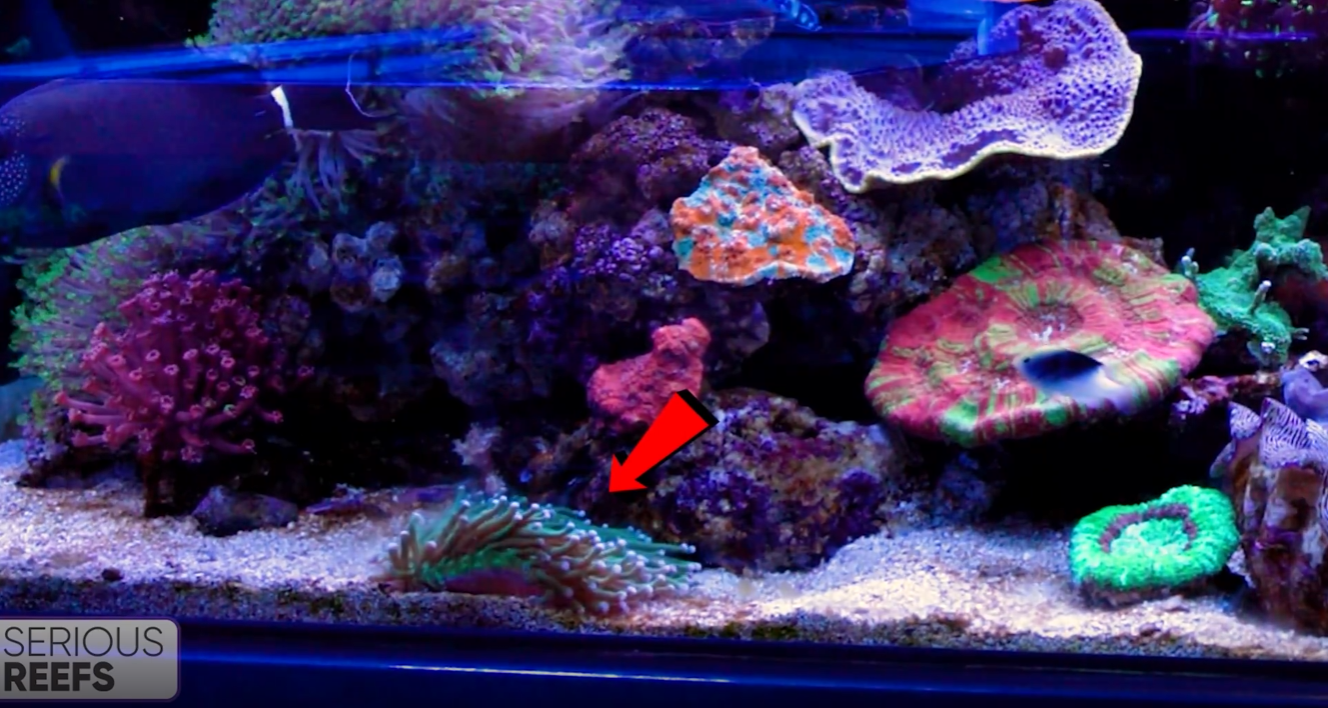
Long Tentacle Plate Coral
Final Thoughts
Fungia plate corals come in all sorts of shapes, sizes, morphs, and colors. They are sure to add color and movement to your system and can be that showstopper piece you are craving!
Fungia FAQs
Do fungiid plate corals need regular feeding?
They do not strictly require frequent feeding because they derive much nutrition from their symbiotic zooxanthellae, but they are excellent at capturing food. Occasional feedings of powdered coral food or small Mysis shrimp can boost growth and display behavior.
Where should I place a plate coral in my tank?
Place plates on the substrate in areas with coarse rubble or slight irregularities. They will move, so keep them somewhere they won’t roll into pumps or other corals. Baskets or rubble pockets work well to limit excessive travel.
How much light do plate corals need?
They are adaptable. Aim for roughly 50 to 150 PAR and favor a blue-heavy spectrum to enhance fluorescence and color. Avoid sudden drastic changes in intensity.
Can we frag plate corals?
Some species fragment and propagate easily while others do not tolerate cutting. Identify the specific plate type and start cautiously. If unsure, consult the supplier or try a small test fragment first.
Why do some plate corals die after a few months?
Long-tentacled variants and some specific morphs are known to be more temperamental and may decline due to sensitivity to husbandry, nutritional stress, or susceptibility to infection. Proper placement, stable water chemistry, and careful acclimation reduce the risk but cannot guarantee longevity for fragile types.
Will plates move around the tank?
Yes. Fungiid plates can inflate and contract their tissue to scoot across the substrate. They can travel significant distances overnight, so plan placement accordingly.
What’s Next?

Acknowledgments
Thank you to Than Thien for sharing his knowledge with the SR community. Thank you to Ryan Thompson for summarizing the video and making it available to everyone.
Thank you to the Serious Reefs community. Your membership funds the creation of articles and videos like this one.
Support Serious Reefs
Patreon is the best option If you…
Want to discuss with the SR community and ask questions.
Want immediate notifications of every release.
Listen with phone screen off. Patreon app works with phone closed
Want 25% off via annual discounts.
YouTube members is the best option If you…
Watch SR videos on a TV via youtube App
Want to watch videos natively here on seriousreefs.com - (You must use chrome browser and be logged into google account with youtube membership)
Are a YouTube power user.
Tell a friend. Best option if want more SR (and faster).
If you like what we’re doing, give SR a quick shout-out on your favorite forum, YouTube, Facebook, TikTok, or Instagram. Let your local fish store know SR is helping you explore the hobby and keep it fun. Thanks for the support!
Disclaimer
Full Disclaimer HERE. This is the gist of it.
Content is based on personal experience, not professional advice. Do your research and reef responsibly. Serious Reefs should not be your sole source of information on any topic.
By watching, you agree that Serious Reefs and its creators aren’t liable for how you use this info. Please don’t utilize our information if you are not ok with this.
Serious Reefs has no sponsors, doesn’t accept product, or payment for reviews. We do use affiliate links in articles that earn a small commission to support our work. Shop wherever you like, we won’t be offended.
Chalice corals aren’t a single species so much as a convenient name for a family of plating large polyp stony corals. Genera you’ll commonly see include Echinopora, Oxypora, Mycedium, and Echinophyllia. They share a cup or plate-like growth form, but they vary wildly in color, texture, and the way they plate out. Many of the corals available today are aquacultured, and their captive growth habits often flatten and blur the differences between genera, which is why identification can be tricky.