CORAL 101: Chalice
Coral 101: Chalice Corals
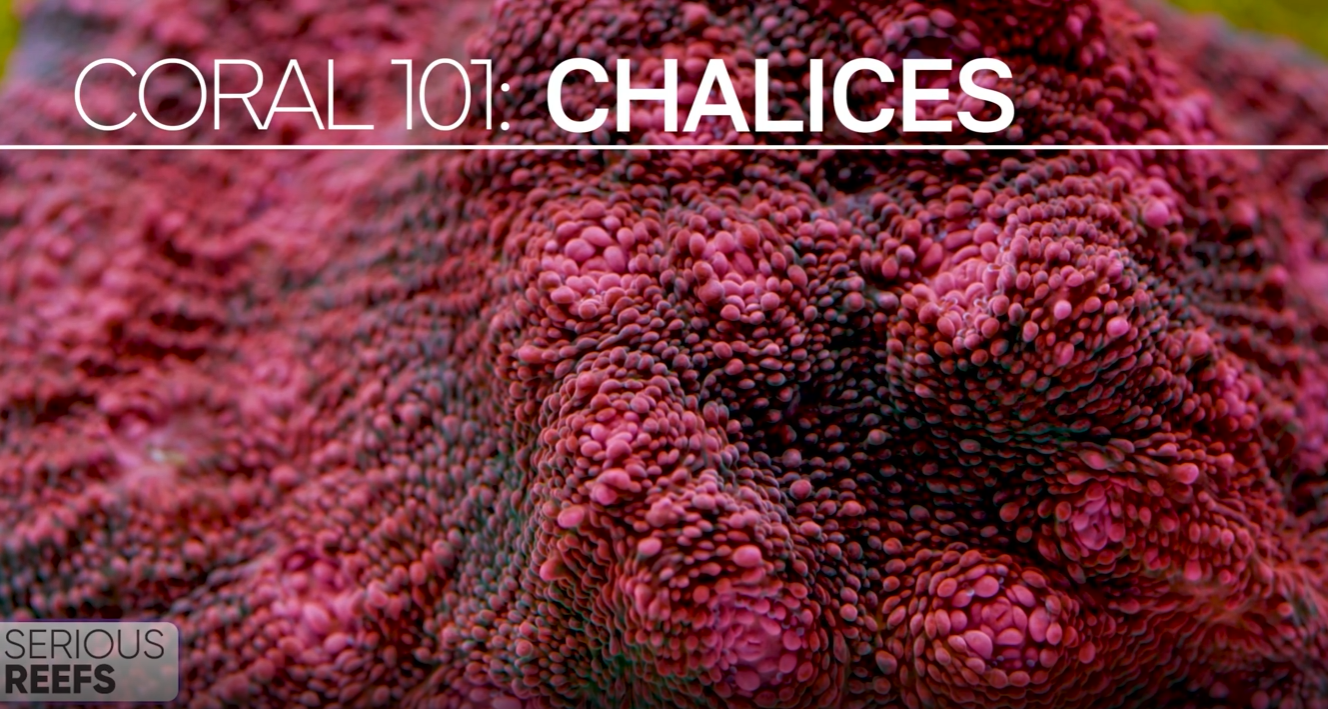
Coral 101: Chalice
What makes chalice corals worth keeping?
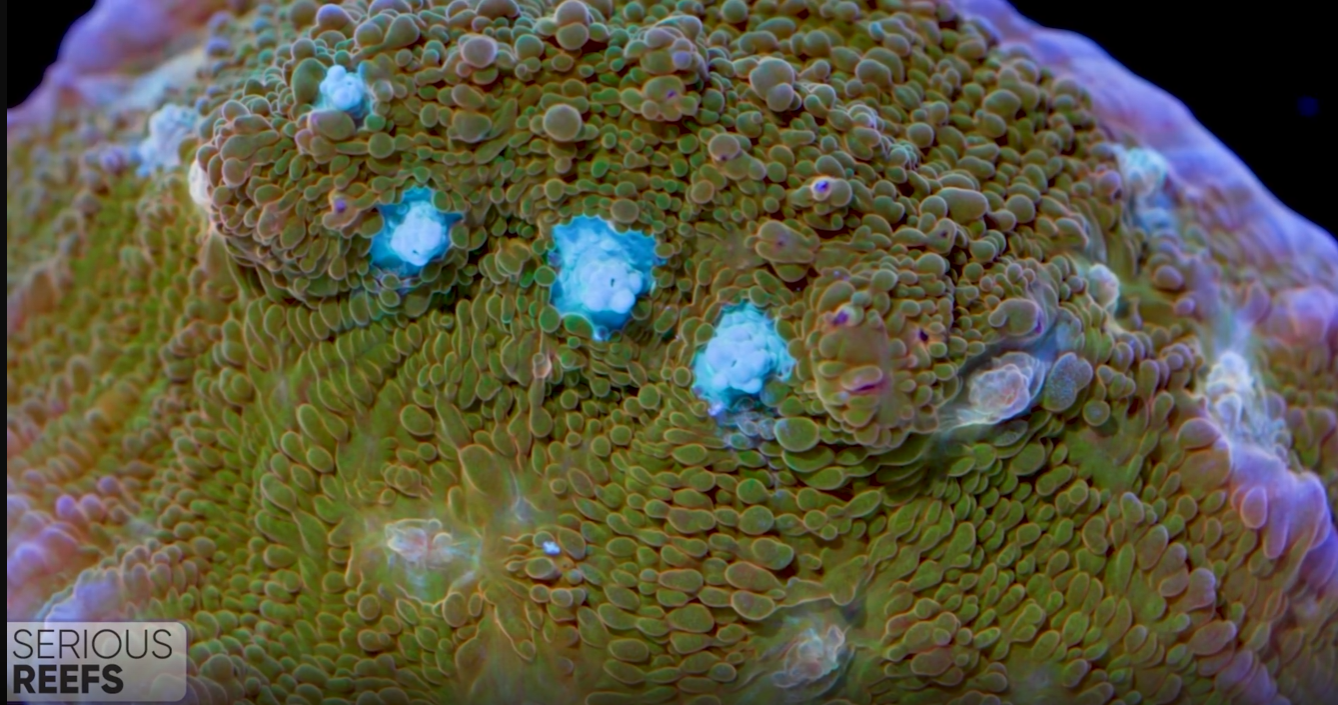
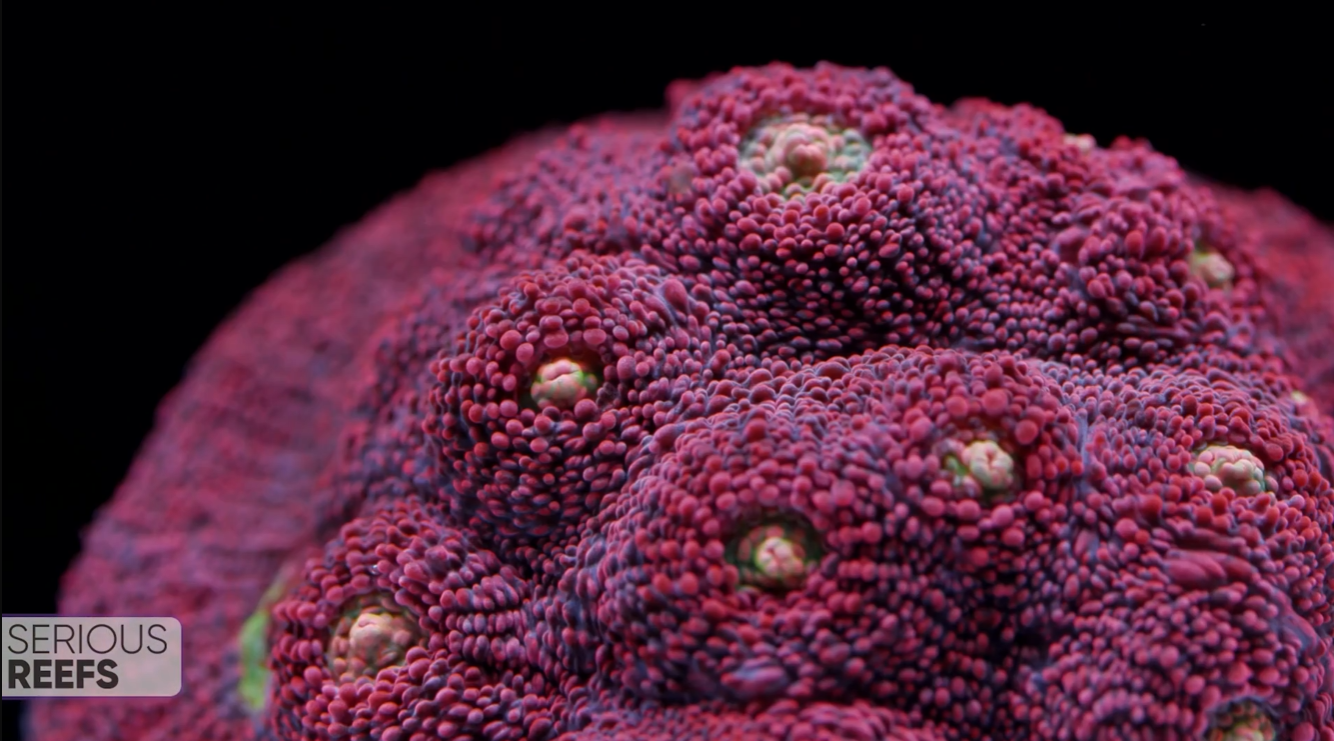
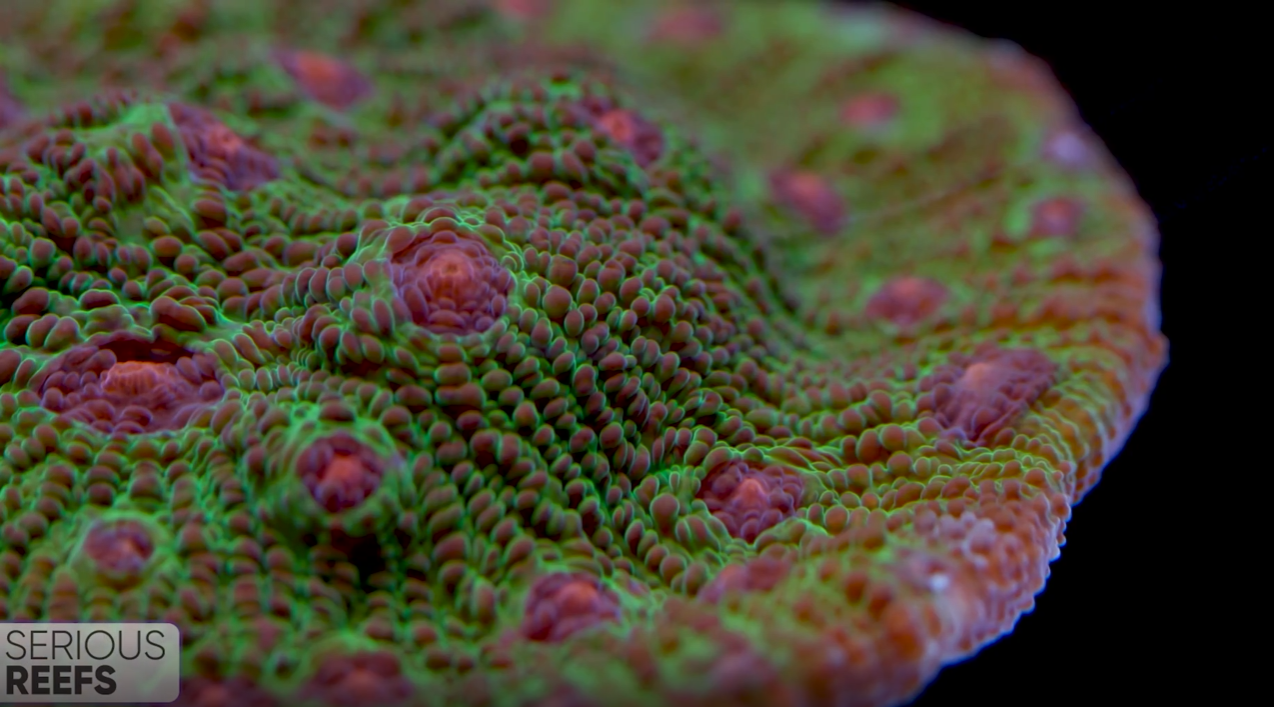
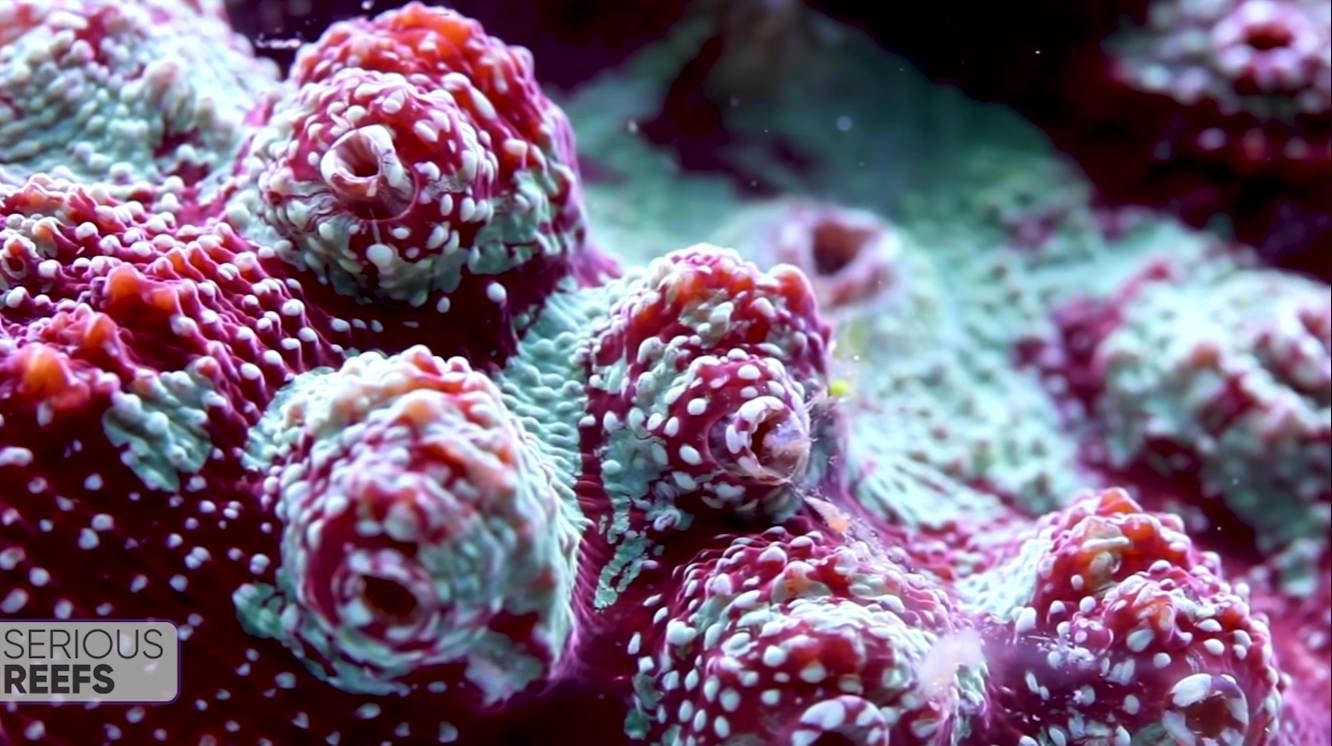
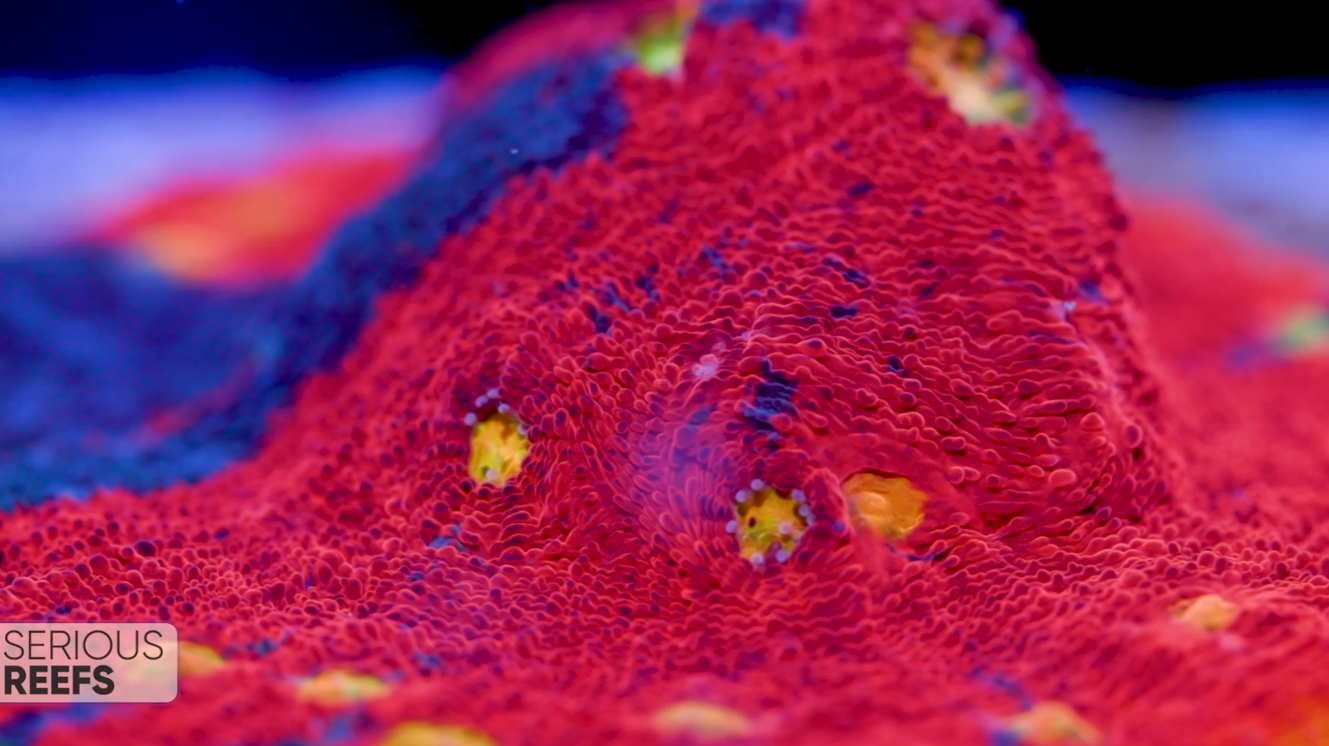
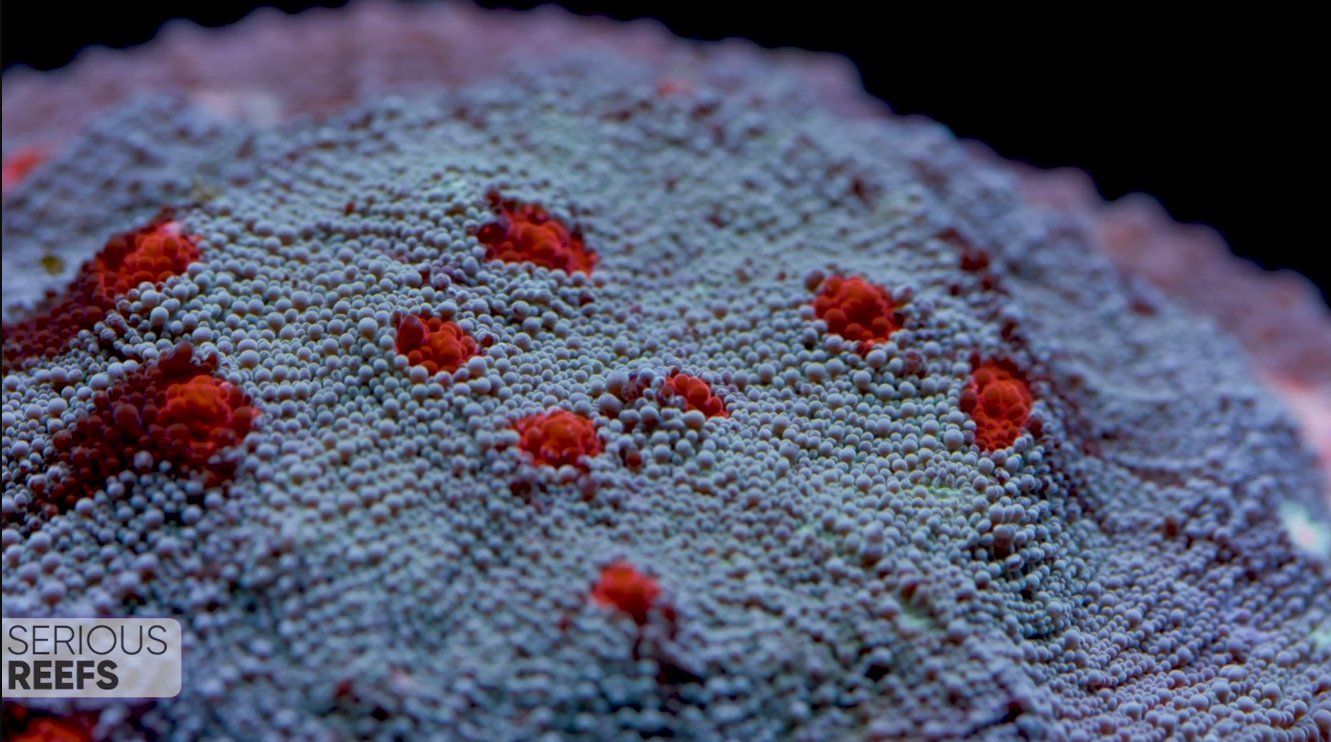
These corals are prized for three main reasons. First, they offer tremendous visual variety. Color patterns and fluorescence can be dazzling under the right lighting. Second, they plate and grow in interesting ways — some form swirling plates while others start by encrusting then lift into plates. Third, chalice corals are fast growers for large polyp stony corals, which makes them popular for aquaculture and for hobbyists who want visible progress in their tanks.
Note: Paid YouTube SR Members Using A Chrome Browser can watch videos natively above on Seriousreefs.com. Sign up HERE
SR videos are a community funded member only resource. Serious Reefs buys everything we review, accepts no sponsorships, and your memberships make it possible to keep every review truly unfiltered.
What are chalice corals?
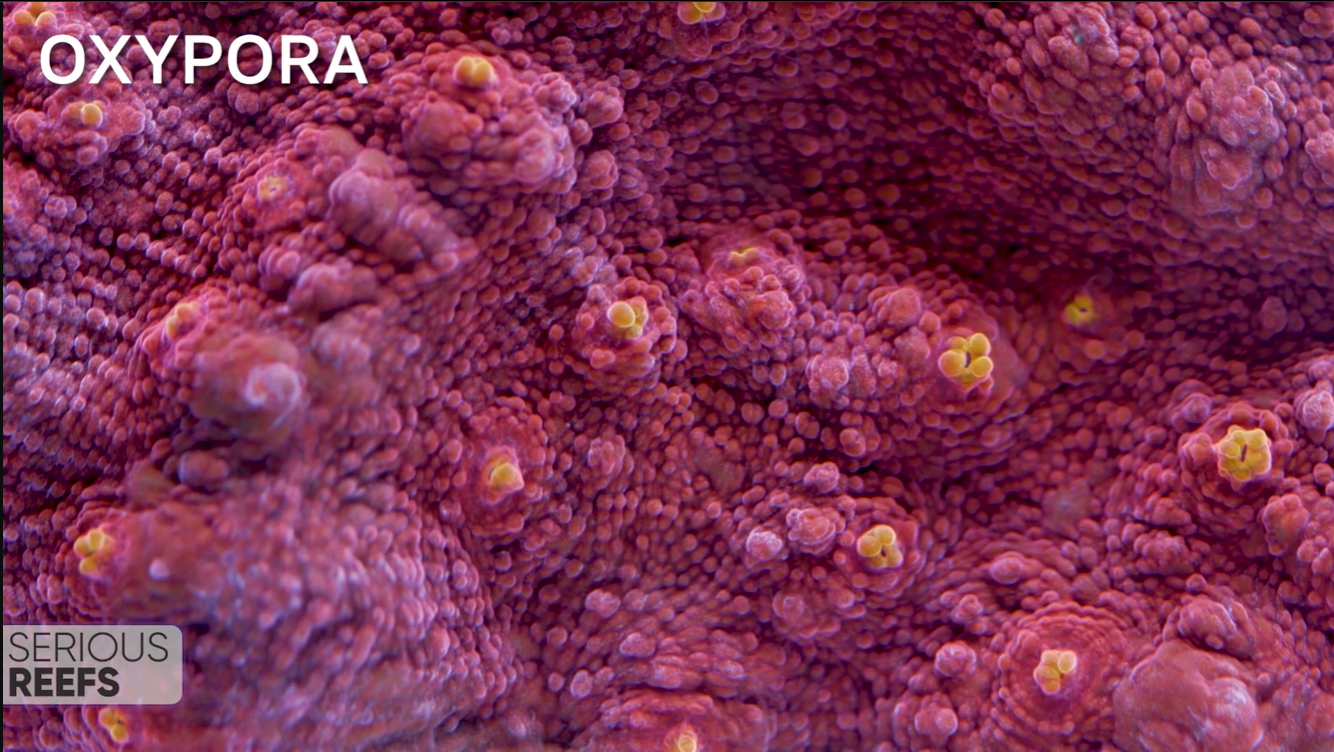
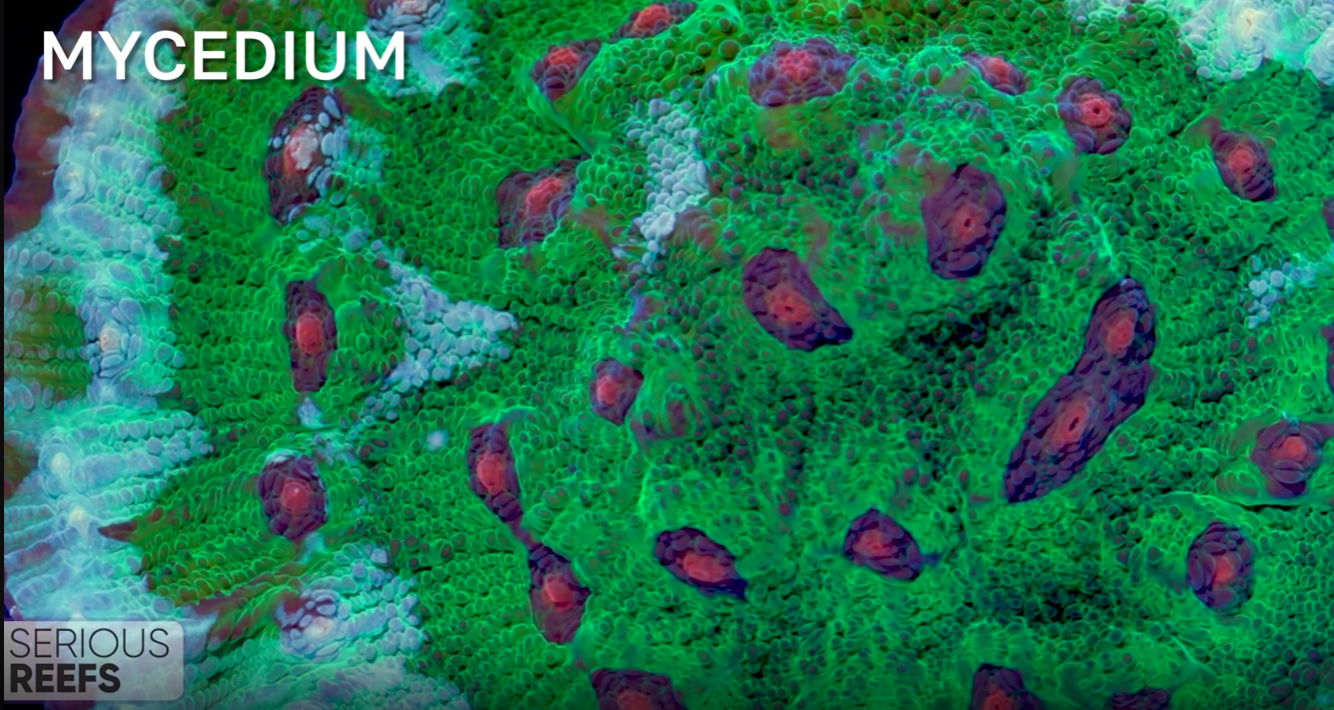
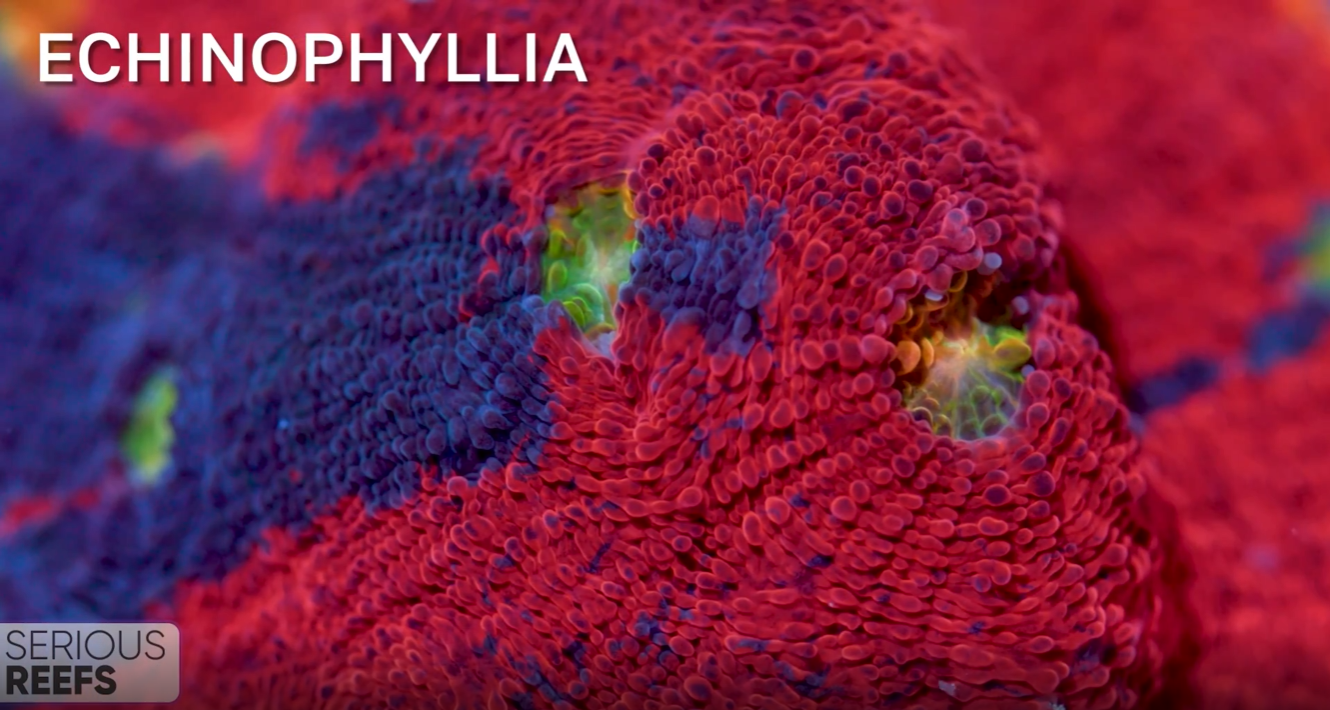
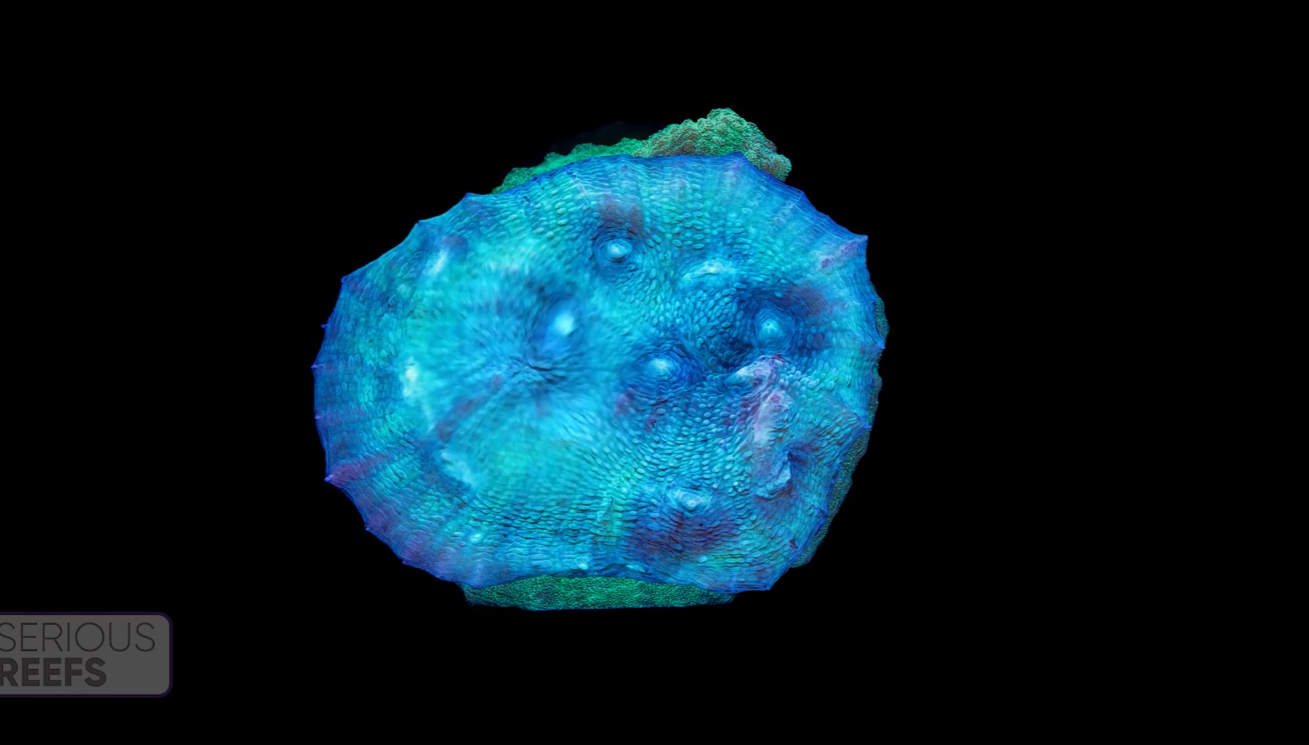
Chalice corals aren’t a single species so much as a convenient name for a family of plating large polyp stony corals. Genera you’ll commonly see include Echinopora, Oxypora, Mycedium, and Echinophyllia. They share a cup or plate-like growth form, but they vary wildly in color, texture, and the way they plate out. Many of the corals available today are aquacultured, and their captive growth habits often flatten and blur the differences between genera, which is why identification can be tricky.

Quick Care Checklist
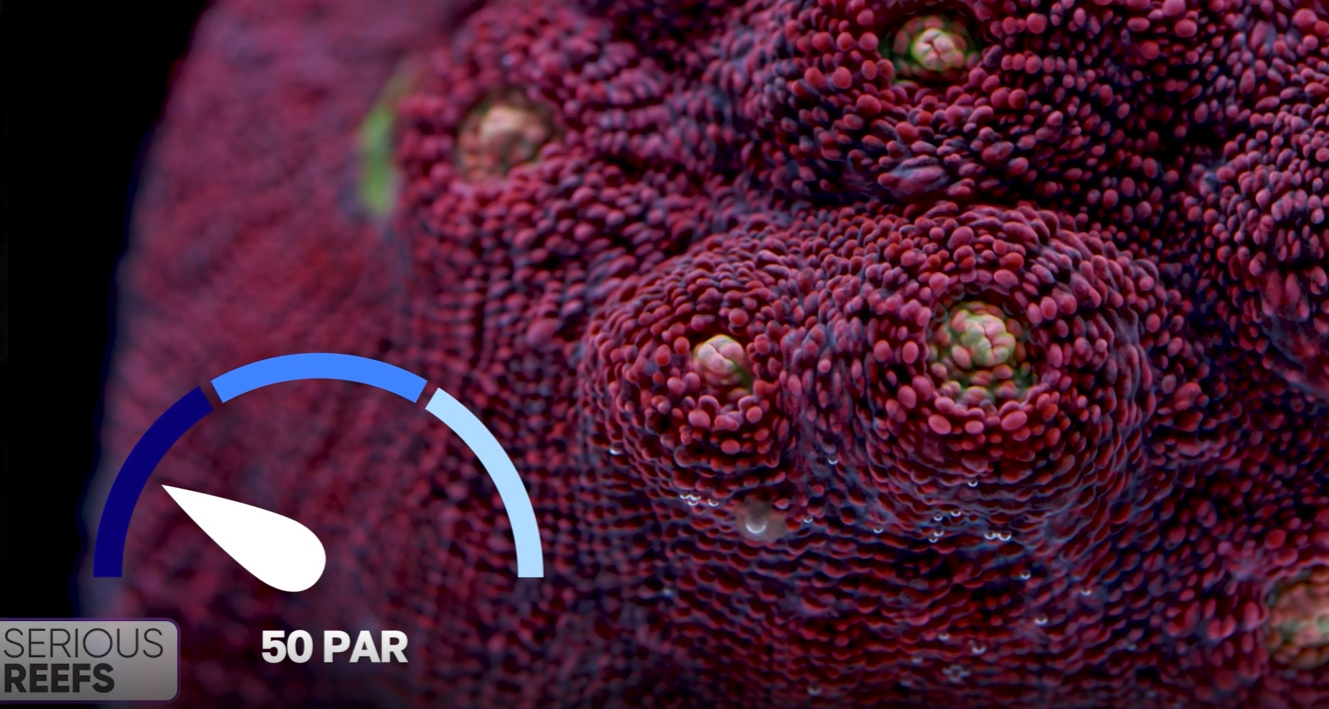
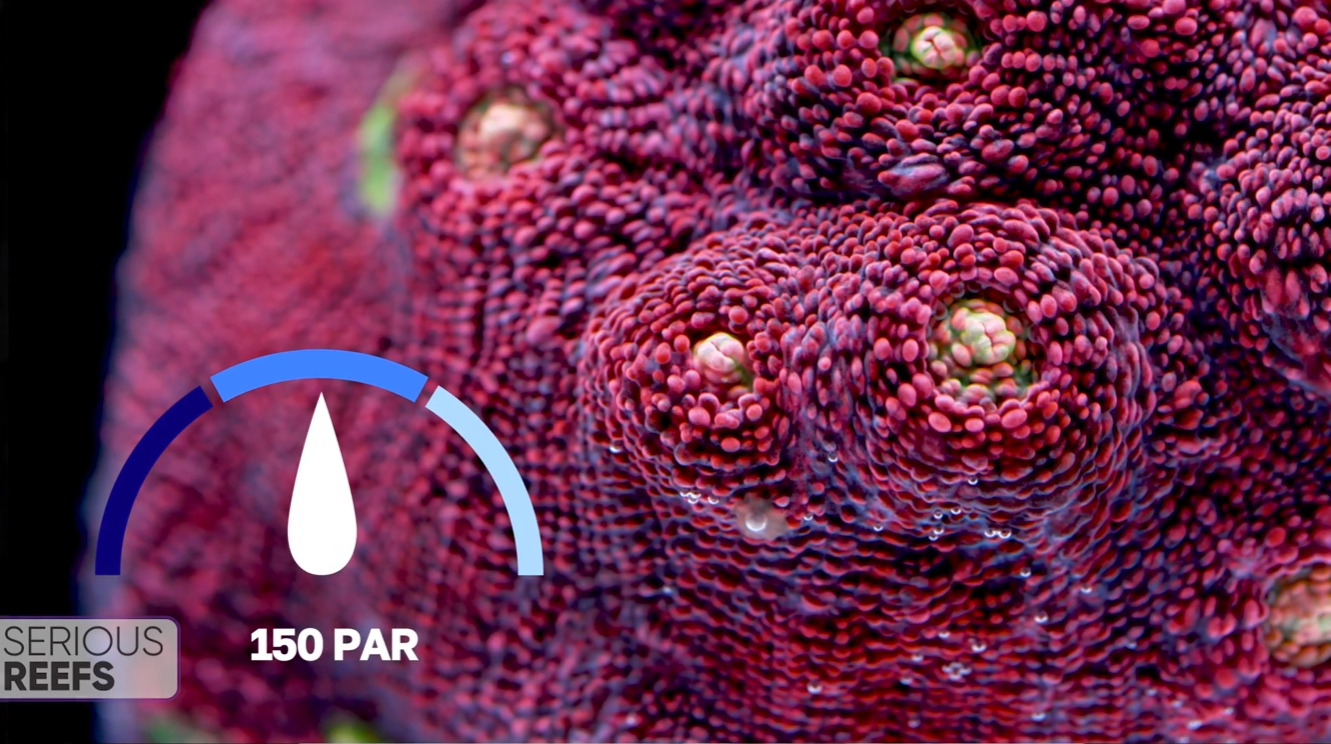
Light: 50 to 150 PAR; prioritize spectrum for fluorescence.
Flow: Moderate and directional to prevent debris settling without dislodging the coral.
Water: Stable Calcium, Alkalinity, Magnesium; monitor trace elements with rapid growth.
Placement: Secure on rock, allow room for shade and growth.
Feeding: Optional; turn down flow to target feed meaty foods.
Compatibility: Give space; be aware of strong stings and occasional sweeper tentacles.
Lighting: Intensity vs. Spectrum
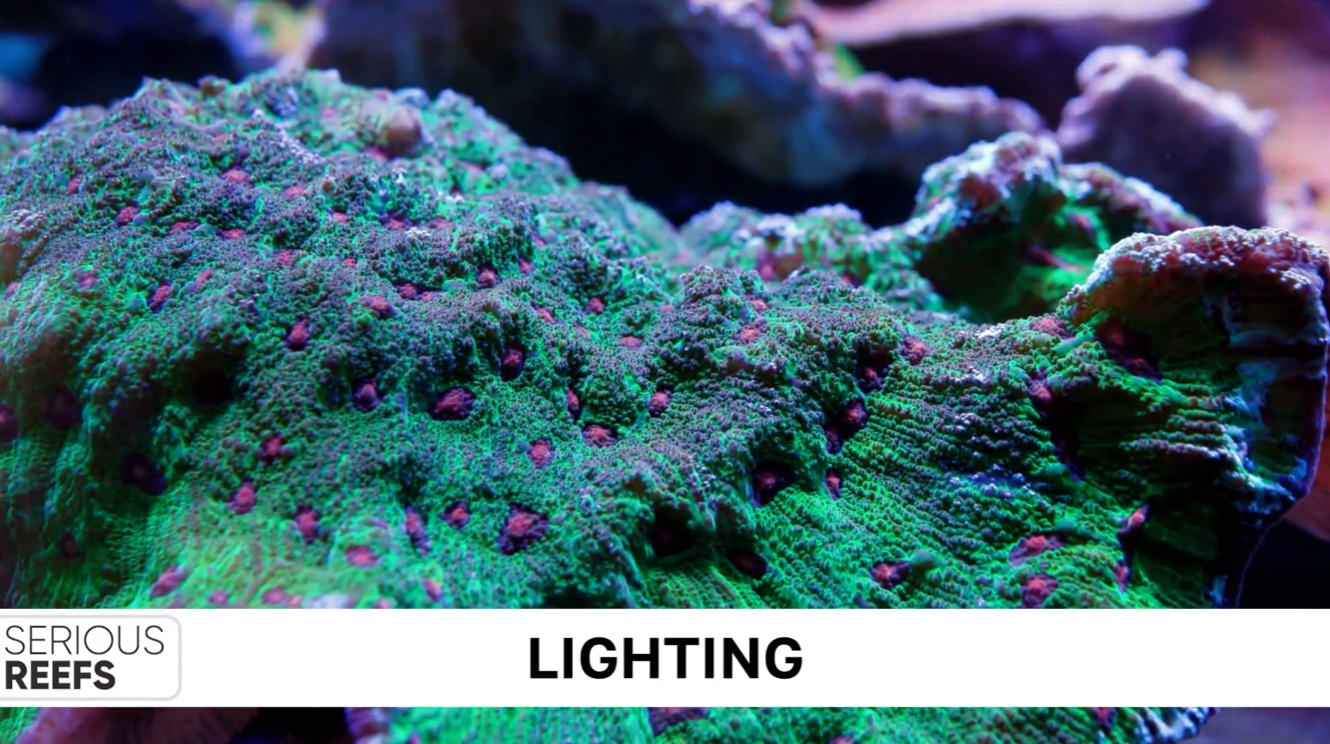
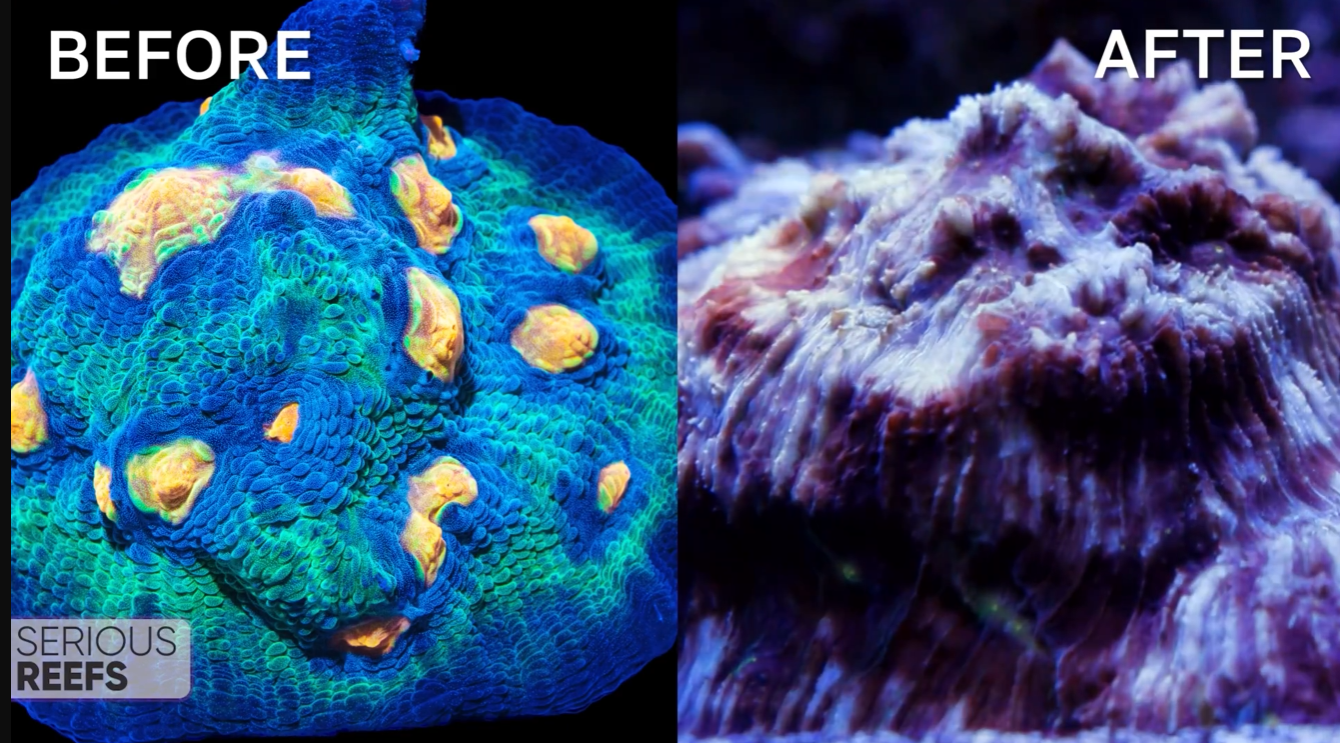
Keep chalice corals in low to medium light. We aim for roughly 50 to 150 PAR. Higher intensity can stress them even if it is only for a short time. For example, one of our show tanks gets a late-afternoon beam of sunlight that briefly spikes to very high PAR, and a chalice in that beam looked miserable despite only 30 to 45 minutes of direct exposure each day. Once moved, it healed and morphed spectacularly.
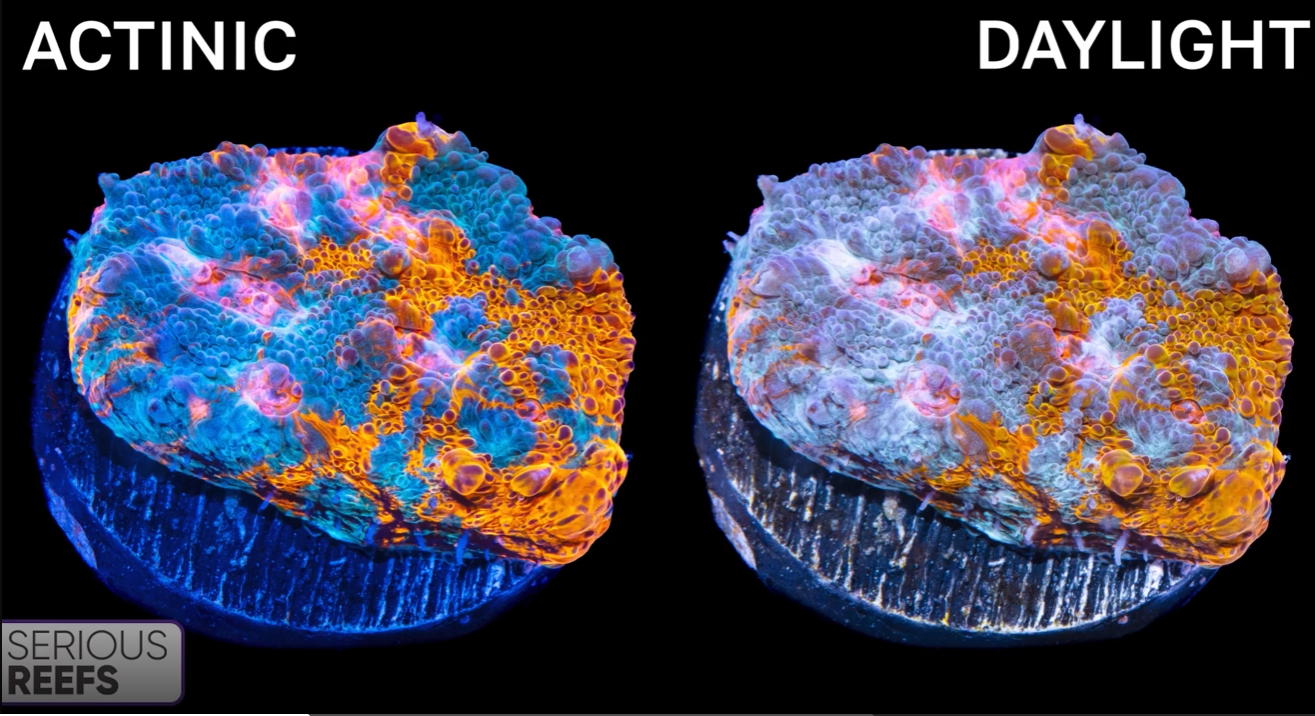
Spectrum matters as much as intensity. Chalices often show their best colors and fluorescence under actinic or blue-rich lighting. If color and fluorescence are important to you, prioritize spectrum over cranking up intensity.
Flow: Balance cleaning and stability
Flow is one of the trickier parts of chalice care. Their plated, bowl-like shapes encourage detritus and food to settle in depressions. You want enough flow to keep those bowls clean, but not so much that the coral acts like a parachute and gets lifted off the rock or tossed onto the sandbed.
Practical tips:
Use gentle, indirect flow that moves across the coral rather than blasting it directly.
Watch for debris accumulation and adjust flow angles to keep the plates clean.
Audit flow periodically. Rapid growth changes how water moves around the rockwork and may require repositioning flows or the coral itself.

Tunze Stream Pump

AI Orbit Gyre
Plating Chalice
Placement Considerations
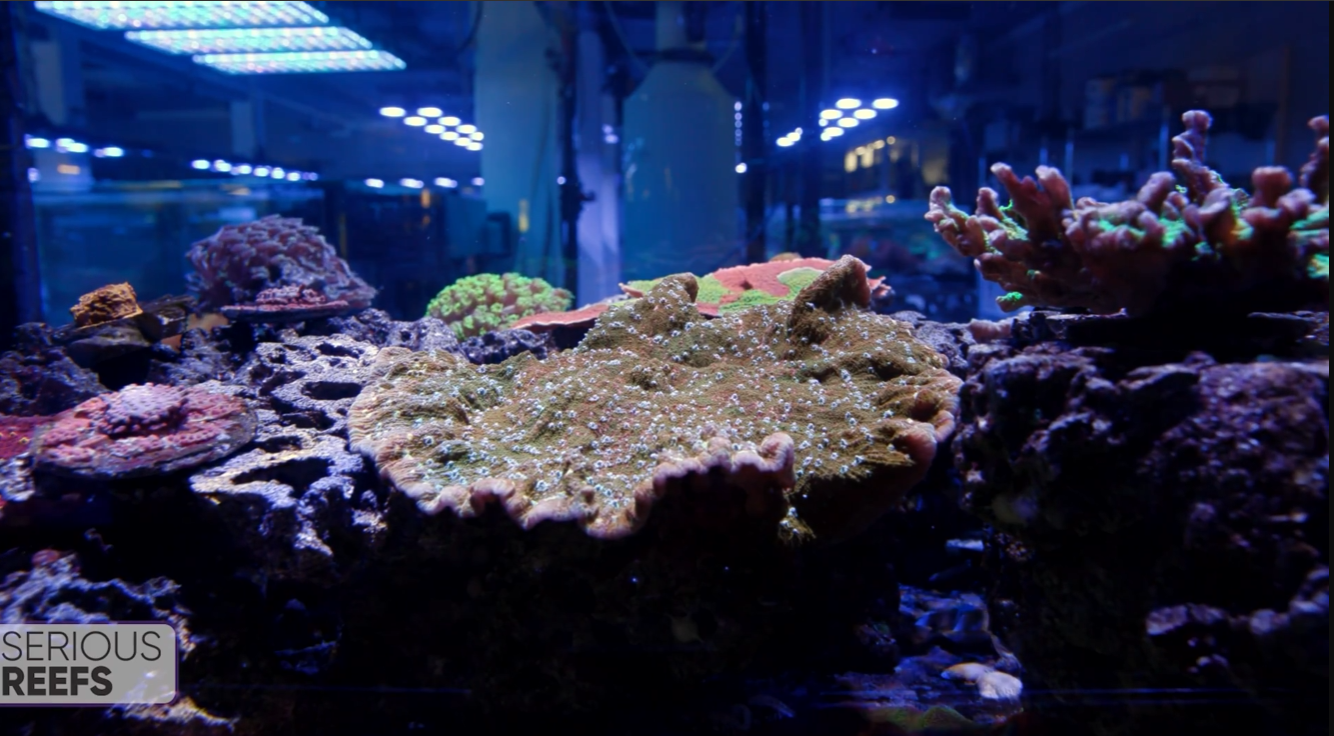
Placing chalices on rock is usually best, but think ahead. They plate outward and will cast significant shade on lower corals. Also consider stability. Until they fully adhere to the rock they can be dislodged by strong flow, fish, or accidental bumps. A falling chalice can cause serious damage to neighboring corals.
We recommend placing them where shading is acceptable, anchoring them securely, and leaving room for growth so they don’t overhang or drop onto delicate neighbors.
Water Chemistry
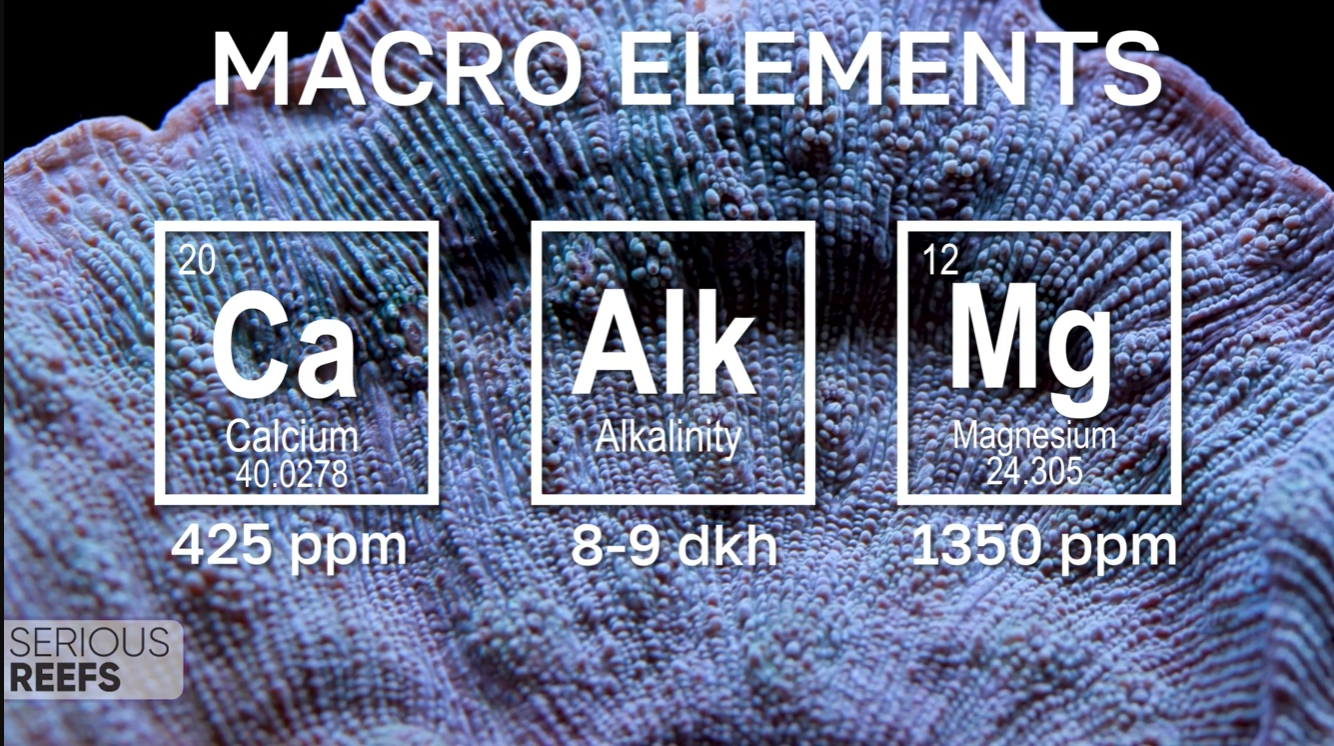
Chalices are stony corals and need the basics for skeleton growth: calcium, alkalinity, and magnesium. They have a reputation for being forgiving, but their fast growth can quickly deplete both macro and trace elements over time.
Alkalinity: 8-9dKh
Calcium: 420-450ppm
Magnesium: 1350-1500ppm
Chalice Major Elements
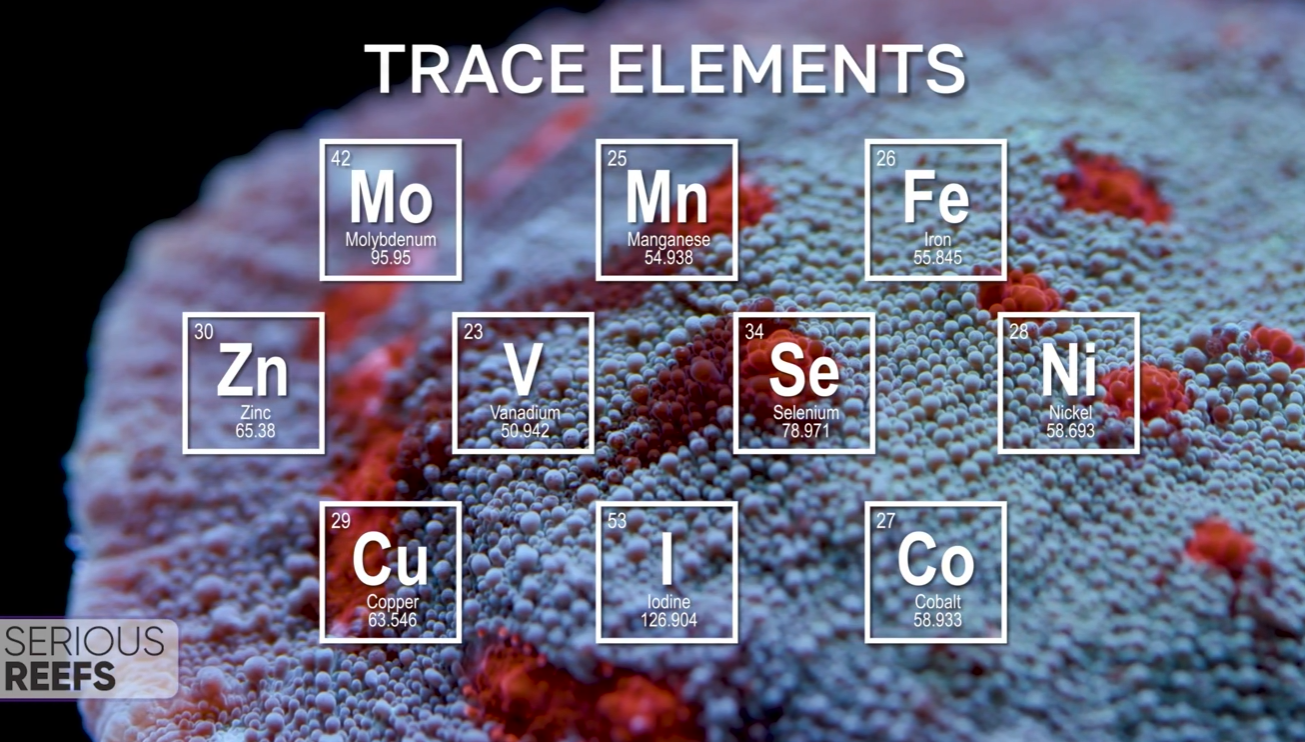
Possible Trace Element Dosing
Advice:
Keep stable, target parameters for Ca, Alk, and Mg and test regularly.
If you notice rapid growth, increase monitoring for trace elements and macro depletion.
Supplementation routines that work for other SPS/LPS will generally work for chalices, but adjust to your tank’s consumption.
Feeding: Optional but rewarding
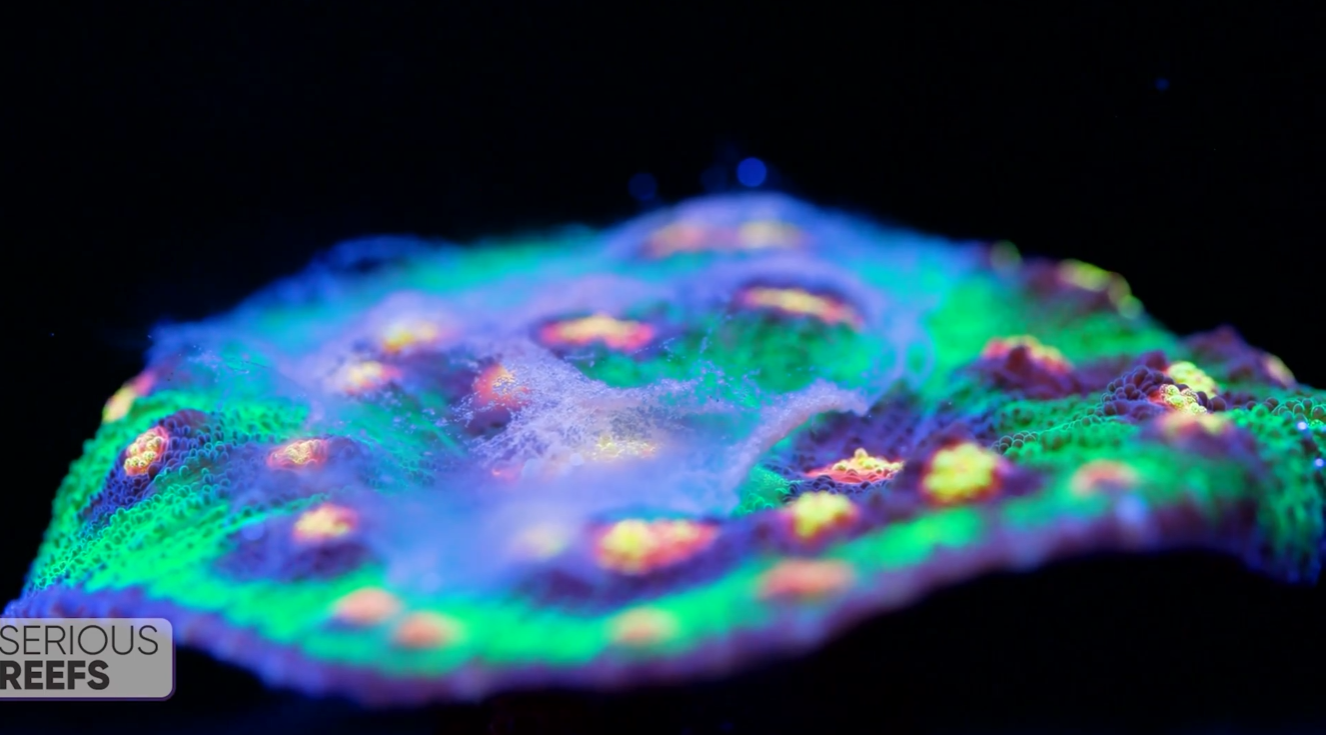
Chalice corals can thrive on photosynthesis alone, but they respond well to target feeding. When flow is reduced they deploy a mucus coat and can capture small meaty foods, even micro shrimp. Feeding sessions can look like a slow vacuum as their mucous pulls in particles.
If you choose to feed:
Turn down flow so prey can be captured.
Feed small, frequent portions rather than one large meal.
Monitor for uneaten food settling into chalice bowls and clean or adjust flow if needed.

Grafting and Propagation
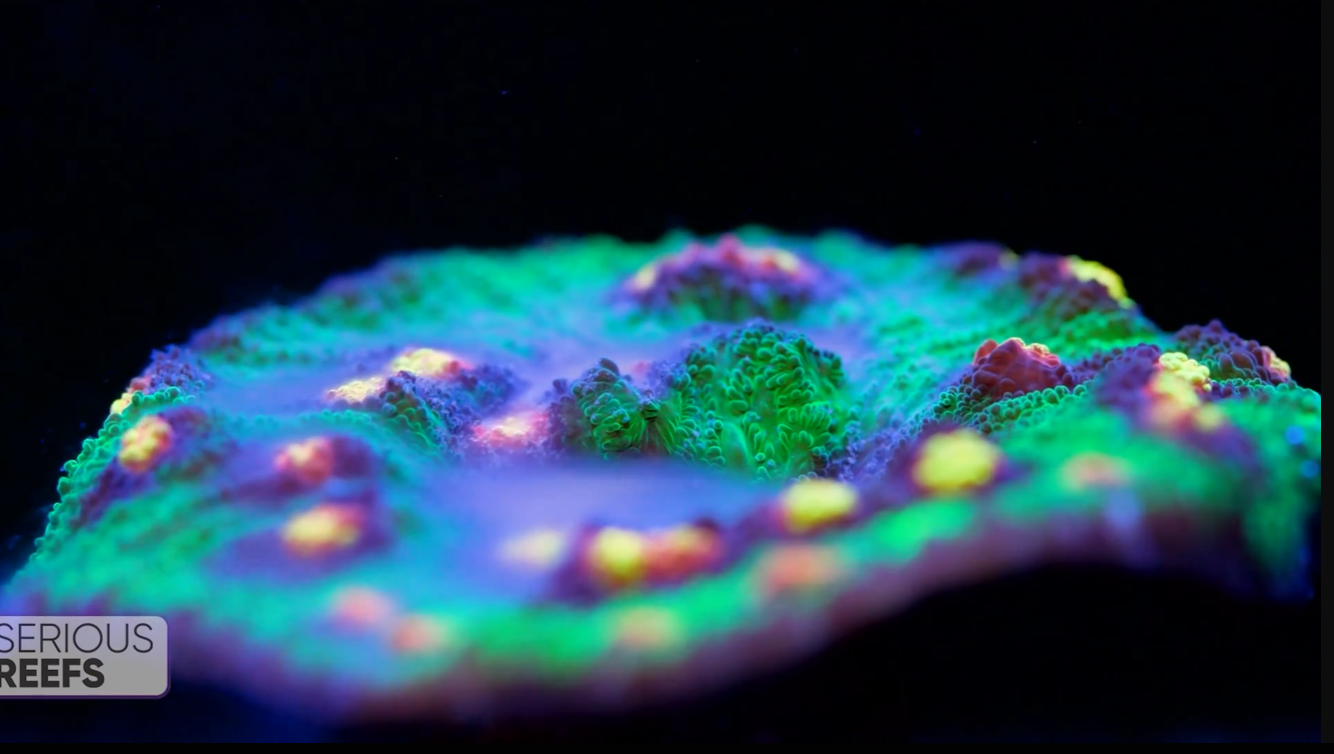
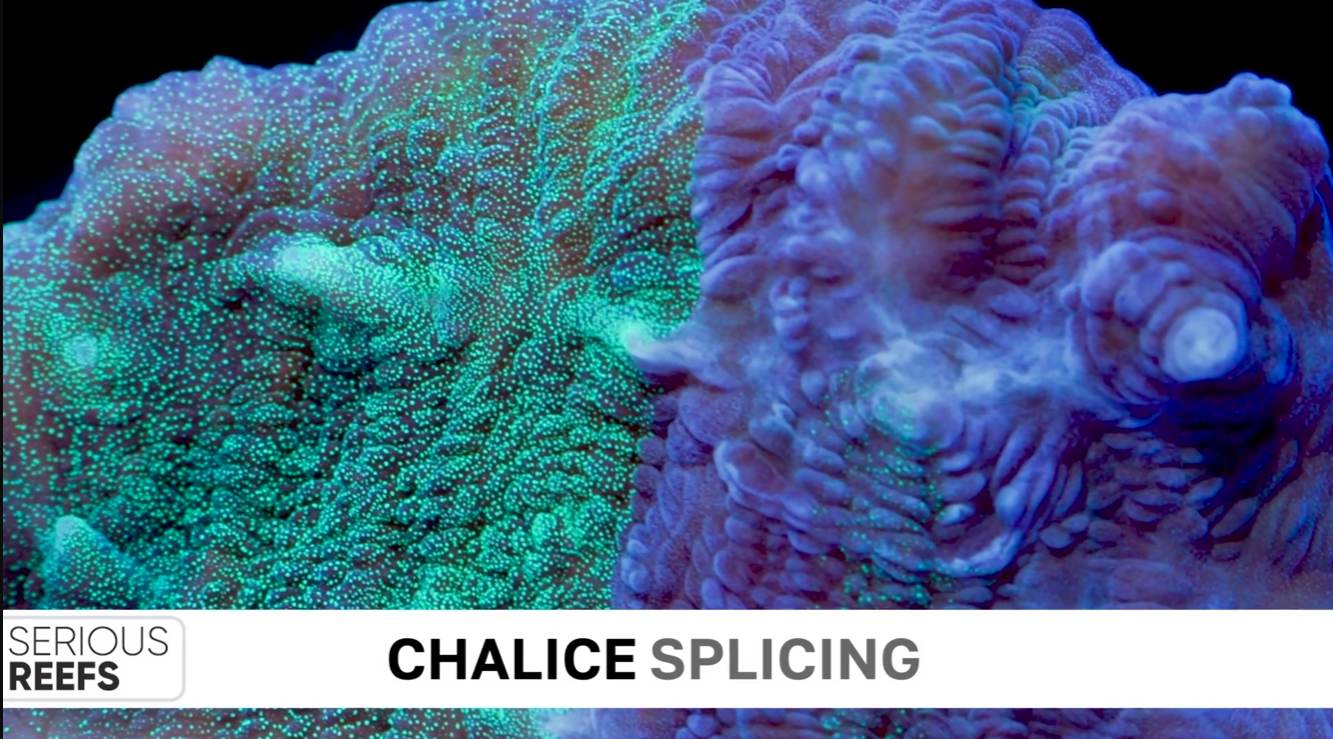
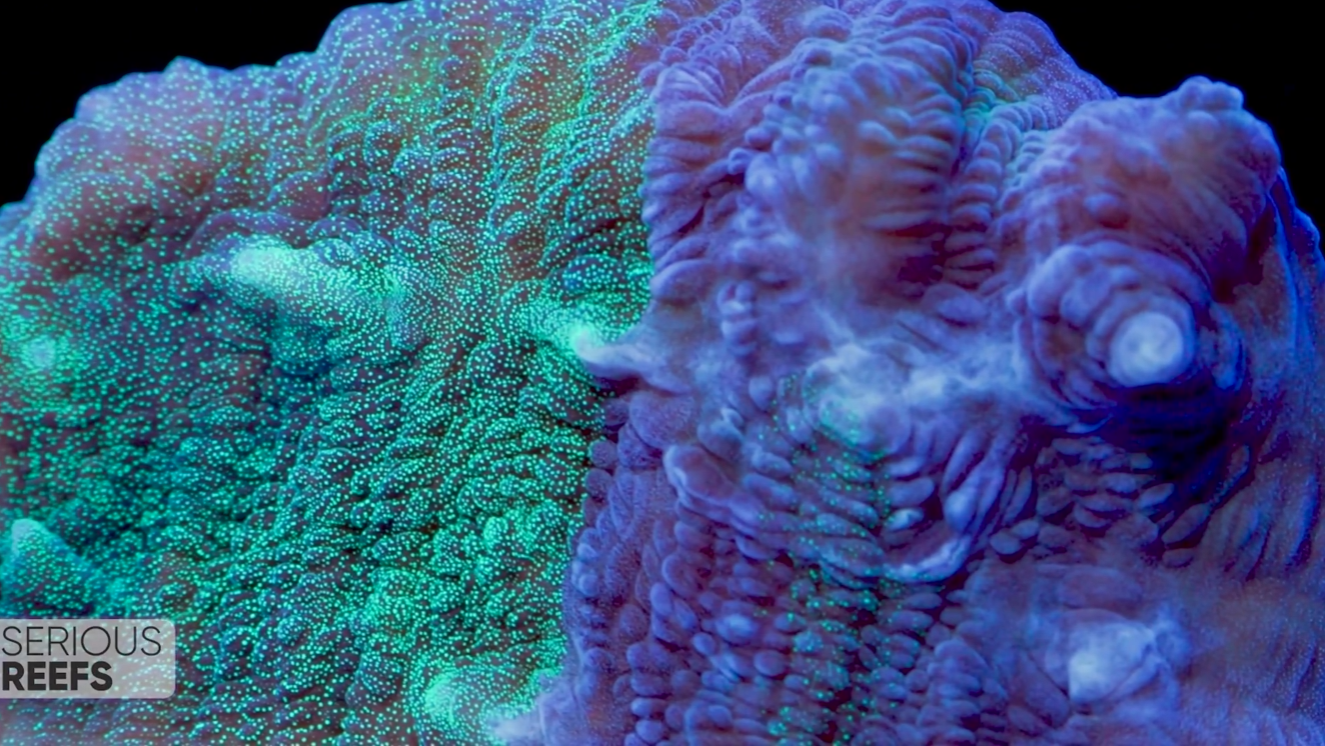
Chalices, especially Mycedium types, can sometimes be grafted. When two colonies are placed next to one another they can fuse. This opens creative possibilities for custom color combinations and hybrid-looking colonies. It’s an advanced technique and outcomes can be unpredictable, but it’s a unique and rewarding project.

Aggression, Compatibility, and Risks
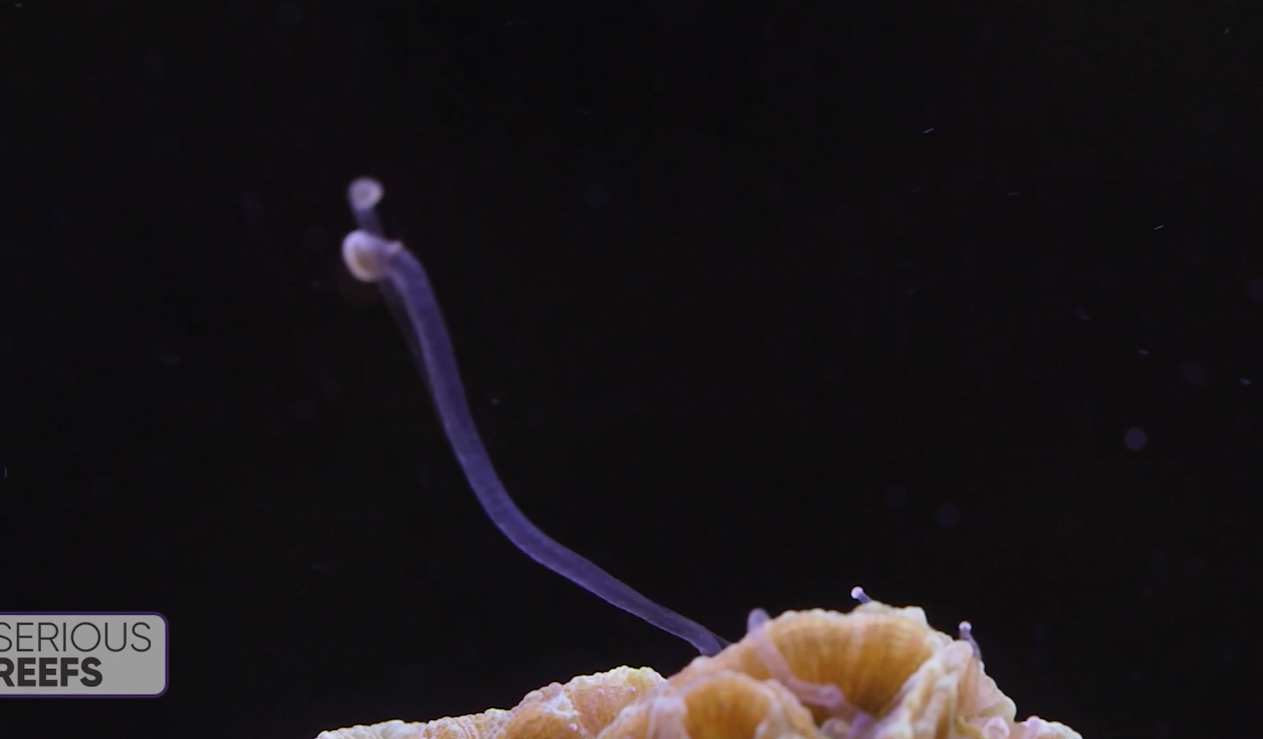
While most chalices don’t show visible sweeper tentacles, some varieties can extend long, stinging tentacles — the Hollywood Stunner is notable for this. More importantly, chalices pack a powerful sting and will usually win territorial battles with neighbors.
If a chalice begins encroaching on another coral, don’t assume coexistence. Either move one colony or provide more space. Also avoid situations where a chalice could fall into another coral, causing mutual damage.
Chalice Sweeper Tentacle
Final Thoughts
Chalices can be an excellent choice for all levels of reefers. They bring an abundance of color and texture to all tank types but caution should be exercised since they can grow way quicker than anticipated and are very aggressive. Their quick growth makes them a great choice for those looking to propagate coral in their systems.
Chalice FAQs
How much light do chalice corals need?
Chalice corals generally prefer low to medium intensity light, roughly 50 to 150 PAR. Spectrum is important for color and fluorescence, so blue-rich light often produces the best visual results.
Can chalices be safely kept with other corals?
Yes, but with caution. Chalices have a strong sting and can outcompete neighboring corals. Provide adequate space and avoid placing delicate corals where they could be shaded or stung. Watch for species that extend long sweeper tentacles.
Do chalice corals need to be fed?
Feeding is optional. Many chalices do fine on photosynthesis alone. However, they will accept and benefit from target feeding of small meaty foods if you reduce flow during feeding.
How much flow is ideal?
Moderate, indirect flow is ideal. It should be strong enough to prevent detritus from settling in their bowls but not so strong that the coral is lifted or moved. Adjust flow as the colony grows.
Will chalice corals fuse if placed together?
Some chalice genera, like Mycedium, can graft and fuse when placed edge to edge. Fusion can create interesting color combinations but is not guaranteed and can be unpredictable.
What water chemistry should we monitor closely?
Monitor calcium, alkalinity, and magnesium regularly. Fast-growing chalices can also deplete trace elements over time, so increased testing and supplementation may be necessary if growth is strong.
What’s Next?

Acknowledgments
Thank you to Than Thien for sharing his knowledge with the SR community. Thank you to Ryan Thompson for summarizing the video and making it available to everyone.
Thank you to the Serious Reefs community. Your membership funds the creation of articles and videos like this one.
Support Serious Reefs
Patreon is the best option If you…
Want to discuss with the SR community and ask questions.
Want immediate notifications of every release.
Listen with phone screen off. Patreon app works with phone closed
Want 25% off via annual discounts.
YouTube members is the best option If you…
Watch SR videos on a TV via youtube App
Want to watch videos natively here on seriousreefs.com - (You must use chrome browser and be logged into google account with youtube membership)
Are a YouTube power user.
Tell a friend. Best option if want more SR (and faster).
If you like what we’re doing, give SR a quick shout-out on your favorite forum, YouTube, Facebook, TikTok, or Instagram. Let your local fish store know SR is helping you explore the hobby and keep it fun. Thanks for the support!
Disclaimer
Full Disclaimer HERE. This is the gist of it.
Content is based on personal experience, not professional advice. Do your research and reef responsibly. Serious Reefs should not be your sole source of information on any topic.
By watching, you agree that Serious Reefs and its creators aren’t liable for how you use this info. Please don’t utilize our information if you are not ok with this.
Serious Reefs has no sponsors, doesn’t accept product, or payment for reviews. We do use affiliate links in articles that earn a small commission to support our work. Shop wherever you like, we won’t be offended.
Chalice corals aren’t a single species so much as a convenient name for a family of plating large polyp stony corals. Genera you’ll commonly see include Echinopora, Oxypora, Mycedium, and Echinophyllia. They share a cup or plate-like growth form, but they vary wildly in color, texture, and the way they plate out. Many of the corals available today are aquacultured, and their captive growth habits often flatten and blur the differences between genera, which is why identification can be tricky.