Palythoa | Coral 101 Care Guide, Tips, & Troubleshooting
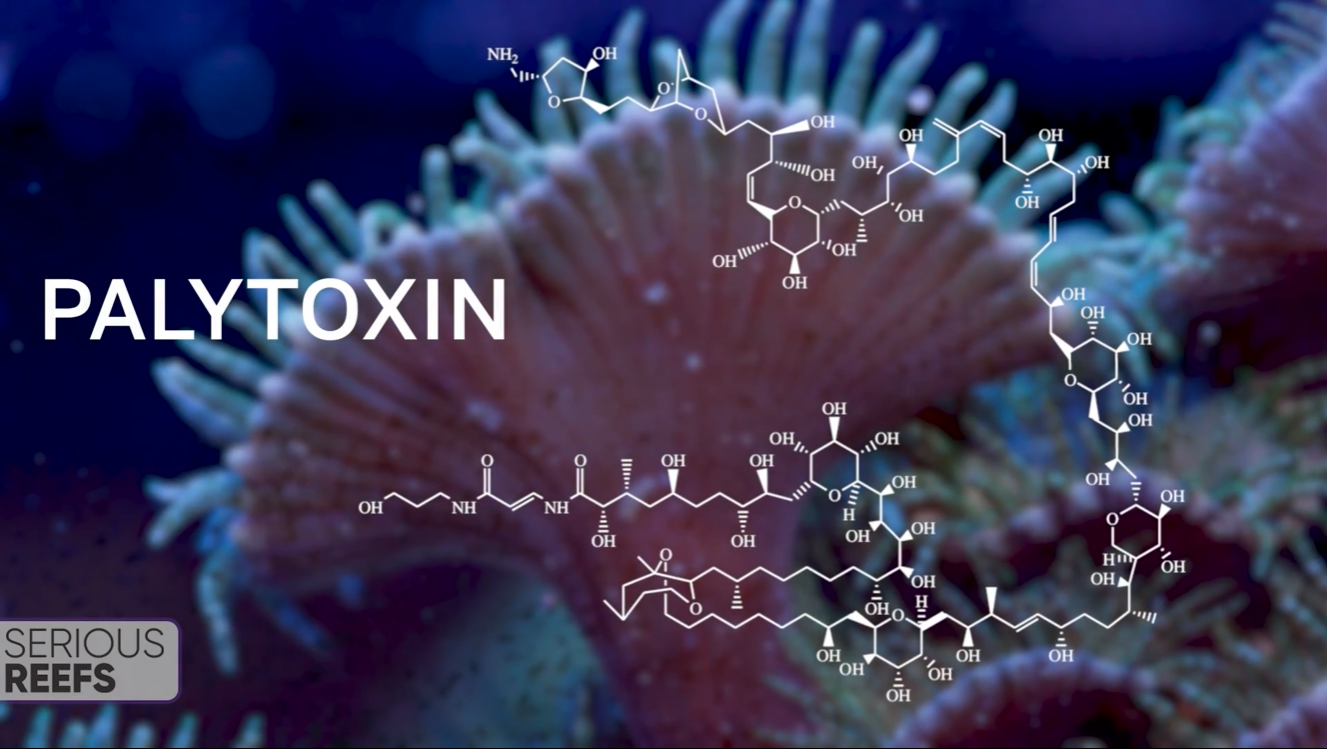
We call Palythoa one of the most bipolar corals in the hobby. On the one hand, they are extraordinarily hardy and easy to keep alive. On the other hand, they can be dangerous and unpredictable because many Palythoa contain palytoxin, one of the most potent marine toxins known. That tension—simplicity of care versus real safety risks—is the single most important thing to accept before we consider adding these corals to our systems.
Note: Paid YouTube SR Members Using A Chrome Browser can watch videos natively above on Seriousreefs.com. Sign up HERE
SR videos are a community funded member only resource. Serious Reefs buys everything we review, accepts no sponsorships, and your memberships make it possible to keep every review truly unfiltered.
What Palythoa Actually Are
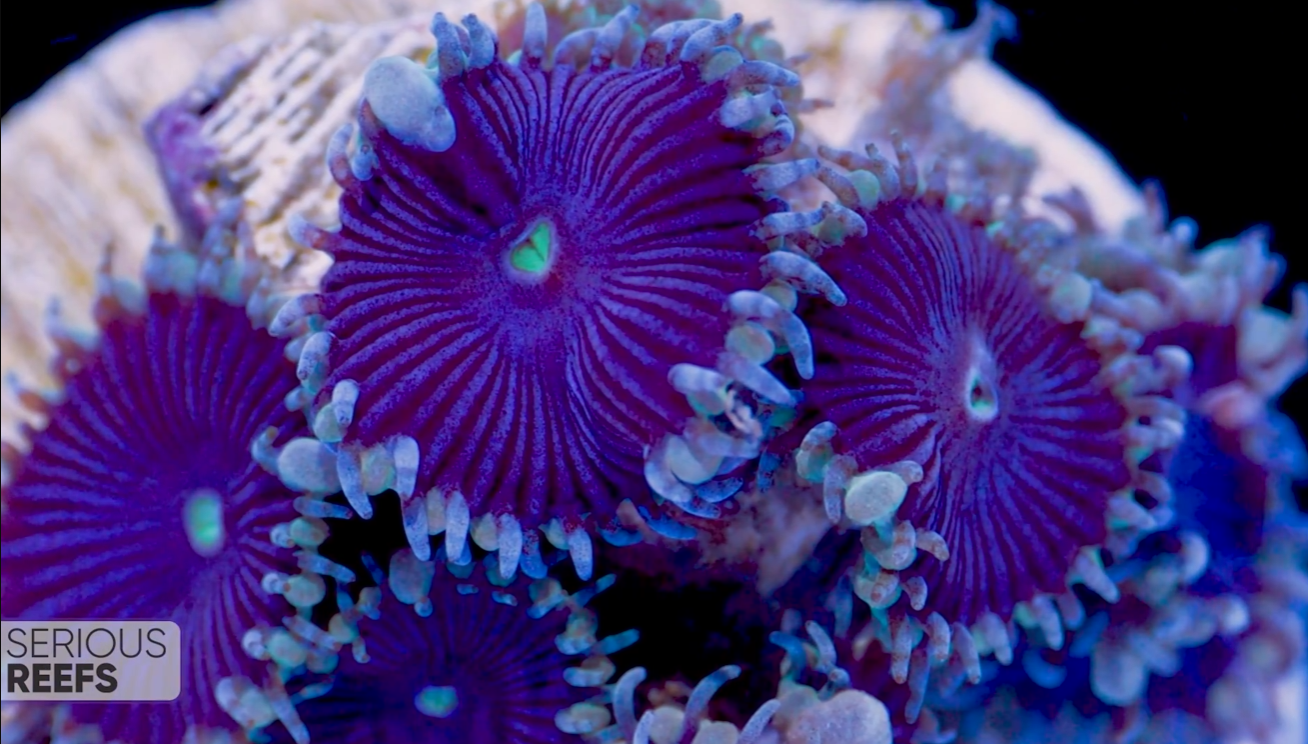
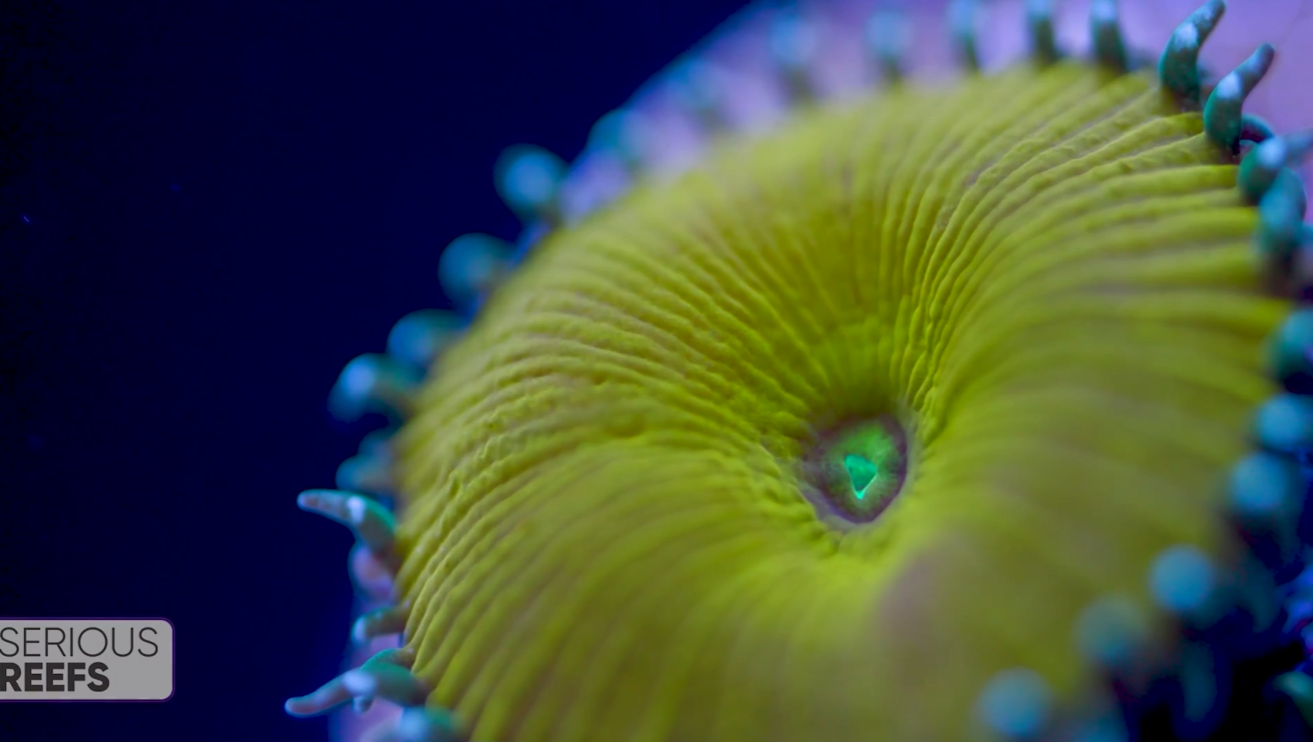
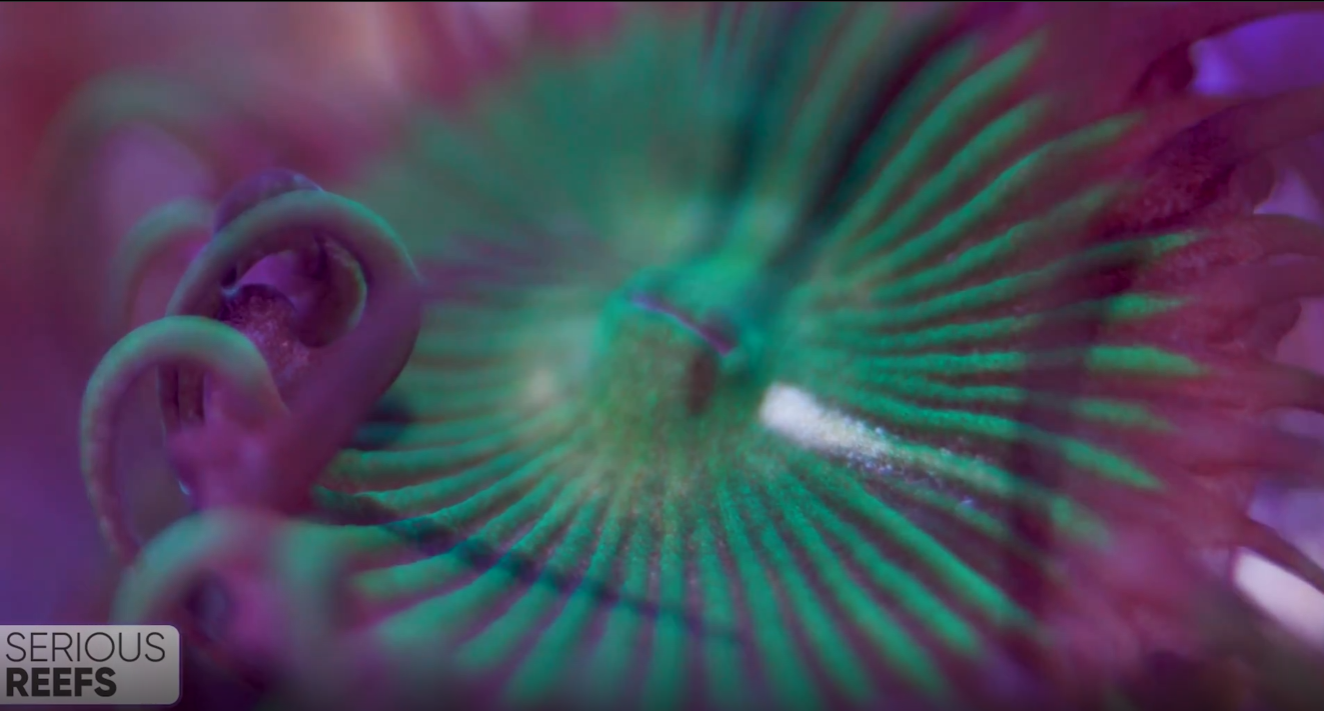
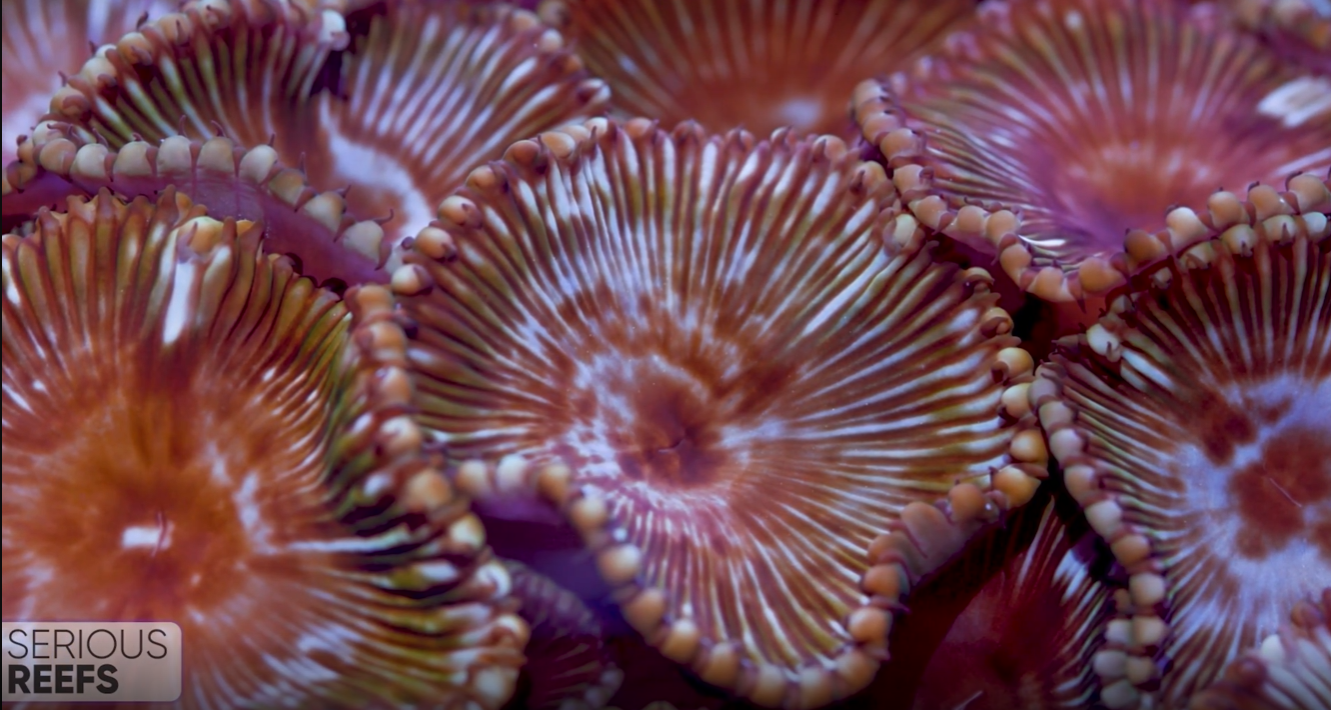
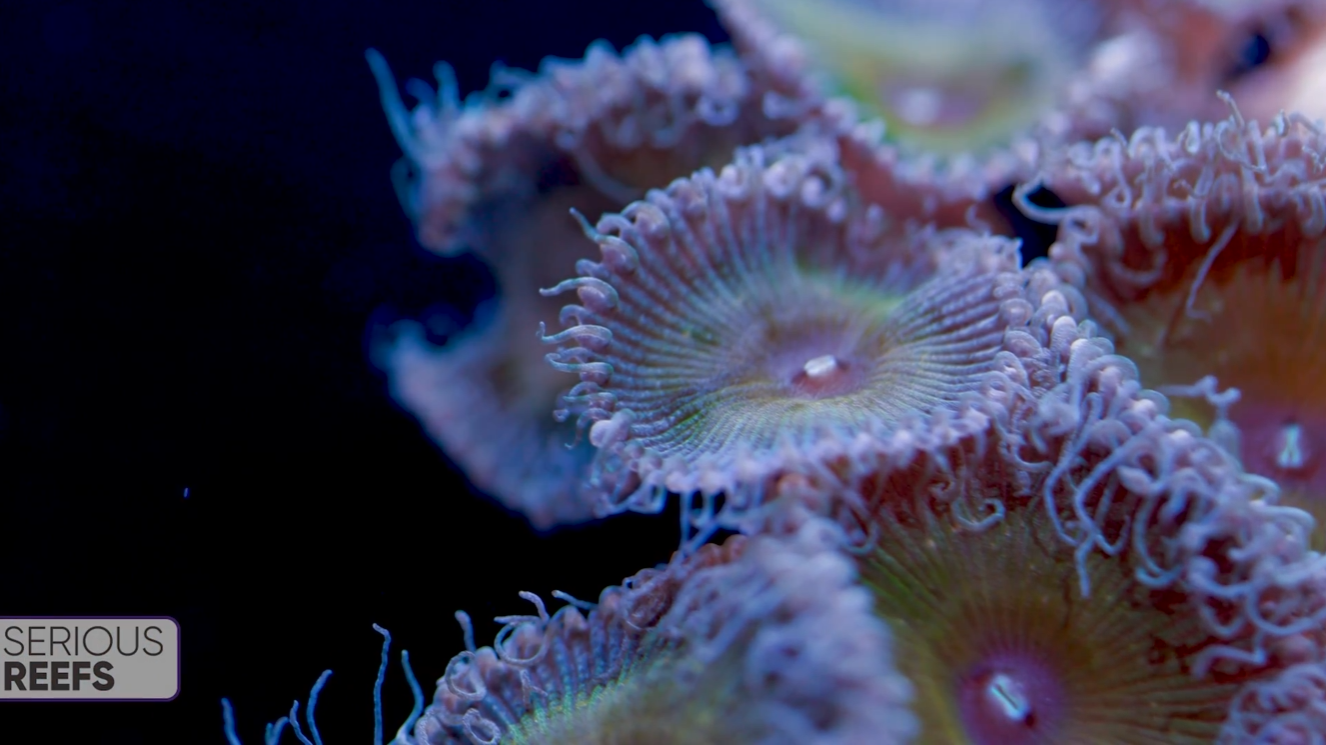
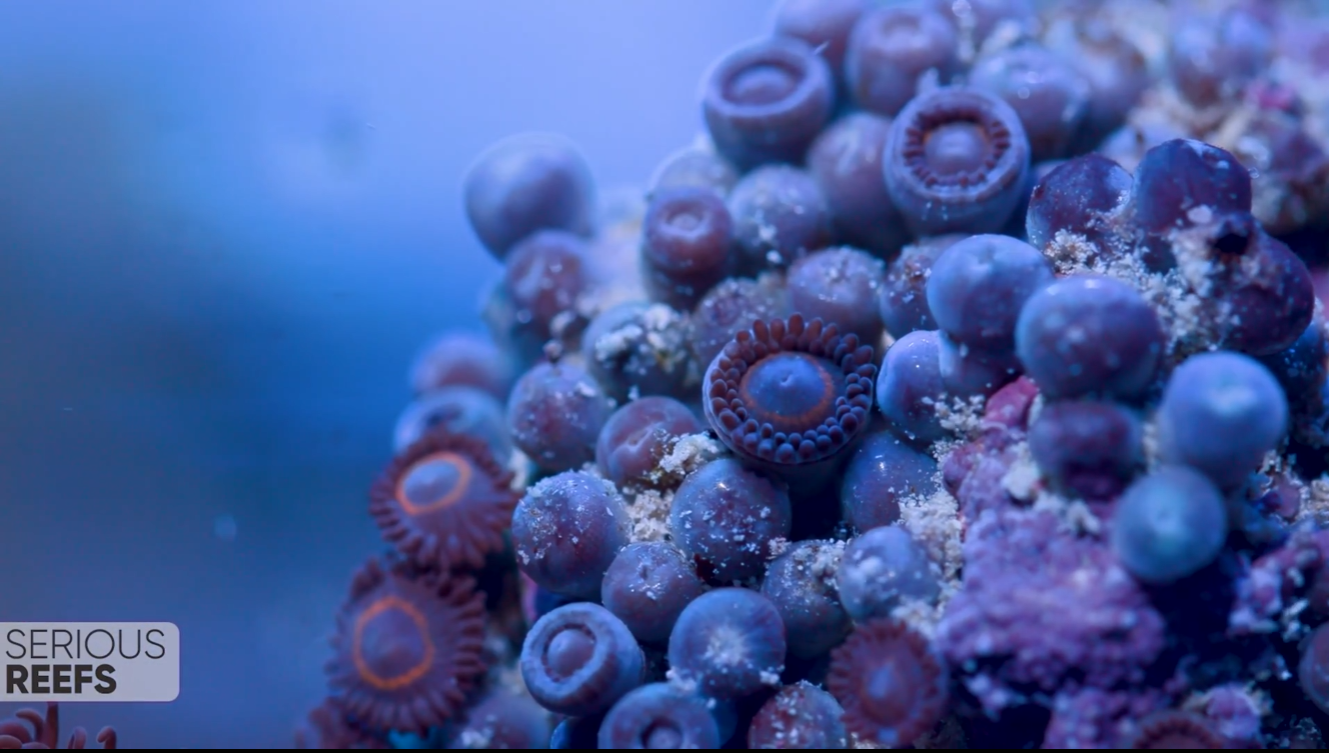
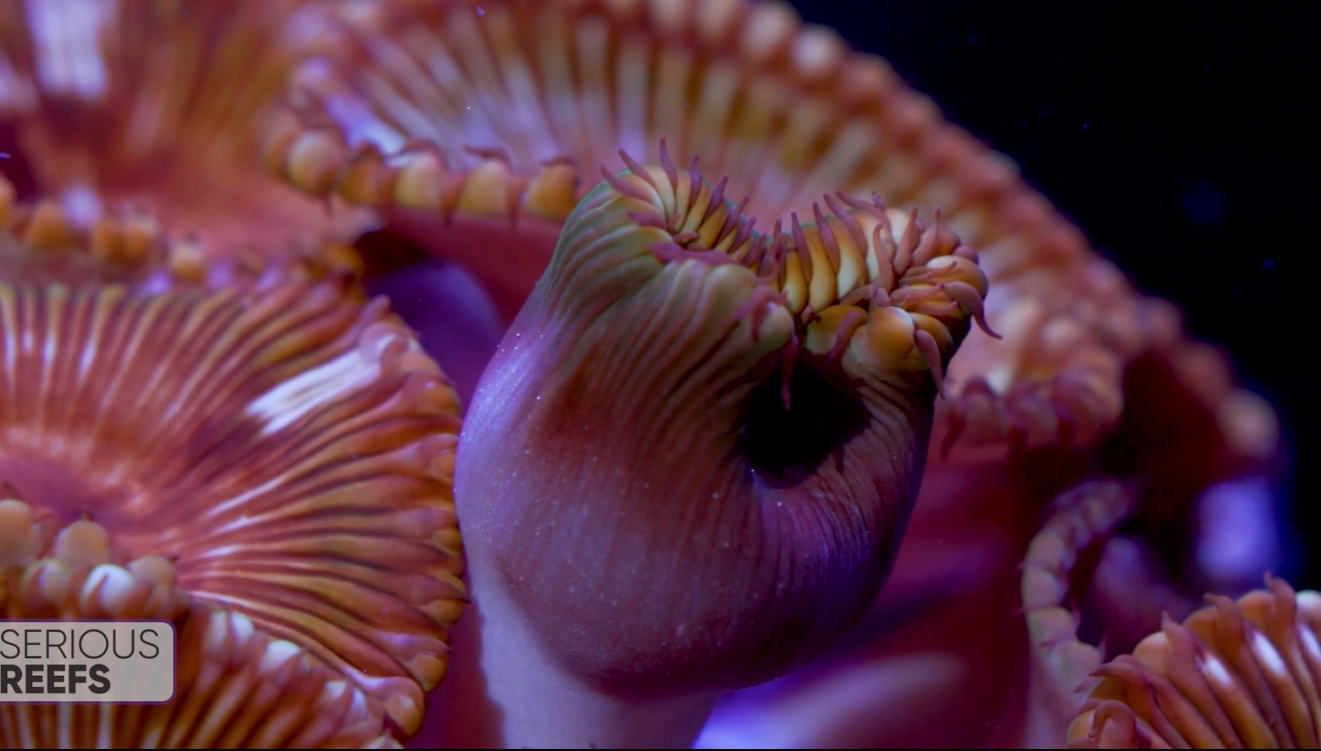
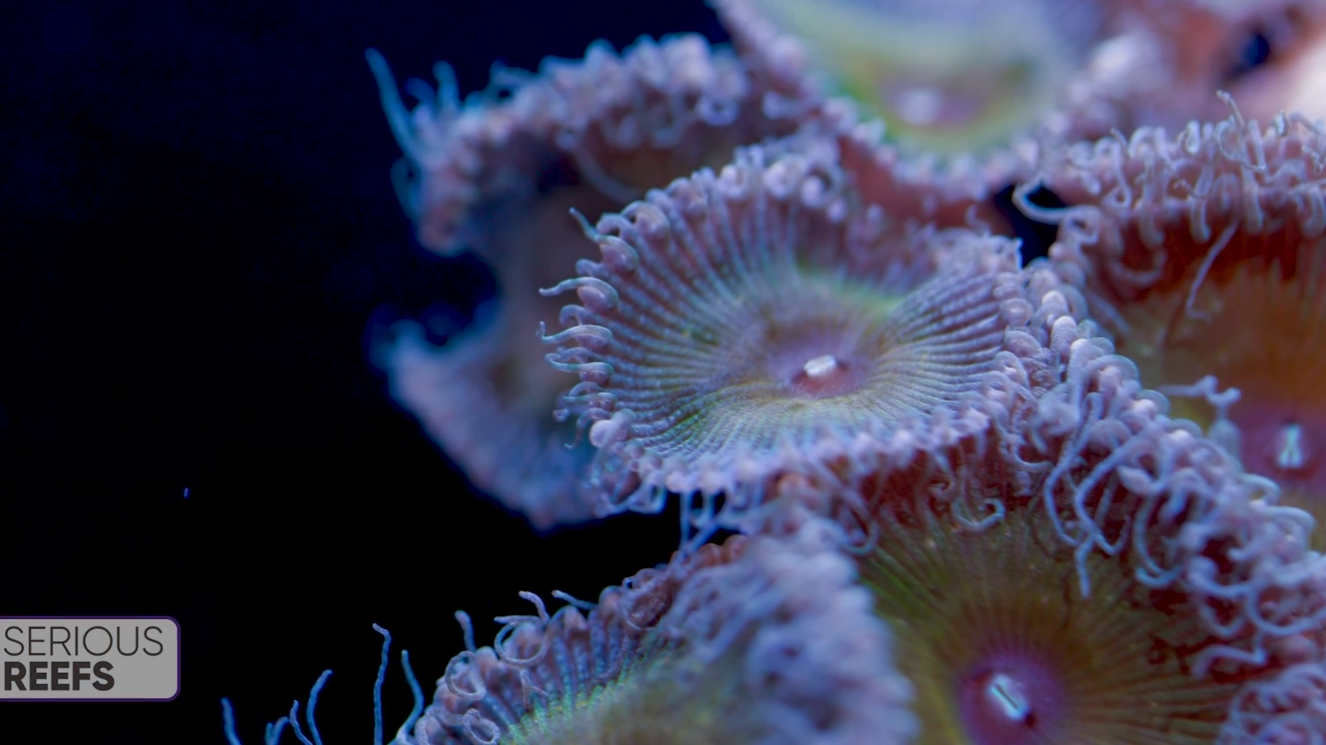
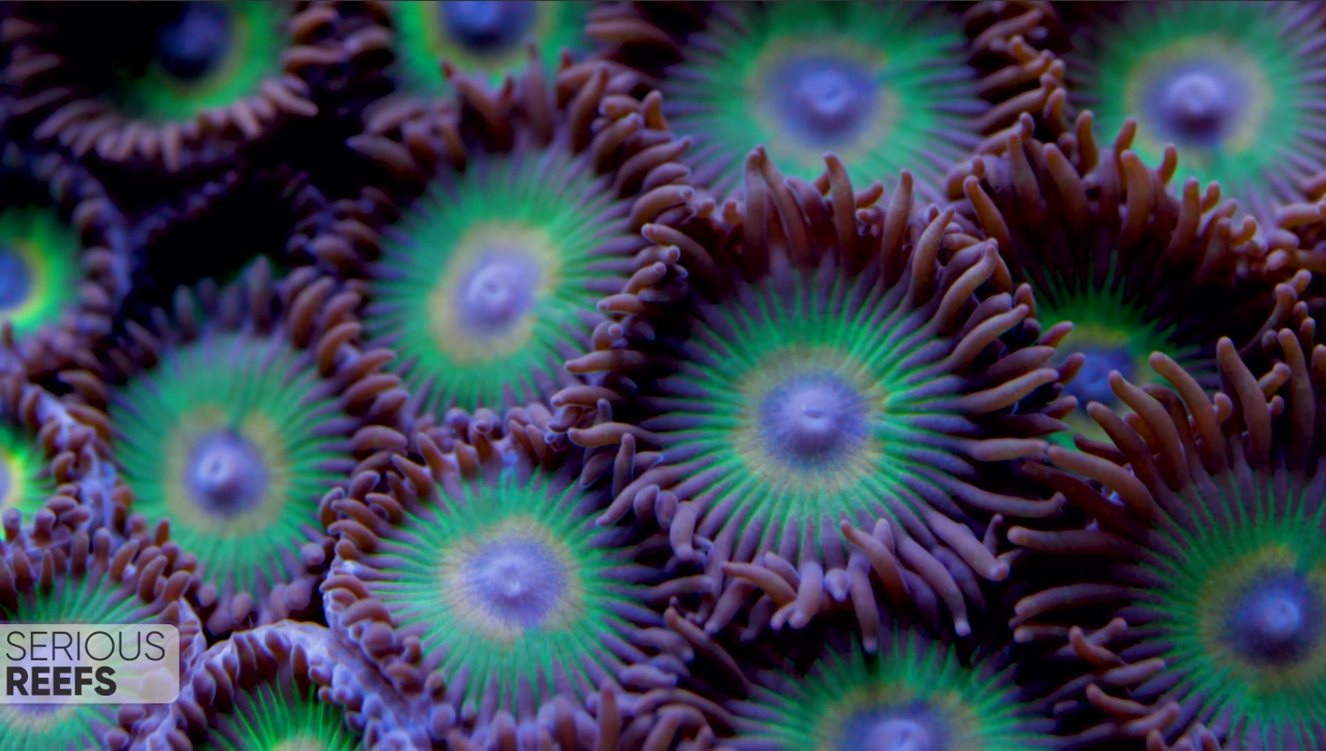
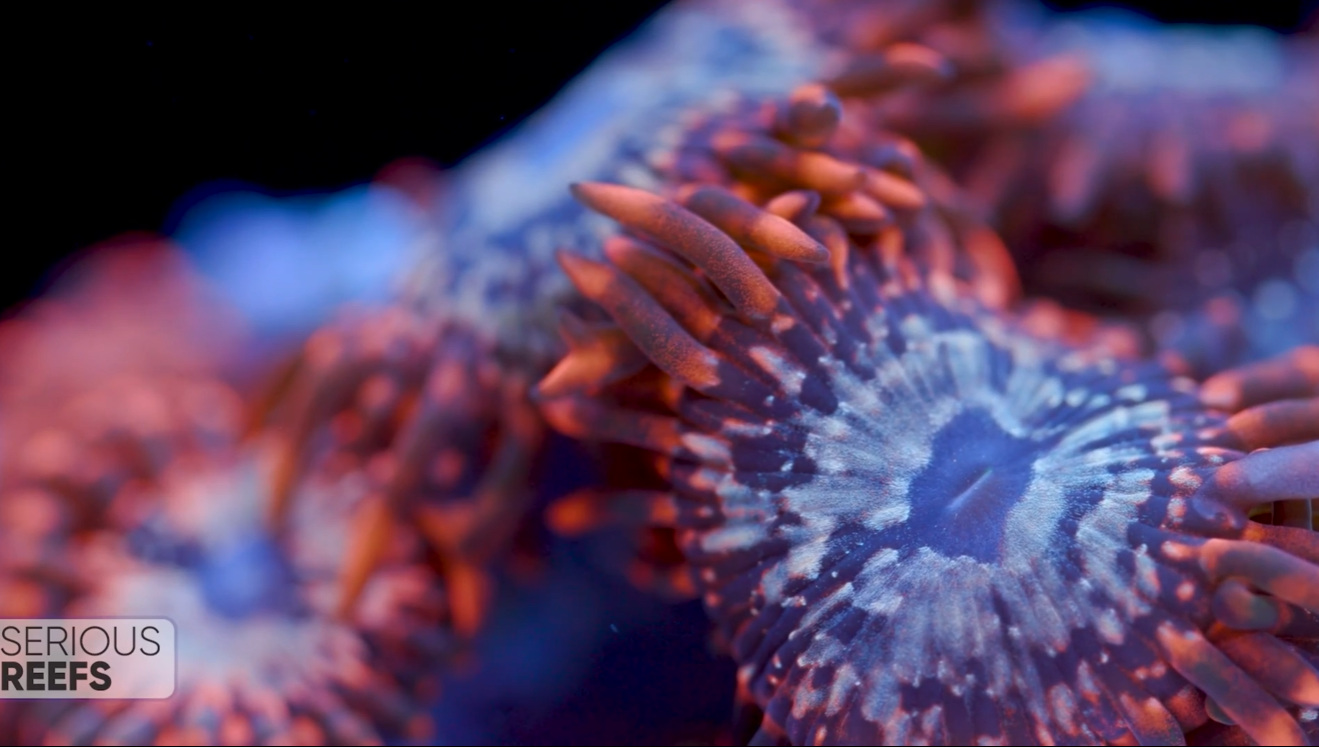
Palythoa are a group of zoanthid polyps in the order Zoantharia. They come in a few different morphologies: some have very small polyps (think names like Purple Death or Nuclear Greens) while others form large, potato-chip–sized mats with blotchy, shifting patterns. They are visually striking but not as color-variable from lighting alone as some other corals.
Quick Care Checklist
Lighting: 50-150 PAR
Flow: Randomized, turbulent flow—not a straight, constant blast
Water chemistry: They are very forgiving but stability is always best practice.
Feeding: Palythoa are active feeders.
Placement: Just about anywhere but make sure they are easily removed when necessary.
Toxicity and Safety: Treat them with respect!
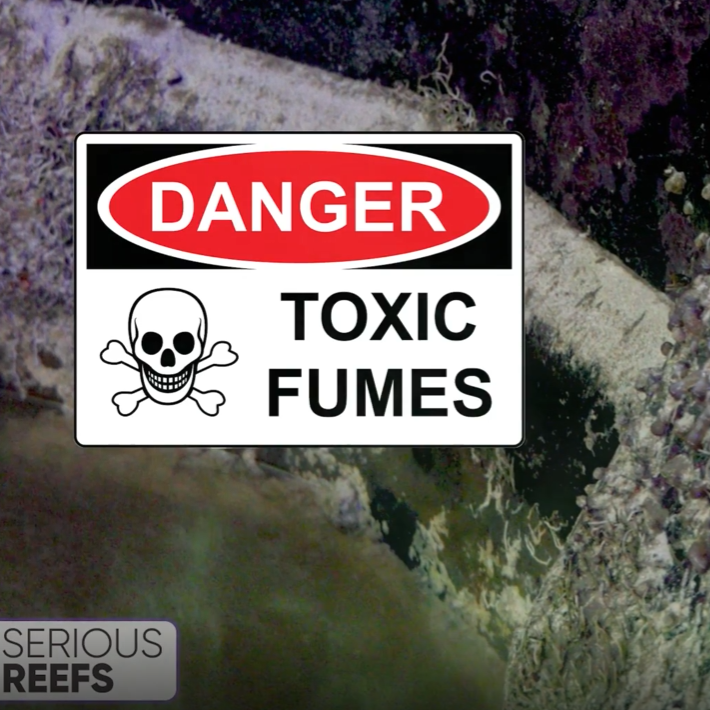
Palytoxin can cause anything from mild irritation and headaches to severe respiratory distress and multi-organ problems depending on exposure. One of the greatest hazards is aerosolization: disturbing colonies while they are partially exposed to air or using heat to remove them can spread toxin particles. Because of this, handling and removal carry legitimate health risks for people and animals.
We recommend assuming a colony is toxic until proven otherwise. Use common-sense precautions: wear protective gloves and eye protection, avoid exposing colonies to air or heat, work in a well-ventilated area, and plan removals so you minimize direct handling. If anyone develops symptoms after exposure, seek medical attention promptly.
Palythoa versus Zoanthus: Practical Identification Tips
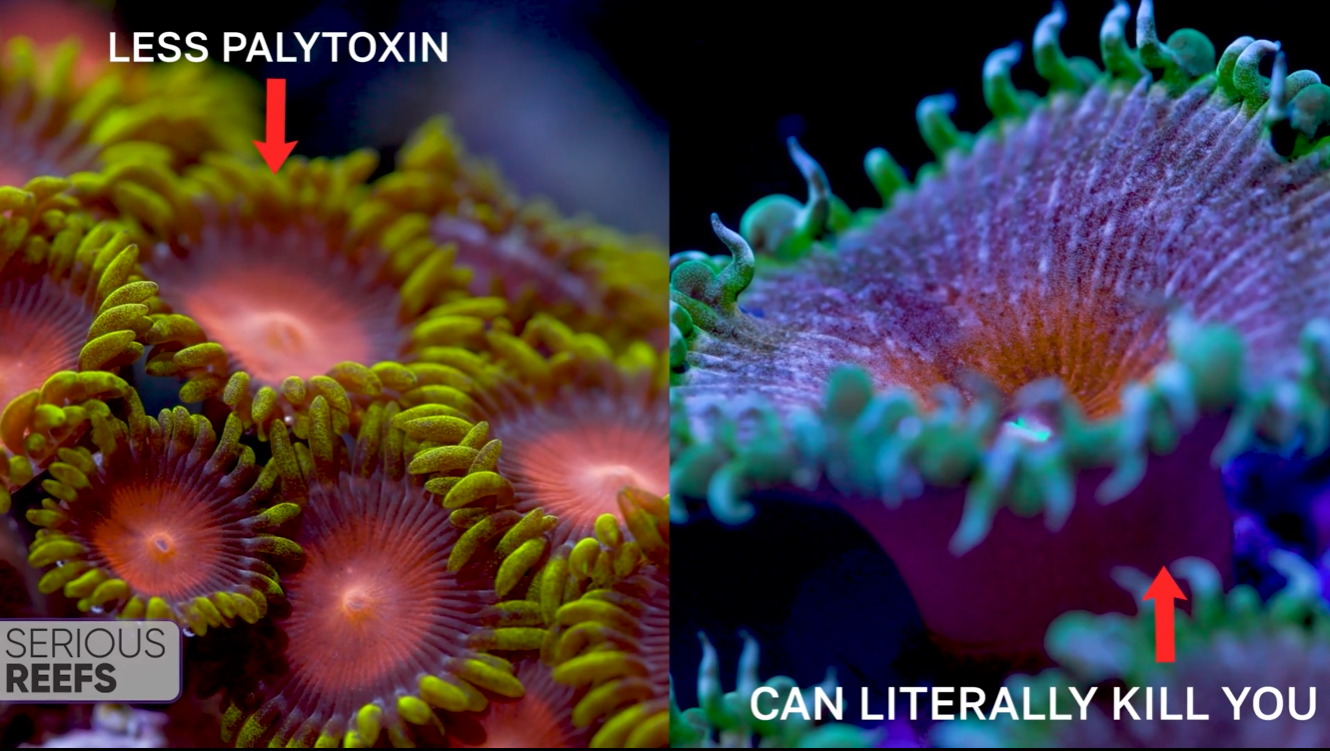
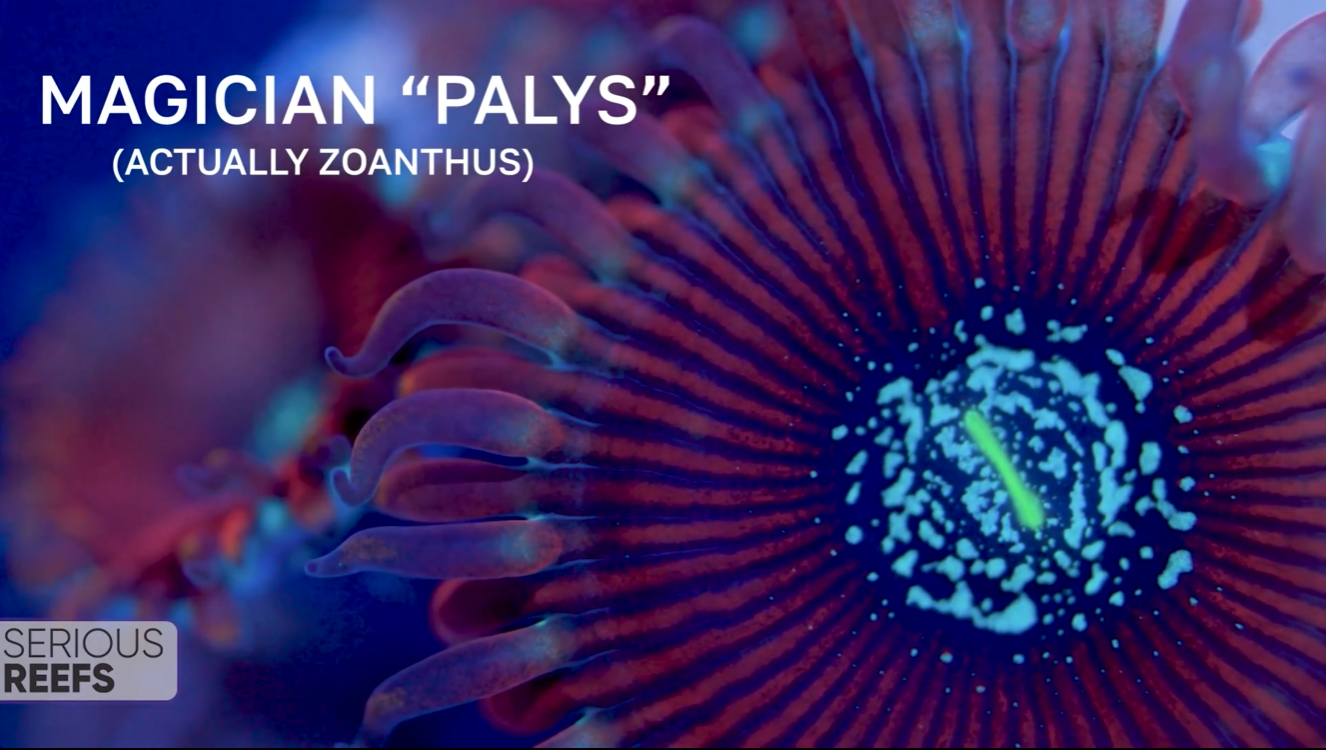
These two groups are related and often confused, even in shops and online listings. The distinction matters because Zoanthus specimens typically contain little or no palytoxin while Palythoa are more likely to contain significant amounts.
Polyp size: Palythoa often has larger polyps; Zoanthus usually has smaller, tighter polyps.
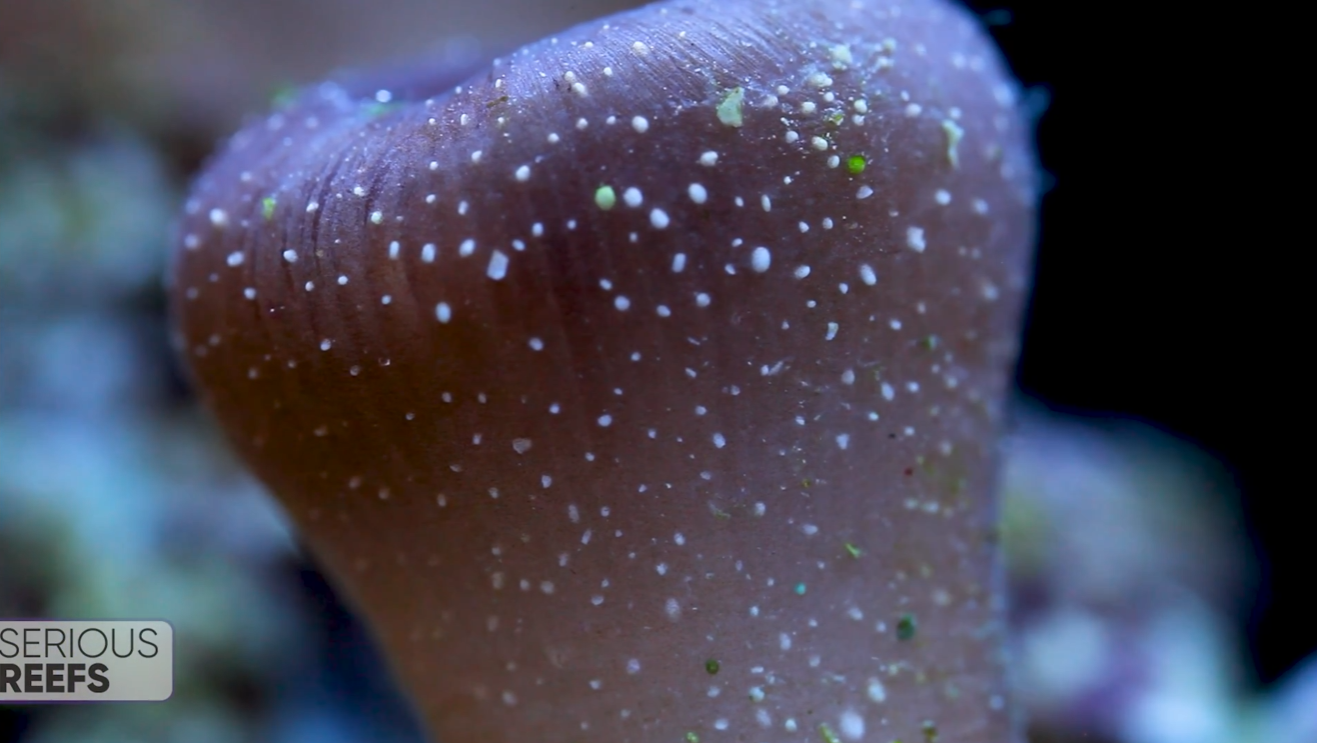
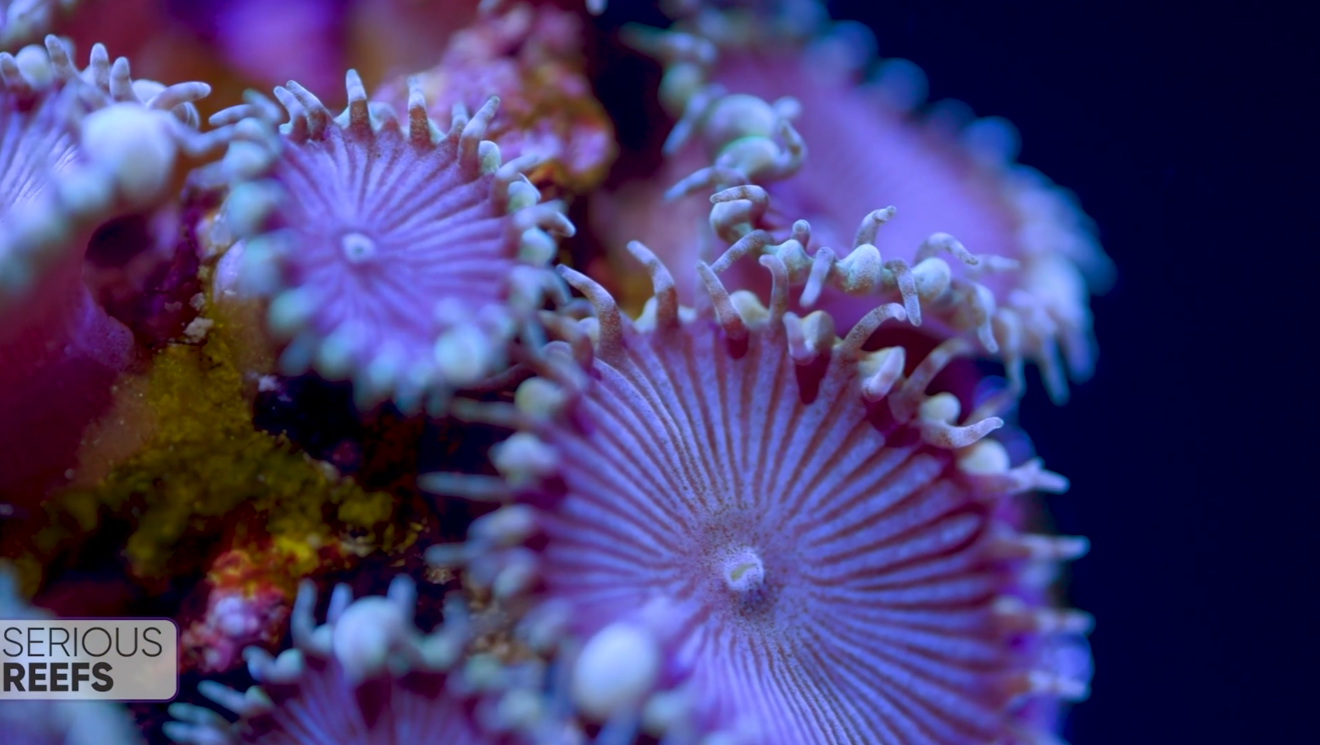
Substrate incorporation: Palythoa frequently incorporate bits of sand or crushed coral into their tissue. You can sometimes see flecks of substrate embedded in the polyp.
Growth habit: Both can spread into mats, but Palythoa are notorious for explosive lateral growth across flat surfaces like back glass and overflow boxes.
Light preference: In the wild zoanthids are often found in very bright locations. That can help with identification but is not foolproof in a tank environment.
Because misidentification is common and the consequences can be serious, when in doubt we treat unknown zoanthids as potentially toxic and handle them accordingly.


Flow Requirements
Flow preferences differ between the two groups. Palythoa will tolerate anything from near still water to strong flow. Zoanthus generally prefer stronger flow that keeps the mat free of detritus. In tanks where detritus accumulates around polyps, Zoanthus can struggle while Palythoa are more forgiving.

Tunze Stream Pump

Jebao Gyre

Palythoa growing on glass
Placement and Planning For Growth
The single most important placement consideration is future removability. If you place a Palythoa frag on the live rock surface, it will often spread off the plug and attach itself to the rock, potentially forming large mats that are extremely difficult and risky to remove later. Back glass, overflow boxes, and other smooth surfaces are favorite spots for rapid spread.
Plan ahead: keep colonies on removable plugs or frag disks, isolate them from delicate neighbors, and avoid locations where a future maintenance task would force a risky removal. If we decide to include Palythoa, we do so with a plan for containment and removal if they overrun the tank.
Water Chemistry: The Essentials
There are no demanding chemistry requirements for Palythoa. They do fine in a wide range of water quality conditions and will tolerate both very clean and relatively dirty water. For most reef tanks that support other corals, Palythoa will be fine as well.
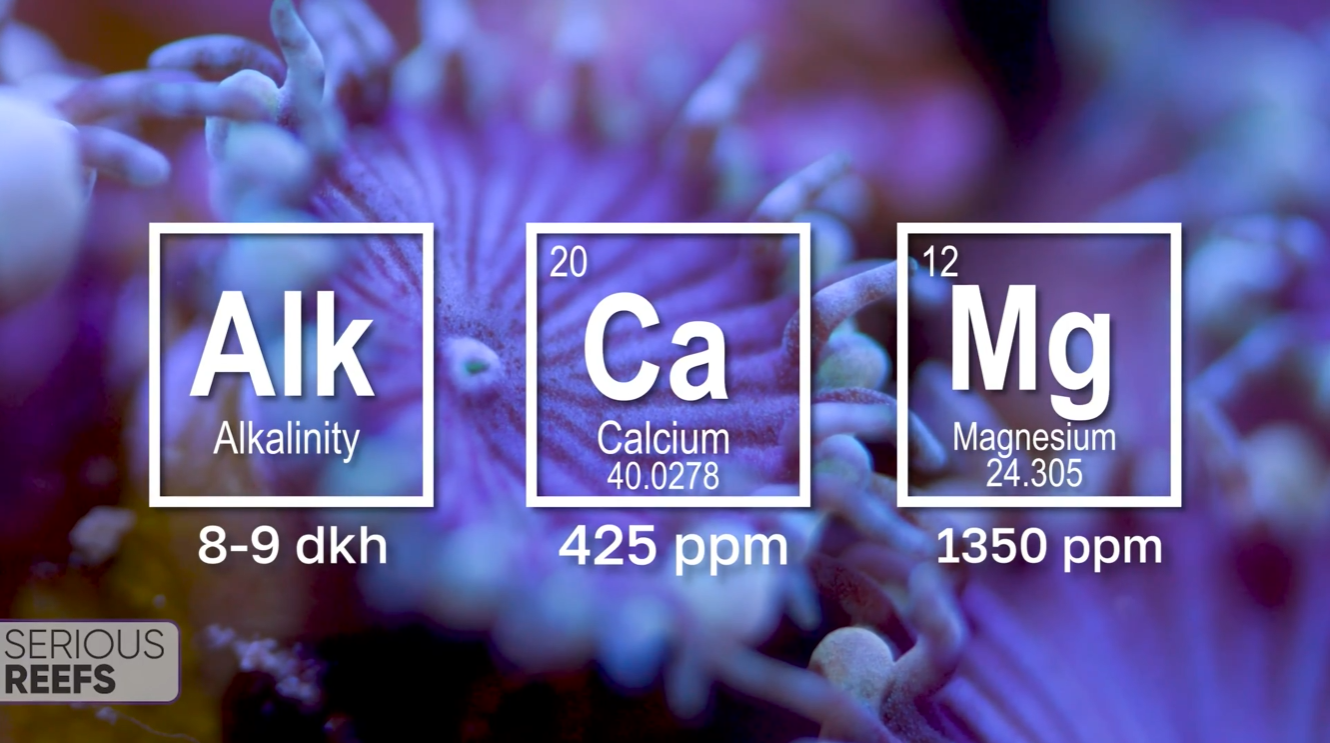
Palythoa Major Elements
Feeding and Nutrition
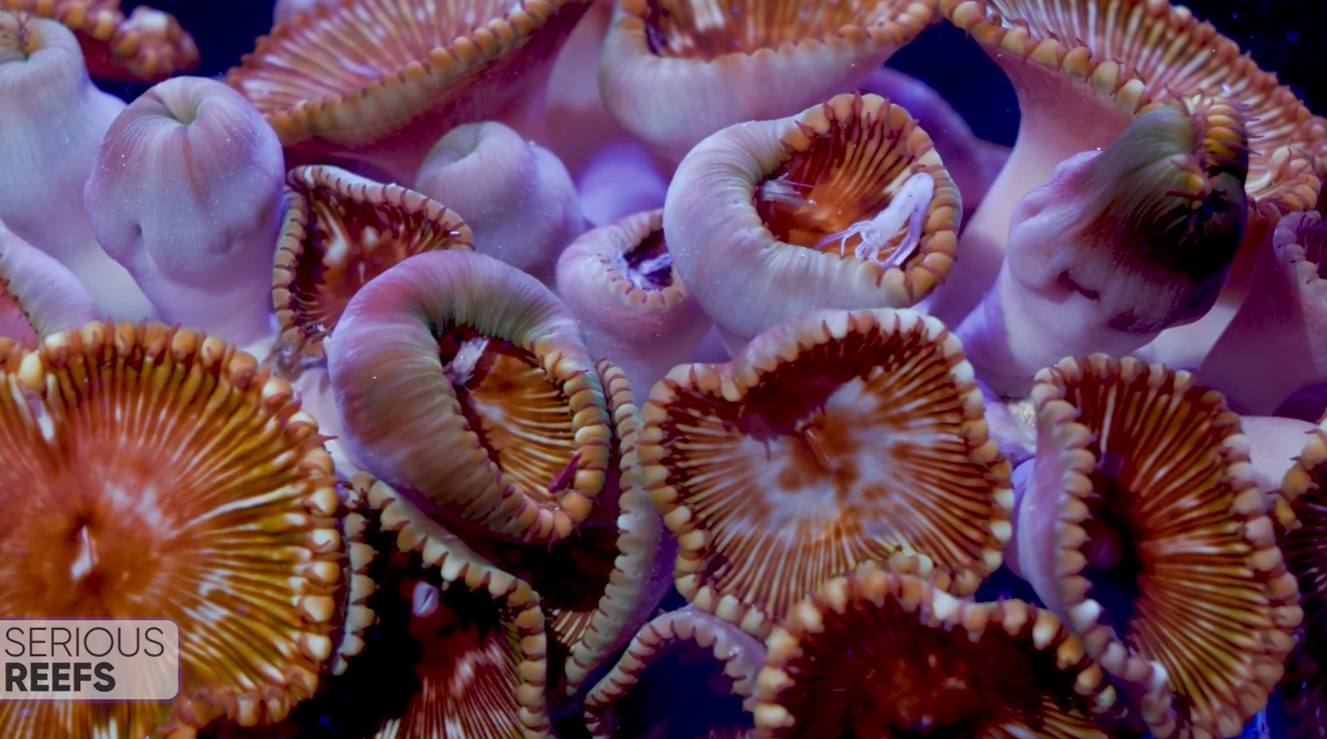
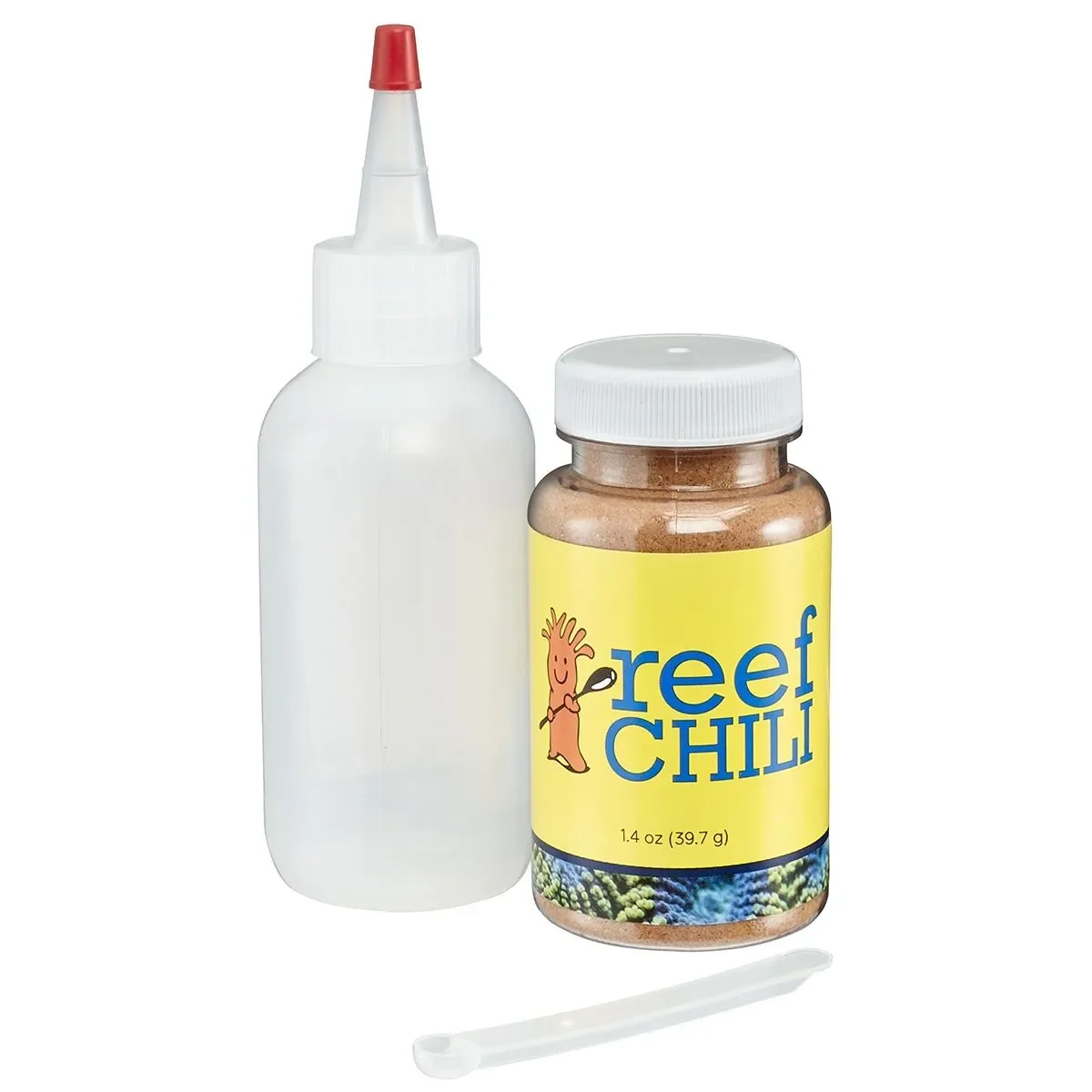
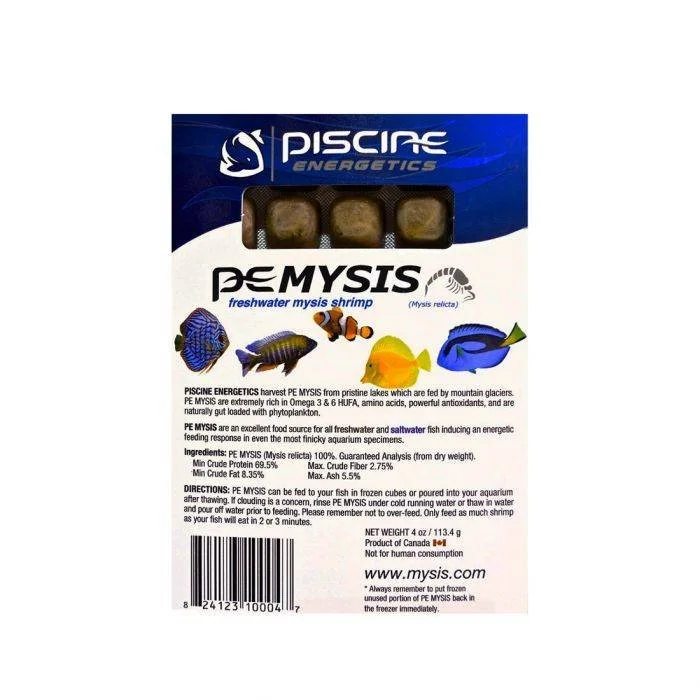
Palythoa are active feeders. They readily capture powdered and frozen foods from the water column, so supplemental feeding will accelerate growth. That makes them attractive to hobbyists who like rapid growth but also increases the need to plan for that growth to avoid unintended spread.
Final Thoughts
Palythoa are a study in contrast: nearly indestructible on the one hand, potentially hazardous on the other. For beginners we advise caution. If we do decide to keep them, we treat them with respect—containment, protective handling, and a plan for removal are essential. Do not underestimate how quickly a small mat can become a maintenance headache or a safety risk.
Palythoa FAQ
Are Palythoa safe to keep in a home reef?
Palythoa can be kept safely if we follow strict handling and placement precautions, but they are not ideal for inexperienced hobbyists because of the palytoxin risk. If we are unsure about identification or safe handling, avoiding them is the safest choice.
How can we tell Palythoa apart from Zoanthus?
Look for larger polyps and embedded substrate in the polyp tissue—common in Palythoa. Zoanthus often has smaller polyps and prefers brighter light. Misidentification is common, so when in doubt treat the colony as potentially toxic.
What safety gear should we use when handling Palythoa?
Use protective gloves and eye protection, work in a well-ventilated area, and avoid exposing colonies to air or heat. Keep animals and children away during any work. If any symptoms develop after exposure, seek medical attention immediately.
Where should we place Palythoa in the tank?
Place them on removable plugs or frag disks away from rockwork and flat surfaces where they can spread uncontrollably. Avoid placing them on back glass, overflow boxes, or other locations that make future removal difficult.
Do Palythoa need to be fed to thrive?
No, they are photosynthetic and will survive under a wide range of conditions, but they are enthusiastic feeders and will grow faster if provided powdered or frozen foods they can capture from the water column.
What should we never do when trying to remove a spreading colony?
Avoid using heat or methods that expose the colony to air, because this can aerosolize toxins. Also avoid careless scraping that could splash or spray tissue. Plan removals carefully and use protective equipment; if removal seems hazardous, consider consulting experienced hobbyists or professionals.
What’s Next?

Acknowledgments
Thank you to Than Thien for sharing his knowledge with the SR community. Thank you to Ryan Thompson for summarizing the video and making it available to everyone.
Thank you to the Serious Reefs community. Your membership funds the creation of articles and videos like this one.
Support Serious Reefs
Patreon is the best option If you…
Want to discuss with the SR community and ask questions.
Want immediate notifications of every release.
Listen with phone screen off. Patreon app works with phone closed
Want 25% off via annual discounts.
YouTube members is the best option If you…
Watch SR videos on a TV via youtube App
Want to watch videos natively here on seriousreefs.com - (You must use chrome browser and be logged into google account with youtube membership)
Are a YouTube power user.
Tell a friend. Best option if want more SR (and faster).
If you like what we’re doing, give SR a quick shout-out on your favorite forum, YouTube, Facebook, TikTok, or Instagram. Let your local fish store know SR is helping you explore the hobby and keep it fun. Thanks for the support!
Disclaimer
Full Disclaimer HERE. This is the gist of it.
Content is based on personal experience, not professional advice. Do your research and reef responsibly. Serious Reefs should not be your sole source of information on any topic.
By watching, you agree that Serious Reefs and its creators aren’t liable for how you use this info. Please don’t utilize our information if you are not ok with this.
Serious Reefs has no sponsors, doesn’t accept product, or payment for reviews. We do use affiliate links in articles that earn a small commission to support our work. Shop wherever you like, we won’t be offended.
Chalice corals aren’t a single species so much as a convenient name for a family of plating large polyp stony corals. Genera you’ll commonly see include Echinopora, Oxypora, Mycedium, and Echinophyllia. They share a cup or plate-like growth form, but they vary wildly in color, texture, and the way they plate out. Many of the corals available today are aquacultured, and their captive growth habits often flatten and blur the differences between genera, which is why identification can be tricky