Elegance | Coral 101 Care Guide, Tips, & Troubleshooting
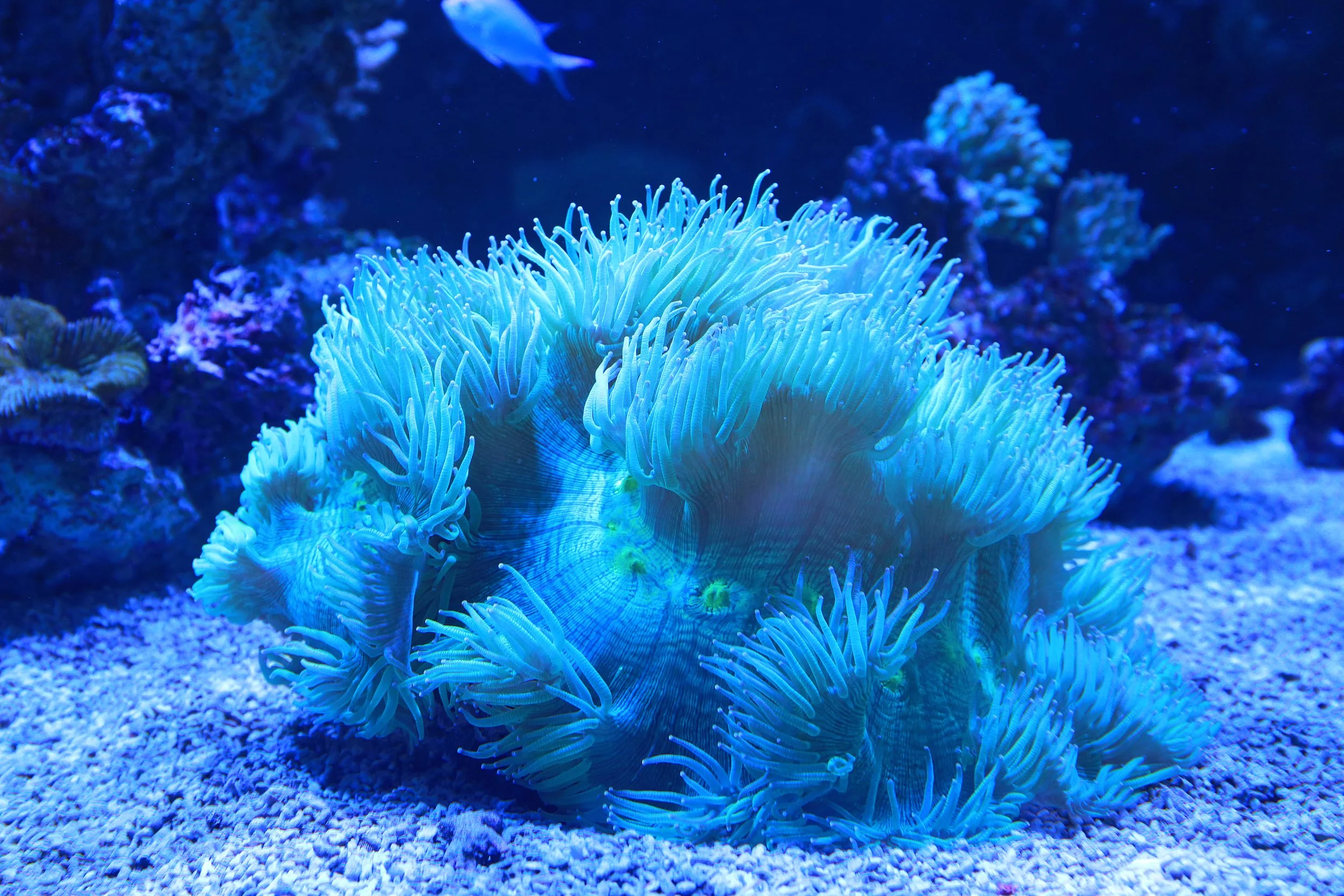
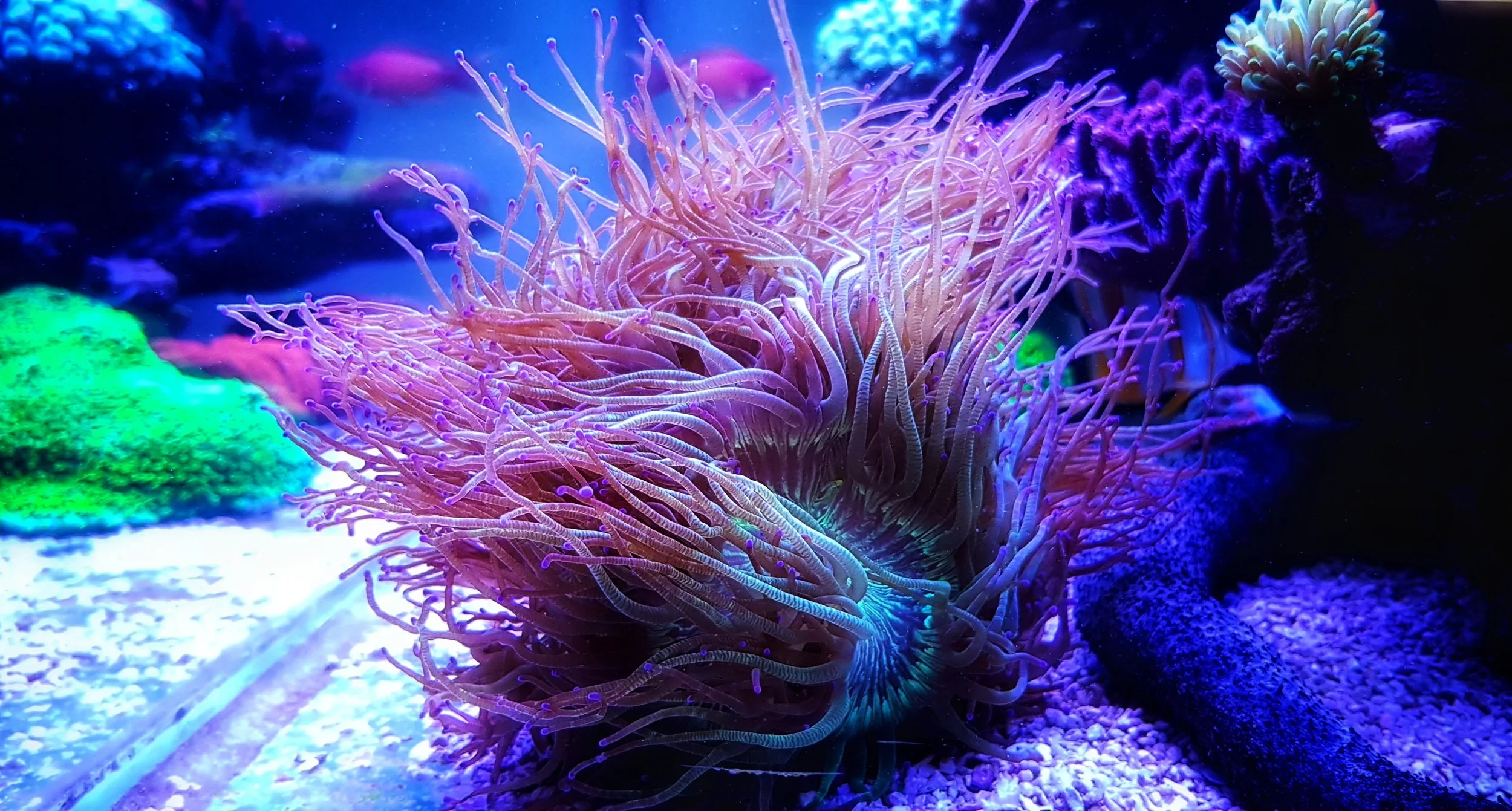
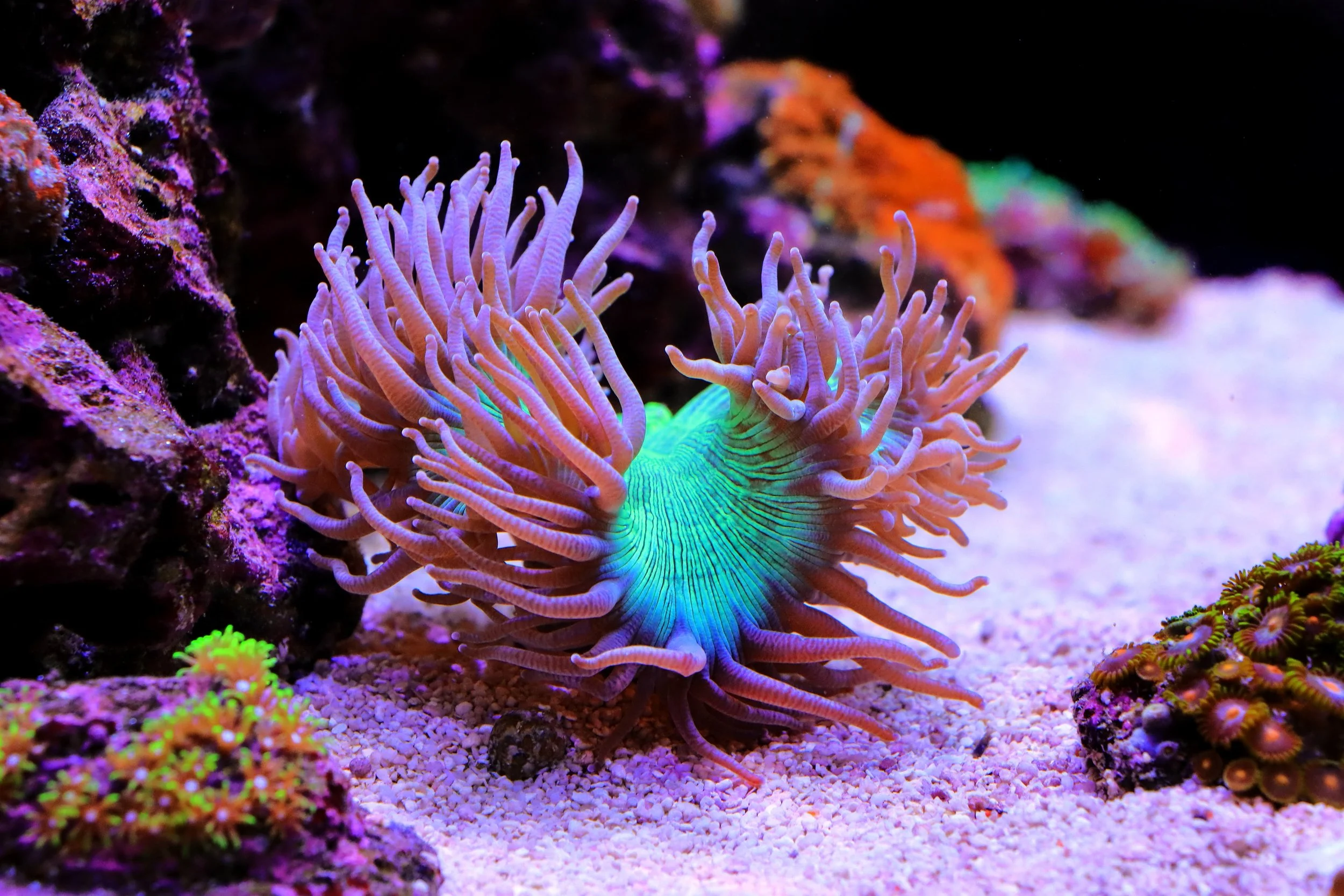
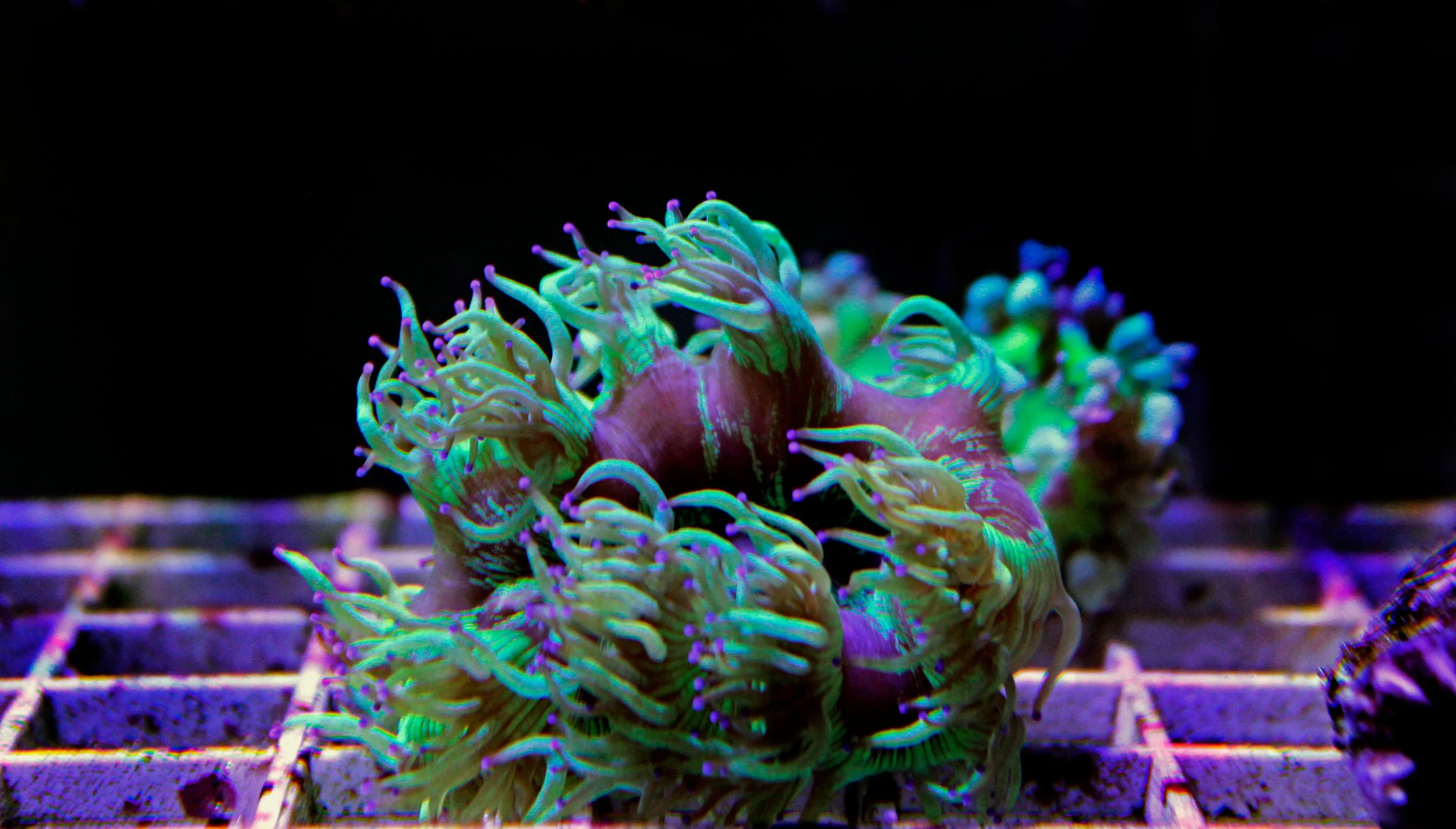
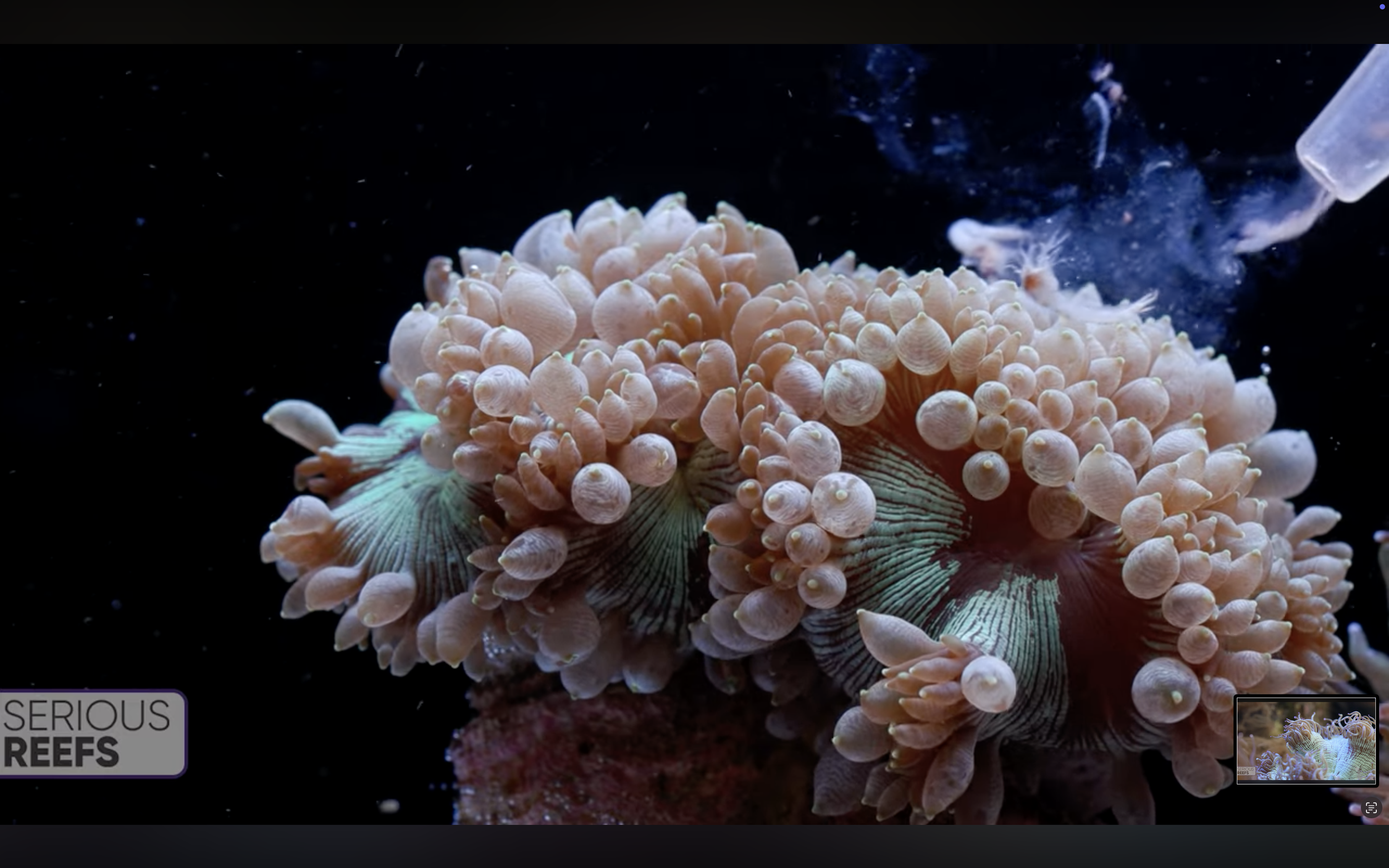
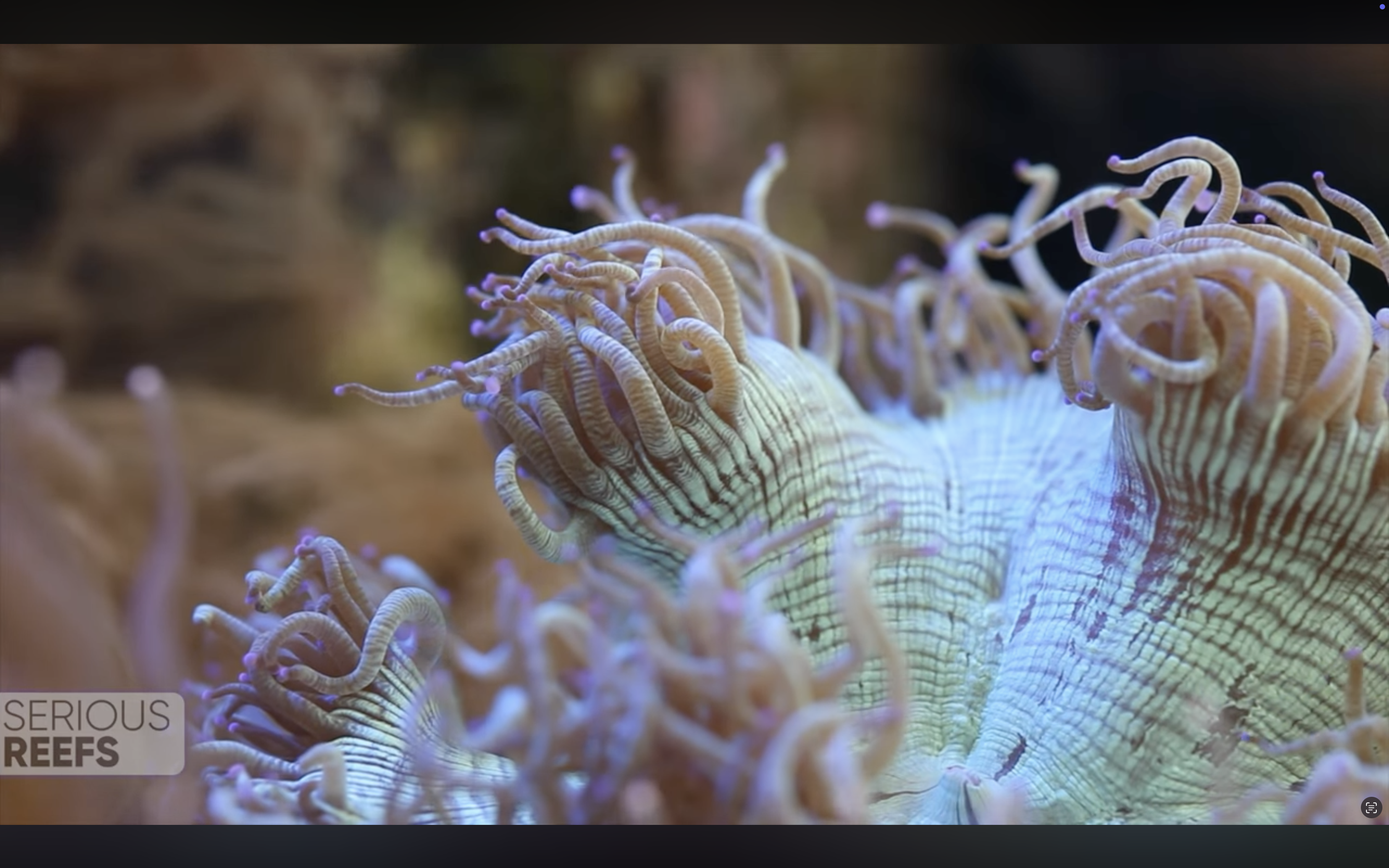
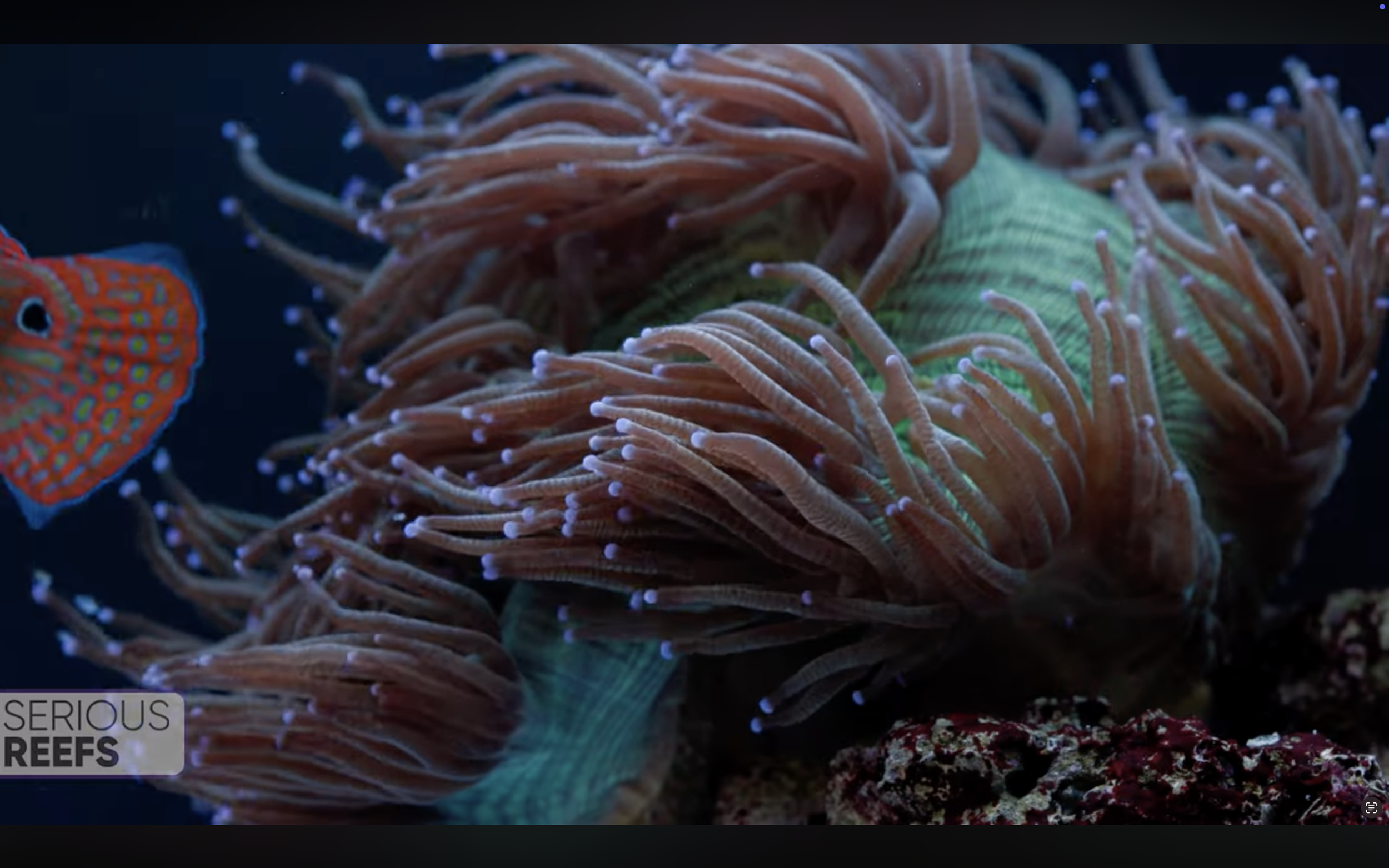
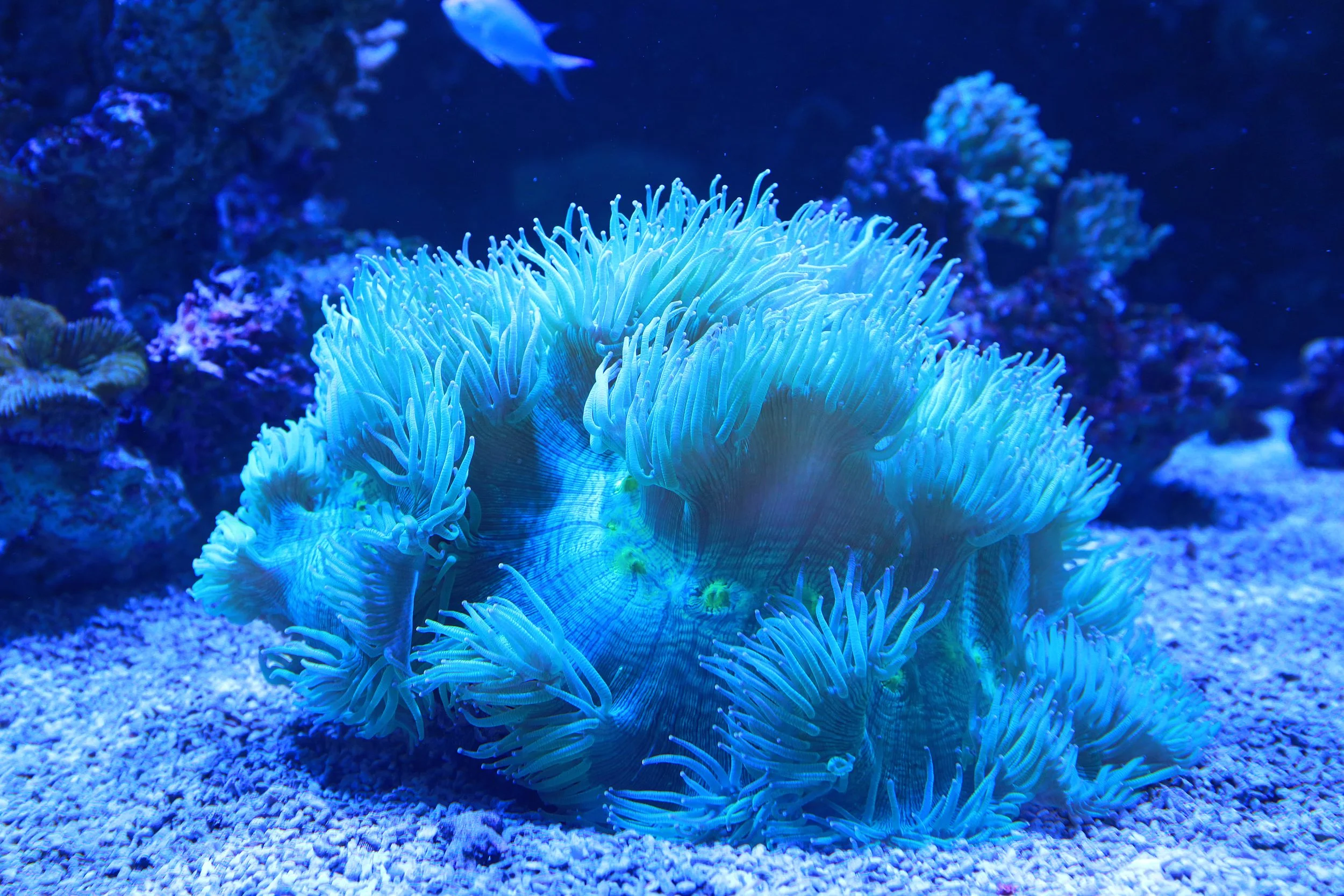
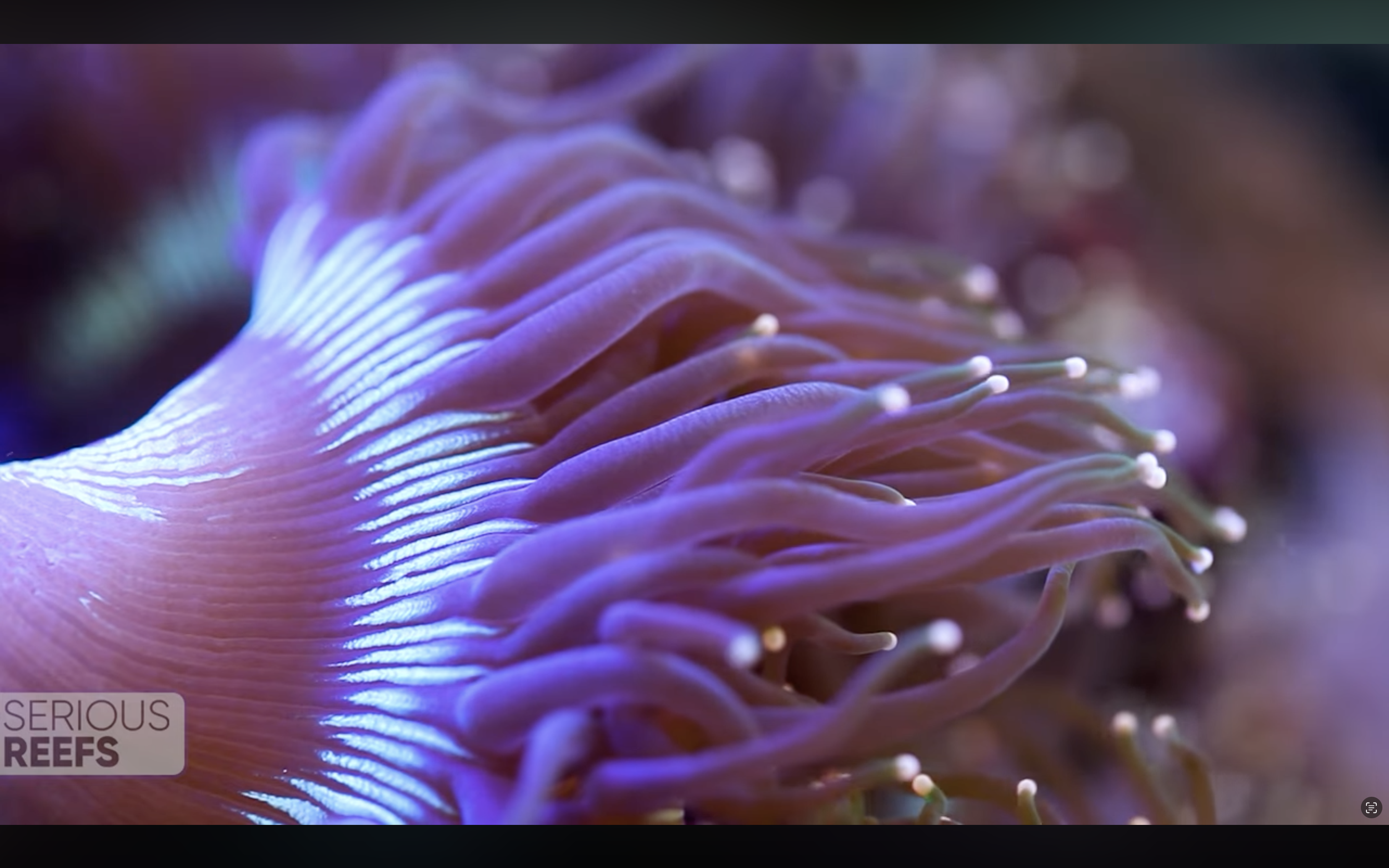
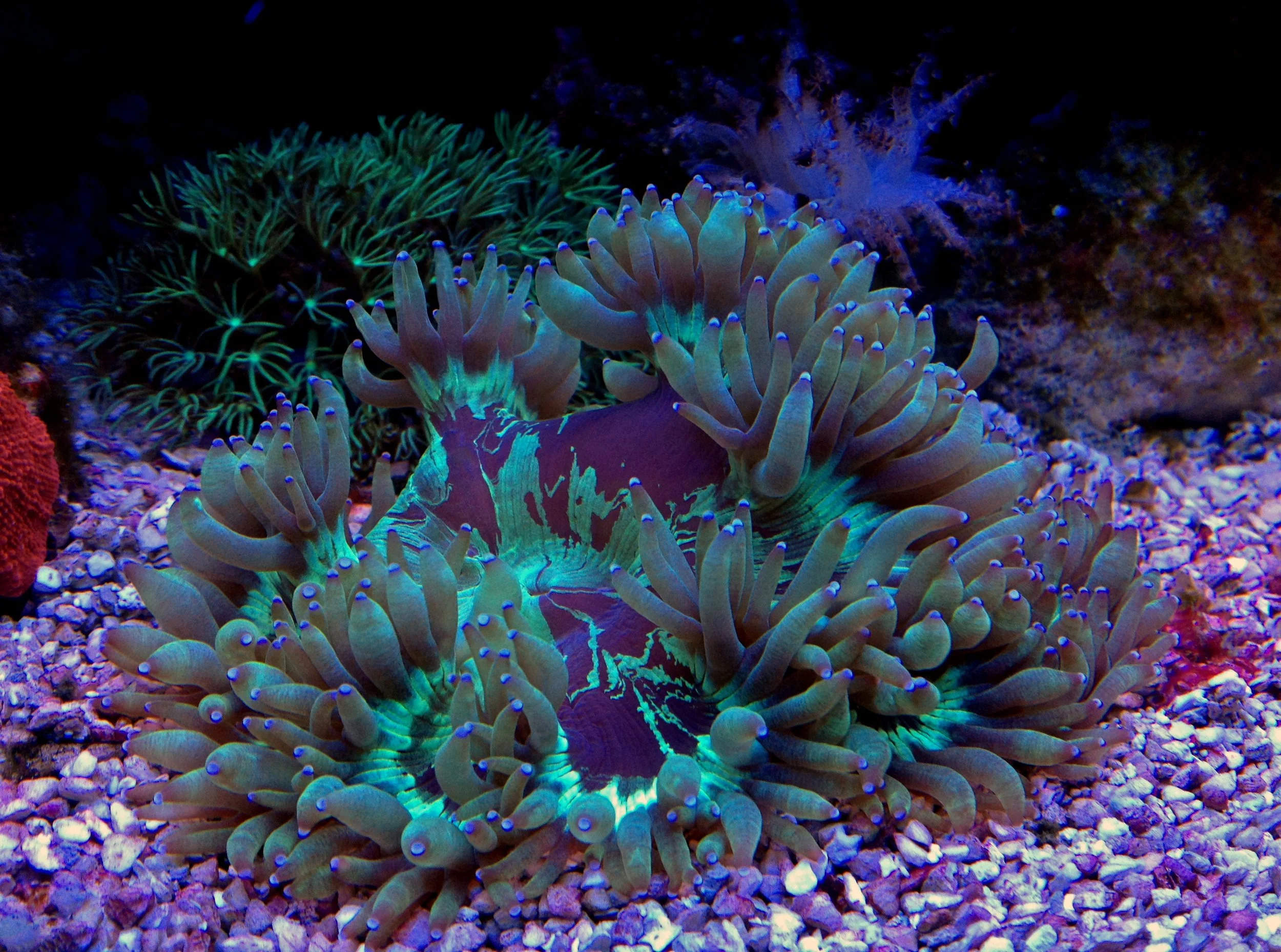
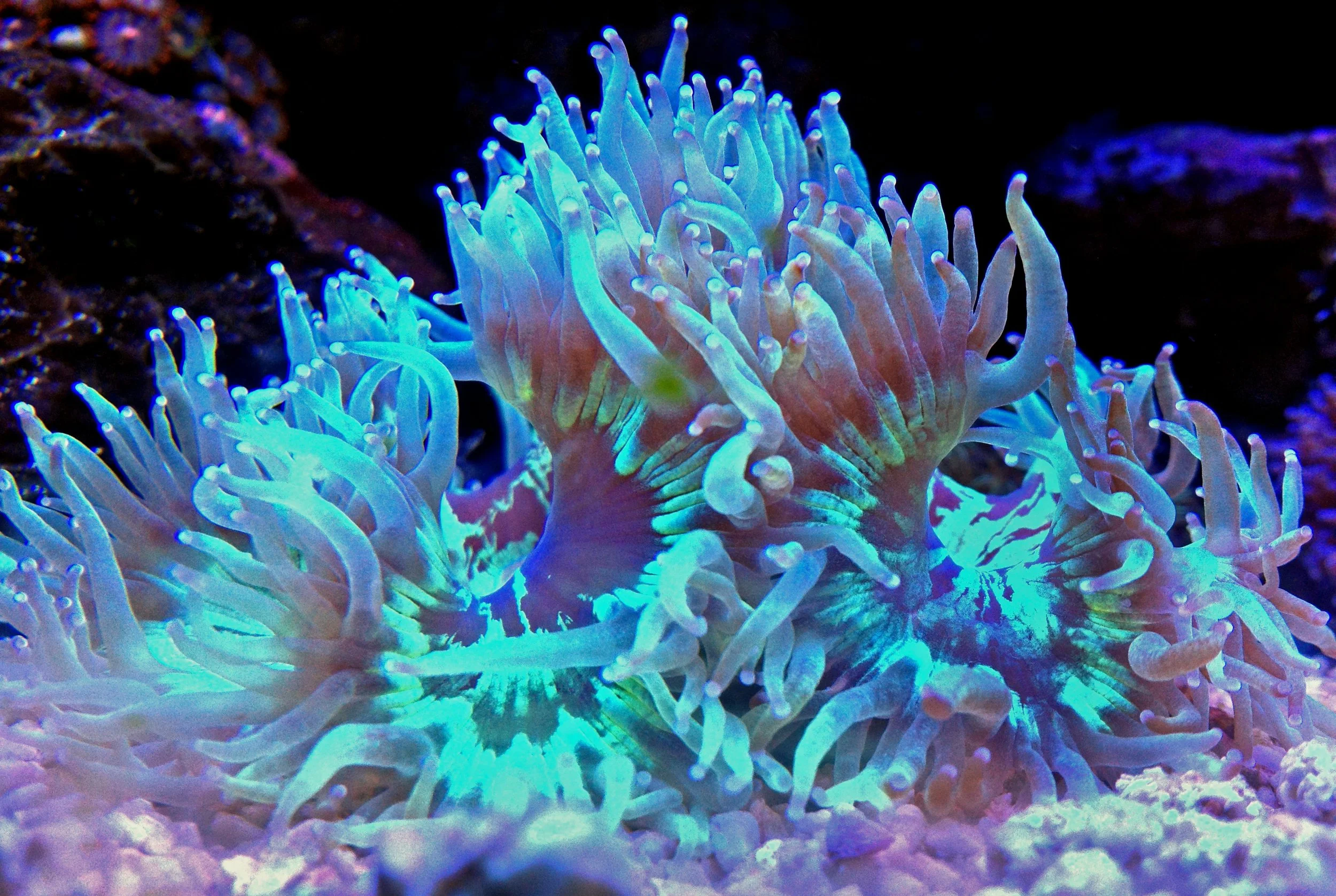
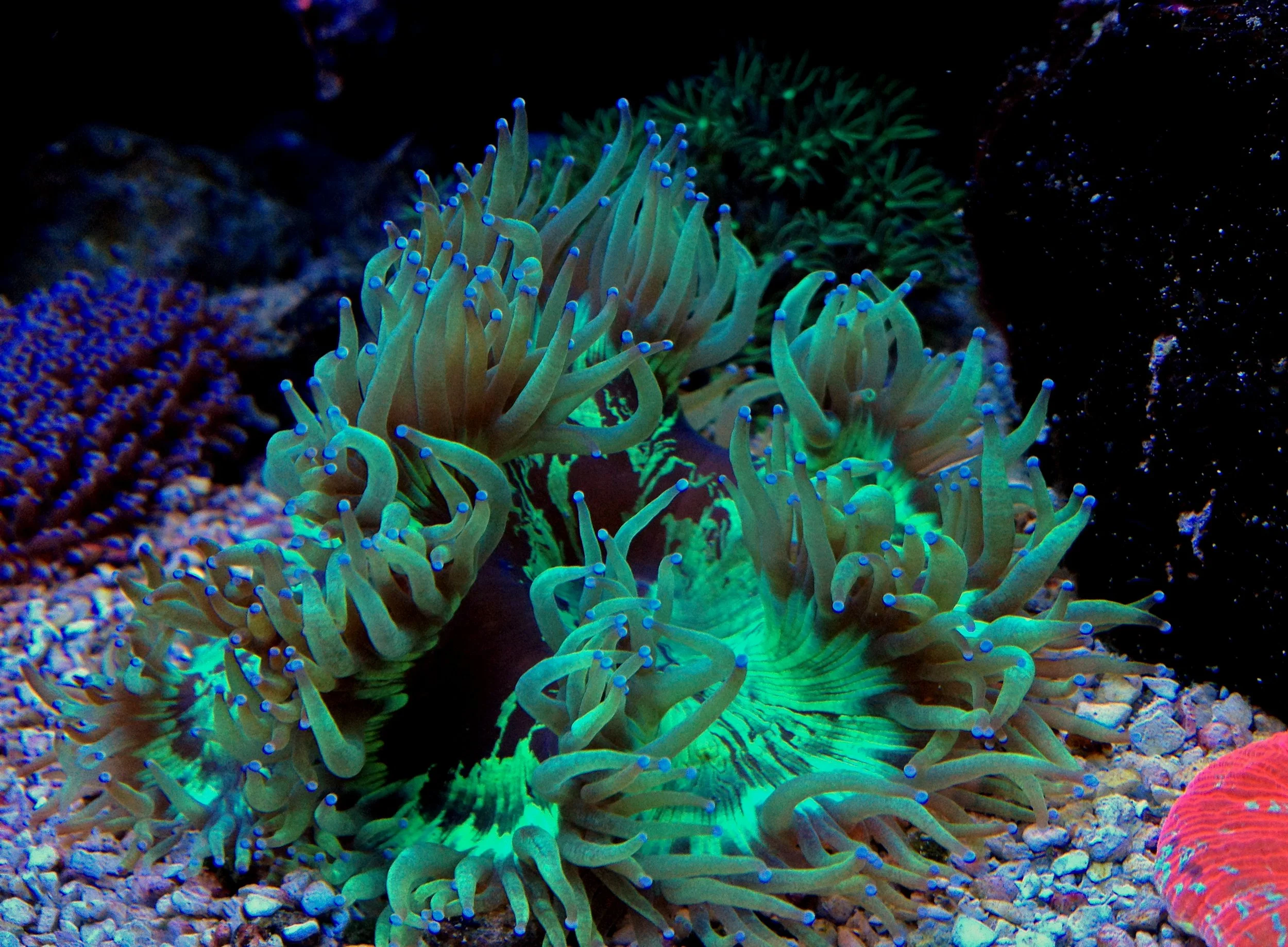
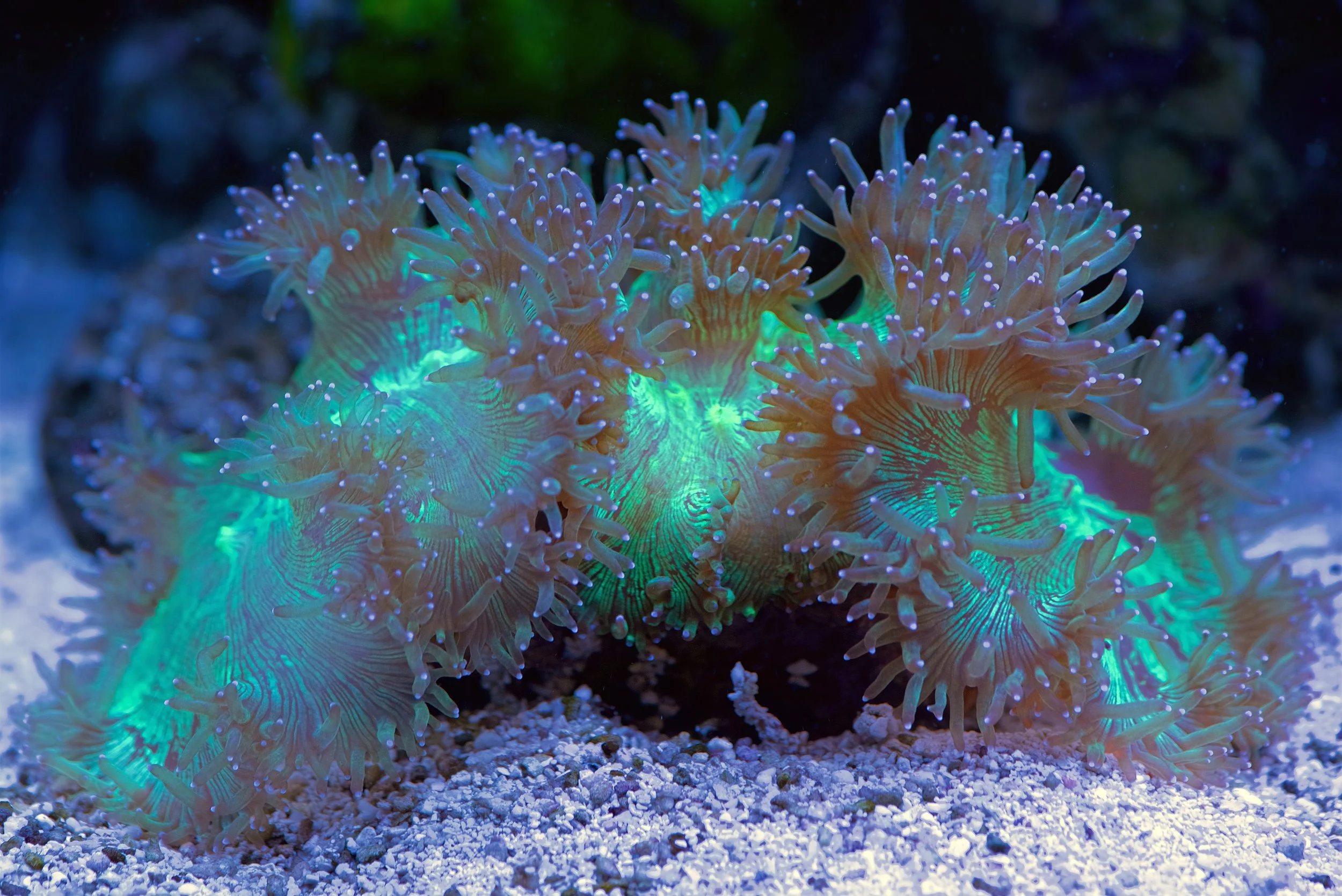
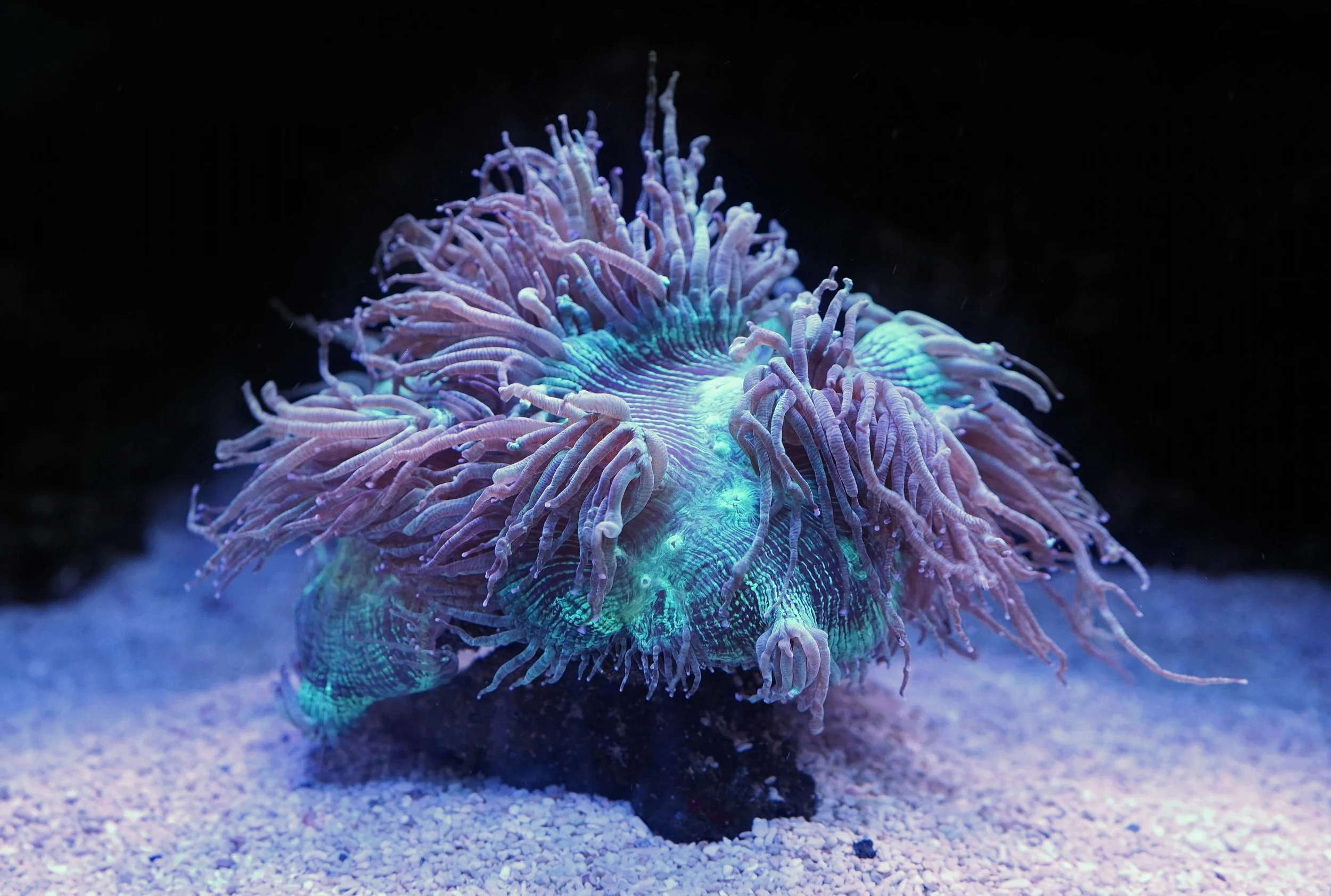
Elegance coral is one of those stand-out stony corals that draws hobbyists because of its flowing tentacles and dramatic presence.
This coral behaves a lot like an anemone in appearance, but because it is a stony coral, it will stay where we place it and not wander around the aquascape. The fleshy tissue expands significantly and can become much larger than the skeleton, making it an excellent show piece.
Note: Paid YouTube SR Members Using A Chrome Browser can watch videos natively above on Seriousreefs.com. Sign up HERE
SR videos are a community funded member only resource. Serious Reefs buys everything we review, accepts no sponsorships, and your memberships make it possible to keep every review truly unfiltered.
Elegance Coral 101
In this guide we cover everything you need to know to care for Elegance coral: lighting, flow, water chemistry, placement, feeding, pests, and other common problems. We keep this practical and straightforward so you can succeed with these spectacular corals.
Quick Care Checklist
Lighting: 50 to 100 PAR, adjust by behavior.
Flow: gentle, non-direct flow that allows tentacles to sway.
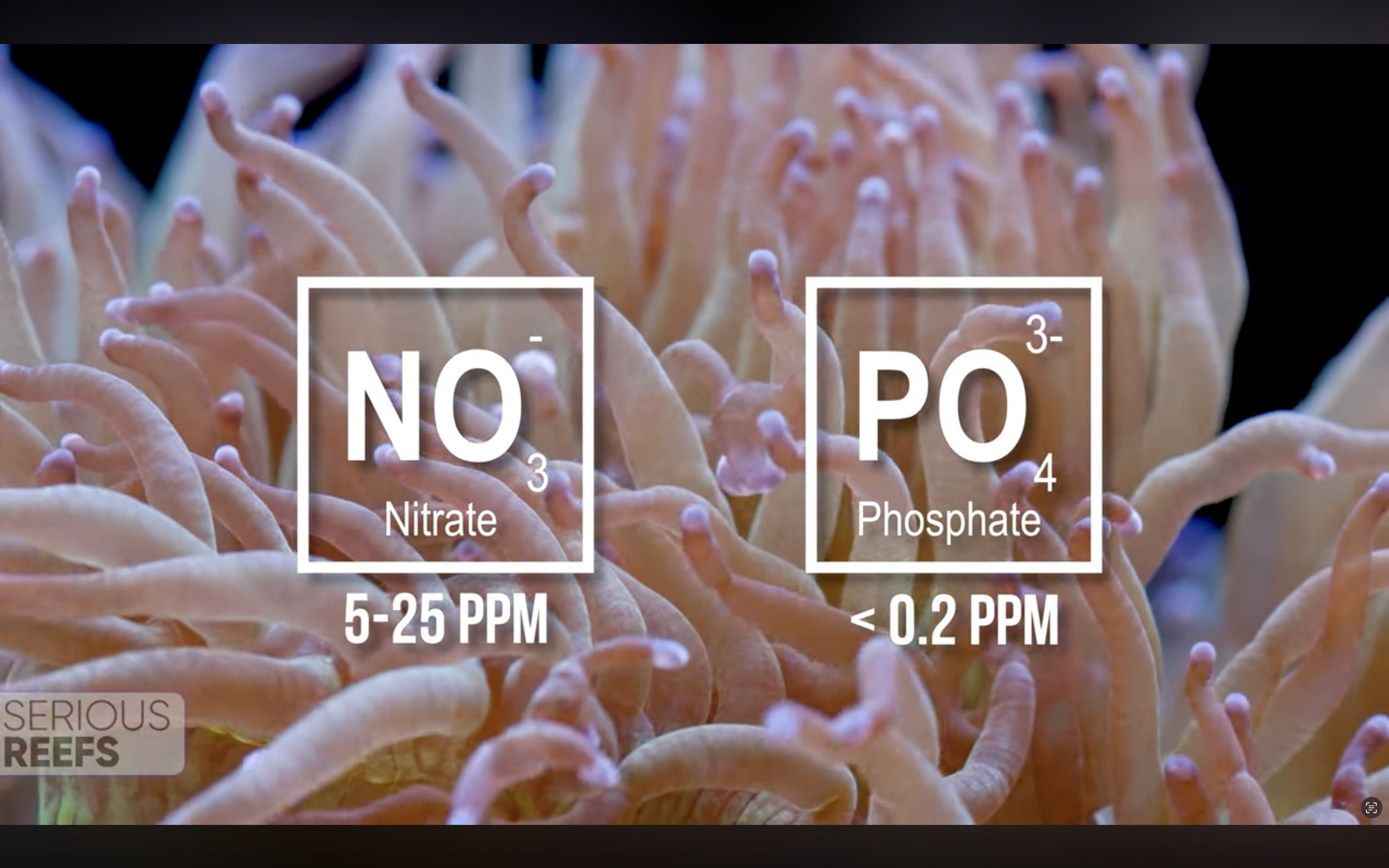
Water chemistry: stable calcium, alkalinity, and magnesium; nitrates 5 to 25 ppm; phosphates under 0.2 ppm.
Feeding: optional but accelerates fleshy growth; use small meaty foods or pellets.
Placement: on rock or on substrate, never bury the skeleton.
Dips: avoid routine dips; use quarantine and gentle potassium-based dips if needed.
Lighting
Elegance coral is photosynthetic, so it needs light to support its symbiotic algae. We typically keep Elegance coral in PAR ranges between 50 and 100. If you do not have a PAR meter, watch the coral for clues: if it contracts and closes up under the lights, it is likely getting too much intensity. Too much light is very common and should be corrected quickly. If the coral swells and reaches toward the light, it may need more intensity. Insufficient light is uncommon and should be corrected slowly. Use these behavioral cues to fine tune placement rather than chasing numbers immediately.

Water Flow
Water flow is vital, but the right flow is gentle and variable. For Elegance coral we want enough movement that the tentacles exhibit a soft, rhythmic sway. Too much direct, strong flow will keep the coral closed up and stressed. Aim for gentle, non-jetting flow patterns so the tentacles can wave naturally and capture food particles.
Placement
Elegance coral offers flexibility due to its stony base. We can mount it on live rock or sit it gently on the substrate. The one placement rule we emphasize is do not bury the skeleton in sand or crushed coral. Burying the base creates a low oxygen pocket, promotes hydrogen sulfide formation, stains the skeleton black, and often kills the coral. Place it on rock or on top of the substrate without digging the skeleton in.
Elegance Coral Nutrients
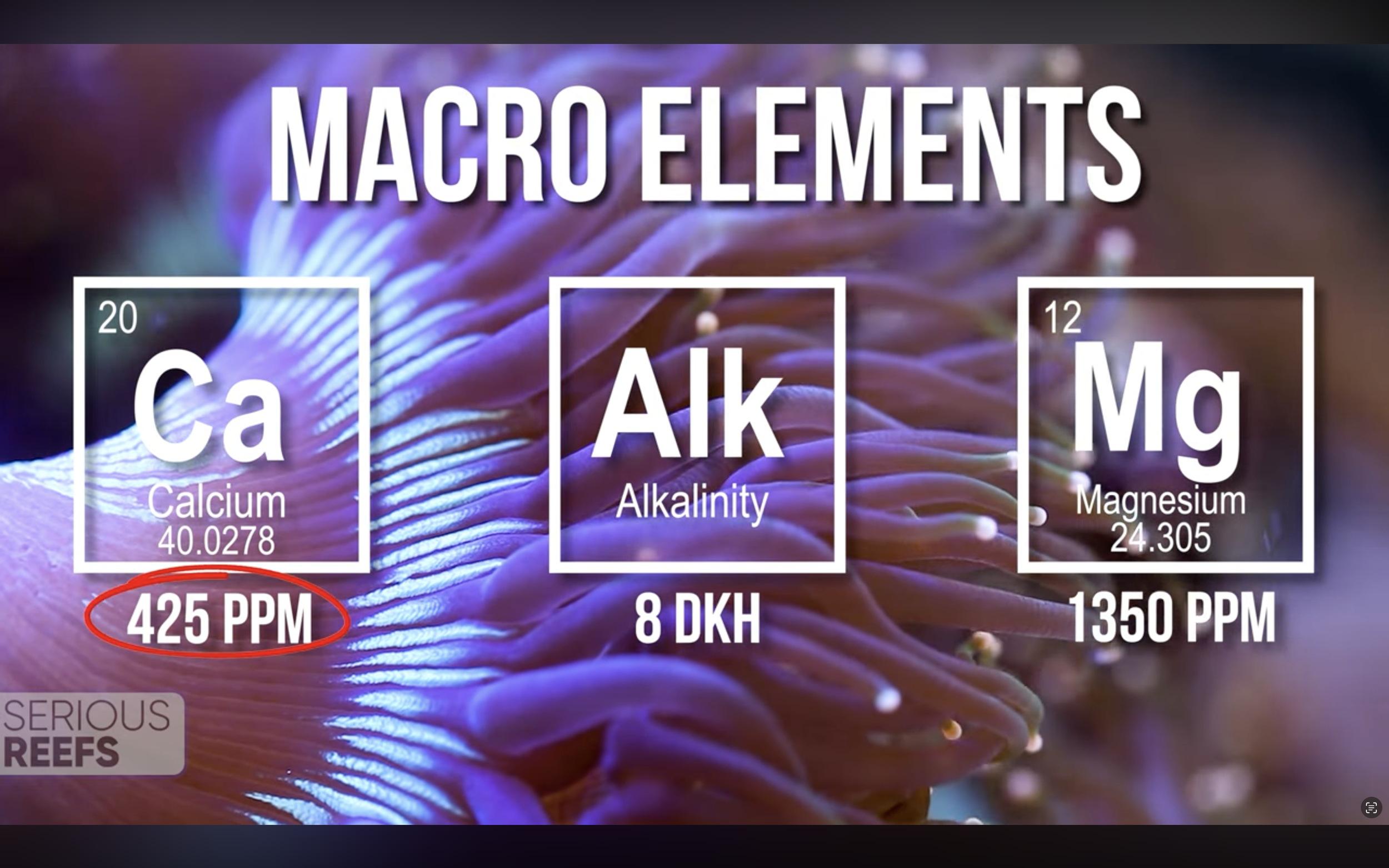
Elegance Coral Elements
Water Chemistry and Stability
Being a stony coral, Elegance coral needs the standard macro elements: calcium, alkalinity, and magnesium. More important than perfect numbers is stability. For example, if calcium is around 380 and our target is 425, we do not rush to spike it. We slowly creep values up while keeping them consistent.
Alkalinity: 8-12dkh. Avoid rapid swings
Calcium: 420-480ppm. Avoid rapid swings.
Magnesium: 1300-1500ppm
Nitrates: aim for roughly 5 to 25ppm for healthy performance.
Phosphates: less critical if you are already controlling nitrates; anything under 0.2 ppm is usually fine.
Trace elements: useful at advanced stages when we run ICP tests, but for beginners frequent water changes will cover most needs.
Feeding and Growth
Elegance coral actively extends tentacles and will capture food from the water column. We can feed small pellets, meaty frozen foods, or similar items directly to the tentacles. Feeding is not strictly necessary because Elegance coral grows on its own from photosynthesis, but targeted feeding will accelerate fleshy growth. Be mindful that Elegance coral can outgrow tanks; there are reports of specimens reaching 36 inches across. Decide whether you want rapid growth before committing to frequent feeding.
Handling, Dips, and Quarantine
Elegance coral does not tolerate many dips well. We avoid routine dips on healthy specimens. If we see obvious pests or problems, we move the coral to quarantine and use a more gentle, potassium-based dip, which has shown better success than oils and harsher treatments. If the coral collapses or closes from handling, that is usually normal. Worry only if it fails to reopen within a few hours.
Pests and Disease
Pests that target Elegance coral are relatively rare, but a few can cause trouble.
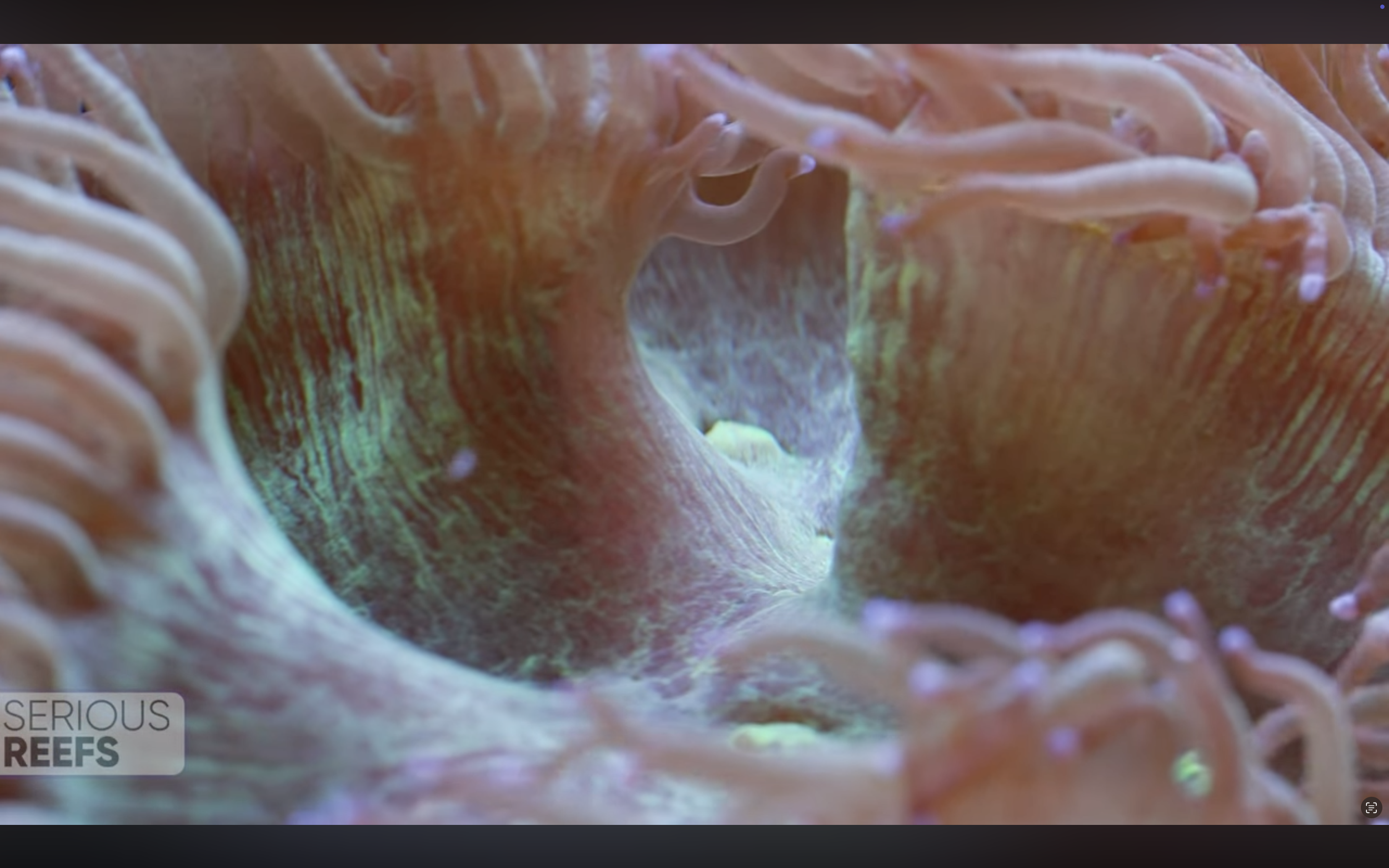
Gall crab: uncommon but visible. It looks like a small crab clinging to the flesh and will cause localized irritation. We have seen gall crabs rarely but they are easy to spot.
Photosynthetic flatworms: common on large polyped stony corals and mushrooms. They often feed on mucus rather than flesh, and heavy infestations can block light. Repeated, careful dips can reduce their numbers.
Severe disease pattern: some Elegance coral can display a worrying appearance of non-extending tentacles, ballooned bodies, cotton candy-like excretions, and web-like detritus patterns. This condition is difficult to treat, can be pathogenic, and may spread to other Elegance corals. We avoid purchasing specimens showing these signs.
What are the signs of a healthy Elegance coral?
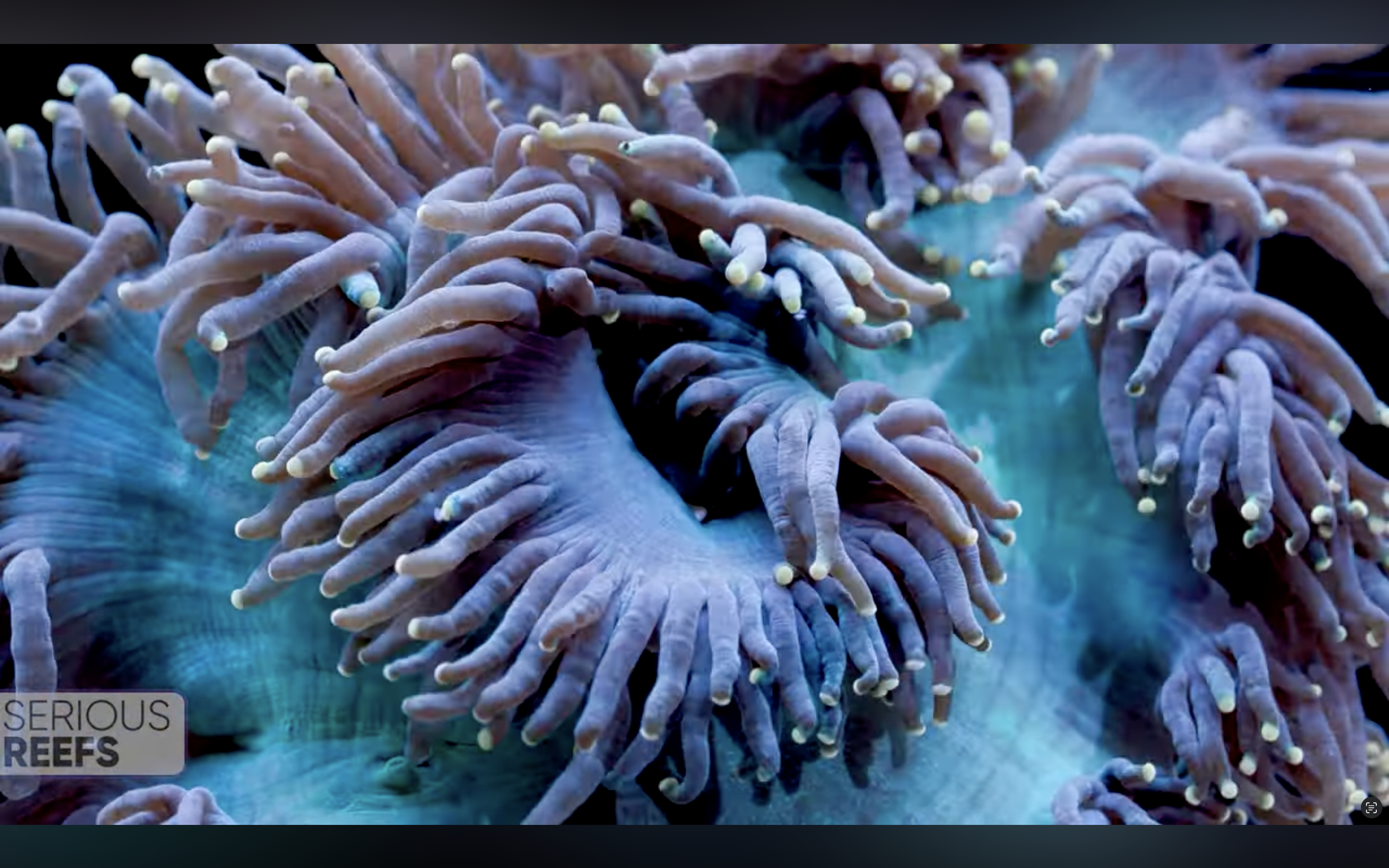
Soft, full tentacles with a gentle sway.
Responsive expansion after lights and feeding cycles.
Elegance coral FAQ
How much light does Elegance coral need?
Elegance coral is photosynthetic and does best in moderate light. We usually aim for 50 to 100 PAR. If you do not have a PAR meter, watch the coral: contracting indicates too much light, swelling and reaching indicates too little.
Can we bury the Elegance coral skeleton in sand?
No. Do not bury the skeleton in sand or crushed coral. That creates anoxic pockets, can produce hydrogen sulfide, stains the skeleton, and will likely kill the coral. Place it on rock or sit it lightly on the substrate instead.
Should we feed Elegance coral regularly?
Feeding is optional. Elegance coral gets most of its needs from photosynthesis but will grow faster with direct feeding of pellets or frozen meaty foods. Consider tank size and growth potential before feeding frequently.
How do we handle pests on Elegance coral?
Gall crabs are rare but visible. Photosynthetic flatworms are common and can be controlled with repeated, careful dips or manual removal. Avoid routine harsh dips on healthy Elegance coral; quarantine and gentler potassium-based dips are safer if treatment is required.
What disease signs should make us avoid buying an Elegance coral?
Avoid specimens with non-extending tentacles, ballooned bodies, cotton candy-like excretions, or web-like detritus patterns. This condition is hard to treat, may be pathogenic, and can spread to other Elegance corals.
Goniopora
What’s Next?
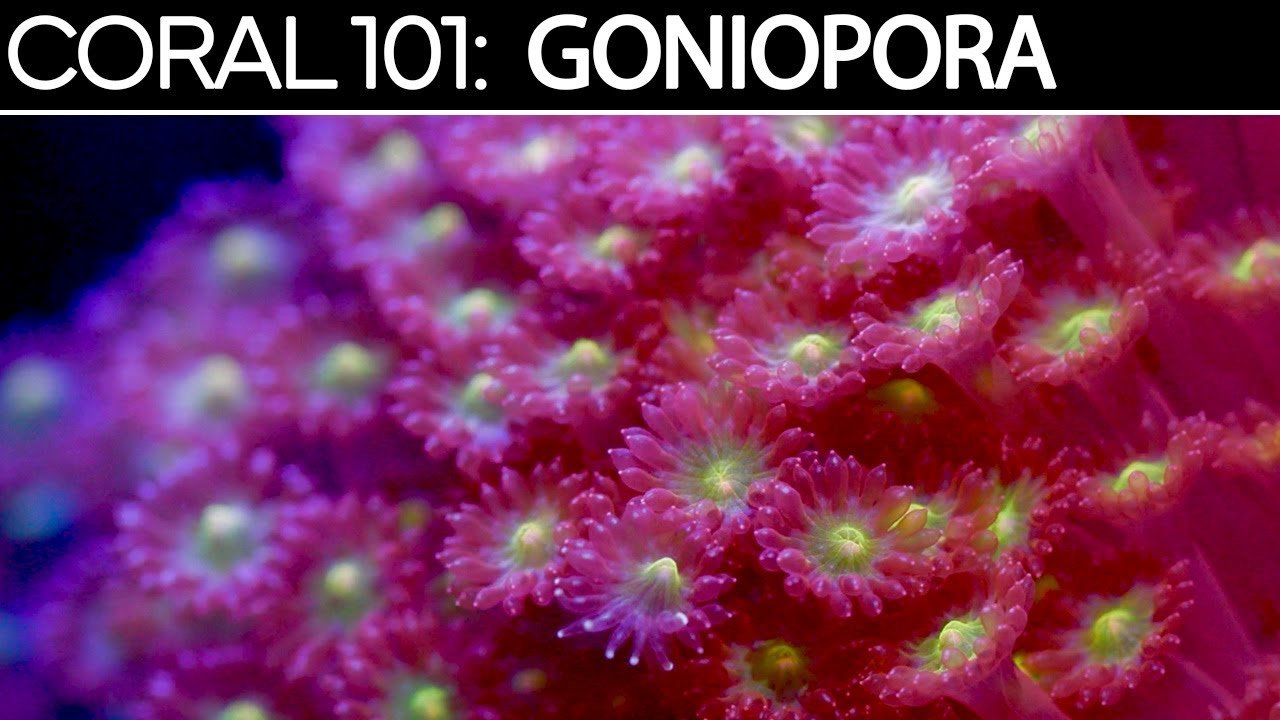
Coral:101: Goniopora edition.
Acknowledgments
Thank you to Than Thien for sharing his knowledge with the SR community. Thank you to Ryan Thompson for summarizing the video and making it available to everyone.
Thank you to the Serious Reefs community. Your membership funds the creation of articles and videos like this one.
Support Serious Reefs
Patreon is the best option If you…
Want to discuss with the SR community and ask questions.
Want immediate notifications of every release.
Listen with phone screen off. Patreon app works with phone closed
Want 25% off via annual discounts.
YouTube members is the best option If you…
Watch SR videos on a TV via youtube App
Want to watch videos natively here on seriousreefs.com - (You must use chrome browser and be logged into google account with youtube membership)
Are a YouTube power user.
Tell a friend. Best option if want more (and faster).
If you like what we’re doing, give SR a quick shout-out on your favorite forum, YouTube, Facebook, TikTok, or Instagram. Let your local fish store know SR is helping you explore the hobby and keep it fun. Thanks for the support!
Disclaimer
Full Disclaimer HERE. This is the gist of it.
Content is based on personal experience, not professional advice. Do your research and reef responsibly. Serious Reefs should not be your sole source of information on any topic.
By watching, you agree that Serious Reefs and its creators aren’t liable for how you use this info. Please don’t utilize our information if you are not ok with this.
Serious Reefs has no sponsors, doesn’t accept product, or payment for reviews. We do use affiliate links in articles that earn a small commission to support our work. Shop wherever you like, we won’t be offended.