Goniopora | Coral 101 Care Guide, Tips, & Troubleshooting
Goniopra are the classic flower pot corals that many reef keepers love and fear at the same time. In this guide we cover everything we think is important for long term success: why they are so coveted, proper light and flow, water chemistry and trace elements, feeding, pests, dips, placement, and troubleshooting.
Note: Paid YouTube SR Members Using A Chrome Browser can watch videos natively above on Seriousreefs.com. Sign up HERE
SR videos are a community funded member only resource. Serious Reefs buys everything we review, accepts no sponsorships, and your memberships make it possible to keep every review truly unfiltered.
What Makes Goniopra Special
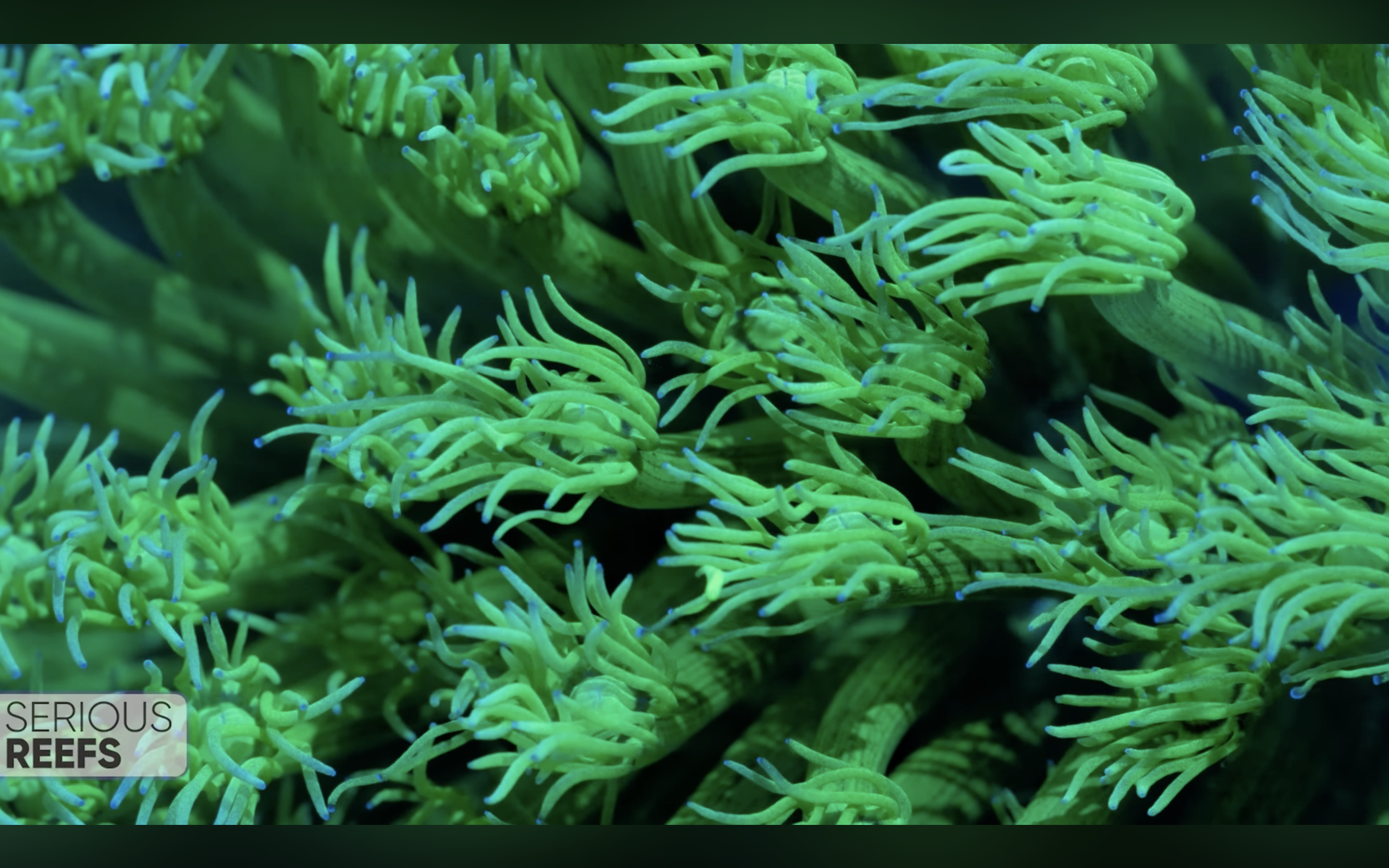
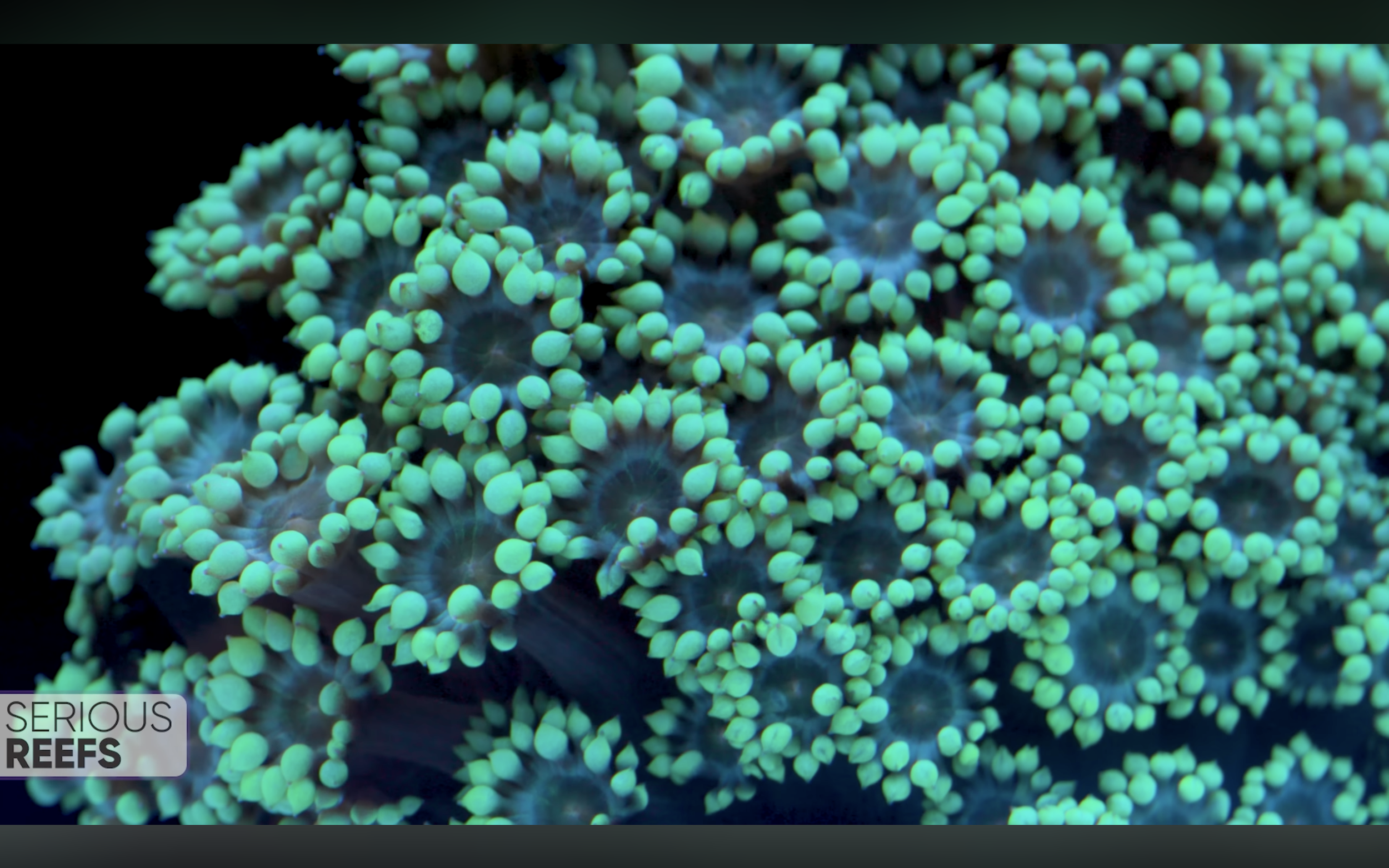
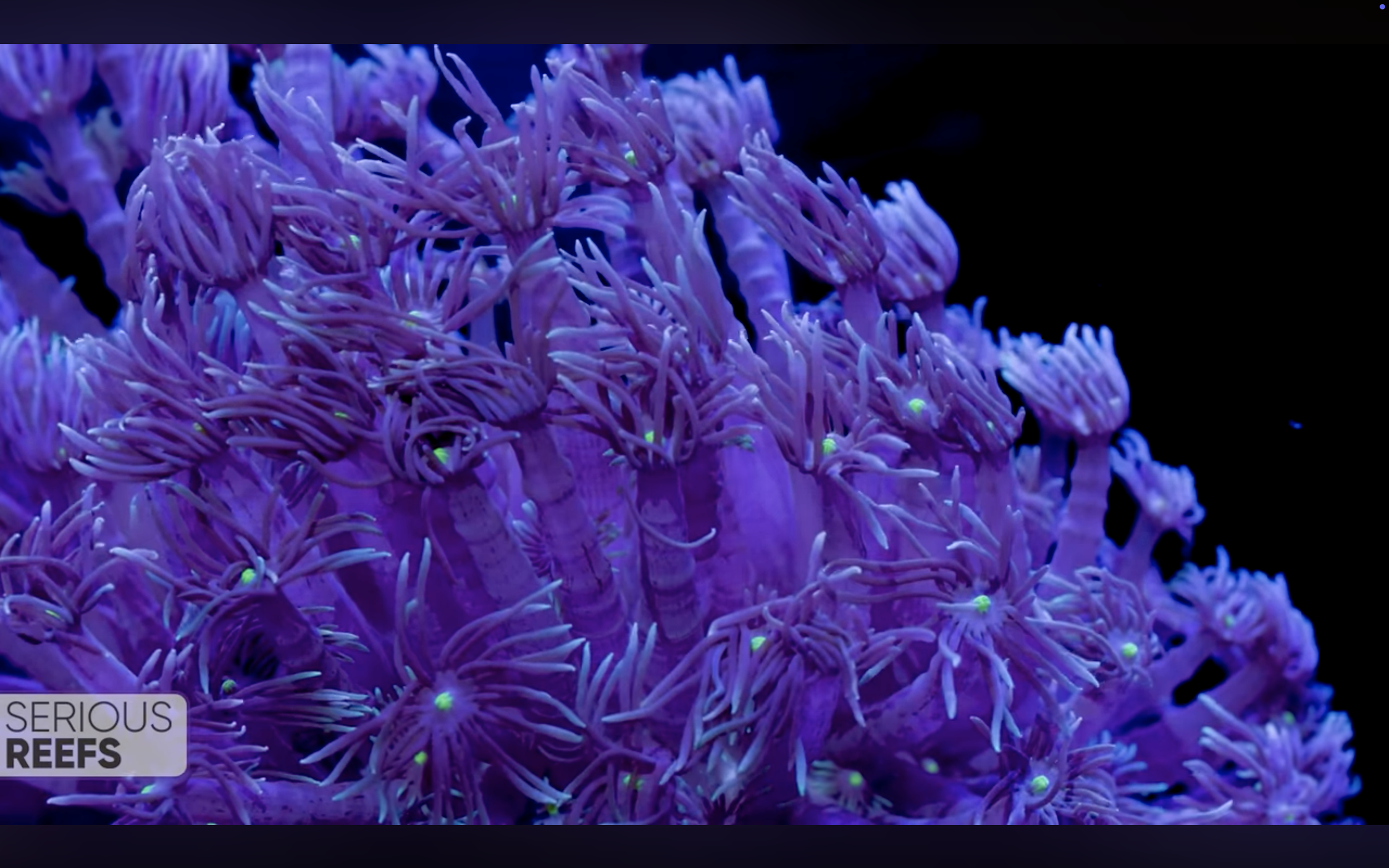
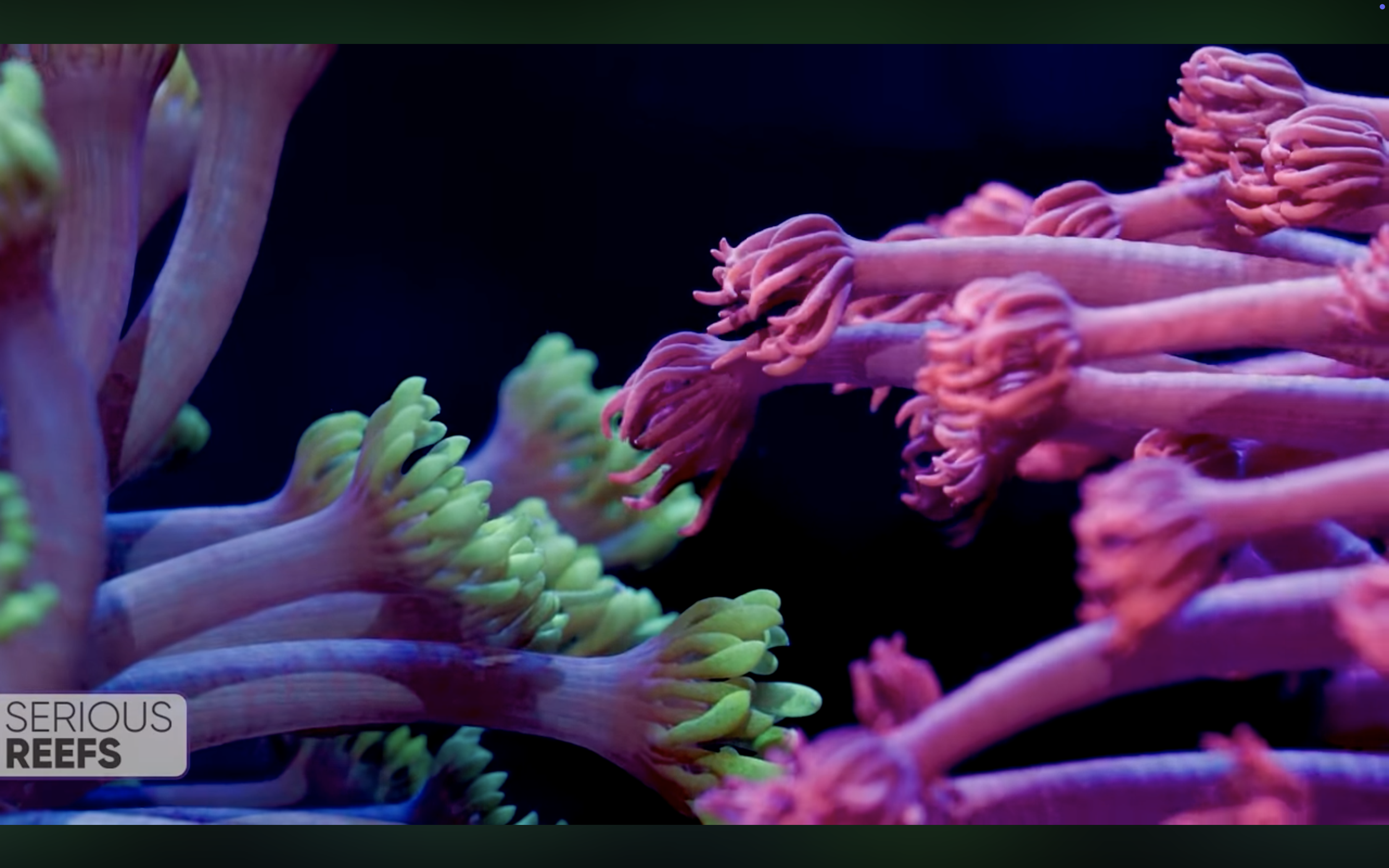
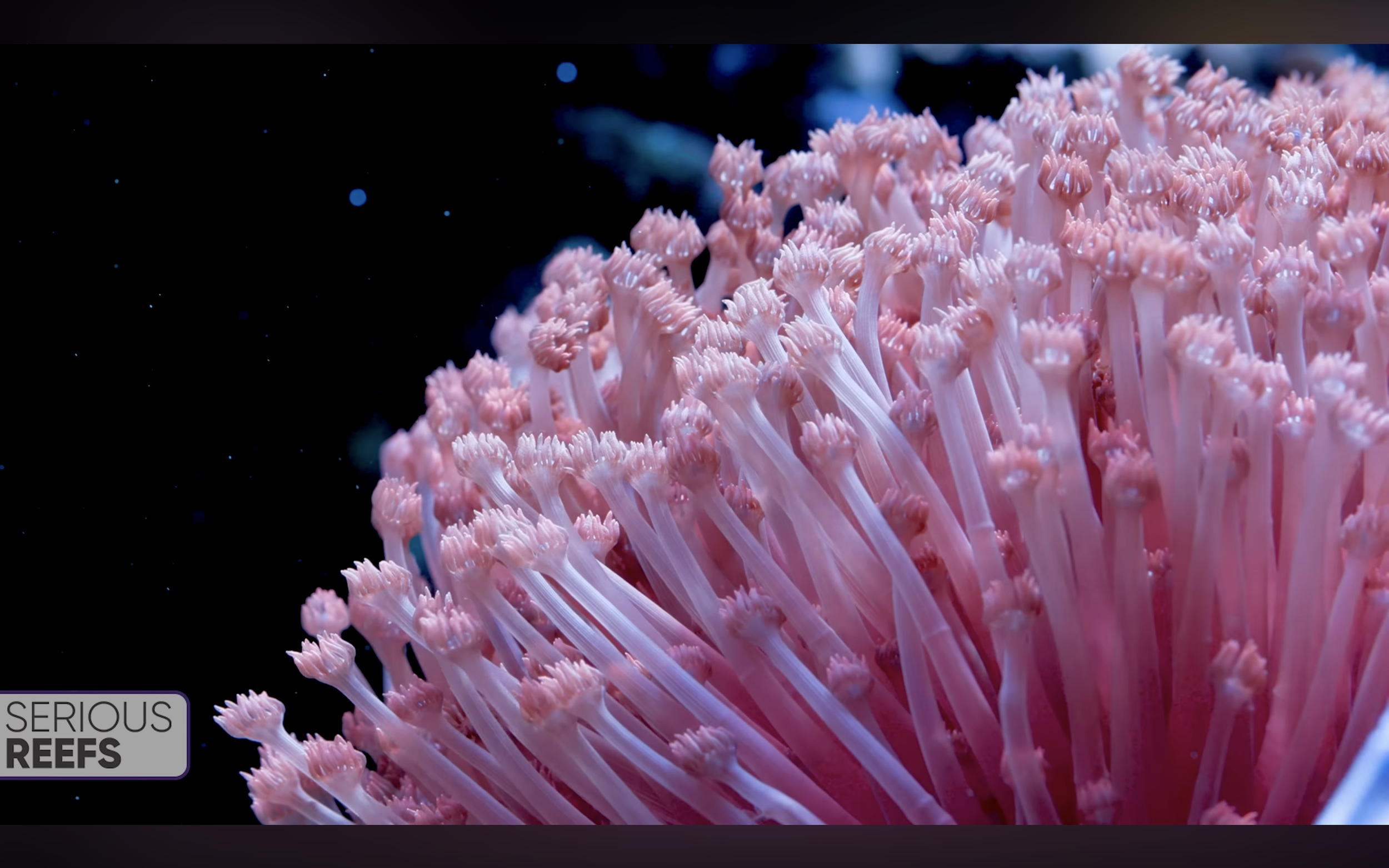
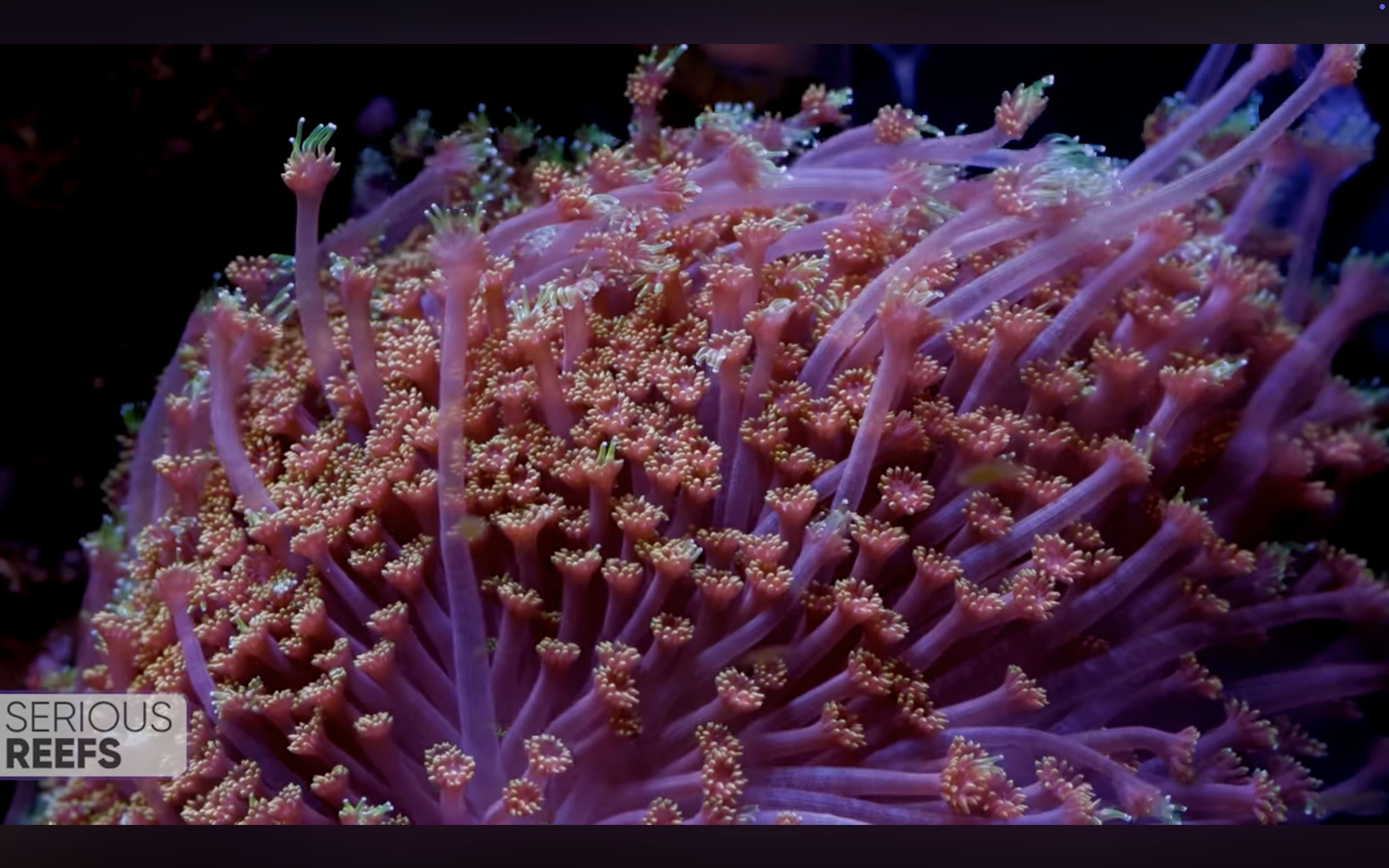
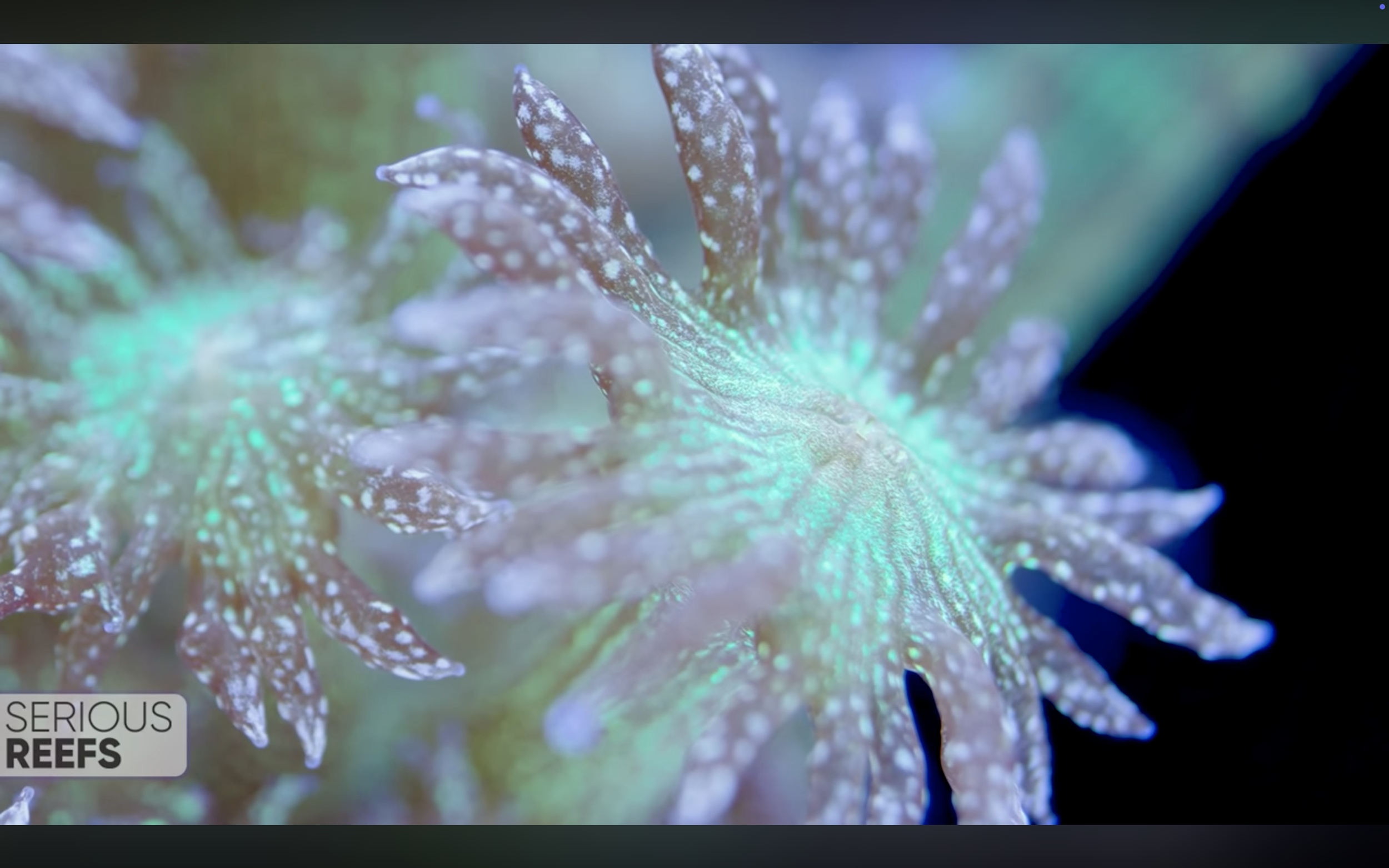
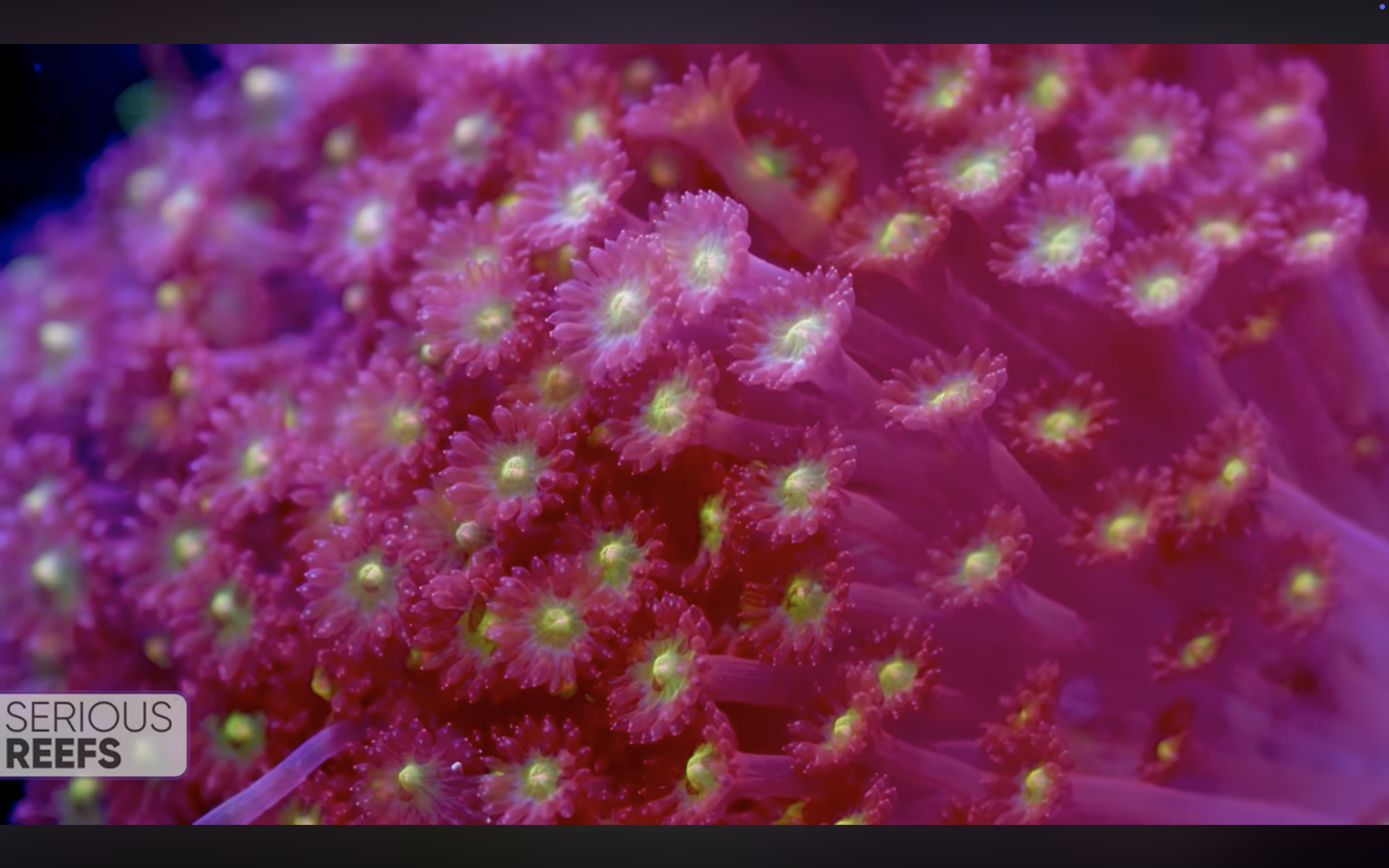
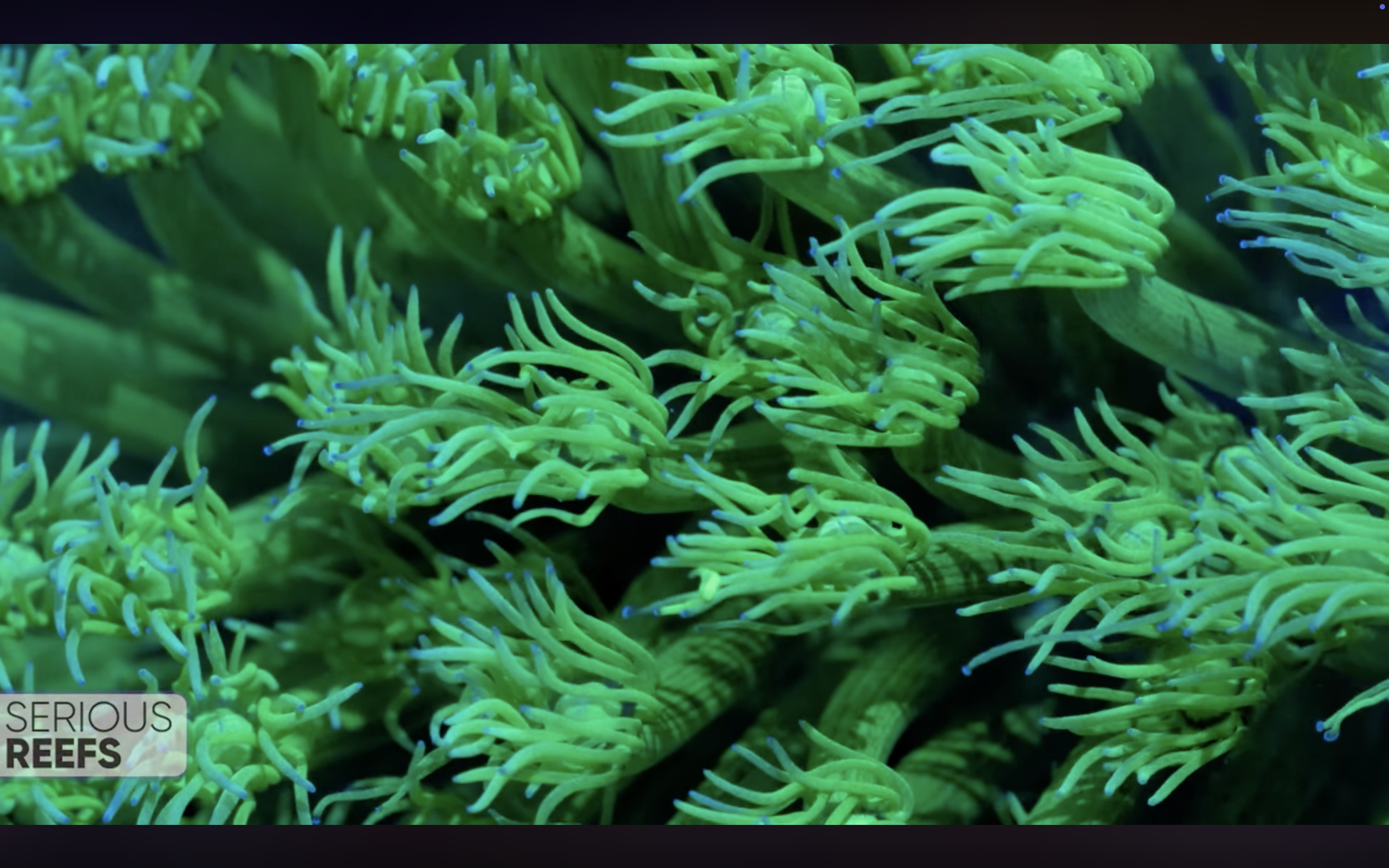
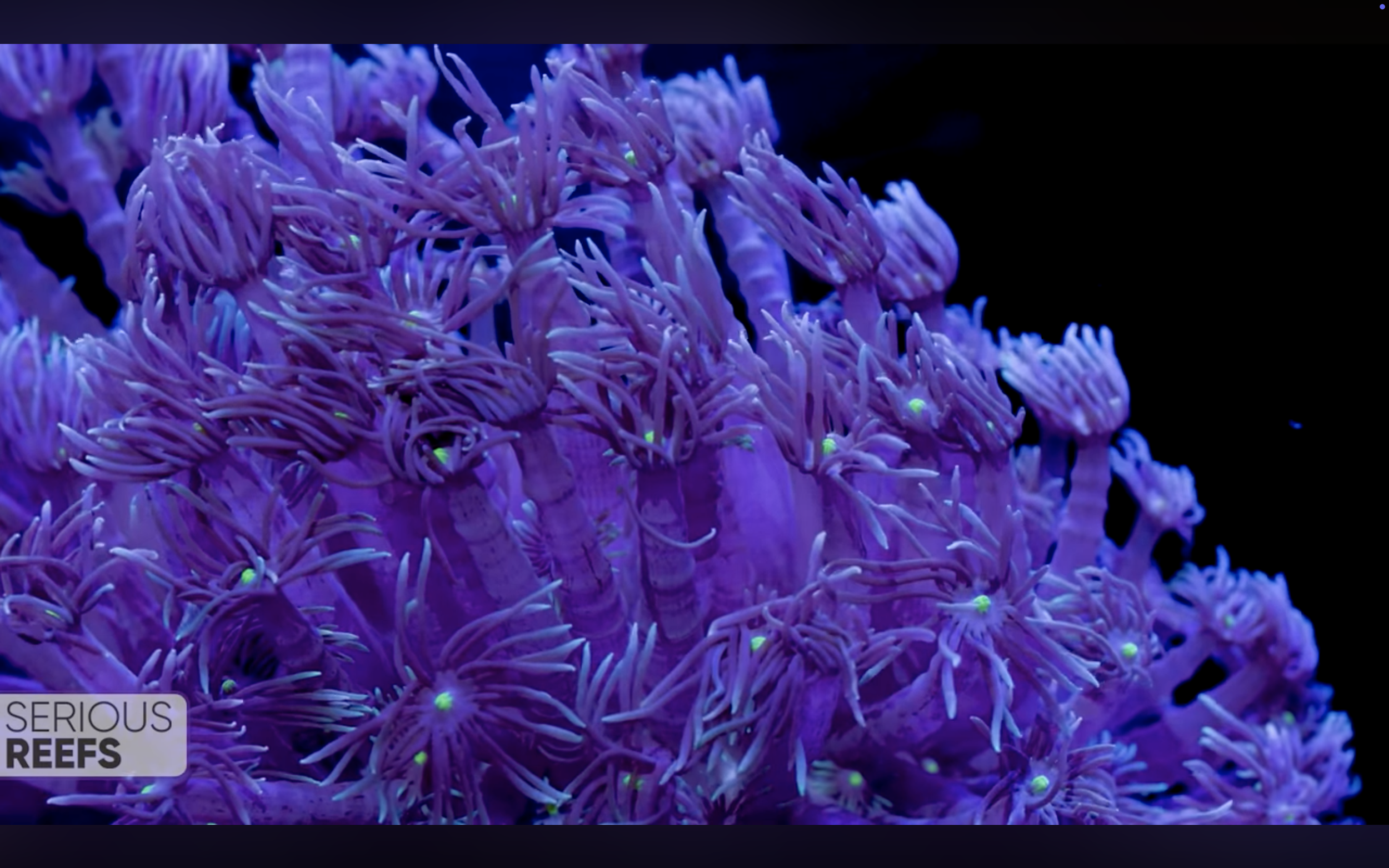
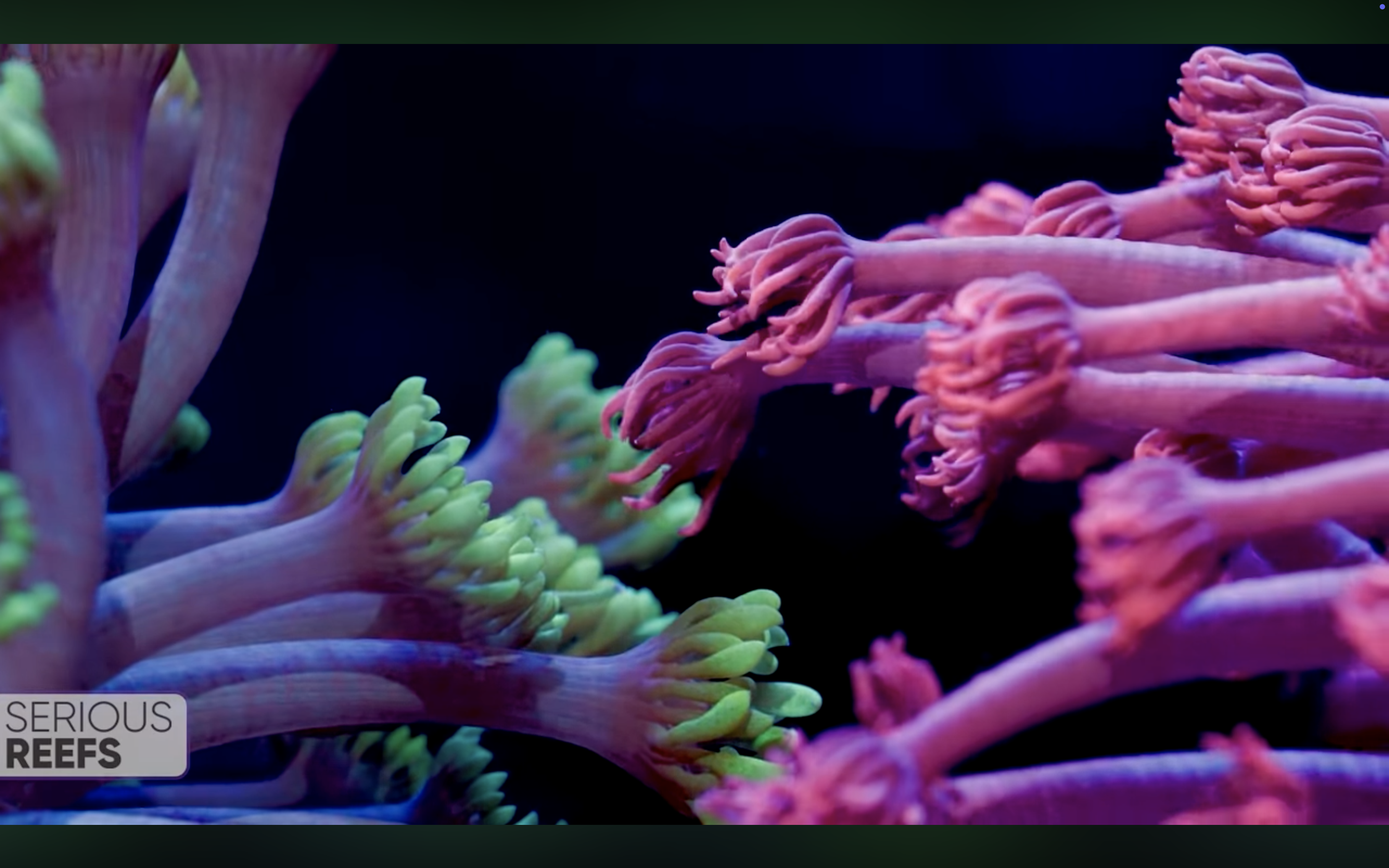
Goniopra are the classic flower pot corals with polyps that resemble a daisy. They tend to have long, flowy polyps that add great action to the tank. Not all goniopra are the same as some species have larger polyps than others, and the hobby sometimes groups smaller polyped varieties under other names (bernardpora.) That said, the most popular forms generally behave similarly in care requirements, so the basics below apply in most cases.

Quick Care Checklist
Light: 50 to 100 PAR; favor blue for fluorescence; moonlight cycles for advanced spawning efforts
Flow: Moderate and directional, enough to move tentacles but not to collapse the colony
Chemistry: Stable calcium, alkalinity, magnesium; avoid zero values for trace elements
Placement: Rock preferred over substrate when possible
Feeding: Regular, varied feeding; experiment to find effective foods
Pests: Quarantine new pieces; dip if anything looks off or if extended closure occurs
Lighting: Keep it moderate and favor blue for show
Keep goniopra in the mid to low light range. Aim for roughly 50 to 100 PAR in the immediate area of the colony. There is little benefit to keeping them in extremely low light or blasting them with very high intensity. In our experience, a specimen that is red or another vivid color will generally keep that coloration across a range of reasonable lighting conditions.
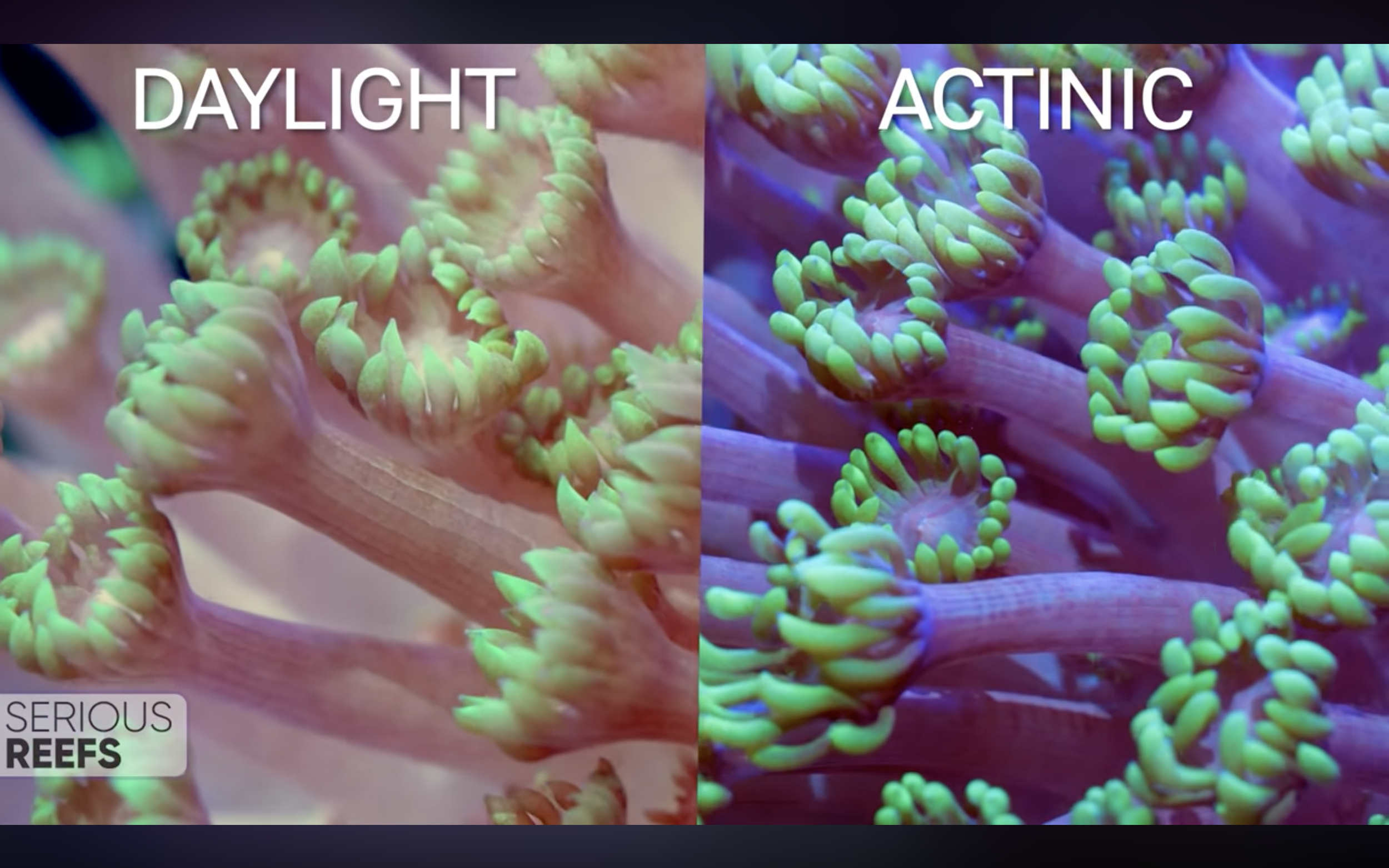
When observing coloration, heavy blue light makes their fluorescence pop and looks spectacular.
For advanced keepers attempting sexual reproduction, programmable moonlight cycles are an important factor for encouraging spawning.
When in doubt, err on the dimmer side rather than cranking the light up; excessive light can harm the coral.
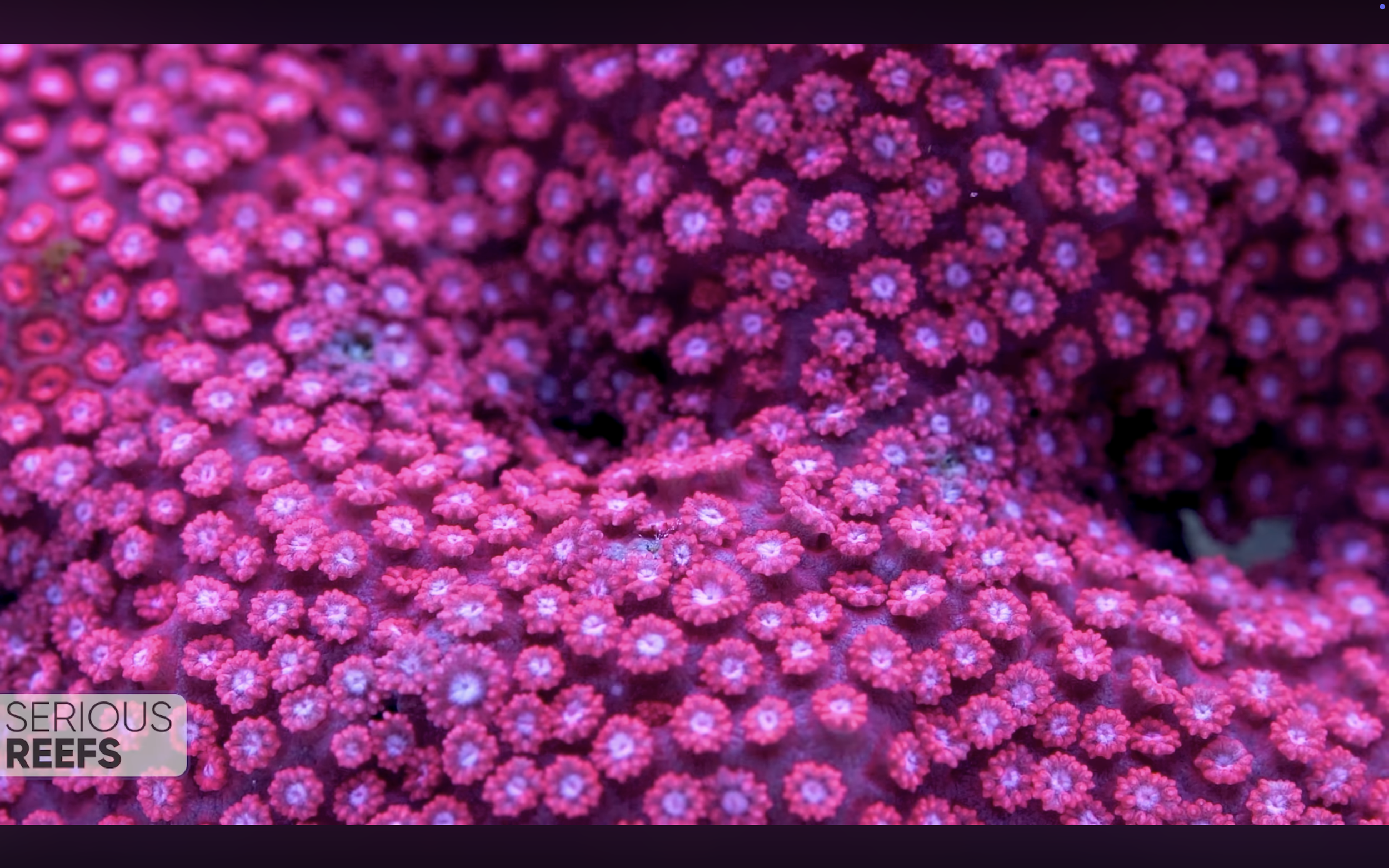
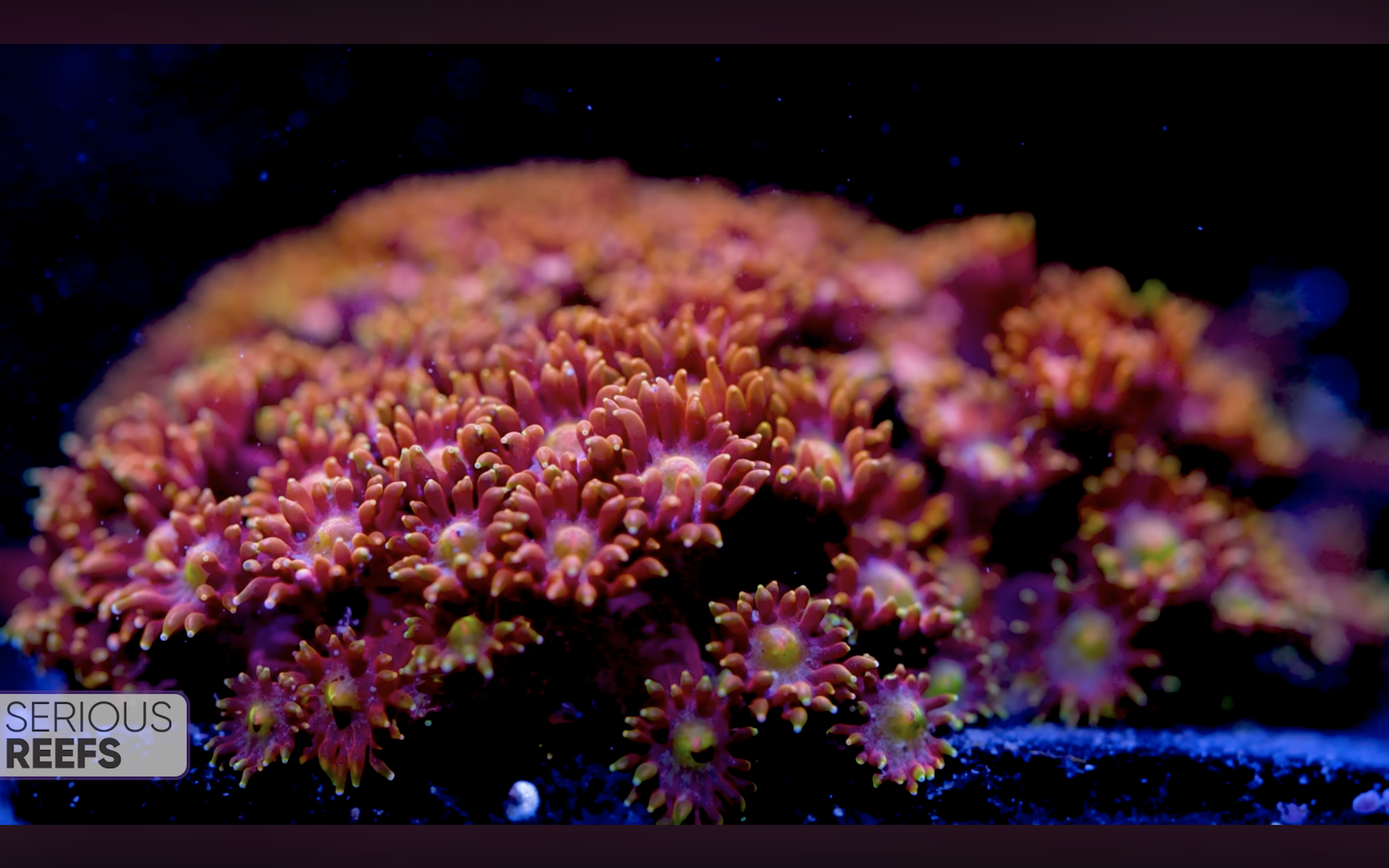
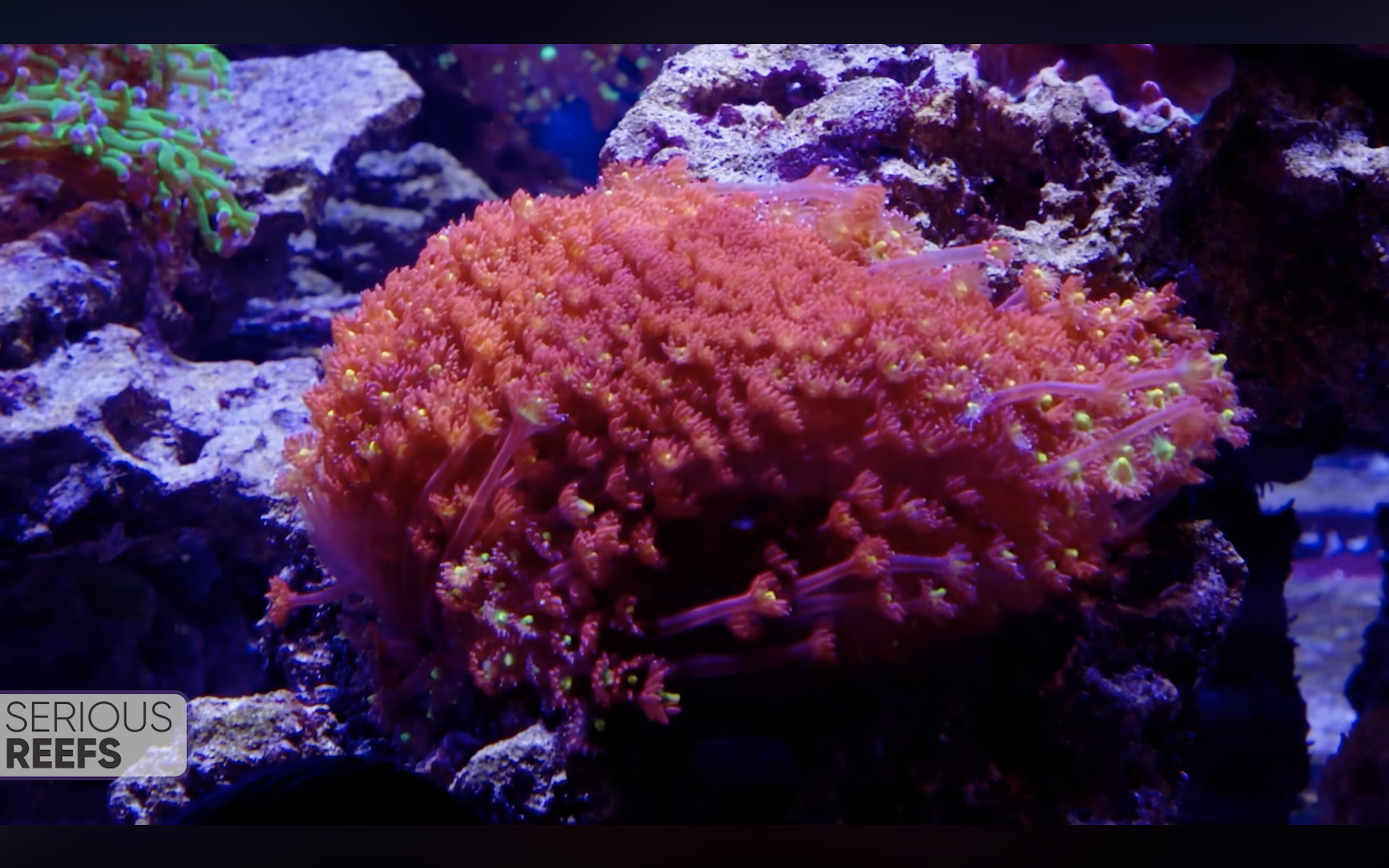
Flow: Enough to move the tentacles, not enough to crush
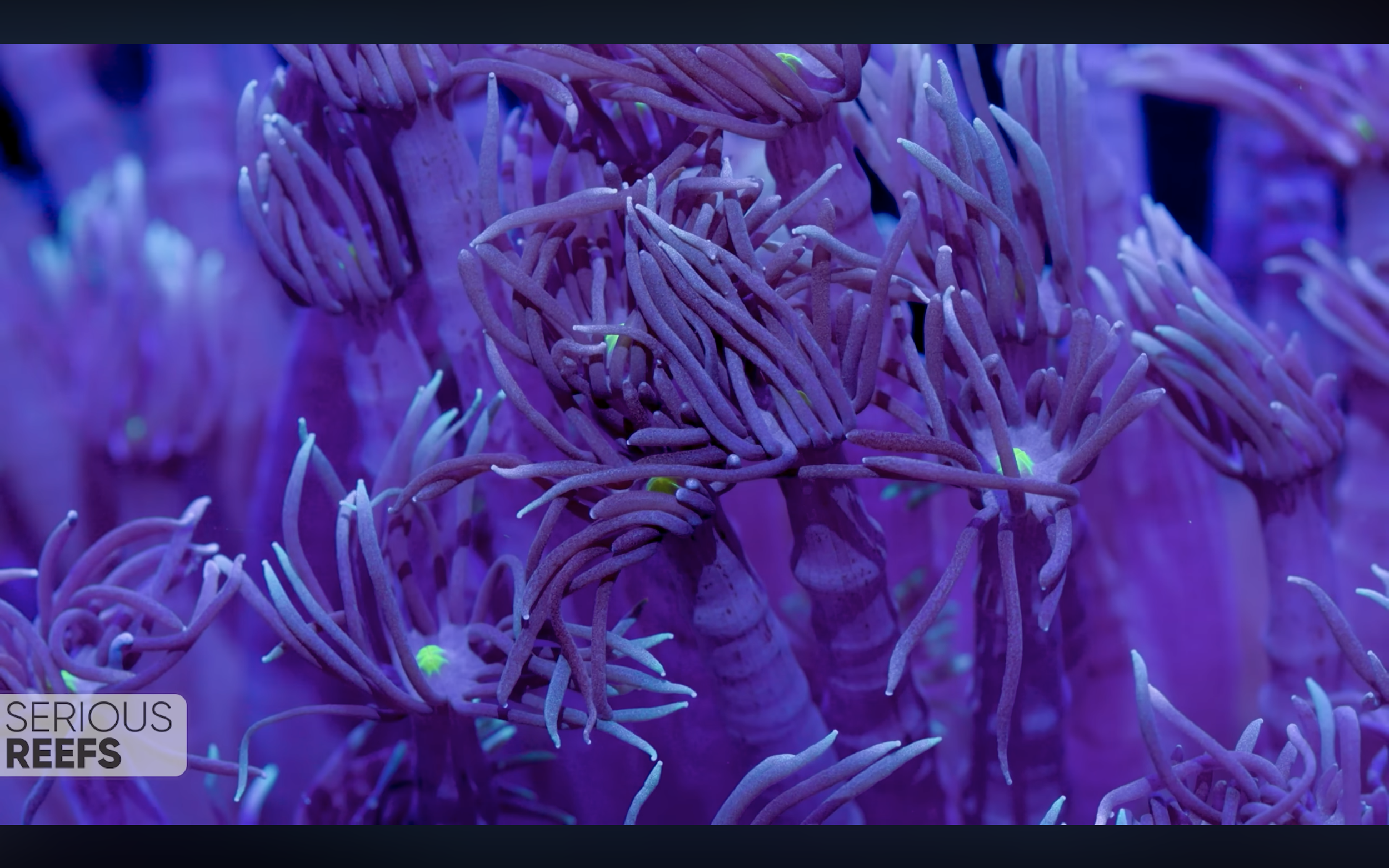
Goniopra respond strongly to flow. Provide enough current to keep their tentacles moving and to prevent detritus settling, but avoid direct blasting. In lower, gentle flow these corals will extend fully and look healthy. Too much flow causes them to contract down to a tight ball; back off the flow and they often expand dramatically and look much better. Consider ultra wide angle pumps like the tunze streams and gyres.
Placement: Rock is usually better than sand
Goniopra can be placed on rock or on substrate, and we have seen them thrive in both locations. Given the choice, we prefer to mount them on rock. Substrate can be kicked up, and many small critters live in the sand that might settle under a colony and irritate it over time. Mounting on rock reduces contact with creeping substrate-dwelling pests and helps avoid abrasion from shifting sand.
Water Chemistry and Trace Elements
As large polyped stony corals, goniopra require stable reef water chemistry. Keep alkalinity, calcium, magnesium, and salinity within normal ocean reef ranges. Beyond those basics, hobbyists often discuss trace elements and their role in goniopra health. The three trace elements most commonly mentioned are potassium, manganese, and molybdenum. The evidence for direct impacts is still anecdotal, and it is unclear whether these elements are consumed by the coral itself or by microbes and plankton that the coral then consumes.
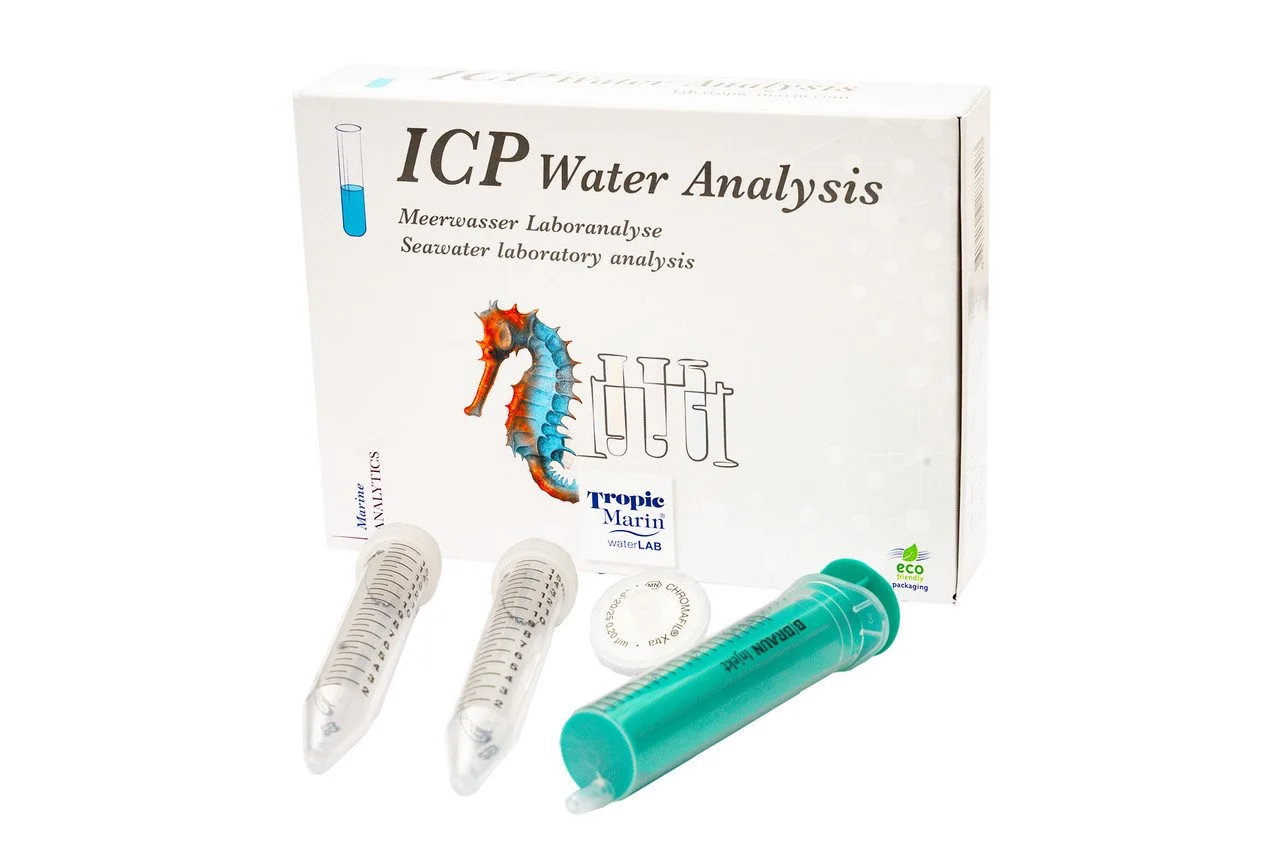
Tropic Marin ICP Water Analysis
Run ICP tests periodically. We try to avoid zero values for the commonly discussed trace elements.
Keeping overall water quality stable and nutrient levels under control is more important than chasing obscure trace element targets.
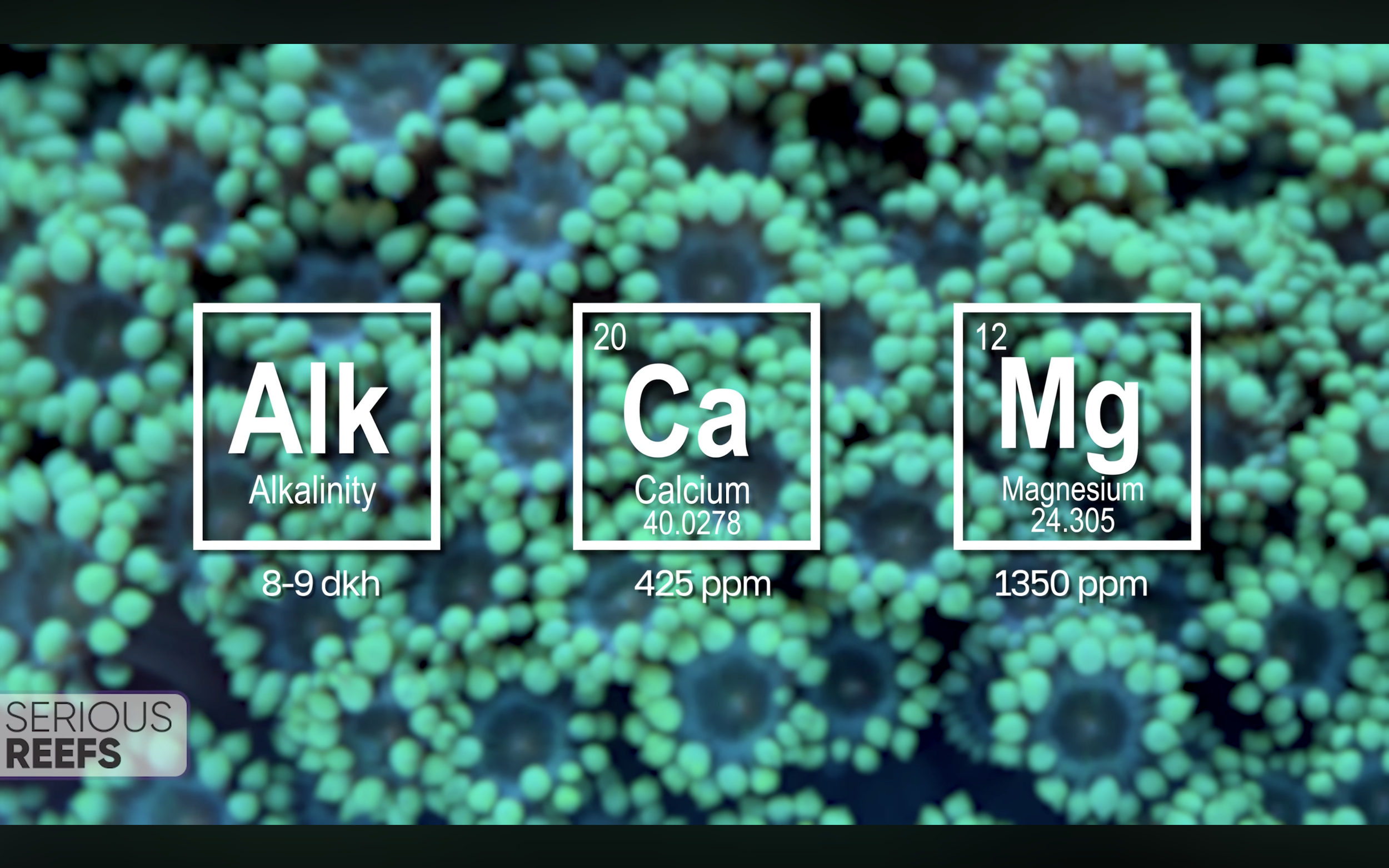
Goniopora Major Elements
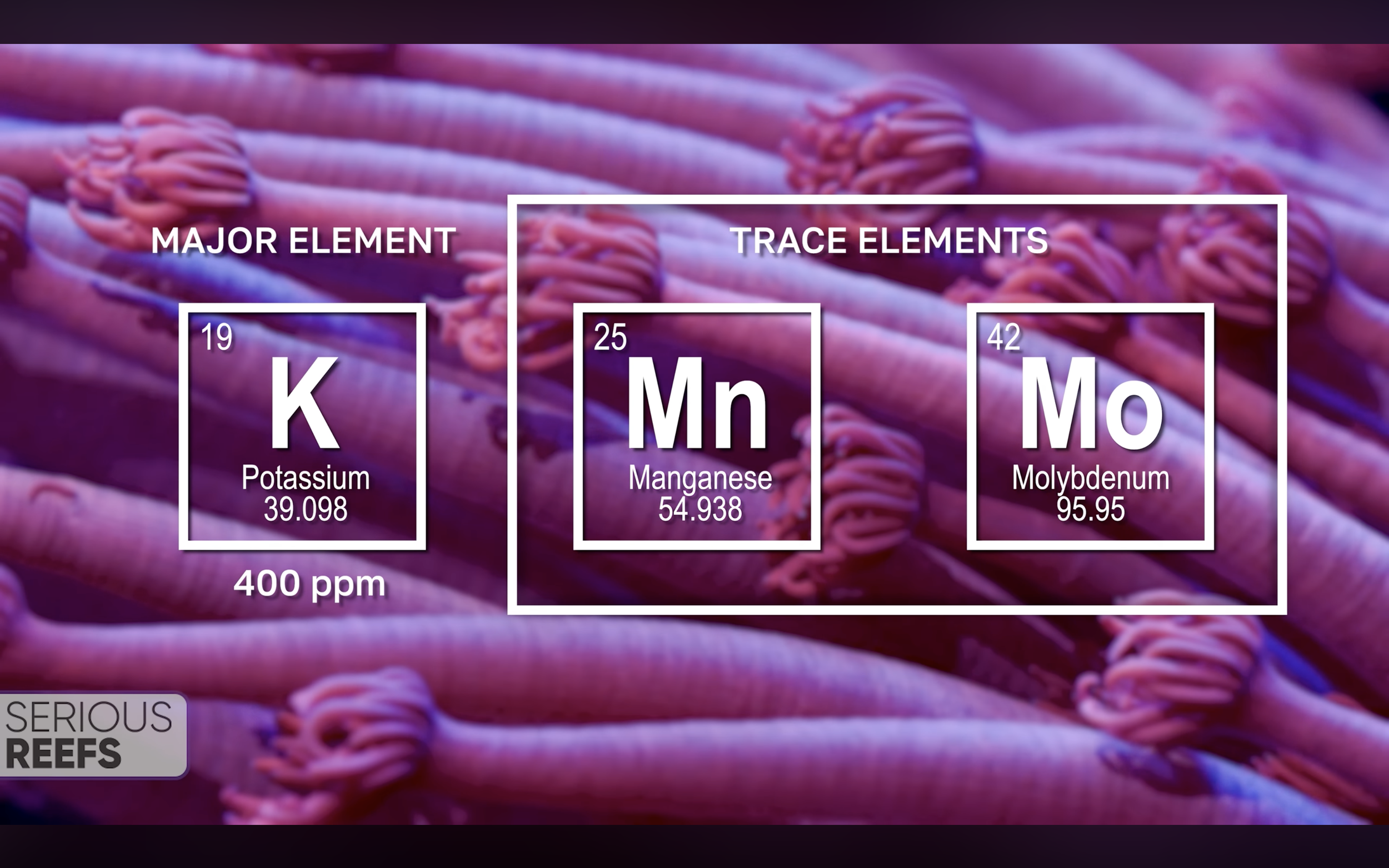
Goniopora Trace Elements
Feeding: The single most important care variable
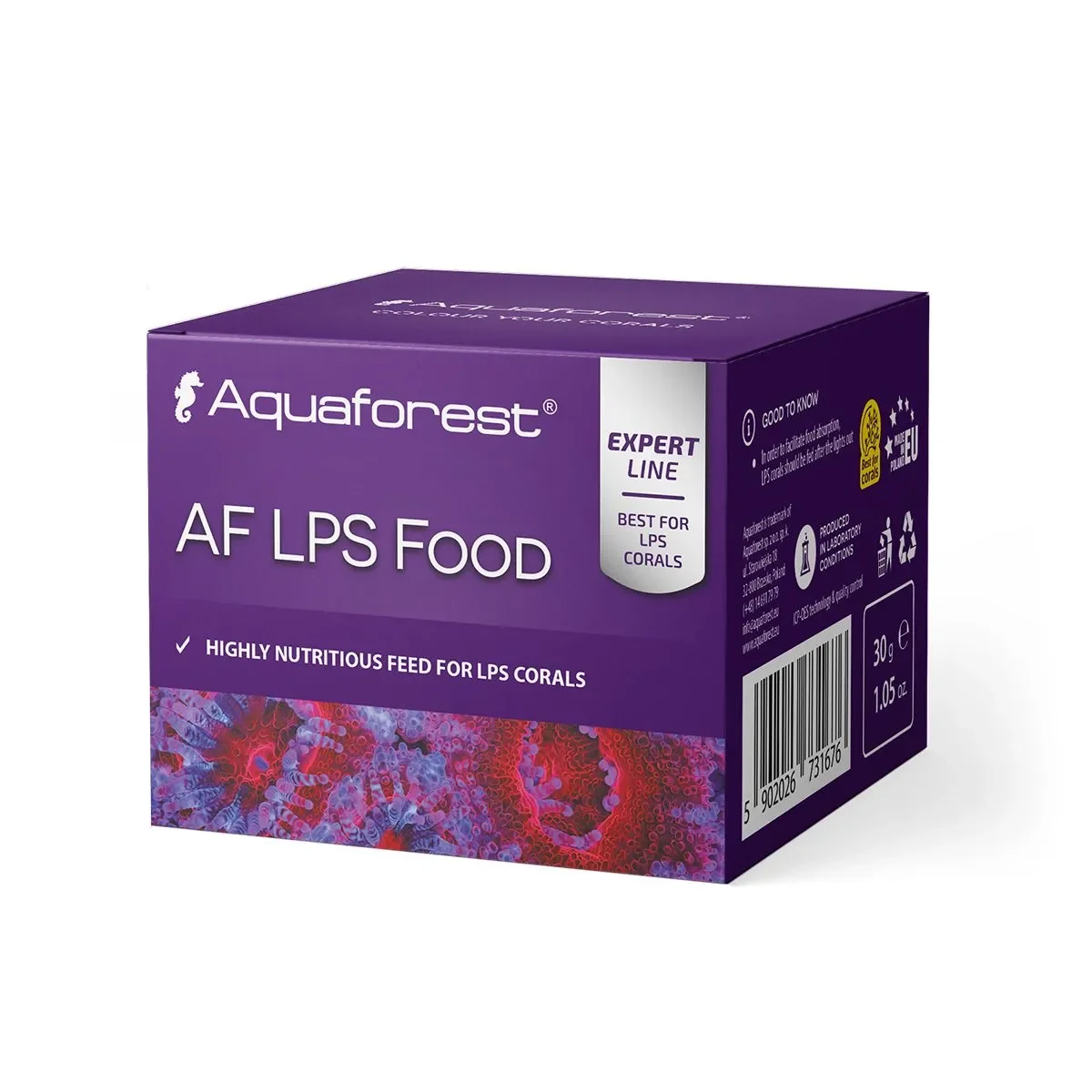
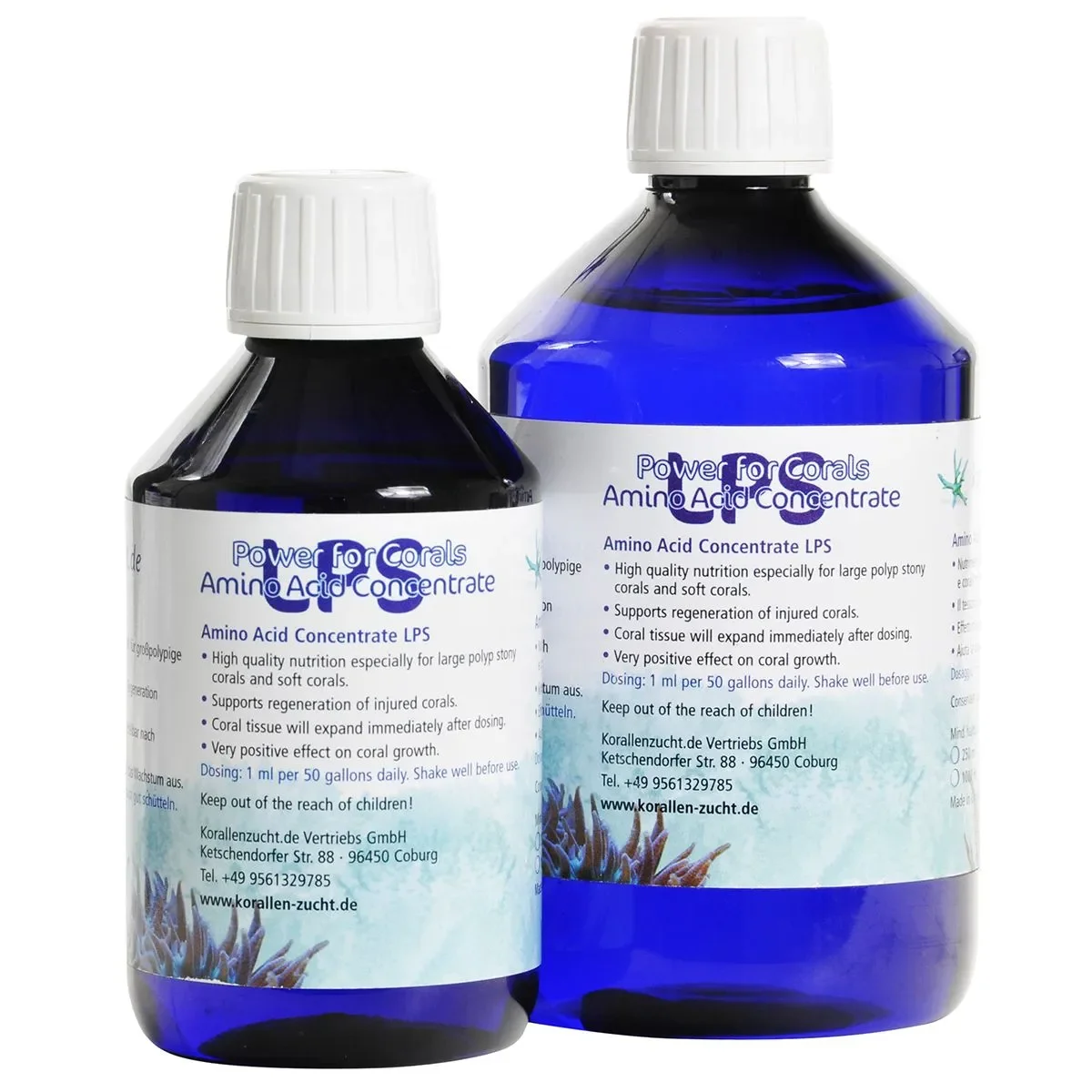
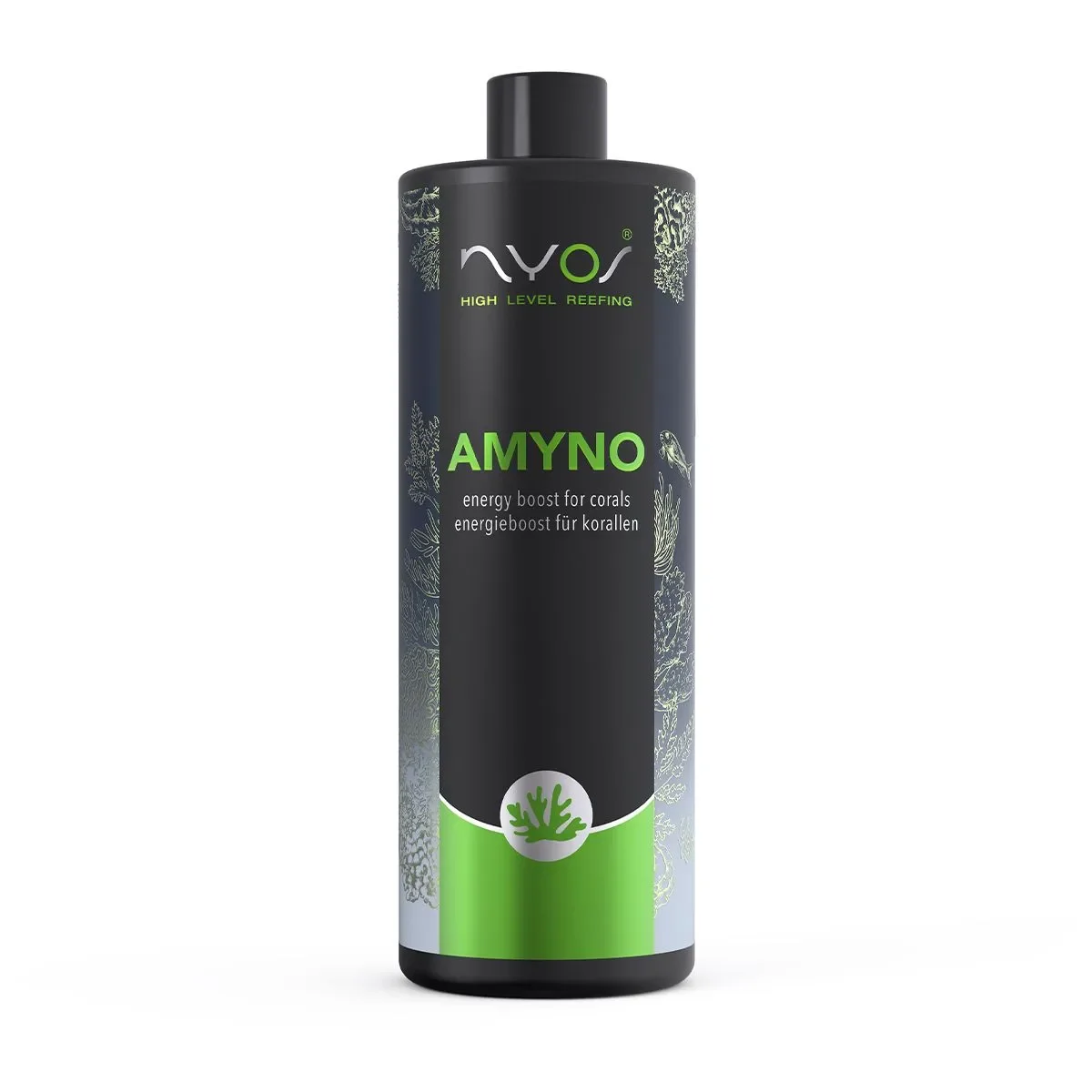
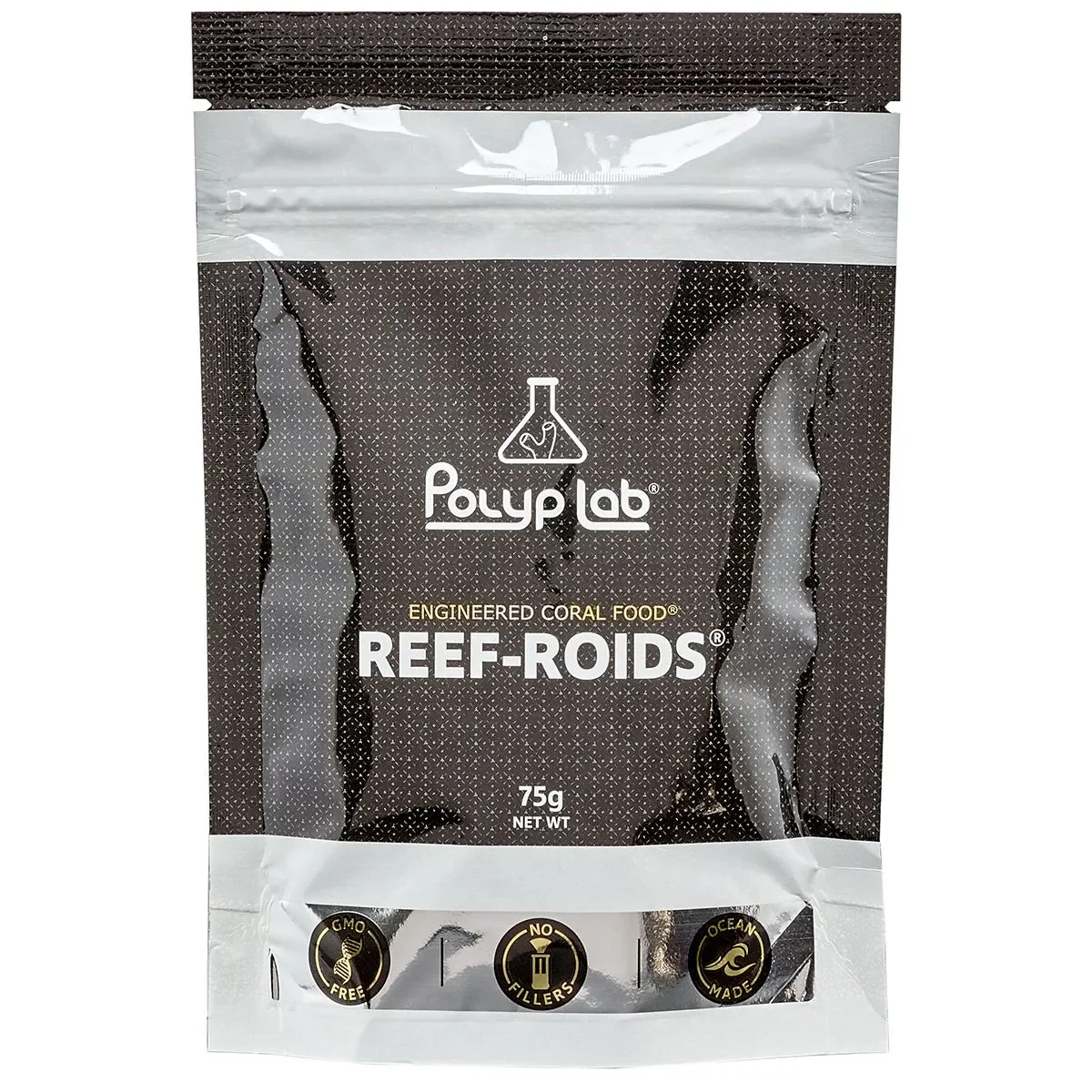
We believe regular feeding is likely the key to long-term success with goniopra. Their feeding behavior is cryptic. You may see a little head-bobbing motion when you present food and assume it is a feeding response, but it can be difficult to observe clear ingestion on camera or in person.
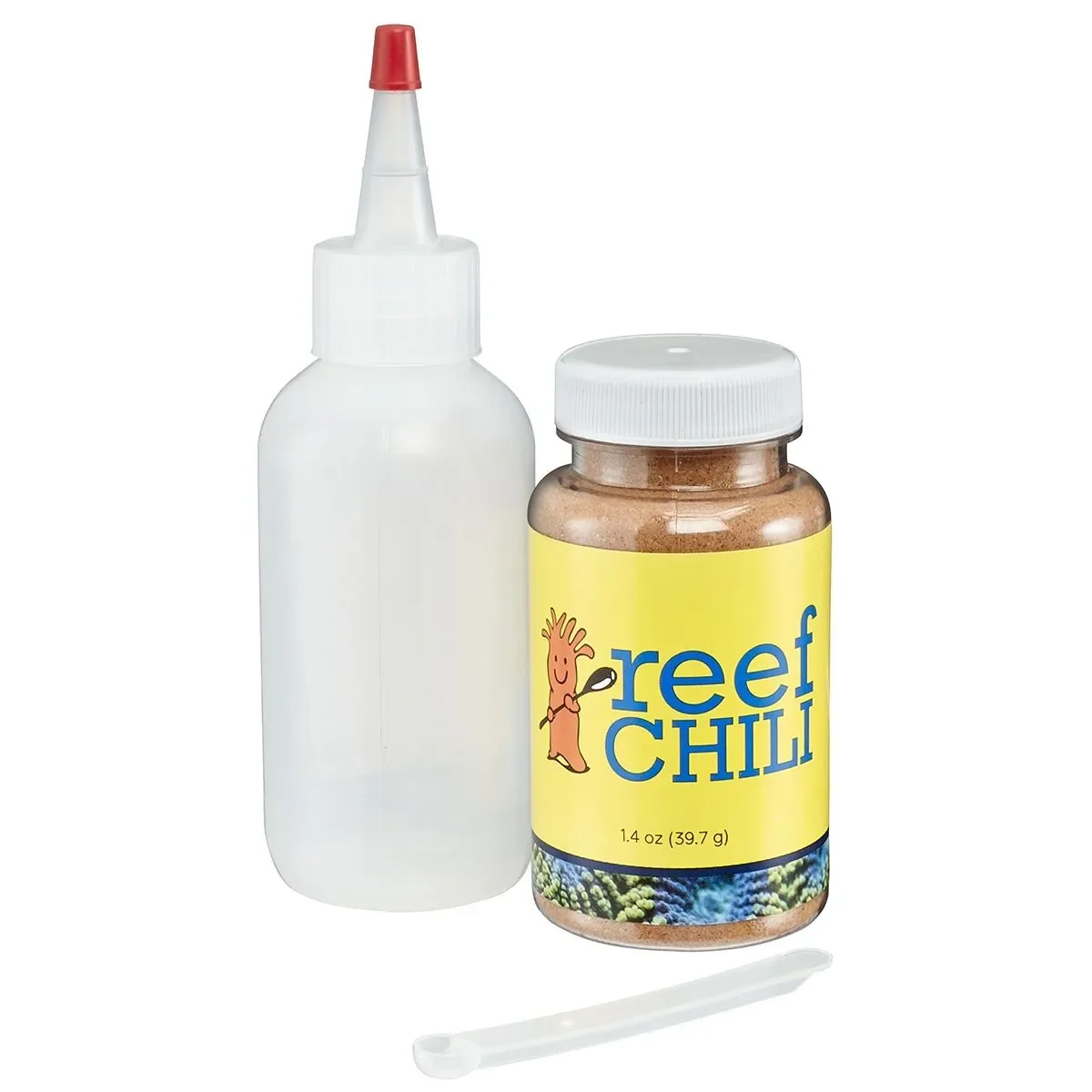
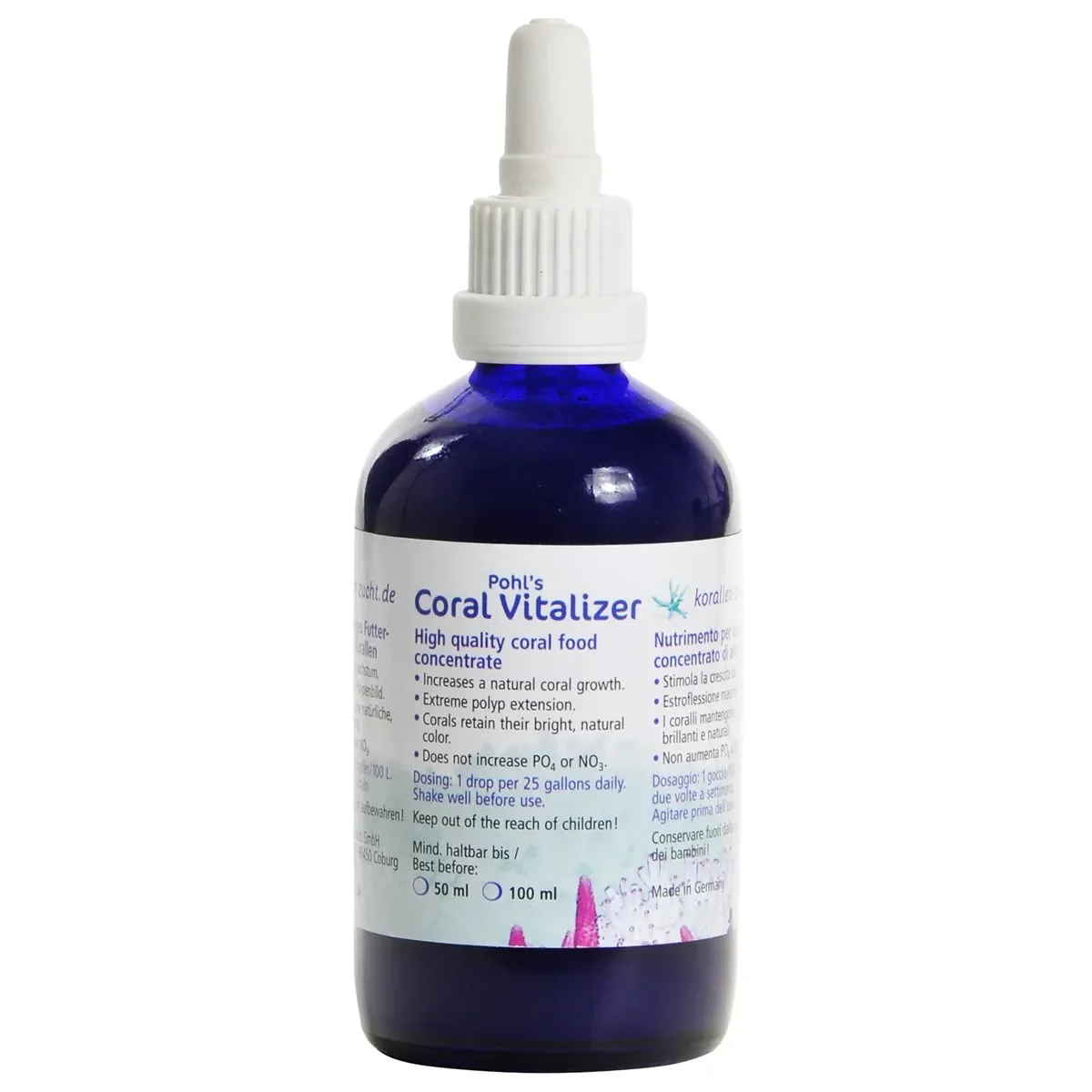
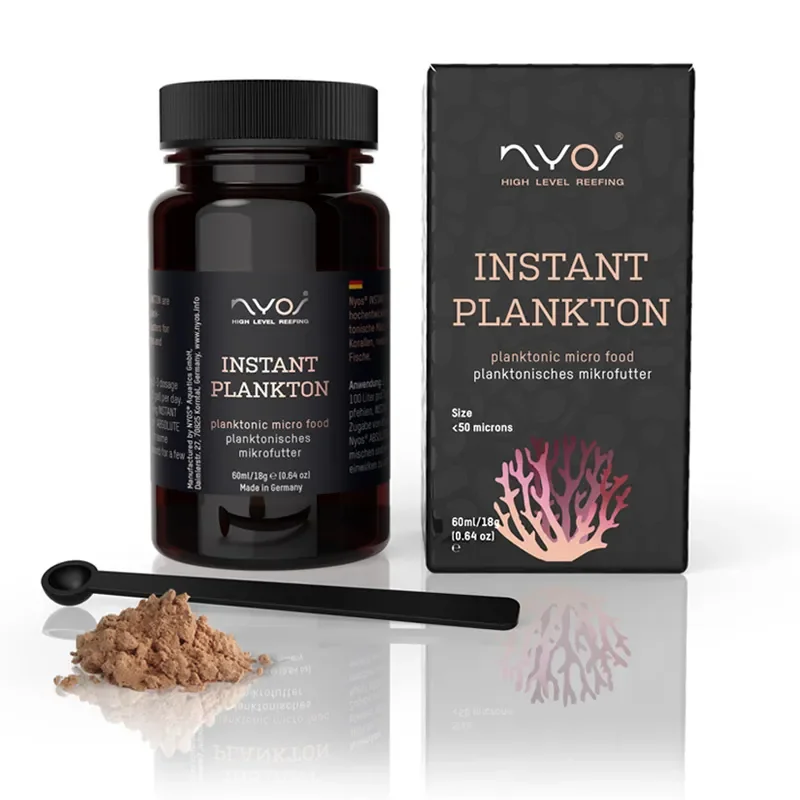
Use a kitchen sink approach: try a variety of target foods such as powdered coral foods, small meaty items, and planktonic feeds to see what elicits the best response.
Feed regularly, be experimental, and observe which foods consistently produce extension and apparent capture.

Pests To Watch For and Quarantine Practices
Pests specific to goniopra are relatively uncommon, but when they occur they can be severe. Photosynthetic flatworms can affect many large polyped stonies and are usually controlled with dips. A rare but serious pest are goniopra-targeting nudibranchs—small pink sea slugs that can mimic the polyps and eat the colony. They are extremely difficult to eradicate and are a reason we quarantine all new additions carefully.
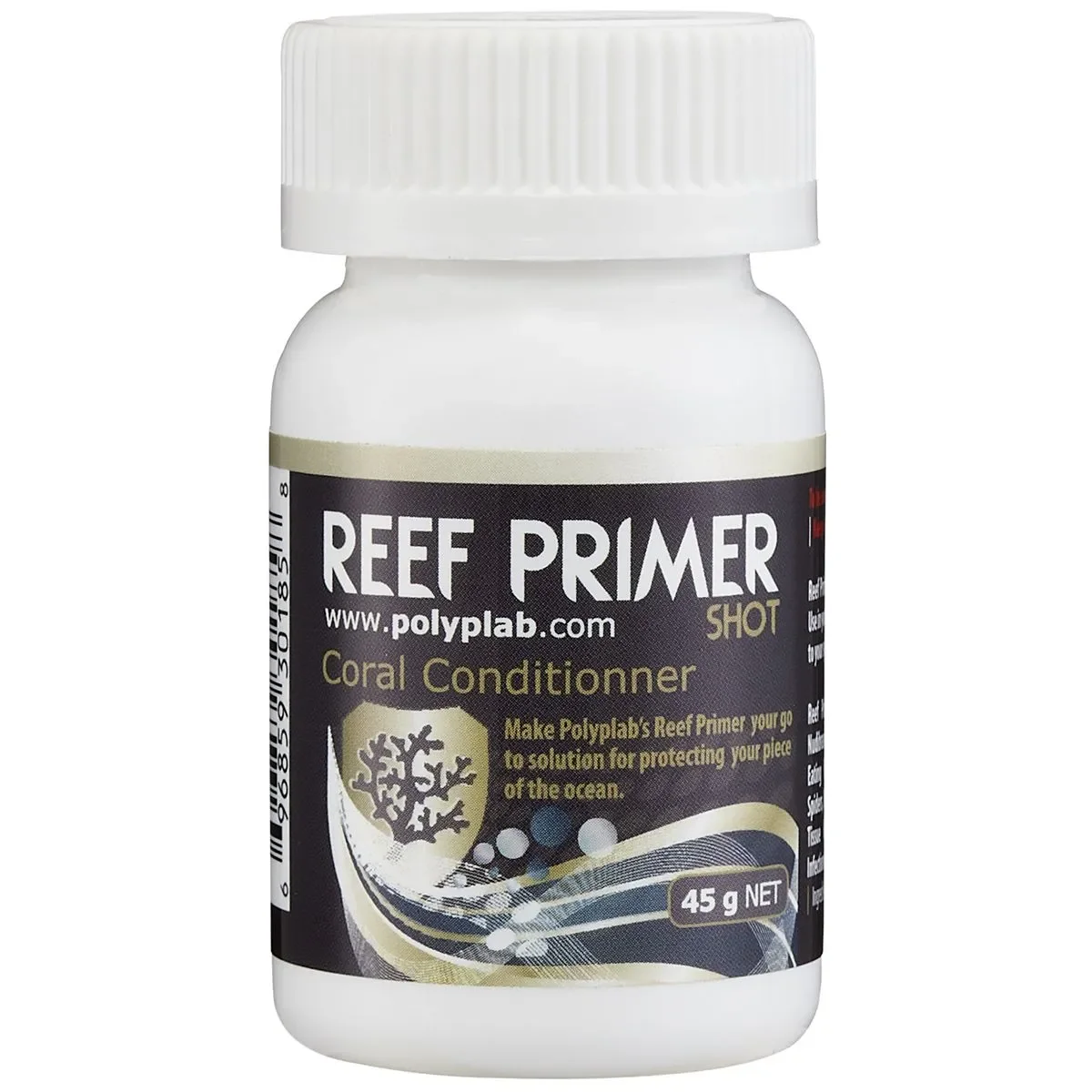
Polyp Lab Reef Primer
Always quarantine new goniopra and inspect closely for flatworms, nudibranchs, and other hitchhikers.
We recommend proactive dips when needed and consider a mild potassium chloride based dip as a first-line, gentle option for unexplained closures.
Troubleshooting: When a colony stays closed
If a goniopra colony stays closed for an extended period, there is almost certainly an active problem. This is not an occasional upset that will resolve on its own. When we encounter stubbornly closed colonies we perform a dipping regimen, often starting with a potassium chloride based dip because it is gentle and effective for many microscopic issues. Proactive dipping when you first see prolonged closure often leads to improvement.
Goniopora FAQ
How much light do goniopra need?
We recommend mid to low light roughly 50 to 100 PAR. Too much light can cause damage, and most color morphs remain stable across reasonable lighting ranges. Blue-heavy light highlights their fluorescence.
Where should we place goniopra in the tank?
They can live on rock or sand, but we prefer mounting them on rock to avoid substrate kick-up and critters that hide under corals on the sand.
What flow do goniopra prefer?
Provide enough gentle to moderate flow to move the tentacles. Avoid direct powerful jets that cause the colony to contract. Reduced flow often results in fuller extension.
How important is feeding for goniopra?
Feeding is likely the most important variable for long-term success. Regular feedings with a variety of foods and an experimental approach work best because their feeding response can be cryptic.
What should we do if a colony stays closed?
A prolonged closure is a sign of a problem. We typically perform a mild potassium chloride based dip and follow a proactive dipping regimen rather than waiting for it to resolve on its own.
Which pests are most dangerous to goniopra?
Photosynthetic flatworms are fairly common and treatable. Rare goniopra-specific nudibranchs are extremely dangerous because they mimic polyps and consume the colony; quarantine can help prevent introductions.
Goniopora
What’s Next?
Coral:101: MONTIPORA edition.
Acknowledgments
Thank you to Than Thien for sharing his knowledge with the SR community. Thank you to Ryan Thompson for summarizing the video and making it available to everyone.
Thank you to the Serious Reefs community. Your membership funds the creation of articles and videos like this one.
Support Serious Reefs
Patreon is the best option If you…
Want to discuss with the SR community and ask questions.
Want immediate notifications of every release.
Listen with phone screen off. Patreon app works with phone closed
Want 25% off via annual discounts.
YouTube members is the best option If you…
Watch SR videos on a TV via youtube App
Want to watch videos natively here on seriousreefs.com - (You must use chrome browser and be logged into google account with youtube membership)
Are a YouTube power user.
Tell a friend. Best option if want more SR (and faster).
If you like what we’re doing, give SR a quick shout-out on your favorite forum, YouTube, Facebook, TikTok, or Instagram. Let your local fish store know SR is helping you explore the hobby and keep it fun. Thanks for the support!
Disclaimer
Full Disclaimer HERE. This is the gist of it.
Content is based on personal experience, not professional advice. Do your research and reef responsibly. Serious Reefs should not be your sole source of information on any topic.
By watching, you agree that Serious Reefs and its creators aren’t liable for how you use this info. Please don’t utilize our information if you are not ok with this.
Serious Reefs has no sponsors, doesn’t accept product, or payment for reviews. We do use affiliate links in articles that earn a small commission to support our work. Shop wherever you like, we won’t be offended.