Reef Tank Filtration, Phosphate, Flow, Heaters, & Lighting - 90/10 Part 2:
The 90/10 Method: How to start a saltwater aquarium

90/10 Guidelines
Dilution over filtration. Perform ten percent weekly water changes to stabilize pollution and buffer additive imperfections. Add skimmers, filters, or refugiums only to solve specific problems, not by default.
Control phosphate. Control phosphate. Target 0.05 to 0.1 ppm to keep corals bright and growing steadily. The goal is to maintain enough phosphate for healthy coral metabolism without fueling algae or starving the system.
Softy and LPS flow. Favor shifting currents over turbulence. Flushing currents create gentle, natural movement that improves nutrient, element, and gas exchange without damaging polyps, closely mimicking the flow found at natural depths for these types of coral. .
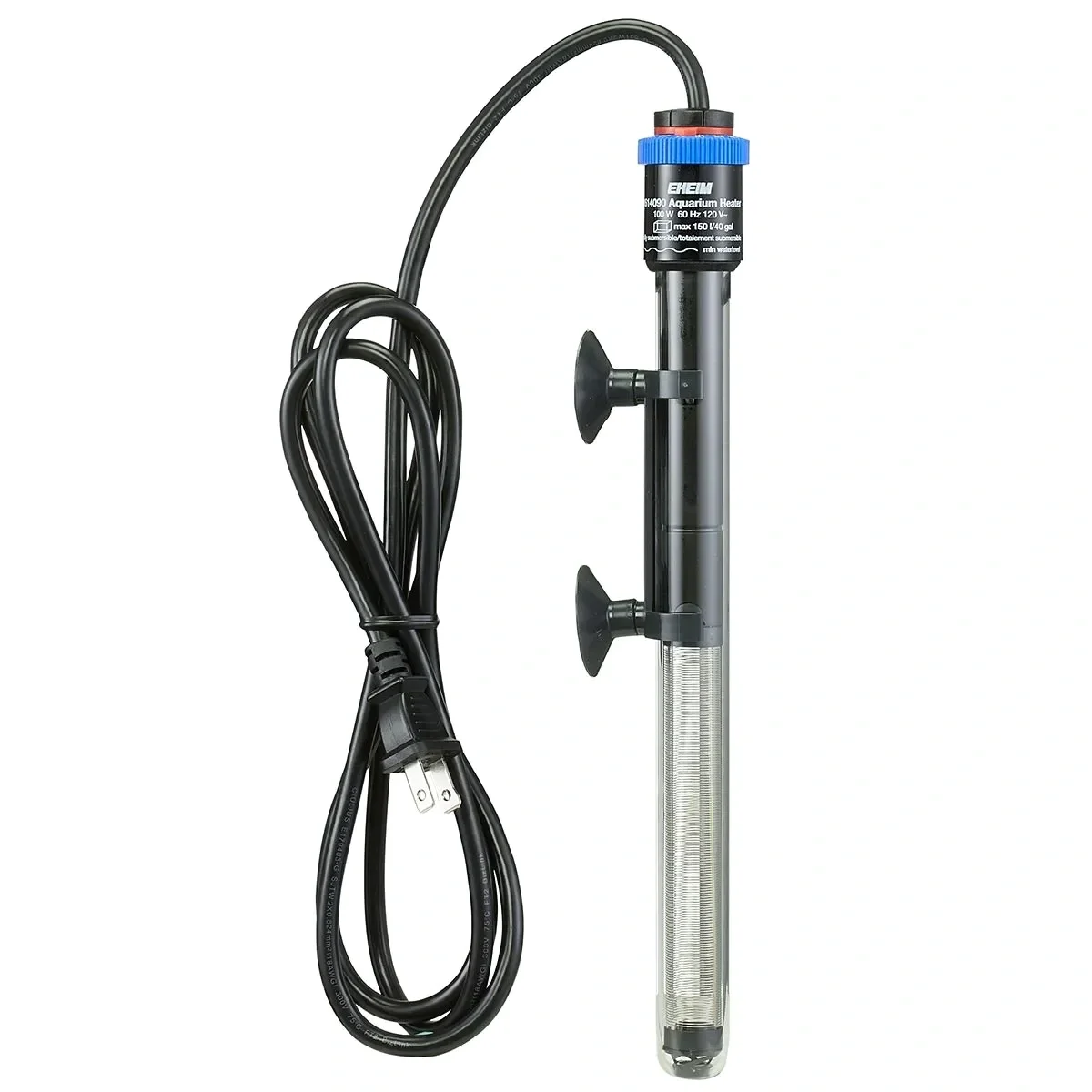
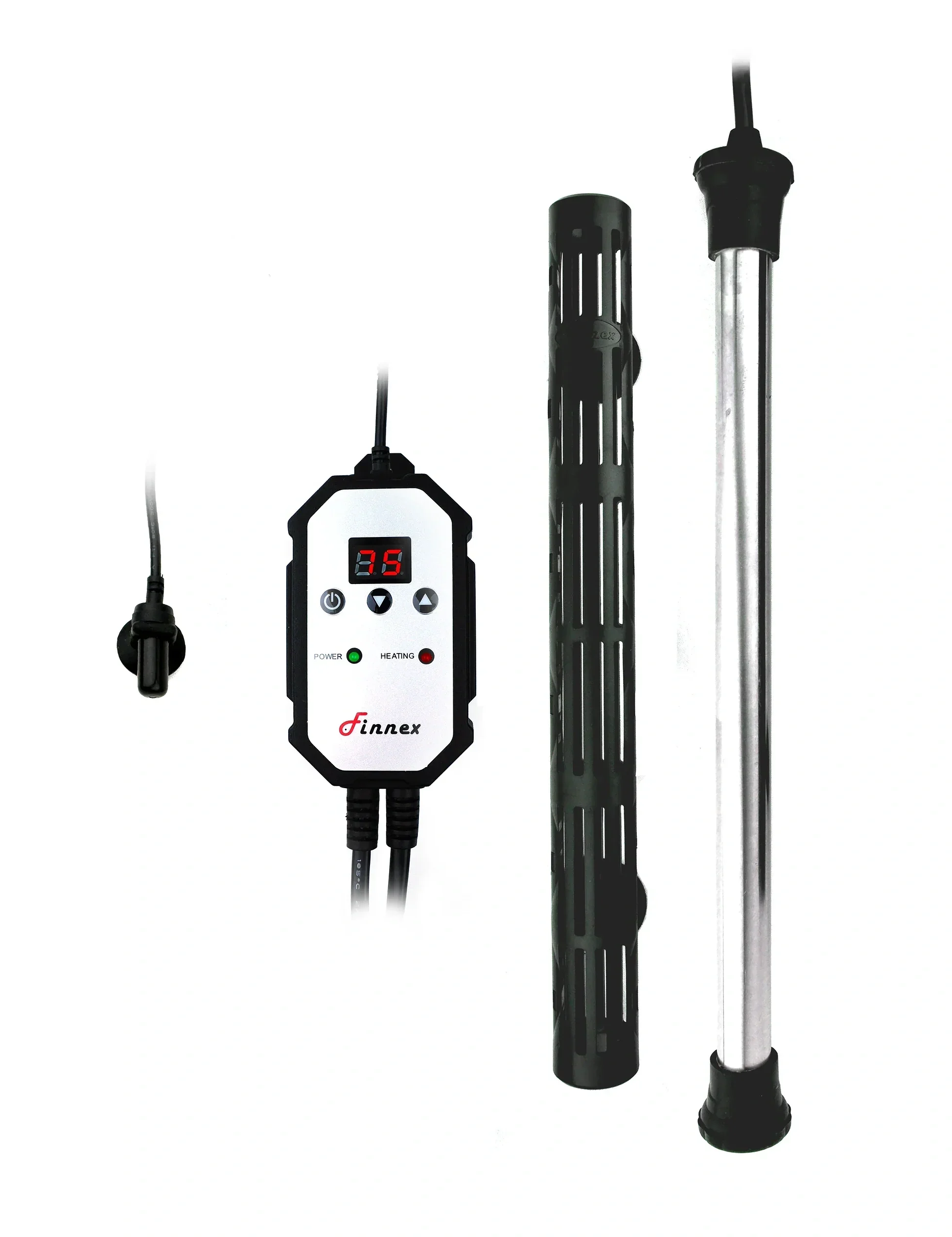
Maintain temperature. Keep the tank between 77 and 78 degrees Fahrenheit. The heater is the number one gear-related tank killer, so back it up with a temp controller and replace it annually.
Lighting, estimate don’t guess. Start at one to one and a half watts per gallon, which should land around 50 to 150 PAR for LPS. Use a PAR meter if needed. Aim for about 75 percent of power from blue, royal blue, violet, and UV channels, and 25 percent from white channels. Make subtle visual adjustments to your eye’s prefrence.
Note: Paid YouTube SR Members Using A Chrome Browser can watch videos natively above on Seriousreefs.com. Sign up HERE
SR videos are a community funded member only resource. Serious Reefs buys everything we review, accepts no sponsorships, and your memberships make it possible to keep every review truly unfiltered.
Core Principles of the 90/10 Method
Ease over complexity: Favor systems and choices that are easy to maintain.
Highest probability choices: At every turn pick the option most likely to succeed for a wide range of people.
Minimal gear, maximal results: Use only what’s necessary and reliable.
Predictable inputs: Start with clean, controllable source water and predictable salts.
Weekly testing and small, consistent actions: Dilution first, consistent water changes, and weekly checks trump complicated chemistry juggling.
Step 1: Choose dilution over complicated filtration — 10% weekly water changes
Water changes will take you a long ways, they are easy, and low cost. We keep reefing simple and reliable by prioritizing dilution. The baseline rule is a 10 percent weekly water change. In plain terms: scoop out five gallons of dirty water and add five gallons of clean, mixed saltwater. This routine does two powerful things for most tanks.
Stops pollutant accumulation: Regular 10 percent changes prevent organic waste (food, waste) from ratcheting up nitrate, phosphate and other tank pollutants week after week.
Buffers elemental drift: Small, regular water changes reduce the drift of trace and major elements caused by imperfect additive systems. No dosing method is perfect—some elements will rise or fall over time. Systems that try to achieve perfect balance are often expensive or complex, while water changes maintain stability simply and affordably.
Simple and cheap: Compared with buying, maintaining, and learning multiple pieces of filtration gear, dilution is low cost and low friction. On many small-to-medium tanks it’s only a bucket or two of salt a year.
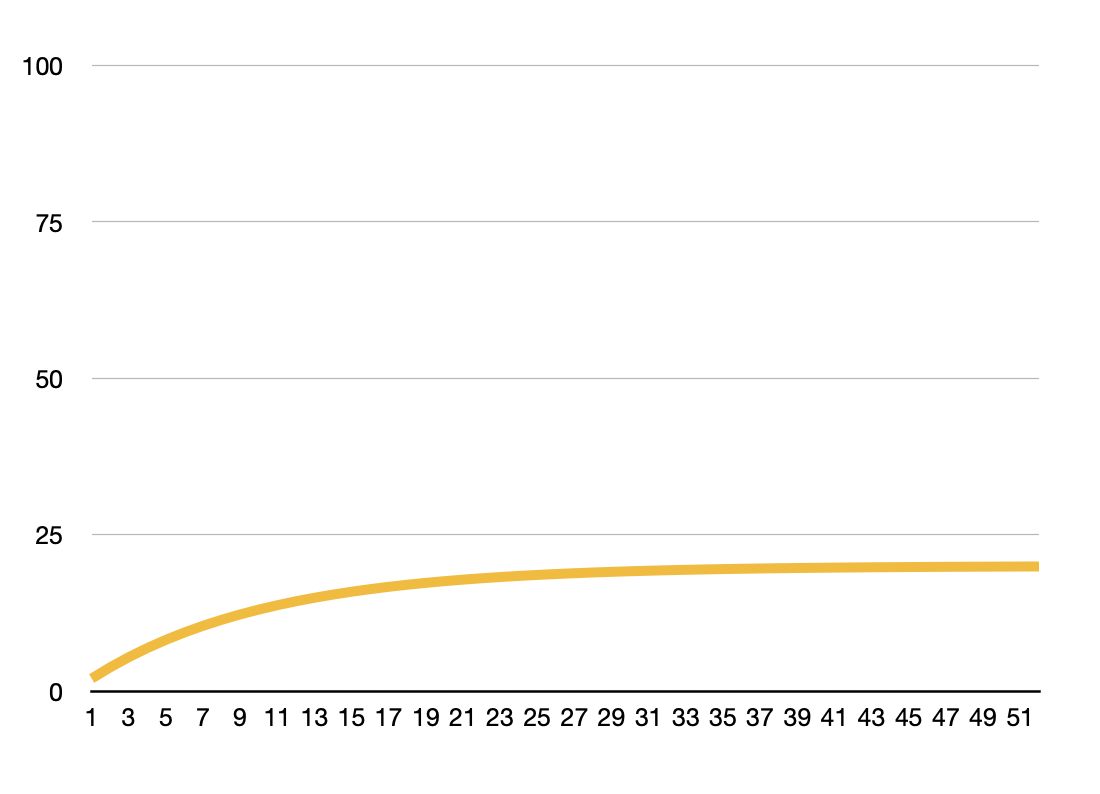
Expect a tank that receives steady 10 percent weekly changes to reach a stable nitrate equilibrium rather than a continuous climb. If you want an even tighter cap on nutrients, 20 percent per week will push the equilibrium lower — but for most of us the 10 percent rule hits the sweet spot between effectiveness and effort.
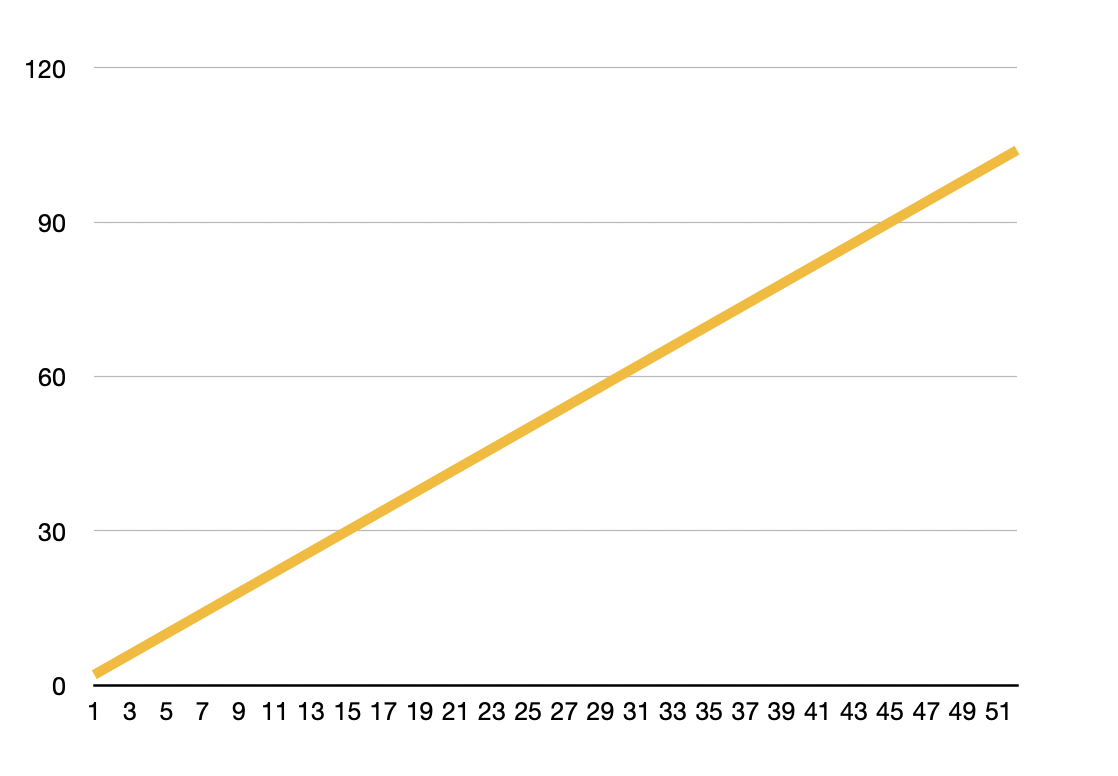
The charts below show nitrate accumulation over 52 weeks in a tank receiving a 2 ppm nitrate addition each week. One example has no filtration or dilution, while the other uses no filtration but includes ten percent weekly water changes.
Understand the filtration and dilution audibles. When to do monthly big changes or go filtration-heavy
There are workable alternatives to the weekly 10 percent water changes, but they come with conditions and tradeoffs.
35 percent monthly changes can produce math similar to weekly 10 percent — but only if we actually do them consistently. Missing a month or stretching to six weeks quickly undermines the approach. New saltwater also needs to be the same chemistry and temperature as the tank water to avoid shocking the animals.
Filtration as an audible — Protein skimmers, filter socks, refugiums, and GFO are valuable tools when needed. They are not mandatory on day one for most LPS-dominant tanks if we commit to dilution first. Use filtration to solve specific problems or to enable more advanced, low-change systems.
Limited or no water changes is a pro-level move. It depends on finding near-perfect balance through advanced filtration, ICP testing, and targeted additives. That approach can be expensive and requires experience to avoid slow element drift and toxin buildup. Even the people who are successful with this approach would never recommend no or limited water changes to a newer reefer.
Step 2: Keep phosphate in range — target 0.05 to 0.1 ppm
Phosphate behaves differently than nitrate. It can bind to sand and rock and slowly re-release, so it requires monitoring and targeted removal when it creeps up. Rather than try and peg a specific number we aim for a window: 0.05 to 0.1 parts per million.
Why not zero? Corals and their symbiotic algae require some phosphate to function. Zero phosphate tends to mean starving zooxanthellae and stressed corals.
Why not higher? Too much phosphate fuels algae explosions, browns corals with excess zooxanthellae, and can poison coral.
Practical tools we recommend:
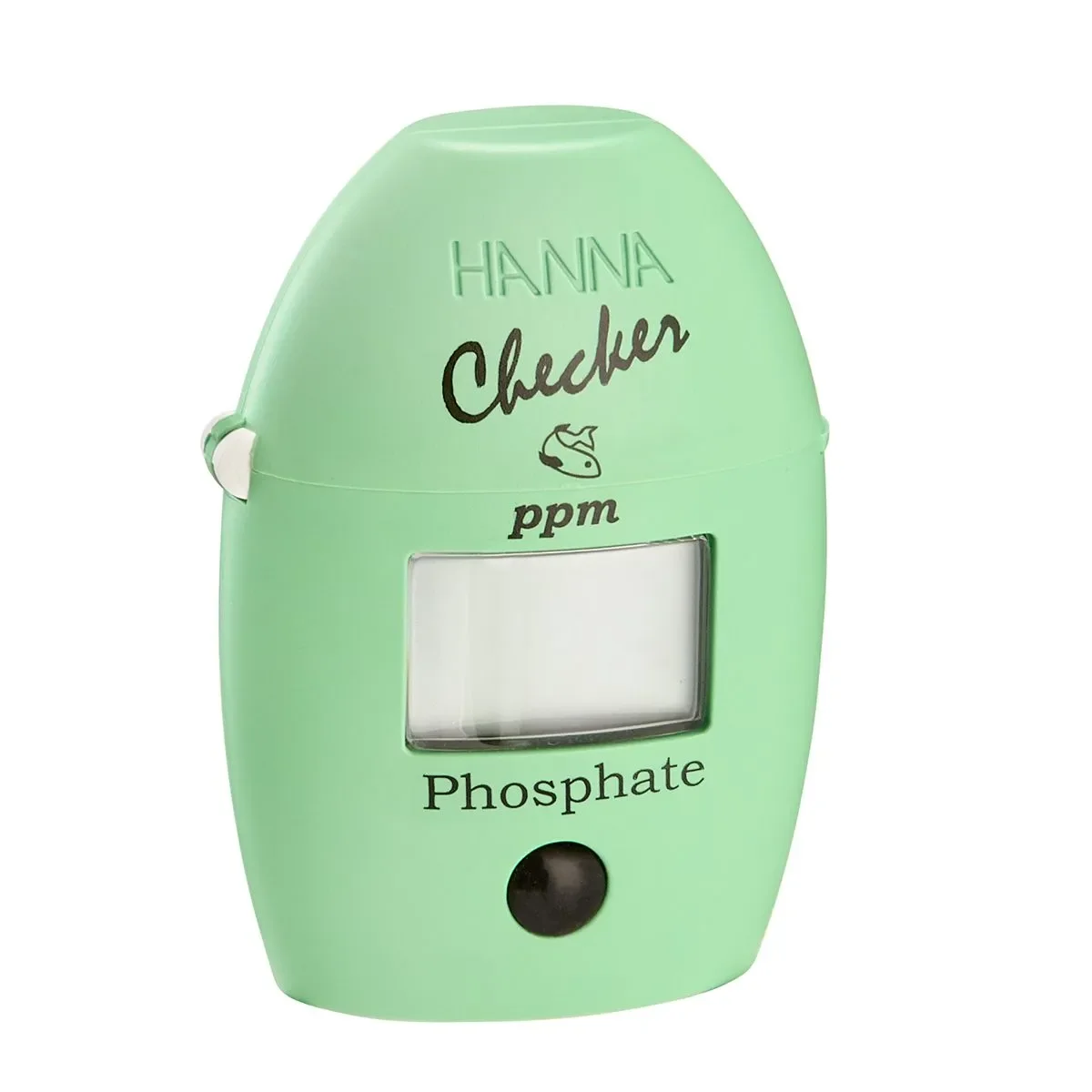
Hanna low-range phosphate checker — a digital reader avoids the subtle color-reading mistakes of test strips.
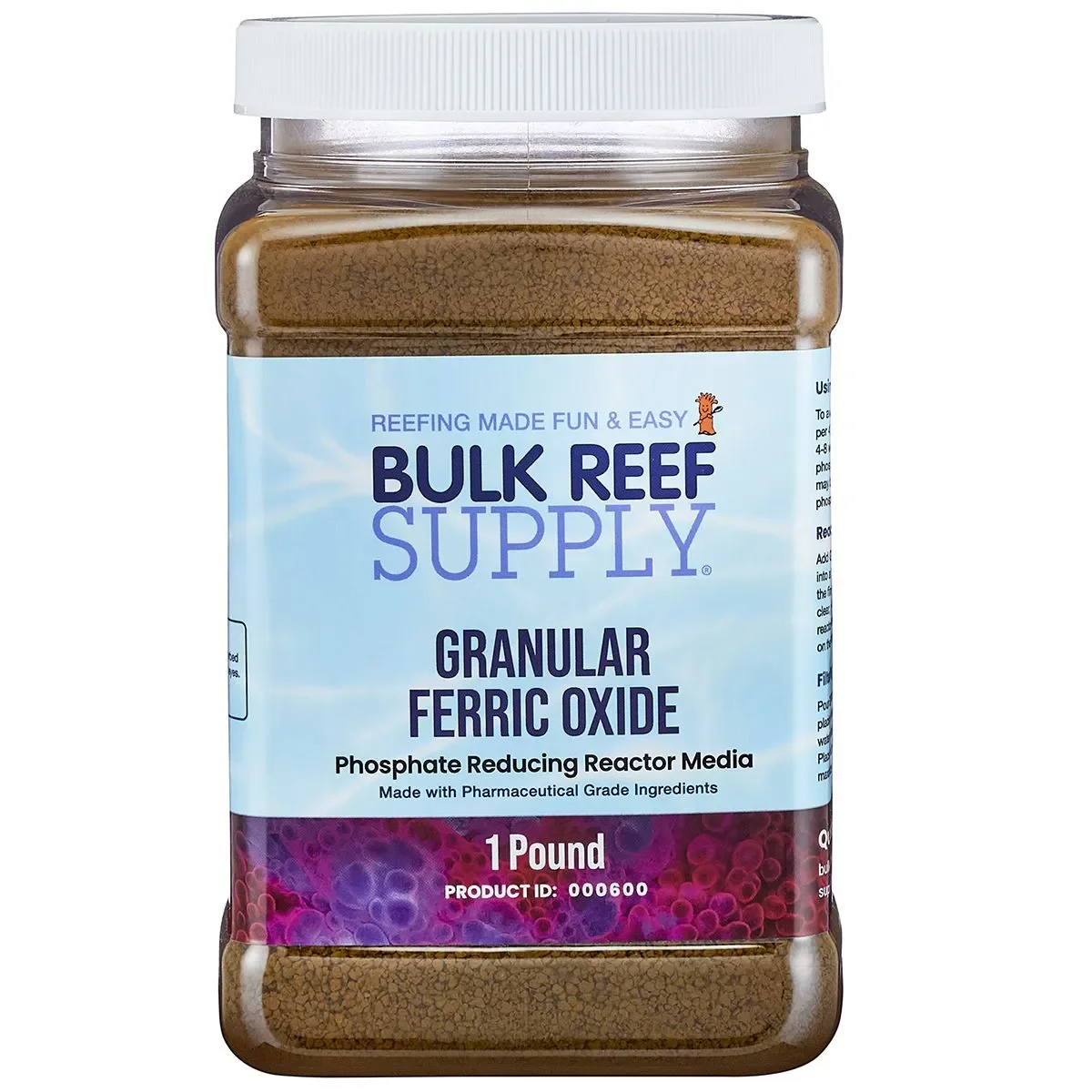
GFO (granular ferric oxide) — the workhorse media for phosphate removal. Dry GFO is cost effective; pre-wetted products are easier to handle for some setups.
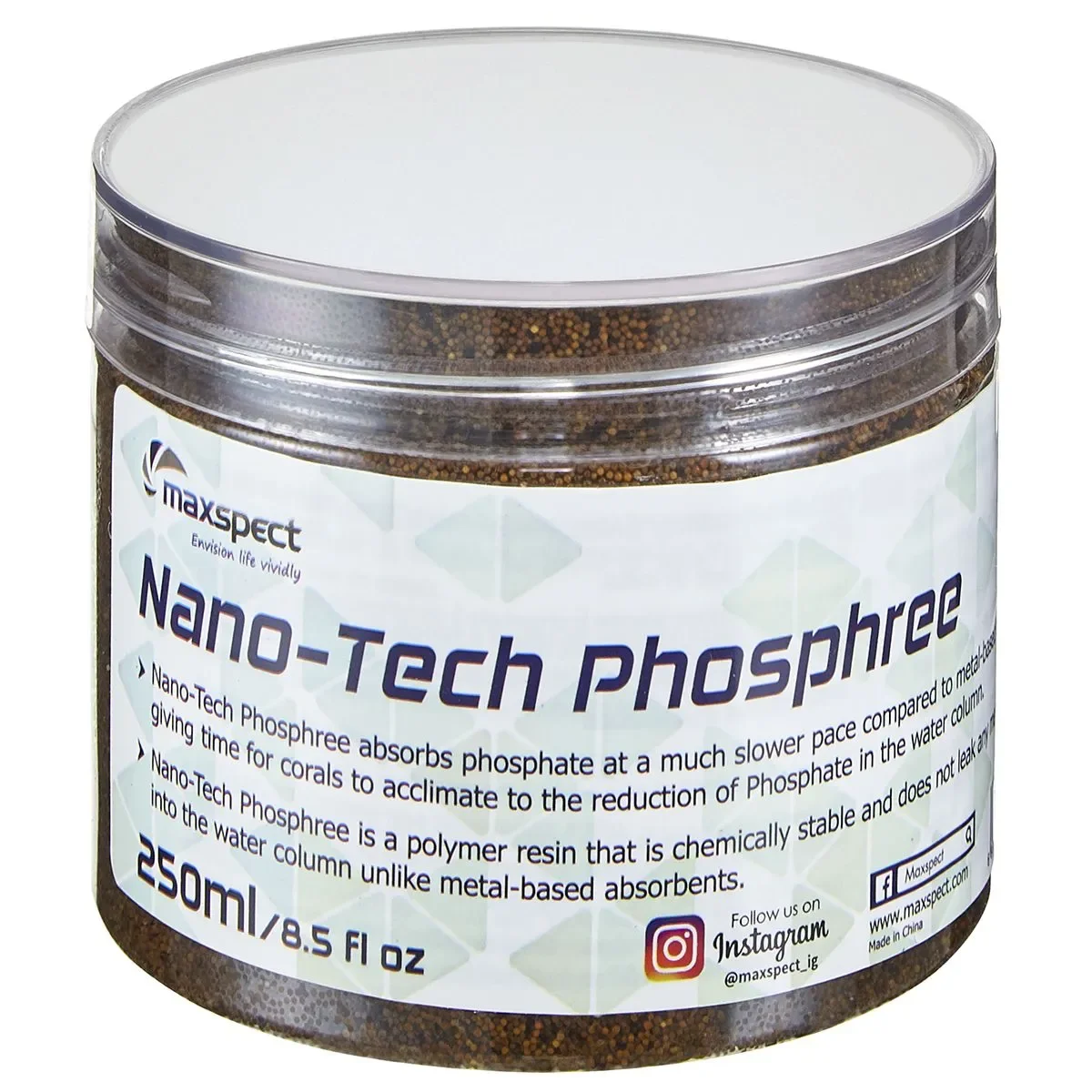
Resins — newer resins like Nano-Tech. Phosphree that bind phosphate more slowly and with fewer fines show promise for finer control.
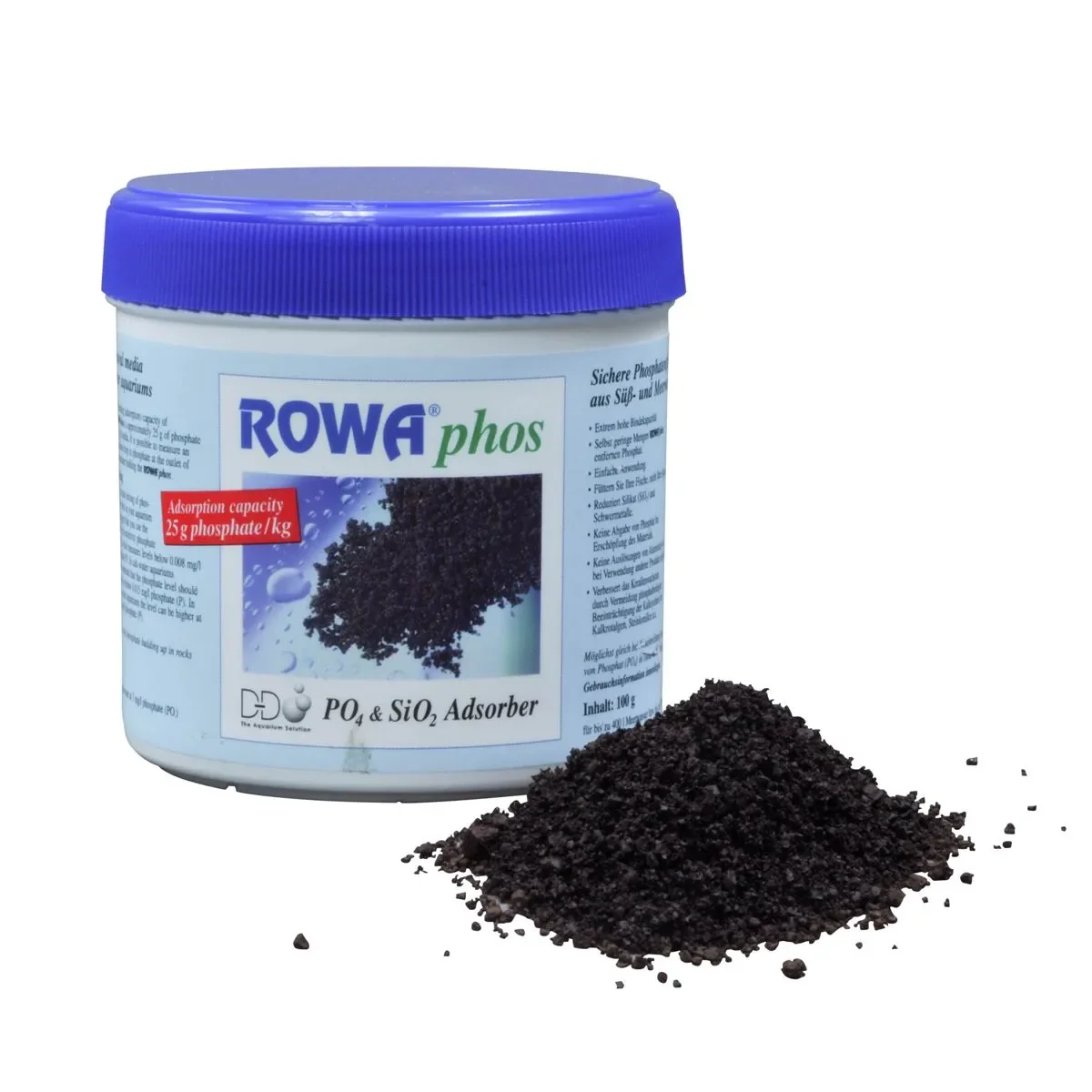
Audible: There are other approaches as well. “Zero-zero” systems aim for undetectable phosphate and nitrate while feeding heavily with nitrogen- and phosphorus-rich foods such as particulate coral foods and amino acids. When paired with heavy filtration, these systems can produce exceptional coral growth but require advanced management and represent a different style of reefing. For most tanks, maintaining 0.05 to 0.1 ppm phosphate with GFO and a reliable checker provides the best balance of color, growth, and minimal nuisance algae.
Step 3: Flow for LPS — favor shifting currents
Flow is crucial. It handles gas exchange, moves dissolved elements and food to tissues, and supports internal circulation within corals. For LPS corals we prefer shifting currents rather than constant, violent turbulence.
Why shifting currents? They create bursts of higher-velocity flow across the coral surface without continuously smashing delicate tissues. Corals in a good flow regime show faster growth on sides that receive steady flushing, and they avoid flow shadows that stunt growth.
Pump scheduling. Alternate pumps with longer pulses measured in minutes rather than seconds to prevent constant directional stress and distribute flow more evenly.
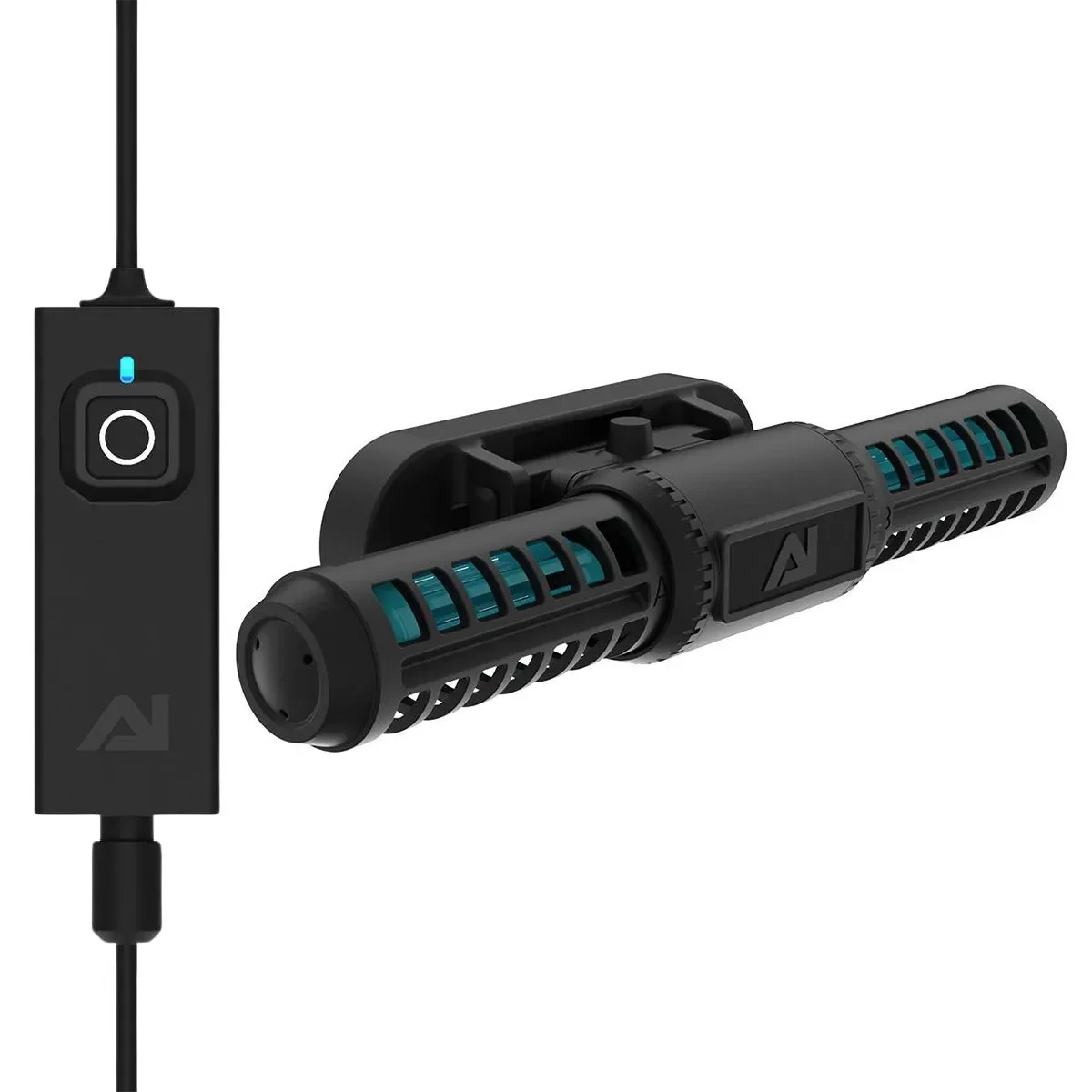
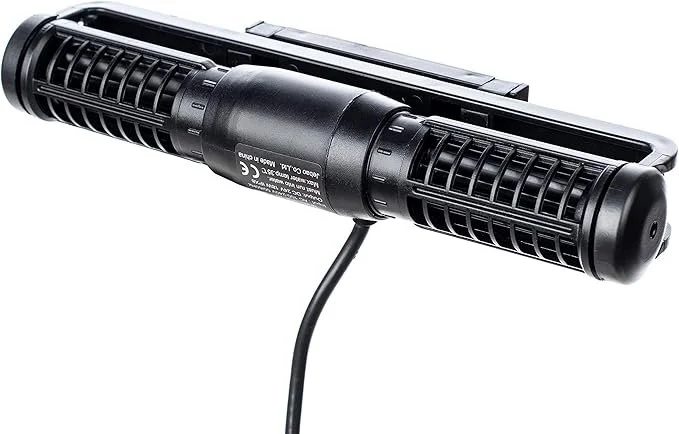
Gyre or cross-flow setups. These pumps create thin sheets of water that move across the tank’s surface, generating strong internal currents without directly blasting corals. The result is broad, gentle movement that improves nutrient, gas, and element exchange across coral’s tissue.


Step 4: Heaters and temperature safety — ULS and backups
Temperature governs metabolism. High temps accelerate animal and symbiont metabolism and can spark rapid production of toxic oxidants that bleach corals. Average target is 77 to 78 degrees Fahrenheit, with a safe band from about 75 to 80. Going high is the immediate danger — it can cause a tank crash within hours.
Treat heaters as consumables with a usable lifespan. Our strategy:
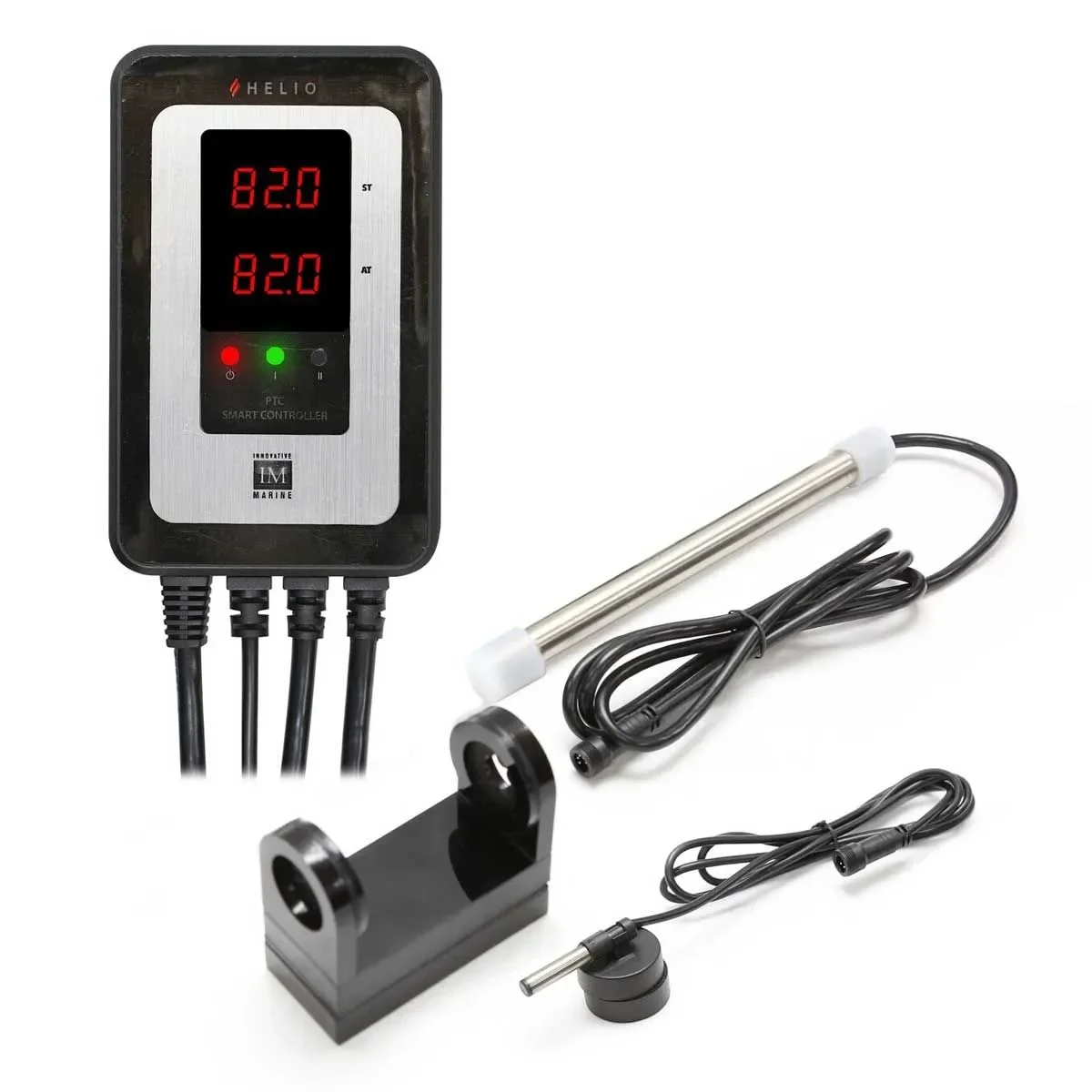
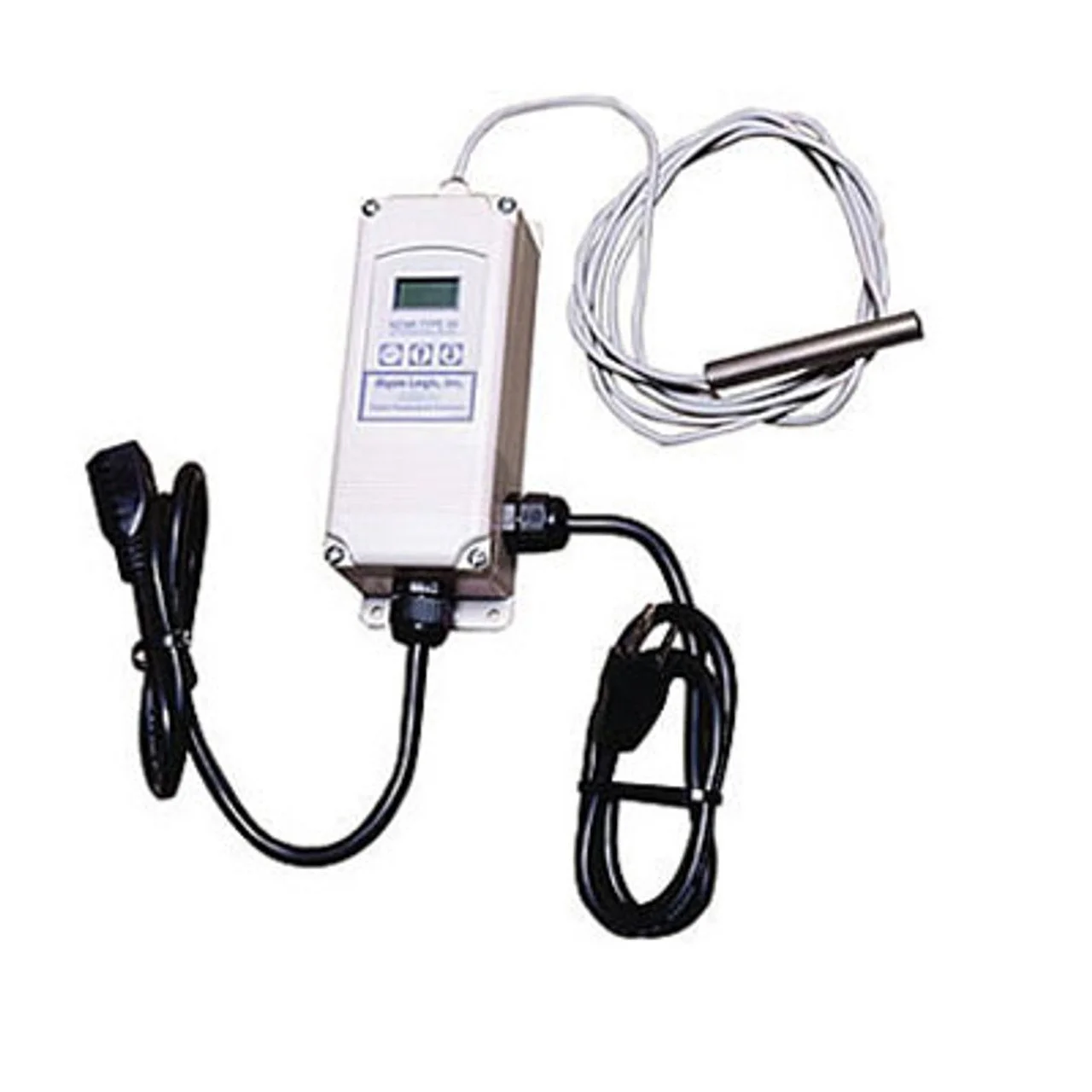
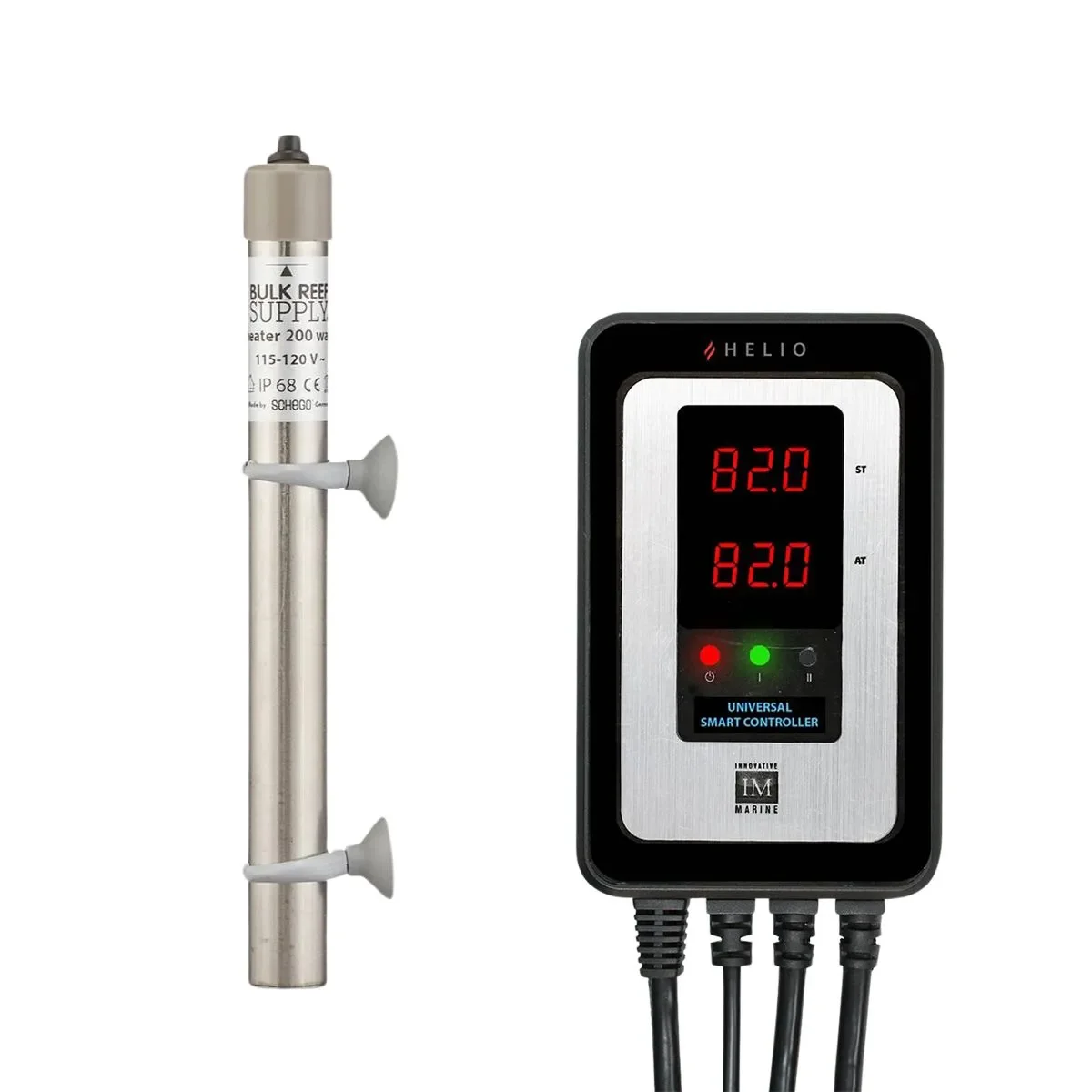
Use a temperature controller so when the heater fails and gets stuck “on” is caught by a backup and turns it off. .
Embrace Usable lifespan (ULS). Replace heaters annually rather than waiting for them to fail. Heaters power on and off hundreds of thousands of times each year and are not designed to last forever. Many are only warranted for a few months, so embrace what the manufacturers already know—regular replacement prevents disasters.
Consider higher-end robust controllers and titanium elements only if you need near-zero failure probability; this is a costly but bulletproof audible for large or priceless systems.
The incremental cost for temp controller and annual replacement is small compared with the risk of losing a tank to a heater failure. For 99% of reefers the usable-lifespan + controller approach eliminates heater-related catastrophes.

Step 5: Lighting — estimate, don’t guess. Aim for a safe PAR window
Light is the primary food source for reef animals via the symbiotic algae living in coral tissue. We need the right amount and the right spectrum. Too little light starves the algae and then the coral. Too much light drives overactive photosynthesis and oxidant production that can bleach or kill coral in short order.
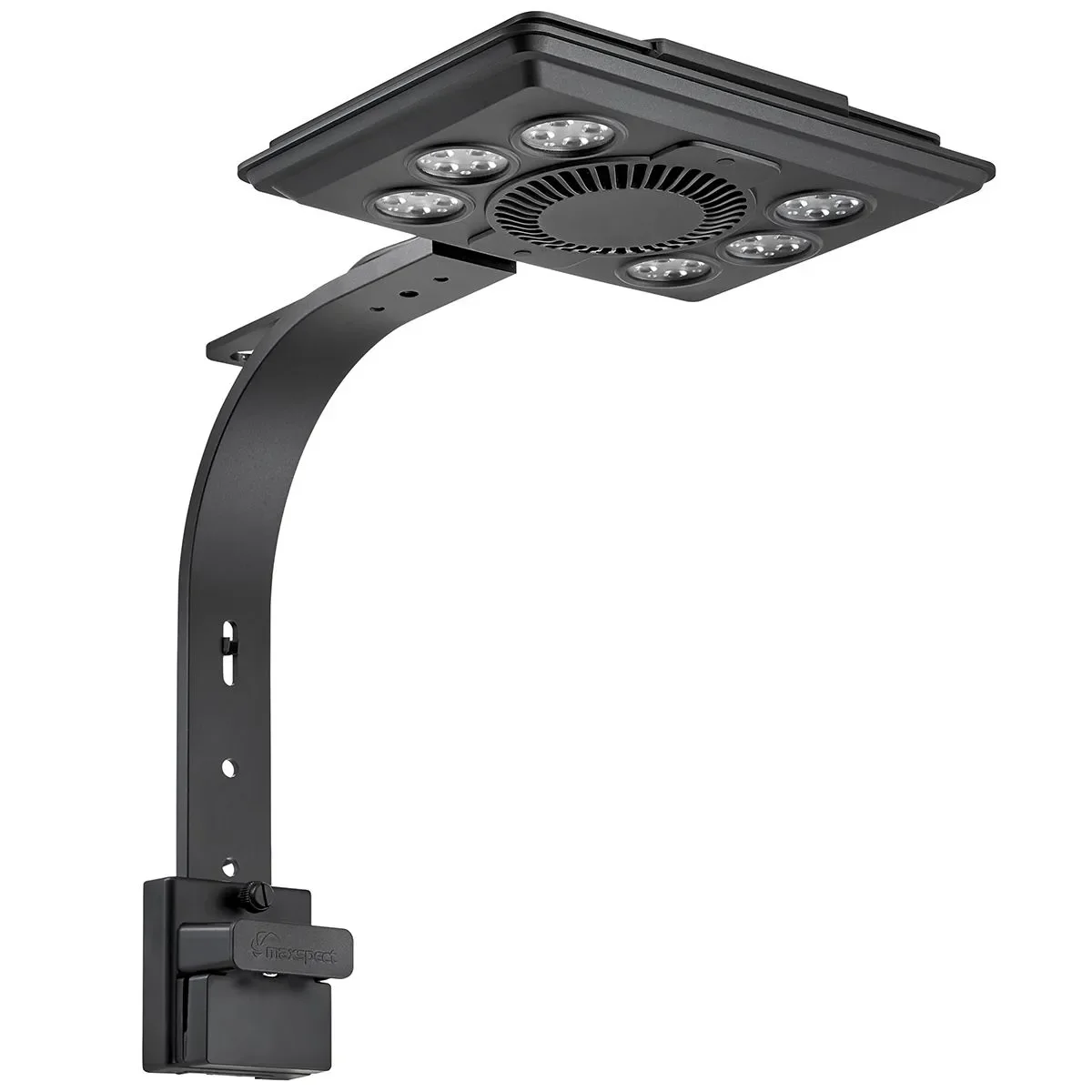
For LPS-focused tanks we use a practical rule of thumb: 1 to 1.5 watts per gallon as an initial estimate. In practice that lands most setups into a roughly 50 to 150 PAR sweet spot for LPS corals.
Quick examples:
40-gallon breeder: target 40 to 60 watts total. Two compact modules tuned to 20/30 watts each or one wide fixture rated around 60 watts will work.
If your fixture reports real-time watts, tune it to the wattage target. If it does not, use an inline watt meter to measure draw and set the fixture to the required wattage.
Spectrum and channel tips:
Use presets when possible — manufacturer LPS or reef modes are designed to balance biology and appearance. If possible avoid adjusting spectrum sliders to the eye which has nothing to do with coral biology.
If there is no preset, divide the goal wattage: 75 percent into violet/blue channels, 25 percent into white channels. That combination favors photosynthesis without overdriving visible white channels that trick our eyes into thinking the tank is brighter than it is biologically.
A PAR meter is the best confirmation tool, but it is expensive. For most beginners the watt-per-gallon rule gets us into the right range reliably. Certainly better than guessing.
Avoid the common trap of cranking blue/violet channels because they look dim to our eye. Corals rely on blue/violet photons for photosynthesis; apparent dimness causes people to overcompensate and burn corals. Use measured targets and visual cues from coral behavior — stretched-up corals want more light, shrunken corals want less.


Summary checklist — the 90/10 priorities
Commit to dilution first: 10 percent weekly water changes.
Keep phosphate between 0.05–0.1 ppm using a low-range checker and GFO.
Create shifting currents that move water without blasting LPS tissue.
Protect temperature with the usable-lifespan principle: replace annual heaters and use a controller backup.
Estimate lighting with 1–1.5 watts per gallon and favor 75 percent blue/violet, 25 percent white if manual tuning is required.
90/10 Method FAQ
Why is 10 percent weekly better than a lot of filtration from the start?
Because regular dilution prevents accumulation of organic and elemental pollutants with minimal cost and complexity. Filtration tools can help, but they require investment, maintenance, and a learning curve. For most new tanks, 10 percent weekly gives the most reliable path to a stable, healthy system.
Can I replace weekly 10 percent changes with a 35 percent monthly change?
You can, but only if you are disciplined about performing the change reliably each month and matching temperature and salinity. Mathematically a consistent 35 percent monthly change can behave similarly to weekly 10 percent, but the risk of slipping is higher. Choose the schedule you will actually keep.
How do I test and control phosphate effectively?
Use a low-range phosphate checker for consistent, readable results and employ GFO as your first-line media for removal. Monitor levels and tune GFO use so phosphate stays in the 0.05 to 0.1 ppm window. Consider newer resins if you need gentler, slower phosphate absorption.
What flow pattern should I aim for with LPS corals?
Aim for shifting currents that create pulses and sheets of movement rather than constant directional blasting. Gyre-style or cross-flow setups produce broad, gentle motion that clears detritus and delivers nutrients without damaging delicate tissues.
How should we handle heater backup and replacement?
Treat heaters as consumables that wear out and put the tank at risk: replace them annually. Use a temperature controller so a second device can take over if one fails. For very large or high-value systems consider industrial-grade titanium heaters and robust controllers, but for most tanks an inexpensive backup controller plus annual replacement eliminates risk affordably.
How do we set up lights if the fixture has many sliders and channels?
Avoid ad hoc slider fiddling. Use manufacturer presets when available. If presets are absent, set total wattage to your target (1 to 1.5 watts per gallon) and distribute roughly 75 percent to violet/blue channels and 25 percent to white channels. Use a watt meter if your fixture does not report draw and observe coral reactions to fine-tune.
When should we add filtration gear like skimmers and refugiums?
Add filtration tools when specific issues demand them or when you are moving toward a low-change advanced system. Skimmers, filter socks, and refugia are powerful but not mandatory at startup if we follow the 90/10 dilution-first approach. Use them as targeted solutions rather than default purchases.
We favor approaches that deliver near-all the results with minimal complex effort. Keep the routine simple, measure what matters, and add complexity only when you need it.
What’s Next?
Acknowledgments
Thank you to Than Thien for sharing his knowledge with the SR community. Thank you to Ryan Thompson for summarizing the video and making it available to everyone.
Thank you to the Serious Reefs community. Your membership funds the creation of articles and videos like this one.
Support Serious Reefs
Patreon is the best option If you…
Want to discuss with the SR community and ask questions.
Want immediate notifications of every release.
Listen with phone screen off. Patreon app works with phone closed
Want 25% off via annual discounts.
YouTube members is the best option If you…
Watch SR videos on a TV via youtube App
Want to watch videos natively here on seriousreefs.com - (You must use chrome browser and be logged into google account with youtube membership)
Are a YouTube power user.
Tell a friend. Best option if want more (and faster).
If you like what we’re doing, give SR a quick shout-out on your favorite forum, YouTube, Facebook, TikTok, or Instagram. Let your local fish store know SR is helping you explore the hobby and keep it fun. Thanks for the support!
Disclaimer
Full Disclaimer HERE. This is the gist of it.
Content is based on personal experience, not professional advice. Do your research and reef responsibly. Serious Reefs should not be your sole sorce of information on any topic.
By watching, you agree that Serious Reefs and its creators aren’t liable for how you use this info. Please don’t utilize our information if you are not ok with this.
Serious Reefs has no sponsors, doesn’t accept product or payment for reviews. We do use affiliate links in articles that earn a small commission to support our work. Shop wherever you like, we won’t be offended.
