Reef Tank Chemistry, Evaporation, Testing, & Utilitarians - 90/10 Part 3:
What the 90/10 method is and why it works
The 90/10 method is simple: help nearly everyone succeed (the 90%) while using the least amount of effort possible (the 10%). For chemistry and maintenance we recommend practical, low-cost solutions that are easy to learn and automate once you understand how your tank behaves. The result is a stable, healthy reef without spending unnecessarily on complicated systems.
Note: Paid YouTube SR Members Using A Chrome Browser can watch videos natively above on Seriousreefs.com. Sign up HERE
SR videos are a community funded member only resource. Serious Reefs buys everything we review, accepts no sponsorships, and your memberships make it possible to keep every review truly unfiltered.
Major vs minor elements and the value of two-part
Corals extract minerals from water for tissue and skeleton growth. We split those into two groups: major elements (calcium, alkalinity, magnesium) and minor/trace elements. The 90/10 approach focuses on testing and maintaining the majors reliably, while providing decent trace supplementation with the better two parts, and buffering imbalances with regular water changes.
Two-part teaches the why and how of reef chemistry.
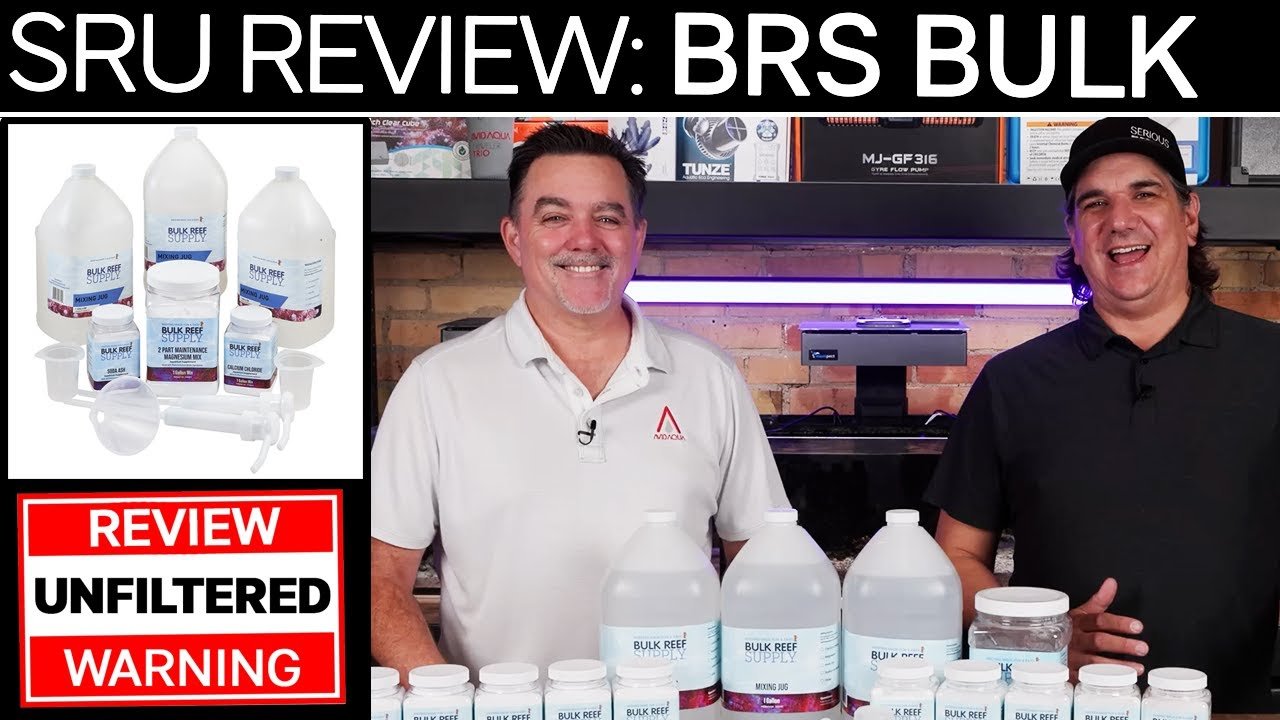
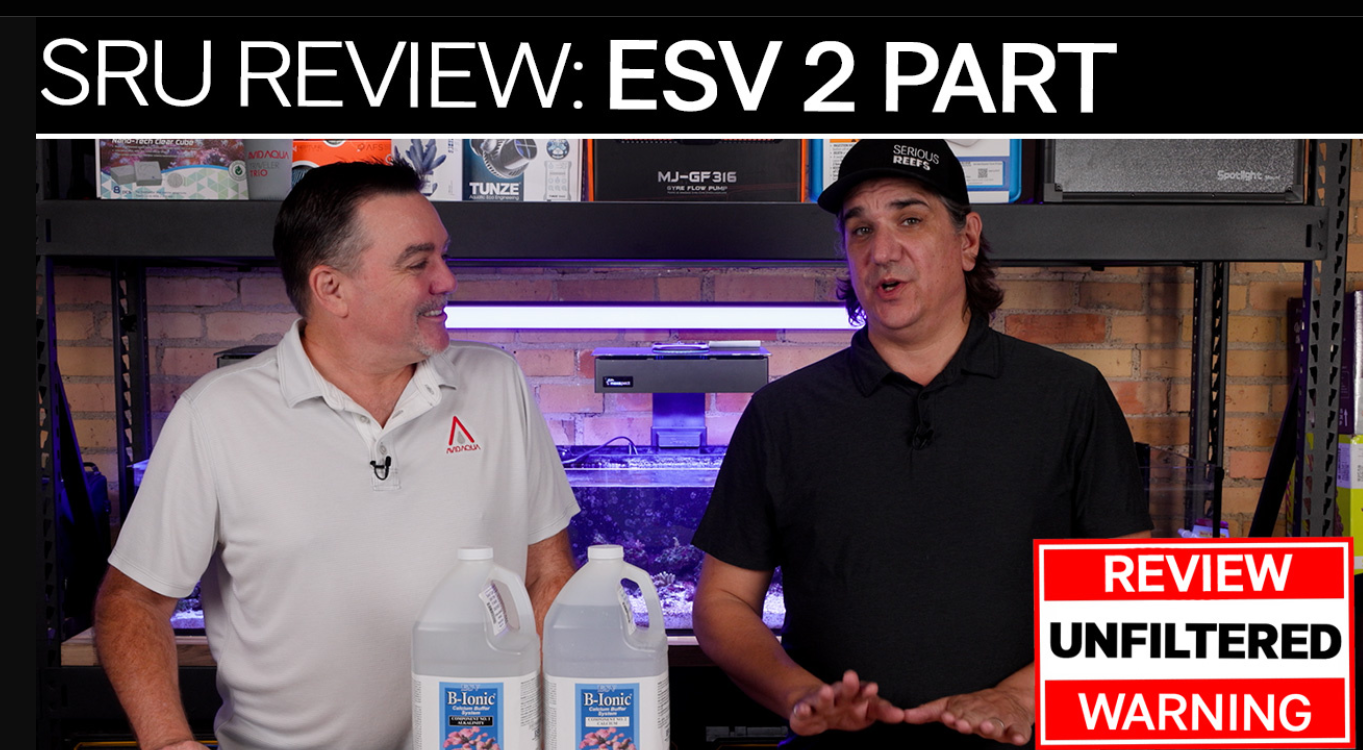
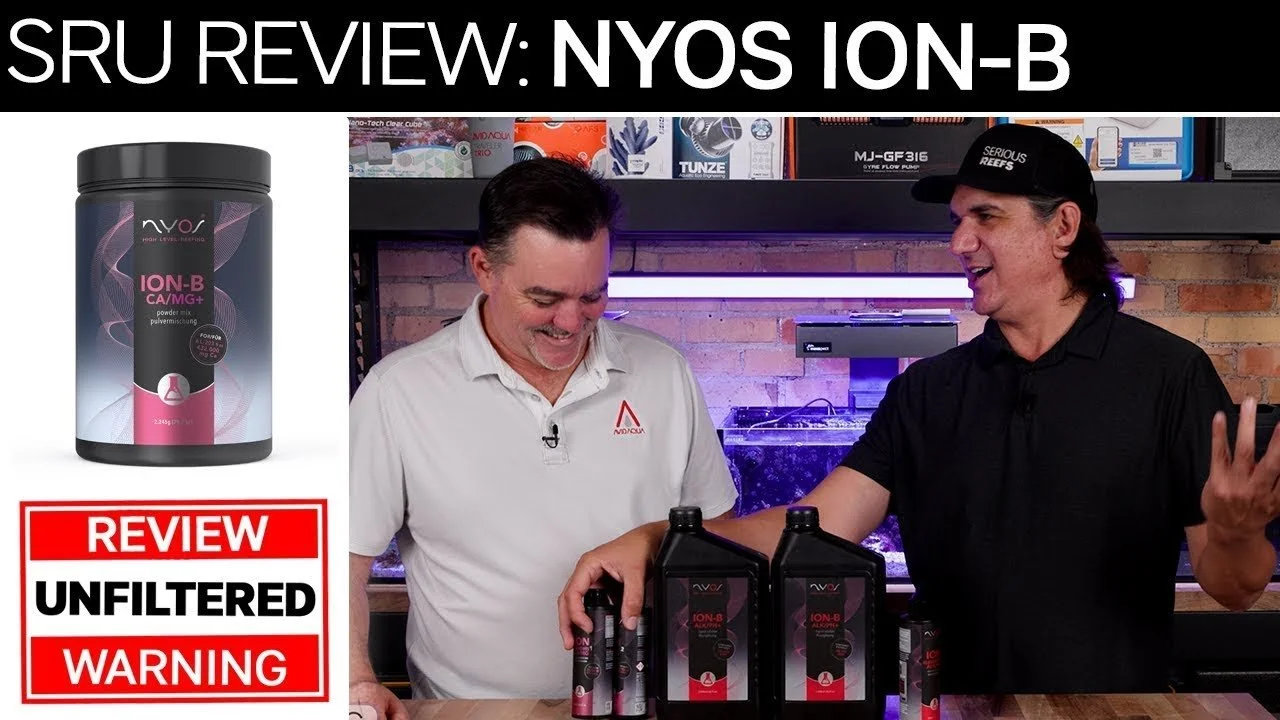
Two-part dosing is our recommended starting point because you can test calcium and alkalinity independently, dose them independently, and immediately confirm the effect. That hands-on experimentation builds the perfect knowledge of how your specific tank consumes these elements. Start by dosing by hand, test after dosing, and once consumption is predictable, automate with a dosing pump.

Start manual, then automate
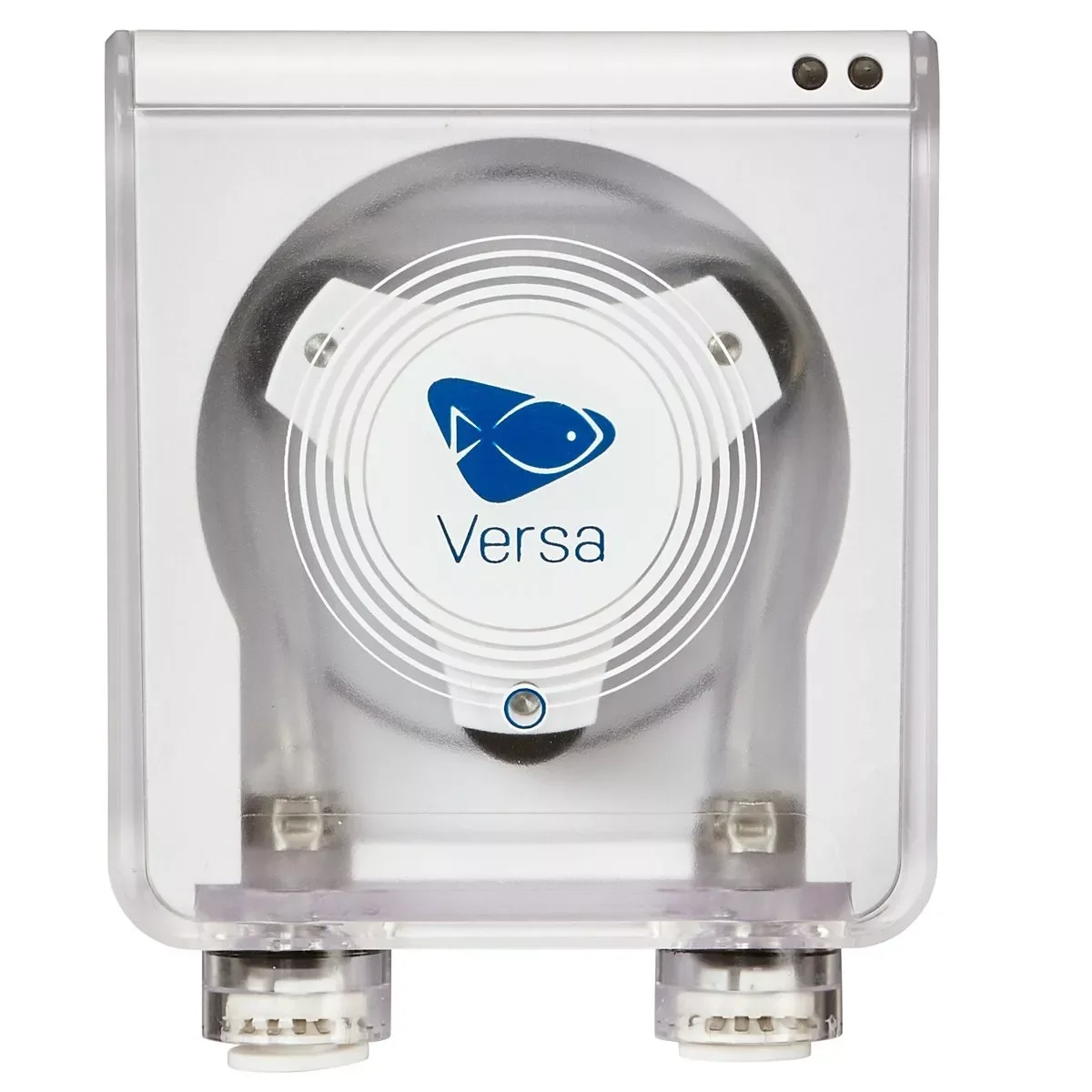
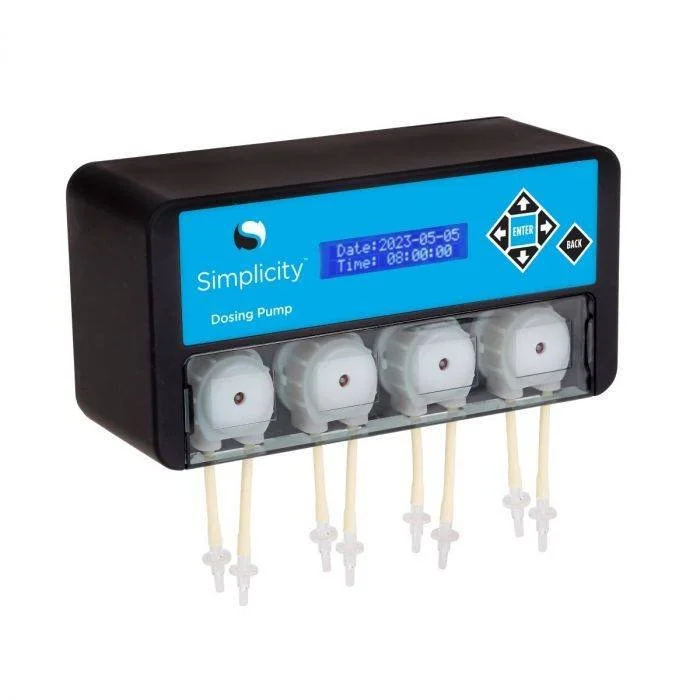
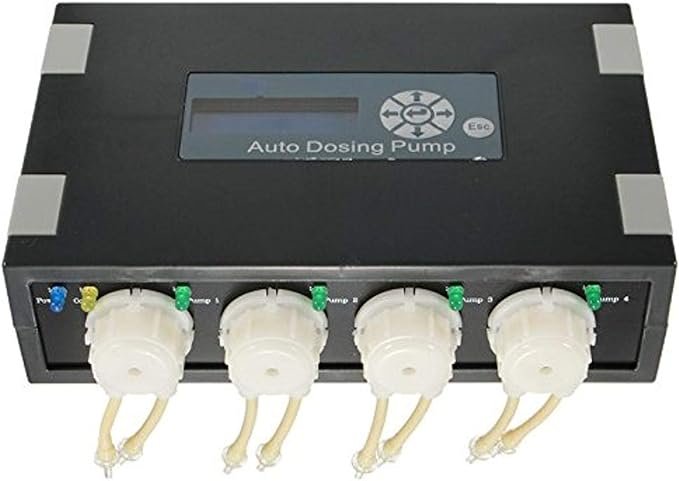
Manual dosing first gives learning opportunities: how much calcium and alkalinity the tank uses daily, how corals respond, and how to correct imbalances. Once doses stabilize, an inexpensive dosing pump brings consistency—you never skip doses, get sick, or forget while on vacation. Even budget-friendly pumps will outperform inconsistent human dosing.

Alternatives to basic two-part and when to use them
There are several valid audibles from two-part depending on experience and goals.
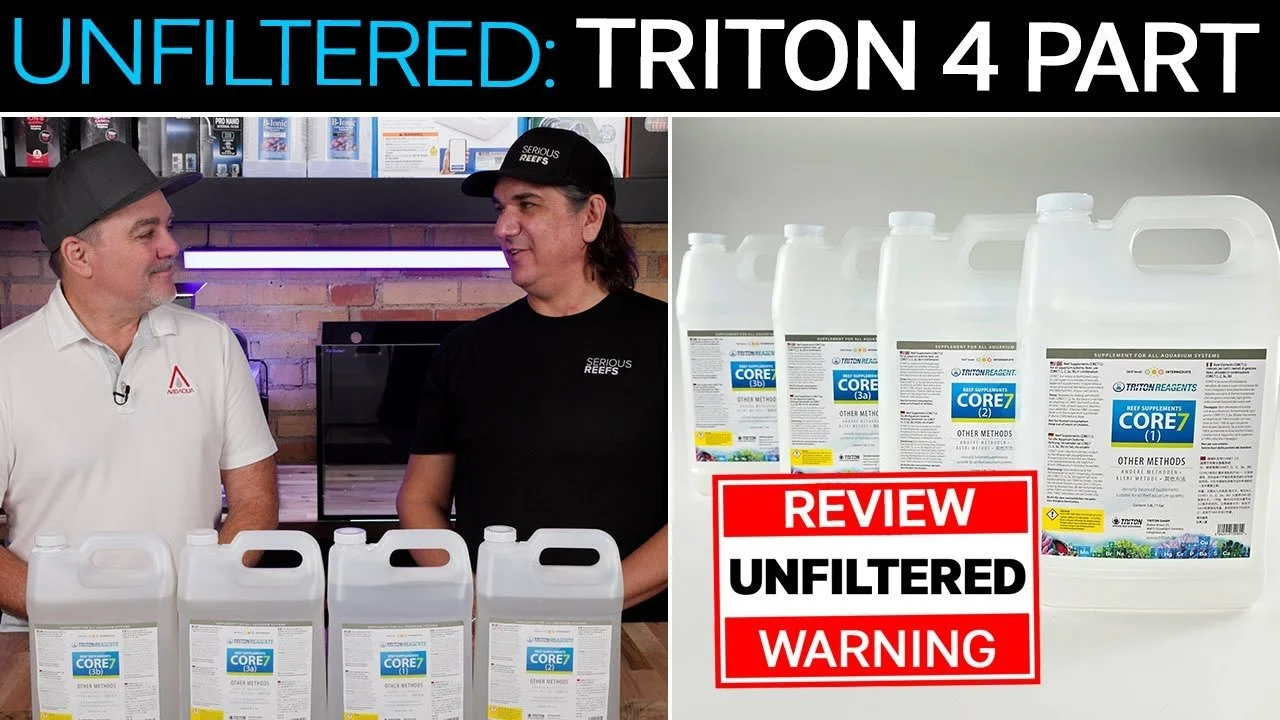
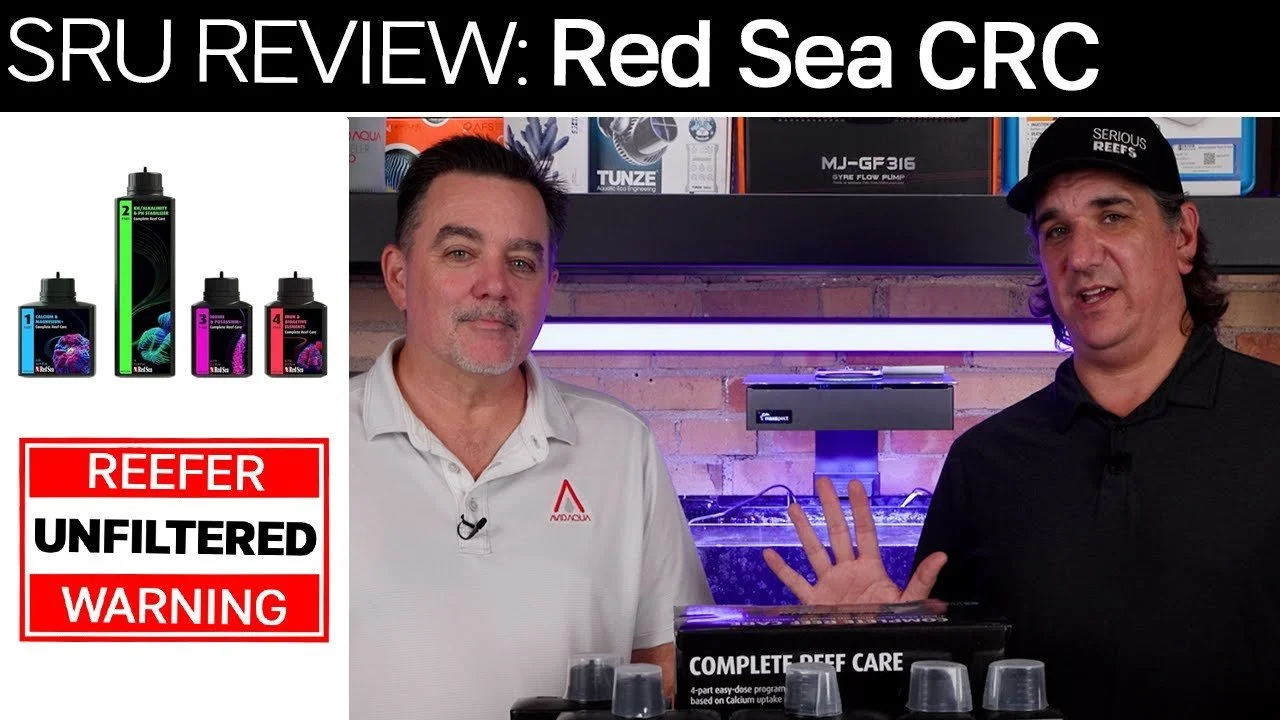
Big-bucks two-part: Pre-dissolved, branded two-part solutions offer convenience and sometimes improved trace strategies. They cost more because you essentially pay to ship water, but they are user friendly. They rarely change the end result drastically if you are already doing regular water changes.
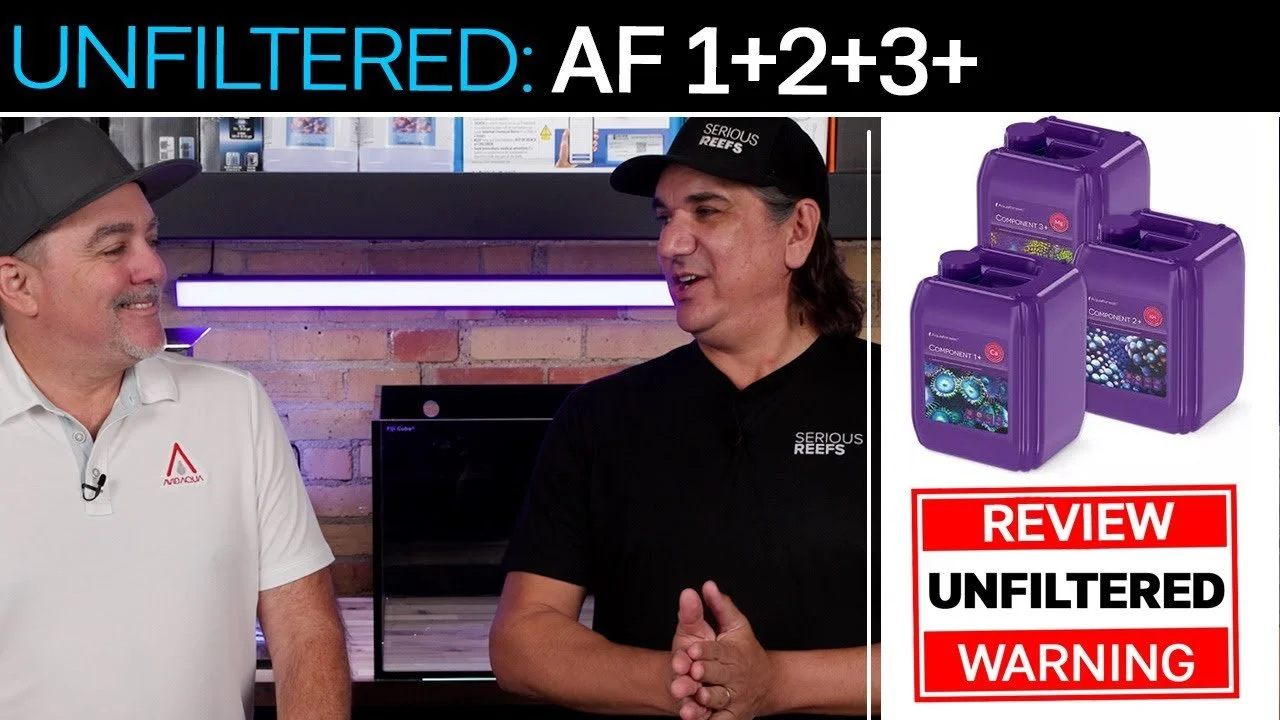
One-part (calcium formate / All For Reef): One bottle for calcium, alkalinity, magnesium, and traces. Convenient and allows a single doser, but you lose the ability to dose and test for elements independently. For beginners that need to learn how their tank consumes major elements, one-part adds a layer of complexity to real time lessons.
Kalkwasser (calcium hydroxide): Another one-part option. It can elevate pH and help mimic natural seawater pH, delivering growth gains when used correctly. It carries more risk because of pH impact and requires experience to use safely. It is a pro-level tool for solving pH problems rather than a beginner’s starting point.
Calcium reactor: A one-part machine that dissolves calcium media using CO2. It can be low-maintenance in high-demand SPS systems and cost-effective long term. It’s perceived as complex, but with good guidance it is approachable. For medium tanks with LPS and standard demands, the reactor usually isn’t necessary under the 90/10 plan.
Evaporation: ATO on day one
Install an auto top off system from day one. Evaporation concentrates minerals and salinity, and inconsistent top offs cause swings that stress animals and can damage equipment. A reliable ATO prevents wild salinity swings and protects pumps and skimmers from running dry.
Two realistic ATO approaches:
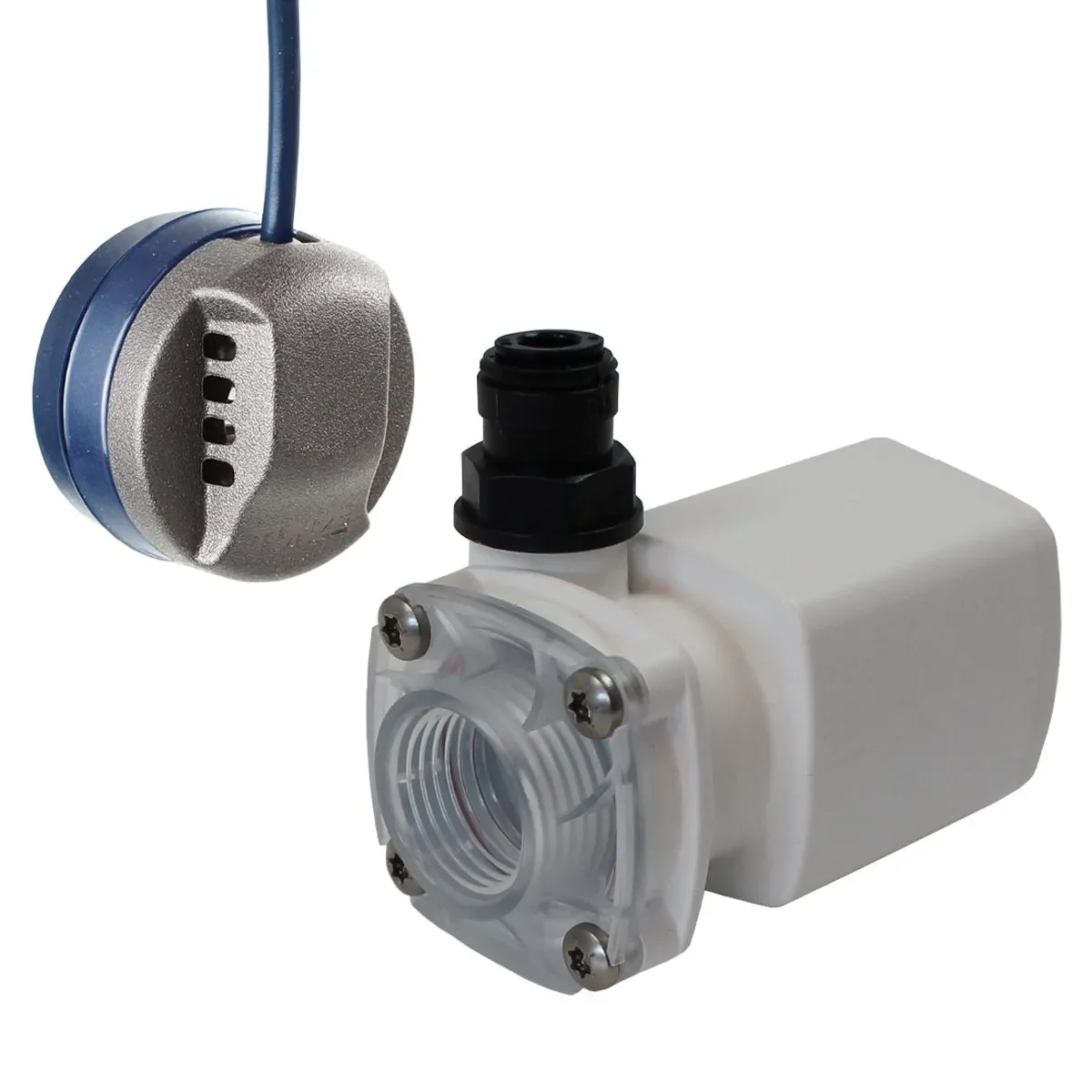
Ideal: Large reservoir with a very reliable float/sensor like a Tunze Osmolator. Low maintenance but higher cost.
Practical: Any decent ATO tied to a modest reservoir sized so that, even in failure mode, it won’t flood your space. This balances cost and safety for most setups.
If you prefer hand top-offs, be consistent and plan for travel. Inconsistent manual top-off is a frequent cause of problems.



Testing cadence and safe target ranges
Testing regularly is not enjoyable, but it is the single most powerful habit for high success rates. The 90/10 method favors sensible safe ranges rather than extreme precision. Aim for the middle and trend back to center when you stray.
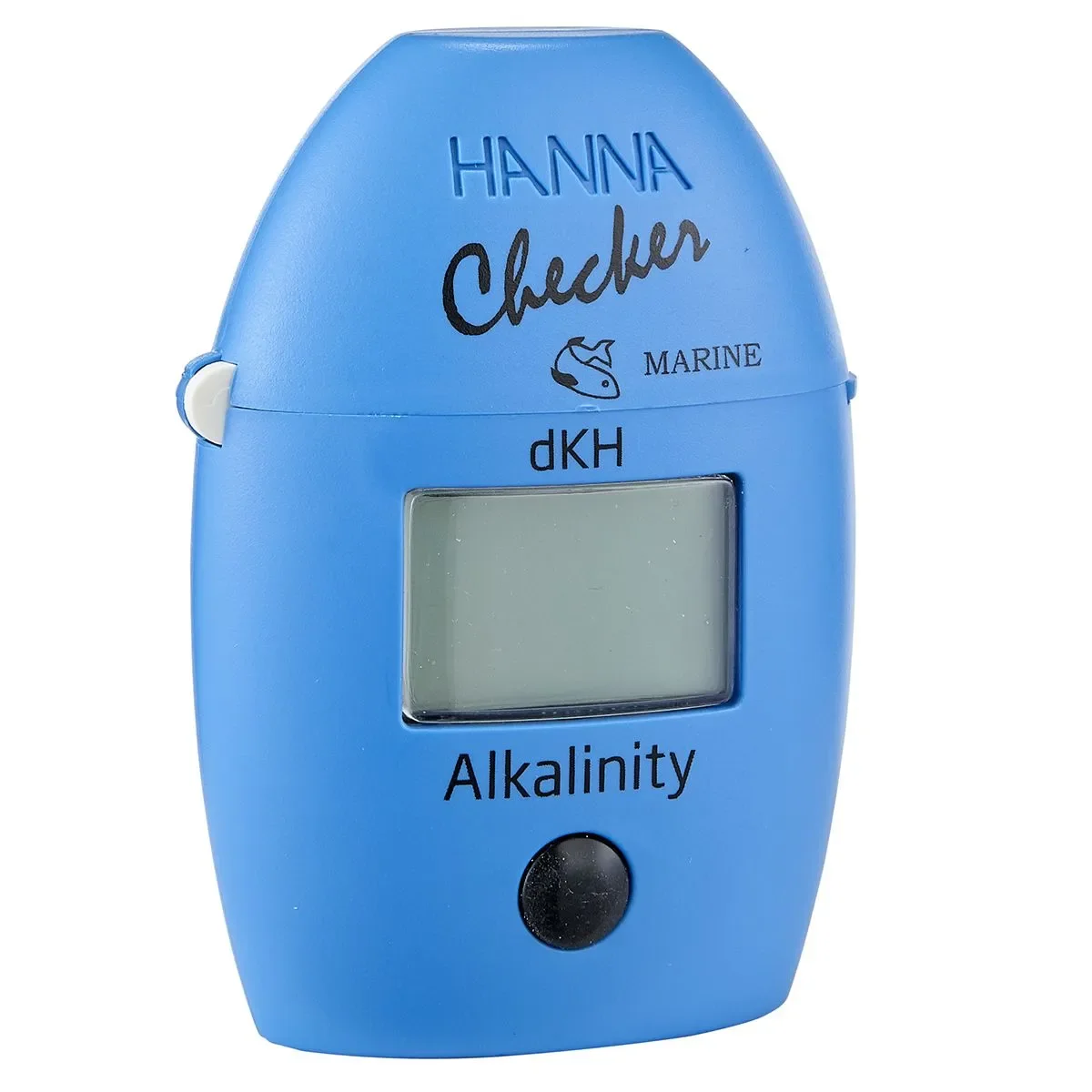
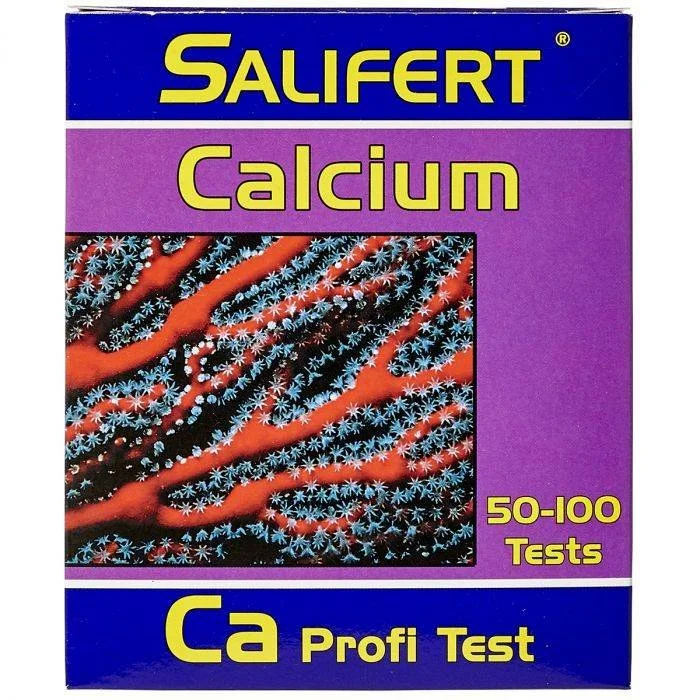
Test weekly for calcium, alkalinity, and salinity. These are the bedrock of reef water chemistry.
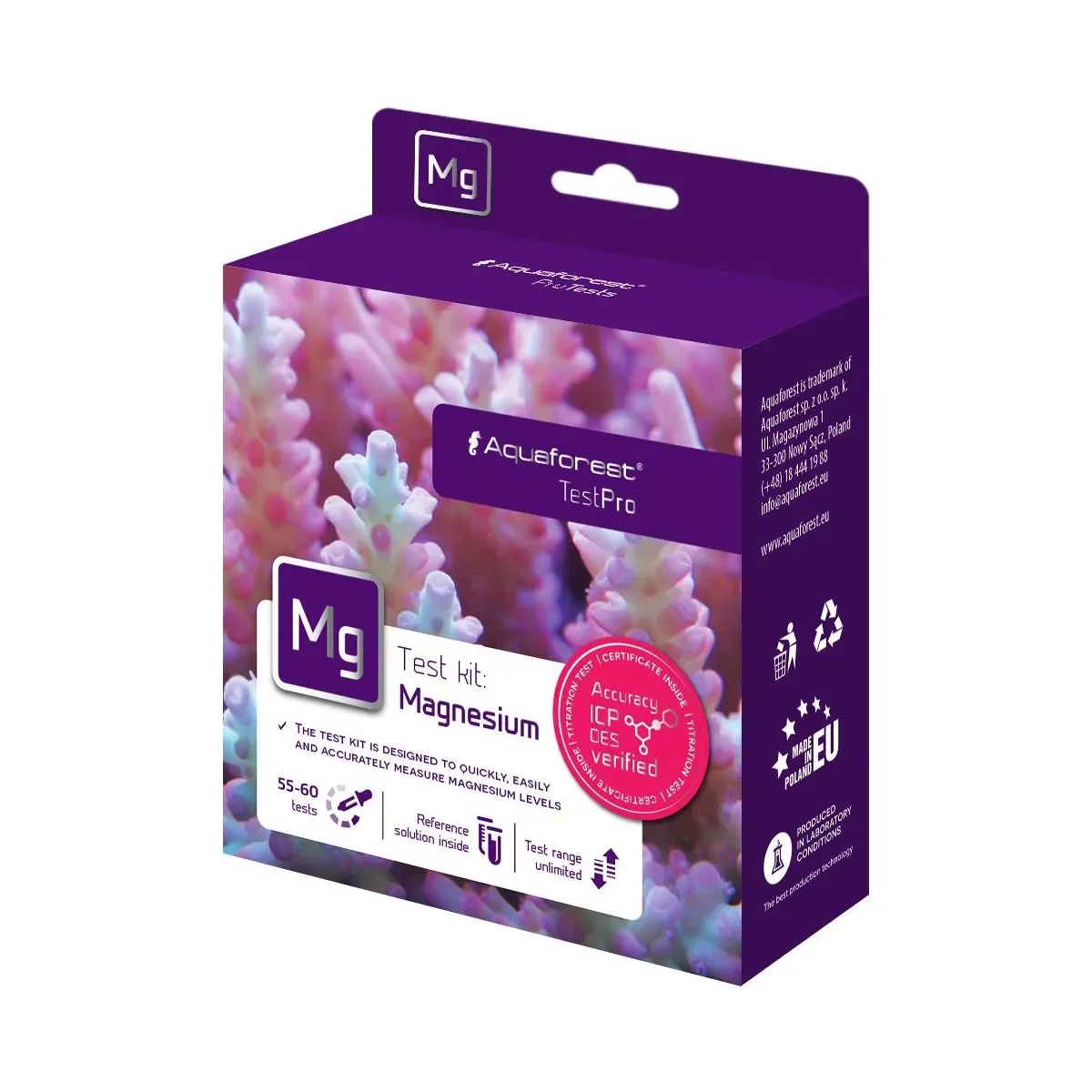
Magnesium is less volatile; monthly testing is usually adequate after an initial settling period.
ICP tests are useful occasionally as a comprehensive audit of trace and major elements.
Target ranges to aim for:
Calcium ~430 ppm ±20 (so roughly 410–450 ppm).
Alkalinity ~9 dKH ±1.
Magnesium ~1350 ppm ±50.
Salinity 35 ppt ±1 (act sooner if you drift more than 1 ppt).

Pollution targets: nitrate, phosphate, and clear blue water
The hobby debates exact pollution numbers, but practical safe windows are what matter.
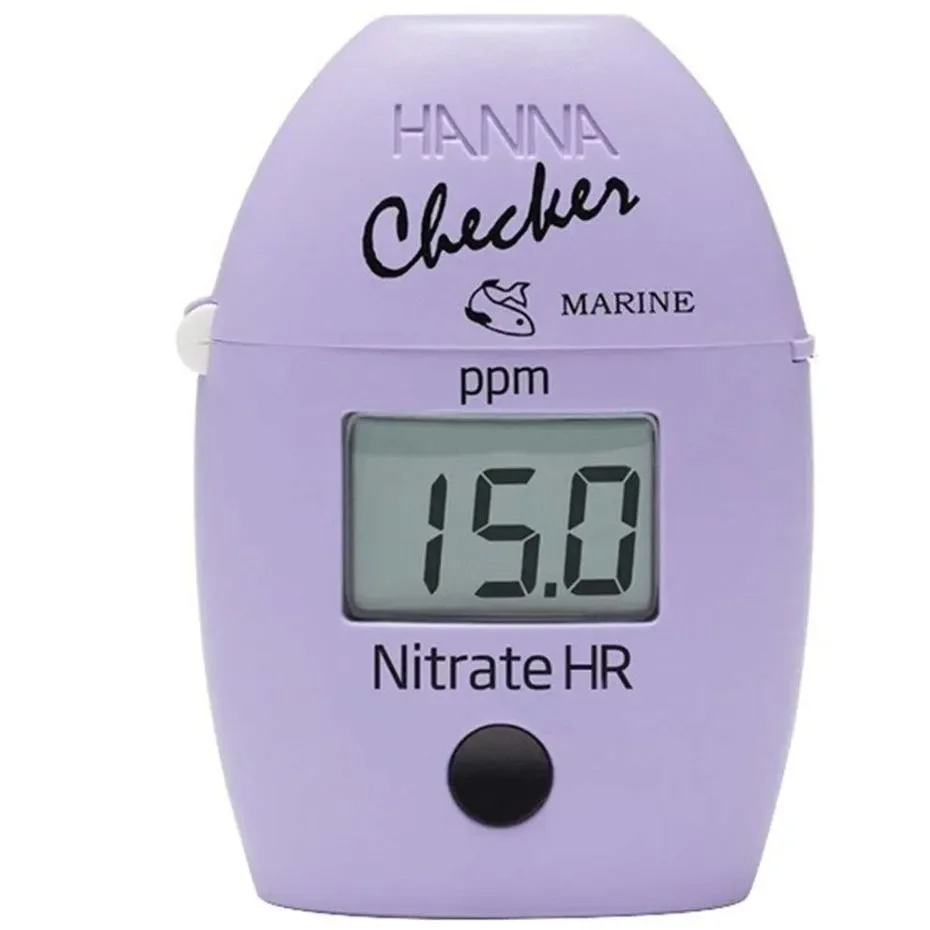
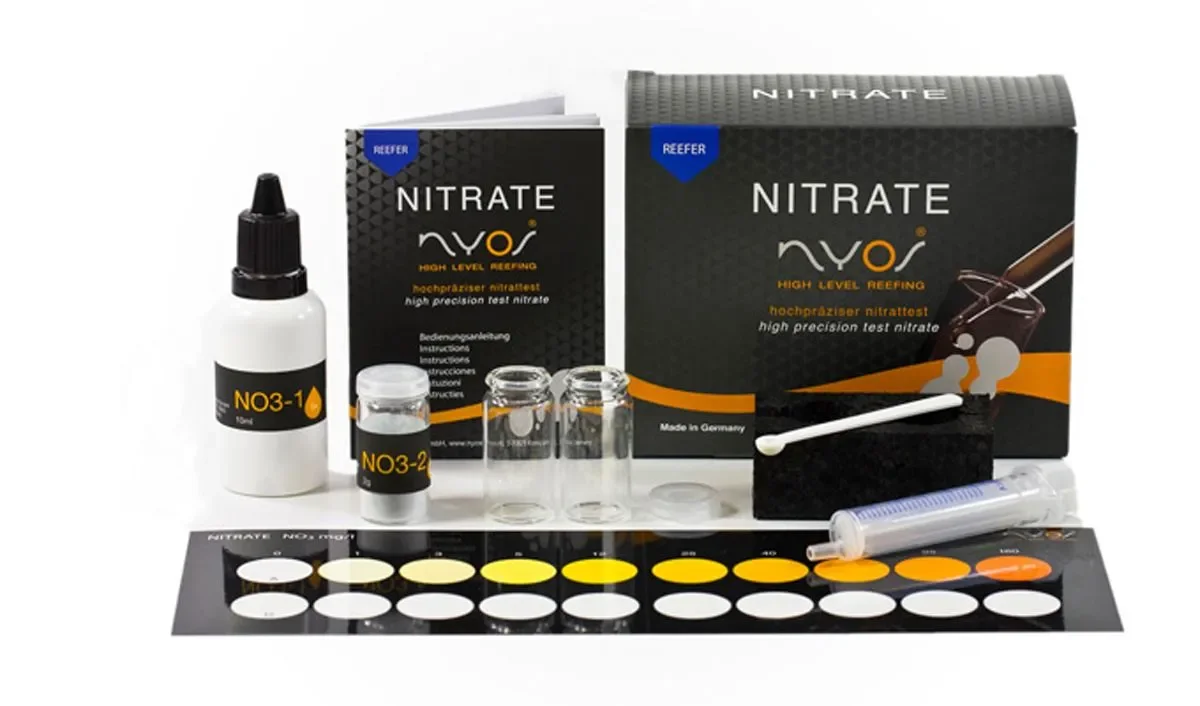
Nitrate aim for low but safe—roughly 2 to 20 ppm. The 90/10 sweet spot is to target the low end and act to trend back if you drift upward: feed less, improve filtration, or increase water change frequency.
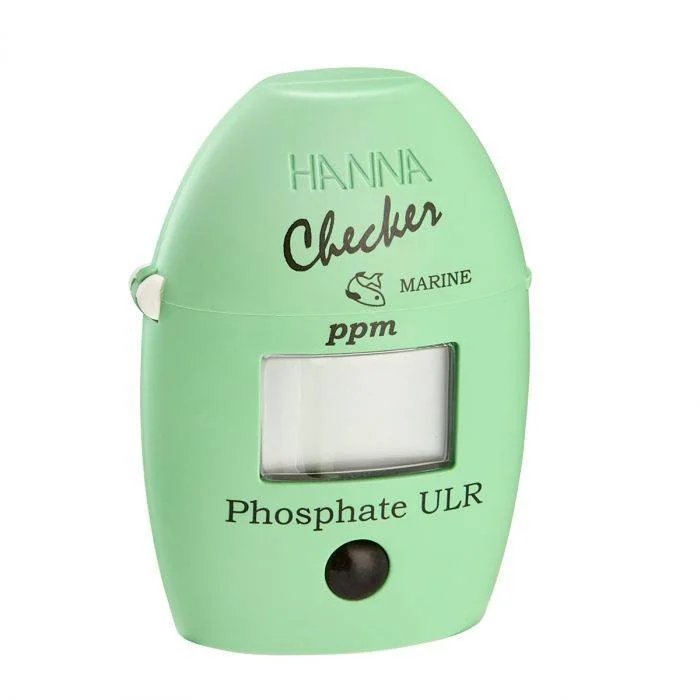
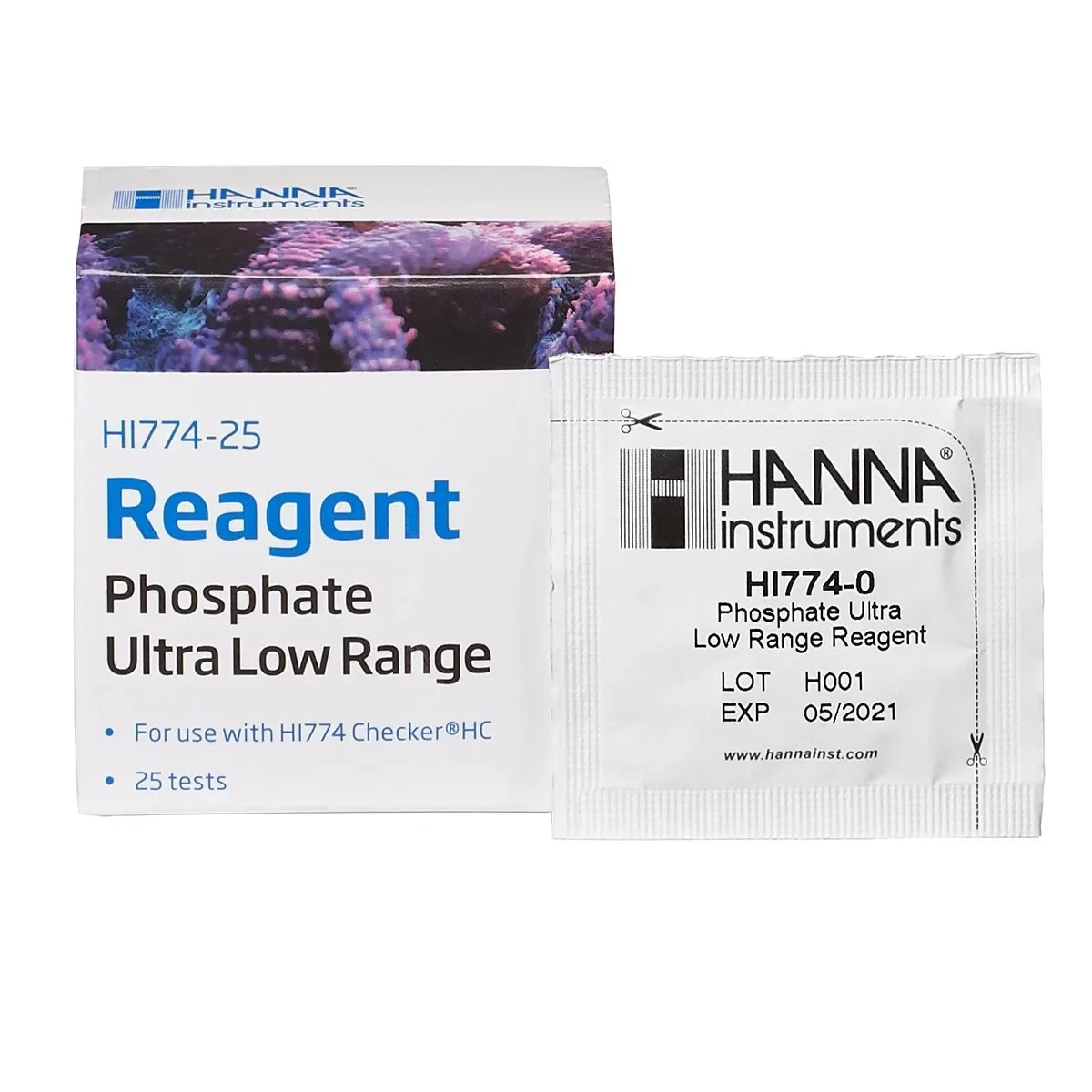
Phosphate keep it under about 0.3 ppm. Very low phosphate near 0.1 ppm can be stressful for corals and may encourage pests. If phosphate creeps down too far, check your phosphate removal media and adjust.
Clear blue water is an easy visual test: do water changes into a white bucket and the water should be crystal blue. If it’s yellow or dingy, increase water changes or use activated carbon.
Test nitrate, phosphate, and water clarity weekly. Weekly testing gives a reliable pulse on tank health and keeps surprises to a minimum. Testing less frequently risks relying on intuition that only comes with experience.
Emulate nature with utilitarians: biological balance over chemical firefighting
Instead of trying to eliminate every organism that might appear, the 90/10 method builds a community that keeps nuisances in check. These biological controls are what we call utilitarians—animals that perform useful tasks in the tank so ugly problems never get the chance to explode.
Control algae
Grazing fish such as tangs and surgeonfish roam and visually find algae, making them excellent overall cleaners.
Snails like trochus and astrea are reliable micro-grazers; trochus are highly effective but astrea are usually available and affordable. If snails flip over you may need to right them to prevent mortality.
Crabs and hermits can help in spots fish can’t reach.
Control slime outbreaks (cyano, dinos, diatoms)
Introduce micro crustaceans like amphipods and copepods and healthy bacterial populations. These organisms eat microscopic slimes and keep them from forming visible outbreaks.
Control aiptasia and pest anemones
Prevention is best: add natural predators early. Filefish that target aiptasia and peppermint shrimp can keep populations suppressed if introduced before an outbreak.
Copperband butterflyfish are specialist predators but are an advanced choice with feeding needs and compatibility considerations.
Control small pests and coral predators
Wrasses such as the yellow coris and certain rasboras will pick off flatworms, nudibranchs, and other tiny pests. They won’t cure massive infestations overnight, but added early they reduce the chance of outbreaks.
Keep sand clean
Sandsifting animals—stars, cucumbers, Nassarius snails, and sandsifting gobies—process detritus and keep the substrate healthy. Some fish may be best added after the sand bed develops a bit of life for them to feed on.
Practical 90/10 checklist
Start with a low-cost two-part regimen and test calcium and alkalinity independently.
Dose by hand initially to learn consumption, then automate with a dosing pump.
Install an ATO on day one with a safe reservoir size.
Test calcium, alkalinity, salinity, nitrate, phosphate, and water clarity weekly; test magnesium monthly.
Use utilitarians—grazers, snails, pods, predatory fish, and sandsifters—to keep biological balance.
Perform regular water changes and use carbon/GFO/resin as needed to maintain clear blue water and low nutrients.
Frequently asked questions
Why start with two-part dosing instead of one-part or kalkwasser?
Two-part allows independent testing and correction of calcium and alkalinity, which is invaluable for learning how your tank consumes elements. Once you understand consumption you can automate dosing or choose a different product that fits your goals. One-part and kalkwasser are useful tools but they hide that independent control and require more experience to use without unintended side effects.
How often should we test major water parameters?
Test calcium, alkalinity, and salinity weekly. Magnesium is less volatile and can be tested monthly after the tank stabilizes. Weekly testing gives a reliable rhythm and reduces the chance of surprises.
Can we skip the ATO and top off by hand?
Hand top-offs can work if you are extremely consistent and have a plan for vacations. For most people, an ATO reduces salinity swings, protects equipment, and prevents human error. If using an ATO, tie it to a safe-sized reservoir to minimize flood risk in a failure scenario.
What nitrate and phosphate levels should we aim for?
A practical window for nitrate is roughly 2 to 20 ppm, with the lower end being preferable. For phosphate, keep levels below about 0.3 ppm; very low values near 0.1 ppm can stress corals. Use these ranges to guide water changes, feeding, and media maintenance.
How do utilitarians help avoid the ugly stage?
Utilitarians are animals that eat or otherwise control nuisance organisms. Grazers prevent visible algae, micro crustaceans eat slime-forming organisms, predator fish and shrimp suppress aiptasia and flatworms, and sandsifters process detritus. Introduce these animals early and you often never see an outbreak.
What’s Next?
Acknowledgments
Thank you to the Serious Reefs community. Your membership funds the creation of articles and videos like this one.
Support Serious Reefs
Patreon is the best option If you…
Want to discuss with the SR community and ask questions.
Want immediate notifications of every release.
Listen with phone screen off. Patreon app works with phone closed
Want 25% off via annual discounts.
YouTube members is the best option If you…
Watch SR videos on a TV via youtube App
Want to watch videos natively here on seriousreefs.com - (You must use chrome browser and be logged into google account with youtube membership)
Are a YouTube power user.
Tell a friend. Best option if want more (and faster).
If you like what we’re doing, give SR a quick shout-out on your favorite forum, YouTube, Facebook, TikTok, or Instagram. Let your local fish store know SR is helping you explore the hobby and keep it fun. Thanks for the support!
Disclaimer
Full Disclaimer HERE. This is the gist of it.
Content is based on personal experience, not professional advice. Do your research and reef responsibly. Serious Reefs should not be your sole sorce of information on any topic.
By watching, you agree that Serious Reefs and its creators aren’t liable for how you use this info. Please don’t utilize our information if you are not ok with this.
Serious Reefs has no sponsors, doesn’t accept product or payment for reviews. We do use affiliate links in articles that earn a small commission to support our work. Shop wherever you like, we won’t be offended.
