ESV B-Ionic | SR Unfiltered Review
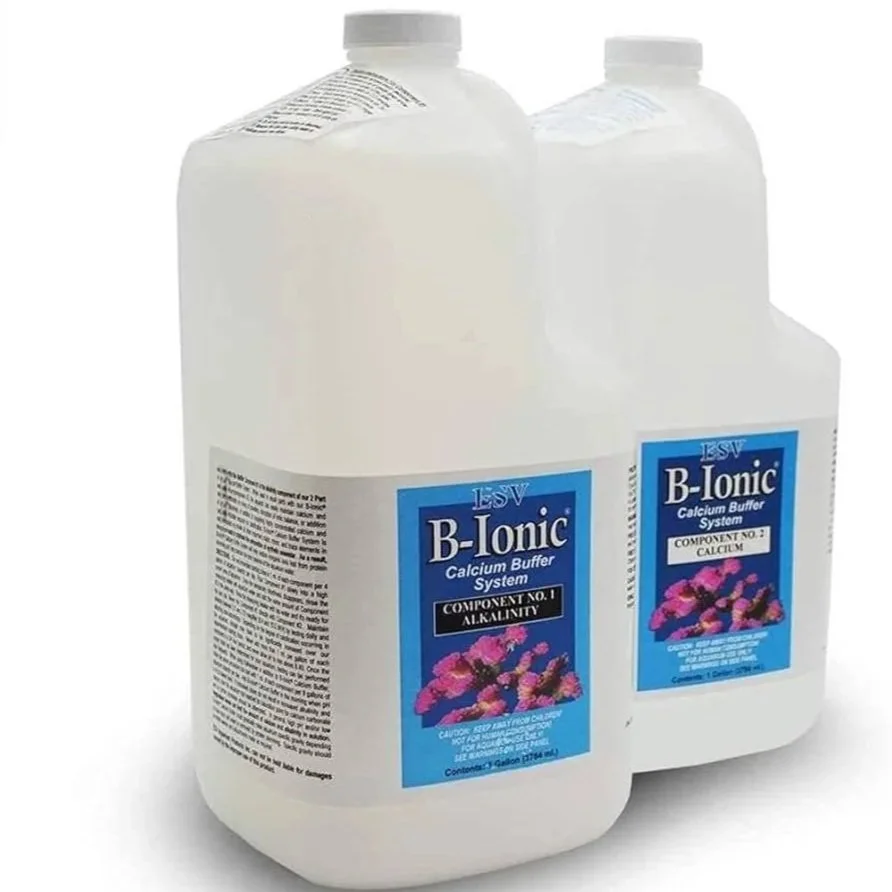
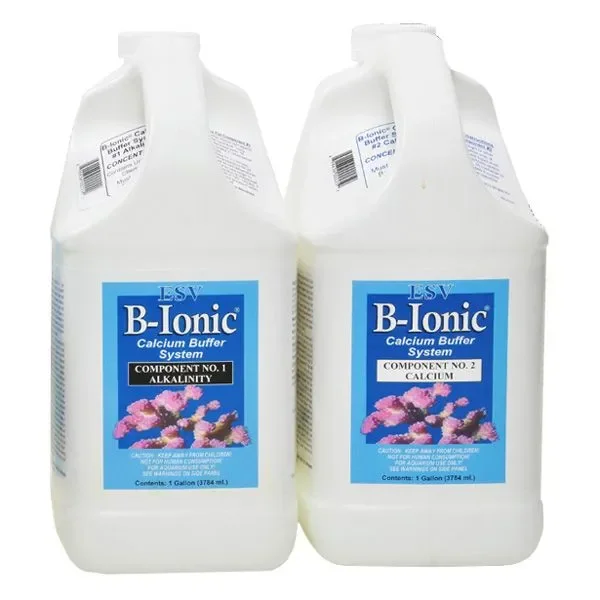
ESV B-Ionic 2 Part
Quick Verdict and Who This Is For
ESV B-Ionic has been a staple in the hobby for decades because it is simple and cheap, but there are a few surprises under the hood. We’ll walk through exactly what it does, what it does not do, and how to pair it with the right supplements if you want pro-level stability.
For a brand new reefer, ESV B-Ionic is a near plug-and-play solution — easy, inexpensive, and proven. For experienced hobbyists who track elements closely, ESV B-Ionic is still attractive for cost and simplicity, but it requires a small supplemental program to be ideal. Our final score landed around an 8 to 8.5 out of 10 for most users; for advanced reefers who want everything tuned precisely, it moves more toward a 5. With a more targeted approach, we can improve on this. More on that later...


Note: Paid YouTube SR Members Using A Chrome Browser can watch videos natively above on Seriousreefs.com. Sign up HERE
SR videos are a community funded member only resource. Serious Reefs buys everything we review, accepts no sponsorships, and your memberships make it possible to keep every review truly unfiltered.
Why is ESV B-Ionic so popular?
Simple — It’s legitimately two parts, equal dosing, and easy to automate with two dosing pumps.
Proven track record — It has decades of use in successful tanks and is often the first recommended two-part for newcomers.
Low cost — Available in multiple sizes and formats, including a five-gallon option that drastically lowers per-use cost.
Standardizing Cost
We have found comparing prices across brands is confusing because concentration and format vary wildly. Therefore, we standardized cost to a common chemical metric: 10,000 DKH per liter. The SR standardized concentration cost (SR-SCC) for ESV B-Ionic is about $13.14 for the one-gallon slurry set. To date, the SR-SCC range we have found across products is roughly $7 to $45 per the same standardized unit. The five-gallon ESV option drops the effective cost to near the bottom of that range — about $7 — which makes it one of the least expensive two-part options on the market.
B-Ionic Concentration: 7,840dkh/L
B-Ionic Cost: $38.99 (2 Gallon set)
10,000 DKH/L Standard: $13.14
*SR has developed a standardized cost for two part because You’re not paying for water, you’re paying for the salts dissolved in it. The SR Standardized Concentration Cost (SR-SCC) levels the playing field by calculating cost based on a standardized concentration of 10,000 dKH per liter. In short, SR-SCC shows how much of any reviewed additive is required to reach that same 10,000 dKH per-liter equivalent, making it easier to evaluate what you are really getting for your money.
Chemistry: What is ESV B-Ionic actually doing?
To understand what ESV B-Ionic is doing, we must understanding how ESV B-Ionic is formulated. This tells us what it will and will not maintain in your tank. Let’s take a deeper dive…
Form and Mixing
ESV B-Ionic ships usually as a slurry (concentrated powder in a small volume of water), though some brands sell dry powder or fully liquid solutions. The slurry is cheap and space efficient, but it can be frustrating to dissolve. You should expect chunks at the bottom that may require warm water and time to fully reconstitute. In cold climates or if a package sits in transit, you may need a warm bath to get everything soluble. This is as simple as floating the container in a sink or bucket full of warm water.
pH Behavior
ESV B-Ionic uses soda ash rather than bicarbonate, so it tends to help lift pH. This is a feature for people who want pH-supporting alkalinity dosing, but it means you should dose into high-flow areas or use a powerhead to immediately disperse the product to avoid localized high-pH spots and precipitates on tubing.
Magnesium and Potassium — Label vs Reality
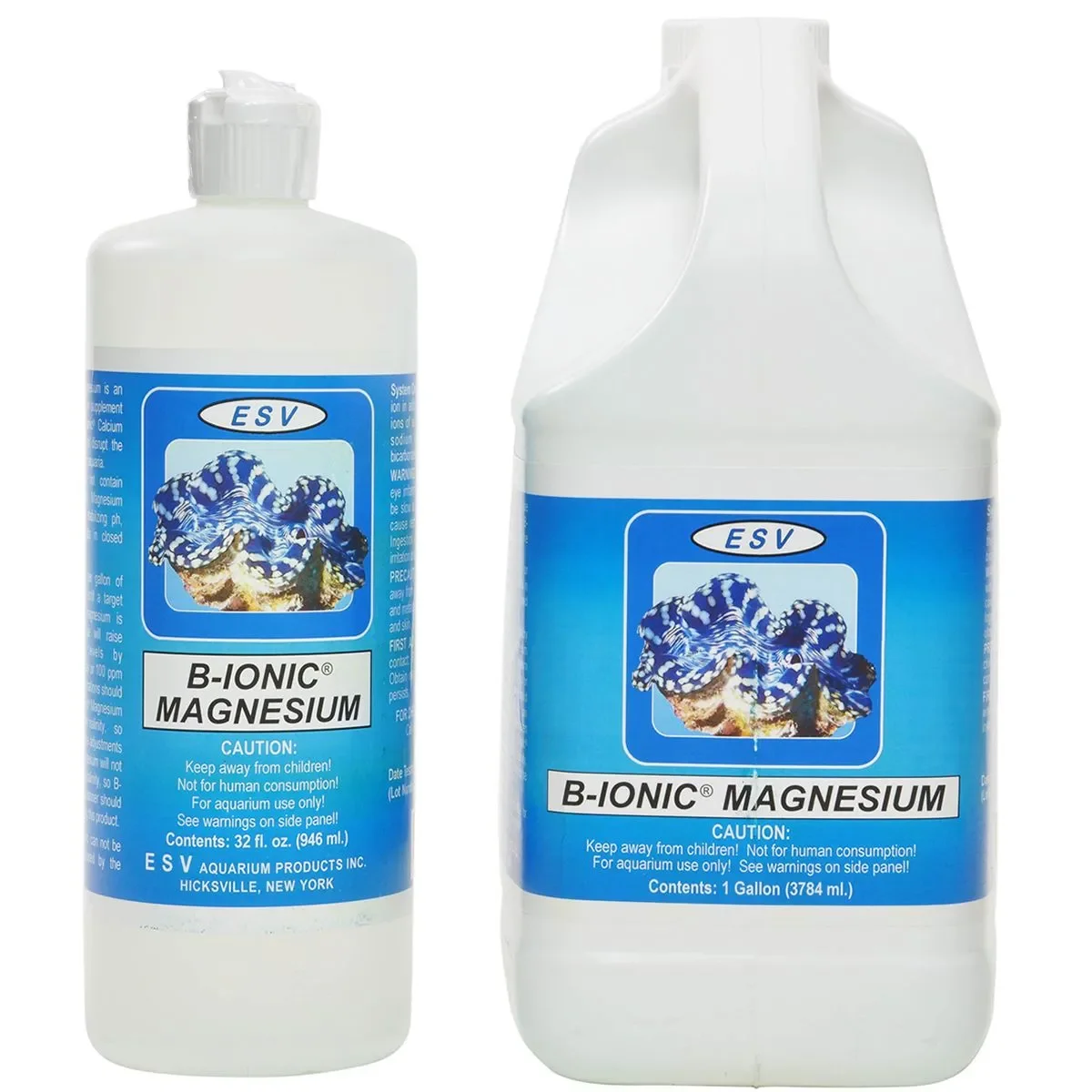
Just because magnesium and potassium are printed on the bottle does not mean ESV B-Ionic will maintain levels on its own. The concentrations included are not intended to replace uptake by corals over time. For magnesium, you will still need a standalone magnesium product to make adjustments and this will be guided by periodic testing. Potassium is another major element in reefs and often underappreciated because hobby test kits are clunky, inaccurate, and often unreliable. ESV B-Ionic includes some potassium, but not enough to guarantee long-term maintenance in systems with high uptake.
Trace Elements: Why they are present but limited...
ESV B-Ionic includes tiny amounts of trace elements, but those are not sized to replace coral consumption. They primarily exist to offset the net effect of dosing and water change cycles. When you dose two-part regularly, you slowly increase salinity. To keep salinity in check, you remove saltwater and top off with fresh RODI, which also removes trace elements and other minerals from the system. Thus, lowering the salinity. ESV B-Ionic includes these trace elements in small amounts and is designed to compensate for that dilution/loss cycle, not to be the sole provider for coral uptake.
How We Recommend Supplementing ESV B-Ionic
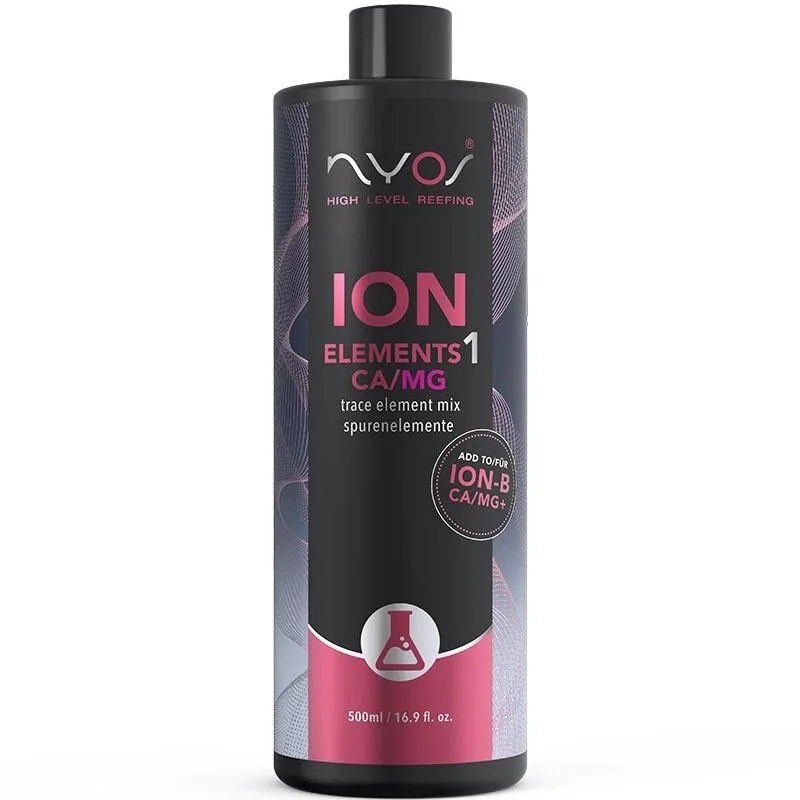
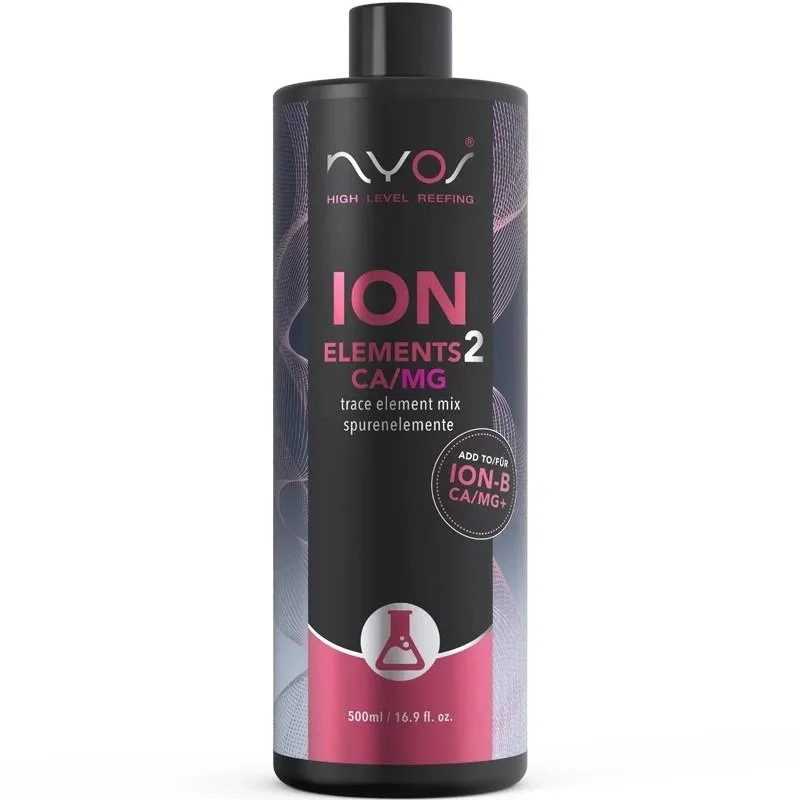
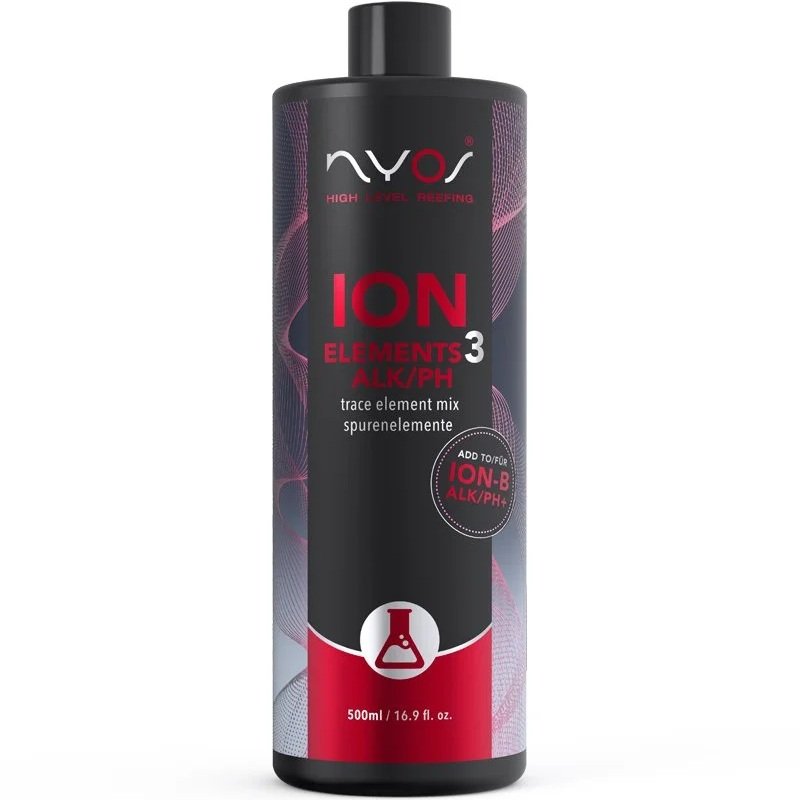
If you want the affordability and reliability of ESV B-Ionic with pro-level element control, add a focused trace element program. We tested the Nyos Ion 123 lineup as a complementary solution because it covers the missing potassium and broader trace suite.
Key points about NYOS 123:
NYOS Ion 123 provides potassium and a full array of trace elements, but it does not include magnesium — so keep a magnesium product in your rotation.
Use a conservative dosing approach. The guideline we favor is 30 to 60 milliliters of each Nyos bottle per gallon of ESV when you finish a jug. Start at the low end (30 ml) and monitor.
Use ICP testing once or twice a year as your “report card” to confirm whether potassium, trace elements, or other elements need adjustment. ICP is the reliable way to know which elements are trending down.
Why not follow the Nyos label verbatim? Because NYOS formulations are matched to their own two-part concentration. ESV B-Ionic has different concentrations and dosing, so we recommended a smaller, measured addition of NYOS products to compliment ESV without overshooting.
Ion Elements 1
Ion Elements 2
Ion Elements 3
Mixing Experience and Practical Tips
Mixing the slurry can be the least pleasant part of using ESV B-Ionic. You will often see leftover lumps after initial shaking. Here are some solutions to help with that:
Use warm water to dissolve the slurry — a warm sink or bath will speed dissolution significantly.
For large pails, open and stir manually to break up chunks.
If a shipment arrives cold with a solid bottom, allow it to warm up; full dissolution can take longer in winter.
Purity and Visual Assessment
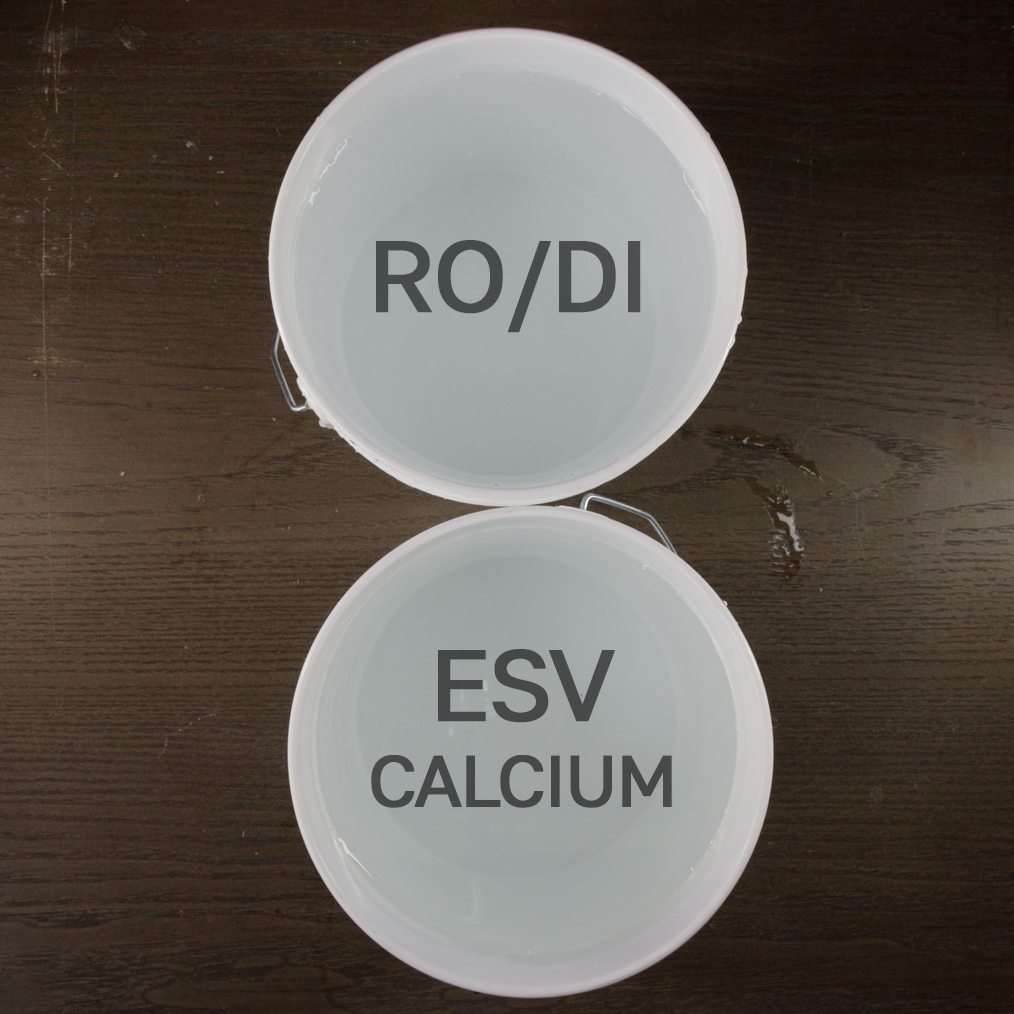
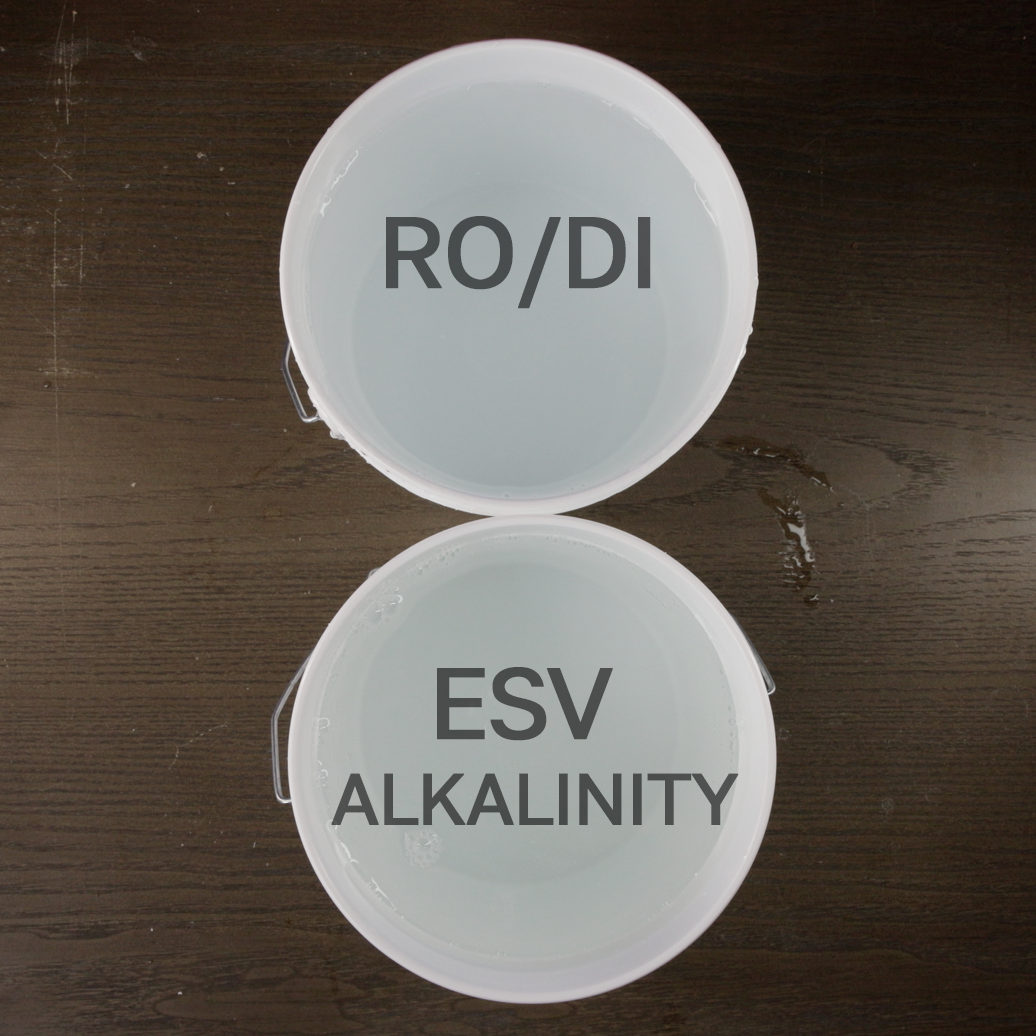
Visually, ESV B-Ionic scored well. The calcium side comes out crystal clear; the alkalinity side may have a slight tint. From a subjective purity standpoint, it ranks towards the top for clean appearance based on our experience with sourcing and testing chemicals.
Ease of Dosing and Occasional Adjustments
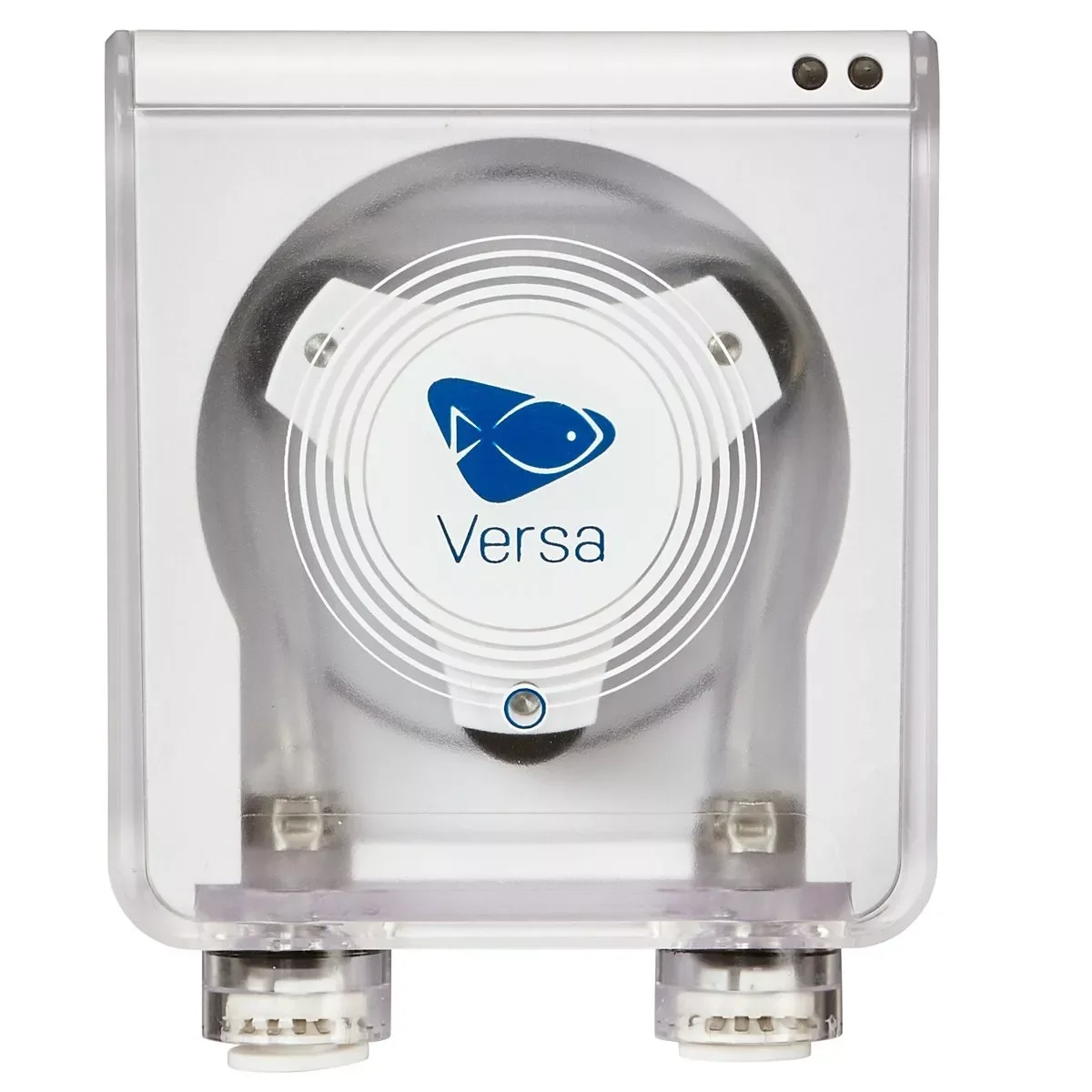
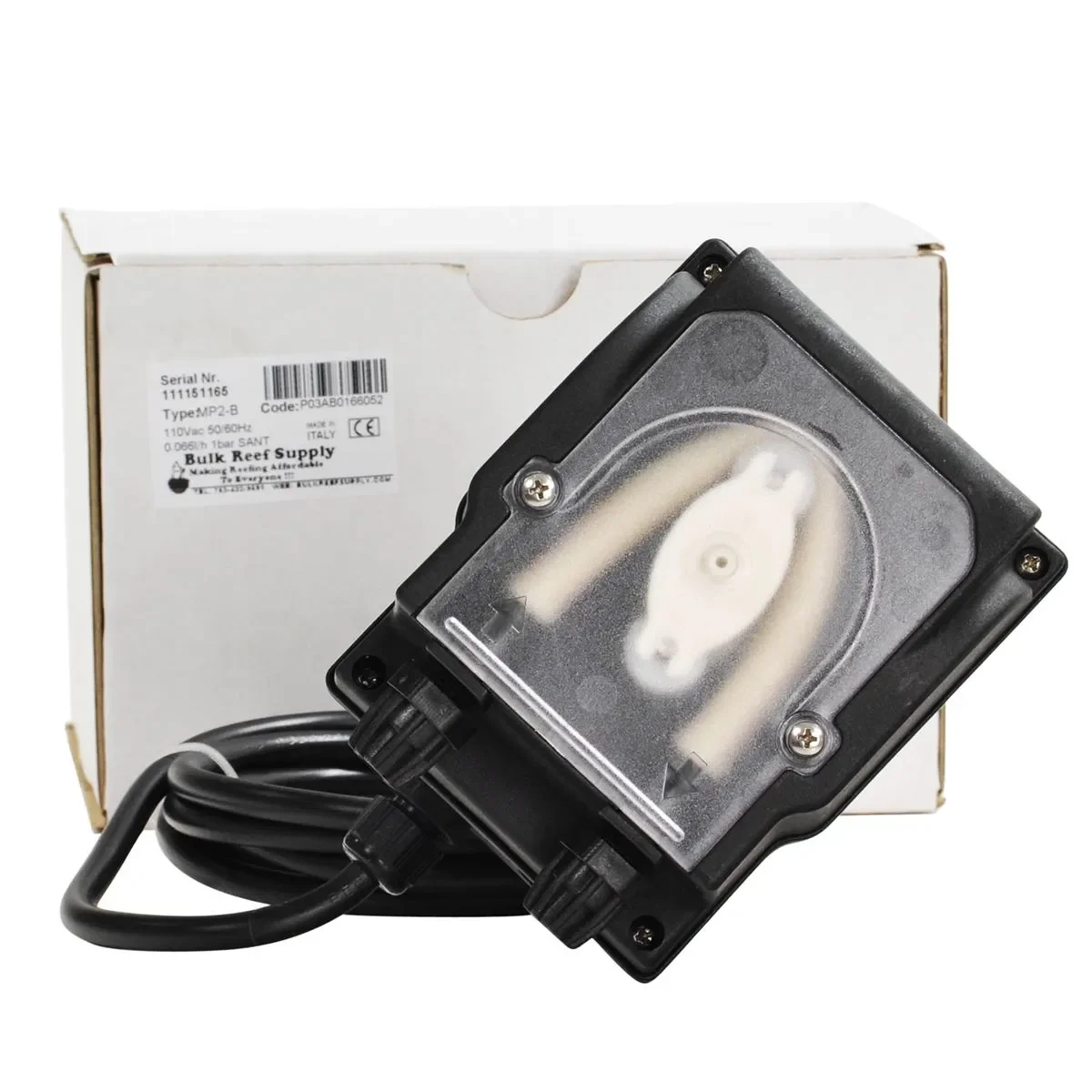
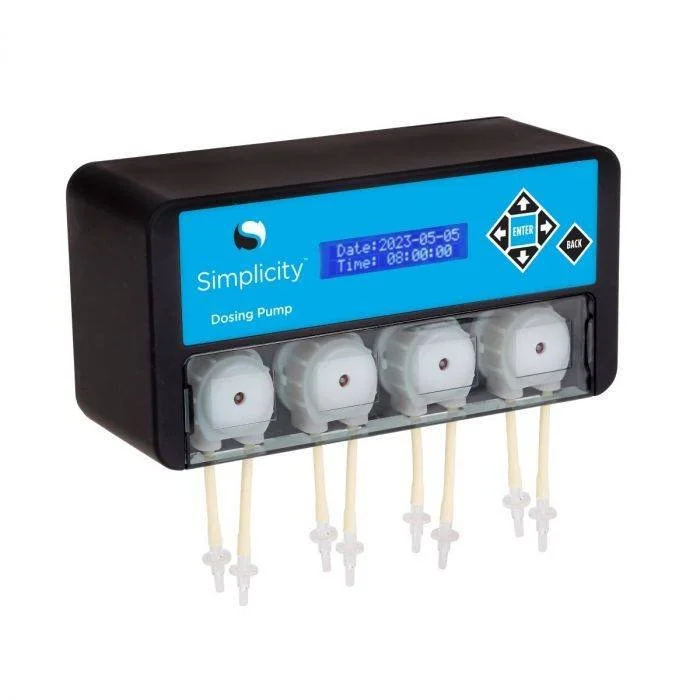
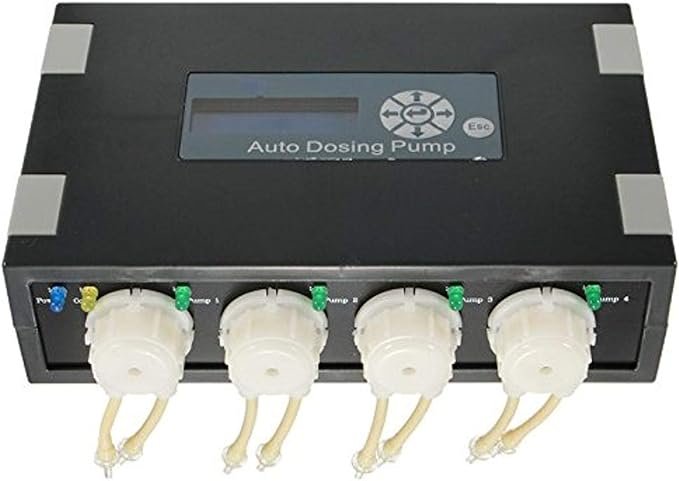
ESV B-Ionic is very friendly for automating. It is a true two-part system with nearly equal dosing volumes, which means two dosing pumps and simple programming. For manual dosing, it is also straightforward.
A couple of practical notes:
Because it is soda ash based, dose slowly and into high-flow areas to prevent local pH spikes and deposits on tubing.
If you ever need to adjust one parameter, like increase calcium by 20 ppm, the isolated nature of calcium and alkalinity makes that easy without unintentionally changing magnesium or trace elements.
Final Thoughts
We like ESV B-Ionic because it hits the three things most reefers care about: it works, it is easy, and it is cheap — especially in the larger container sizes. For new hobbyists it is an excellent starting point. For advanced hobbyists, pairing ESV B-Ionic with a measured trace program like Nyos Ion 123, a magnesium regimen, and occasional ICP testing lets you keep costs low while dialing in pro-level stability. In short: great base product, and with a small, sensible supplement strategy it can be excellent for nearly any tank.
ESV 2-Part FAQ
Does ESV B-Ionic contain enough magnesium to skip additional magnesium dosing?
No. Although magnesium appears on the label, the included amount is not intended to replace coral uptake long term. We recommend monitoring magnesium with a test kit and dosing a dedicated magnesium product as needed.
Why are there trace elements on the bottle if they do not replenish coral uptake?
The trace elements in ESV B-Ionic are primarily included to offset the net mineral changes caused by regular dosing and the dilution effects of water changes and top offs. They are not sized to fully replace coral consumption.
How do we compensate for potassium and other trace elements?
We recommend adding a targeted trace element program such as NYOS Ion 123 to supply potassium and other needed traces. Start conservatively (about 30 milliliters of each NYOS bottle per gallon of ESV used) and verify with periodic ICP testing.
Is the slurry hard to mix and what helps?
Yes, slurries can form chunky deposits that are slow to dissolve. Warm water baths, stirring larger pails manually, and allowing cold shipments to warm up will help dissolve the material faster.
Can we dose ESV B-Ionic directly into the tank from the jug?
You should dose slowly and into high-flow areas. Avoid pouring directly into low-flow zones to prevent localized high pH and precipitate build-up. A dedicated cheap powerhead to disperse the dose works well.
How often should we run ICP or lab tests if we supplement?
Performing ICP testing once or twice a year is a good baseline. Use those results as a report card to adjust trace element dosing. If you see specific elements trending down, make targeted increases to your supplement dosing rather than blanket increases.
What’s Next? Recent Additive Reviews
Acknowledgments
Thank you to Terence Fugazzi for sharing his knowledge with the SR community. Thank you to Ryan Thompson for summarizing the video and making it available to everyone.
Thank you to the Serious Reefs community. Your membership funds the creation of articles and videos like this one.
Support Serious Reefs
Patreon is the best option If you…
Want to discuss with the SR community and ask questions.
Want immediate notifications of every release.
Listen with phone screen off. Patreon app works with phone closed
Want 25% off via annual discounts.
YouTube members is the best option If you…
Watch SR videos on a TV via youtube App
Want to watch videos natively here on seriousreefs.com - (You must use chrome browser and be logged into google account with youtube membership)
Are a YouTube power user.
Tell a friend. Best option if want more (and faster).
If you like what we’re doing, give SR a quick shout-out on your favorite forum, YouTube, Facebook, TikTok, or Instagram. Let your local fish store know SR is helping you explore the hobby and keep it fun. Thanks for the support!
Disclaimer
Full Disclaimer HERE. This is the gist of it.
Content is based on personal experience, not professional advice. Do your research and reef responsibly. Serious Reefs should not be your sole source of information on any topic.
By watching, you agree that Serious Reefs and its creators aren’t liable for how you use this info. Please don’t utilize our information if you are not ok with this.
Serious Reefs has no sponsors, doesn’t accept product or payment for reviews. We do use affiliate links in articles that earn a small commission to support our work. Shop wherever you like, we won’t be offended.