Triton Other Methods 4 Part | SR Unfiltered Review
How do we rate it?
We gave the Triton Other Methods a 9 out of 10 and it genuinely surprised us, especially on value. What we had previously overlooked is that the higher concentration calcium and the second alkalinity jug effectively make this the equivalent of two complete sets, turning it into one of the more affordable options on the market.
After a thorough review, Triton reminded us why they changed how many of us think about reef chemistry. This is a solid, thoughtfully engineered two part solution for the majority of hobbyists who do not run a refugium, backed by a level of science and trace element strategy that clearly sets it apart.
The article below is free for everyone. Serious Reefs YouTube Members can watch this video natively above. Native viewing requires the chrome browser..


Triton’s Claim to fame.
Triton built its reputation on a holistic approach to reefkeeping: chemistry, filtration, lighting and technology working together to produce healthy coral biology. The Other Methods 4-part is essentially Triton’s two-part additive tailored for setups without a refugium. It replaces the minor and trace elements corals use, accounts for coral uptake, and pairs with Triton’s ICP testing database to refine element ratios.
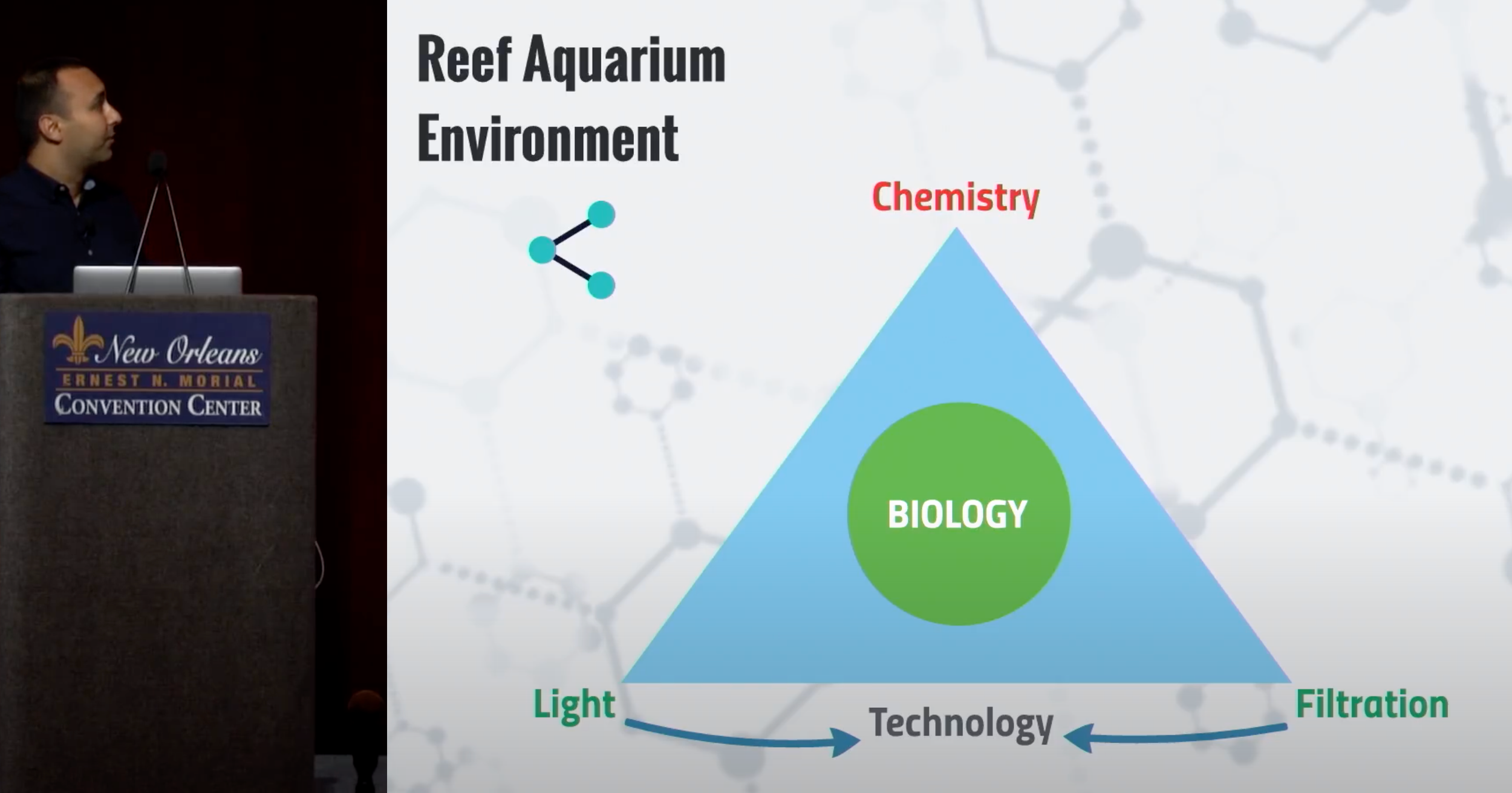
Ehsan Dashti: Modern Practical Reef Keeping | MACNA
Two key differentiators:
ICP-driven formulation — Triton has years of ICP data from real aquariums. That dataset lets them design trace blends based on the ratios seen in successful tanks rather than just attempting to mimic seawater.
Holistic method mindset — Triton promotes a system where additives are one piece of a broader approach that includes proper filtration and lighting. It is not just a standalone chemical product; it’s designed to work inside a method.
Which Triton product are we reviewing?
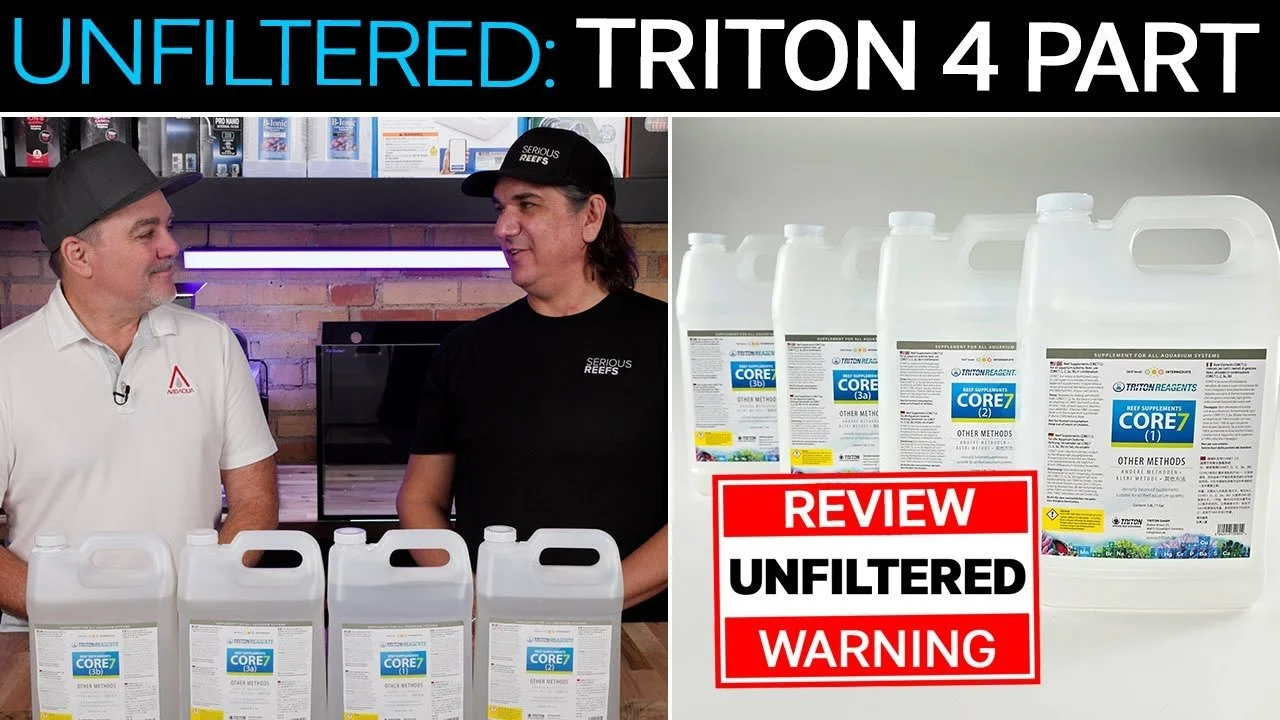
There are several Triton offerings. This is not a review of the entire “Triton Method.” The product we’re focusing on is the Other Methods 4-part, the addative system intended for reef aquaria without a refugeium. If you do run a refugium, look to the Core7 line, which includes elements to account for that extra biological compartment.
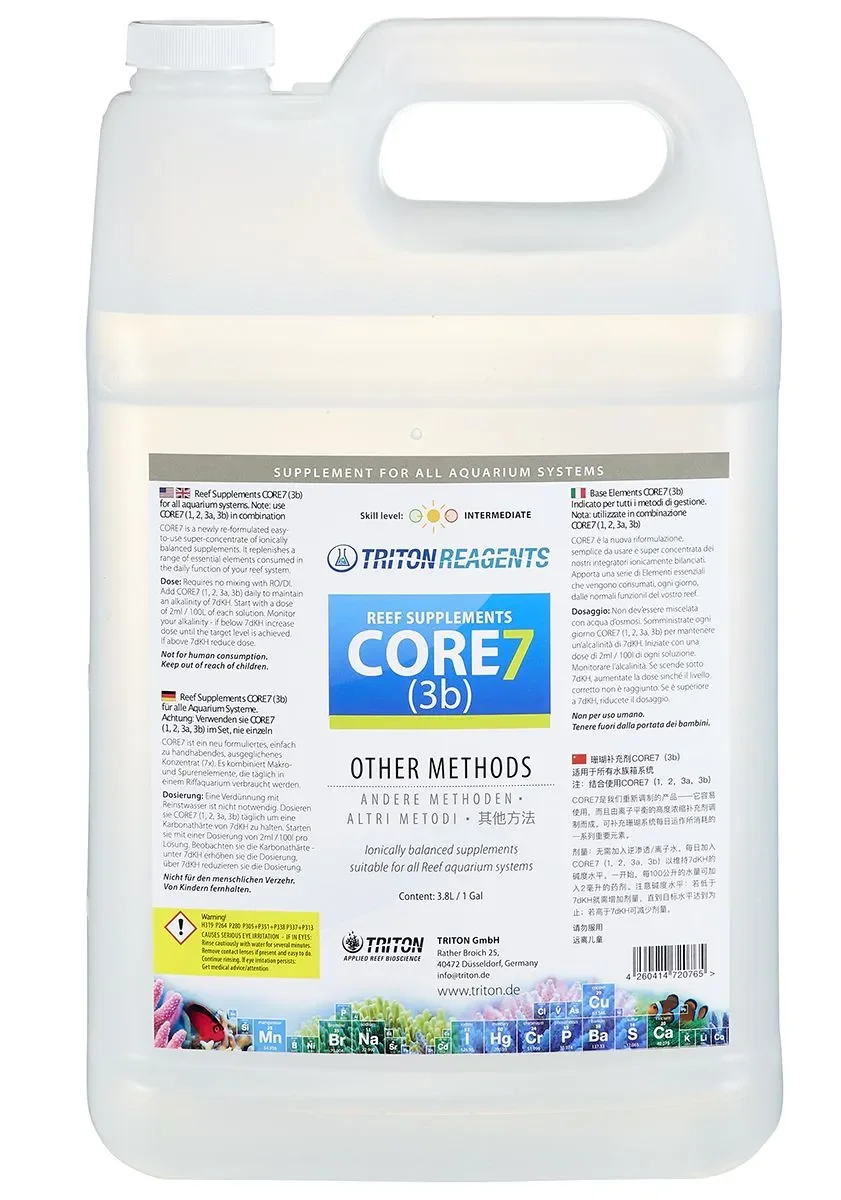
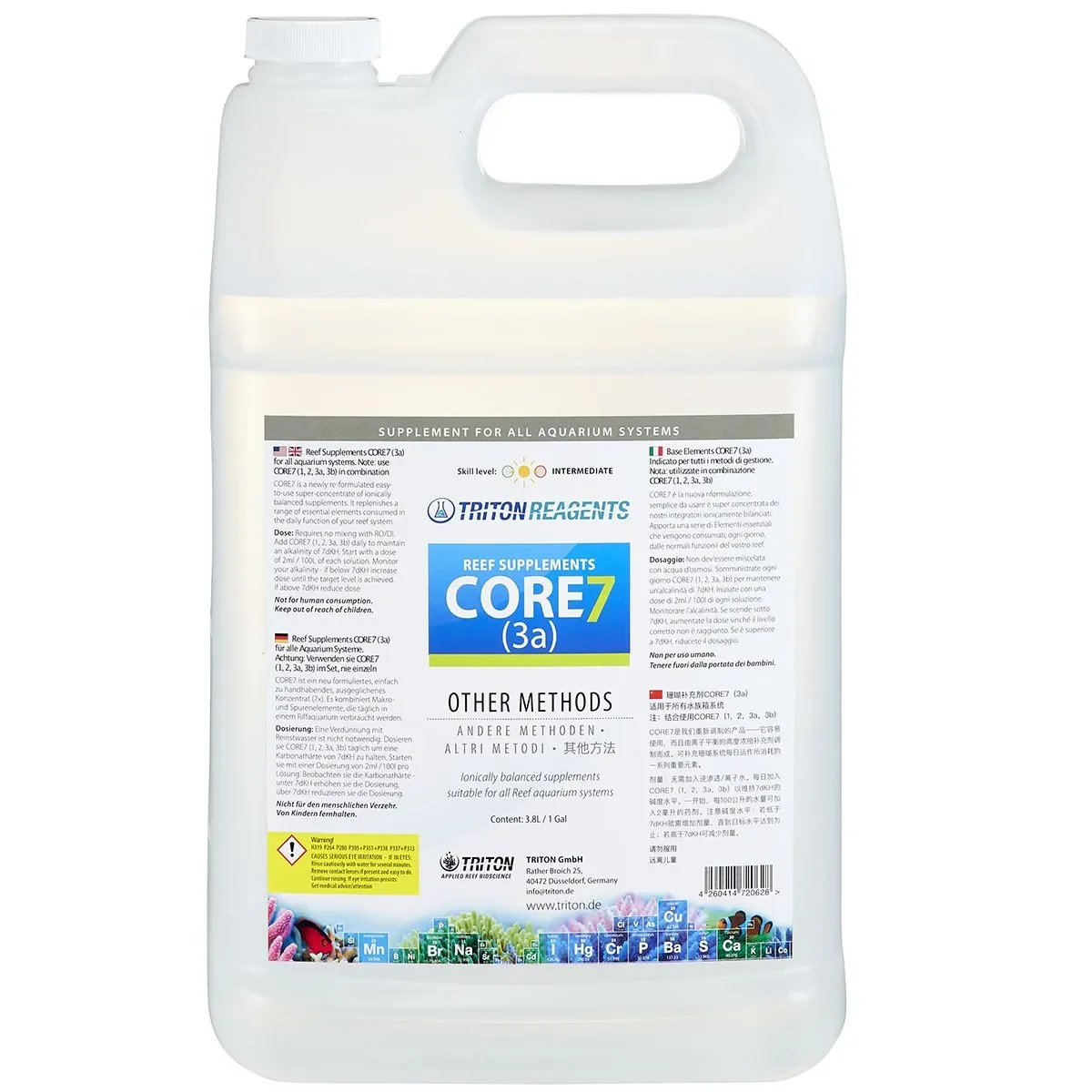
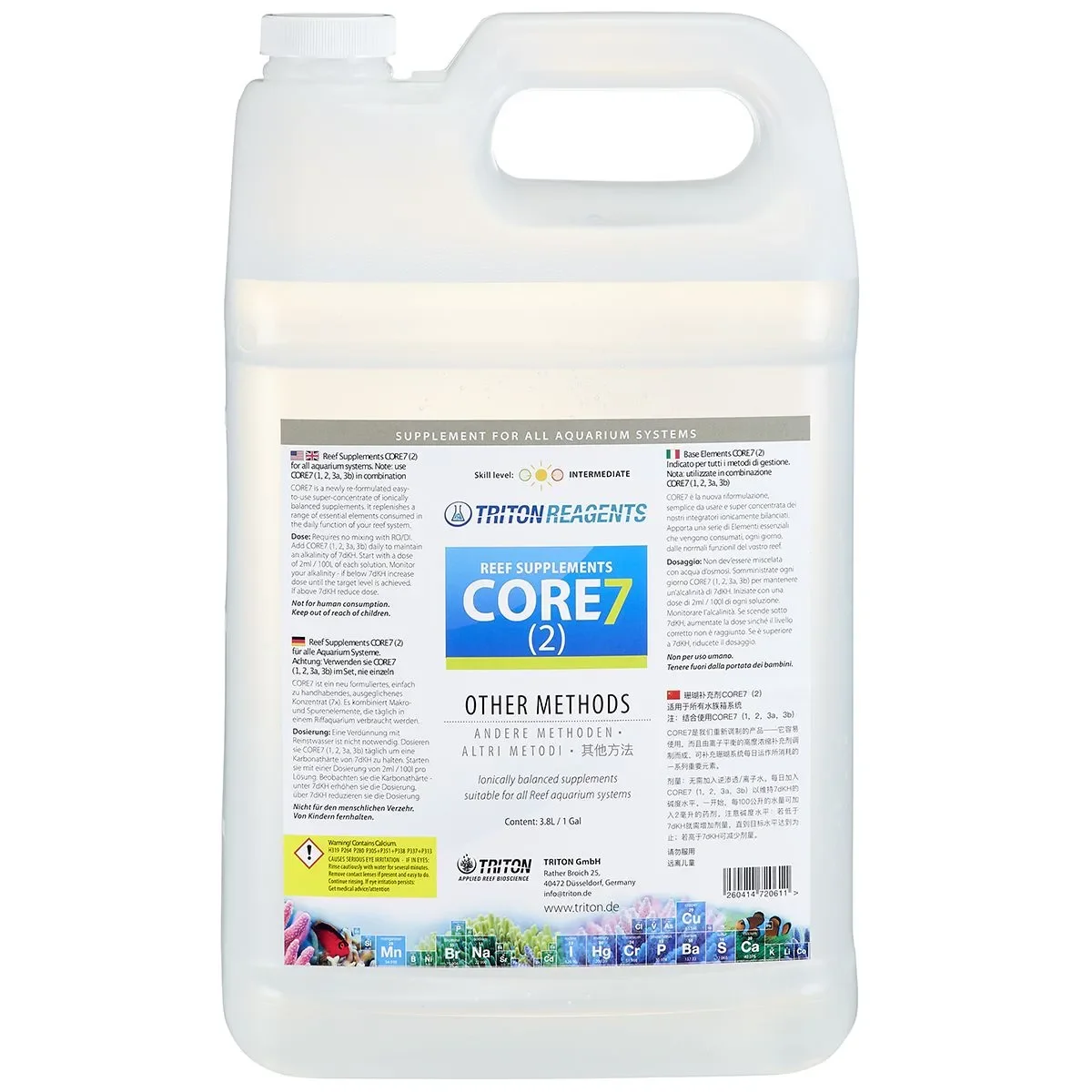
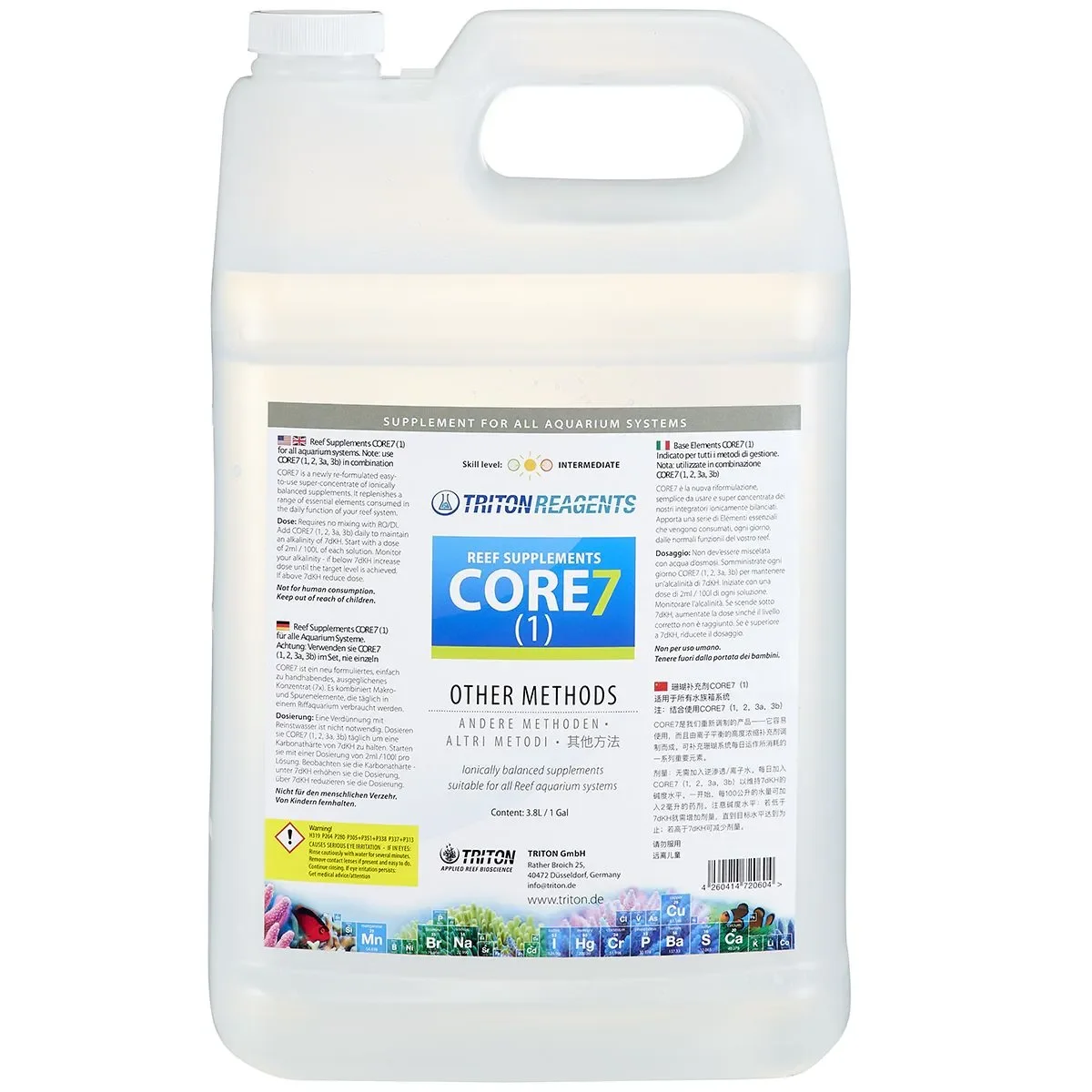
Standardized cost
Using our standardized concentration cost, the Triton Other Methods scored well on price. The SR concentration cost came in at approximately $19.98 for the wet (ready-to-use) option and about $17.44 for the dry option under their standardized metric. That places it lower than many expected and competitive versus other two-part trace options.
The reason it feels like a bargain is practical: the kit is basically two full-strength sets in one. The calcium is stronger than typical two-parts and there are two alkalinity jugs, so what you’re effectively buying is double the concentration of comparable packs. That stretches usage and reduces the per-dose cost.
Triton OM Concentration: 9,750 dkh/L
Triton OM Cost: $147.50 (1 gallon calcium, 2 gallons alkalinity, 1 gallon magnesium)
10,000 DKH/L Standard: $19.98
*SR has developed a standardized cost for two part because You’re not paying for water, you’re paying for the salts dissolved in it. The SR Standardized Concentration Cost (SR-SCC) levels the playing field by calculating cost based on a standardized concentration of 10,000 dKH per liter. In short, SR-SCC shows how much of any reviewed additive is required to reach that same 10,000 dKH per-liter equivalent, making it easier to evaluate what you are really getting for your money.
Chemistry and formulation
Key chemistry points:
The alkalinity is a soda ash version, which will raise pH compared to bicarbonate-based alkalinity supplements.
The product contains magnesium and potassium alongside the calcium and alkalinity components.
Triton claims the formula accounts for coral uptake and replaces minor and trace elements using their ICP data to determine optimal ratios.
Because Triton has an ongoing ICP testing program and many users submit tank tests, they can adjust ratios based on real-world aquarium data. That is a distinct advantage over brands that design trace blends without that same data and breadth of testing.
Subjective purity
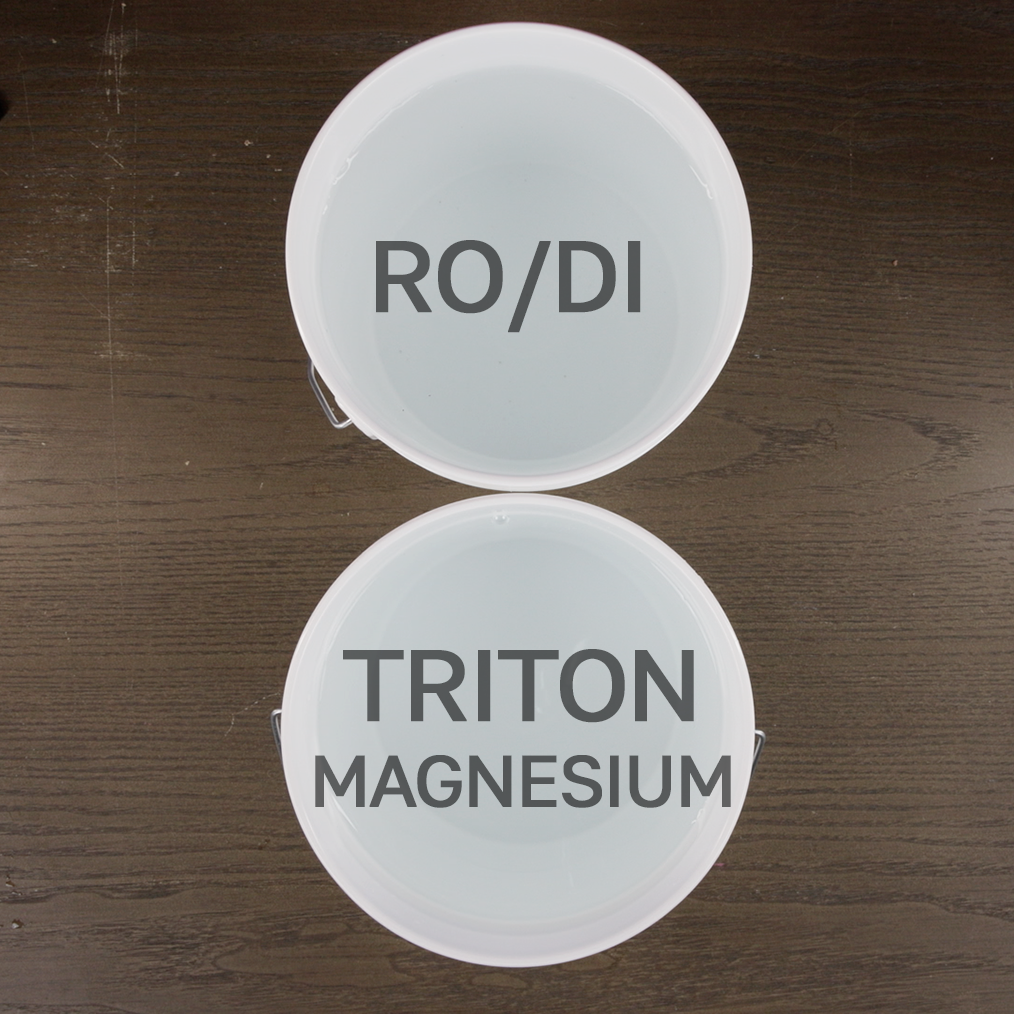
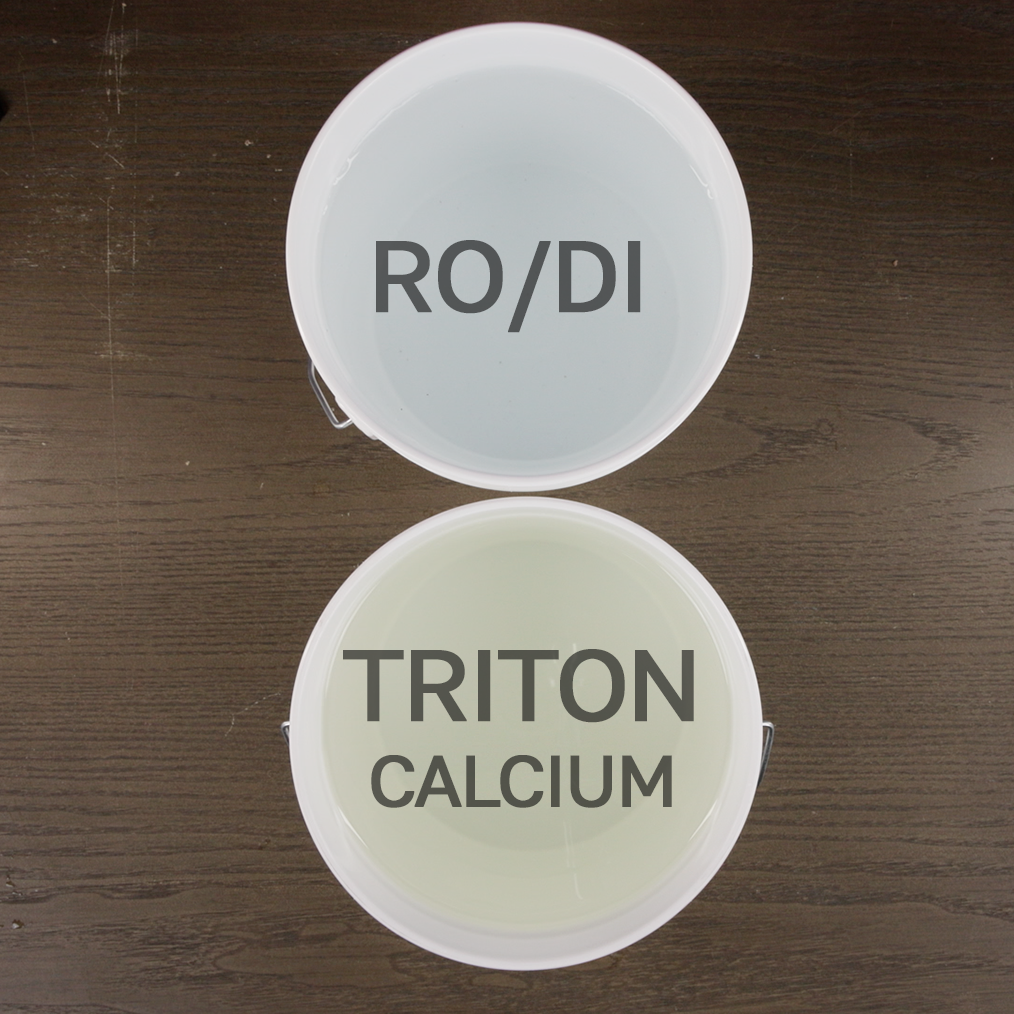
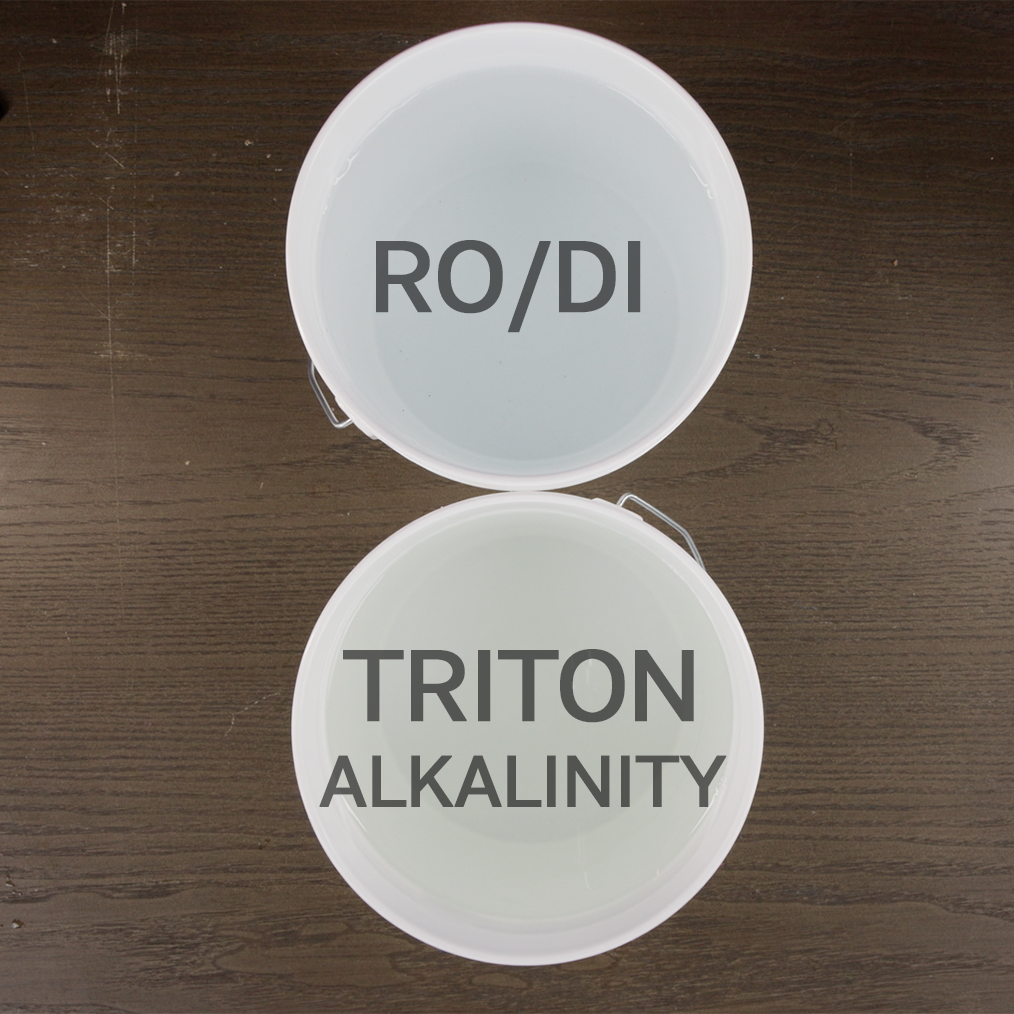
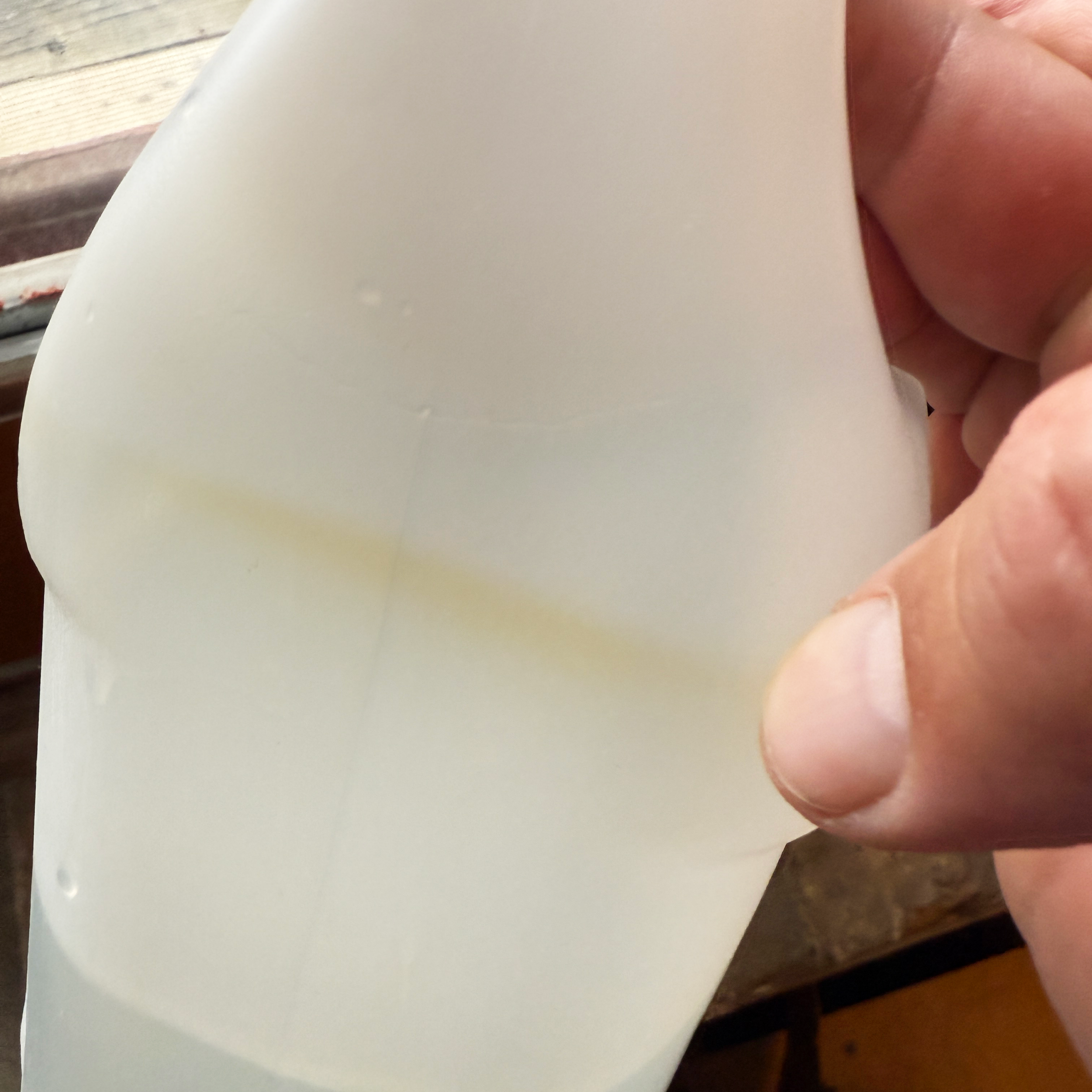
We forgot to cover this in the video, but while Triton’s magnesium solution is crystal clear, we noticed the alkalinity jug had a brown ring around the top and a noticeable tint to the solution. The calcium portion also showed a brown tint. It is difficult to say whether the coloration comes from the raw major elements themselves or from the addition of trace elements.
Form, storage and precipitation notes
Available formats include liquid (wet) and dry. There is no slurry option. The liquid is very concentrated, bottles can solidify when exposed to cold temperatures. If the product arrives or sits in cold storage and a sediment or sludge forms, warming the bottles (for example by floating in warm water) will re-dissolve the precipitate. This is common for very concentrated solutions and not unique to Triton.
Mixing and dosing
Mixing the liquid is straightforward. The dry version requires a few mixing steps and the cost savings are relatively small, so unless you want to mix gallons in bulk, the wet option is more convenient for most hobbyists.
Daily dosing is easiest with a dosing pump. The package contains four jugs, which typically requires four dosing heads. If you only have three heads, you can mix the two alkalinity jugs together and dose twice the volume.
Adjustments and periodic top-ups
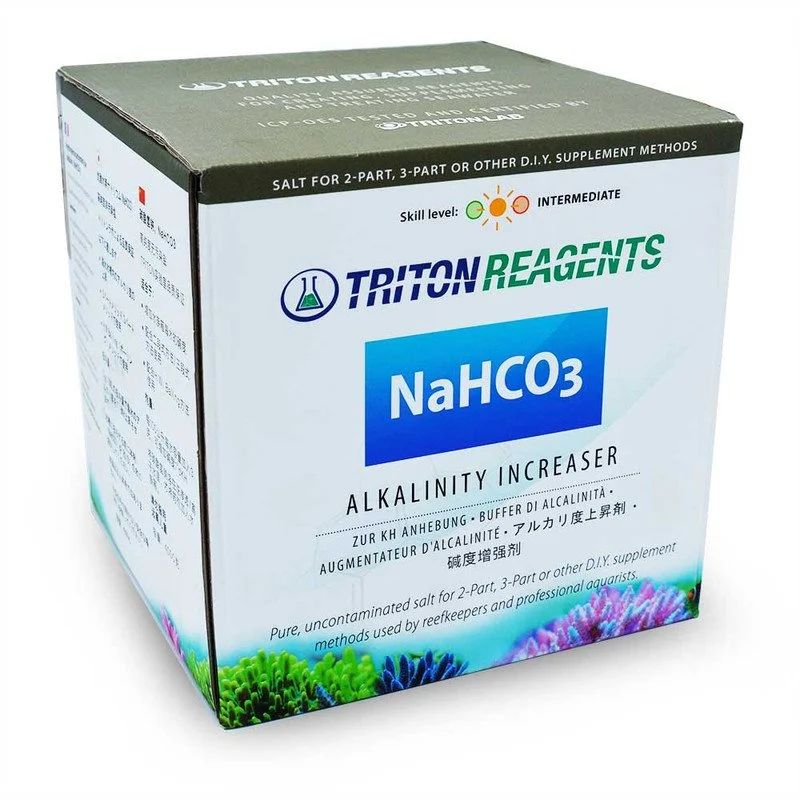
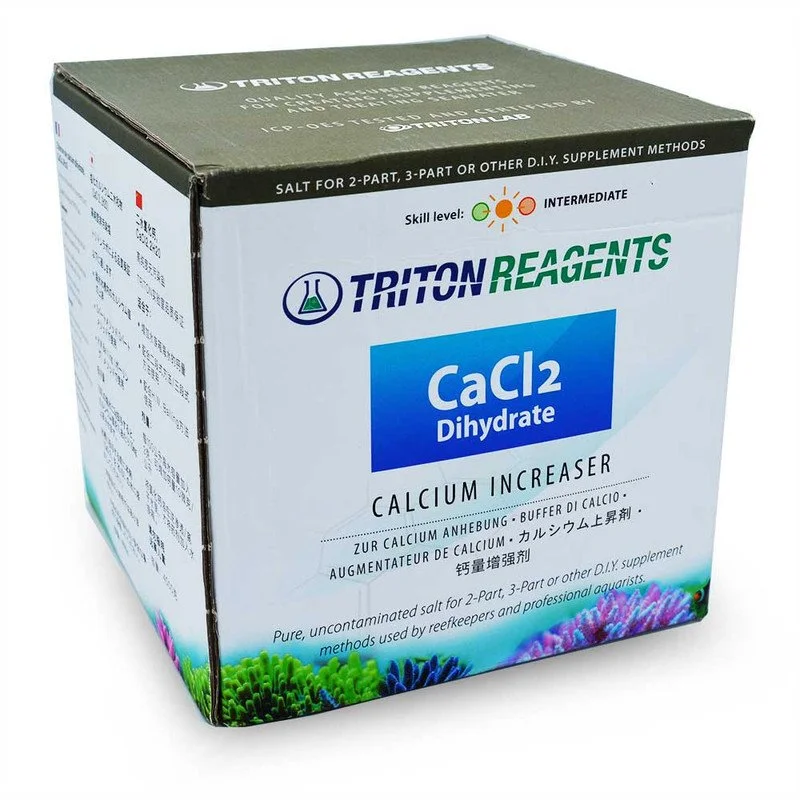
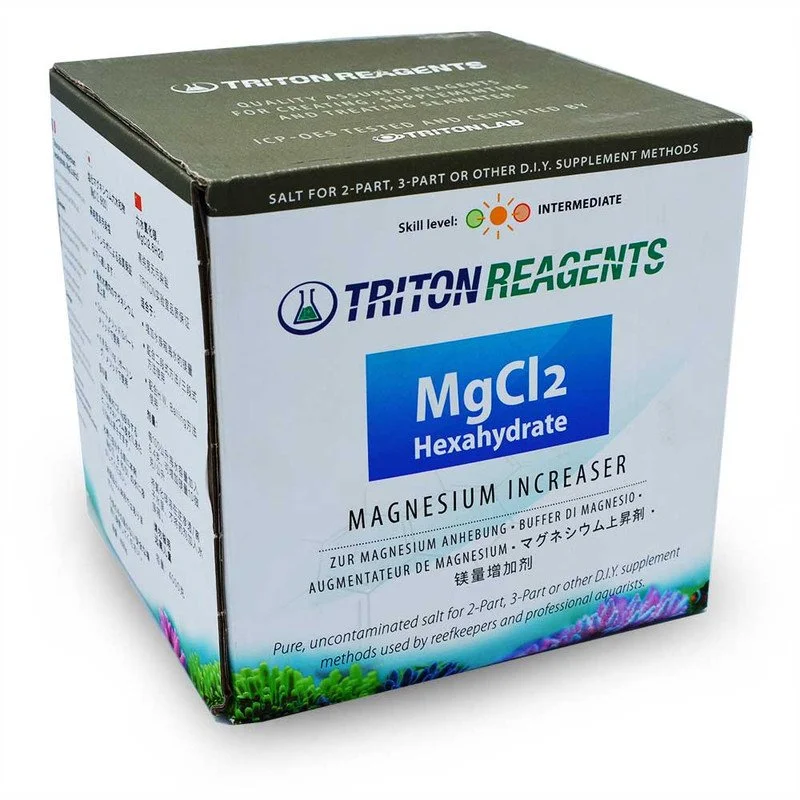
Triton offers targeted products for occasional adjustments: magnesium chloride, calcium chloride, and sodium bicarbonate. These let you top up individual parameters without upsetting the trace element balance in the four-part. For example, if alkalinity needed a bump you can use sodium bicarbonate increaser to raise alkalinity without adding trace elements or a large pH spike. That is the right approach for making small fixes while preserving the product’s designed ratios.
Tools and support
Triton provides a suite of calculators and dosing tools on their site. There are calculators for dosing changes, raising alkalinity, and recommended daily doses based on ICP results. One caveat: some units and terms use scientific units (for example, milligrams per liter) rather than the hobbyist-friendly DKH that many reefkeepers prefer. A quick unit conversion or an updated UI would make the calculators more accessible to the average user.

Pros
Scientifically informed — Designed around ICP data and real tank results.
Excellent value — Higher concentration and effectively two sets reduce cost per use.
Complete trace replacement — Includes magnesium, potassium and trace elements tailored to coral uptake.
Options for targeted topping up — Calcium-only and alkalinity-only products prevent ratio imbalance when making corrections.
Robust online tools — Plenty of calculators and dosing guidance are available.
Cons
Requires four dosing lines for straightforward dosing unless you mix jugs together.
High concentration liquid can precipitate if exposed to cold; bottles may require warming to re-dissolve.
Dry mix version is more complex and saves relatively little money for casual users.
Who should use Triton Other Methods 4-part?
This product is ideal for hobbyists who want a science-driven trace solution but do not have a refugium. It is especially good for people who value long-term data-driven tweaking and want a complete trace profile tied to ICP testing. If you prefer minimal dosing heads or manual dosing, a true two-part simpler product might suit you better. For large systems where you mix gallons at a time, dry powder could make sense, but for most tanks the liquid is the sweet spot.
Final thoughts. We rate the Triton Other Methods 4-part a 9 out of 10. The product delivers excellent value, is backed by meaningful data, and addresses the real-world needs of reef tanks without refugia. It is not perfect — dosing hardware and cold storage concerns are manageable — but overall it is a top-tier solution that deserves serious consideration for any serious reef setup.
Frequently Asked Questions
Is Triton Other Methods the right choice if my tank does not have a refugium?
Yes. Other Methods is specifically the kit intended for tanks without a refugium. If you run a refugium, the Core7 line has elements that account for that biological compartment.
Will this product raise my aquarium pH?
Yes. The alkalinity component uses soda ash, which tends to raise pH compared to bicarbonate-based alkalinity supplements.
Does Triton Other Methods include magnesium and potassium?
Yes. The formulation includes magnesium and potassium in addition to calcium, alkalinity and trace elements.
What should I do if the liquid precipitates or forms a sludge?
This is most likely due to cold exposure. Warm the bottles by floating them in warm water or bring them to room temperature and shake to re-dissolve the precipitate.
Can I mix the two alkalinity jugs together to reduce dosing heads?
Yes. Combining the two alkalinity bottles and dosing twice the volume allows you to run fewer dosing heads, but keeping them separate preserves the original dosing scheme and makes for neater organization.
Is the liquid or dry version better?
For most hobbyists the liquid version is better due to convenience and only modest cost savings from the dry version. If you plan to mix very large volumes and like the hands-on approach, the dry option can make sense.
Does Triton provide tools to help with dosing?
Yes. Triton offers calculators and dosing tools, plus ICP testing services. Note that some calculators use scientific units that may require conversion into hobbyist-friendly units like DKH.
How easy is it to fix a single parameter if something drifts?
Triton sells targeted products for occasional adjustments — magnesium chloride, calcium chloride, and sodium bicarbonate — so you can top up a single parameter without upsetting the overall trace balance.
What’s Next? Recent Additive Reviews
Support Serious Reefs

Option 1: Patreon - Sign Up
Lowest cost option
Videos available on Patron App and website
Immediate notification of every release
Larger active community.
App works with phone closed
Sends a larger percentage of membership to Serious Reefs

Option 2: YouTube - Sign Up
Best for YouTube power users
Videos Available on
Youtube.com
Youtube TV App
Youtube Phone App
Seriousreefs.com (requires logged in Chrome browser)
*Note iOS users may need to sign up via desktop browser.
Acknowledgments
Thank you to the Serious Reefs community. Your membership funds the creation of articles and videos like this one.
Disclaimer
Full Disclaimer HERE. This is the gist of it.
Content is based on personal experience, not professional advice. Do your research and reef responsibly. Serious Reefs should not be your sole source of information on any topic.
By watching, you agree that Serious Reefs and its creators aren’t liable for how you use this info. Please don’t utilize our information if you are not ok with this.
Serious Reefs has no sponsors, doesn’t accept product or payment for reviews. We do use affiliate links in articles that earn a small commission to support our work. Shop wherever you like, we won’t be offended.
