Six Core Principles Every New Reefer Should Know - 90/10 Method
Quick Summary
We want you to enjoy reefing and to get that first big win. Too many new hobbyists spin their wheels, spend money, and lose fish and corals because they try to invent everything from scratch or follow advice that only worked for lucky or highly experienced reefers. These six core principles are the things we wish someone had told us on day one. Understand them and you dramatically increase your chances of success.
The underlying theme: Reefing is not hard. The hard part is acquiring the right knowledge so you can make the right decisions the first time and set yourself up for long-term success. Once you have that knowledge, applying it is the easy part.
Note: Paid YouTube SR Members Using A Chrome Browser can watch videos natively above on Seriousreefs.com. Sign up HERE
SR videos are a community funded member only resource. Serious Reefs buys everything we review, accepts no sponsorships, and your memberships make it possible to keep every review truly unfiltered.
Principle 1 — Be the 10% who make it
“90% of reefers fail in a year. Be the 10% that goes on to build something epic!”
It’s rare for anyone to be honest with a new reefer and inform them there is a 90% chance they will shut their tank down within 12 months, but it is statistically true. The truth is hidden because it sounds discouraging. Who would start a reef tank knowing that most fail?
The answer is any new reefer who understands why the 10% succeed. When you know the path that consistently works, that statistic becomes motivation, not fear. It becomes a challenge and an opportunity to join a group of reefers who build thriving ecosystems, not short lived attempts. Better yet, the path to high success is not only proven, it is also easier and requires far less effort.
The idea that reefing is inherently difficult is a myth. What’s truly difficult is the information scavenger hunt. For first-time reefers, the usual path involves scouring the internet, piecing together advice from hundreds of competing sources, and assembling it all into a first-time recipe by a first-time reefer—only to discover why what worked for one tank doesn’t work for yours. It’s an expensive, frustrating, and rough road. Let’s skip all that.
If you want to be in the 10%, the path is simple. Follow a proven recipe designed for new reefers. Learn from someone with visible, repeatable success. Look for stability, longevity, thriving animals, and methods that work not just for one reefer but for nearly everyone who follows them. That could be the SR team or someone else. What matters most is choosing a trusted source worth listening to instead of trying to listen to everyone.
That is the heart of the 90/10 method. It is intentionally designed to work for 90% of reefers with only 10% of the effort. It is a clear, proven approach that delivers predictable success. Instead of spending endless hours sorting through conflicting advice and fixing avoidable mistakes, you simply apply what is known to work. Your first reef tank becomes simple, predictable, and genuinely fun.
Principle 2 — It is not an aquarium
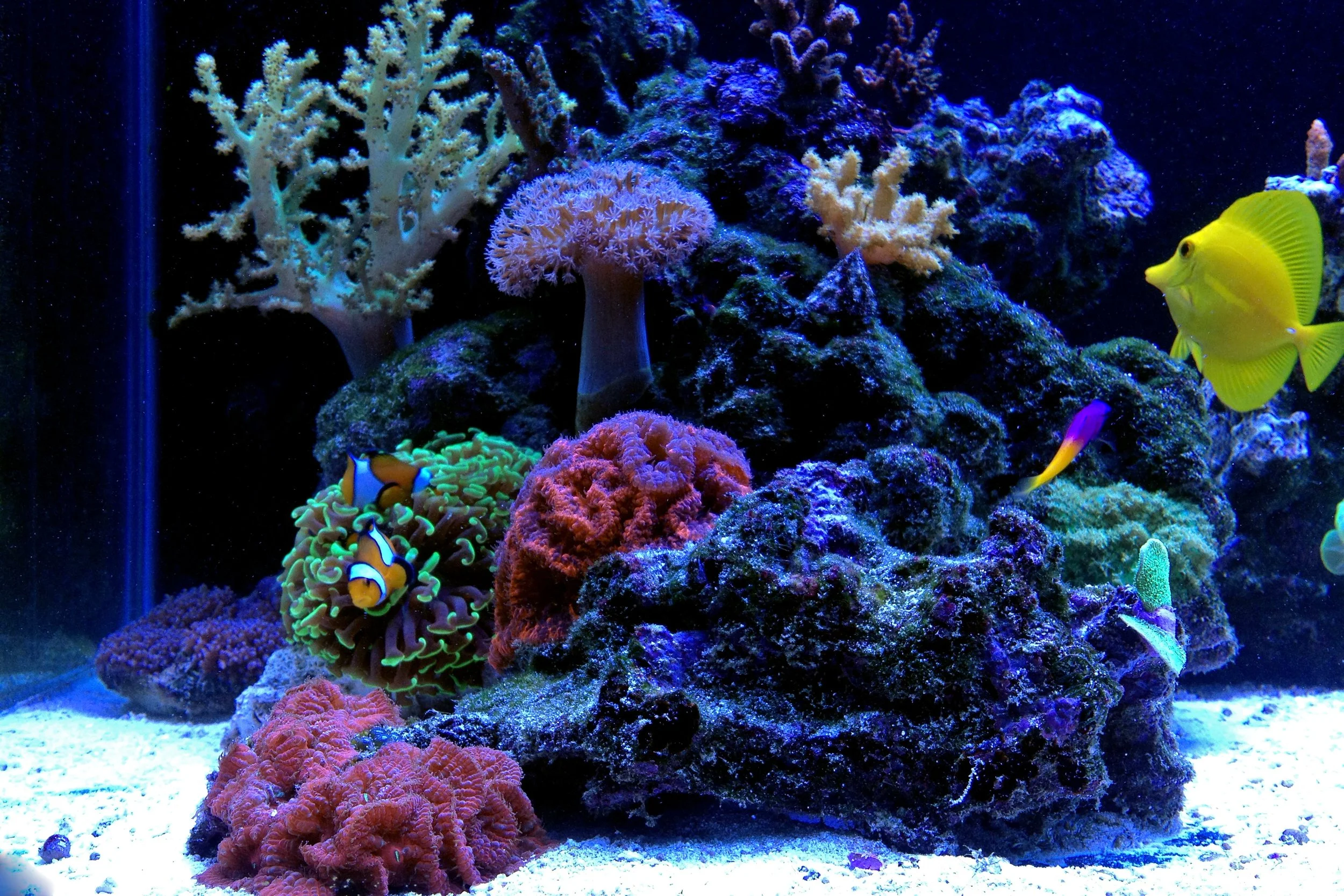
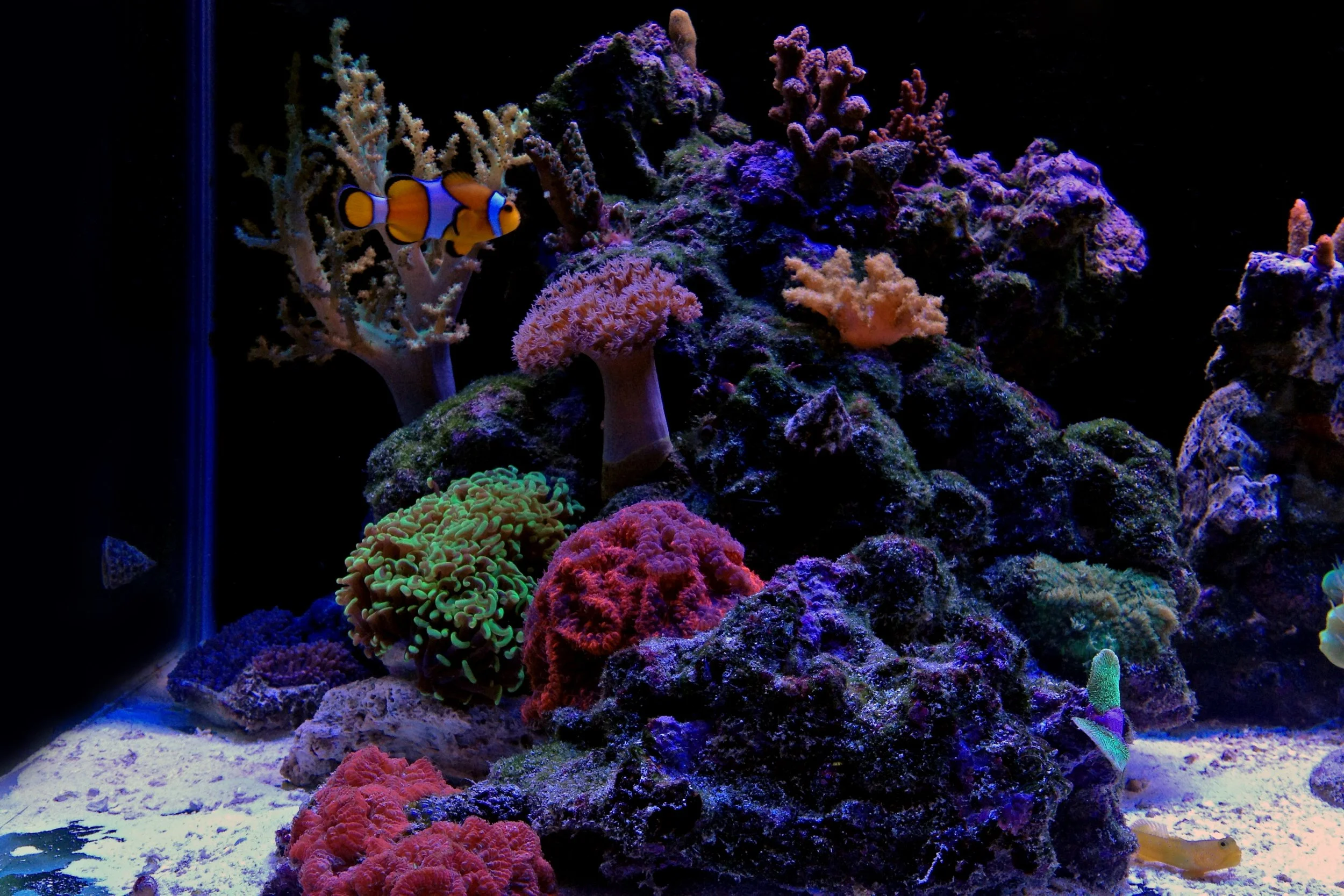
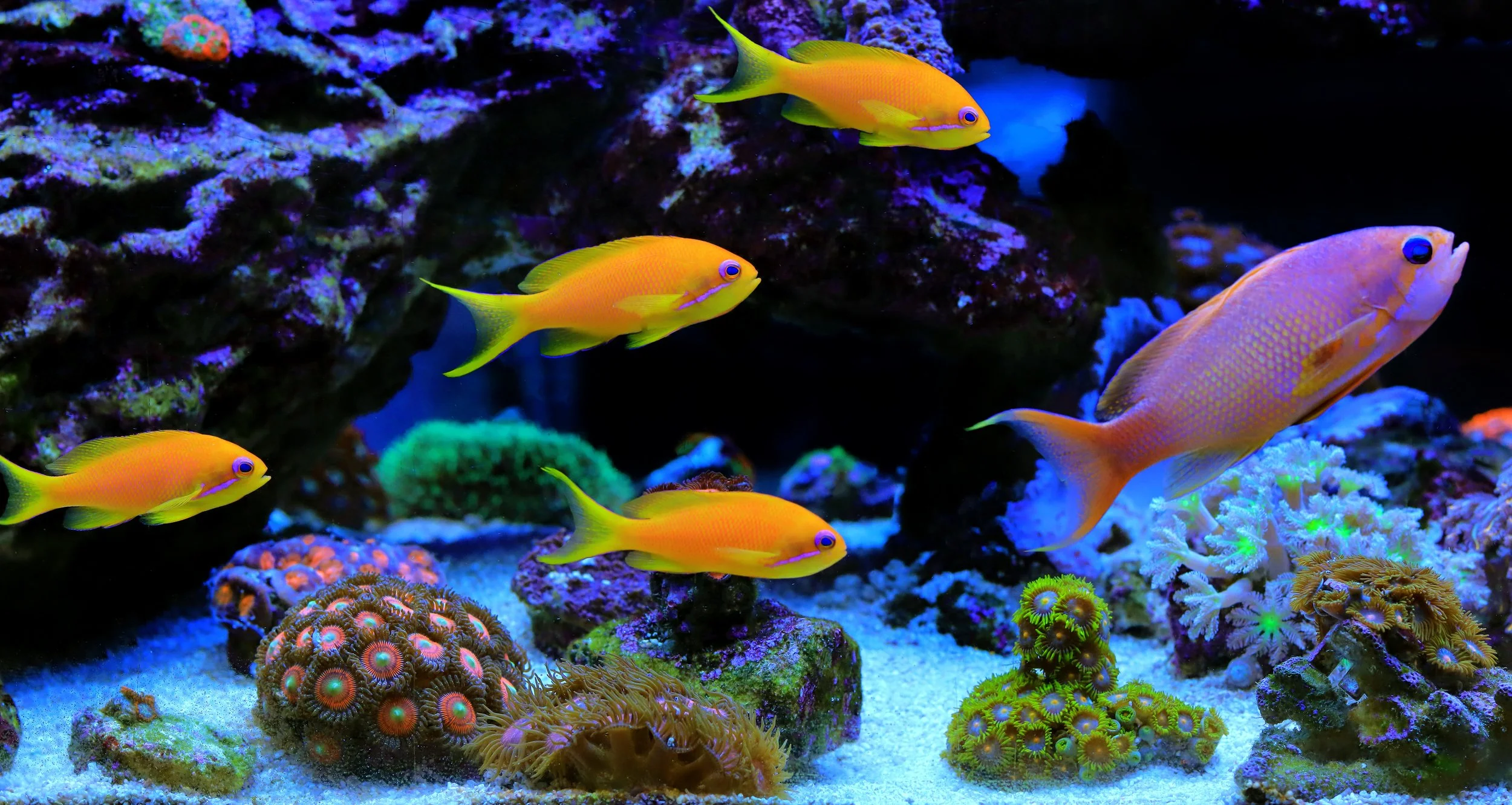
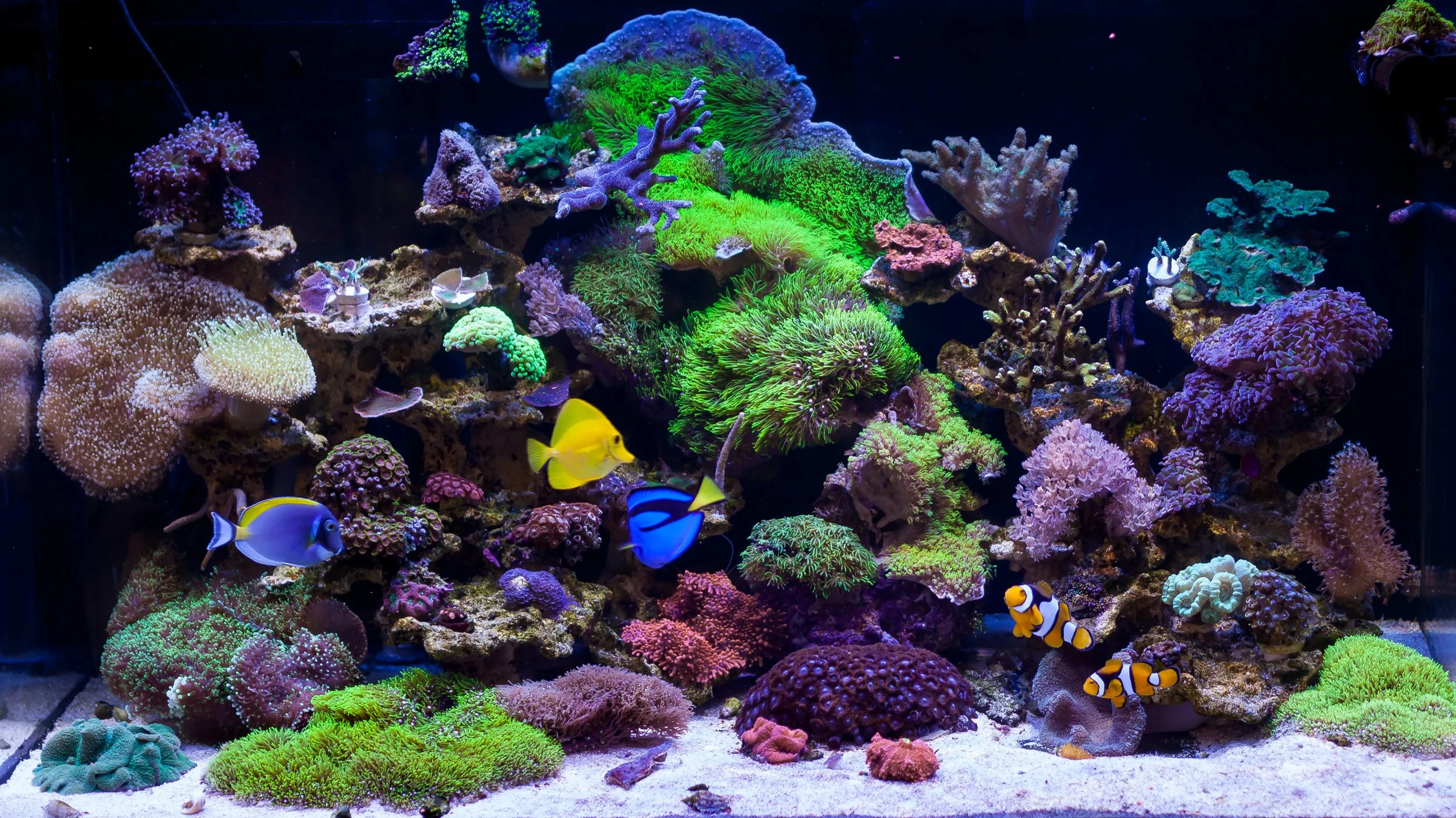
The equipment might look like an aquarium, but aquariums are for goldfish. What we are building is a sustainable marine habitat, closer to something you would see in a zoo than in a bowl. These animals come from warm, stable tropical seas, and our living rooms are very foreign environments. If you train your mind to always ask, “How do I make this more like nature?” you will achieve better results than most reefers.
The main takeaway is to respect both the challenge and the animals. Instead of focusing on what we want or what looks cool on a shopping list, design the tank around the needs of the animals. Prioritize stable chemistry, adequate water volume, quality filtration, proper flow, and consistent feeding. When we treat the tank as a habitat to protect and maintain rather than a decorative object to tinker with, success rates skyrocket.
Principle 3 — Small tanks are the hardest
Nano tanks are beautiful and popular, but they are also unforgiving and have the lowest success rates for newer reefers. They simply don’t absorb the typical mistakes, moments of complacency, or strokes of bad luck the way larger tanks do. It’s not that you can’t succeed with a nano, it’s that a majority of first-time reefers who start with a nano won’t be in the hobby a year later.
Die-hard nano fans will of course disagree with this advice, but they also agree that small water volumes magnify every mistake in feeding, testing, filtration, and dosing. Problems that might take months to develop in a larger tank can become serious in a nano within weeks. That’s the exception. If you are truly committed to meticulous care, consistent water changes, diligent testing, reliable dosing, and steady maintenance for years with almost no misses, a nano can absolutely thrive. But if that level of discipline made you chuckle, do yourself a favor and start in the 35 to 75 gallon range or larger. Bigger tanks buffer mistakes, give you time to notice and correct problems, and make the entire experience much more forgiving.
Why the 35 to 75 gallon range is the sweet spot:
What goes bad in weeks in a 15 gallon tank can take months to develop in a 75.
Water changes are still quick, often just a single 5 gallon bucket and 5 minutes of effort.
Mid size tanks offer more filtration and equipment options.
A four foot 60 or 75 gallon tank can house herbivorous tangs that naturally help control algae. Even a three foot 40 gallon can support smaller tangs if you plan your aquascape well and upgrade down the road.
Your first tank often determines whether reefing becomes a lifelong passion or a short lived experiment. Starting with a forgiving size sets you up for success and lets you enjoy the journey instead of fighting it.
Principle 4 — Do your water changes
Whether or not you do your water changes might be the single best predictor of success. If you perform them consistently, there is a very high chance you will still be here a year from now enjoying your tank. If you get lazy and let them slip, the odds of success drop fast.
Water changes are the most effective low tech method we have for exporting waste, diluting pollutants and toxins, and element challenges. They quietly solve a long list of problems you may not even know are developing.
The magic of water changes:
Remove organic waste and pollution from food and detritus
Export unintended pollutants that many filters miss
Buffer chemistry mistakes from over or under dosing
Require no expensive equipment to buy or maintain
New reefers who perform 10% weekly water changes have very high success rates. As you gain experience, you can add equipment and routines that reduce reliance on large water changes, but those methods come with their own learning curves. In the beginning, regular water changes are your best friend. Build the habit early and stick with it.

Principle 5 — Reefing is a numbers game
Train your thinking this way: if 100 people tried this exact plan, how many would still be successful in a year? Pick the plans that keep the highest percentage of those 100 successful. It might not be what you want to do but it will bring you where you want to go.
There are methods that work for nearly everyone and methods that work only for the highly advanced or very lucky. When we ask for advice, we should filter answers by how many people would succeed using that approach, not by whether the answer sounds appealing.
For example, some people rarely or never do water changes and still have beautiful tanks. If we want to hear reassurance, we might latch onto those stories. But the real question is: how many first or second year hobbyists would succeed with little or no water changes? The number is almost none because that requires a high degree of skill or luck. Even those that are successful without doing water changes would not recommend that path to newer reefers. That reality should drive our decisions.
Principle 6 — Find a set of instructions and follow them
New reefers face two paths. They can follow a proven recipe, or they can assemble a “choose your own adventure” plan from scattered tips. The second option is the direct cause of most first year failures.
Think of something as simple as baking cookies. Could you do it without a clear list of ingredients, exact amounts, proper mixing method, and baking temperature? Probably not. Most of us grab the instructions on the chocolate chip bag and follow them. Once you’ve mastered the basic recipe that works for everyone, then you can start experimenting.
A reef tank is obviously more complex than a cookie, more expensive, and far less forgiving of failure. Accept that improvising on your first attempt is usually painful and costly. Choose a reputable method, follow it closely, and use it as your learning framework. Once you achieve consistent success and understand the fundamentals, that’s when experimenting becomes rewarding.
Every experienced reefer will tell you to seek guidance from long-term, proven hobbyists and choose a practical approach that values reliability over novelty. There are simple, proven systems that deliver most of the success with very little complexity. The 90/10 Method is one of them, it might be the perfect fit. If not, choose another complete, end-to-end approach. Just make sure it’s a cohesive system, not a patchwork of random tips loosely stitched together.

Final Thoughts
Reefing should be fun, educational, and rewarding. By treating your tank as a habitat, choosing the right size, doing water changes, thinking in probabilities, and following proven instructions, we set ourselves up to be part of the successful minority. Embrace the discipline, celebrate the wins, and then build on that foundation.
FAQ
Should I start with a nano tank?
Nano tanks can be successful but they are less forgiving of mistakes. If we are extremely disciplined about daily maintenance, frequent testing, and consistent water changes, a nano can work. For most beginners we recommend a 35 to 75 gallon tank or larger to give us more margin for error.
How often should we do water changes?
There is no one perfect schedule, but 10% weekly water changes are common for newer setups. The goal is to remove accumulated waste and pollutants and to maintain stable chemistry. Start with a consistent schedule that fits your tank size and bioload, test regularly, and adjust based on water parameters and livestock health.
Why are small tanks harder to keep?
Small tanks have less buffer capacity, so changes in chemistry, temperature, and nutrient levels happen faster. Overfeeding or a single equipment failure can create large swings that are lethal in small volumes. Larger tanks slow the impact of mistakes and give us time to detect and correct issues.
Where should we get instructions?
Look for guidance from long-term successful hobbyists, proven published methods, and reputable sources with documented tank success. Avoid taking experimental or anecdotal advice as gospel. A clear, established recipe is the fastest path to a stable first tank.
What is the 90/10 approach to reefing?
The 90/10 idea is simple: 90% success rates with just 10% of the effort. Getting that first win under your belt!
If we follow these principles, can we still experiment later?
Absolutely. Use the reliable recipe first to build experience and confidence. Once our tank is stable and we understand how it responds, we can experiment in a controlled way. That way we keep the successes and learn from smaller, manageable failures instead of risking the whole system.
Acknowledgments
Thank you to the Serious Reefs community. Your membership funds the creation of articles and videos like this one.
Support Serious Reefs
Patreon is the best option If you…
Want to discuss with the SR community and ask questions.
Want immediate notifications of every release.
Listen with phone screen off. Patreon app works with phone closed
Want 25% off via annual discounts.
YouTube members is the best option If you…
Watch SR videos on a TV via youtube App
Want to watch videos natively here on seriousreefs.com - (You must use chrome browser and be logged into google account with youtube membership)
Are a YouTube power user.
Tell a friend. Best option if want more (and faster).
If you like what we’re doing, give SR a quick shout-out on your favorite forum, YouTube, Facebook, TikTok, or Instagram. Let your local fish store know SR is helping you explore the hobby and keep it fun. Thanks for the support!
Disclaimer
Full Disclaimer HERE. This is the gist of it.
Content is based on personal experience, not professional advice. Do your research and reef responsibly. Serious Reefs should not be your sole source of information on any topic.
By watching, you agree that Serious Reefs and its creators aren’t liable for how you use this info. Please don’t utilize our information if you are not ok with this.
Serious Reefs has no sponsors, doesn’t accept product or payment for reviews. We do use affiliate links in articles that earn a small commission to support our work. Shop wherever you like, we won’t be offended.
