Harlequin Filefish: Fish 101
A Practical Guide to Keeping These Striking Reef Dwellers
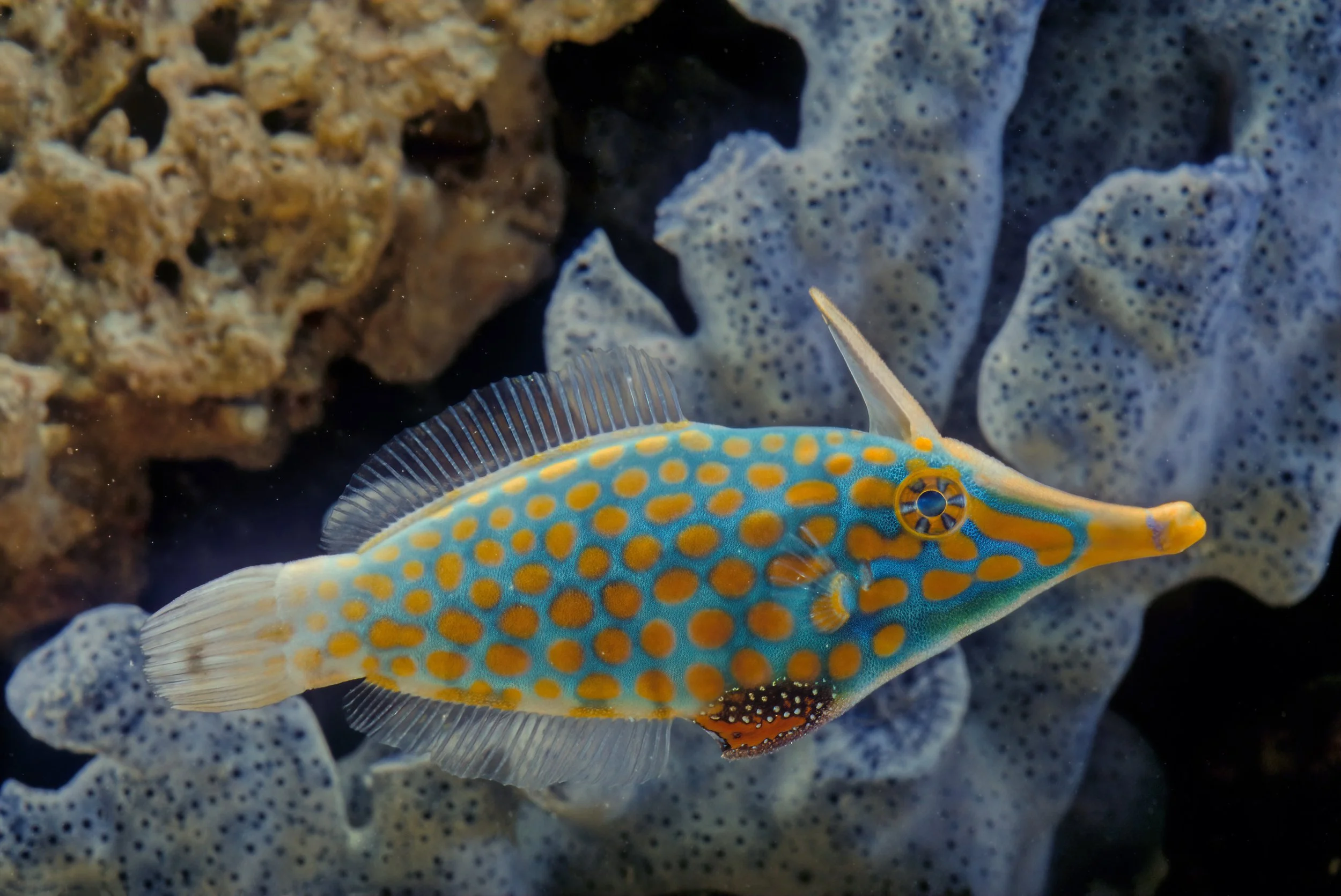
Harlequin Filefish
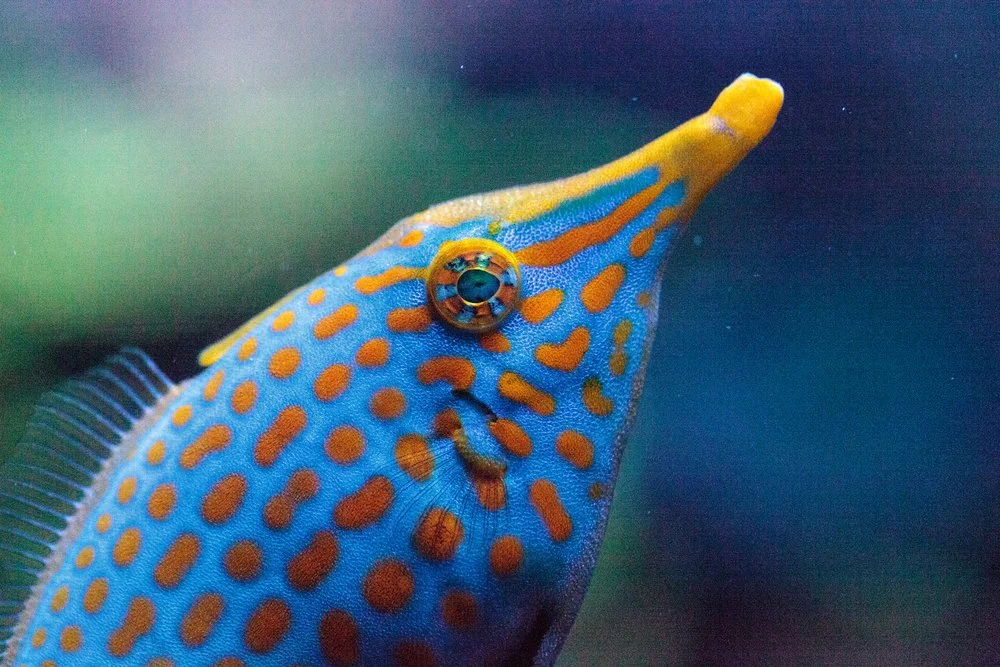
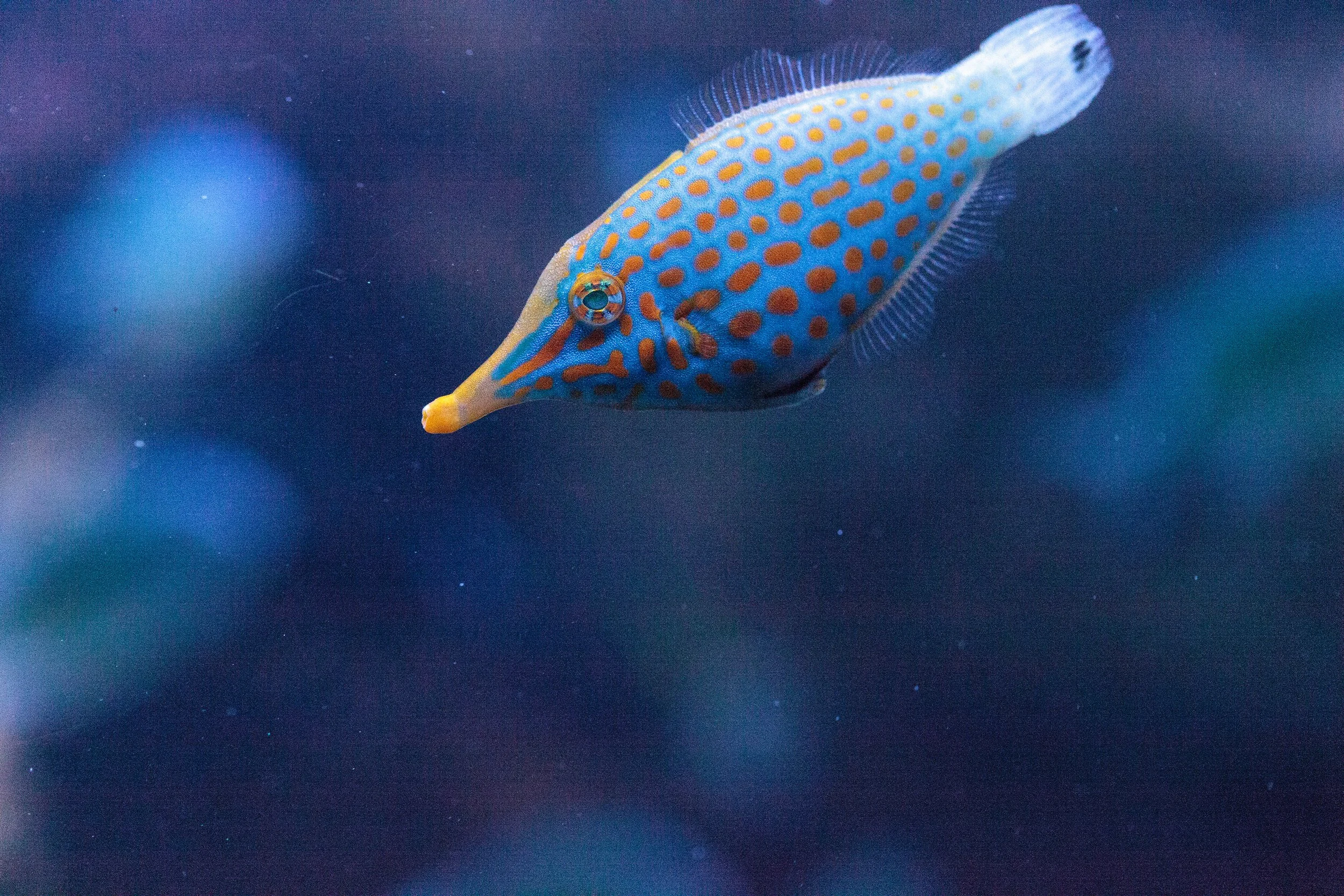
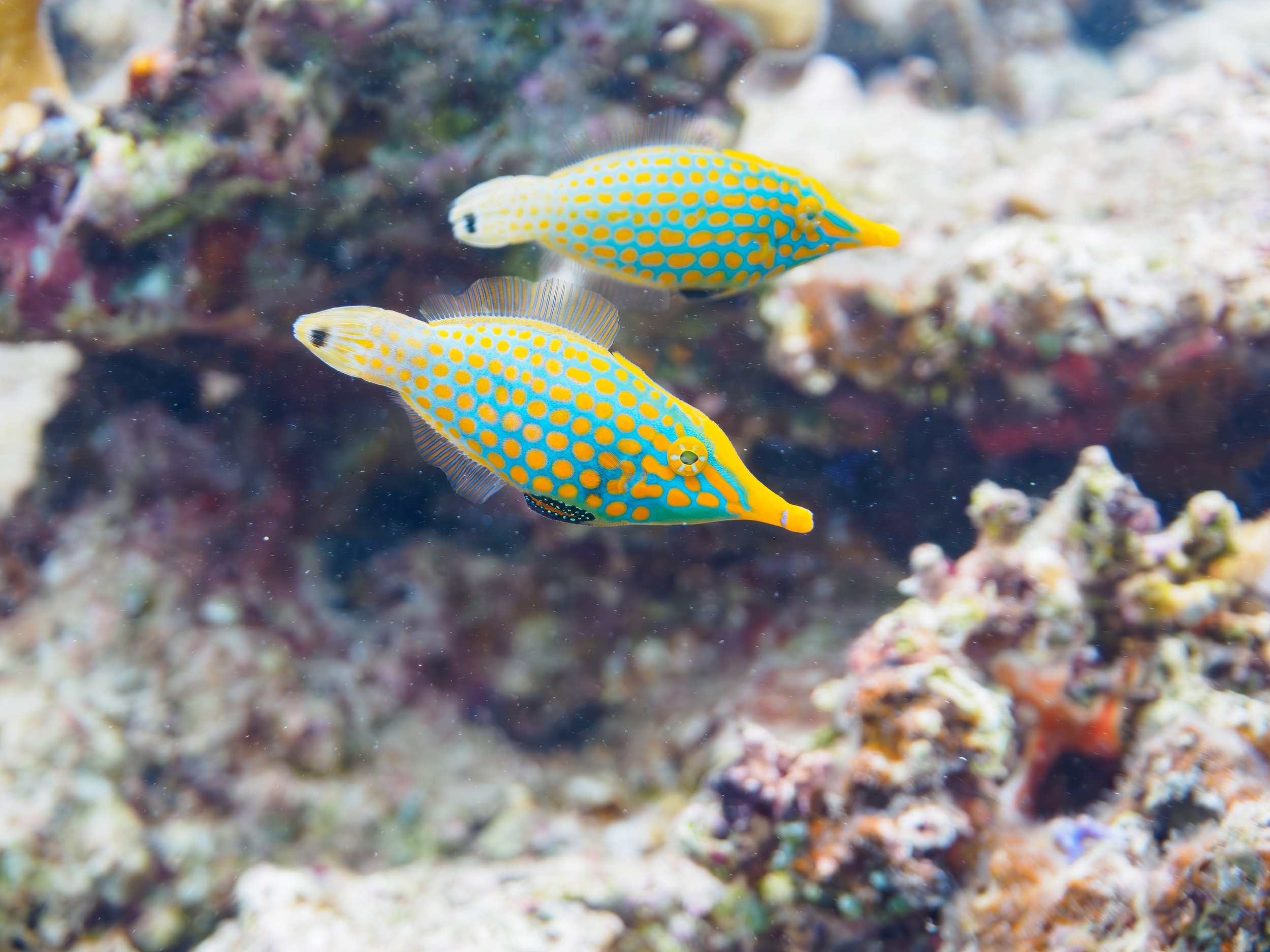
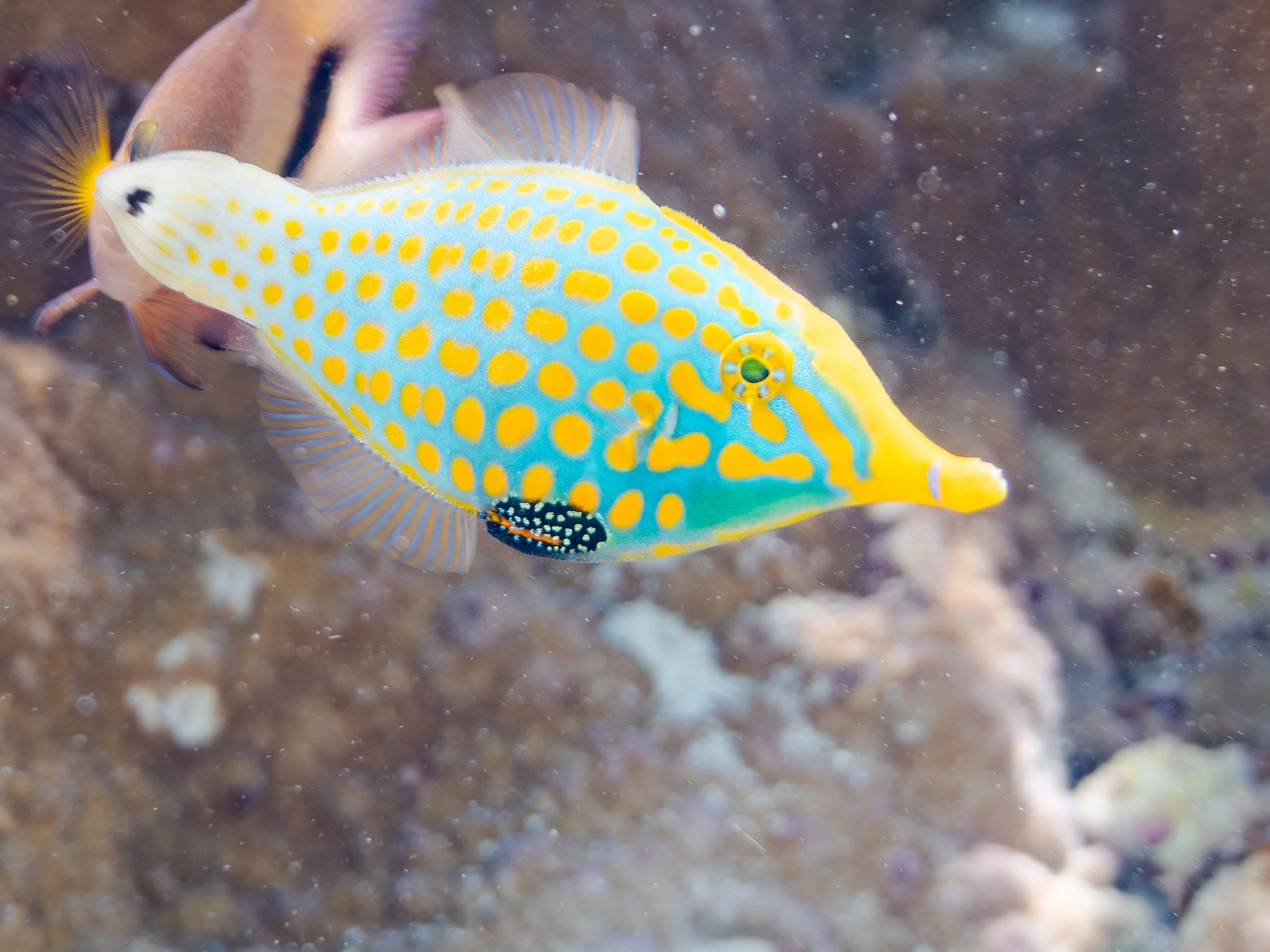
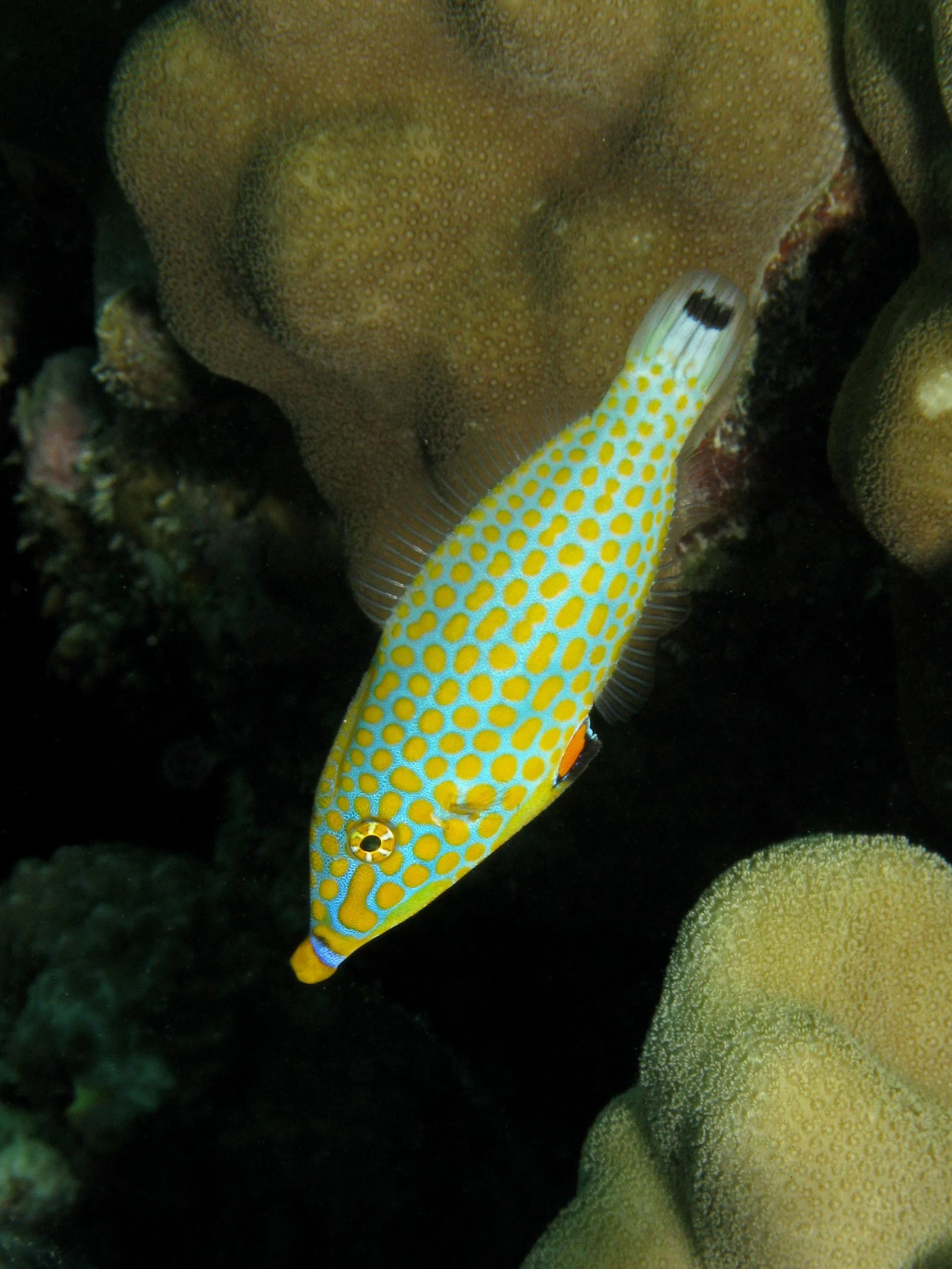
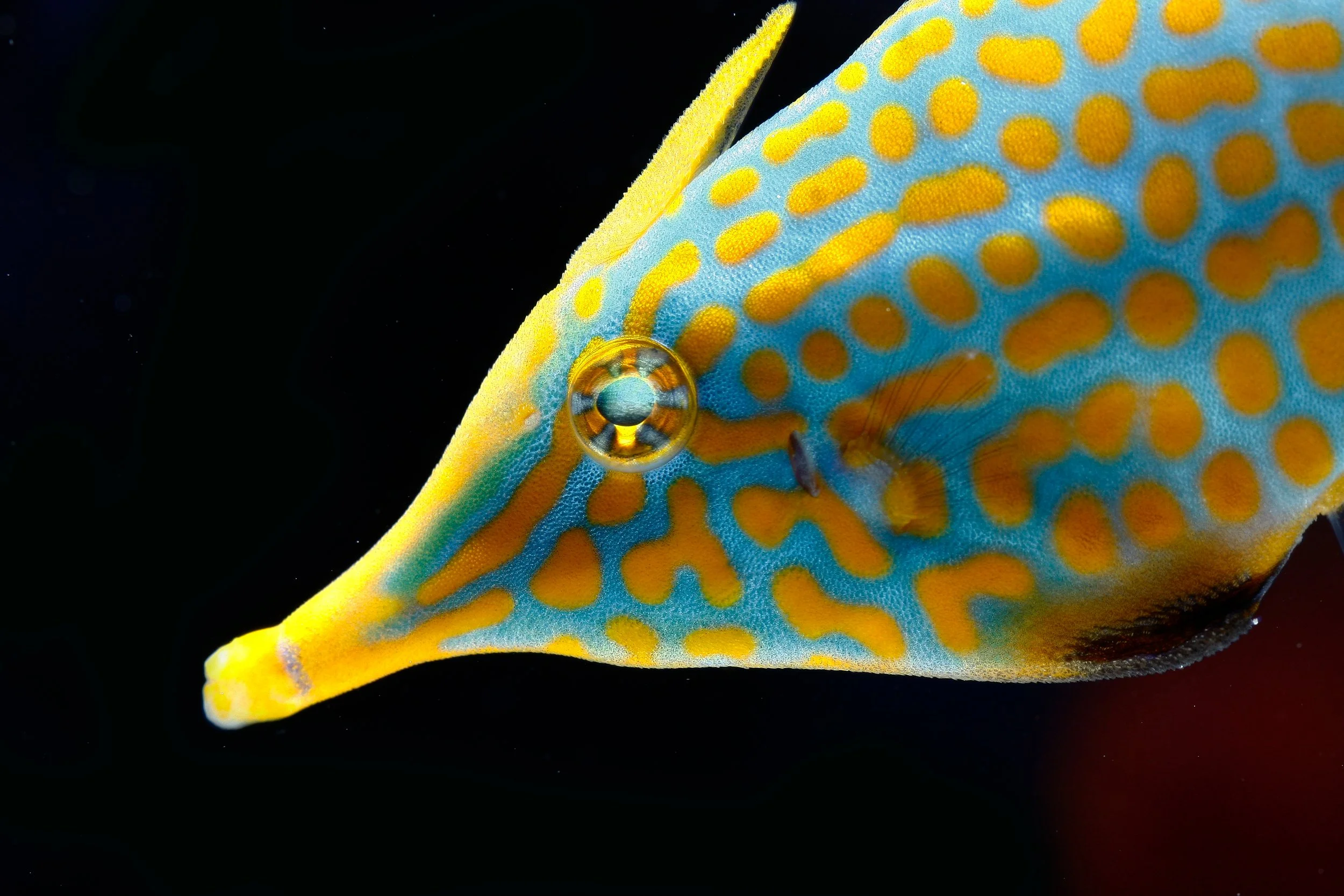
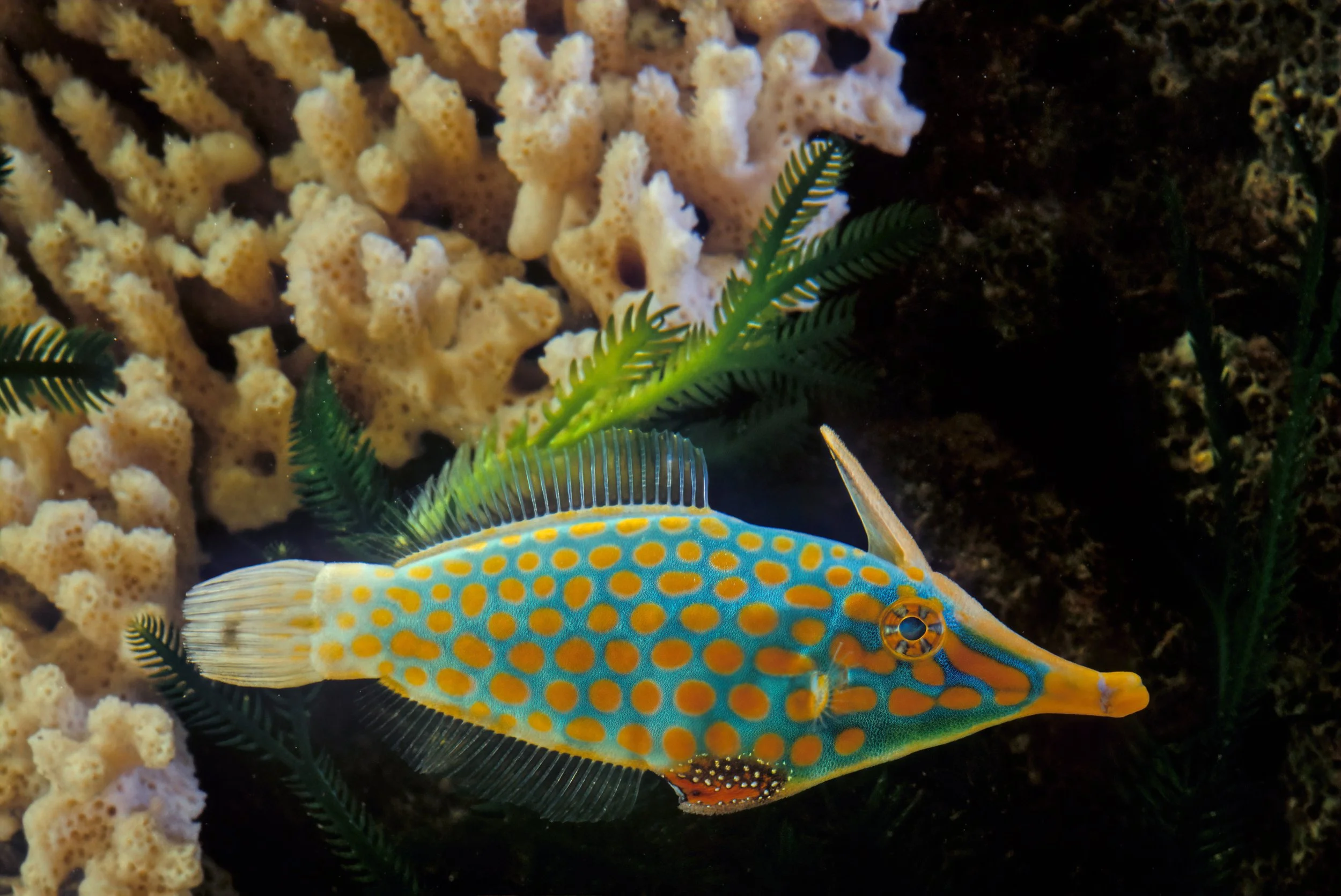
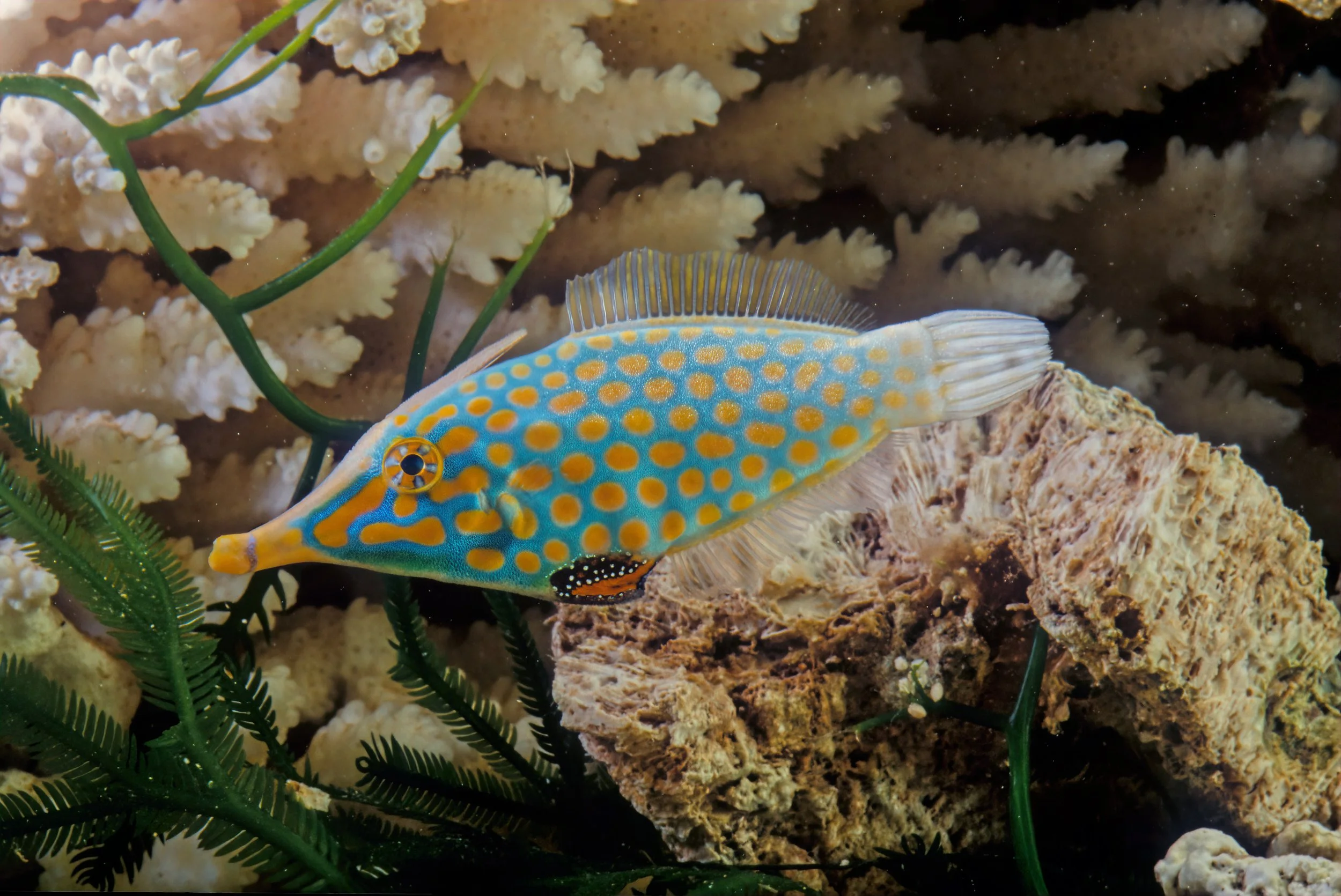
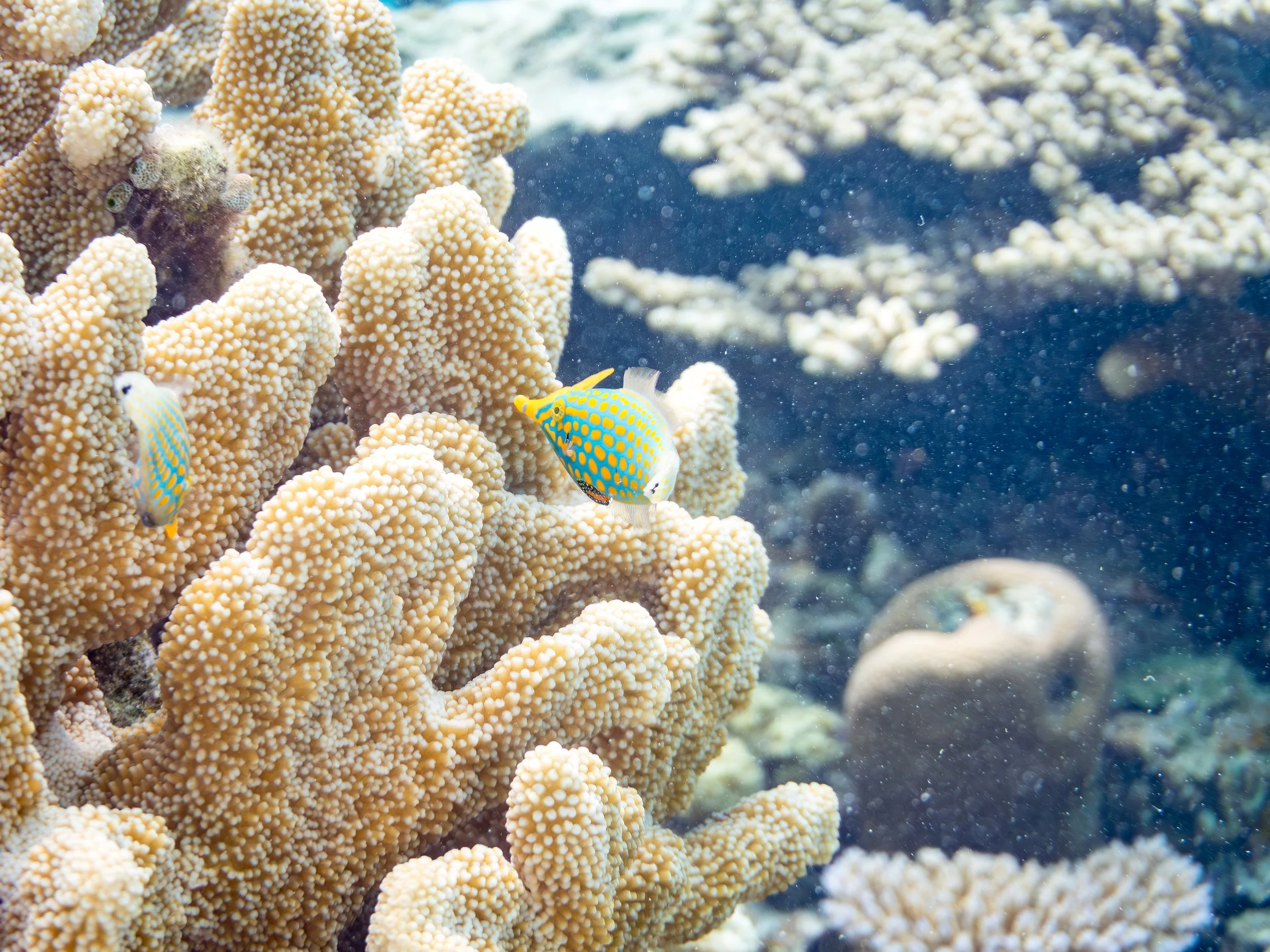
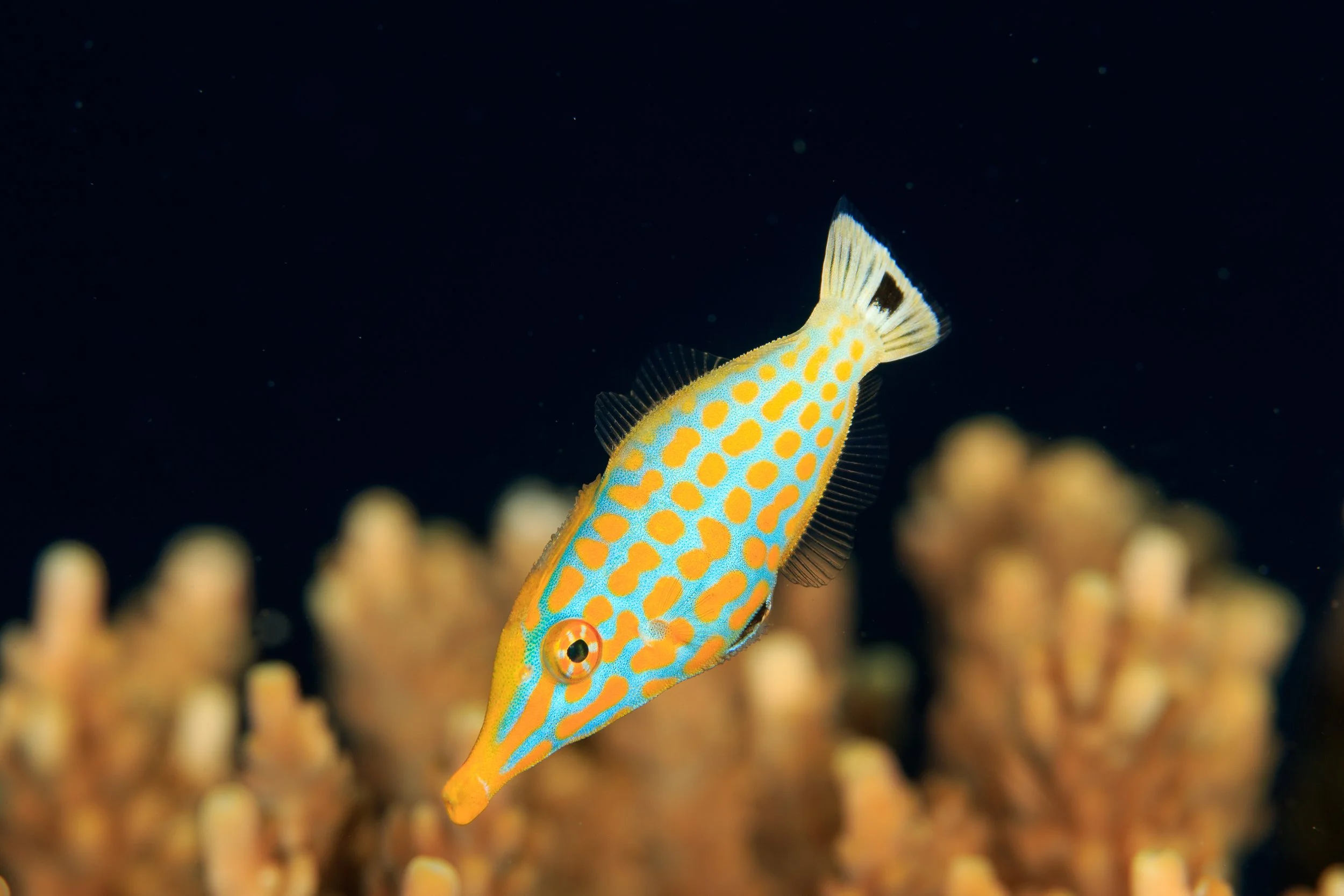
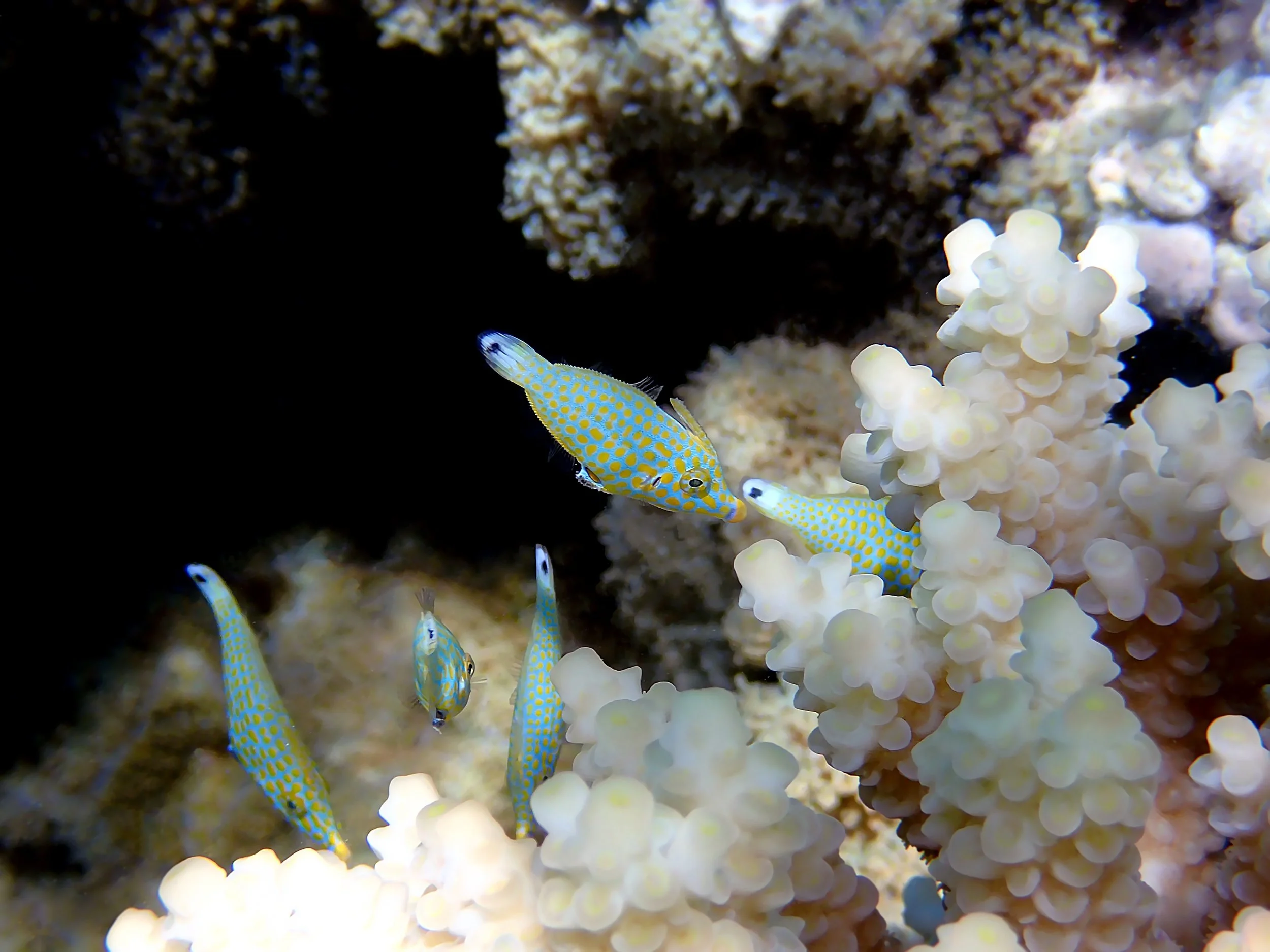
We love unusual reef fish, and the Harlequin Filefish or the Organge Spotted Filefish is one of those species that makes everyone stop and stare. Those turquoise spots on an orange body are unlike anything else in our tanks. In this guide we cover what the Harlequin Filefish eats, whether it is reef safe, tank recommendations, quarantine and medication notes, feeding techniques that actually work, and where to find them.
Note: Paid YouTube SR Members Using A Chrome Browser can watch videos natively above on Seriousreefs.com. Sign up HERE
SR videos are a community funded member only resource. Serious Reefs buys everything we review, accepts no sponsorships, and your memberships make it possible to keep every review truly unfiltered.
At a glance
Common name: Harlequin Filefish or Orange Spotted Filefish
Diet: Use Masstick on a stick, progress to Frozen Mysis
Reef-safe: Eats SPS coral polyps. Does not bother invertebrates. Does not bother Soft Corals & LPS
Temperament: Harlequin Filefish are shy and can be pushed around by aggressive feeders
Tank requirements: 25 to 30 gallon species or a small reef setup works well
Care level: We do not consider the Harlequin Filefish an expert-only species. It is more of a labor-of-love fish.
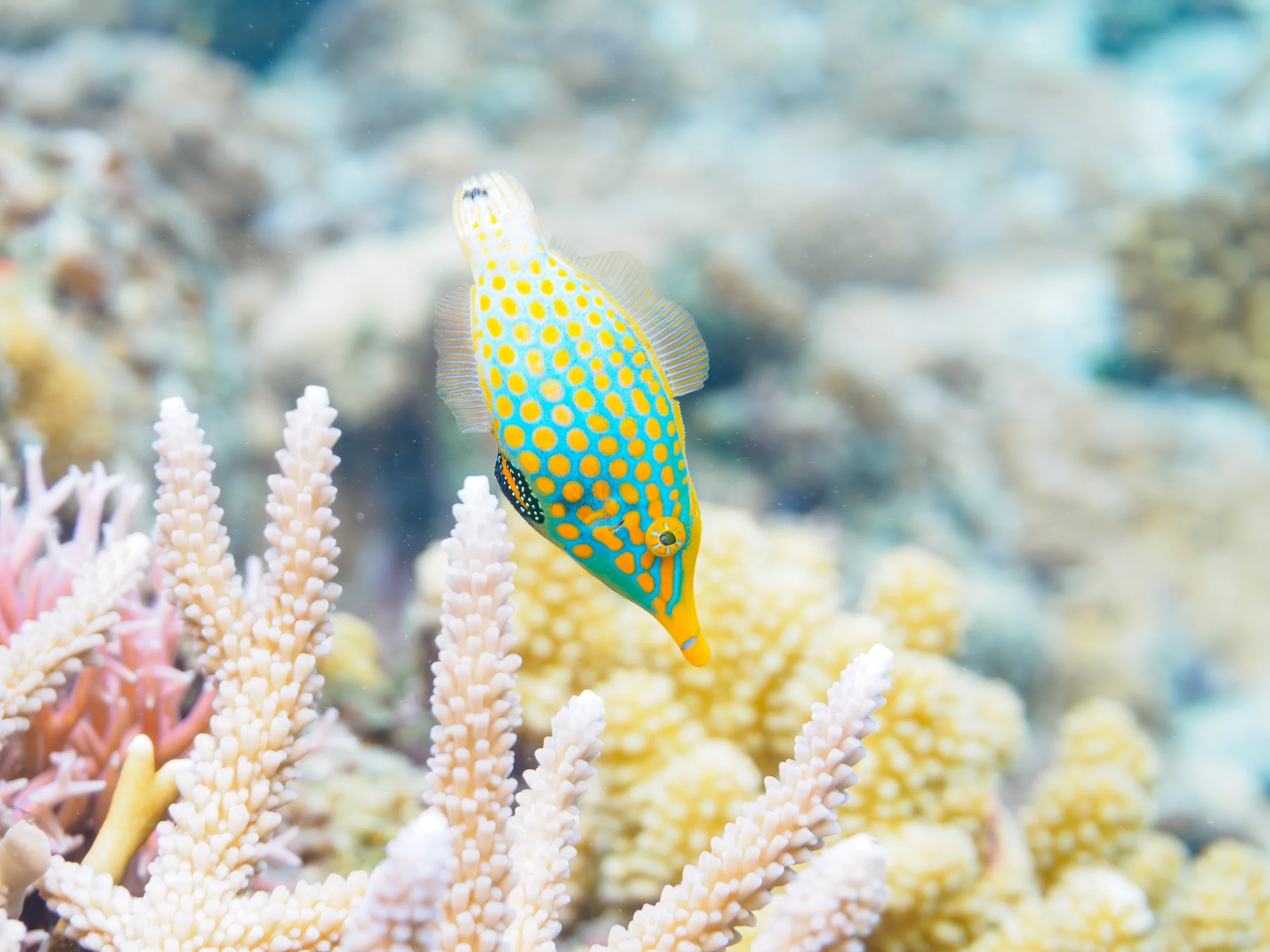
What do Harlequin Filefish eat?
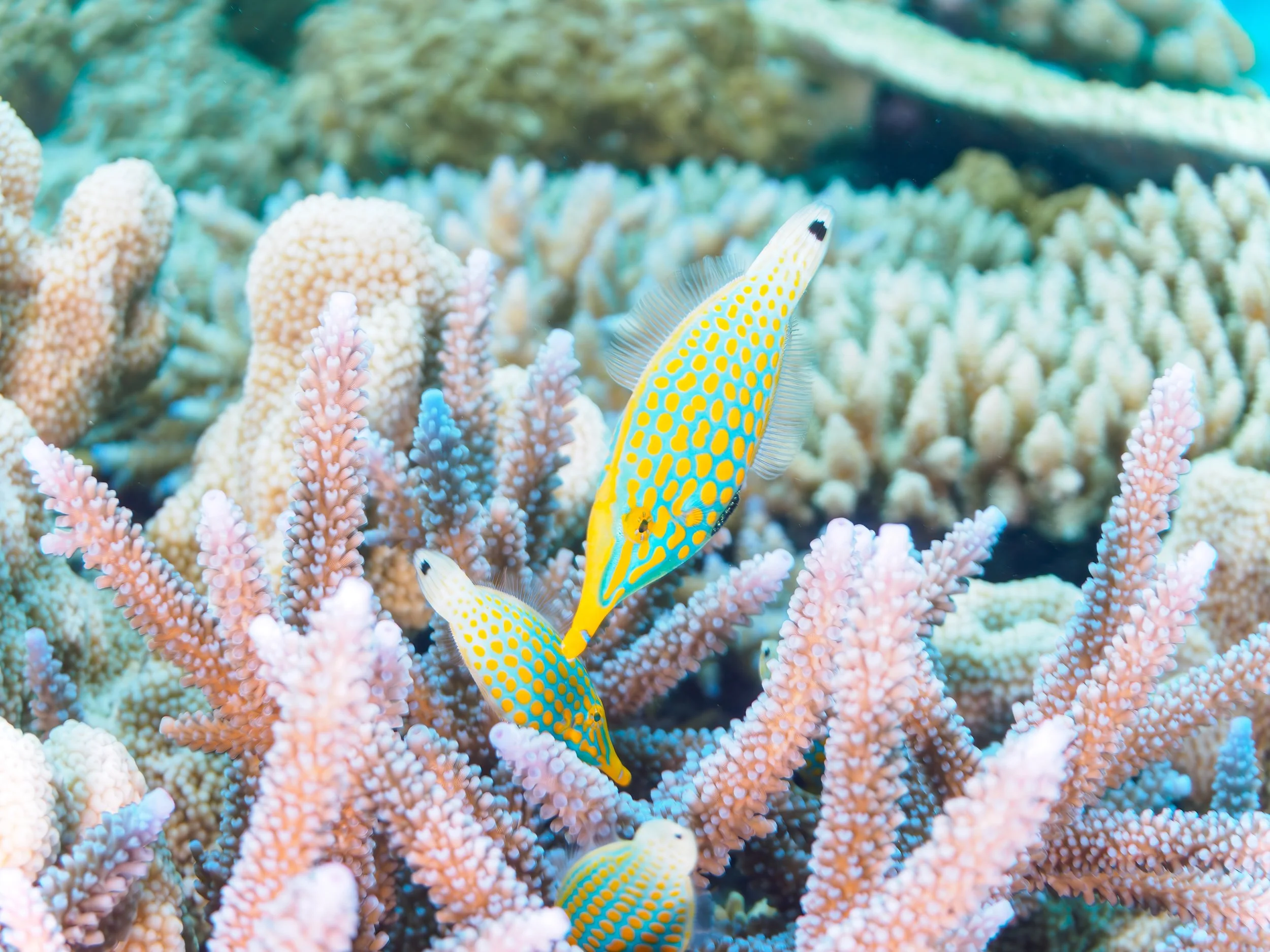
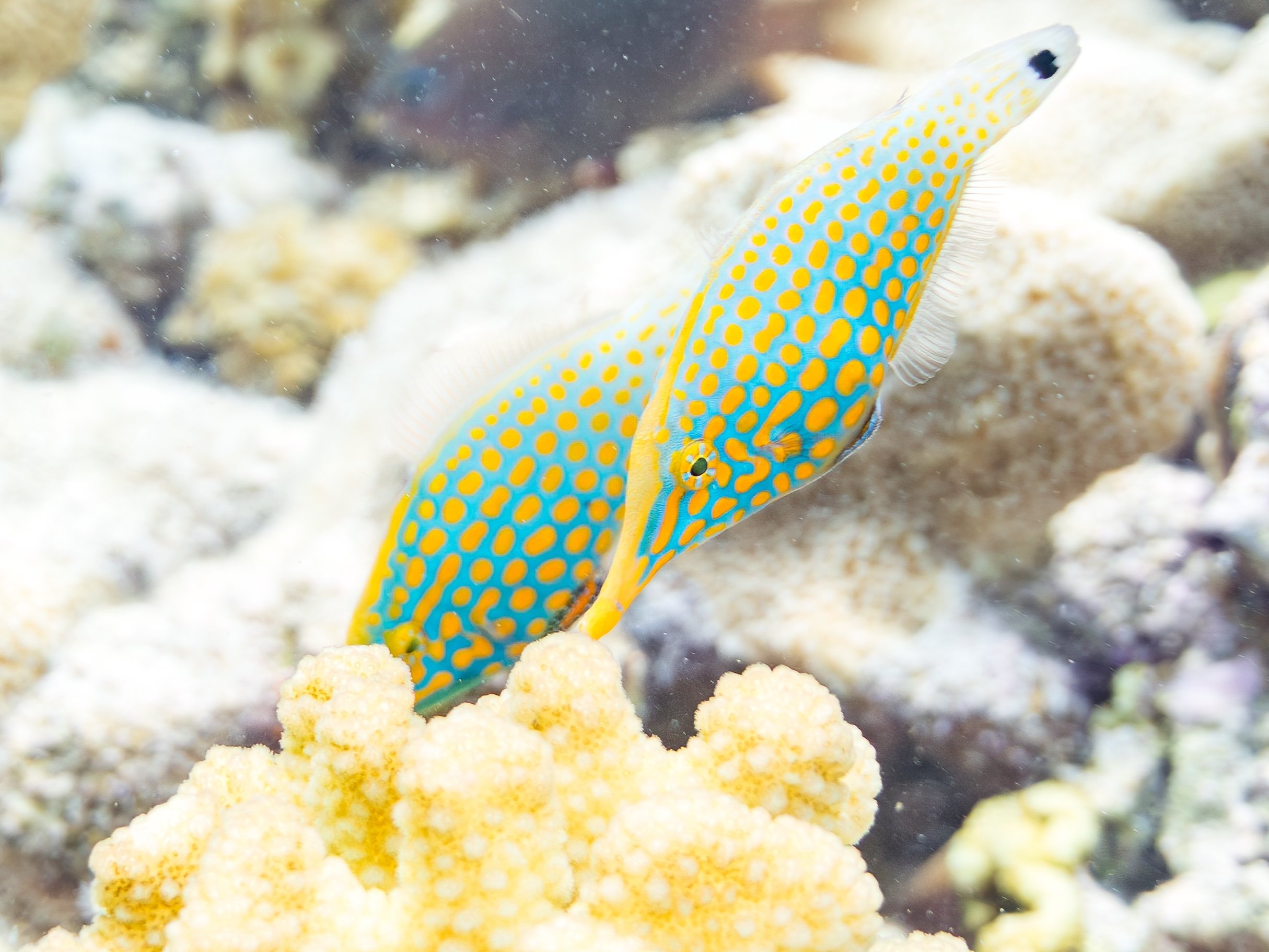
In the wild, the Harlequin Filefish feeds primarily on coral tissue, and prefers Acropora species and other SPS types. That reputation makes some stores avoid collecting them for the hobby - But in captivity, we can use a few reliable methods to transition them onto prepared diets.
We have had consistent success with a Masstick paste technique. Masstick is a doughy paste you mix from powder and water. We press Masstick - often blended with chopped mysis or other meaty marine ingredients - onto an acrylic rod or a dead coral skeleton. The Harlequin Filefish will peck at the paste as if it were coral tissue. Over days to weeks they often become conditioned to that food source and will begin to take floating foods from the water column as well.
Are Harlequin Filefish reef safe?
Short answer: yes and no. Harlequin Filefish will generally leave large LPS and soft corals alone, but they do feed on Acropora and other SPS. In a heavily grown-out SPS aquarium with large colonies that grow faster than the fish can consume them, they can coexist. In a frag-heavy SPS tank or a reef where Acropora colonies are small and precious, they are not reef safe. Consider the makeup of your reef first.
How many Harlequin Filefish in one tank?
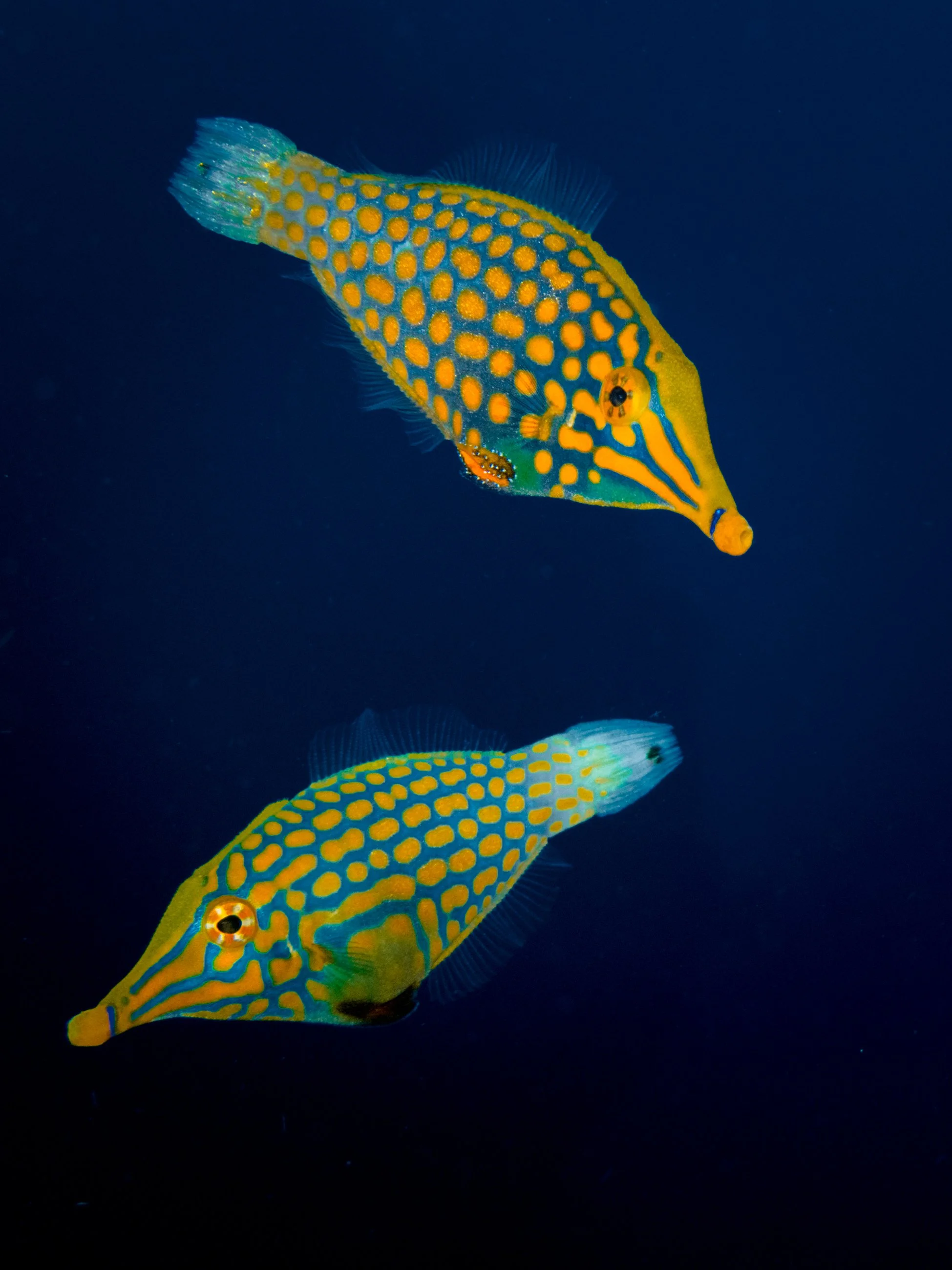
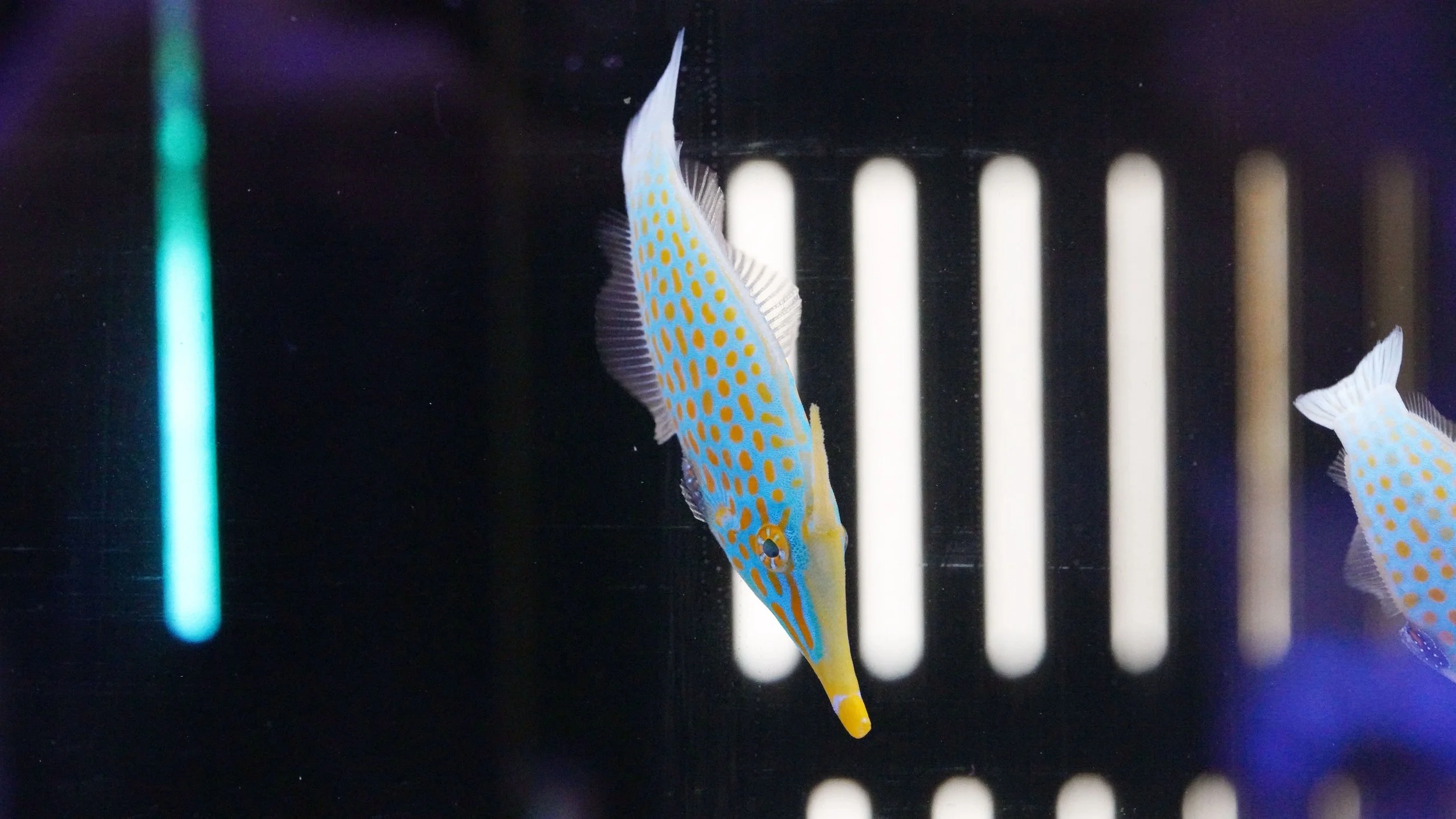
Harlequin Filefish stay fairly small, often reaching around 3 to 4 inches. They are not fast open-water swimmers; they often hover within the branches of Acropora and similar corals. Because of their size and feeding method, we find they do well in species-specific nanos or modest aquariums with mature SPS colonies. A 25 to 30 gallon tank with stable water, established corals, or a species-only setup makes feeding and care straightforward.
Compatibility and community considerations
Harlequin Filefish are shy and can be pushed around by aggressive feeders. Avoid housing them with highly aggressive fish that will monopolize the Masstick or harass the filefish. Invertebrates and most noncoral fish are generally fine, but remember their interest in Acropora: if you prize those corals, do not mix them in small-frag tanks.
Quarantine, common health issues, and treatments
Start with a specimen in good condition. Harlequin Filefish tolerate common treatments better than many assume. We have seen them do fine in quarantine and under medication regimes that include copper and nitrofurazone, as well as routine dips and antibiotics when needed. They are robust so long as they are healthy on arrival and we allow them to adjust before introducing them to aggressive tankmates that might steal their food.
Availability and sourcing for Harlequin Filefish
Despite their rarity in local shops, Harlequin Filefish are not as rare as many think. They show up regularly through specialized online vendors and collectors. When choosing a specimen, ask which country did the fish come from. Fish from Fiji tend to be larger and more robust in our experience, so that is a good option if you have a choice.
Final thoughts
The Harlequin Filefish is a standout species that rewards hobbyists who take the time to understand its feeding needs and behaviors. With the right approach - Masstick training, appropriate tank selection, and a mature SPS setup or a species nano—we can enjoy their vivid colors and unique personalities without sacrificing our prized corals. If we want something truly different and are willing to put in the initial work, the Harlequin Filefish is an excellent choice.
Harlequin Filefish FAQ
What does a Harlequin Filefish eat in the wild and in captivity??
In the wild it is an obligate corallivore that prefers Acropora and other SPS corals. In captivity we train them with mastic paste applied to a rod or dead skeleton, then transition them to frozen mysis and other prepared meaty foods once they learn to feed from the water column.
Are Harlequin Filefish reef safe?
They are not reef safe for SPS-heavy or frag-based Acropora tanks because they eat Acropora tissue. They usually ignore LPS and soft corals, and are fine with other fish and invertebrates in most community setups.
How big do Harlequin Filefish get and what tank size do they need?
They typically reach about 3 to 4 inches. They do not require huge swimming areas and can do well in 25 to 30 gallon tanks, especially species-specific nanos or mature reef displays with stable SPS colonies.
How difficult are Harlequin Filefish to keep?
They are not strictly expert-only. They require specific feeding methods and patience, so we rate them as low to moderate difficulty—more technique-driven than inherently hard to keep.
Where can we find Harlequin Filefish and are some sources better?
They are available through specialty online vendors and collectors more often than in standard local fish stores. Samples from Fiji tend to be larger and more robust, so ask your supplier about origin when possible.
Regal Angelfish
Regal Angelfish
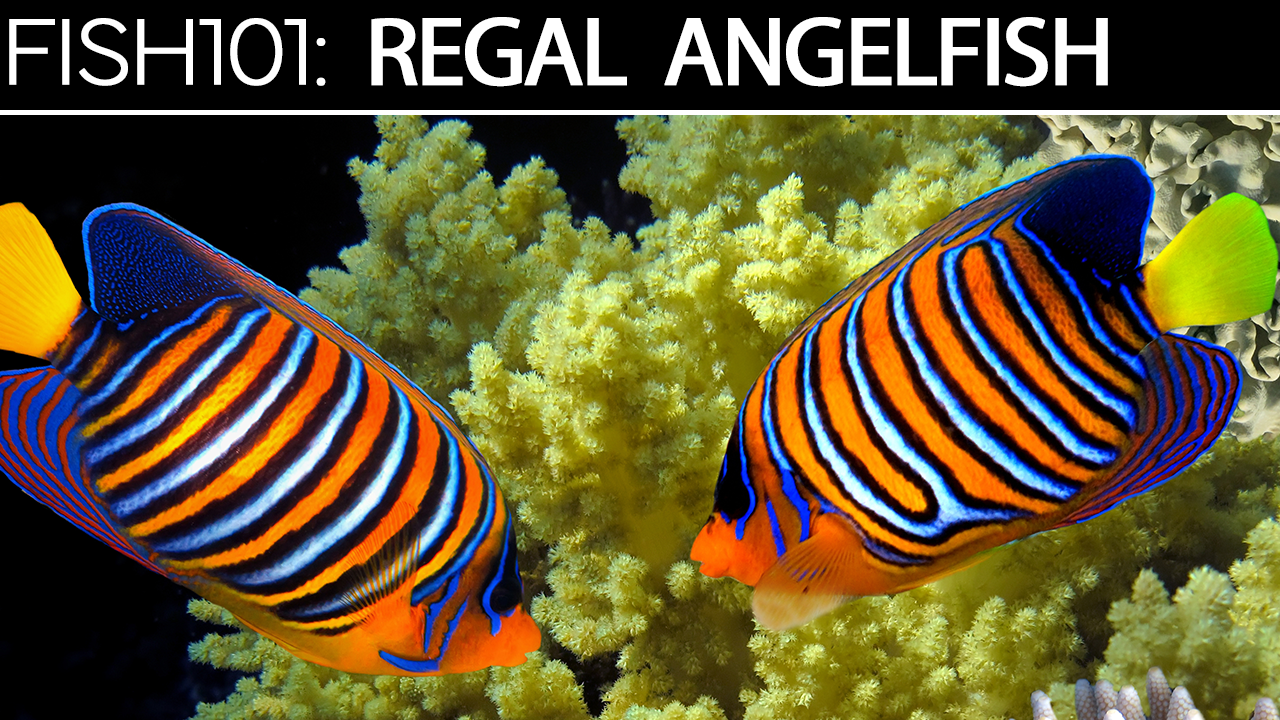
The Regal Angelfish is a top-tier show fish that commands attention. It rewards careful planning: the right diet, a secure aquascape, patient acclimation, and rigorous quarantine. For hobbyists willing to invest the time and effort, keeping a Regal Angelfish is both satisfying and impressive. We recommend preparation ahead of purchase, leaning toward captive-bred specimens if you want an easier path, and always prioritizing quarantine and a high-fiber feeding plan.
Acknowledgments
Thank you to Elliot Lim for sharing his knowledge with the SR community. Elliot owns and operates www.marinecollectors.com Thank you to Oral Seymour for summarizing the video and making it available to everyone. Follow Oral on his IG page reefingwitho
Thank you to the Serious Reefs community. Your membership funds the creation of articles and videos like this one.
Support Serious Reefs
Patreon is the best option If you…
Want to discuss with the SR community and ask questions.
Want immediate notifications of every release.
Listen with phone screen off. Patreon app works with phone closed
Want 25% off via annual discounts.
YouTube members is the best option If you…
Watch SR videos on a TV via youtube App
Want to watch videos natively here on seriousreefs.com - (You must use chrome browser and be logged into google account with youtube membership)
Are a YouTube power user.
Tell a friend. Best option if want more SR (and faster).
If you like what we’re doing, give SR a quick shout-out on your favorite forum, YouTube, Facebook, TikTok, or Instagram. Let your local fish store know SR is helping you explore the hobby and keep it fun. Thanks for the support!
Disclaimer
Full Disclaimer HERE. This is the gist of it.
Content is based on personal experience, not professional advice. Do your research and reef responsibly. Serious Reefs should not be your sole source of information on any topic.
By watching, you agree that Serious Reefs and its creators aren’t liable for how you use this info. Please don’t utilize our information if you are not ok with this.
Serious Reefs has no sponsors, doesn’t accept product or payment for reviews. We do use affiliate links in articles that earn a small commission to support our work. Shop wherever you like, we won’t be offended.