Mandarin Fish: Fish 101
The Low Effort, High Reward Reef Fish
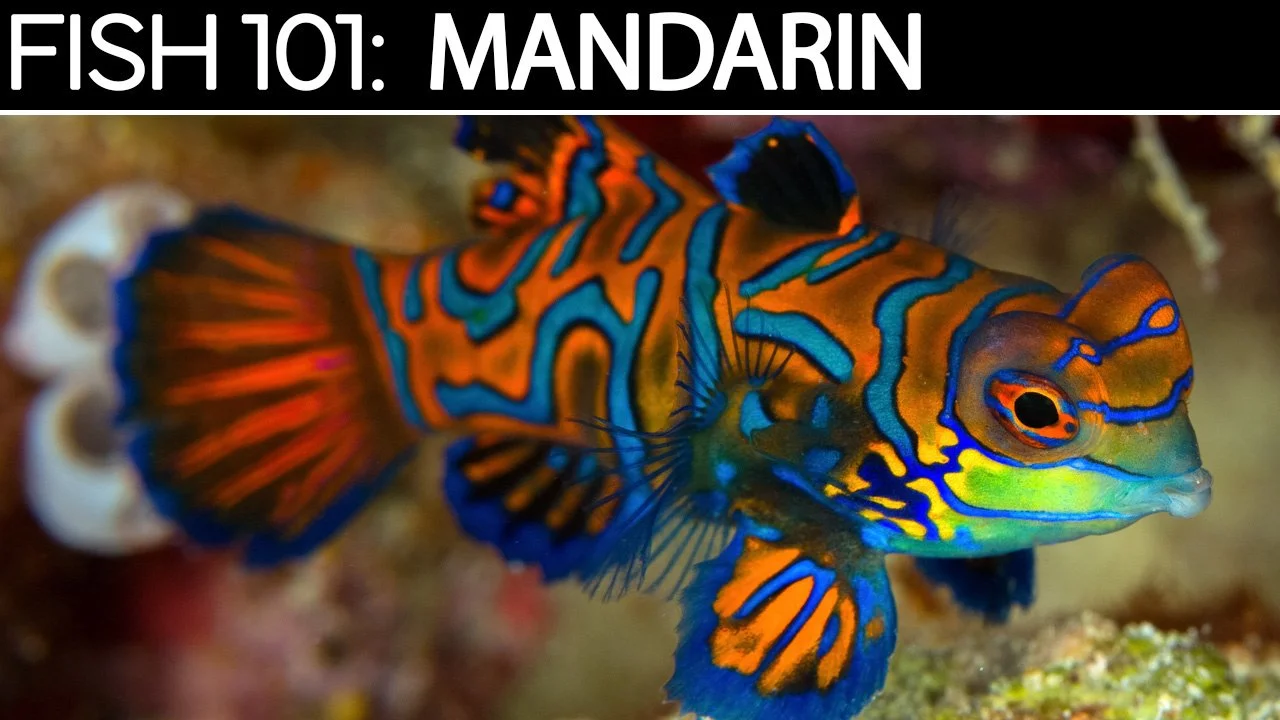
Mandarin Fish
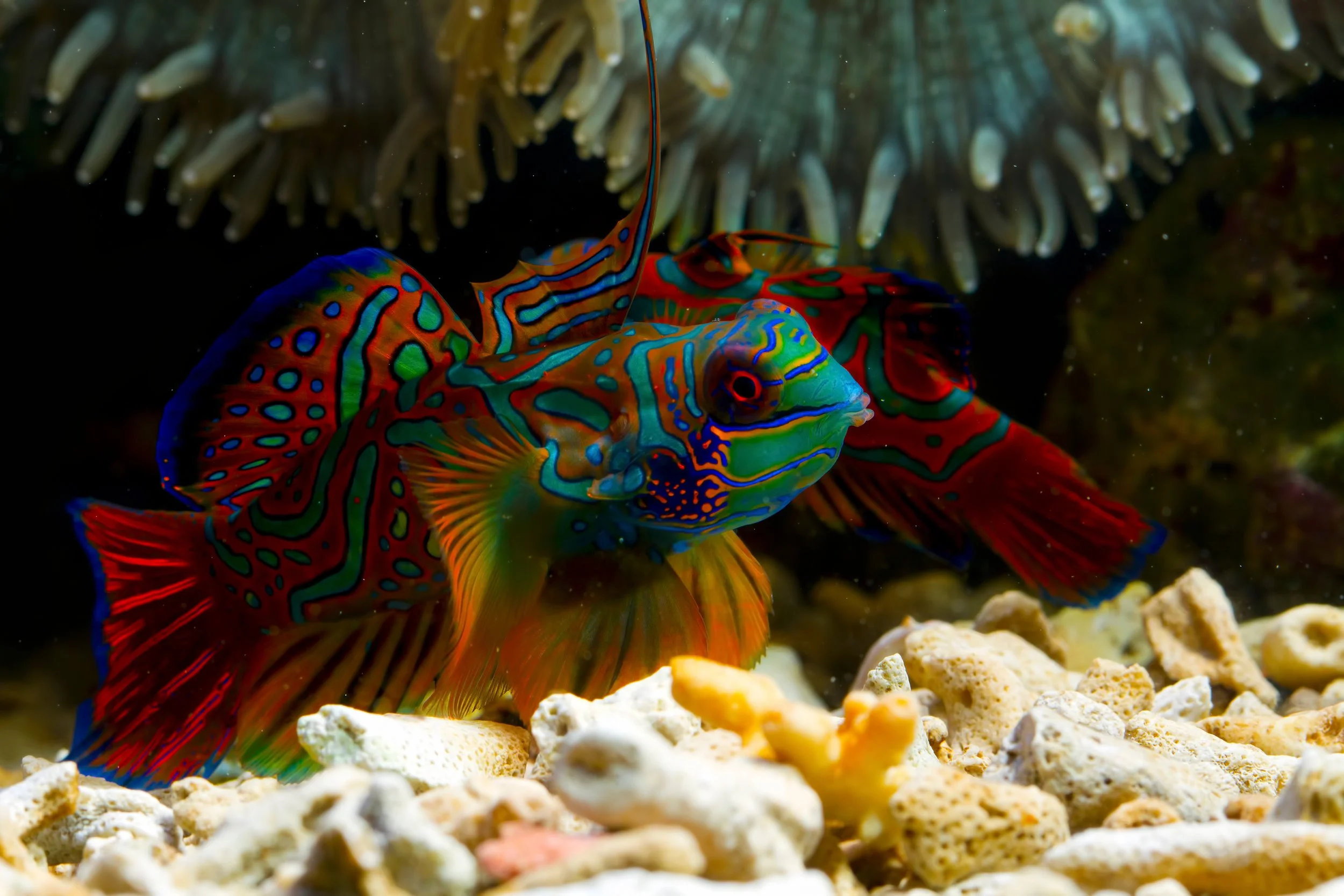
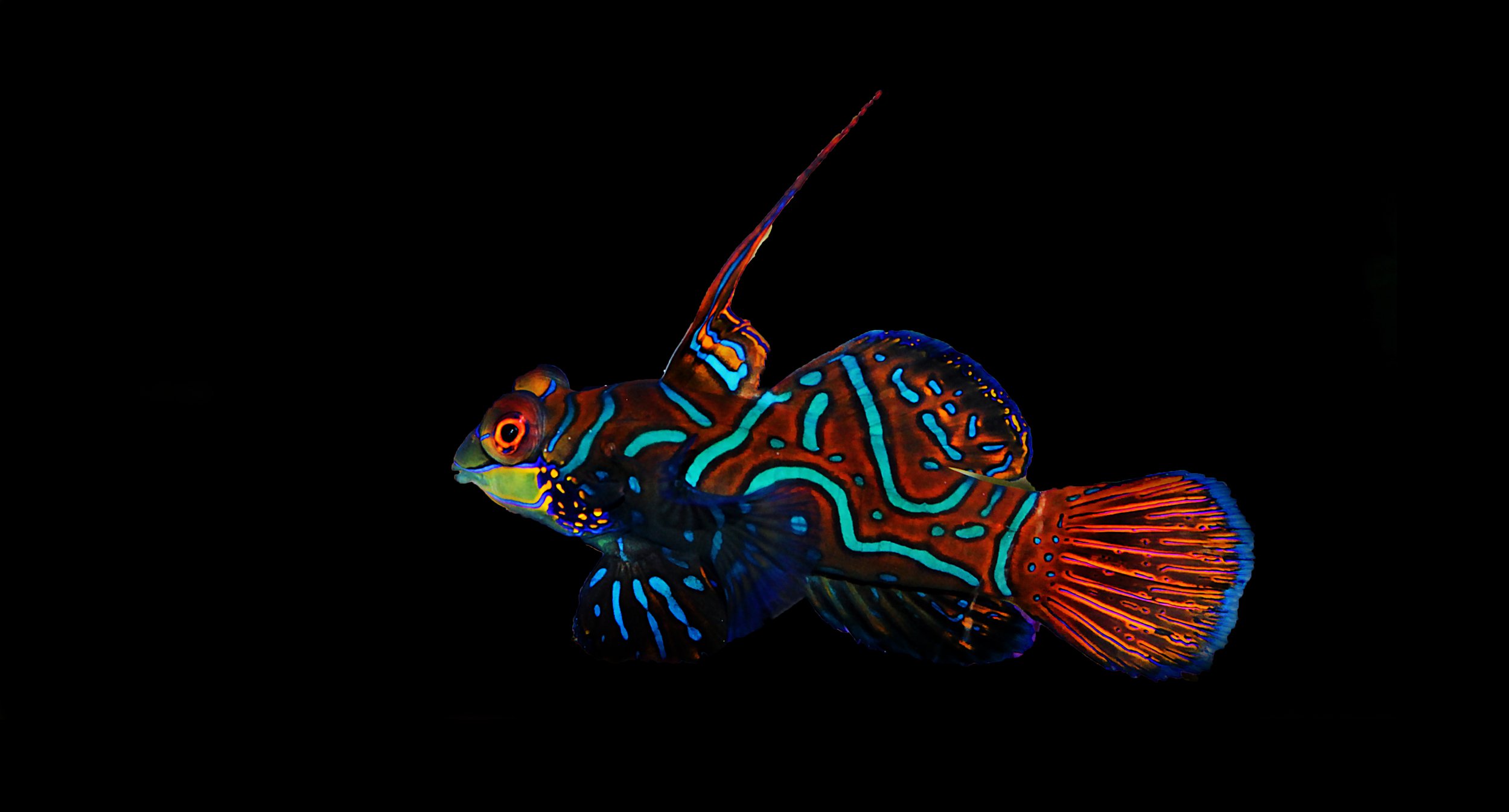
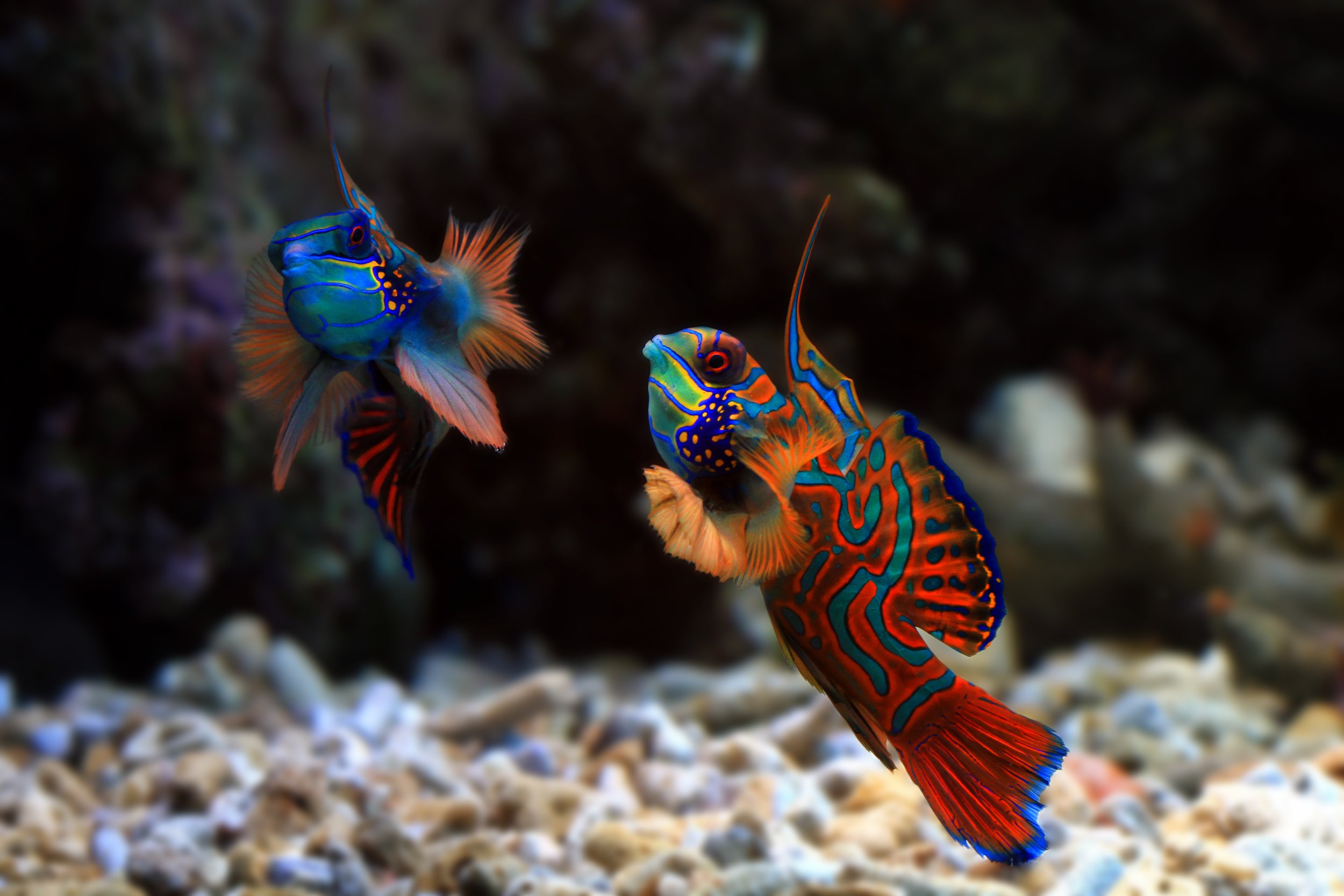
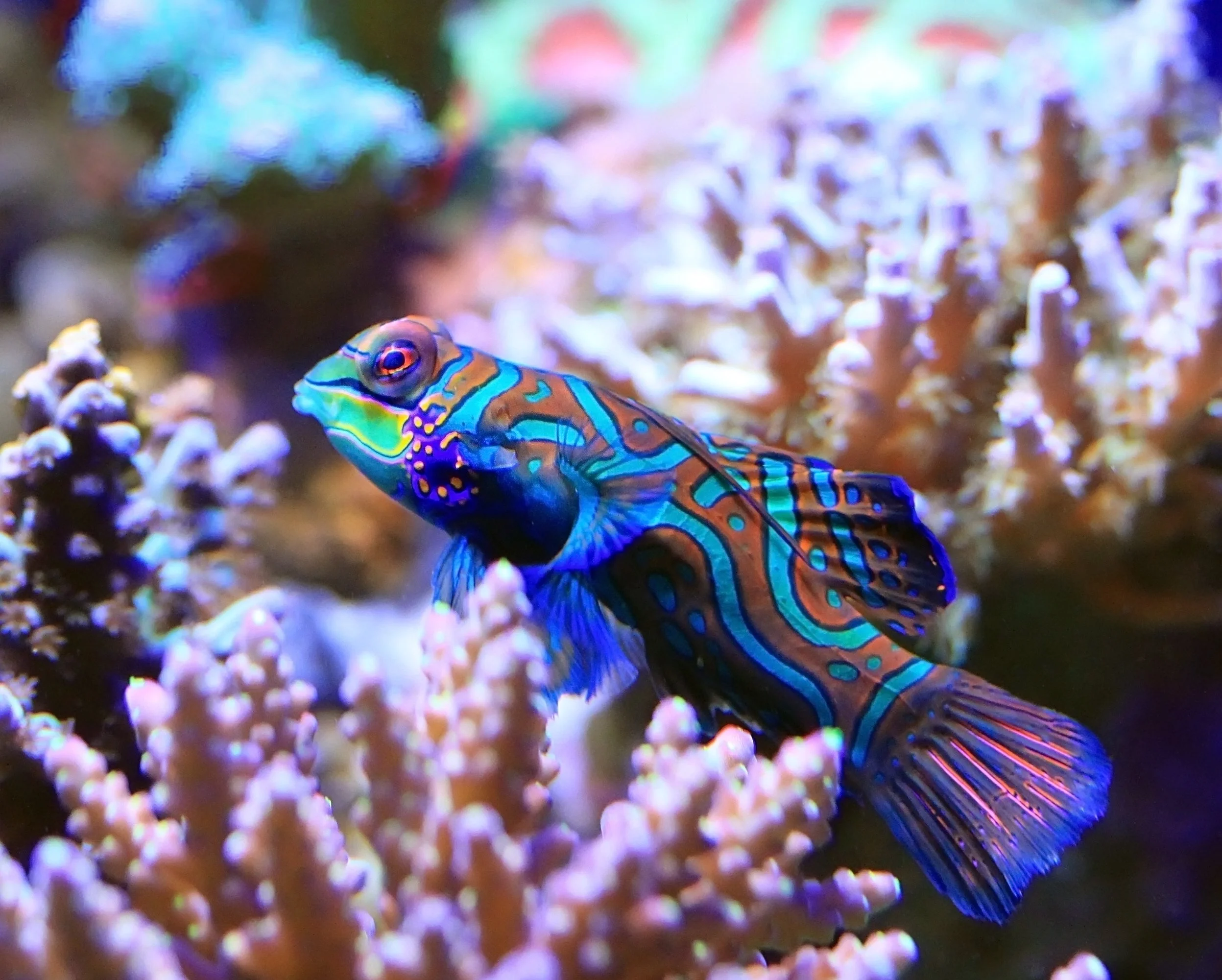
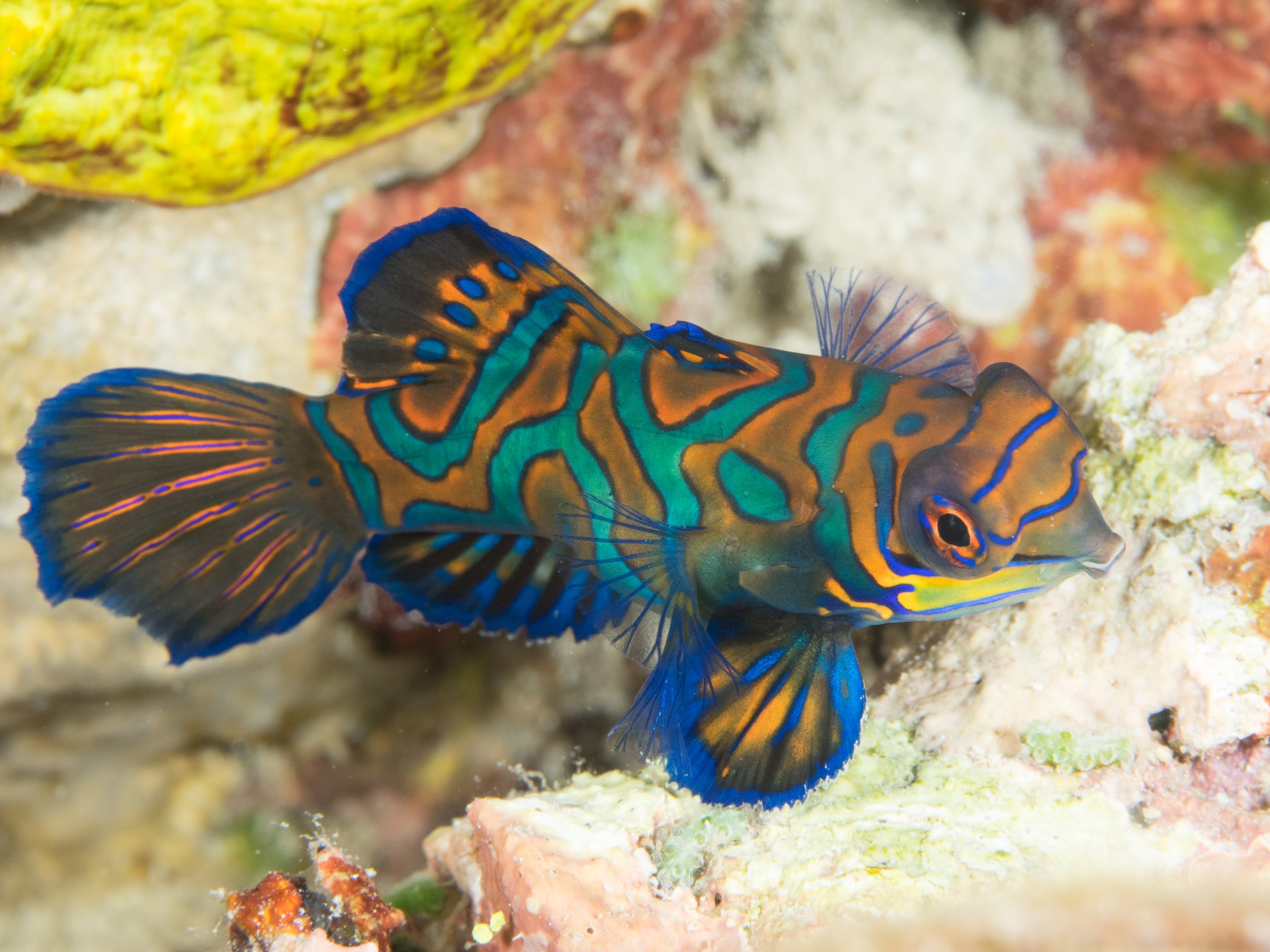
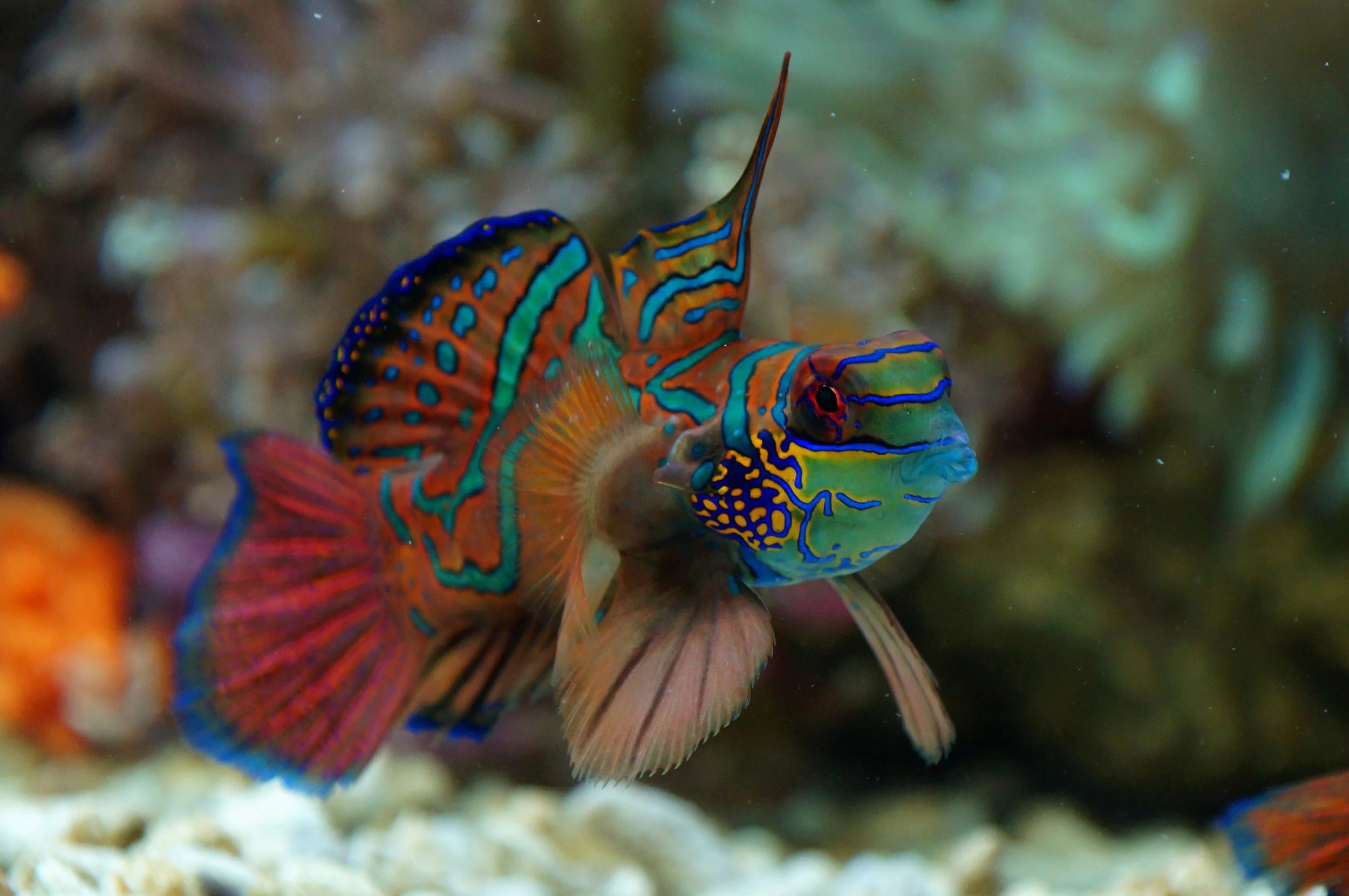
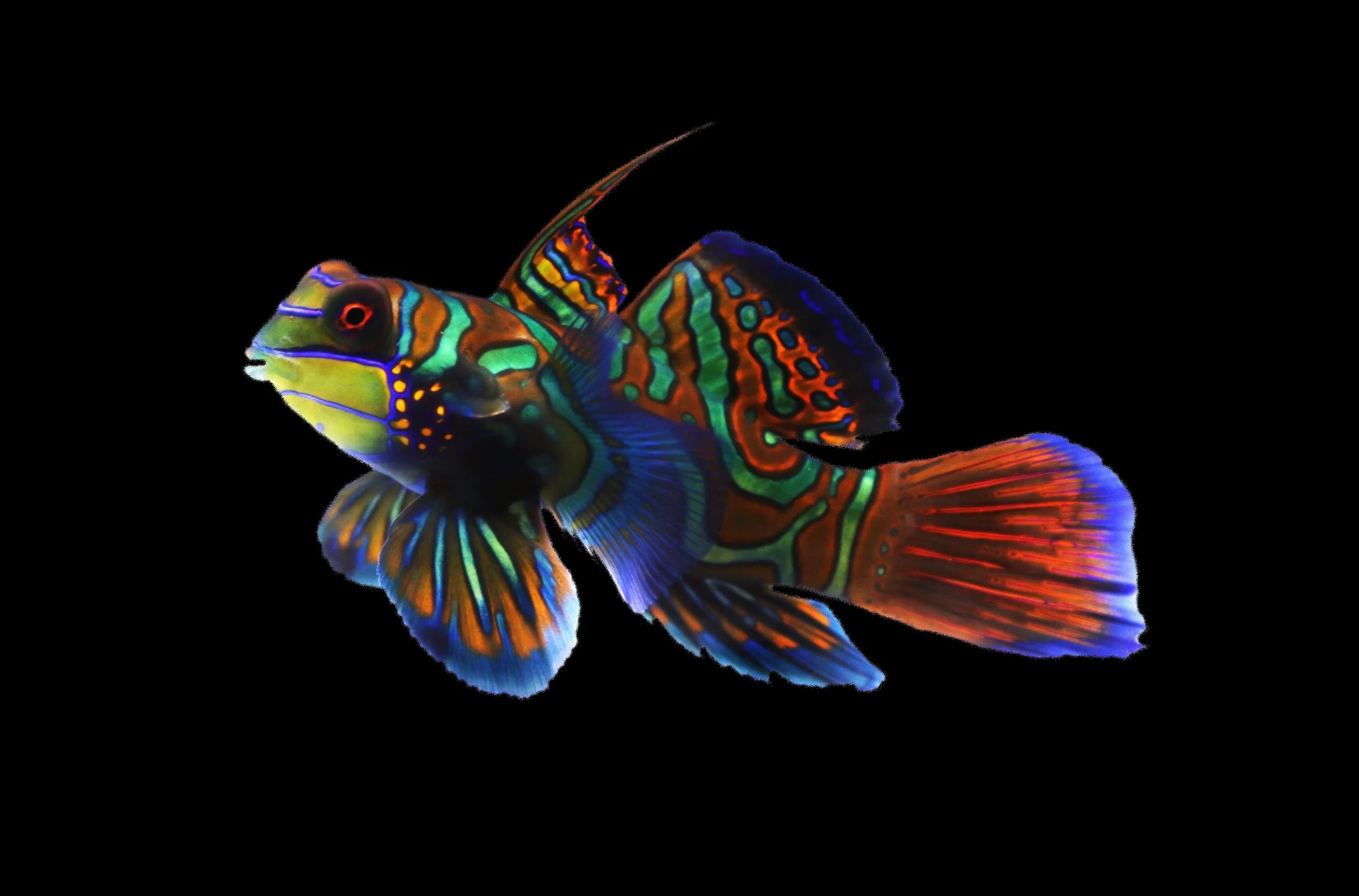
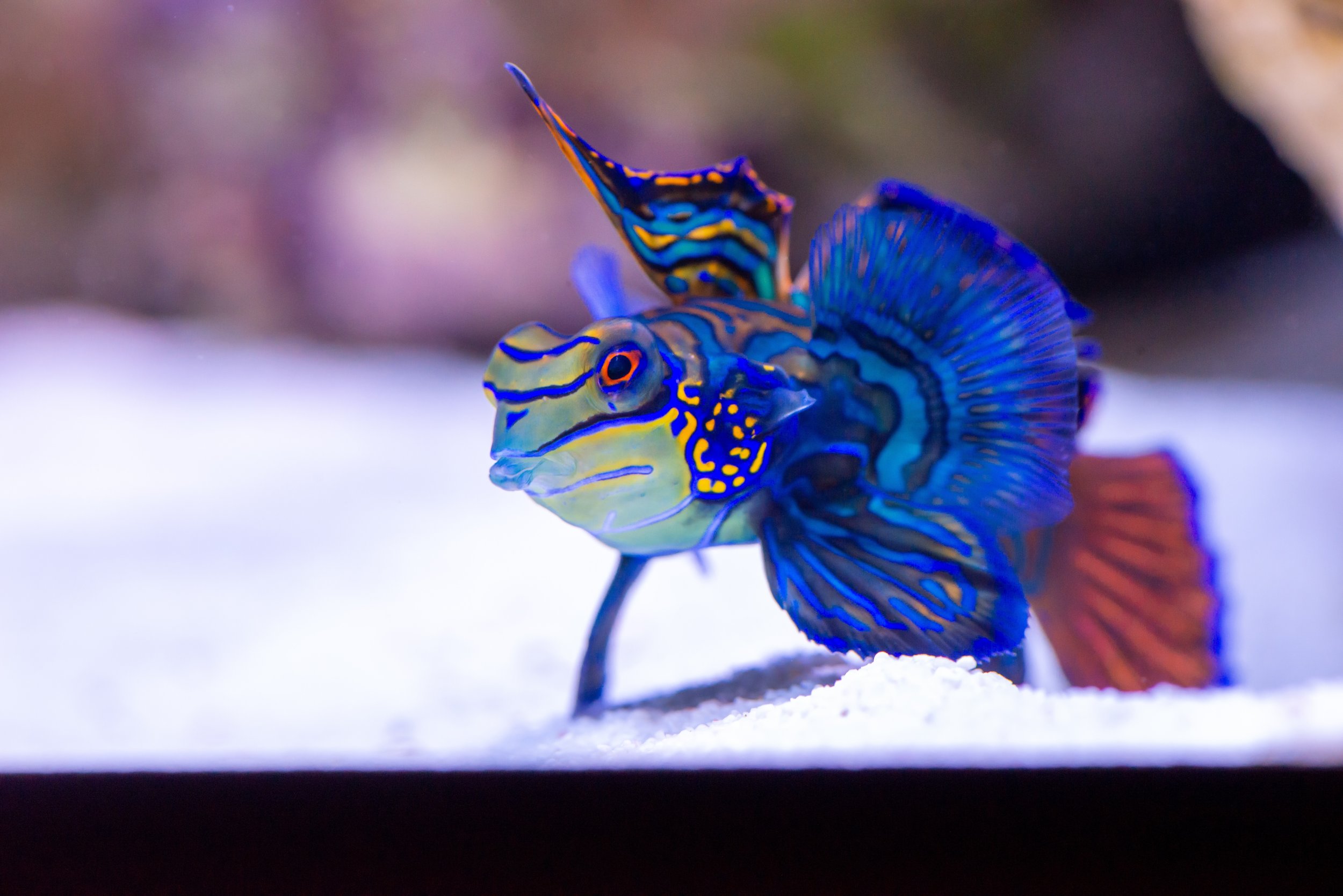
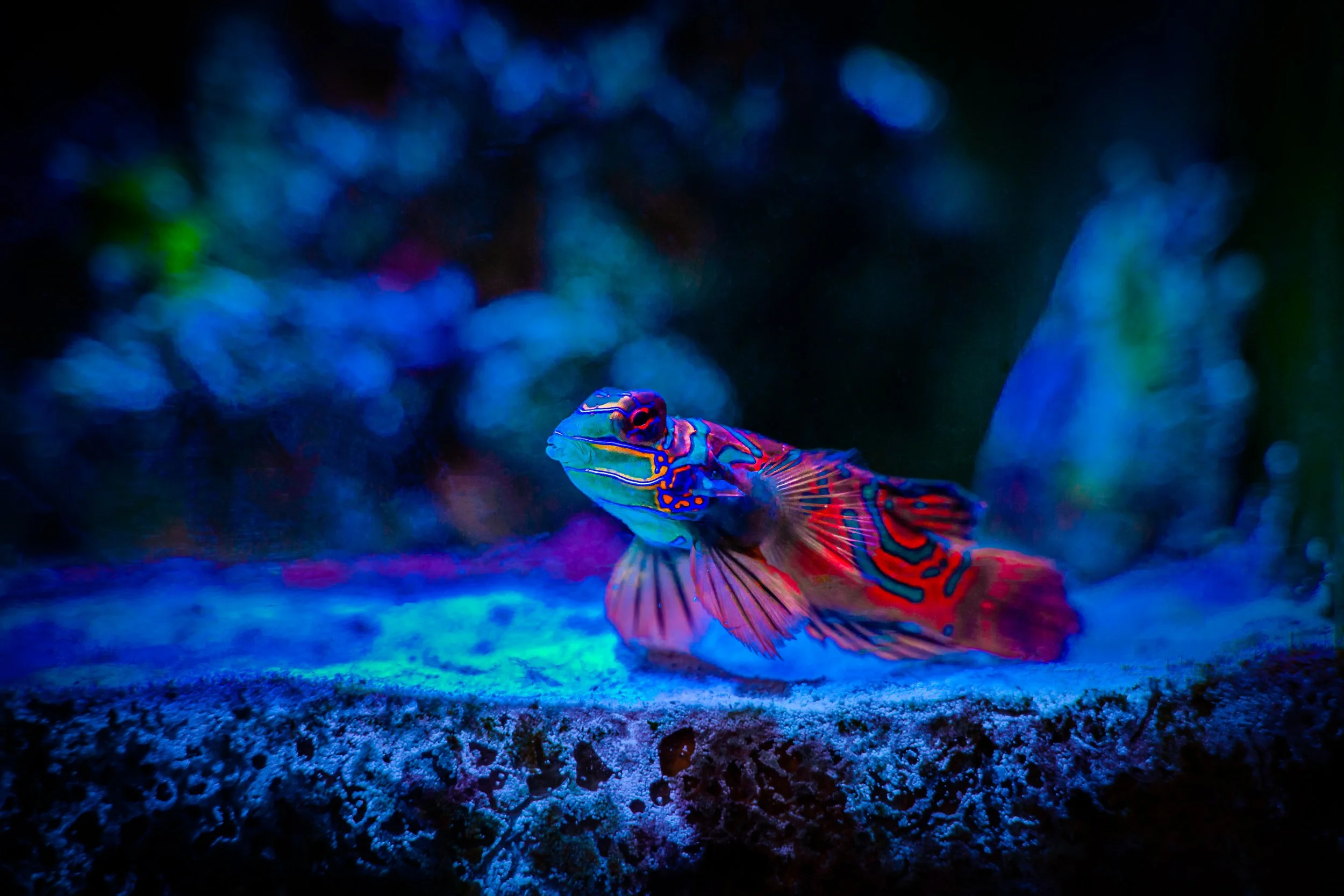
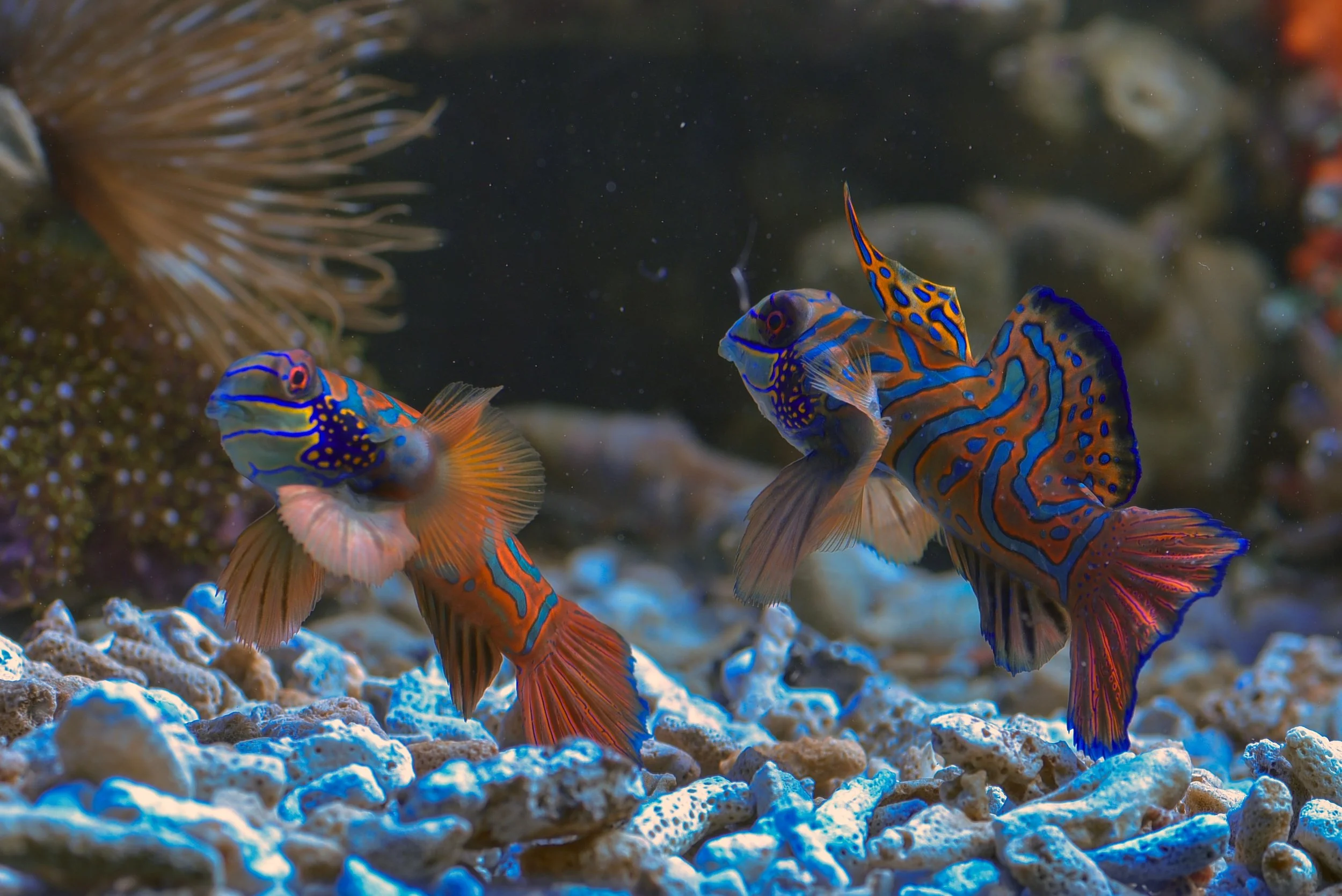
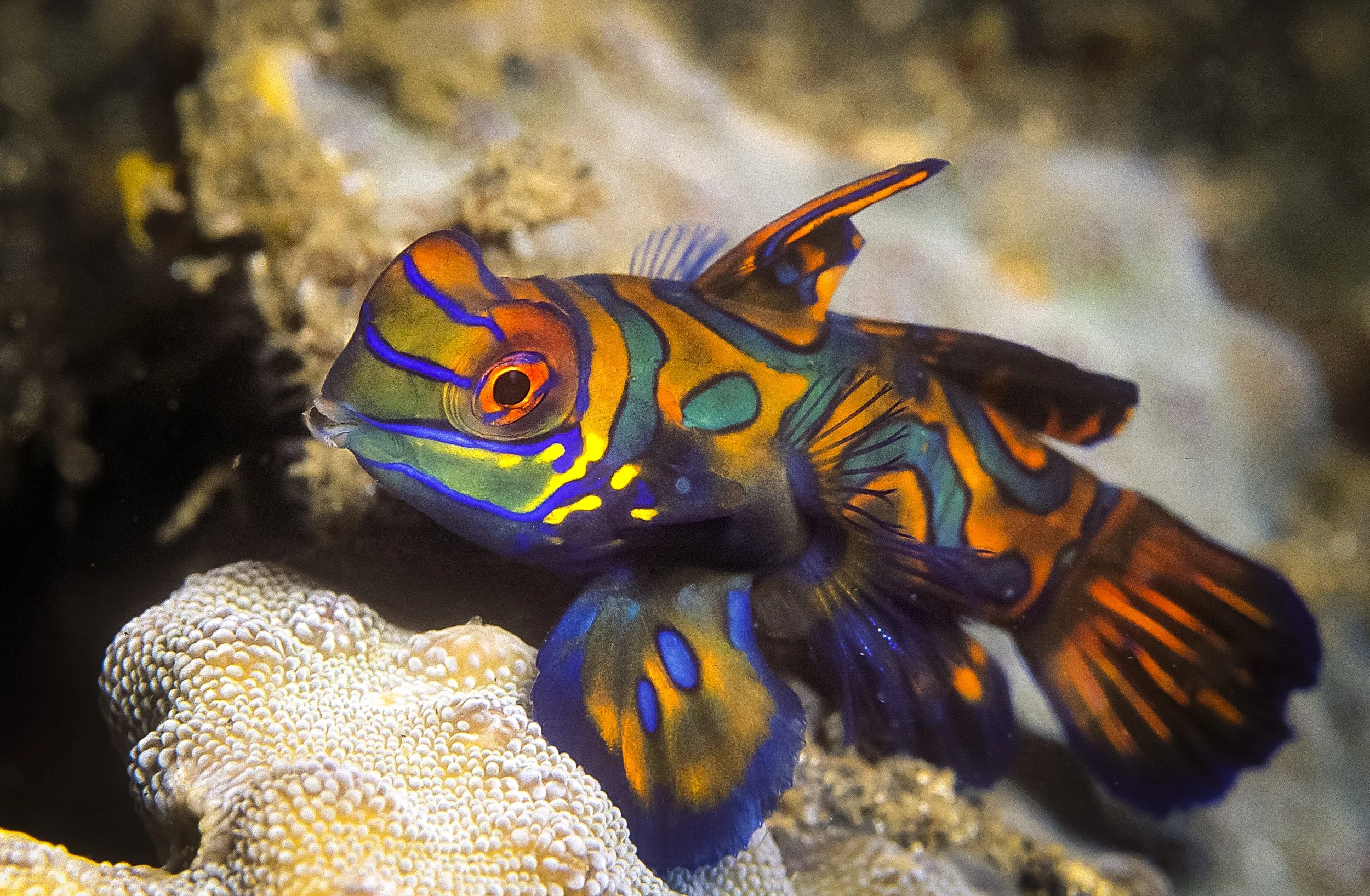
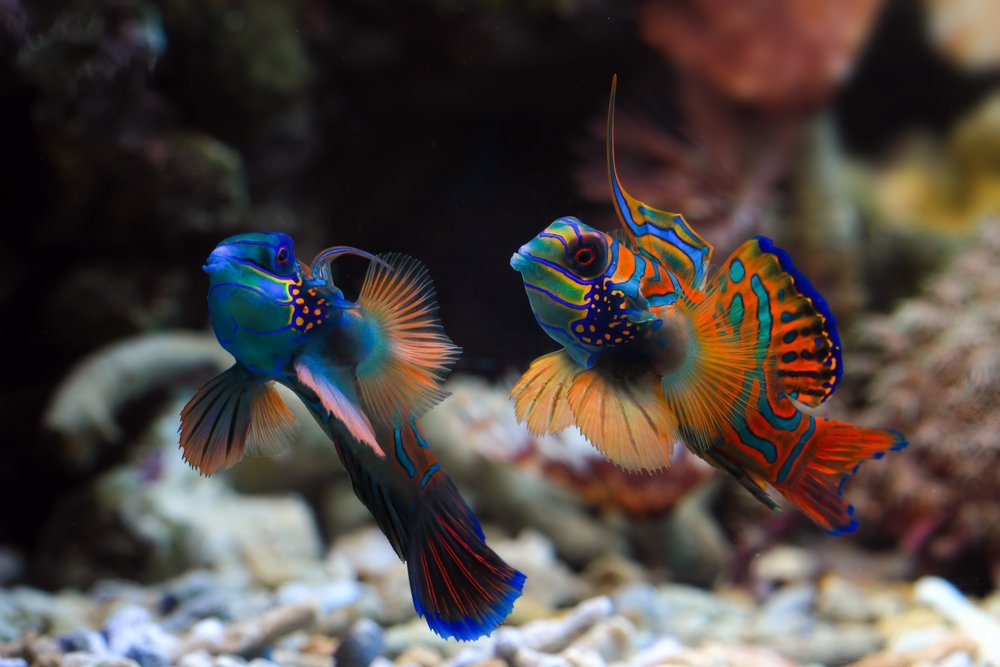
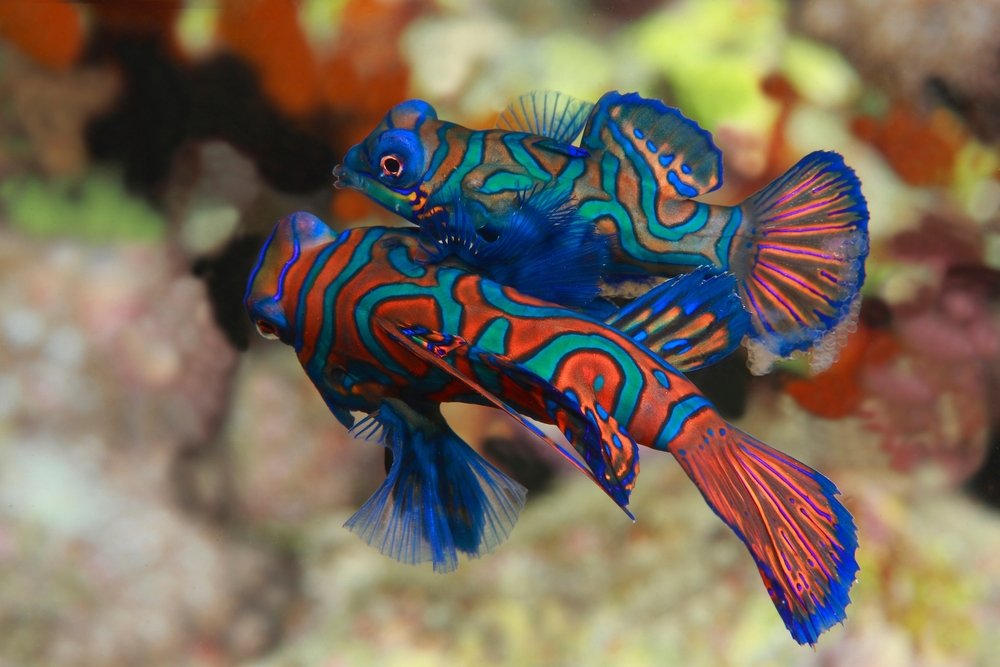
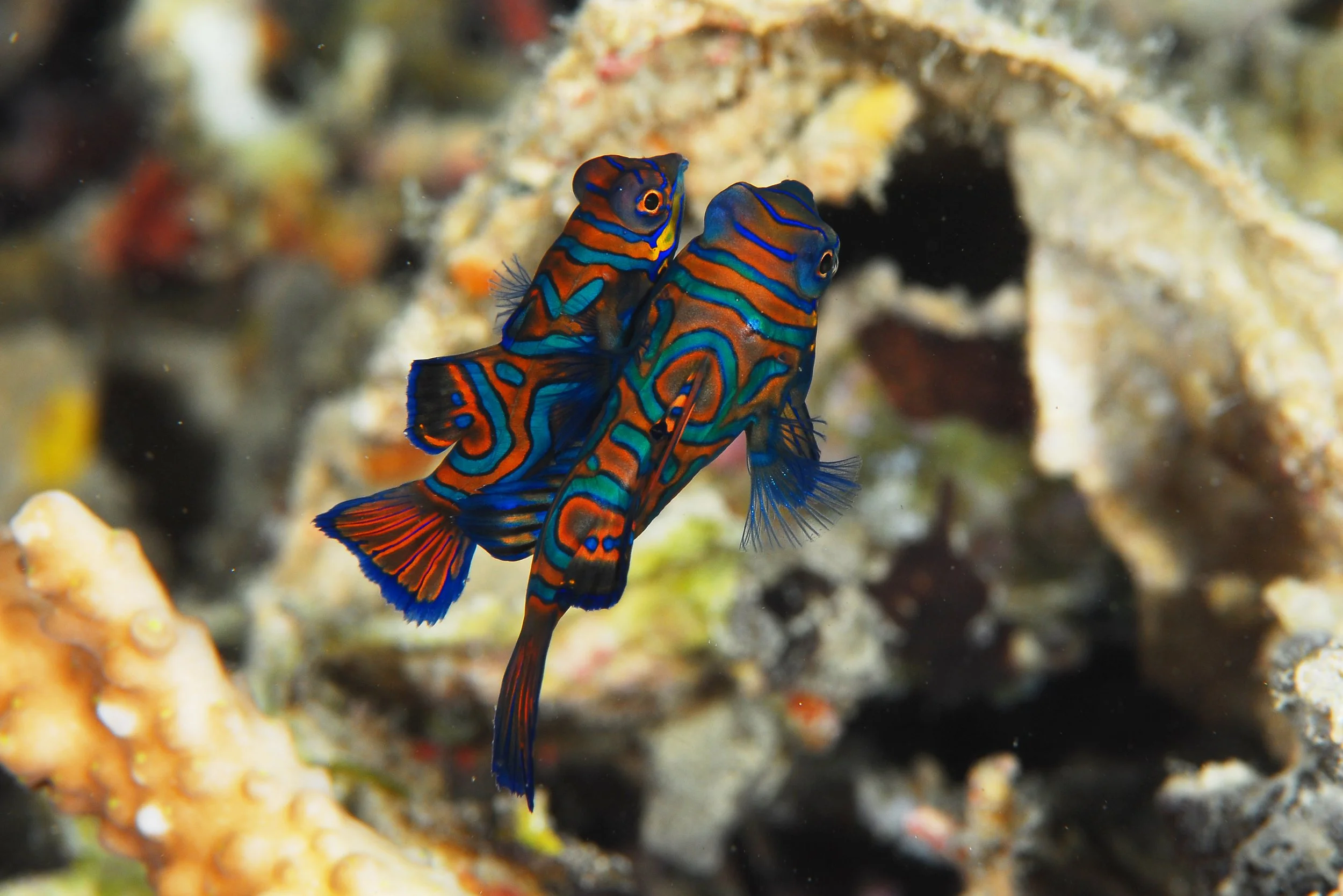
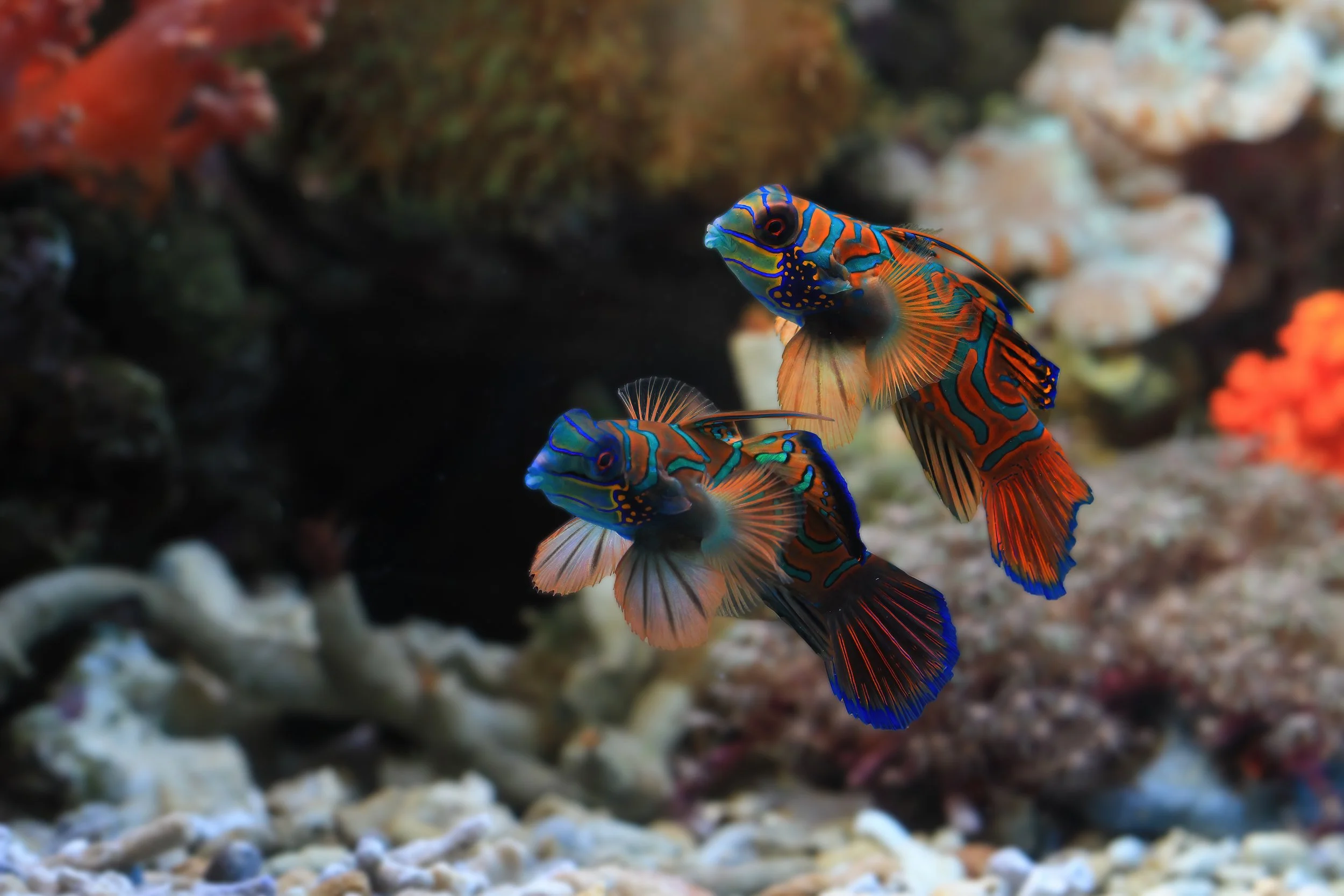
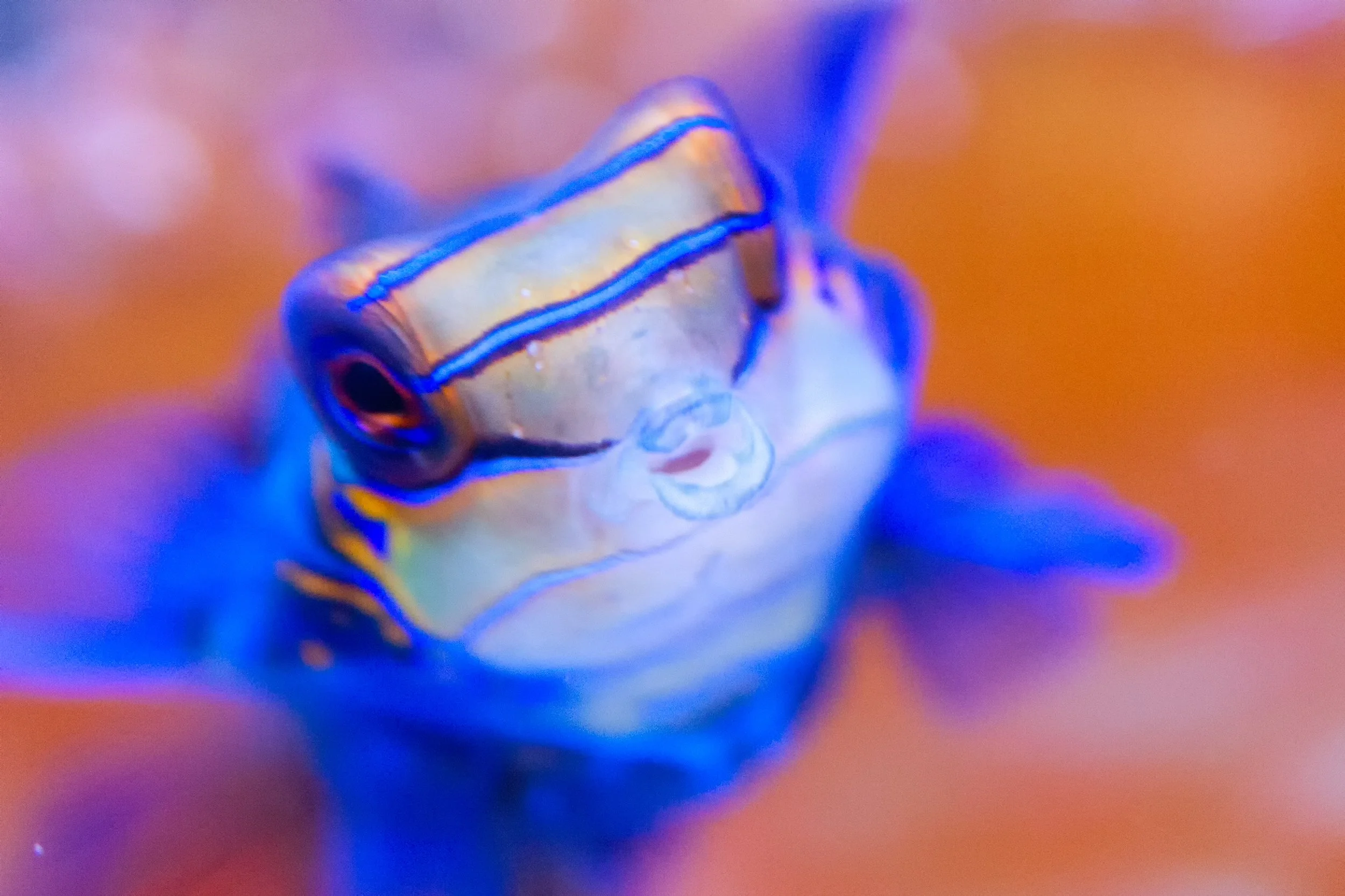
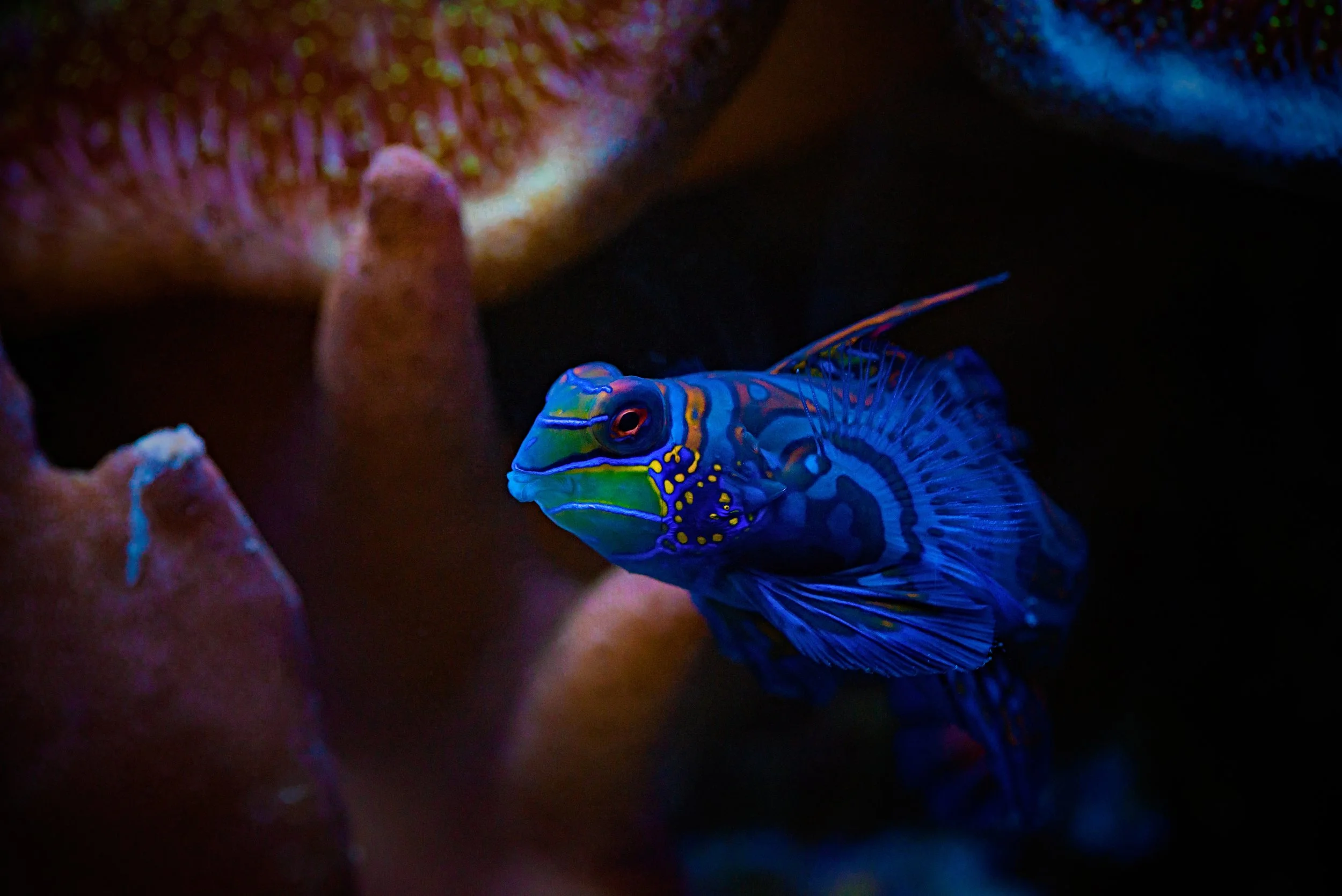
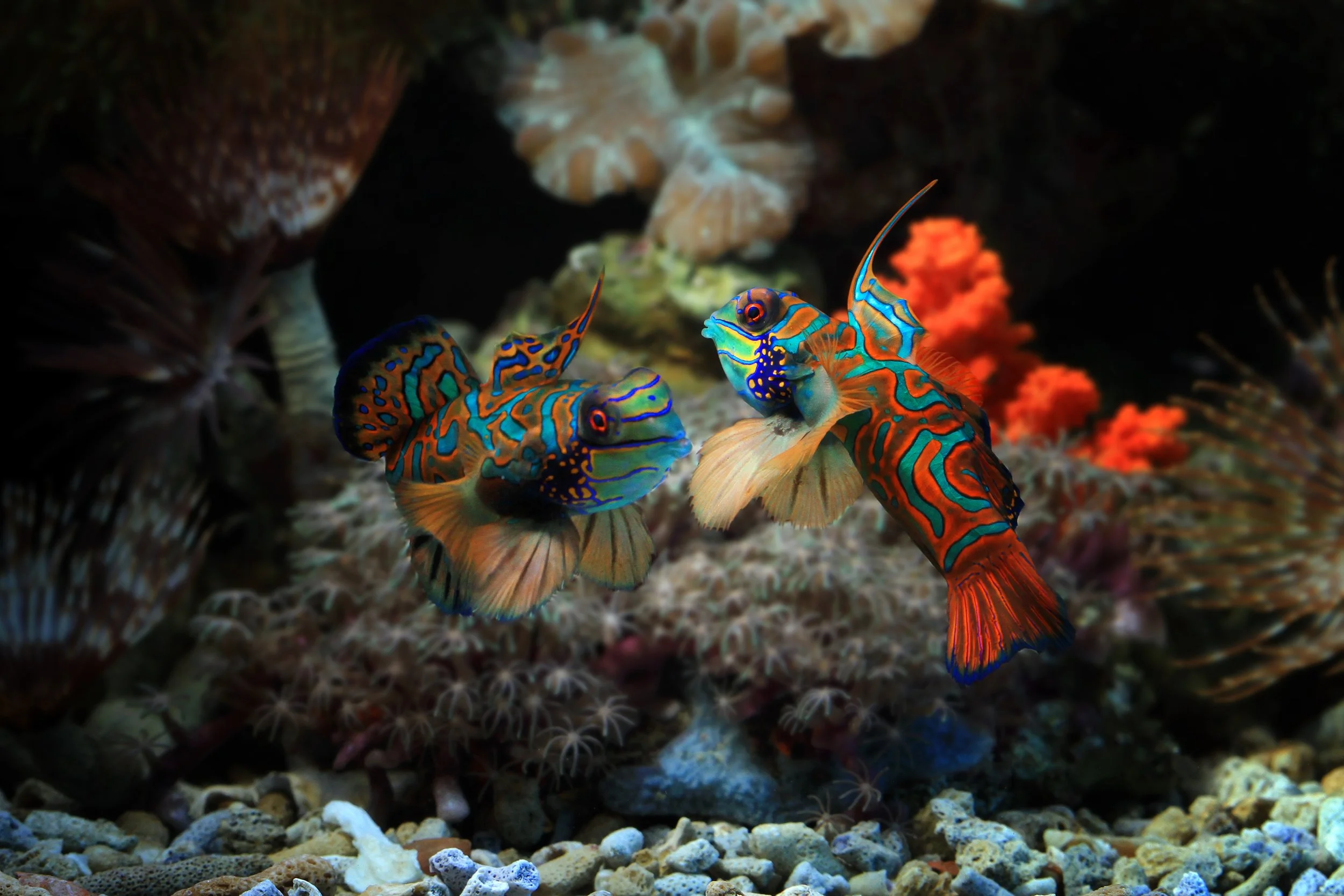
Mandarin Fish are one of those fish that almost everyone calls "super cool" and "psychedelic" the first time they see one. We get it. Their color and behavior make them instant favorites. But beyond the looks, Mandarins are interesting because what makes them challenging for some hobbyists also makes them surprisingly easy for others. In this guide, we cover everything we would tell a friend about keeping a Mandarin healthy and happy.
Note: Paid YouTube SR Members Using A Chrome Browser can watch videos natively above on Seriousreefs.com. Sign up HERE
SR videos are a community funded member only resource. Serious Reefs buys everything we review, accepts no sponsorships, and your memberships make it possible to keep every review truly unfiltered.
At a glance
Common name: Mandarin or Mandarin Dragonet
Diet: Copepods . Captive bred eat prepared foods.
Reef-safe: Yes, safe with corals and invertebrates
Behavior: Slow moving, constant forager
Tank requirements: 25 to 30 gallon species or a small reef setup works well
Care level: Established tanks with healthy pod populations
What do Mandarin eat?
Mandarin feed almost exclusively on copepods. That is the root of their reputation as difficult because most hobbyists do not naturally maintain high copepod populations. When a tank is established and supports a large pod population, a Mandarin will dive in and feed and you can essentially forget about daily target feeding. In a big, well cultured system this can be the easiest fish in the tank.
Captive bred Mandarin sometimes accept prepared foods like pellets and flakes and they may even exhibit a feeding response. Wild caught Mandarin are far less likely to chase down food put into the water column. They tend to stumble upon food while hunting the rockwork. Training a wild one to eat prepared foods is possible but often a long and frustrating process.
Captive bred Mandarinfish are already trained to eat prepared foods such as small pellets. As breeding programs continue to scale to meet demand, captive bred specimens represent the future of Mandarinfish in the hobby.
How to tell if a Mandarin is underfed
Look at the belly. A skinny Mandarin will have a noticeably concave belly and you may see the spine just behind the pectoral fin. From underneath the body the belly will be sunken in. This is an obvious sign that the pod supply is insufficient and requires action.
Reef safe and utilitarian roles
Mandarin are reef safe across the board. They do not bother corals or most invertebrates. In many coral farm tanks Mandarin are intentionally stocked because they help control copepod populations. Too many copepods can be a problem and Mandarin act as natural pod managers. Some aquarists have also reported Mandarin picking off parasitic copepods from corals, which adds another utilitarian benefit.
Habitat and ideal tank size
Tank size and available live rock surface area directly determine a Mandarin's success. Because they need abundant copepods, we recommend larger systems with lots of small pore networks where pods can reproduce. As a rough guideline:
Large established tank, 80 gallons or more: best chance of success with minimal effort
Medium tanks: require more effort to cultivate pods and refugia
Small tanks and nano systems: possible only with active pod production strategies like a refugium
Pod management strategies in moderate sized tanks.
Making pods part of the long-term plan is essential for wild Mandarins. A jar of pods is not a sustainable daily feeding strategy. We have seen Mandarins thrive in smaller systems if the hobbyist provides a reliable, permanent source of pods.
Refugium that continuously produces copepods
Multiple piles of rubble and low flow microhabitats for pods to reproduce
Using live rock with established pod populations when setting up the tank
We have seen Mandarin thrive in smaller systems if the hobbyist provides a reliable, permanent source of pods. A hang-on-the-back refugium or a sump refugium that continually seeds pods into the display can make a smaller tank viable. Some hobbyists even create rubble piles or hidden pod piles where pods can reproduce beyond the immediate reach of the fish so the food resource lasts.
Skill level and realistic expectations
Mandarin can be either deceptively easy or difficult depending on the approach.
If you plan to rely on an established tank with abundant pods a Mandarin is one of the easiest fish to keep long term. In a large, mature system they can survive for years with minimal direct feeding.
If you aim to keep a Mandarin in a small tank and train it to eat prepared foods then expect a significant challenge and daily effort. That route is difficult and time consuming. Going captive bred in this case is wise.
We would rate difficulty like this: in a large tank almost zero effort, in a medium tank moderate, and in a small tank high effort and high risk unless you commit to continuous pod production.
Introduction and quarantine advice
When introducing a Mandarin we like to add them at night so they can slip into caves and holes immediately. If your tank has aggressive, fast moving fish consider keeping the Mandarin in an acclimation or isolation box for a short time so it has a chance to find shelter. However we often skip long quarantine because Mandarin have very thick slime coats and skin toxins that reduce parasite load. They are less likely to carry external parasites than many other species.
If you choose to quarantine a Mandarin it generally tolerates treatment well. Expect reduced or no eating during quarantine. If treatment is necessary a short copper course can be effective. Remember that while quarantine can remove pathogens it will not be a feeding environment for a Mandarin unless you can provide steady copepod food.
Availability and buying tips for Mandarins
Mandarin are commonly available at fish stores. When choosing one, look for an active, hummingbird like fish that is darting about hunting. Avoid lethargic or obviously skinny fish.
Captive bred Mandarin can be harder to find but tend to be easier to transition to prepared diets and are often a better choice if you want to simplify feeding. Consider Biota and ORA for captive bred options.
Final thoughts
We love Mandarin Fish. They combine one of the best color patterns in the hobby with fascinating foraging behavior. With the right system and a commitment to maintaining copepod populations a Mandarin can be one of the most satisfying and low maintenance additions to a reef tank. If you set your tank up to support pods, the Mandarin will do the rest.

Madarin Fish FAQ
Are Mandarin reef safe?
Yes. Mandarin are reef safe with corals and invertebrates and are often used in coral farm tanks to help manage copepod populations.
What do Mandarin eat?
Mandarin primarily eat copepods. Captive bred individuals sometimes accept prepared foods, but wild caught Mandarin usually will not chase pellets or flakes and rely on hunting pods in the rockwork.
What tank size is best for a Mandarin?
A larger established tank 80 gallons or more is ideal because it better supports a steady copepod population. Smaller tanks can work if you run a refugium or other consistent pod production system.
Do we need to quarantine a Mandarin?
Quarantine is less necessary. Mandarin have thick slime coats and lower parasite loads. If you do quarantine, expect little or no feeding and consider short medical treatment only if signs of illness are present.
How can we tell if a Mandarin is starving?
A starved Mandarin will have a concave, sunken belly and you may see the spine just behind the pectoral fin. The fish will look thinner and less active.
Are captive bred Mandarin easier to care for?
Yes. Captive-bred Mandarin are more likely to accept prepared foods and adapt better to aquaria where daily feeding is relied upon. They are a good option for hobbyists who want less dependence on live pods.
What’s Next?
Achilles Tang
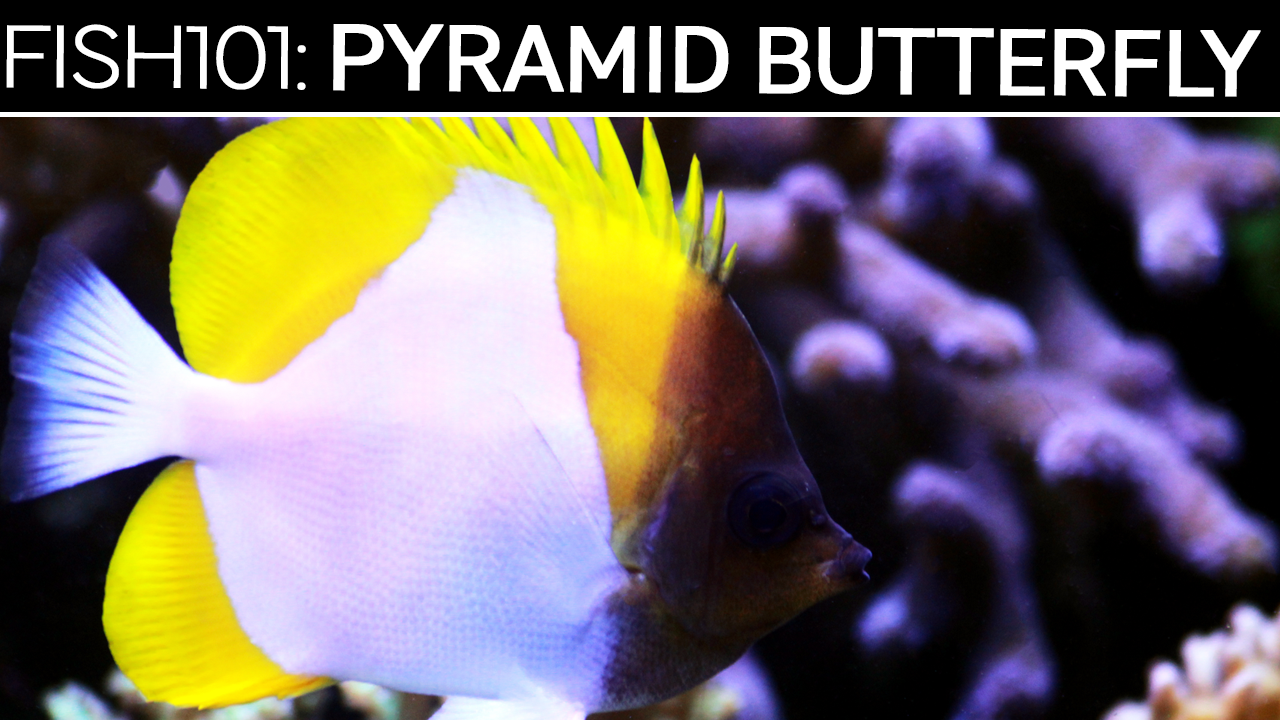
Pyramid Butterflyfish
The Pyramid Butterflyfish (Hemitaurichthys polylepis) is a reef-safe standout — a butterflyfish that breaks the rules. Unlike most of its cousins, it won’t pick at corals or invertebrates, making it a true exception in the butterflyfish world. This makes it a top choice for reef tank owners looking for the elegant swimming style and striking appearance of a butterflyfish without the worry of them eating corals or invertebrates.
Acknowledgments
Thank you to Elliot Lim for sharing his knowledge with the SR community. Elliot owns and operates www.marinecollectors.com Thank you to Oral Seymour for summarizing the video and making it available to everyone. Follow Oral on his IG page reefingwitho
Thank you to the Serious Reefs community. Your membership funds the creation of articles and videos like this one.
Support Serious Reefs
Patreon is the best option If you…
Want to discuss with the SR community and ask questions.
Want immediate notifications of every release.
Listen with phone screen off. Patreon app works with phone closed
Want 25% off via annual discounts.
YouTube members is the best option If you…
Watch SR videos on a TV via youtube App
Want to watch videos natively here on seriousreefs.com - (You must use chrome browser and be logged into google account with youtube membership)
Are a YouTube power user.
Tell a friend. Best option if want more (and faster).
If you like what we’re doing, give SR a quick shout-out on your favorite forum, YouTube, Facebook, TikTok, or Instagram. Let your local fish store know SR is helping you explore the hobby and keep it fun. Thanks for the support!
Disclaimer
Full Disclaimer HERE. This is the gist of it.
Content is based on personal experience, not professional advice. Do your research and reef responsibly. Serious Reefs should not be your sole sorce of information on any topic.
By watching, you agree that Serious Reefs and its creators aren’t liable for how you use this info. Please don’t utilize our information if you are not ok with this.
Serious Reefs has no sponsors, doesn’t accept product or payment for reviews. We do use affiliate links in articles that earn a small commission to support our work. Shop wherever you like, we won’t be offended.