Regal Angelfish: Fish 101
Care, Diet and How to Succeeed with This Stunning Reef Showpiece
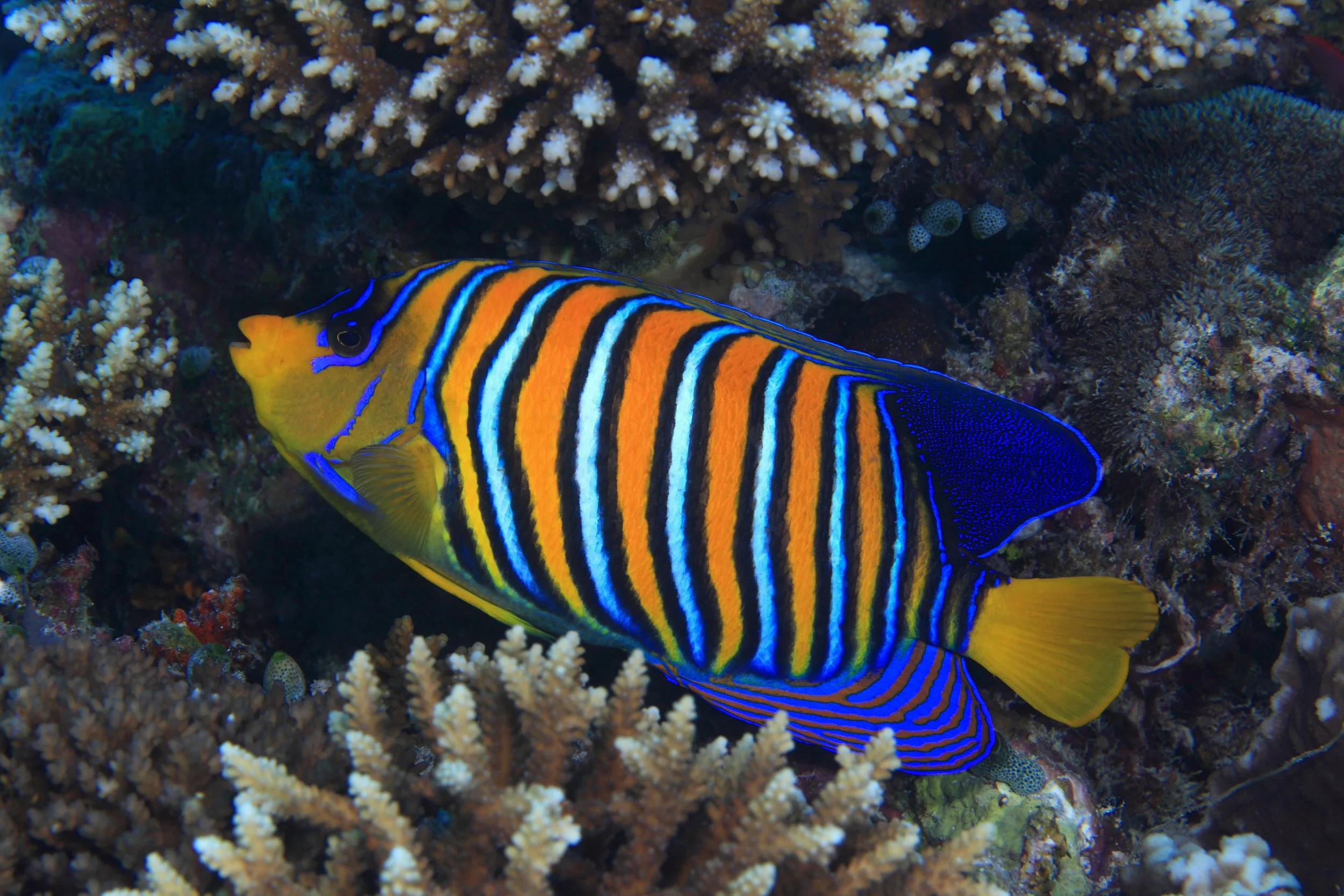
Regal Angelfish
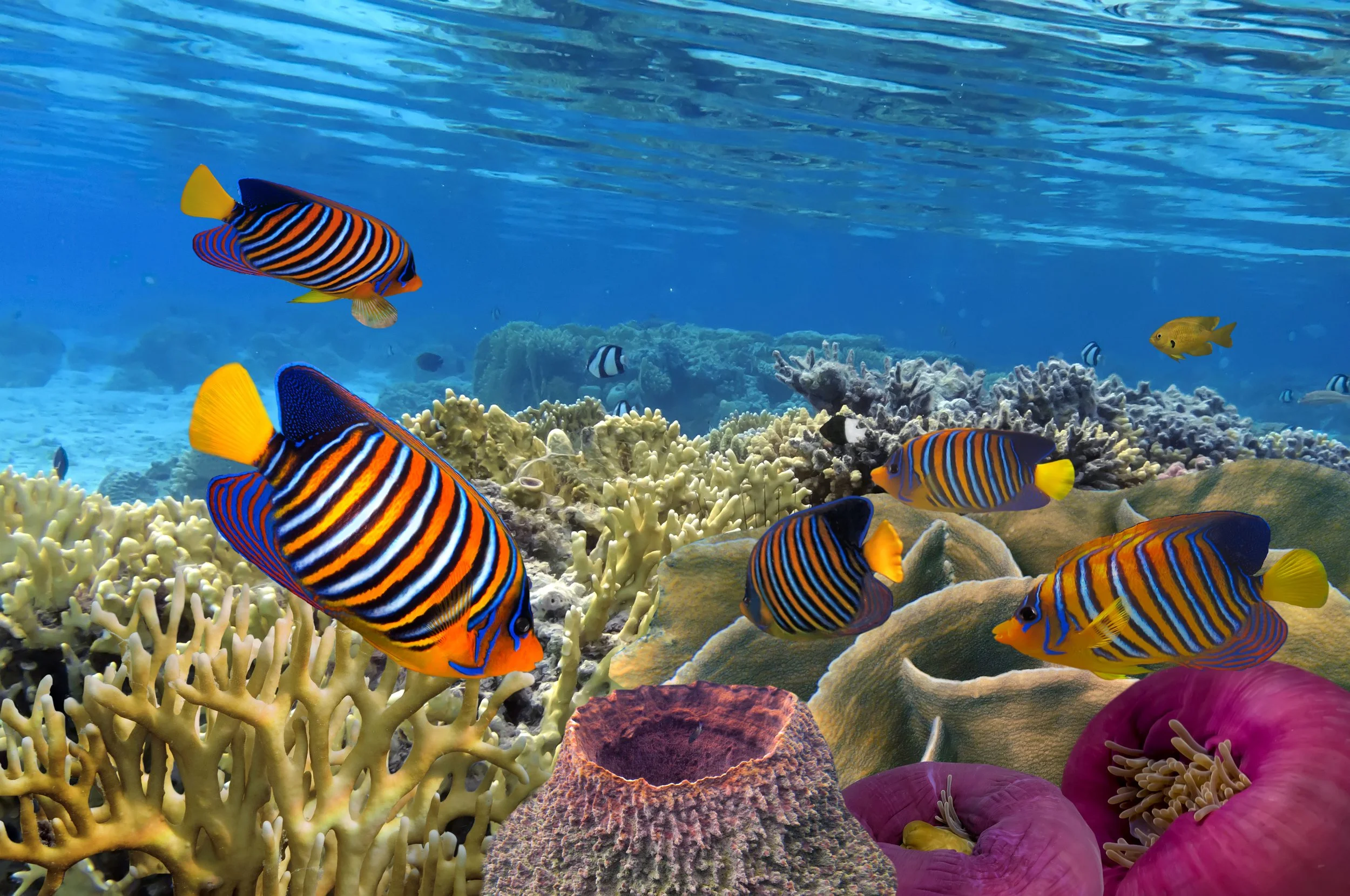
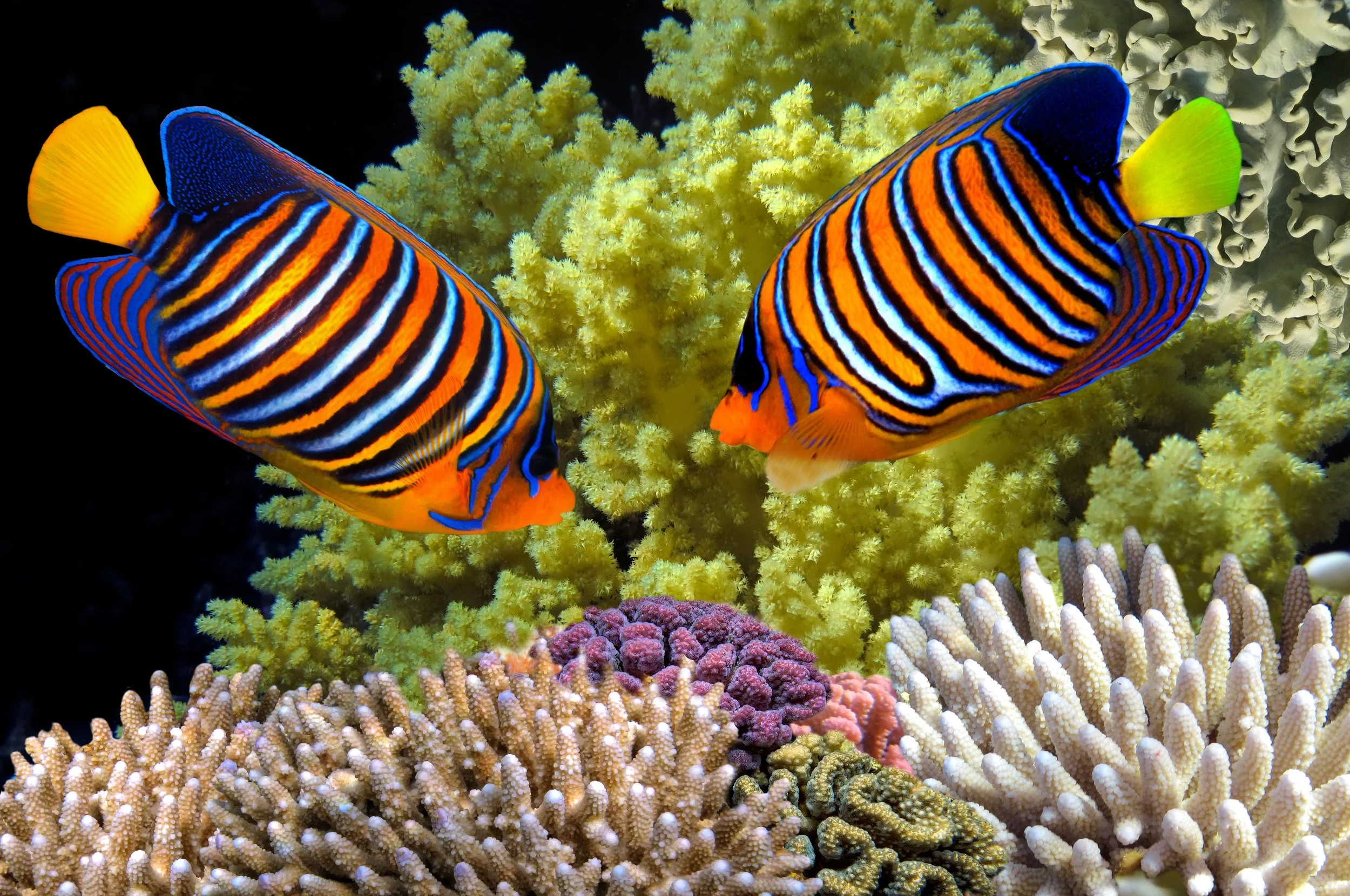
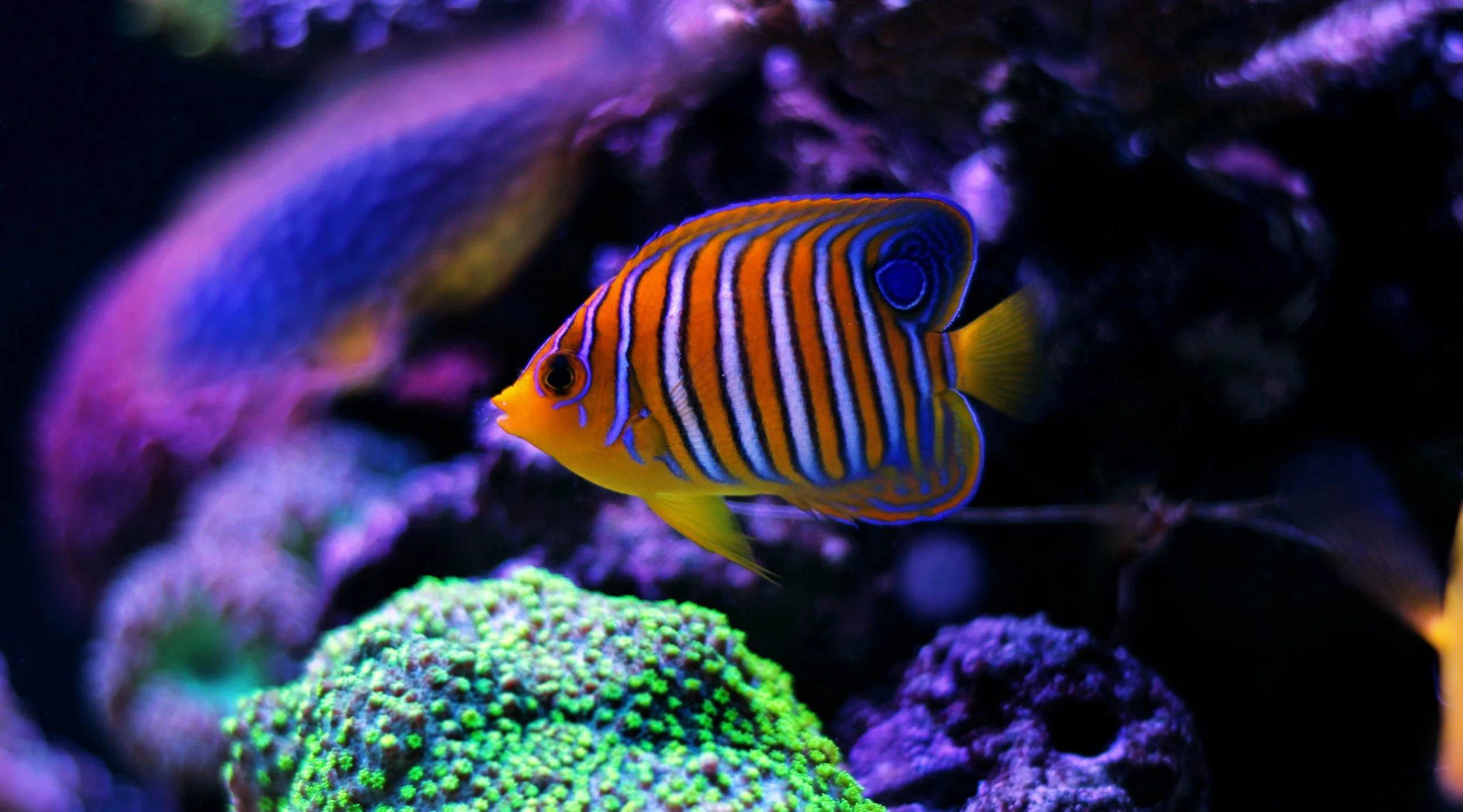
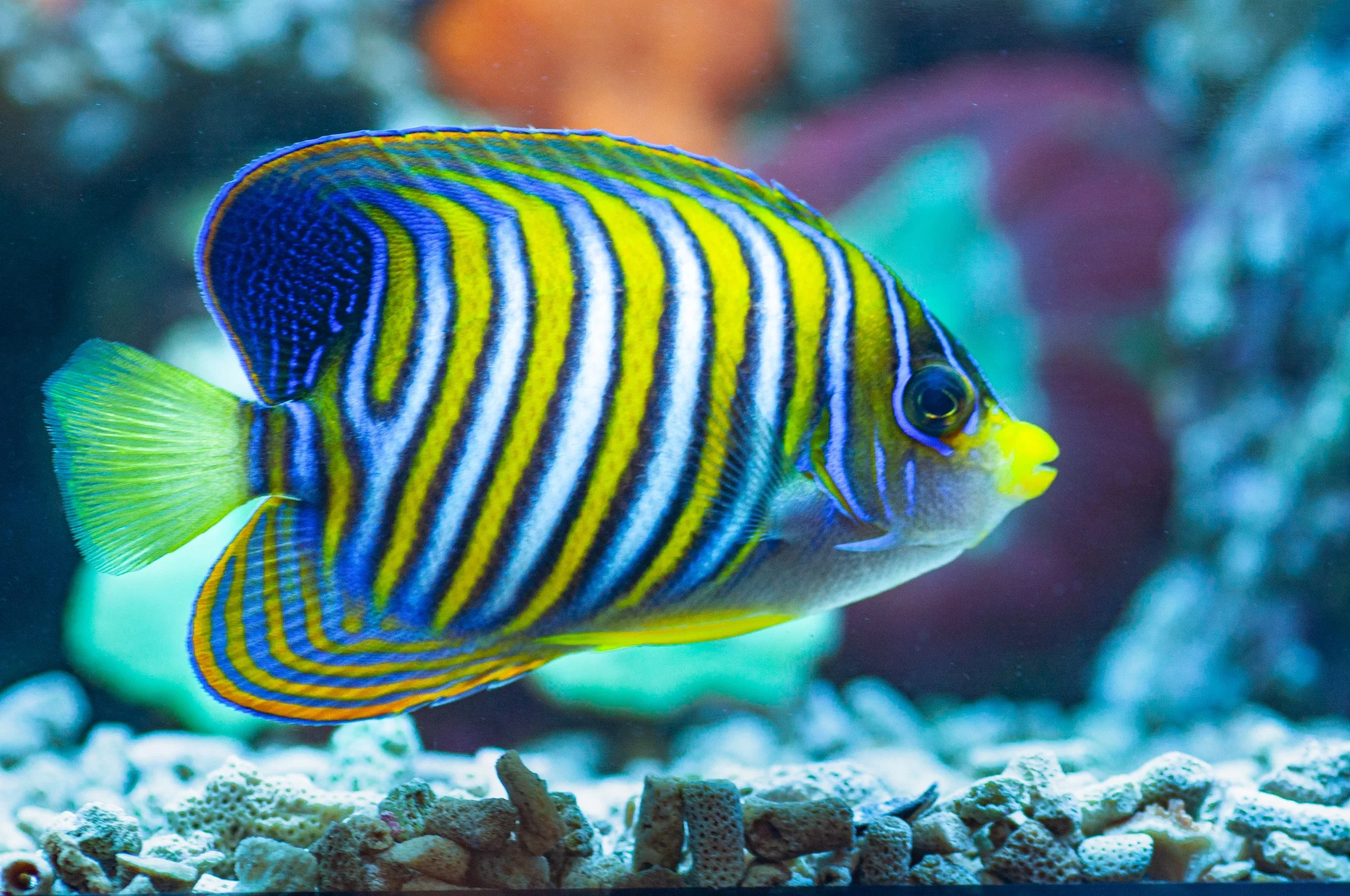
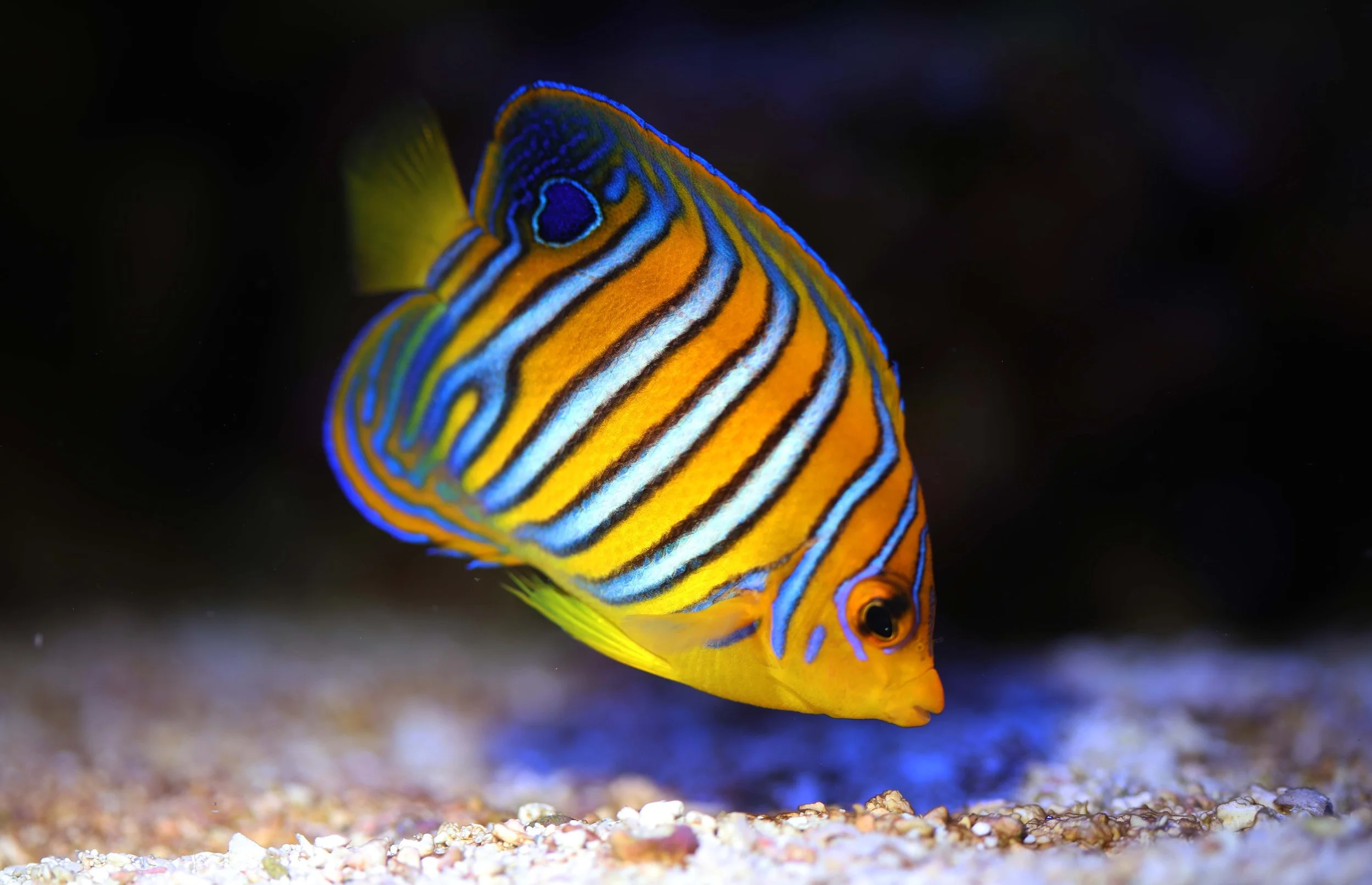
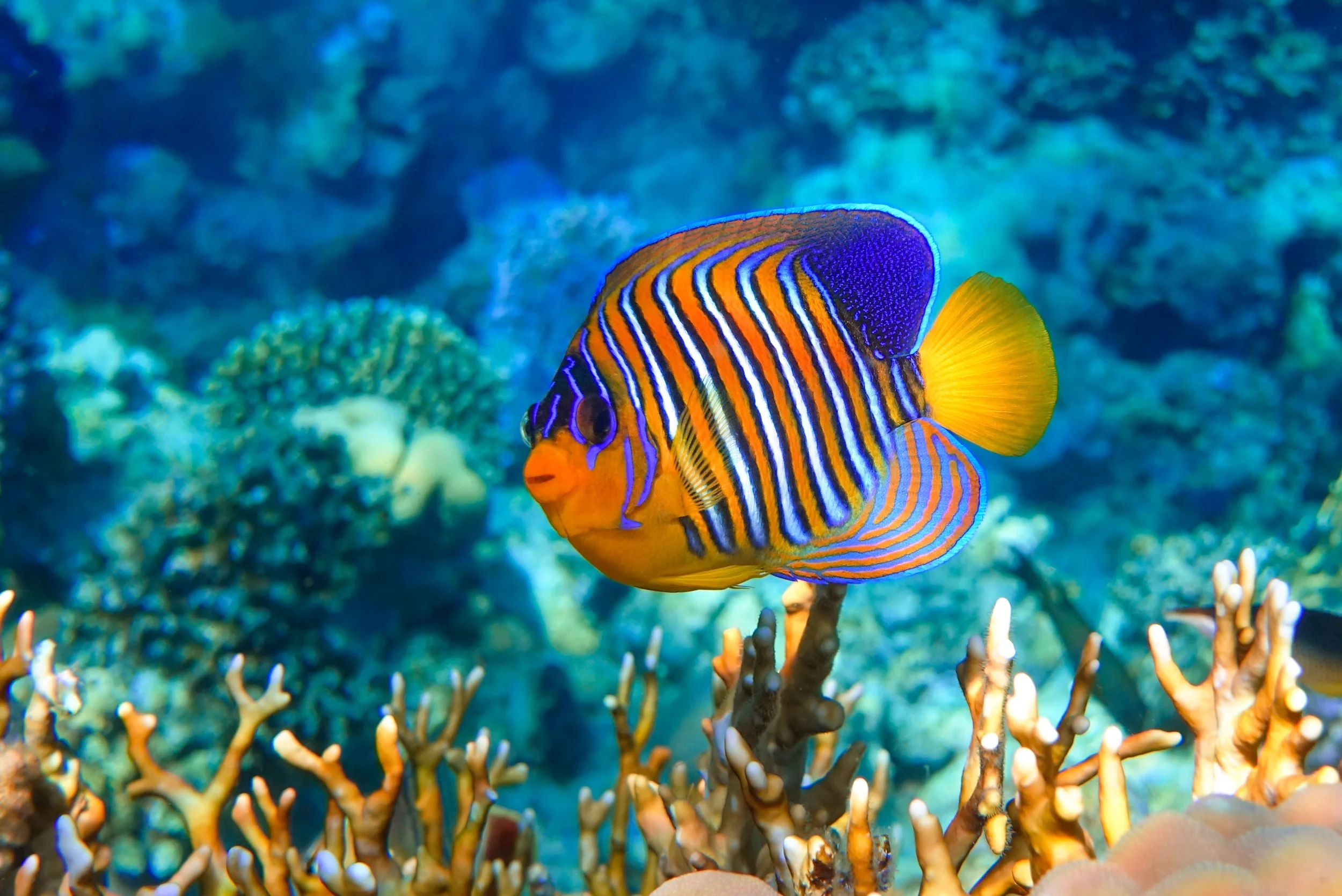
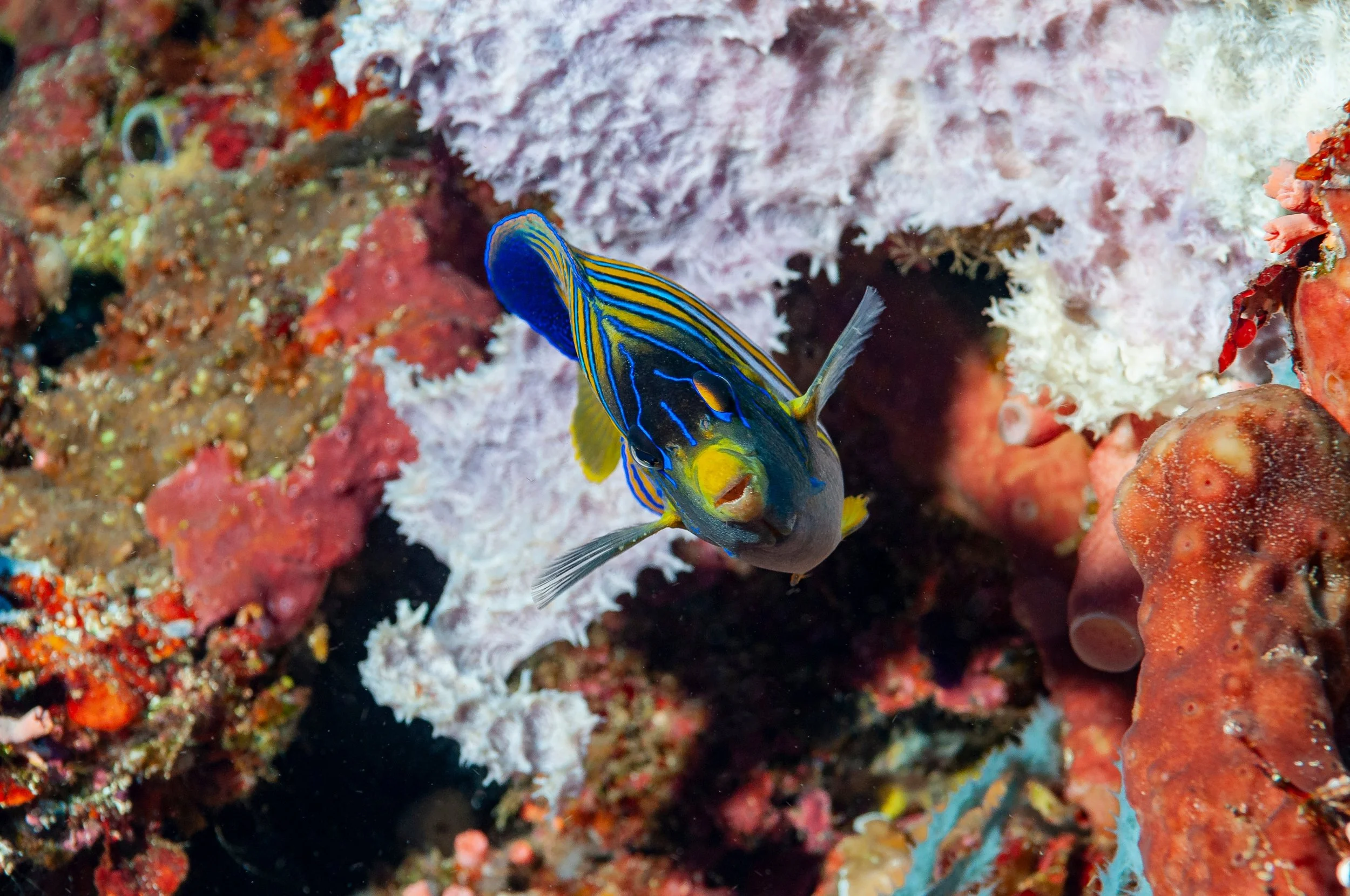
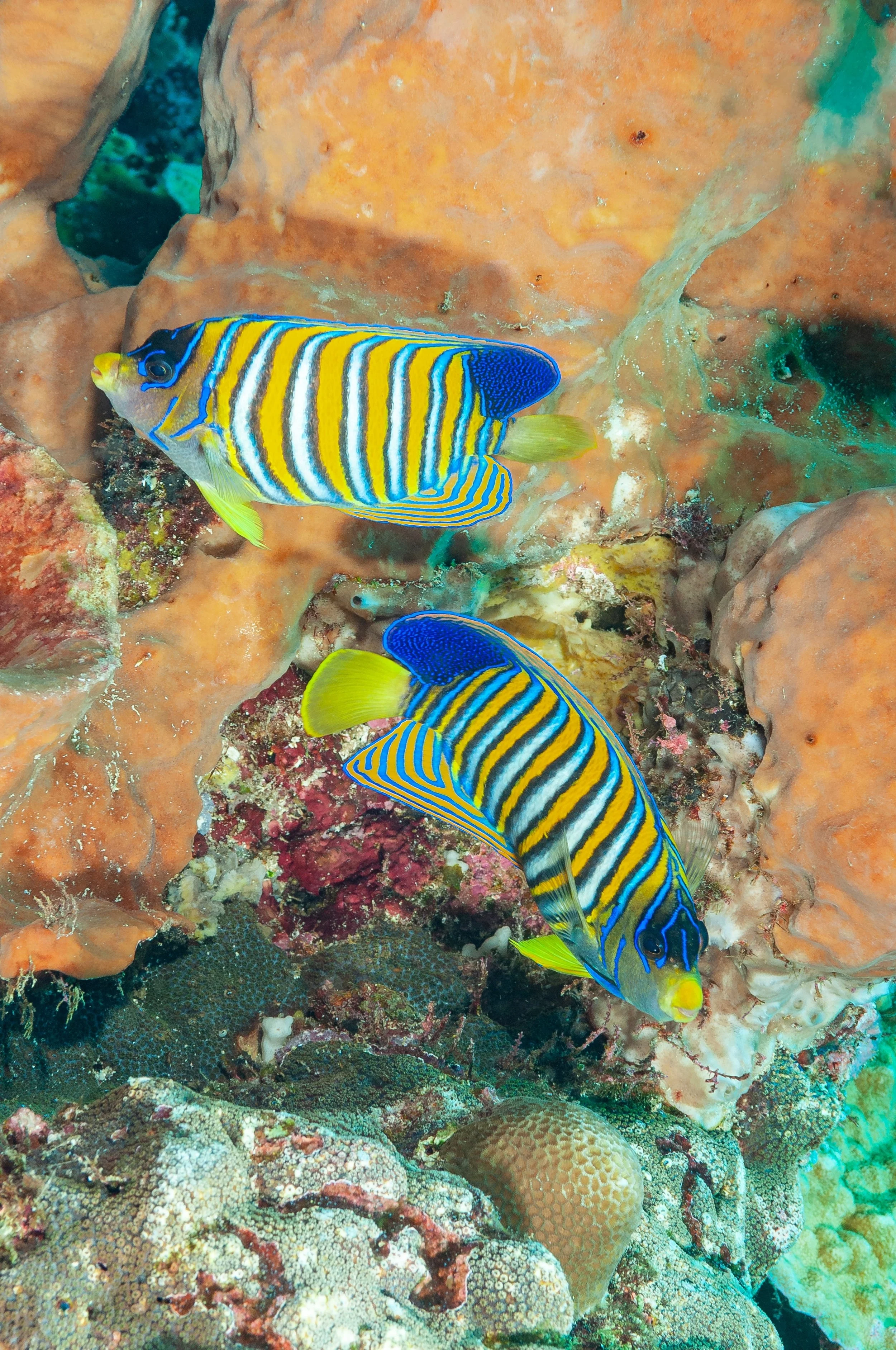
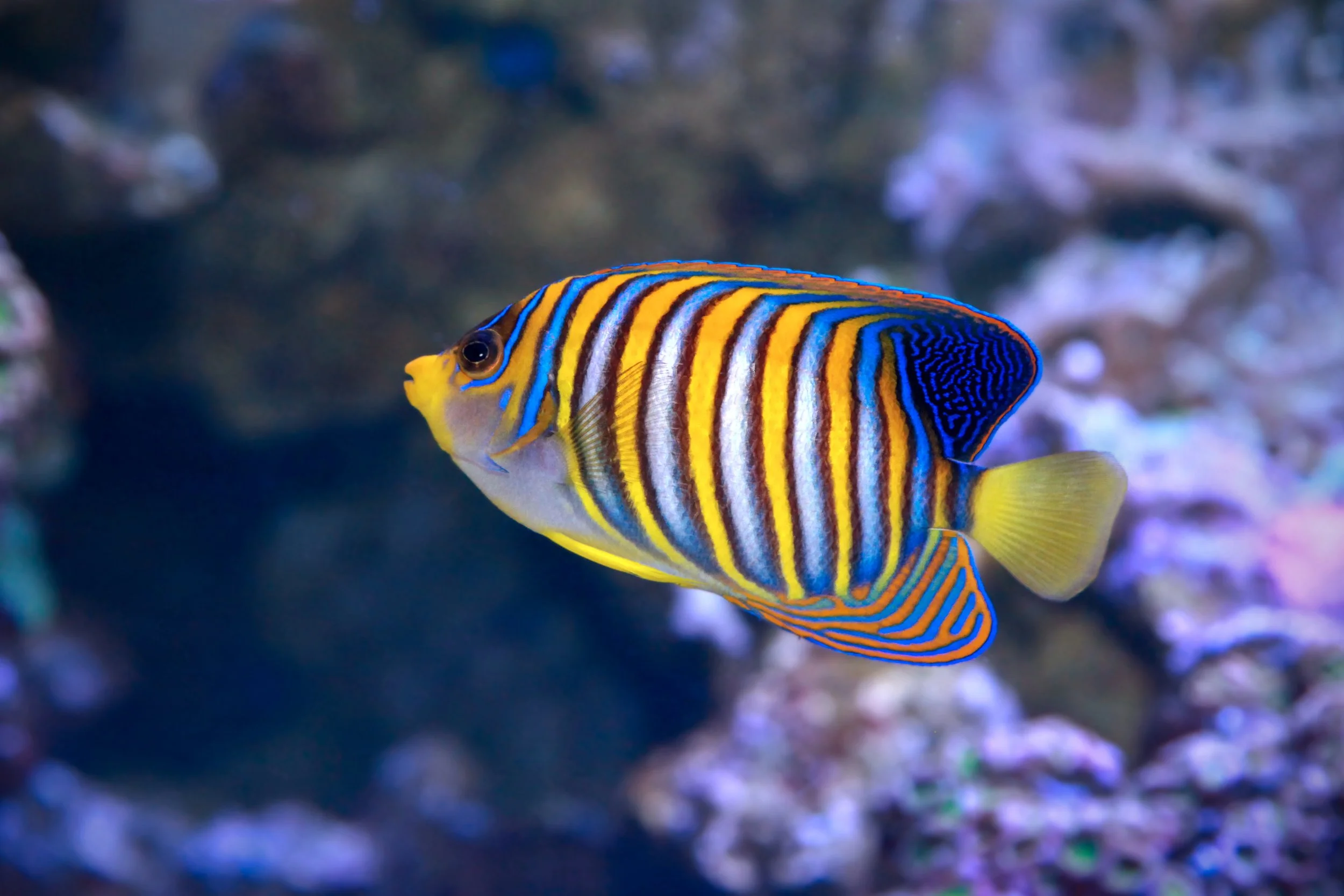
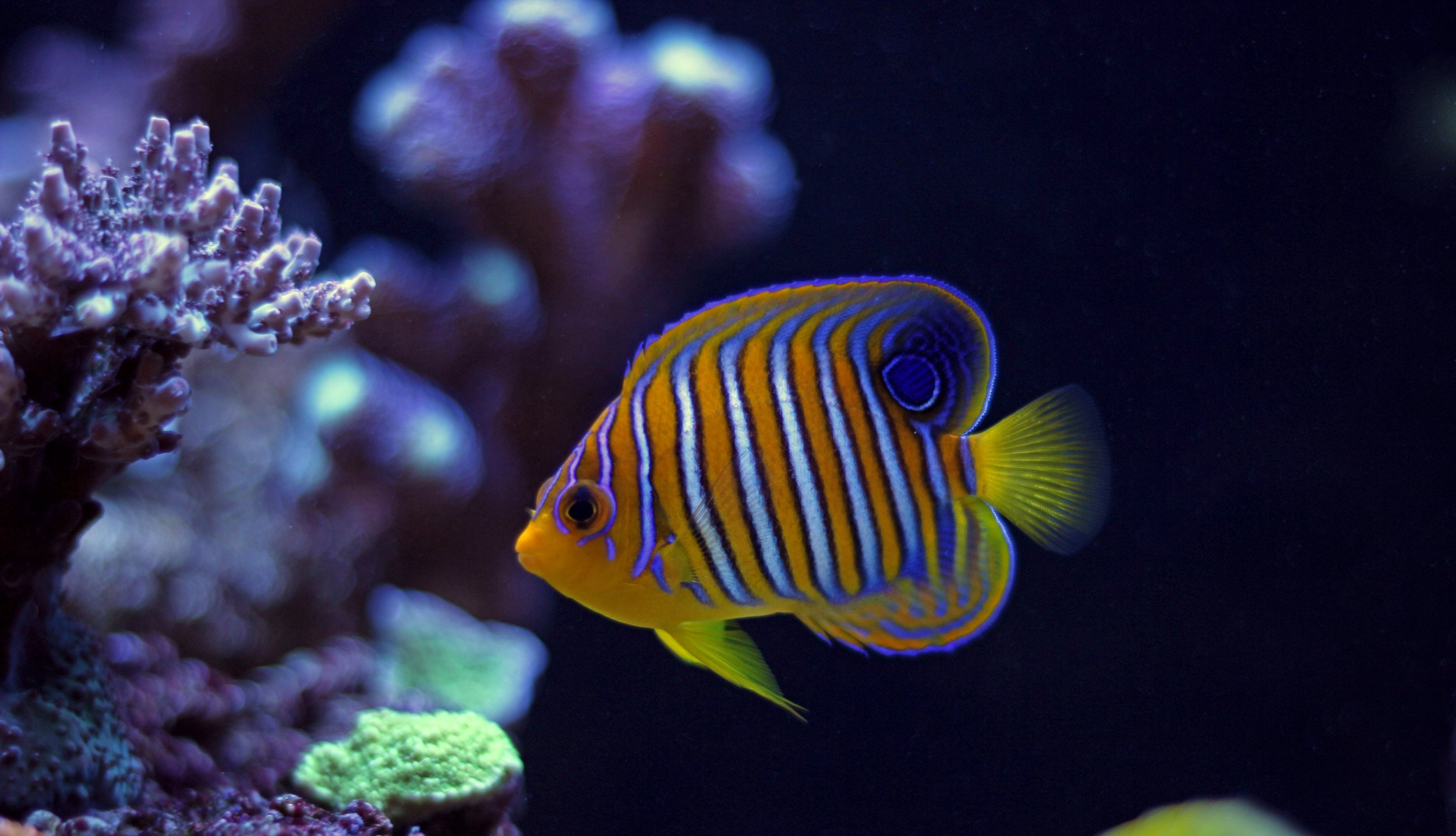
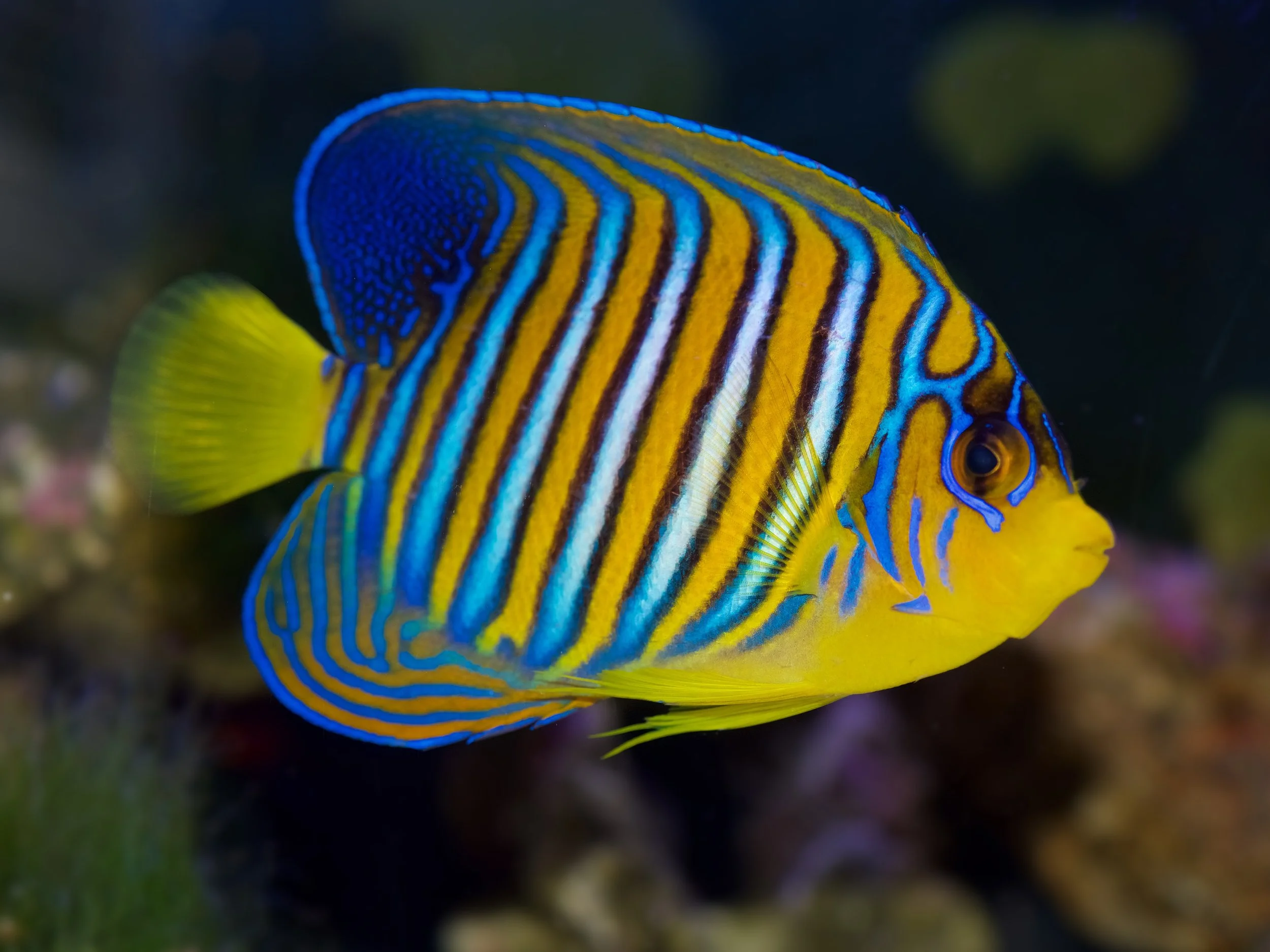
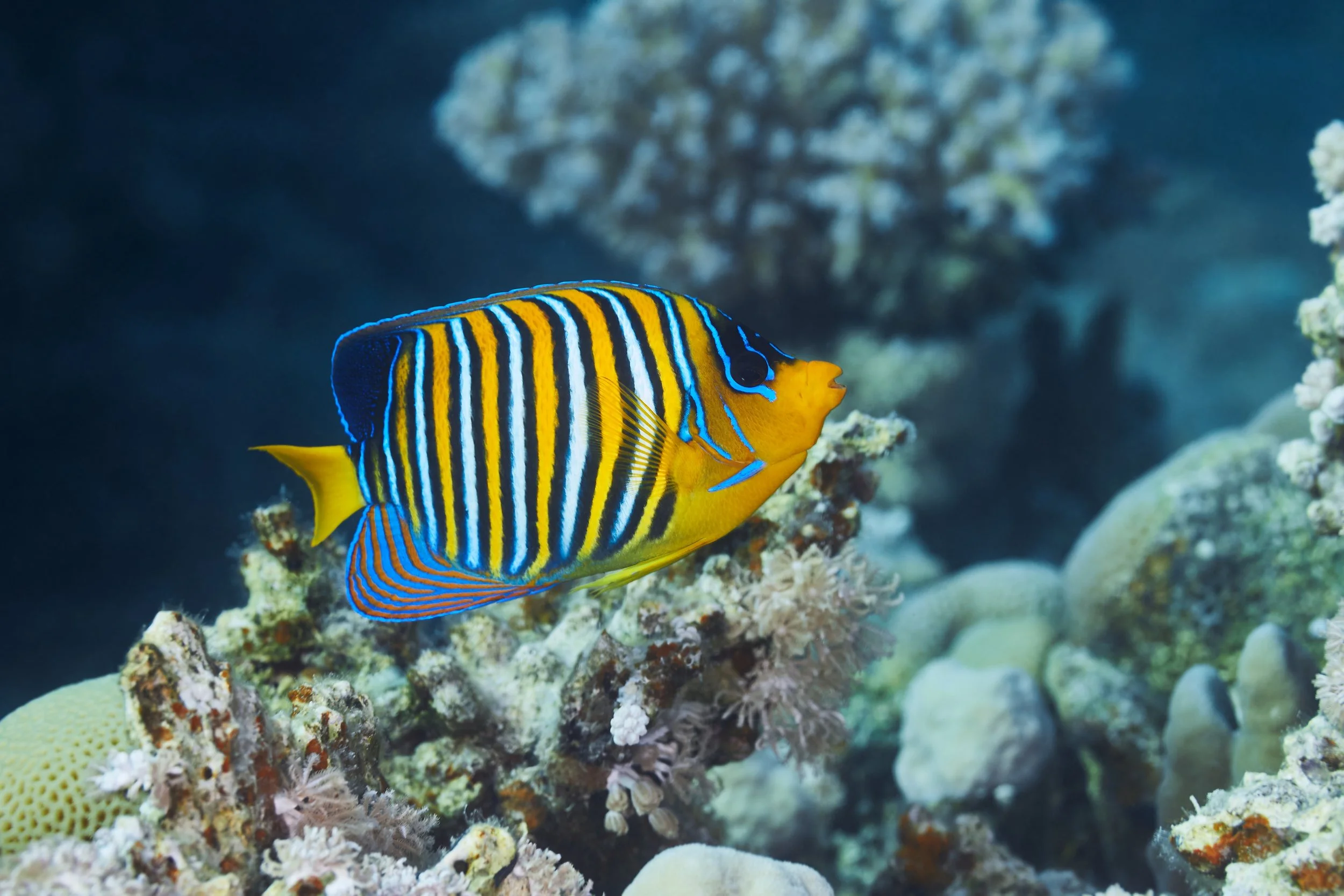
We think the Regal Angelfish is one of those fish that instantly elevates a reef tank. It is visually striking and, frankly, a little brag-worthy when you get one to thrive. But beauty comes with challenges. We’ll walk through everything you need to know to keep a Regal Angelfish healthy and happy: what it eats, how to set up habitat, quarantine best practices, compatibility with corals, and practical tips that raise your odds of success.
Note: Paid YouTube SR Members Using A Chrome Browser can watch videos natively above on Seriousreefs.com. Sign up HERE
SR videos are a community funded member only resource. Serious Reefs buys everything we review, accepts no sponsorships, and your memberships make it possible to keep every review truly unfiltered.
At a glance
Common name: Regal Angelfish
Diet: In home aquariums: Nori or seaweed sheets, specialized seaweed pellets, frozen clam, and sponge-based formulated foods. In the wild the Regal Angelfish feeds primarily on sponges & tunicates
Reef-safe: Safe with other fish, most invertebrates, soft corals and SPS in many cases. Destructive to LPS corals.
Temperament: Shy temperament means a layout that allows it to be seen while also offering secure hiding spots
Tank requirements: 4 feet, but 5 to 6 feet or larger is preferable for long-term comfort
Care level: We consider wild specimens advanced to expert; Captive-bred Regal Angelfish are easier but still require careful care while small.
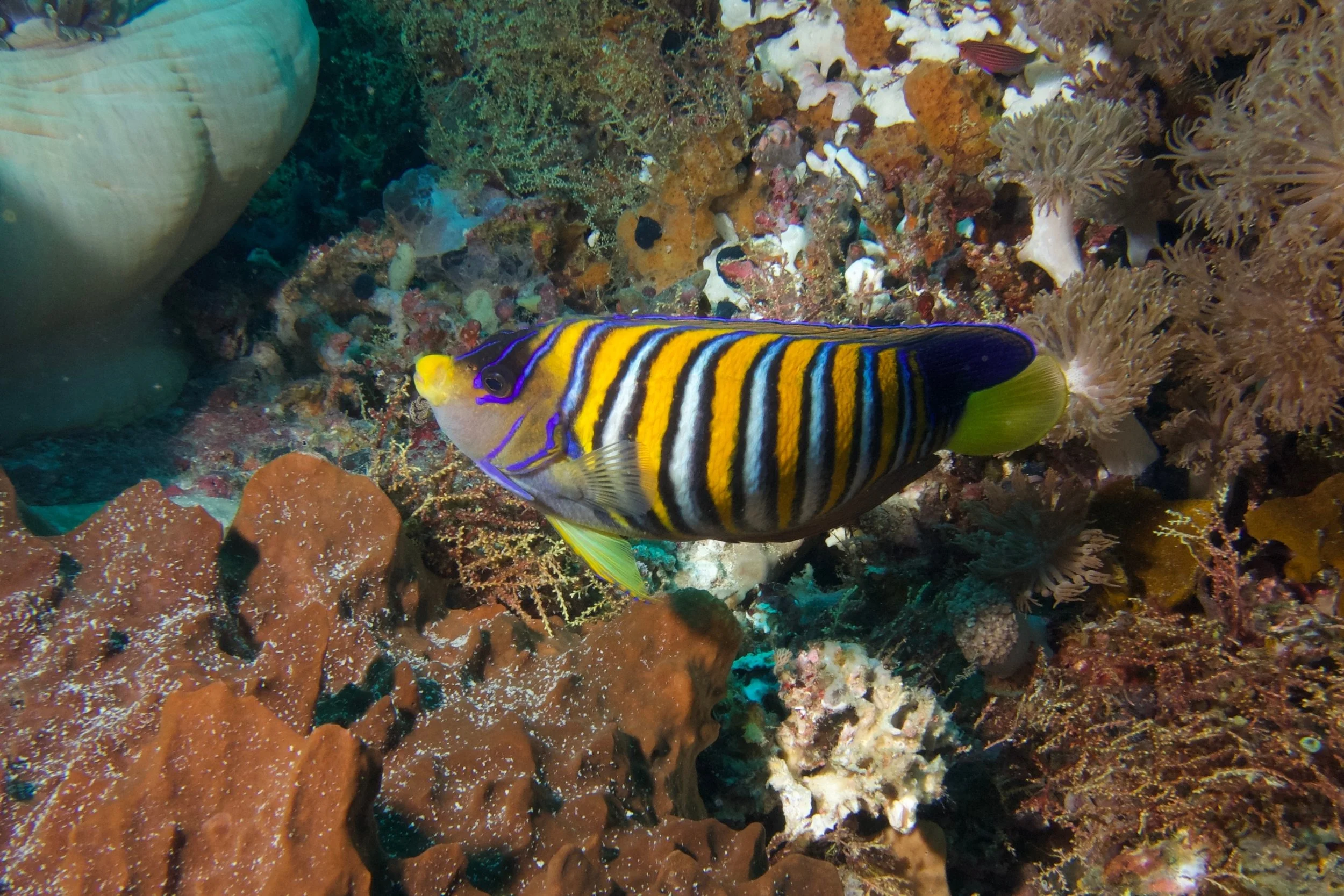
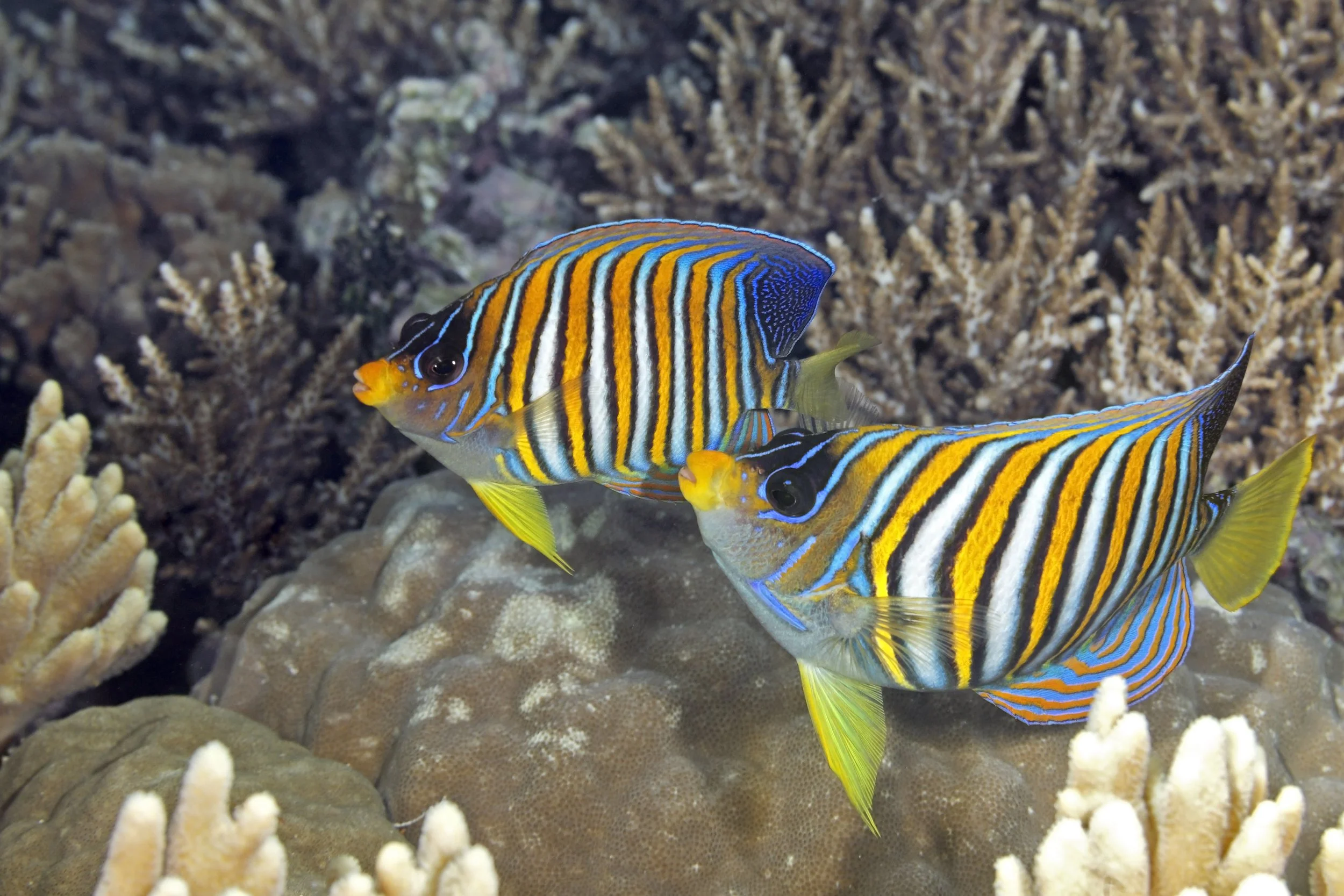
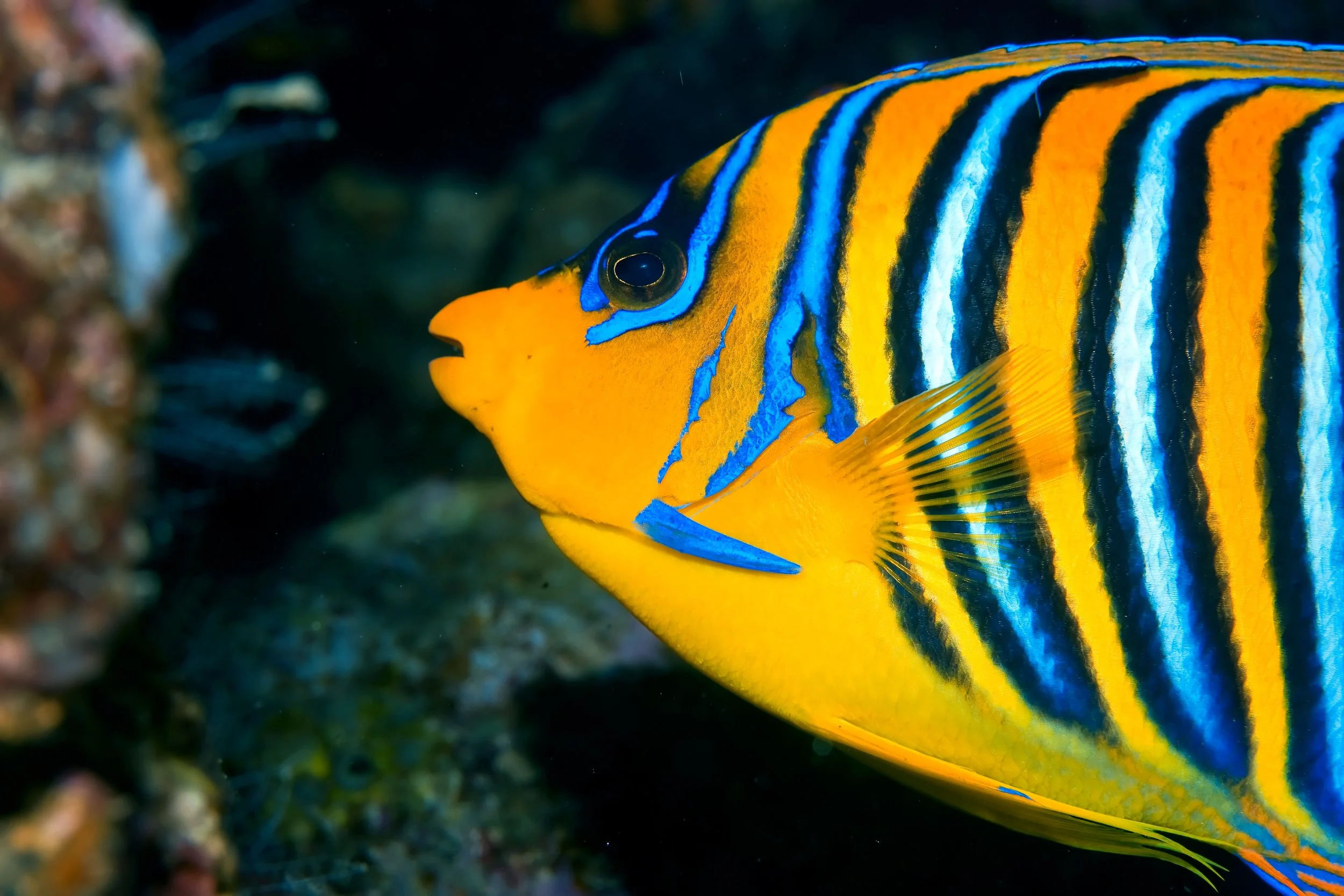
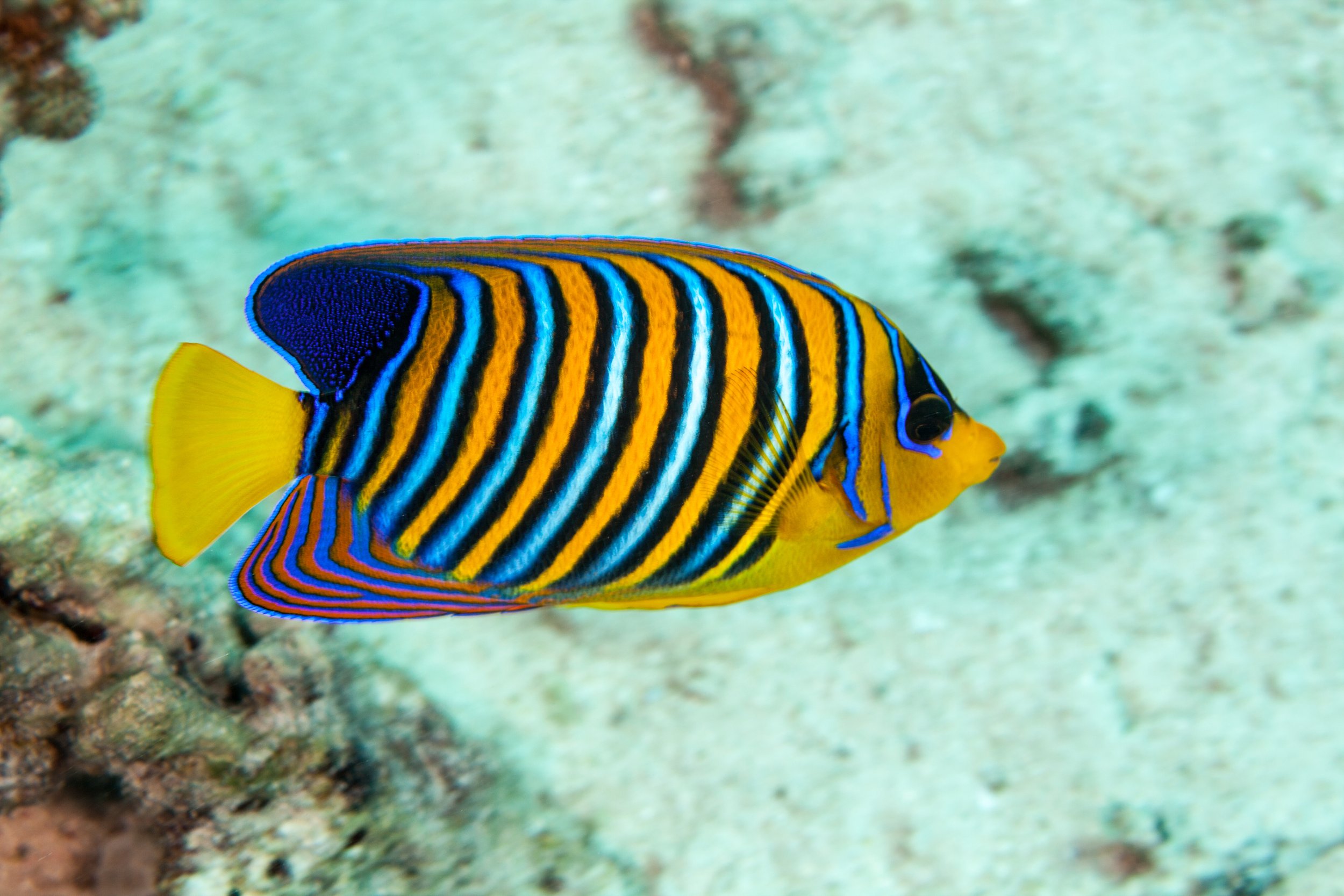
What do Regal Angelfish eat?
In the wild, Regal Angelfish primarily graze on sponges and tunicates. Those natural foods are hard to replicate in a home aquarium, so we adapt by offering alternatives that mimic texture and encourage surface picking behavior.
Primary wild diet: sponges and tunicates.
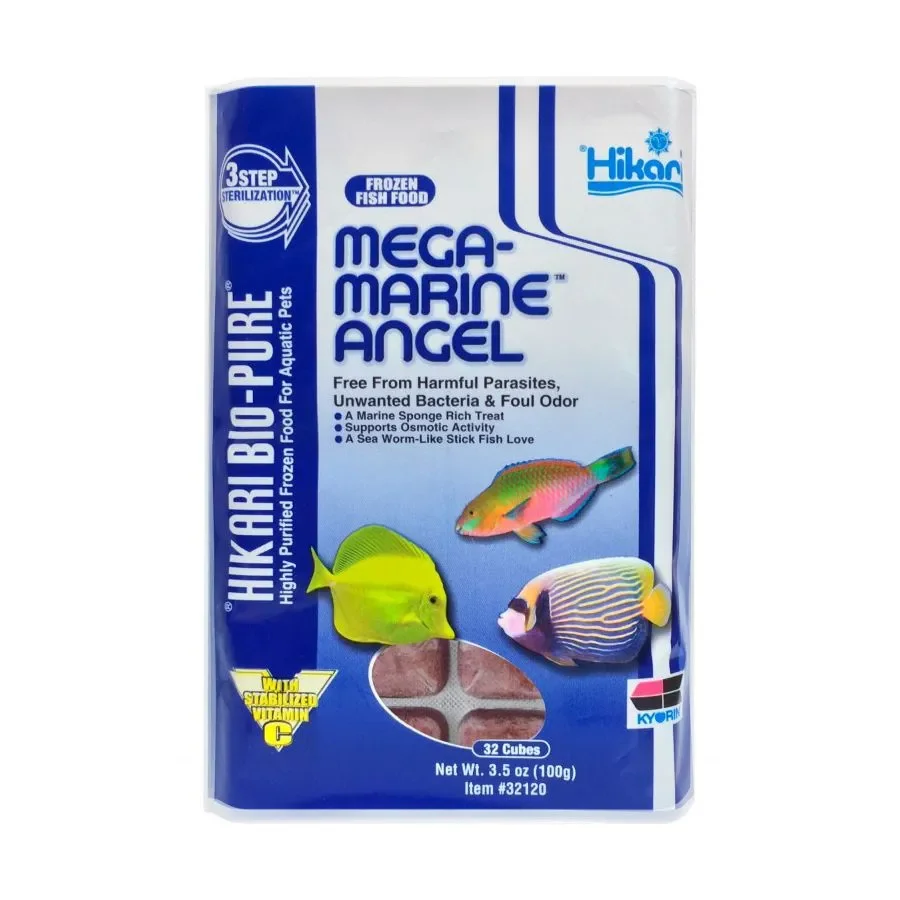
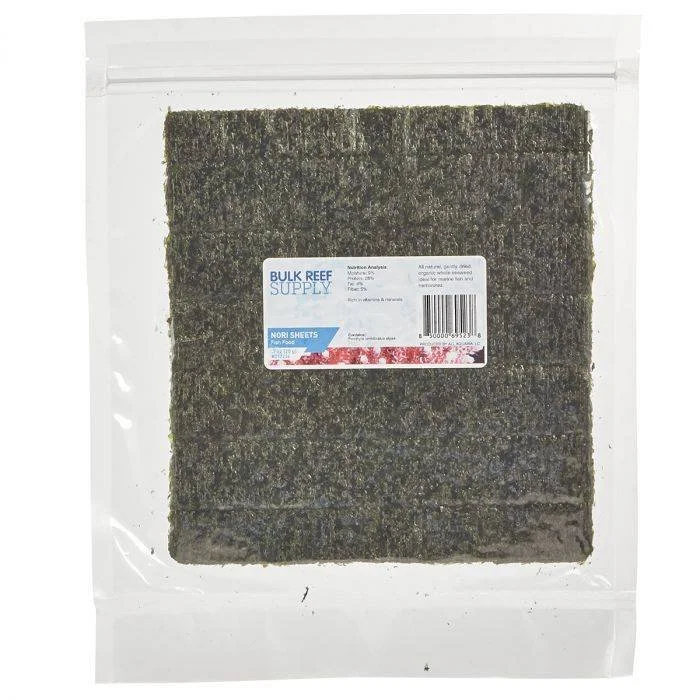
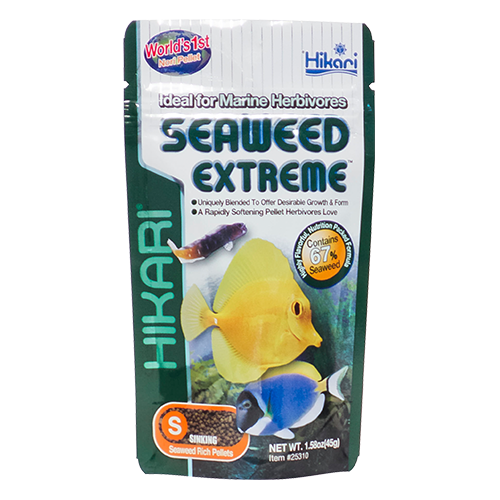
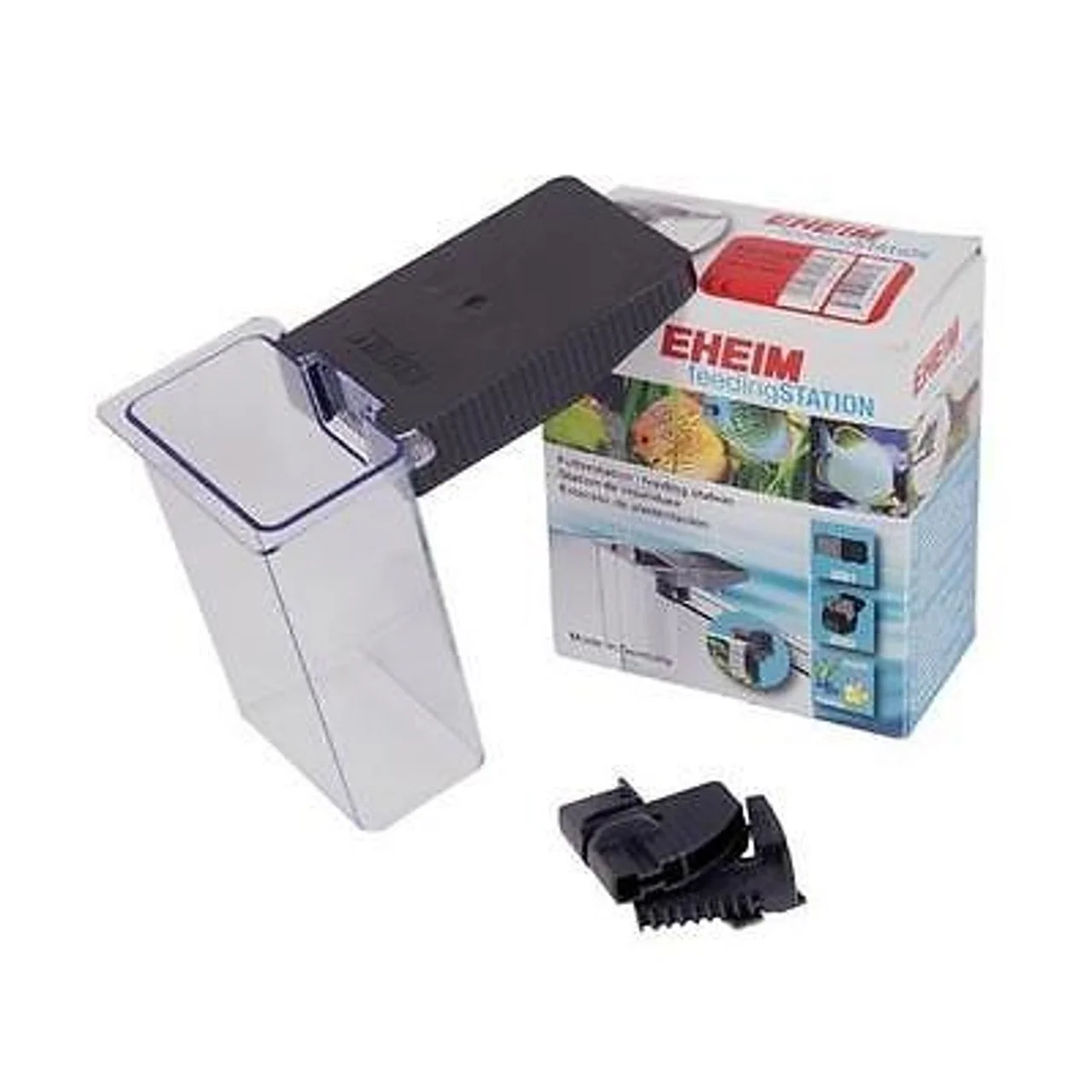
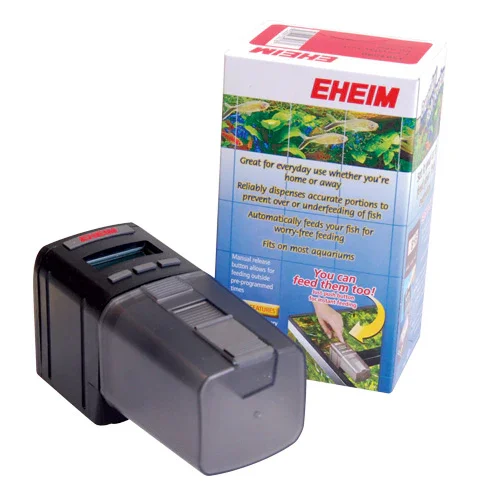
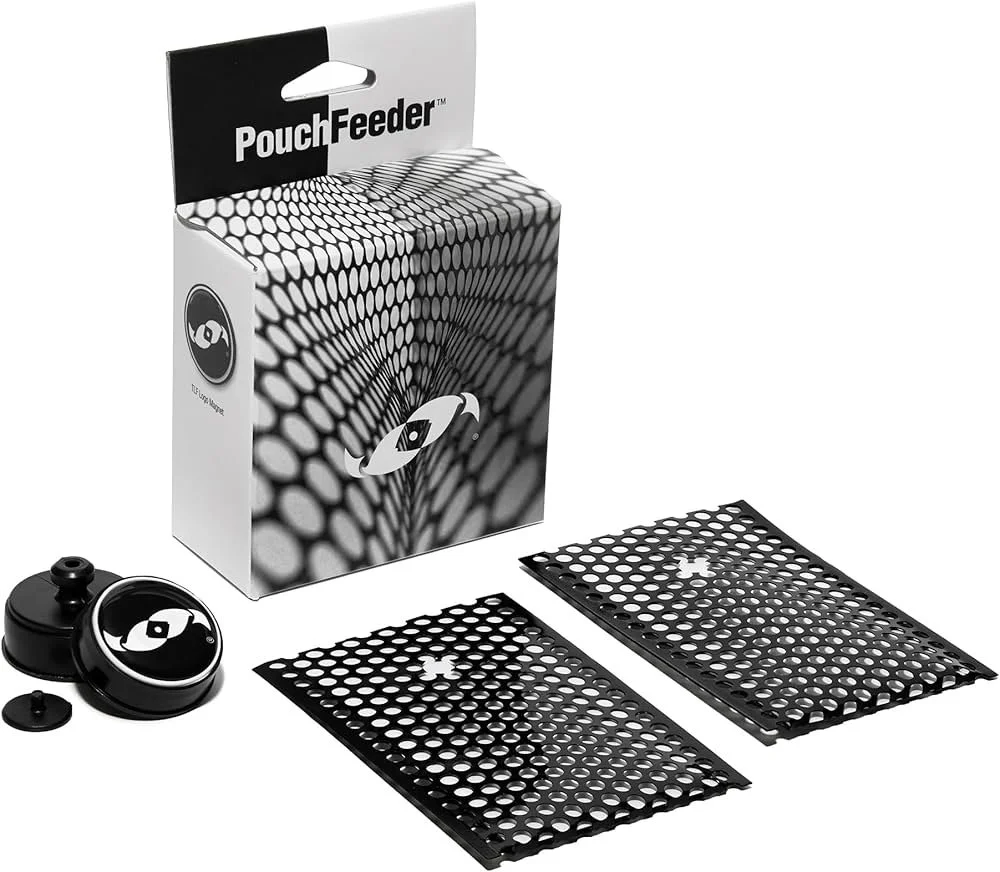
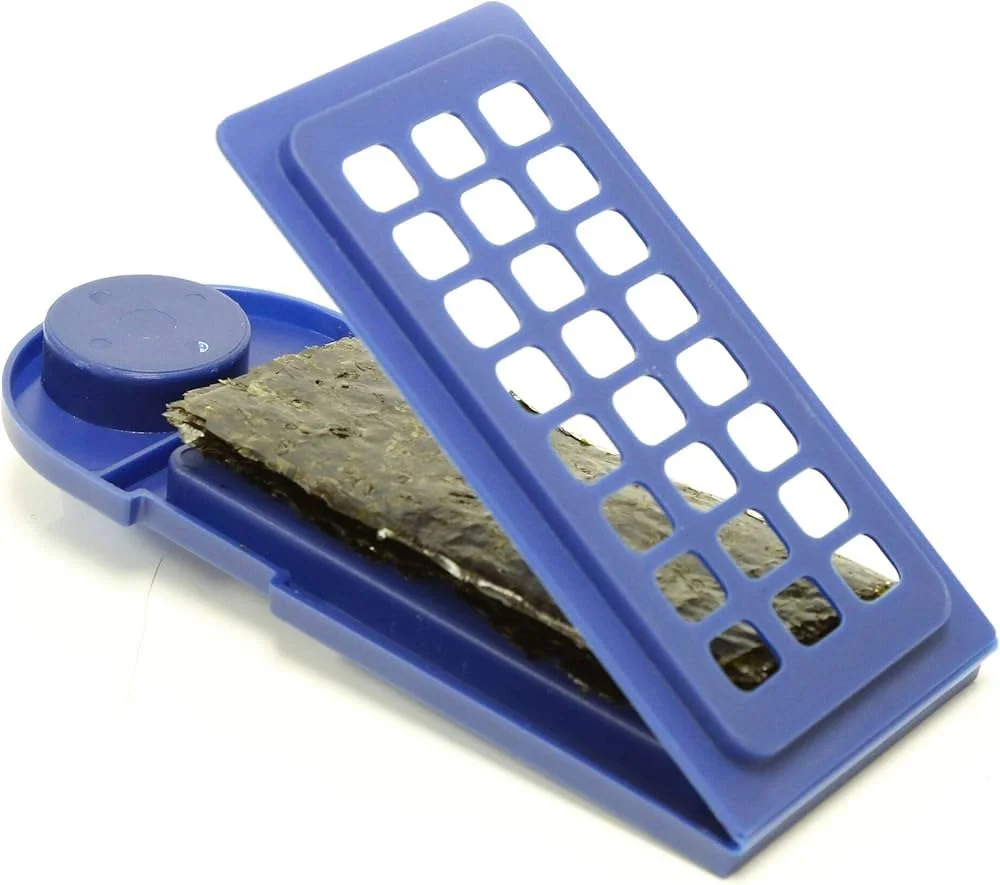
Home aquarium options: nori or seaweed sheets, specialized seaweed pellets, algae rings, frozen clam, and sponge-based formulated foods.
Avoid feeding fatty, oily meaty foods as the staple diet. That diet can lead to constipation and fatal digestive blockages.
Make fiber a regular part of the diet. Nori and other high fiber items help keep digestion moving.
Regal Angelfish are substrate pickers. They prefer to nibble along rock or coral surfaces rather than chase food in the water column. When we feed them, we present foods attached to rock or clips so the fish can exhibit natural foraging behavior.

Are Regal Angelfish reef safe?
Is the Regal Angelfish reef safe? The answer is nuanced.
Safe with other fish, most invertebrates, and soft corals and SPS in many cases.
Potentially destructive to LPS corals. If you keep large polyped stony corals, especially species that expose fleshy tissue, Regal Angelfish may nip or eat them.
They may also pick at pest sponges in a new tank, which can be helpful, but they do not graze algae like tangs do.
If your tank is LPS heavy, we recommend skipping this species. In SPS and soft coral displays the risk is much lower and the visual payoff is huge.

Tank size, habitat, and aquascape
Regal Angelfish grow to a decent size and prefer a tank with lots of rockwork, caves, and vertical structure. They are relatively cryptic and need places to retreat.
Minimum tank length: 4 feet, but 5 to 6 feet or larger is preferable for long-term comfort.
Provide caves and overhangs where sponges naturally grow and where the fish can feel secure.
Vertical aquascapes work well because the fish will use vertical space and even swim upside down under overhangs.
Shy temperament means a layout that allows it to be seen while also offering secure hiding spots.
Wild versus captive-bred Regal Angelfish
Captive-bred Regal Angelfish have shifted the care dynamic. Wild-caught individuals can be quite difficult and rank high on the skill scale. Captive-bred fish are usually much easier because they arrive eating prepared foods and carry fewer wild parasites.
Wild specimens: higher difficulty, more likely to have flukes and bacterial issues, often arrive in poor condition from shipping stress.
Captive-bred specimens: much easier to acclimate and feed; they are extremely small on arrival often a thumbnail size and require frequent feeding until they grow.
We rate skill level roughly: wild specimens advanced to expert; captive-bred lower but still require careful care while small.
Quarantine, common health issues, and treatments
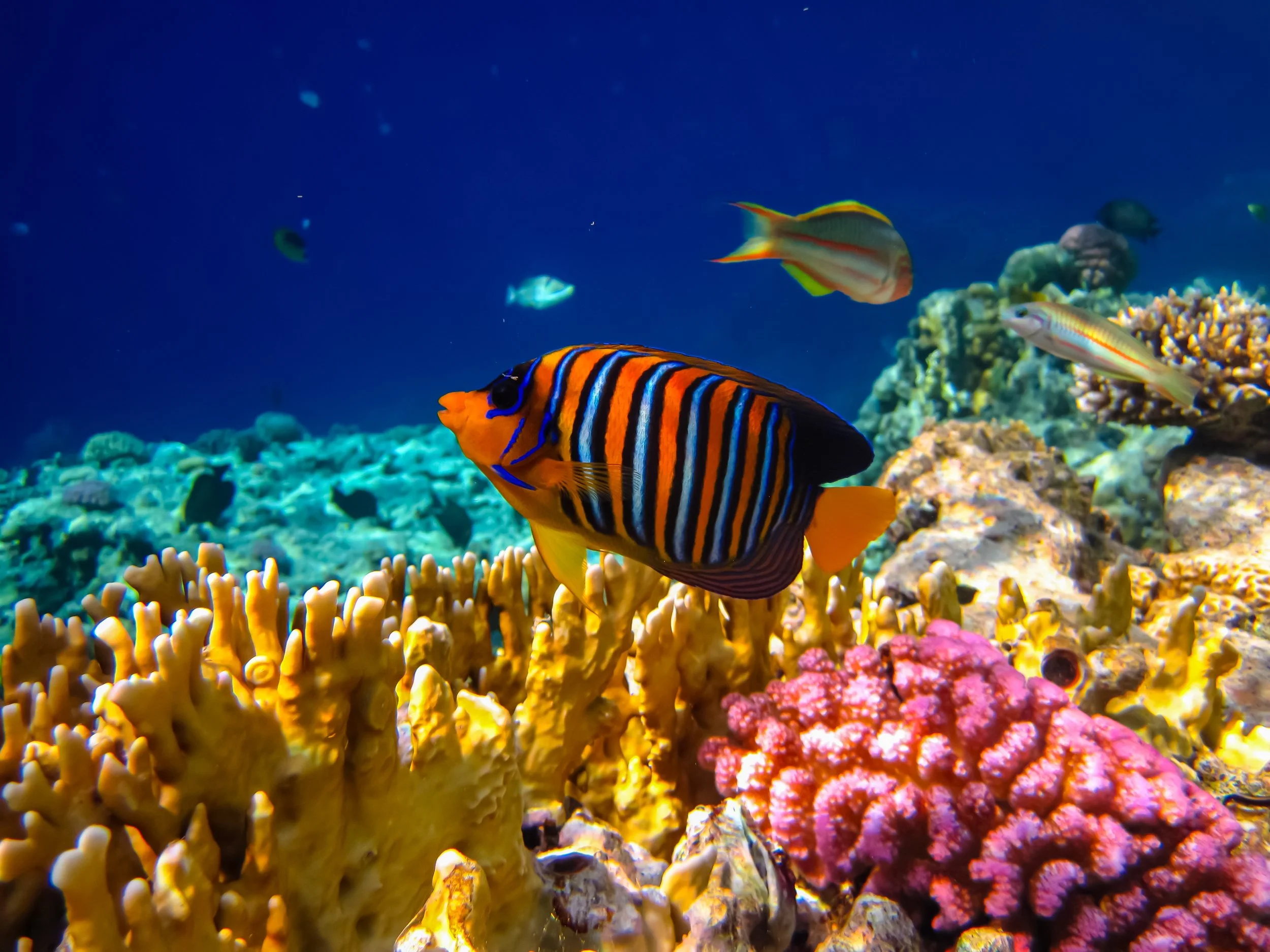
Success with Regal Angelfish often comes down to careful acclimation and quarantine. They do not ship well and often arrive stressed or with parasites and bacterial problems.
Use an acclimation box for introductions. Leave them in the box until they are eating confidently and showing normal behavior. This can take weeks.
Quarantine protocols we favor include freshwater dips, praziquantel treatments for flukes, hydrogen peroxide dips, and formalin baths. Formalin is often the most effective for this species when parasites are present. Formalin is a professional tool with risks that should be researched.
Bacterial issues are common. Antibiotics such as ciprofloxacin or targeted treatments may be necessary under the right guidance. Over-the-counter options like kanamycin and metronidazole are also used.
If we do not want to DIY quarantine, professional quarantine services are a viable option. Think of it like vaccinating a new puppy before bringing it home.

How To: Acclimation Box

How To: Serious Quarantine (SRQT)
Availability and regional color variation
Availability is variable. Regal Angelfish show up unpredictably, and some regions produce bolder color morphs. The best-colored specimens often come from regions like Sri Lanka, the Indian Ocean, and the Red Sea. Pacific varieties are more common but can have less intense coloration.
If you see one available, be prepared: they tend to sell quickly and may not be back for months.
Final thoughts
The Regal Angelfish is a top-tier show fish that commands attention. It rewards careful planning: the right diet, a secure aquascape, patient acclimation, and rigorous quarantine. For hobbyists willing to invest the time and effort, keeping a Regal Angelfish is both satisfying and impressive. We recommend preparation ahead of purchase, leaning toward captive-bred specimens if you want an easier path, and always prioritizing quarantine and a high-fiber feeding plan.
Regal Angelfish FAQs
Is the Regal Angelfish reef safe?
Regal Angelfish can be reef safe with fish, invertebrates, soft corals, and many SPS systems. They are a risk with LPS corals and may nip or eat fleshy polyps, so we do not recommend them for LPS-dominant tanks.
What does a Regal Angelfish eat in captivity?
They eat sponges and tunicates in the wild, so in aquaria we feed high-fiber items like nori and seaweed sheets, specialized seaweed pellets, and frozen clam. Avoid making fatty meaty foods the staple to prevent constipation.
How big of a tank does a Regal Angelfish need?
Minimum recommended length is about 4 feet, but 5 to 6 feet or larger is better. Provide plenty of rockwork, caves, and vertical structure for hiding and natural foraging.
Should I quarantine a Regal Angelfish?
Yes. Quarantine and acclimation are critical. Use an acclimation box until the fish is feeding well, and run parasite and bacterial treatments as needed. Formalin and praziquantel are commonly used, with antibiotics for bacterial issues when appropriate.
Are captive-bred Regal Angelfish easier to keep than wild-caught?
Yes. Captive-bred specimens typically arrive eating prepared foods and carry fewer parasites, making them easier for most hobbyists. They are very small on arrival and need frequent feeding as juveniles, but overall present a lower risk than wild-caught fish.
Mandarin Fish
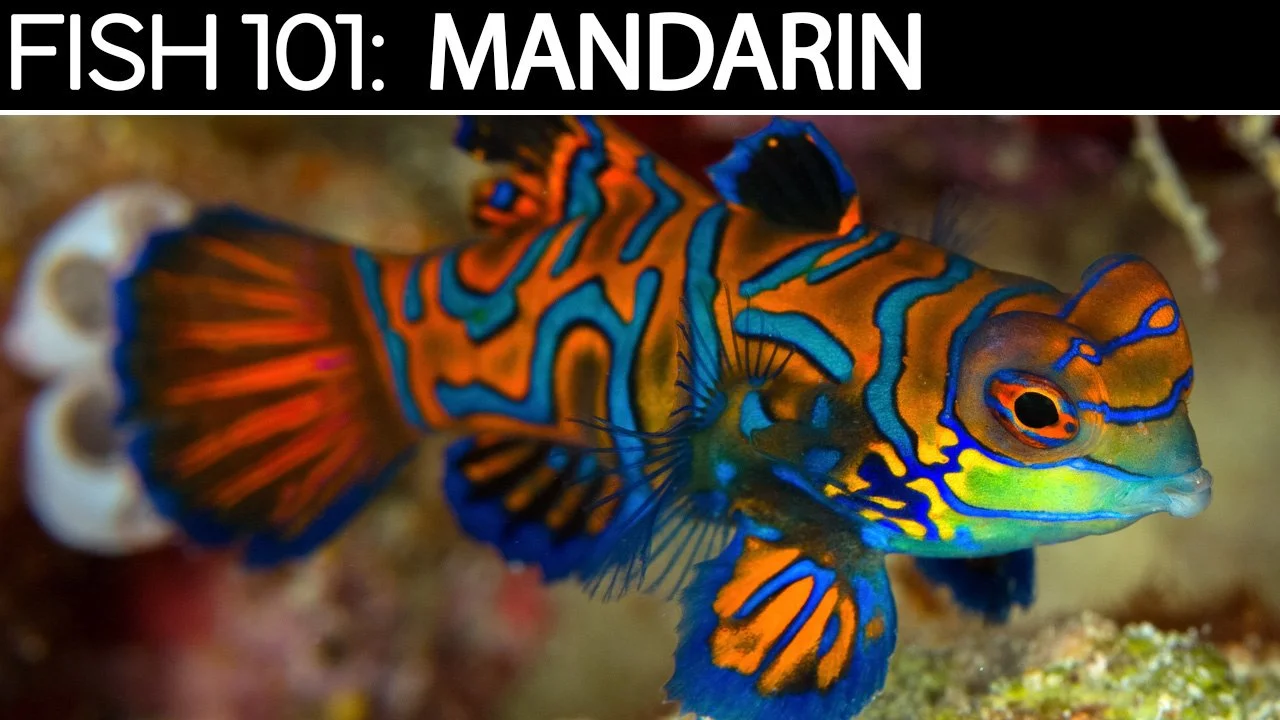
Mandarin Fish
Mandarin are one of those fish that almost everyone calls "super cool" and "psychedelic" the first time they see one. We get it. Their color and behavior make them instant favorites. But beyond the looks, Mandarin are interesting because what makes them challenging for some hobbyists also makes them surprisingly easy for others. In this guide we cover everything we would tell a friend about keeping a Mandarin healthy and happy.
Acknowledgments
Thank you to Elliot Lim for sharing his knowledge with the SR community. Elliot owns and operates www.marinecollectors.com Thank you to Oral Seymour for summarizing the video and making it available to everyone. Follow Oral on his IG page reefingwitho
Thank you to the Serious Reefs community. Your membership funds the creation of articles and videos like this one.
Support Serious Reefs
Patreon is the best option If you…
Want to discuss with the SR community and ask questions.
Want immediate notifications of every release.
Listen with phone screen off. Patreon app works with phone closed
Want 25% off via annual discounts.
YouTube members is the best option If you…
Watch SR videos on a TV via youtube App
Want to watch videos natively here on seriousreefs.com - (You must use chrome browser and be logged into google account with youtube membership)
Are a YouTube power user.
Tell a friend. Best option if want more SR (and faster).
If you like what we’re doing, give SR a quick shout-out on your favorite forum, YouTube, Facebook, TikTok, or Instagram. Let your local fish store know SR is helping you explore the hobby and keep it fun. Thanks for the support!
Disclaimer
Full Disclaimer HERE. This is the gist of it.
Content is based on personal experience, not professional advice. Do your research and reef responsibly. Serious Reefs should not be your sole source of information on any topic.
By watching, you agree that Serious Reefs and its creators aren’t liable for how you use this info. Please don’t utilize our information if you are not ok with this.
Serious Reefs has no sponsors, doesn’t accept product or payment for reviews. We do use affiliate links in articles that earn a small commission to support our work. Shop wherever you like, we won’t be offended.