Achilles Tang: Fish 101
Why This Striking Tang is One of the Hardest Reef Fish to Keep
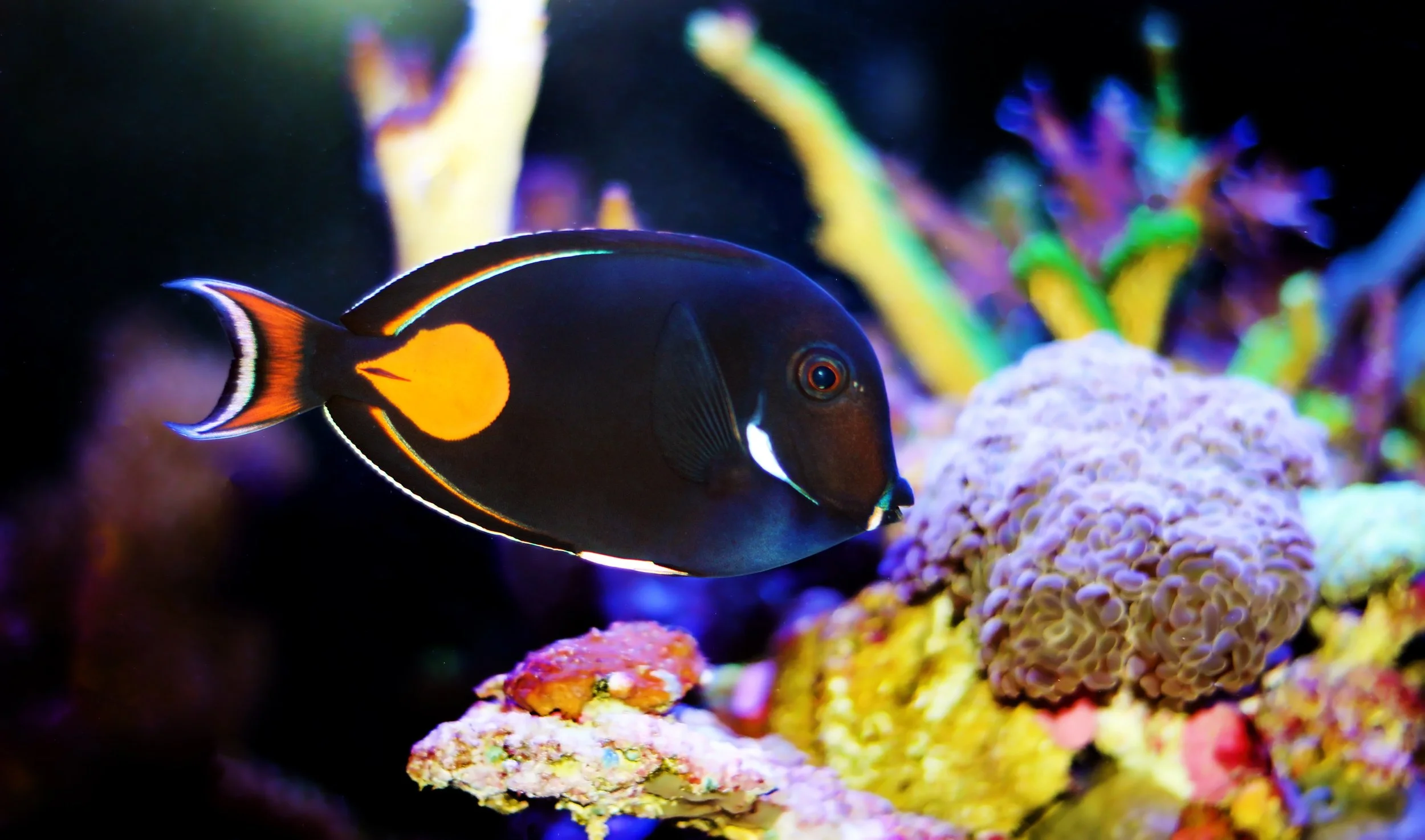
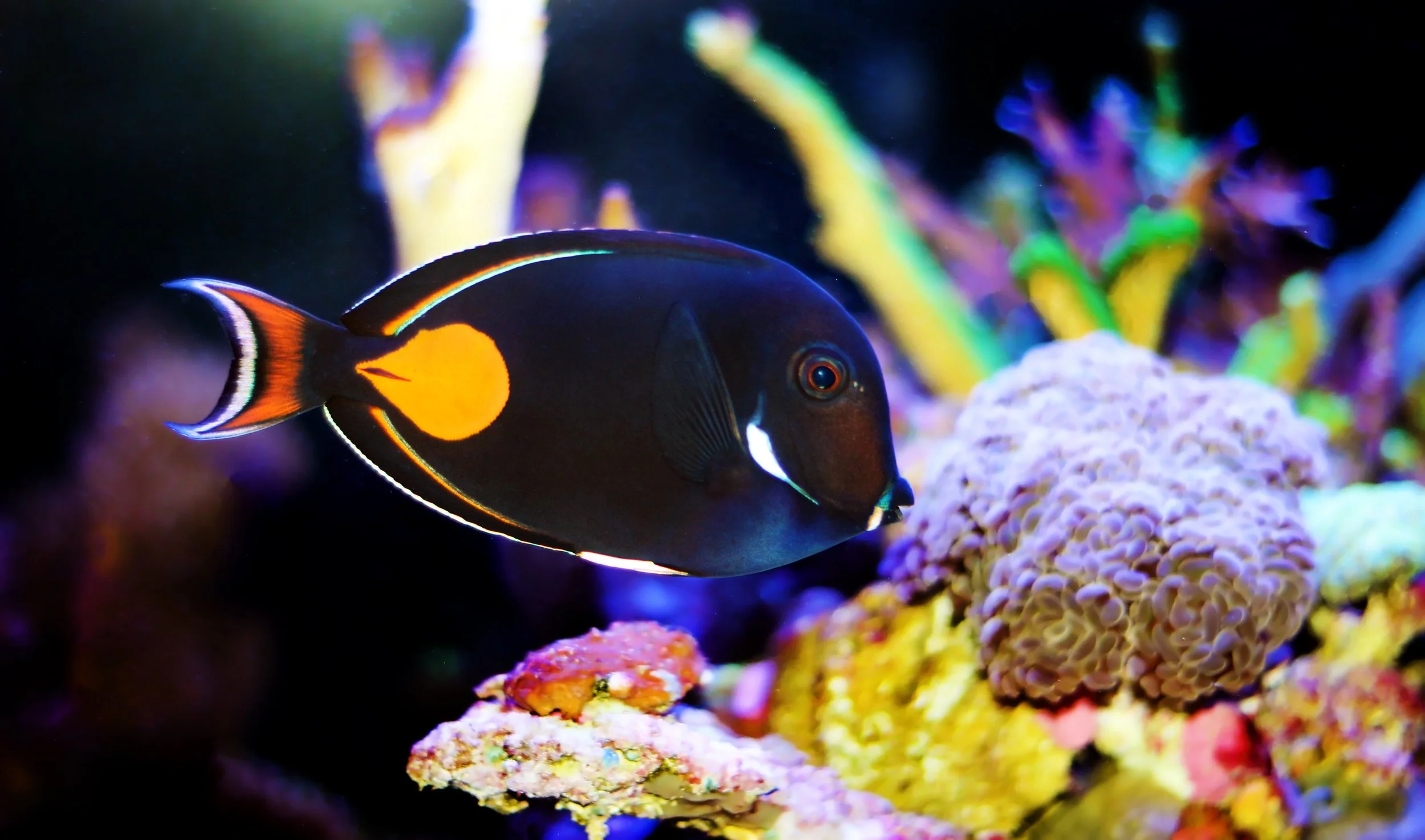
Achilles Tang
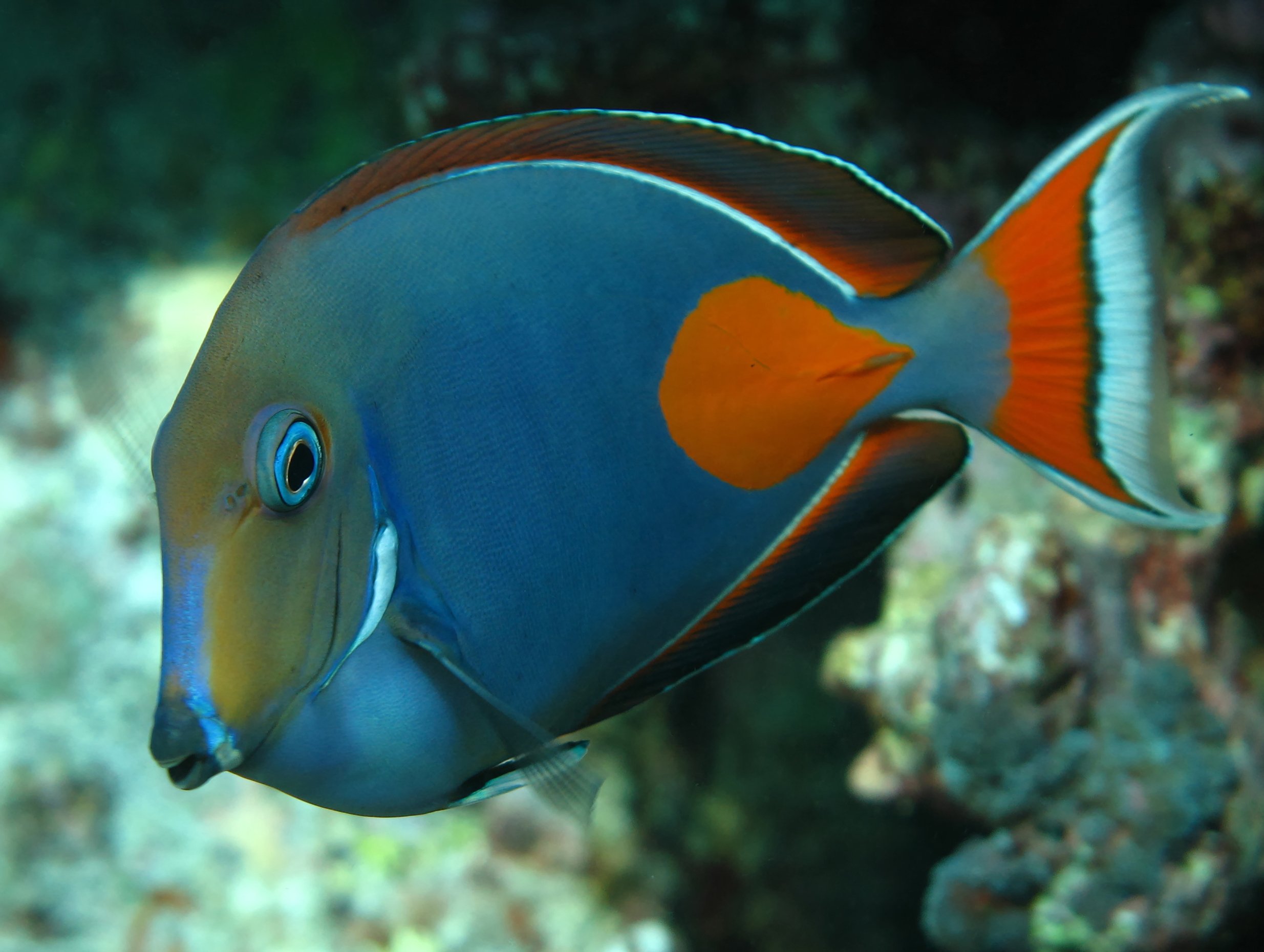
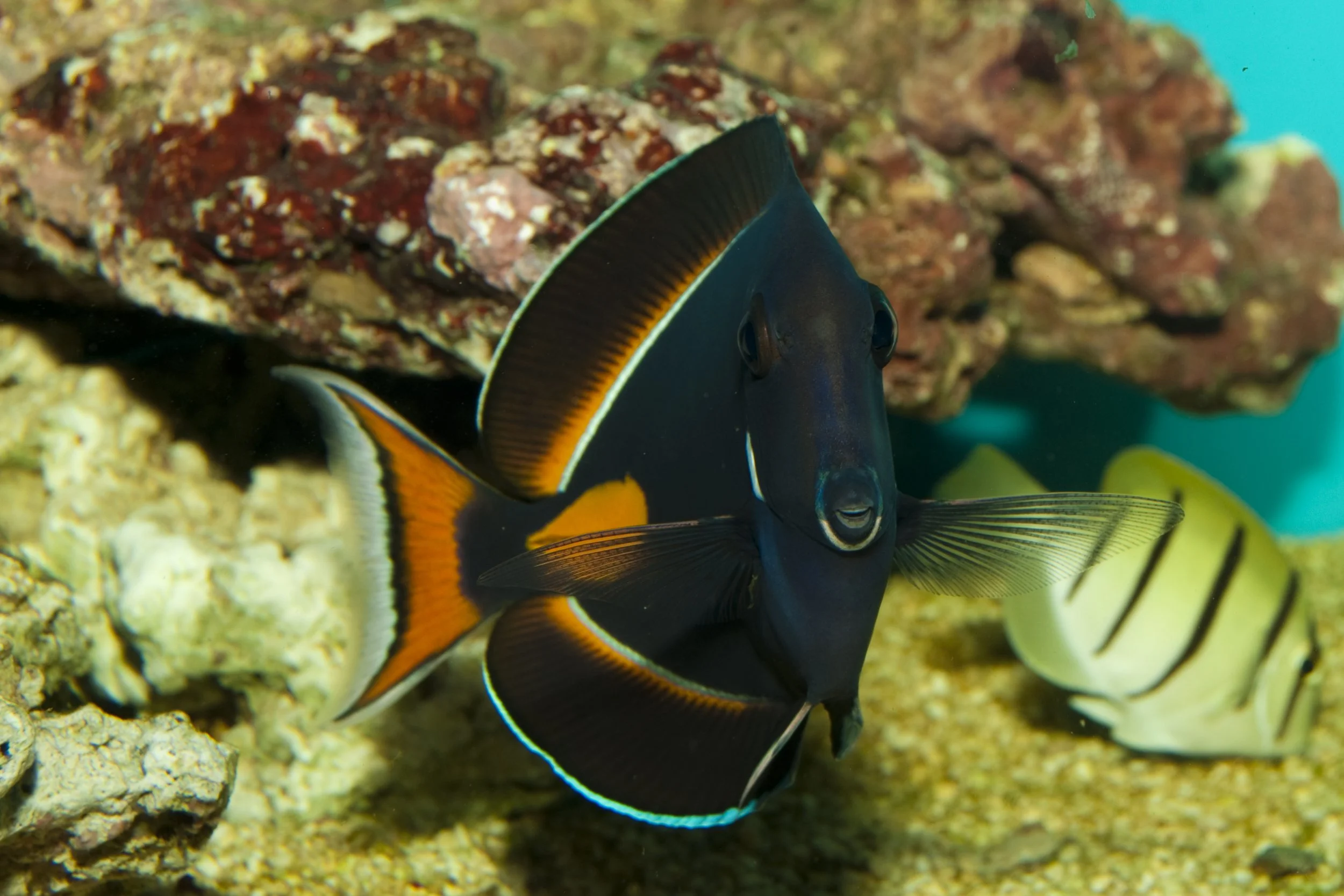
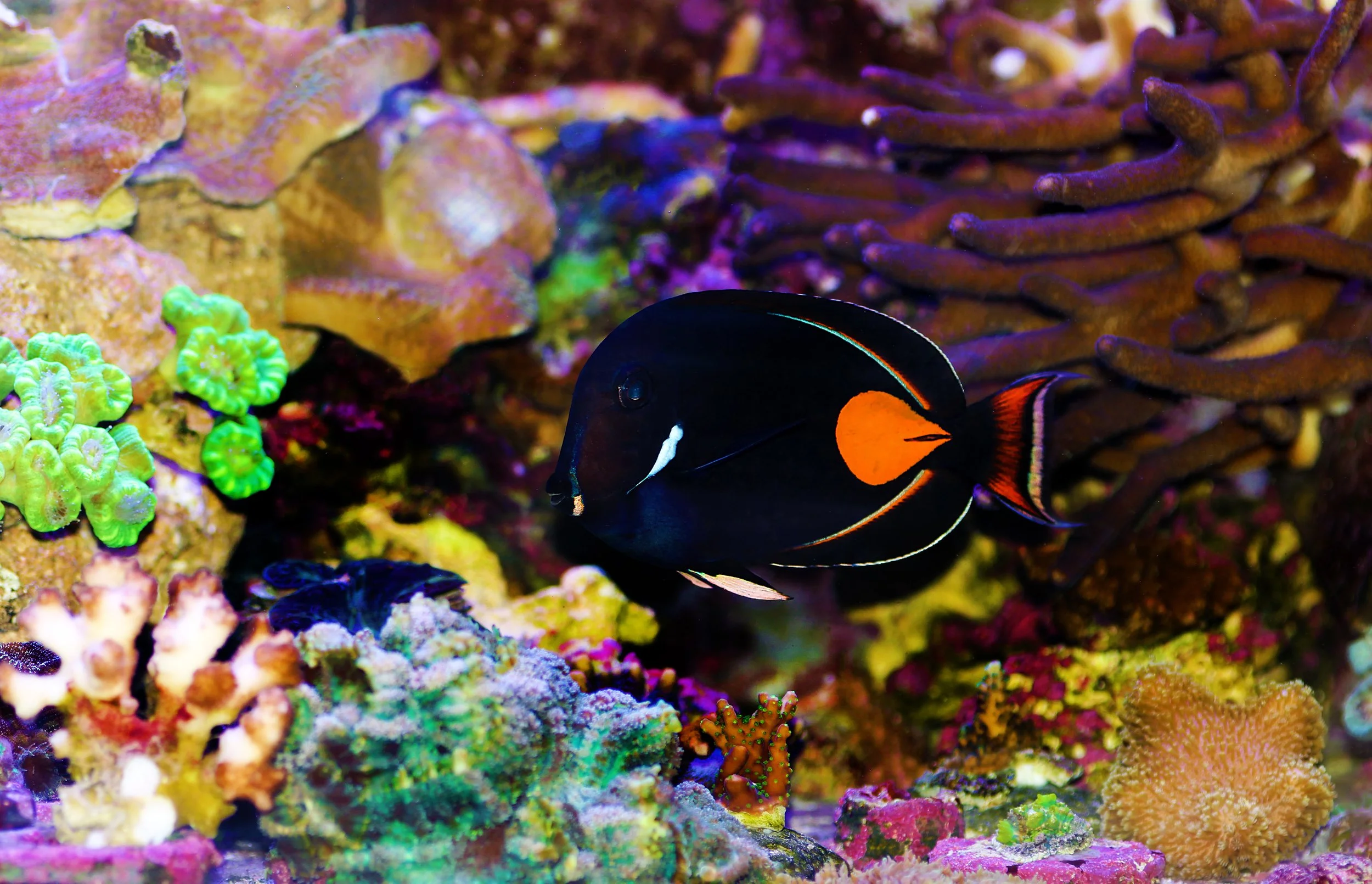
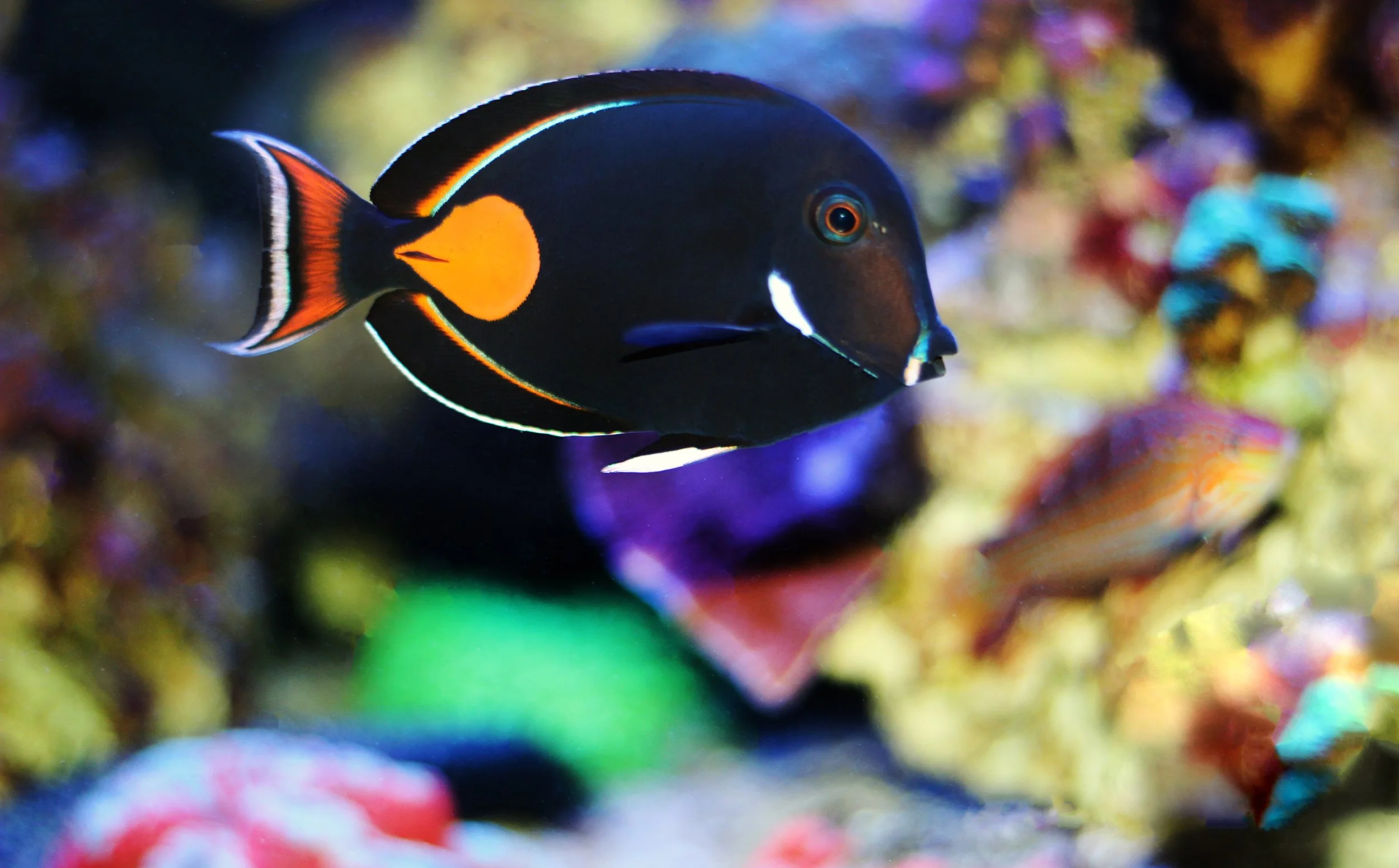
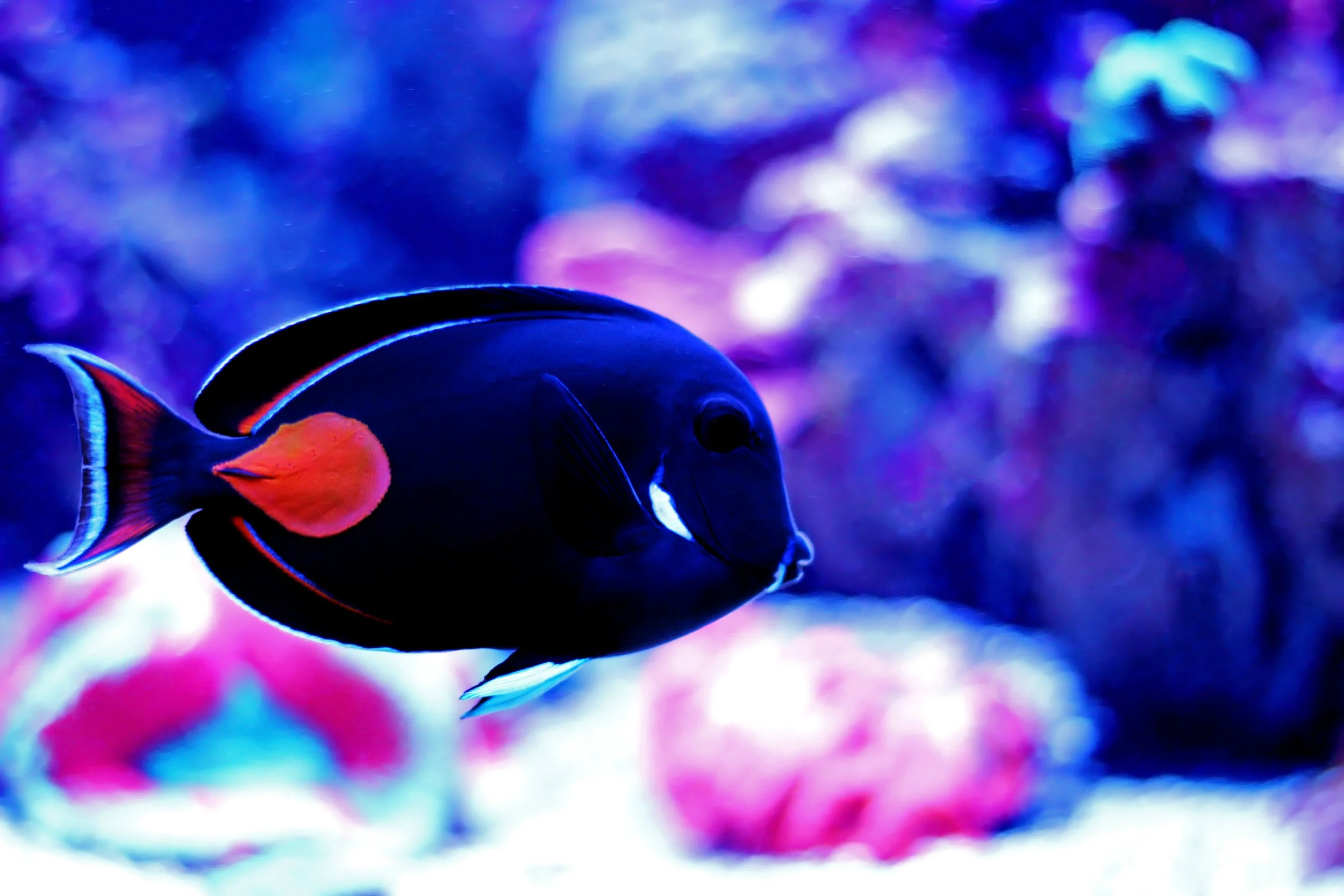
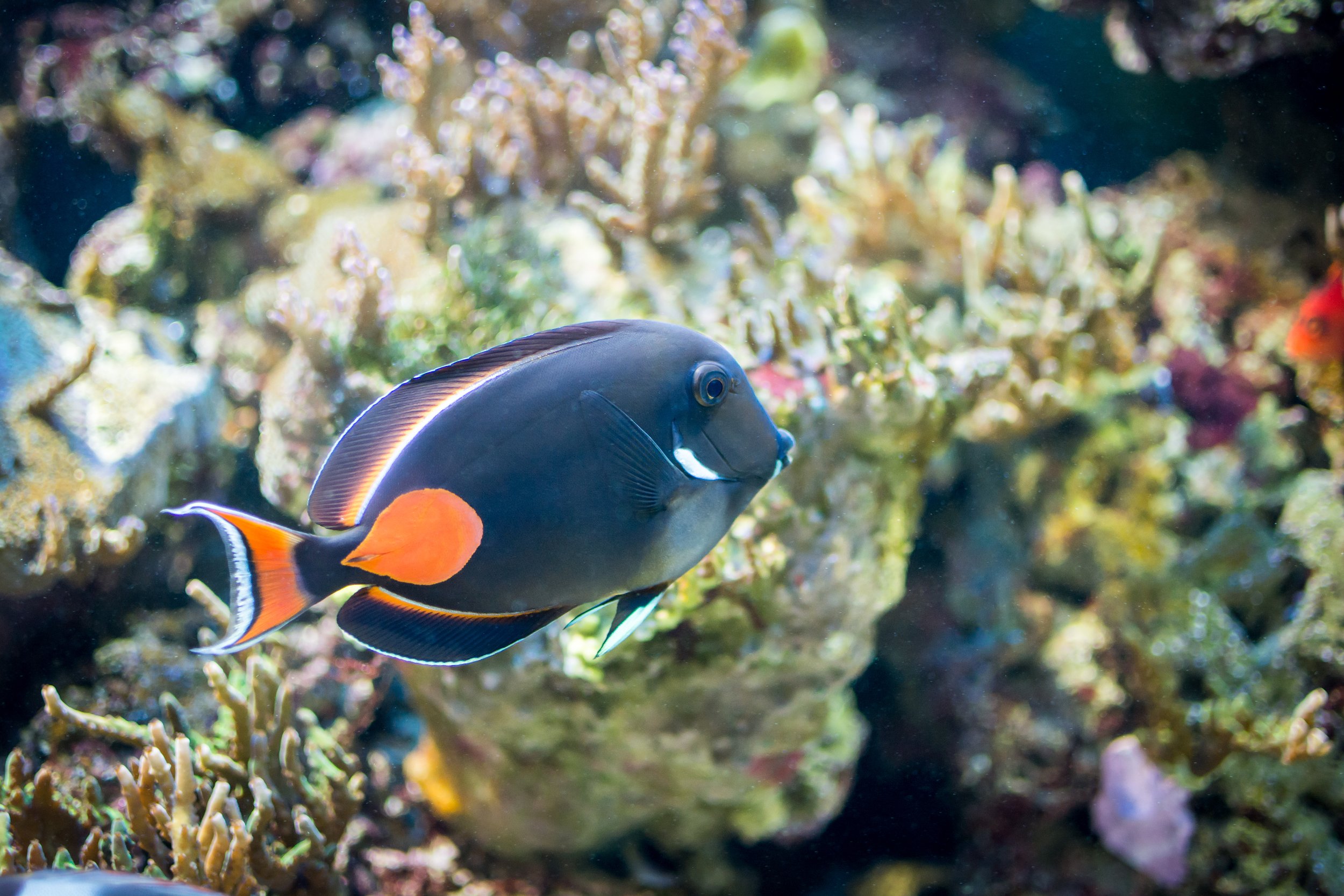
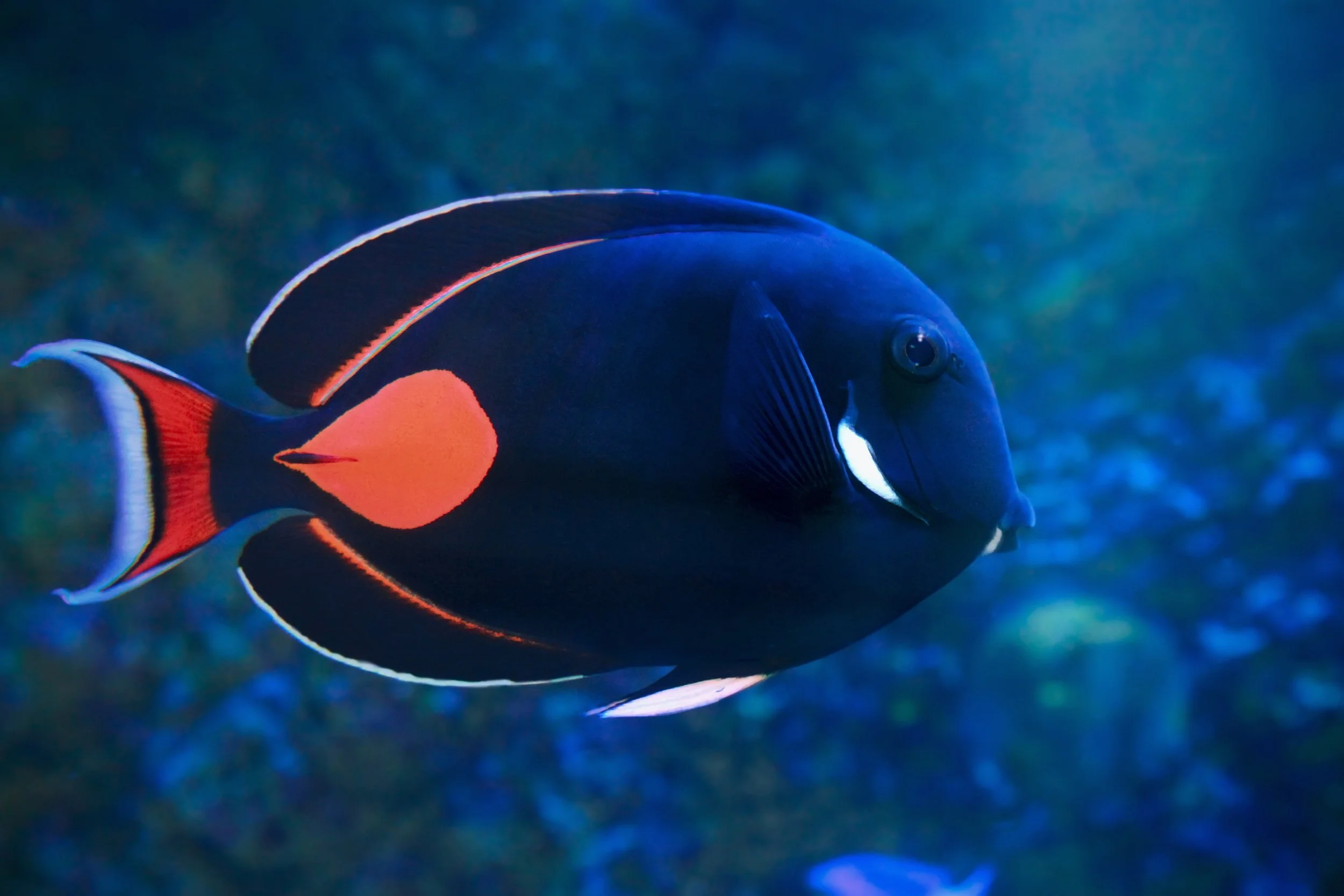
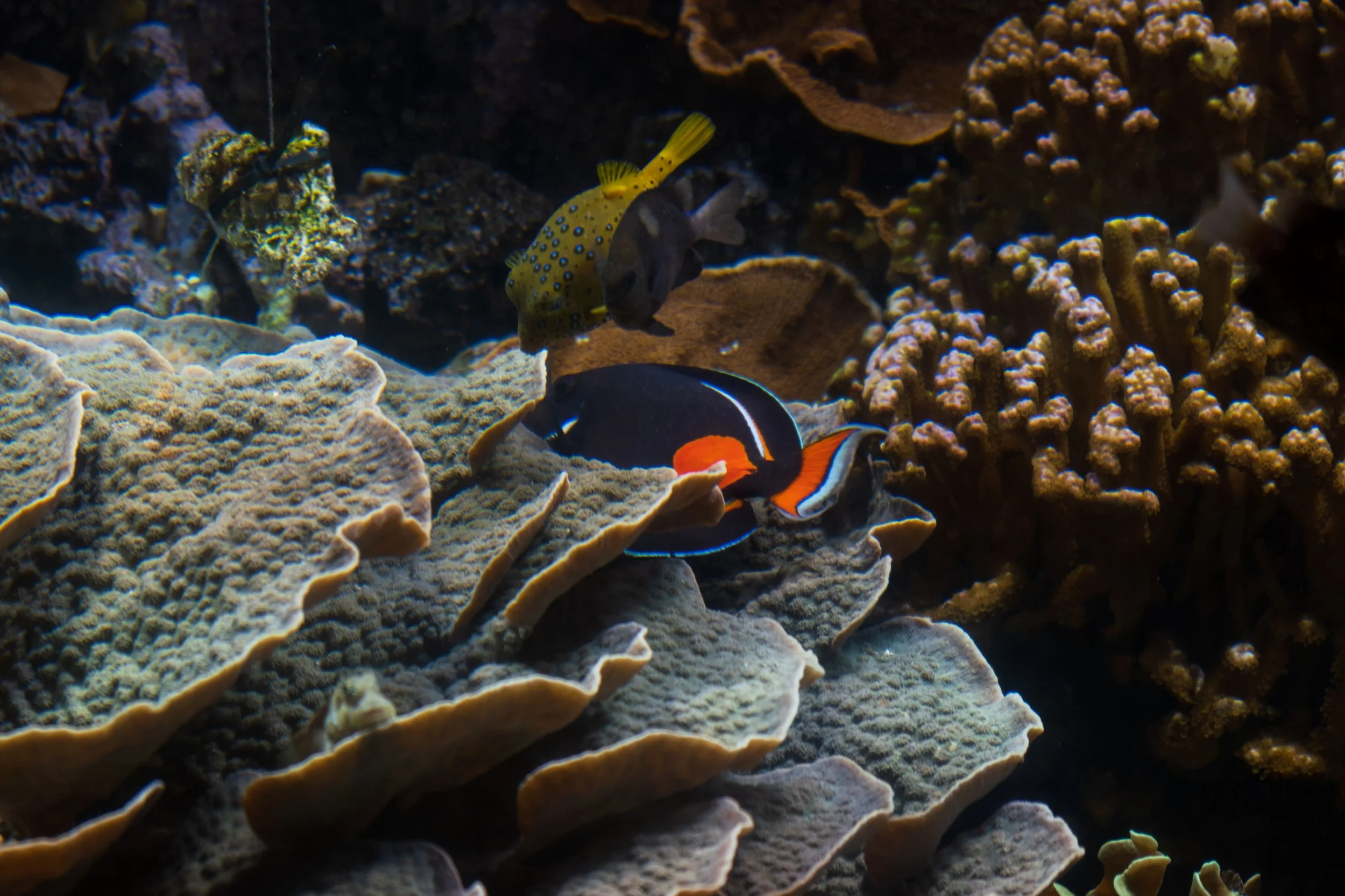
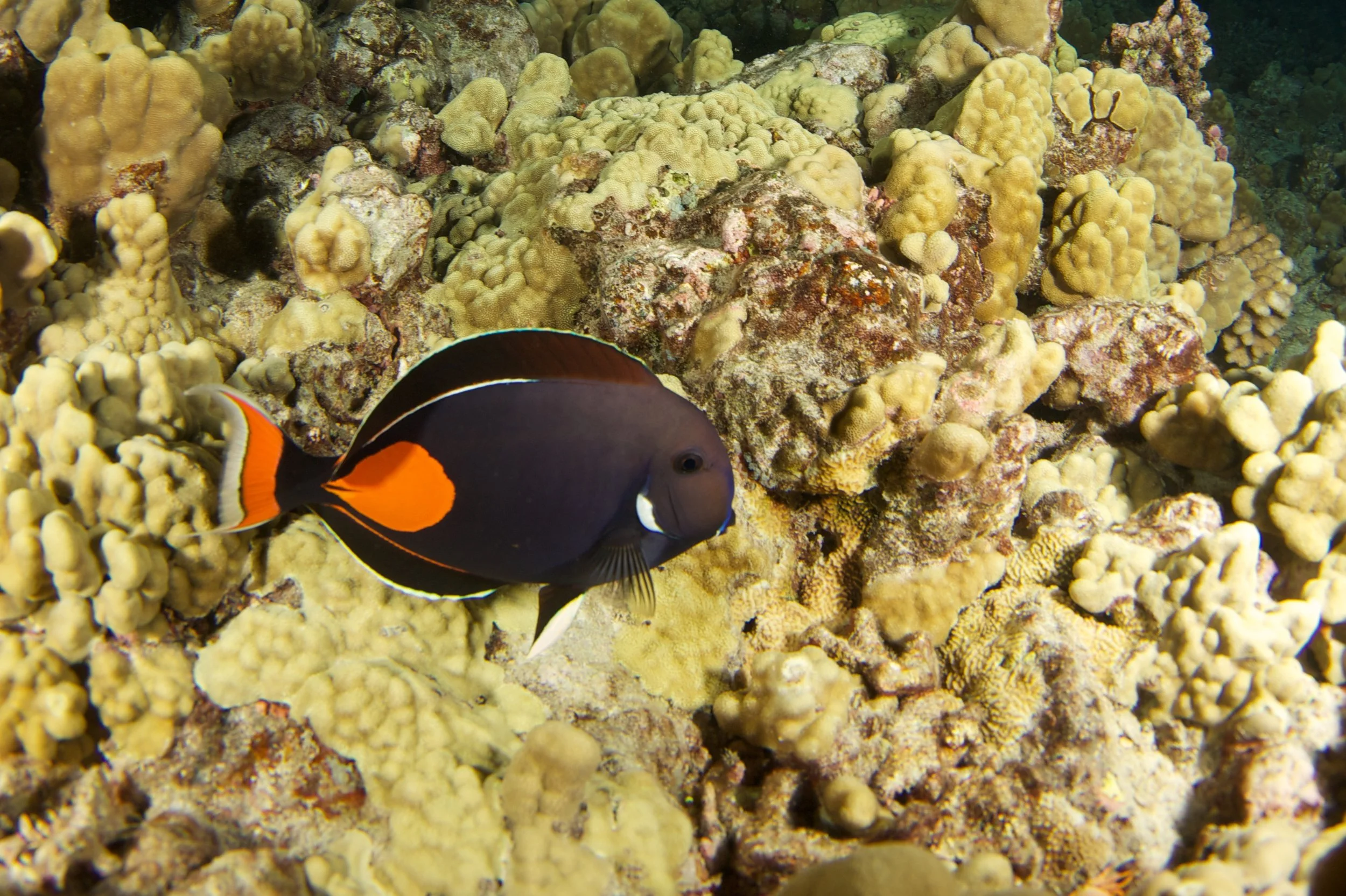
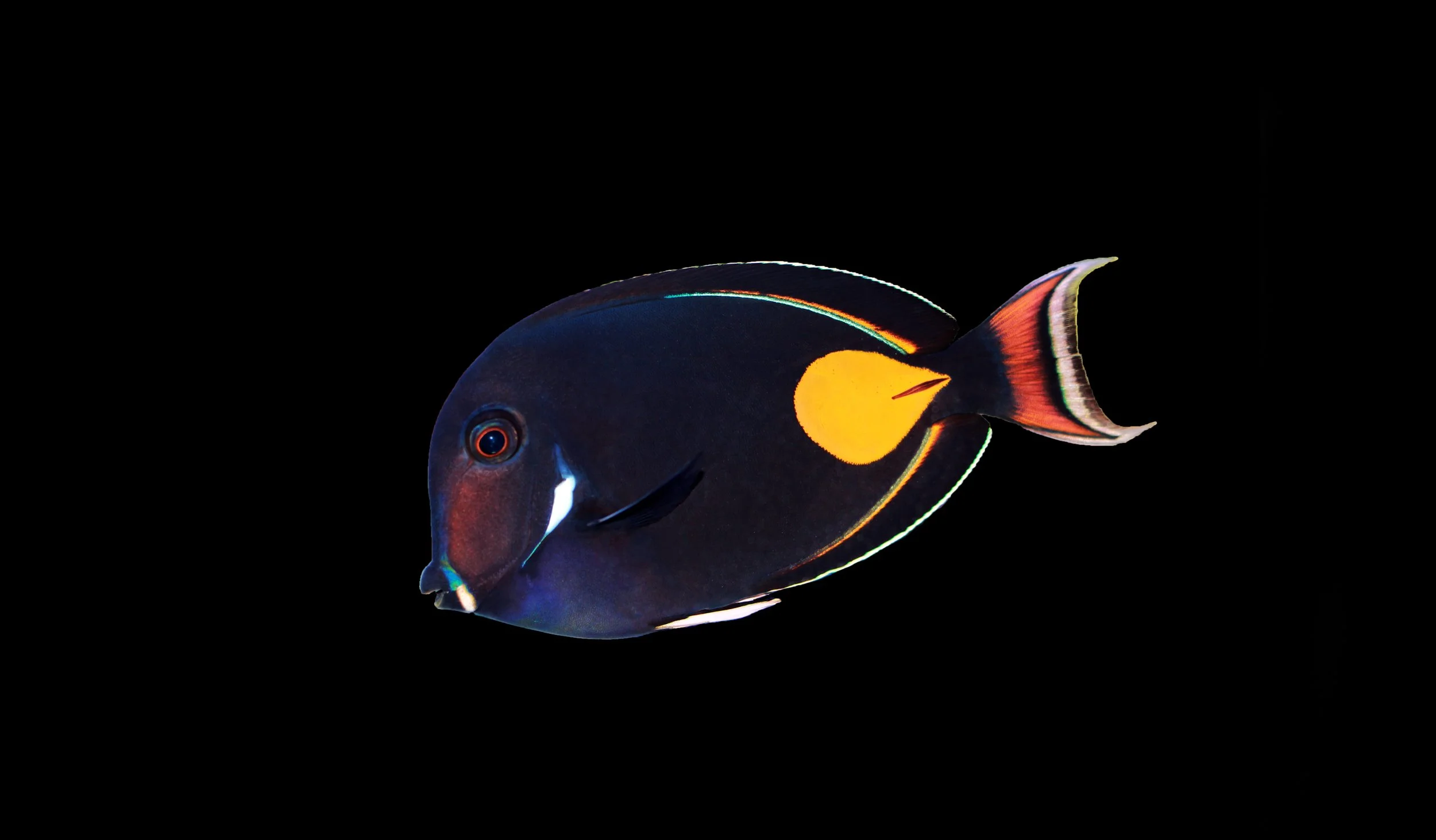
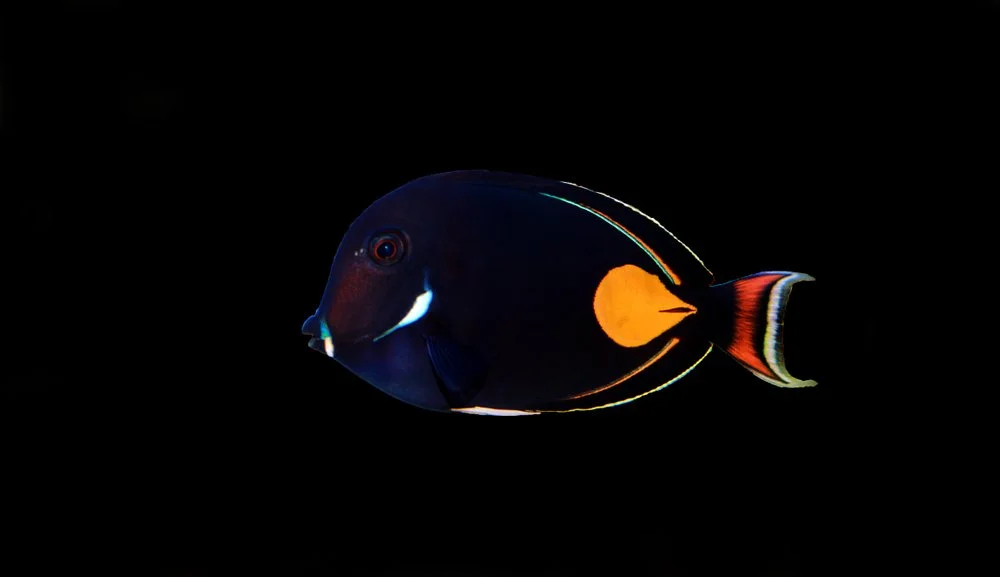
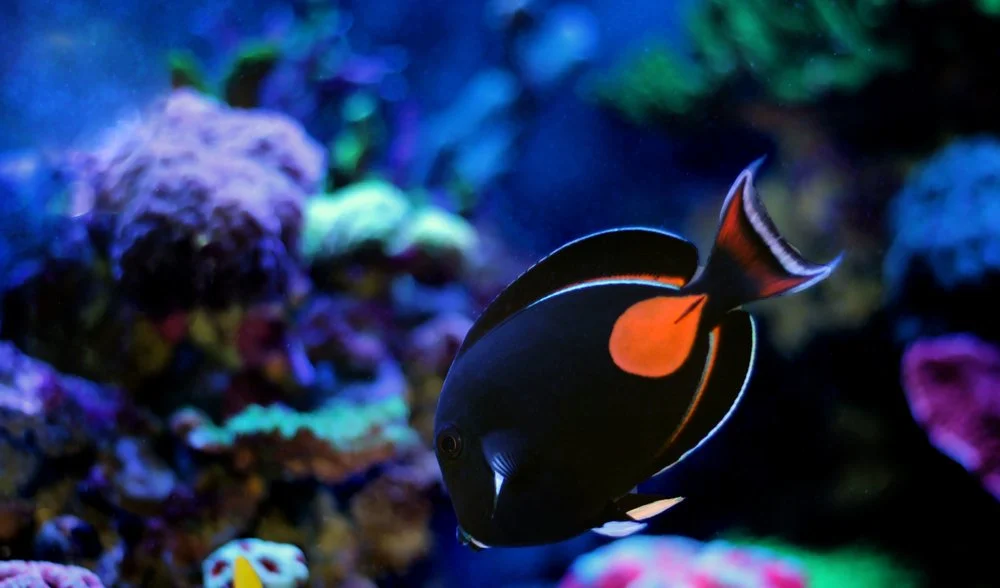
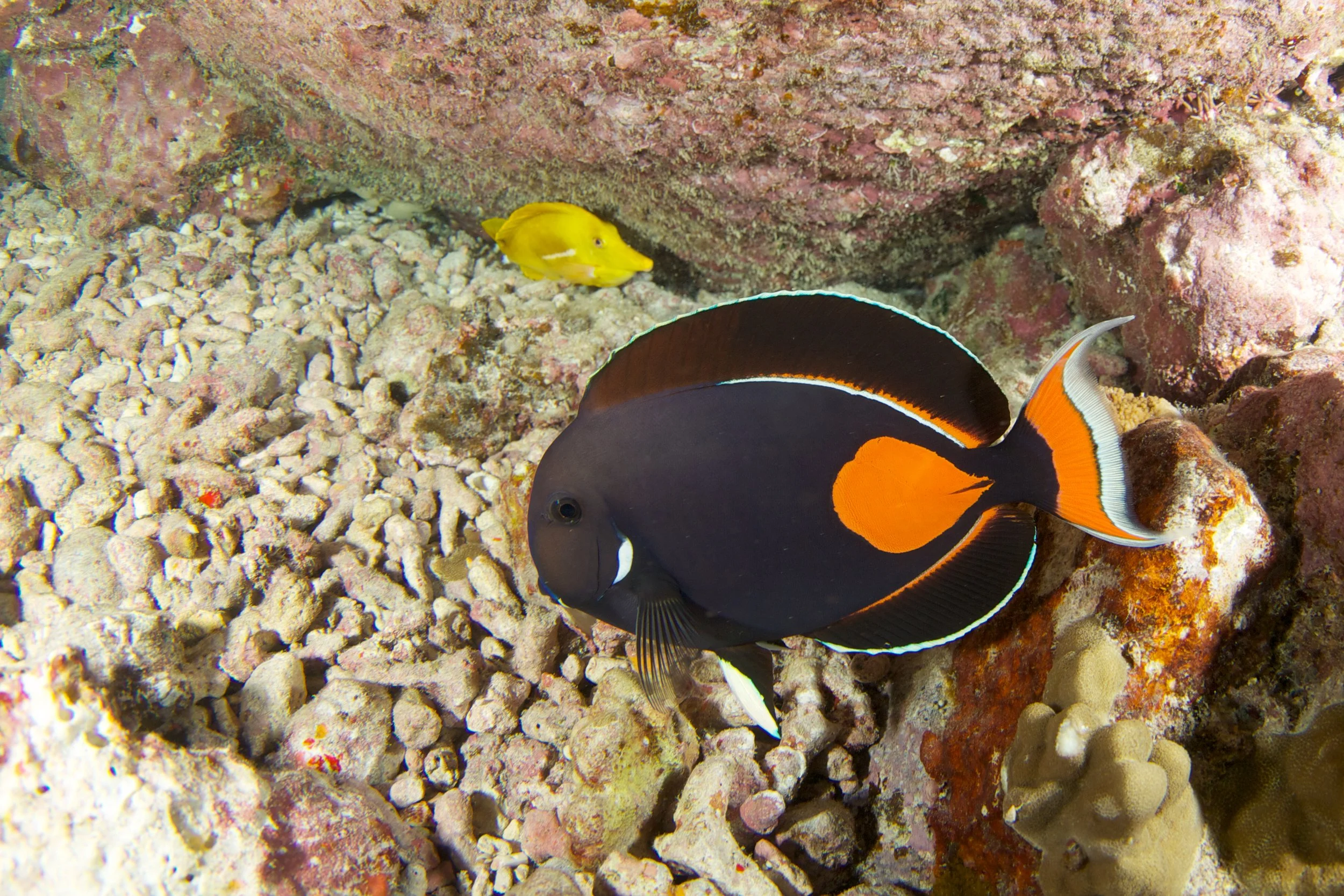
The Achilles Tang is hands down one of the most iconic reef fish. Its deep black body with a bright red teardrop at the tail makes it a showstopper, and pulling one off in your system is an instant flex in the reef community. That beauty, however, comes with a reputation. The Achilles Tang is challenging to keep, often requiring strict quarantine, precise husbandry, and a bit of luck. If you love a challenge and want the best chance of success, read on.
Note: Paid YouTube SR Members Using A Chrome Browser can watch videos natively above on Seriousreefs.com. Sign up HERE
SR videos are a community funded member only resource. Serious Reefs buys everything we review, accepts no sponsorships, and your memberships make it possible to keep every review truly unfiltered.
At a glance
Common name: Achilles Tang or Acanthurus achilles
Diet: Daily feedings of nori, herbivore pellets, and frequent algae offerings.
Reef-safe: Yes, safe with corals and invertebrates
Tank requirements:
Minimum size: Long tanks that allow sustained swimming. Aim for at least an 8 foot tank or around 240 gallons when possible. Note that this is a larger tank that you may see suggested elsewhere, this is because we want to see you and the fish thrive.
Filtration: Large protein skimmer and robust mechanical filtration to support high oxygen and water quality.
Care level: High Difficulty - Quarantine every fish, coral, and invertebrate. Treat new arrivals with copper when needed.
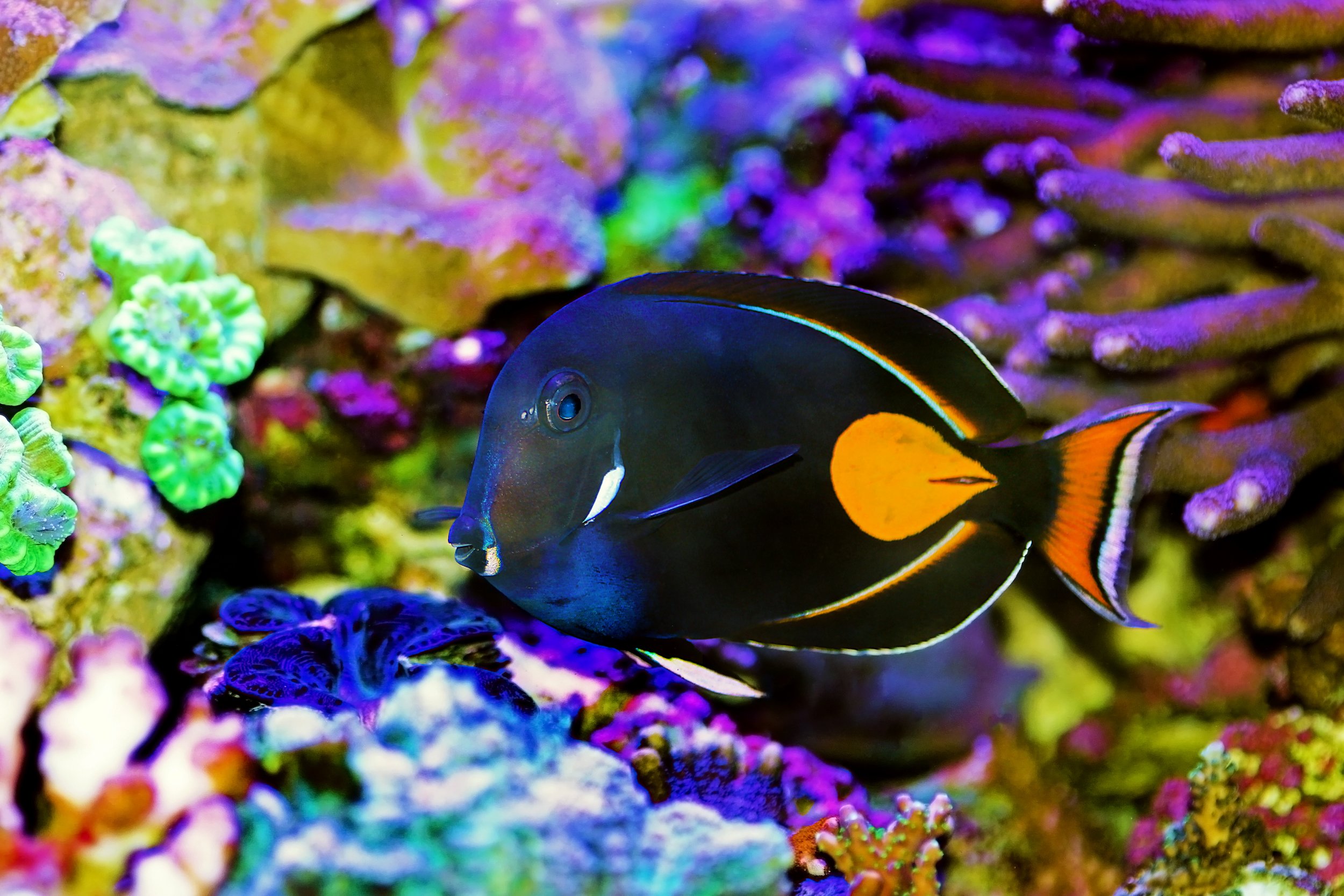
What do Achilles Tangs eat?
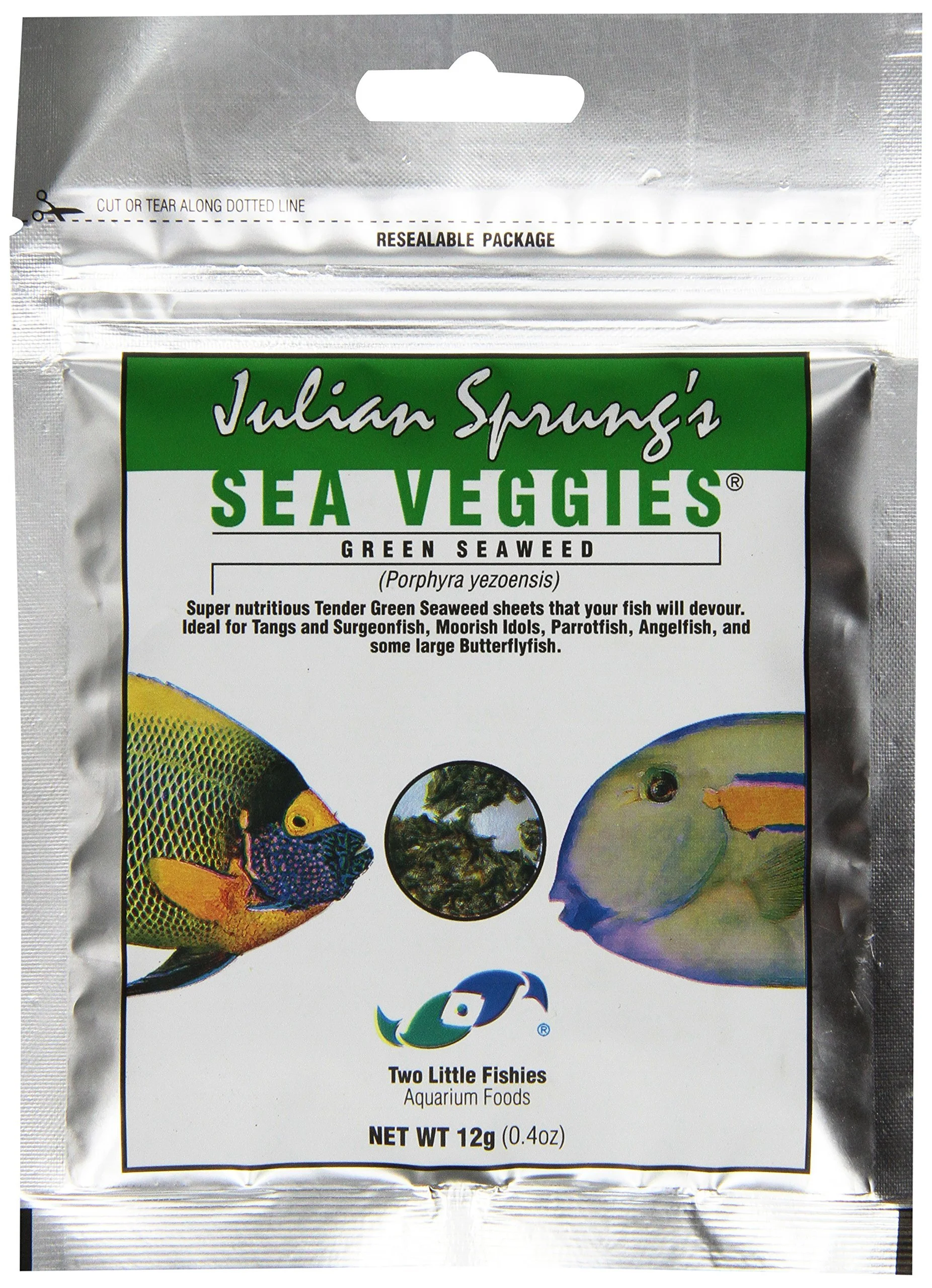
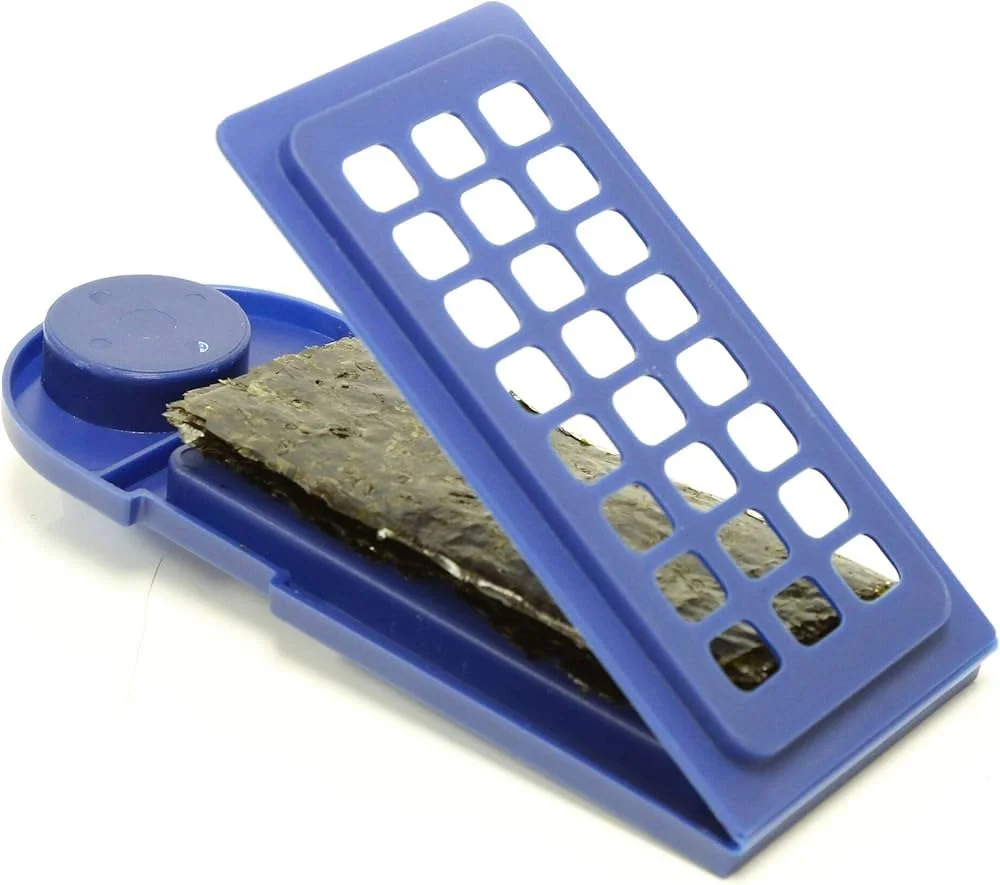
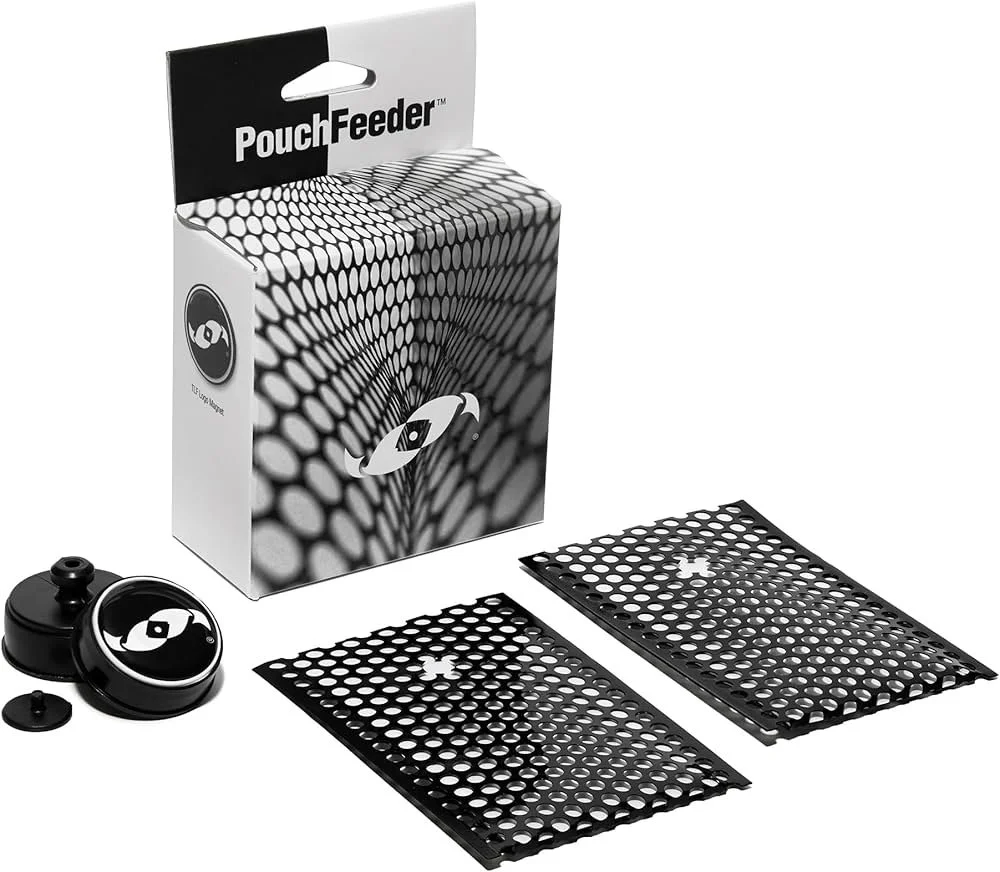
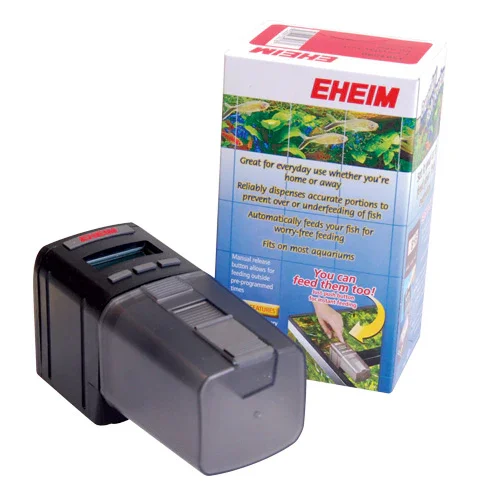
In the wild the Achilles Tang is primarily an algal grazer. It needs high fiber foods and lots of algae. This is not a fish you can sustain on meaty frozen foods alone. In a home aquarium feed a mix of nori, algae sheets, seaweed, and formulated herbivore pellets. Frequent feedings of dried nori and high quality herbivore preparations help mimic the grazing behavior and high calorie burn this tang experiences in surge zones.
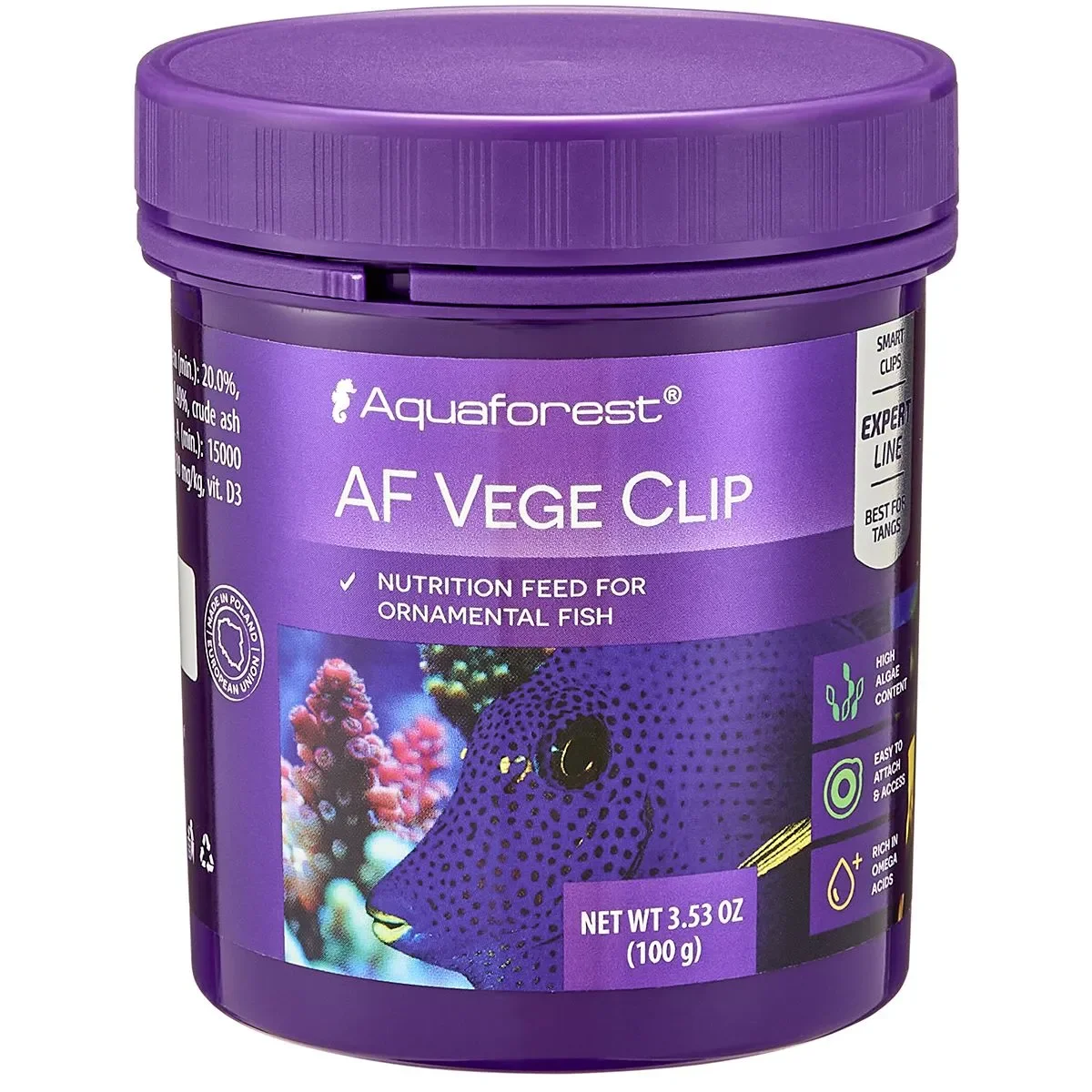
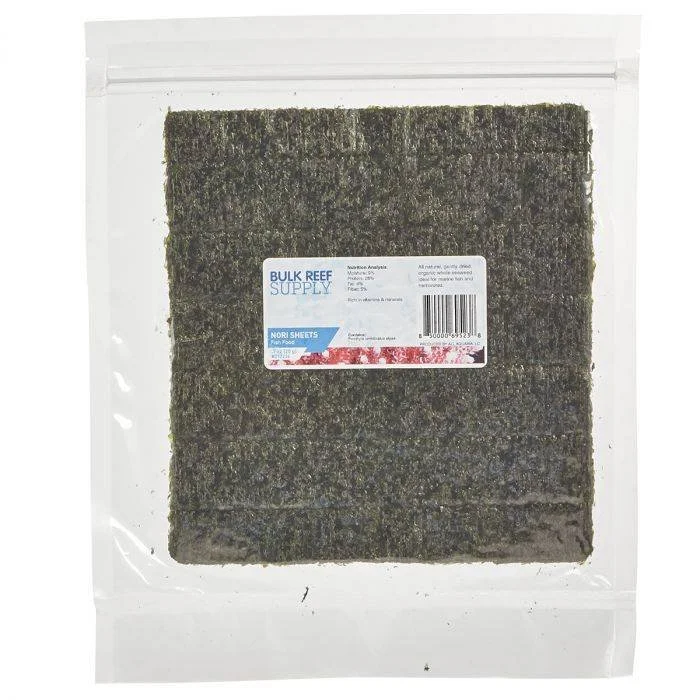
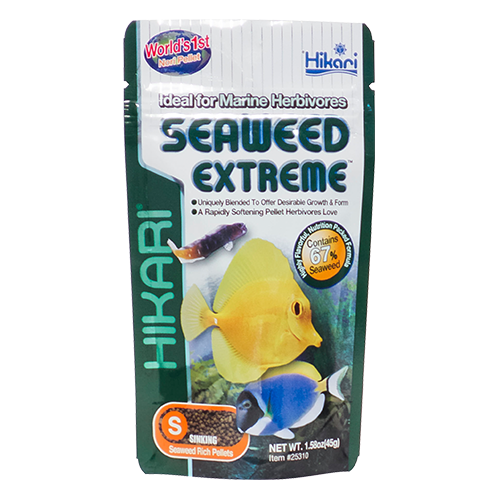

Are Achilles Tang Reef Safe?
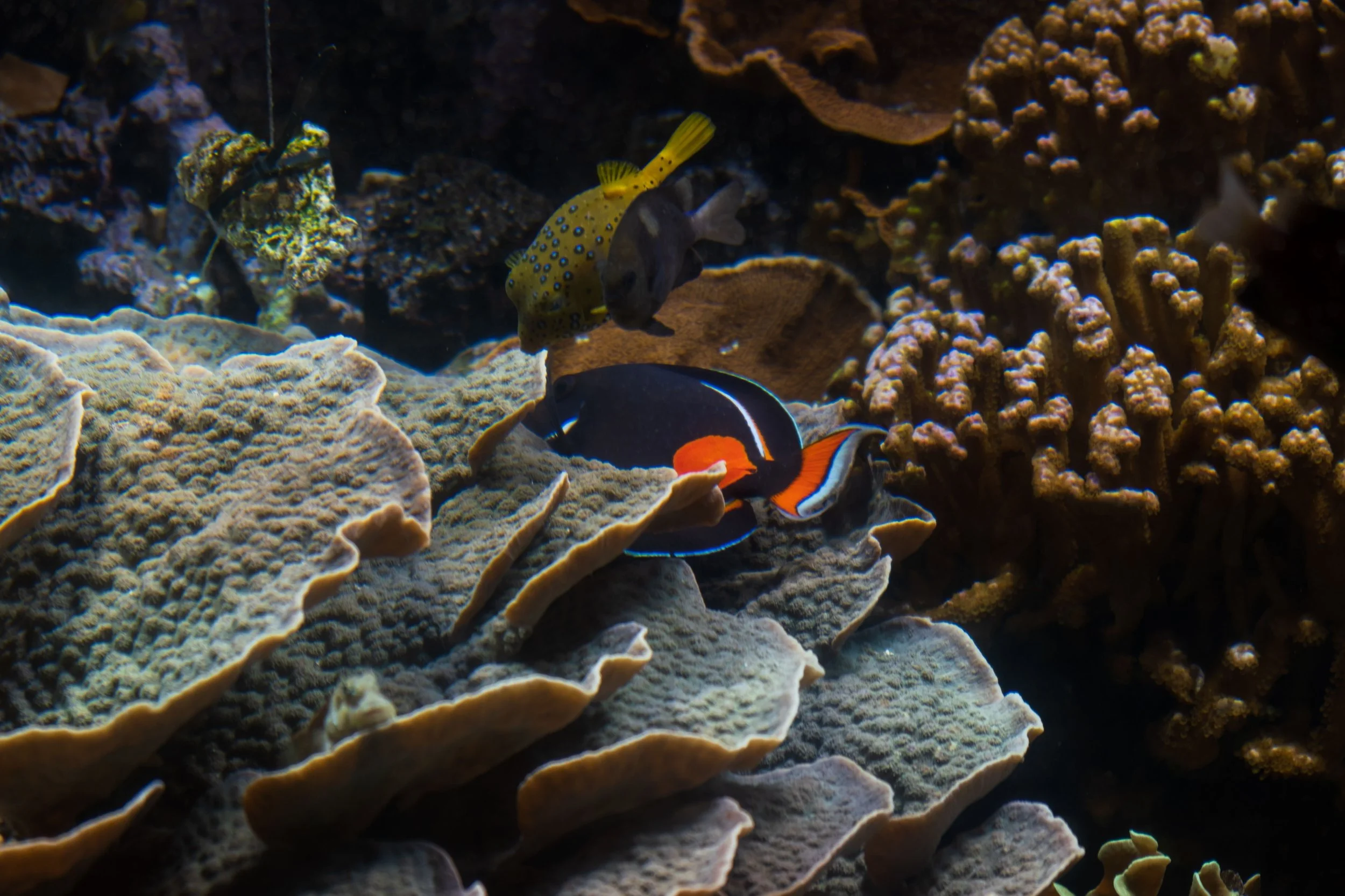
Technically, the Achilles Tang will not pick at corals or systematically decimate invertebrates, so many would call it reef safe. But there is a big caveat. The Achilles Tang is exceptionally susceptible to marine ich and other parasites. If ich ever gets into a reef system, an Achilles Tang is likely to succumb quickly and catastrophically. Because reef tanks often receive new corals, snails, and other wet livestock, there is an ongoing risk of introducing parasites. For that reason many experienced aquarists recommend keeping Achilles Tangs in well quarantined systems or in a fish only setup where biosecurity is easier to maintain.
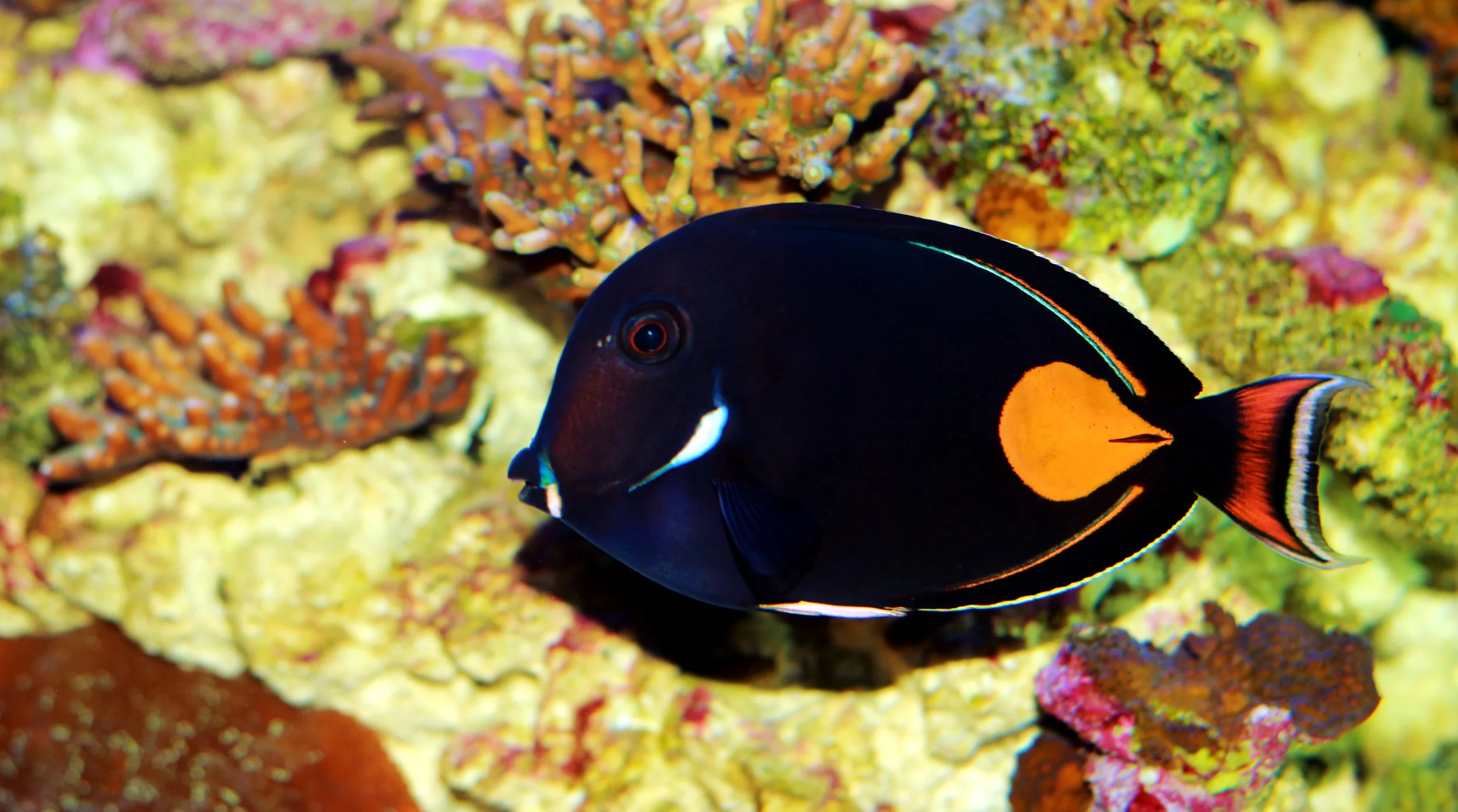
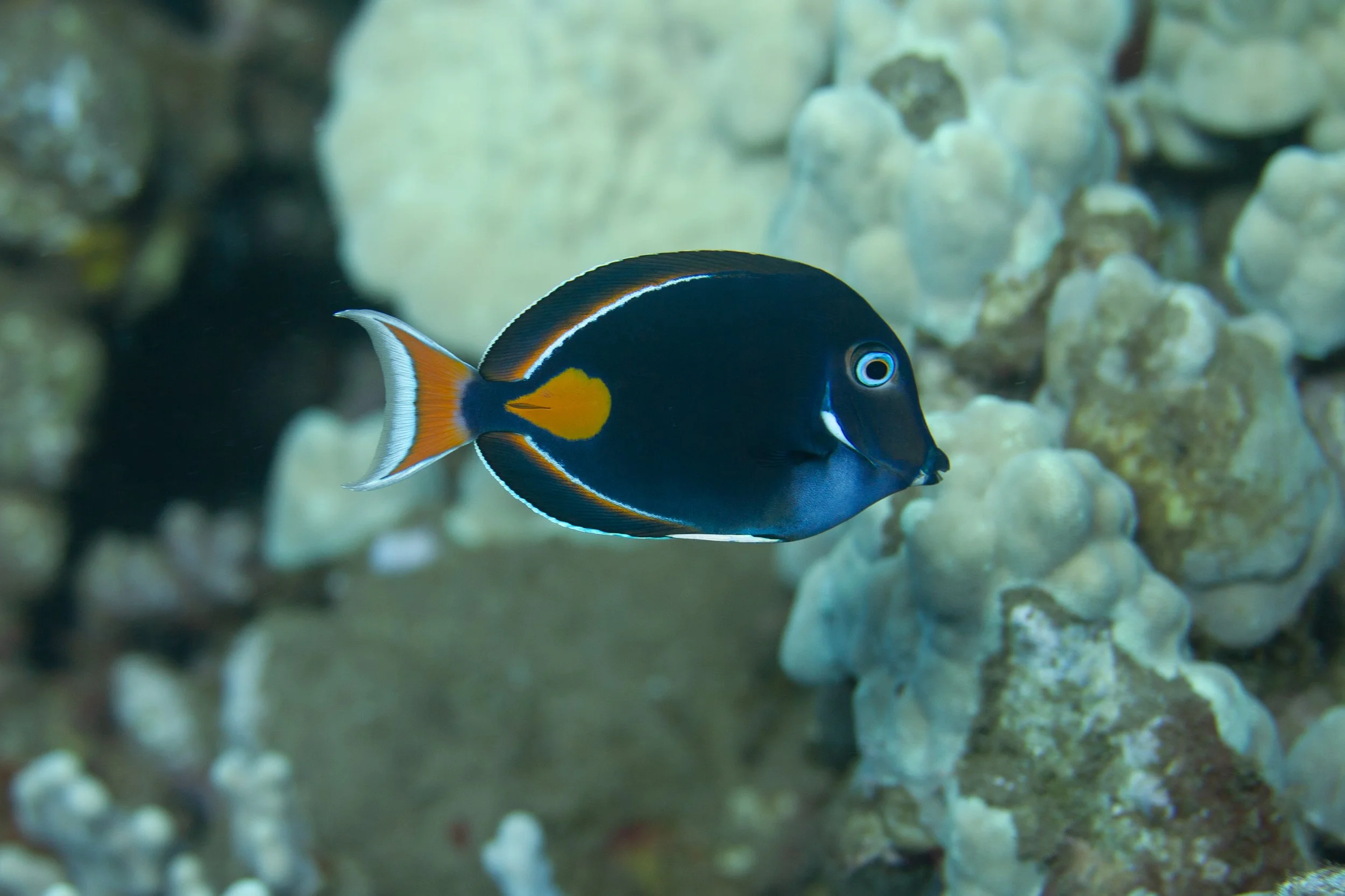
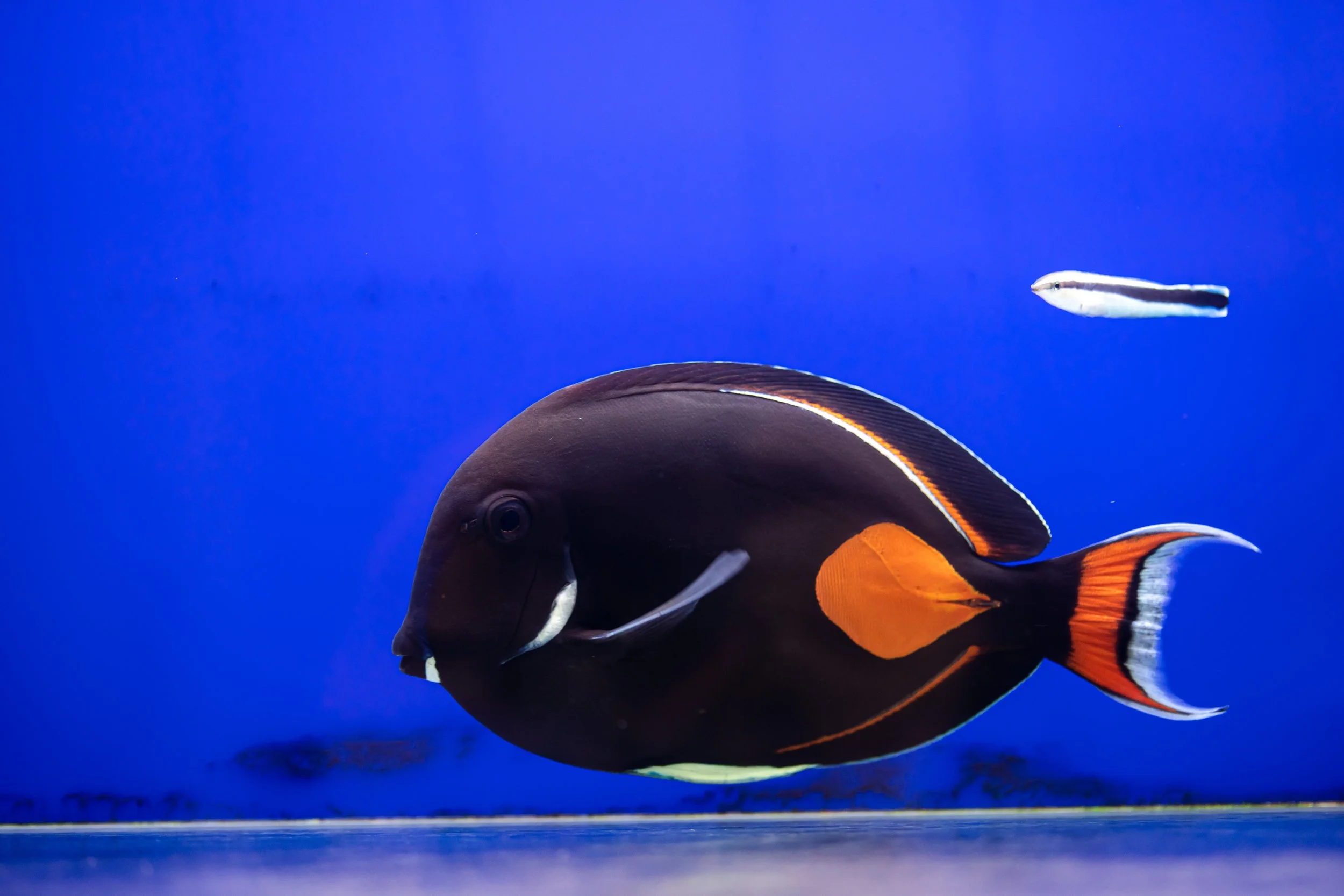
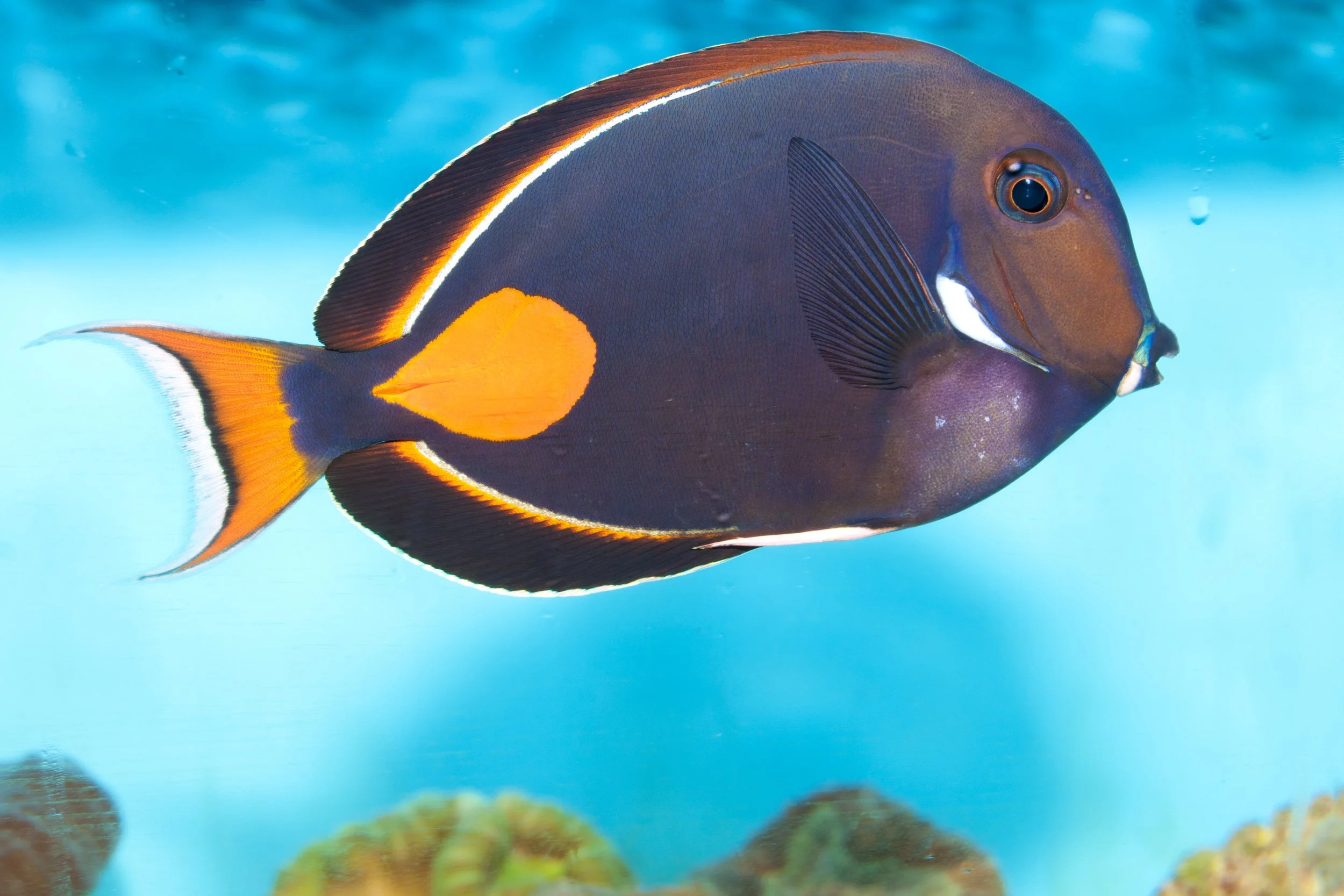
The Natural Habitat and Behavior of the Achilles Tang
Achilles Tangs come from shallow, high energy surge zones. They are built for turbulence. In nature they are constantly pushed by waves, grazing algae off rocks and burning a lot of calories doing it. That means they thrive with strong, turbulent flow, lots of swimming space, and highly oxygenated water. Recreating that environment inside a glass box aquarium is difficult, which contributes to the fish being so challenging to keep.
Flow and Oxygen
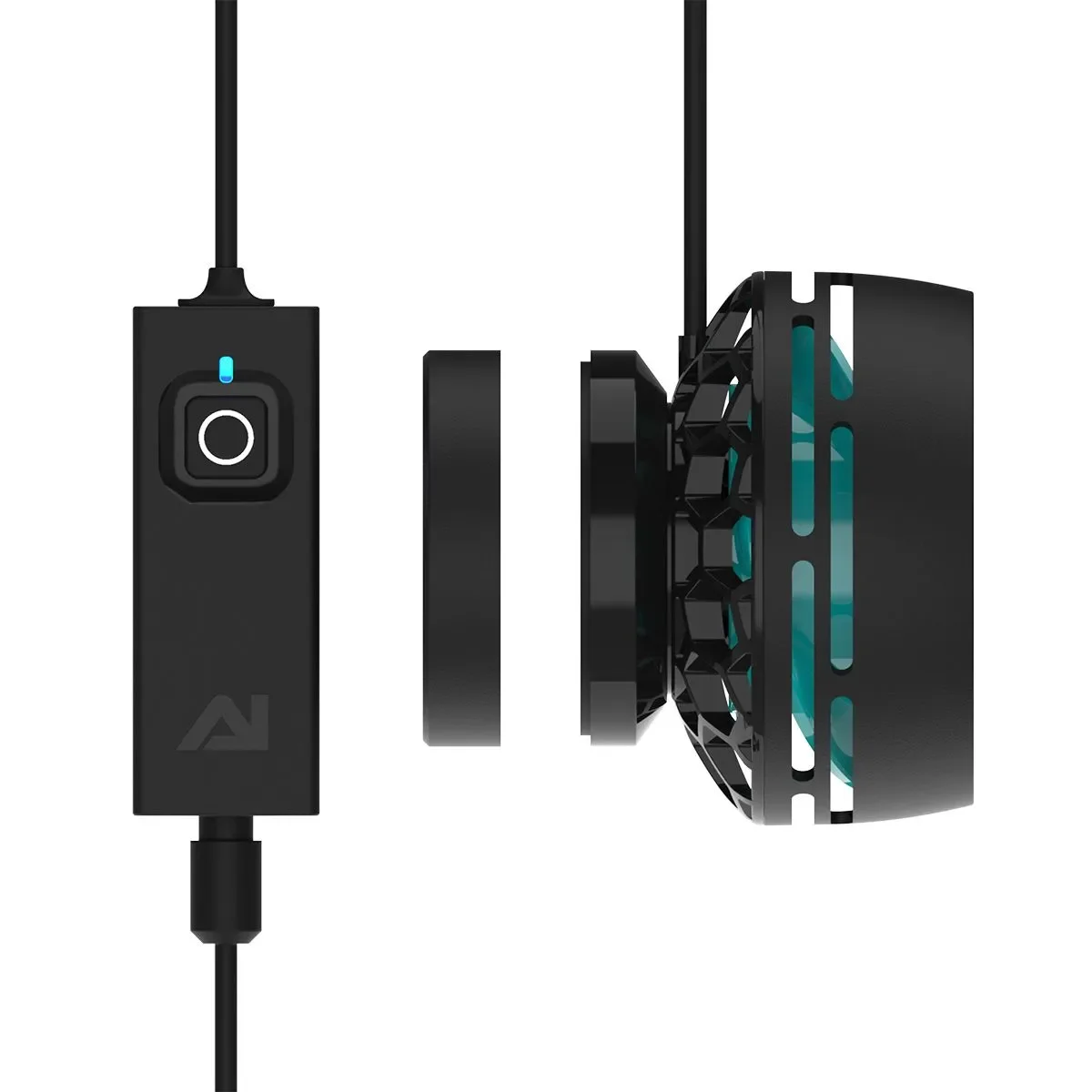
High flow serves two functions. First it matches the tangs natural behavior so they can swim, forage, and get exercise. Second, wave-driven water is extremely well oxygenated. Many home tanks are not saturated with oxygen compared to surge habitats. Big, turbulent pumps, surge devices, or reef designs that produce chaotic flow will help. Anecdotally, some keepers have also found that robust skimming and UV sterilization correlate with fewer parasite outbreaks, though UV is not a guaranteed solution for Achilles Tangs themselves.



Quarantine, common health issues, and treatments
Quarantine is non negotiable for Achilles Tangs. Treat quarantine as your first line of defense against ich, velvet, and protozoan parasites. If you cannot or will not quarantine new fish, this species is not for you. Use a treatment protocol that includes copper for ich and velvet when appropriate, and follow established QT best practices.
When introducing an Achilles Tang to a display tank, an acclimation box can be very helpful. The fish is territorial and will pace a lot. If tankmates pick on an acclimation box and the box keeps getting attacked, get the fish out of the box quickly so it has space to swim. Remember that this tang is high energy and does not like being confined unnecessarily.
Achilles Tang as a Canary in the Coal Mine
Many aquarists refer to the Achilles Tang as a canary in the coal mine. If ich or other parasites are present in your display system, this fish will usually show symptoms quickly, often within days. That means even if you do quarantine perfectly, a previously undetected parasite in your display tank can still infect the Achilles Tang and lead to rapid problems. That is why maintaining strict biocontainment around every piece of livestock is critical.

How To: Acclimation Box

How To: Serious Quarantine (SRQT)
Treatment Tools: Copper, UV, and More
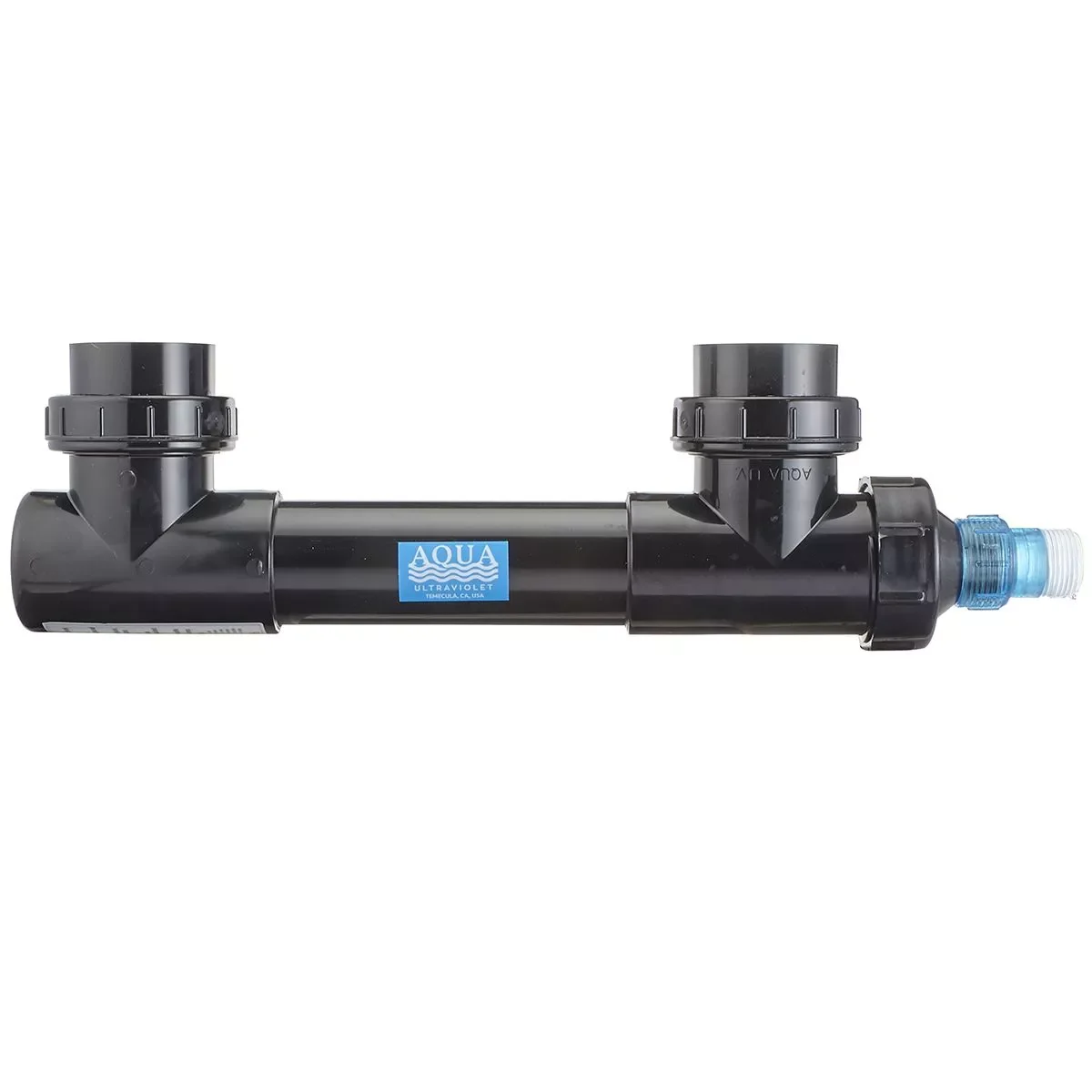
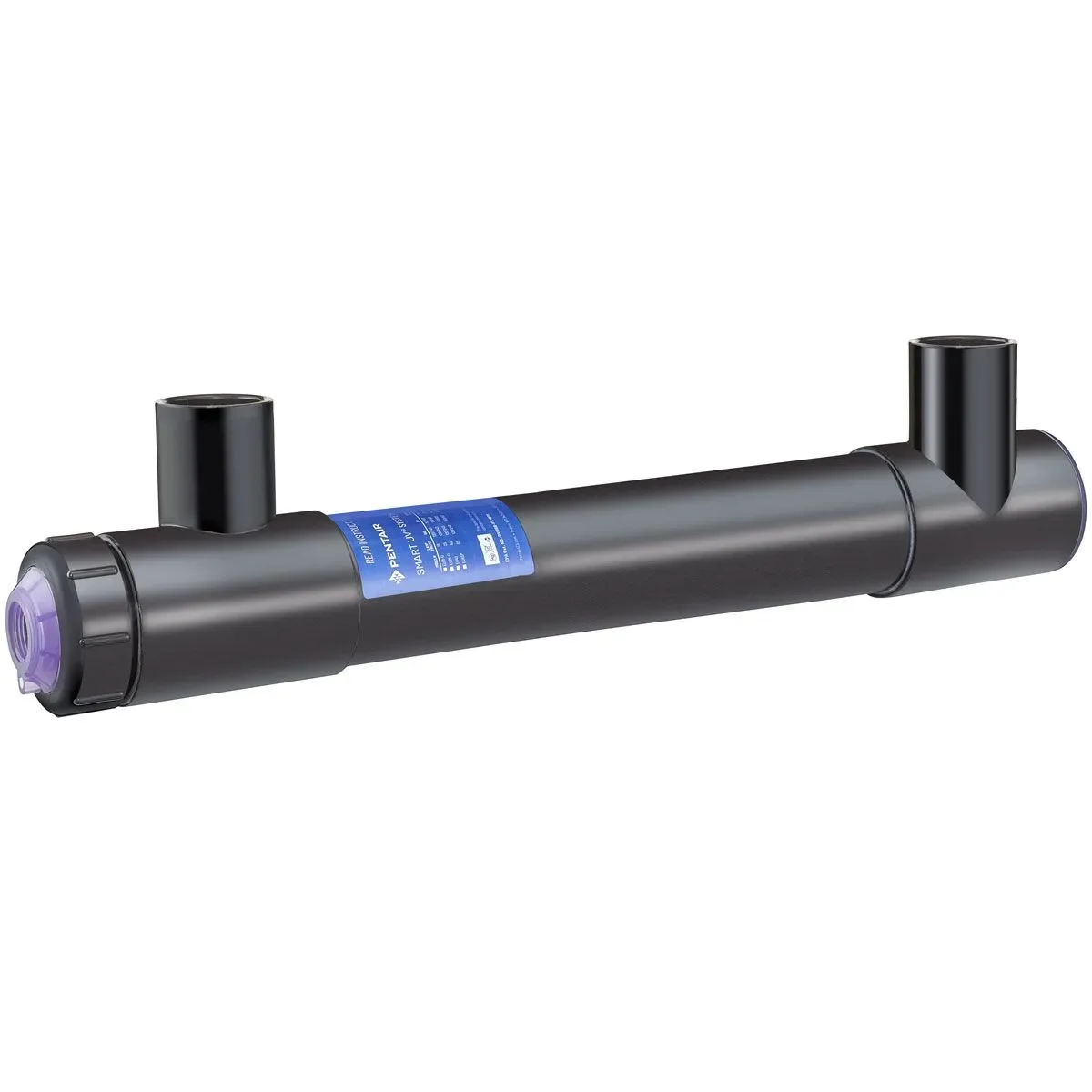
Copper based treatments in quarantine are effective and relatively simple for controlling ich and protozoan parasites. The 80 20 method of quarantine and treatment covers the majority of issues for this species. UV sterilizers can help reduce parasite load in a system and may offer protection to other tank inhabitants if an infected individual sheds parasites. That said, Achilles Tangs are so sensitive that UV is not a surefire way to protect them indefinitely.


Availability and sourcing for Achilles Tang
Achilles Tangs are frequently available at shops and exporters, but that availability does not make them an easy choice. If you choose to pursue this fish, plan your system from the start with quarantine, flow, oxygenation, diet, and filtration in mind. Expect to use copper in quarantine and maintain strong biosecurity. Even with every precaution, realize there is still a chance of failure.
Final thoughts
If you enjoy complex challenges and are ready to commit to strict protocols and a purpose-built system, the Achilles Tang can be an incredible centerpiece. If you are not prepared for constant vigilance or you add livestock frequently, consider alternatives that are less risky to the rest of your aquarium.
Achilles Tang FAQ
Is the Achilles tang reef safe?
Not reliably. While it will not eat corals or bother inverts, it is extremely susceptible to ich and other parasites. In a reef display that regularly receives new corals, invertebrates, or livestock, those additions can introduce parasites that the Achilles is unlikely to survive. In that sense, it is not reef safe for most hobbyists.
What does an Achilles tang eat?
Primarily algae. Offer nori, algae sheets, high-fiber herbivore pellets, and daily feedings. This species grazes constantly in the wild and needs a similar high-fiber diet in captivity.
How important is flow and oxygenation?
Very important. Achilles tangs naturally live in shallow surge zones with turbulent water and excellent oxygenation. Provide strong, turbulent flow, lots of swimming room, and a big, efficient skimmer to help maintain oxygen levels.
Can UV sterilization protect the Achilles Tang?
UV can reduce free-swimming parasite populations and may help protect other fish, but Achilles tangs remain highly susceptible. UV is a useful management tool but not a guaranteed protection for the species.
What tank size do we recommend?
A minimum of 8 feet of length (roughly a 240 gallon footprint or larger) with plenty of open swimming space and strong surge-style flow is recommended. The species is very active and needs room to swim.
Is the Achilles Tang right for most hobbyists?
No. This fish is best suited to experienced keepers who maintain strict quarantine, robust flow, and tight biosecurity. Even then, success requires a combination of skill and some luck.
What is the simplest treatment if ich appears during quarantine?
Copper-based treatments are the most reliable approach in quarantine to treat ich and many protozoan parasites. Follow an established protocol and monitor water chemistry closely.
Leopard Wrasse
Leopard Wrasse
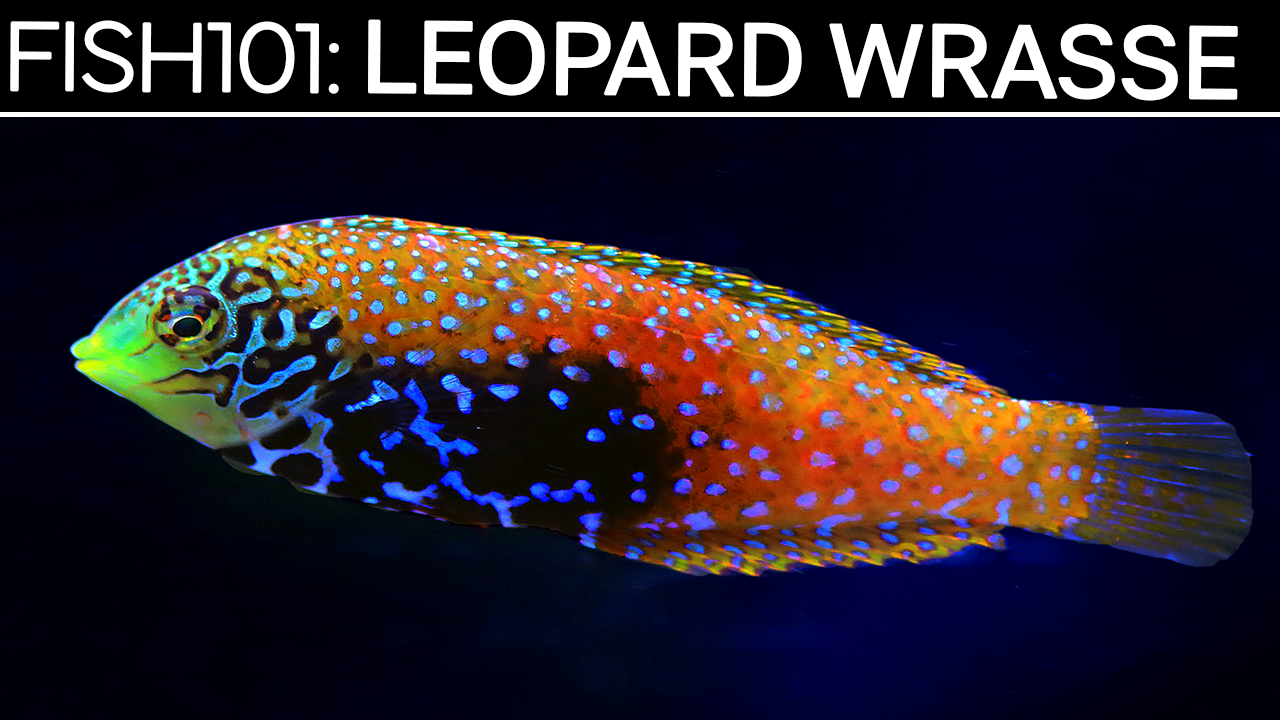
We love showing off fish that make a tank sing, and the leopard wrasse is one of those species. Whether you keep reef aquaria for color, personality, or microfauna control, leopard wrasses add activity and curiosity that few other fish match. If you own an Achilles Tang and want a more hands-on, rubble-loving companion, the leopard wrasse can be a perfect addition when handled correctly.
Acknowledgments
Thank you to Elliot Lim for sharing his knowledge with the SR community. Elliot owns and operates www.marinecollectors.com Thank you to Oral Seymour for summarizing the video and making it available to everyone. Follow Oral on his IG page reefingwitho
Thank you to the Serious Reefs community. Your membership funds the creation of articles and videos like this one.
Support Serious Reefs
Patreon is the best option If you…
Want to discuss with the SR community and ask questions.
Want immediate notifications of every release.
Listen with phone screen off. Patreon app works with phone closed
Want 25% off via annual discounts.
YouTube members is the best option If you…
Watch SR videos on a TV via youtube App
Want to watch videos natively here on seriousreefs.com - (You must use chrome browser and be logged into google account with youtube membership)
Are a YouTube power user.
Tell a friend. Best option if want more SR (and faster).
If you like what we’re doing, give SR a quick shout-out on your favorite forum, YouTube, Facebook, TikTok, or Instagram. Let your local fish store know SR is helping you explore the hobby and keep it fun. Thanks for the support!
Disclaimer
Full Disclaimer HERE. This is the gist of it.
Content is based on personal experience, not professional advice. Do your research and reef responsibly. Serious Reefs should not be your sole source of information on any topic.
By watching, you agree that Serious Reefs and its creators aren’t liable for how you use this info. Please don’t utilize our information if you are not ok with this.
Serious Reefs has no sponsors, doesn’t accept product or payment for reviews. We do use affiliate links in articles that earn a small commission to support our work. Shop wherever you like, we won’t be offended. s.