Emperor Angelfish: Fish 101
Care, feeding, and success with this majestic reef centerpiece.
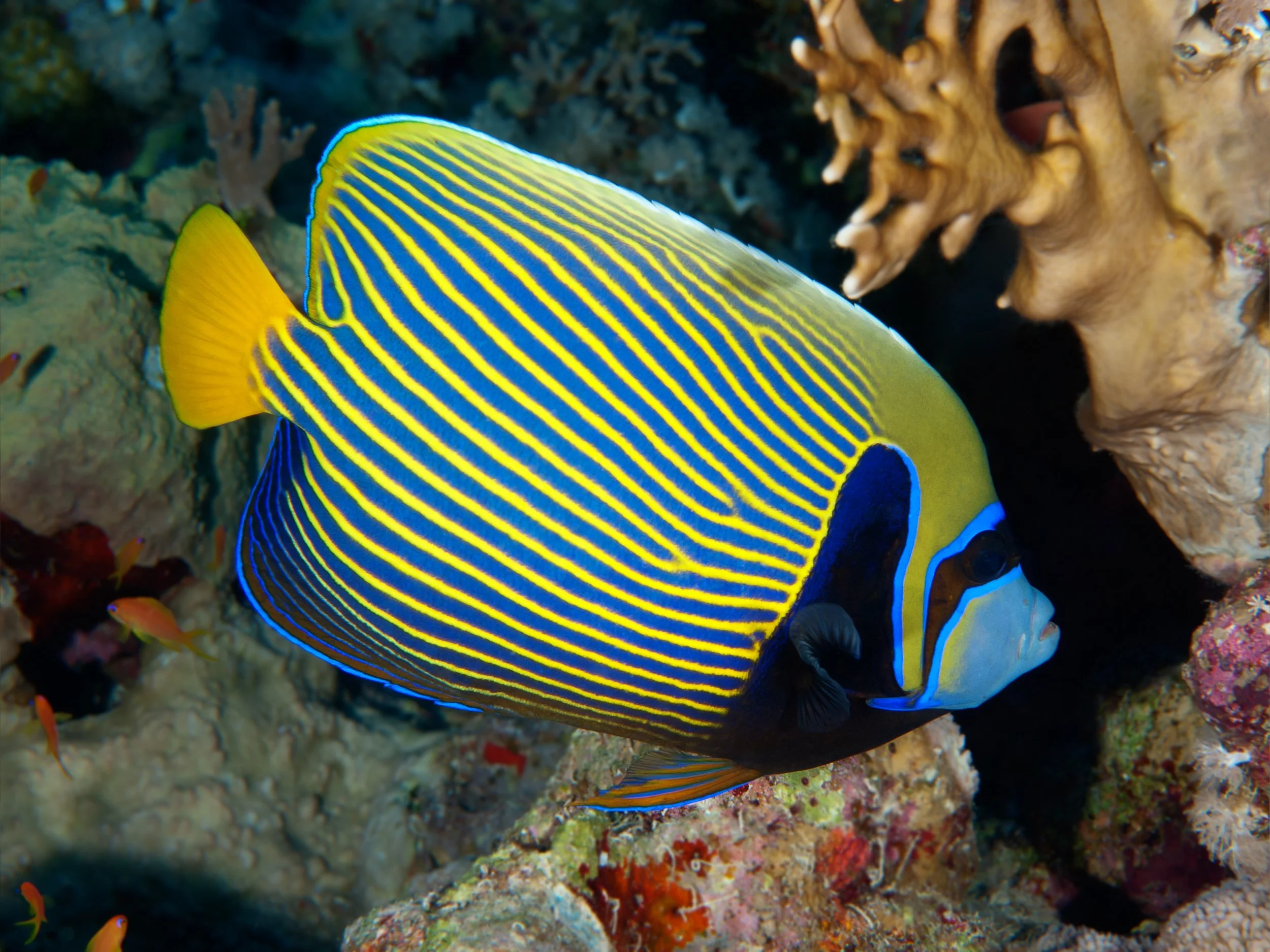
Emperor Angelfish
We are captivated by the Emperor Angelfish. This is one of those species that stops you in your tracks and makes you stare—because it is simply stunning. If you are considering adding an Emperor Angelfish to a large saltwater aquarium, here is everything we think you need to know: why it is so popular, how it changes as it grows, what it eats, how reef safe it really is, and the practical husbandry choices that make the difference between a stressed fish and a thriving one.
Note: Paid YouTube SR Members Using A Chrome Browser can watch videos natively above on Seriousreefs.com. Sign up HERE
SR videos are a community funded member only resource. Serious Reefs buys everything we review, accepts no sponsorships, and your memberships make it possible to keep every review truly unfiltered.
At a glance
Common name: Emperor Angelfish (Pomacanthus imperator(
Diet: Emperor angelfish are opportunistic omnivores. They will eat sponges and encrusting inverts, algae, and meaty foods such as clams, shrimp, and other frozen seafood
Reef-safe: Sometimes. Emperor angelfish will definitely eat zoas and can nip at LPS and some soft corals. SPS often does okay with this fish, but there is always a risk.
Temperament: These angelfish are personable and can become very tame. Adults are bold and assertive; juveniles are more shy
Tank requirements: We recommend a minimum of a 240-gallon aquarium (an 8-foot tank) for an adult emperor angelfish
Care level: We rate the emperor angelfish at about a 3 to 4 on a 1 to 5 care difficulty scale
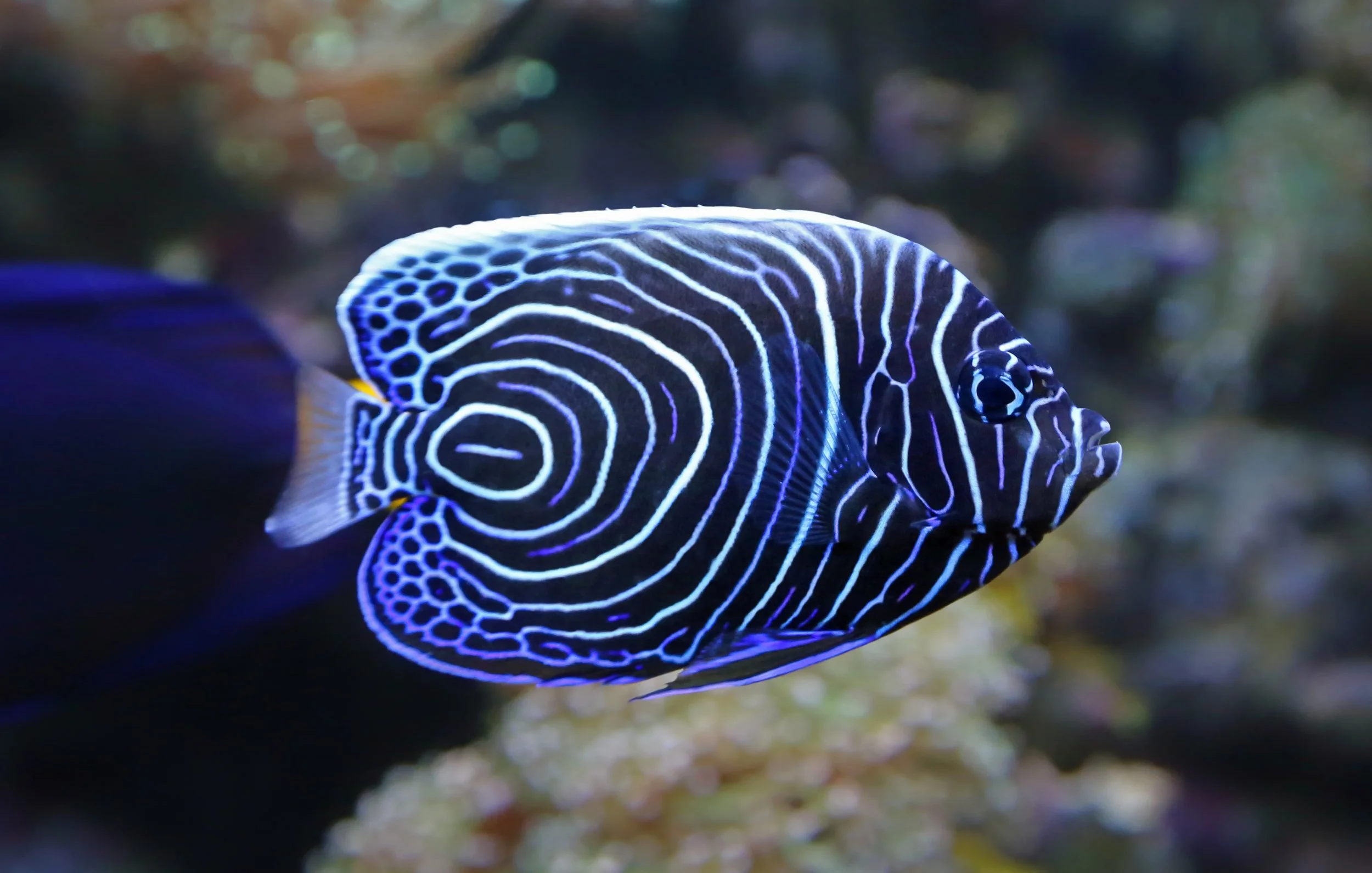
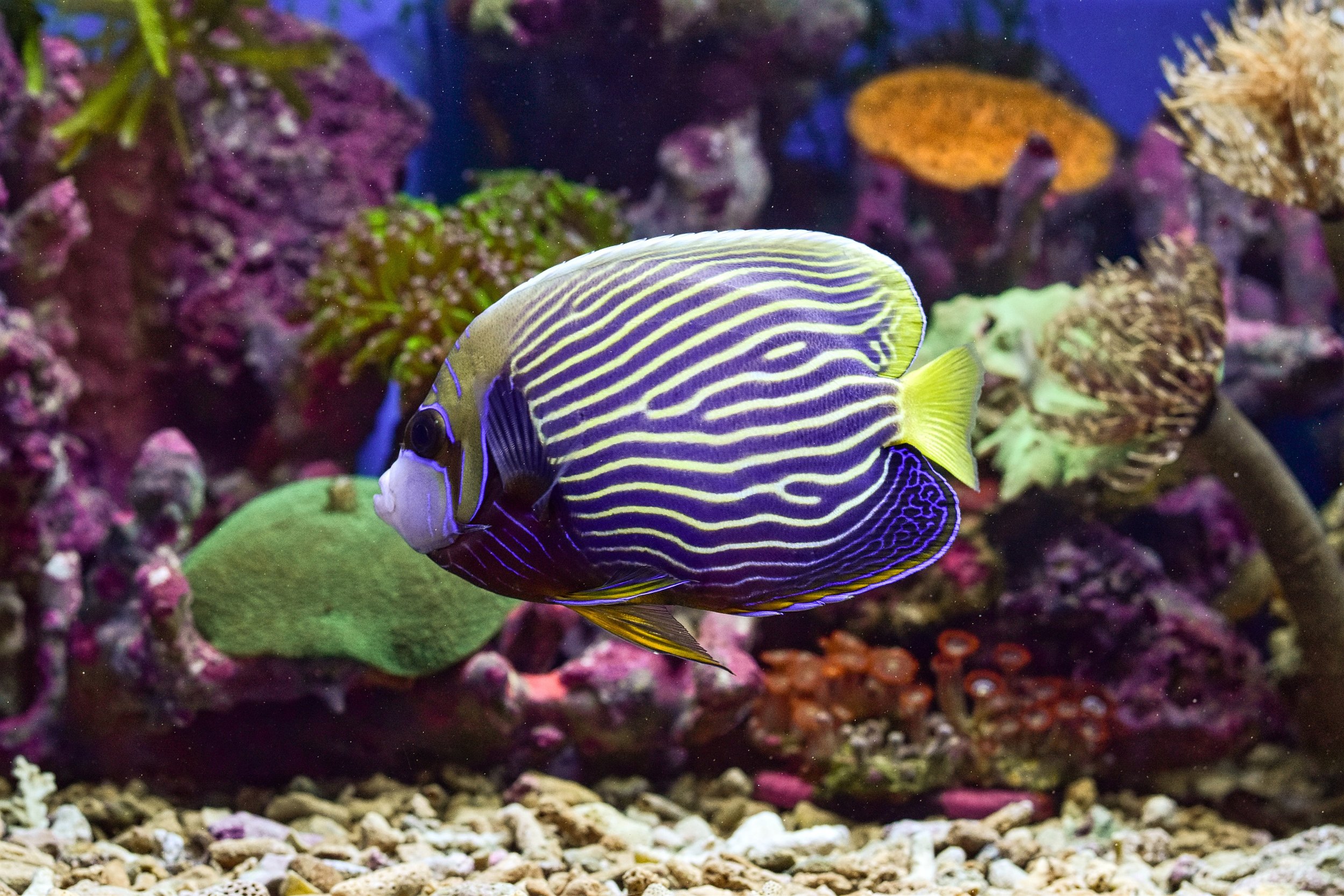
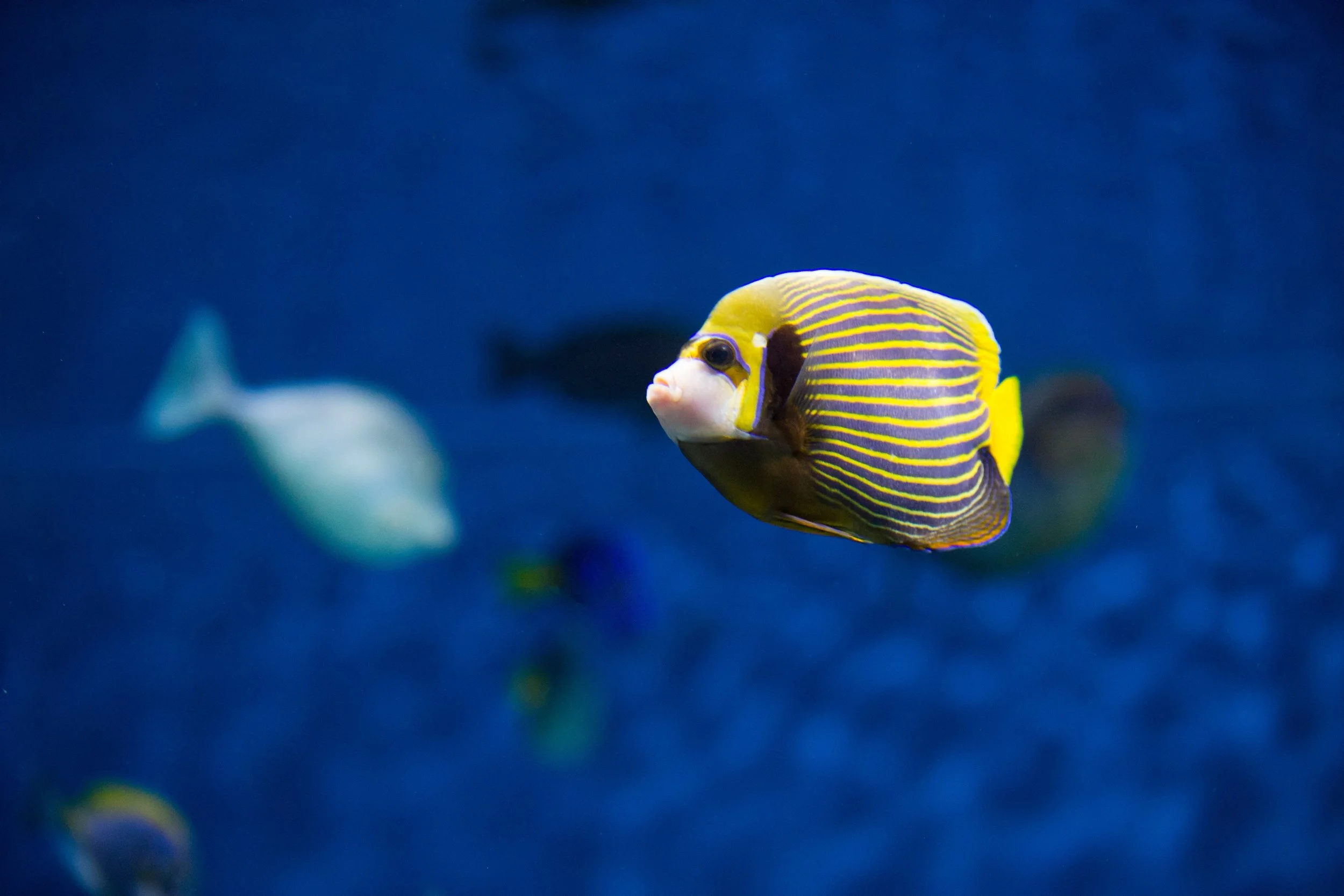
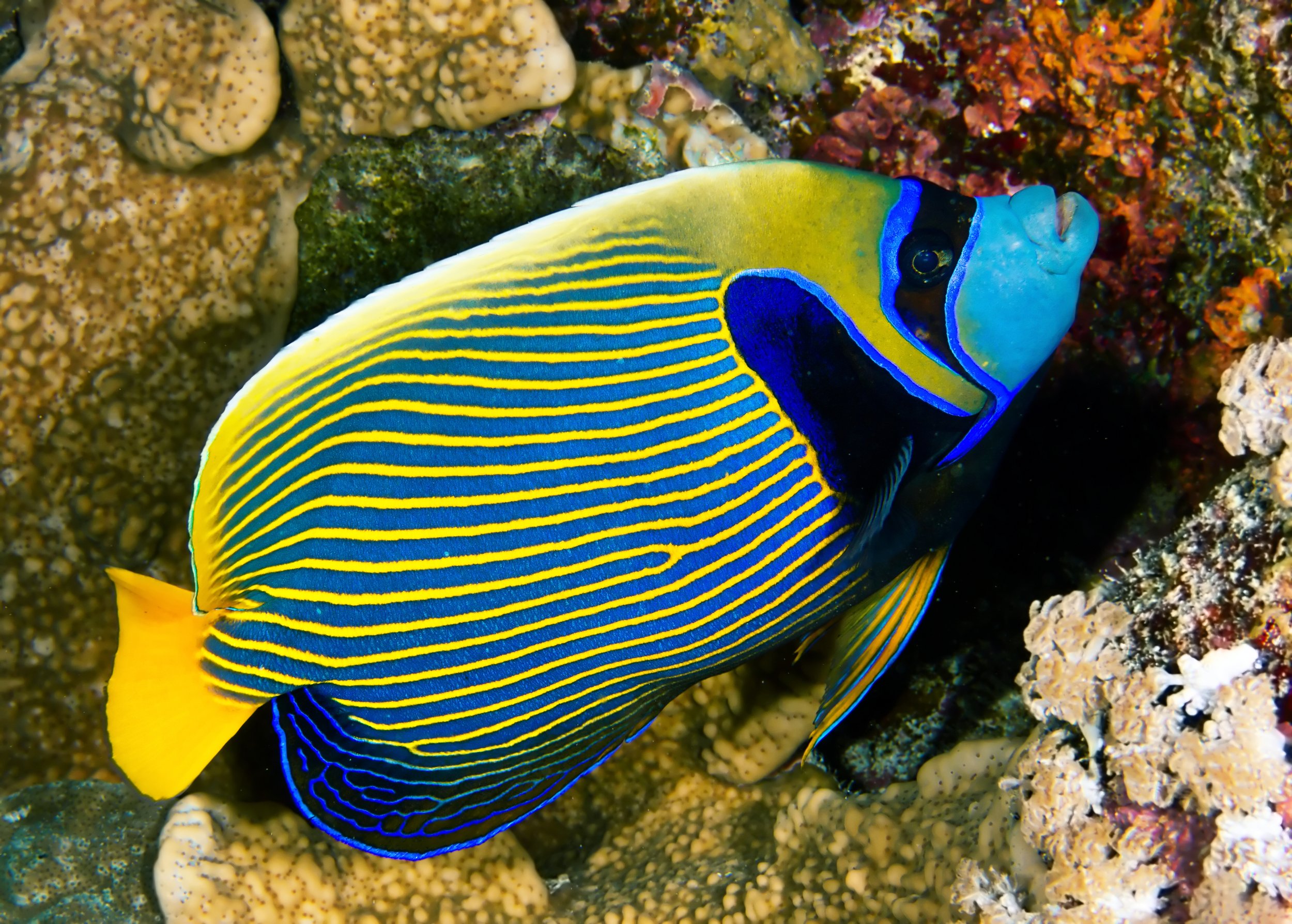
What makes the Emperor Angelfish so special.
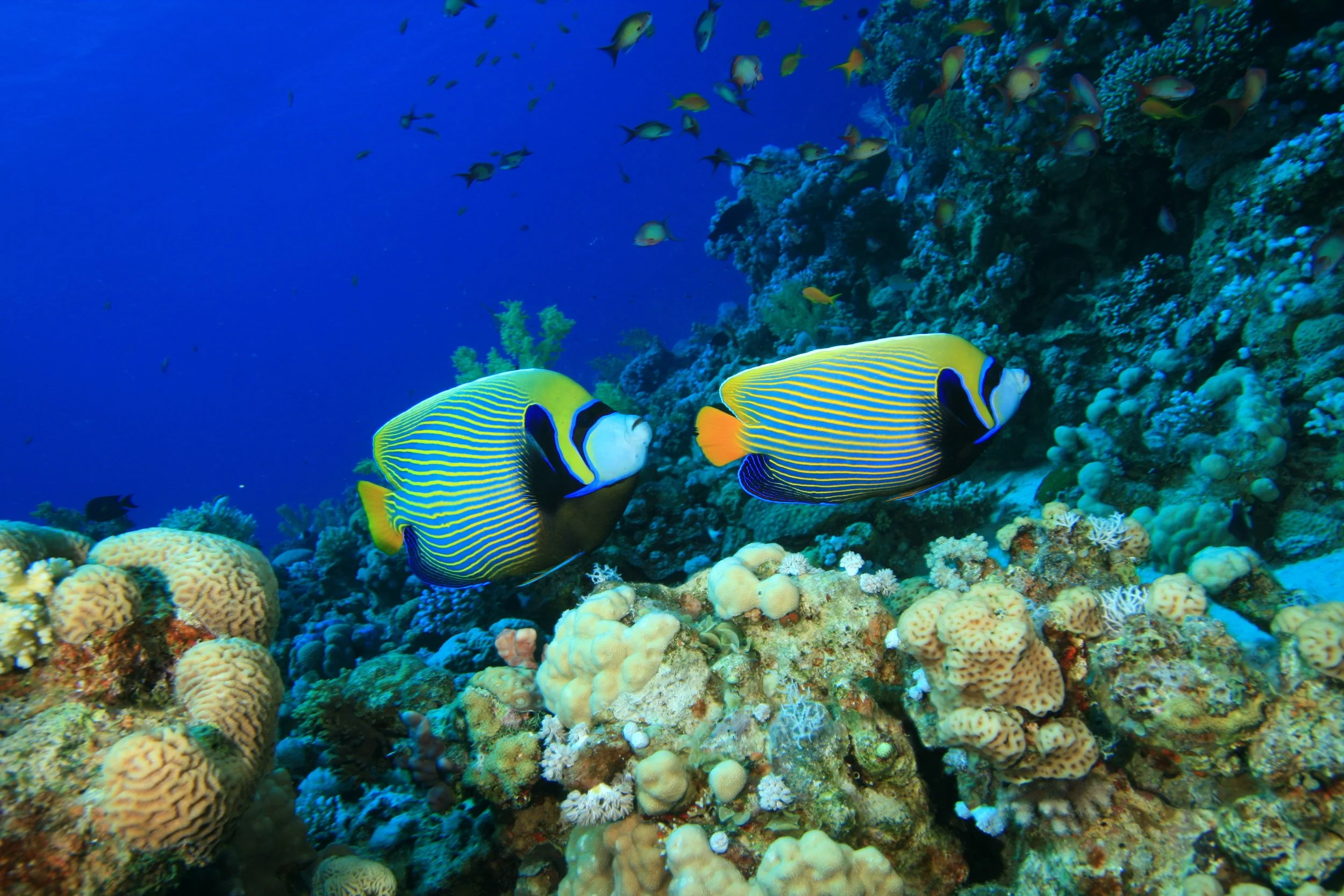
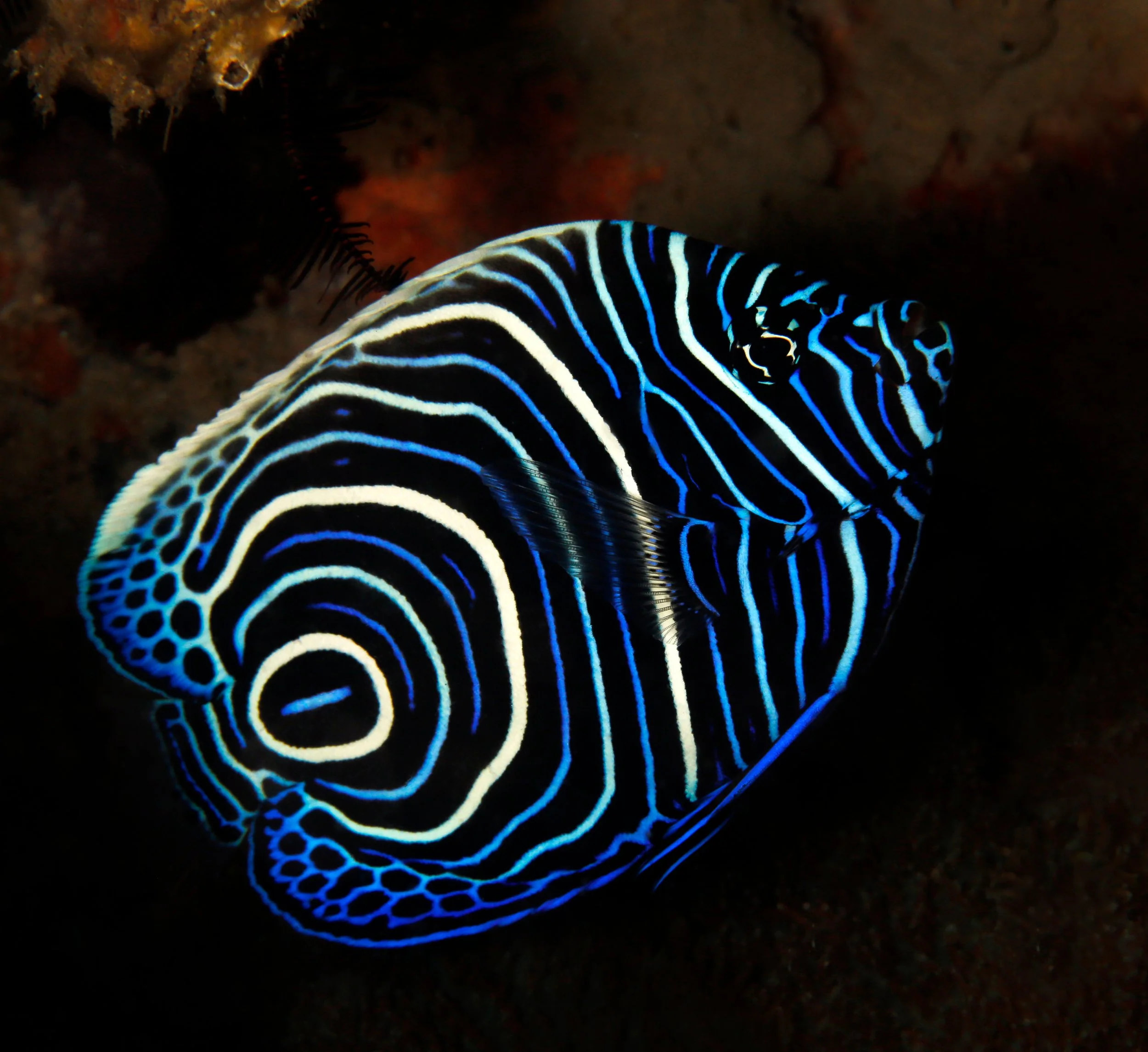
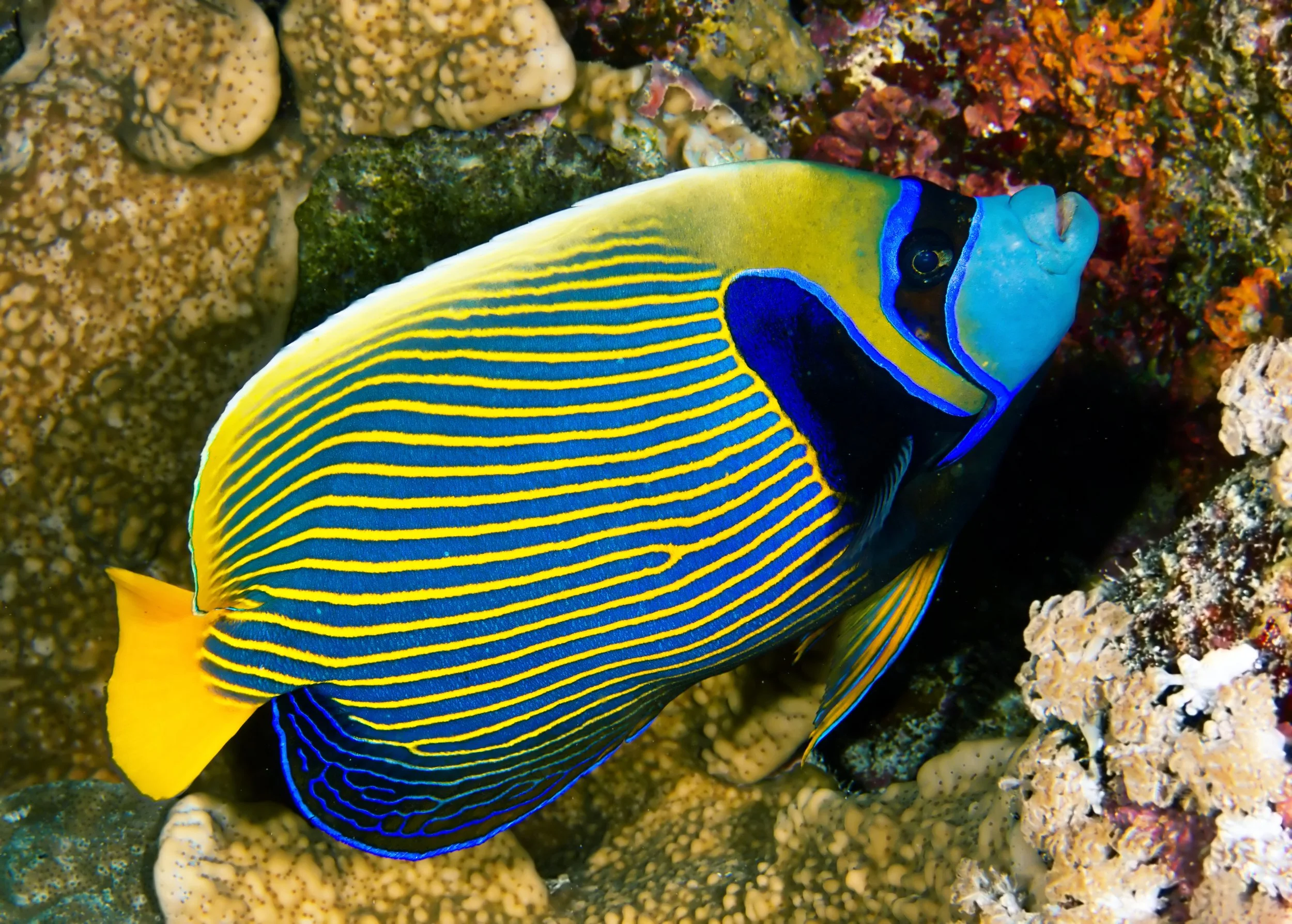
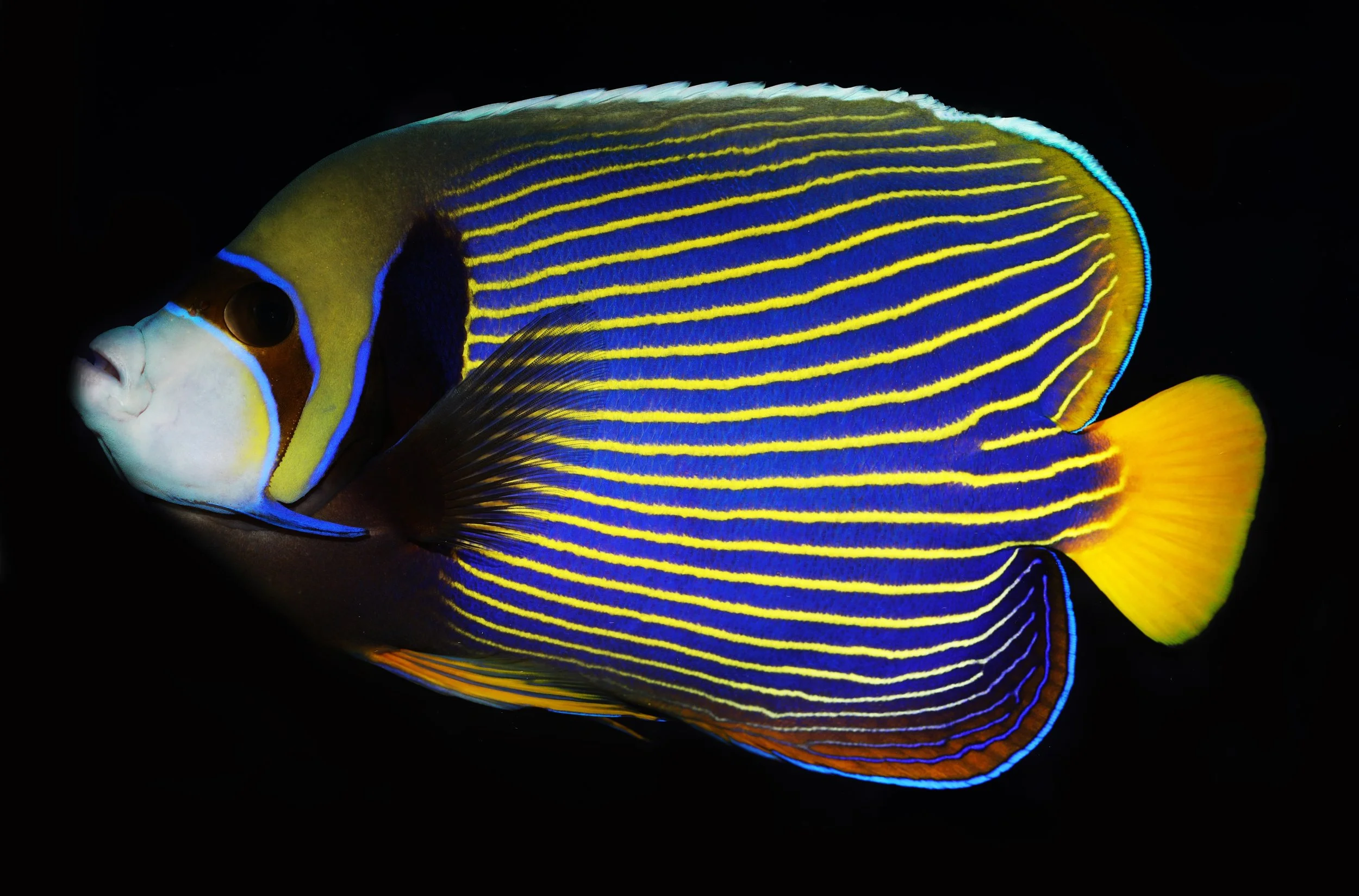
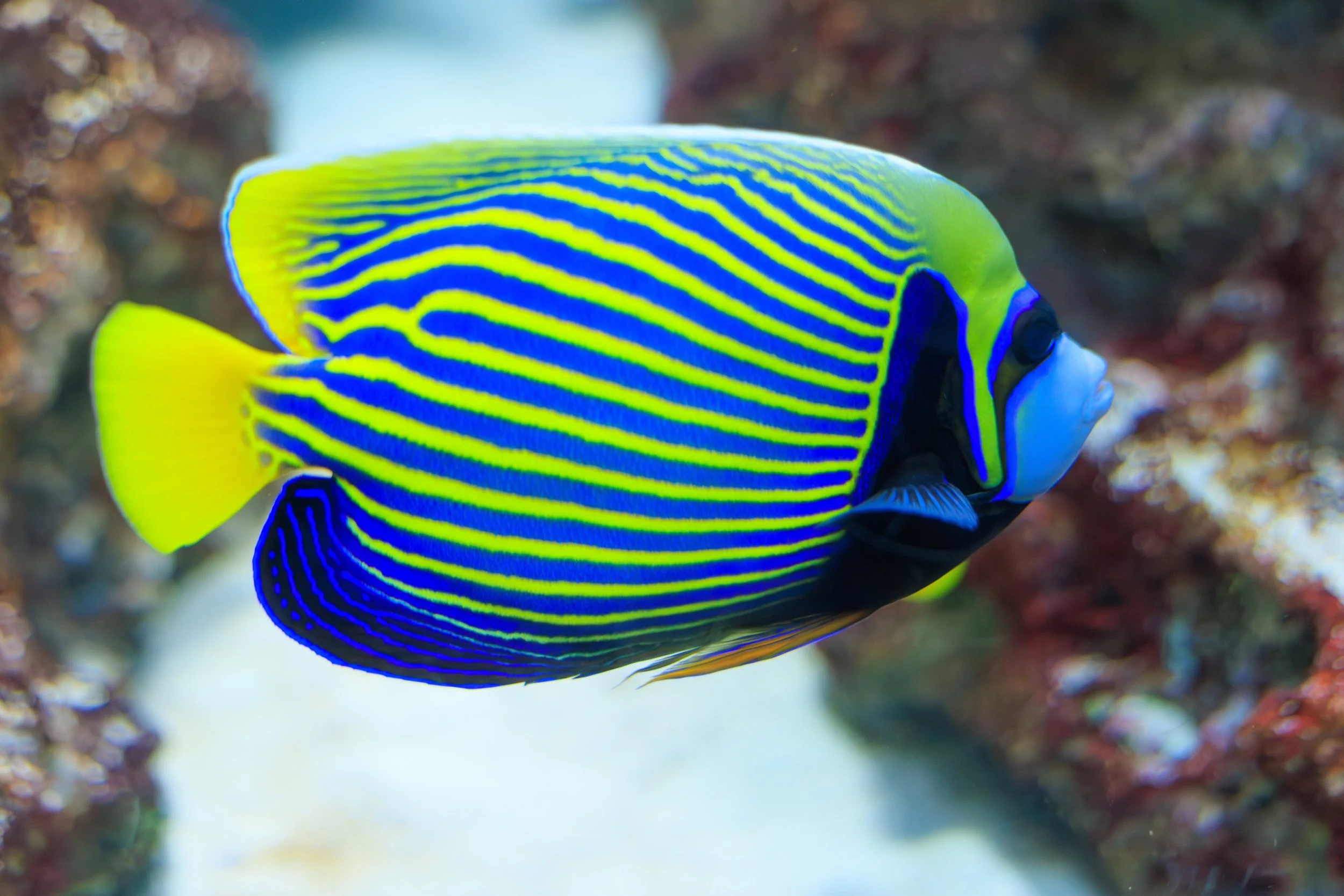
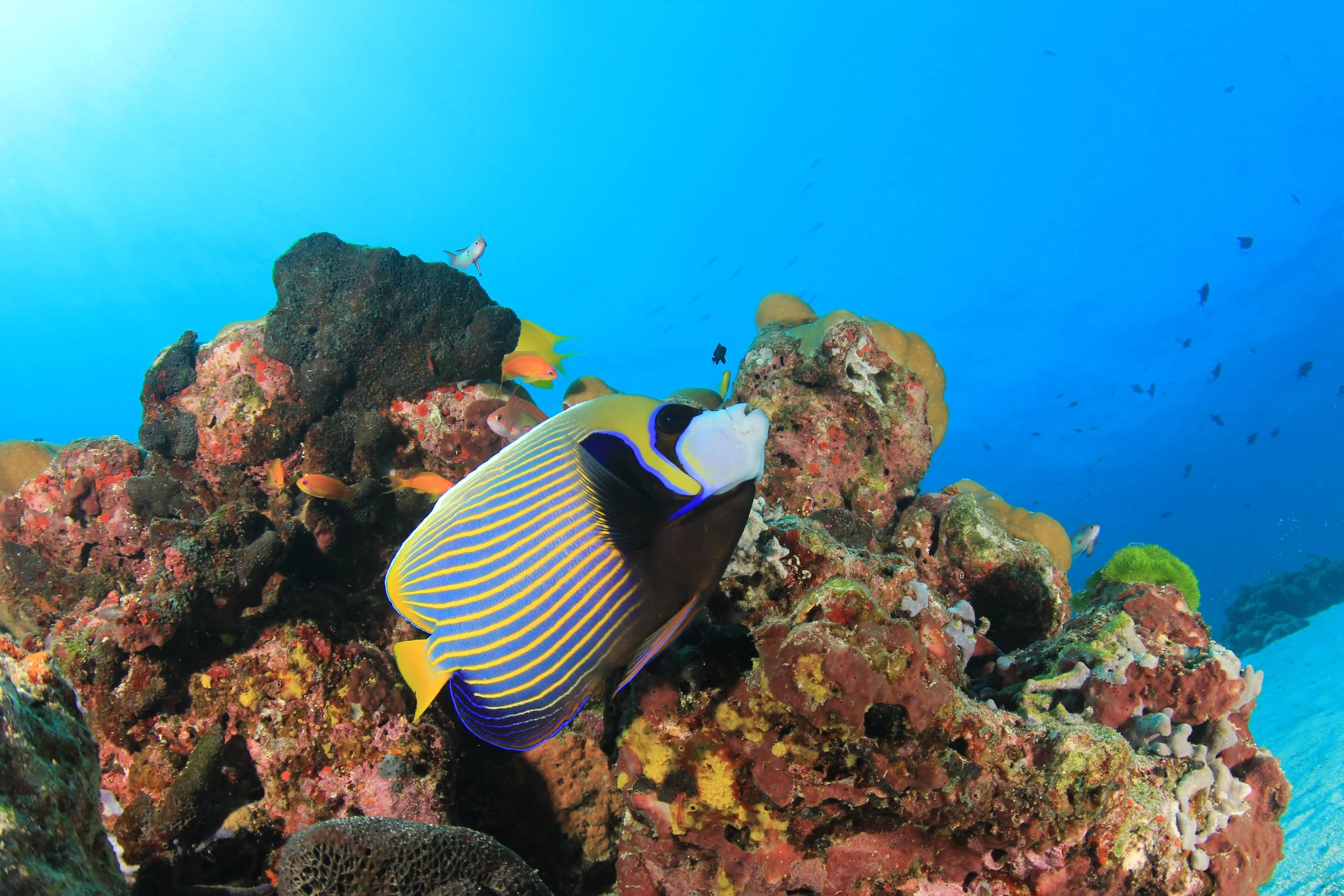
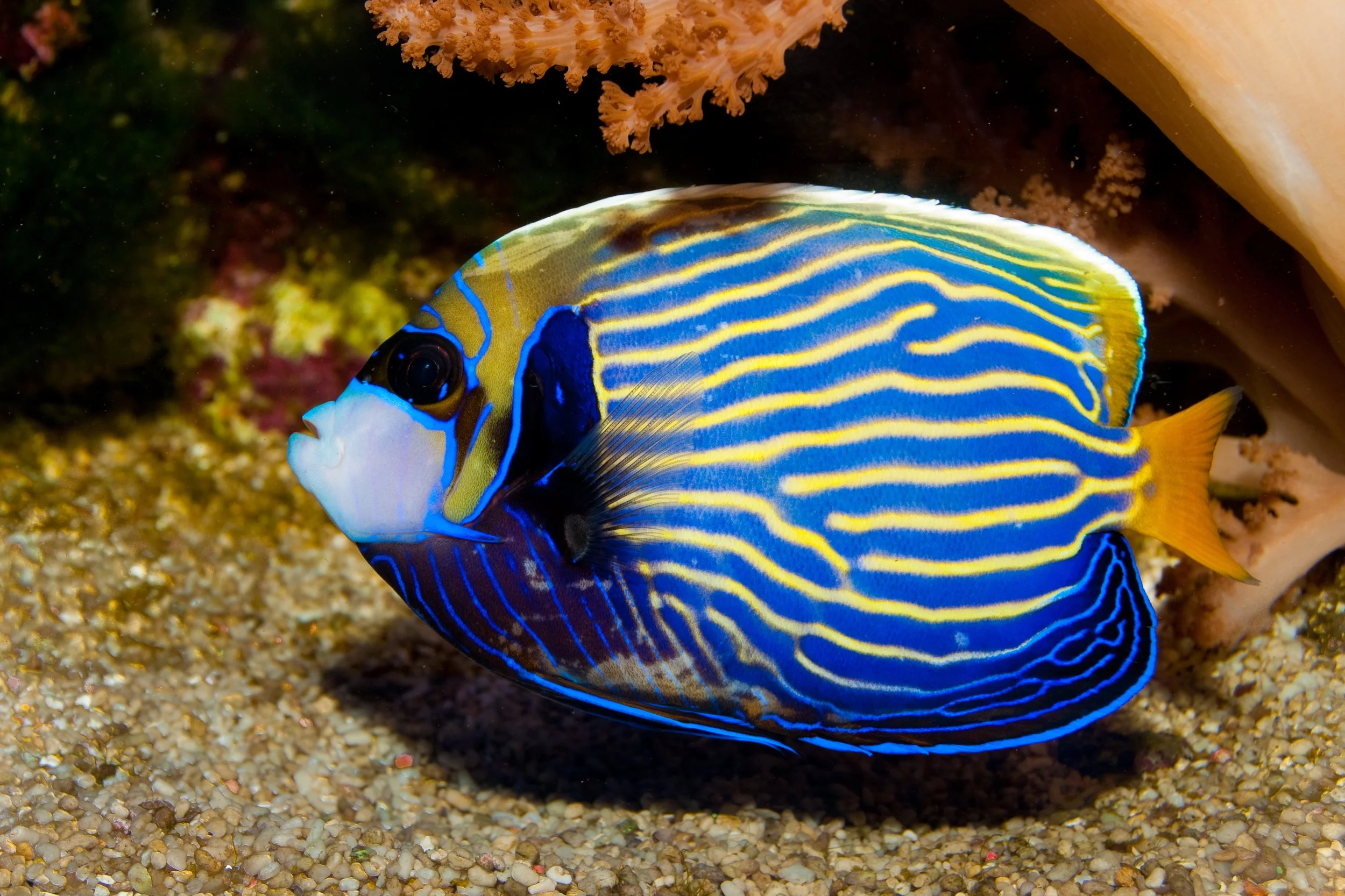
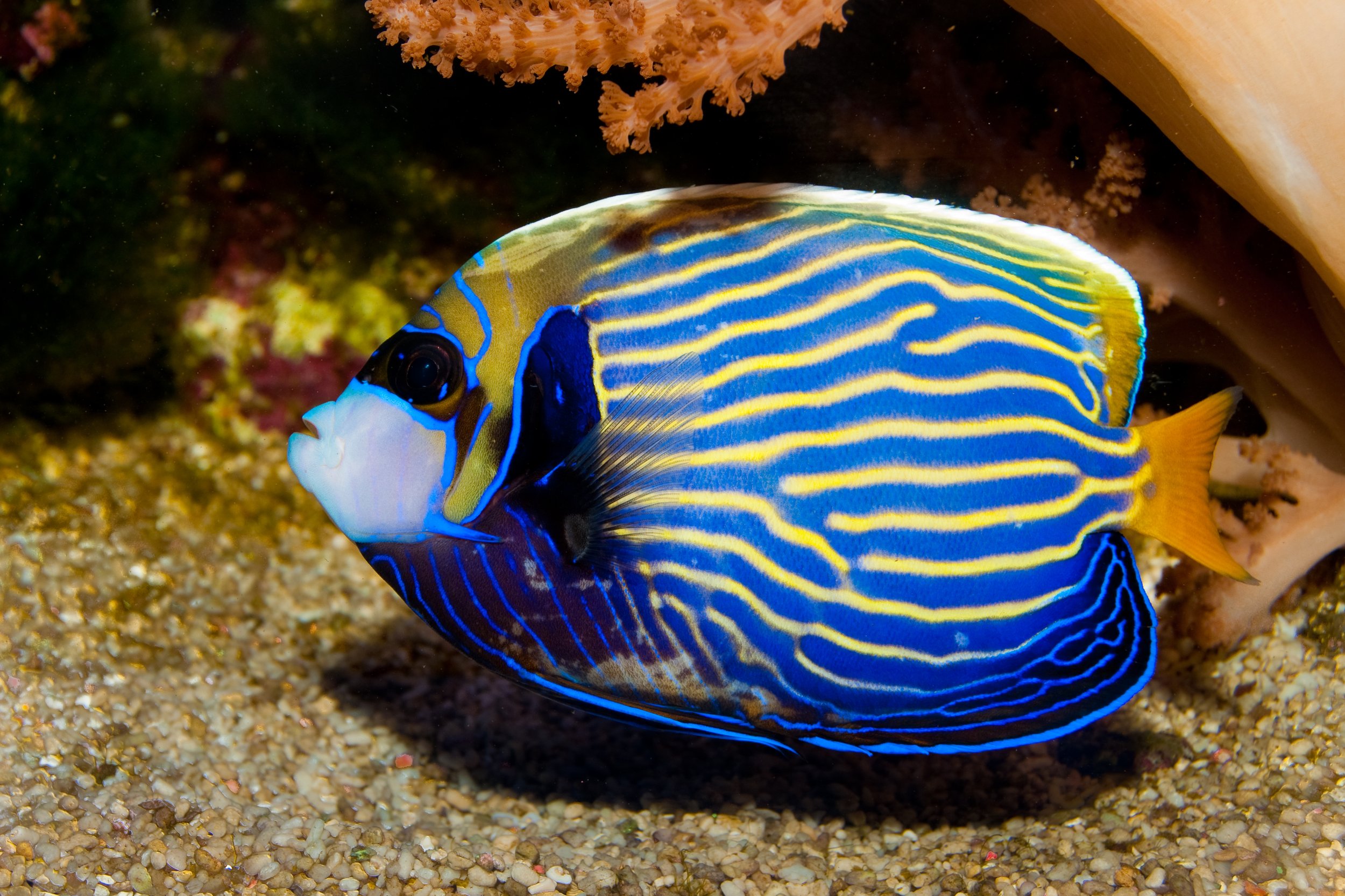
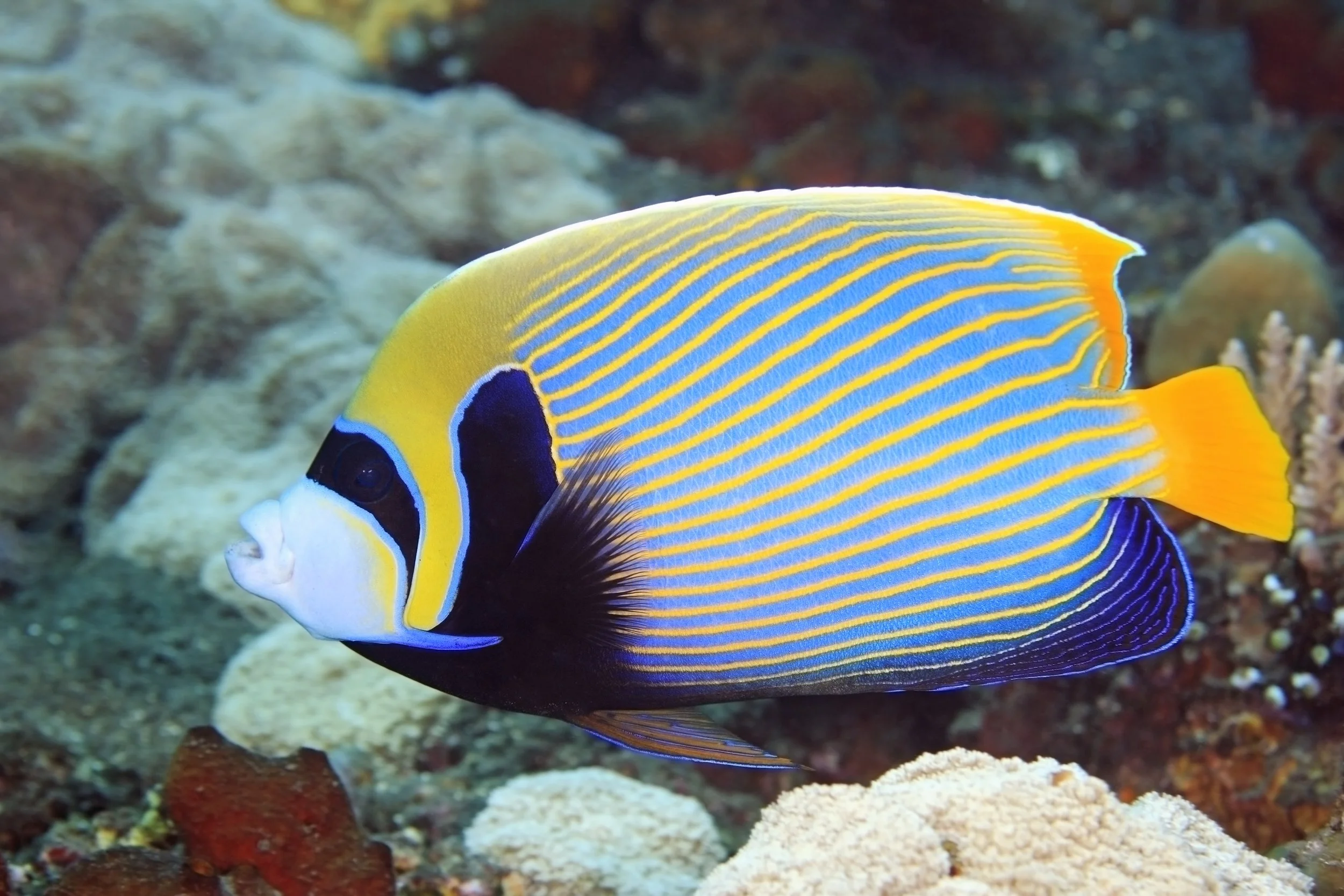
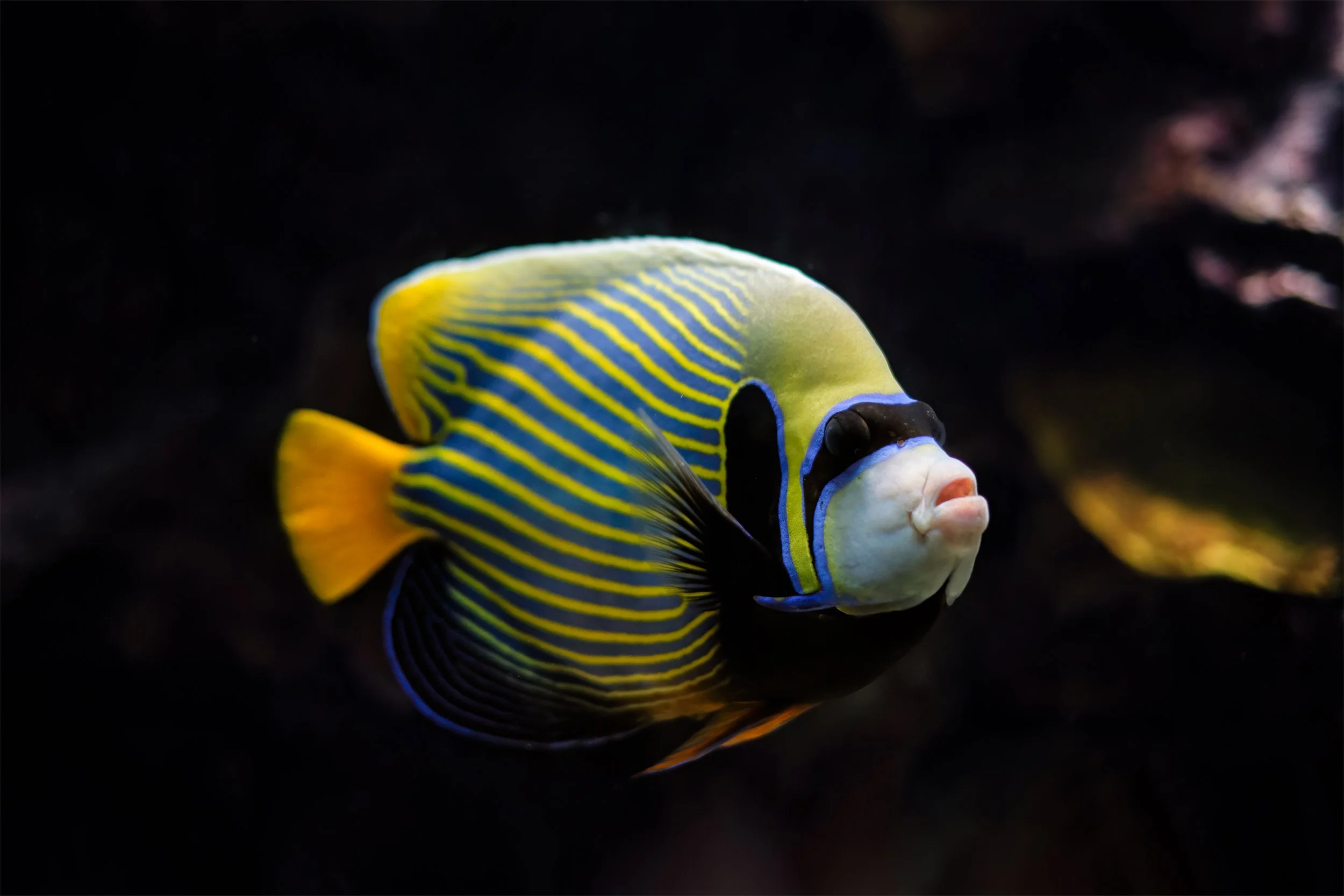
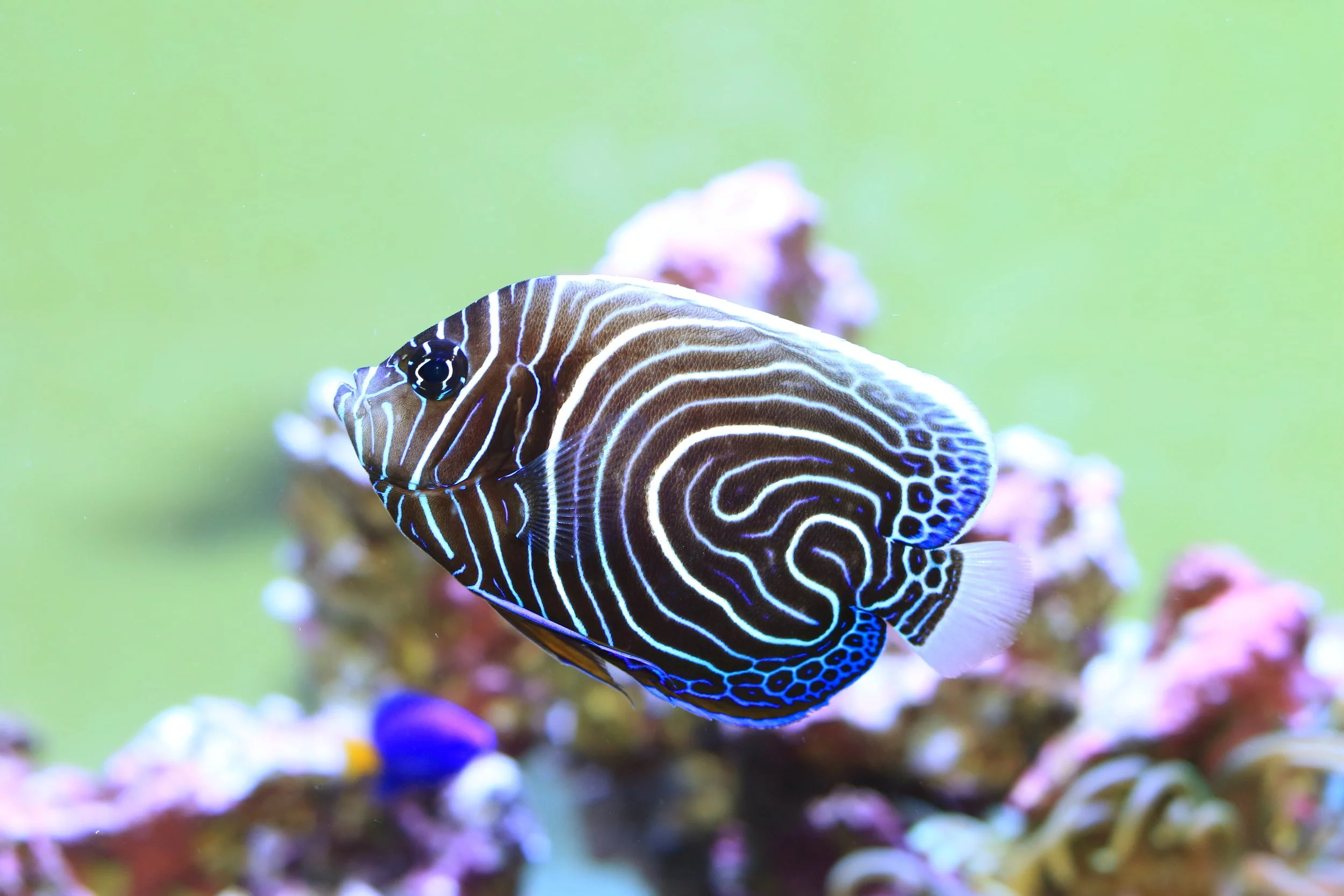
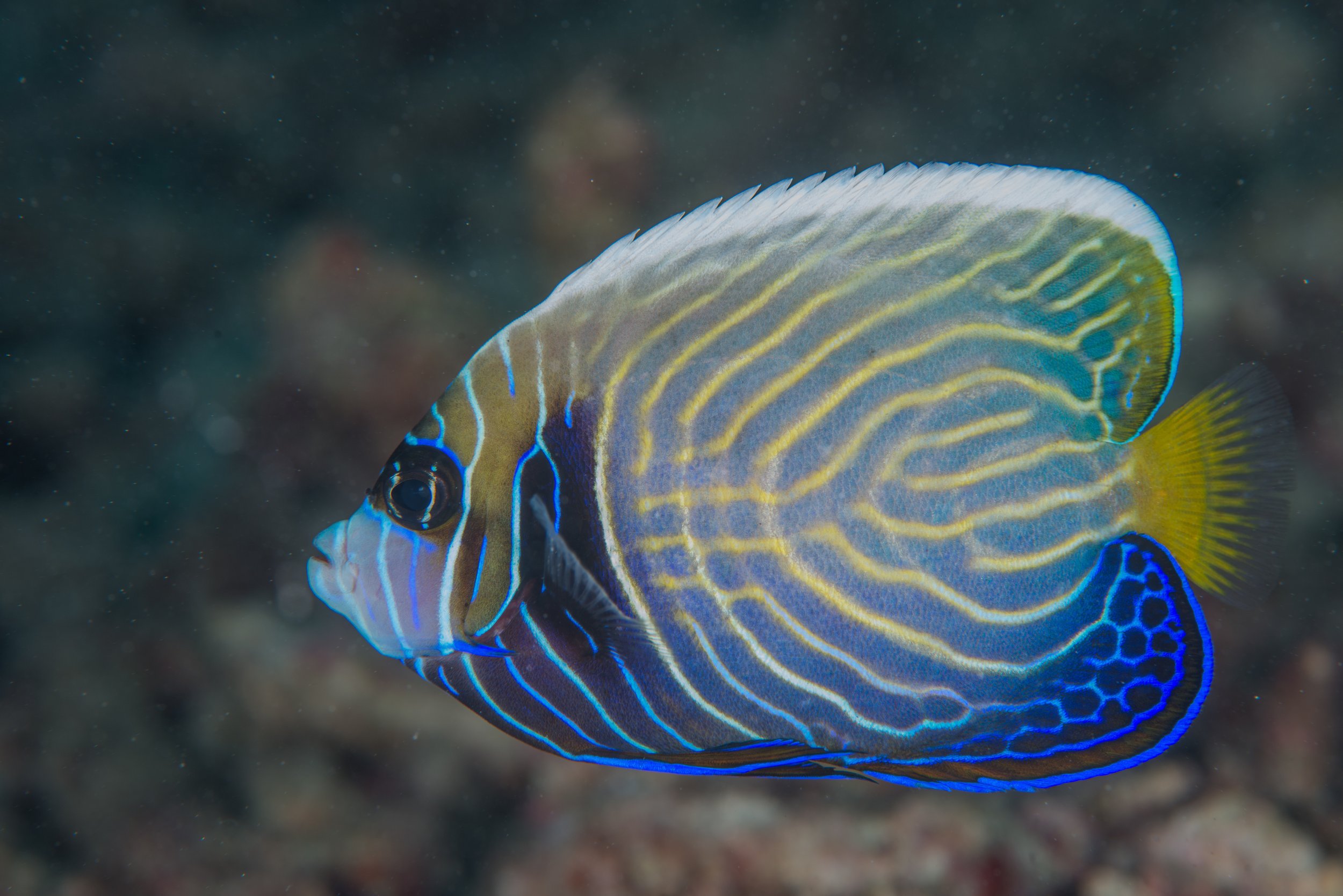
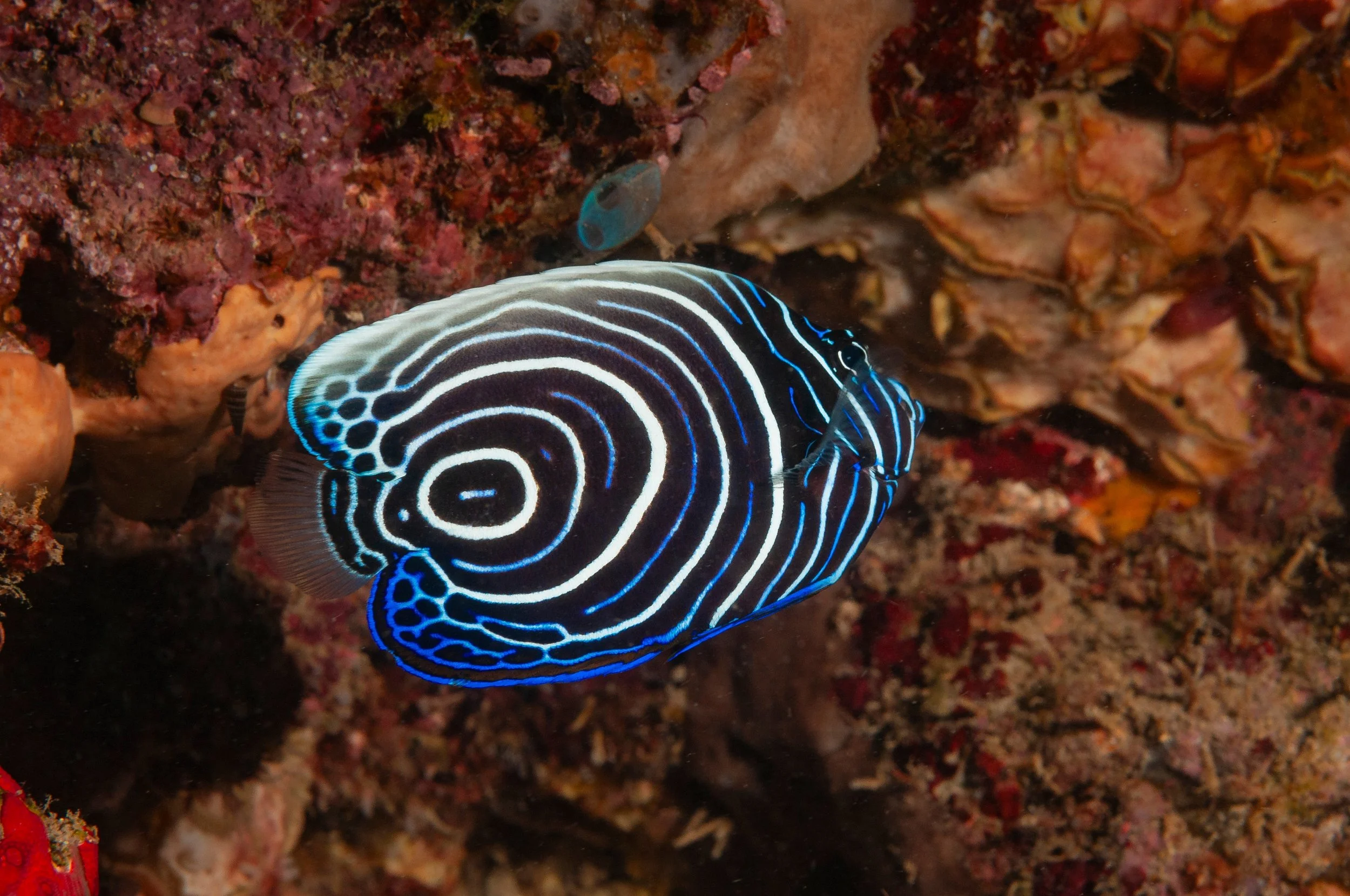
The transformation from juvenile to adult in the Emperor Angelfish is dramatically different. Juveniles look like a totally different fish: banded, high-contrast, and unmistakable. Adults develop bold, mature coloration and a very elegant profile. There are also regional color variants. For example, specimens from the Central Pacific or the Red Sea often show an orange tail and rounded ventral and dorsal fins, while fish from other regions tend to have yellow tails, a slight bluish-indigo body tone, and sometimes a streamer off the dorsal fin. The orange-tail variants are usually rarer and more expensive.
What do Emperor Angelfish eat?
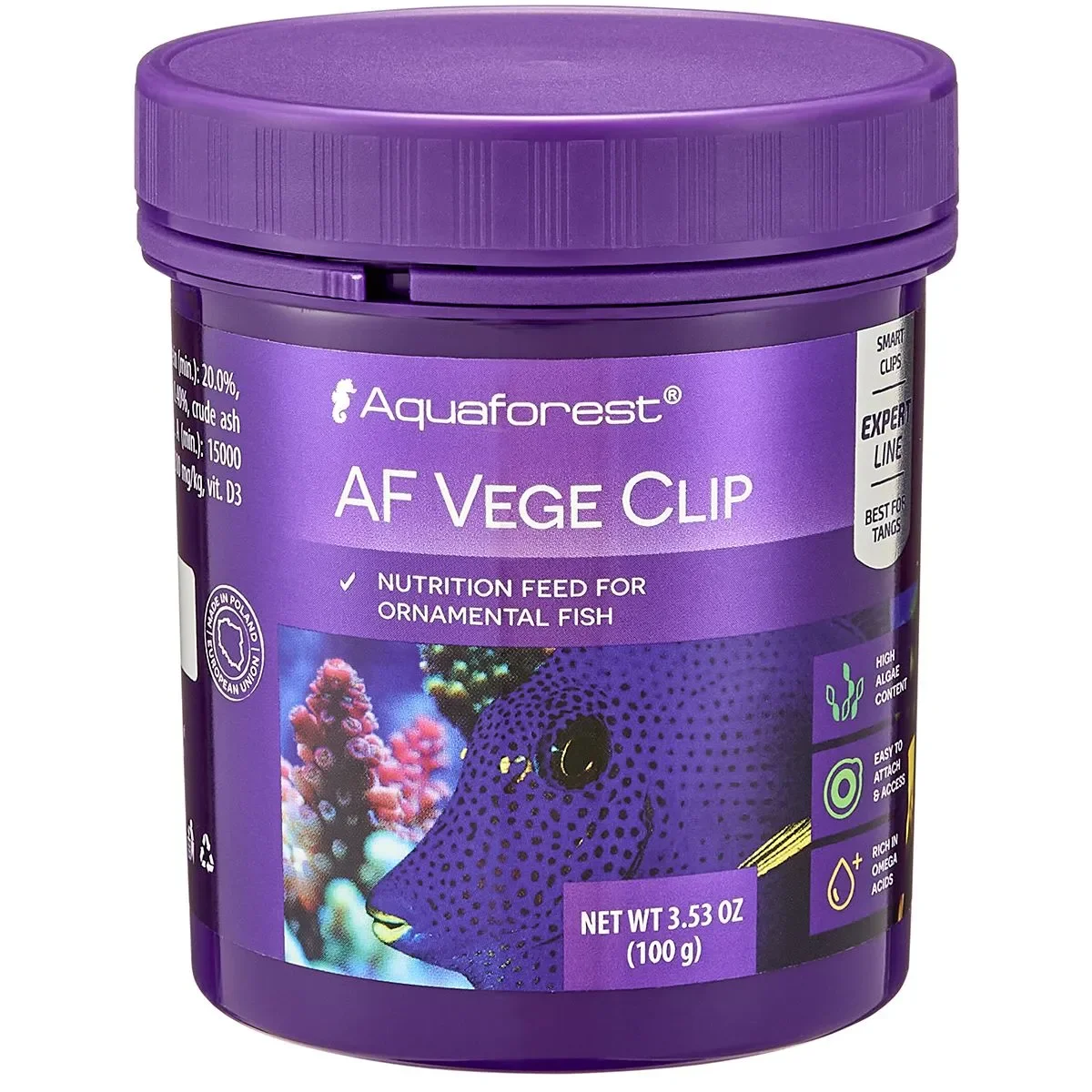
Emperor Angelfish are opportunistic feeders with broad diets in captivity:
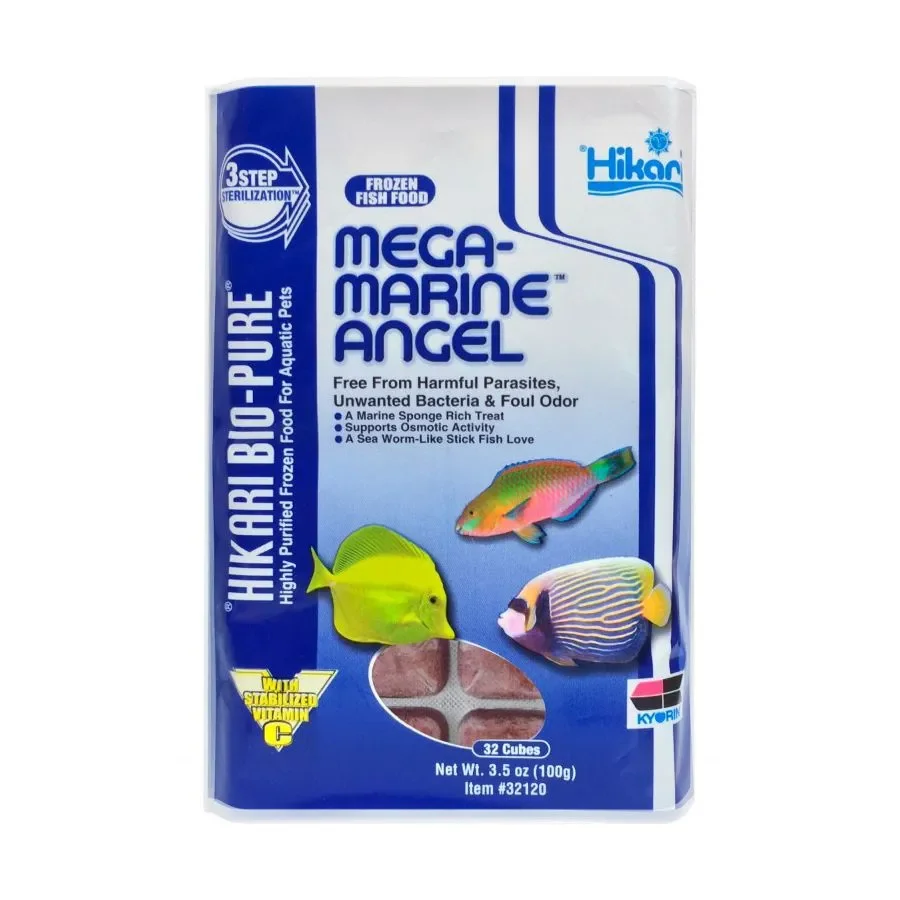
Sponges and sponge-based foods
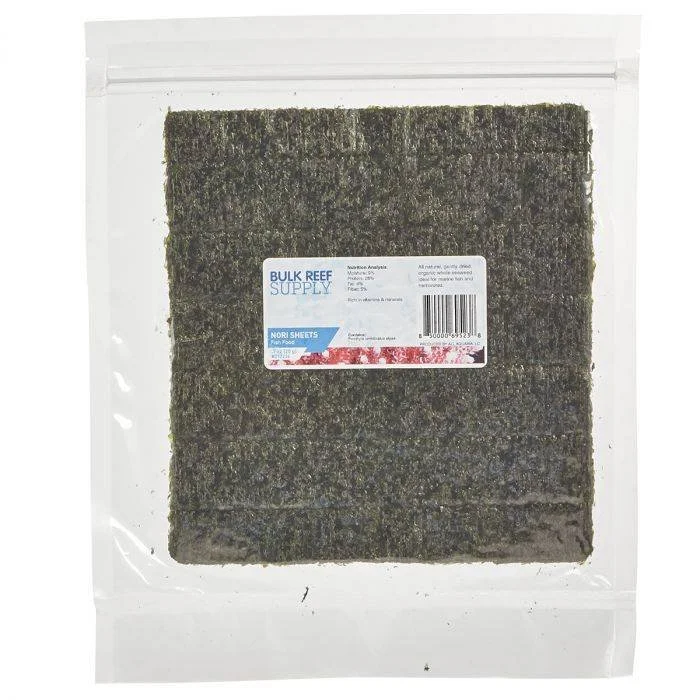
Macroalgae and other plant material
Meaty items such as clams, mussels, and prepared marine foods
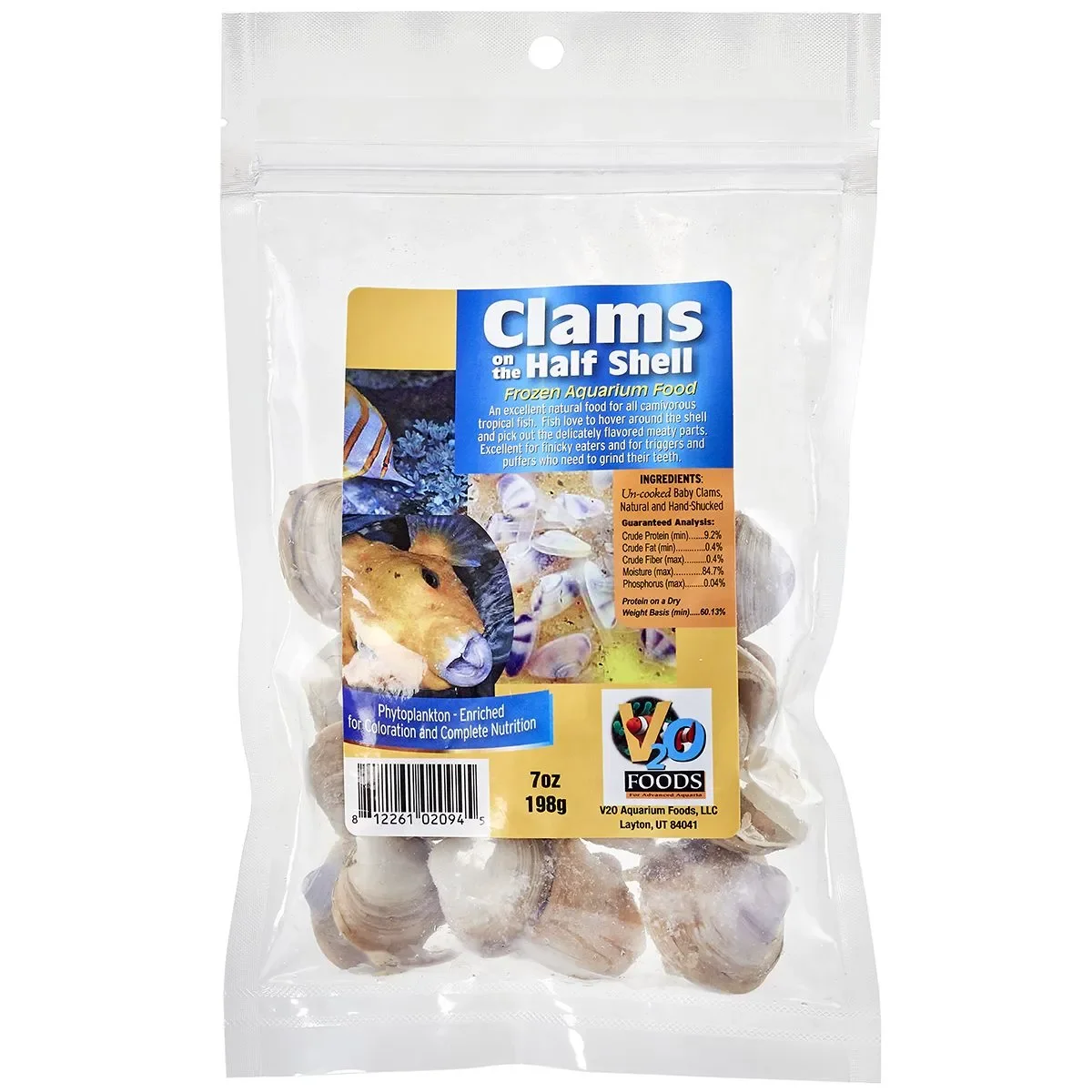
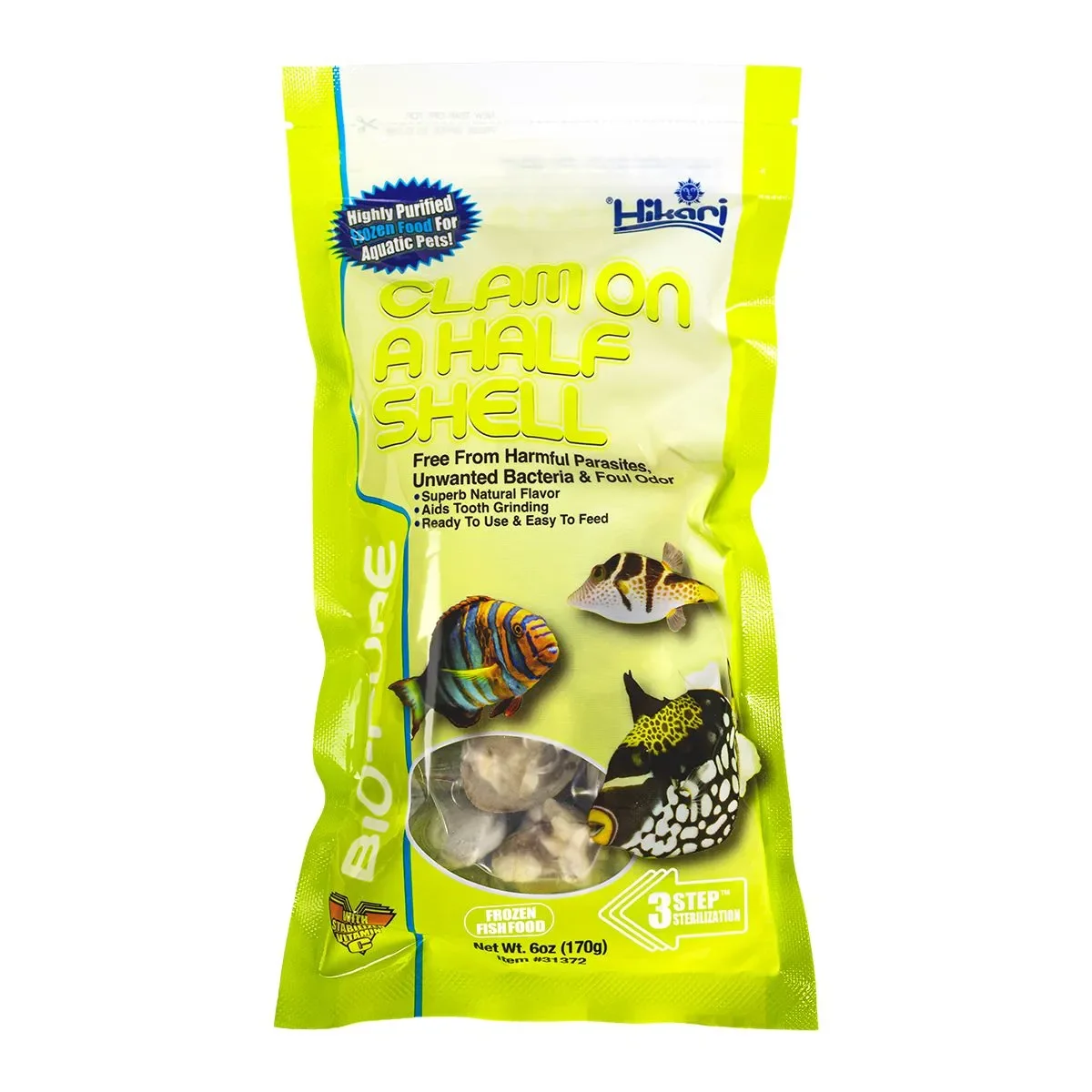
Frozen seafood like Manila clams, which many of us use after freezing to remove parasites
We have fed them frozen Manila clams with great success. Watching one tear a clam open and create an “explosion” of food for the rest of the tank is a memorable moment. Because they eat a wide variety of foods and generally accept prepared and frozen items, they respond well to feeding and are usually easy to maintain nutritionally.


Are Emperor Angelfish reef safe?
Short answer: sometimes. We want to be honest—this fish can be reef safe in many setups, but it also has clear risks depending on the corals and invertebrates you have.
Soft corals (excluding zoanthids): generally safe. Many keepers run Emperor Angelfish with various softies without issue.
Zoanthids: not safe. These angelfish will target zoas and are likely to decimate a zoa garden.
Large-polyp stony corals: mixed risk. Corals like Euphyllia species can sometimes be tolerated, but corals such as Trachyphyllia and Acanthophyllia are at risk and can become an expensive meal. Expect some experimentation—some LPS are fine, others will be nipped.
SPS corals: usually okay, but not guaranteed. Many aquarists keep Emperor Angelfish with SPS successfully.
Clams: vulnerable. Clams are often eaten by this species, so we do not recommend clams in tanks with Emperor Angelfish unless you want them as occasional food.
Keep in mind that adults are not particularly hard to net, so if an individual begins causing trouble you can usually remove it. They also develop personable behaviors and can become quite “pettable,” which is part of their appeal in large systems.

Tank size and Aquascape
Plan for a large tank as adults can reach around 16 inches in length. We recommend a minimum of a 240 gallon aquarium (an 8-foot tank) for an adult emperor angelfish. Smaller systems will quickly feel cramped and increase the chance of stress-related issues or aggression.
For the aquascape:
Create caves, overhangs, and channels. Emperor angelfish will swim upside down under overhangs looking for sponges and will appreciate complex three-dimensional space.
Island-style scapes with front and back swim areas effectively create longer natural swim paths and more territory to explore.
Quarantine, common health issues, and treatments
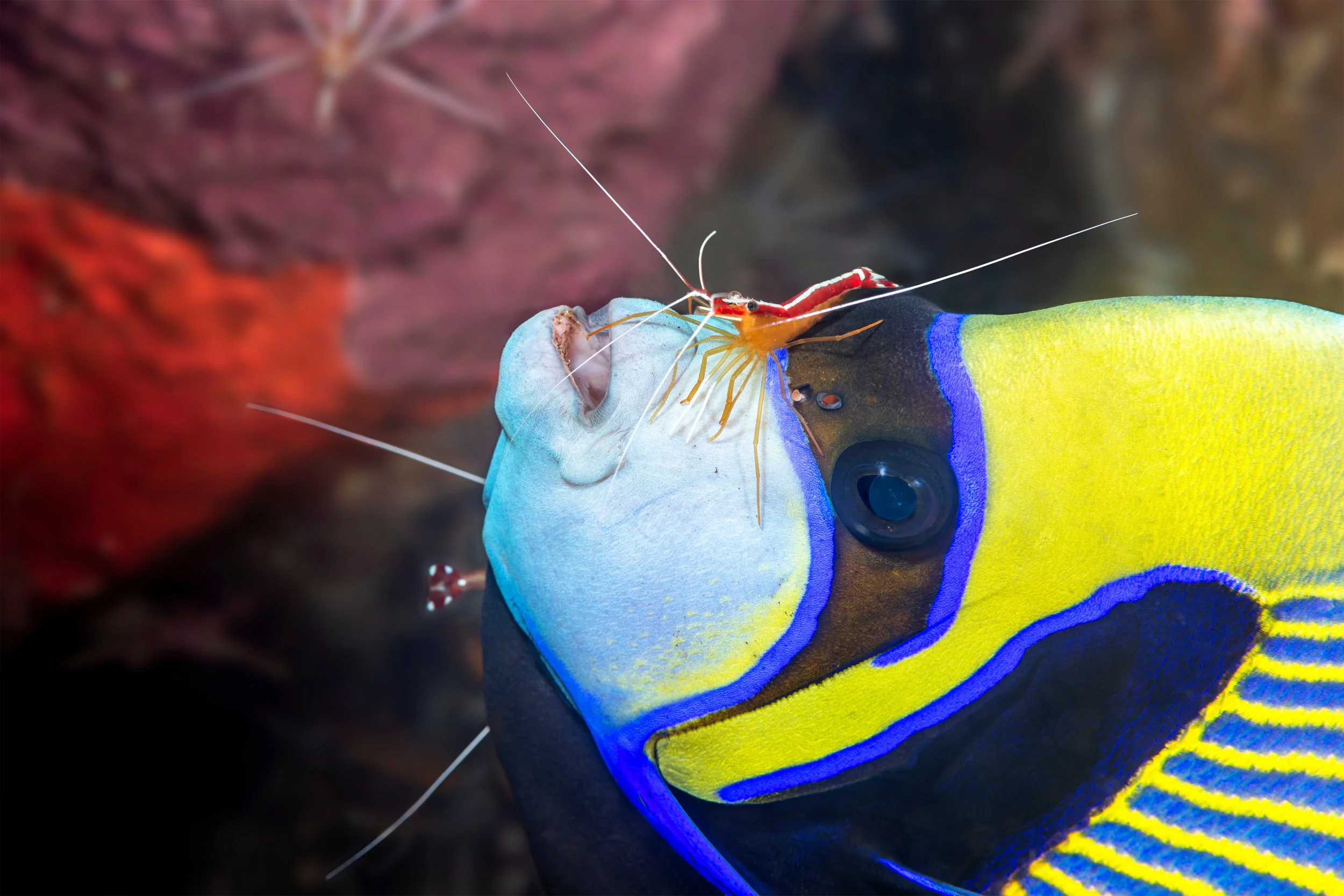
Serious quarantine is important. These fish handle medications well and usually eat readily, which makes treatment easier if needed. They are susceptible to mouth rot, often a secondary infection from shipping damage, so check mouths and fins carefully on arrival.
Quarantine protocol:
Hold new emperors in QT for an extended period, monitor appetite and behavior, and treat proactively for common parasites if indicated.
Decide on acclimation or an acclimation box based on the fish's size and existing tank mates. Small juveniles do better separated initially; larger adults are bold and sometimes can be introduced more directly, depending on the system.



Availability and sourcing for Emperor Angelfish
Emperor angelfish are widely available, but regional variants affect color and price. The orange-tail variants from the Central Pacific or Red Sea tend to be more expensive and sought after. Other regions yield yellow-tail varieties that develop dorsal streamers as adults. Choice often comes down to color preference and budget rather than care differences.
Final thoughts
The Emperor Angelfish is beautiful, bold, and full of personality. If you can provide the space, plan your aquascape to offer swim paths and hiding spots, and accept the risk to specific corals and clams, this species rewards with stunning color and fascinating behavior. For many of us, that elegance and presence are more than enough reason to choose one for a large display tank.
Emperor Angelfish FAQ
Is the Emperor Angelfish reef safe?
They are sometimes reef safe. Soft corals (not zoanthids) and many SPS may be okay, but Emperor Angelfish will eat zoanthids and can nip or eat some LPS and clams. Risk depends on the individual fish and the specific corals you keep.
How big does an Emperor Angelfish get?
Adults can reach around 16 inches, so they need large tanks and substantial swim space.
What tank size do we recommend for an Emperor Angelfish?
We recommend a minimum of 240 gallons (about an 8-foot tank) to provide adequate swimming territory and reduce territorial stress.
What do Emperor Angelfish eat?
They are omnivorous opportunists: sponges, algae, clams, and various meaty foods. They typically accept frozen and prepared marine foods and do well on diets that include sponge-based or marine formulations.
Do Emperor Angelfish require quarantine?
Yes. Serious quarantine is recommended. They handle medications well and generally eat in quarantine, which helps treat or prevent shipping-related issues such as mouth rot.
Are there different color varieties of Emperor Angelfish?
Yes. Regional variants exist. Fish from the Central Pacific or Red Sea often have orange tails and rounded fin shapes, while fish from other regions are more yellow-tailed and may develop a dorsal streamer. Orange-tail variants are usually rarer and more expensive.
Dragon Eel (Enchelycore pardalis)
Dragon Eel
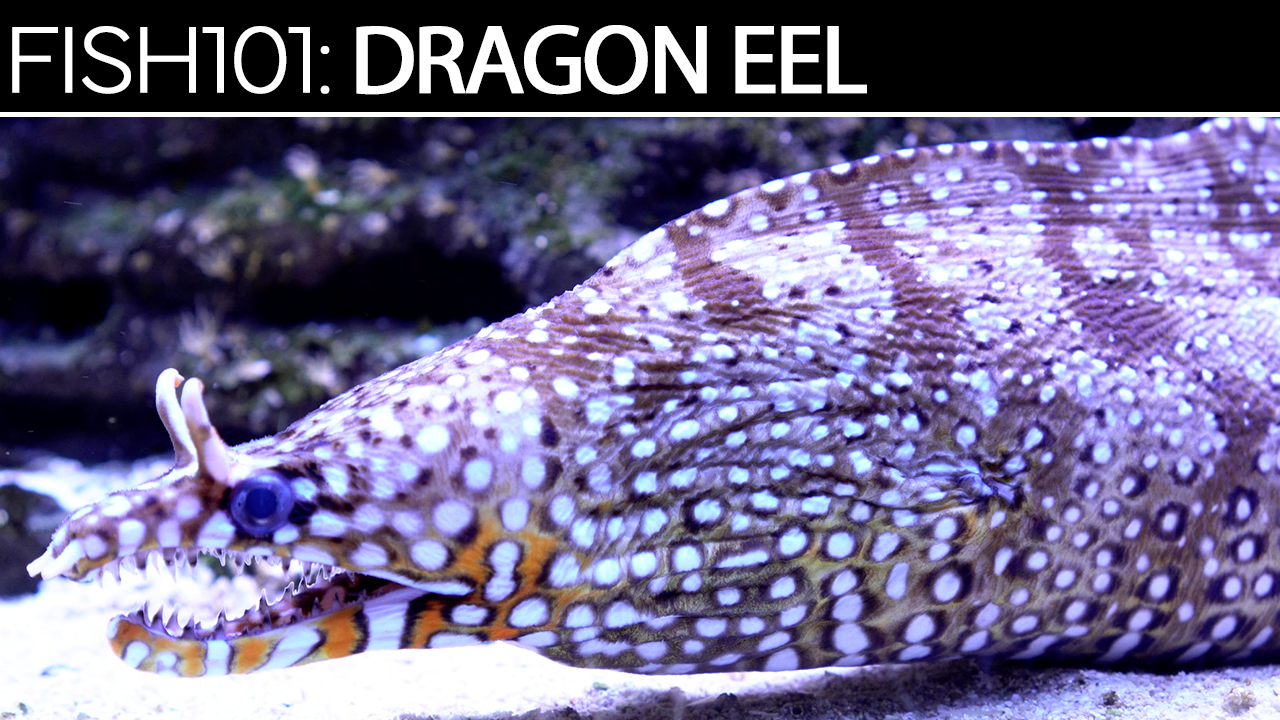
Dragon eels are one of those aquarium animals that elicit a strong reaction: they are stunning, spooky, and borderline terrifying. If you love creepy, toothy, cave-dwelling animals, this eel will be the star of your tank. If you want a hand-safe cuddle buddy, walk the other way.
Acknowledgments
Thank you to Elliot Lim for sharing his knowledge with the SR community. Elliot owns and operates www.marinecollectors.com Thank you to Oral Seymour for summarizing the video and making it available to everyone. Follow Oral on his IG page reefingwitho
Thank you to the Serious Reefs community. Your membership funds the creation of articles and videos like this one.
Support Serious Reefs
Patreon is the best option If you…
Want to discuss with the SR community and ask questions.
Want immediate notifications of every release.
Listen with phone screen off. Patreon app works with phone closed
Want 25% off via annual discounts.
YouTube members is the best option If you…
Watch SR videos on a TV via youtube App
Want to watch videos natively here on seriousreefs.com - (You must use chrome browser and be logged into google account with youtube membership)
Are a YouTube power user.
Tell a friend. Best option if want more SR (and faster).
If you like what we’re doing, give SR a quick shout-out on your favorite forum, YouTube, Facebook, TikTok, or Instagram. Let your local fish store know SR is helping you explore the hobby and keep it fun. Thanks for the support!
Disclaimer
Full Disclaimer HERE. This is the gist of it.
Content is based on personal experience, not professional advice. Do your research and reef responsibly. Serious Reefs should not be your sole source of information on any topic.
By watching, you agree that Serious Reefs and its creators aren’t liable for how you use this info. Please don’t utilize our information if you are not ok with this.
Serious Reefs has no sponsors, doesn’t accept product or payment for reviews. We do use affiliate links in articles that earn a small commission to support our work. Shop wherever you like, we won’t be offended.