Dragon Eel: Fish 101
Your guide to thriving with this stunning, sharp-toothed marine dragon
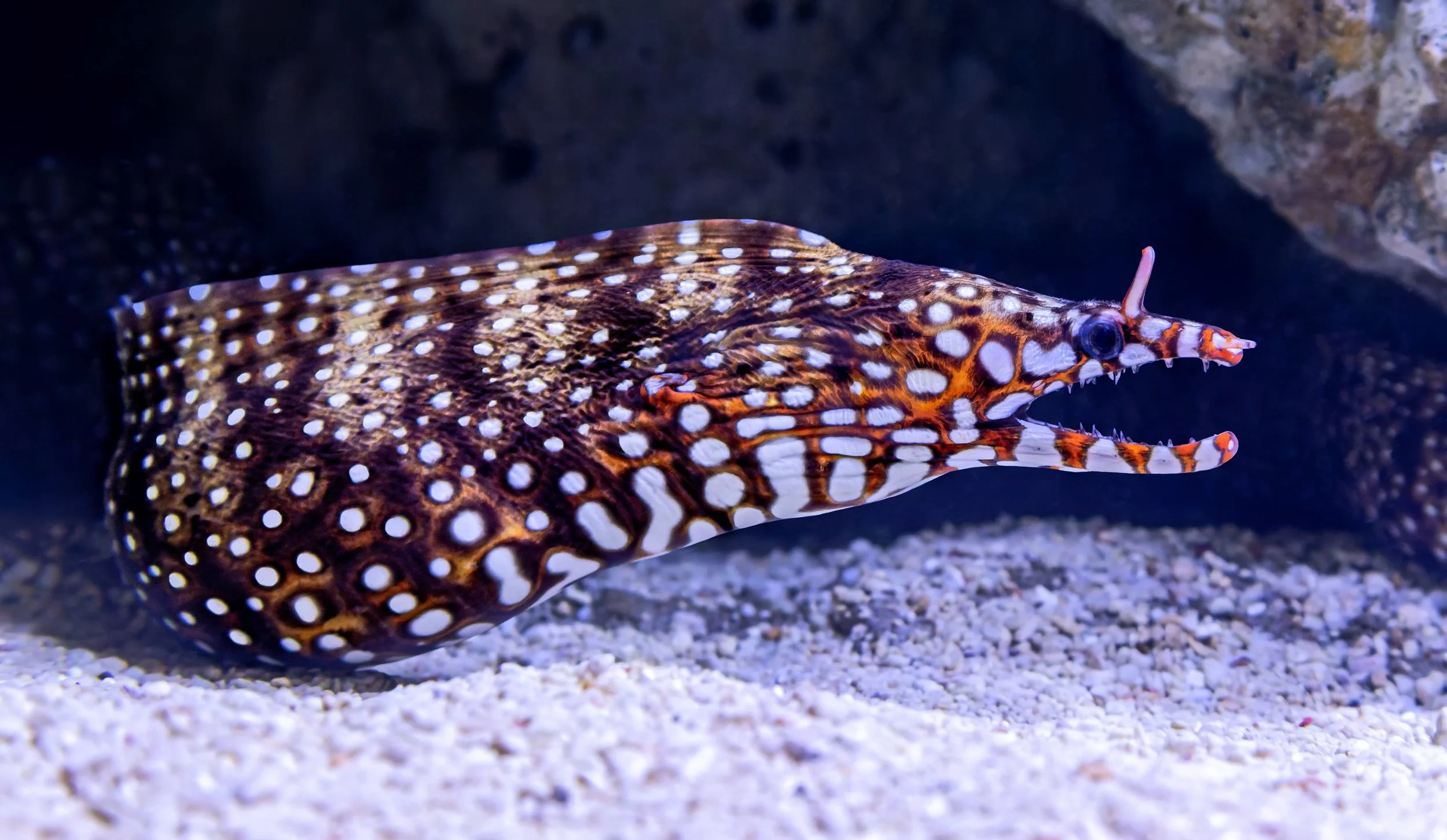
Dragon eel
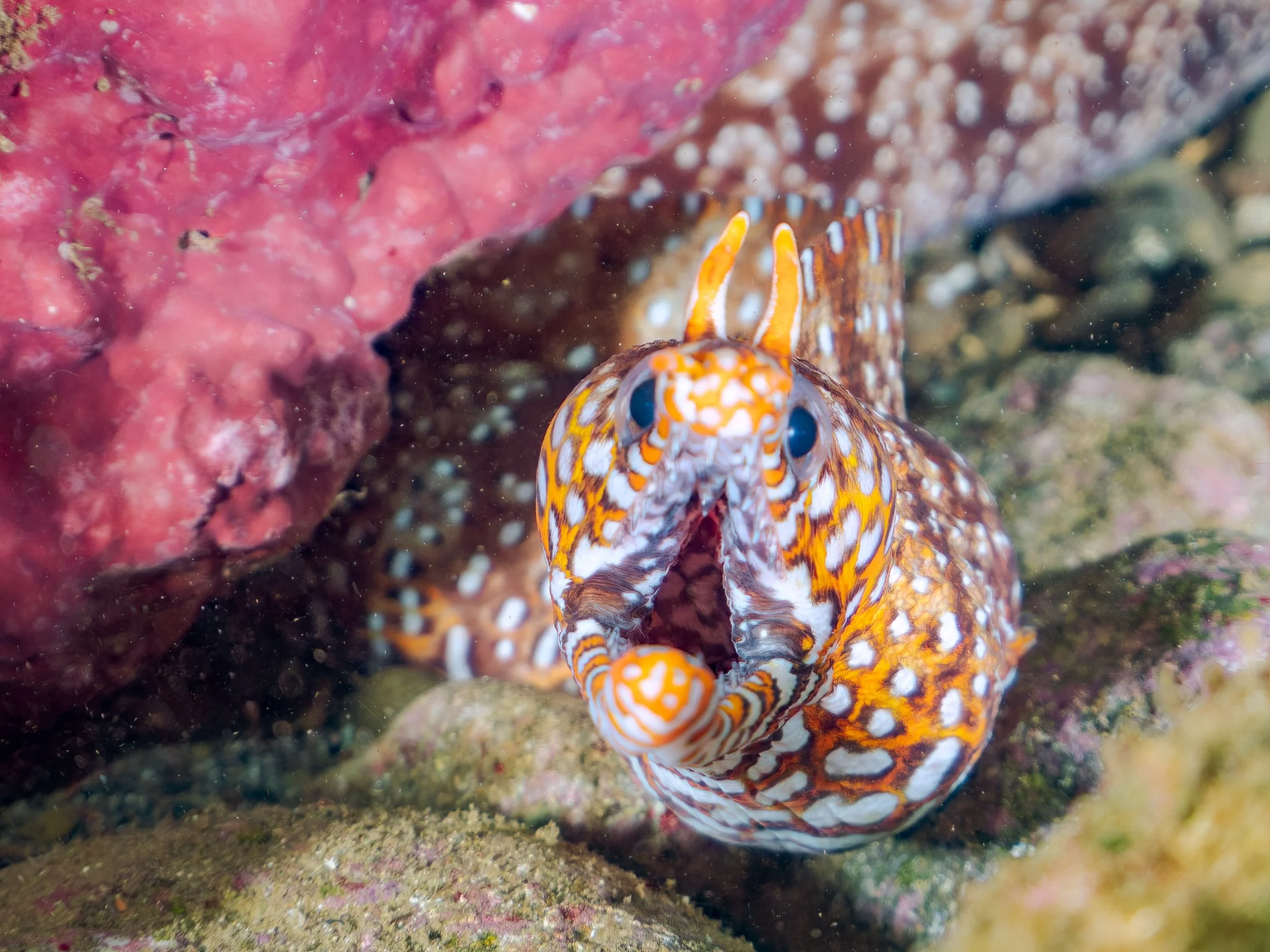
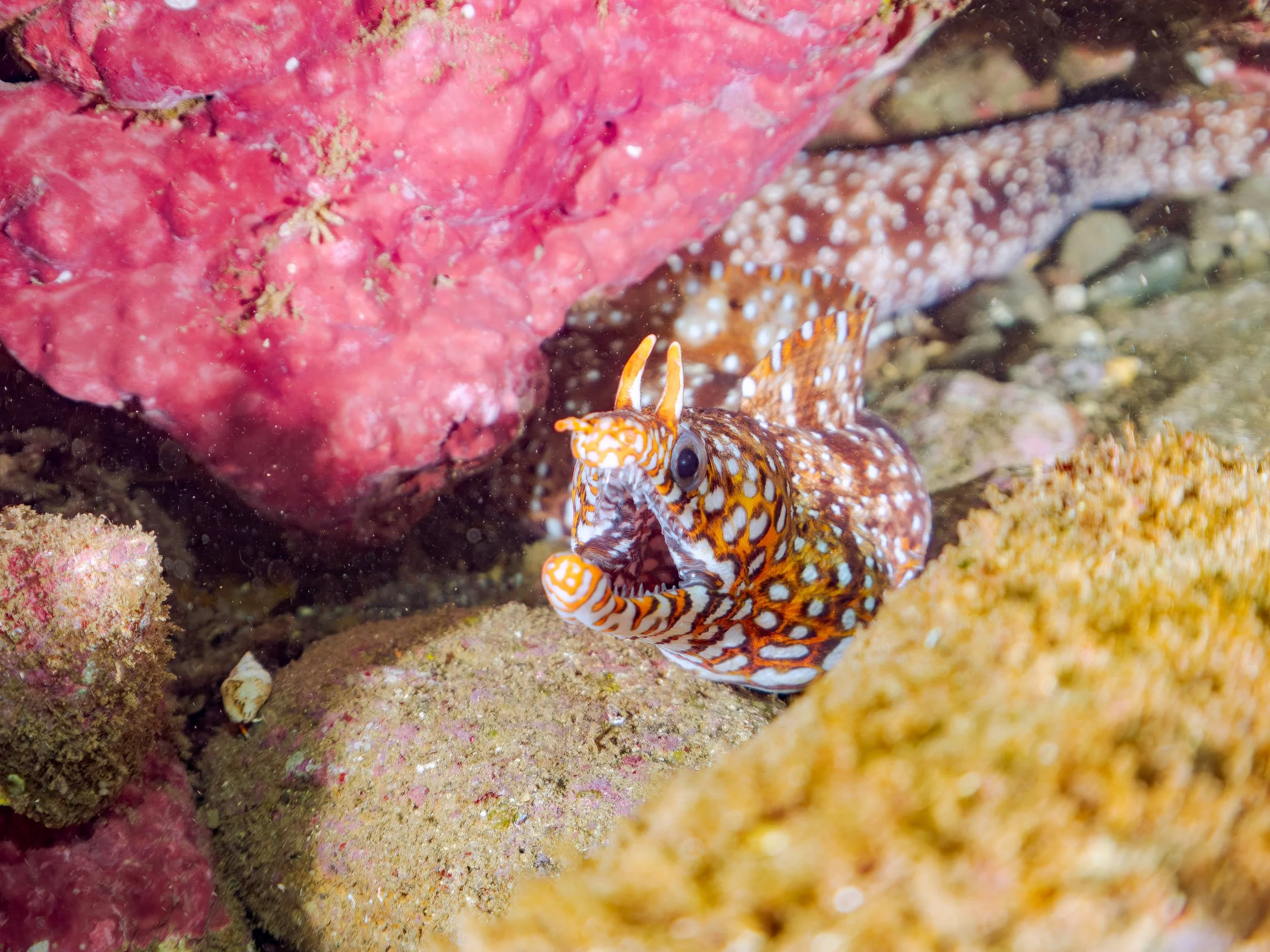
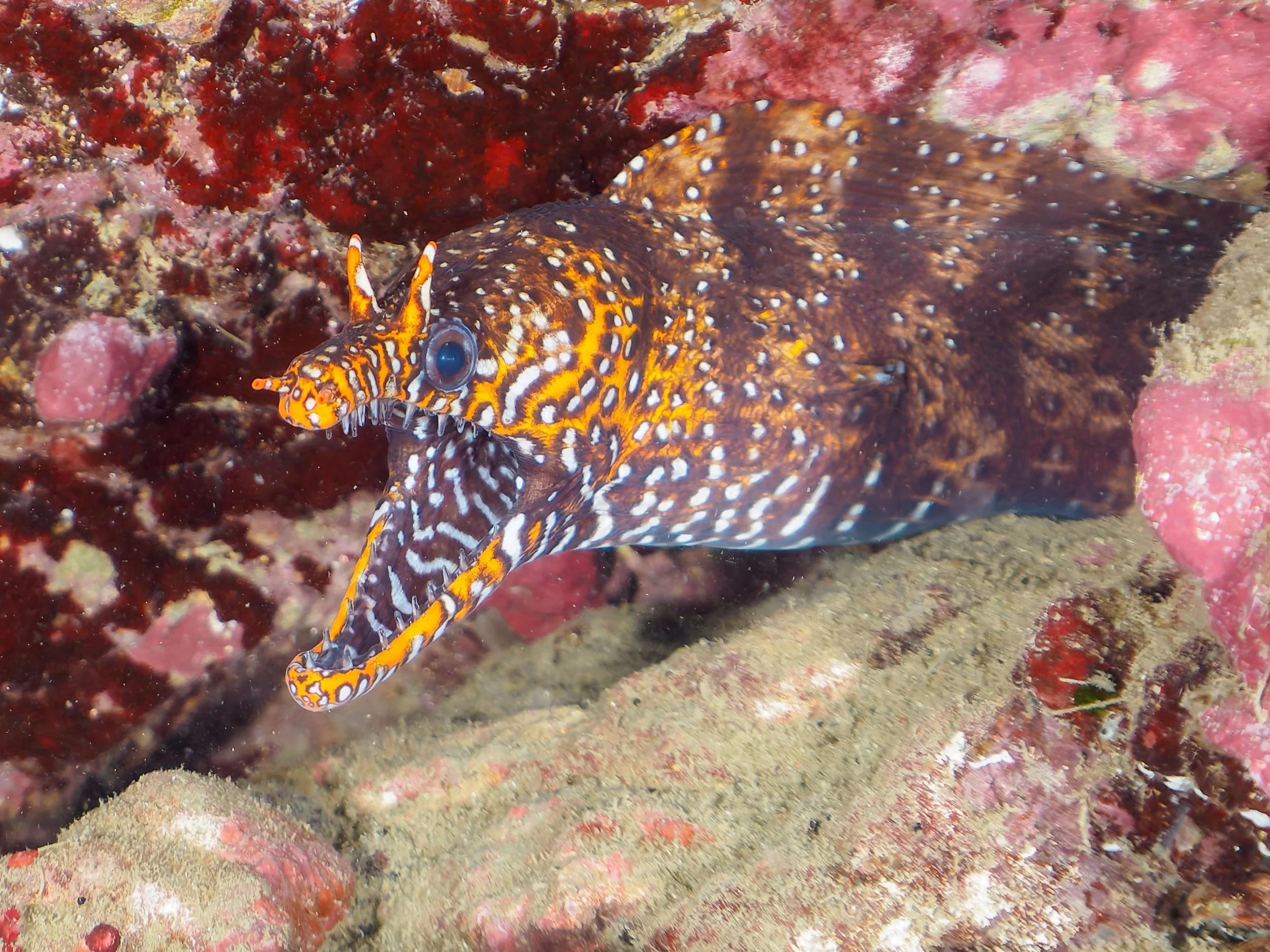
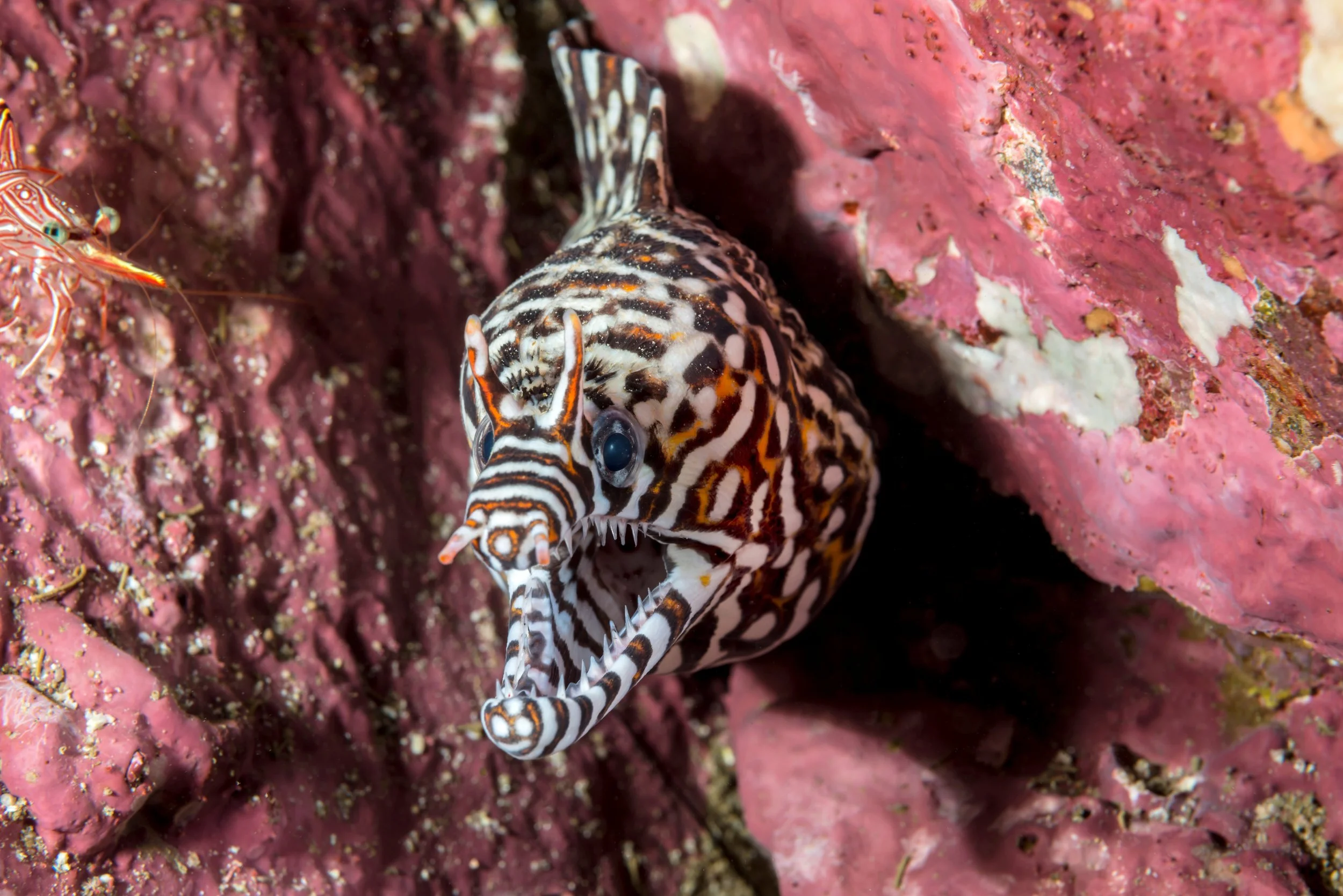
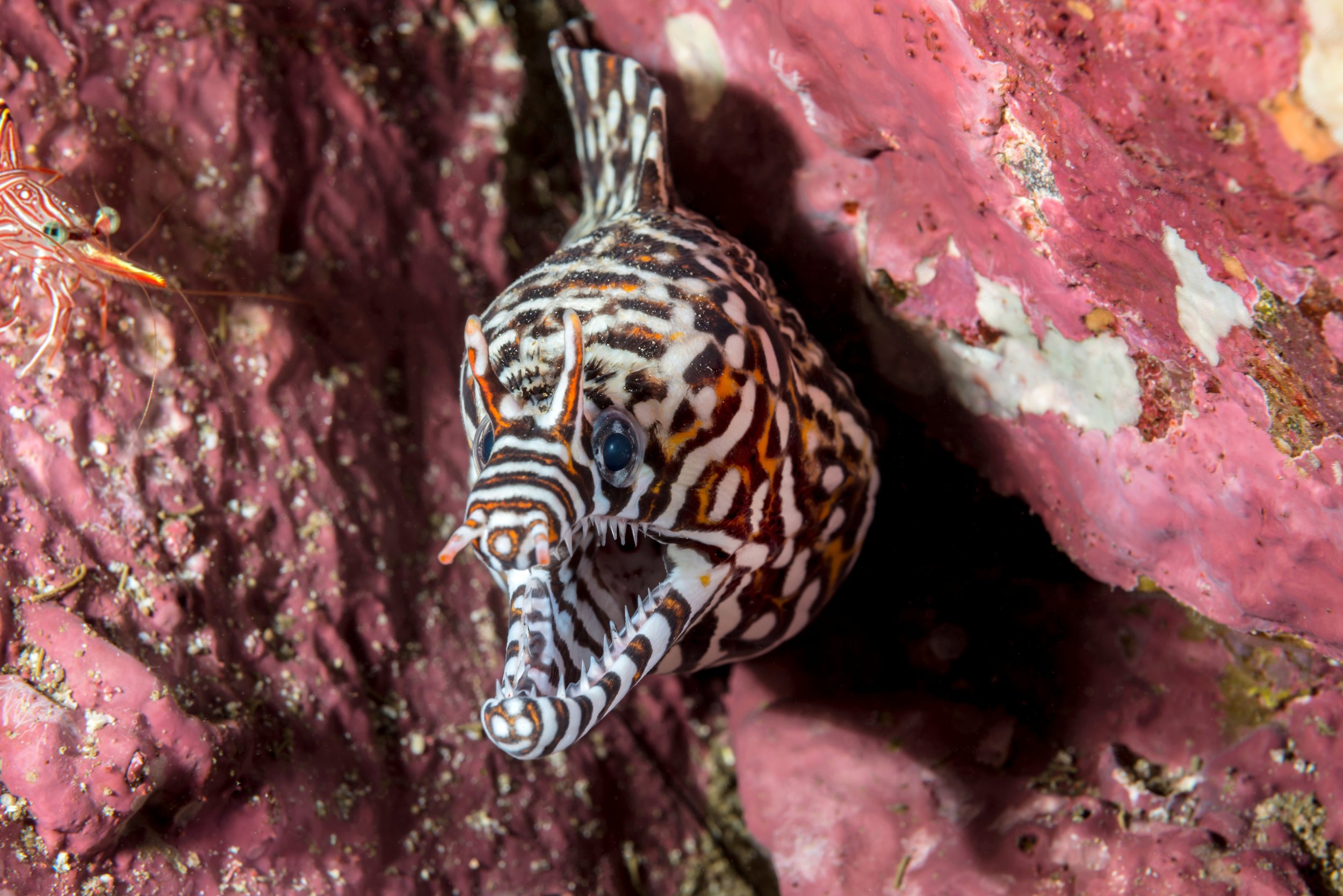
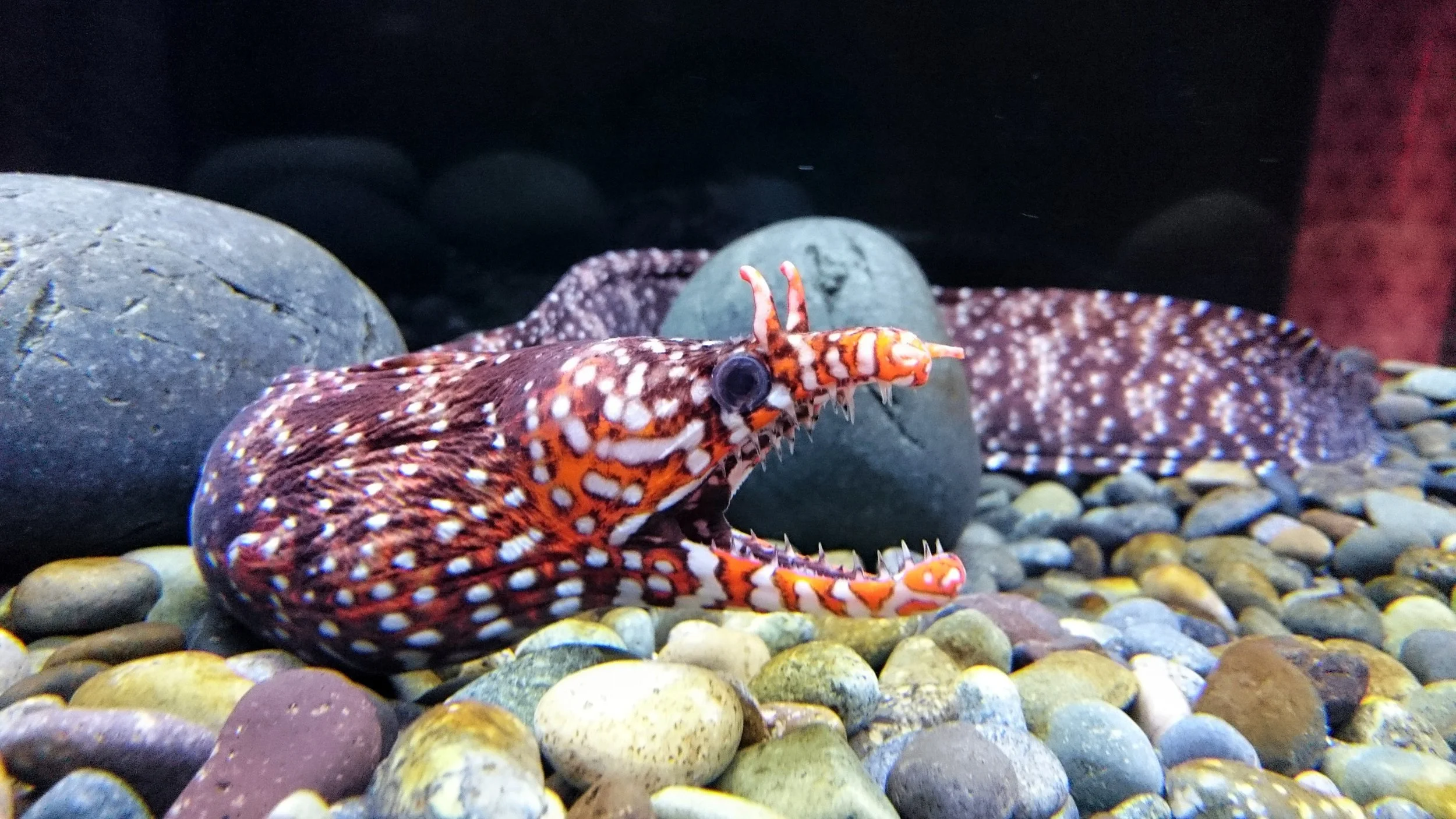
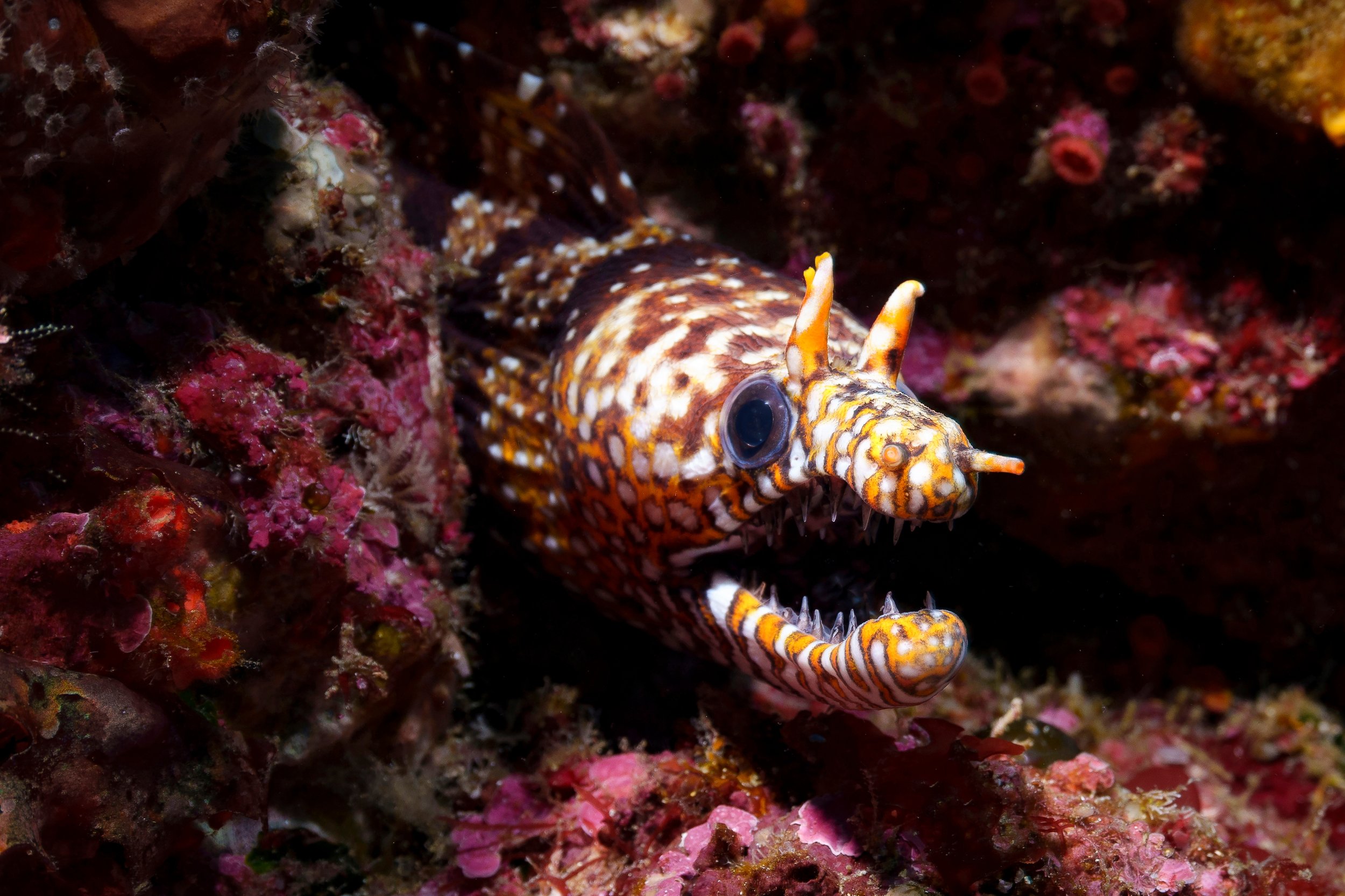
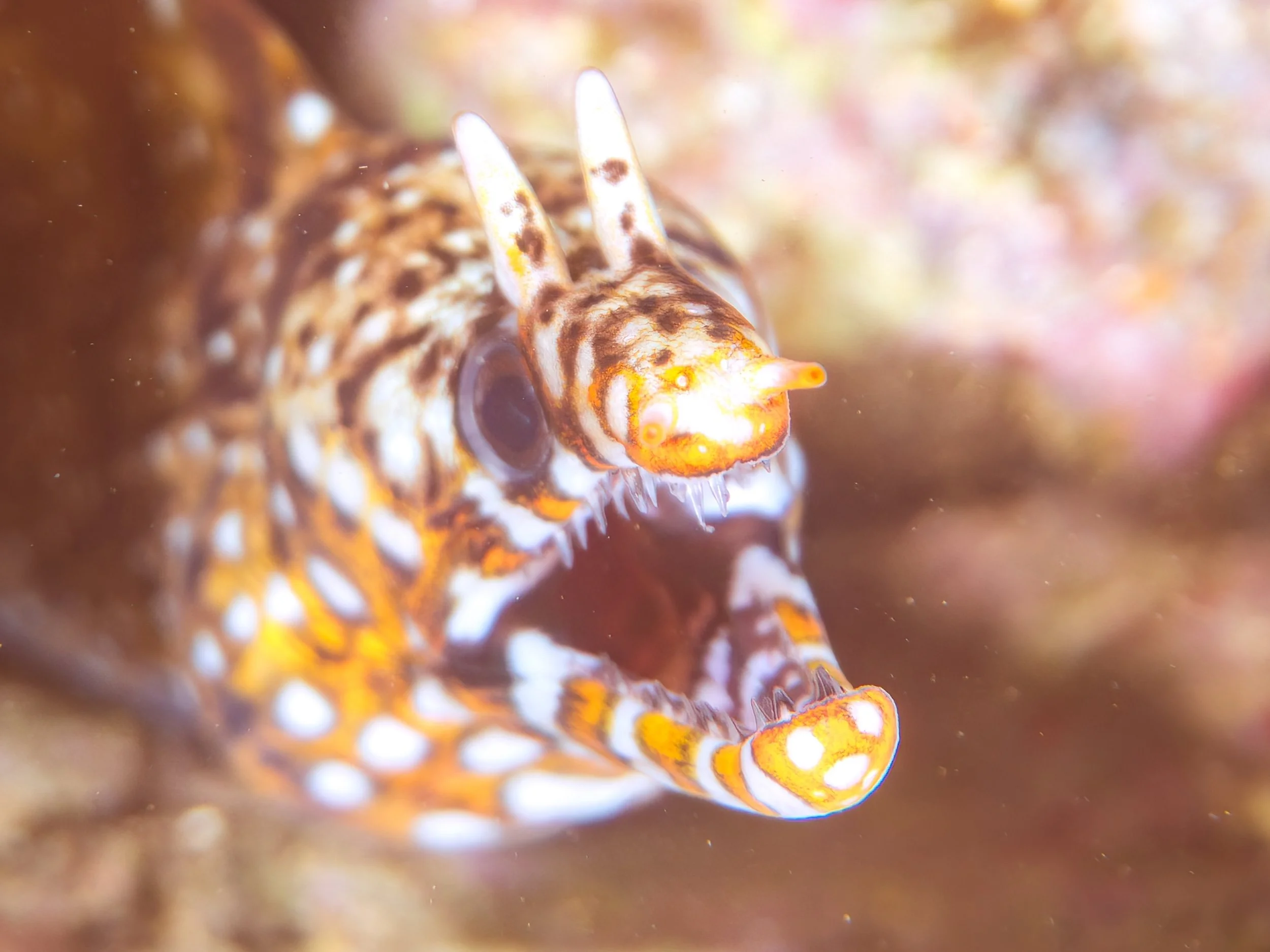
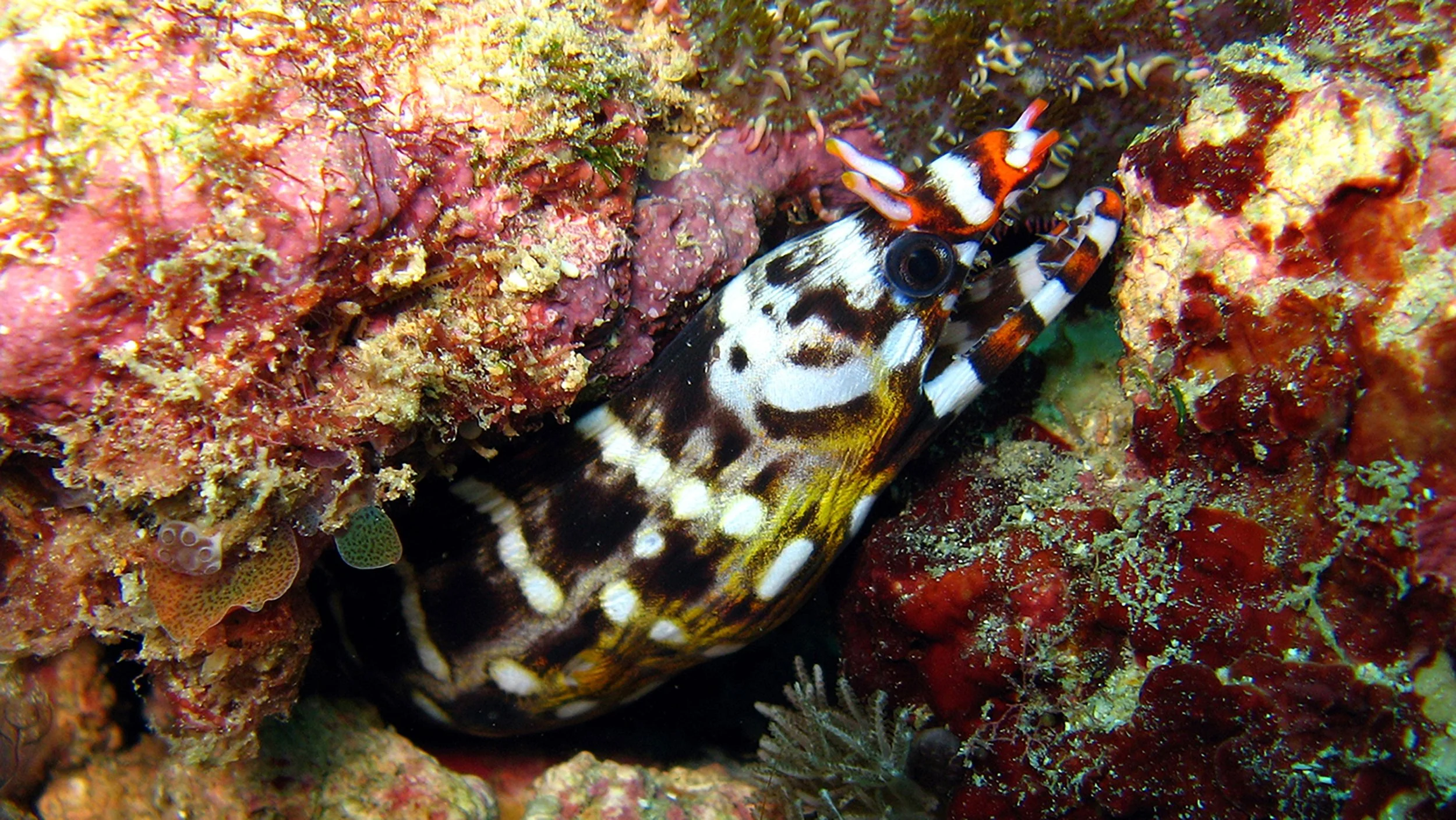
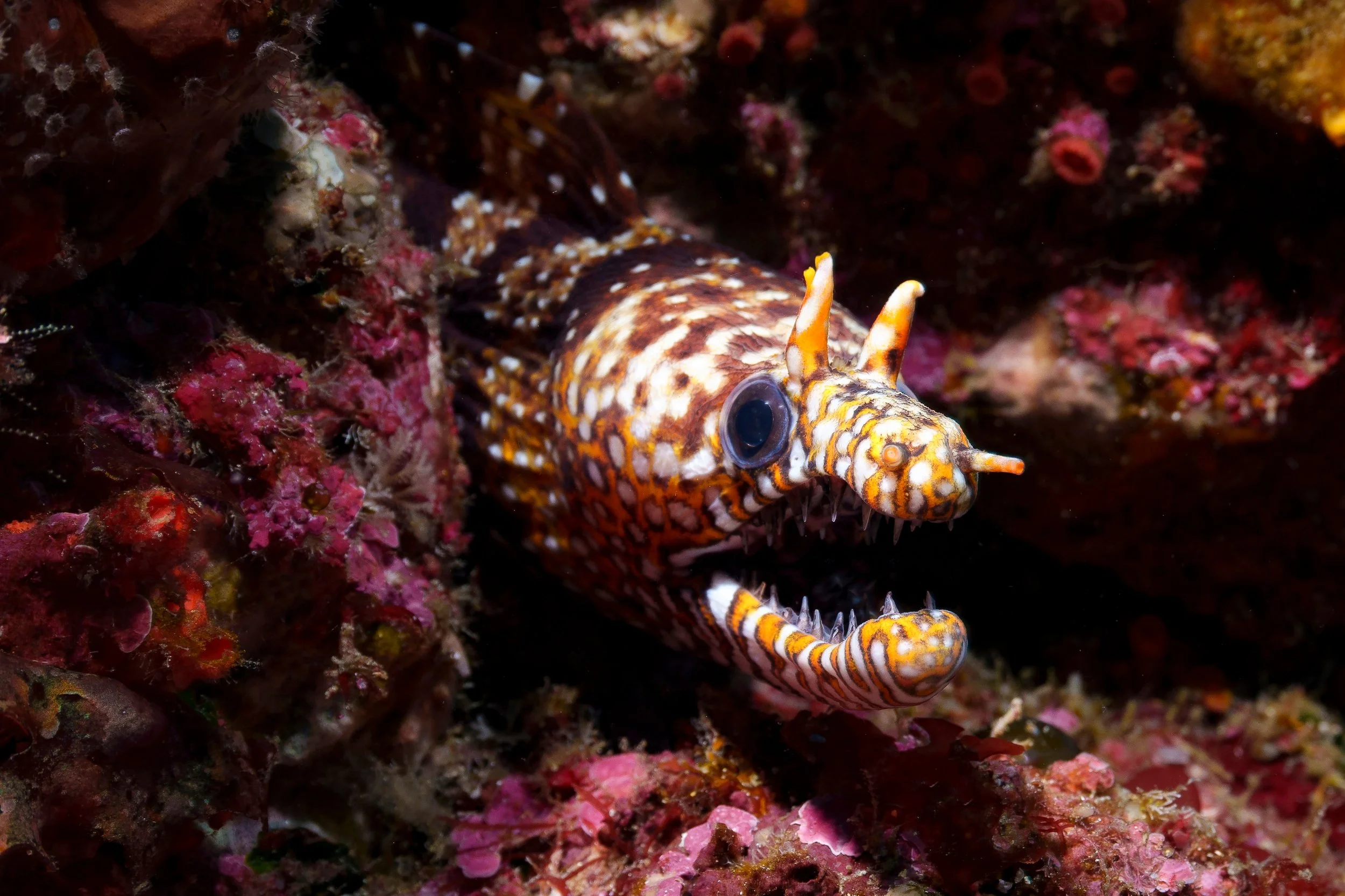
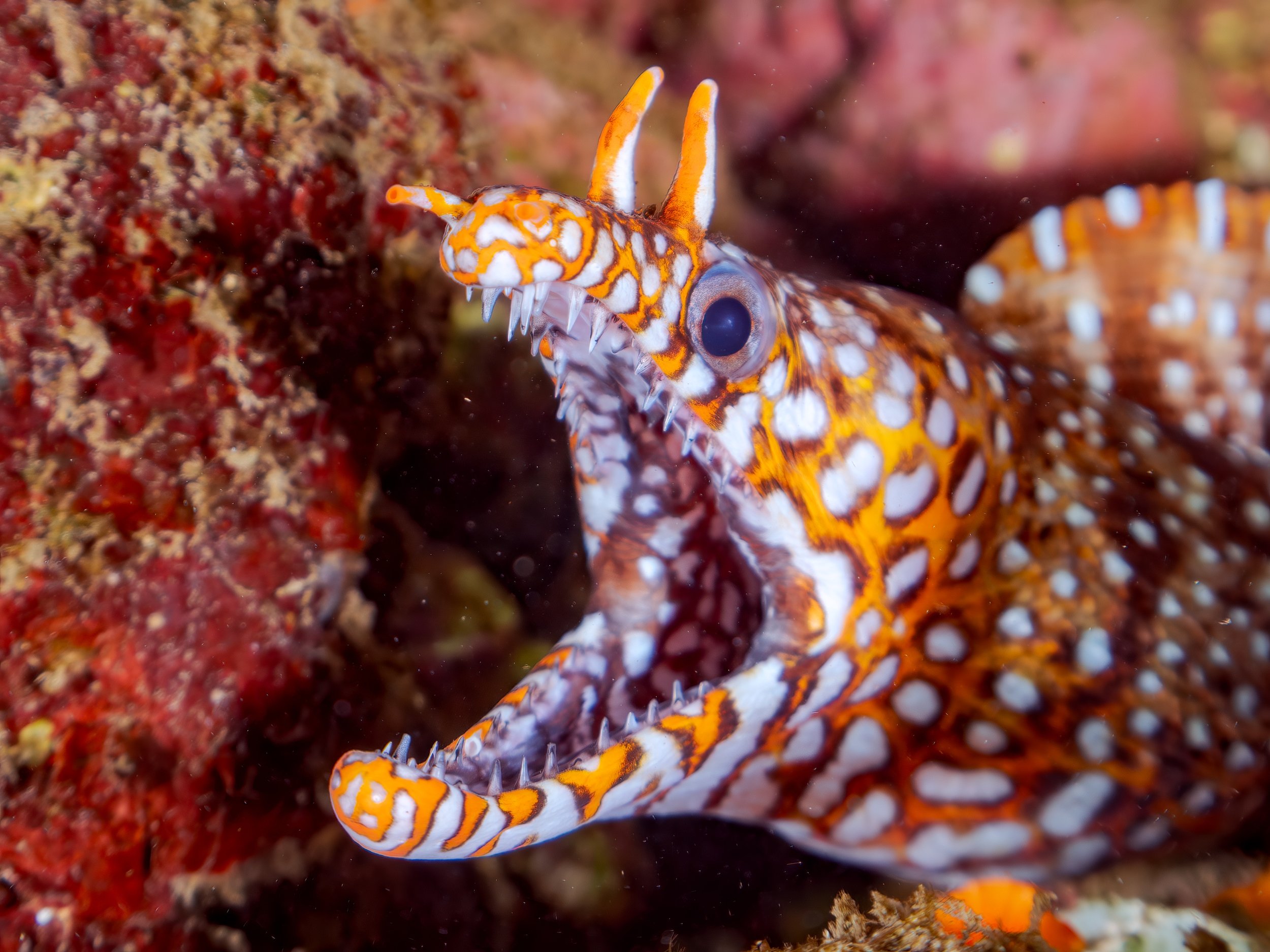
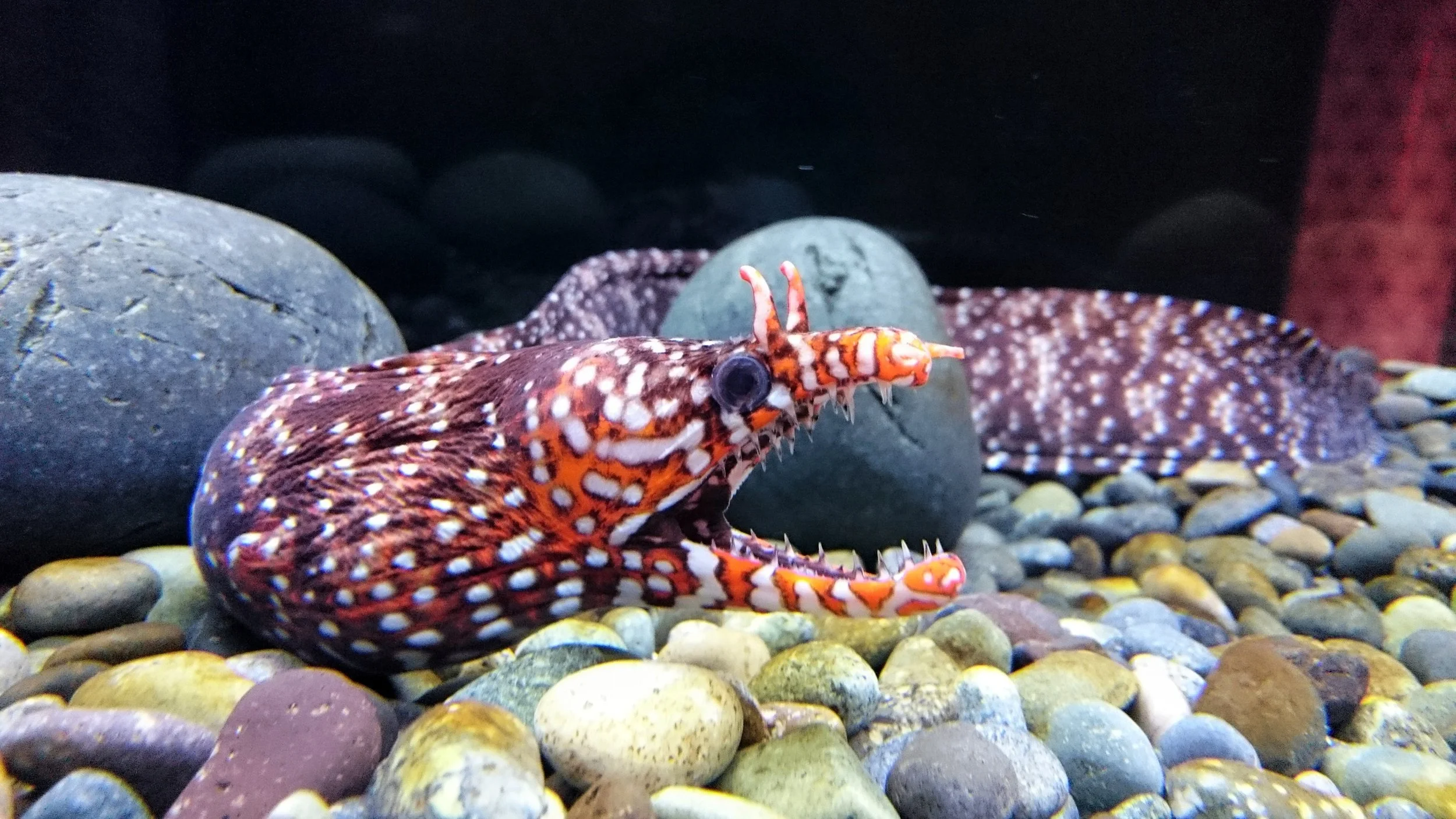
Dragon eels are one of those aquarium animals that instantly become the centerpiece of a tank. They look dangerous, toothy, and spooky in the best possible way. We admit some specimens are almost too creepy for us; those huge teeth and that cave-dwelling stare make them feel like something out of a horror movie. That said, if you like a dramatic, predatory showpiece that prowls its territory at night, this is the eel for you.
Note: Paid YouTube SR Members Using A Chrome Browser can watch videos natively above on Seriousreefs.com. Sign up HERE
SR videos are a community funded member only resource. Serious Reefs buys everything we review, accepts no sponsorships, and your memberships make it possible to keep every review truly unfiltered.
At a glance
Common name: Dragon eel or Dragon moray eel
Diet: Primarily fish and scavenged marine meat
Reef-safe: Does not pick at corals. They will eat fish and shrimp that fit in their mouths.
Temperament: Predatory; will take fish and shrimp that fit in its mouth
Tank requirements: Rocky crevices and caves
Care level: Intermediate (we consider it around a 4 or 5 out of 10)
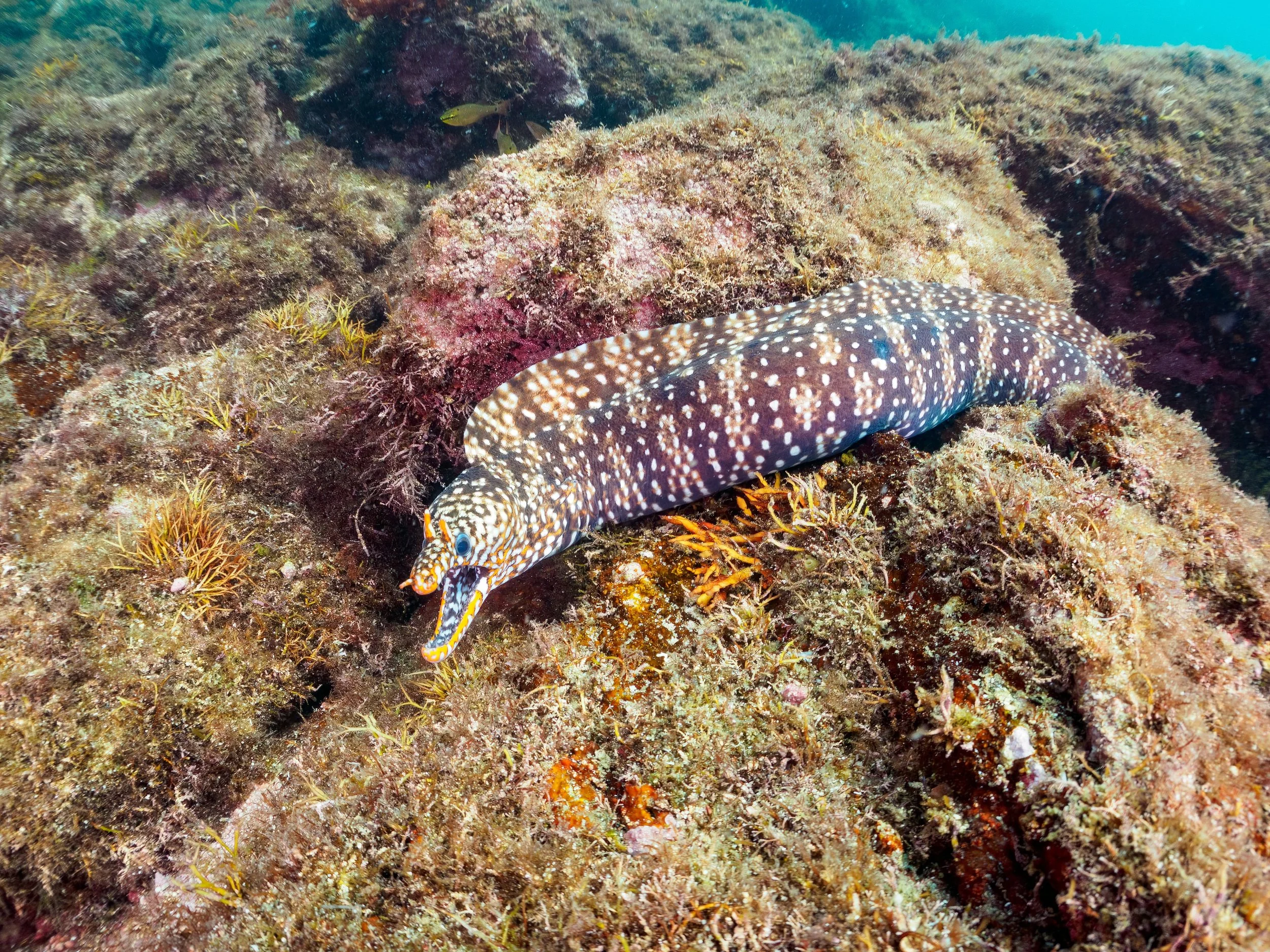
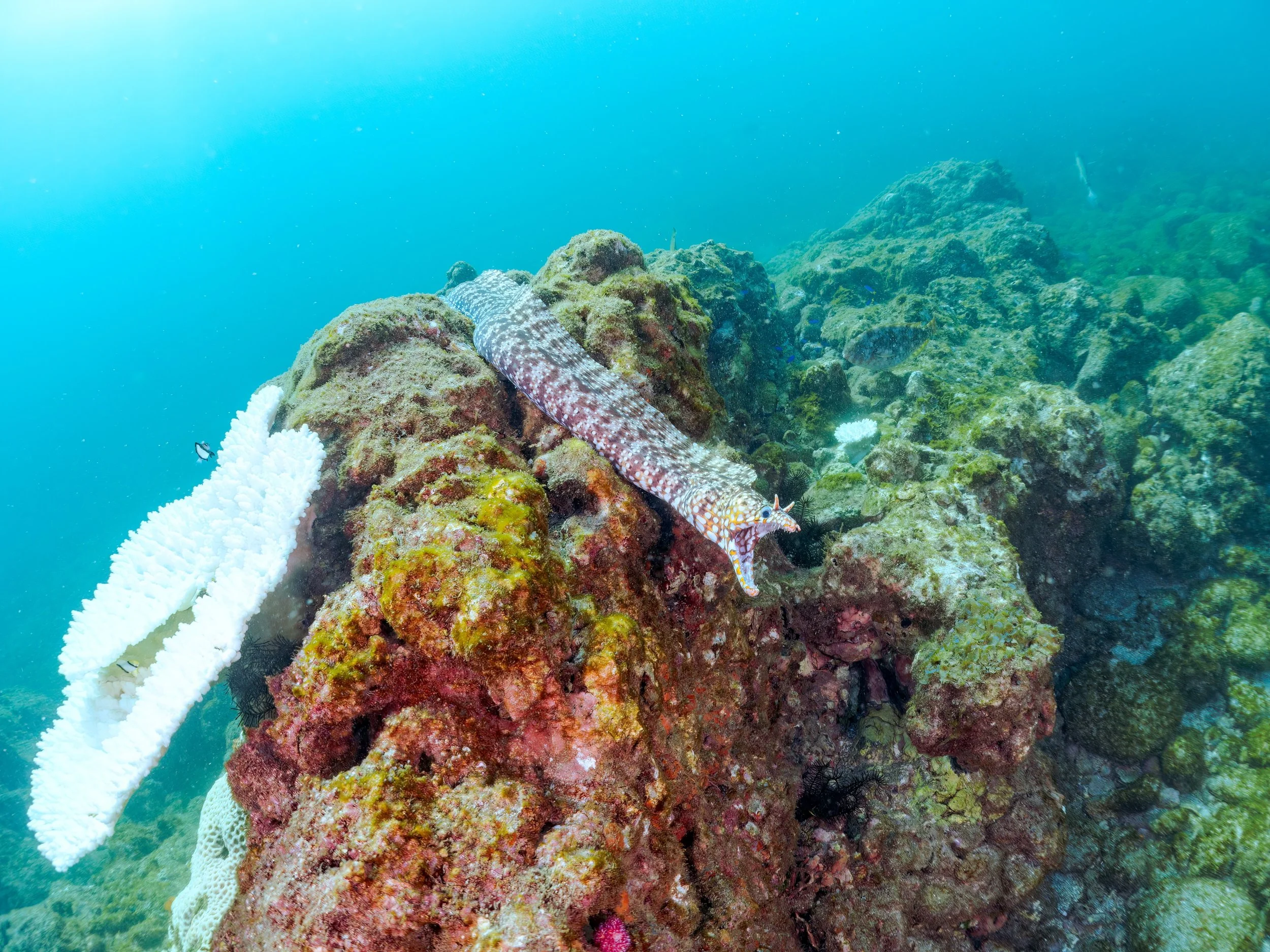
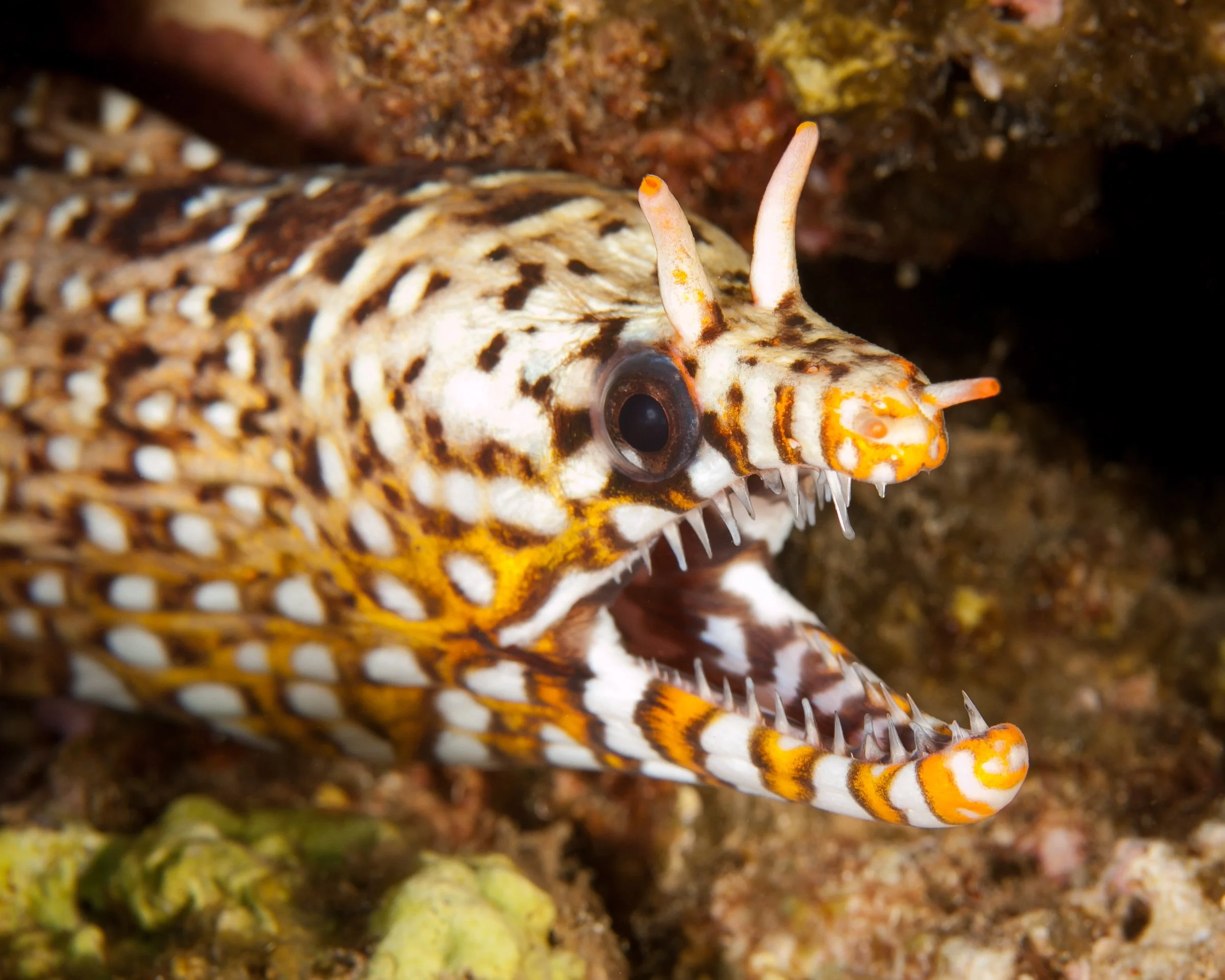
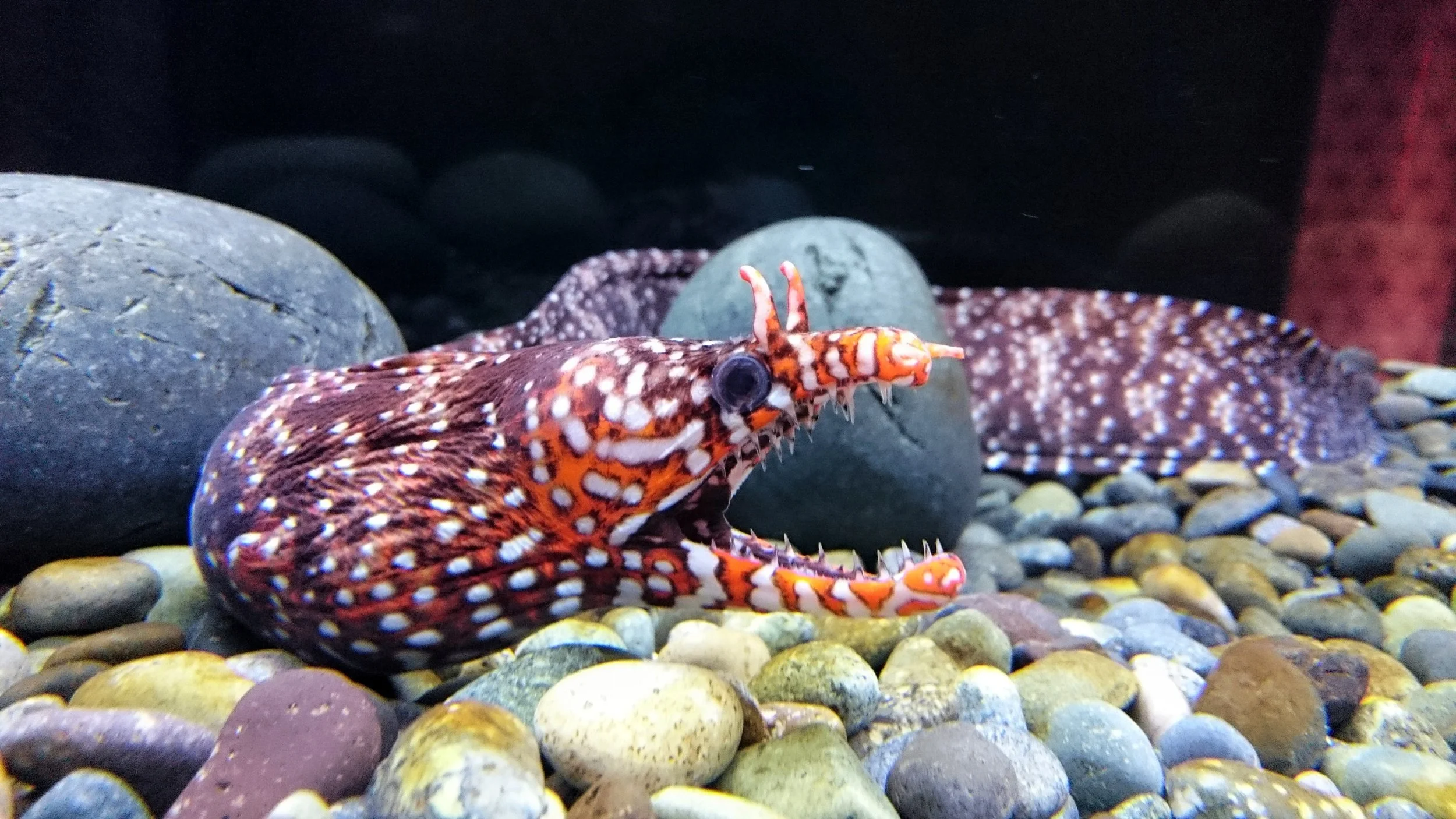
What do Dragon eels eat and are they reef safe?
When people say "reef safe" they usually mean "won't bother corals." Dragon eels are generally coral safe, but that does not mean they are community safe. These eels will eat fish and shrimp that fit in their mouths. In practice that means any small fish, sleeping fish tucked into crevices, and most shrimp are at risk.
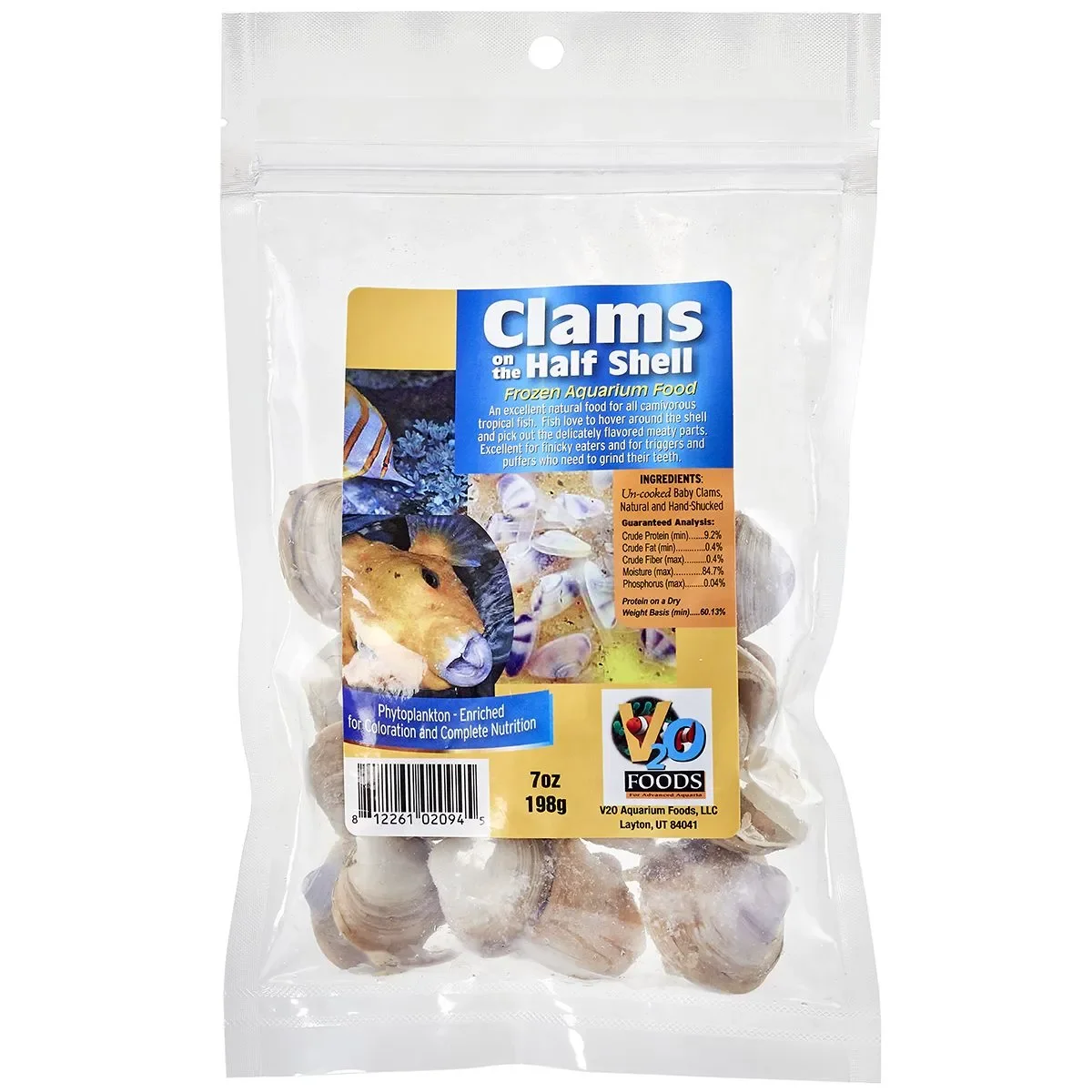
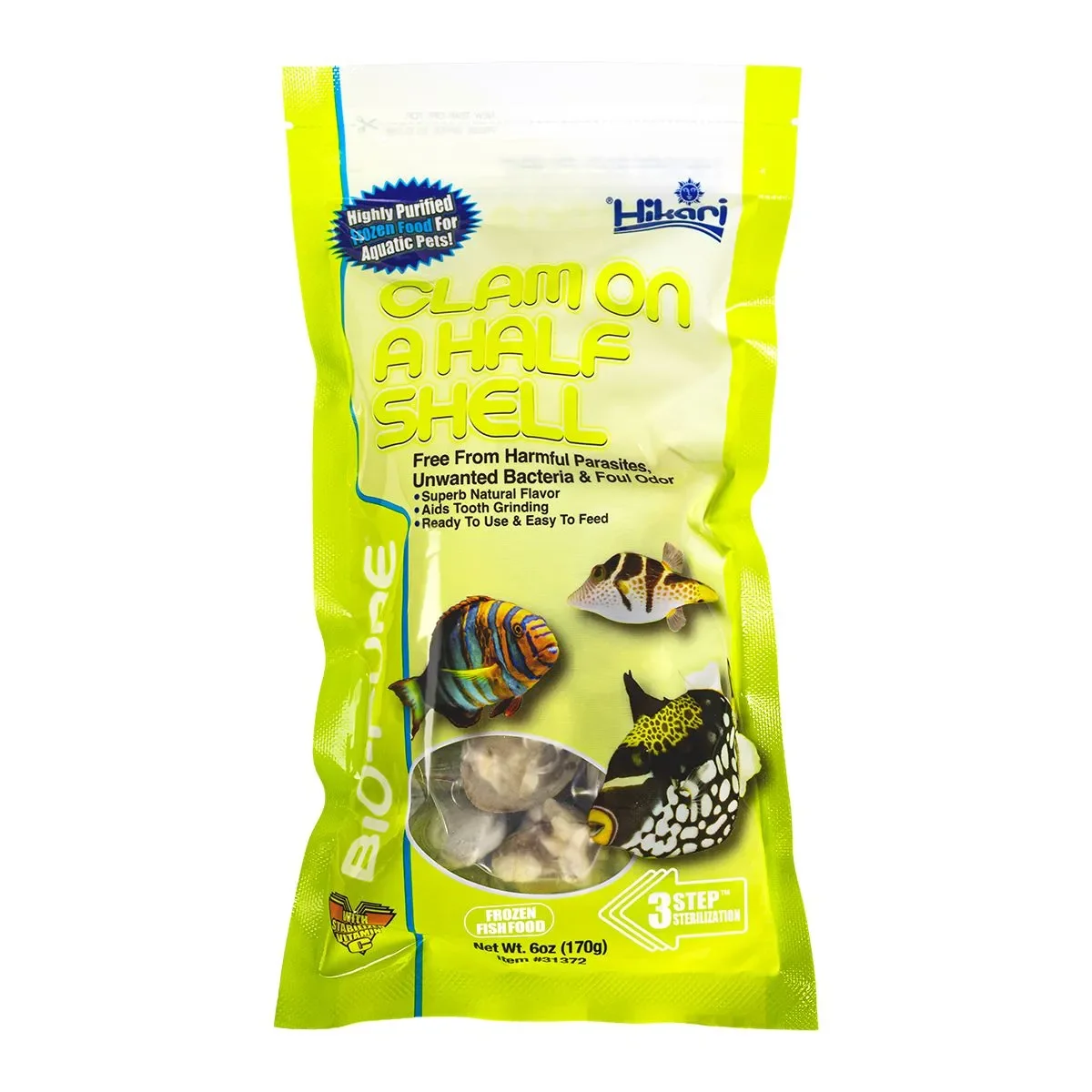
Dragon eels eat fish primarily and also scavenge. They readily accept frozen fish and shrimp in captivity. Our feeding recommendations:
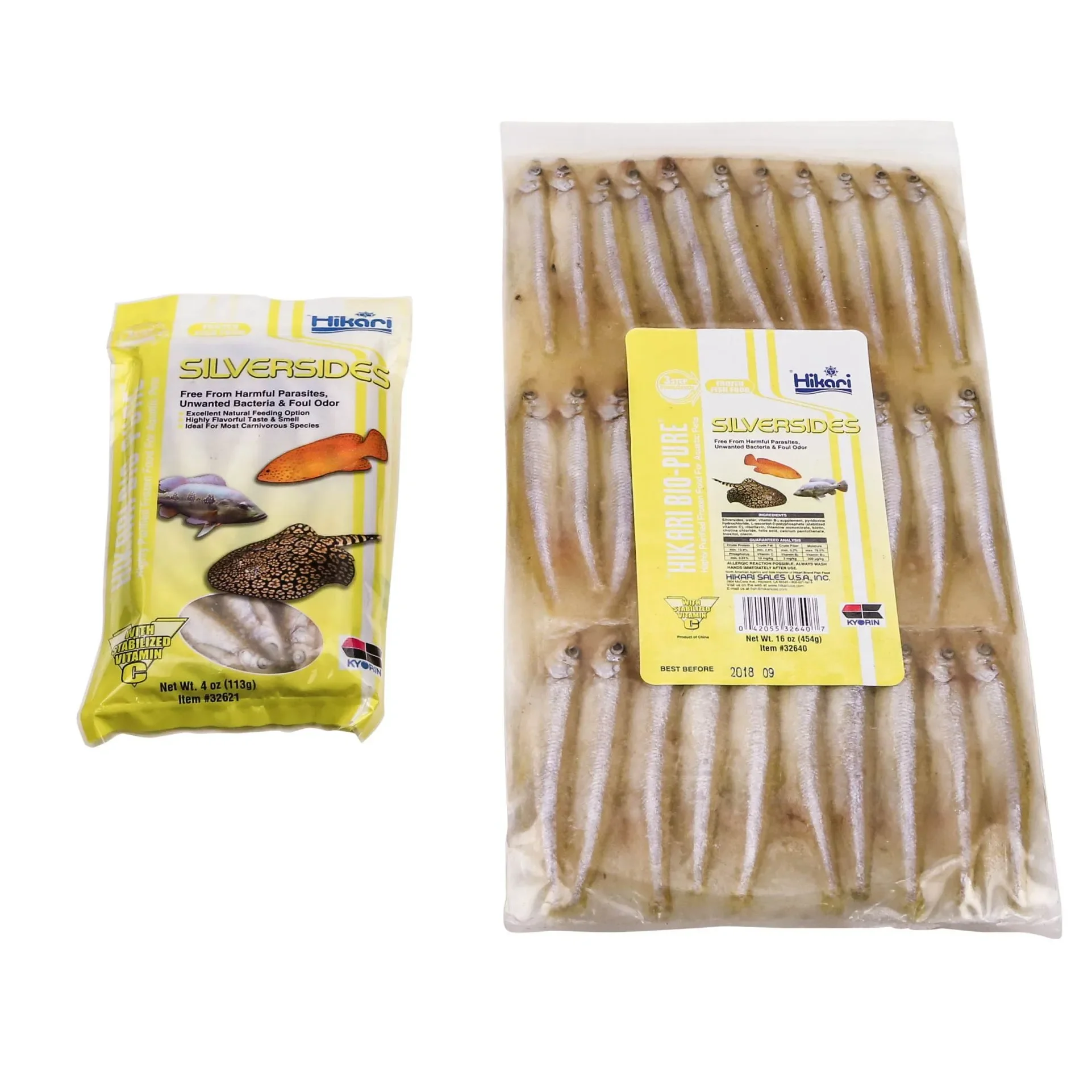
Silverides are a common food and are accepted readily, even small ones. You can feed several little silverides at once for a meal.
Frozen shrimp from reliable sources works well. We often mention Kirkland frozen shrimp because the package explicitly lists no preservatives, which many hobbyists prefer for feeding. Local seafood markets work too, but ask about the source or the original bag if you are concerned about quality.
Be cautious with silverides and phosphate. Silverides can be high in phosphate because of their calcium phosphate skeleton, so use them in moderation to avoid phosphate build-up in the system.
If you need to medicate, you can load medication inside a whole silveride and feed it; dragon eels usually take whole fish without fuss.
Reef compatibility and tankmates
We consider them suitable for aggressive or predator-style tanks where small fish are not present. Snails are probably safer tankmates, but any mobile invertebrate could be targeted if the eel is hungry. If you want an eel that is more fish-friendly, consider alternatives like the zebra eel, which tends to be less predatory.
Introduce dragon eels carefully. If there are aggressive tankmates that might pick on a newcomer, adding the eel at night can reduce stress. Avoid housing multiple eels together unless you have a very large system; eels may pick on each other, especially if they are similar sizes.
Large puffers or other predators capable of injuring an eel might be a problem, and two dragon eels in one tank can quarrel immediately. Plan your stocking and rockwork so everyone has territory and hiding places.
Tank size, shape, and aquascape
Dragon eels live in holes and caves in the wild, and they will do the same in an aquarium. If you want to see your eel, make a comfortable cave that lets the eel coil and aim its head toward the front of the tank. If you do not give it a good home base it will pick a spot you never get to see.
We like rock arches and stacked structures that create long tunnels and coves. Some aquascaping pieces from life rock manufacturers work really well when stacked end to end to form a cove. Place the hole where you want to view the eel so it will present itself with its head out of the cave.
Quarantine, common health issues, and treatments
Quarantine is important. Dragon eels can carry parasites and ick, and many eels have internal or external worm burdens when collected. When treating, avoid copper-based medications; copper will kill these animals. An effective route to treat common issues for dragon eels that we discuss is chloricquin phosphate for certain conditions. Tank transfer is an alternative treatment approach in some cases.
If you plan to medicate orally, stuffing medication into a silveride and feeding it to the eel is an easy and reliable method. Observation-only quarantine is tempting, but we recommend a proper quarantine and treatment when needed, because eels can carry a surprising amount of hitchhikers.


Introduction and compatibility considerations
Introduce dragon eels carefully. If there are aggressive tankmates that might pick on a newcomer, adding the eel at night can reduce stress. Avoid housing multiple eels together unless you have a very large system; eels may pick on each other, especially if they are similar sizes.
Large puffers or other predators capable of injuring an eel might be a problem, and two dragon eels in one tank can quarrel immediately. Plan your stocking and rockwork so everyone has territory and hiding places.
Availability and sourcing for Dragon eel
Dragon eels are available from a few collection regions. Historically, they come from Hawaii and Japan. Currently, the ones widely available to the trade tend to be from Japan. Large specimens are much more commonly available because they are easier to catch with hook and line, while small juveniles are rarely offered and may appear only infrequently.
Because many are caught on hook and line, incoming animals sometimes show mouth damage, but they generally heal well in captivity. If you are hunting for a small specimen to watch grow, be prepared: small ones may not show up for years between opportunities.
Some specialized suppliers in Japan are known for handling high-end specimens; hobbyists often source animals from trusted dealers. If you find a small one, consider pulling the trigger.
Final thoughts
If you want a dramatic, predatory centerpiece that prowls the tank at night and disappears into caves during the day, the dragon eel is a fantastic choice. If you want something more community-friendly, consider other eel species like the zebra eel.
Dragon Eel FAQ
Is a dragon eel reef safe?
Dragon eels are coral safe in that they will not bother corals, but they are not community-safe with fish and shrimp. Any fish or shrimp that can fit in their mouths are at risk.
Is a dragon eel hand safe?
No. Dragon eels have large teeth and can bite quickly. Avoid putting hands into their caves or reaching into the tank near their hiding places.
What does a dragon eel eat?
They primarily eat fish and will scavenge. In captivity they accept frozen foods such as silverides and shrimp. They can be fed whole fish items, and will often eagerly take such offerings.
How should we quarantine a dragon eel?
Quarantine is strongly recommended. Avoid copper-based medications when treating eels. Some hobbyists use chloricquin phosphate for certain treatments and tank transfer is another option. Oral medication can be delivered by stuffing a whole fish with the drug.
Where do dragon eels come from and how available are they?
They are collected from places like Japan and Hawaii. Larger specimens are commonly available; small juveniles are rare and may not appear for years. Many trade specimens are sourced by hook and line and may have minor mouth damage on arrival.
What tank setup helps us see our eel?
Provide caves and long crevices with openings that face the front of the tank. Stacked arches or life rock arranged into coves work well. If the eel has a nice hiding spot oriented toward the viewer it will often present with its head out of the cave.
Can dragon eels be kept with other eels?
Caution is advised. Many eels will quarrel with conspecifics or other eels. If you plan multiple eels, ensure a very large tank with ample territory and hiding places, but understand that aggression is possible.
Acknowledgments
Thank you to Elliot Lim for traveling to the SR studio, and sharing decades of experience. Elliot owns and operates Marinecollectors.com
Thank you to Oral Seymour for capturing the critical information found this video and summarizing it for the reefing community.
Big thank you to the Serious Reefs community. Your membership funds the creation of articles and videos like this one. Serious reefs maintains it’s unfiltered objectivity by paying for everything we review and never accepting sponsors. We are trail blazing a new way of doing this together
Support SR Through Patreon
Best option If you…
Want to discuss with the SR community and ask questions.
Want immediate notifications of every release.
Listen with phone screen off. Patreon app works with phone closed
Want Lower cost & Annual discounts.
Support SR Through YouTube Memberships
Best option If you…
Watch SR videos on a TV via youtube App
Want to watch videos natively here on seriousreefs.com - (You must use chrome browser and be logged into google account with youtube membership)
Are a YouTube power user.
Disclaimer
Full Disclaimer HERE. This is the gist of it.
Content is based on personal experience, not professional advice. Do your research and reef responsibly. Serious Reefs should not be your sole source of information on any topic.
By watching, you agree that Serious Reefs and its creators aren’t liable for how you use this info. Please don’t utilize our information if you are not ok with this.
Serious Reefs has no sponsors, doesn’t accept product or payment for reviews. We do use affiliate links in articles that earn a small commission to support our work. Shop wherever you like, we won’t be offended.