Blue Hippo Tang: Fish 101
Care, Behavior, and Whether It’s Right for Your Reef Tank
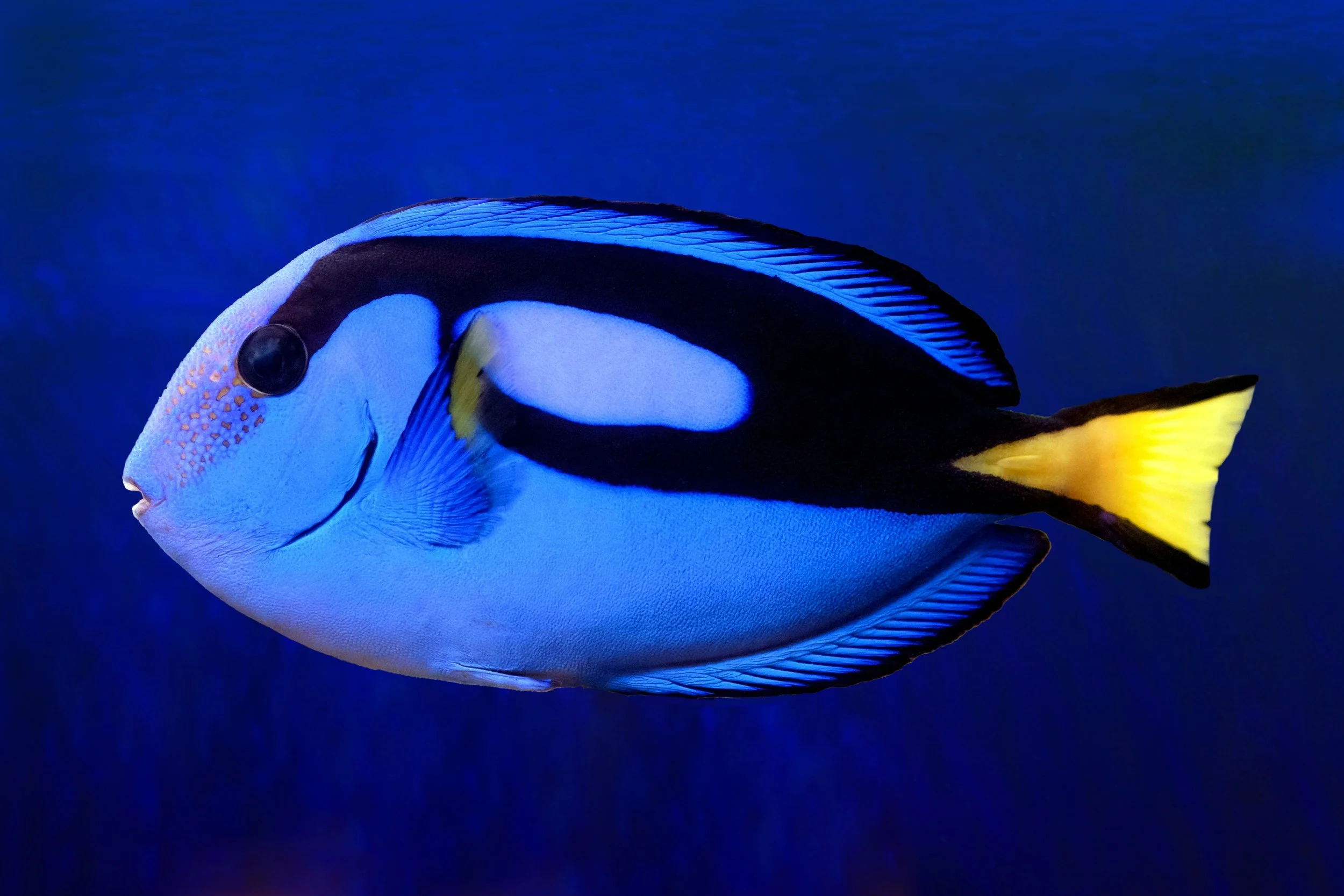
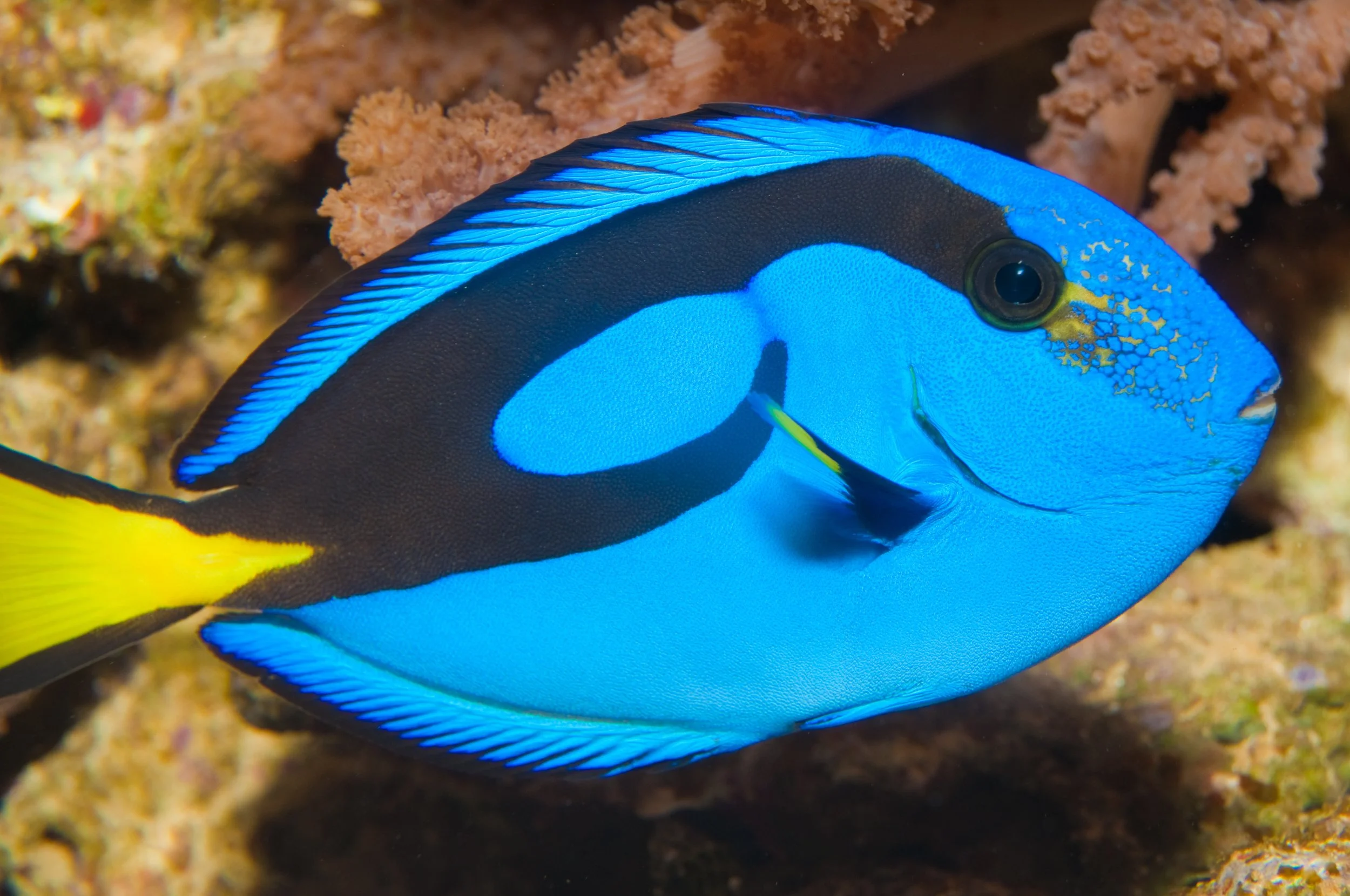
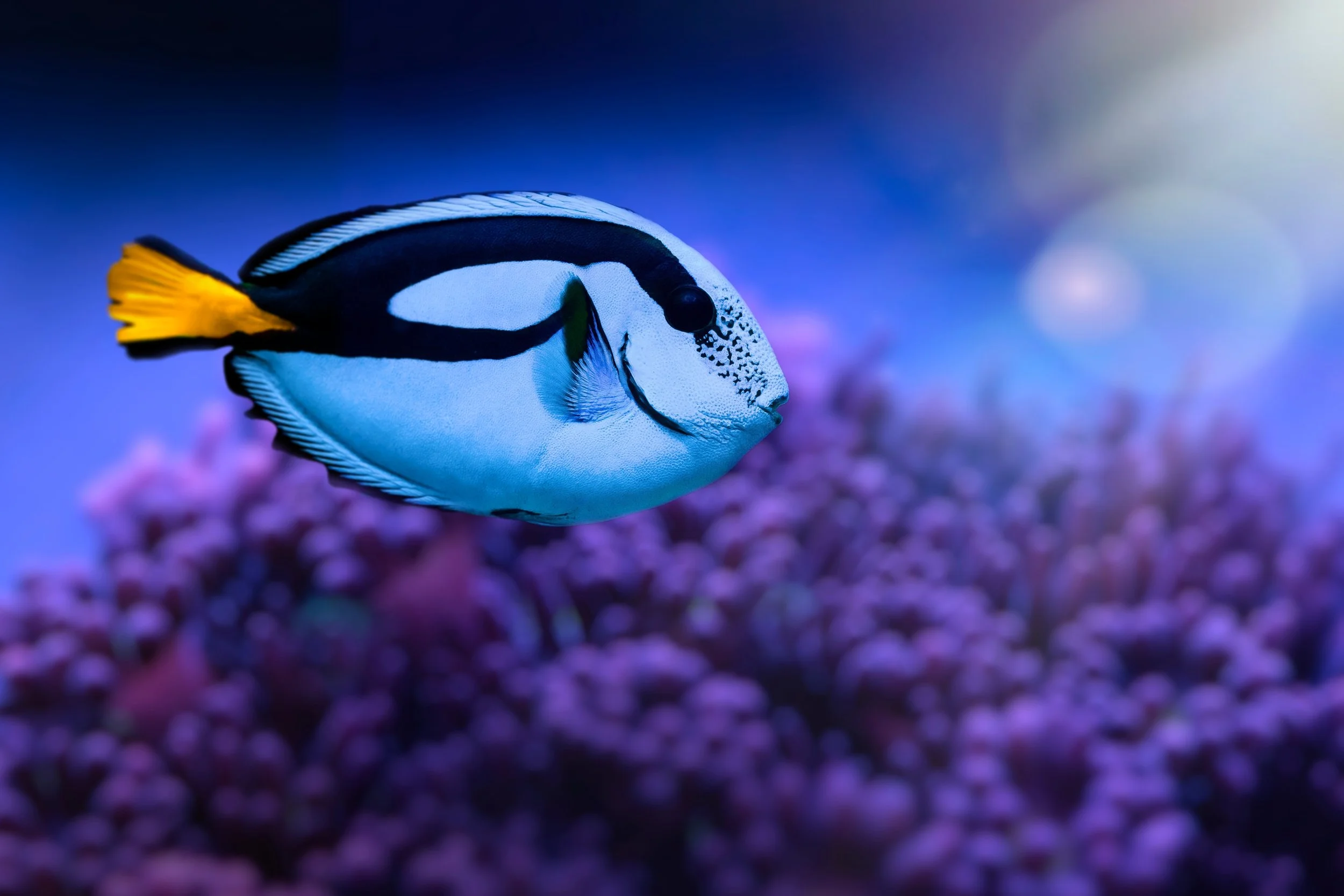
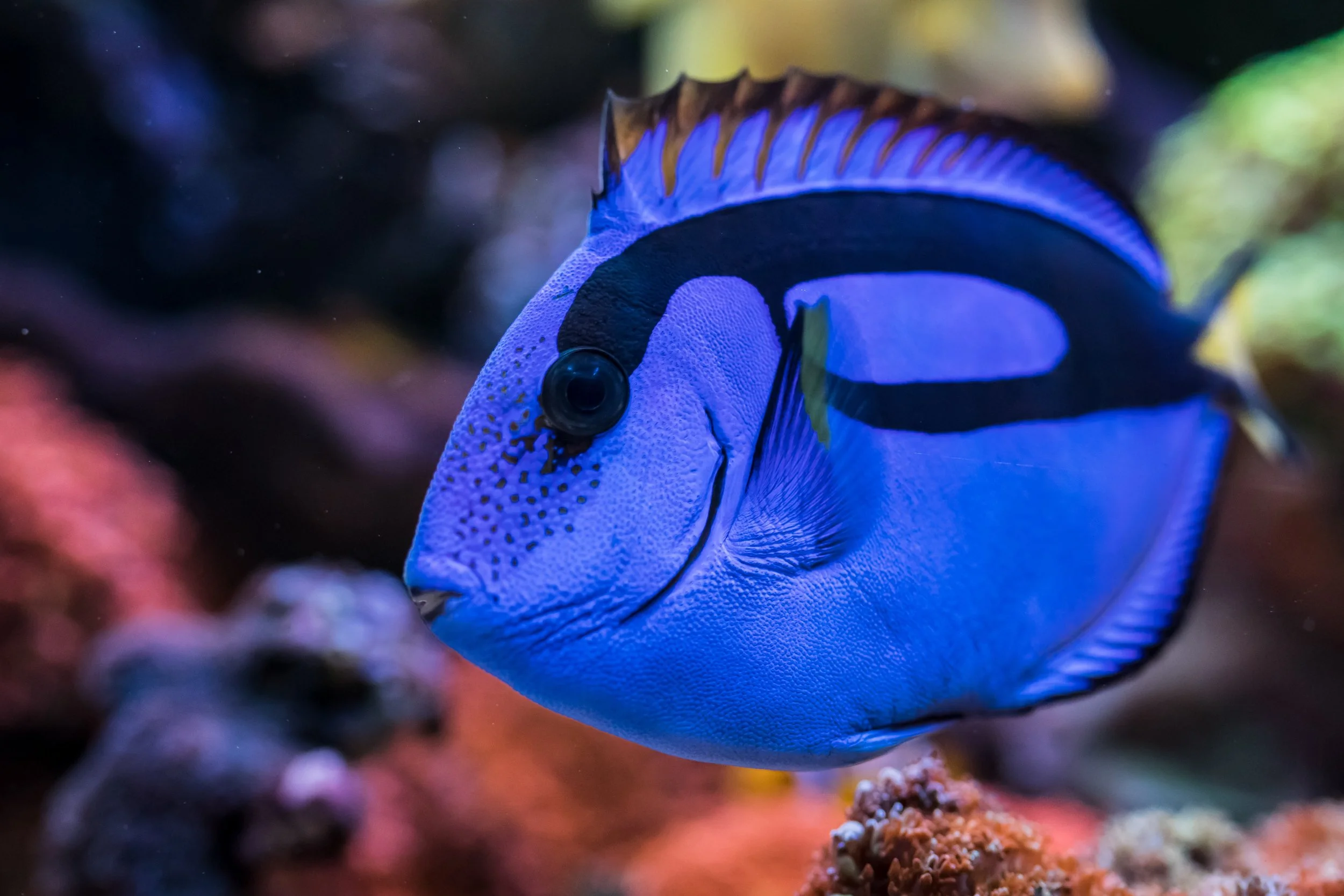
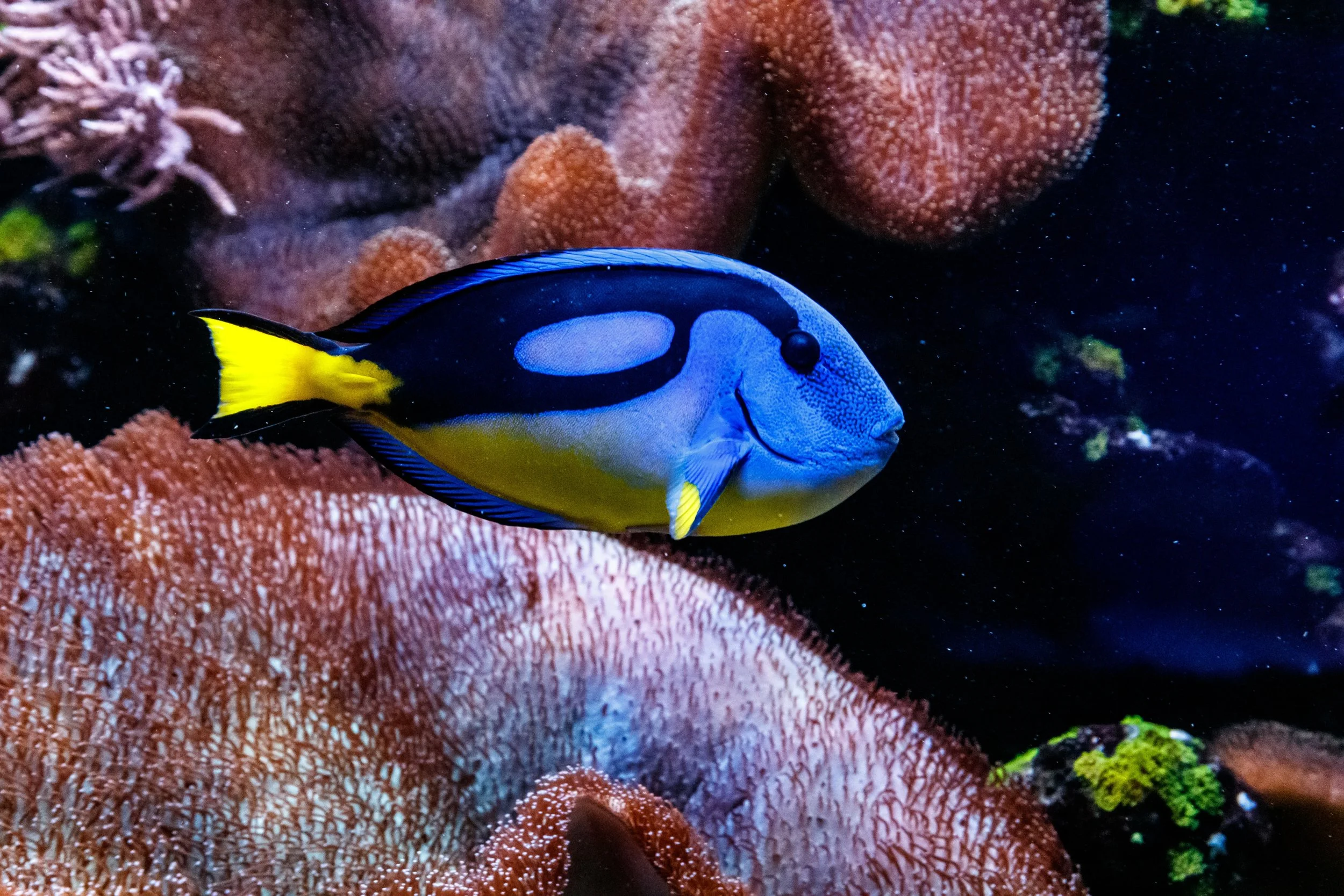
Blue Hippo Tang (Paracanthurus hepatus)
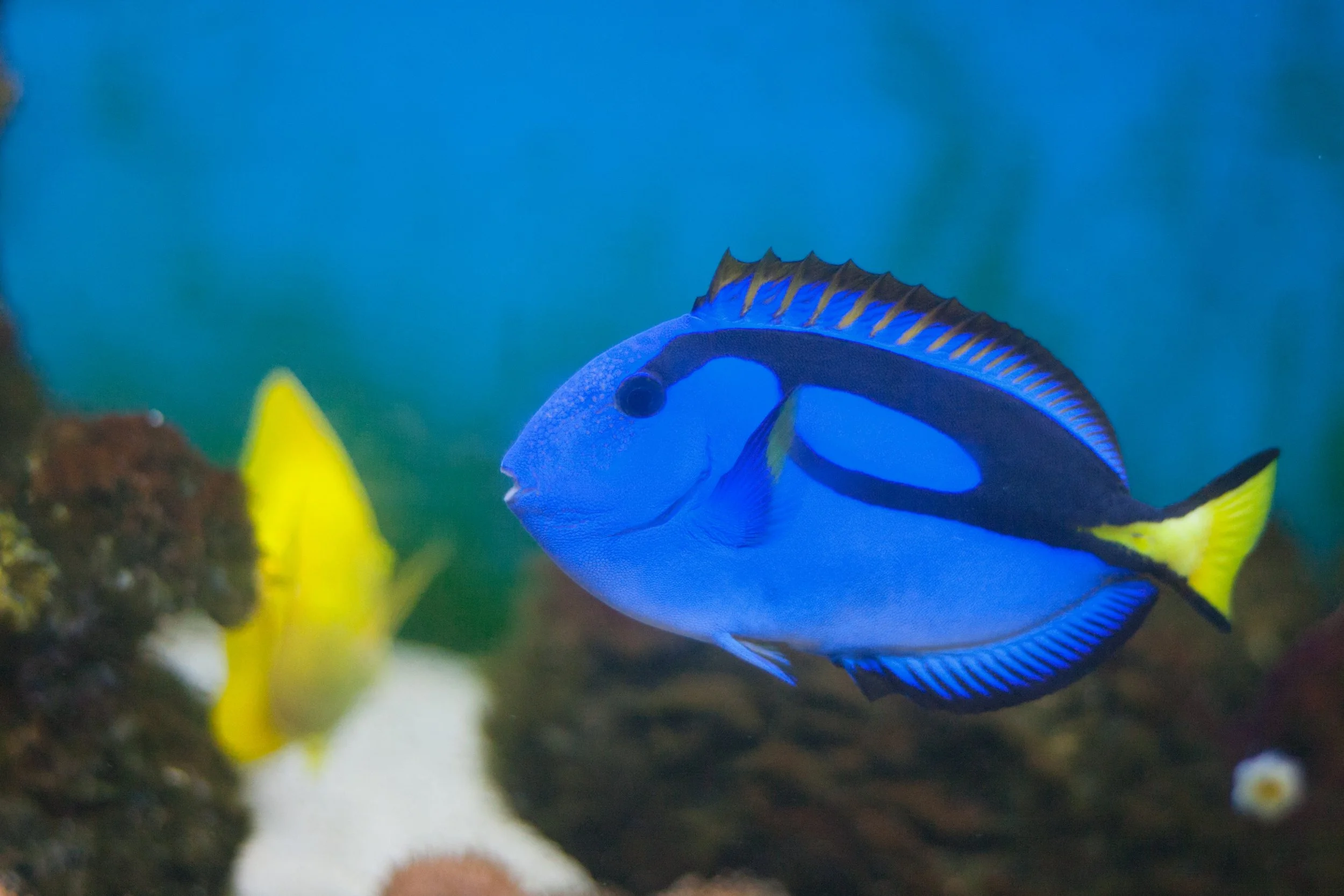
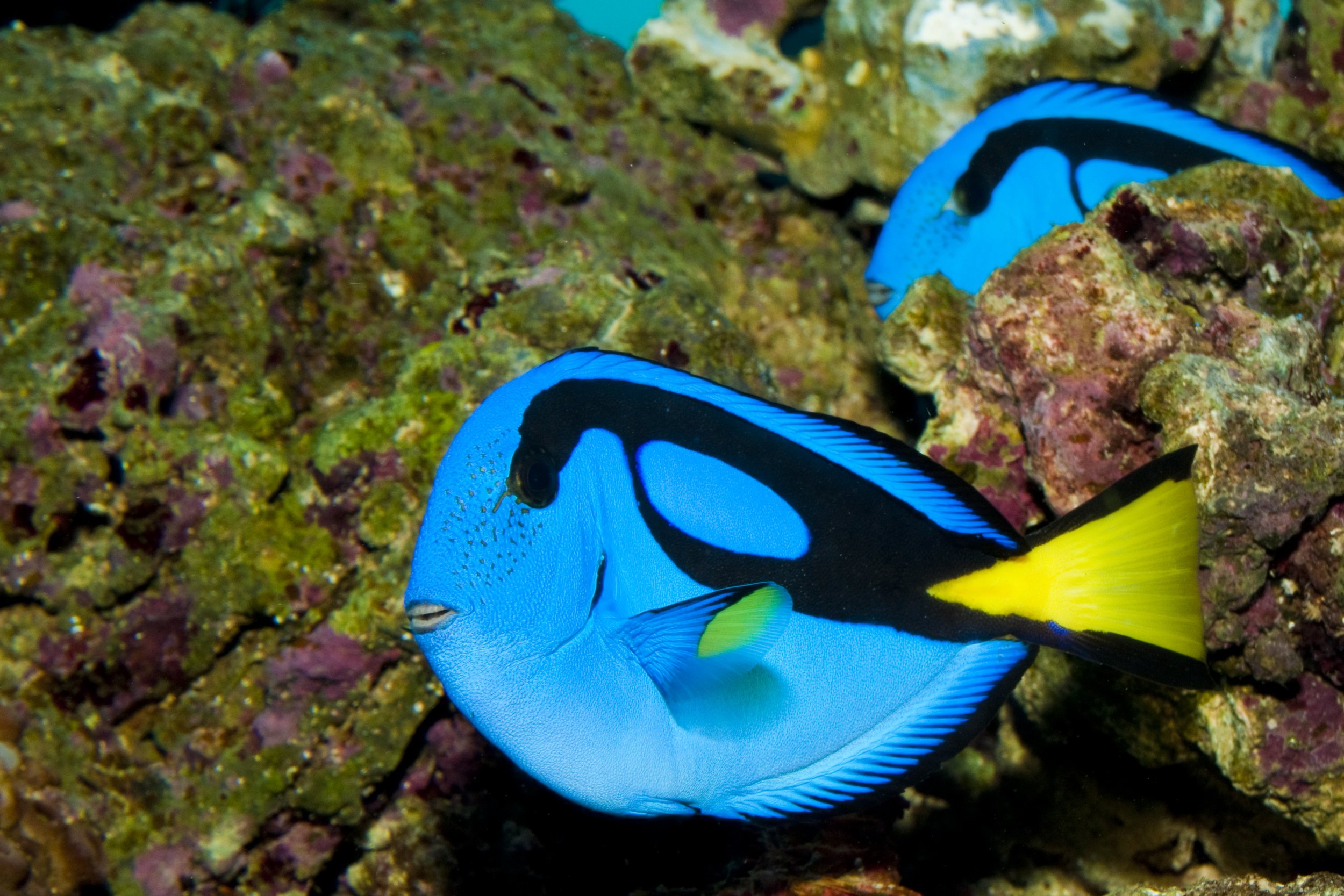
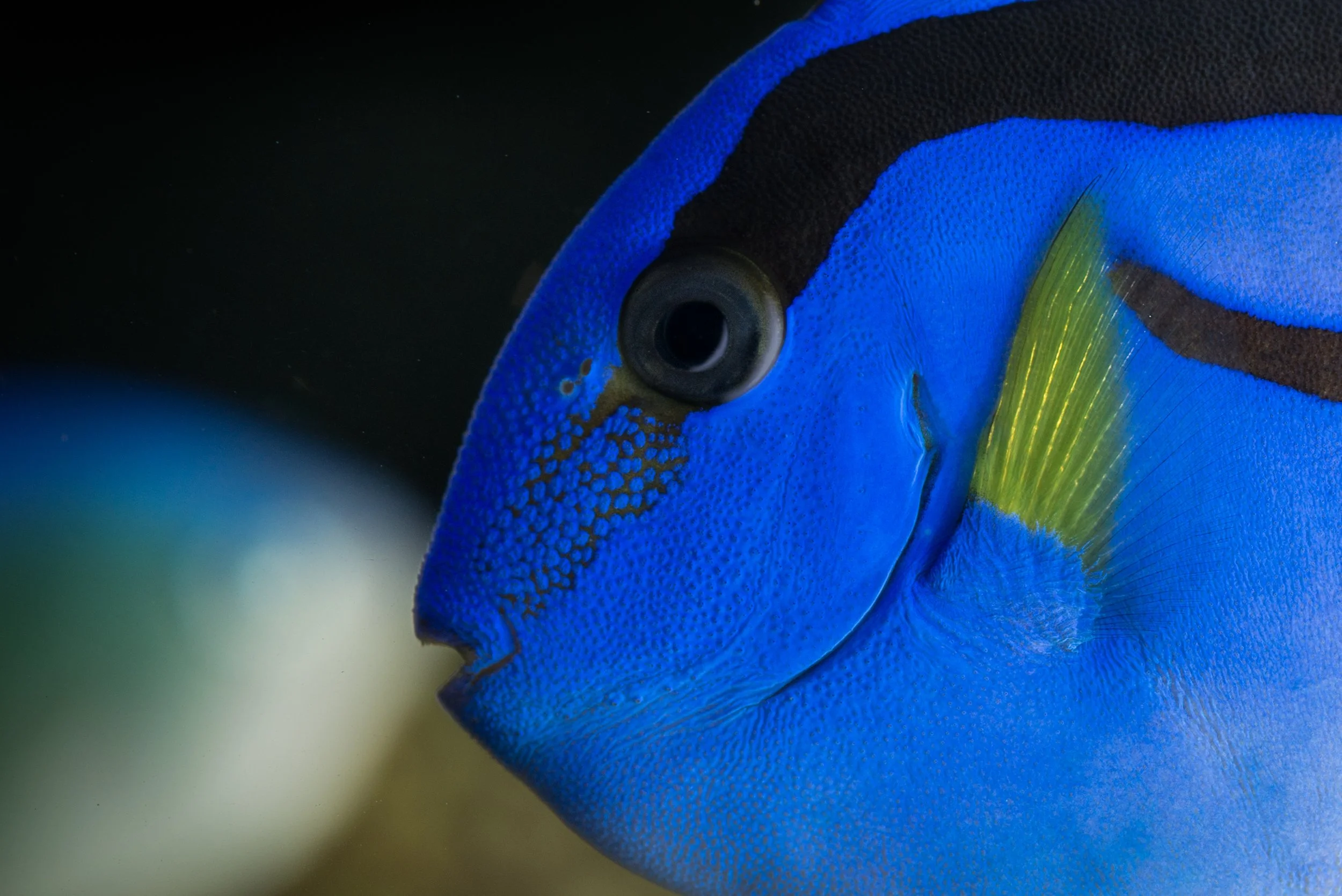
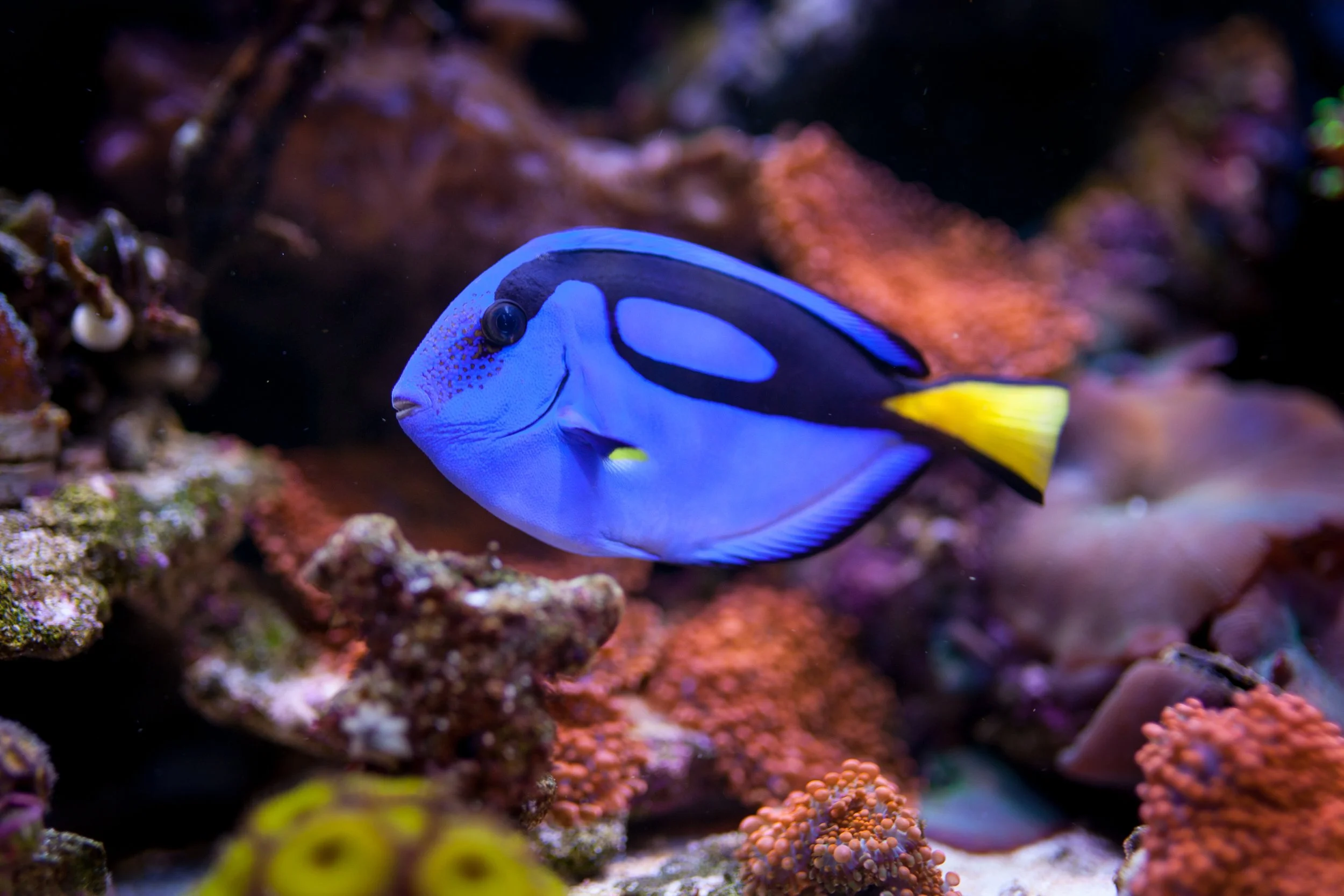
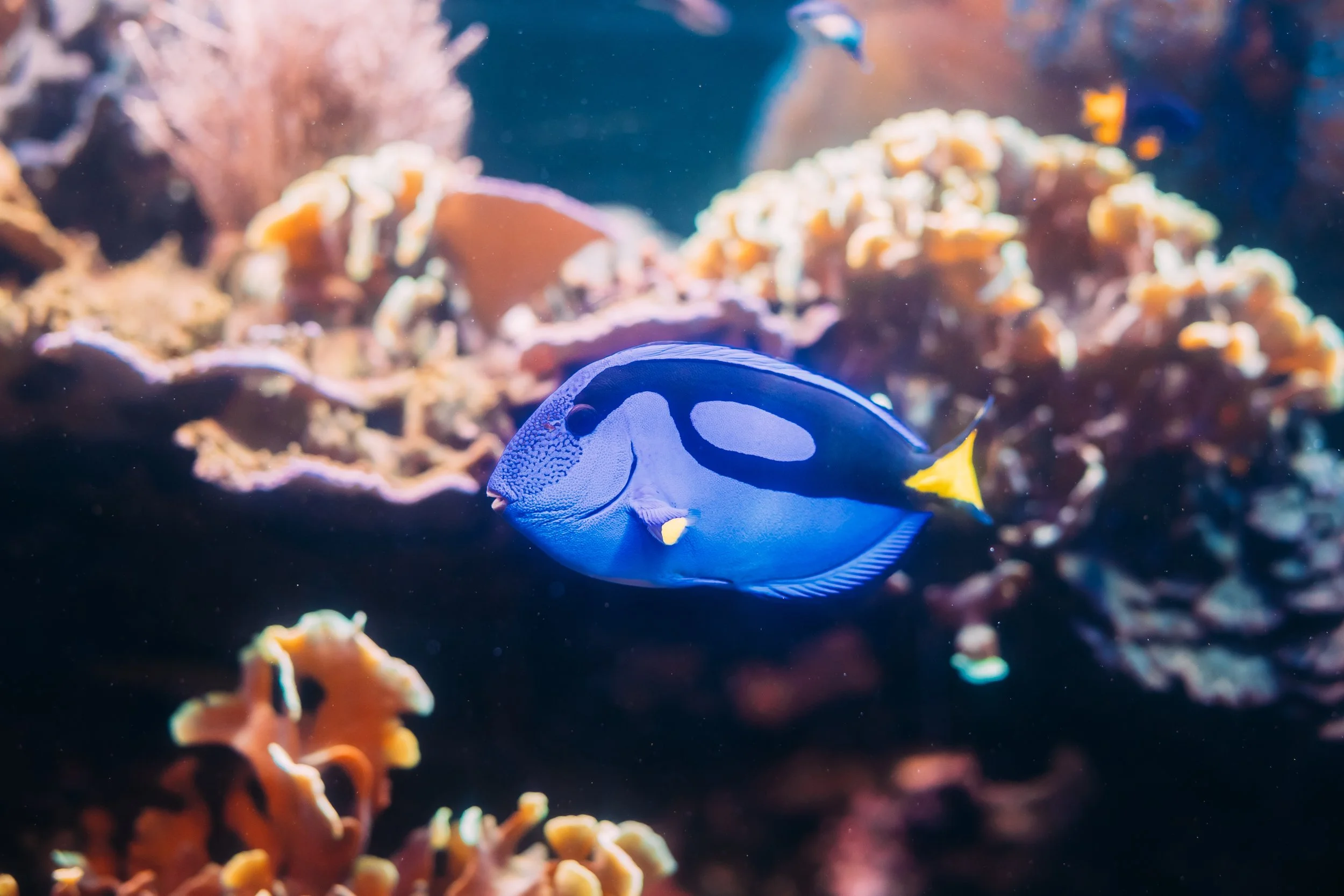
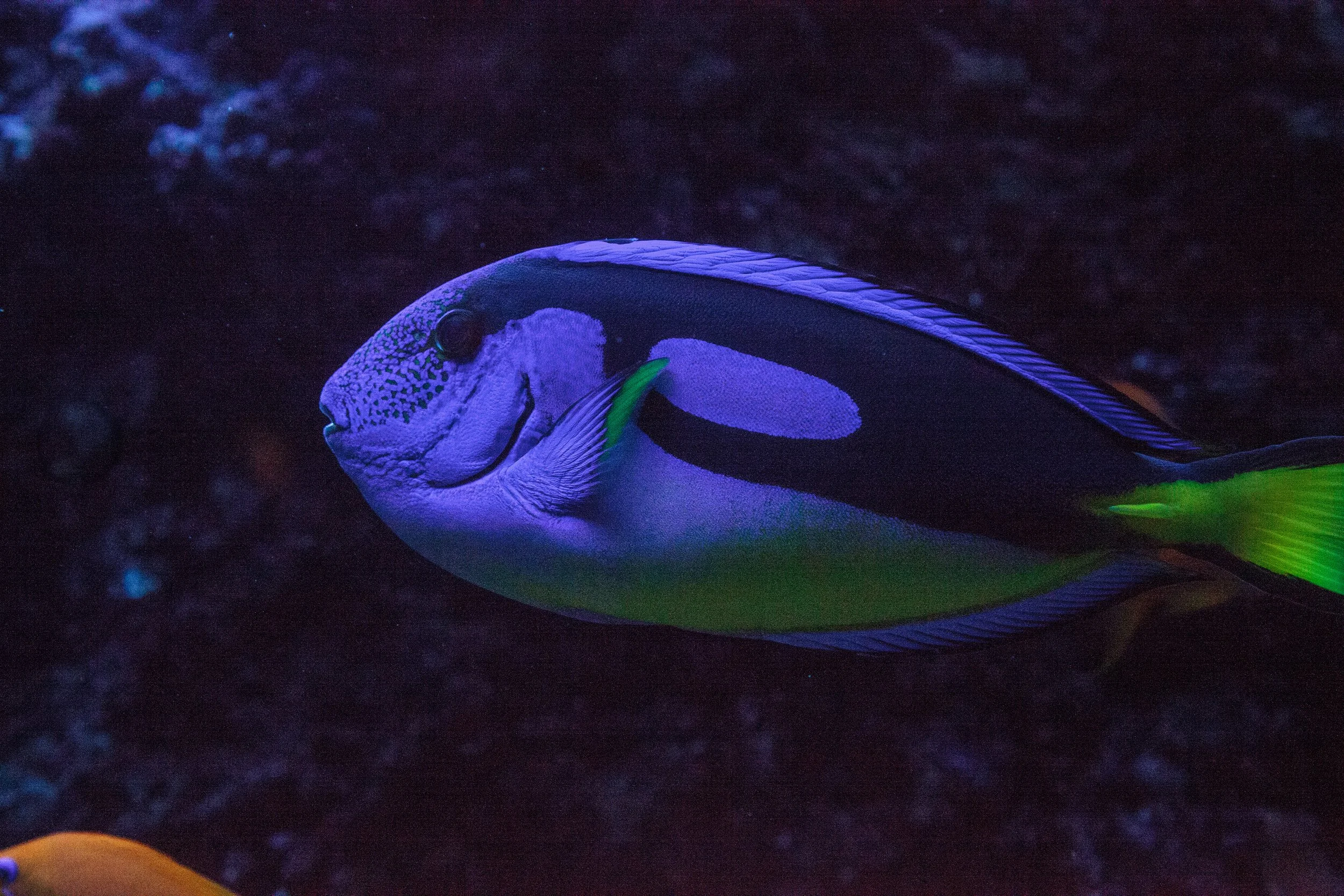
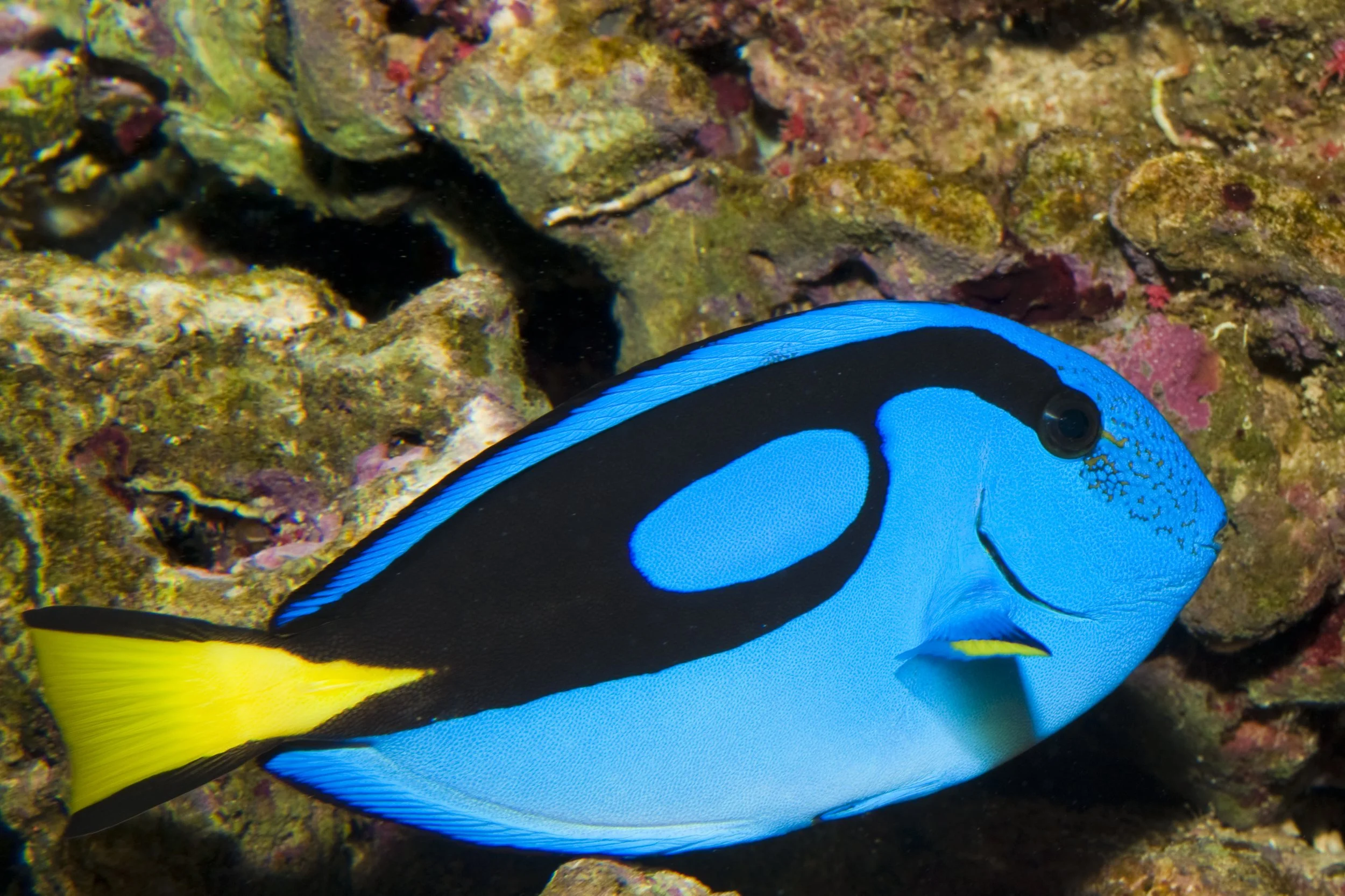
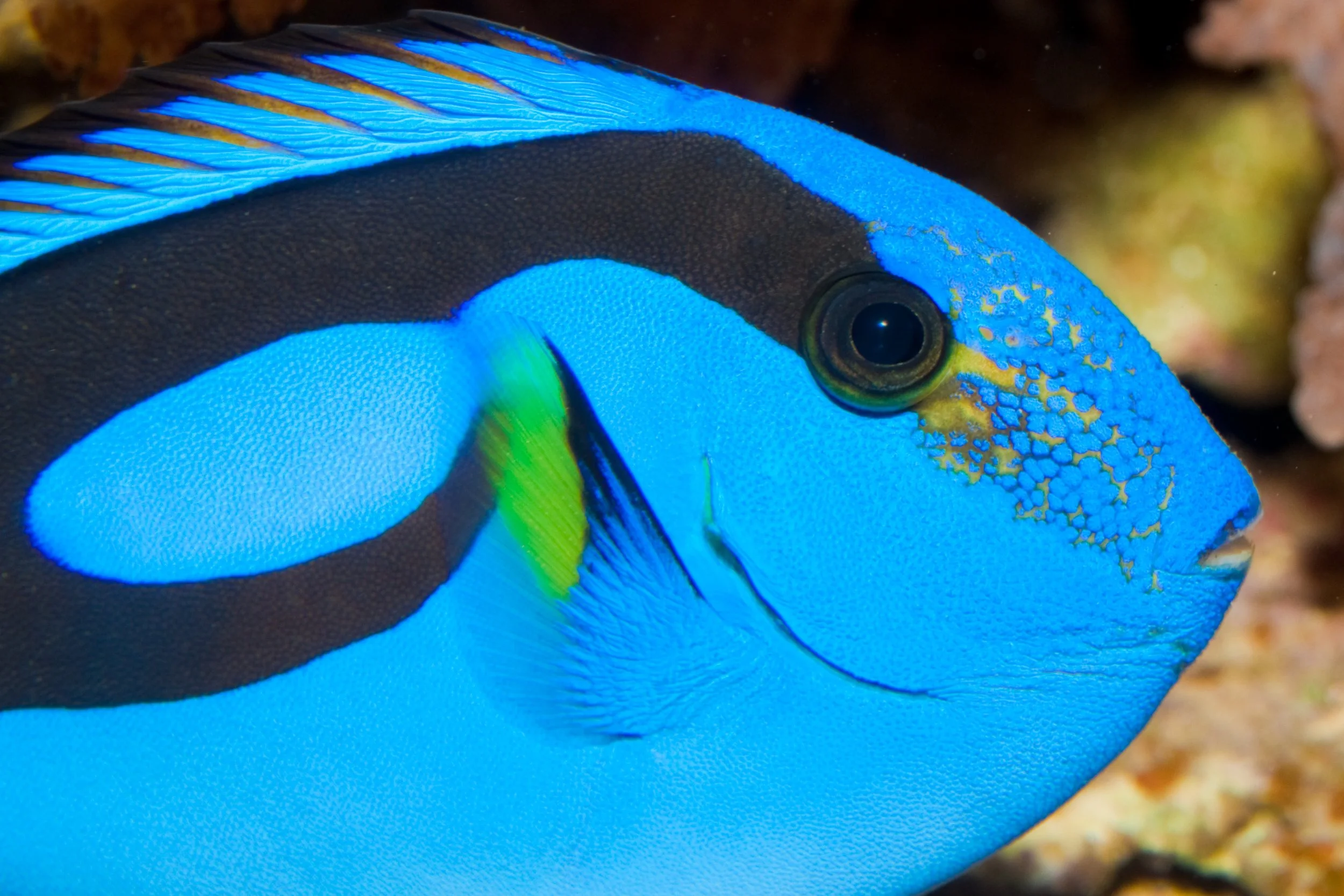
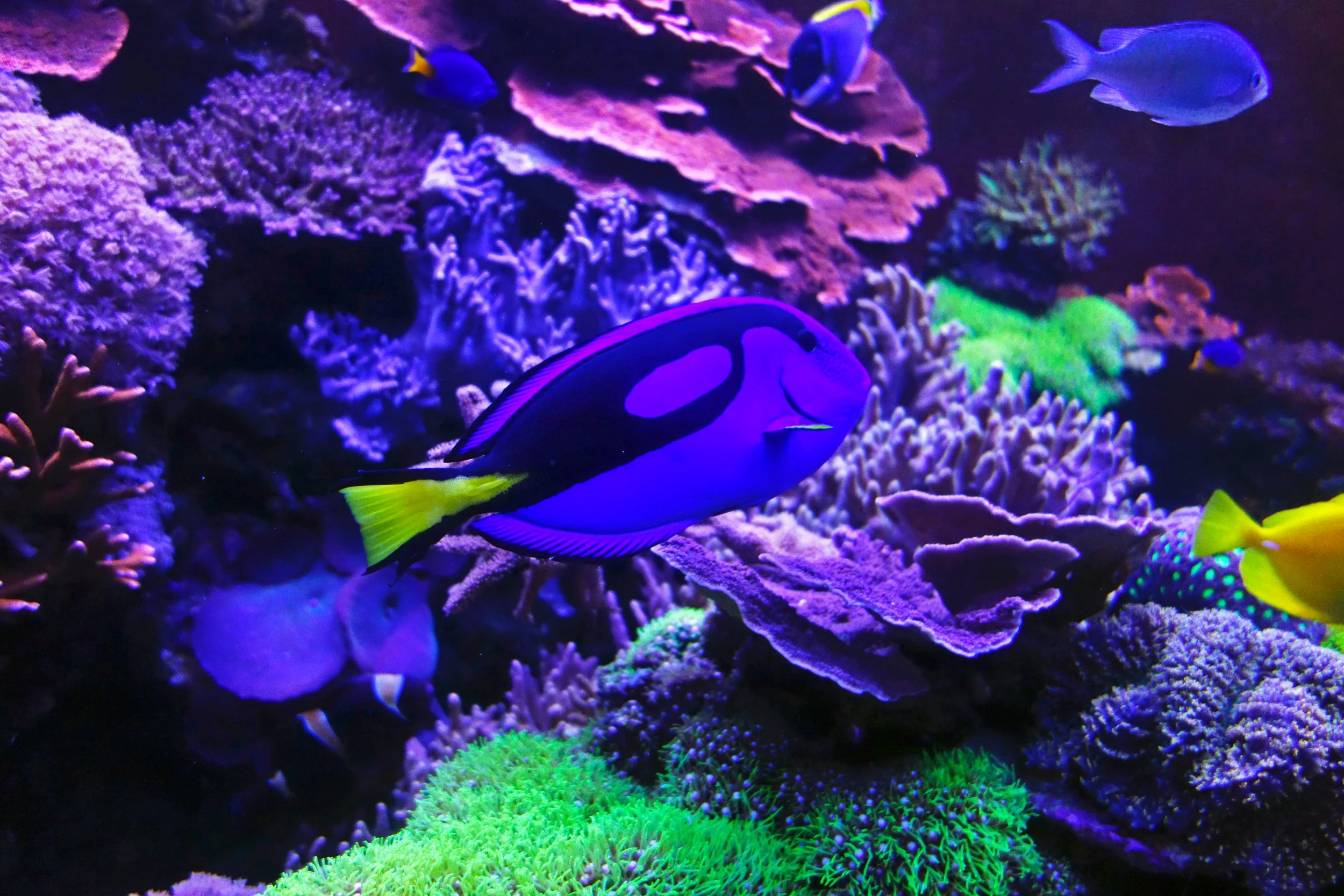
We keep coming back to one of the most iconic reef fish: the Blue Hippo Tang. If you want that saturated, almost violet-blue color in your tank and an energetic swimmer with quirky behavior, the Blue Hippo Tang is a top contender. In this guide we cover name origins, color forms, reef compatibility, diet, tank requirements, common health issues, and sourcing so you can decide whether the Blue Hippo Tang belongs in your aquarium.
Note: Paid YouTube SR Members Using A Chrome Browser can watch videos natively above on Seriousreefs.com. Sign up HERE
SR videos are a community funded member only resource. Serious Reefs buys everything we review, accepts no sponsorships, and your memberships make it possible to keep every review truly unfiltered.
At a glance
Common name: Blue Hippo Tang, Hippo Tang (Paracanthurus hepatus)
Diet: In the wild the Blue Hippo Tang eats planktonic matter and grazes in the water column
Reef-safe: 90 to 95 percent reef safe overall
Temperament: Generally peaceful with most other fish species, but can be territorial with other members of the surgeonfish family
Tank requirements: Recommended minimum tank length is about six feet for a long-term home
Care level: We rate the Blue Hippo Tang as a good choice for beginners and hobbyists moving into intermediate care.
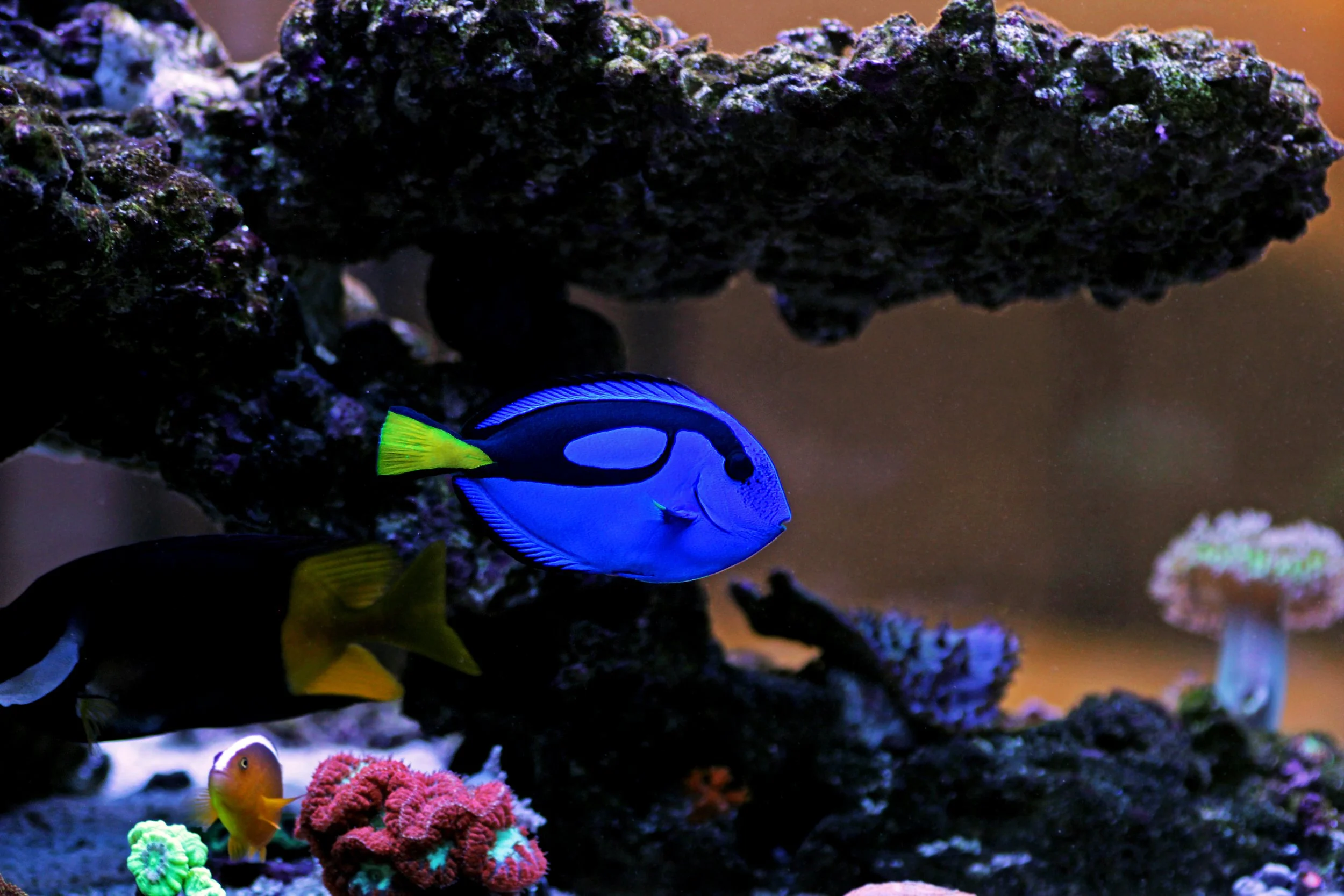
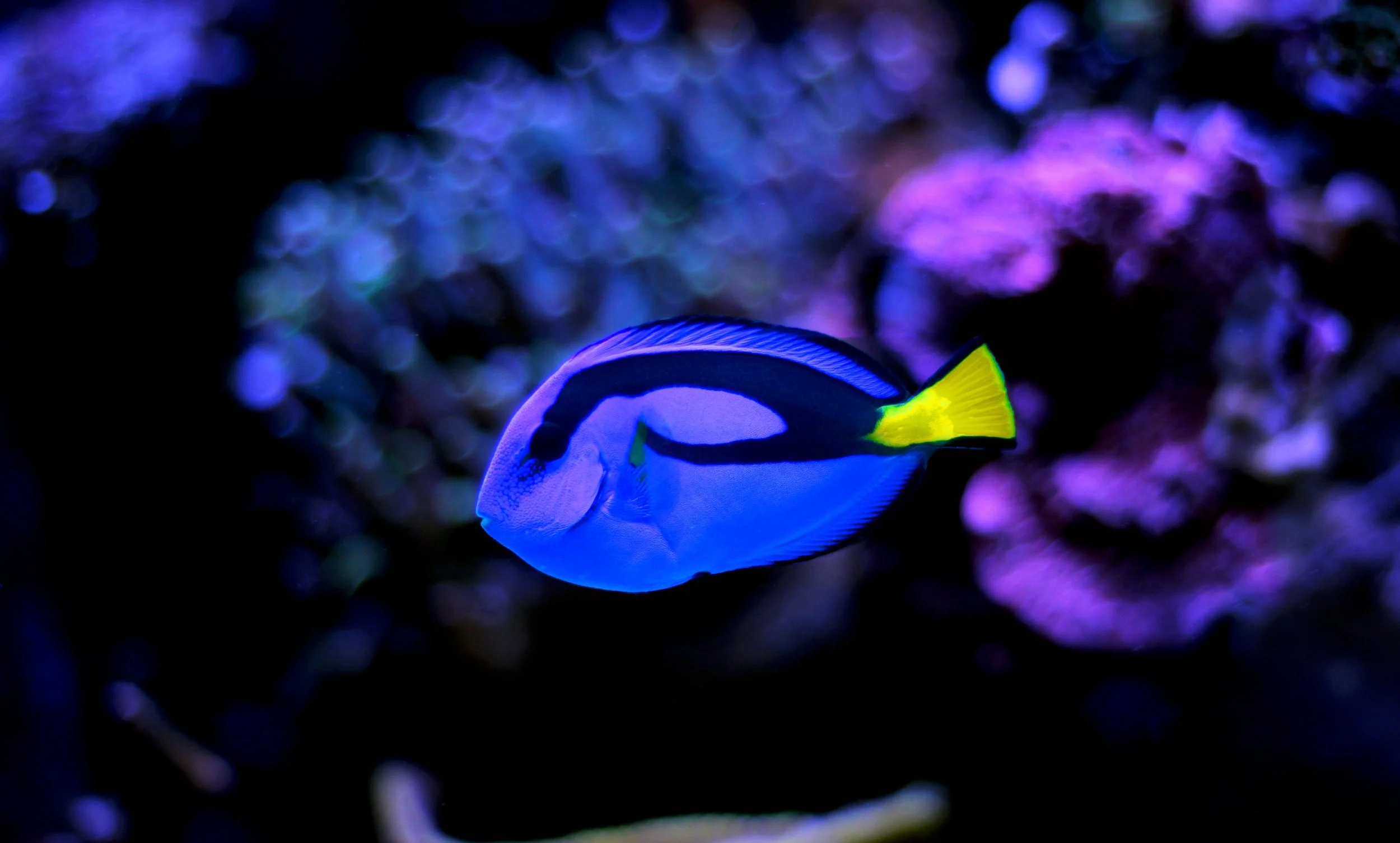
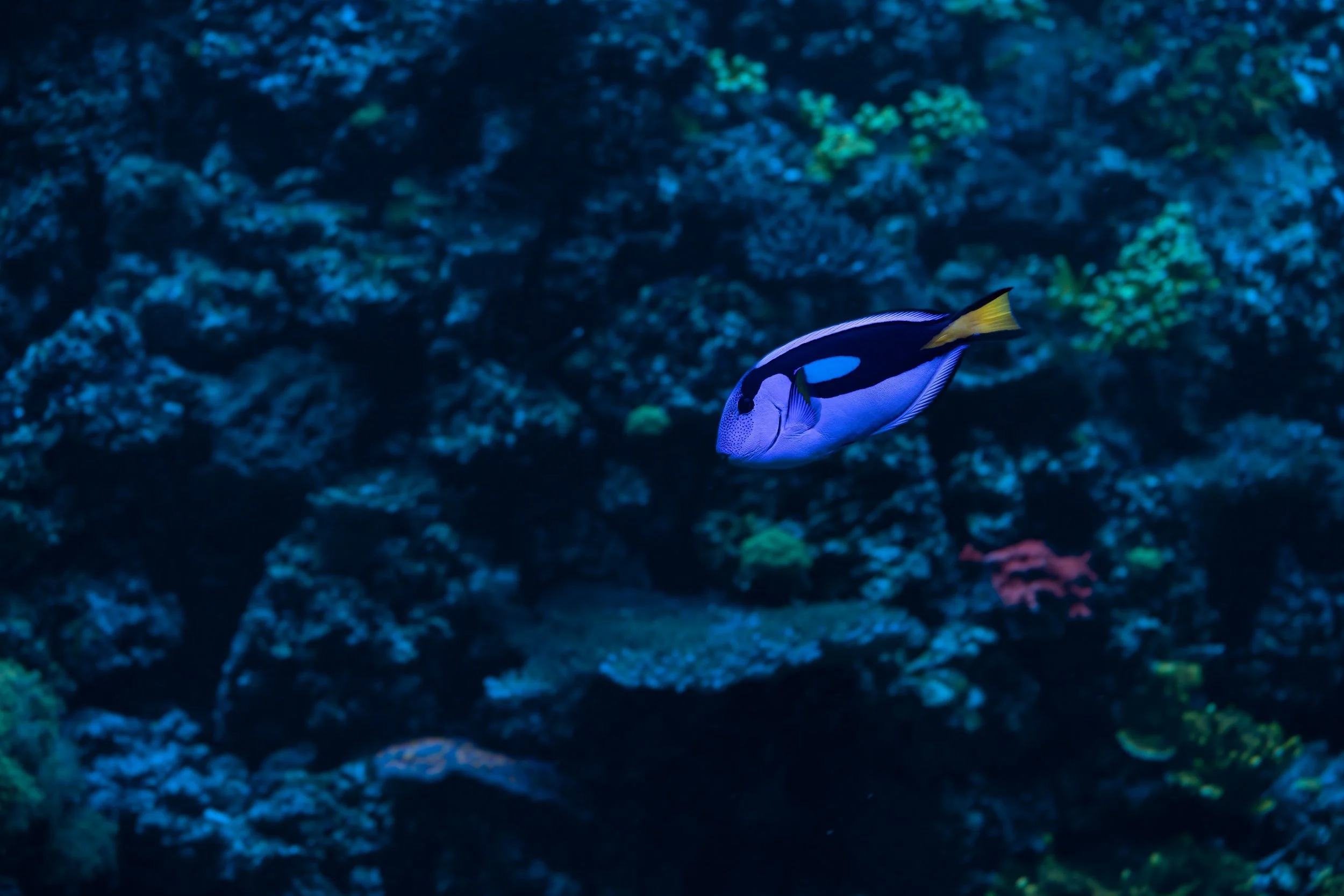
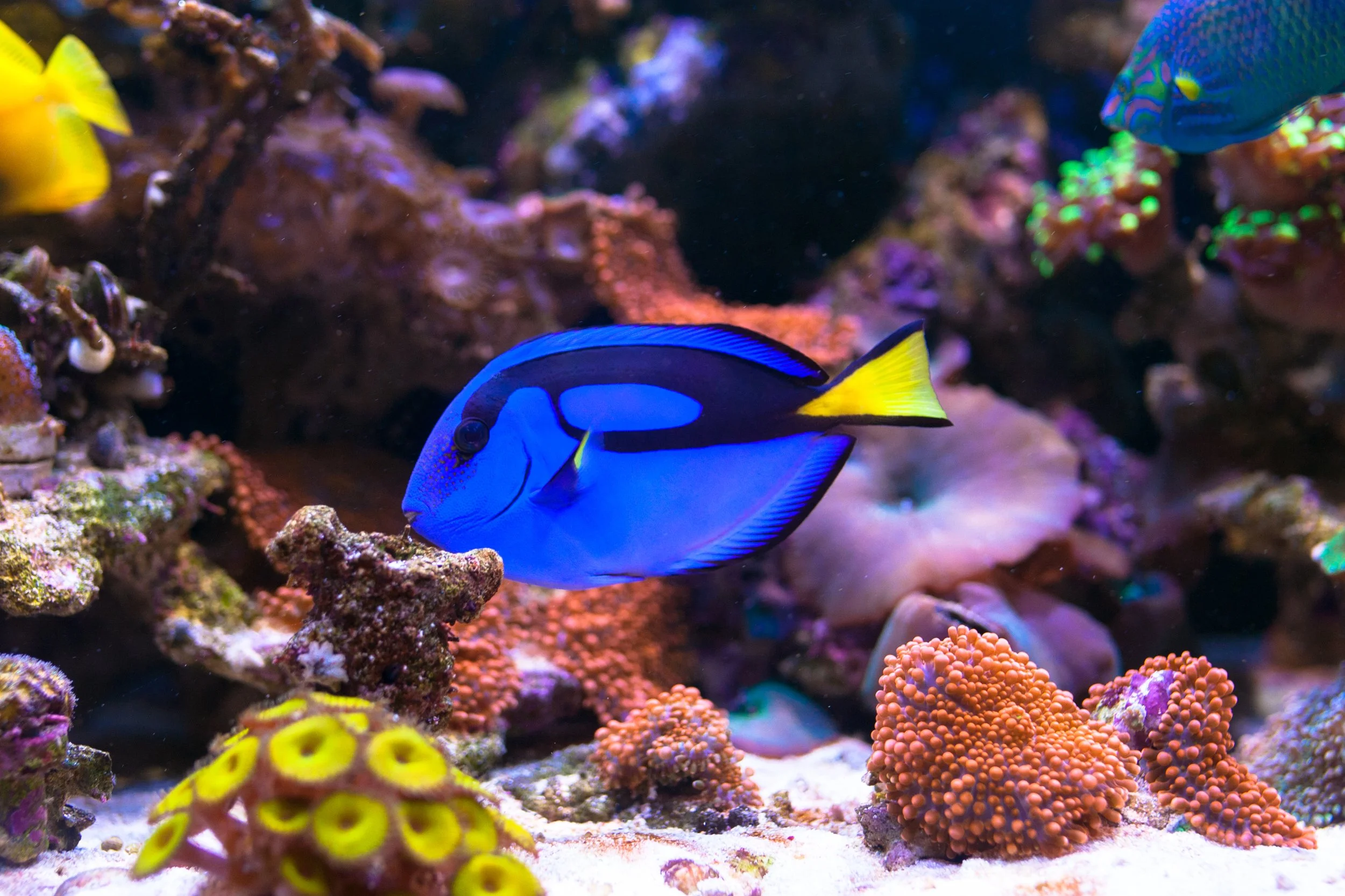
What do Hippo Tangs eat?
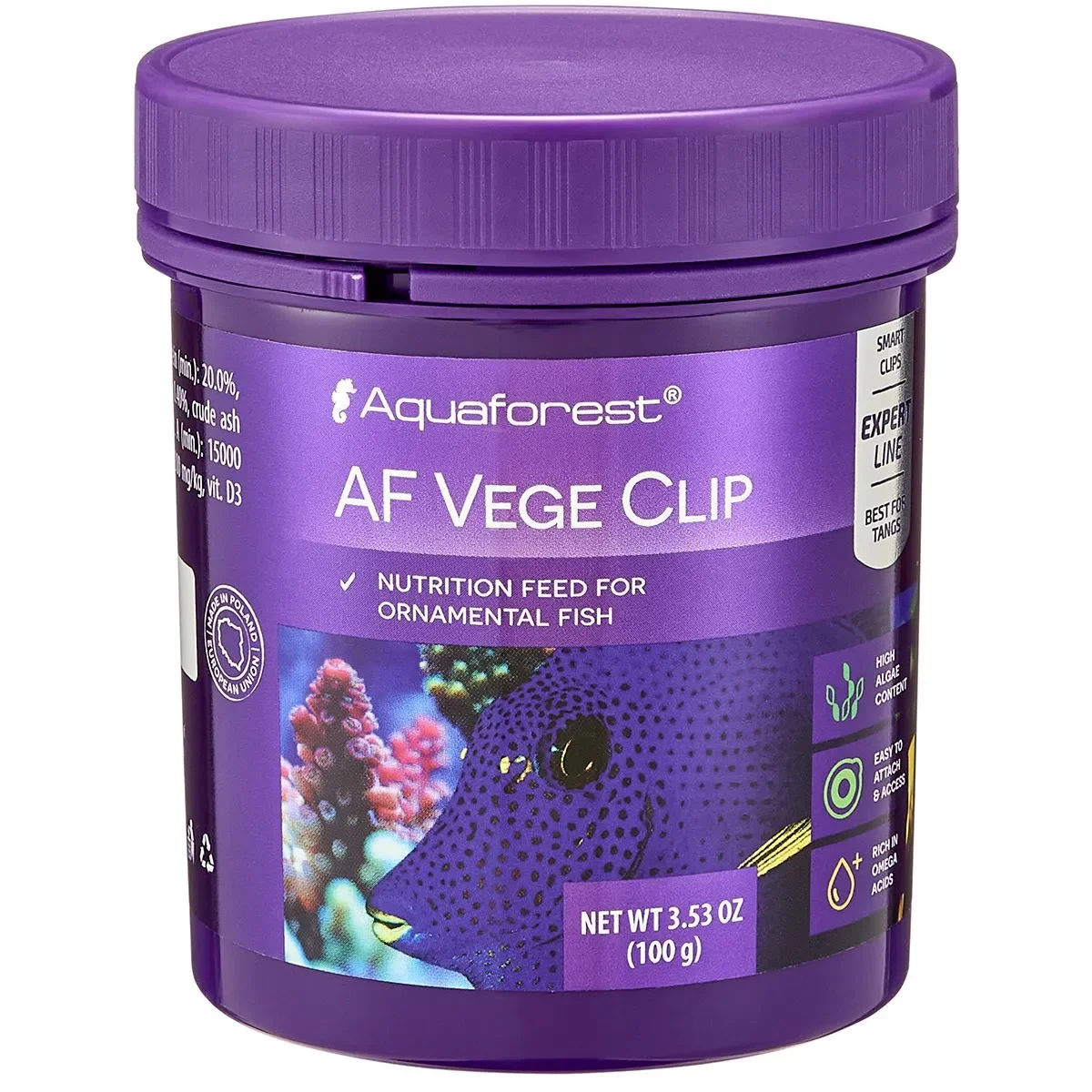
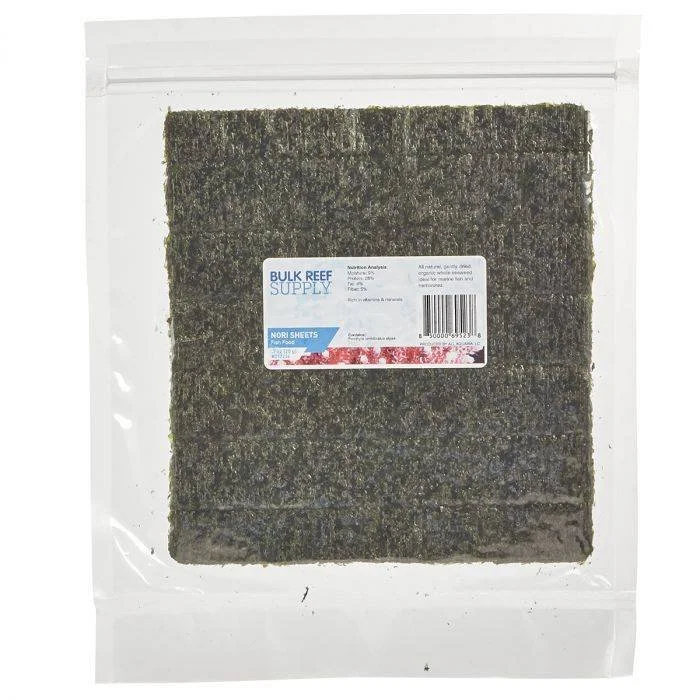
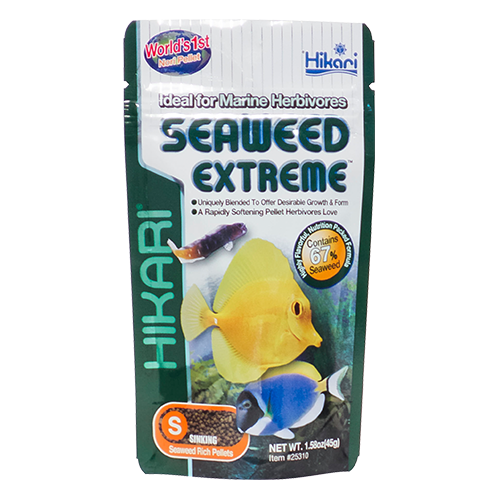
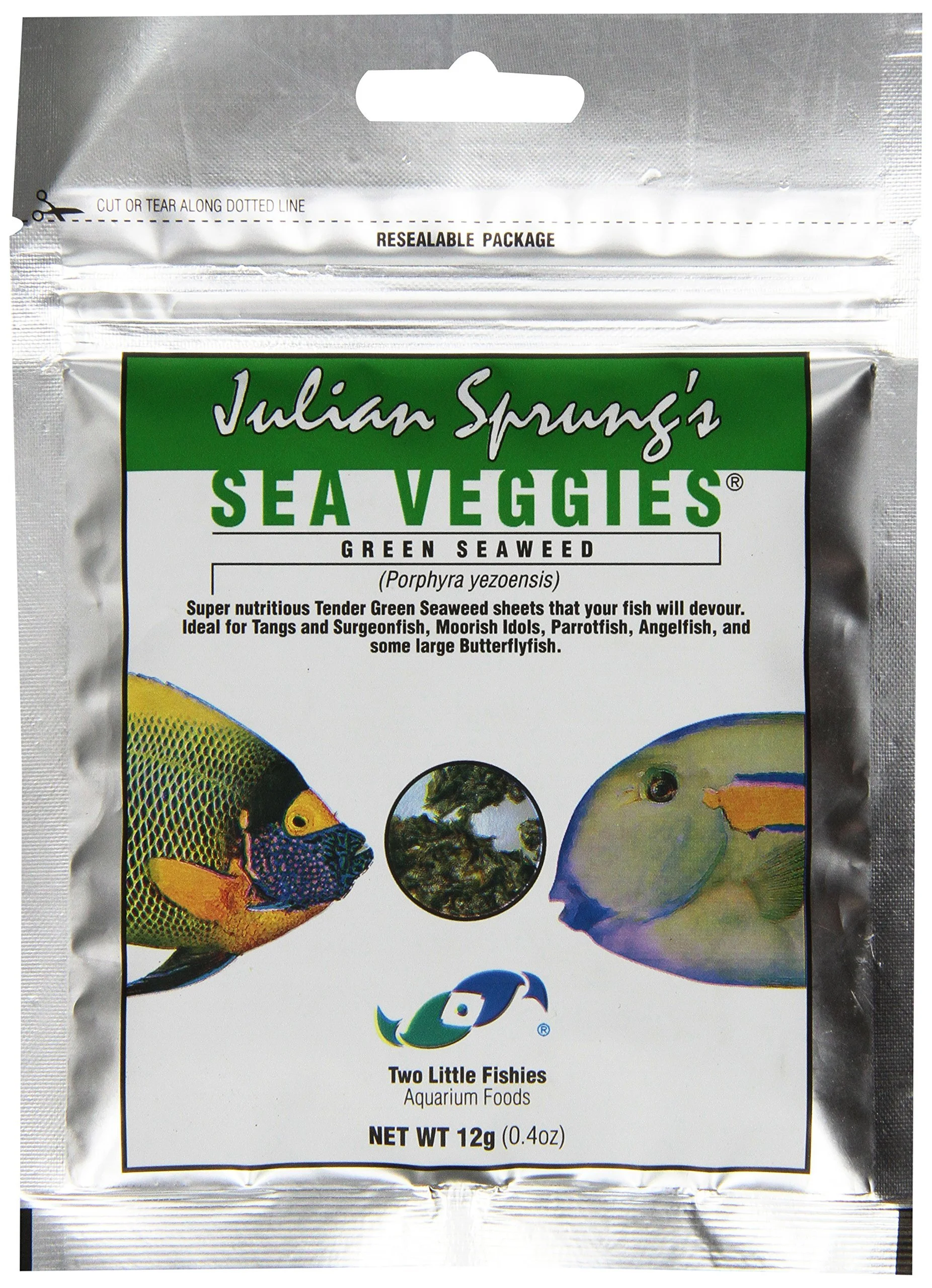
In the wild the Blue Hippo Tang eats planktonic matter and grazes in the water column. Behaviorally, they resemble a very large chromis more than a typical grazers. In aquaria they will readily accept a wide range of foods: pellets, flakes, frozen meaty items, and vegetable-based diets. They do not have utilitarian cleaning value like sponge-eating tangs; their primary role is color and activity in the display.
Natural diet: Planktivore
In captivity: Prepared pellets, frozen foods, spirulina and vegetable-based foods
Utility: Ornamental; not a sponge or algae control specialist
Are Blue Hippo Tangs reef safe?
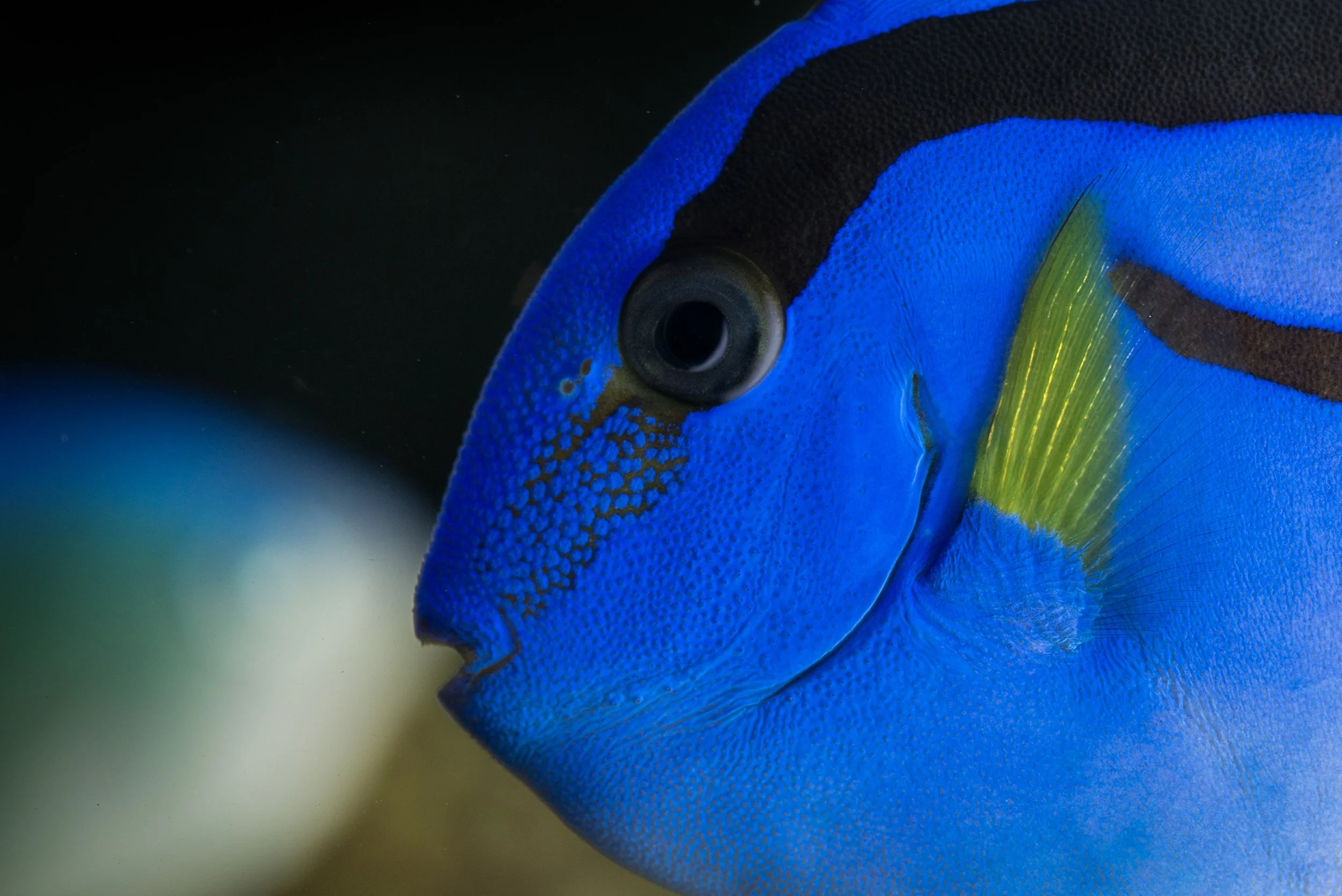
For the most part we consider the Blue Hippo Tang reef safe. Our gut estimate from collective experience lands around 90 to 95 percent reef safe overall. That said, there are enough anecdotal reports of individuals nipping at soft corals, especially zoanthids, that we can’t ignore the caveat.
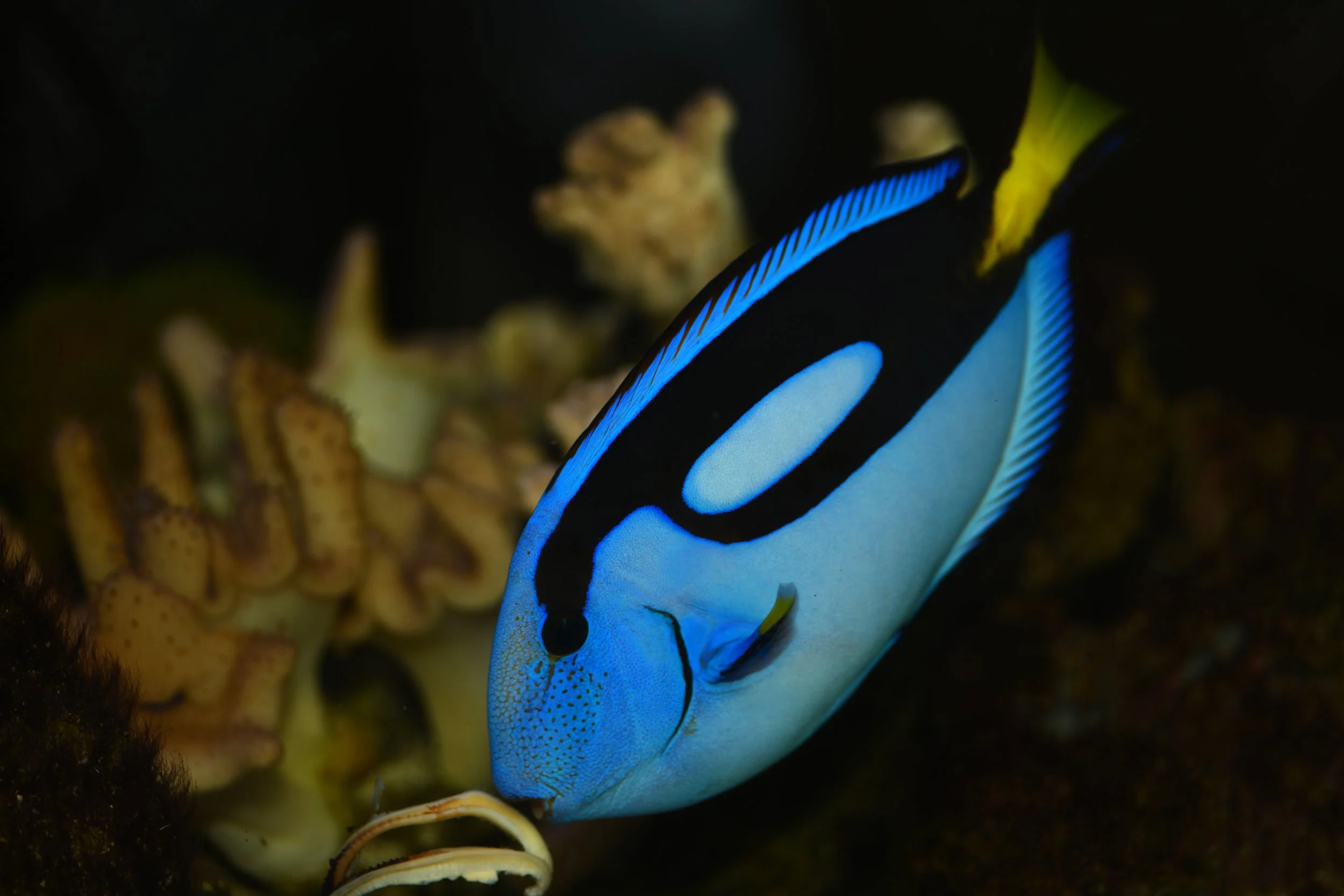
Some hobbyists report a pattern: Blue Hippo Tangs that develop black coloration extending onto the face seem more likely to sample sessile invertebrates. We haven’t seen this universally, and the connection is still anecdotal. If you plan a coral-dense tank and particularly keep fragile soft corals or zoas, be prepared to monitor behavior and act if any nipping appears.
Behavior and Aquascape Needs
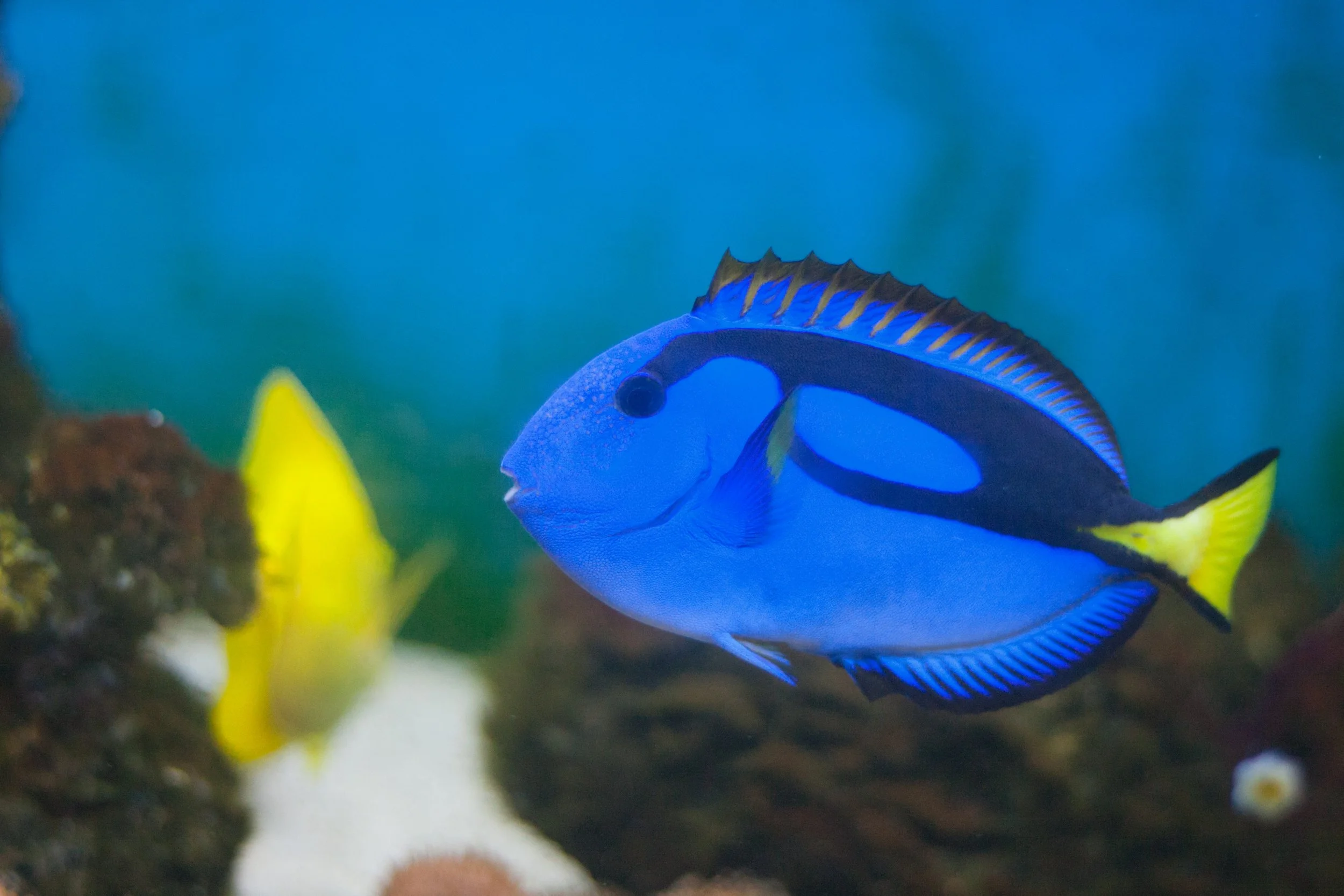
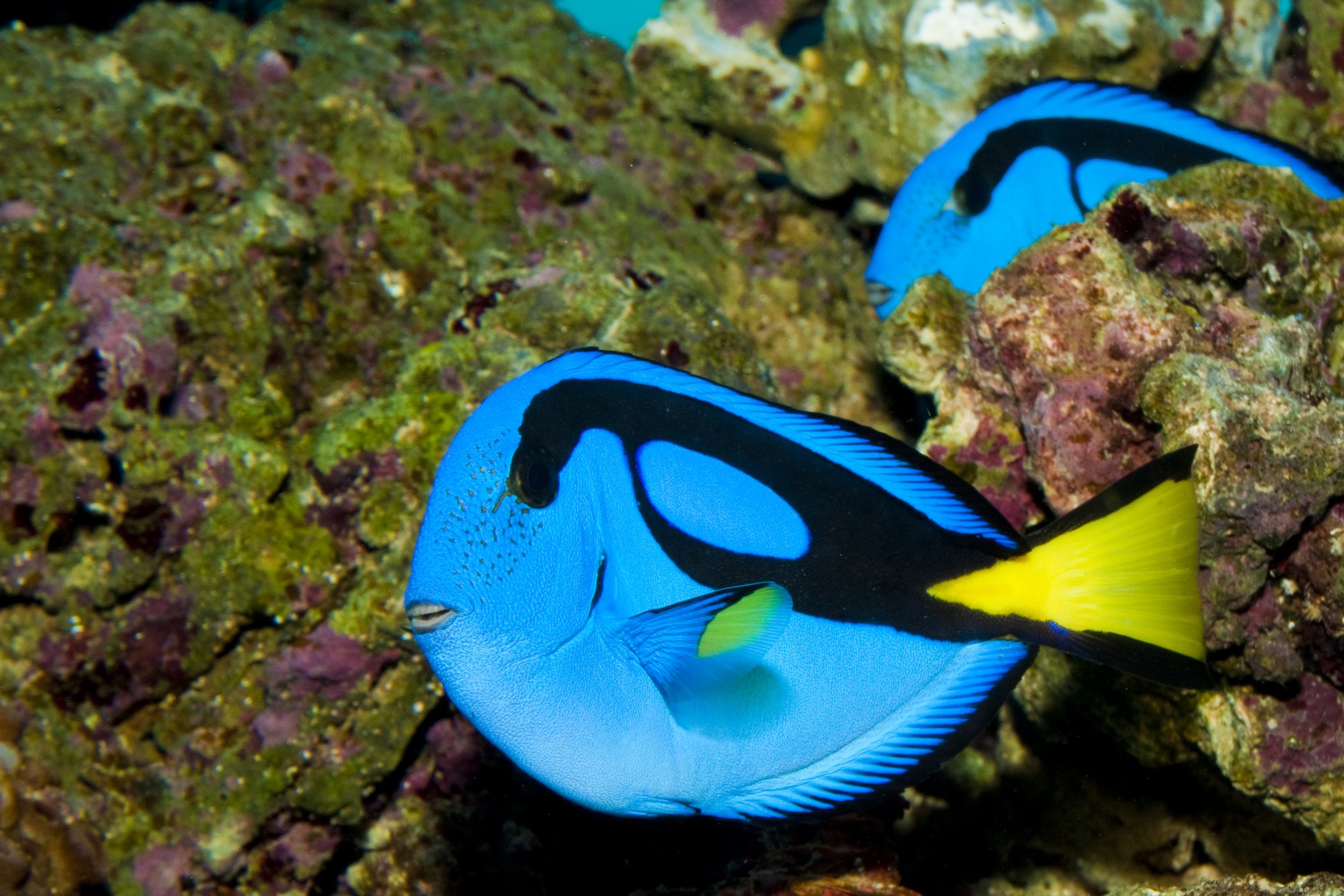
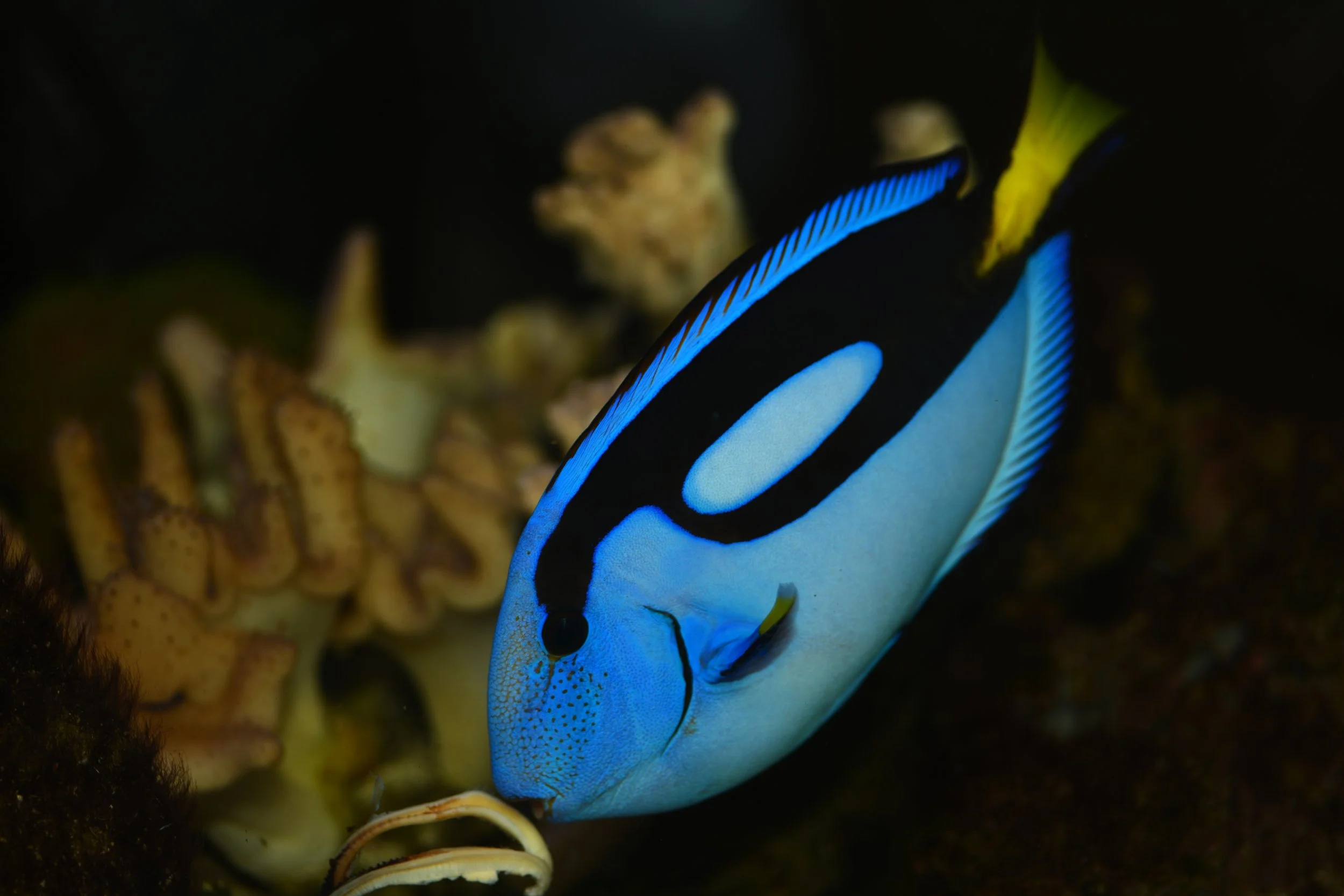
The Blue Hippo Tang is an active swimmer and appreciates room to cruise. They also like tight hiding spots and will wedge into branches or crevices—sometimes even resting upside down. Because of this combination of cruising and seeking shelter, an aquascape with swim-throughs, channels, and branching structures benefits their natural behaviors.
Recommended minimum tank length is about six feet for a long-term home. We’ve seen them do fine in smaller tanks temporarily or when purchased very small, but they grow quickly and thrive best in larger systems. If you must keep one in a shorter tank, start with the tiniest possible specimen and plan to upgrade later.
Quarantine, common health issues, and treatments
Blue Hippo Tangs are known to be prone to ich in some cases, though they often handle outbreaks better than some other tang species. If the fish is healthy and eating, ich episodes can pass with proper care. We recommend quarantine protocols and an isolation or hospital box inside the display when introducing a new specimen. This lets the fish acclimate and protects both the new arrival and the established tank inhabitants.
Quarantine: Strongly recommended
Medications: They tolerate common treatments well; follow established protocols
Observation: Strange postures (rolling, wedging upside down) can be normal species behavior, not always a sign of illness
Treatment Tools: Copper, UV, and More
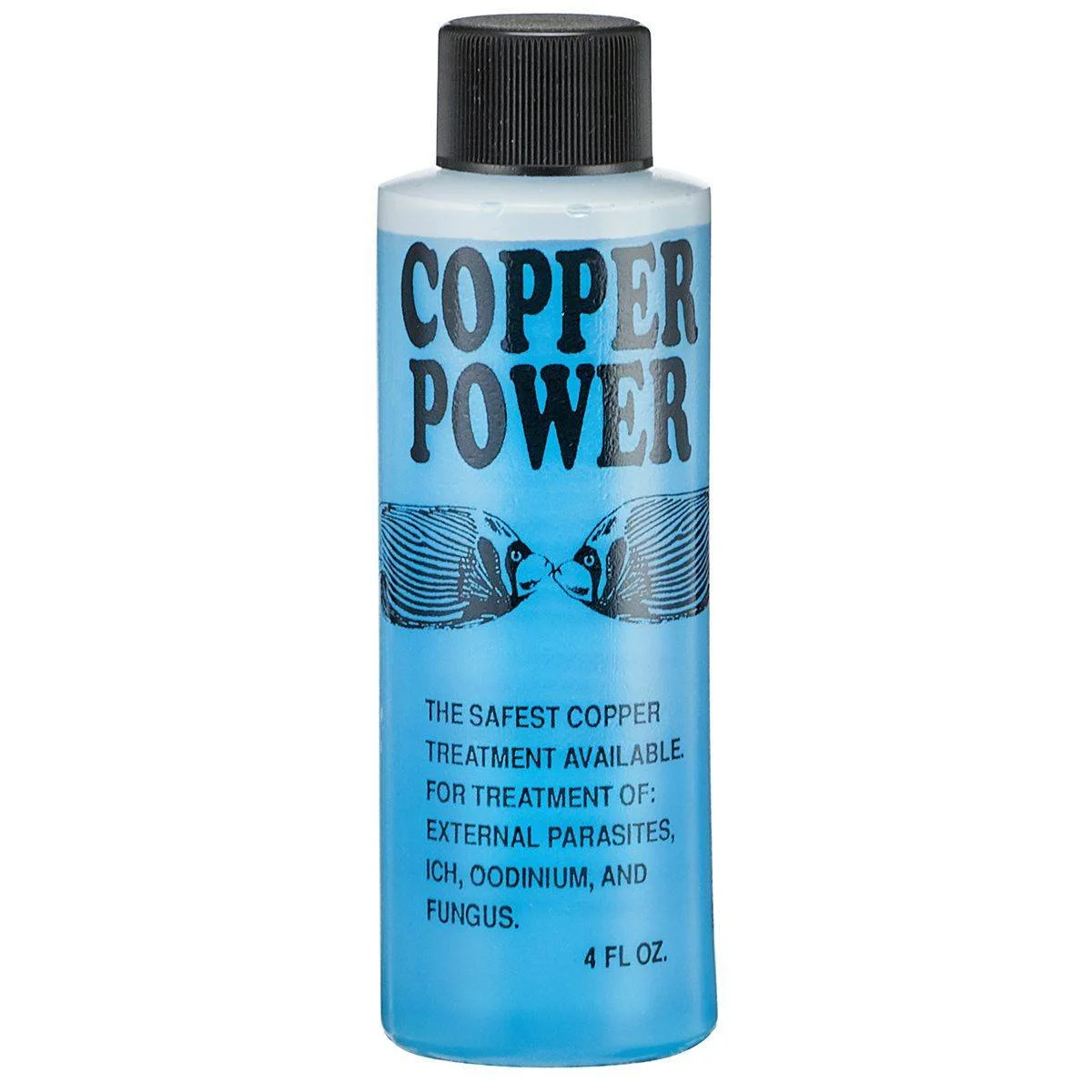
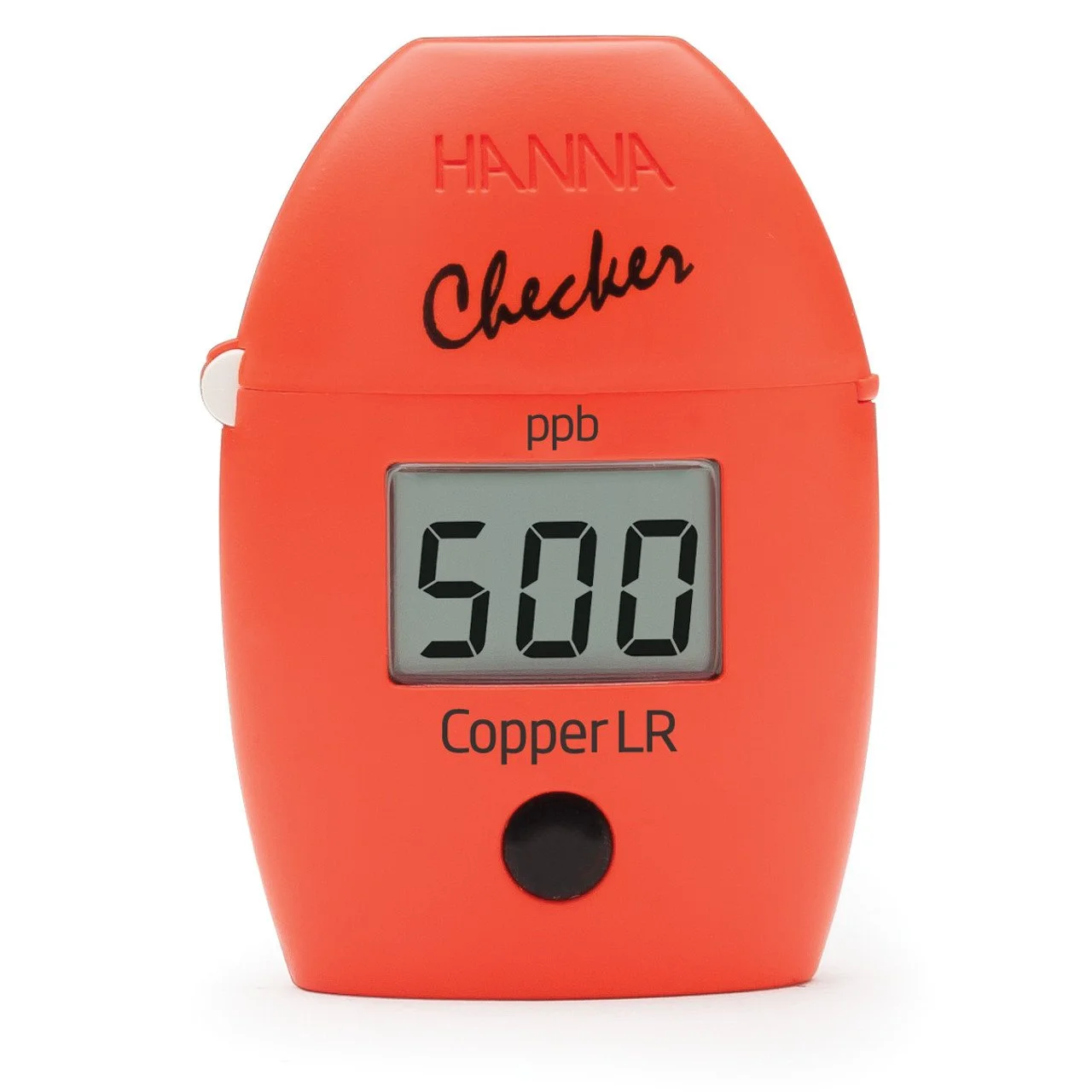
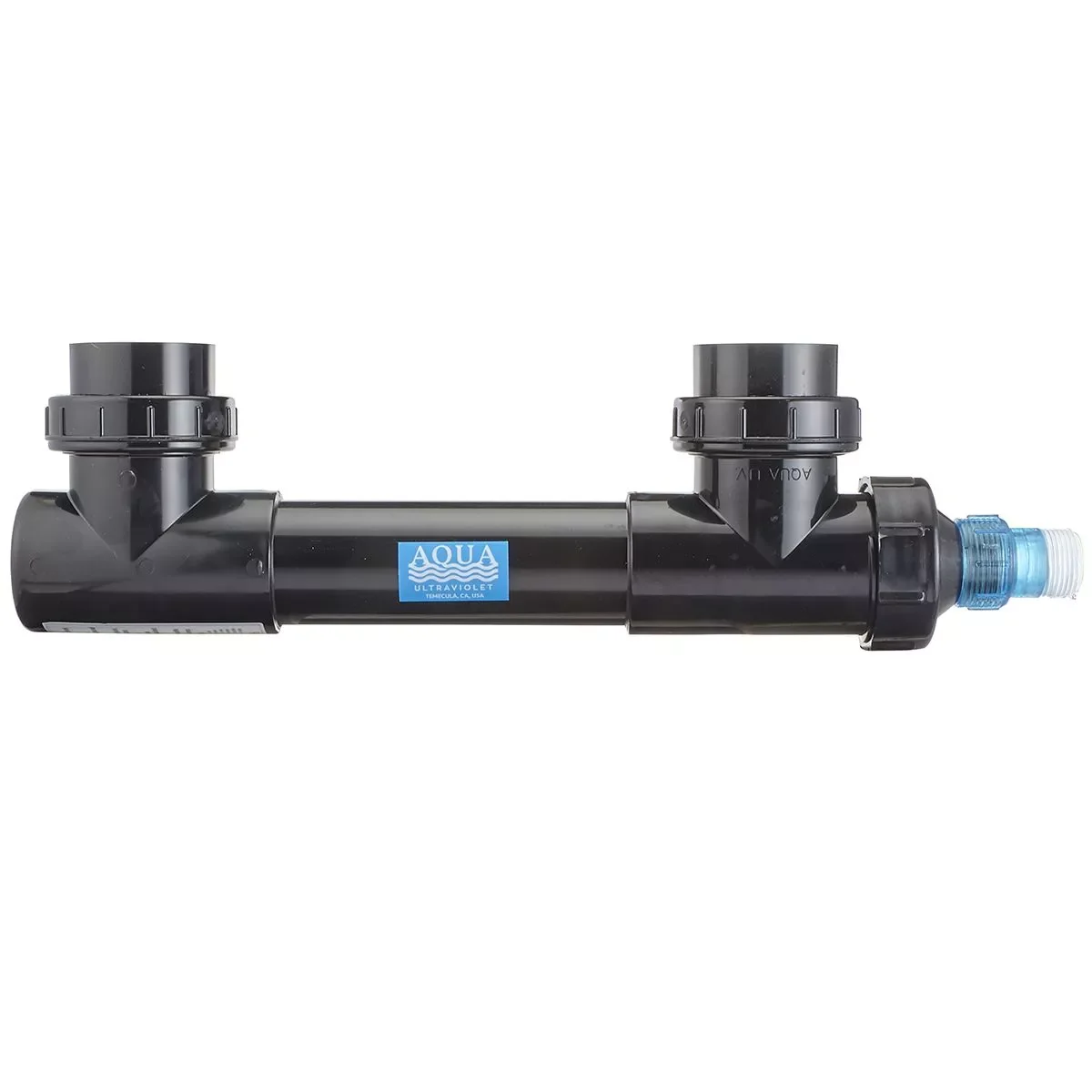
Copper based treatments in quarantine are effective and relatively simple for controlling ich and protozoan parasites. The 80/20 method of quarantine and treatment covers the majority of issues for this species. UV sterilizers can help reduce parasite load in a system and may offer protection to other tank inhabitants if an infected individual sheds parasites.



Availability and sourcing
Blue Hippo Tangs are widely available in the aquarium trade. Their color and approachable size make them a staple of most stores. If color intensity matters, ask your retailer about origin; specimens from Fiji or the Solomon Islands often display richer coloration.
Final thoughts
We rate the Blue Hippo Tang as a good choice for hobbyists moving into intermediate care: resilient, relatively easy to feed, and immensely rewarding visually. Consider them a level 3 to 4 in difficulty—essentially a solid beginner-to-intermediate pick provided you plan for tank size and quarantine. Their main downside is occasional vulnerability to ich and the small chance of coral nipping in sensitive setups.
Ultimately, if you want a vivid blue, active fish that adds life and color, the Blue Hippo Tang is a top pick. We just recommend proper tank size, an isolation box for introductions, a varied diet, and watching for any signs of coral sampling in the first weeks after acclimation.
Blue Hippo Tang FAQs
How big do Blue Hippo Tangs get and what tank size do they need?
They grow to about a foot in length and do best in tanks at least six feet long for long-term health. Smaller tanks can house juveniles temporarily, but rapid growth usually necessitates an upgrade.
Are Blue Hippo Tangs reef safe?
Generally yes; we estimate 90 to 95 percent reef safe. However, there are anecdotal reports of some individuals nipping at soft corals or zoanthids, particularly if black facial coloration extends. Monitor any new fish closely.
What do Blue Hippo Tangs eat?
They are primarily planktivores in the wild but readily accept pellets, frozen foods, and vegetable-based diets in captivity. Offer a varied diet including spirulina or algae-based foods to keep them healthy.
Do Blue Hippo Tangs get ich often?
They can be prone to ich, but many individuals handle outbreaks and recover if otherwise healthy. Quarantine and prompt treatment improve outcomes.
Where do Blue Hippo Tangs come from in the trade?
They are widely sourced, with popular collection regions including Fiji and the Solomon Islands. Specimens from certain origins can show more vibrant color.
Heniochus butterflyfish
Heniochus Butterflyfish
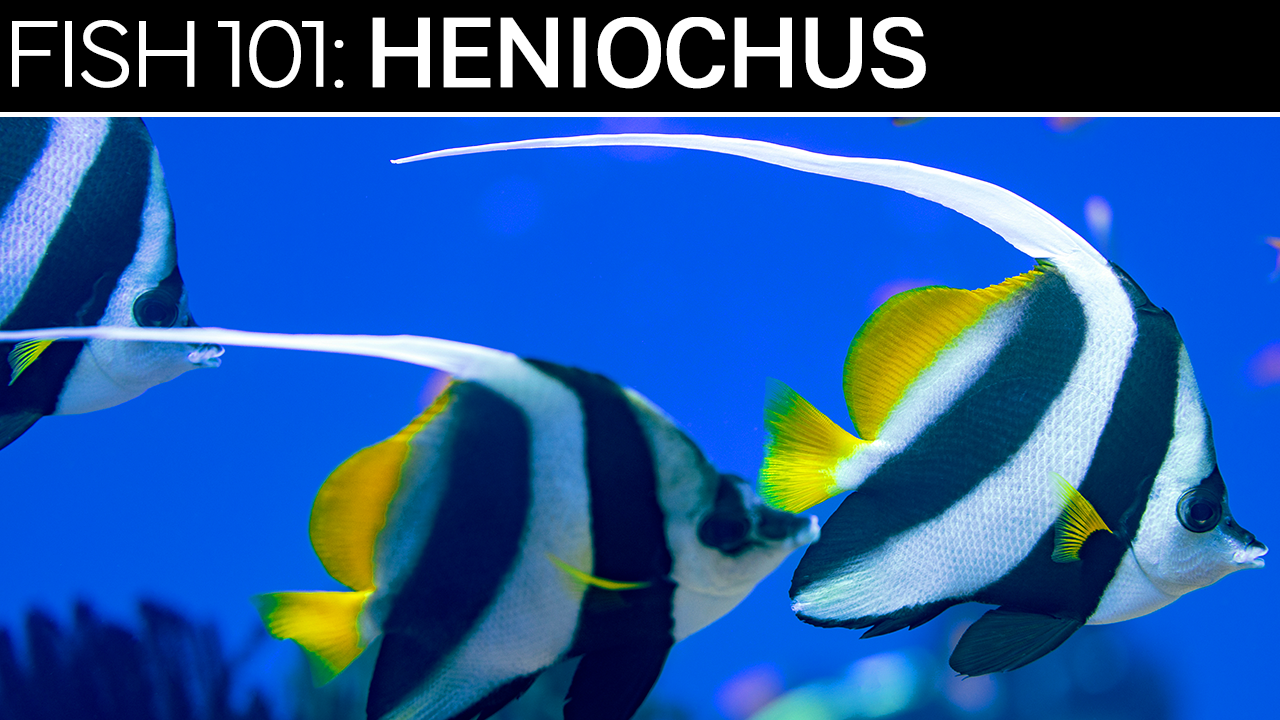
We love these fish. The Heniochus butterflyfish is that striking, streamered black white and yellow beauty that often gets called a false Moorish idol. It gives us the look of a Moorish idol without the steep price tag or the finicky care requirements. If you want that dramatic color and long dorsal streamer in your tank but prefer something hardier and more affordable, this is a great option.
Acknowledgments
Thank you to Elliot Lim for sharing his knowledge with the SR community. Elliot owns and operates www.marinecollectors.com Thank you to Oral Seymour for summarizing the video and making it available to everyone. Follow Oral on his IG page reefingwitho
Thank you to the Serious Reefs community. Your membership funds the creation of articles and videos like this one.
Support Serious Reefs
Patreon is the best option If you…
Want to discuss with the SR community and ask questions.
Want immediate notifications of every release.
Listen with phone screen off. Patreon app works with phone closed
Want 25% off via annual discounts.
YouTube members is the best option If you…
Watch SR videos on a TV via youtube App
Want to watch videos natively here on seriousreefs.com - (You must use chrome browser and be logged into google account with youtube membership)
Are a YouTube power user.
Tell a friend. Best option if want more SR (and faster).
If you like what we’re doing, give SR a quick shout-out on your favorite forum, YouTube, Facebook, TikTok, or Instagram. Let your local fish store know SR is helping you explore the hobby and keep it fun. Thanks for the support!
Disclaimer
Full Disclaimer HERE. This is the gist of it.
Content is based on personal experience, not professional advice. Do your research and reef responsibly. Serious Reefs should not be your sole source of information on any topic.
By watching, you agree that Serious Reefs and its creators aren’t liable for how you use this info. Please don’t utilize our information if you are not ok with this.
Serious Reefs has no sponsors, doesn’t accept product or payment for reviews. We do use affiliate links in articles that earn a small commission to support our work. Shop wherever you like, we won’t be offended.