Heniochus Butterflyfish: Fish 101
Your guide to thriving with this bold, beginner-friendly bannerfish.
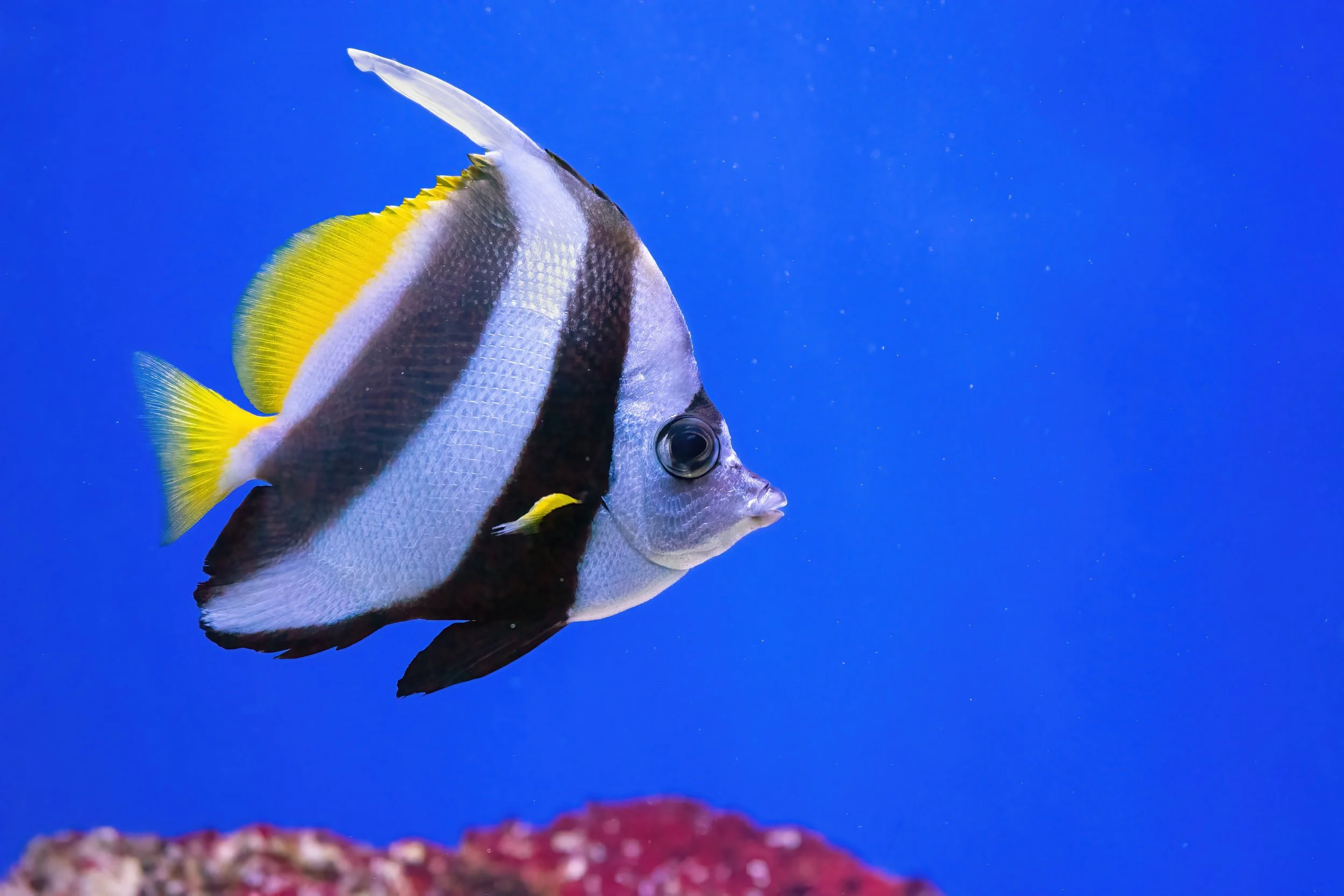
Heniochus Butterflyfish
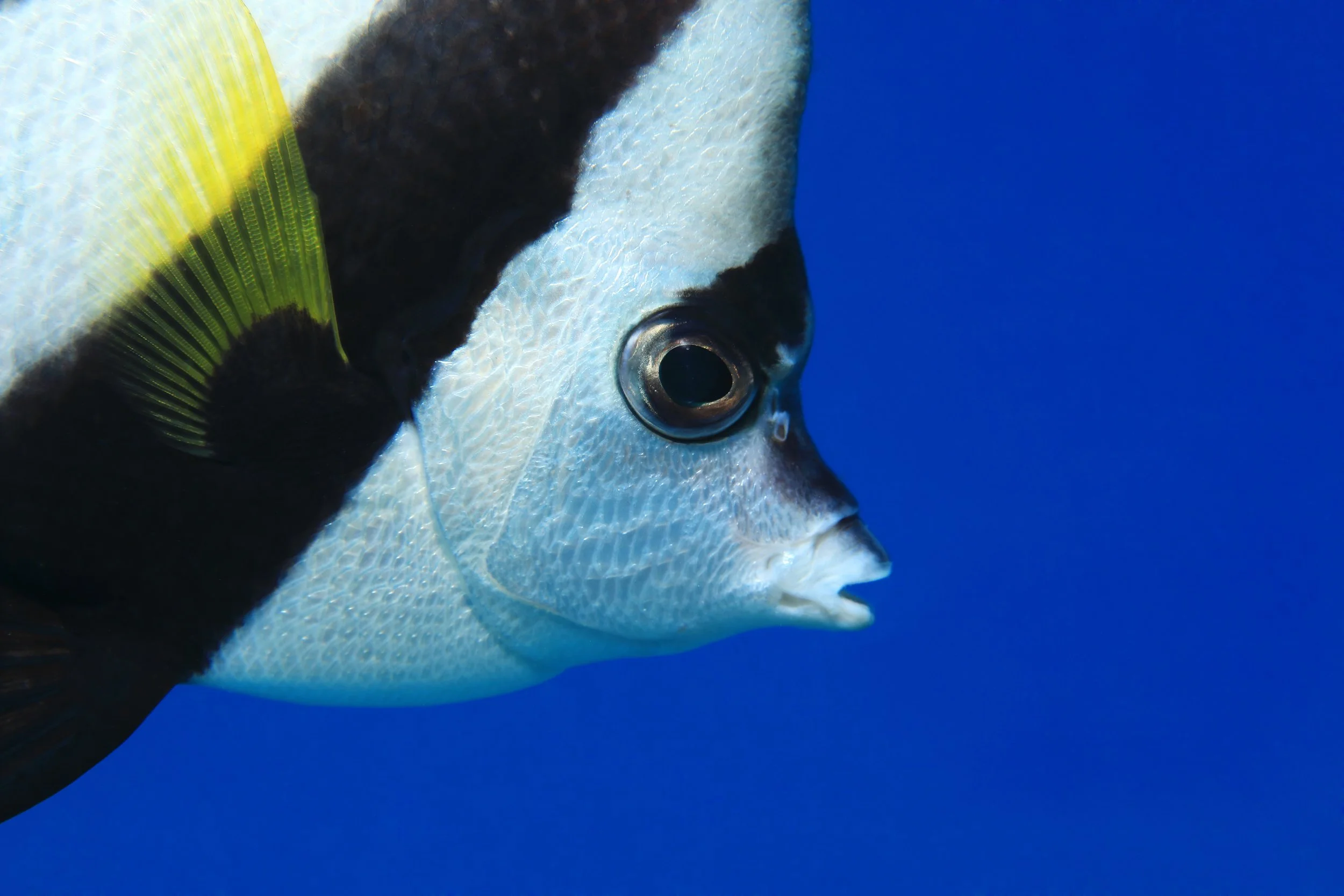
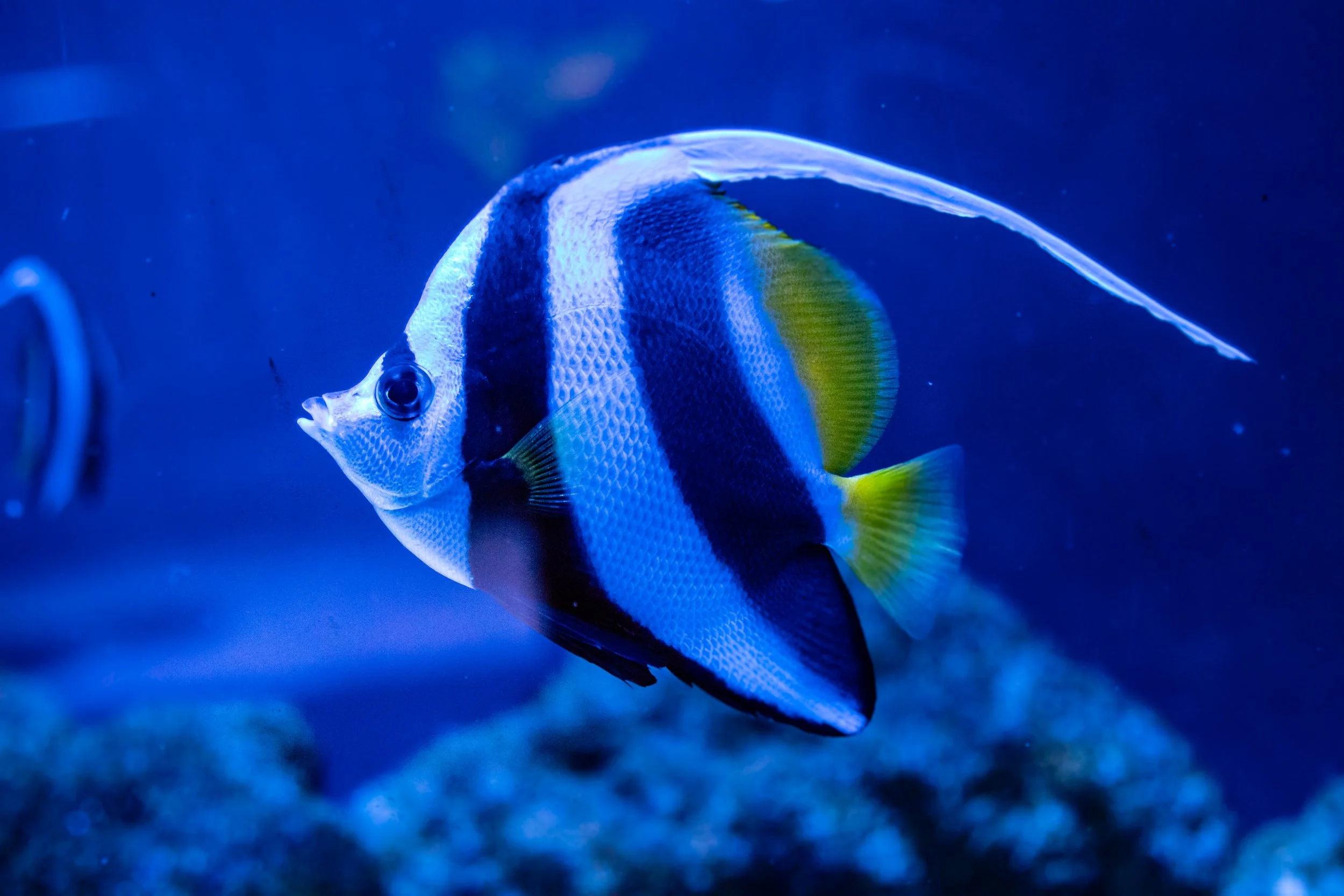
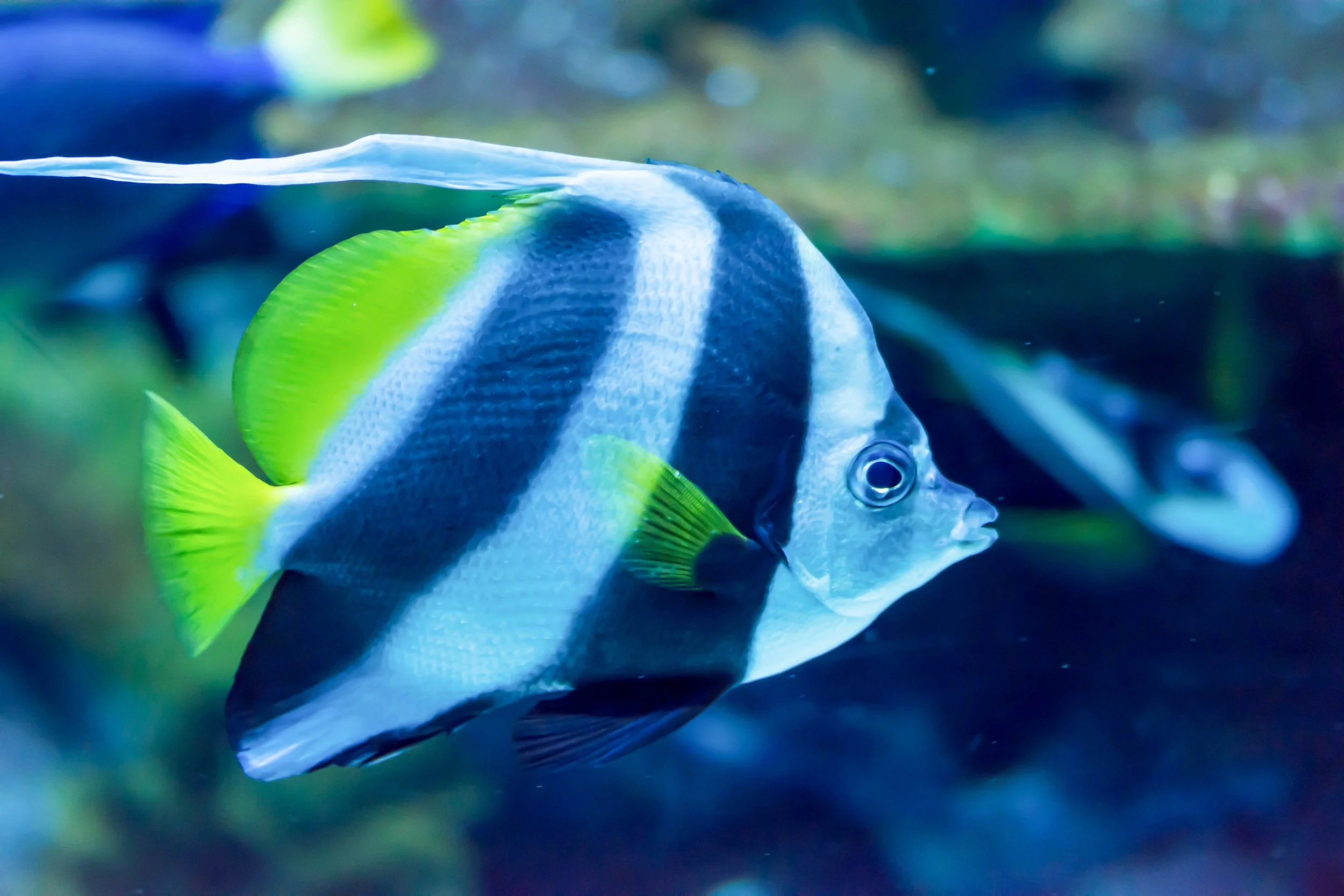
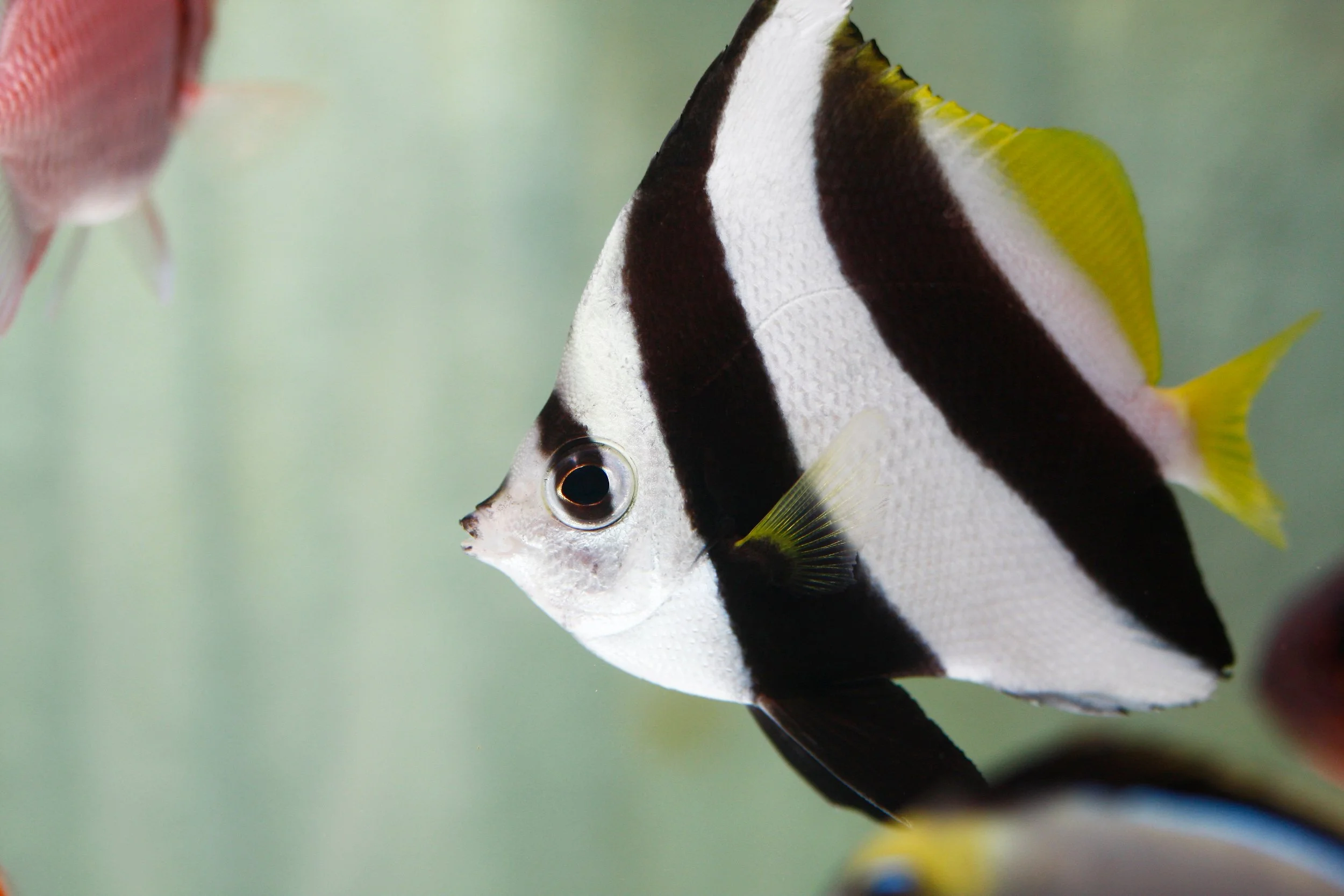
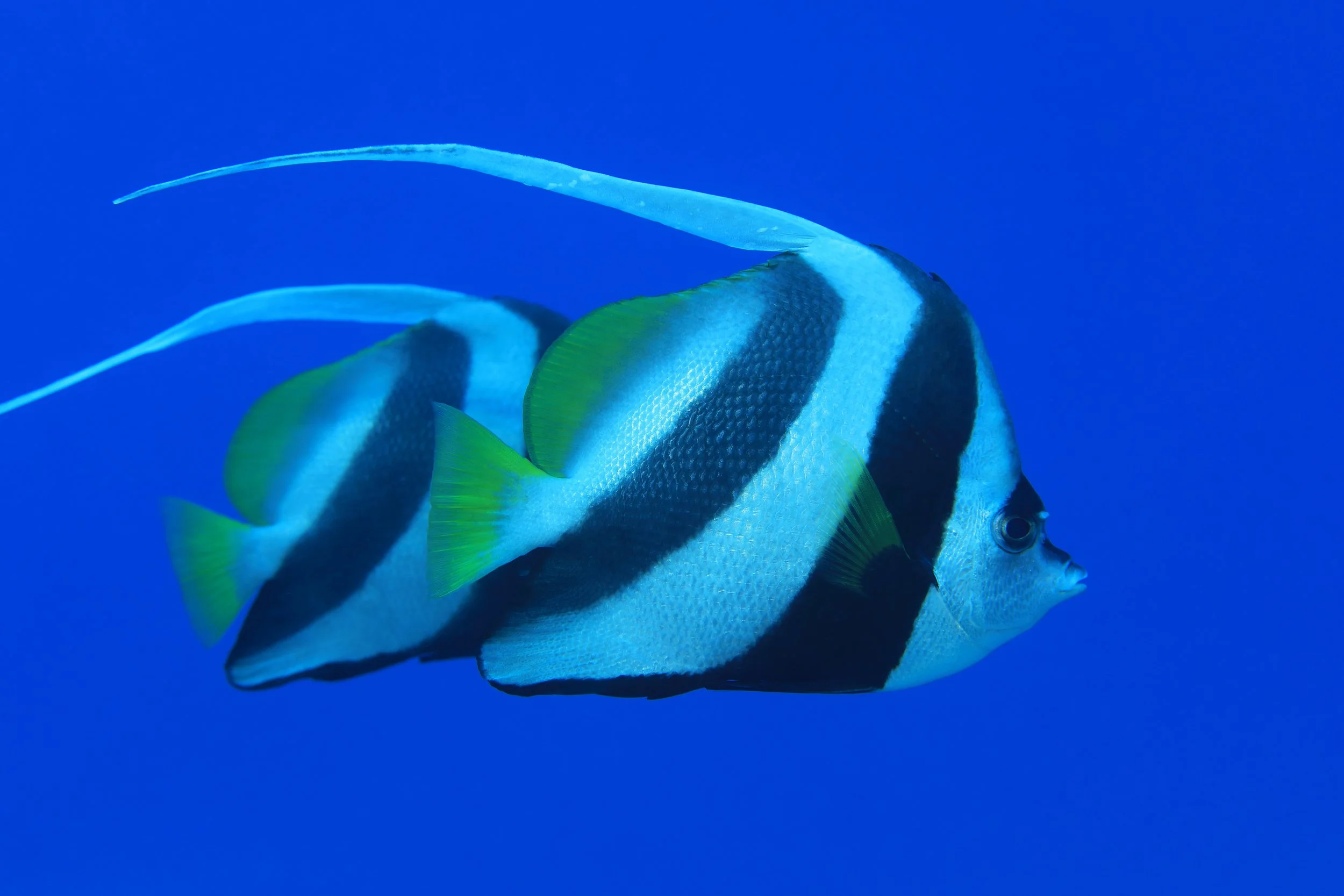
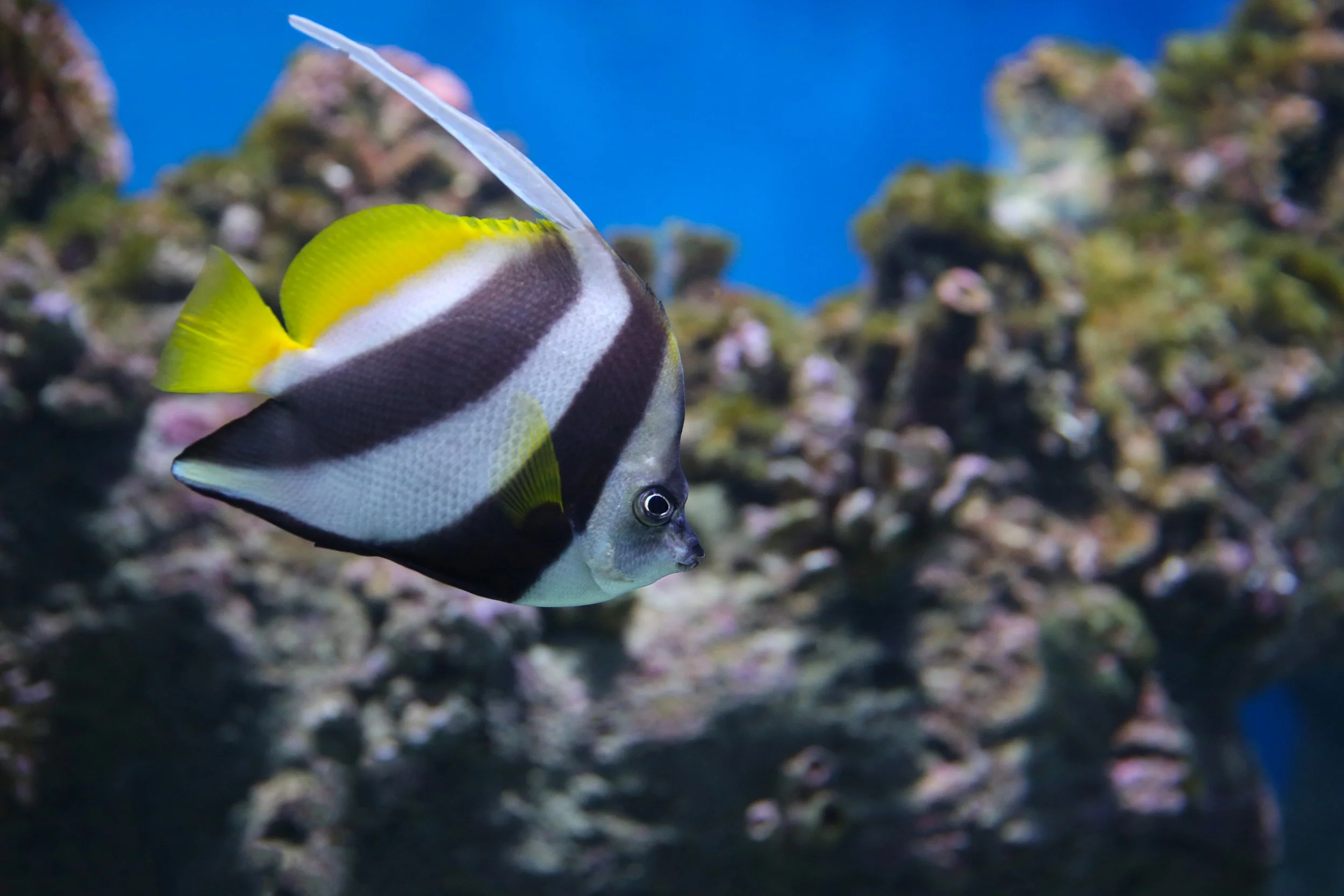
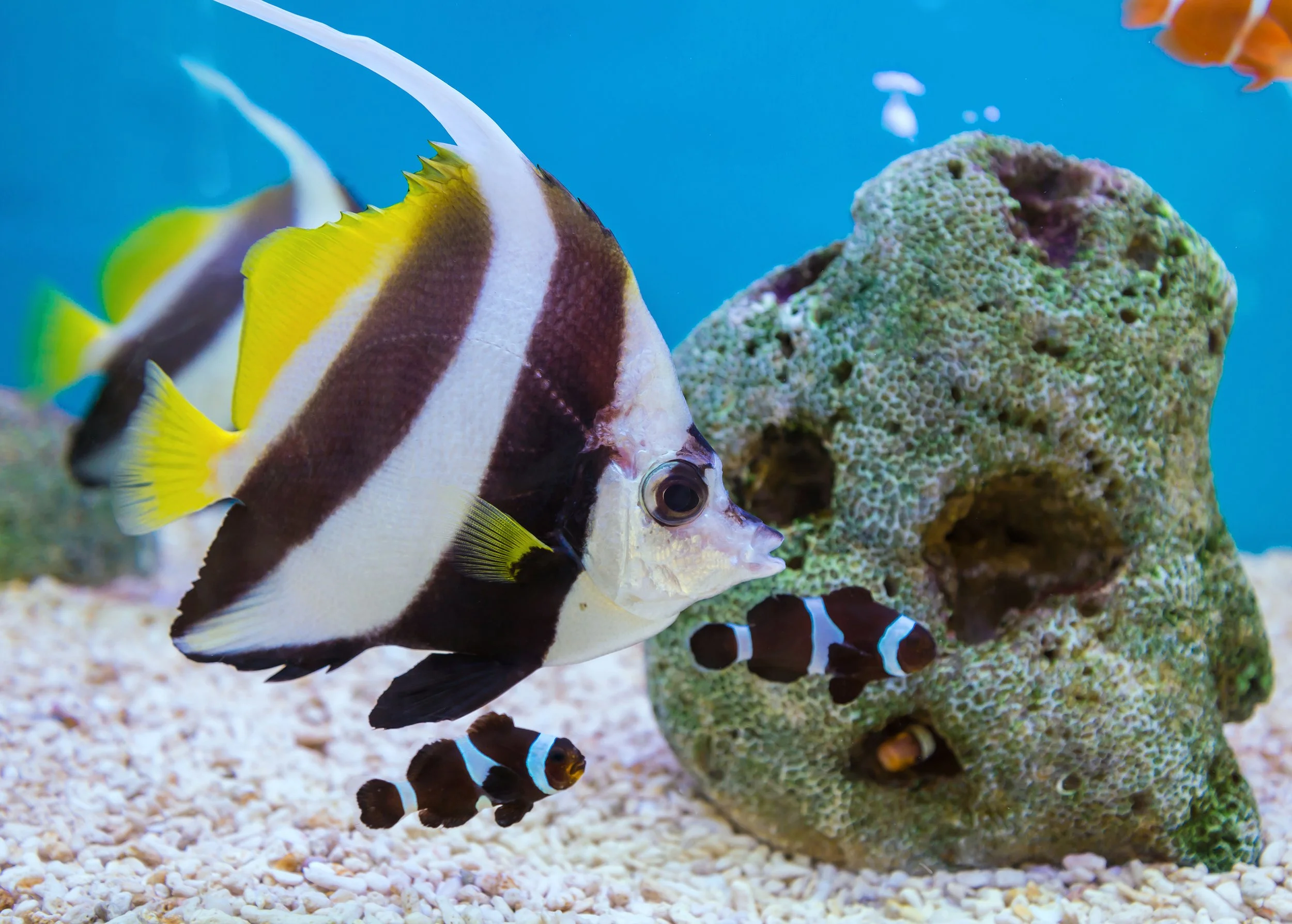
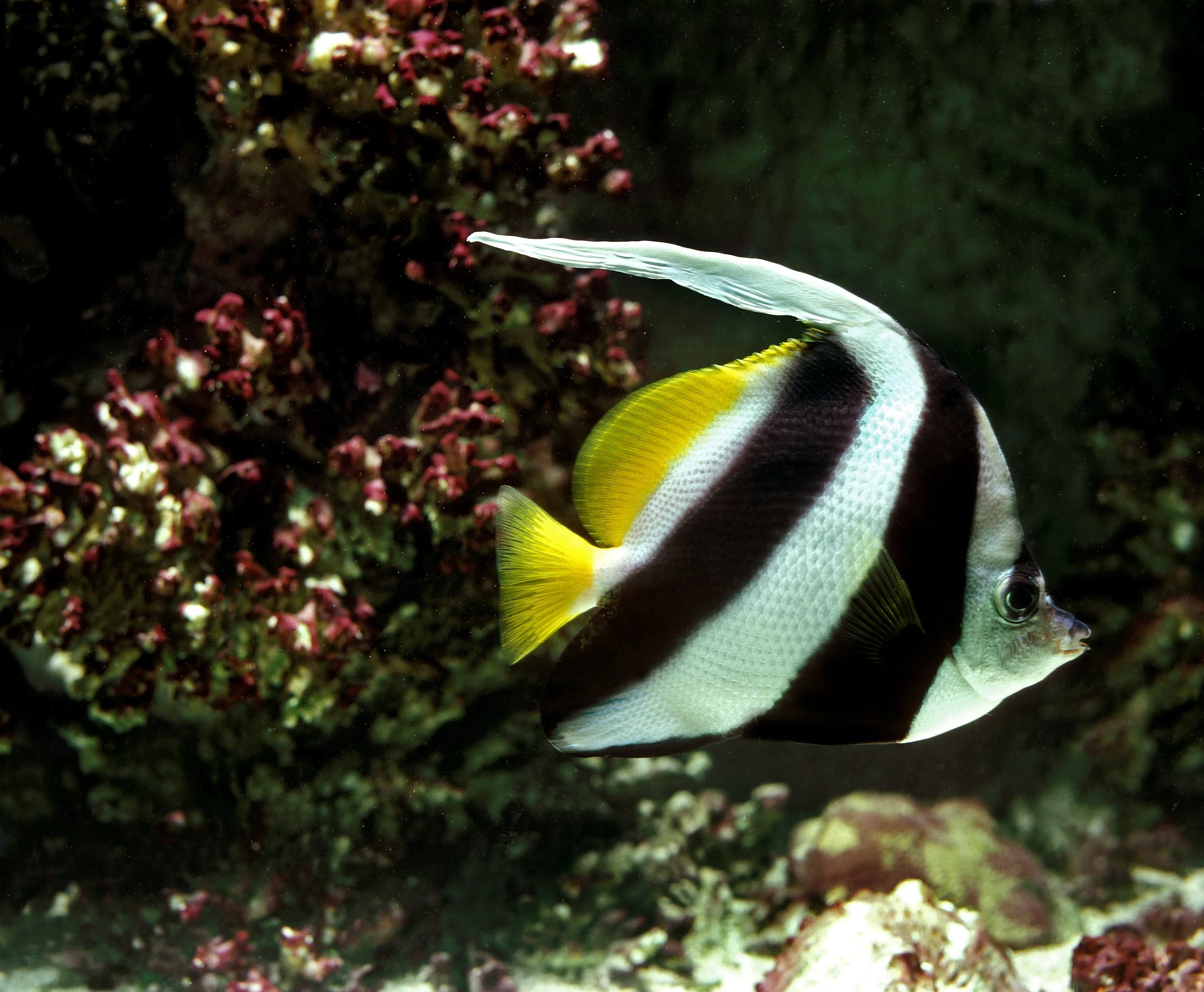
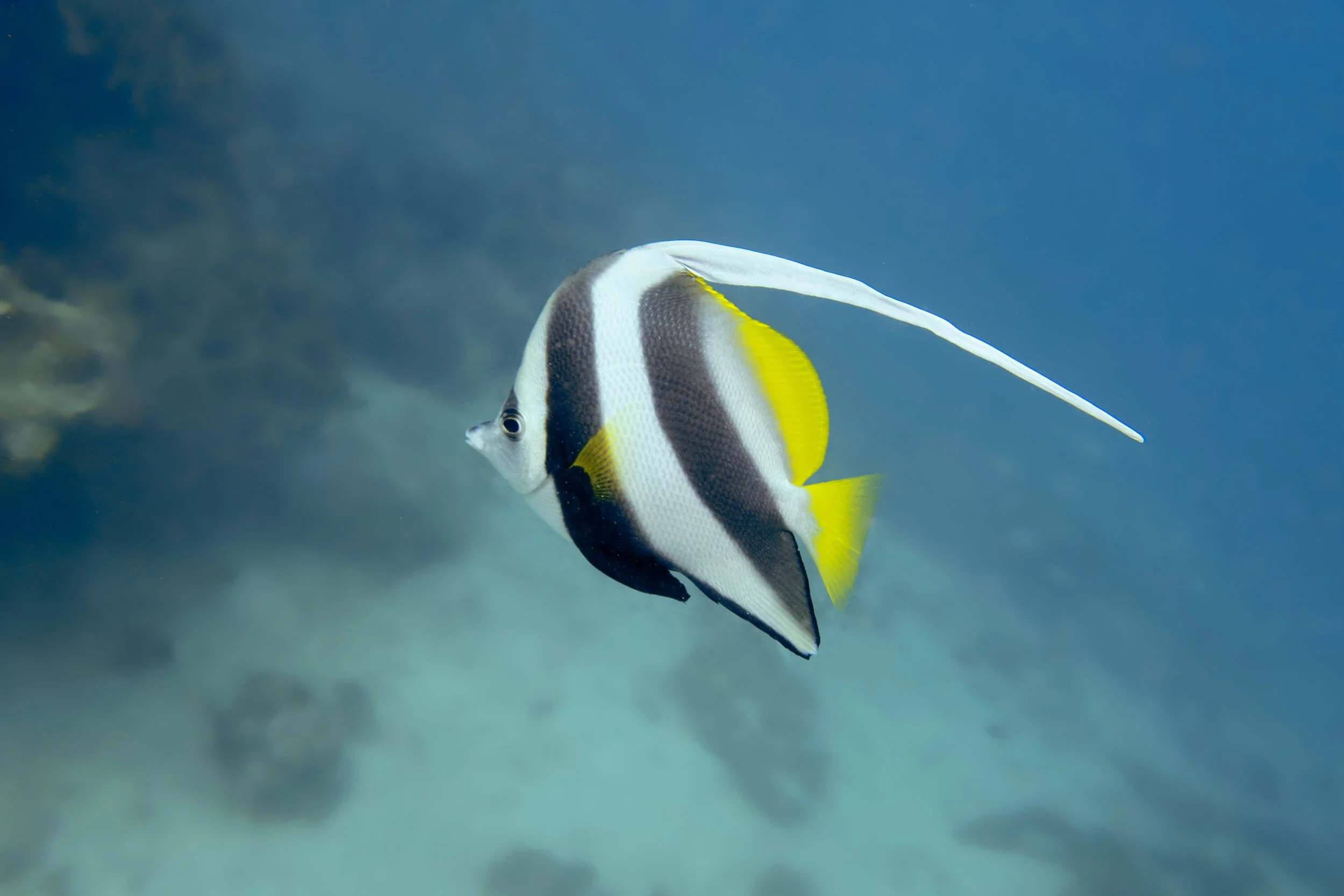
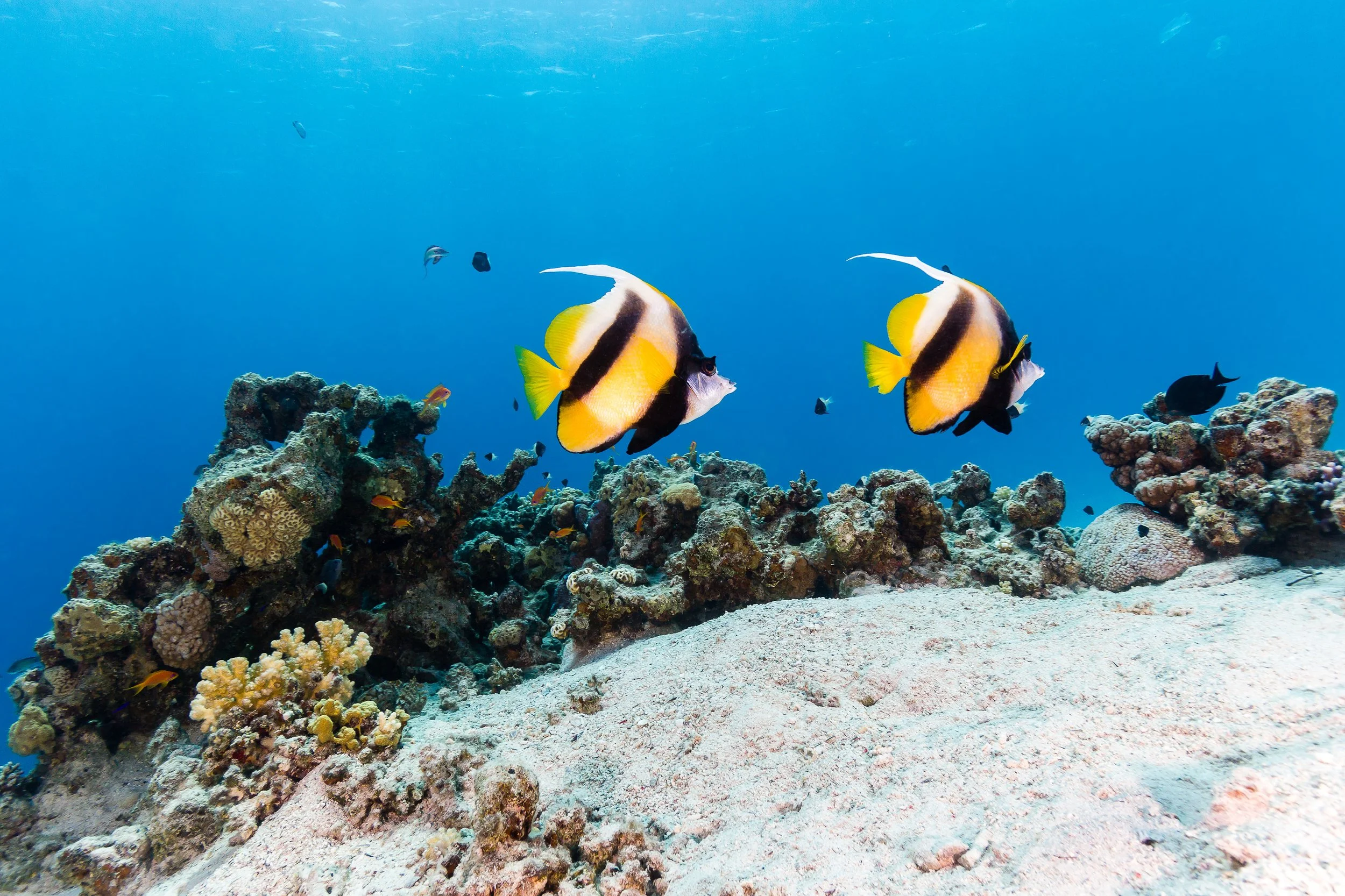
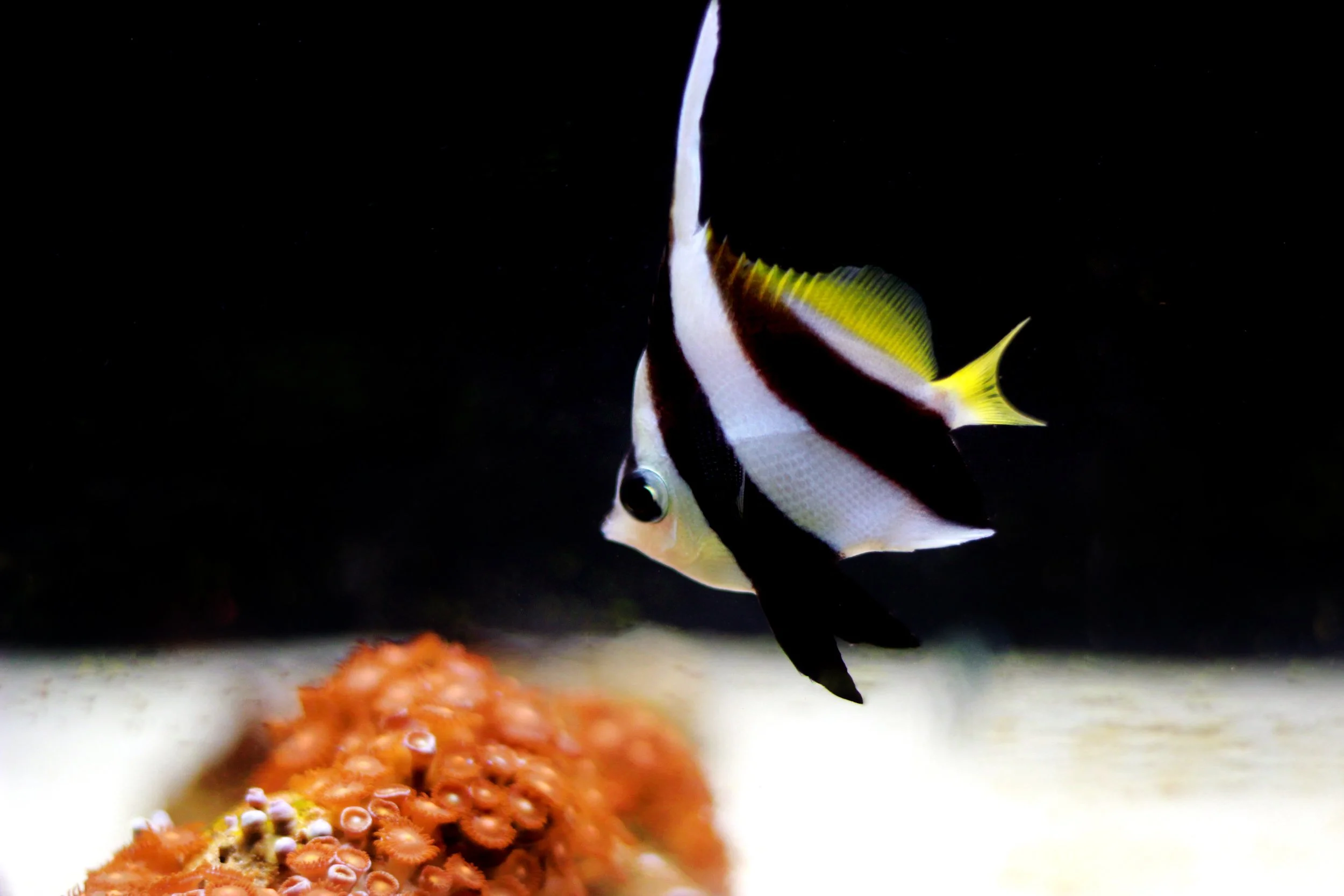
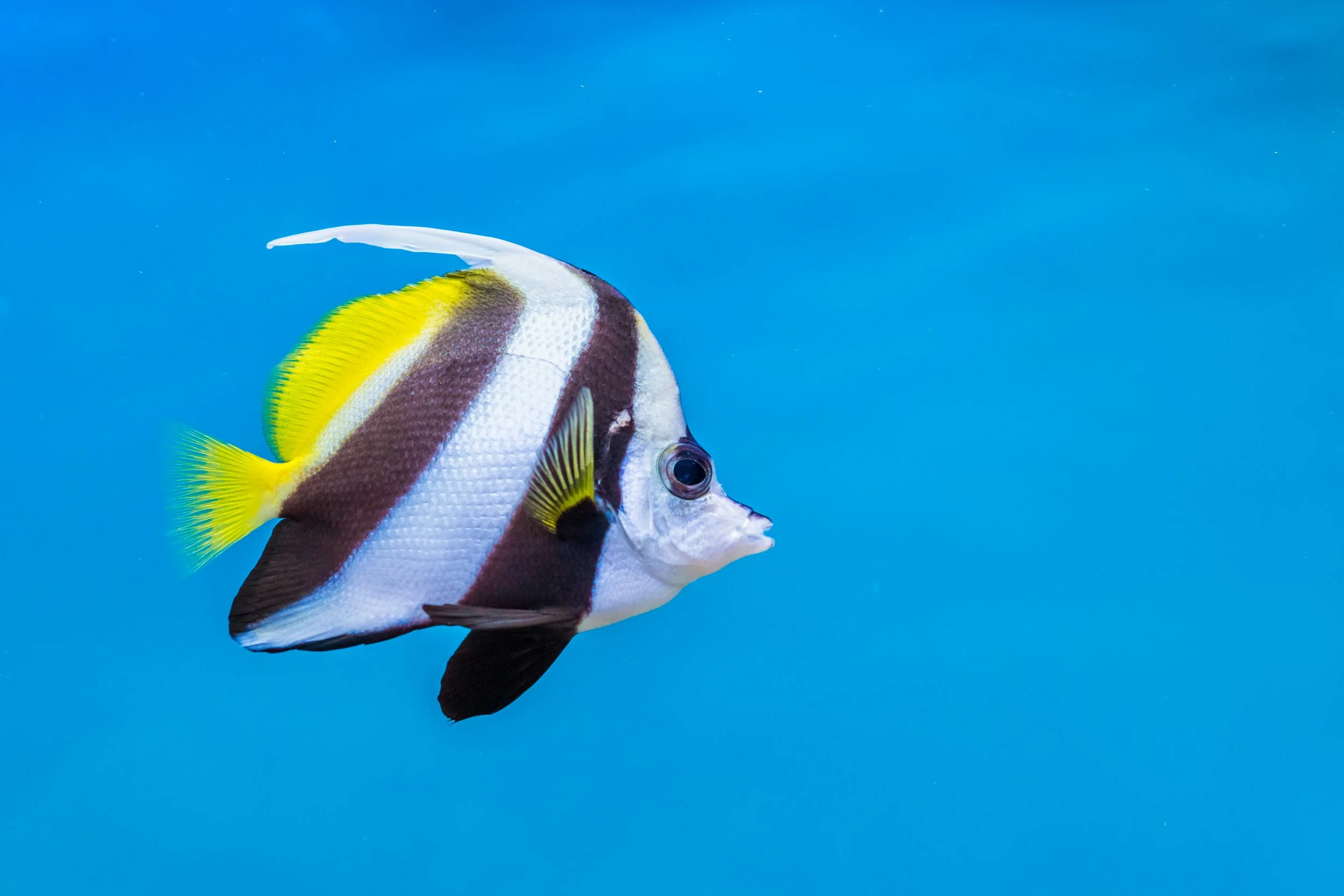
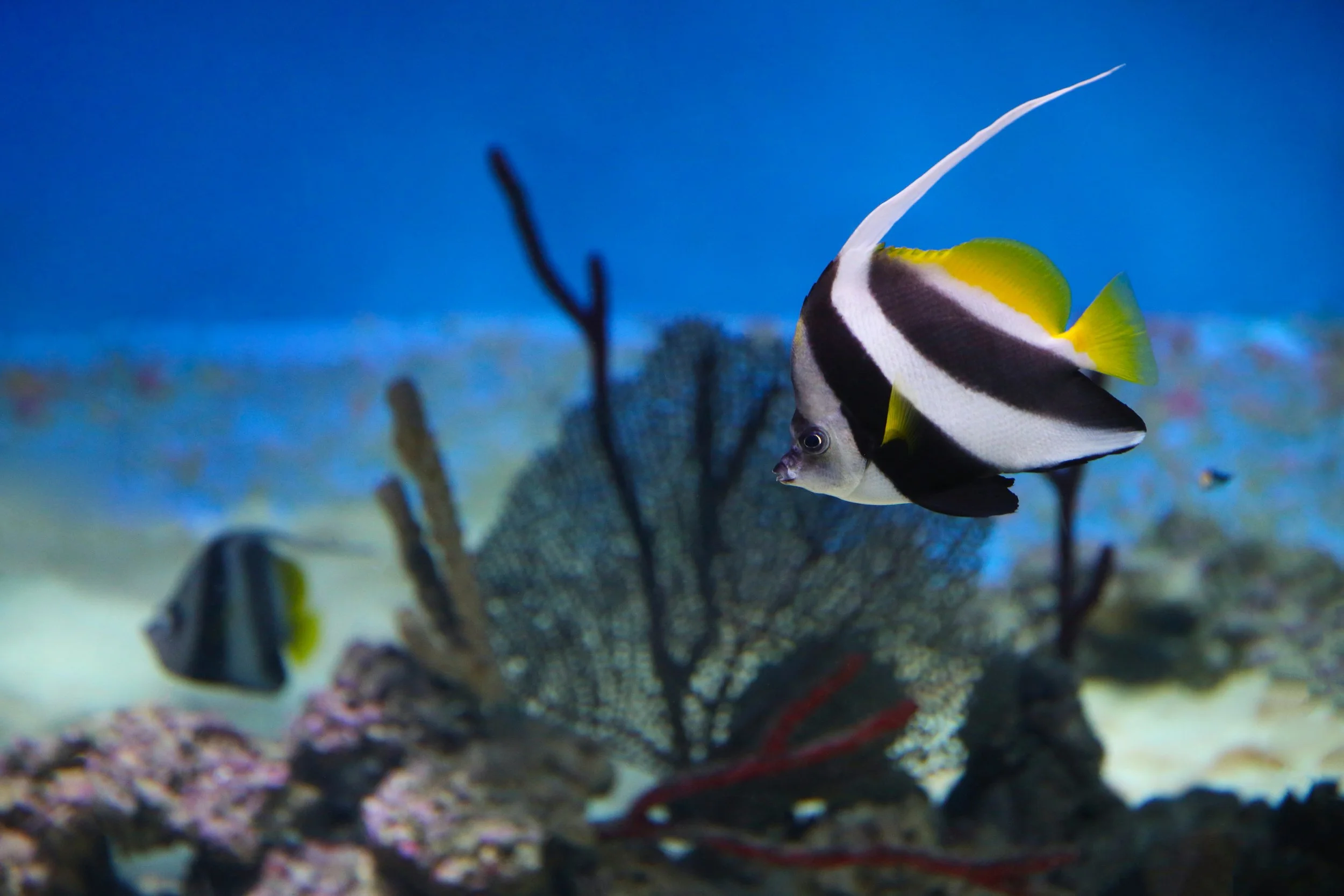
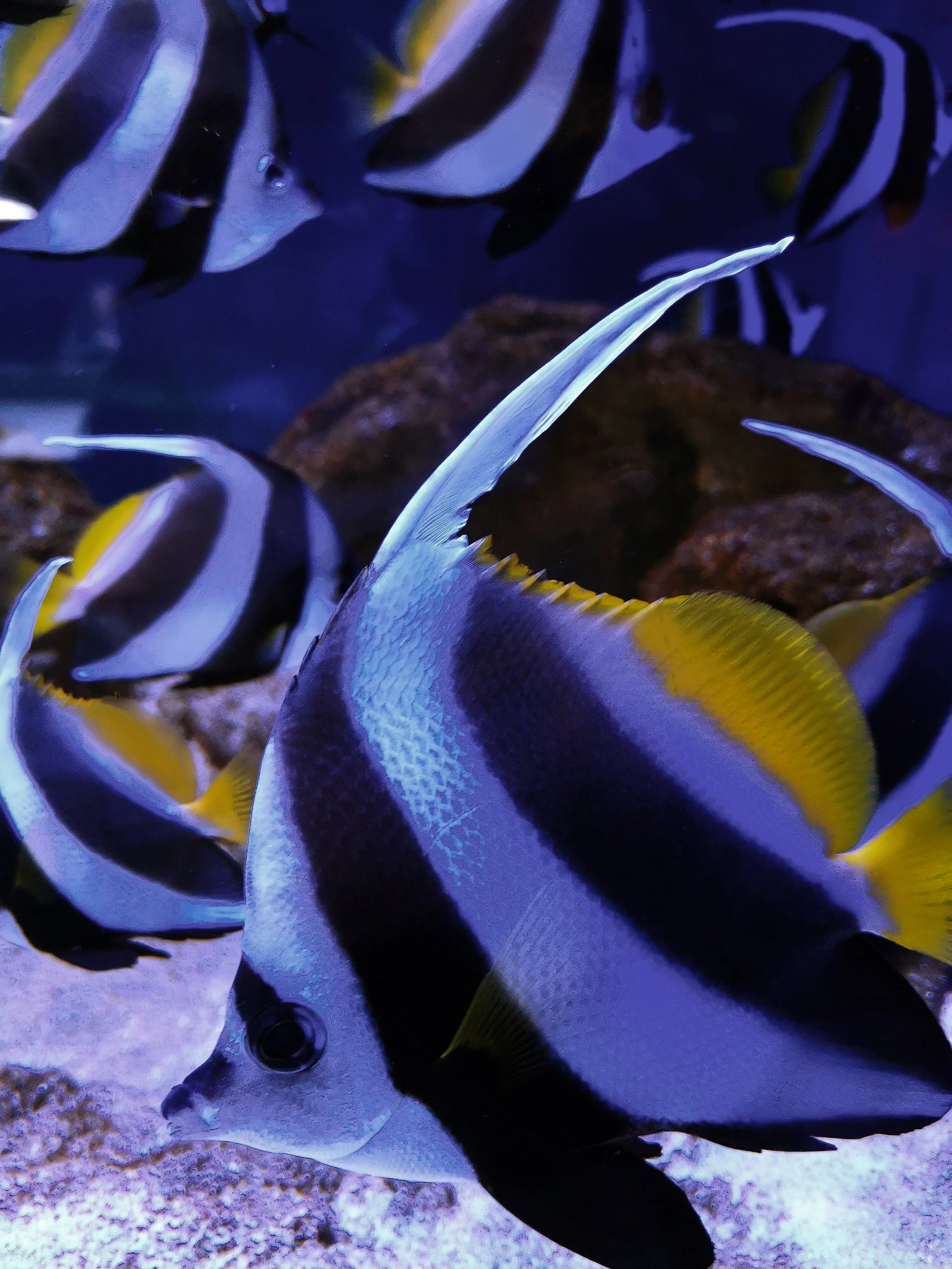
The Heniochus butterflyfish is that striking, streamered black white and yellow beauty that often gets called a false Moorish idol. It gives us the look of a Moorish idol without the steep price tag or the finicky care requirements. If you want that dramatic color and long dorsal streamer in your tank but prefer something hardier and more affordable, this is a great option.
Note: Paid YouTube SR Members Using A Chrome Browser can watch videos natively above on Seriousreefs.com. Sign up HERE
SR videos are a community funded member only resource. Serious Reefs buys everything we review, accepts no sponsorships, and your memberships make it possible to keep every review truly unfiltered.
At a glance
Common name: Heniochus butterflyfish, false Moorish idol, schooling bannerfish
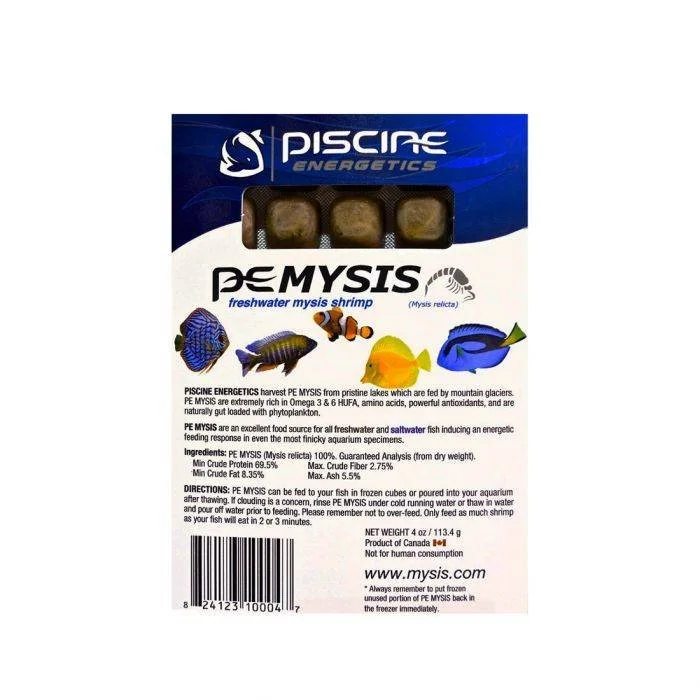
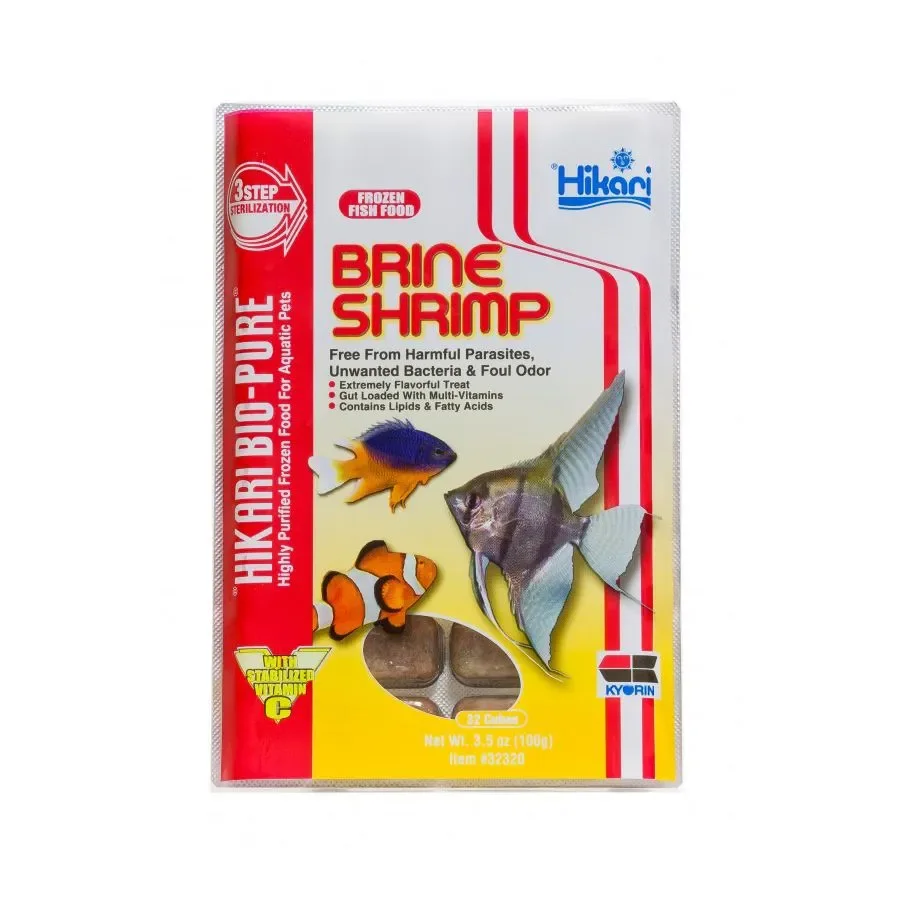
Diet: Planktivorous in the wild; eats flakes, pellets, frozen mysis and brine in captivity
Reef-safe: Eats SPS coral polyps. Does not bother invertebrates. Does not bother Soft Corals & LPS
Temperament: Generally bold and hardy; can be kept singly or in small groups
Tank requirements: Typically reach about 8 to 9 inches (20 to 23 cm). A six-foot-long tank is a good guideline for adult comfort. Avoid tall or cube tanks that limit cruising room.
Care level: Easy. Great for hobbyists who want dramatic reef safe fish without the challenge of Moorish idols

What does Heniochus Butterflyfish eat?
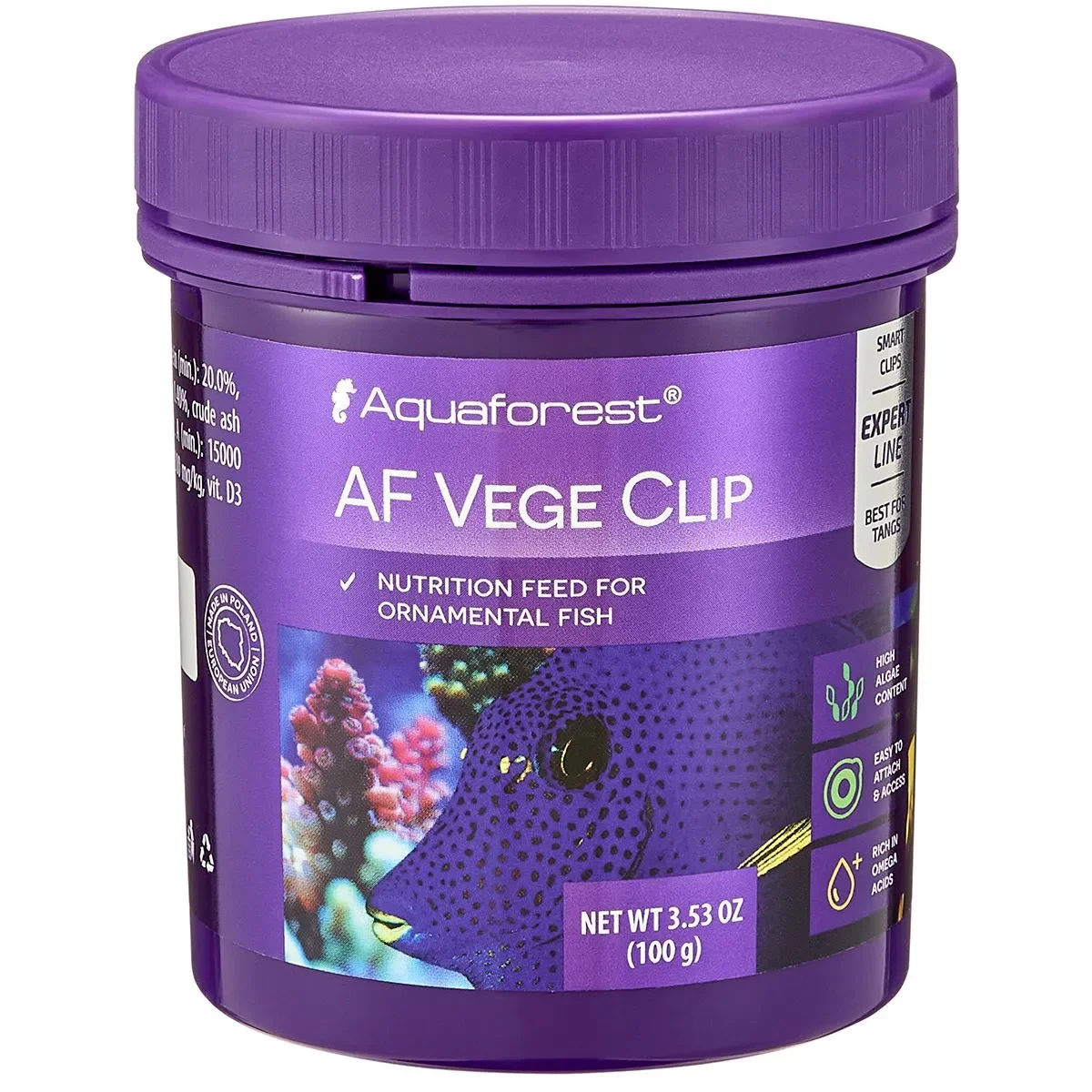
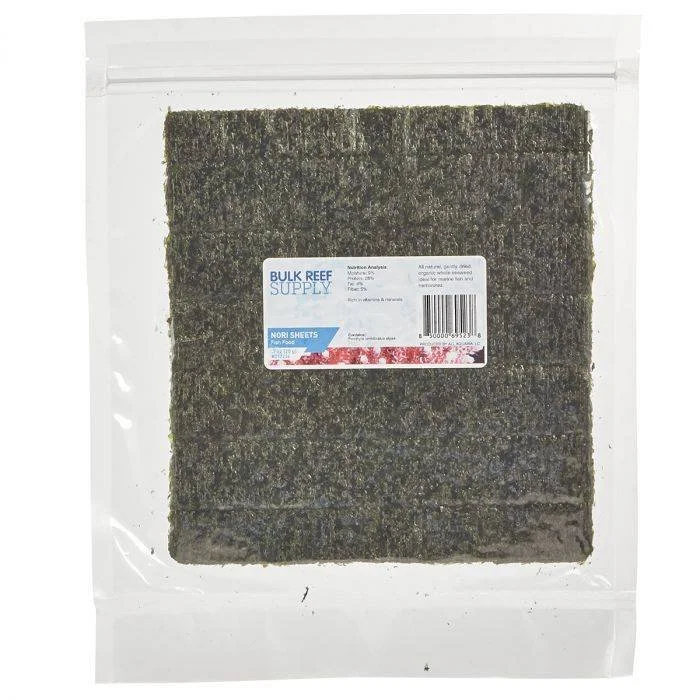
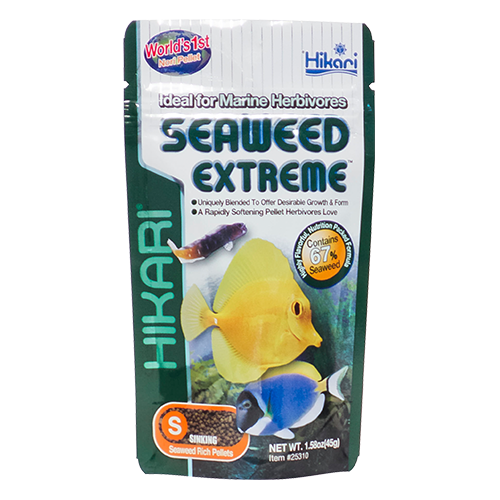
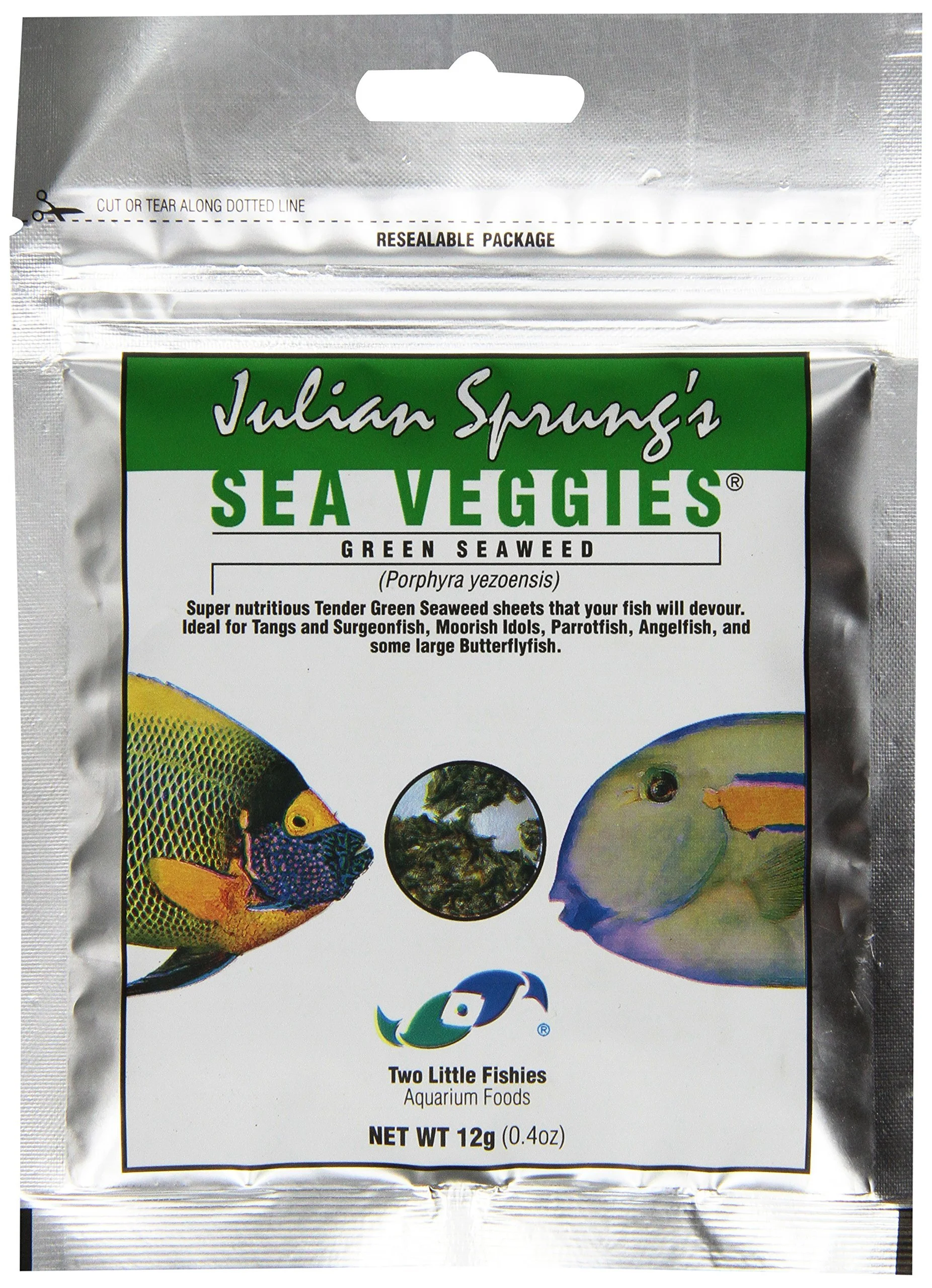
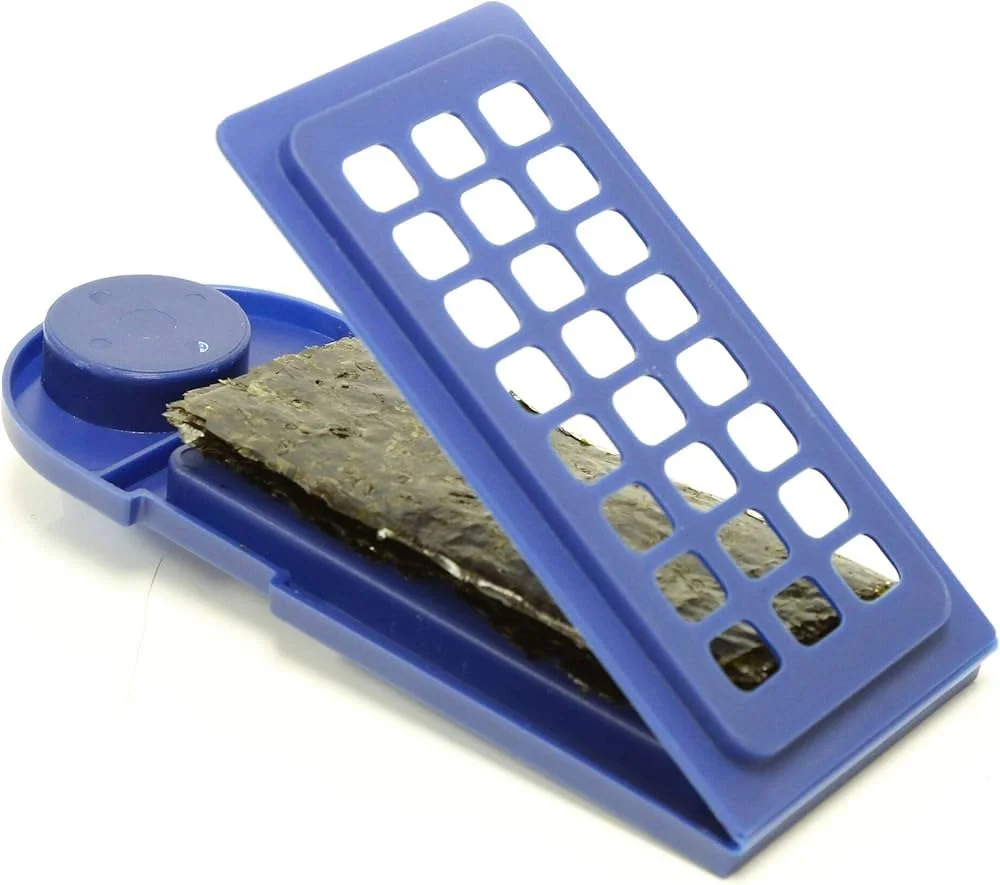
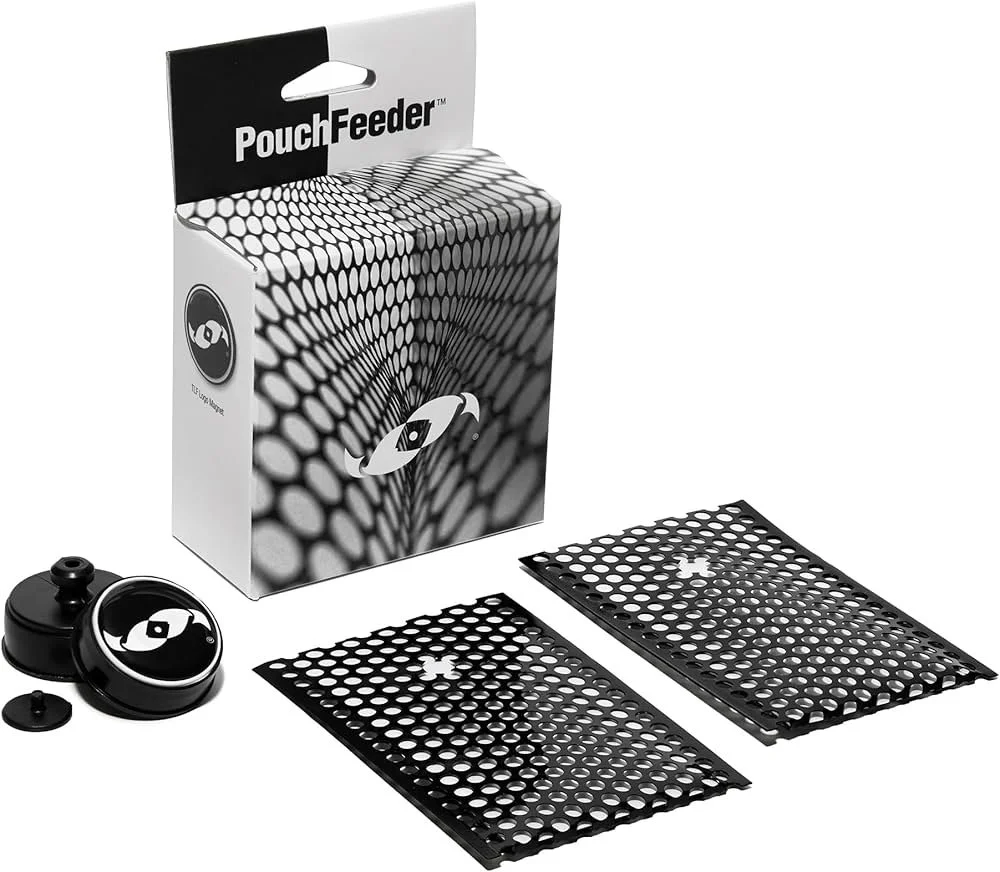
In the wild, these are plankton feeders. In the aquarium, they are surprisingly unpicky and hearty. We find they readily accept:
Flakes and pellets
Frozen mysis and brine shrimp
Prepared marine diets
They are not finicky feeders and will adapt to common prepared and frozen foods quickly. That ease of feeding is one of the reasons they are so beginner-friendly.
Heniochus Butterflyfish reef safe and utilitarian benefit
Both Heniochus and schooling bannerfish are primarily plankton feeders in the wild. They feed in the upper water column on particulate plankton rather than grazing on live rock. That makes them much more likely to be reef safe than many other butterflyfish species that nip at corals or sessile invertebrates.
That said, not all butterflyfish are reef safe. The copperband butterflyfish for example has a utilitarian role and will actively pick at pests like Aiptasia, but most butterflyfish do not provide that function. With Heniochus, their value is mostly aesthetic. They add movement and a splash of yellow to the tank without frequent coral picking behavior.
Habitat, tank shape and sizing
Heniochus are open water swimmers that need room to cruise. Because they grow to around 8 to 9 inches and are active, they benefit from a long unobstructed swim path. We recommend a tank length of roughly six feet or more for a single adult to have comfortable swimming space. The footprint matters more than total gallons. A long rectangular tank works much better than a tall narrow or cube style tank.
Think in terms of horizontal swimming room. Many retail displays place these fish in tanks with decorative inserts and open negative space so they can swim freely. Try to recreate that feel in a reef setup with open lanes and mid water swimming room.
Compatibility and community considerations
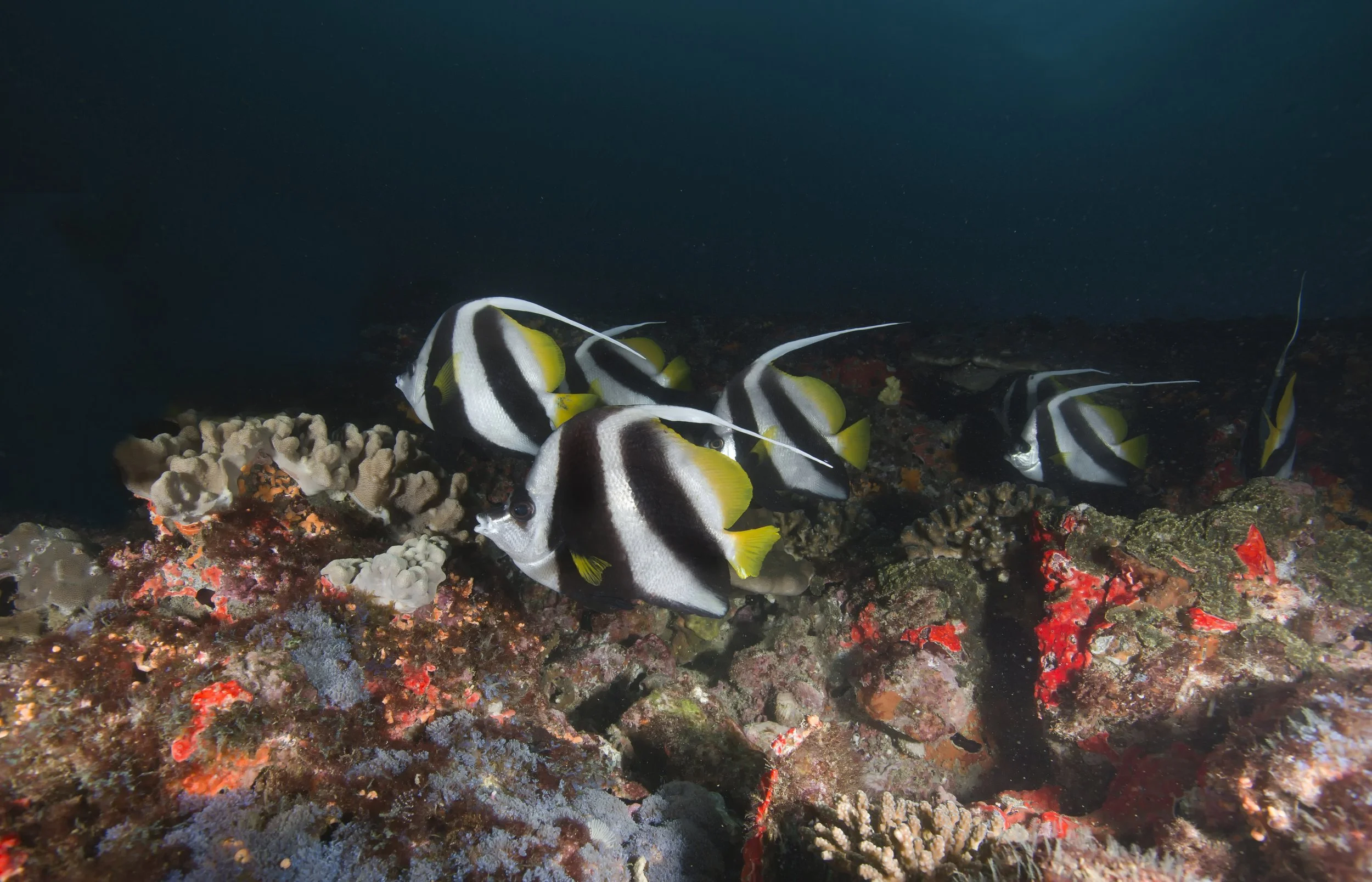
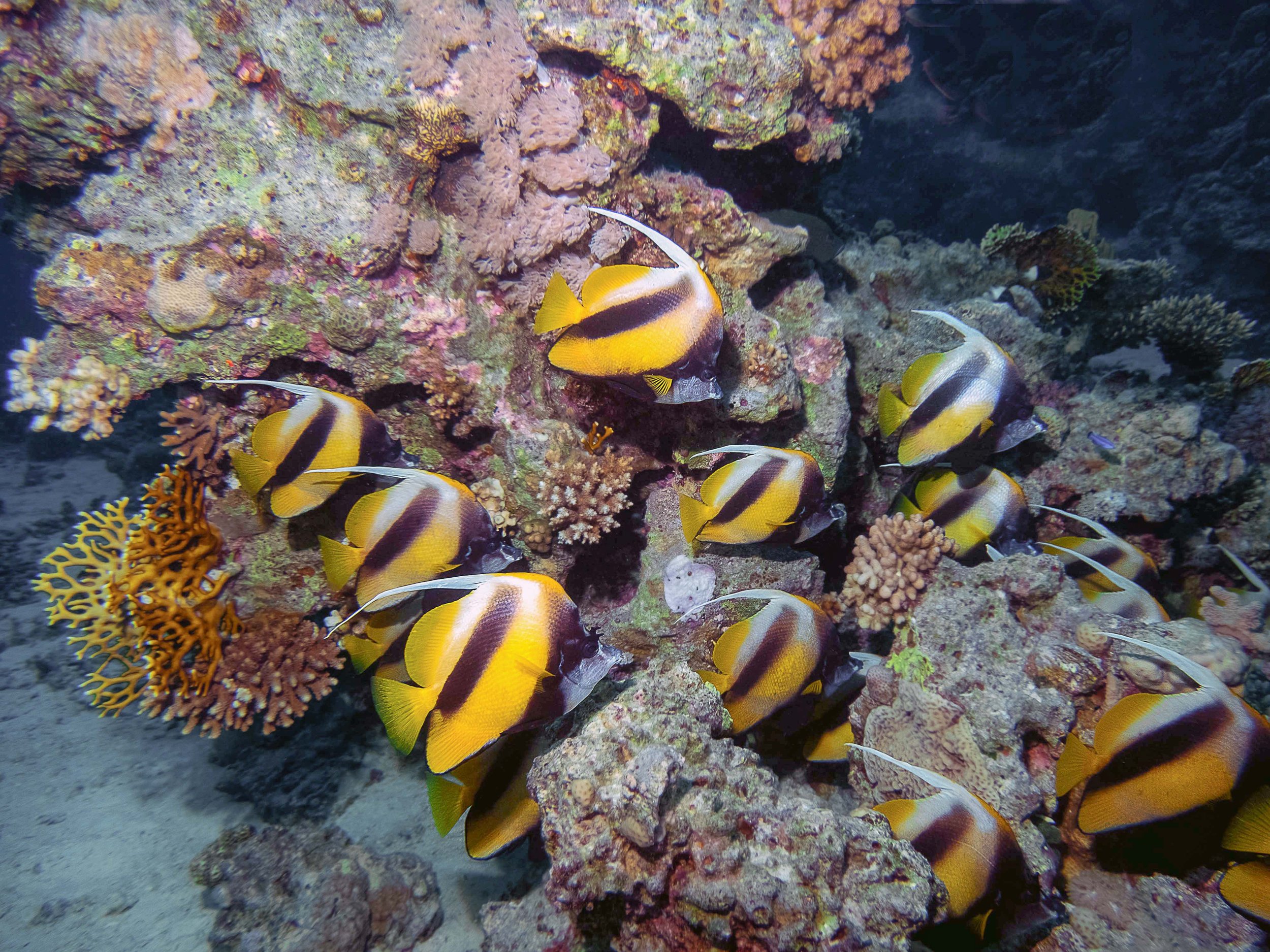
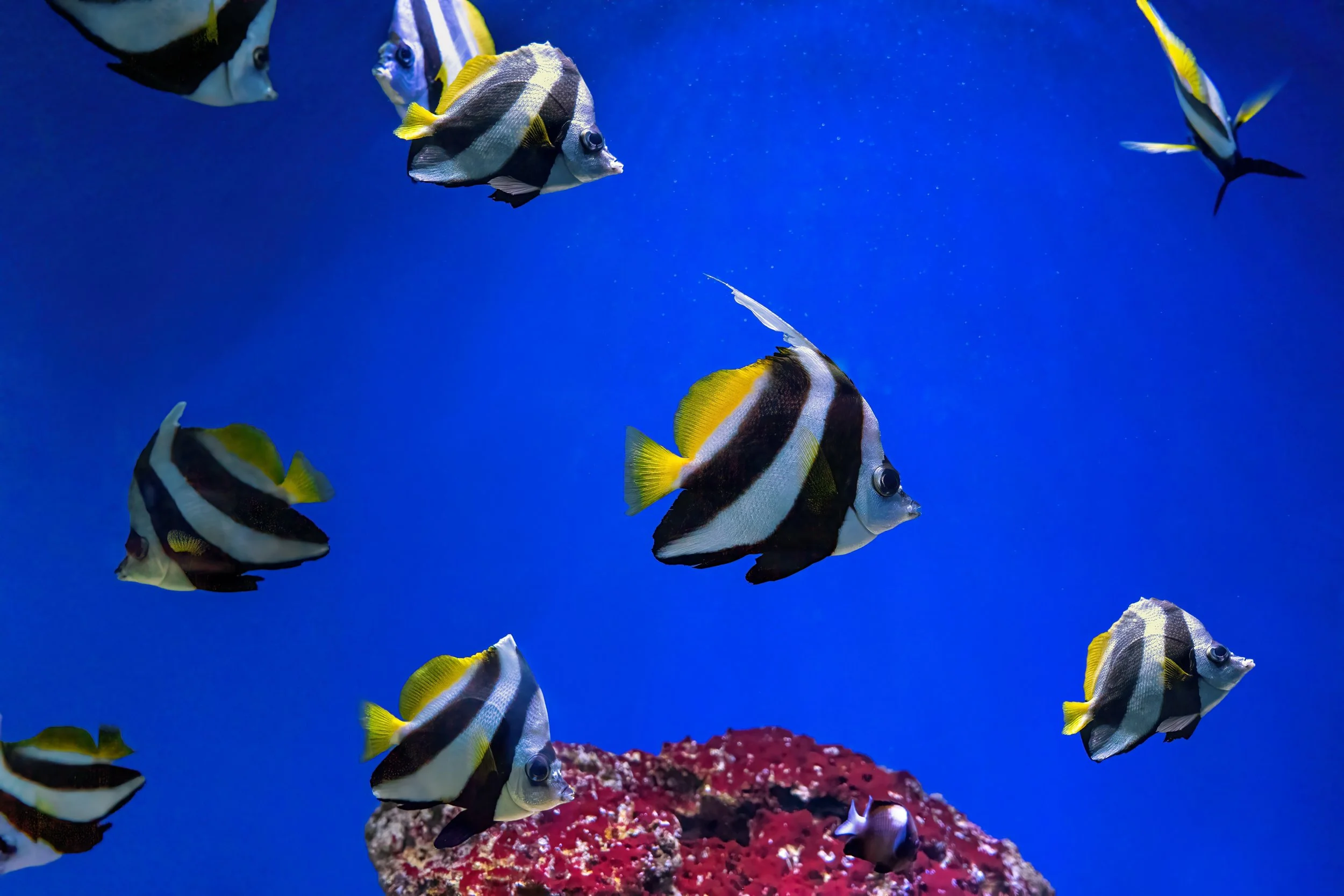
Heniochus and schooling bannerfish can be solitary or form groups depending on the situation. Many hobbyists like to keep small groups because of the tendency to display more natural schooling behavior. Early in our hobby, we chased variety. We now know that having several of the same or similar species can produce a cooler visual effect and more interesting interactions.
Whether you buy one or three comes down to tank size and the effect you want. Multiples look great in larger tanks with open swim space.


Quarantine, common health issues, and treatments
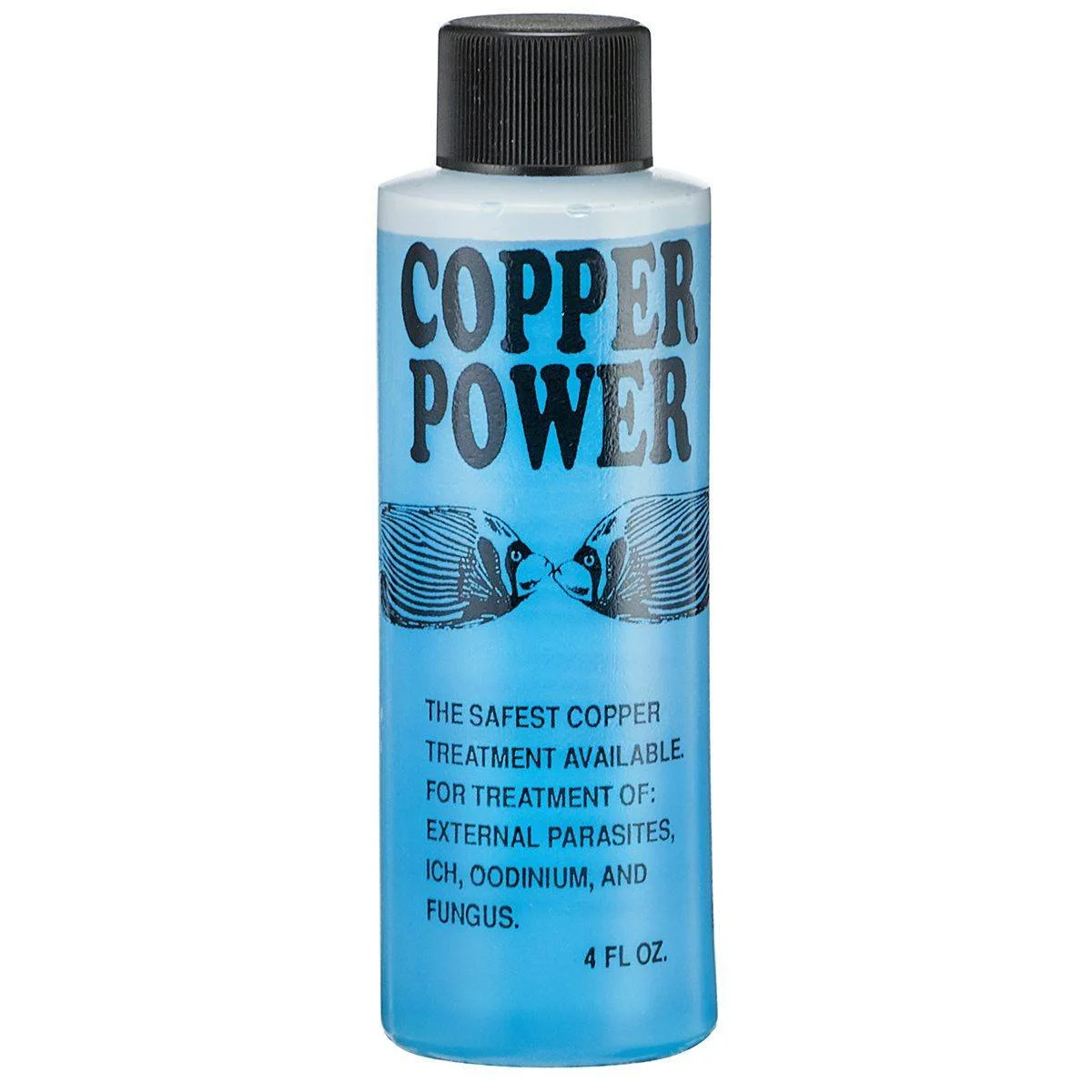
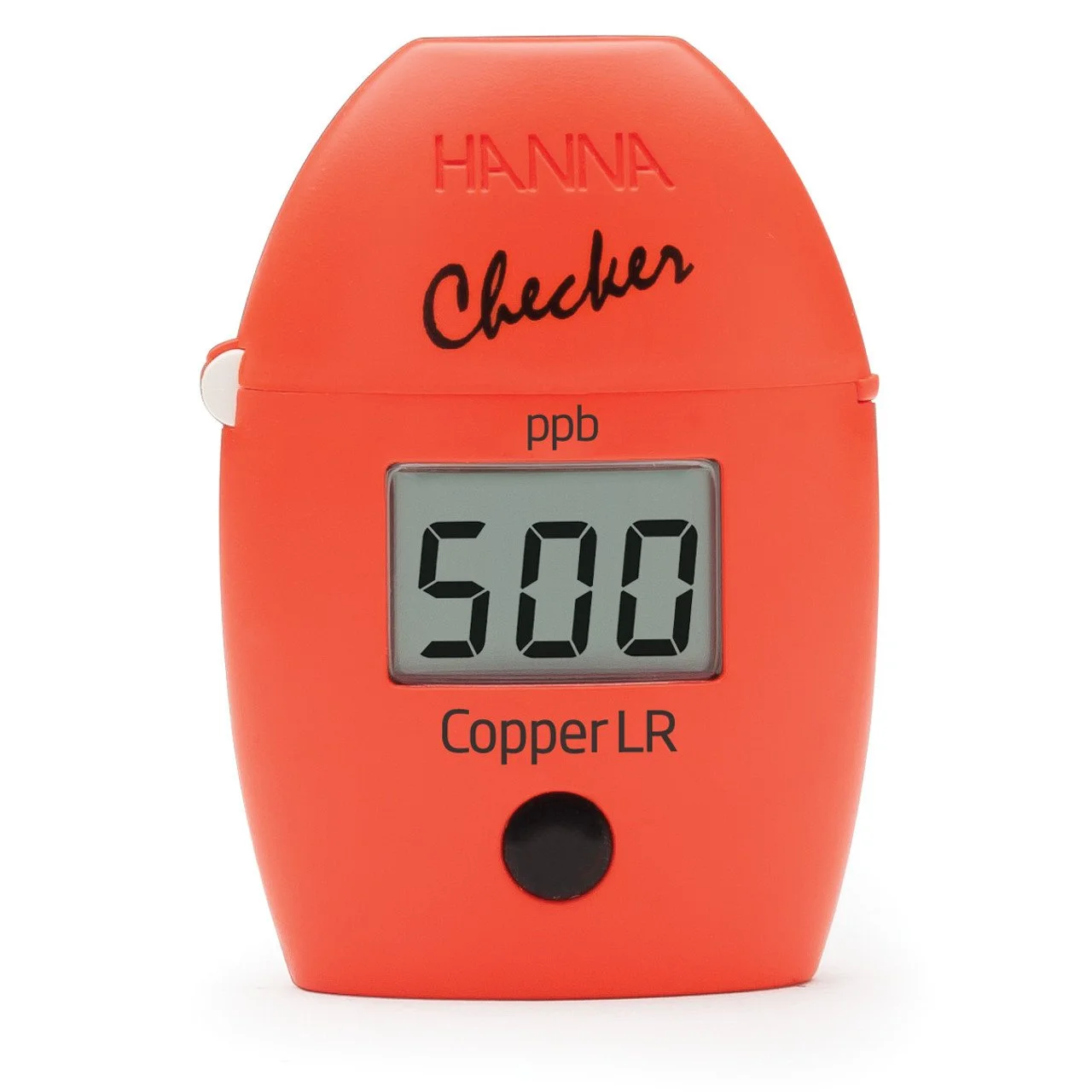
These fish are robust and handle medications well. Standard quarantine procedures work fine. Single fish often acclimate directly into a display tank without issues, but if your tank contains aggressive inhabitants an acclimation or isolation box is a sensible precaution.
If you plan to add multiples, avoid cramming several into a tiny quarantine box. They can be kept in groups in the display, and many keepers prefer the behavior and visual impact of multiples over a single specimen.



Availability and sourcing for Heniochus Butterflyfish
They are commonly available at fish stores and through online retailers. The main limiting factor for many hobbyists is tank length and long term size. If you cannot commit to a six foot long display at some point the fish will outgrow smaller tanks and require rehoming or an upgrade.
Comparison with the Moorish Idol
Why choose a Heniochus instead of a Moorish idol? The Moorish idol is iconic and carries a certain hobby flex because it is harder to care for. The Heniochus gives very similar looks with far less fuss and at a lower price. If you want the striking silhouette and streamer but prefer a forgiving fish that eats prepared foods and handles meds well, the Heniochus is an excellent choice.Final thoughts
If you want dramatic color and motion without a finicky species, the Heniochus butterflyfish is a crowd pleaser. It is hardy, adaptable, frequently available, and reef friendly most of the time because of its planktivorous habits. The real deciding factor for many of us will be the tank footprint. If you can give it the horizontal space it needs you will be rewarded with an energetic, beautiful swimmer in your reef.
Heniochus Butterflyfish FAQ
Is a Heniochus butterflyfish the same as a false Moorish idol or a schooling bannerfish?
Heniochus is often called a false Moorish idol because it resembles a Moorish idol in coloration and streamered dorsal. Schooling bannerfish are very similar visually. The differences are subtle and mostly relate to head shape, chest roundness and where the black bands stop. For aquarium care they behave similarly so exact identification is not usually critical.
Are Heniochus and schooling bannerfish reef safe?
Generally yes. Both are plankton feeders in the wild and tend to feed in the water column rather than picking at live rock. That makes them more reef safe than many butterflyfish species, though individual behavior can vary and we always recommend monitoring new additions.
What do Heniochus eat in captivity?
They are not picky. Heniochus will accept flakes, pellets, frozen mysis and brine shrimp and prepared marine diets. They adapt well to common aquarium foods and are considered easy feeders.
What tank size and shape do they need?
Tank footprint is more important than total gallons. For Heniochus Butterflyfish, aim for a long display with plenty of horizontal swim space. A six foot long tank is a good guideline for adult comfort. Avoid tall or cube tanks that limit cruising room.
Do Heniochus require quarantine?
Standard quarantine is recommended. These fish are hardy and usually handle meds well. If your display has aggressive tankmates, consider using an acclimation or isolation box during introduction.
Should we keep one Heniochus or a group?
Both options work. Many hobbyists prefer groups because schooling behavior looks natural and dynamic, but groups require more space. Choose based on tank size and the visual effect you want.
How difficult are Heniochus to keep compared to Moorish idols?
Heniochus are much easier. Moorish idols are more demanding and considered a higher skill challenge. If you want similar looks with simpler care, Heniochus is the practical choice.
Emperor Angelfish
Emperor Angelfish
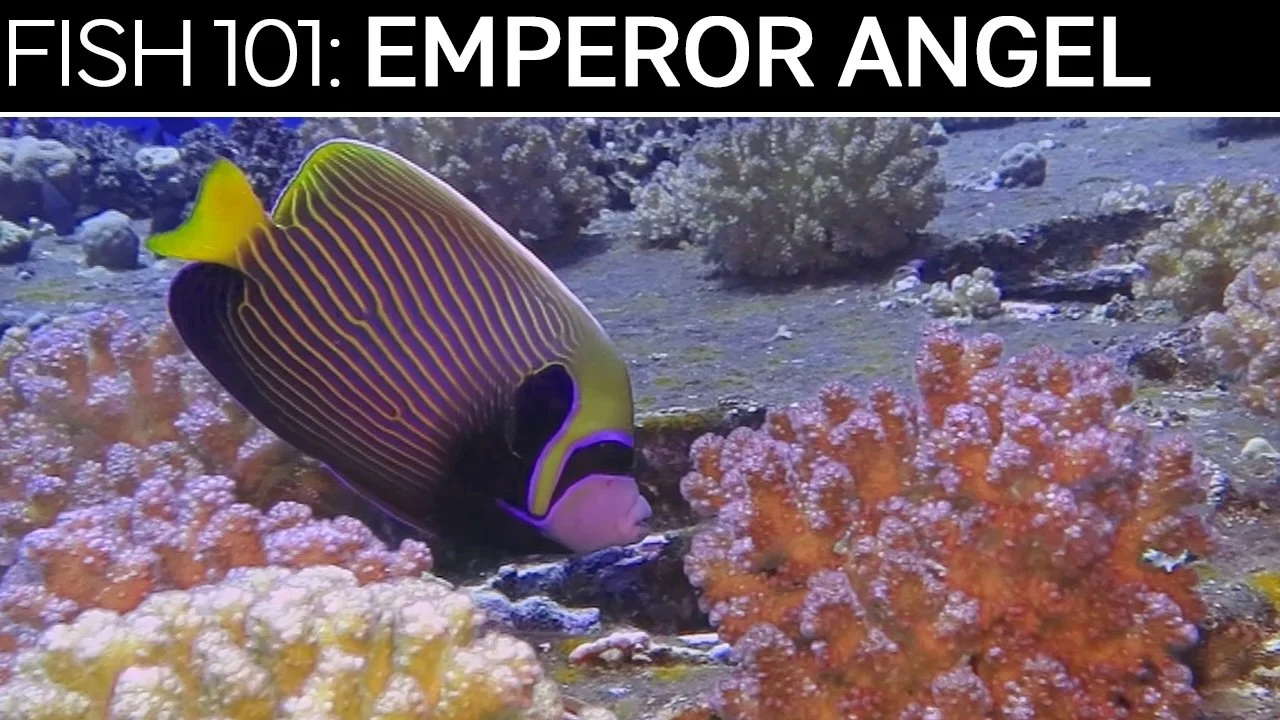
We are captivated by the Emperor Angelfish. This is one of those species that stops you in your tracks and makes you stare—because it is simply stunning. If you are considering adding an Emperor Angelfish to a large saltwater aquarium, here is everything we think you need to know: why it is so popular, how it changes as it grows, what it eats, how reef safe it really is, and the practical husbandry choices that make the difference between a stressed fish and a thriving one.
Acknowledgments
Thank you to Elliot Lim for sharing his knowledge with the SR community. Elliot owns and operates www.marinecollectors.com Thank you to Oral Seymour for summarizing the video and making it available to everyone. Follow Oral on his IG page reefingwitho
Thank you to the Serious Reefs community. Your membership funds the creation of articles and videos like this one.
Support Serious Reefs
Patreon is the best option If you…
Want to discuss with the SR community and ask questions.
Want immediate notifications of every release.
Listen with phone screen off. Patreon app works with phone closed
Want 25% off via annual discounts.
YouTube members is the best option If you…
Watch SR videos on a TV via youtube App
Want to watch videos natively here on seriousreefs.com - (You must use chrome browser and be logged into google account with youtube membership)
Are a YouTube power user.
Tell a friend. Best option if want more SR (and faster).
If you like what we’re doing, give SR a quick shout-out on your favorite forum, YouTube, Facebook, TikTok, or Instagram. Let your local fish store know SR is helping you explore the hobby and keep it fun. Thanks for the support!
Disclaimer
Full Disclaimer HERE. This is the gist of it.
Content is based on personal experience, not professional advice. Do your research and reef responsibly. Serious Reefs should not be your sole source of information on any topic.
By watching, you agree that Serious Reefs and its creators aren’t liable for how you use this info. Please don’t utilize our information if you are not ok with this.
Serious Reefs has no sponsors, doesn’t accept product or payment for reviews. We do use affiliate links in articles that earn a small commission to support our work. Shop wherever you like, we won’t be offended.