Purple Tang: Fish 101
Everything We’ve Learned About this Showstopper
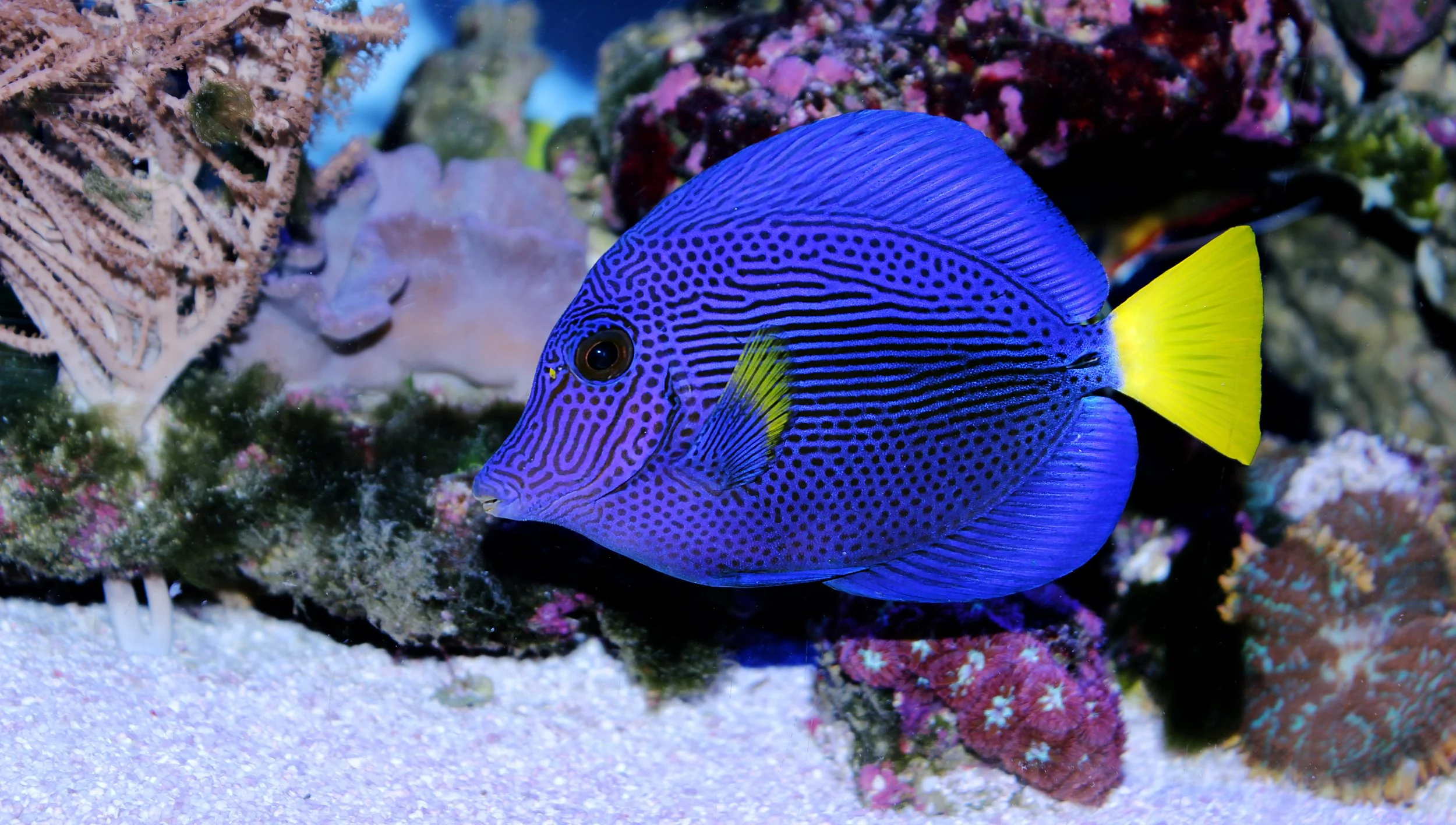
Purple Tang
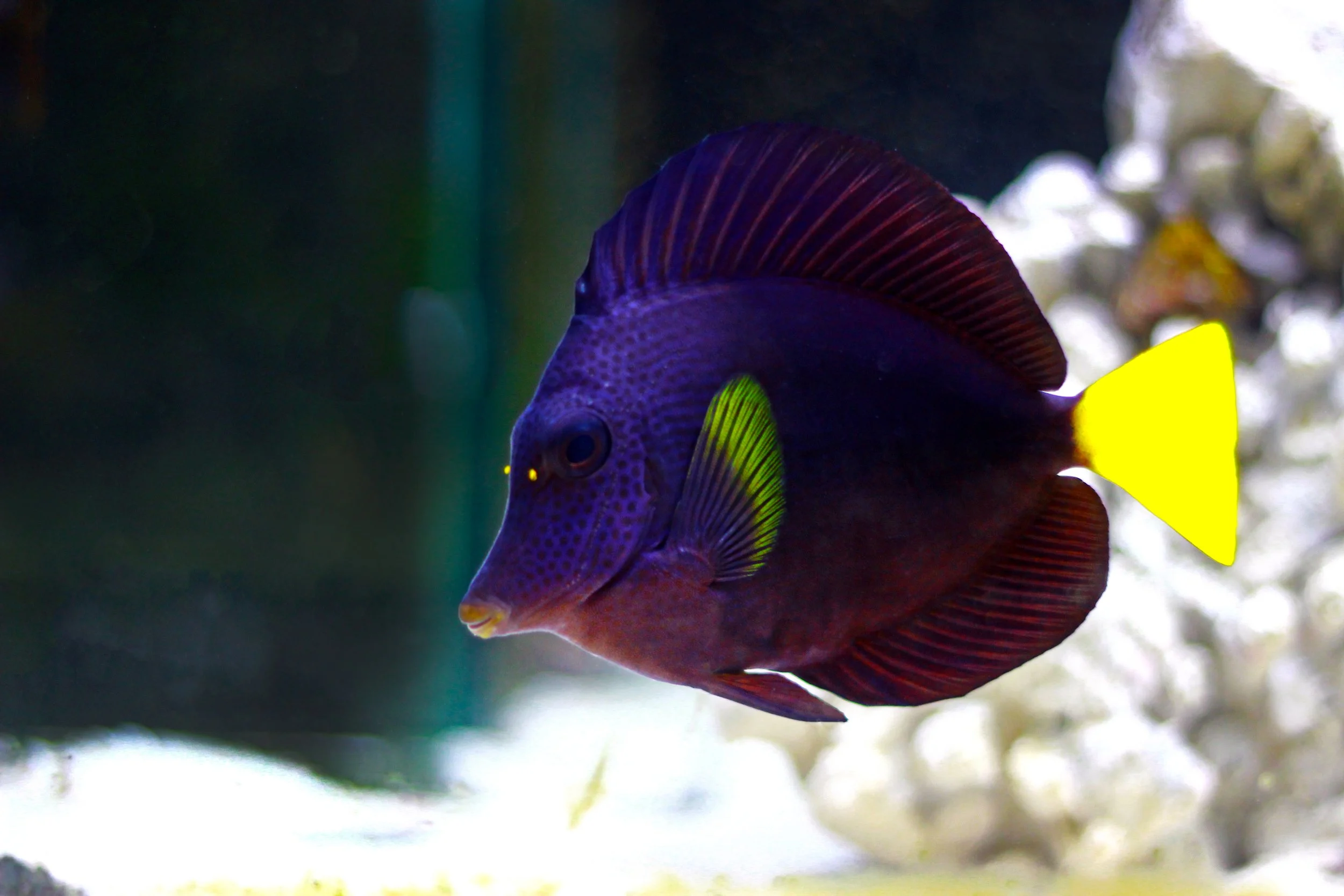
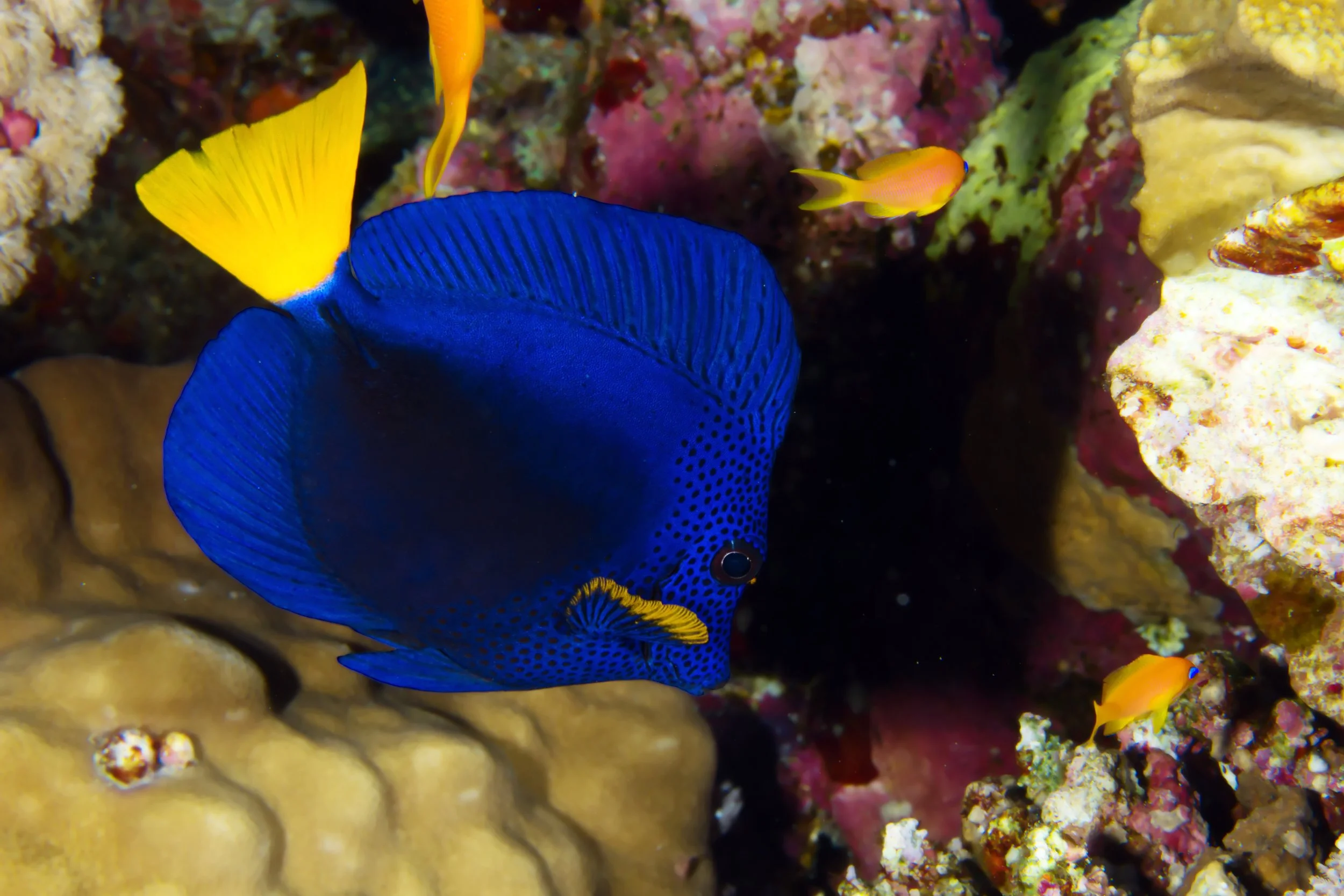
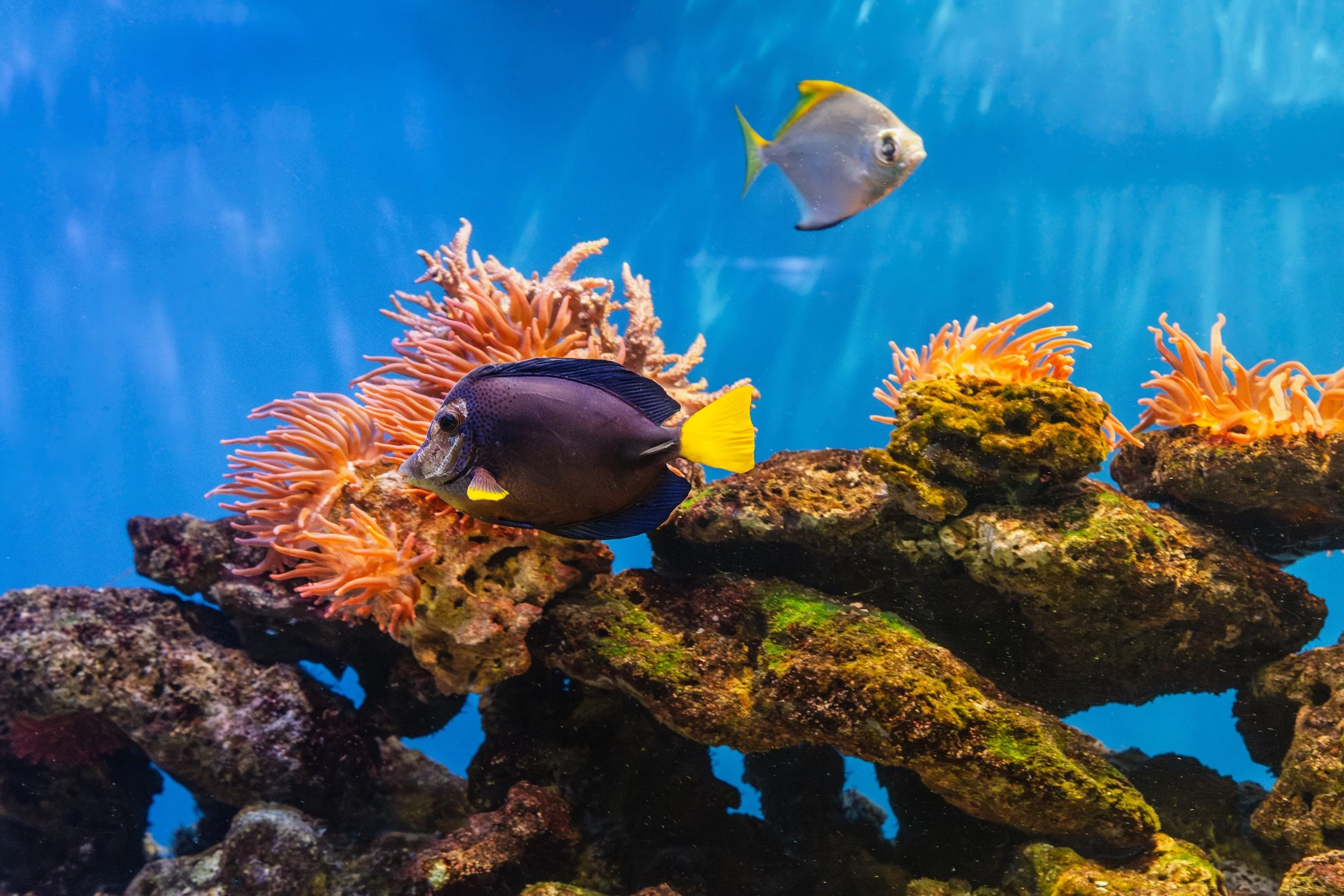
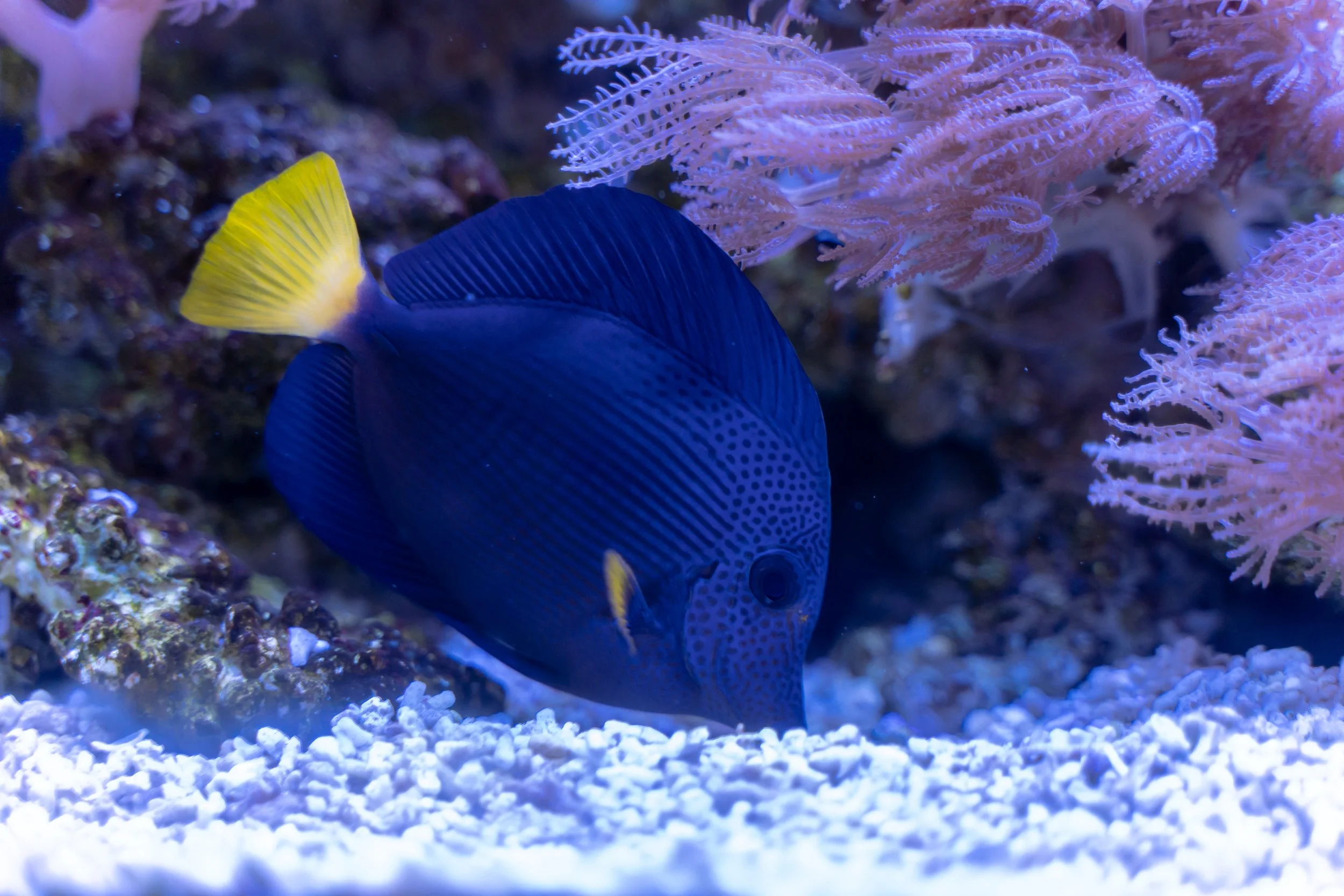
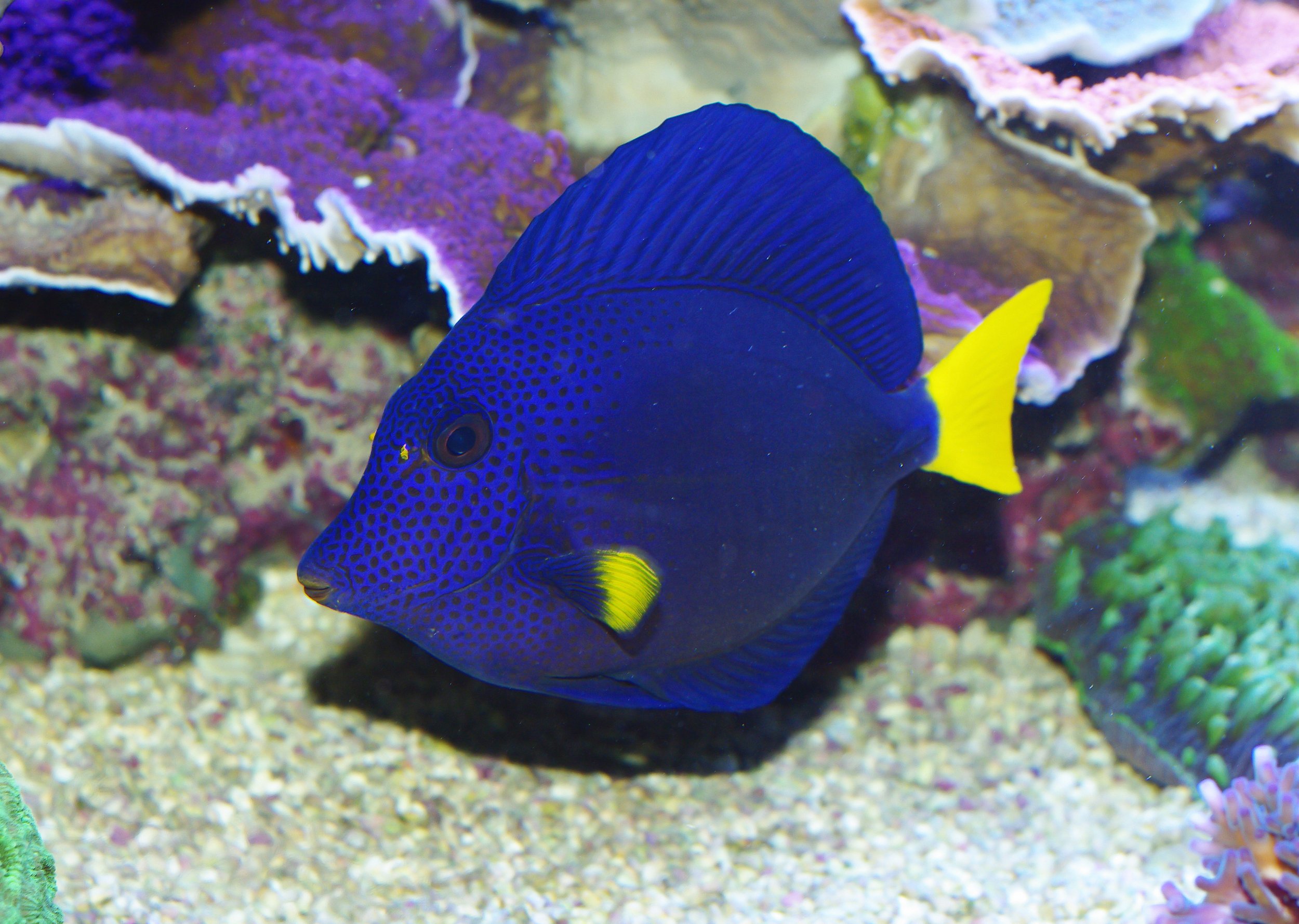
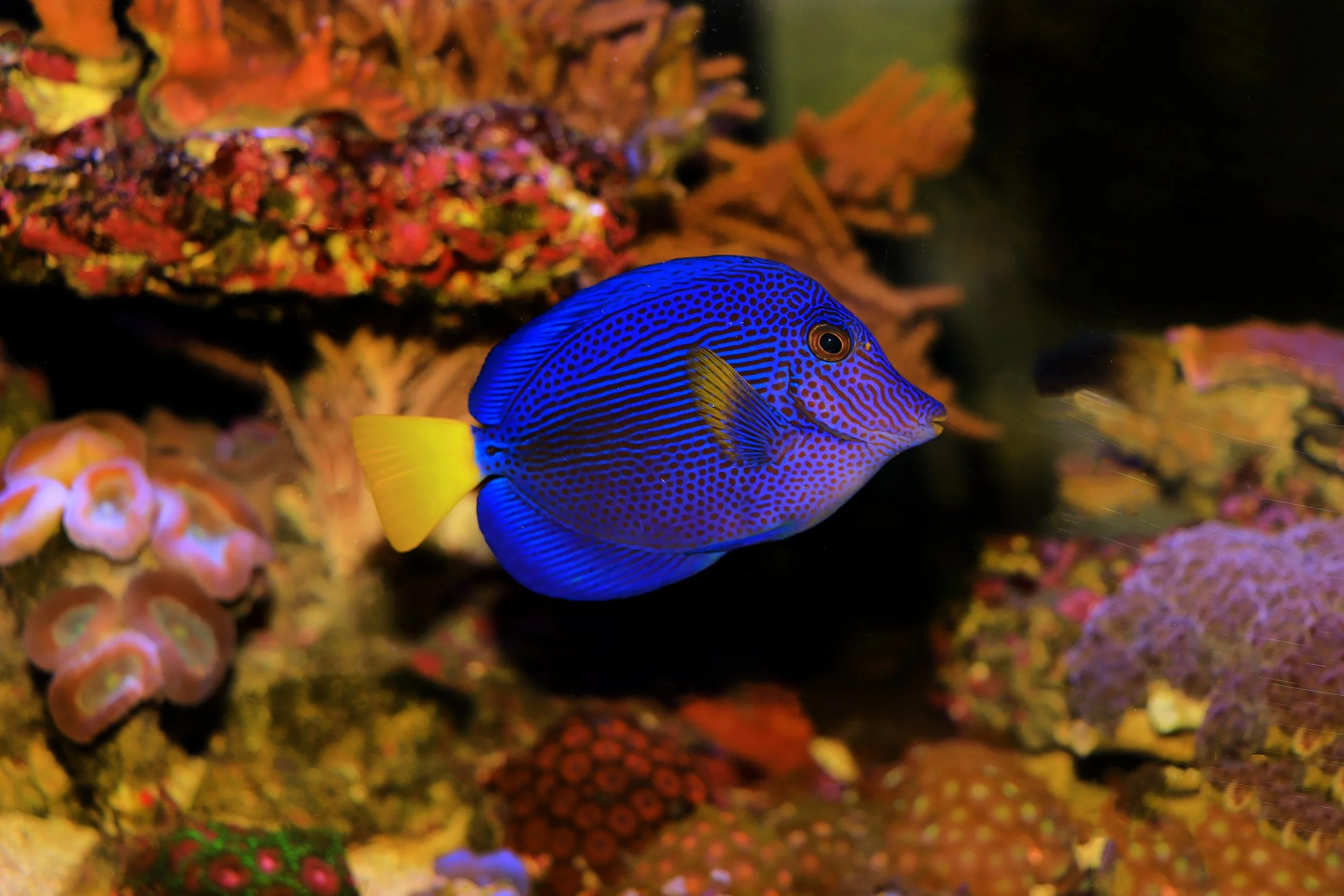
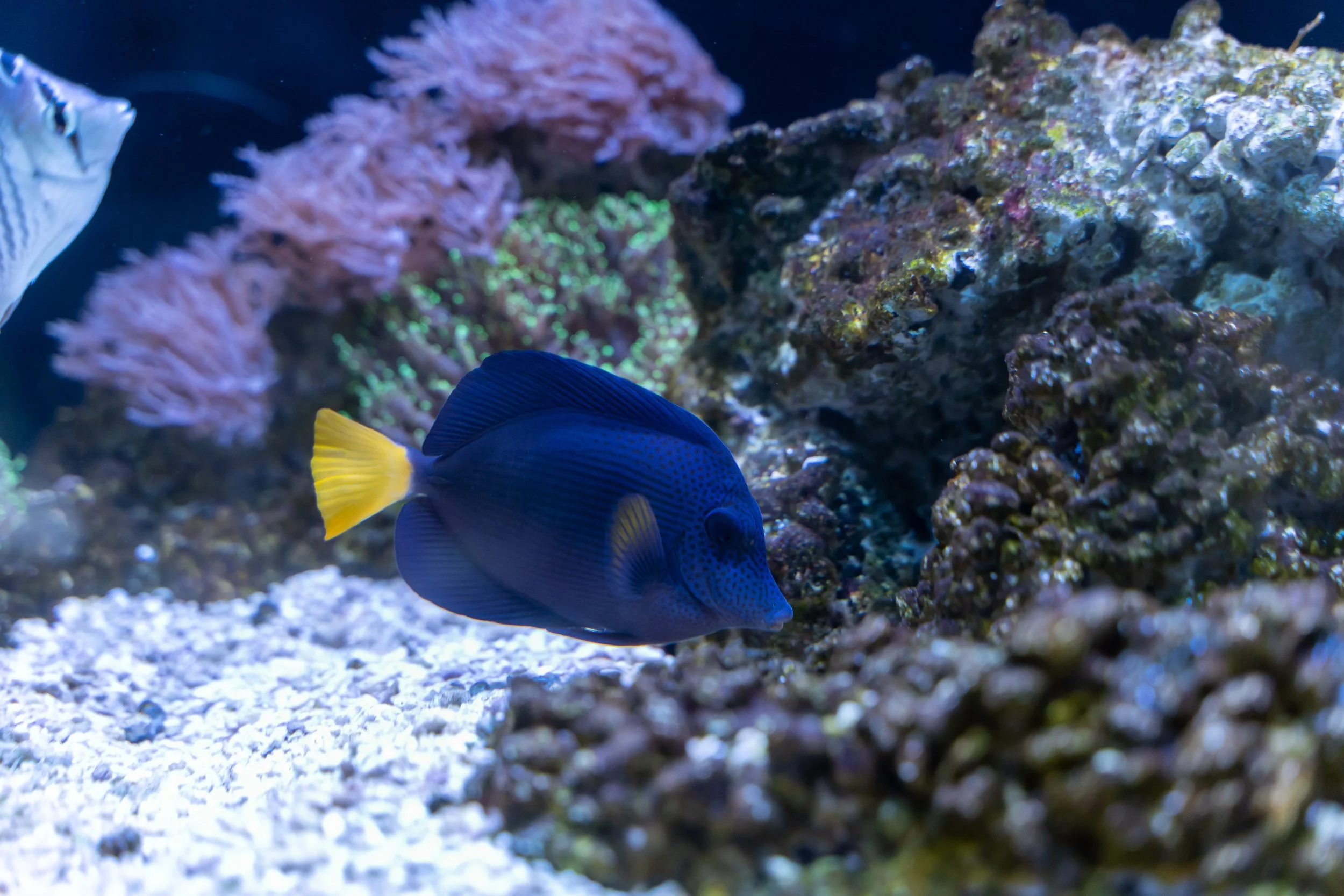
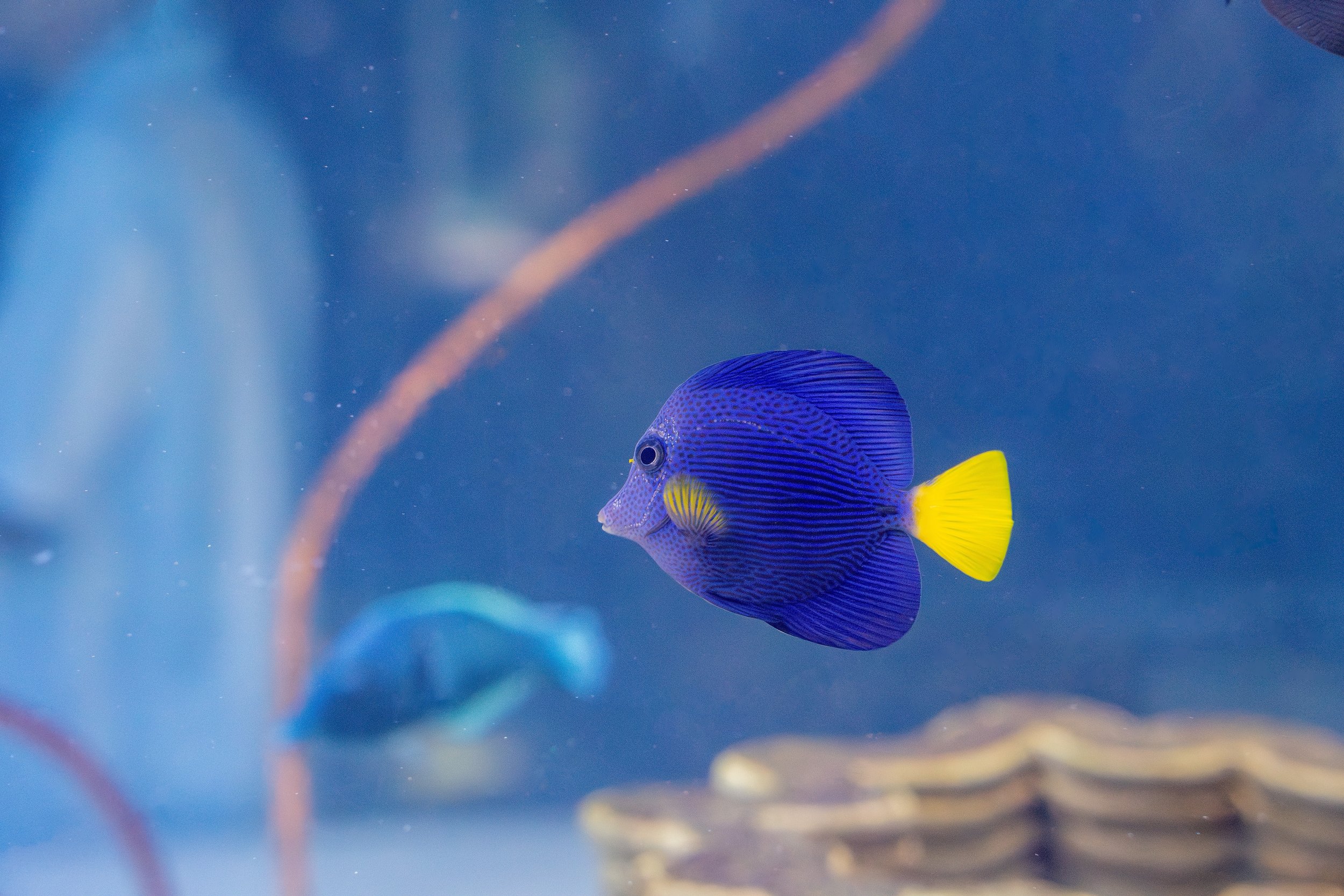
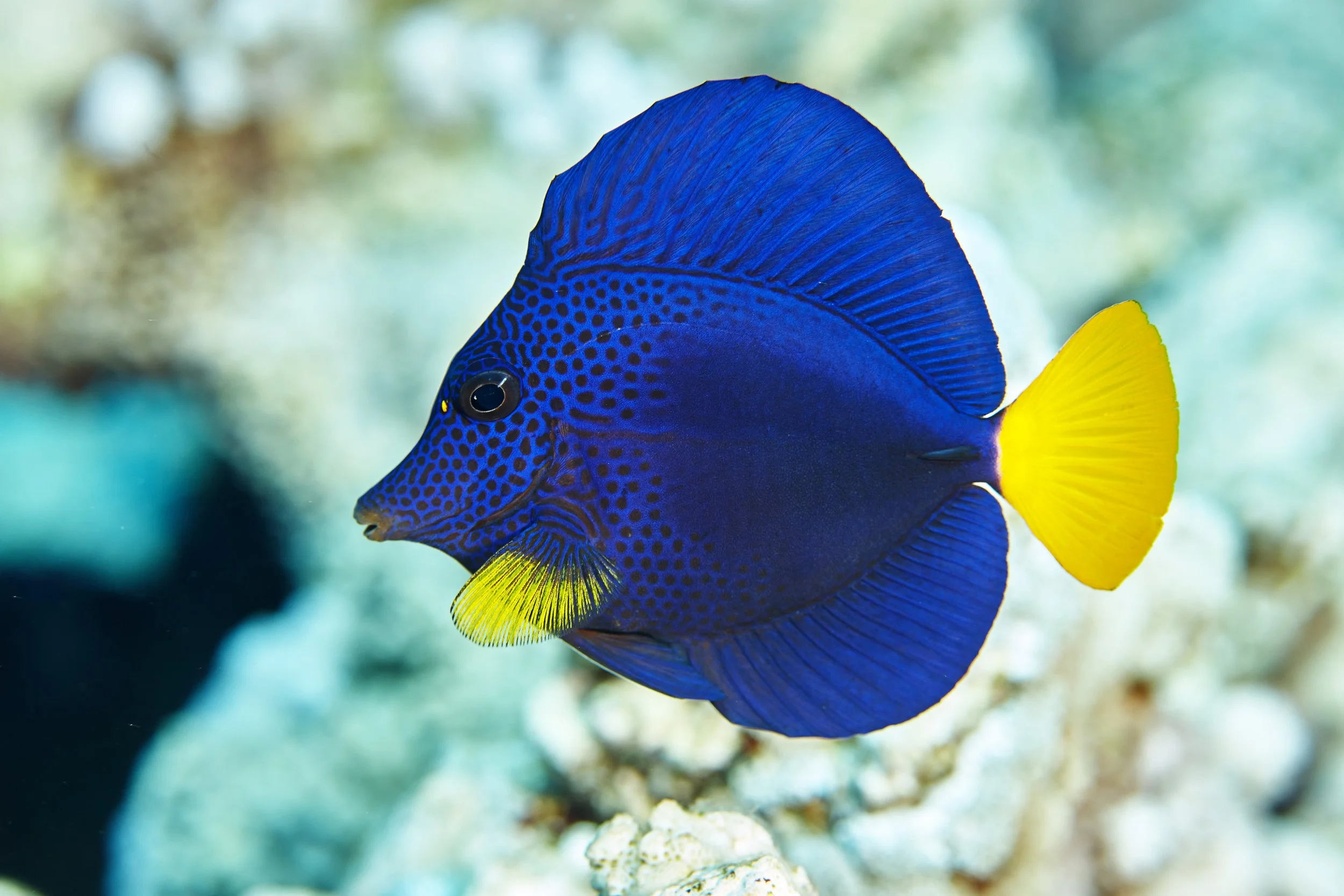
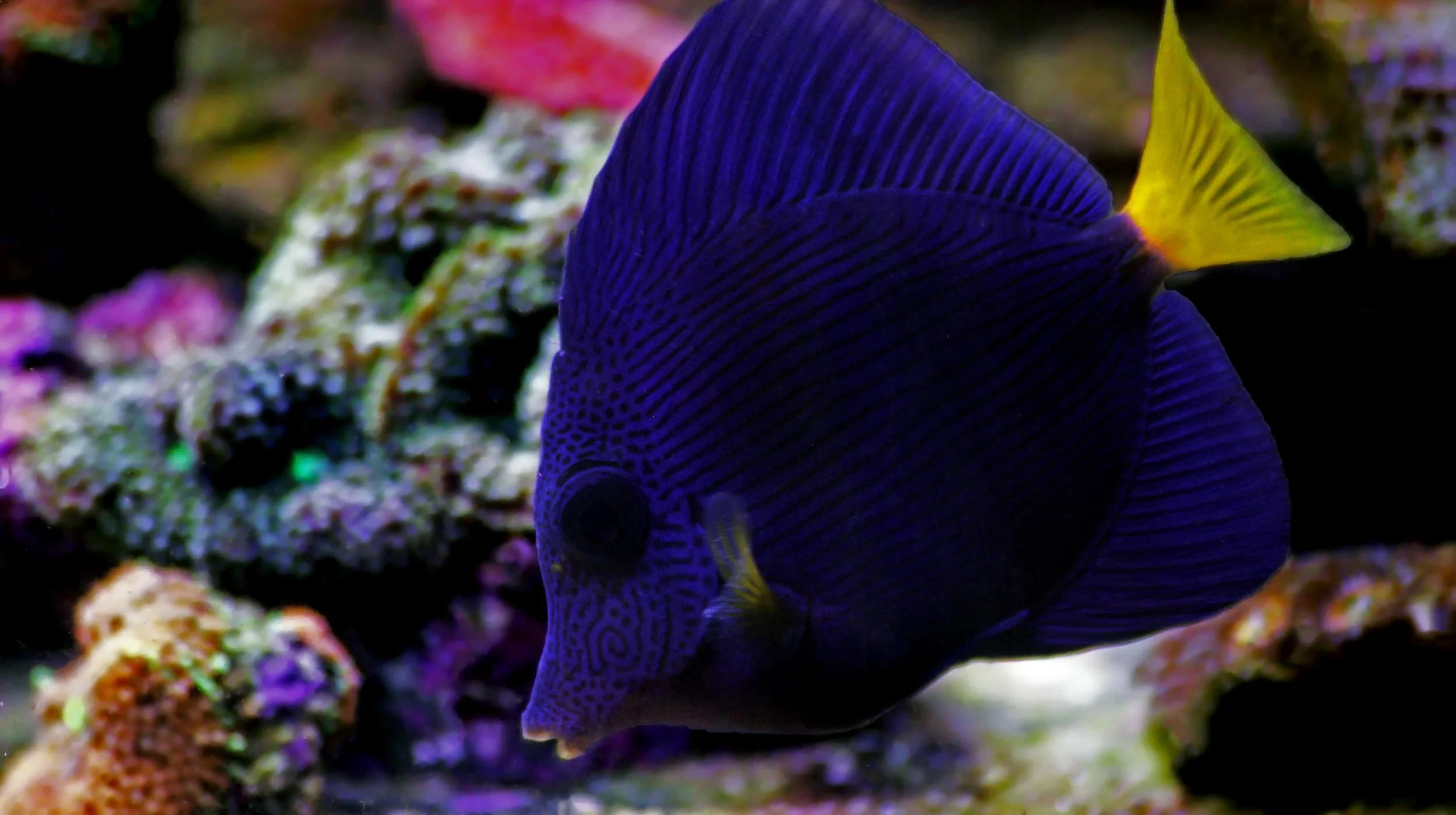
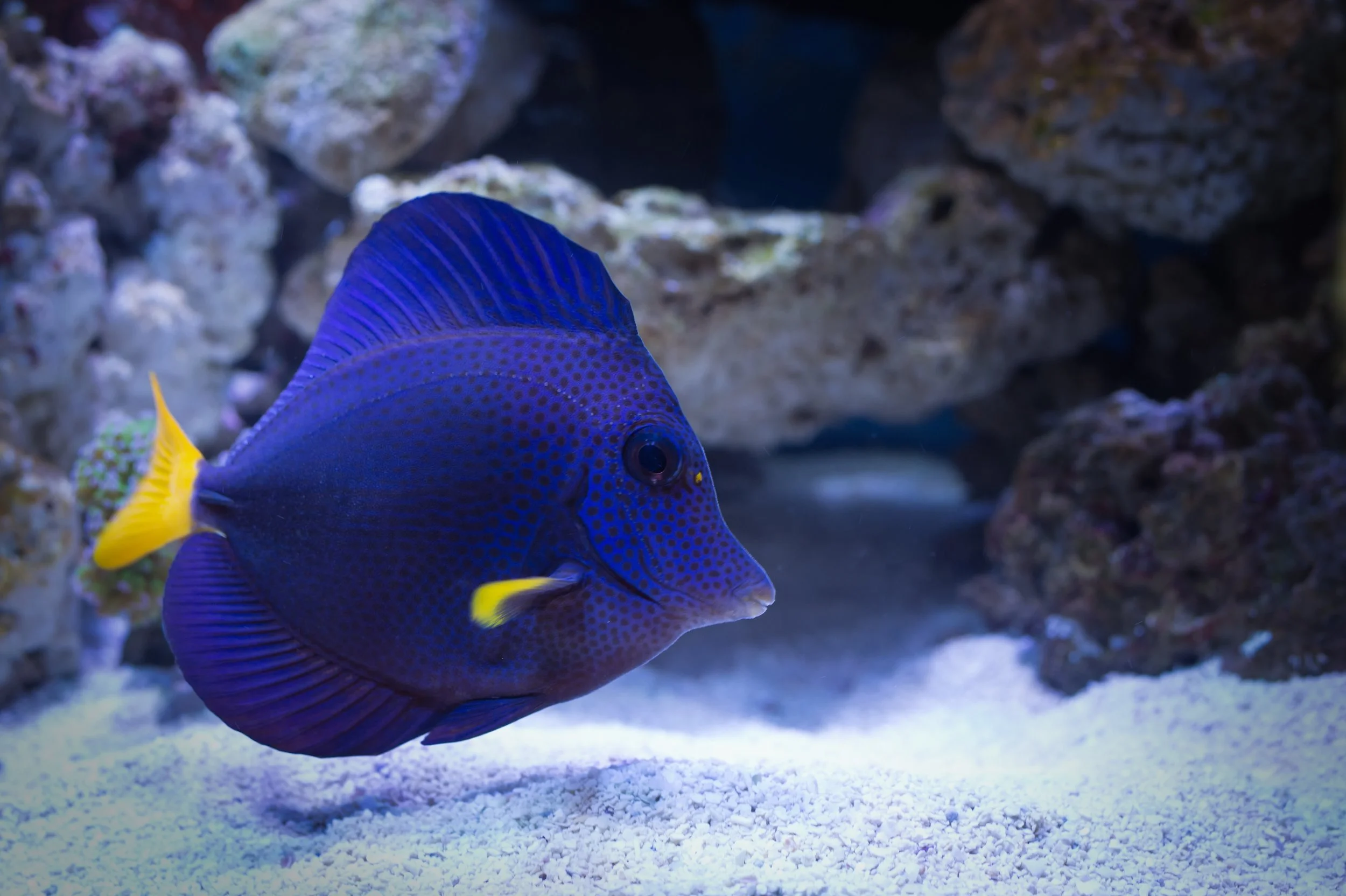
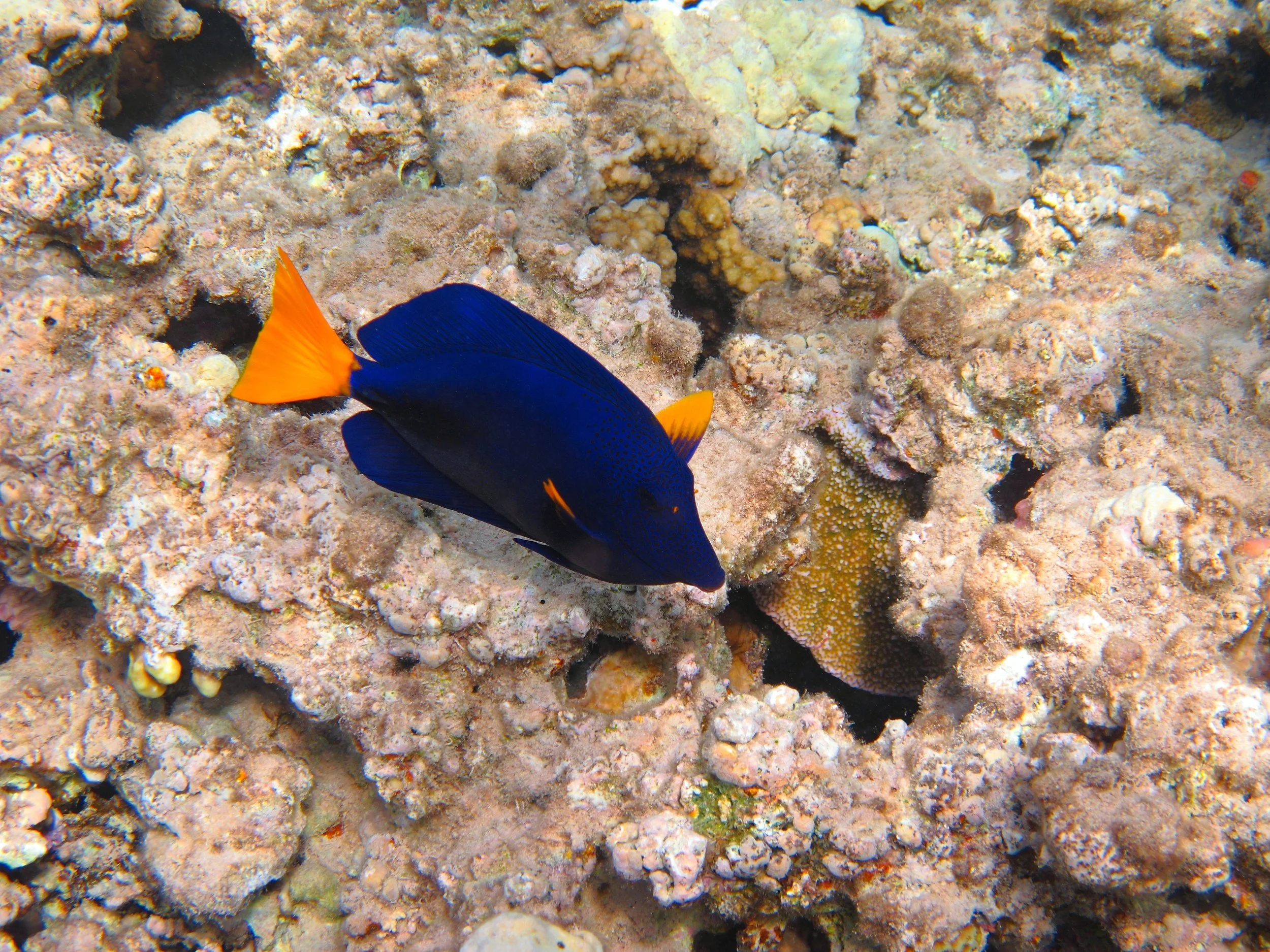
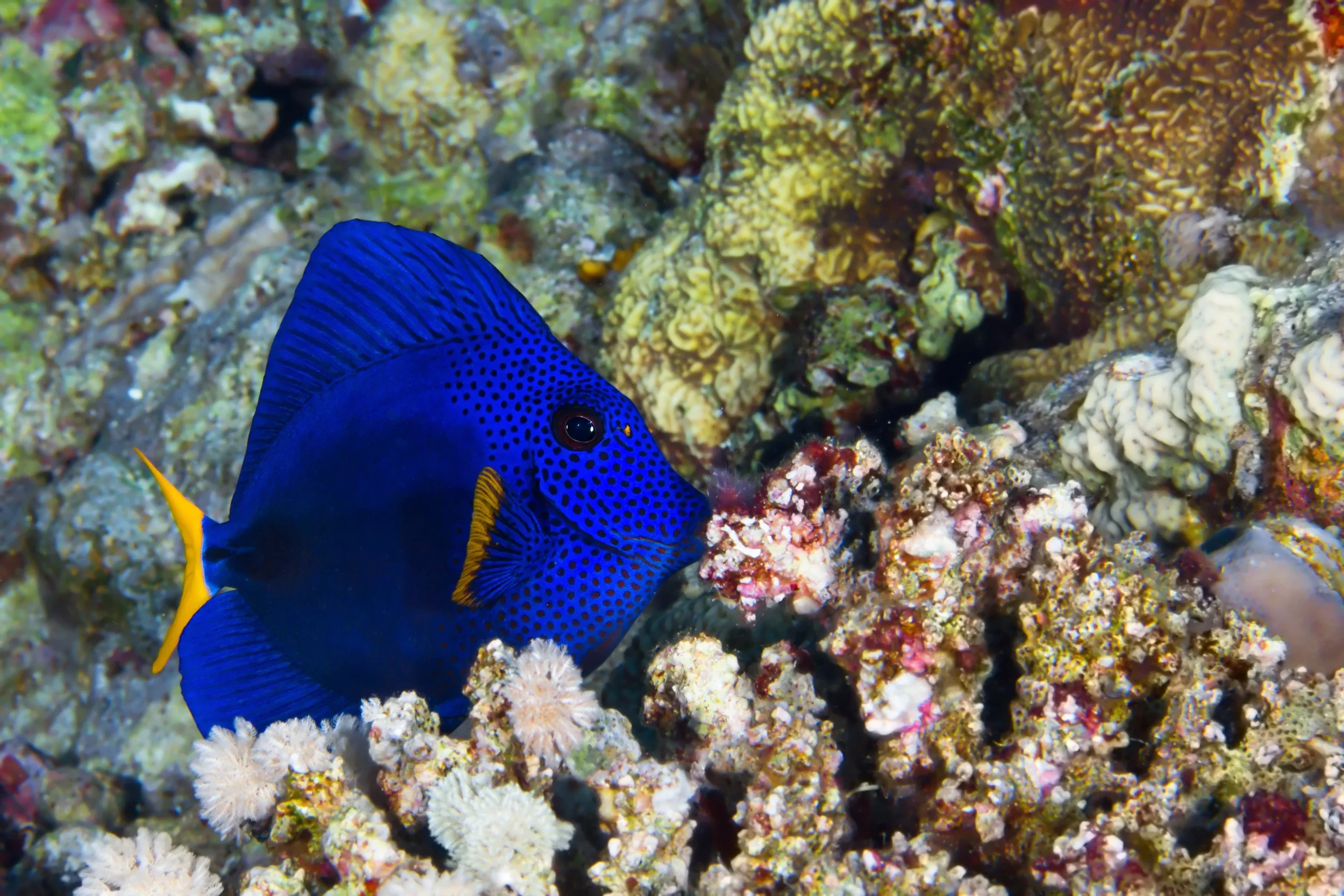
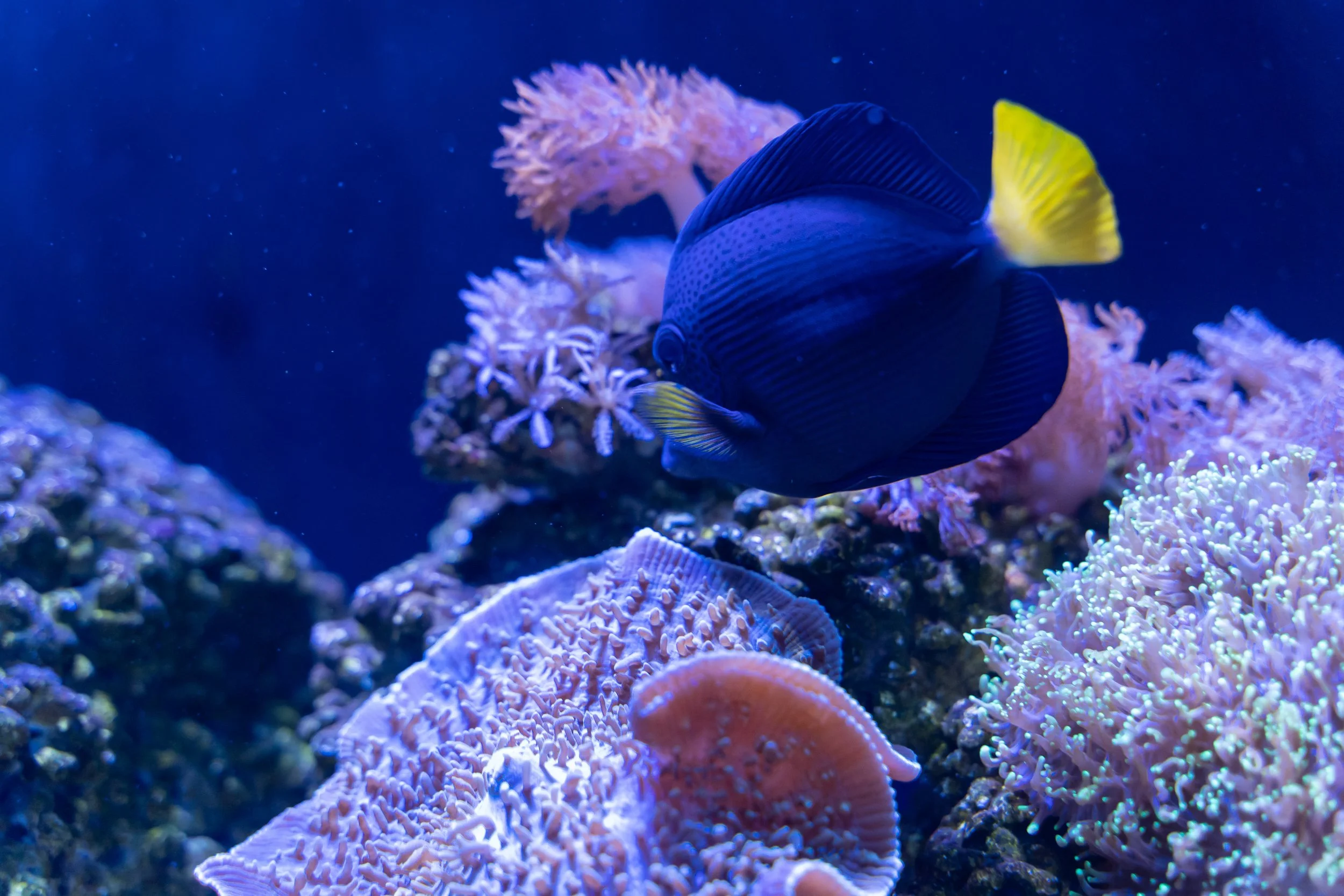
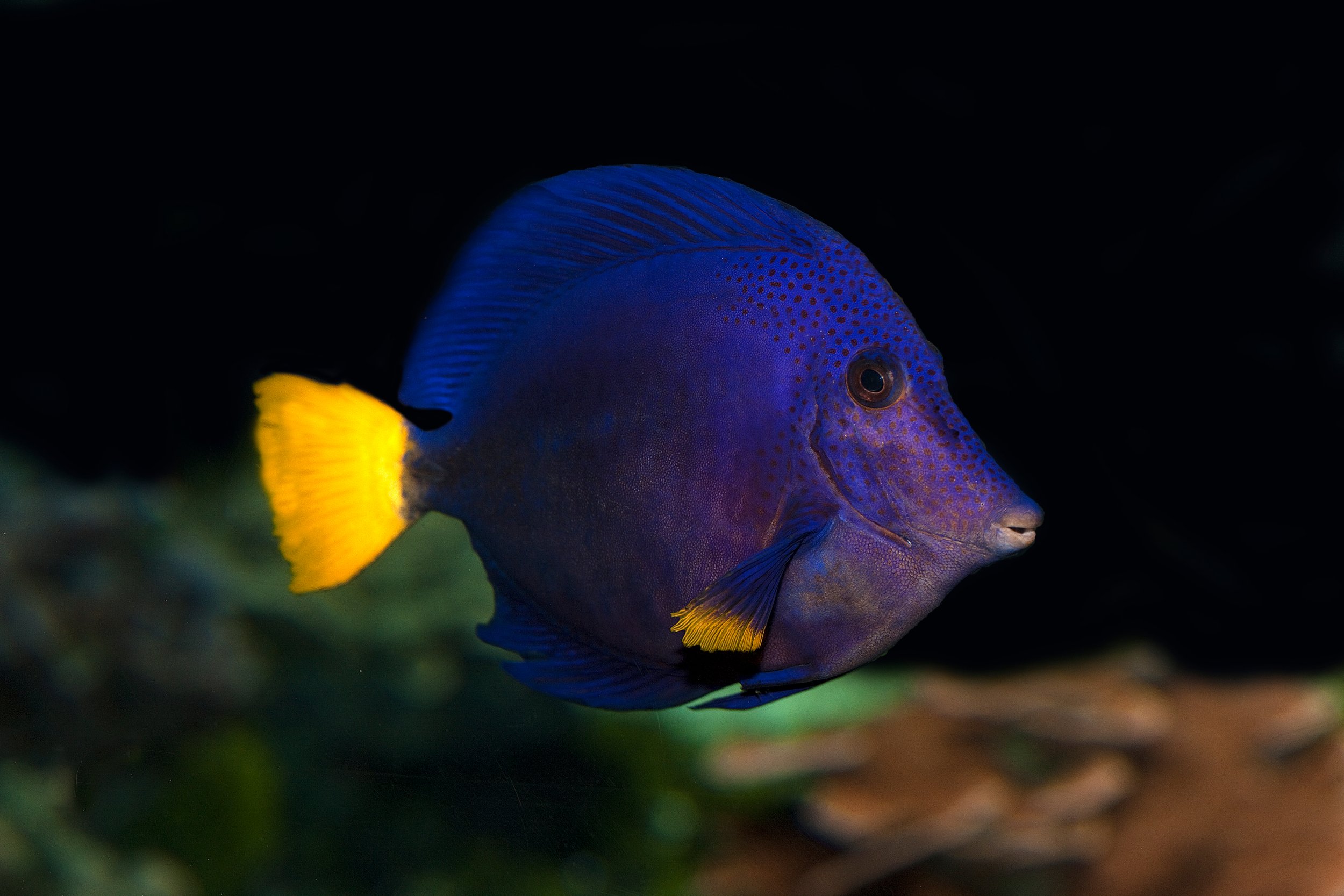
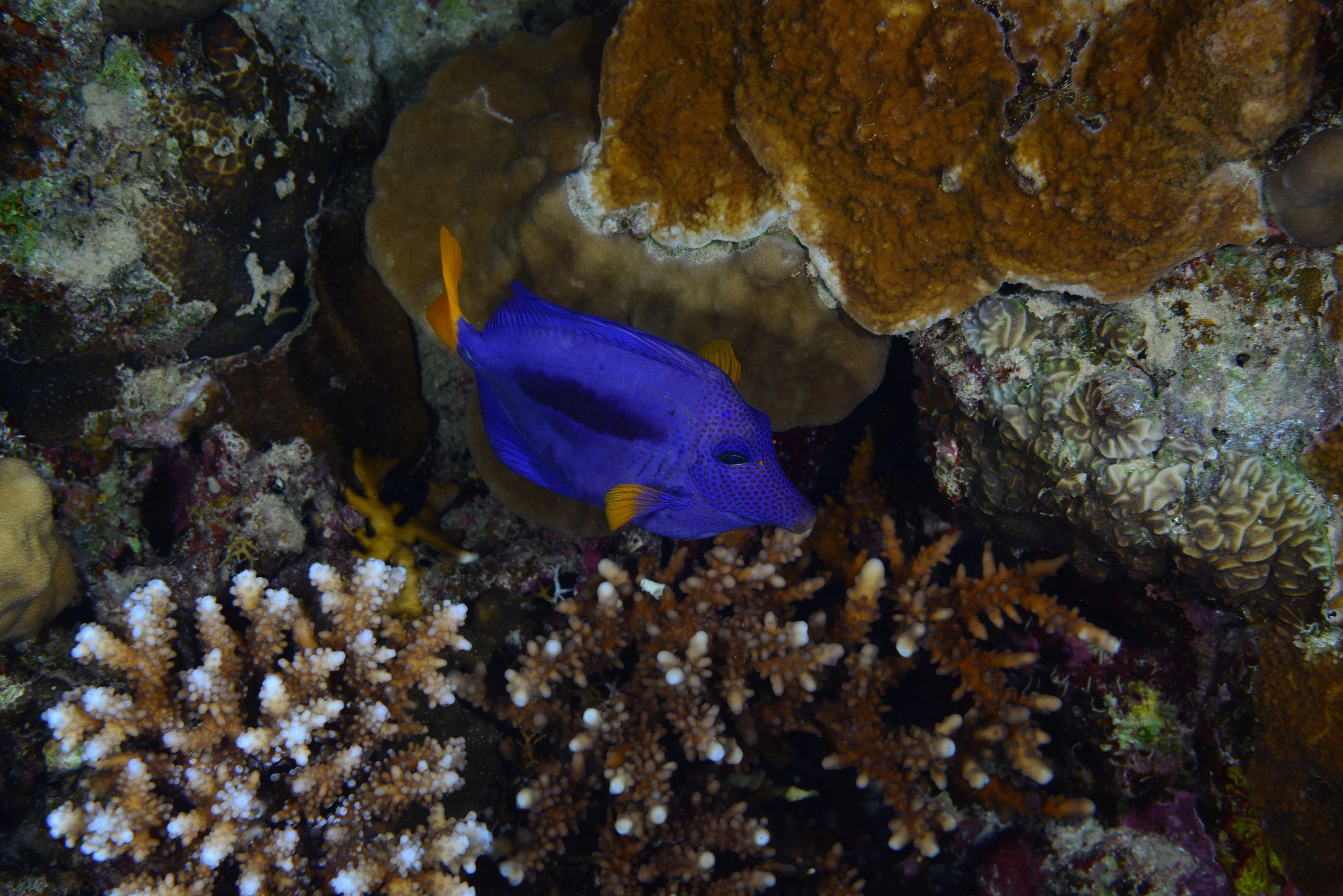
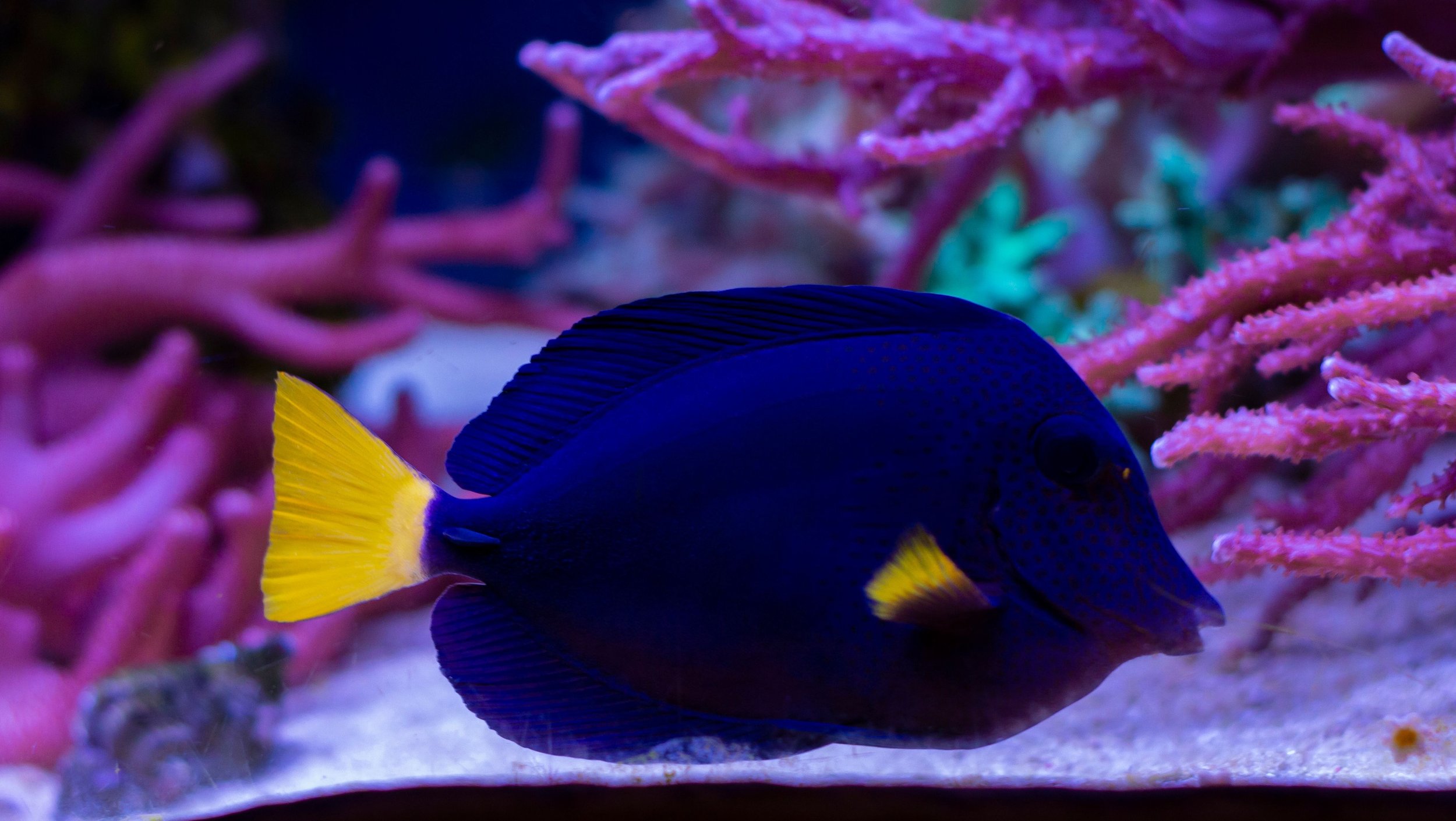
We fell in love with the Purple Tang the same way many hobbyists do: it felt aspirational. The deep indigo to purple body with those bright yellow fin tips makes the Purple Tang a showstopper, and it doubles as a hardworking algae eater. In this guide we cover diet, reef safety, tank design, introductions, common pitfalls, and practical tips so we can care for this fish and keep it healthy for years.
Note: Paid YouTube SR Members Using A Chrome Browser can watch videos natively above on Seriousreefs.com. Sign up HERE
SR videos are a community funded member only resource. Serious Reefs buys everything we review, accepts no sponsorships, and your memberships make it possible to keep every review truly unfiltered.
At a glance
Common name: Purple Tang (Zebrasoma xanthurum)
Diet: Nori (seaweed), macroalgae, spirulina-based foods, Algae Extreme style pellets, dried or live macroalgae, and occasional frozen mysis shrimp.
Reef-safe: Purple Tang are 100 percent reef safe when it comes to corals and most sessile invertebrates.
Temperament: Purple Tang can be aggressive toward other tangs that look similar especially tangs in the Zebrasoma genus
Tank requirements: A tank at least 6 feet long by 2 feet deep (6x2) for adults
Care level: We believe they are beginner-friendly when the basics are followed
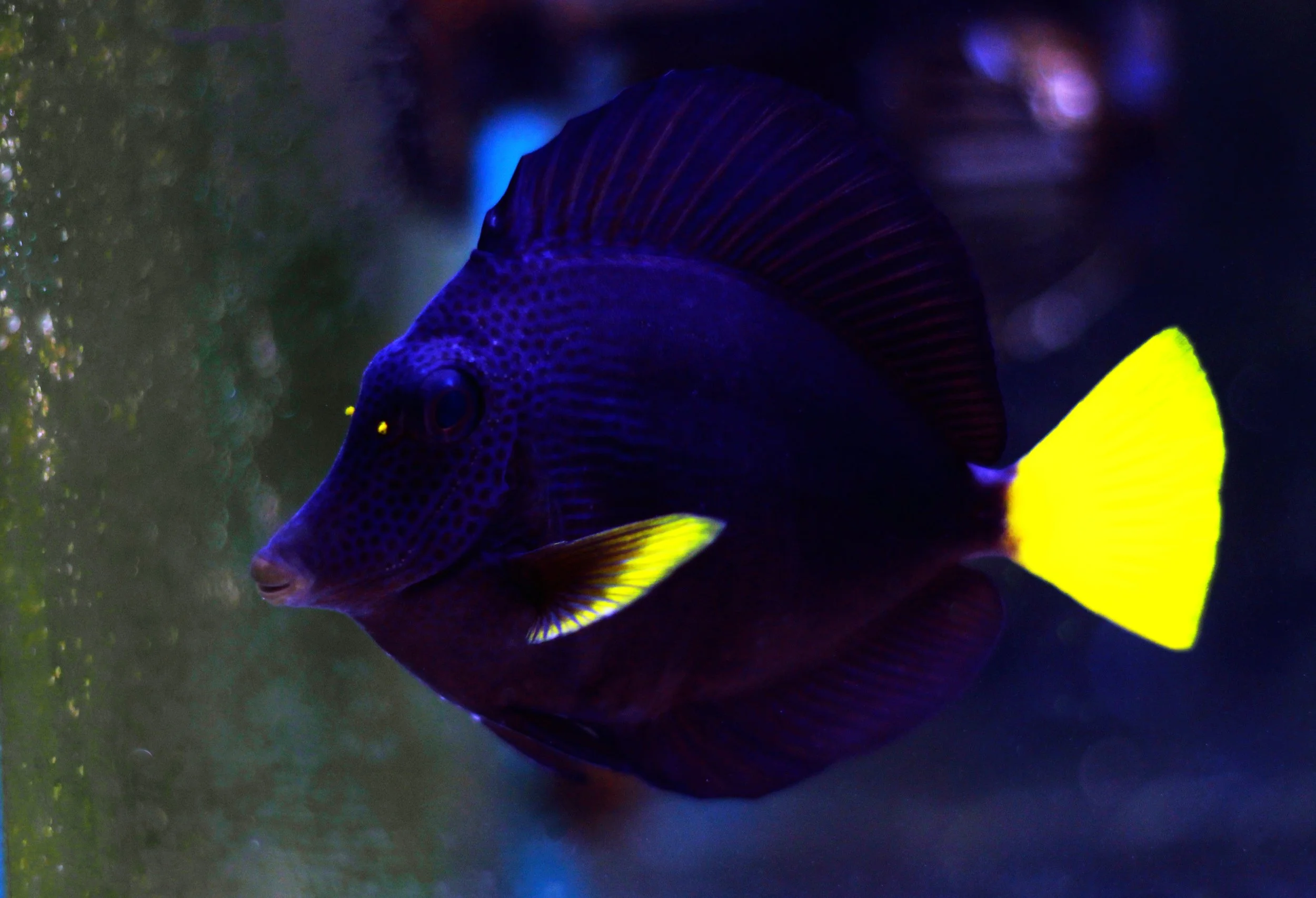
What do Purple Tangs eat?
The Purple Tang is primarily herbivorous in the wild, grazing open reef flats on macroalgae and filamentous vegetation. In captivity we should mimic that natural diet. Make macroalgae and algae-based foods the core of daily feeding.
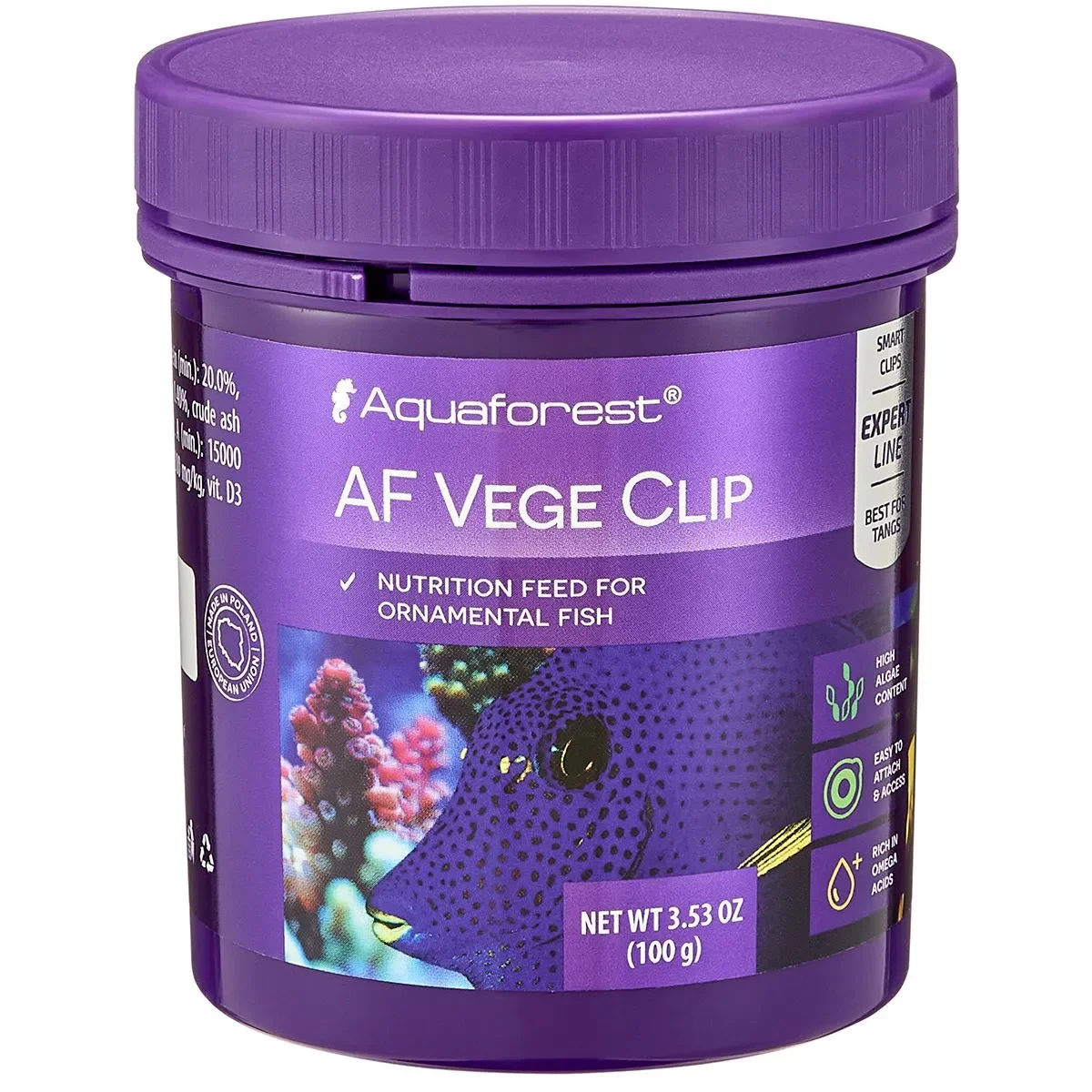
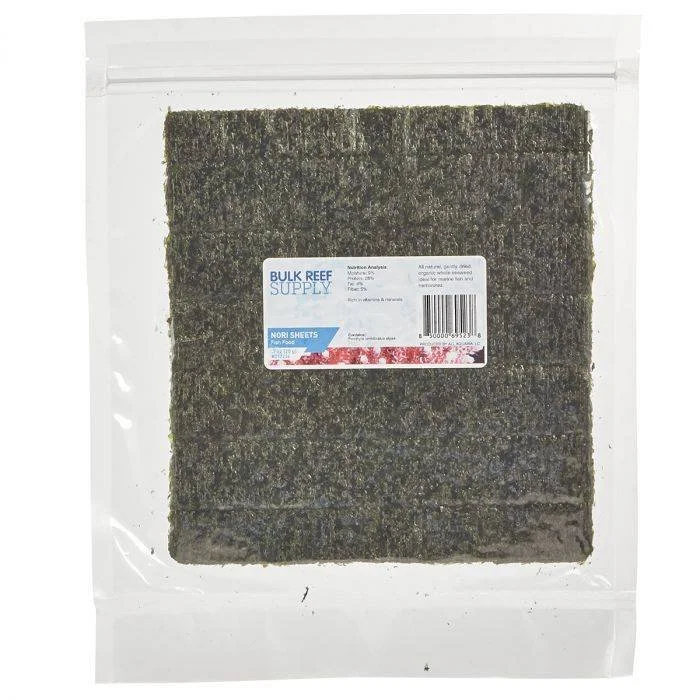
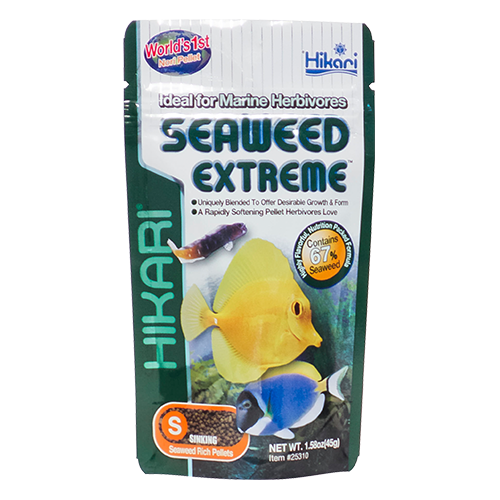
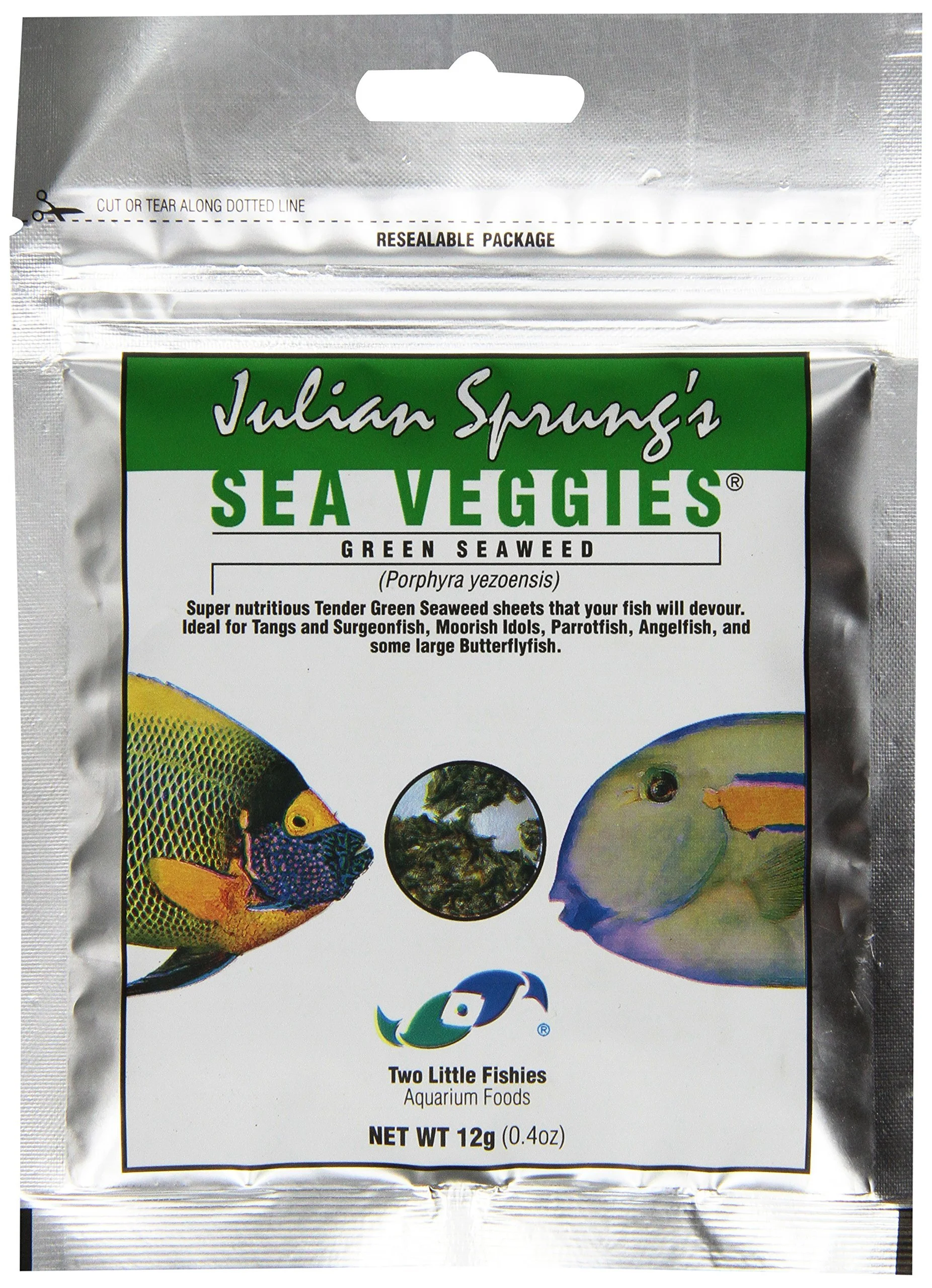
What to feed: nori (seaweed), macroalgae, spirulina-based foods, Algae Extreme style pellets, dried or live macroalgae, and occasional frozen brine shrimp as a treat.
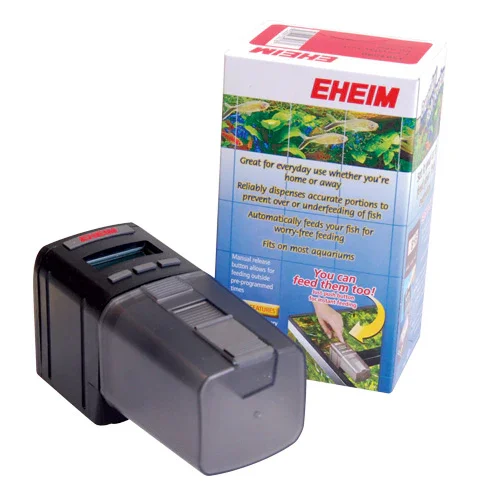
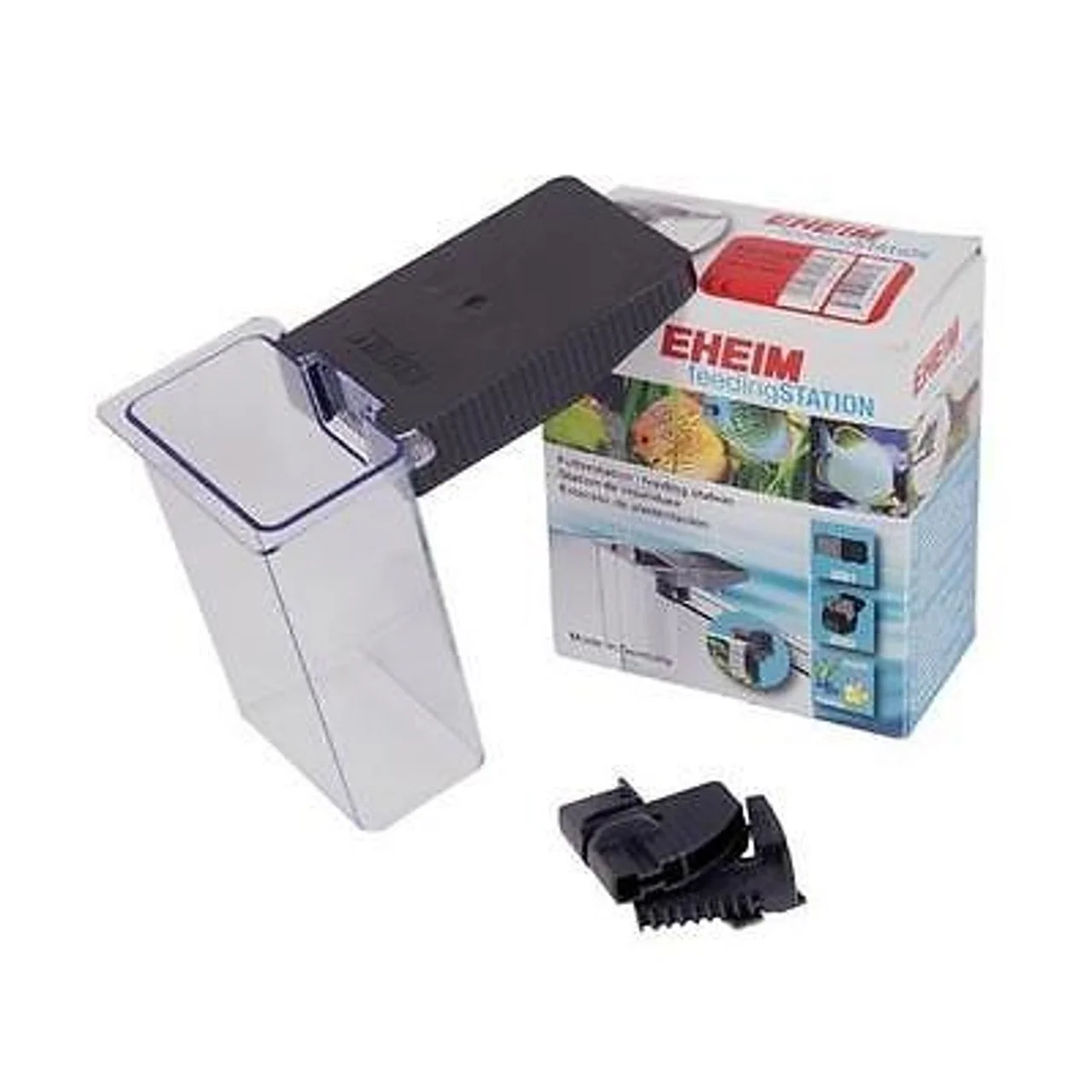
Feeding frequency: once to twice a day for most setups. If you use an auto feeder, choose algae-specific pellets to maintain grazing behavior without constant hands-on feeding.
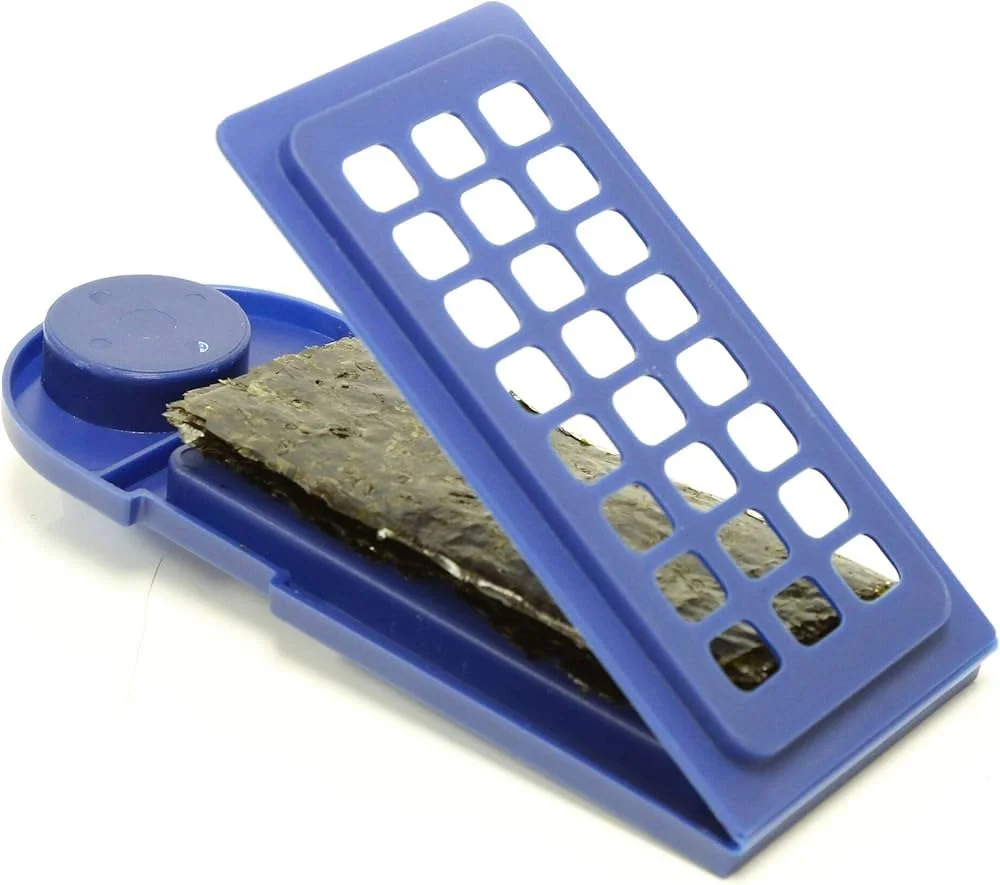
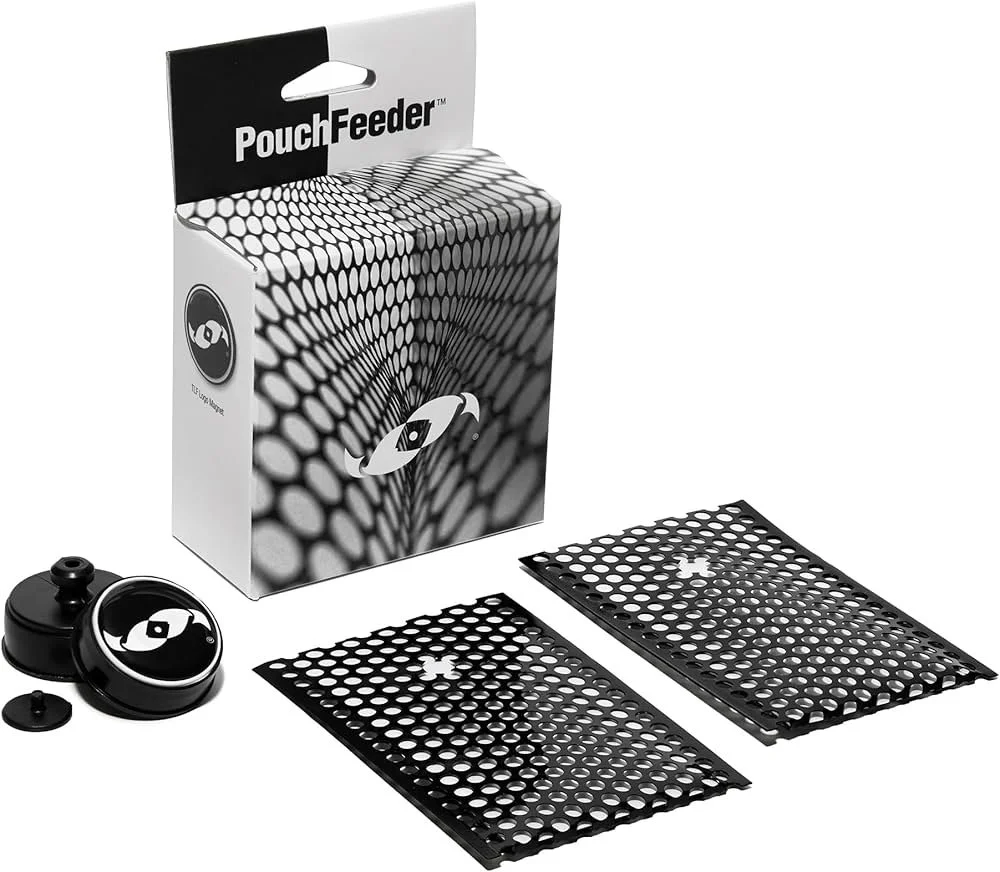
Products we like: algae-focused pellets (Algae Extreme/LG Extreme) and macroalgae rings or suction-mounted holders for nori.
Are Purple Tangs reef safe?
Purple Tang are 100 percent reef safe when it comes to corals and most sessile invertebrates. Their food preference is for vegetation, not corals, so they are safe in reef aquaria as long as we provide enough plant-based nutrition.
Why Purple Tangs are Excellent Algae Eaters
Beyond the aesthetics, the Purple Tang is utilitarian. It excels at grazing hair algae, turf algae, and can nip at bryopsis and some bulbous algae types. In many tanks we've seen, a single Purple Tang makes a dramatic difference, sometimes masking poor husbandry simply by clearing algae.
Comparing algae eaters is often apples to oranges. Bristle tooth tangs are notorious for scraping algae from rock crevices, while Zebrasoma species like Purple and Yellow Tangs can be more opportunistic and sometimes become less diligent grazers if fed heavily on prepared foods. If our goal is constant scraping, a bristle tooth may outwork a Purple Tang in some situations, but in many tanks the Purple Tang is more than capable.
How many Purple Tangs can we keep in one tank?
We prefer groups because they look more natural and create interesting social interactions. You can keep more than one Purple Tang, but there are caveats:
Keep them in odd numbers under five for better social harmony. Over five the odd numbers don’t matter.
Add fish of the same size when stocking multiples to reduce aggressive size-based dominance.
If an established tank already has a Purple Tang, avoid adding more without careful planning; Purple Tangs can be more aggressive toward conspecifics than some other tang species.
Use an isolation box for introductions and consider swapping residents into an isolation box temporarily to let newcomers roam and establish themselves first.
Tank Shape and Habitat: It’s About Length, Not Just Gallons
Purple Tang are distance swimmers. Instead of focusing solely on gallons, focus on tank dimensions and swim space. Long tanks that allow lap swimming are ideal.
Minimum recommended layout: a tank at least 6 feet long by 2 feet deep (6x2) for adult Purple Tang.
You can keep juveniles in smaller tanks for limited time periods. For example, a 40 breeder (approximately 36 x 18 x 16 inches) or a 60 breeder (about 48 x 18 x 18 inches) can house a small juvenile for months to a couple of years depending on growth rate.
Design tip: create a central swim lane or peninsula that gives unobstructed lap space. If rockwork is stacked against the back, consider pulling it forward or creating a channel so the fish can swim continuous laps.
We often upgrade tanks as fish grow. That’s normal: if we start with a small specimen, plan for an eventual move to a longer tank if we want to keep it long term.
Quarantine, SRQT, and Introductions
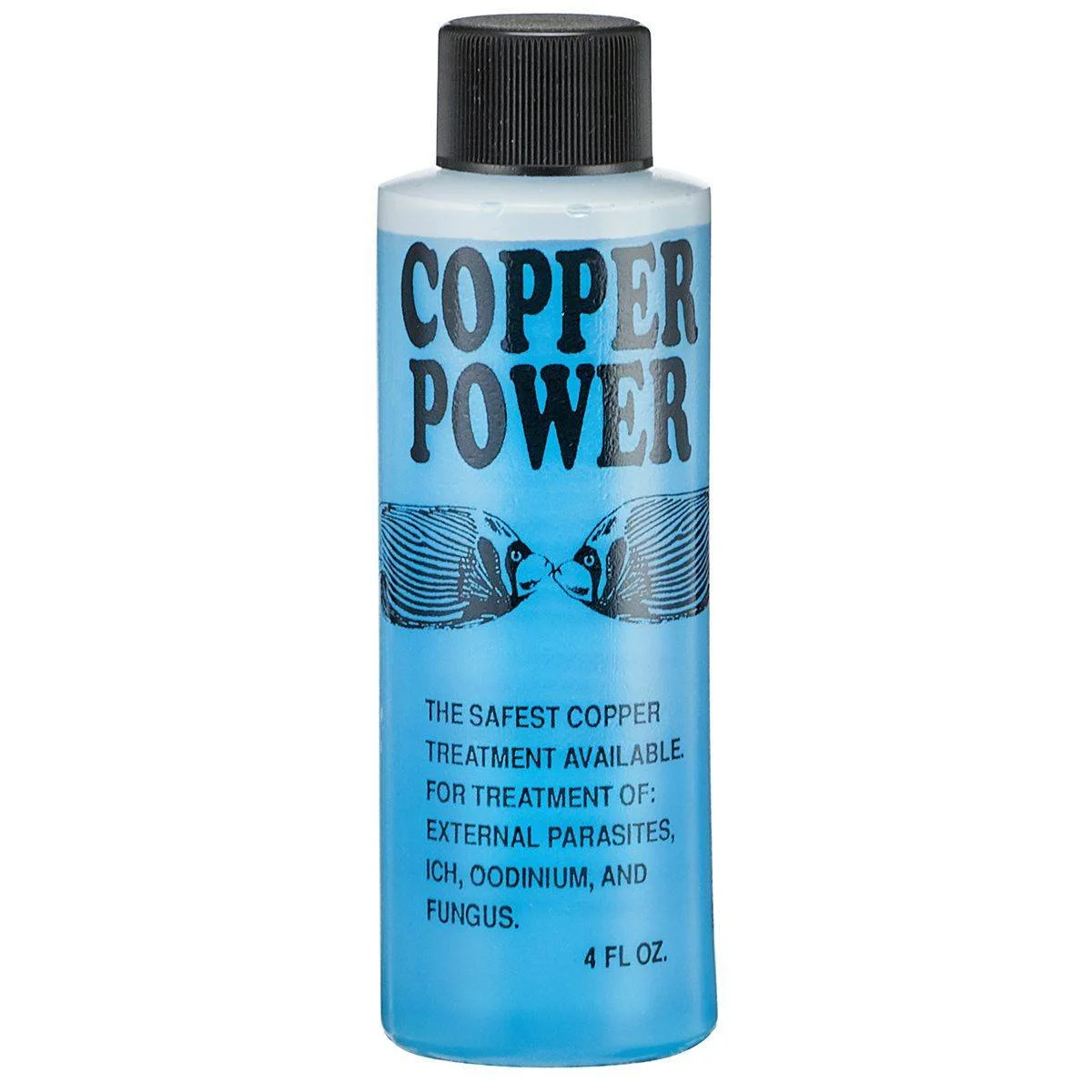
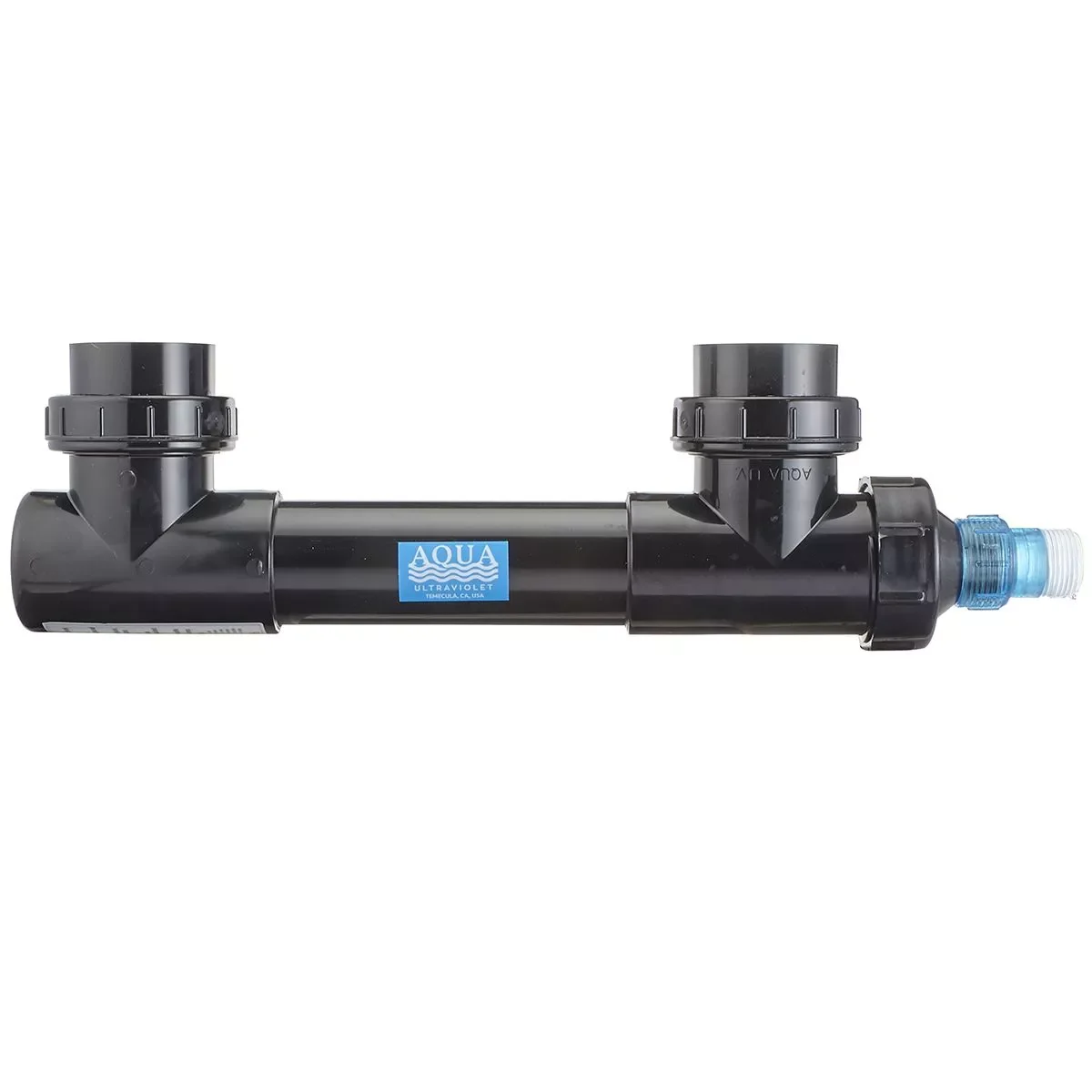
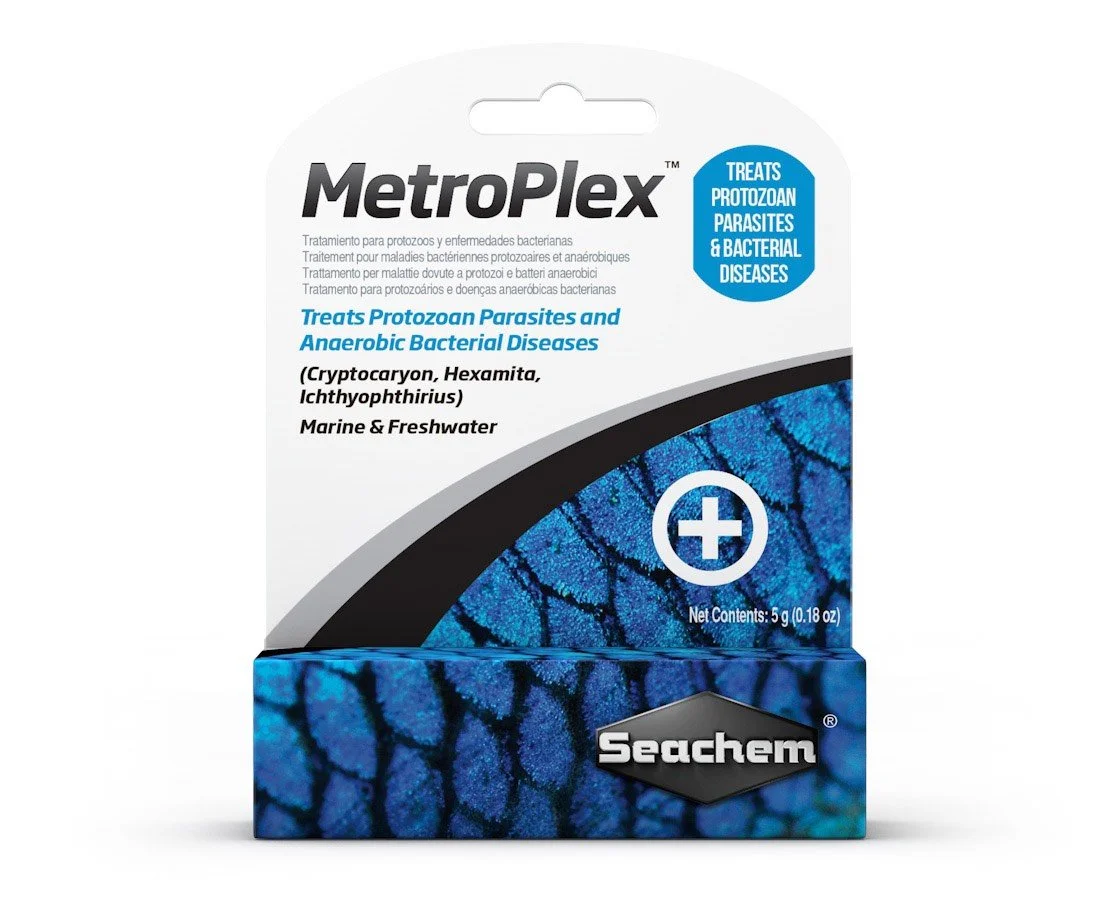
The SRQT protocol works for Purple Tang. Copper, metronidazole, praziquantel, and freshwater dips are generally tolerated. A few practical notes:
Watch ammonia in SRQT setups. Large specimens produce more waste and SRQT lacks established filtration, so monitor water quality closely and consider adding established biological media if needed.
When introducing Purple Tang to a display tank, use an isolation box for a smooth transition. If adding multiples, introduce them together so they form their own hierarchy.
If aggression occurs, evaluate behavior immediately. Repetitive charging, severe fin damage, or hiding with shredded fins means the pairing will likely fail. Remove the stressed fish to prevent injury or disease spread.



Skill Level and Common Health Considerations
We think Purple Tang are well-suited for hobbyists who follow basic quarantine and husbandry. They are sturdy but, like all tangs, can be prone to parasites such as ich. Compared to highly sensitive species like powder blue tangs or Achilles tangs, Purple Tangs are moderate in susceptibility. We rate them as suitable for beginners to intermediate hobbyists, provided they follow quarantine and diet recommendations.
Important health points:
Malnutrition from a high-protein, meat-heavy diet shortens lifespan. These fish can live multiple decades if fed properly; poor diets often lead to sudden, unexplained losses after a few years.
Stress from aggression or poor water quality can make them more disease-prone. Keep aggression in check and monitor water chemistry when adding or quarantining fish.
Availability and sourcing for Purple Tangs
Most Purple Tang in the trade come from the Red Sea, and availability can be seasonal or affected by supply chains. Sometimes, small juveniles are scarce while larger specimens are more common. When they are in season, they may arrive in numbers, but droughts do happen. If you find one you want, we recommend biting early—prices won’t typically drop and they may not be available when we want them.
Final thoughts
We love Purple Tang for their color, personality, and utility. With a plant-forward diet, a tank that prioritizes swim space, careful introductions, and routine quarantine, we can enjoy a vibrant, healthy tang for years. They are beginner-friendly when we follow the basics, and they reward us with both beauty and function.
Purple Tang FAQs
Is the Purple Tang reef safe?
Yes. Purple Tang are herbivores that prefer algae and macroalgae, so they are reef safe and do not typically bother corals or sessile invertebrates.
What should we feed a Purple Tang and how often?
Feed primarily algae-based foods: nori, macroalgae, spirulina pellets, and algae-focused prepared diets once to twice daily. An auto feeder with algae pellets can simplify consistent feeding.
How big of a tank does a Purple Tang need?
Focus on length and swim space. Adult Purple Tang do best in tanks that are six feet long or longer with a clear swim lane. Juveniles can live in 40 or 60 breeder style tanks for limited periods, but plan to upgrade for long-term care.
Can we keep more than one Purple Tang together?
Yes, but be cautious. Keep them in odd numbers under five, introduce them at the same time and size if possible, and use an isolation box during introductions. Purple Tang can be aggressive toward conspecifics.
Does the SRQT protocol work for Purple Tang?
Yes. SRQT and common quarantine treatments such as copper and praziquantel are generally tolerated. Monitor water quality, especially ammonia, if quarantining larger fish.
What are signs of aggression or failure when introducing Purple Tang?
Repeated charging, persistent chasing, one fish hiding with shredded fins, or severe visible damage are signs the introduction will fail. Remove the stressed or injured fish immediately and reevaluate.
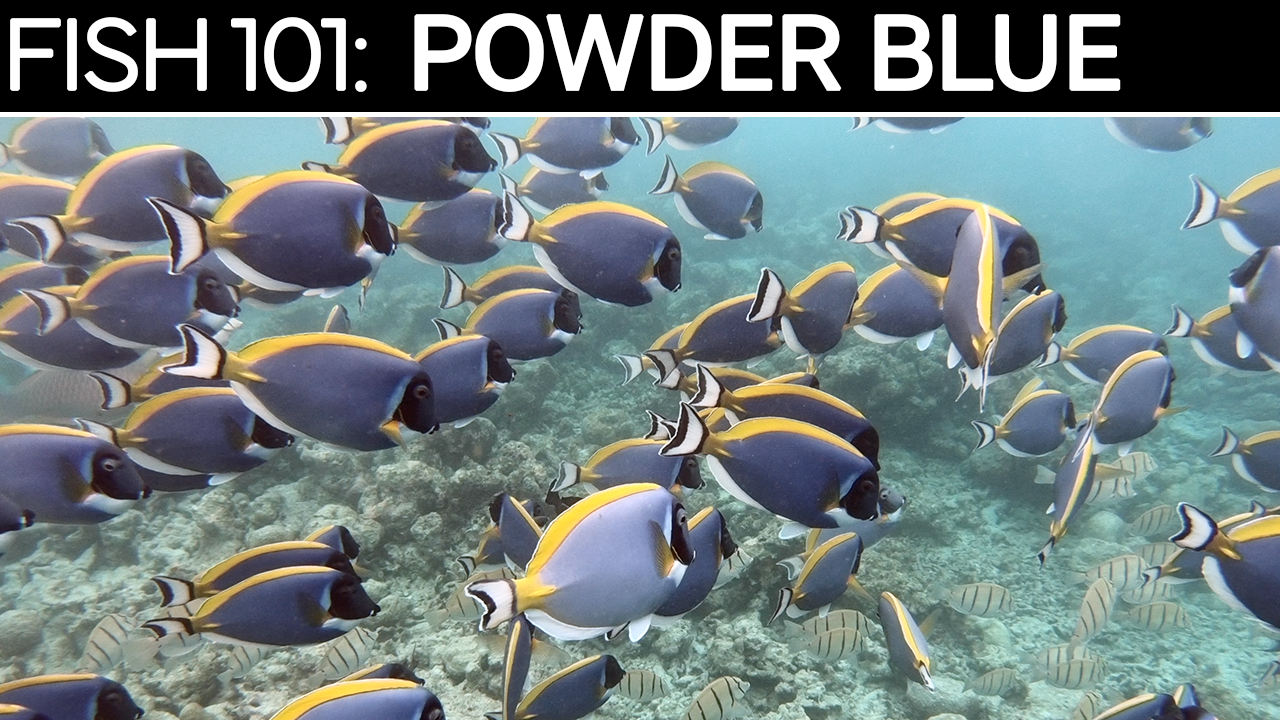
Powder Blue Tang (Acanthurus leucosternon)
Powder Blue Tang
We love the Powder Blue Tang for its stunning color and striking yellow stripe. The Powder Blue Tang is a standout reef fish—beautiful, active, and a little bit challenging. In this guide we cover everything we do to keep Powder Blue Tang healthy: reef compatibility, diet, tank setup, common health issues, quarantine strategies, sourcing tips, and our honest take on who should keep one.
Acknowledgments
Thank you to Elliot Lim for sharing his knowledge with the SR community. Elliot owns and operates www.marinecollectors.com Thank you to Oral Seymour for summarizing the video and making it available to everyone. Follow Oral on his IG page reefingwitho
Thank you to the Serious Reefs community. Your membership funds the creation of articles and videos like this one.
Support Serious Reefs
Patreon is the best option If you…
Want to discuss with the SR community and ask questions.
Want immediate notifications of every release.
Listen with phone screen off. Patreon app works with phone closed
Want 25% off via annual discounts.
YouTube members is the best option If you…
Watch SR videos on a TV via youtube App
Want to watch videos natively here on seriousreefs.com - (You must use chrome browser and be logged into google account with youtube membership)
Are a YouTube power user.
Tell a friend. Best option if want more SR (and faster).
If you like what we’re doing, give SR a quick shout-out on your favorite forum, YouTube, Facebook, TikTok, or Instagram. Let your local fish store know SR is helping you explore the hobby and keep it fun. Thanks for the support!
Disclaimer
Full Disclaimer HERE. This is the gist of it.
Content is based on personal experience, not professional advice. Do your research and reef responsibly. Serious Reefs should not be your sole source of information on any topic.
By watching, you agree that Serious Reefs and its creators aren’t liable for how you use this info. Please don’t utilize our information if you are not ok with this.
Serious Reefs has no sponsors, doesn’t accept product or payment for reviews. We do use affiliate links in articles that earn a small commission to support our work. Shop wherever you like, we won’t be offended.