Powder Blue Tang: Fish 101
Care, Diet, Quarantine, and Success with this Dazzling Reef Centerpiece
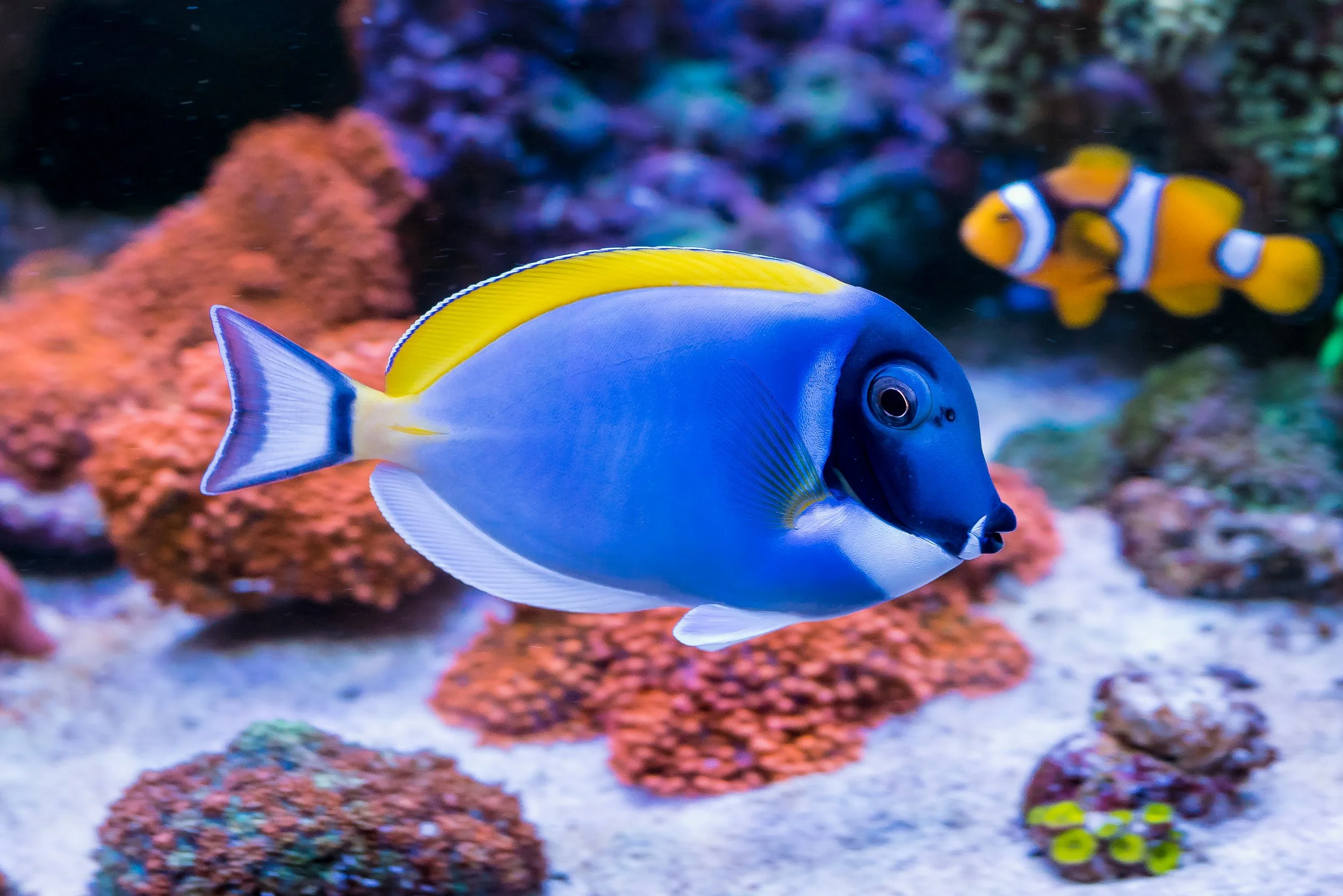
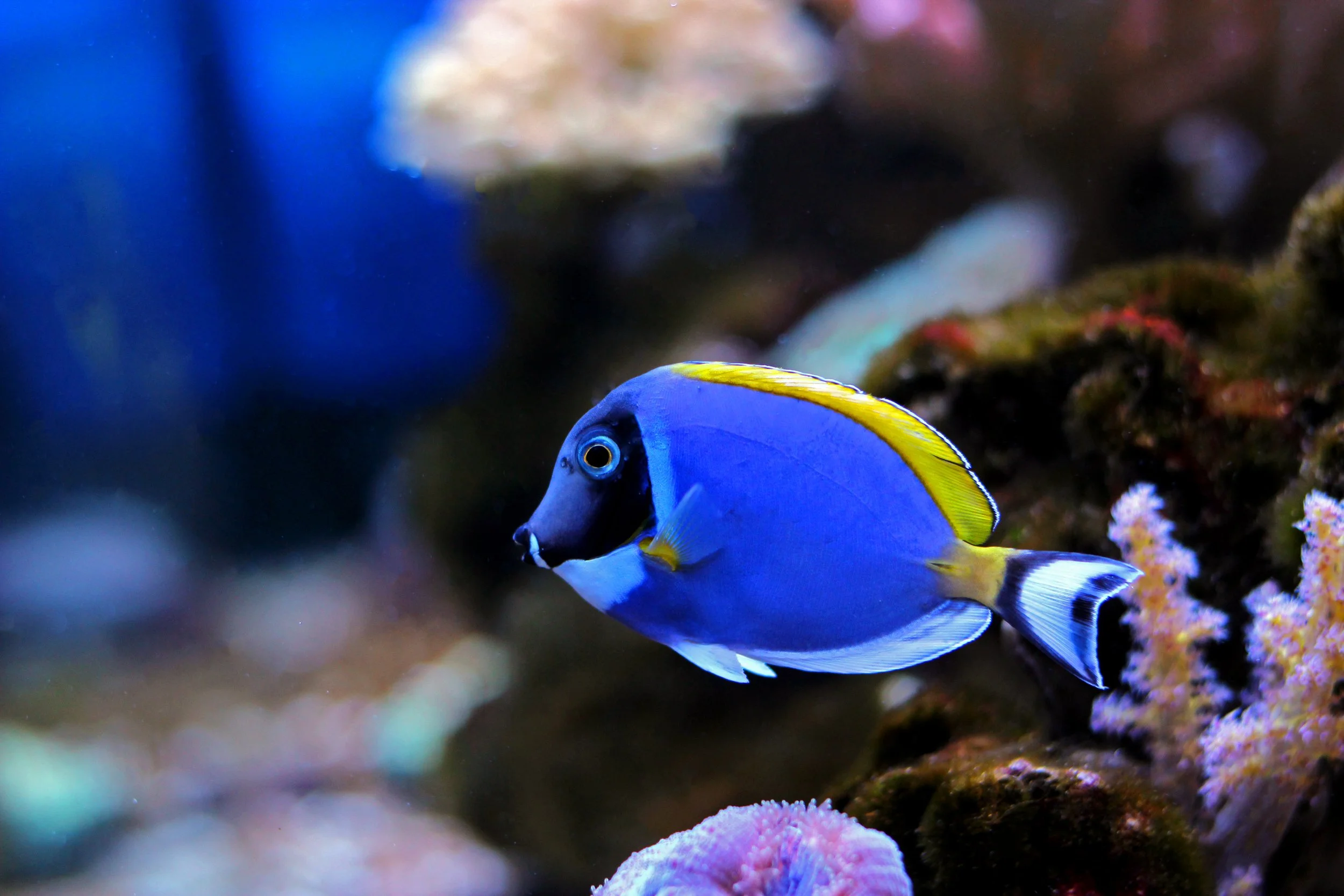
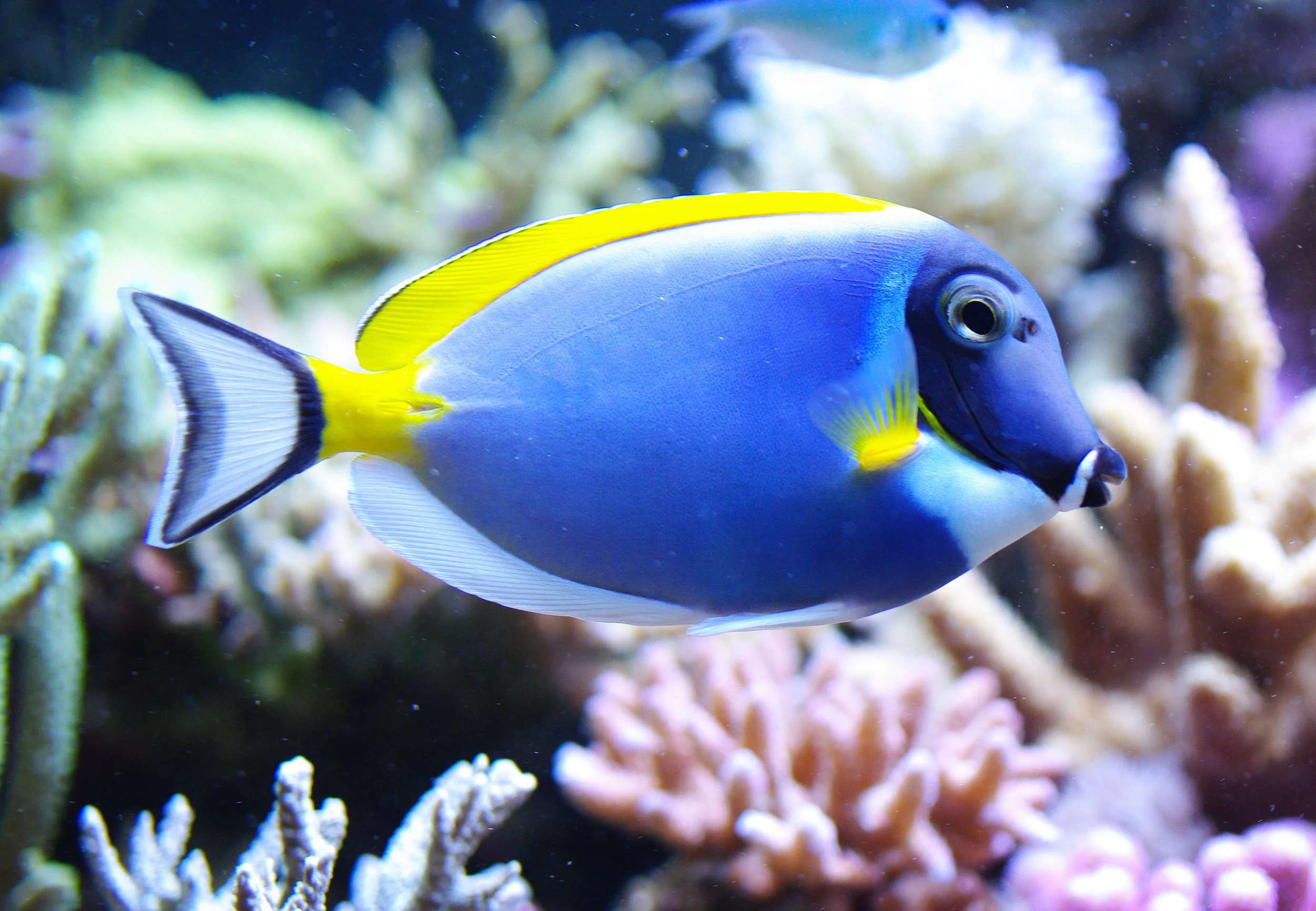
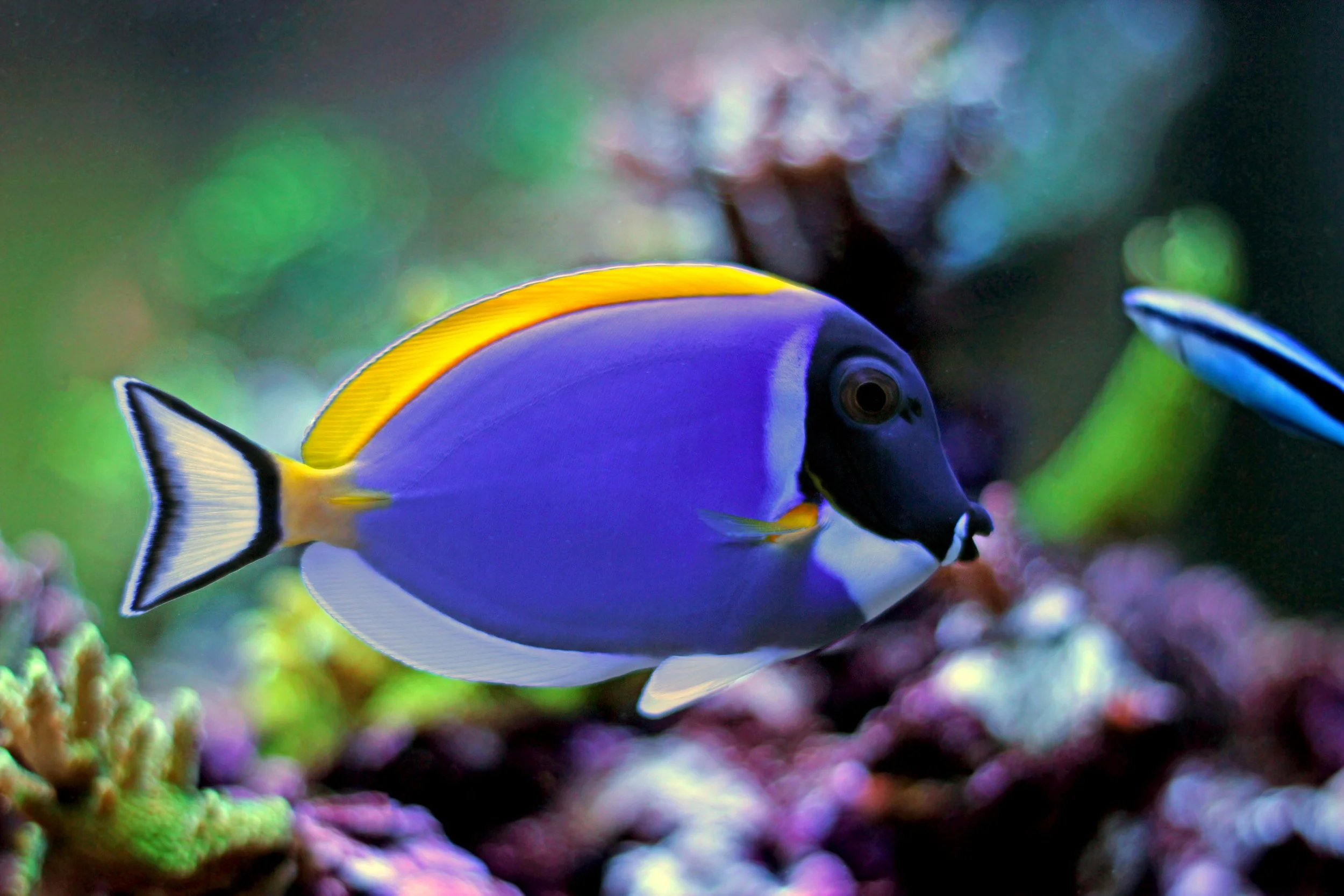
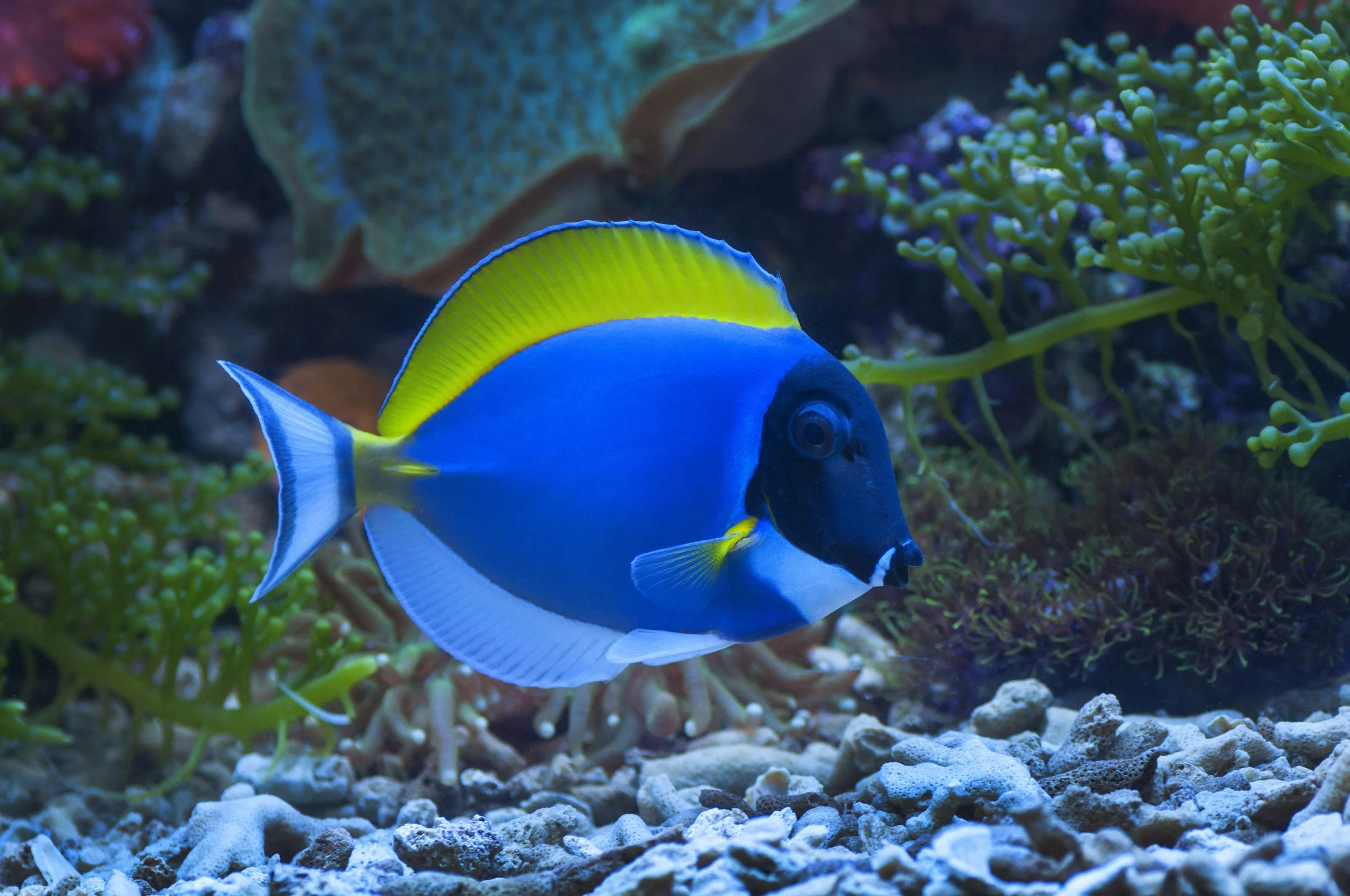
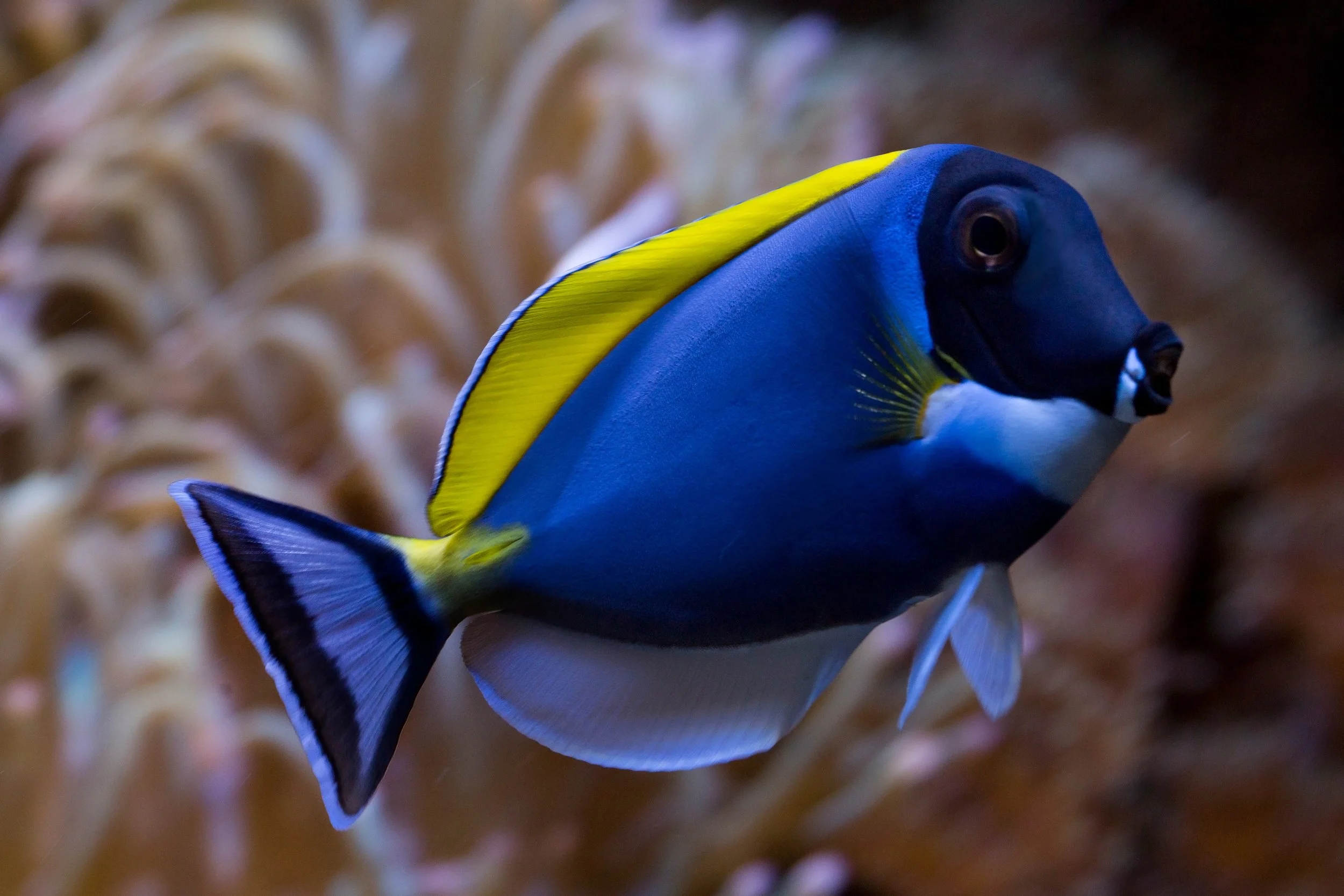
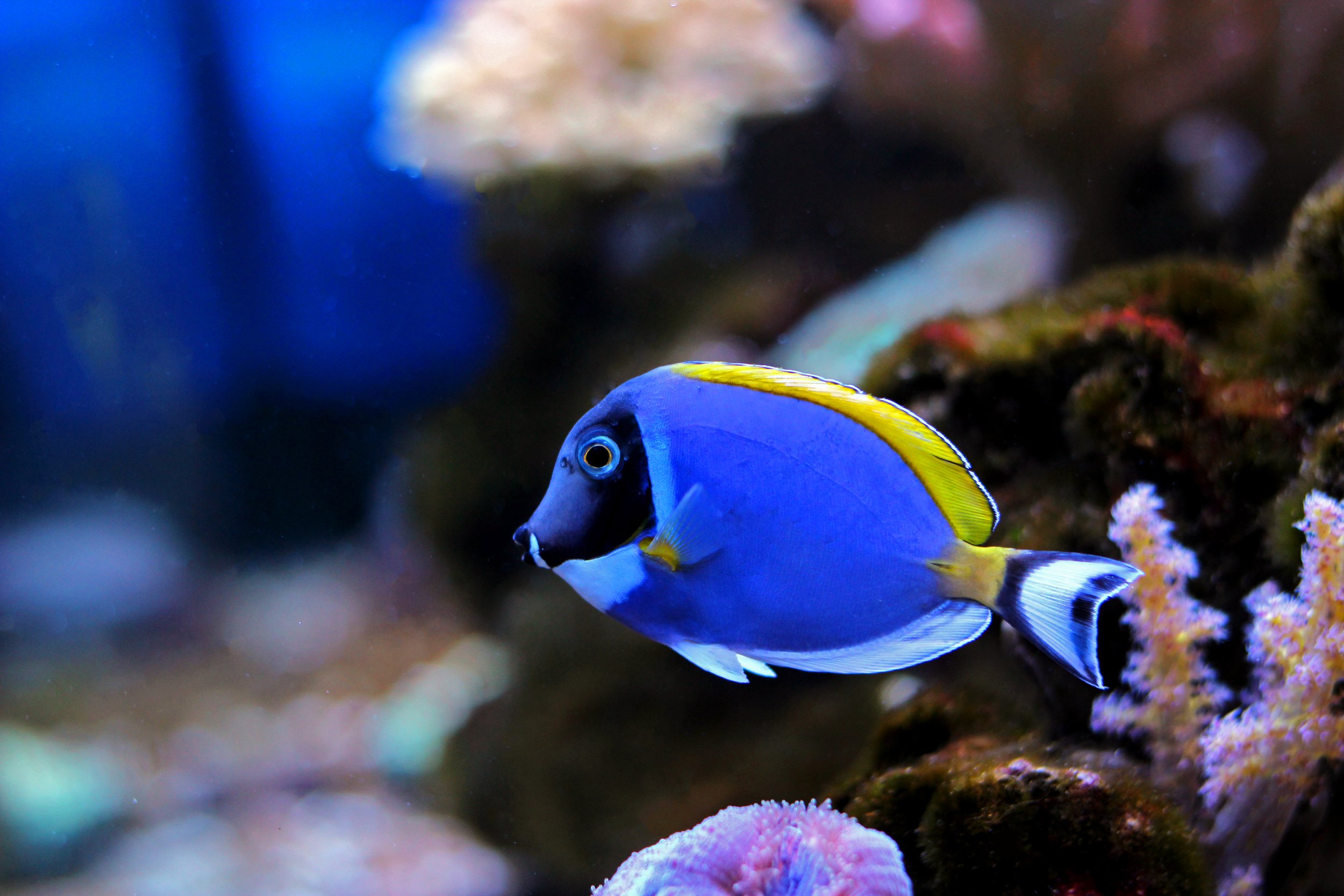
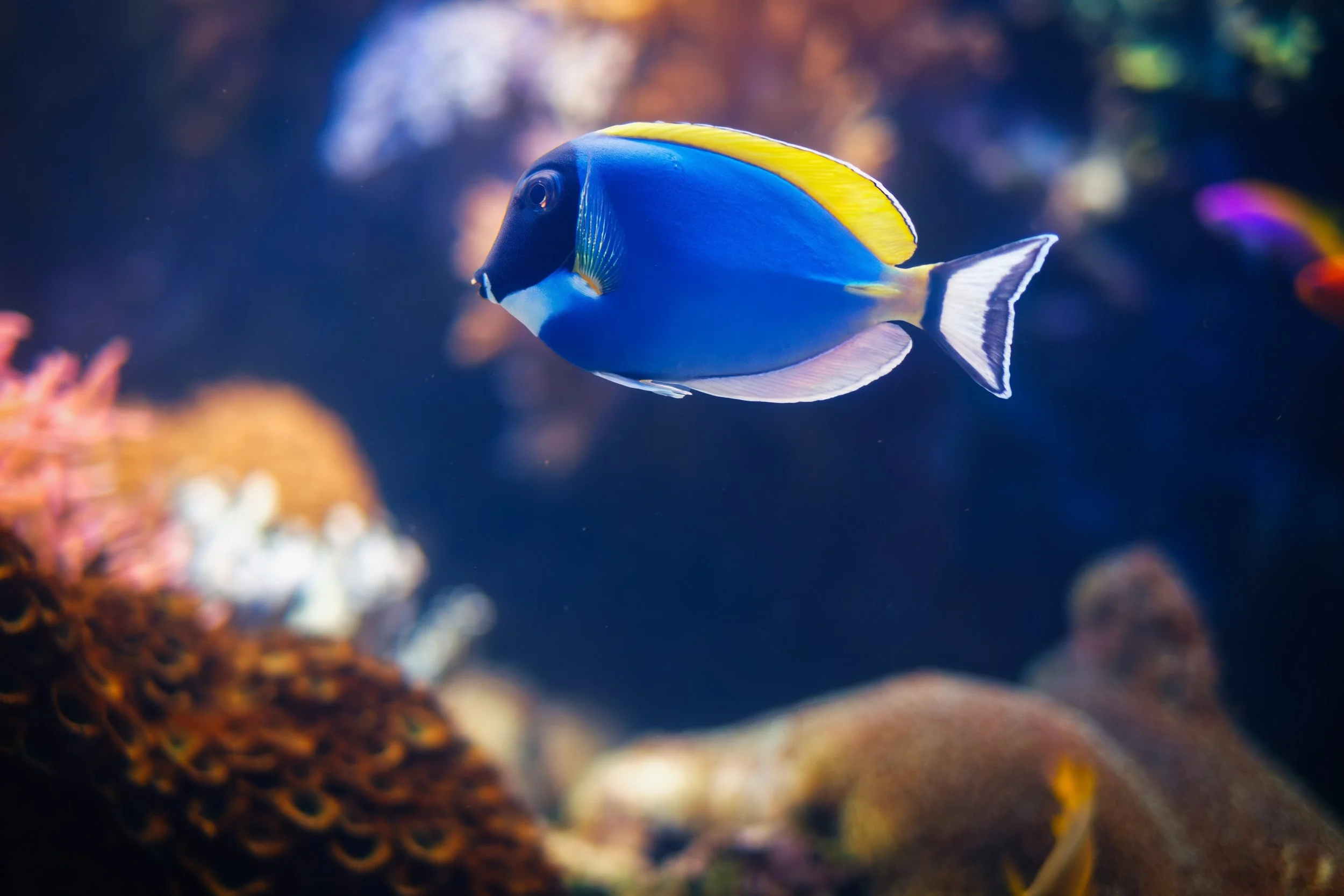
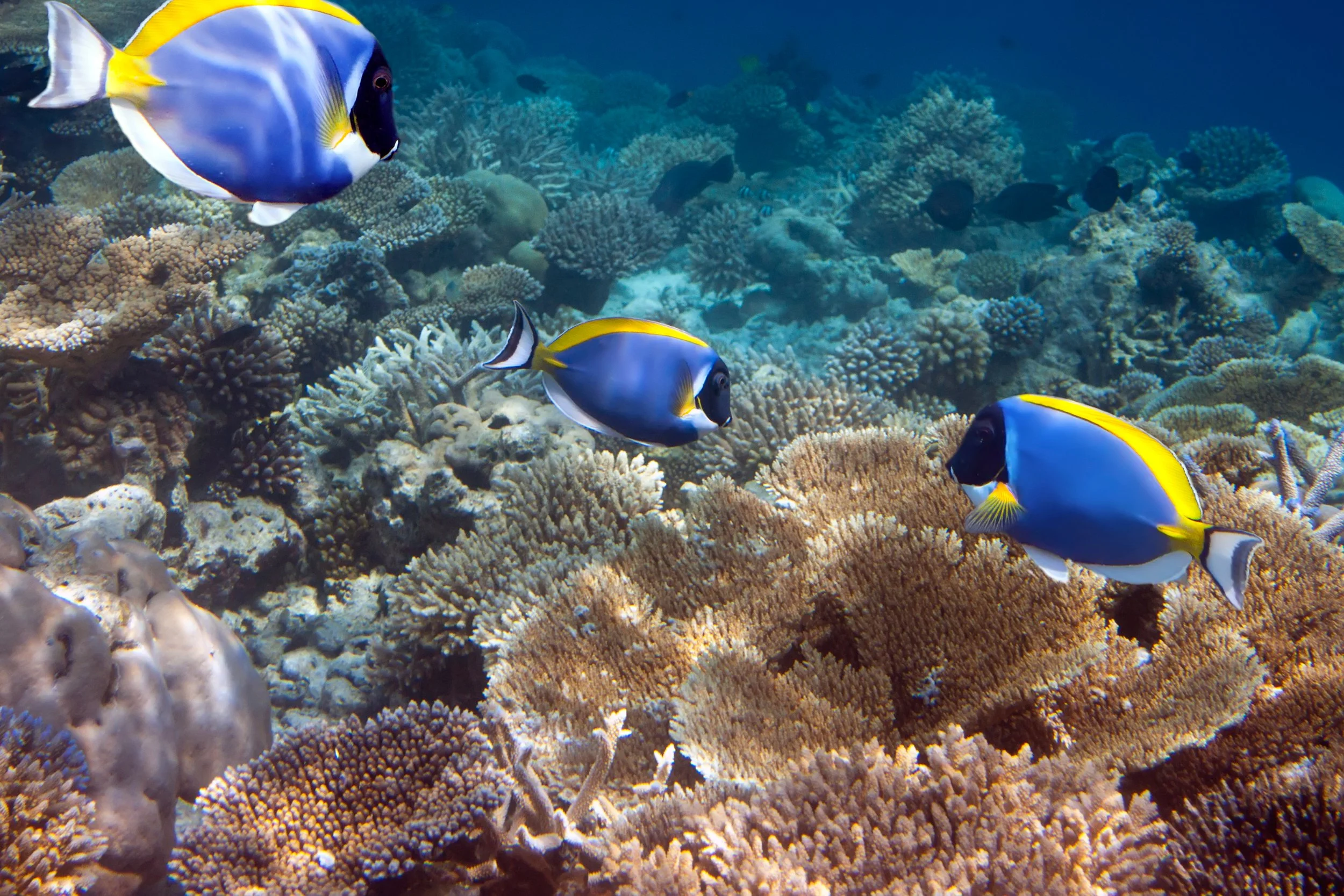
Powder Blue Tang (Acanthurus leucosternon)
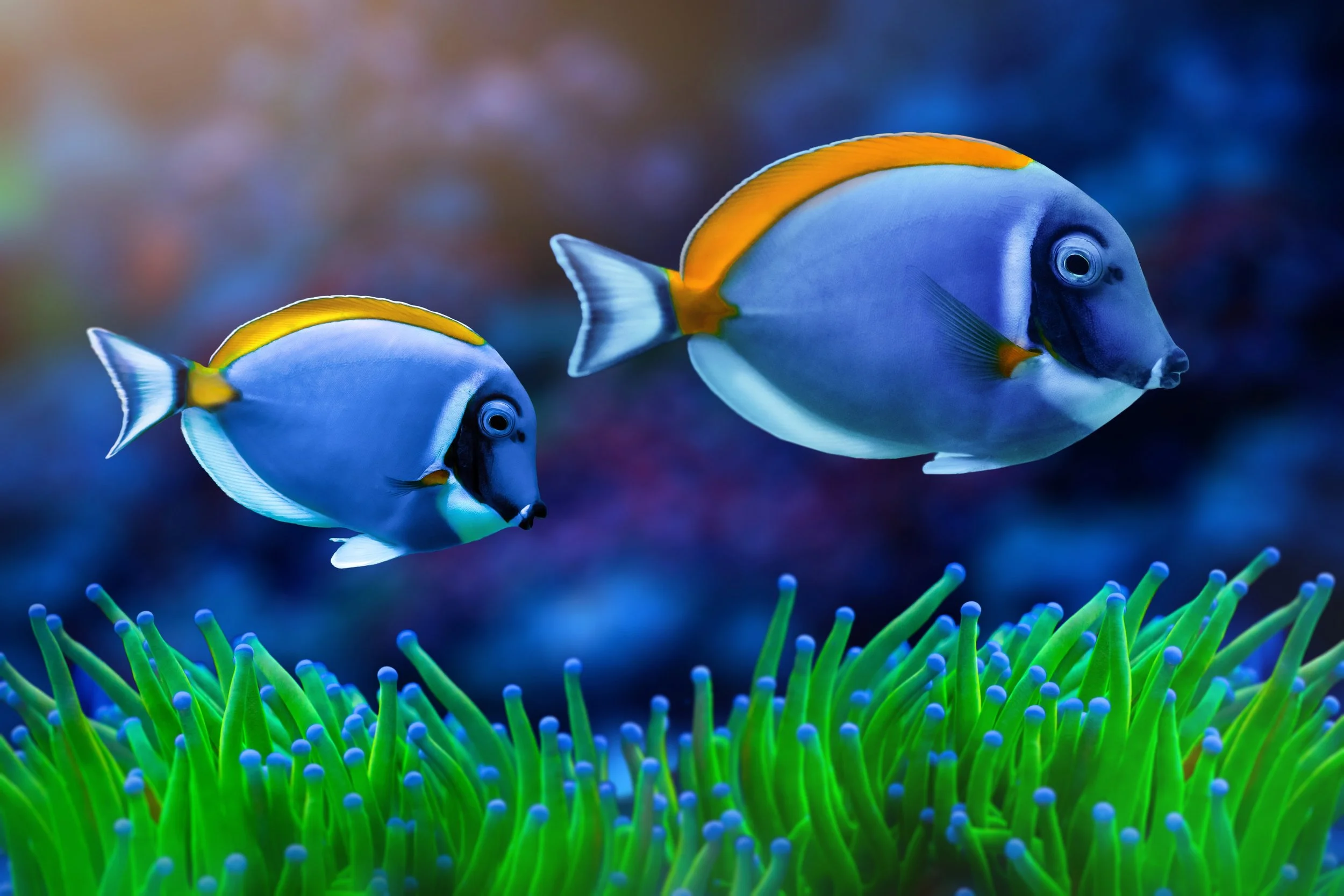
We love the Powder Blue Tang for its stunning color and striking yellow stripe. The Powder Blue Tang is a standout reef fish—beautiful, active, and a little bit challenging. In this guide we cover everything we do to keep Powder Blue Tang healthy: reef compatibility, diet, tank setup, common health issues, quarantine strategies, sourcing tips, and our honest take on who should keep one.
Note: Paid YouTube SR Members Using A Chrome Browser can watch videos natively above on Seriousreefs.com. Sign up HERE
SR videos are a community funded member only resource. Serious Reefs buys everything we review, accepts no sponsorships, and your memberships make it possible to keep every review truly unfiltered.
At a glance
Common name: Powder Blue Tang
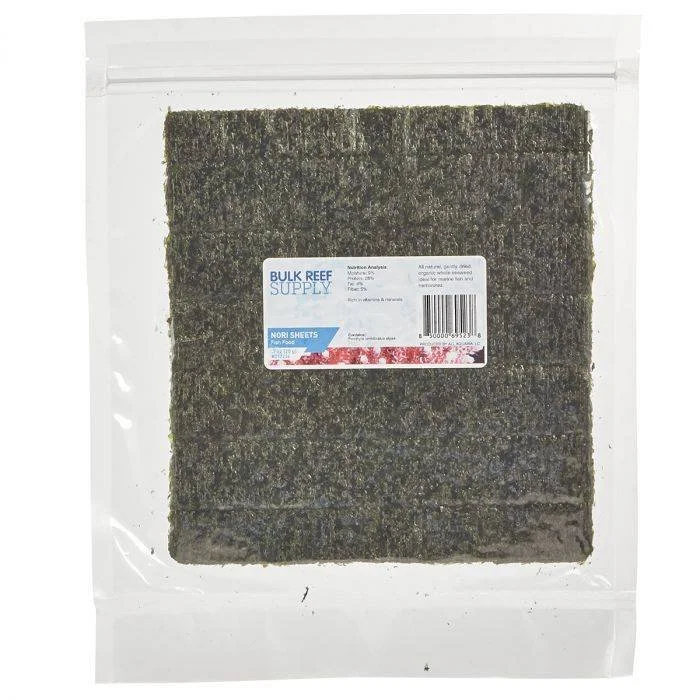
Diet: Nori clipped to a rock or a clip is an excellent staple. Algae-based pellets and herbivore-specific frozen mixes are great.
Reef-safe: Yes. The Powder Blue Tang is reef safe. It is a herbivore and will not nip corals, anemones, or sessile invertebrates.
Temperament: Powder Blue Tang can be territorial and aggressive toward conspecifics and other tangs.
Tank requirements: Minimum tank length: 6 feet for adult
Care level: Parasite susceptibility nudges the Powder Blue Tang out of the absolute beginner category.

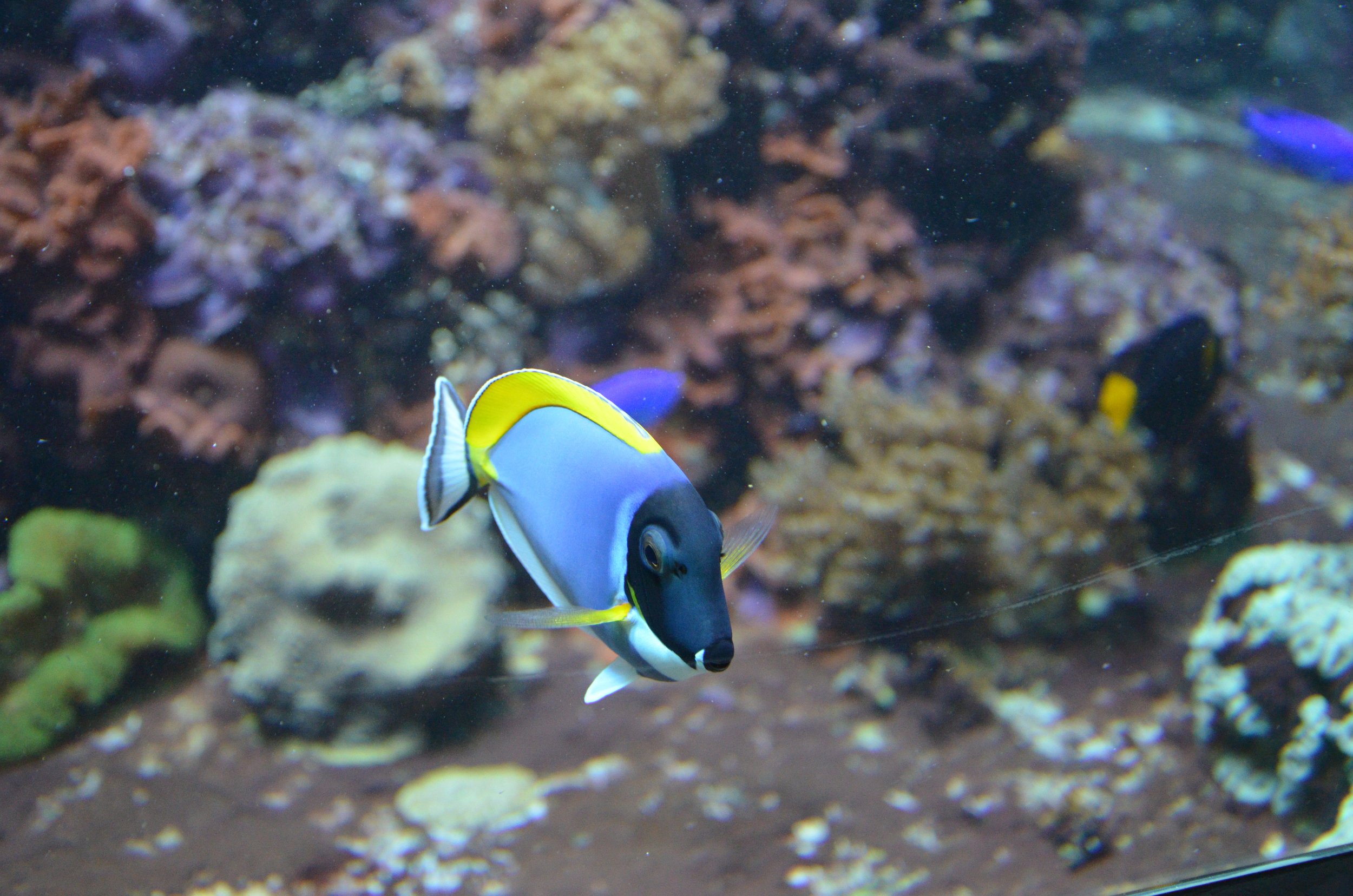

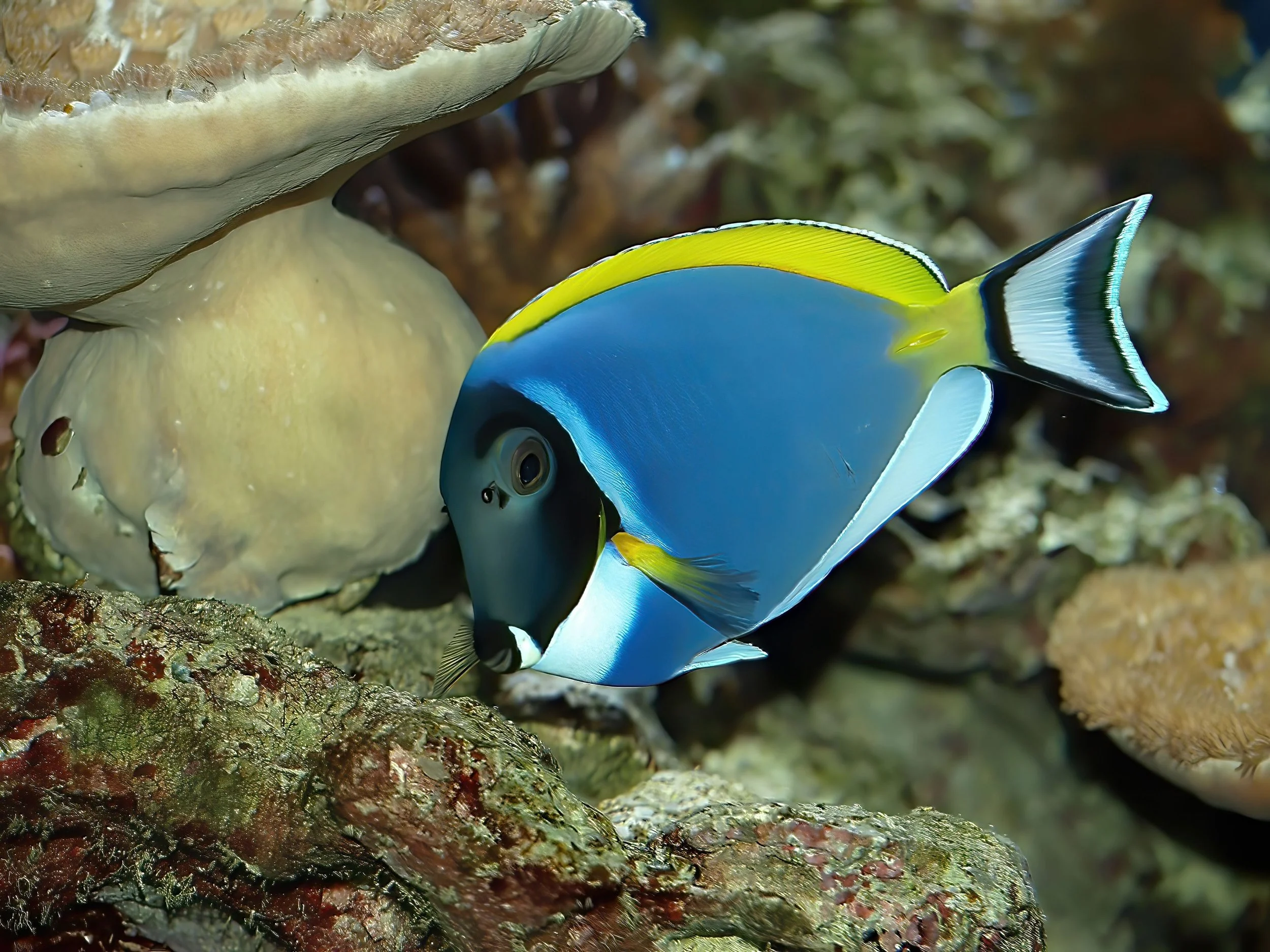
What do Powder Blue Tangs eat?
The Powder Blue Tang is herbivorous in the wild and spends much of its time grazing algae on rocks. In our tanks we reproduce that diet as closely as possible.
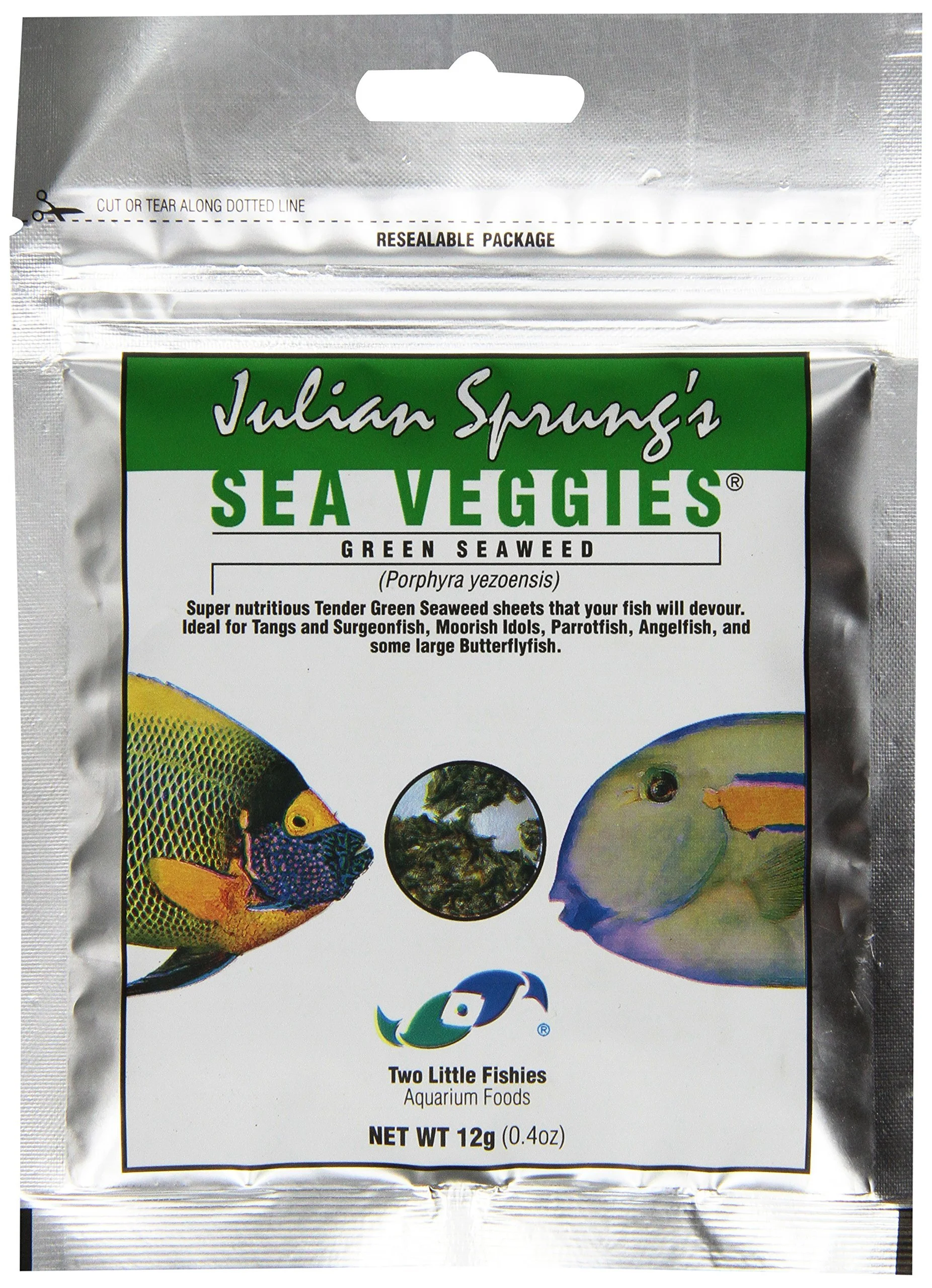
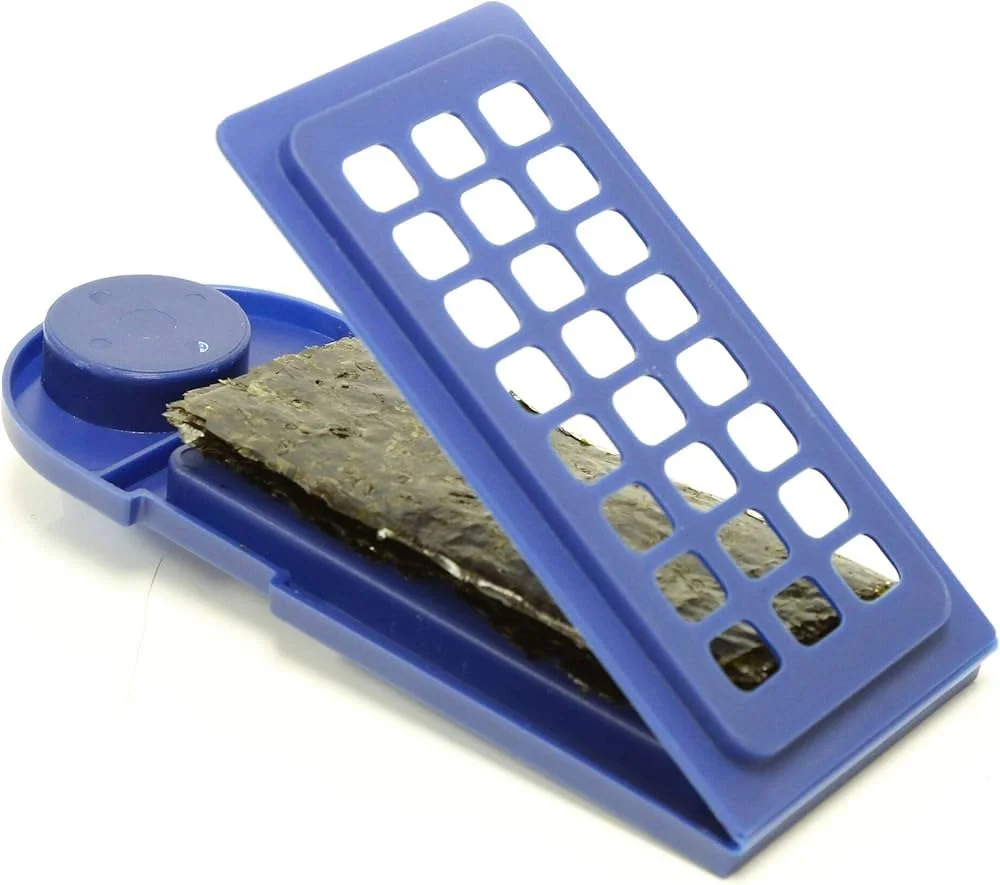
Daily greens: Nori clipped to a rock or a clip is an excellent staple.
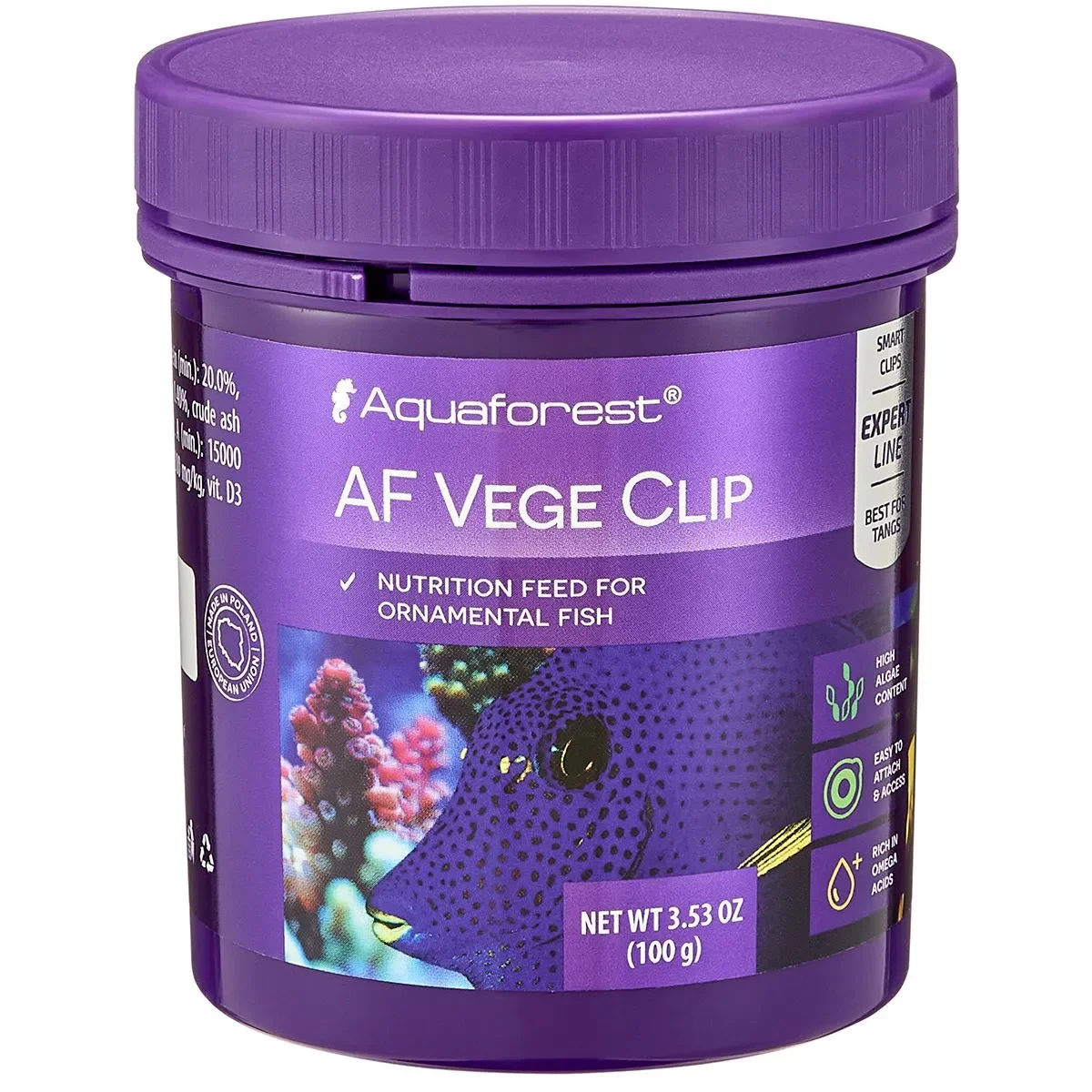
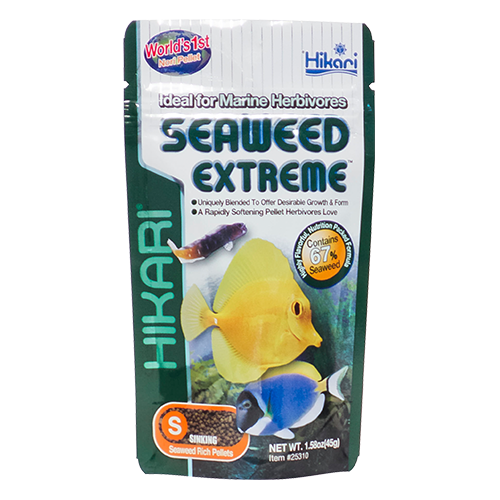
Prepared foods: Algae-based pellets (we like algae extreme pellets) and herbivore-specific frozen mixes are great. Powder Blue Tang usually adapts to pellets and frozen diets without much trouble.
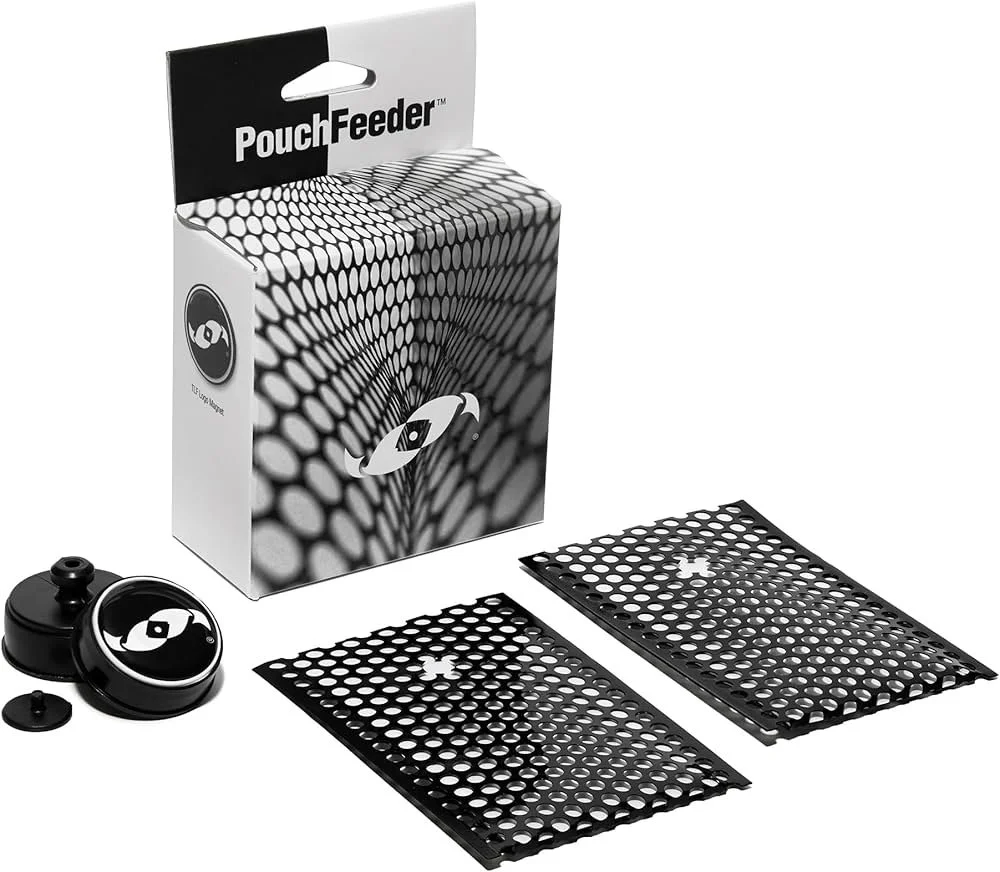
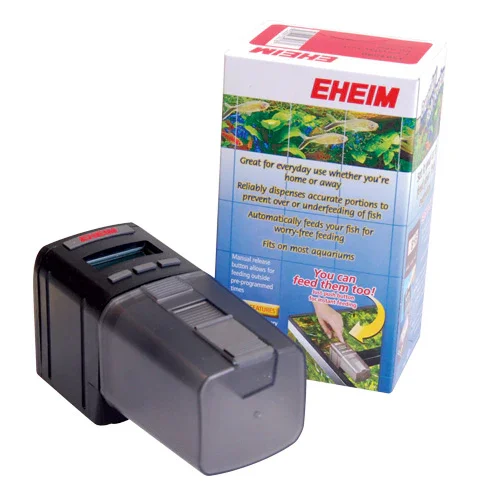
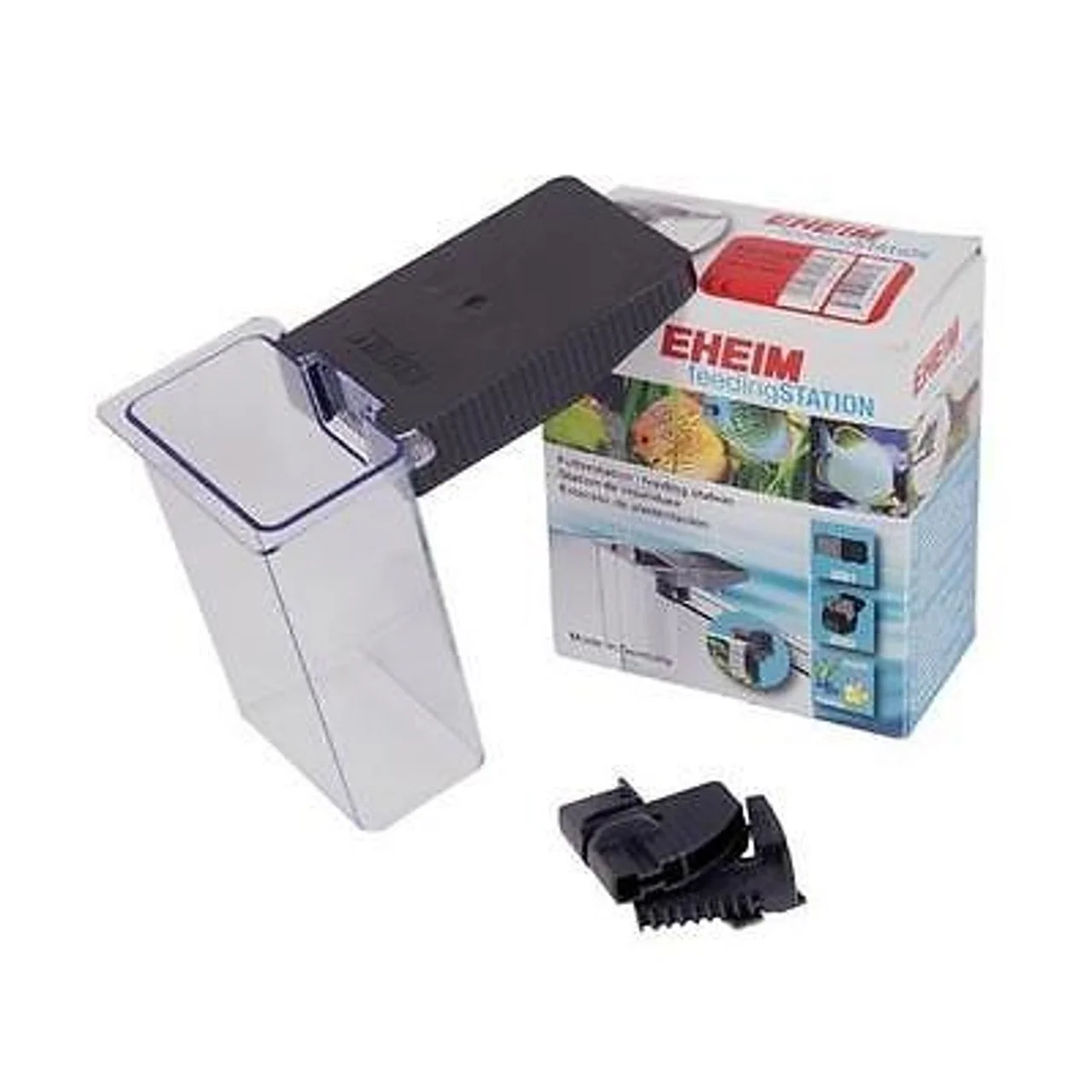
Auto feeders and timed feeding: Because these tangs graze through the day, a small, frequent feeding schedule via an auto feeder can better mimic natural behavior than one large feeding.
Novel options: Herbivore rings or algae donuts (sold by some brands) can act as long-lasting grazing targets clipped to the tank glass.
Beware of feeding too much meaty food. While many herbivores can suffer constipation when underfed algae, with Powder Blue Tang we more commonly see obesity from excess protein and insufficient grazing or exercise. Keep their diet primarily algae-based and maintain good flow so they keep moving.
Is the Powder Blue Tang Reef Safe?
Yes. The Powder Blue Tang is reef safe. It is a herbivore and will not nip corals, anemones, or sessile invertebrates. It also generally leaves snails and crabs alone. That said, reef safe does not mean we can ignore other aspects of care—these fish still need the right diet, water flow, and quarantine procedures to thrive in a reef environment.

Compatibility and community considerations
Powder Blue Tang can be territorial and aggressive toward conspecifics and other tangs. They can hold and defend a patch of algae in a reef. Because of that, careful introductions and appropriate tank size are crucial. We have learned the hard way that tang interactions are unpredictable—sometimes the newcomer will win, sometimes the established fish will defend its turf aggressively.
Tank Size, Shape, and Flow
Powder Blue Tangs are active swimmers. We recommend a tank length of at least six feet for a full-grown individual. Smaller tanks may be possible for juvenile fish, but they will limit natural behavior and increase stress over time.
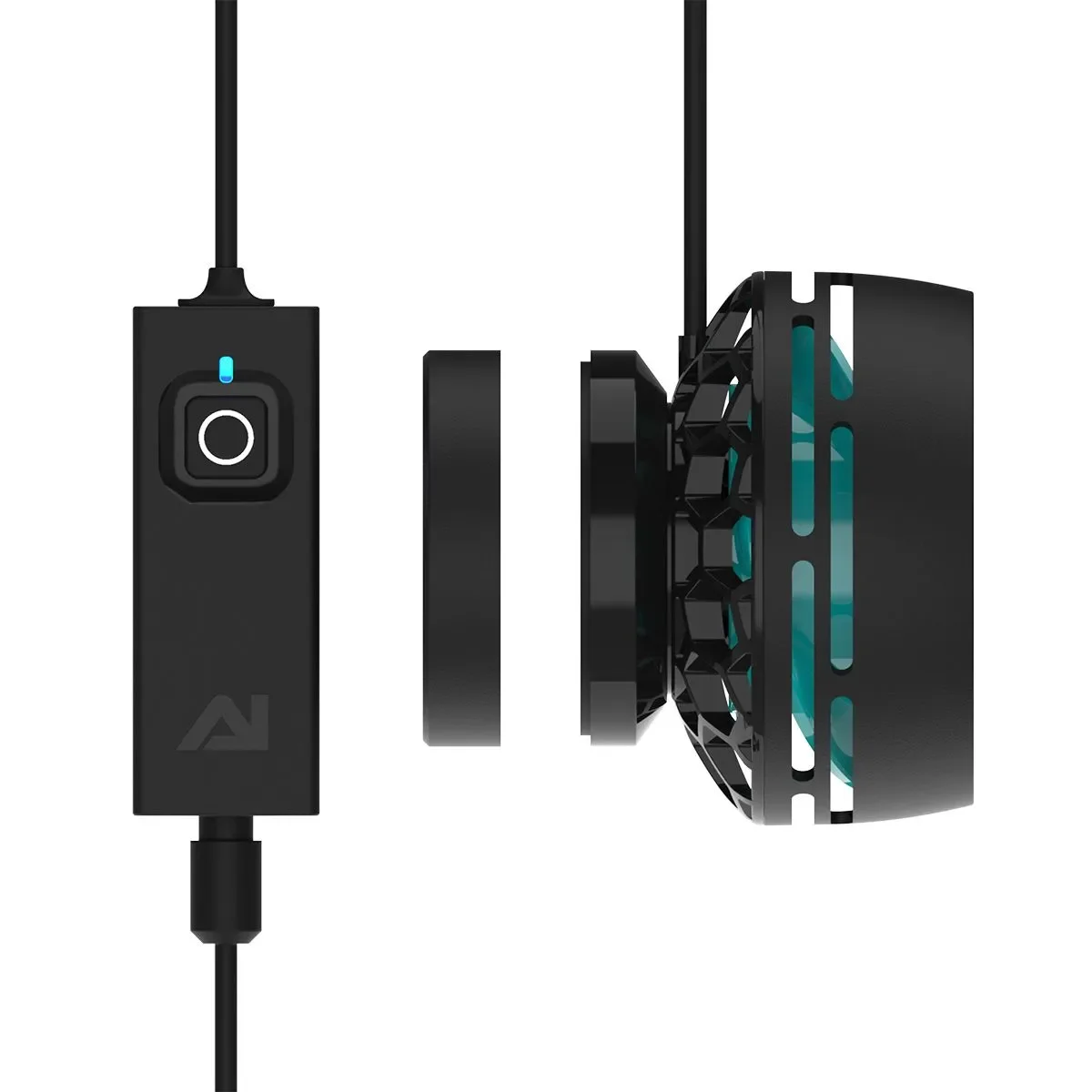
If you must compromise, a longer tank is usually better than a shallow front-to-back tank, but pushing the limits is risky. A narrow five-foot tank can sometimes work short term, but it is not ideal for the long haul. High flow is important—these fish are used to moving water and constant swimming. Think strong circulation similar to what you would run for SPS corals.



Quarantine, common health issues, and treatments
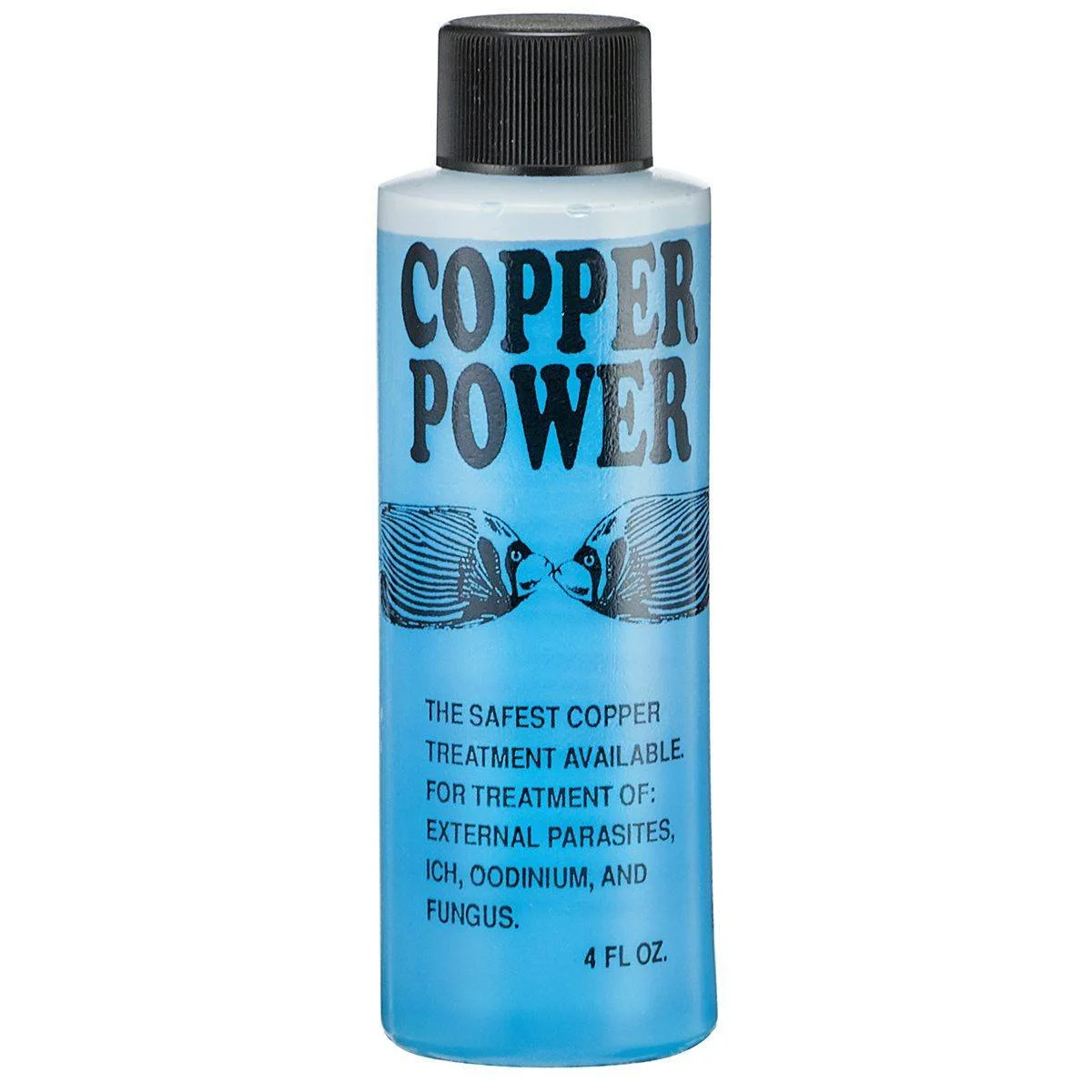
Powder Blue Tang are known for being more susceptible to ich than many other reef fishes. Flukes and other parasites can also be problematic. One sign to watch for with flukes is bruising or grayish splotches on the body—these fish bruise noticeably when stressed by parasites.
Medication tolerance is generally good. Standard freshwater dips, medicated quarantine, and SRQT protocols work well for these fish. If you are unwilling to manage ich and other protozoans actively, the Powder Blue Tang may not be the fish for you.


We cannot overstate the importance of quarantine with Powder Blue Tang. Quarantine is one of the key reasons our success rates go up. There are two broad approaches:
Eradication: Quarantine and treat every new fish until you are confident it is parasite-free. SRQT, freshwater dips, and medicated baths are common parts of this approach.
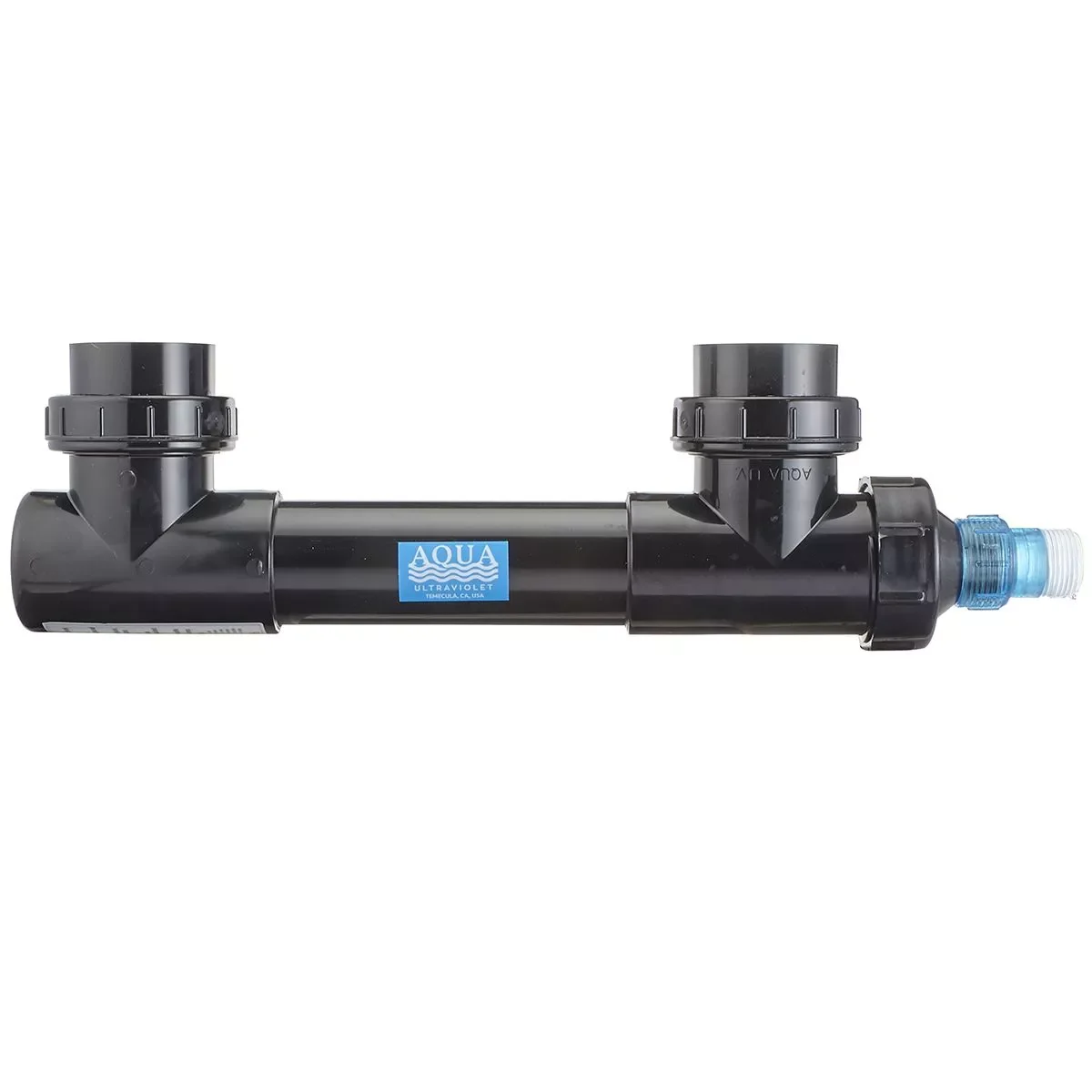
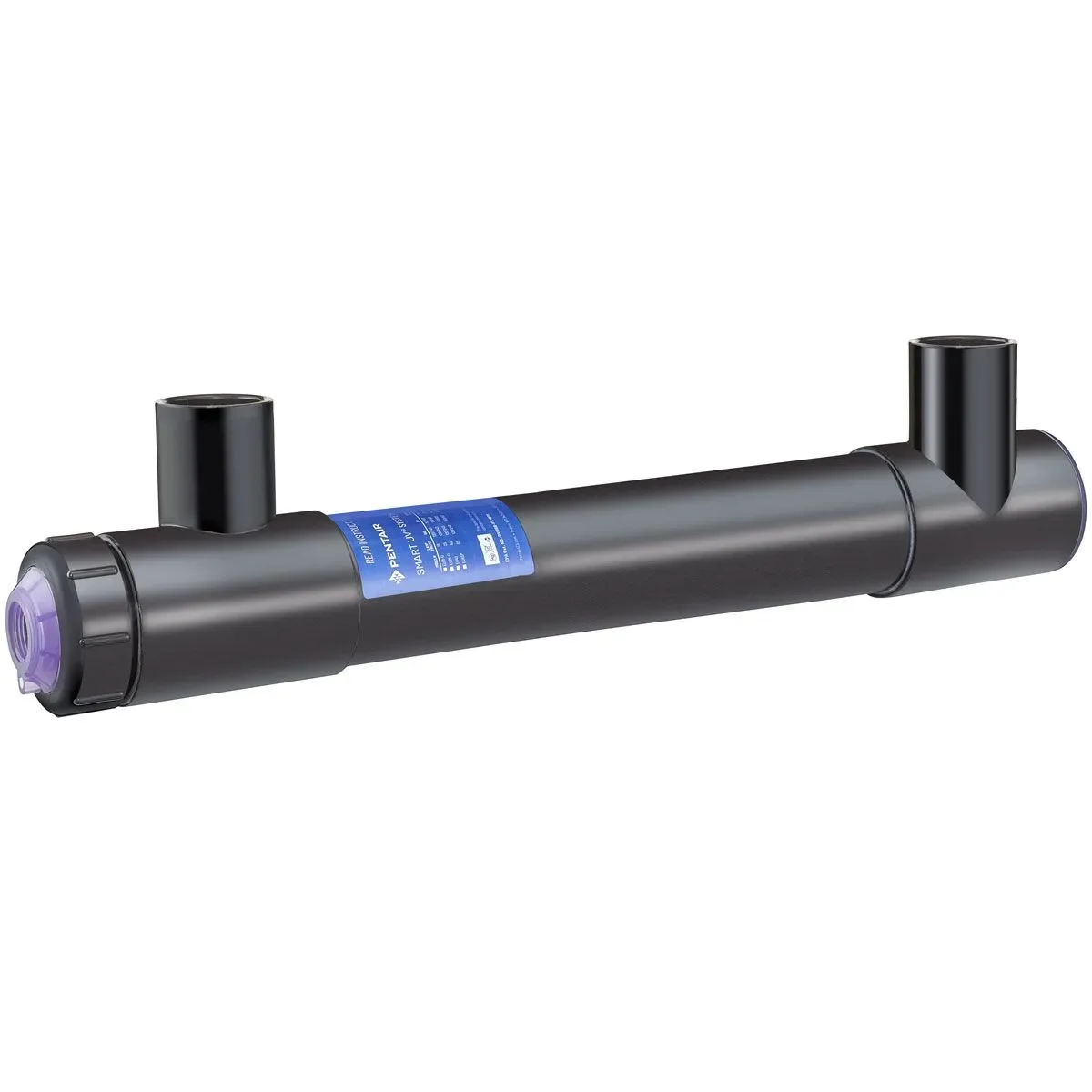
Management: Accept that low-level parasites may be present and control stressors. Emphasize nutrition, husbandry, UV sterilization, and avoid pairing with ich magnets. This approach leans on a strong UV sterilizer and excellent husbandry.
We prefer eradication when possible, but if you choose the management route you must do everything well: top-tier nutrition, minimal stress, an effective UV sterilizer, and vigilant observation. An isolation box can also be useful for acclimation and temporary separation without plumbing modifications.
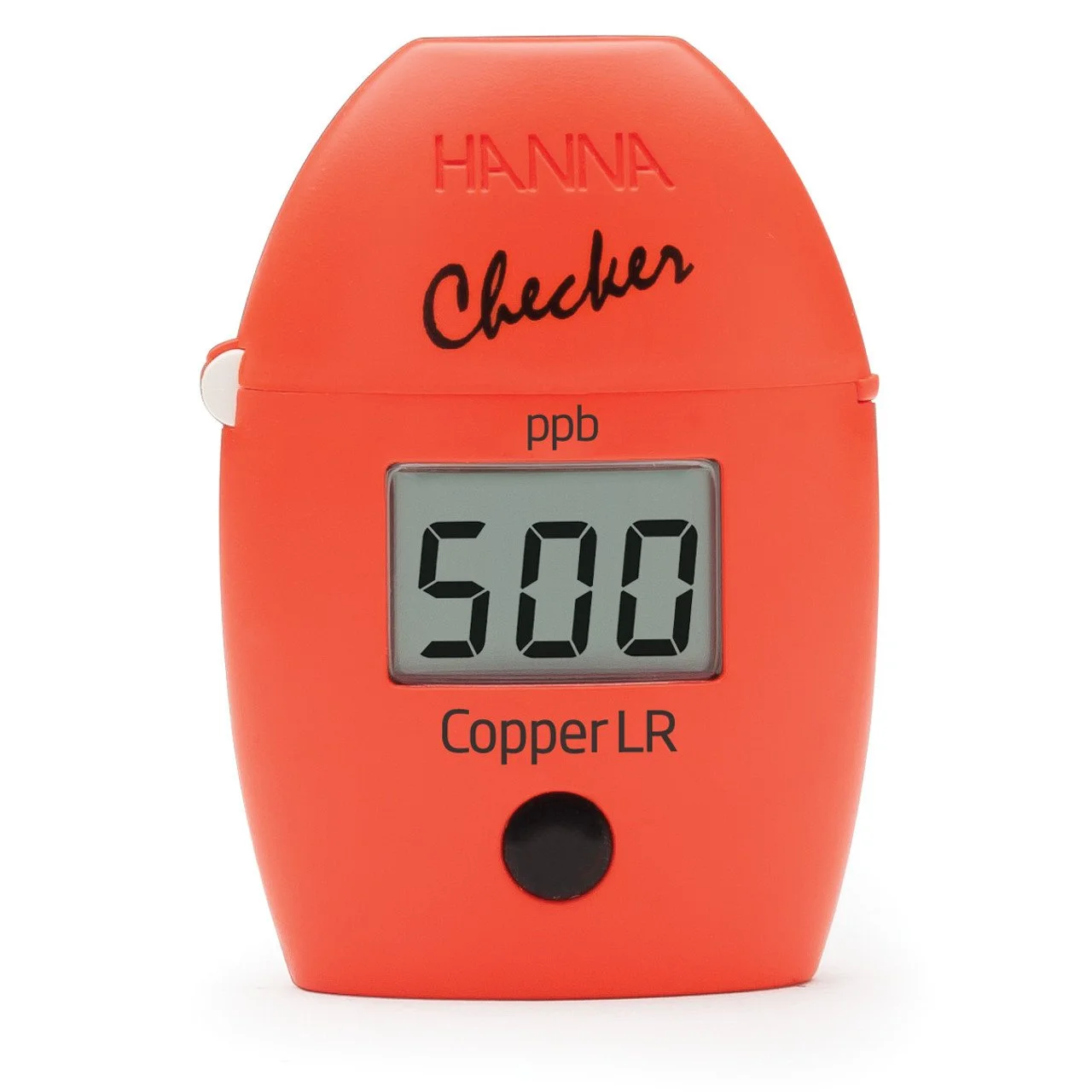
Availability and sourcing for the Powder Blue Tang
Powder Blue Tangs are widely available. You will see them in stock at many retailers and online stores. There is a persistent belief that Powder Blue Tang from Sri Lanka are a more vibrant blue. From our experience, we have collected great specimens from multiple regions, and the Sri Lanka narrative sometimes feels like a sales angle. Don’t feel you need to wait for a specific origin; focus instead on the health of the individual fish and the seller’s reputation.
Final thoughts
The Powder Blue Tang is one of those fish that rewards attention. If we commit to quarantine, proper diet, high flow, and careful husbandry, the reward is a healthy, vibrant fish that adds dramatic color to a reef. If we skip those steps, we risk stress, parasites, or worse. For those willing to do the work, the Powder Blue Tang is absolutely worth it. For everyone else, there are easier reef-safe herbivores to consider.
We hope this guide helps you decide whether the Powder Blue Tang is right for your reef. If you are ready to take the needed precautions, this fish can be a spectacular addition to a well-run aquarium.
Powder Blue Tang FAQs
Are Powder Blue Tang reef safe?
Yes. Powder Blue Tang are considered reef safe. They are herbivores and will not typically nip corals, anemones, or sessile invertebrates. They will graze algae and will not usually bother snails or crabs.
What does a Powder Blue Tang eat in the aquarium?
Primarily algae. Offer nori clipped to a rock daily, algae pellets, and herbivore frozen mixes. Auto feeders can simulate grazing behavior with small frequent feedings. Avoid excess meaty foods to prevent obesity.
How big of a tank does a Powder Blue Tang need?
We recommend a minimum of six feet in length for a full grown Powder Blue Tang. Juveniles may live for a while in smaller systems, but long-term welfare and swimming space are best in larger tanks with strong flow.
Are Powder Blue Tang hard to keep?
They are available through specialty online vendors and collectors more often than in standard local fish stores. Samples from Fiji tend to be larger and more robust, so ask your supplier about origin when possible.
Should I quarantine a Powder Blue Tang?
Yes. Quarantine is strongly recommended. SRQT protocols, freshwater dips, medicated treatments, and close observation before introduction to the main display will greatly reduce the risk of introducing ich or flukes into your display.
Are Powder Blue Tang aggressive with other tangs?
They can be territorial and aggressive, especially with conspecifics or similar-looking tangs. Introductions must be handled carefully, with appropriate tank size and hiding space. Expect some level of territorial behavior.
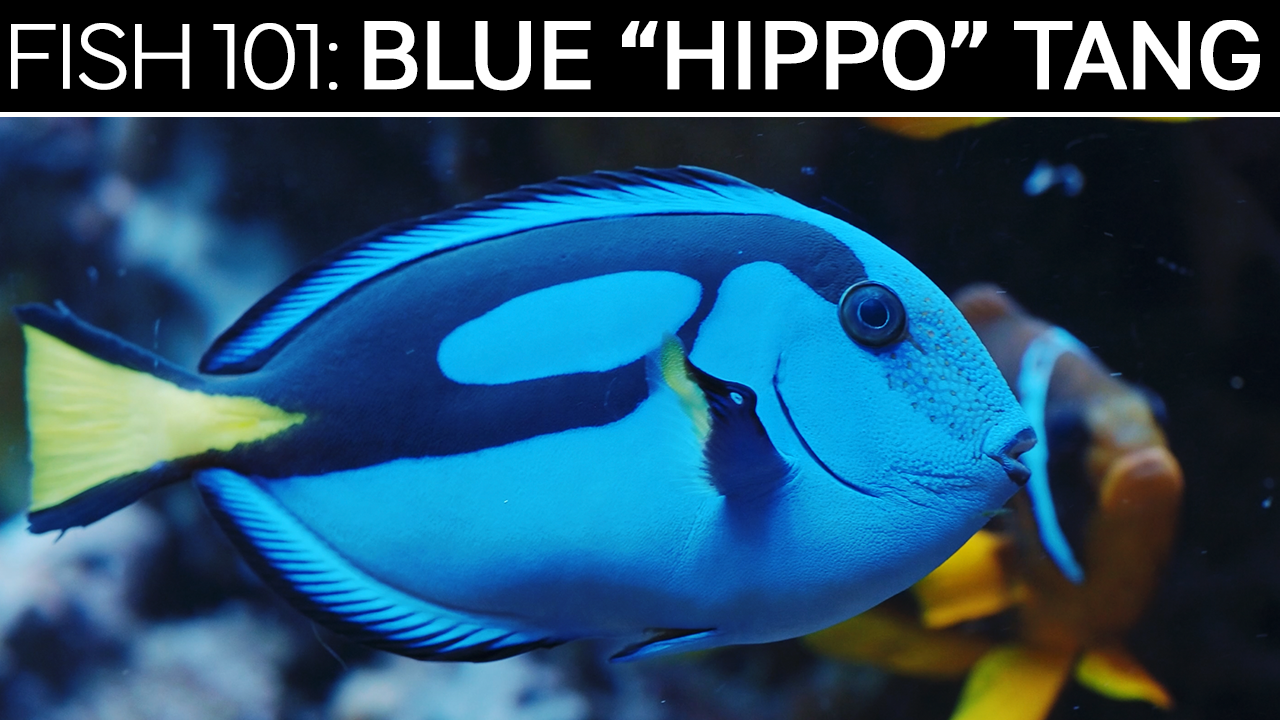
Blue Hippo Tang (Paracanthurus hepatus)
Blue Hippo Tang
We keep coming back to one of the most iconic reef fish: the Blue Hippo Tang. If you want that saturated, almost violet-blue color in your tank and an energetic swimmer with quirky behavior, the Blue Hippo Tang is a top contender. In this guide we cover name origins, color forms, reef compatibility, diet, tank requirements, common health issues, and sourcing so you can decide whether the Blue Hippo Tang belongs in your aquarium.
Acknowledgments
Thank you to Elliot Lim for sharing his knowledge with the SR community. Elliot owns and operates www.marinecollectors.com Thank you to Oral Seymour for summarizing the video and making it available to everyone. Follow Oral on his IG page reefingwitho
Thank you to the Serious Reefs community. Your membership funds the creation of articles and videos like this one.
Support Serious Reefs
Patreon is the best option If you…
Want to discuss with the SR community and ask questions.
Want immediate notifications of every release.
Listen with phone screen off. Patreon app works with phone closed
Want 25% off via annual discounts.
YouTube members is the best option If you…
Watch SR videos on a TV via youtube App
Want to watch videos natively here on seriousreefs.com - (You must use chrome browser and be logged into google account with youtube membership)
Are a YouTube power user.
Tell a friend. Best option if want more SR (and faster).
If you like what we’re doing, give SR a quick shout-out on your favorite forum, YouTube, Facebook, TikTok, or Instagram. Let your local fish store know SR is helping you explore the hobby and keep it fun. Thanks for the support!
Disclaimer
Full Disclaimer HERE. This is the gist of it.
Content is based on personal experience, not professional advice. Do your research and reef responsibly. Serious Reefs should not be your sole source of information on any topic.
By watching, you agree that Serious Reefs and its creators aren’t liable for how you use this info. Please don’t utilize our information if you are not ok with this.
Serious Reefs has no sponsors, doesn’t accept product or payment for reviews. We do use affiliate links in articles that earn a small commission to support our work. Shop wherever you like, we won’t be offended.