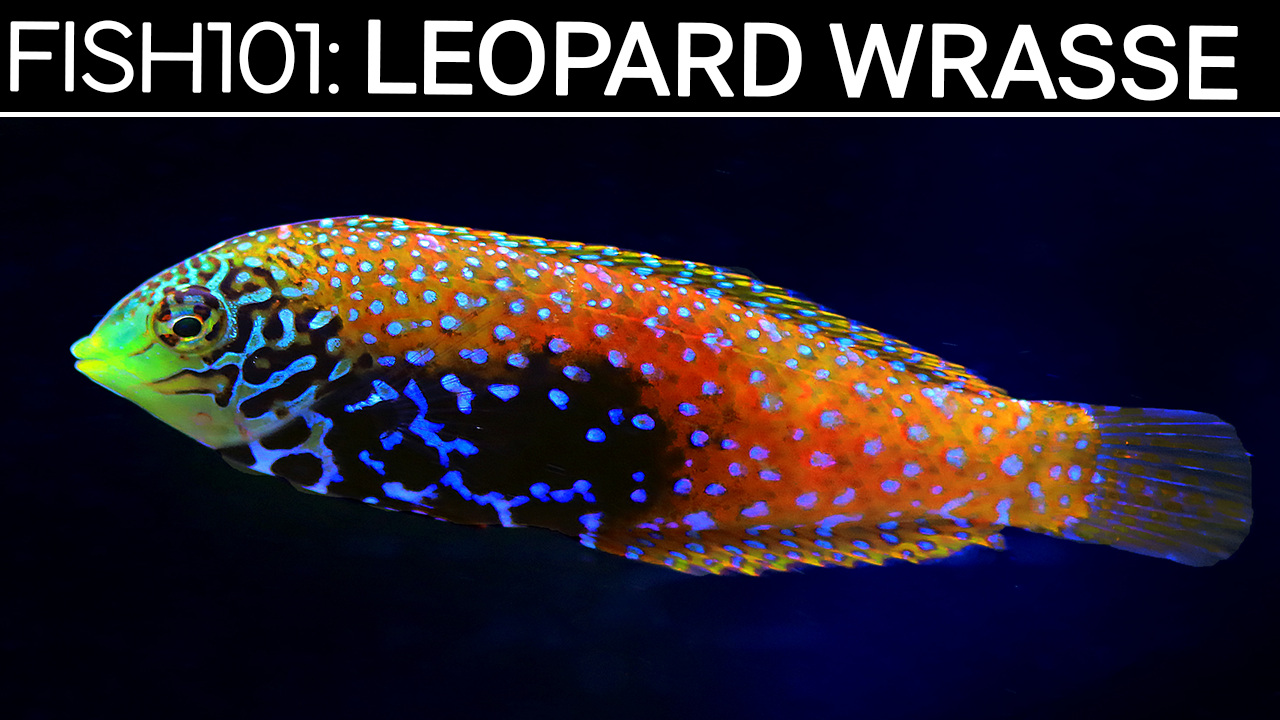
Leopard Wrasse: Fish 101
Care, Acclimate, and Thrive with One of the Reef’s Most Inquisitive Fish
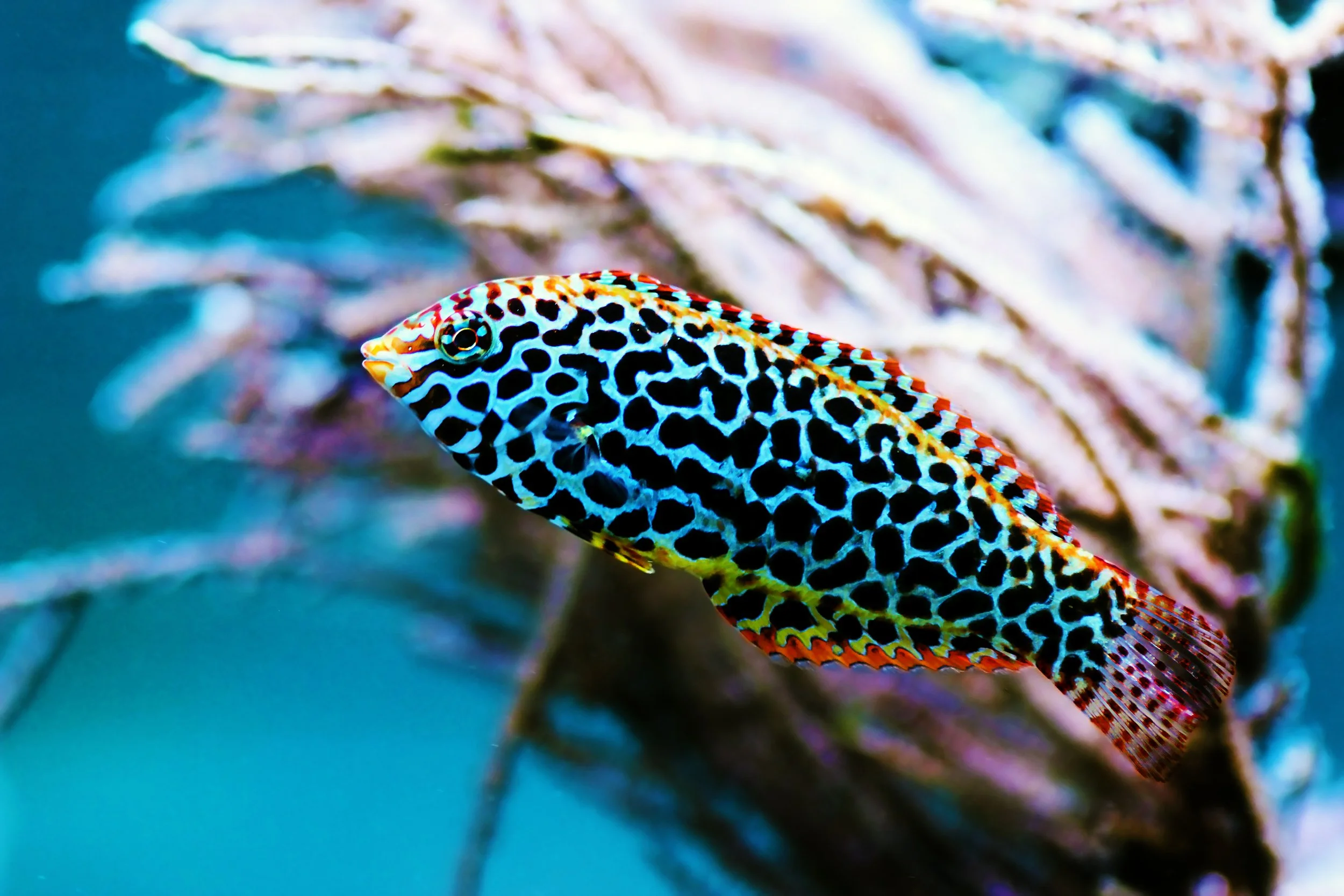
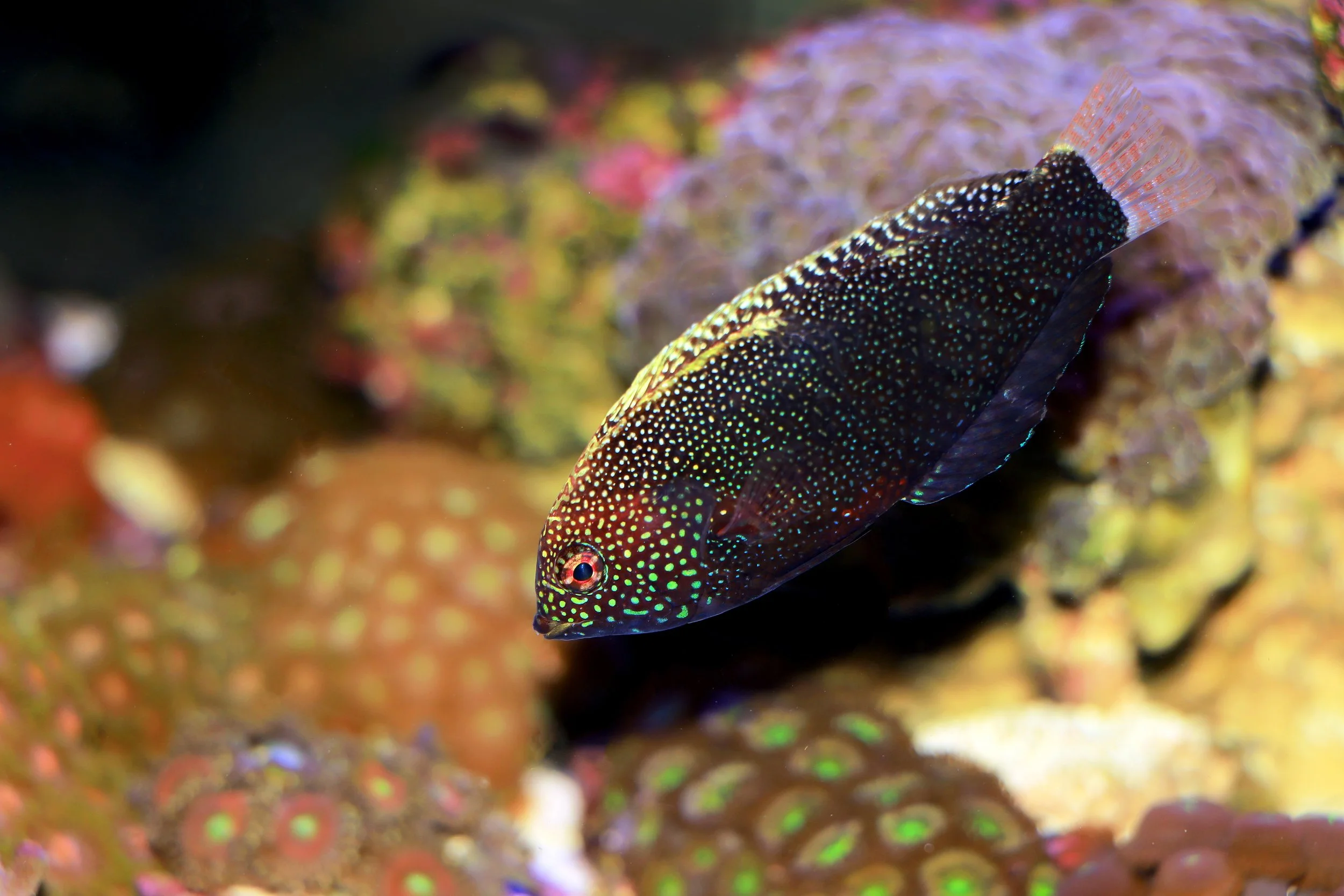
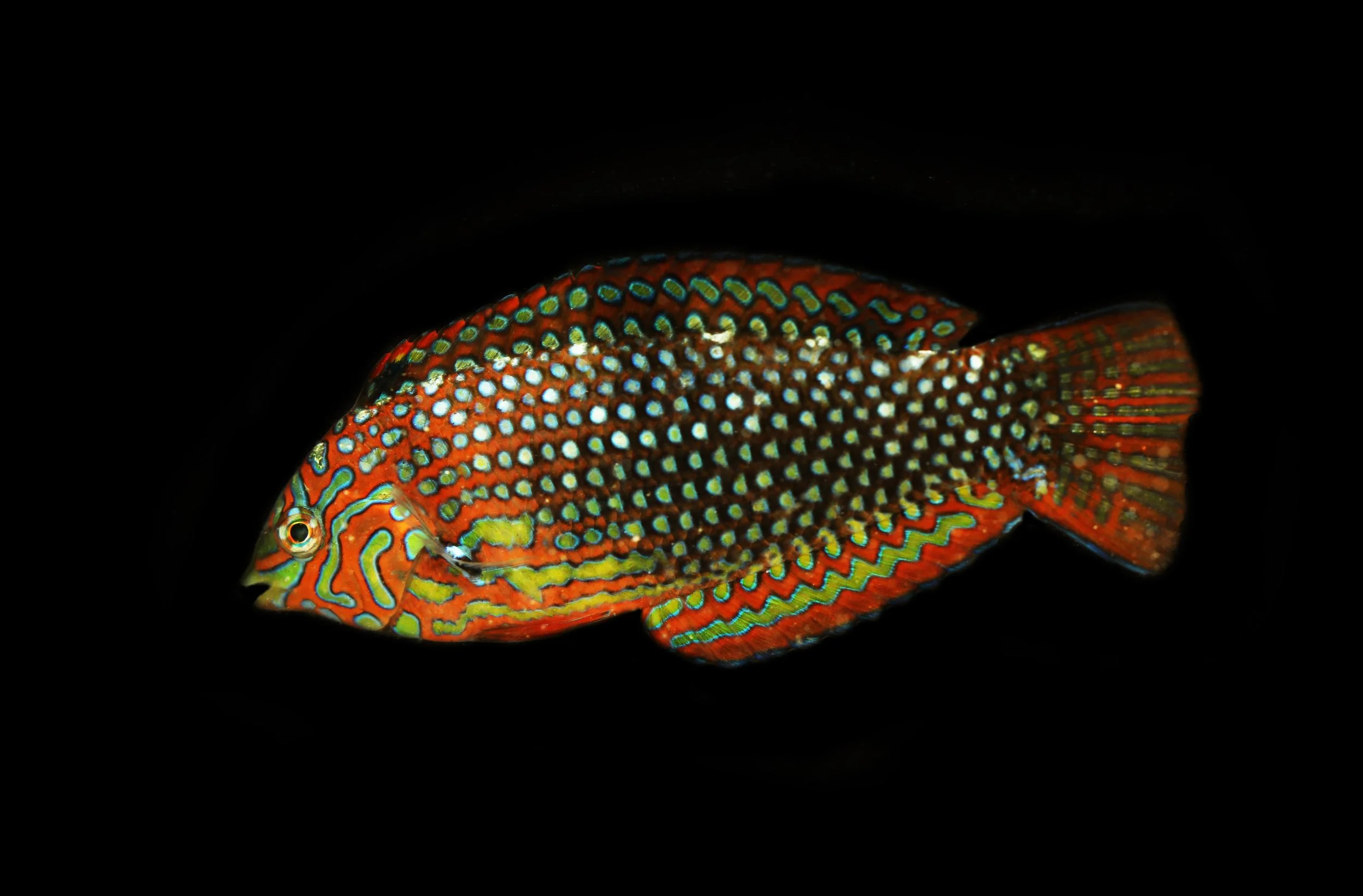
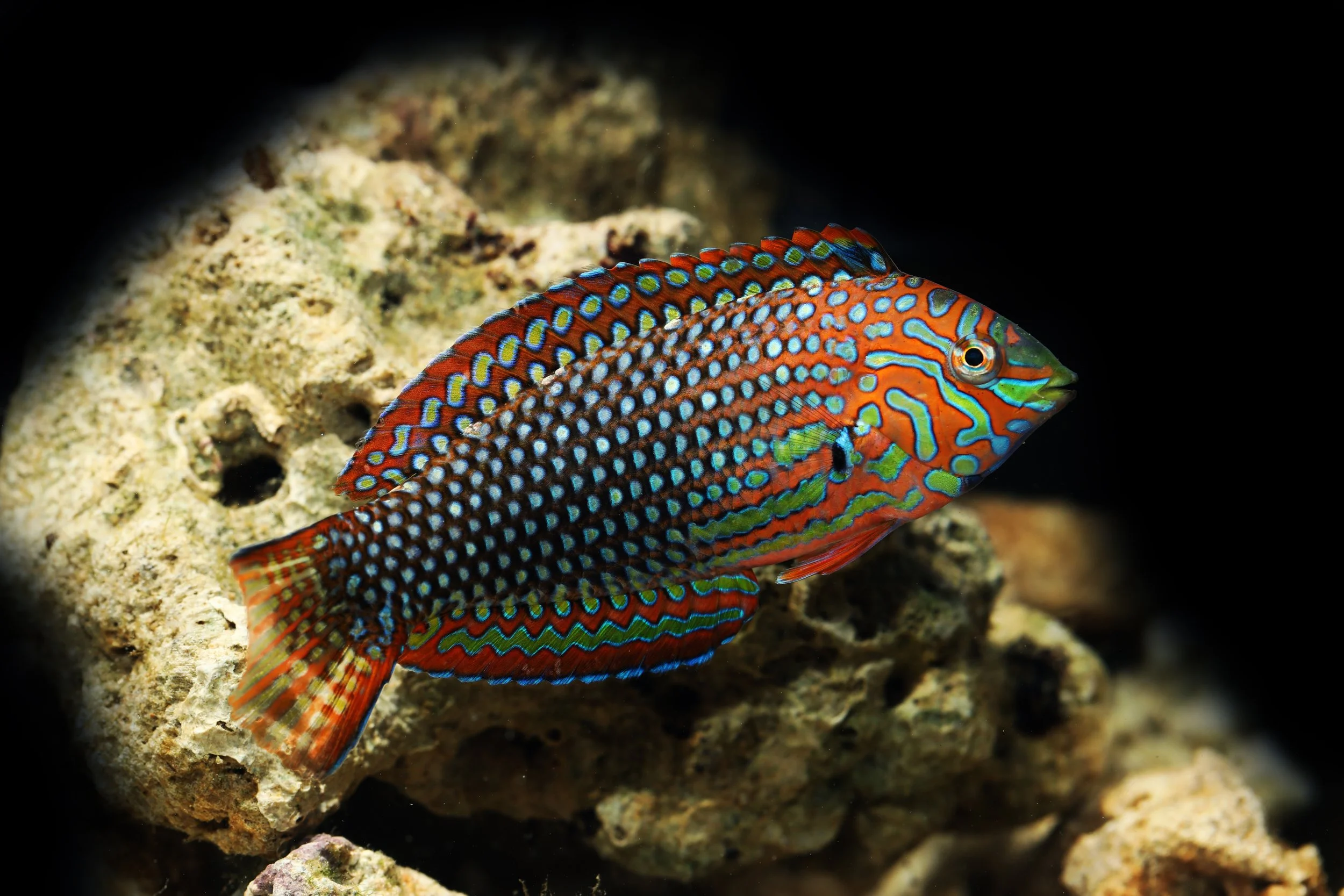
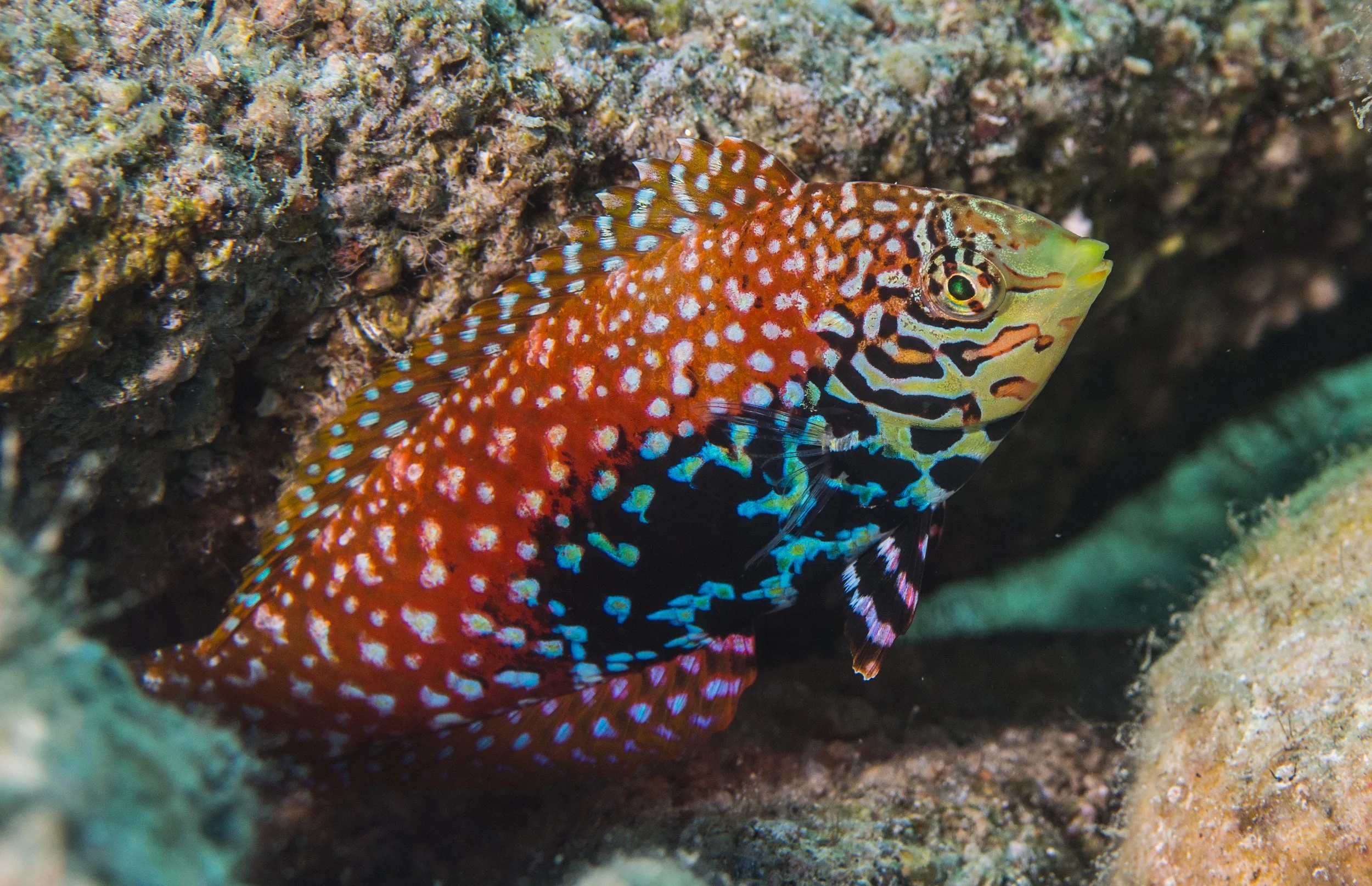
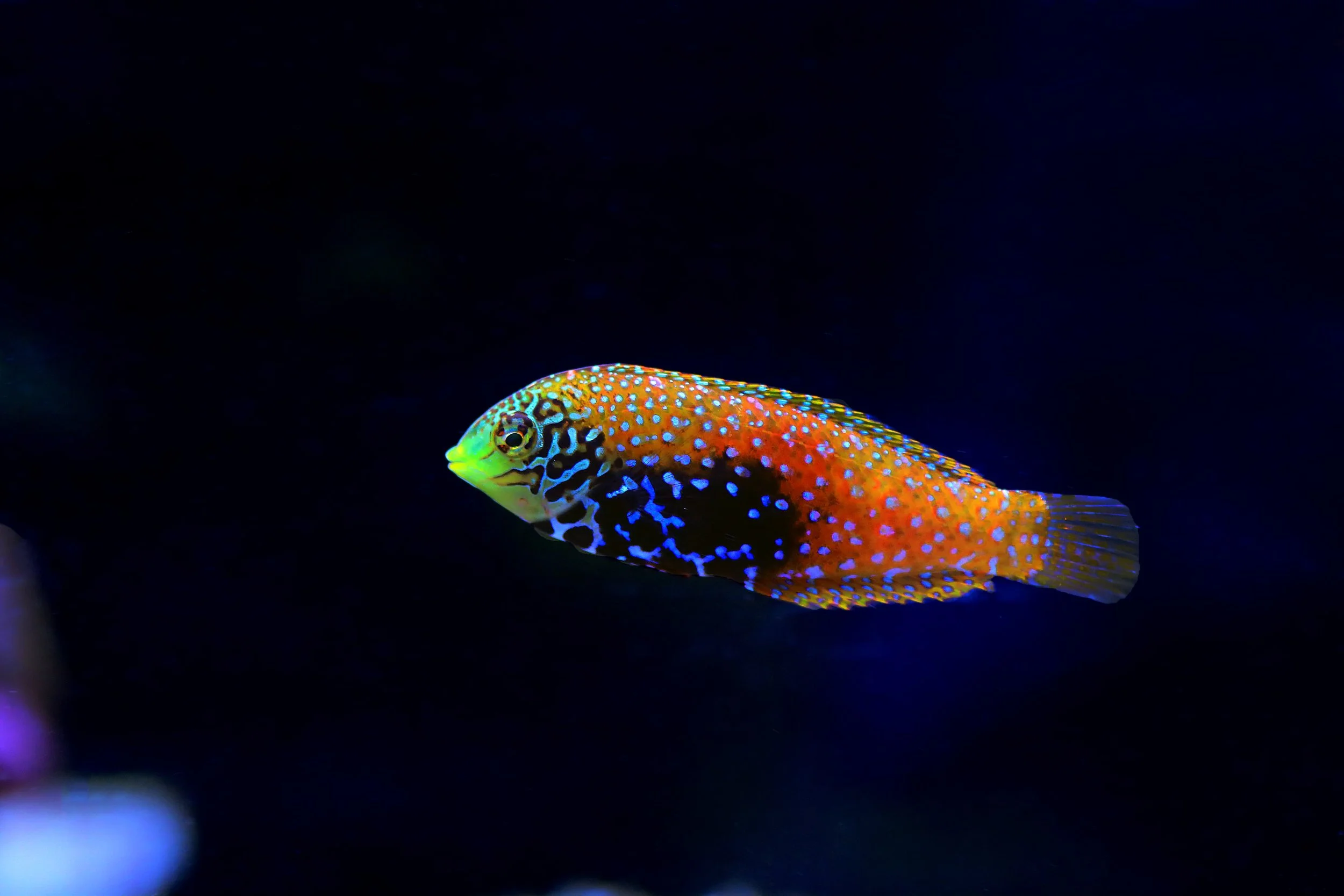
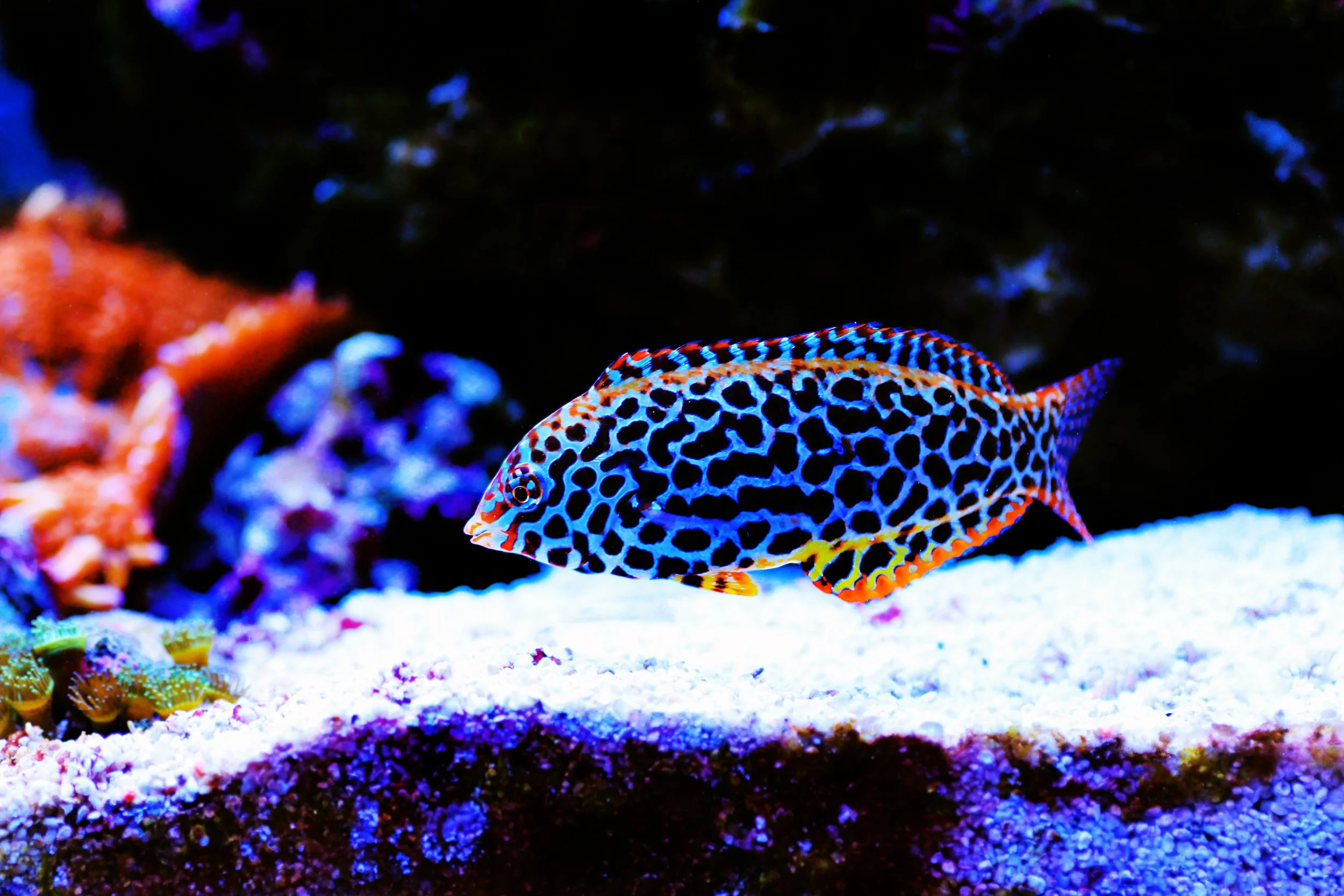
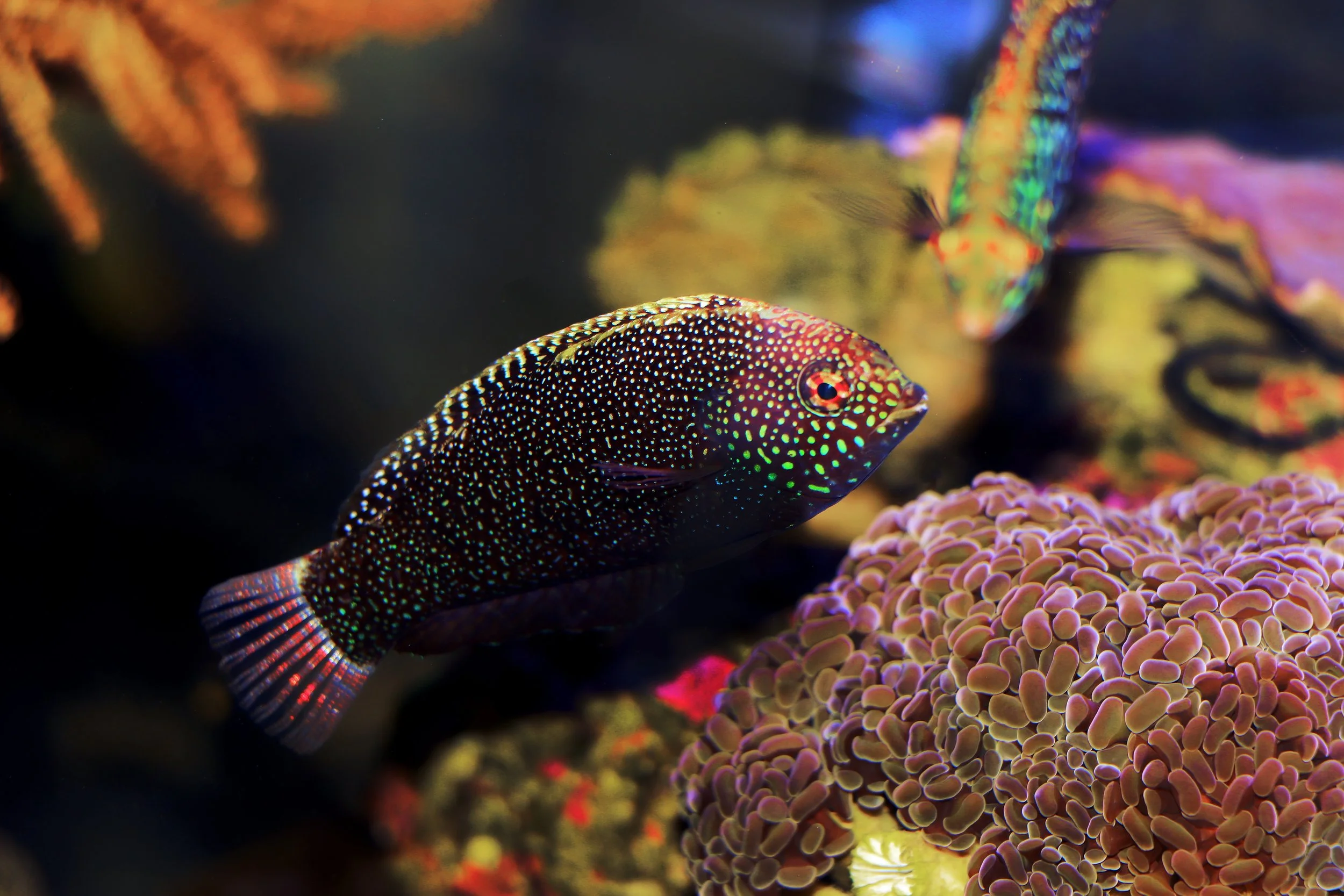
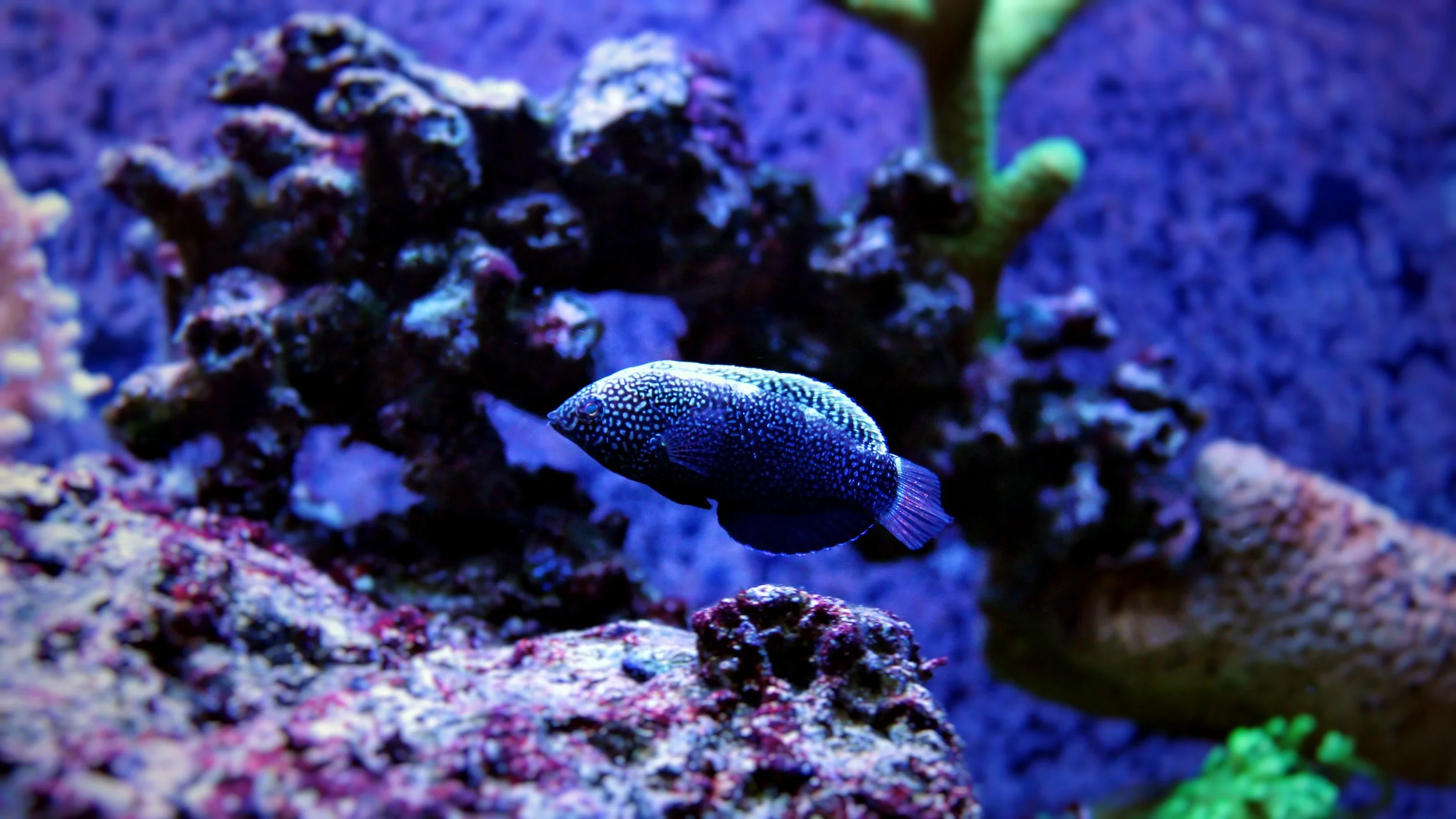
Black-Spotted Leopard Wrasse
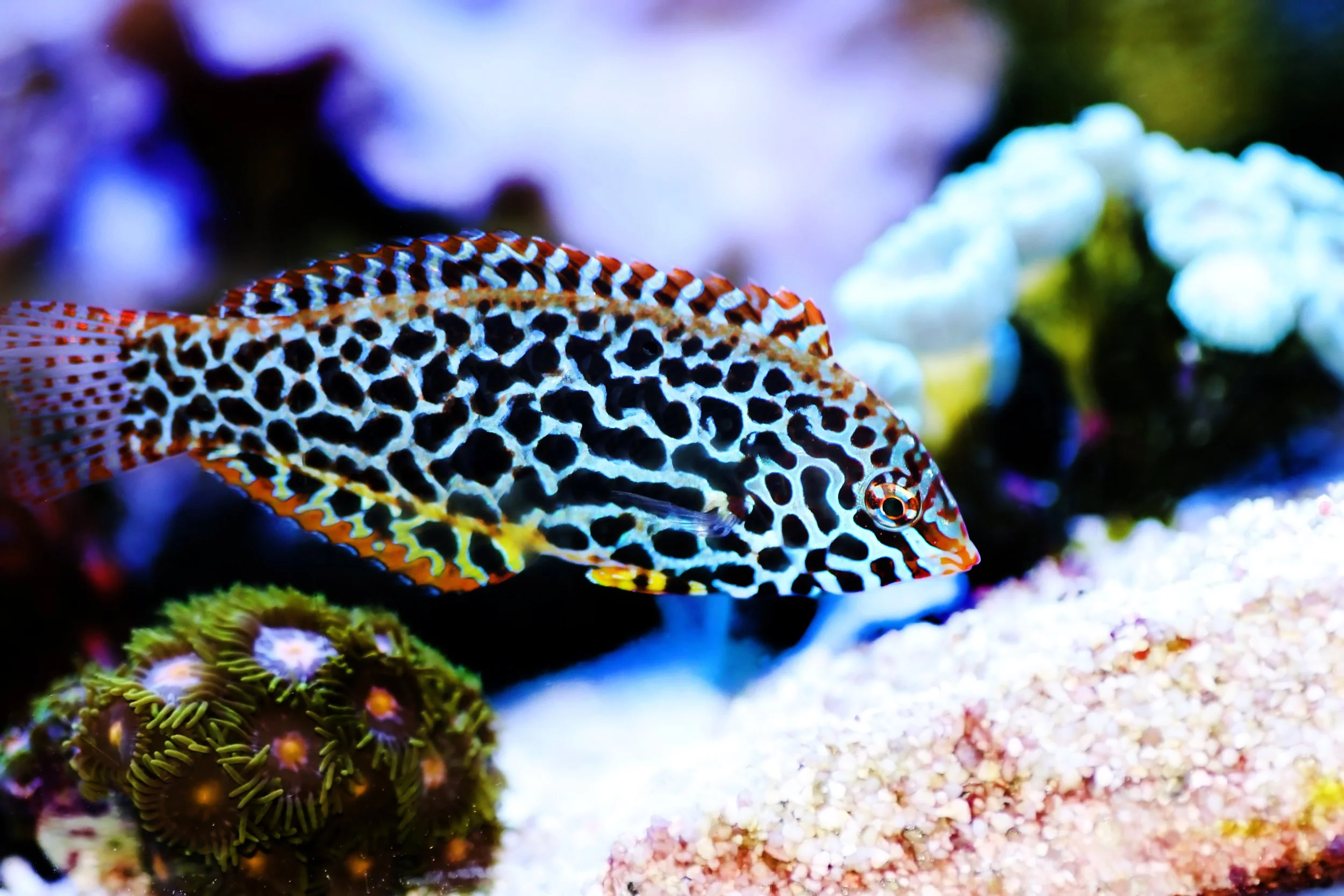
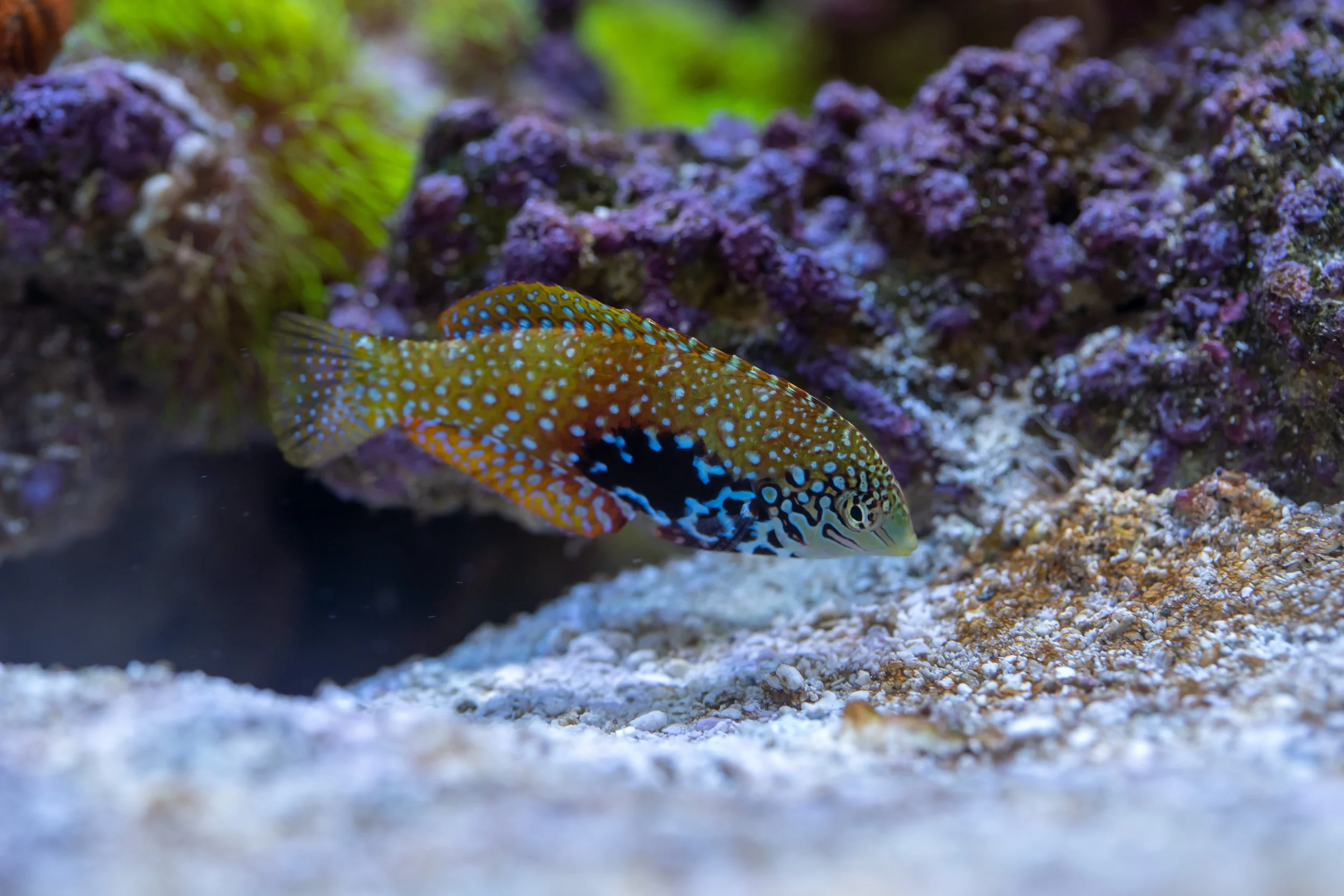
We love showing off fish that make a tank sing, and the leopard wrasse is one of those species. Whether you keep reef aquaria for color, personality, or microfauna control, leopard wrasses add activity and curiosity that few other fish match. If you own an Achilles Tang and want a more hands-on, rubble-loving companion, the leopard wrasse can be a perfect addition when handled correctly. Throughout this guide we will walk through diet, reef safety, habitat, quarantine tips, and practical steps to get them eating and thriving.
Note: Paid YouTube SR Members Using A Chrome Browser can watch videos natively above on Seriousreefs.com. Sign up HERE
SR videos are a community funded member only resource. Serious Reefs buys everything we review, accepts no sponsorships, and your memberships make it possible to keep every review truly unfiltered.
At a glance
Common name: Leopard Wrasse
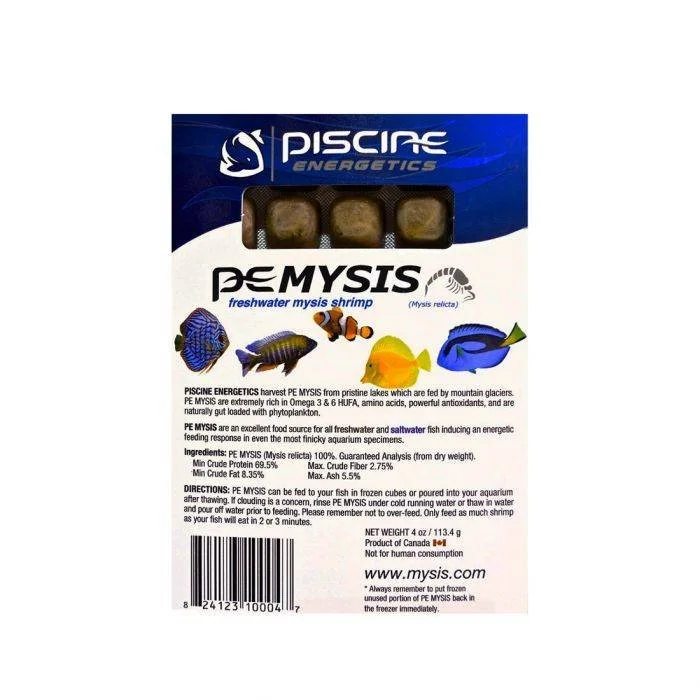
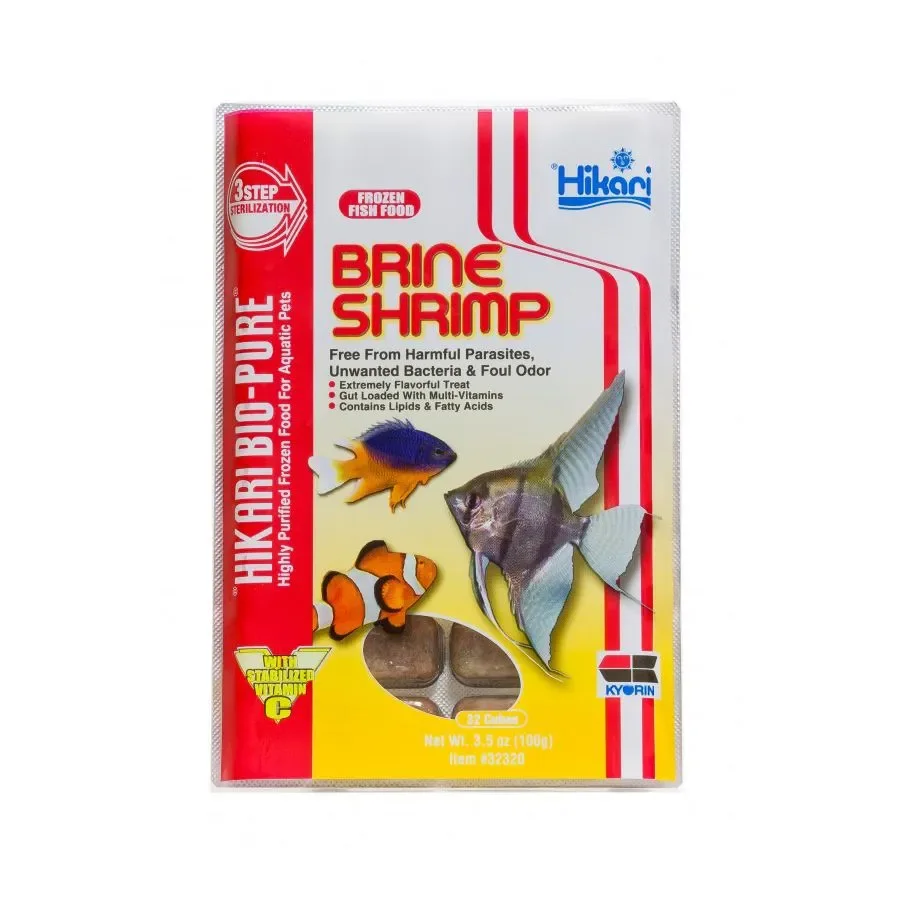
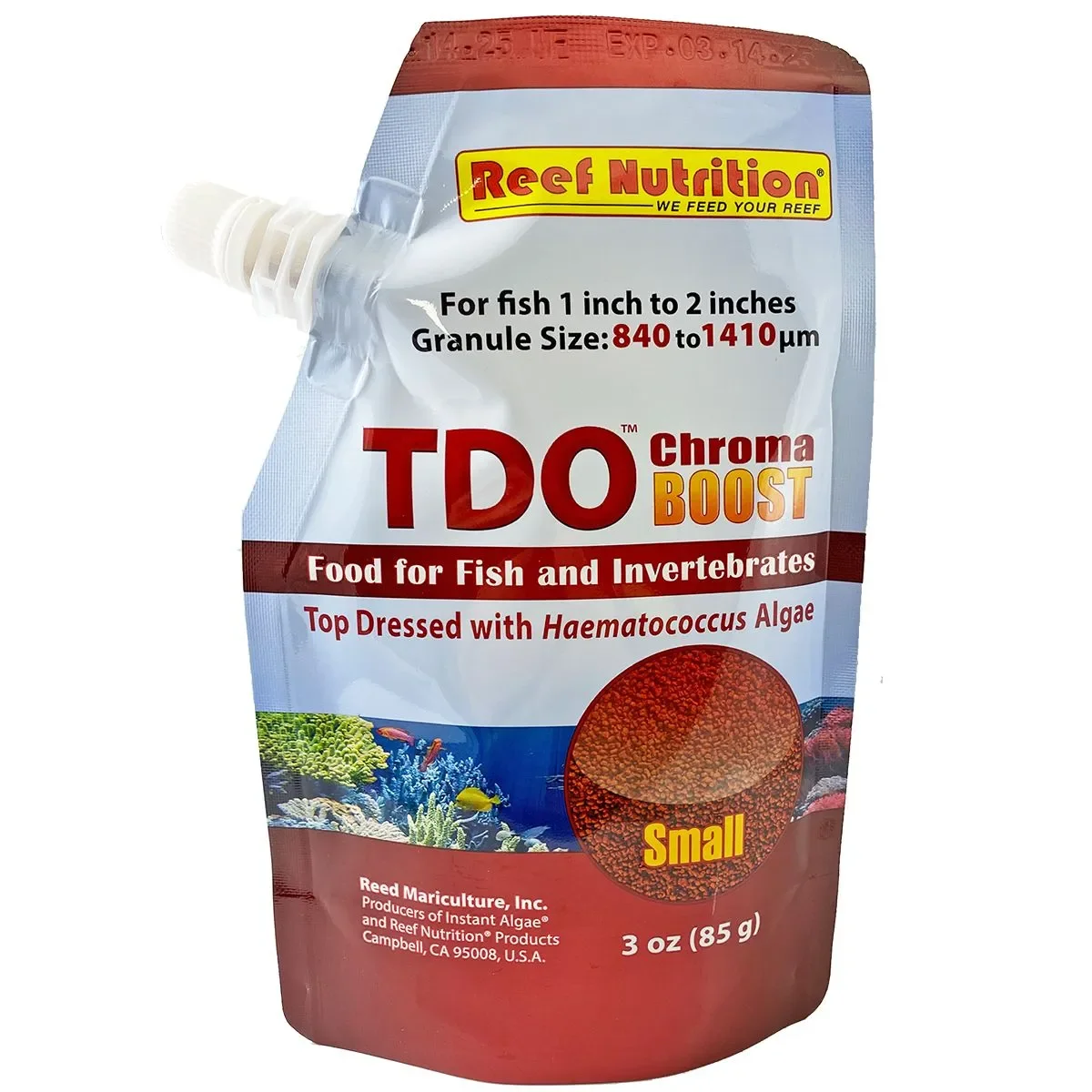
Diet: PE Mysis and other meaty frozen foods. Brine shrimp (frozen or alive). Small pellet training over time (TDO style pellets)
Reef-safe: Yes. Large males, once they reach maturity, may go after small shrimp such as sexy shrimp
Temperament: Harlequin Filefish are shy and can be pushed around by aggressive feeders
Tank requirements: A tank with at least a 3 by 2 foot footprint (for example a 40 breeder)
Care level: We rate leopard wrasses as intermediate. The long-term care is straightforward once feeding and quarantine are handled.
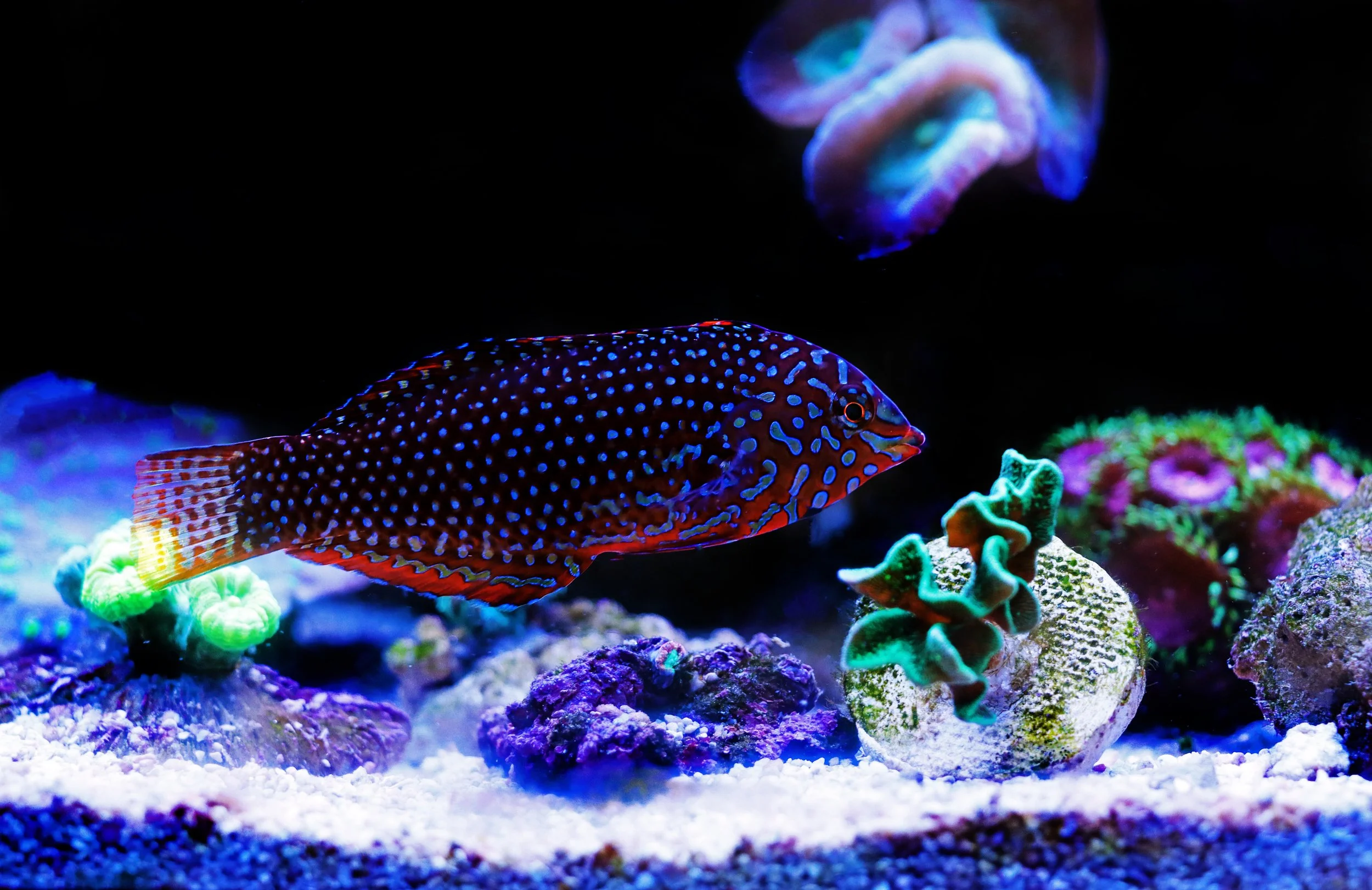
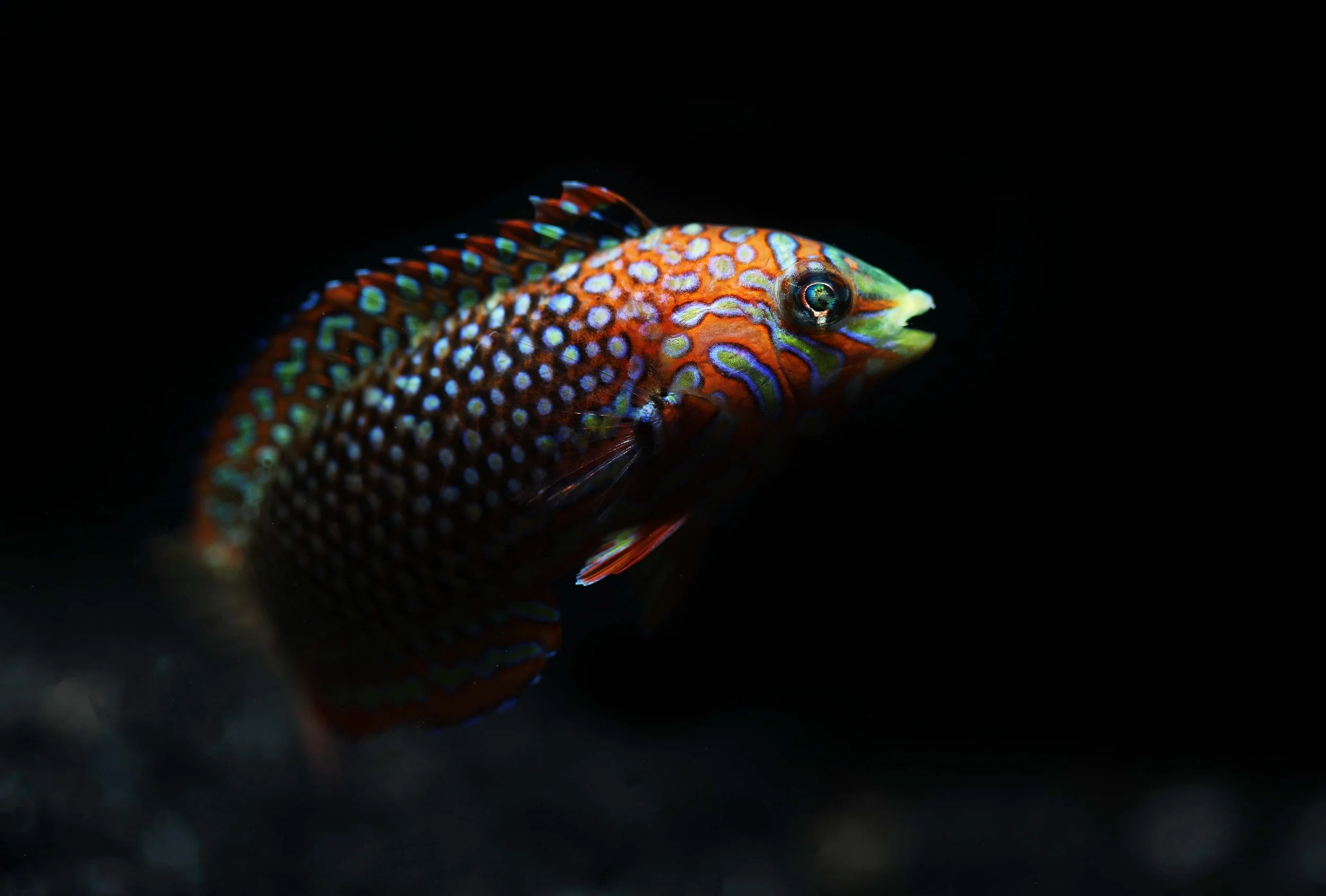
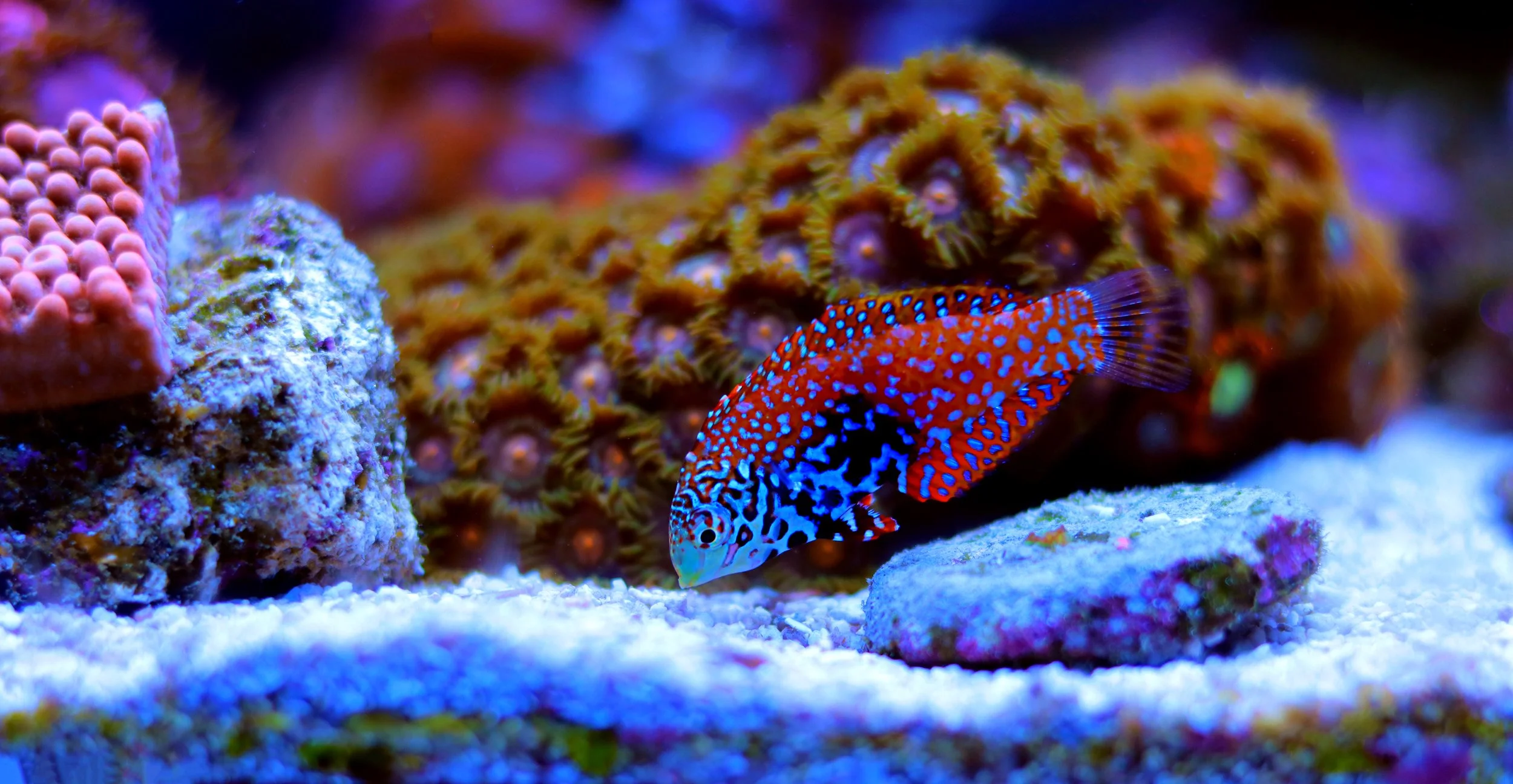
What do Leopard Wrasses eat?
We feed leopard wrasses a variety of frozen foods and prepared items. Common favorites include:
PE Mysis and other meaty frozen foods
Brine shrimp (frozen or live)
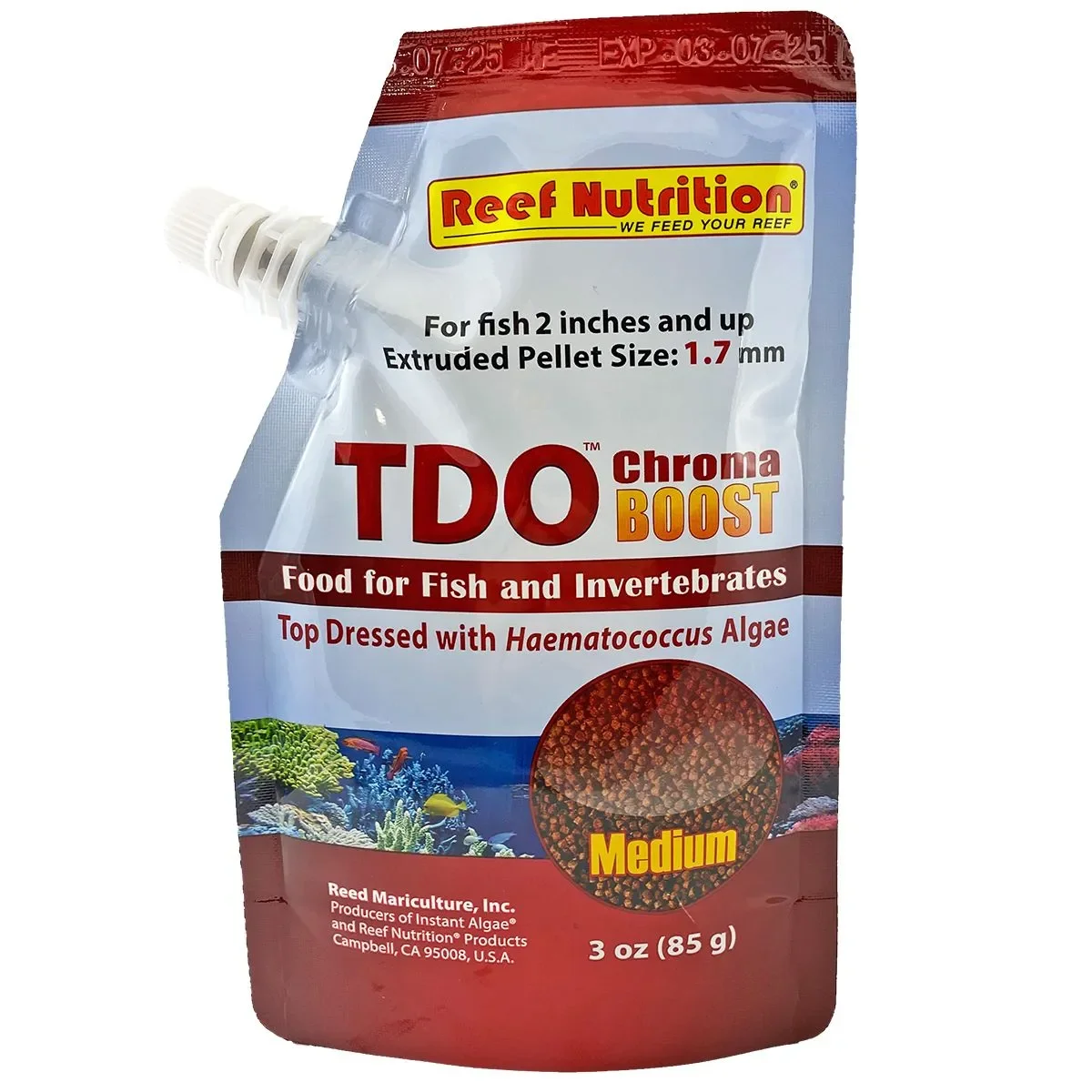
Small pellet training over time (TDO style pellets)
If a leopard wrasse refuses food on arrival, it is usually due to stress or gill damage from shipping rather than pickiness. In most cases they will start accepting frozen foods like PE Mysis once they recover. If needed, live foods such as live brine or live mysids can trigger feeding quickly. We reserve freshwater blackworms as an emergency trick since they wriggle and provoke predatory response, but we do not recommend long-term feeding of freshwater items.
Feeding frequency should mimic their natural grazing habit. Ideally we offer small portions several times a day. In a well-filtered modern reef the risk of overfeeding is lower, so feeding once or twice daily is usually fine once the fish is settled.
Are Leopard Wrasse reef safe?
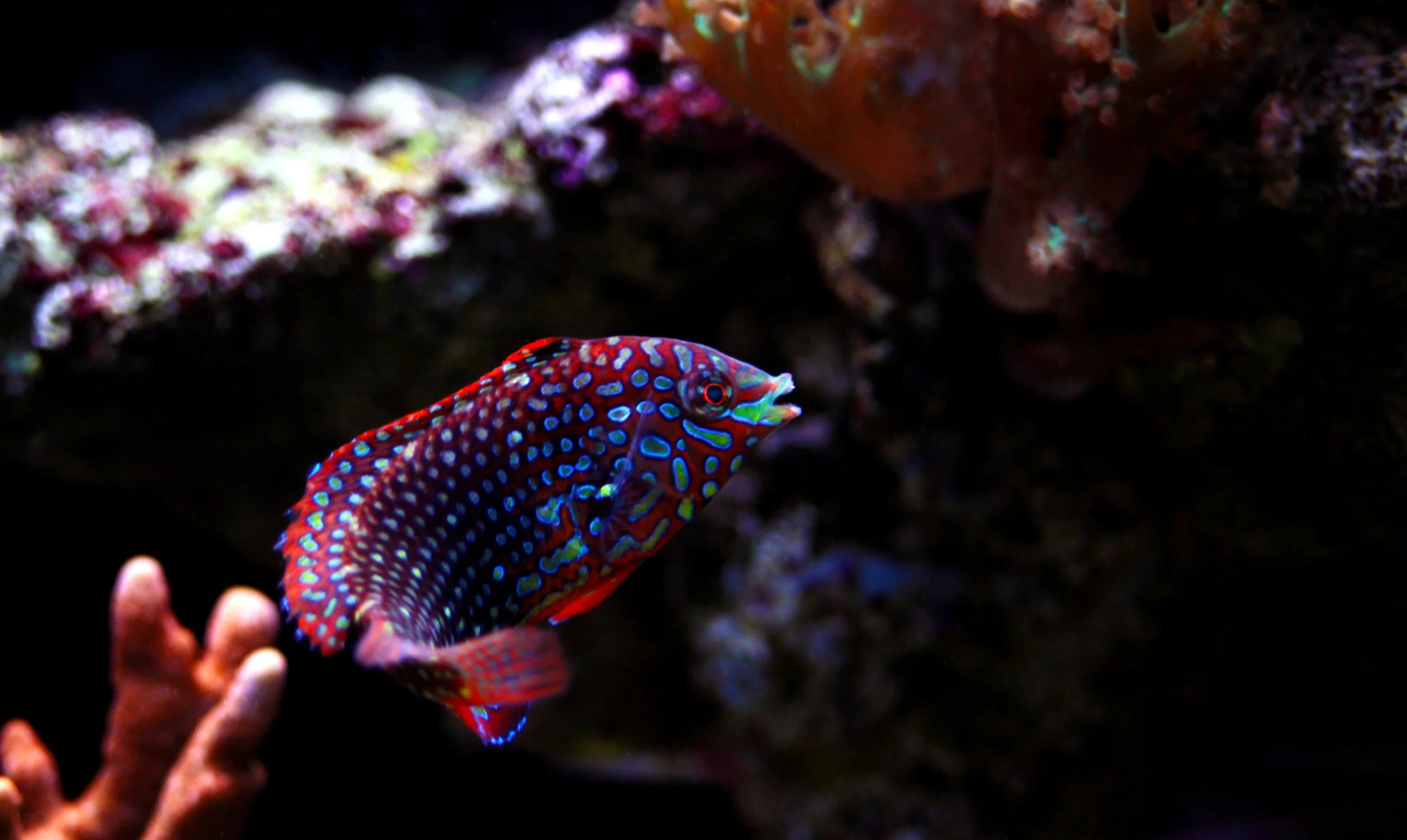
Leopard wrasses are reef safe for the most part. They do not go after corals and generally leave hermit crabs alone. The main concern is very small crustaceans. Large males, once they reach five to seven inches, may nip at tiny shrimp species such as sexy shrimp or very small cleaner shrimp. They will not crack snail or crab shells—their mouth structure is built for picking tiny prey, not crushing.
How many Leopard Wrasses Can You Keep?
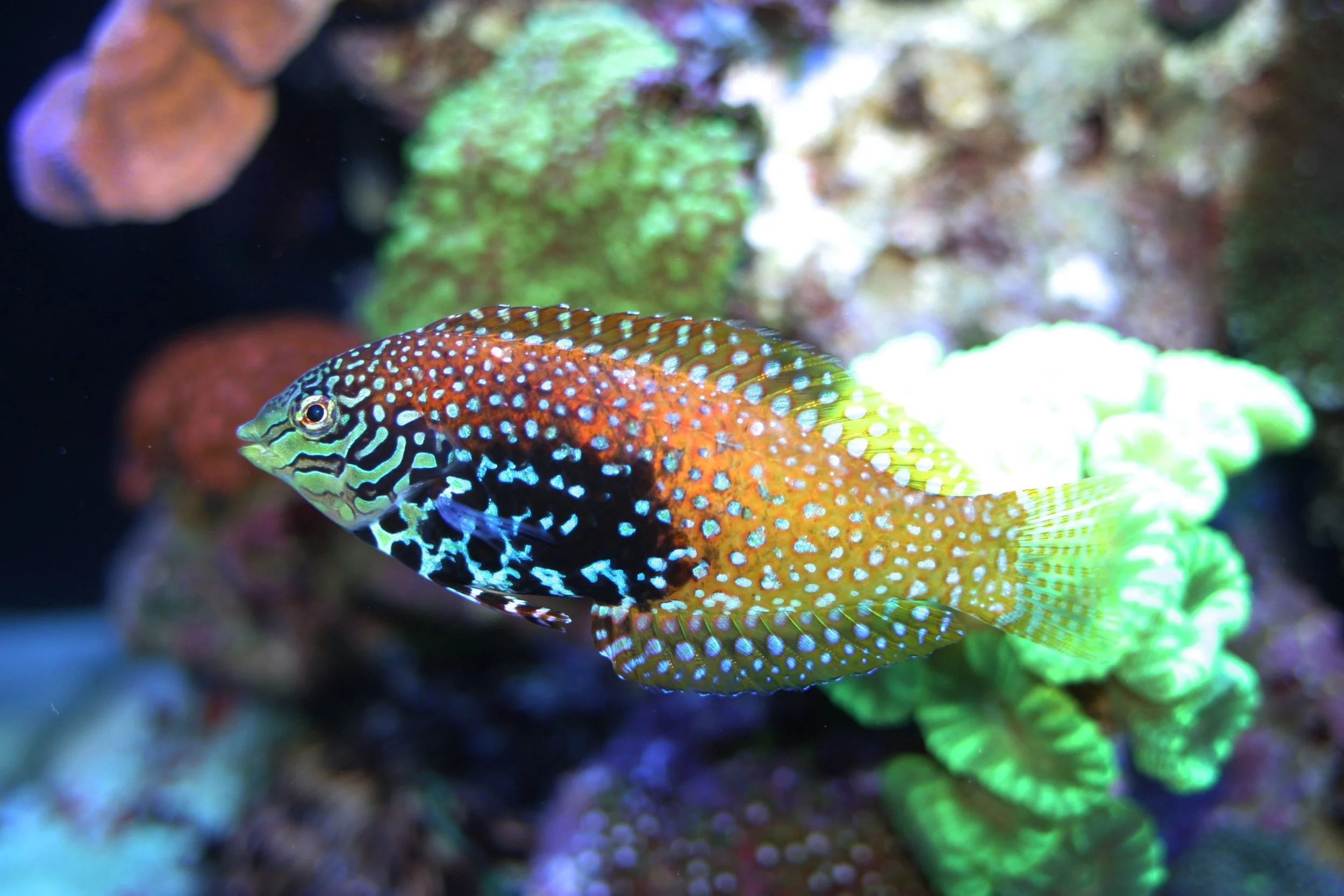
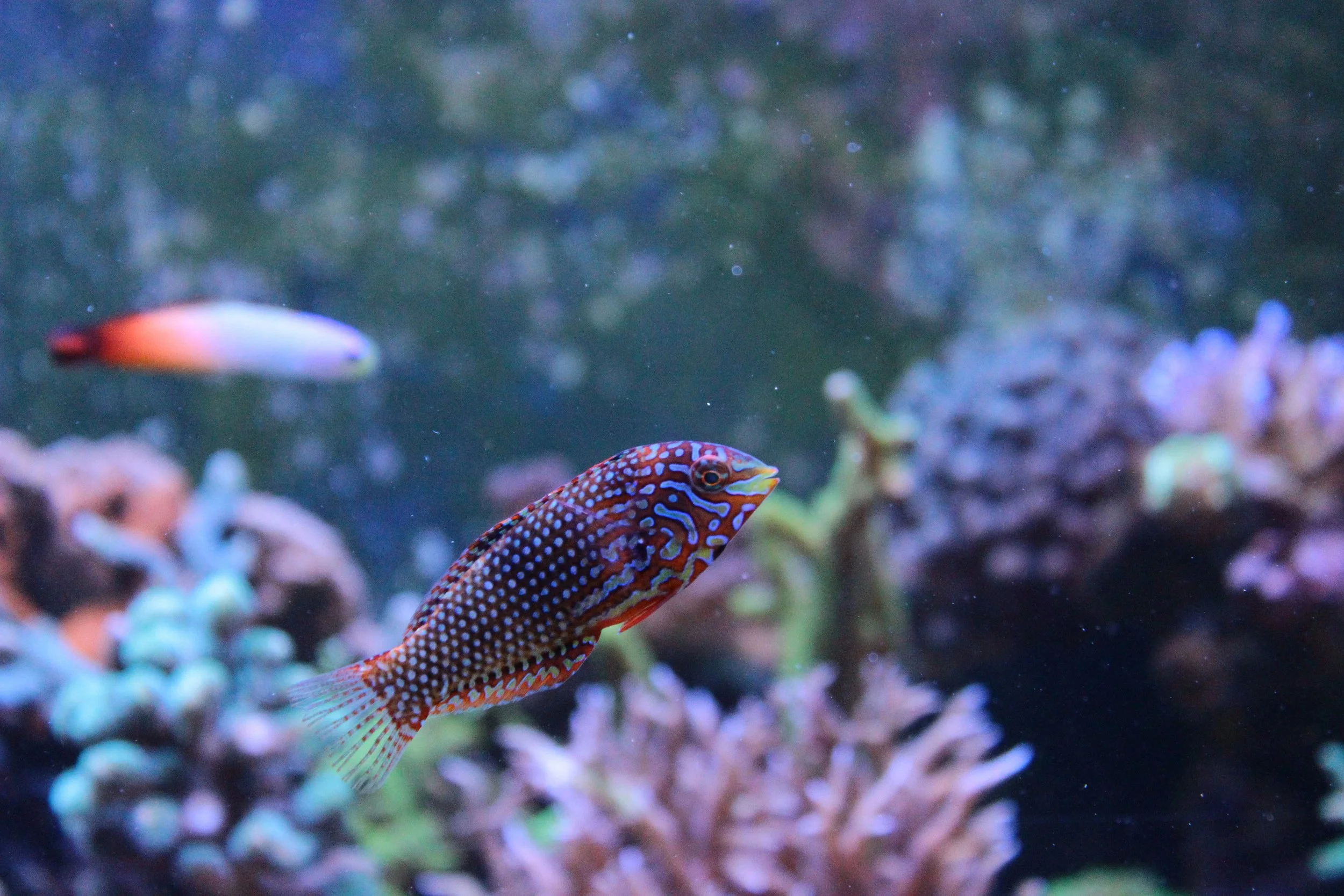
In the wild many wrasses form harem structures, and in the aquarium they translate to group-friendly dynamics. You can keep multiple together without excessive aggression. Occasional squabbles between males can occur, so the usual rule of one male per several females applies if space is limited. Unlike territorial tangs such as an Achilles Tang, leopard wrasses usually adapt to a group dynamic gracefully.
Tank Size, Shape, and Habitat
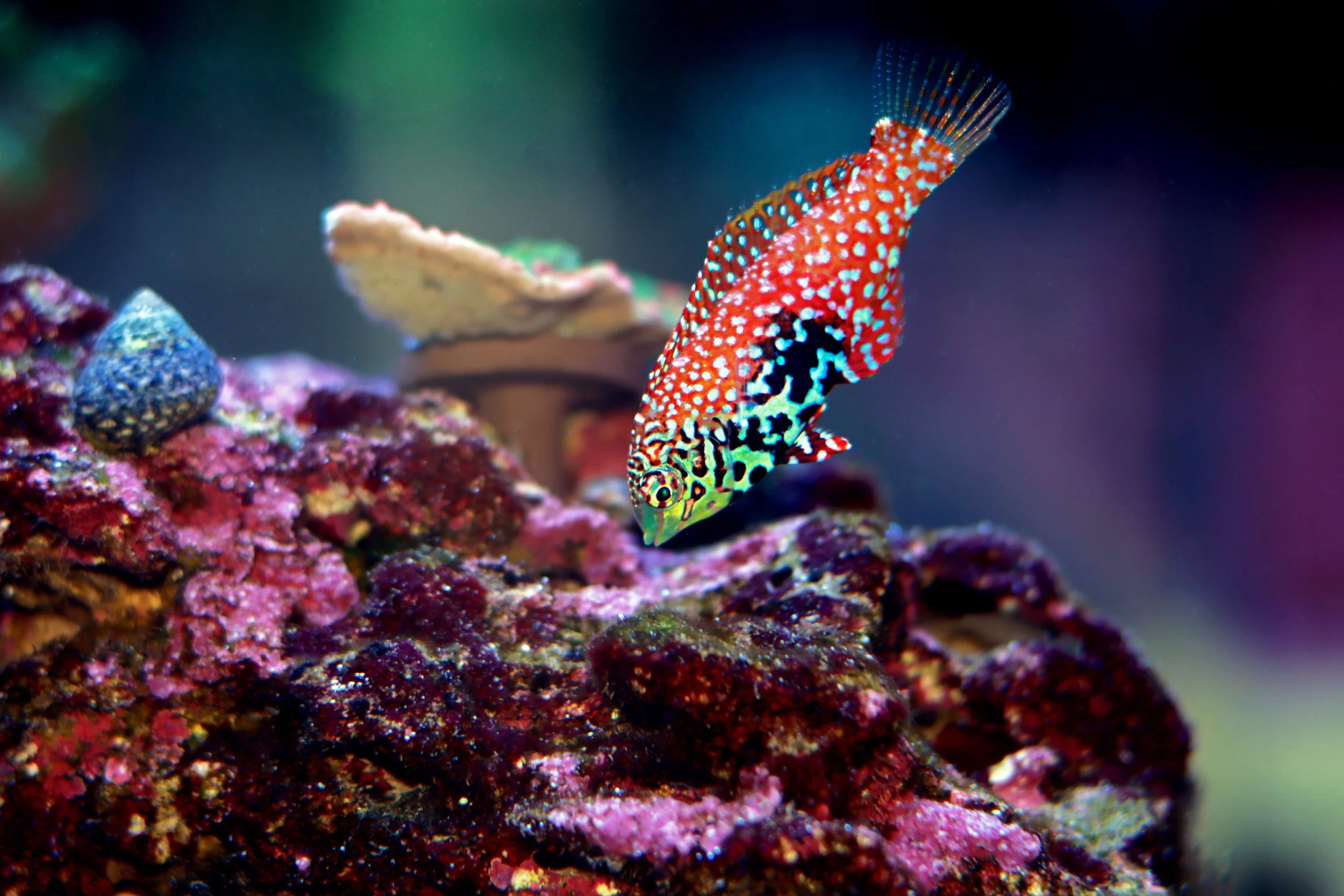
Leopard wrasses prefer rocky, rubble-like habitats with lots of negative space to dart in and out of. They are not tall swimmers, so horizontal footprint matters more than height. A tank with at least a 3 by 2 foot footprint (for example a 40 breeder) is a reasonable starting point, though larger is better for groups and mixed reefs.
When aquascaping for leopard wrasses, recreate rubble fields and wide holes rather than ornate, tree-like rockscapes. We have seen wrasses settle into glued rubble structures with large holes in a matter of hours. Providing silica sand or glass beads as a substrate helps—they will bury and rest without injuring themselves.
Quarantine, common health issues, and treatments
The tricky part for leopard wrasses is the first two weeks after arrival. Many arrive with gill damage or shipping stress and need time to recover. The right quarantine routine prevents losses and gets them eating.
Set up your SRQT or quarantine tank with silica sand or glass impact beads rather than calcium carbonate sand.
Do not medicate during the first week. Let the fish rest and recover from transit stress.
If the fish is eating on arrival, you can follow normal SRQT steps. If it is not eating, keep the no-medication rest week and observe.
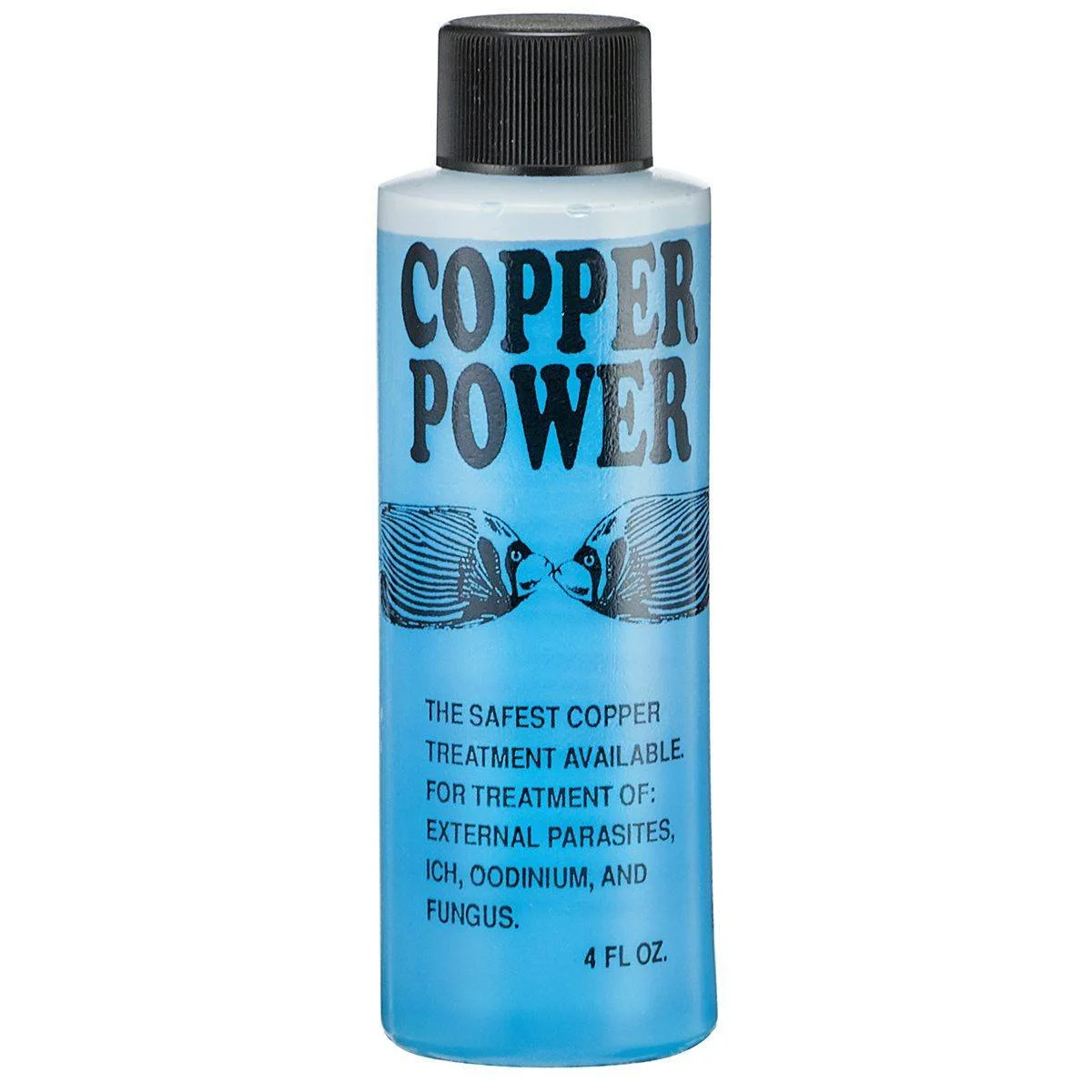
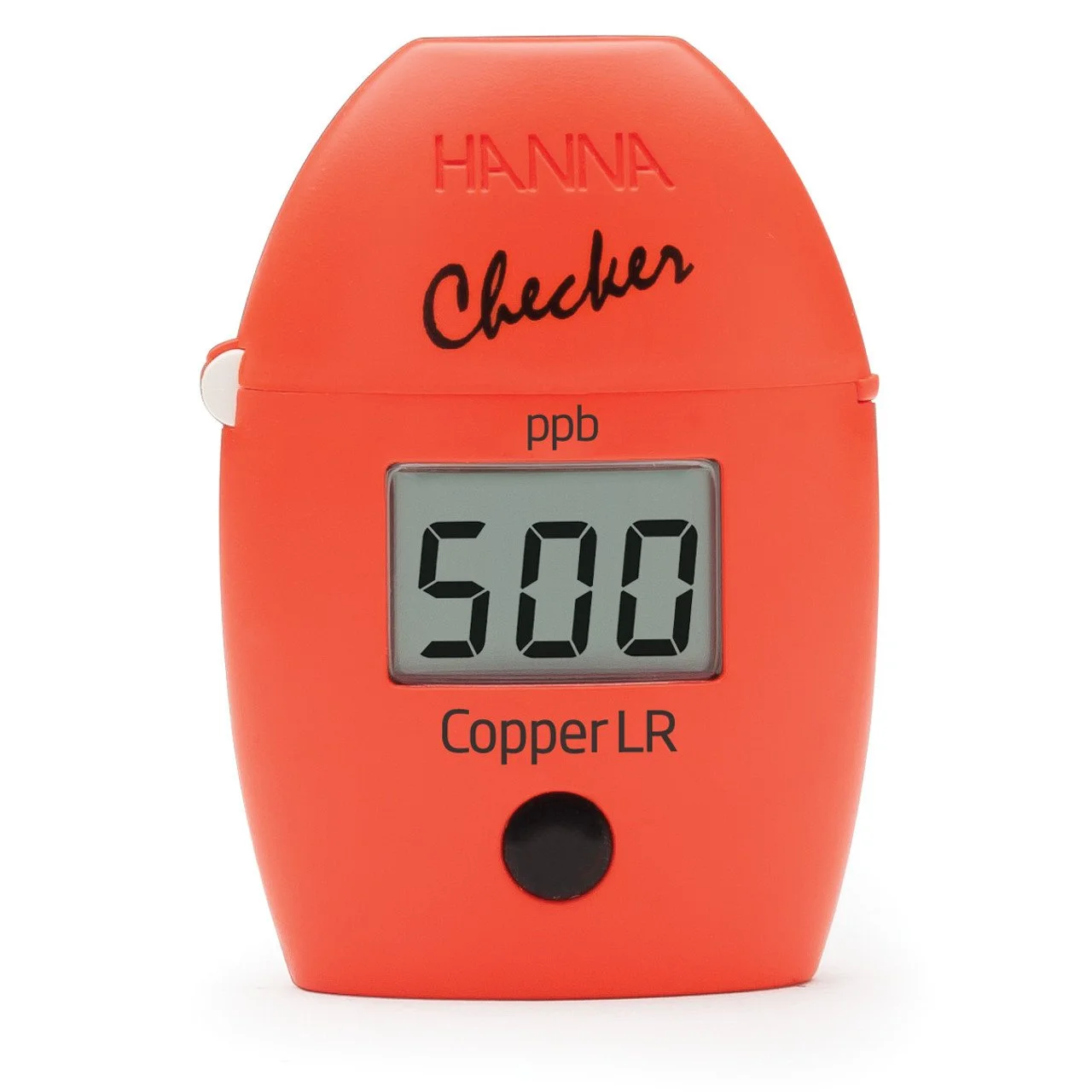
In the second week, slowly ramp up any medications you plan to use. Start low and increase to your target therapeutic level over several days. For copper-based treatments, many of us begin around 1 ppm and work up to 2.5 ppm gradually.
Expect the entire protocol to take about 4 weeks. Add water changes or a biological overflow filter as needed during this period.
Using silica sand or glass beads is important because calcium carbonate substrates can bind medications, and anecdotal experience suggests this can stress sensitive wrasses. Glass impact beads are inexpensive and reusable after bleaching.



Availability for Leopard Wrasses
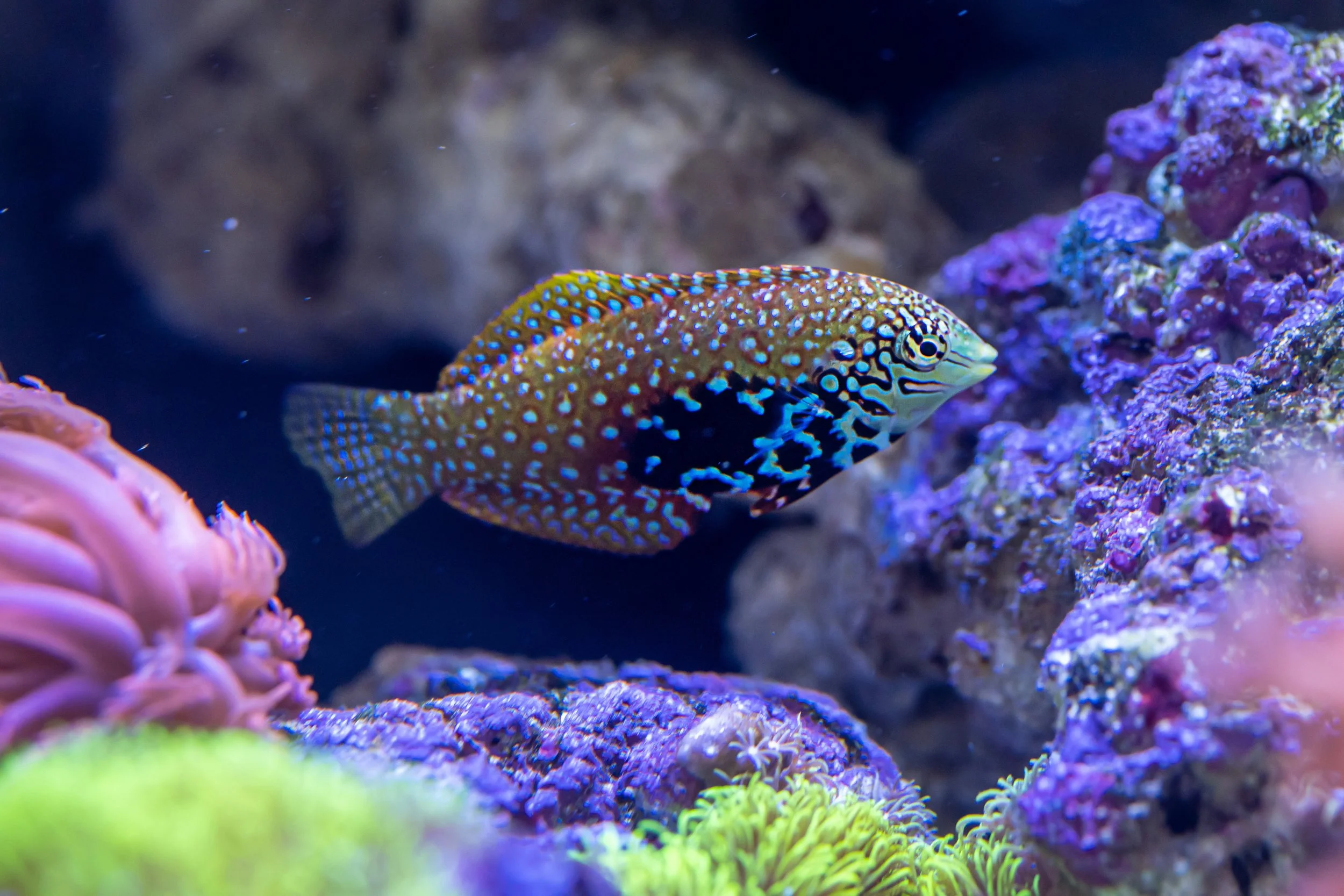
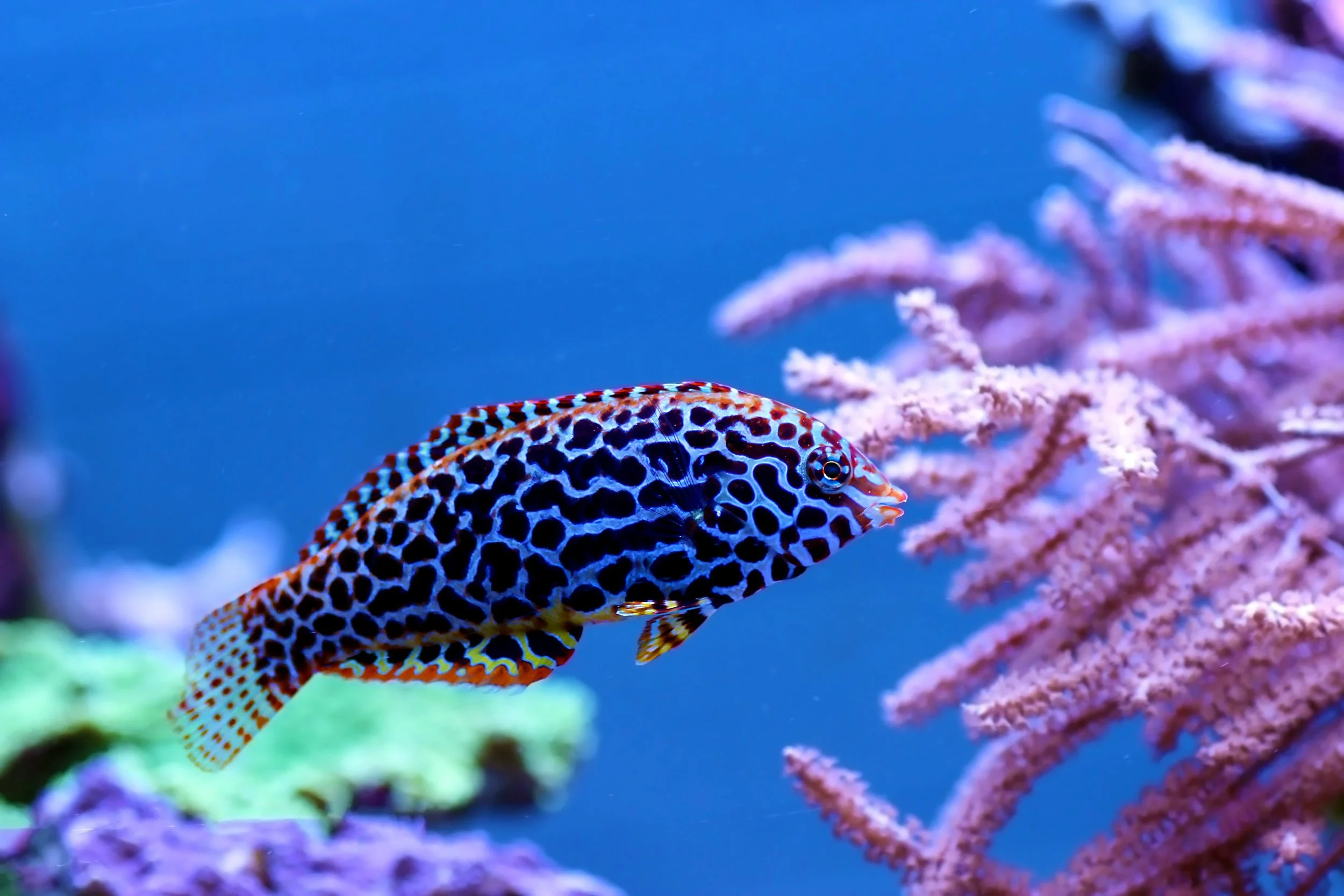
Availability varies by species. Common forms like the Guinea fowl and standard leopard wrasse show up regularly from places like Fiji and the Philippines. Ornate types come from Sri Lanka and the Maldives. Rarer variants from Madagascar or with special markings appear less frequently.
Final thoughts
Leopard wrasses are a great choice for hobbyists who enjoy active, interesting reef fish and are willing to invest a few weeks of careful quarantine. If you keep an Achilles Tang and want variety in grazing behavior and tank utility, a leopard wrasse complements tangs well, offering microfauna control and noncompetitive behavior in many mixed reefs. They are showy, inquisitive, and rewarding once settled.

Leopard Wrasse FAQ
Are leopard wrasses reef safe?
Yes, leopard wrasses are reef safe with corals and most invertebrates. Very small shrimp may be at risk from large males, but snails and hermits are typically safe.
What do leopard wrasses eat?
They eat small crustaceans and microfauna. In captivity we feed frozen PE Mysis, brine, mysids, and can train some to accept pellets or TDO style foods over time.
How often should we feed a leopard wrasse?
Ideally several small feedings a day to mimic grazing. Once settled, once or twice daily is usually fine in a well-filtered tank.
How large of a tank do leopard wrasses need?
A tank with at least a 3 by 2 foot footprint is recommended. They prefer horizontal space and rubble habitats rather than tall tanks.
Do Leopard Wrasse ship well, and what is SRQT?
They are sensitive to shipping and often need a quiet first week in a quarantine tank with no medications. SRQT refers to a structured reef quarantine protocol; for leopard wrasses we recommend a no-medication recovery week followed by a slow medication ramp if needed.
What’s Next? Recent Releases.
Acknowledgments
Thank you to Elliot Lim for sharing his knowledge with the SR community. Elliot owns and operates www.marinecollectors.com Thank you to Oral Seymour for summarizing the video and making it available to everyone. Follow Oral on his IG page reefingwitho
Thank you to the Serious Reefs community. Your membership funds the creation of articles and videos like this one.
Support Serious Reefs
Patreon is the best option If you…
Want to discuss with the SR community and ask questions.
Want immediate notifications of every release.
Listen with phone screen off. Patreon app works with phone closed
Want 25% off via annual discounts.
YouTube members is the best option If you…
Watch SR videos on a TV via youtube App
Want to watch videos natively here on seriousreefs.com - (You must use chrome browser and be logged into google account with youtube membership)
Are a YouTube power user.
Tell a friend. Best option if want more SR (and faster).
If you like what we’re doing, give SR a quick shout-out on your favorite forum, YouTube, Facebook, TikTok, or Instagram. Let your local fish store know SR is helping you explore the hobby and keep it fun. Thanks for the support!
Disclaimer
Full Disclaimer HERE. This is the gist of it.
Content is based on personal experience, not professional advice. Do your research and reef responsibly. Serious Reefs should not be your sole source of information on any topic.
By watching, you agree that Serious Reefs and its creators aren’t liable for how you use this info. Please don’t utilize our information if you are not ok with this.
Serious Reefs has no sponsors, doesn’t accept product or payment for reviews. We do use affiliate links in articles that earn a small commission to support our work. Shop wherever you like, we won’t be offended.