90/10 Part 1: Tank Type, Size, Source Water, Substrate, and Rock
The 90/10 Method: How to start a saltwater aquarium
Serious Reefs developed the 90/10 Method to give nearly everyone a straightforward path to a beautiful reef tank with minimal effort. The idea is simple: choose the highest-success option at every decision point so that 90 percent of people reach the finish line, and do it using roughly 10 percent of the effort and complexity typical of hobbyist approaches.
That means we pick tank types, equipment, and techniques that tolerate beginner mistakes, reduce guesswork, and make maintenance straightforward. We also build in smart audibles—intentional alternatives that lower or raise success probability—so you can make informed decisions rather than random coin flips.
Note: Paid YouTube SR Members Using A Chrome Browser can watch videos natively above on Seriousreefs.com. Sign up HERE
SR videos are a community funded member only resource. Serious Reefs buys everything we review, accepts no sponsorships, and your memberships make it possible to keep every review truly unfiltered.
Core Principles of the 90/10 Method
Ease over complexity: Favor systems and choices that are easy to maintain.
Highest probability choices: At every turn pick the option most likely to succeed for a wide range of people.
Minimal gear, maximal results: Use only what’s necessary and reliable.
Predictable inputs: Start with clean, controllable source water and predictable salts.
Weekly testing and small, consistent actions: Dilution first, consistent water changes, and weekly checks trump complicated chemistry juggling.
90/10 Tank Type: LPS and Softy Focus
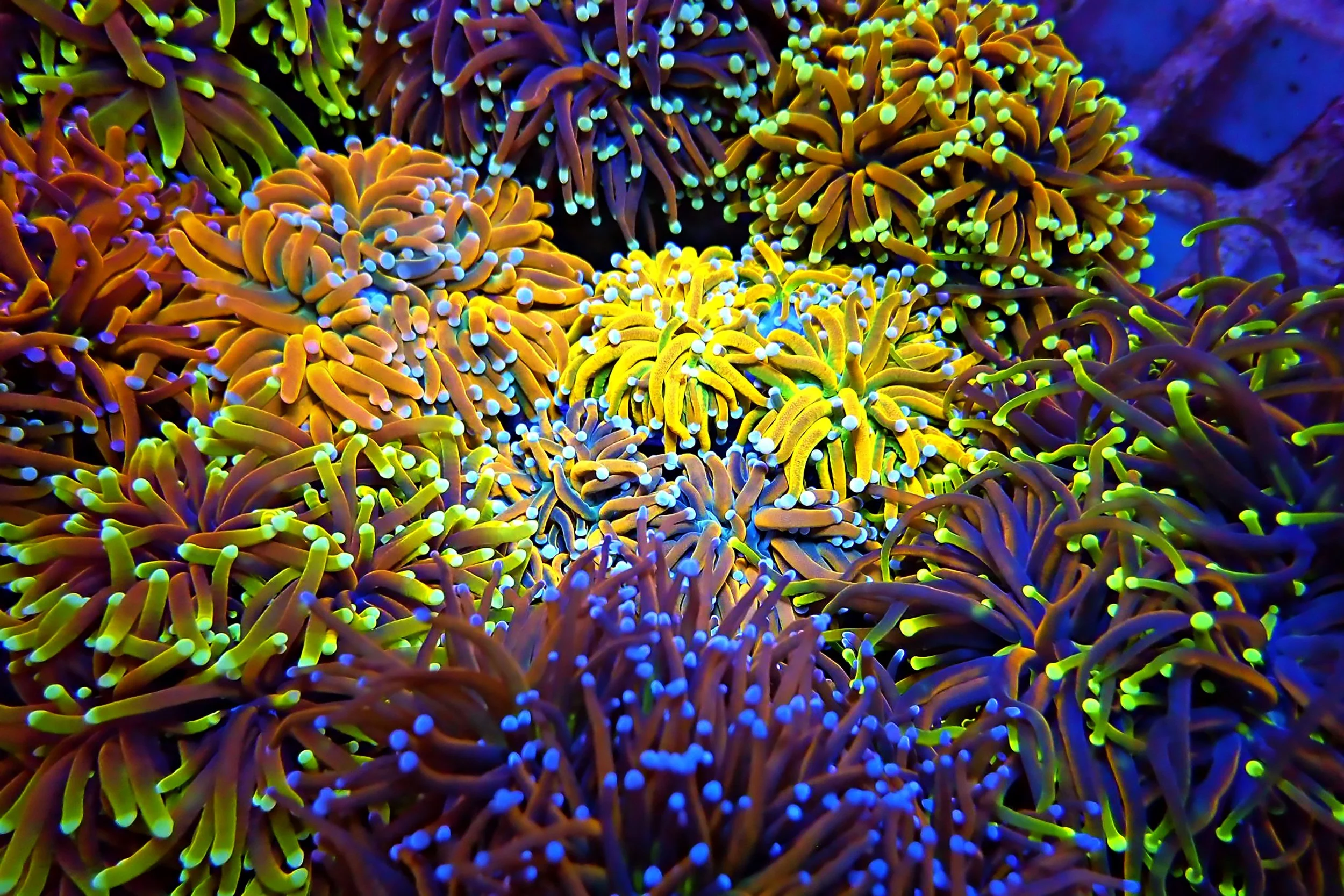
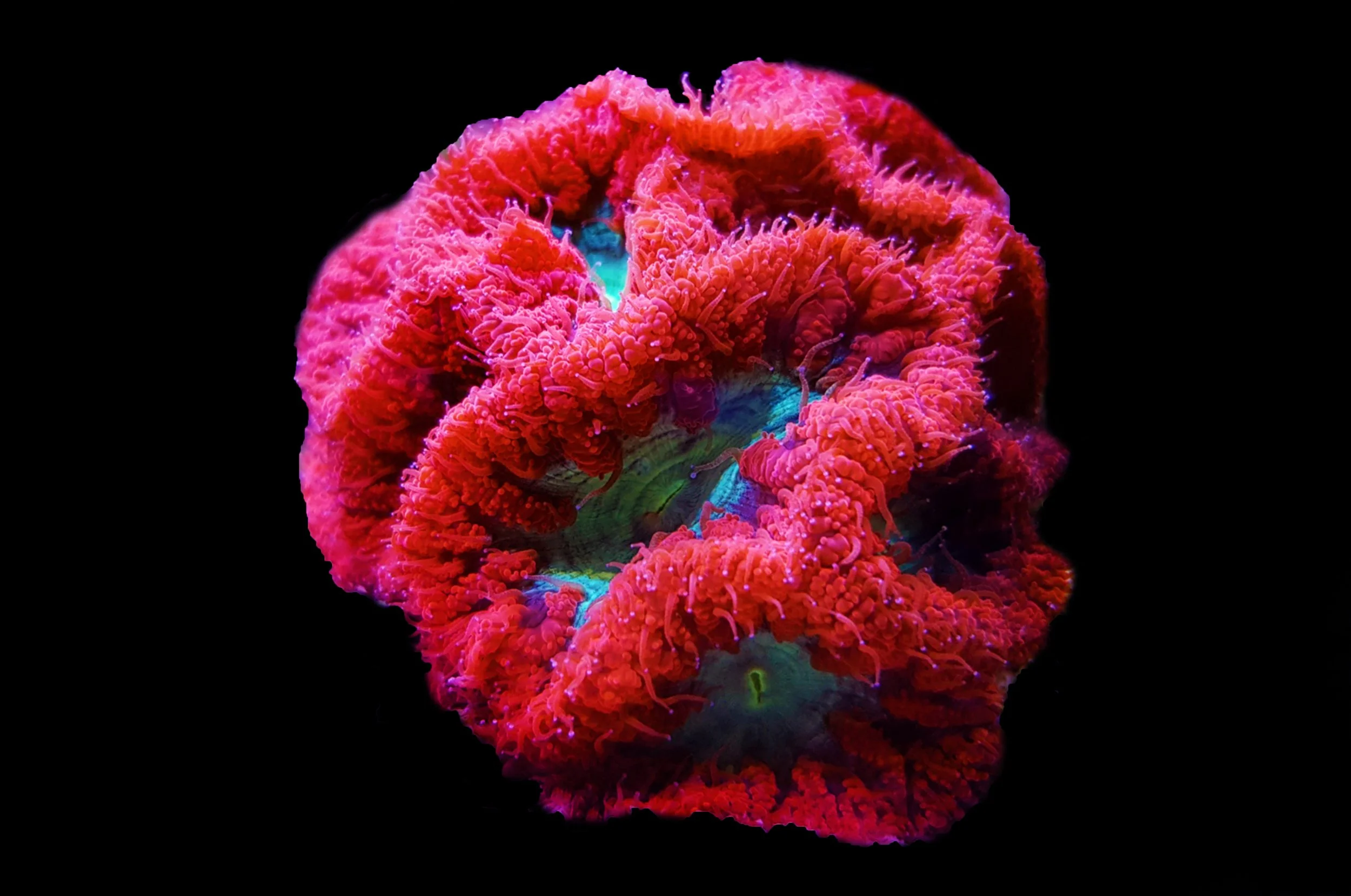
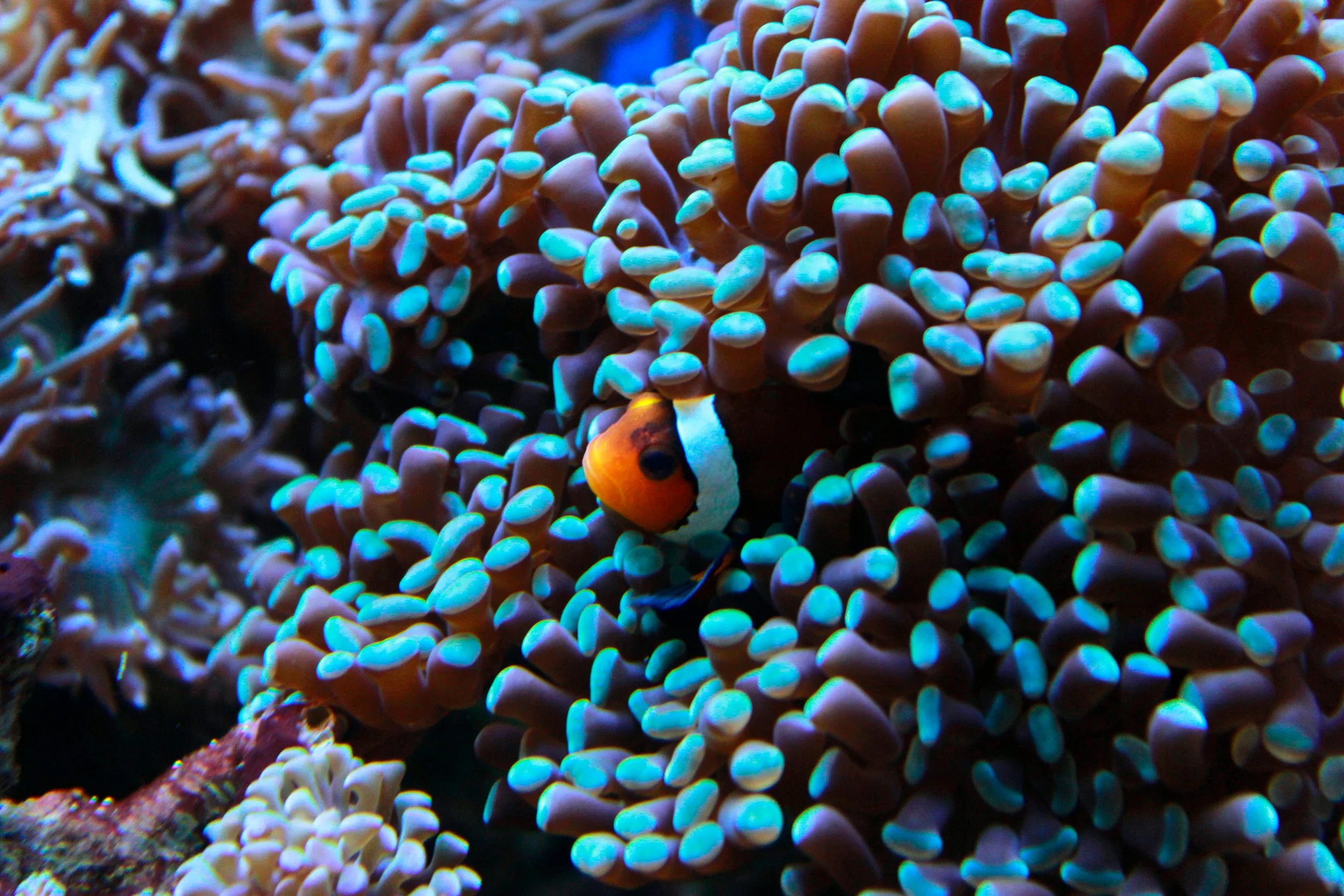
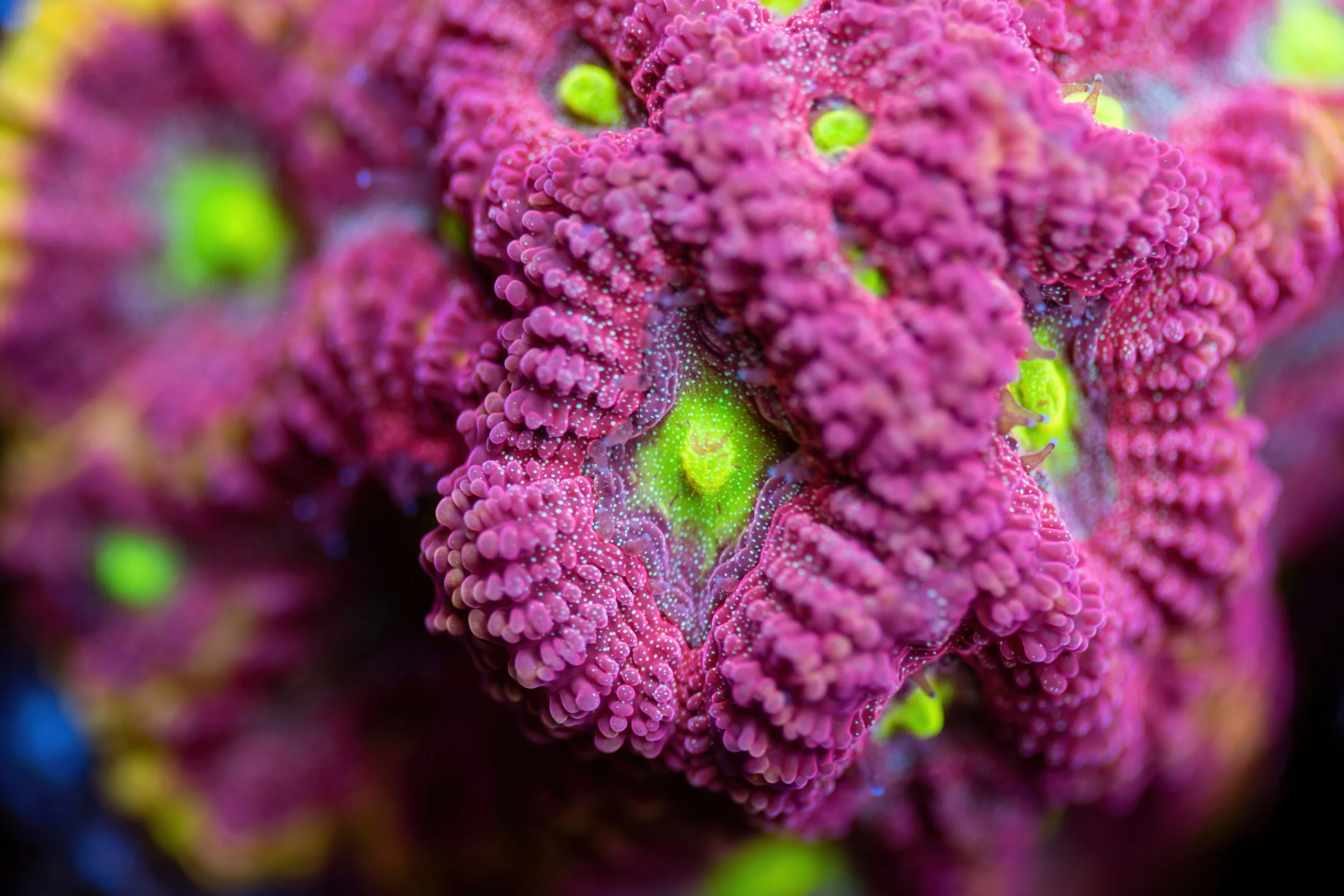
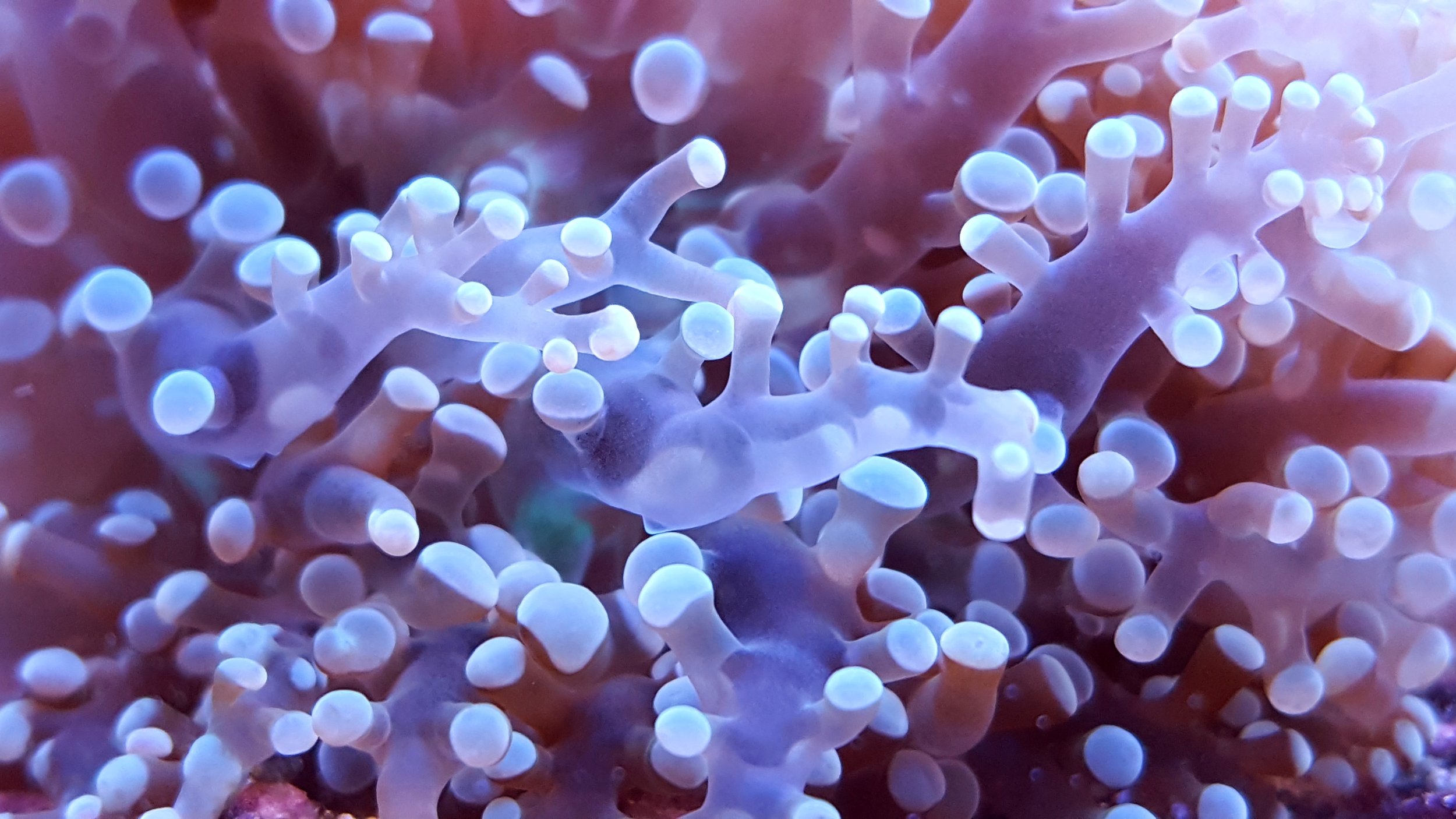
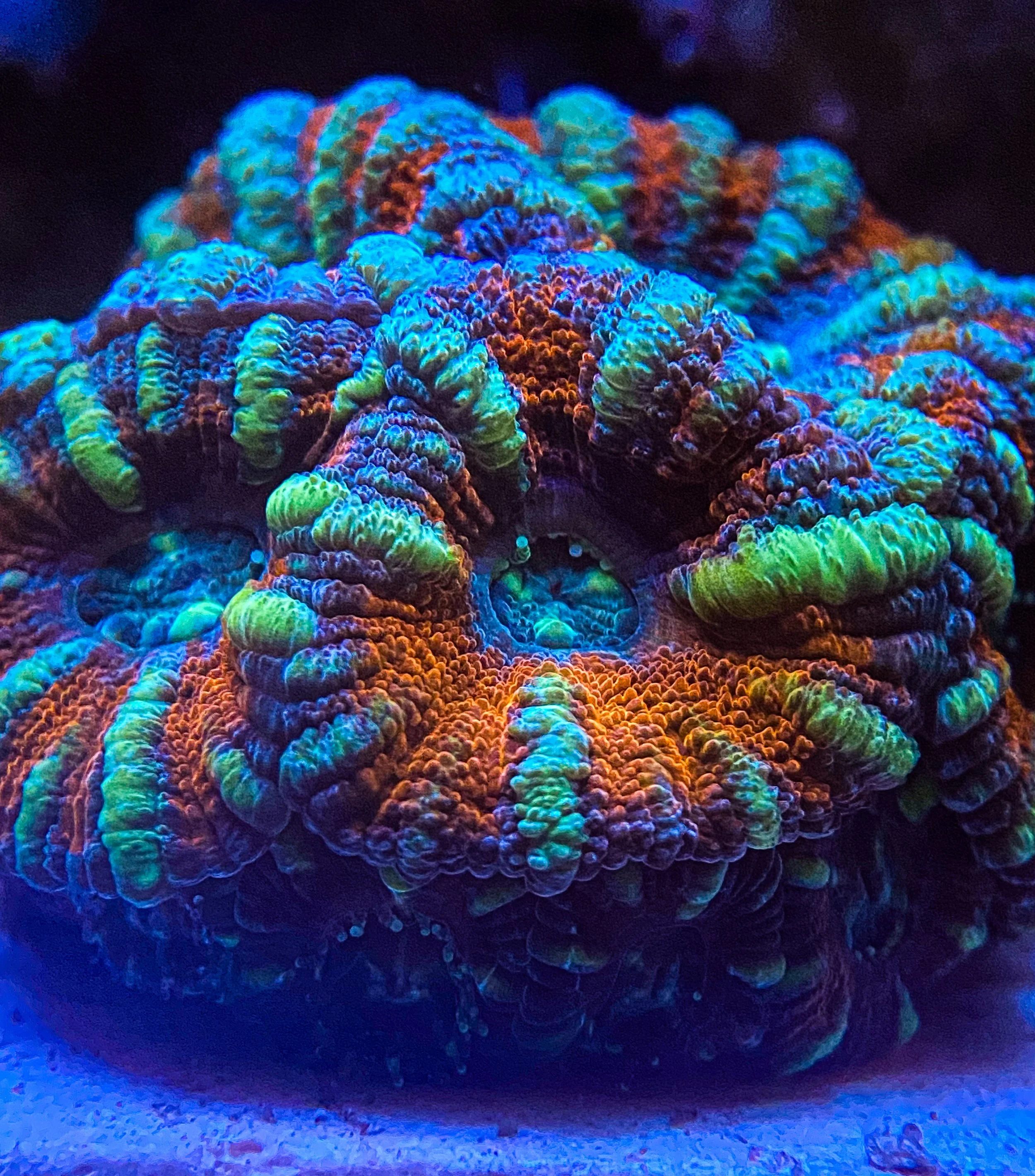
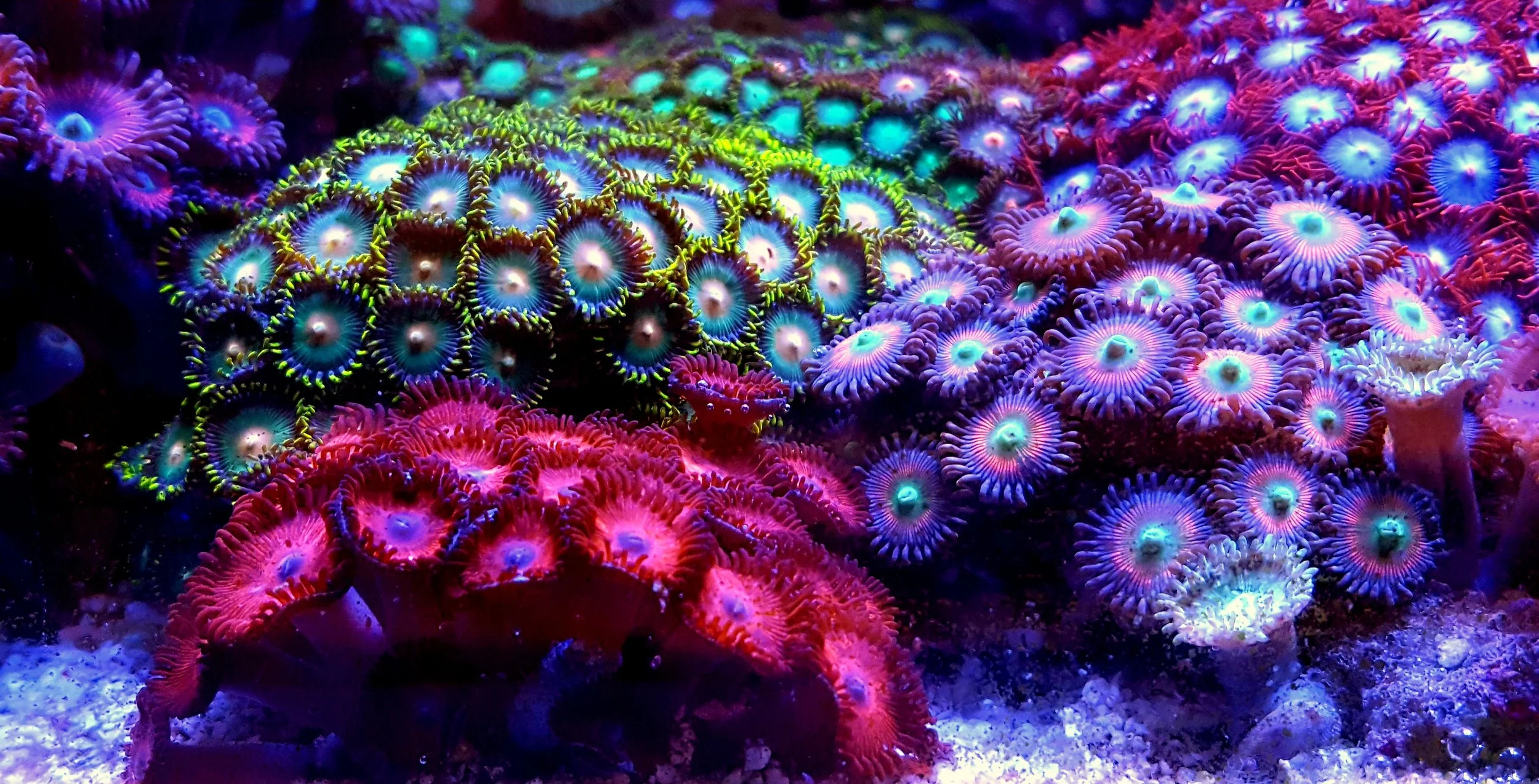
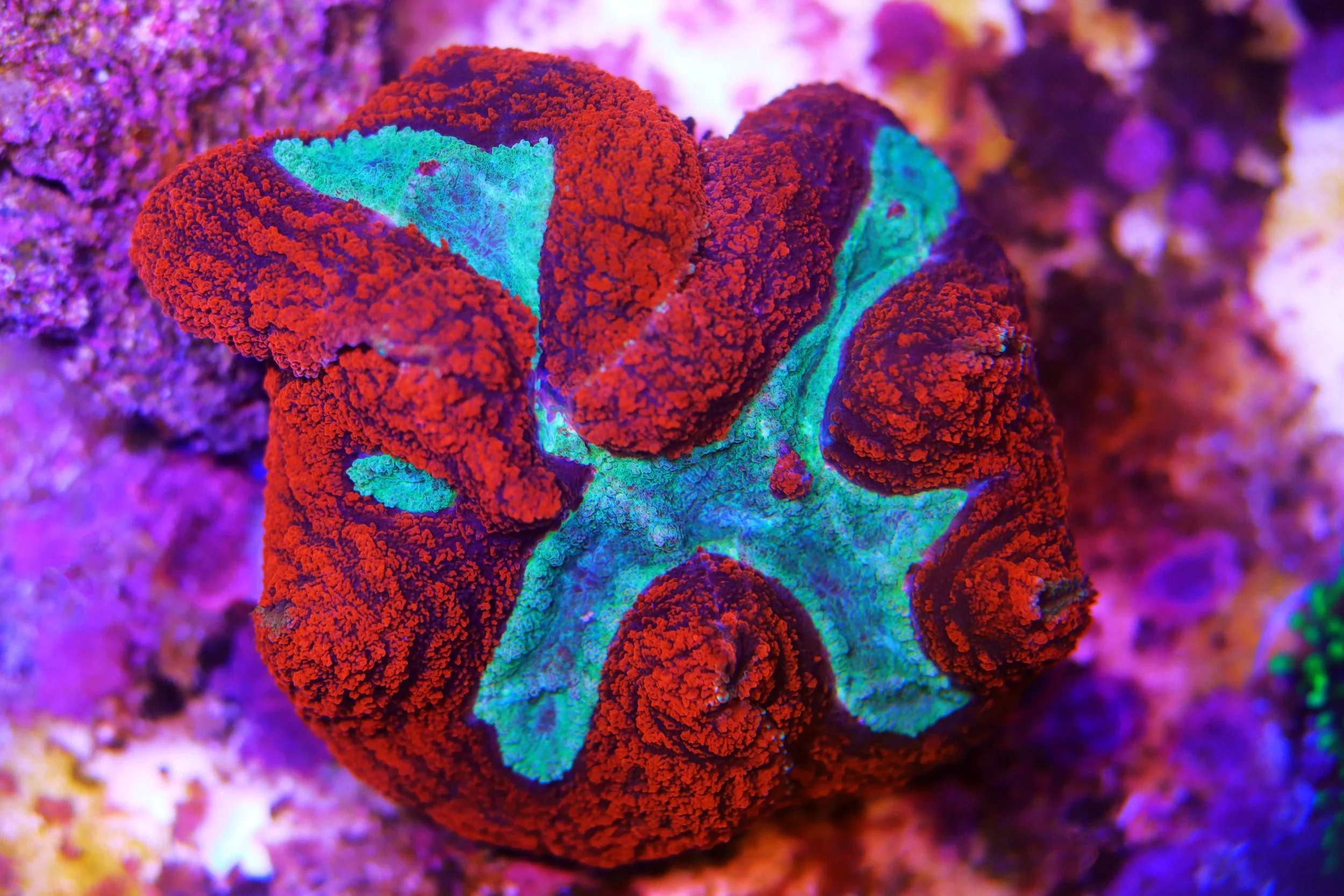
We recommend an LPS and soft coral tank as the default. These corals tolerate a wider range of lighting, flow, and water chemistry conditions than SPS corals. That tolerance translates to far higher success rates for newcomers.
Another big advantage: LPS and softy corals are typically lower-light corals, so they generate fewer photosynthetic slimes and nuisance algae. Those slimes are one of the largest hurdles for new reefers. Choosing LPS/softy dramatically reduces that common failure mode.
90/10 Tank Size: The Goldilocks Zone (35 to 75 gallons)
We call 35 to 75 gallons the Goldilocks zone. Tanks this size are large enough to buffer common beginner mistakes and life distractions, but not so large that maintenance or cost becomes prohibitive.
35-75 Goldilocks Zone
Mistakes happen. What goes wrong in a month in a 10-gallon tank might take six months to show up in a 60-gallon.
Tanks in the 3–4-foot range open the door to smaller tangs that naturally help manage algae and clean the tank for you.
These “Goldilocks zone” tanks are forgiving — they absorb life’s distractions, travel, and those moments when you don’t have time to be perfect.
Water changes are still only one ~5 gallon bucket.
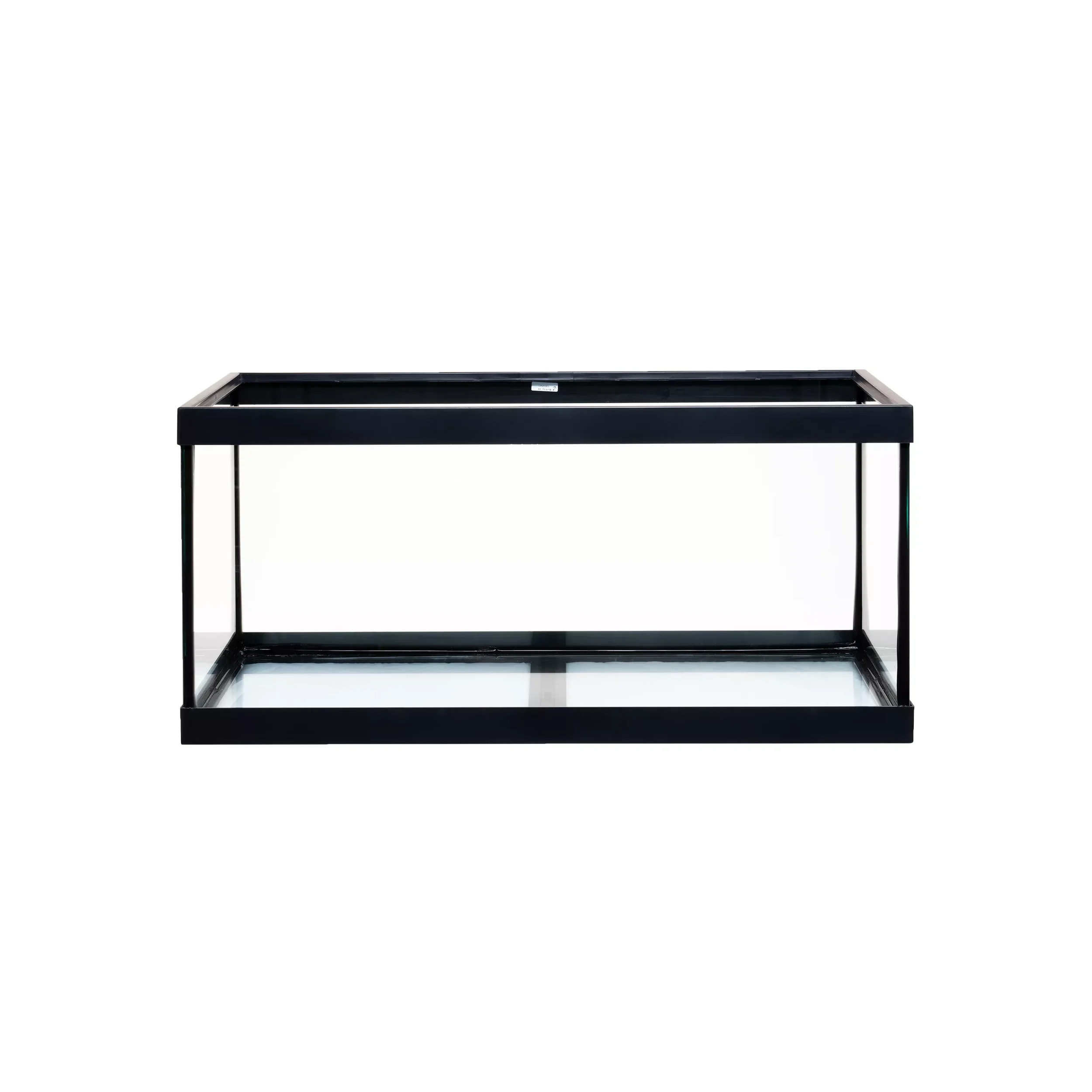
40g/60g breeders are one of the lowest cost ways to enter reefing.
Success rates are higher and more sustainable. Larger tanks last longer because you and your animals don’t outgrow them.
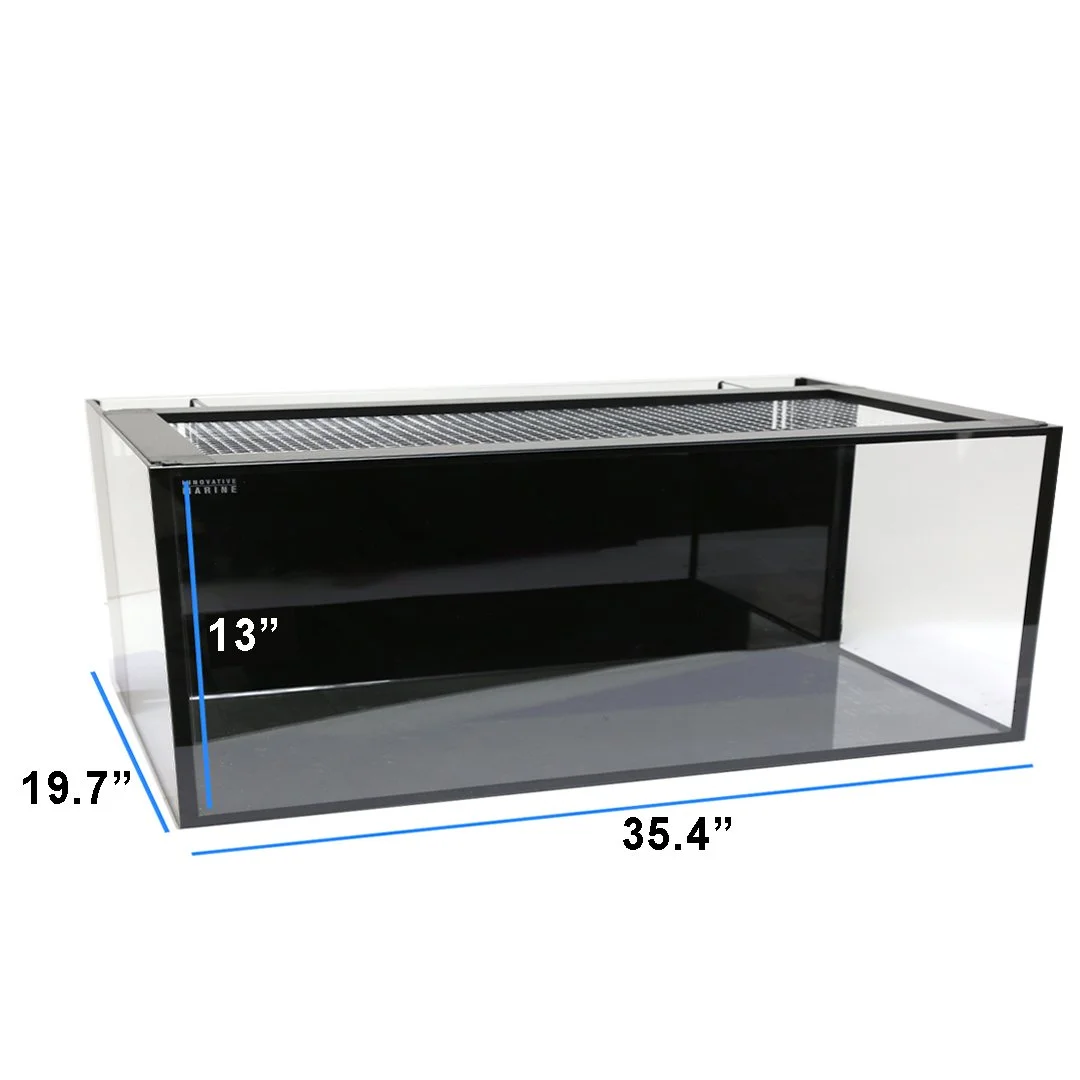
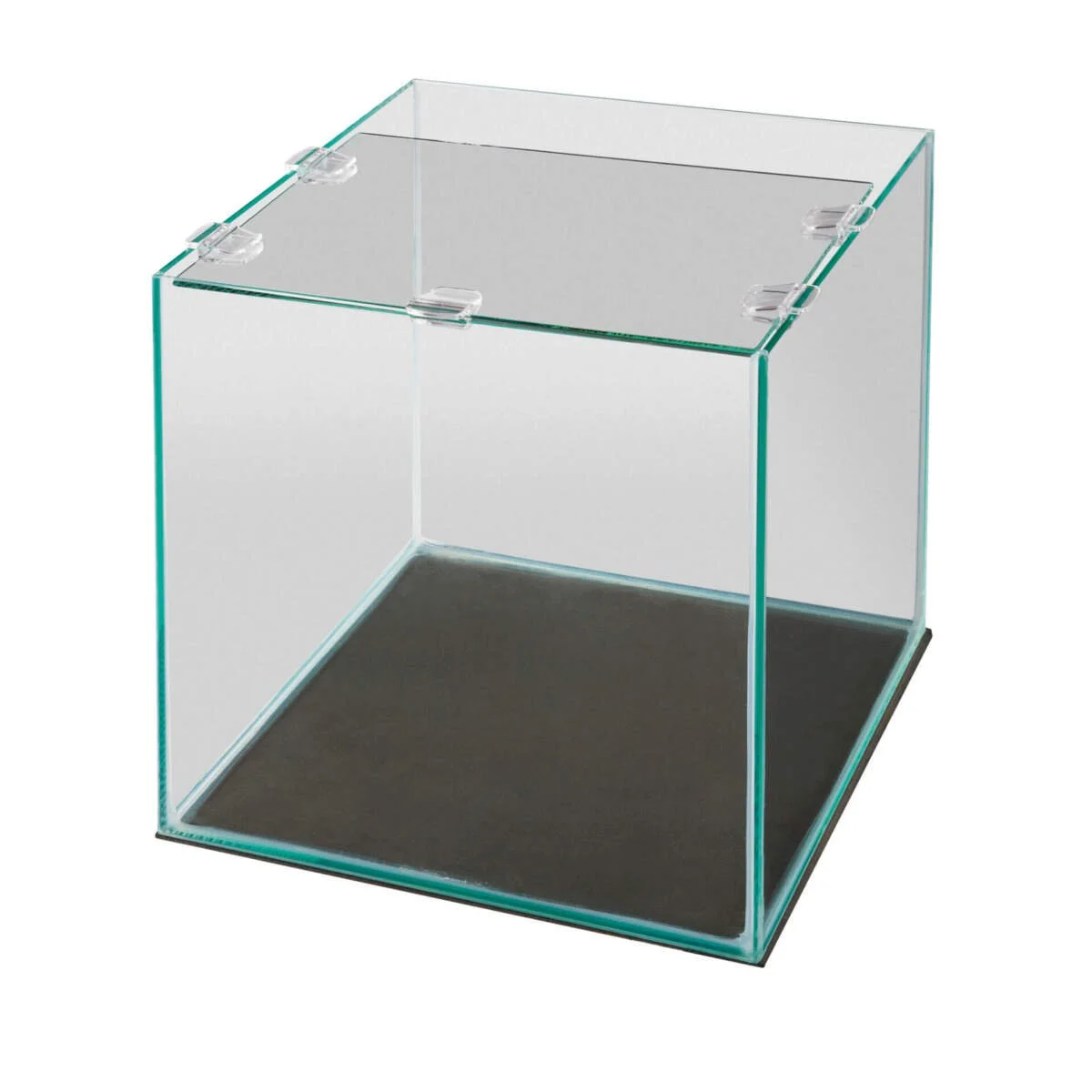
Good examples include the 35/60 cube for a modern rimless look, 40 and 60 breeder-style tanks, and all-in-one Nuvo models in the 40 to 60 gallon range.

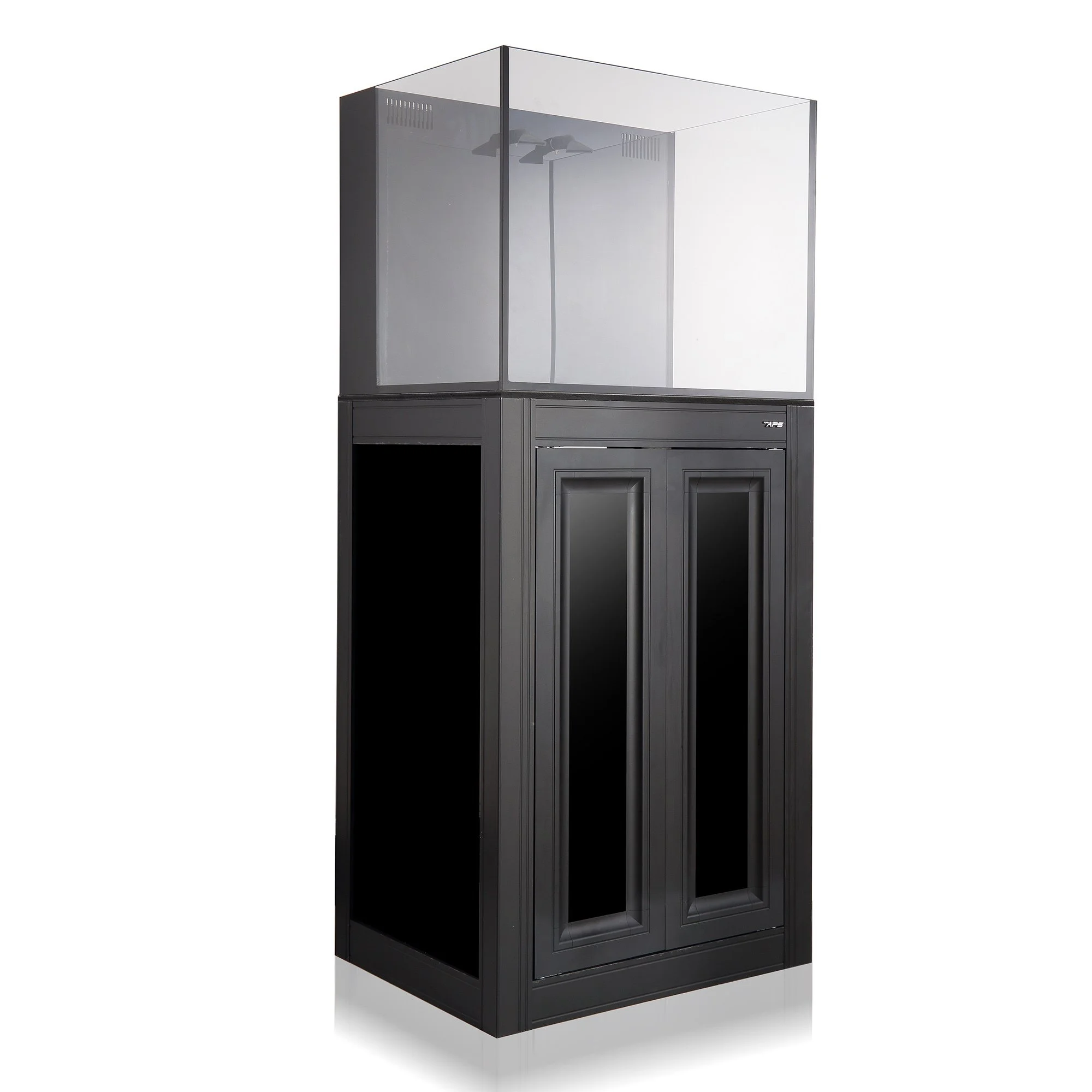
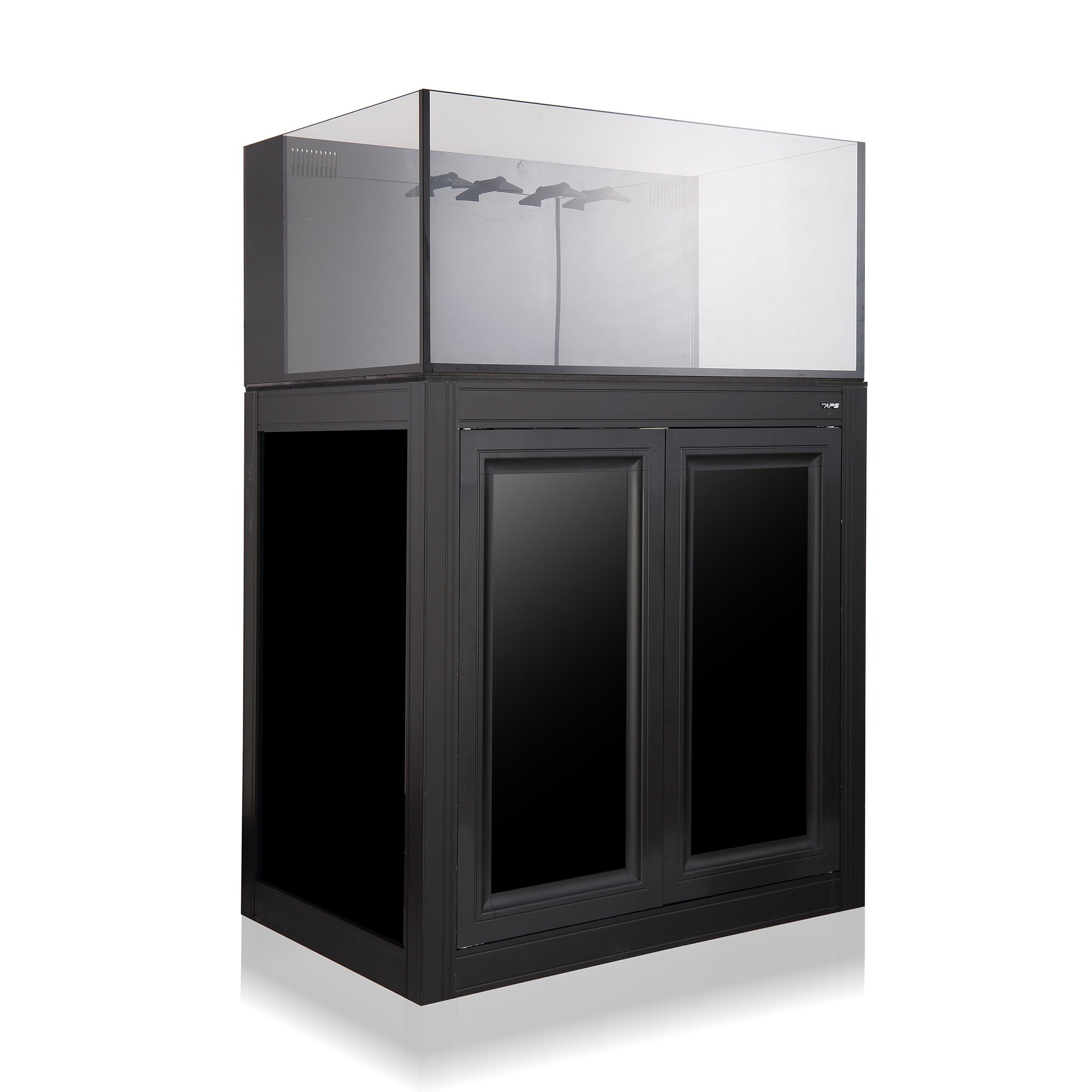
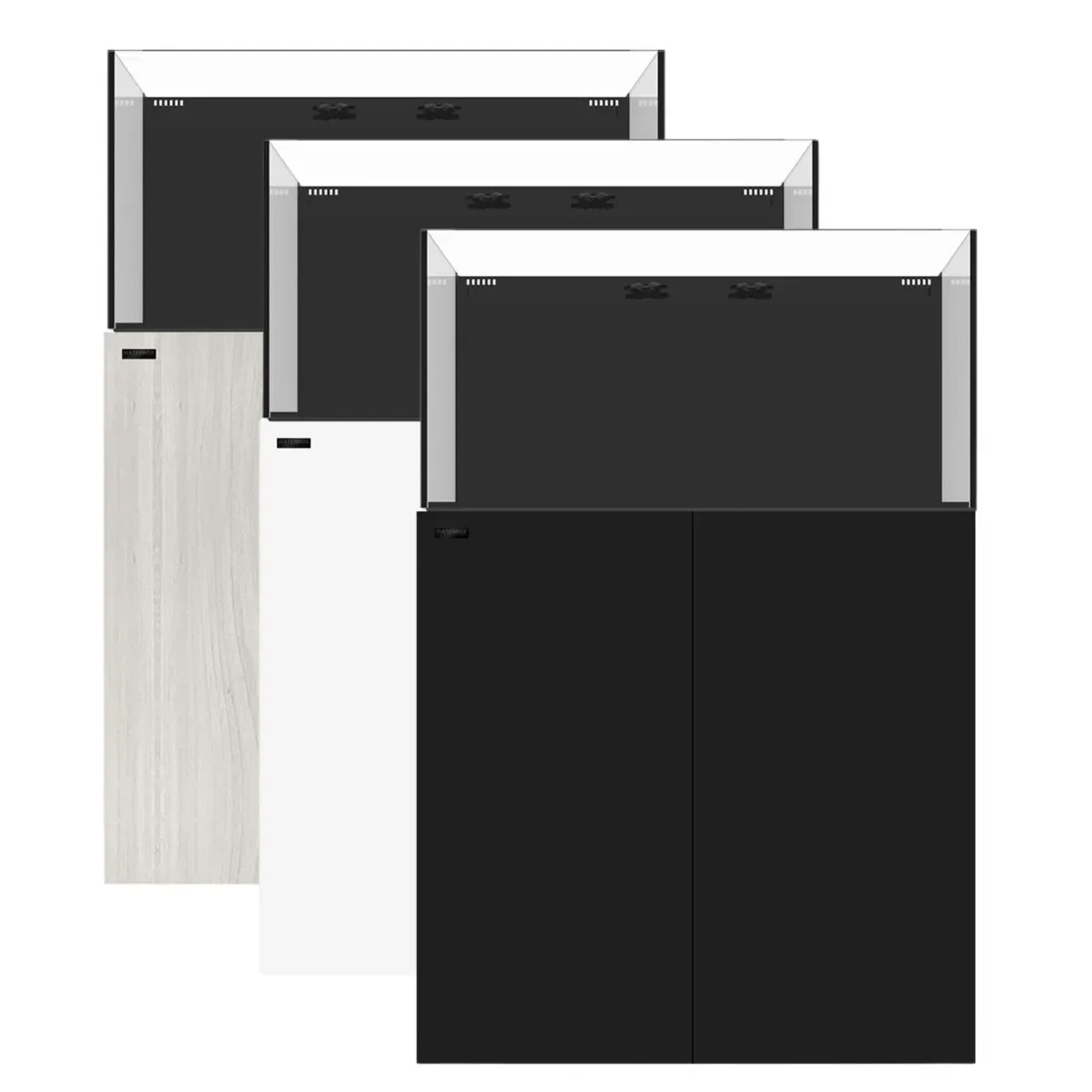

Audibles for Tank Size
If you are extremely disciplined, you can succeed with a smaller nano tank, but nanos magnify mistakes and the overall success rate drops.
While nanos may appear to be designed for new reefers, they are actually best suited for experienced reefers who make instinctively correct decisions and understand that things can go wrong quickly in small volumes of water. If this is your first tank, or if life is busy and unpredictable, choose a larger tank in the Goldilocks zone so the system can better absorb lapses in routine.
If cost and maintenance are not limiting factors, going larger than 75 gallons gives you more fish and coral options, but expenses and reliance on filtration increase quickly once you exceed that size.
90/10 Source Water: Clean, Predictable Inputs
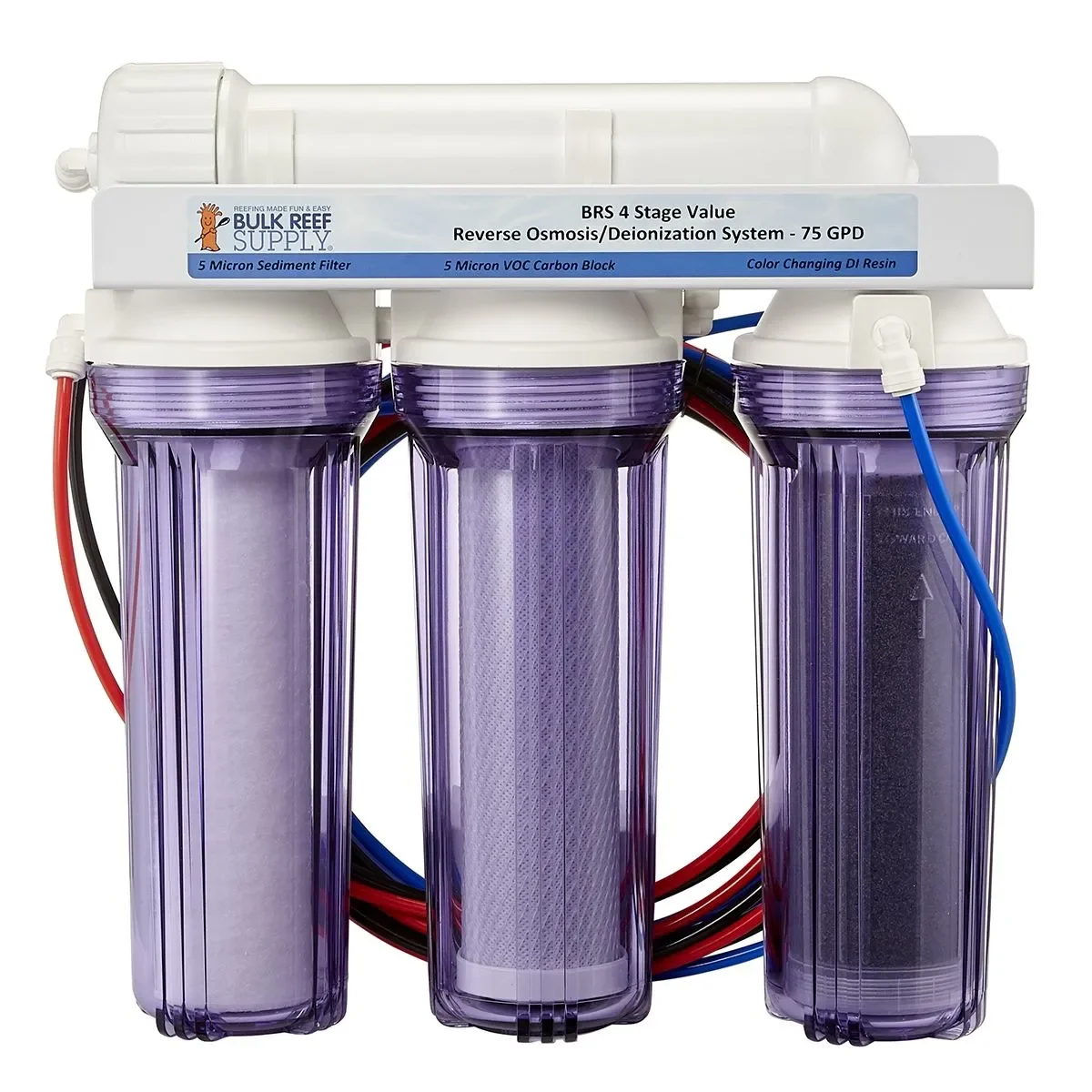
4 Stage RO/DI Reverse Osmosis Deionzation System
Begin with predictable, contaminant-free water for both top-off and salt mixing. We recommend a four-stage RO/DI system as the baseline for the 90/10 Method. That setup removes toxins, nutrients, and minerals so your salt mix can reliably recreate ocean-like conditions.
Why not use tap water?
Tap water can contain disinfectants like chlorine and chloramines, metals such as copper and zinc, elevated nutrients, and unpredictable mineral content. These minerals matter because all marine salt mixes are formulated assuming you start with pure mineral free water. If your tap water already has significant alkalinity or calcium, adding a salt mix designed for zero mineral water can push those levels dangerously high. For example, tap water with 10 DKH alkalinity combined with a salt mix at 9 DKH results in 19 DKH total, far beyond safe limits. In contrast, RODI water is mineral free, so when mixed the result will always be what the salt mix manufacture intended.
RO-only versus RO/DI
Some people opt for RO-only (three-stage) systems to save money. RO-only removes the bulk of contaminants, but if your municipal utility uses chloramines the ammonia portion can pass through RO-only and cause problems. A four-stage RO/DI adds a final deionization stage that strips remaining dissolved minerals, ammonia, and contaminants, making your salt mixes predictable. The four-stage system is our 90/10 recommendation because it hits the sweet spot of reliability and cost.
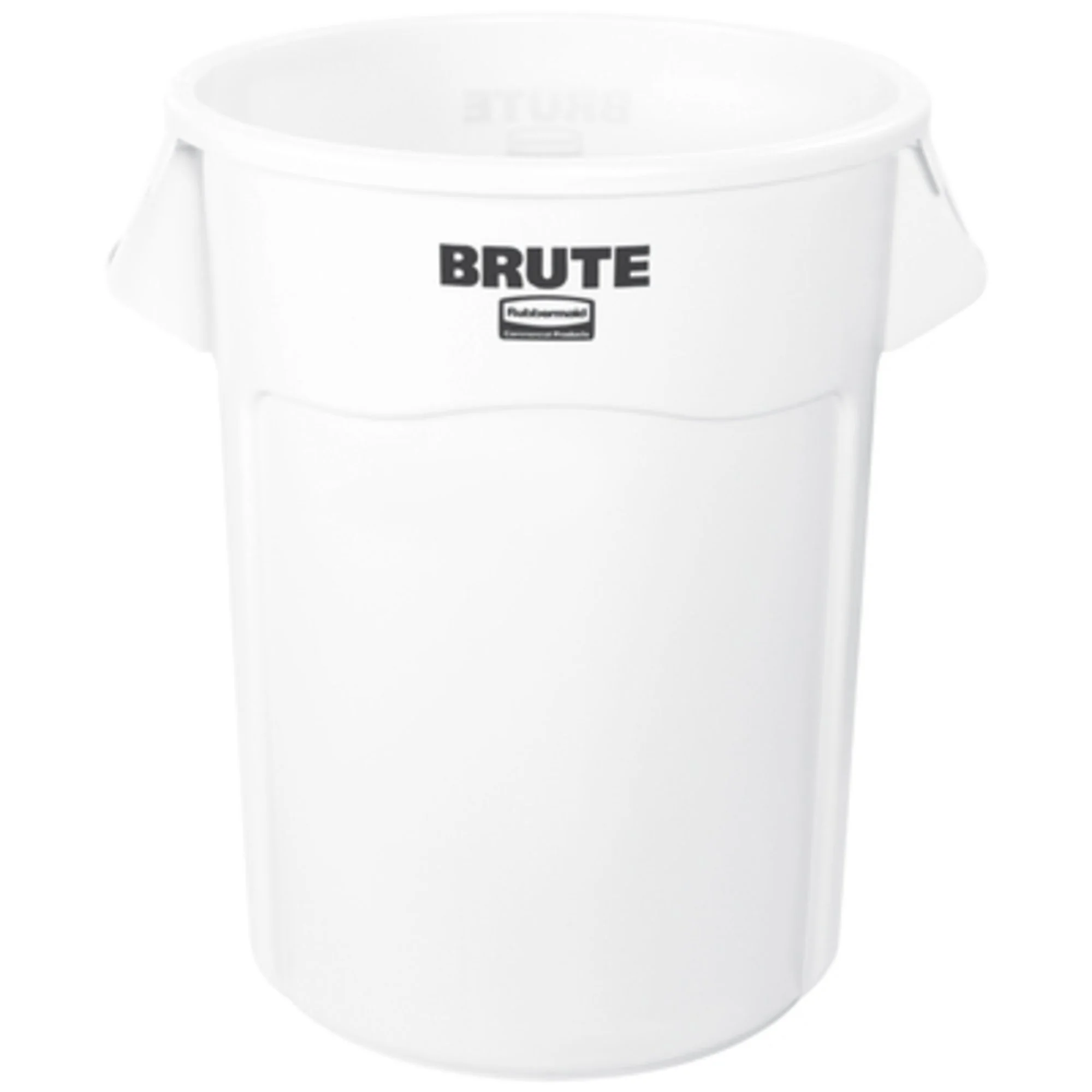
White 55 Gallon Brute
Why a 55-gallon white brute for mixed salt water?
We recommend a white 55-gallon brute container for mixing and storing pre-mixed saltwater. White allows you to visually inspect the water color—clean saltwater should appear crystal blue. Gray bins hide subtle tints and build-up, which can let poor-quality or contaminated batches go unnoticed. The white brute also stores about 11 five-gallon water changes, which dramatically increases the likelihood you actually perform scheduled water changes because the water is already on hand.
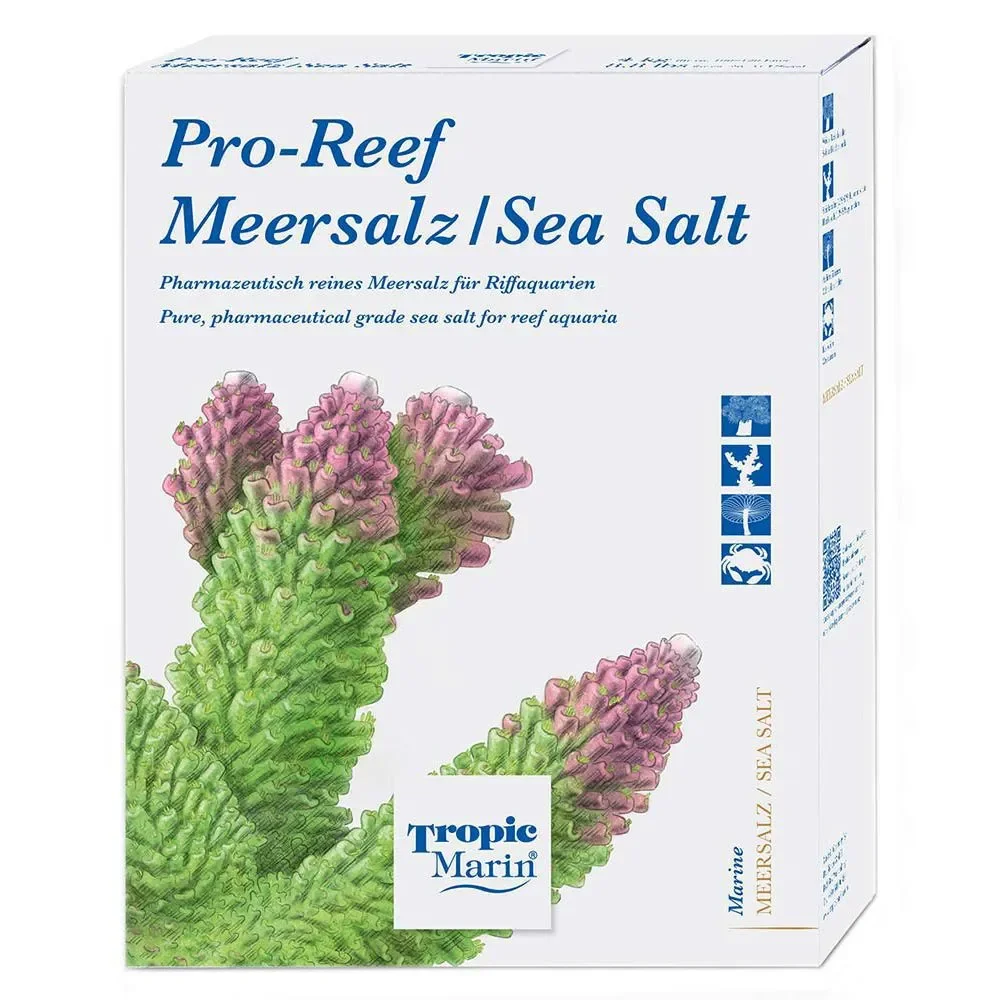
Tropic Marin Pro Reef
Salt Choice
Our preferred salt for the 90/10 Method is Tropic Marin Pro Reef because of our success rates using it and it is a lower maintenance salt . Cleaner salt reduces the frequency of bin cleaning and lowers the chance of introducing remnant crud during water changes. If you opt for a cheaper salt that will require more frequent cleaning of your mixing container to avoid introducing impurities that collect in the salt mixing bins.
90/10 Substrate: Legit Live Sand
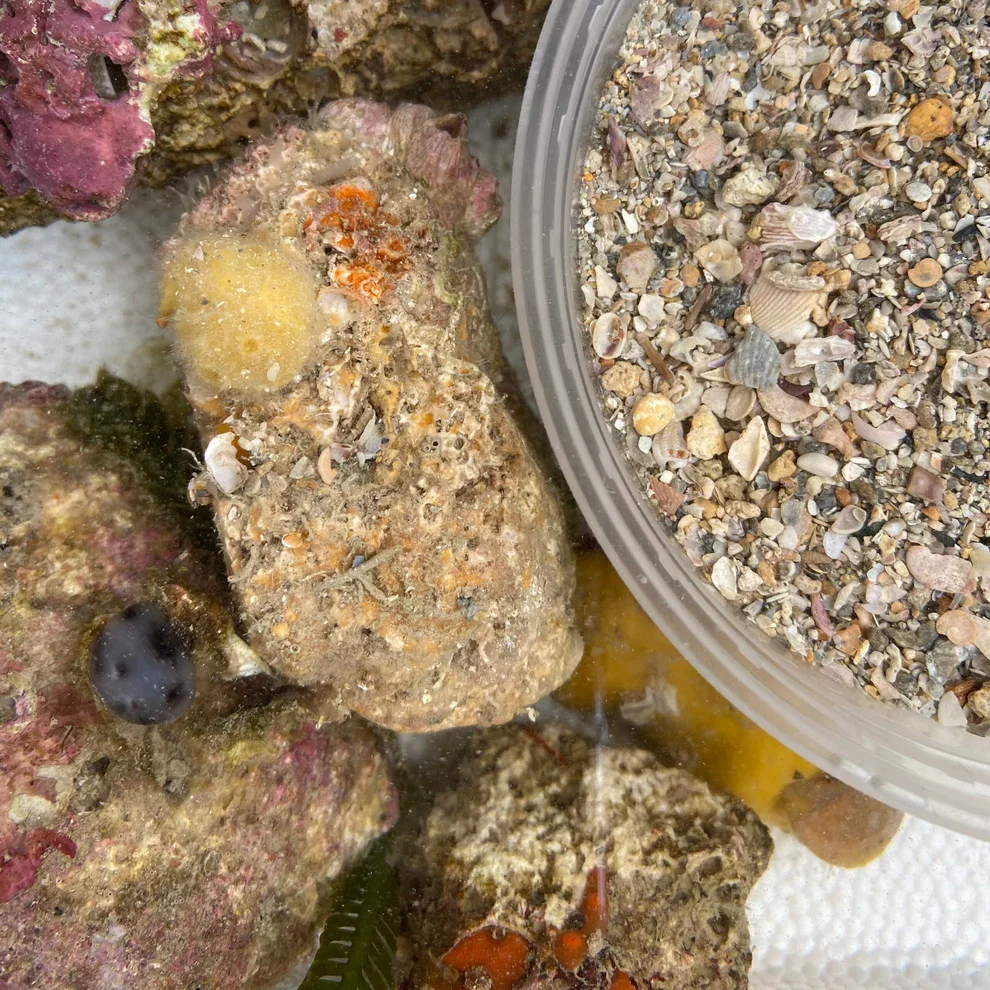
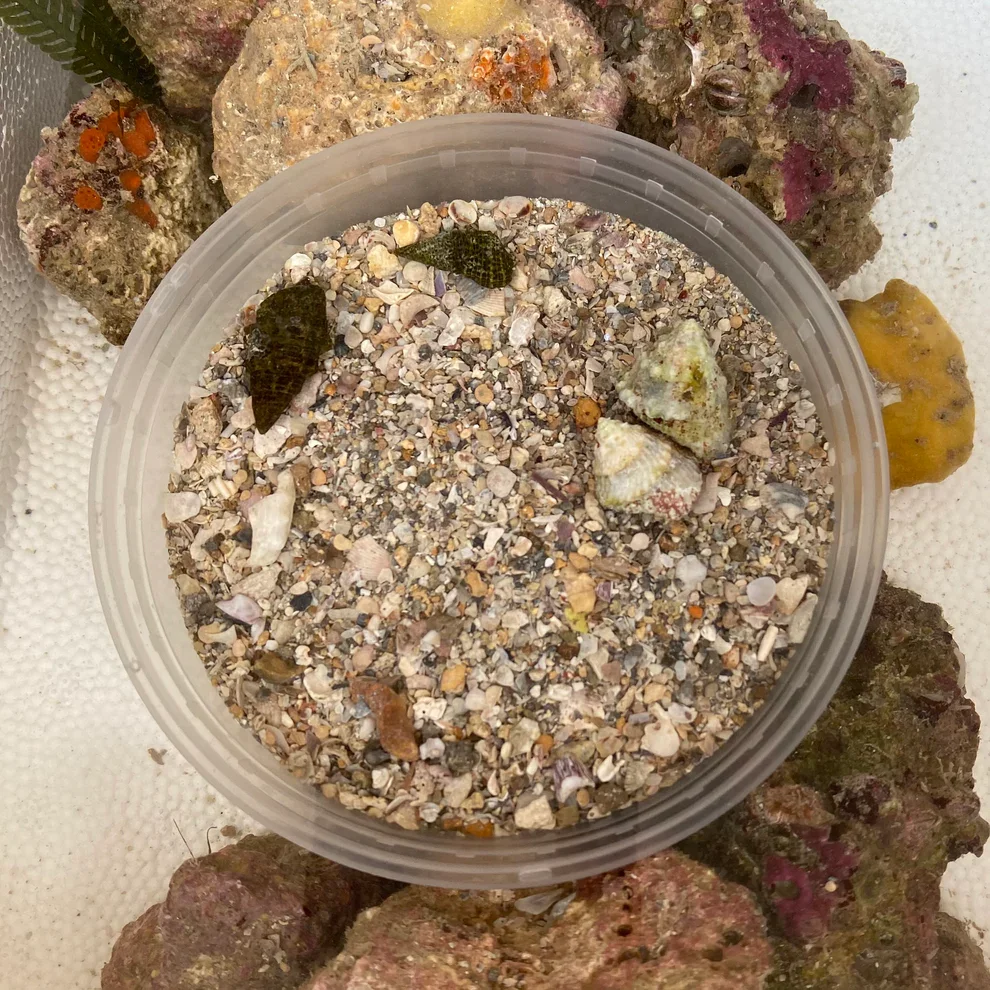
We use a live sand product that delivers a diverse microbial biome and microcrustaceans straight from the ocean. That biological diversity accelerates biological filtration, reduces ugly slime and algae blooms, and shortens the fragile startup window. The practical outcome is faster stability and fewer early headaches for new reefers.
Live sand variants and audibles
Legit live sand: Harvested fresh, shipped quickly, and teeming with diverse microbes. Highest efficacy for immediate stability. Tampa Bay Saltwater is a good example.
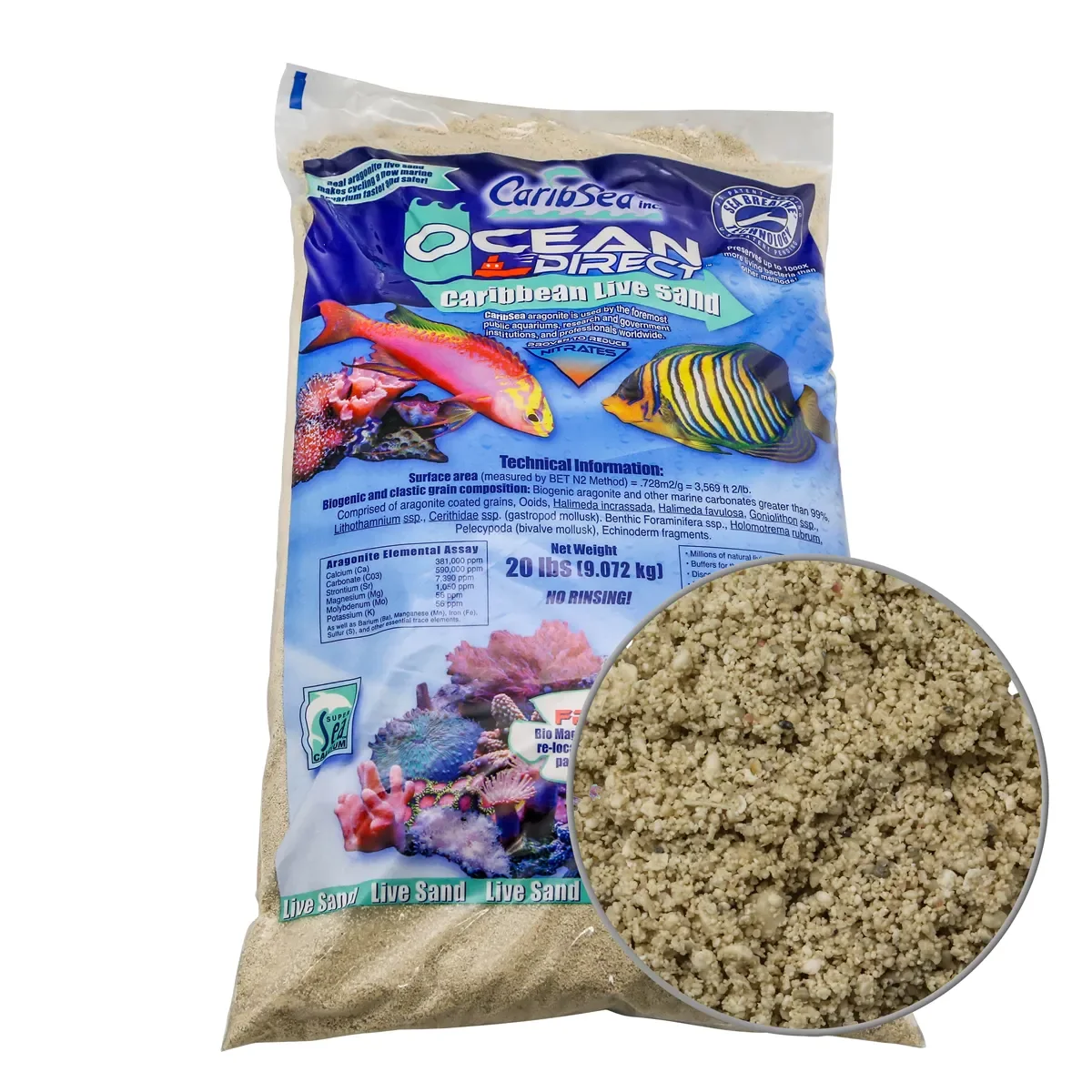
“Kind of live” sand: Ocean-derived but shelf-stable. Contains useful microbes but less diversity than fresh live sand. Ocean direct is a good example.
Dried or reactivated sands: These are dried, sifted sands re-inoculated to revive bacteria. Useful and economical, but generally lower diversity than fresh live sand. Often contains freshwater bacteria rather than saltwater.
We often layer sand: place the ocean-derived live sand like Ocean Direct below and put the Legit Live sand on top.. This preserves the top live layer while giving us the look and particle size control we want. Don’t just mix everything together—layer for best results.

90/10 Rock: Functional Dry Aquascape
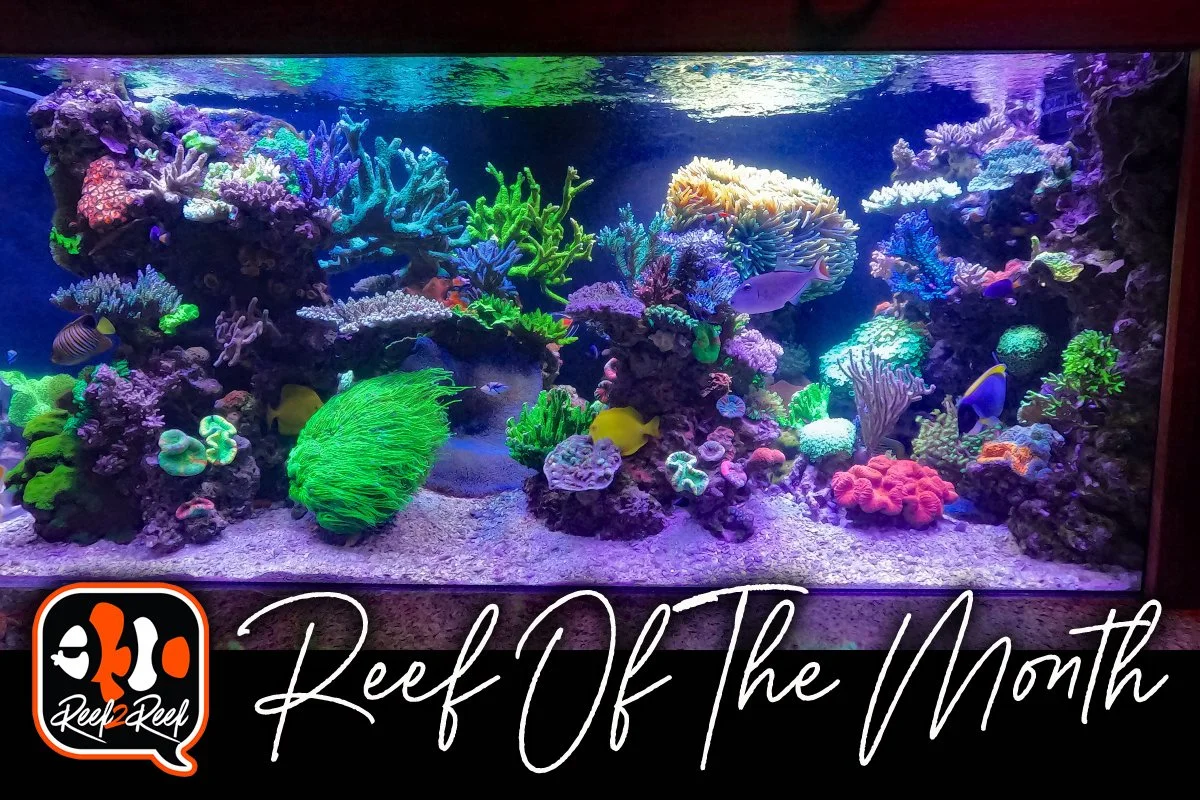
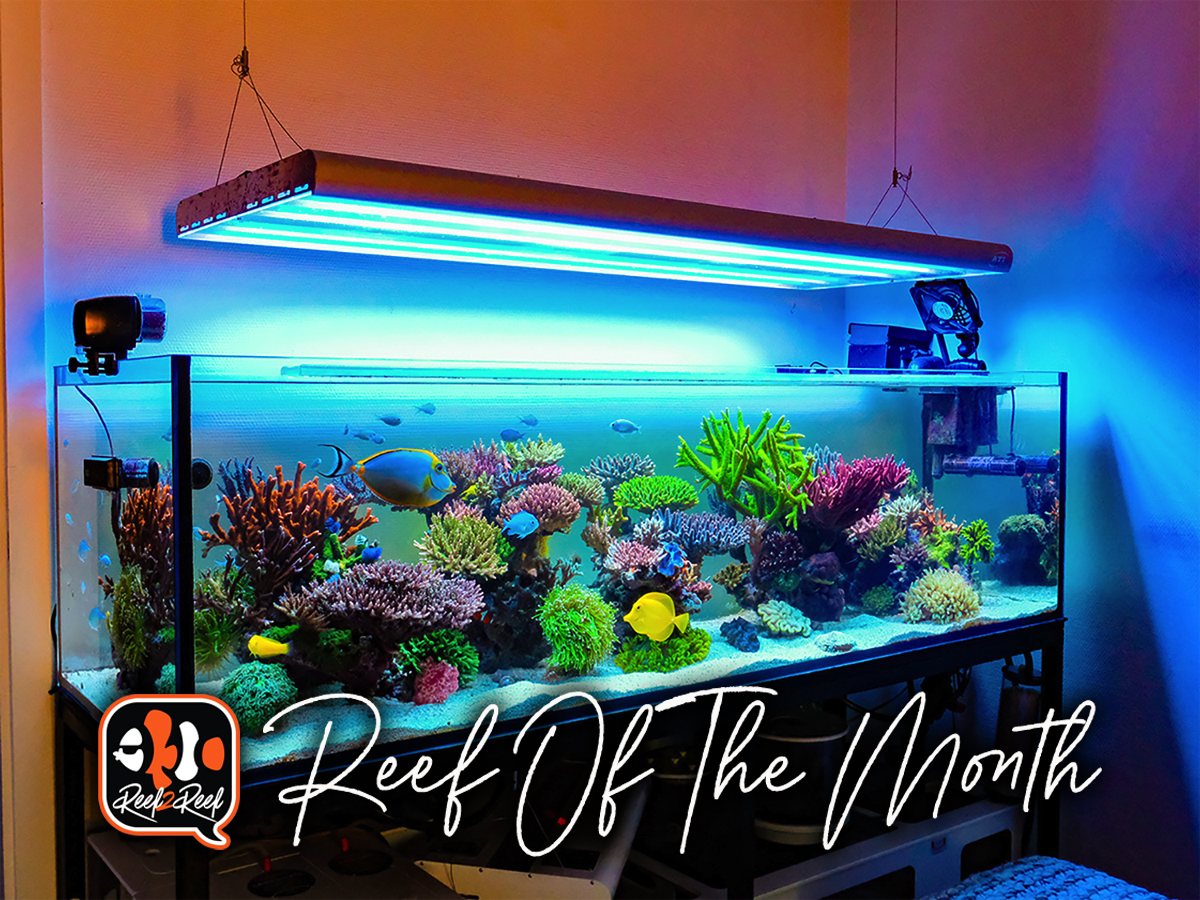
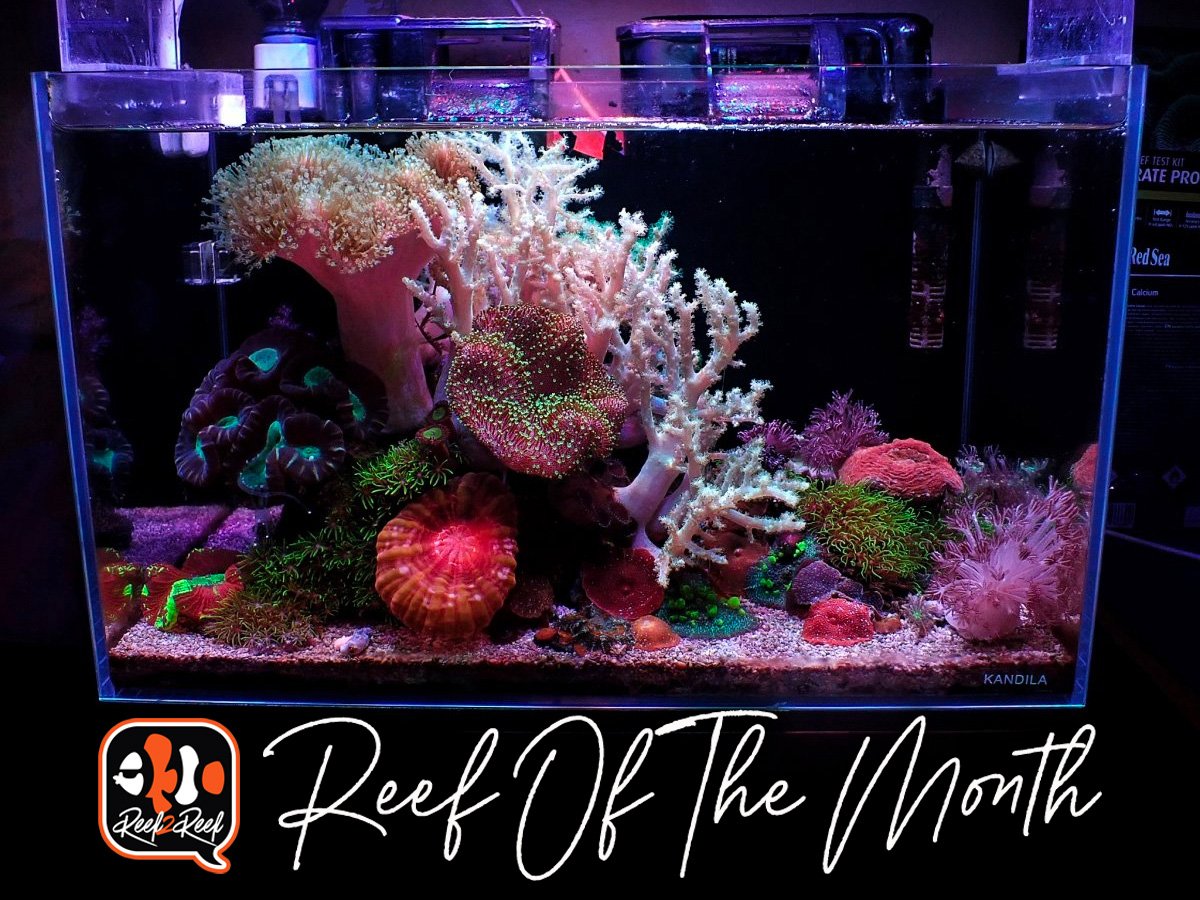
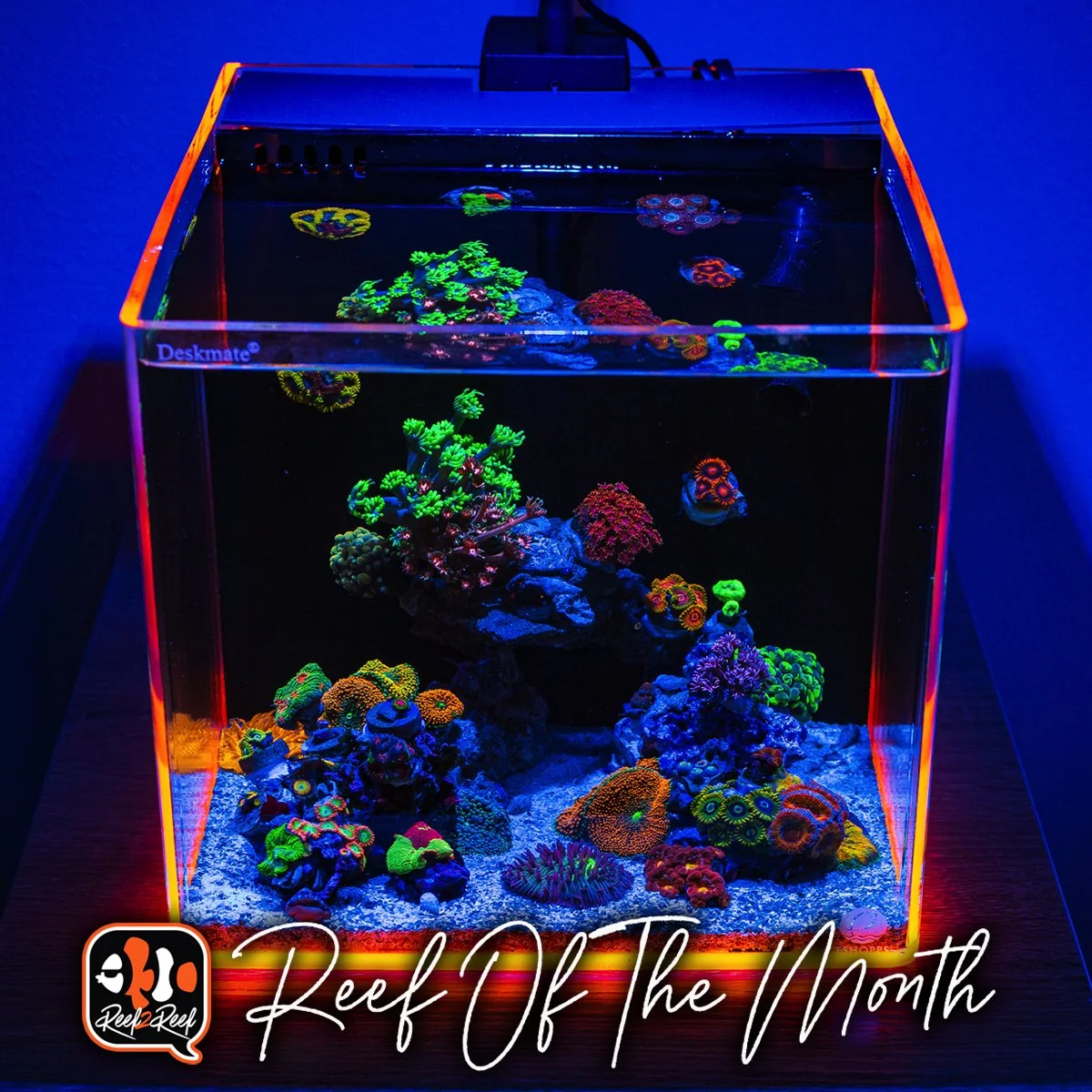
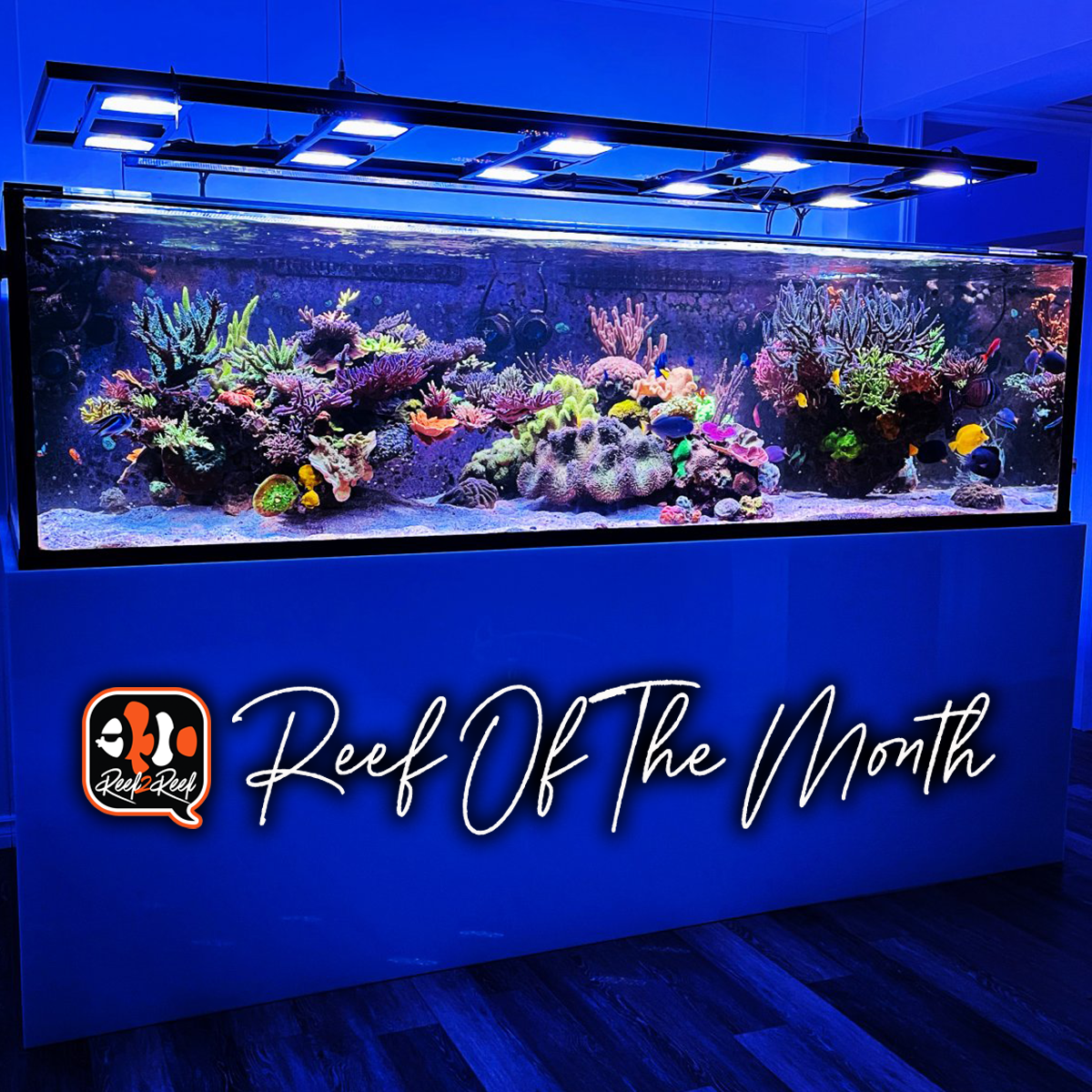
For rockwork we prefer a functional dry aquascape. We keep the rock away from the back glass, build smaller functional structures instead of one large stack, and use epoxy and super glue to make everything stable yet movable. This approach offers several advantages:
Cleanability: individual pieces can be cleaned and siphoned behind—no long-term detritus traps.
Better swim paths: moving rock off the back and forward increases linear swim distance which can let smaller tanks comfortably house active fish like tangs.
Portability: modular pieces are easier to disassemble, transport, or temporarily containerize for relocation or large maintenance tasks.
Reduced nuisance growth: dry rock limits introduction of surface photosynthetics compared to wet ocean live rock that often arrives with a variety of algae.
Examples of Functional Aquascapes

When wet live rock makes sense
There are cases where wet live rock is a valid audible: bare-bottom SPS-focused tanks that lack sand and need immediate established biological filtration, or when tackling specific algae issues where seeded wet rock can help. Wet rock can make the first months easier, but it often brings additional pests and photosynthetic growth that complicates long-term maintenance.
First Steps Summary
Tank type: LPS and softy focused
Tank size: 35 to 75 gallons (Goldilocks zone)
Source water: Four-stage RO/DI and a white 55-gallon brute for mixing and storage
Salt: Clean, high-quality salt such as Tropic Marin Pro Reef (recommended)
Substrate: Layered approach with legit live sand below and a finished top layer
Rock: Functional dry aquascape built in modular pieces
Maintenance approach: Dilution-first, weekly testing, and regular water changes made easy by pre-mixed stored water
Next Steps
We will continue to break this method down into actionable parts. Upcoming topics include lighting, dilution, chemistry, heaters, and evaporation management. Our goal is to give you the why behind every choice so you have confidence to act and consistency to stick with the plan.
FAQ
Why choose LPS and softy corals instead of SPS as our starting point?
LPS and softy corals demand less intense lighting, flow, and pristine chemistry than SPS. They tolerate beginner mistakes, lower light produces fewer nuisance photosynthetic algae/slimes, and therefore offer a much higher probability of early success for most hobbyists.
Is a nano tank acceptable for a beginner following this method?
It can work if you are disciplined, well informed, and consistent. However, nanos amplify mistakes and reduce the margin for error. For most people, a 35 to 75 gallon tank is a safer starting point because it buffers life interruptions and common errors.
Can we use tap water if we add a dechlorinator?
We do not recommend tap water. Beyond disinfectants, tap water contains minerals and trace elements that make salt mixing unpredictable. Salt mixes assume you start with mineral-free water; starting with significant hardness or alkalinity can produce dangerously high chemistry when combined with the salt.
Do we need a five-stage RO/DI system?
A quality four-stage RO/DI system is our recommended balance of cost and reliability for the 90/10 Method. The five-stage option adds redundancy and will serve virtually every edge case, but the four-stage setup will be adequate and cost effective for most hobbyists.
What type of sand should we use and can we mix different sands?
Start with a legit live sand layer to deliver a broad microbial community and microfauna. You can place a more economical or sifted sand on top for aesthetics and particle size control. Rather than mixing, layer the sands so the live layer stays protected and effective.
Why avoid a rock wall along the back and choose a modular, dry aquascape?
A dry, modular aquascape is easier to clean, reduces long-term detritus traps, increases usable swim paths for fish, and makes transport or maintenance simpler. It also limits unwanted photosynthetic growth that often accompanies wet live rock.
What salts and equipment are worth spending a little more on?
Investing in a high-purity salt mix and a reliable RO/DI system pays off in stability and less maintenance. A white 55-gallon mixing container and clean salt reduce the need for frequent bin cleaning and make water changes fast and likely to happen.
Acknowledgments
Thank you to the Serious Reefs community. Your membership funds the creation of articles and videos like this one.
Support Serious Reefs
Patreon is the best option If you…
Want to discuss with the SR community and ask questions.
Want immediate notifications of every release.
Listen with phone screen off. Patreon app works with phone closed
Want 25% off via annual discounts.
YouTube members is the best option If you…
Watch SR videos on a TV via youtube App
Want to watch videos natively here on seriousreefs.com - (You must use chrome browser and be logged into google account with youtube membership)
Are a YouTube power user.
Tell a friend. Best option if want more (and faster).
If you like what we’re doing, give SR a quick shout-out on your favorite forum, YouTube, Facebook, TikTok, or Instagram. Let your local fish store know SR is helping you explore the hobby and keep it fun. Thanks for the support!
Disclaimer
Full Disclaimer HERE. This is the gist of it.
Content is based on personal experience, not professional advice. Do your research and reef responsibly. Serious Reefs should not be your sole sorce of information on any topic.
By watching, you agree that Serious Reefs and its creators aren’t liable for how you use this info. Please don’t utilize our information if you are not ok with this.
Serious Reefs has no sponsors, doesn’t accept product or payment for reviews. We do use affiliate links in articles that earn a small commission to support our work. Shop wherever you like, we won’t be offended.
