Antibiotics in Reefing: Overhyped Fear or the Ultimate Secret Weapon?
The three camps. Which are you?
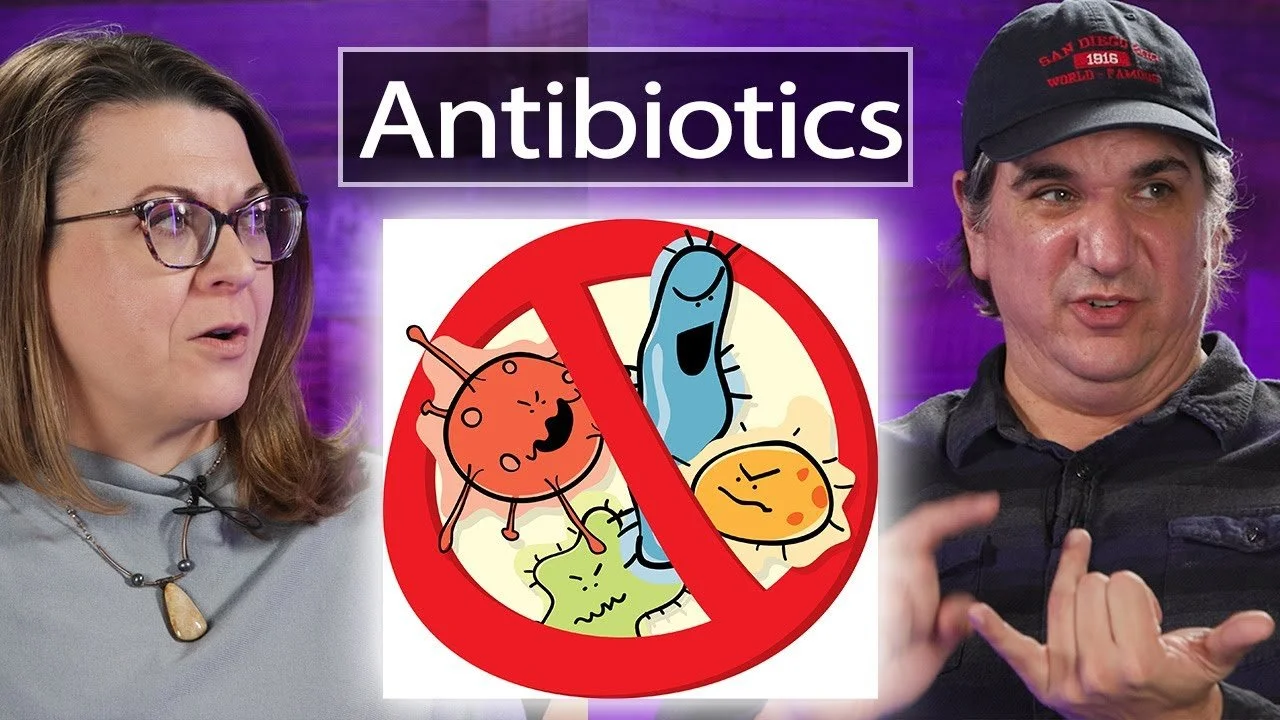
There are predominantly two antibiotic camps in reefing. One believes that nearly all use of antibiotics is harmful and is willing to accept animal losses in defense of that position. The other saves a large number of animals but often uses antibiotics recklessly, applying a kitchen sink approach with little thought given to proper use or disposal.
There is also a smaller third camp. This group does not view antibiotics in reefing as a black-and-white moral issue. Instead, they treat antibiotics like any other tool to be used safely and effectively. Measure the risk, understand the trade-offs, and apply them responsibly when the situation calls for it.
Death in corals is rarely instantaneous. It is a process: stress, injury, opportunistic microbes, secondary infection, and then a downward spiral. If we accept that reality, antibiotics become one option among many for interrupting that cascade. It is time to explore that conversation.
The article below is free for everyone. Serious Reefs YouTube Members can watch this video natively above. Native viewing requires the chrome browser..


Why this topic is so divisive
The two camps: those who ban antibiotics outright and those who throw the kitchen sink at every problem. Both positions frustrate us. The first blocks potentially life-saving interventions. The second promotes reckless use, which creates risks for the hobby and the wider environment. We want a middle path: responsible, evidence-guided use.
“Death is a process.”
That line matters. It reframes how we approach coral decline. Instead of shrugging and tossing out a colony, we can step back and ask: is this stress, an injury, or a specific infection? What can we change in the environment first? Can we slow the decline and give the coral a chance to recover? Antibiotics might be an appropriate last resort in some of these cases, but they should not be the first reflex.
How we think about risk
We can approach antibiotics as systems engineers. That means balancing three interacting legs: the coral (its immunity and microbiome), the surrounding tank environment (temperature, nutrients, water flow), and the agent (the microbes or other stressor attacking the coral).
Our priorities are:
Prevent injuries and stressors that open the door to infection.
Monitor corals closely so we catch problems early.
Treat the environment and the animal using the least harmful, most targeted interventions first.
When antibiotics have helped in practice
Anecdotally, antibiotics have rescued corals that would otherwise have died. Common examples include rapid tissue loss and brown jelly-type syndromes, some imported mushrooms that arrive badly damaged, and sudden Acropora melts. That does not mean antibiotics are a universal fix, but they are a tool that can increase survivorship in specific cases—especially when other measures have failed.
hen otherwise healthy corals experience tissue loss, it is often related to infection, making antibiotics a logical treatment option. This is consistent with how veterinarians approach tissue infections in most animals. The challenge in reefing is that we are the veterinarians, and most of us are self-taught.
Most rehabilitations, however, happen without antibiotics. We estimate the majority of successful rescues rely on quarantine, avoidance, dips, antiseptics, nutrient and temperature adjustments, and careful wound management. Use antibiotics as a deliberate, last-resort option rather than as a first-line panacea.
Why antibiotics scare people
Concerns are real and multiple:
Antibiotic resistance. Marine bacteria are often gram negative and can develop resistance in and outside of our hobby. Misuse accelerates that process.
Human-health implications. Some drugs, like ciprofloxacin and other critical human antibiotics, are tightly regulated for a reason. We should avoid using front-line human drugs in hobby tanks when alternatives exist.
Environmental release. Antibiotics that are poured down the drain enter the public sewer system, pass through wastewater treatment, and ultimately discharge into public waterways. This can expose broader microbial communities to residual antibiotics, increasing the risk of selecting for antibiotic-resistant strains.
Unknown microbial complexity. Many coral diseases involve multiple interacting microbes. Killing one organism might leave another to fill the niche or create unexpected outcomes.
The kitchen-sink problem
This is the result of a self taught hobbyist veterinarian just trying everything until they find what works. Plopping every available antibiotic into a dip or bath is tempting when a favorite coral is dying. That approach creates uncontrolled exposure, unknown interactions among drugs, and frequent sub-therapeutic dosing that favors resistance. It also confuses the hobby: anecdotal “it worked” stories become muddled and non-repeatable because nobody documented concentrations, exposure times, or tank context.
Alternatives and complementary tactics
Before launching into antibiotics, try these lower-risk measures that can buy time or eliminate the need for antibiotics entirely:
Quarantine new arrivals and observe for weeks rather than dropping them straight into display tanks.
Dips and wound care such as iodine or diluted peroxide dips to remove surface ciliates and debris and to clean injury sites. Iodine is an antiseptic dip that can prevent infection before it starts.
Environmental fixes — stabilize temperature, correct nutrient imbalances, improve flow, and audit lighting. Reducing environmental stresses increases the coral’s immune response.
Targeted removal of visibly infected tissue when practical. Cut the part of the coral that’s dyeing off. At least an inch Into healthy tissue is best.
Biocontrols and probiotics — inoculating tanks with beneficial bacterial products (microbiome-in-a-bottle) or sand and rock seeded with natural microbial communities can shift ecosystem balance. These approaches are promising but still poorly understood.
Practical decision framework
Here is a simple stepwise framework we can apply when a coral is declining:
Assess: Identify visible signs, recent changes, and likely causes (injury, transport stress, pests, nutrients, temperature).
Stabilize environment: Correct temp, flow, and nutrients; isolate the coral where possible.
Clean and monitor: Perform gentle dips and remove necrotic tissue; quarantine for observation.
Escalate carefully: If signs progress despite the above and diagnostic work points to a bacterial agent, consider targeted antibiotic use under a documented protocol.
Contain and dispose responsibly: Minimize environmental release of antibiotics—use UV and other containment strategies, and follow local regulations.
PPE and personal safety
Think about your own health as well as coral health. Avoid putting hands in the tank if you have cuts. Use properly designed disposable arm-length gloves or other reef-safe PPE when handling diseased animals. If a product claims to be safe and effective, better availability and clear labeling build confidence and reduce DIY mistakes.
Supply chain and industry responsibility
We should expect transparency from vendors and wholesalers. When shops proactively quarantine and treat livestock before sale, downstream mortality drops and everyone benefits. In some cases, that means suppliers may use antibiotics before an animal is shipped to you. When done responsibly, this can reduce the total use of antibiotics by limiting how many individuals later feel compelled to treat at home.
It is also far easier to teach responsible use within the supply chain than it is across every individual hobbyist. This approach may result in slightly higher upfront prices, but it reduces long-term costs and heartbreak for reefers. This is not all that dissimilar from a breeder who treats for common diseases and parasites before providing a kitten or puppy.
Corals are more expensive than many other pets, and if reefers want comparable success rates, it starts in the supply chain. Proactive care should be the standard rather than the exception.
Promising research directions
Several avenues deserve more research and hobby-scale experiments:
Microbiome therapies — targeted beneficial bacterial consortia that outcompete pathogens.
Better diagnostics — affordable tests to identify the microbial culprits in an aquarium would let us choose narrower treatments with lower collateral damage.
Do's and don'ts (quick list)
Do quarantine new corals and closely monitor them.
Do try mechanical and environmental fixes before drugs.
Do document any treatment: product, concentration, exposure time, tank conditions, and outcome.
Do use PPE and avoid exposing your wounds to tank water.
Don’t indiscriminately dump multiple antibiotics into a tank.
Don’t reach for critical human antibiotics as a default—consult professionals and avoid drugs that are regulated for human medicine unless you have proper oversight.
Our one takeaway
We are where medicine was before germ theory became mainstream: lots of good instincts, many unknowns, and enormous opportunity to improve outcomes with careful study. Antibiotics have saved corals in some cases, but they are not a free pass. Use them as one element in a thoughtful, documented, and responsible toolbox that prioritizes prevention, diagnostics, and targeted treatments. Above all, we need better data, more sharing of methods, and collaboration between hobbyists, vendors, and scientific professionals.
FAQ
Are antibiotics a first-line solution for a coral that looks sick?
No. Start with quarantine, dips, wound care, and environmental fixes. Reserve antibiotics for cases that progress despite those measures or where diagnostics point to a bacterial agent. Treat them as a last-resort, targeted intervention rather than a reflex.
Which corals respond best to antibiotics?
There is no universal answer. Anecdotal successes include brown jelly outbreaks, some mushroom imports, and rapid Acropora tissue loss. Most coral rescues succeed without antibiotics. Apply case-by-case judgment and document everything.
Do aquarium antibiotics create antibiotic-resistant bacteria that could harm people?
Theoretical risk exists, especially if critical human antibiotics are used irresponsibly and residues enter sewage. However, transmission from marine microbes to human pathogens involves complex biological jumps and is likely rare. Still, minimize risk by avoiding critical human drugs, practicing containment, and not exposing open wounds to tank water.
Should we expect vendors to pre-treat corals before sale?
For those that need it, Ideally yes. Proactive quarantine and responsible treatment at the supplier level reduce mortality for everyone. That may justify a modest price premium and is a supply chain problem that the industry should help solve.
Are microbiome-in-a-bottle products a good alternative to antibiotics?
They show promise. Seeding tanks or sand with beneficial microbial communities can sometimes shift the system away from pathogens. The challenge is that many products lack transparent composition and robust data. More independent testing and characterization would make these tools far more useful.
What practical steps should a hobbyist take right now?
Quarantine new arrivals, use antiseptic dips for wounded corals, monitor alkalinity and nutrient uptake, document any interventions, use PPE, and only consider antibiotics after exhausting lower-risk options and documenting a clear protocol.
What’s Next? Recent Additive Reviews

Acknowledgments
Big thanks to Nicole Bridges for sharing her knowlage with the reefing community.
Thank you to the Serious Reefs community. Your membership funds the creation of articles and videos like this one.
Support Serious Reefs
Option 1: Patreon - Sign Up
Lowest cost option
Videos available on Patron App and website
Immediate notification of every release
Larger active community.
App works with phone closed
Sends a larger percentage of membership to Serious Reefs
Option 2: YouTube - Sign Up
Best for YouTube power users
Videos Available on
Youtube.com
Youtube TV App
Youtube Phone App
Seriousreefs.com (requires logged in Chrome browser)
*Note iOS users may need to sign up via desktop browser.
Disclaimer
Full Disclaimer HERE. This is the gist of it.
Content is based on personal experience, not professional advice. Do your research and reef responsibly. Serious Reefs should not be your sole source of information on any topic.
By watching, you agree that Serious Reefs and its creators aren’t liable for how you use this info. Please don’t utilize our information if you are not ok with this.
Serious Reefs has no sponsors, doesn’t accept product or payment for reviews. We do use affiliate links in articles that earn a small commission to support our work. Shop wherever you like, we won’t be offended.
