
How to Eliminate Hair Algae: API Algae Fix And Vibrant Edition
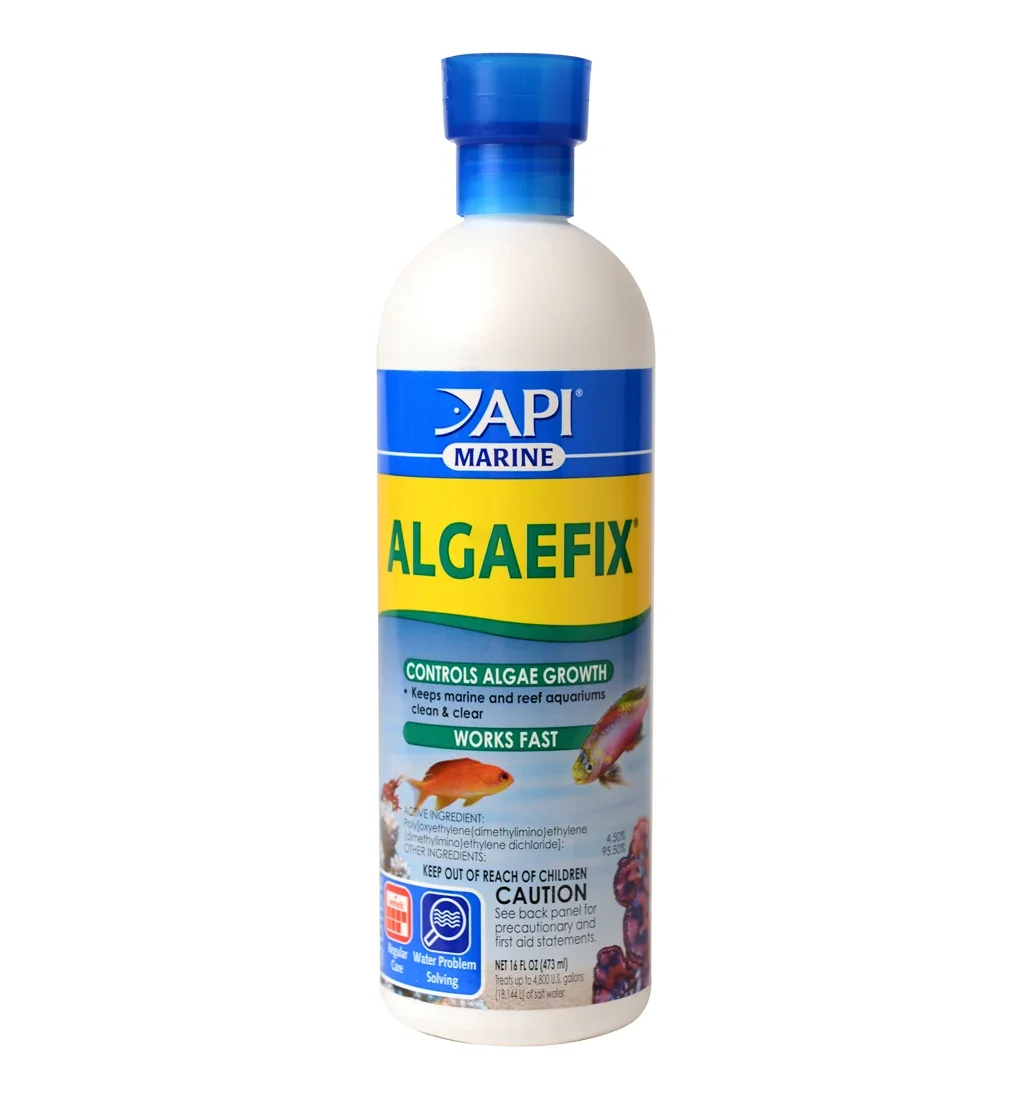
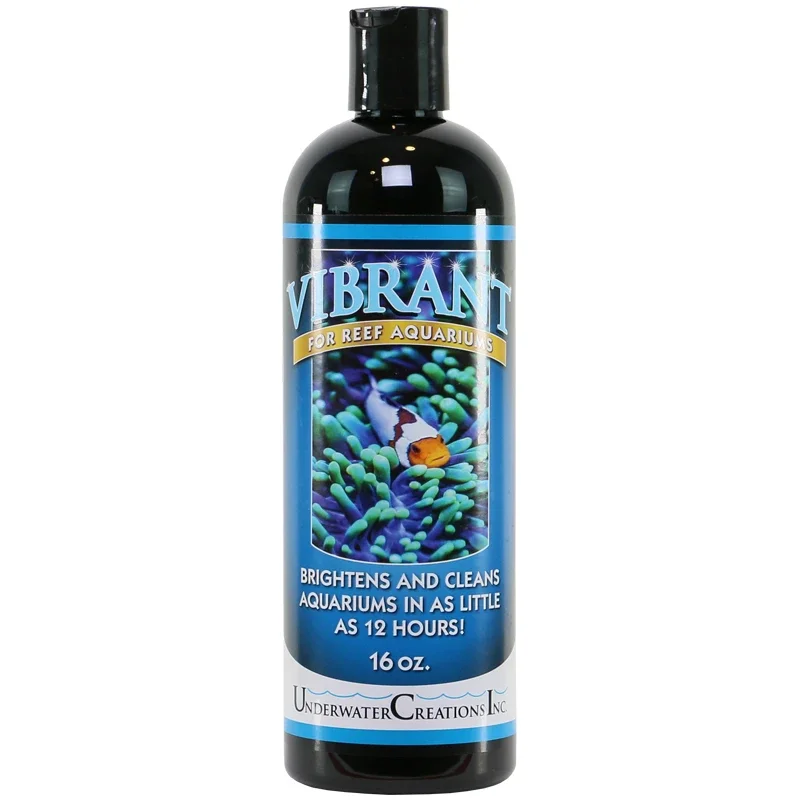
When hair algae refuses to quit, an algaecide can be a practical second-line option. Products such as API Marine AlgaeFix and Vibrant are designed to do exactly what the name suggests: kill algae directly.
This is not necessarily the first route we would take in every reef tank, but it can be an effective tool when algae has become stubborn, persistent, and difficult to control through other methods.
Hair Algae Guide | Reef Tank Guides

How to Eliminate Hair Algae: API Algae Fix And Vibrant Edition
Key Takeaways
Algaecides such as API Algae Fix and Vibrant directly kill nuisance algae.
Vibrant can be effective against aggressive bubble algae as well as hair algae.
Corals may show reduced alkalinity consumption during treatment, even without visible decline.
Stressed corals with low energy reserves may be more vulnerable to algaecide-related stress.
What Algaecides Actually Do
Algaecides are chemical treatments intended to directly damage or kill algae in the aquarium. People use them against a range of nuisance algae, not just hair algae. In some fish only systems, they may even be used simply to keep the glass cleaner for longer.
The appeal is obvious. Rather than waiting for nutrient management, herbivores, or manual removal to gradually turn the tide, an algaecide can create a much more immediate visible result.
Vibrant and API Algaefix are believed to rely on the same active ingredient, although the current labeled concentrations may be somewhat different.
We have not used Algaefix here, but in our experience, Vibrant has been particularly effective against bubble algae, which can be one of the more aggressive nuisance algae problems to manage. After treatment, the algae may lose its color, turn silvery, die off, and eventually detach from the surfaces where it was growing.
Algaecides may be useful for:
Persistent hair algae that has resisted other approaches
Bubble algae outbreaks
Various nuisance algae growing on rockwork or equipment
Keeping algae buildup on aquarium glass under better control in fish-only tanks
Will Algaecides Harm Coral?
The biggest question is always whether a product made to kill algae can affect coral, fish, or other tank inhabitants. Realistically, we should not assume that anything potent enough to kill one living organism has absolutely no effect on the rest of the aquarium.
With Vibrant, we have used it many times to eliminate bubble algae without seeing an obvious visual decline in coral health. Corals did not appear noticeably different during treatment.
The one subtle effect we could measure was a small reduction in alkalinity consumption during that period. Since alkalinity uptake is closely tied to calcification and coral growth, that may indicate corals are growing a little less aggressively while the treatment is in use or producing less energy.
That does not automatically mean the treatment is disastrous for coral. It does mean we should pay attention to the tank rather than treating an algaecide as completely consequence-free.
Coral Condition Matters Before Treatment
The condition of the coral before treatment makes a major difference. Healthy corals with solid energy reserves are generally more likely to tolerate stress than corals that are already struggling.
If corals are pale, receding, recently damaged, or otherwise under stress, they may be more vulnerable to problems during an algaecide treatment. In that situation, killing algae quickly may not be worth adding another variable to an already unstable system.
Before using an algaecide in a reef tank, we should consider:
Whether the corals are healthy and actively growing
Whether alkalinity consumption changes during treatment
Whether the algae problem is severe enough to justify direct chemical control
Whether the treatment is producing visible stress in the aquarium
Natural Solutions That Keep Hair Algae In Check
Algaecides Are a Tool, Not a Free Pass
API Algae Fix and Vibrant can be highly effective tools for eliminating nuisance algae, including difficult outbreaks of hair algae and bubble algae. The results can be dramatic, especially when algae has become established beyond what ordinary maintenance can easily handle.
Still, the directness of an algaecide is both its strength and its limitation. We can use it when the situation calls for it, but we should respect that a reef tank is a living system. Keep an eye on coral health, watch for changes in alkalinity uptake, and be especially cautious when corals are already stressed.
SR Preferred Solutions For Inorganic N/P Nutrient Testing
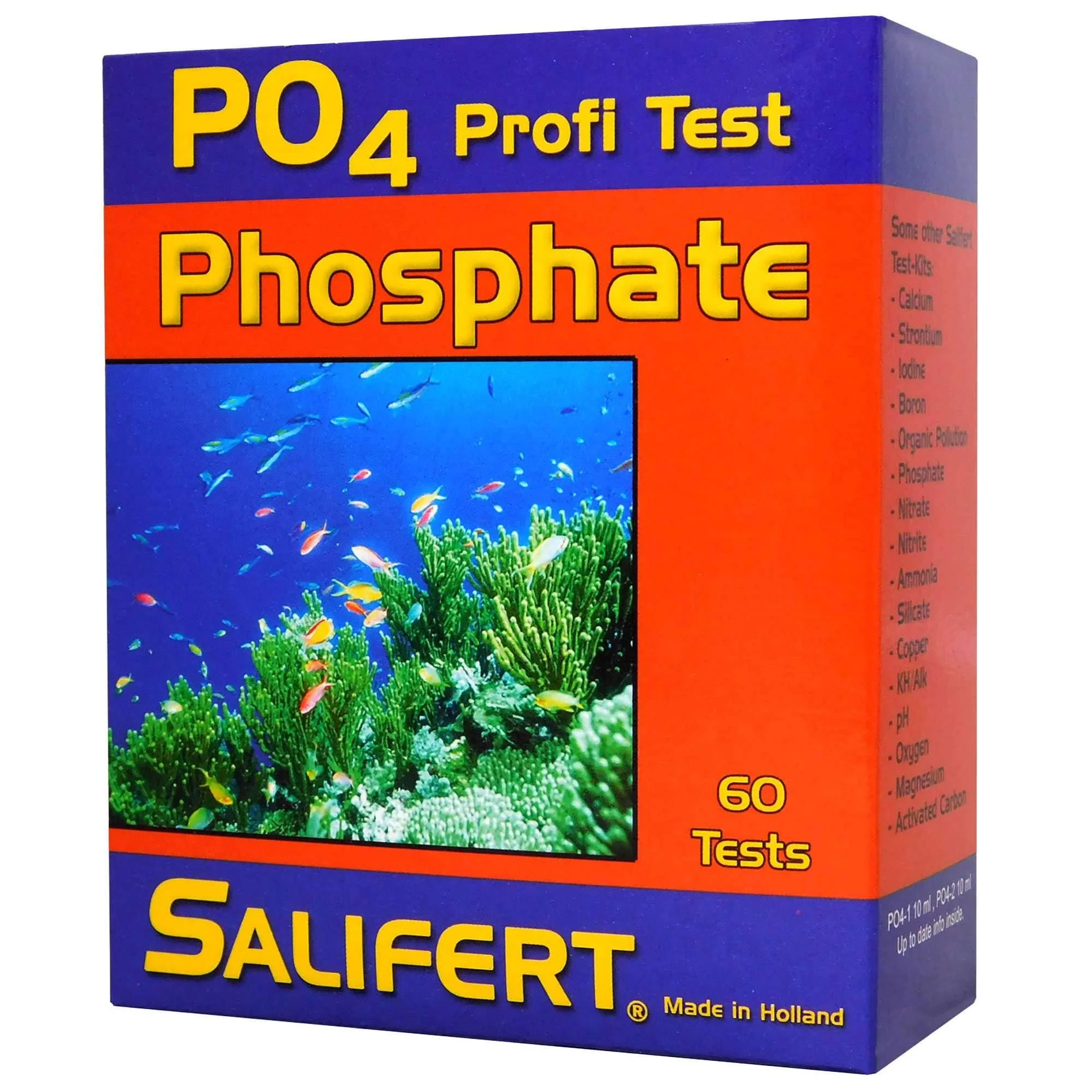
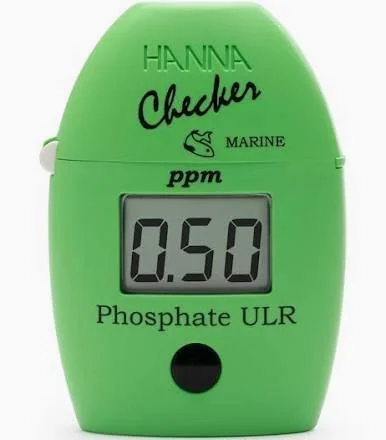
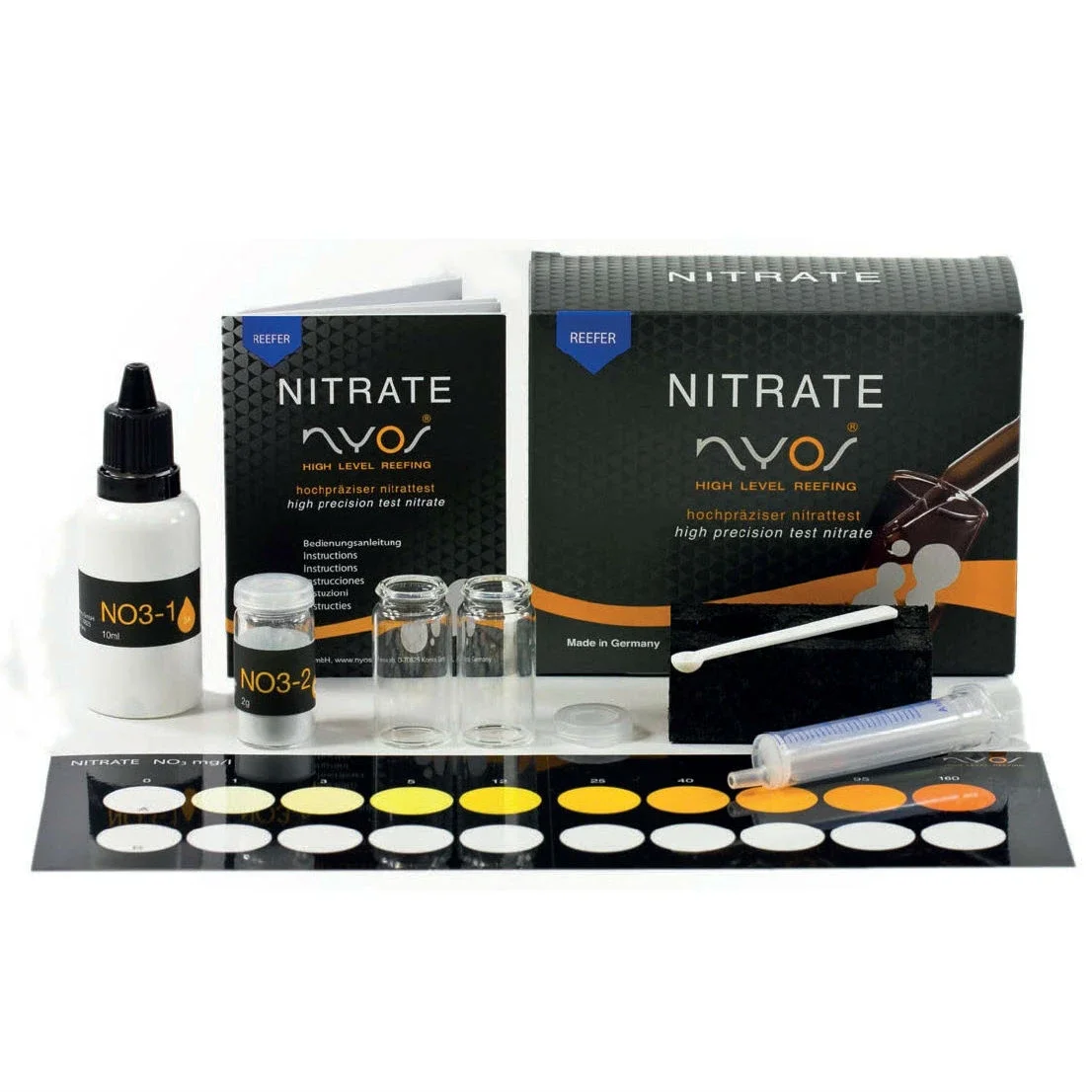
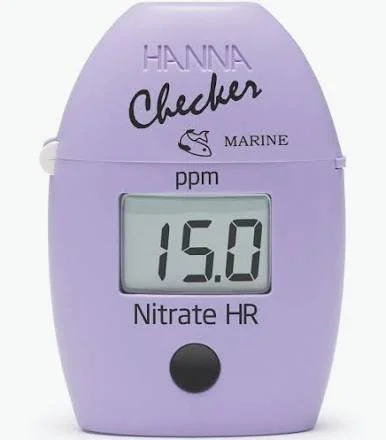
*Serious Reefs earns a small commission from these affiliate links. If you like what we do, clicking one is an easy way to help support SR at no cost to you. :)
Prepare the Tank Before Treating
The most important step is simple: manually remove as much algae as possible before treatment.
Do not leave every patch in place just because the AlgaefFix or Vibrant can kill it. The more algae we physically remove first, the less decaying material the tank has to process afterward. This gives the aquarium a better chance of staying stable while the treatment handles what remains.
Before proceeding, take the time to remove accessible growth from rockwork, equipment, and other surfaces. The goal is to reduce the biomass, not to depend entirely on the medication to clear a fully packed tank.
Manual removal can be the difference between an effortless application and one where the rapid increase in pollution overwhelms the corals.
Monitor Nutrients After the Algae Dies
Once algaecides begin working, dying algae can release nutrients back into the water. This is where an algae treatment can create a second problem if we are not paying attention.
Keep an eye on nutrient levels after treatment, particularly as the algae starts to break down. If nutrients rise or the tank shows signs that it is struggling with the added organic load, perform water changes as needed.
Remove as much bryopsis manually as possible before treatment.
Expect dead algae to add pollution to the system.
Monitor nutrients closely as the algae dies back.
Use water changes when necessary to help maintain water quality.
The treatment may solve the hair algae/nuisance algae, but stable reefkeeping still comes down to managing what the treatment leaves behind.
Hair Algae: Pounds of Cure
*Serious Reefs earns a small commission from these affiliate links. If you like what we do, clicking one or bookmarking this link is an easy way to help support SR. :)
Hair Algae FAQ


When hair algae has taken over and nothing else seems to make a dent, hydrogen peroxide can be one of the most effective direct treatment tools we have. This is not another heavy hitter that works primarily as a poison. Peroxide works differently because it is an oxidant.
Used carefully and directly on the problem area, it can wipe out hair algae remarkably fast. In many cases, algae that has been treated can be completely gone by the following day.