
Why Do We Have Hair Algae With Zero Nitrate and Phosphate?
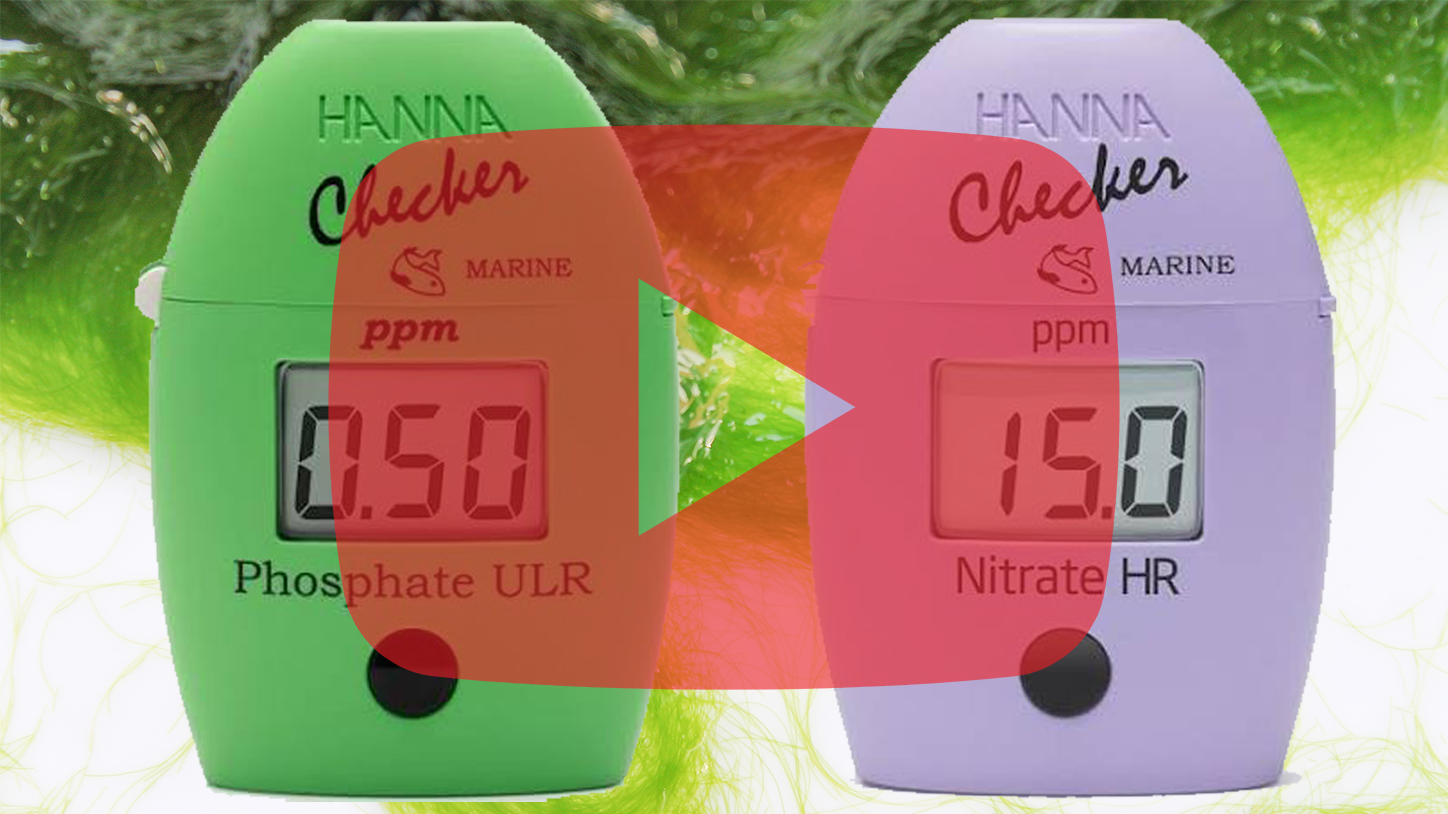
Getting a zero reading for nitrate and phosphate while hair algae is growing all over the tank feels backwards. If the nutrients are supposedly zero, what is the algae living on?
The quick answer is simple: if we have fish in the aquarium and we feed them, we are adding nitrogen and phosphorus every day. Those nutrients are in the system, even when our test kits cannot detect them. So what are we supposed to do?
Hair Algae Guide | Reef Tank Guides
Why Do We Have Hair Algae With Zero Nitrate and Phosphate?
Zero on a Test Does Not Mean Zero in the Aquarium
Fish food introduces nutrients into the tank. Fish process that food, waste enters the water, breaks down, and nitrogen and phosphorus become available somewhere in the system.
Hair algae is photosynthetic, and it is extremely good at grabbing nutrients as they become available. It can absorb nitrogen and phosphorus before they ever build up in the water enough for a hobby-grade test kit to detect them.
In fact, many algae prefer ammonia as their nitrogen source. So if you have a major algae problem, the algae may be stripping ammonia out of the water before it even has a chance to become nitrate.
In that sense, the algae itself is acting like a nutrient test kit. If you see a ton of algae growth, nitrogen and phosphorus are entering the tank. They may just be locked up in the algae instead of showing up as nitrate and phosphate on your test kit.
The nutrients aren’t necessarily missing. The algae may simply be consuming them faster than you can measure them.
That is why a tank can have both of these things at the same time:
A test result showing zero nitrate and zero phosphate
Visible hair algae growing vigorously
The algae does not prove there are no nutrients. It proves that nutrients are continually entering the tank and being used.
Natural Solutions That Keep Hair Algae In Check
Hair Algae Can Keep Nutrient Readings Low
Once hair algae becomes established, its ability to rapidly absorb available nitrogen and phosphorus creates an important challenge: nitrate and phosphate may test very low even though nutrients are continuously entering the aquarium through feeding, fish waste, and organic breakdown.
One way to confirm this is to manually remove as much hair algae as possible. In many cases, nitrate and phosphate will begin to rise afterward because there is less algae present to absorb those nutrients as quickly as they become available.
This is an important distinction. A nutrient test is only a snapshot of what is dissolved in the water at that moment. Think of nitrate and phosphate testing as an early warning tool or an ounce of prevention that can indicate the potential for an algae problem, particularly in reef tanks with few herbivorous fish or other algae grazers.
What the test does not necessarily show is how much nitrogen and phosphorus are moving through the aquarium over time. In effect, the hair algae is consuming the evidence.
So even when nitrate and phosphate both test near zero, nutrient input and nutrient pollution can still be underlying contributors to a hair algae problem.
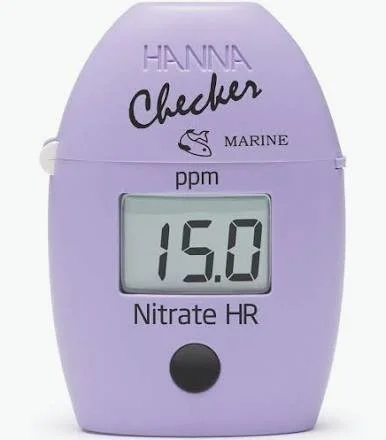
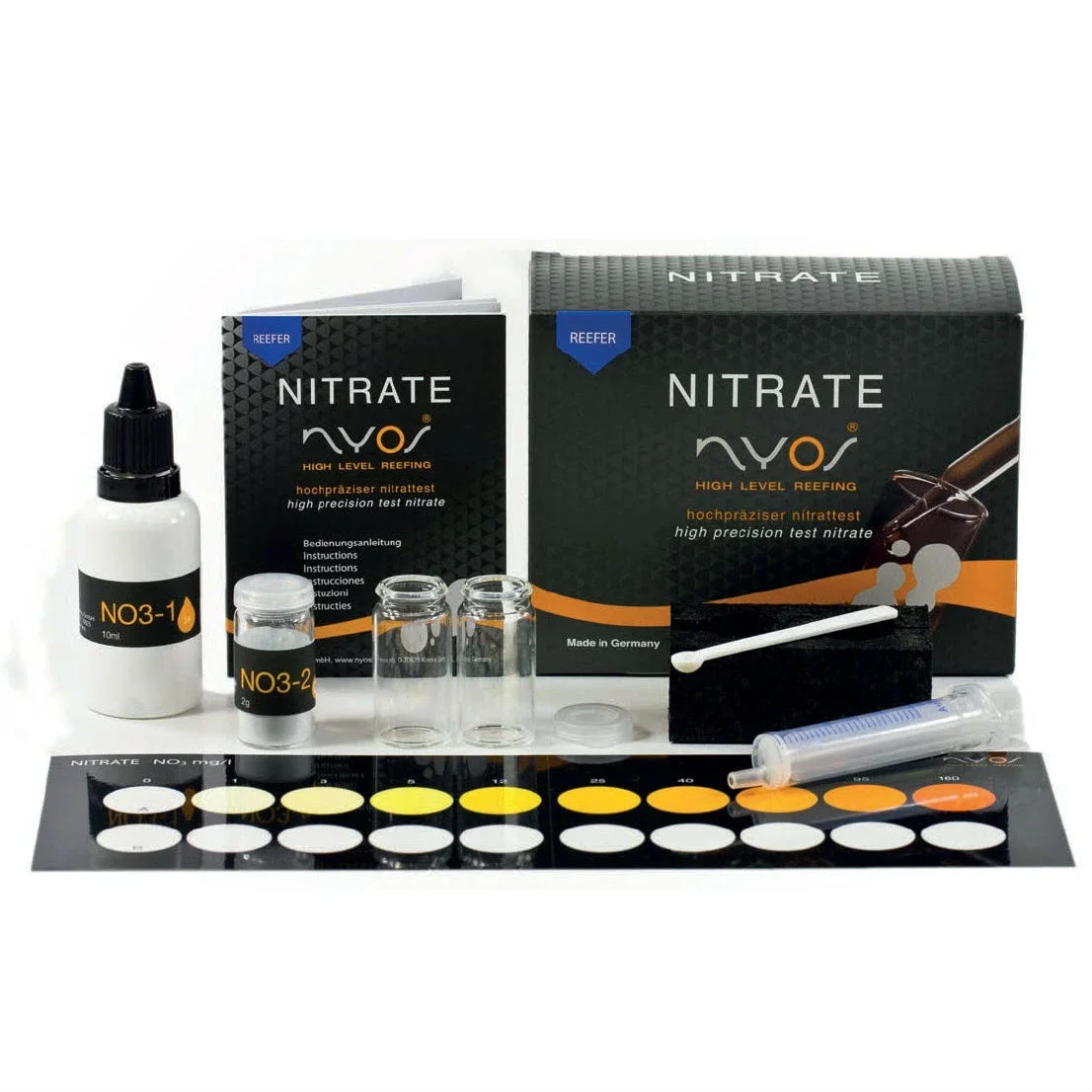
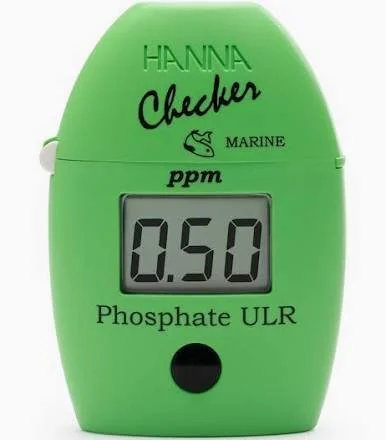
SR Preferred Solutions For Inorganic N/P Nutrient Testing
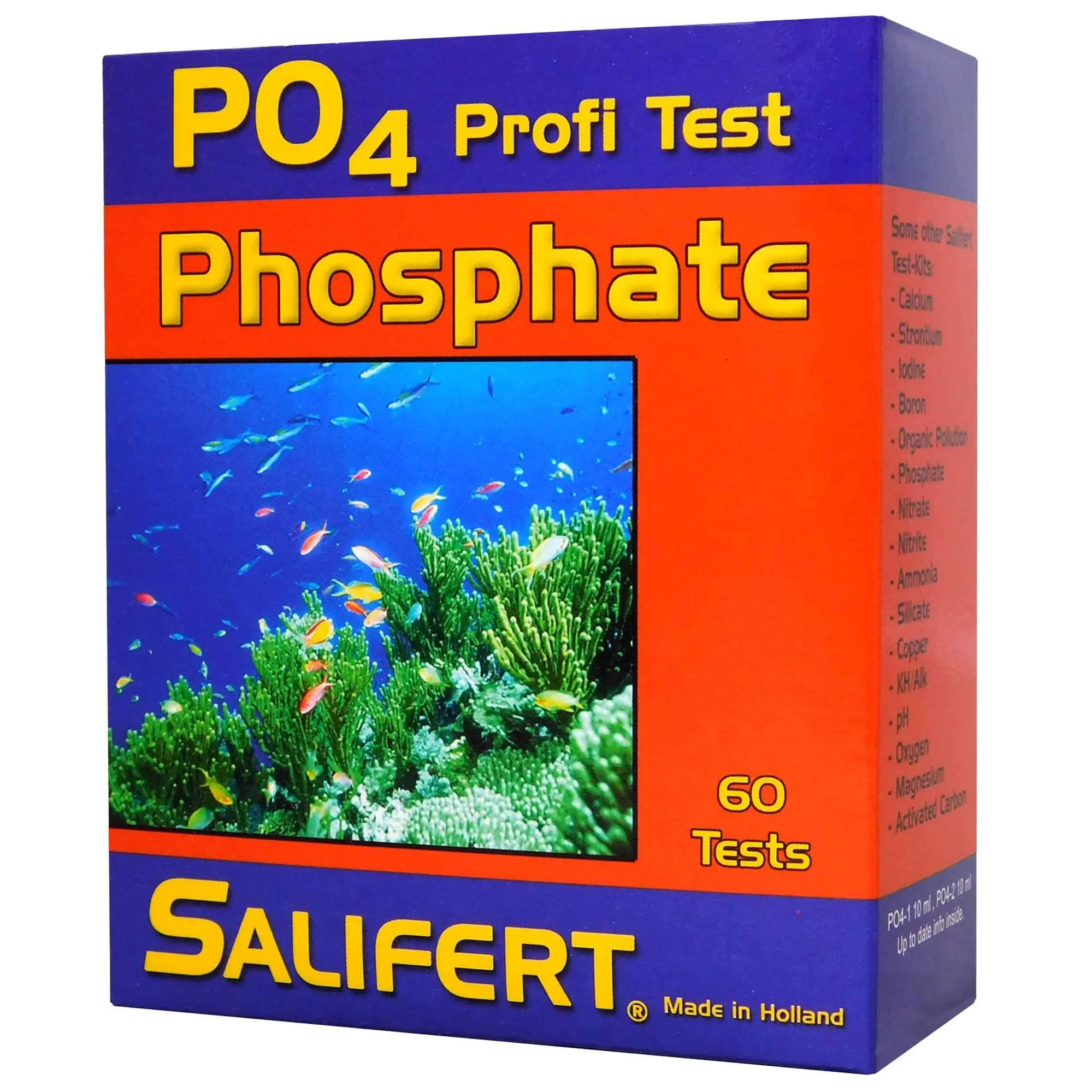
*Serious Reefs earns a small commission from these affiliate links. If you like what we do, clicking one is an easy way to help support SR at no cost to you. :)
A Little Hair Algae Is Not Automatically a Disaster
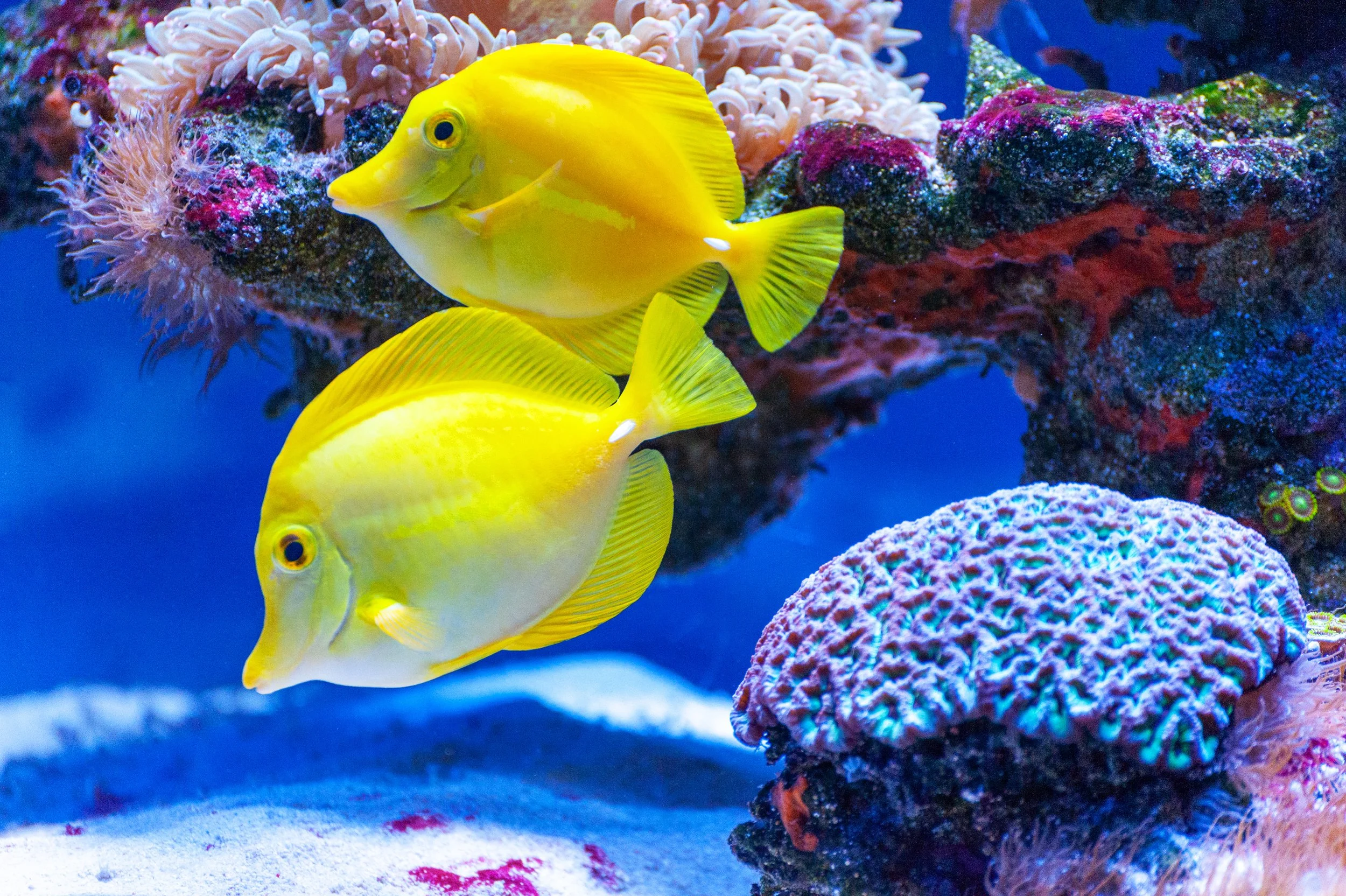
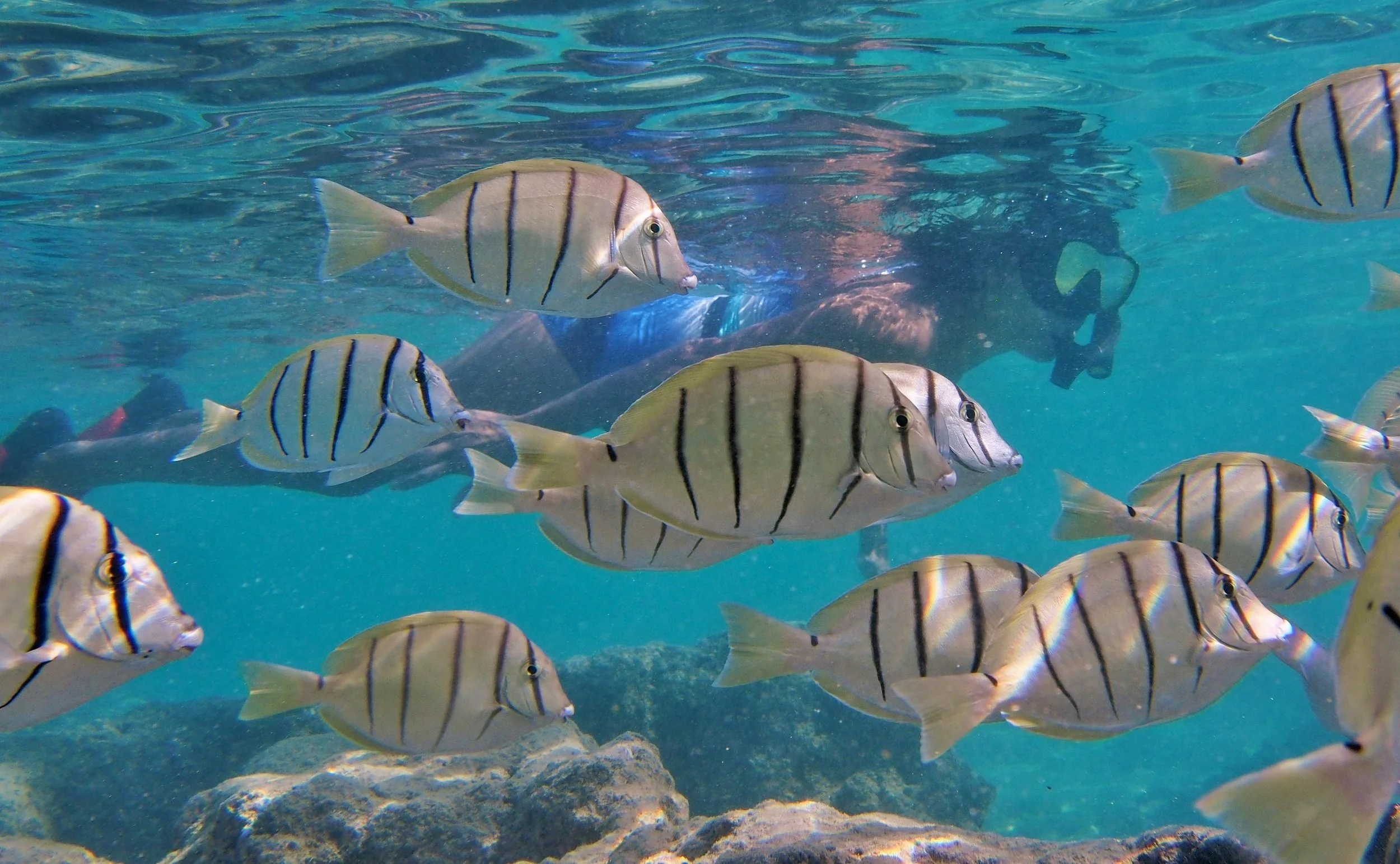
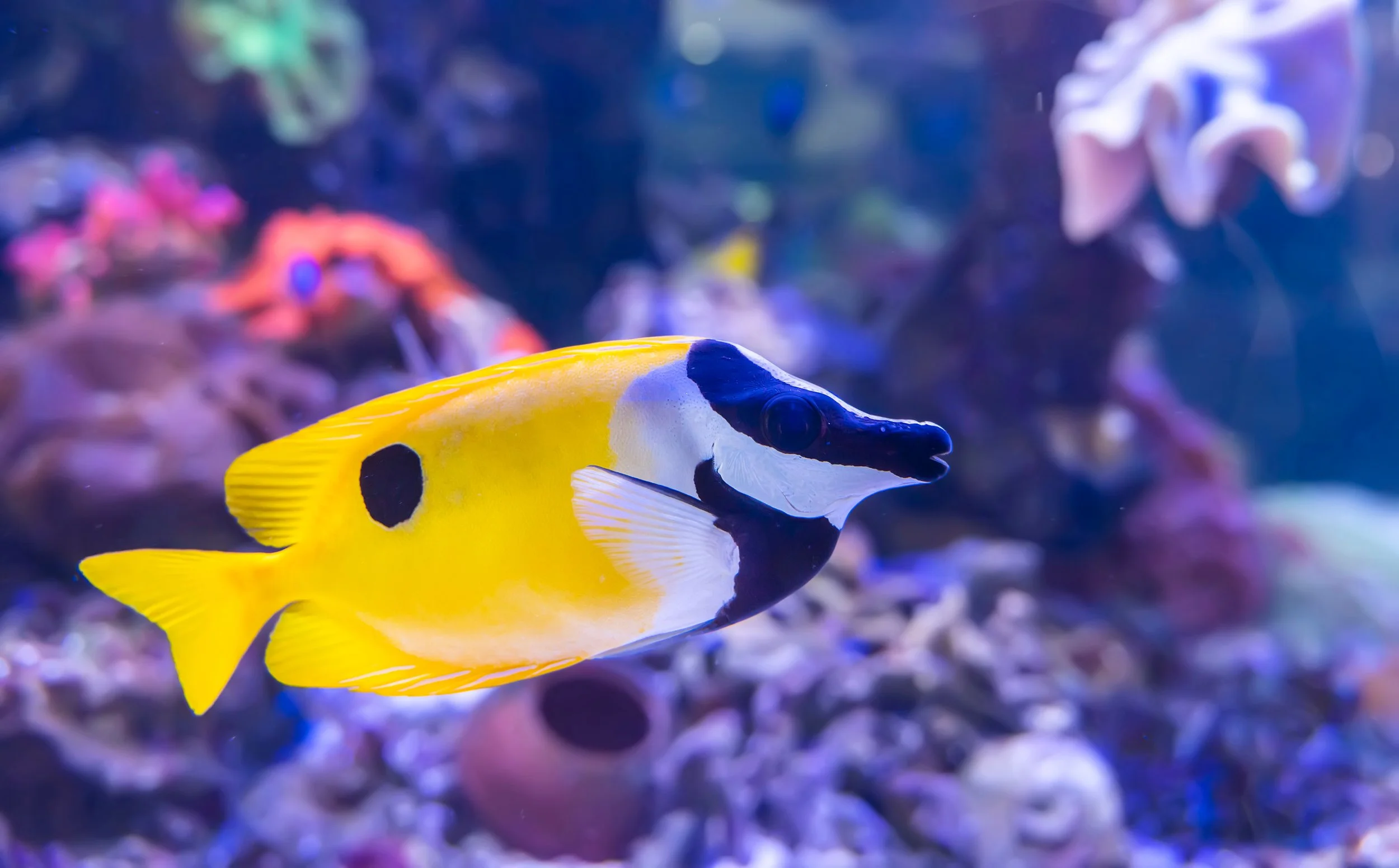
We do not need to treat every bit of eat hair algae as evidence that the aquarium is failing. Modern reef keepers generally do not worry about hair algae in quite the same way we once did, largely because we now have effective herbivores that can consume it faster than it grows.
In fact, starving hair algae by driving inorganic nitrogen and phosphorus to extremely low levels is no longer a particularly popular strategy. The problem is that those same nutrients also support coral health and feed the symbiotic algae living within corals, the zooxanthellae.
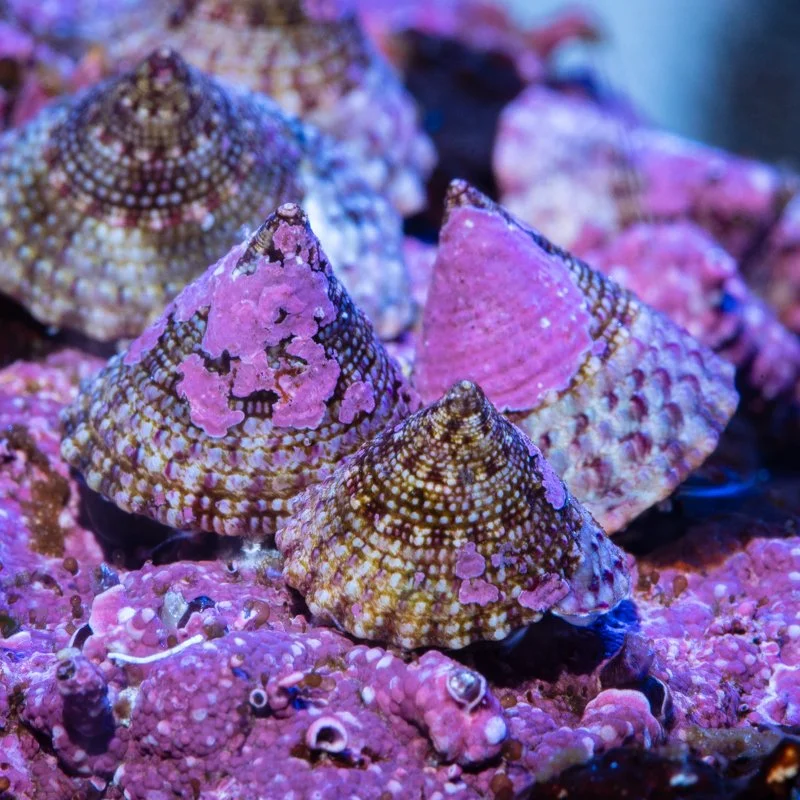
The better goal is usually not to eliminate nutrients from the system, but to keep them at healthy levels while using herbivorous fish, snails, crabs, and other grazers to keep hair algae under control.
In fact, having absolutely no hair algae growing anywhere can sometimes be a sign that we have pushed the system too far in the other direction. If conditions are poor enough that hair algae cannot grow or is actively dying, those same conditions may also be affecting corals and other photosynthetic organisms.
A healthy reef aquarium has continuous nutrient input, nutrient consumption, and biological activity. Some amount of algae growth can simply be a natural reflection of that process rather than evidence that something is wrong.
The useful takeaway is not that zero nitrate and phosphate readings are wrong. It is that they need context. Fish feeding still adds nutrients, and photosynthetic growth can remove those nutrients fast enough to make them difficult to detect.
Hair Algae: Pounds of Cure
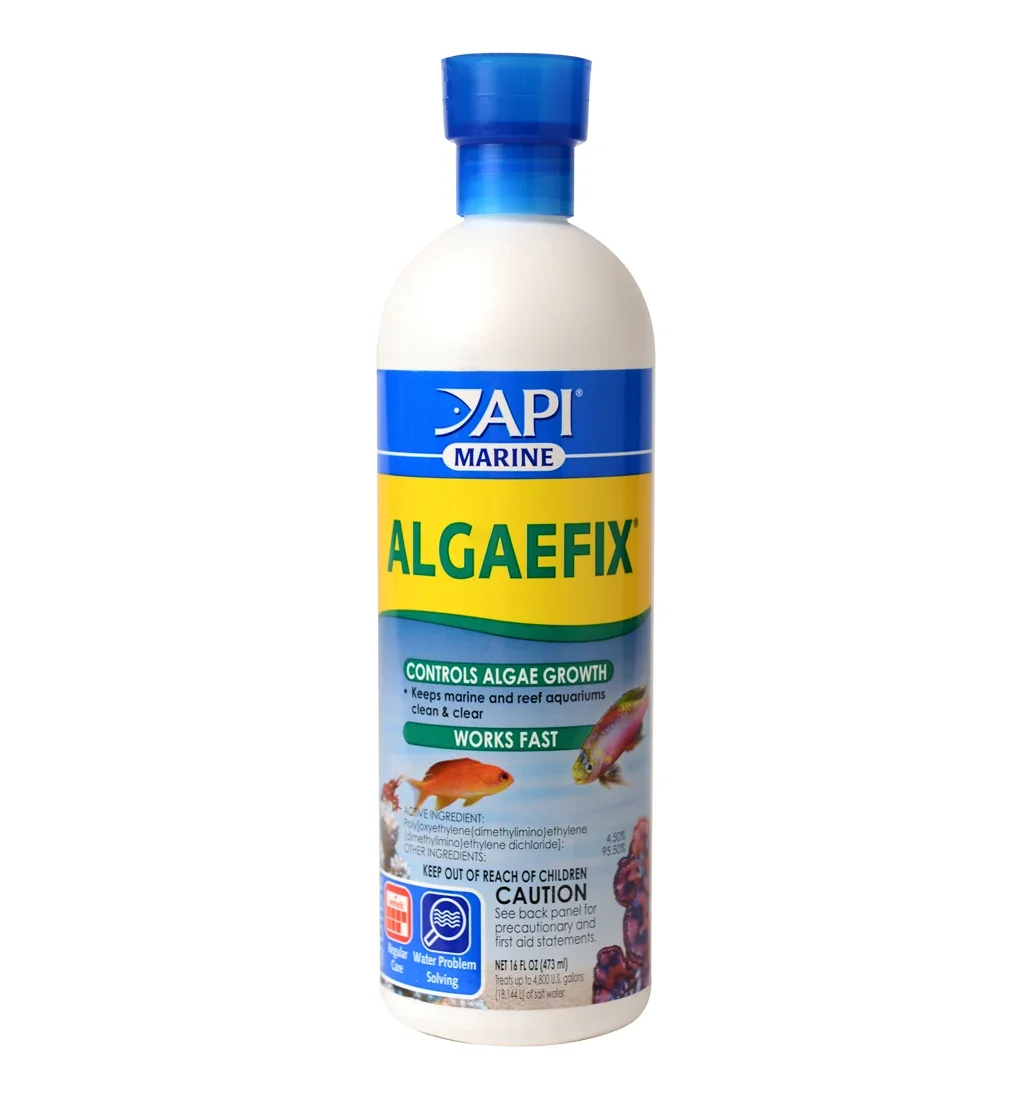
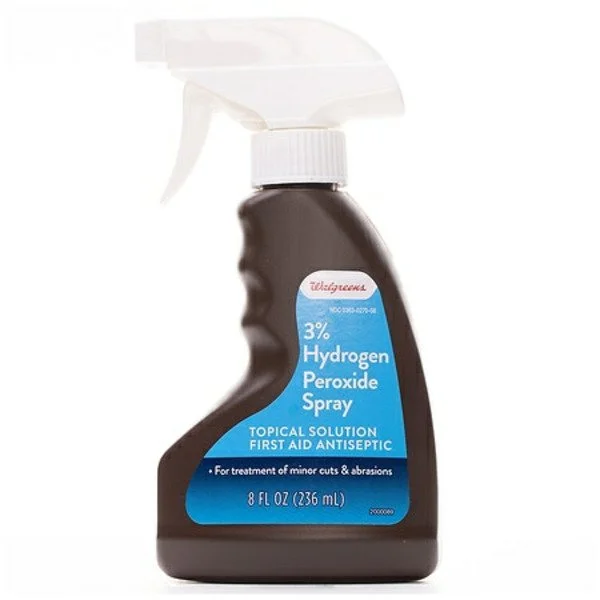
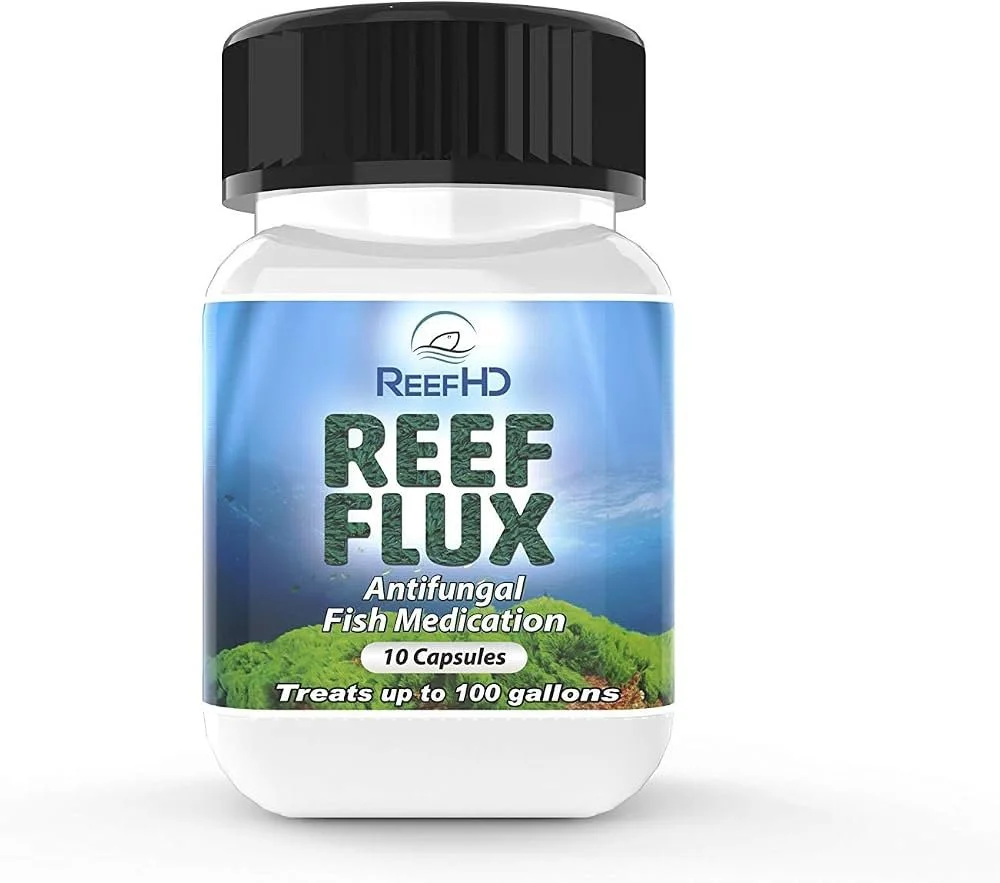
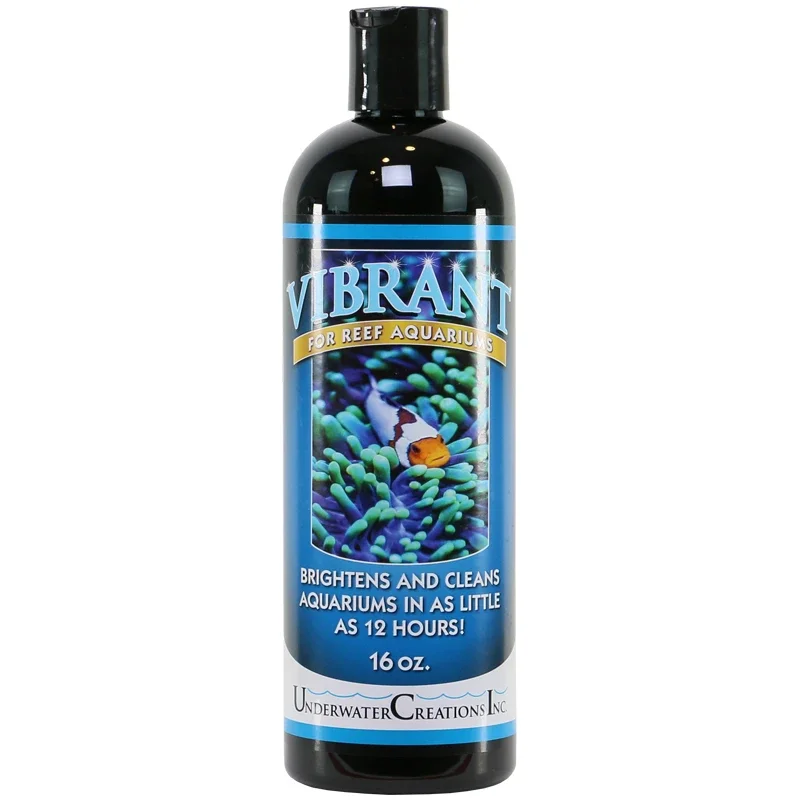
*Serious Reefs earns a small commission from these affiliate links. If you like what we do, clicking one or bookmarking this link is an easy way to help support SR. :)
Hair Algae FAQ

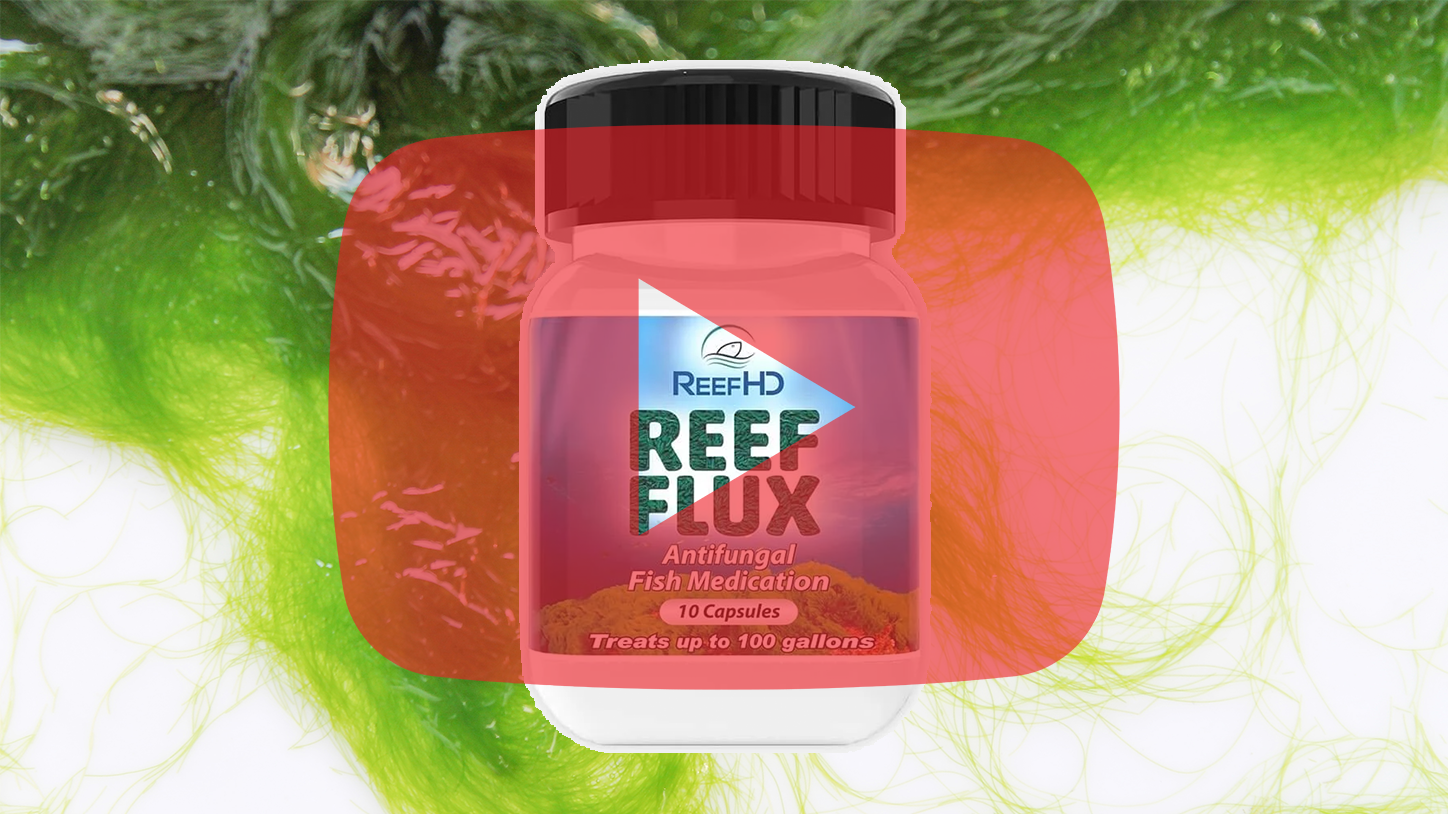


When hair algae has taken over and nothing else seems to make a dent, hydrogen peroxide can be one of the most effective direct treatment tools we have. This is not another heavy hitter that works primarily as a poison. Peroxide works differently because it is an oxidant.
Used carefully and directly on the problem area, it can wipe out hair algae remarkably fast. In many cases, algae that has been treated can be completely gone by the following day.