
What Causes Hair Algae in a Reef Tank?
Hair algae grows in a reef tank for the same basic reason coral does: the conditions that support photosynthetic life are there. It needs light, carbon dioxide, and inorganic nutrients, especially inorganic N/P nitrogen and phosphorus.
That is why the presence of hair algae is not automatically a sign that something is fundamentally wrong. Hair algae is a photosynthetic organism using resources that are nearly always available in the aquarium.
In fact, if hair algae is unable to grow anywhere in the tank, that may point to a different problem, one that could affect all photosynthetic organisms in the system, including the corals.
Hair Algae Guide | Reef Tank Guides
What Causes Hair Algae in a Reef Tank?
Hair Algae Uses the Same Core Resources as Coral
Hair algae is much less desirable than coral, but it is not fueled by some entirely separate set of conditions. It grows from many of the same things we deliberately provide to keep a reef tank alive:
Light to power photosynthesis.
Carbon dioxide as part of the photosynthetic process.
Inorganic nitrogen as an available nutrient source.
Inorganic Phosphorus as another essential nutrient.
When these ingredients are available, hair algae can and will grow. Coral and the symbiotic algae associated with it also depend on a stable environment that supports photosynthesis and nutrient cycling. That overlap is what makes hair algae control more complicated than simply trying to eliminate nutrients.
Why Starving Hair Algae Can Create Coral Problems
Traditional approaches to fighting hair algae are based on starving the algae of nutrients, specifically phosphate but sometimes nitrate as well.
We can slow or stop hair algae by depriving it of light, carbon dioxide, nitrogen, or phosphorus. But that approach comes with an obvious downside: corals and their symbiotic algae, zooxanthellae, depend on many of those same resources and will be affected as well.
Removing one of those inputs does not selectively target hair algae. It changes the environment for the entire reef system. A tank with insufficient light or nutrients may suppress nuisance algae, but it may also make it harder for coral to thrive.
The goal is not necessarily to create an aquarium where algae cannot grow under any circumstances. A healthier goal is to maintain conditions that support the animals and coral we want while preventing hair algae from becoming established and visible.
Natural Solutions That Keep Hair Algae In Check
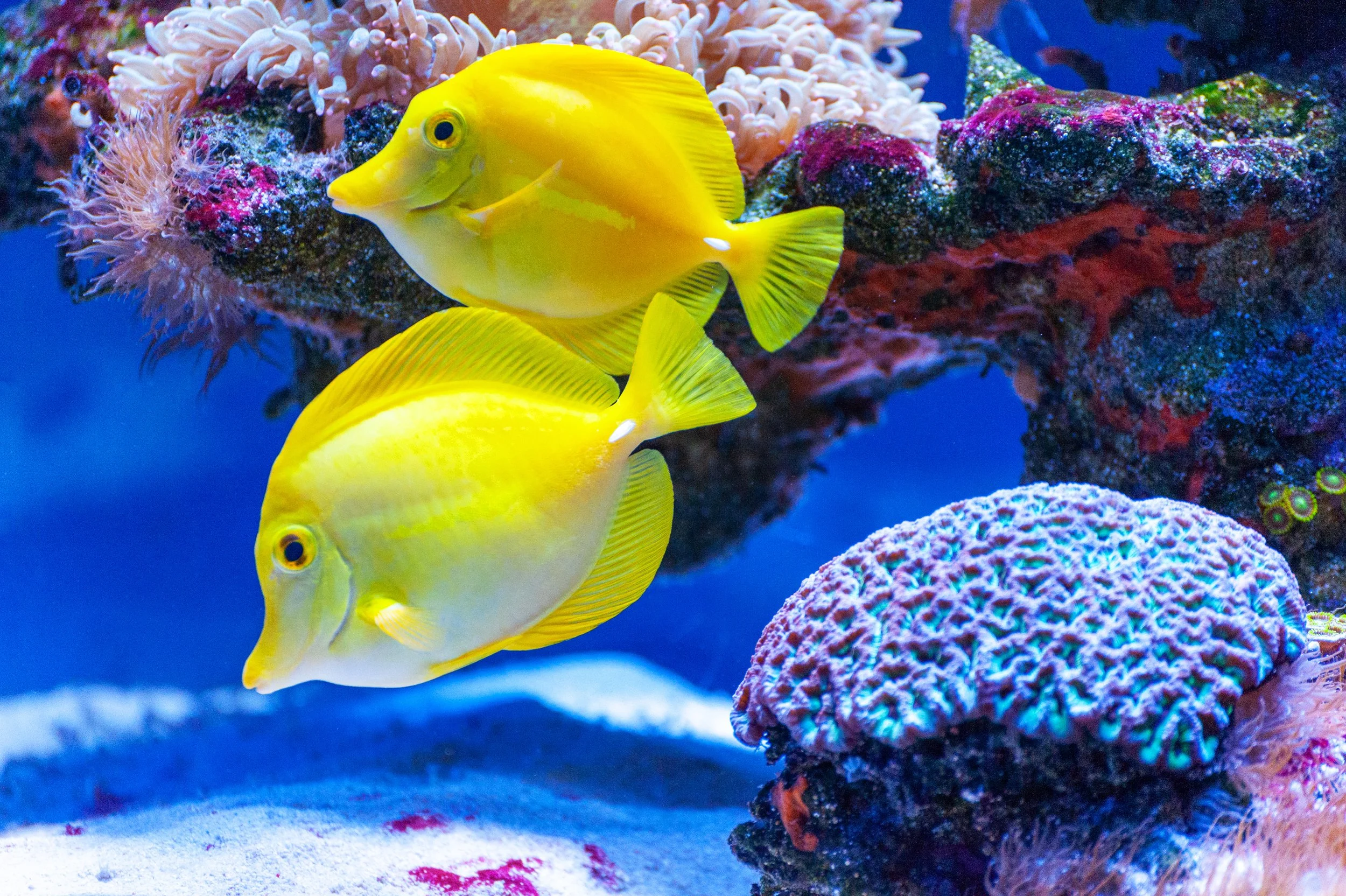
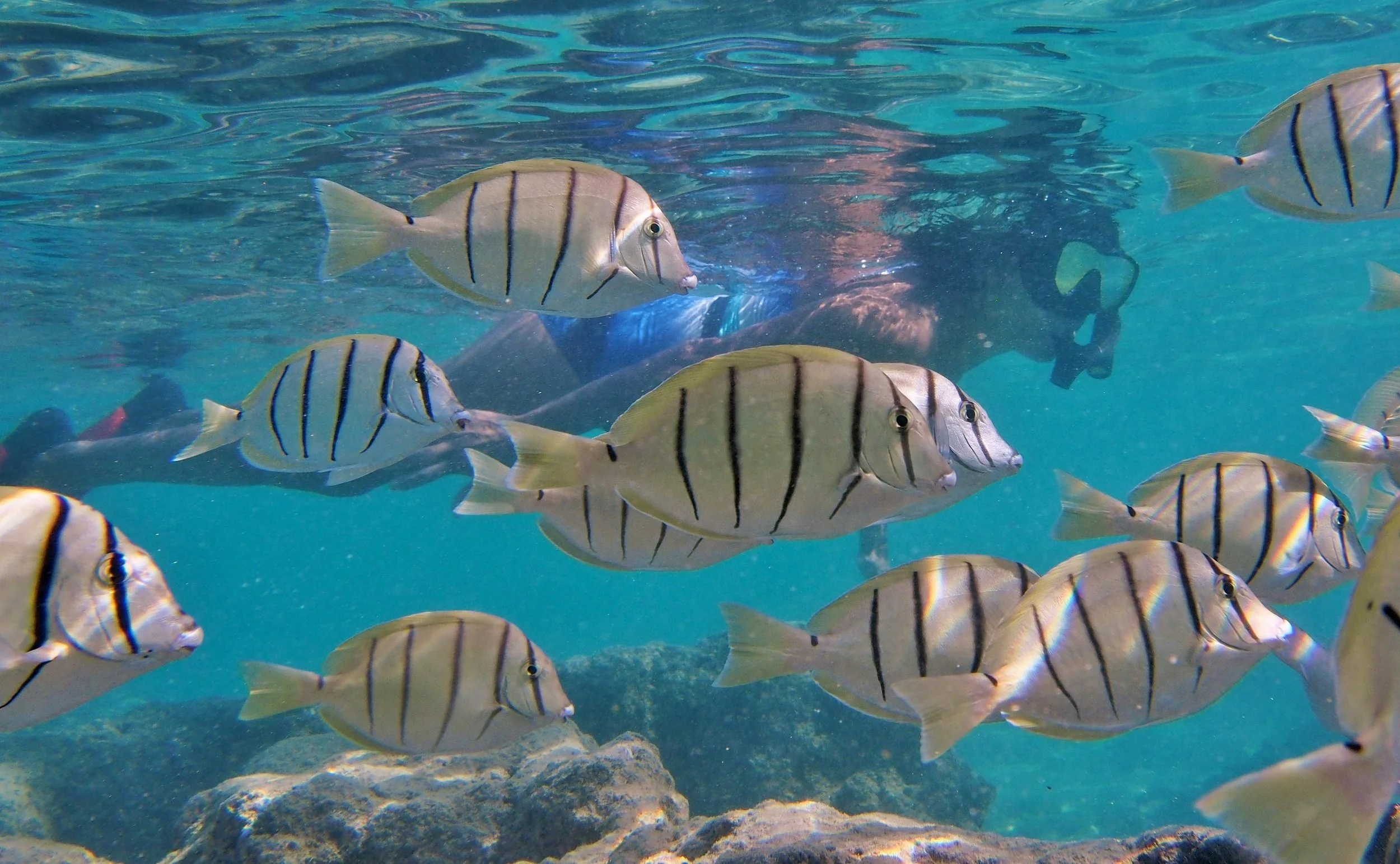
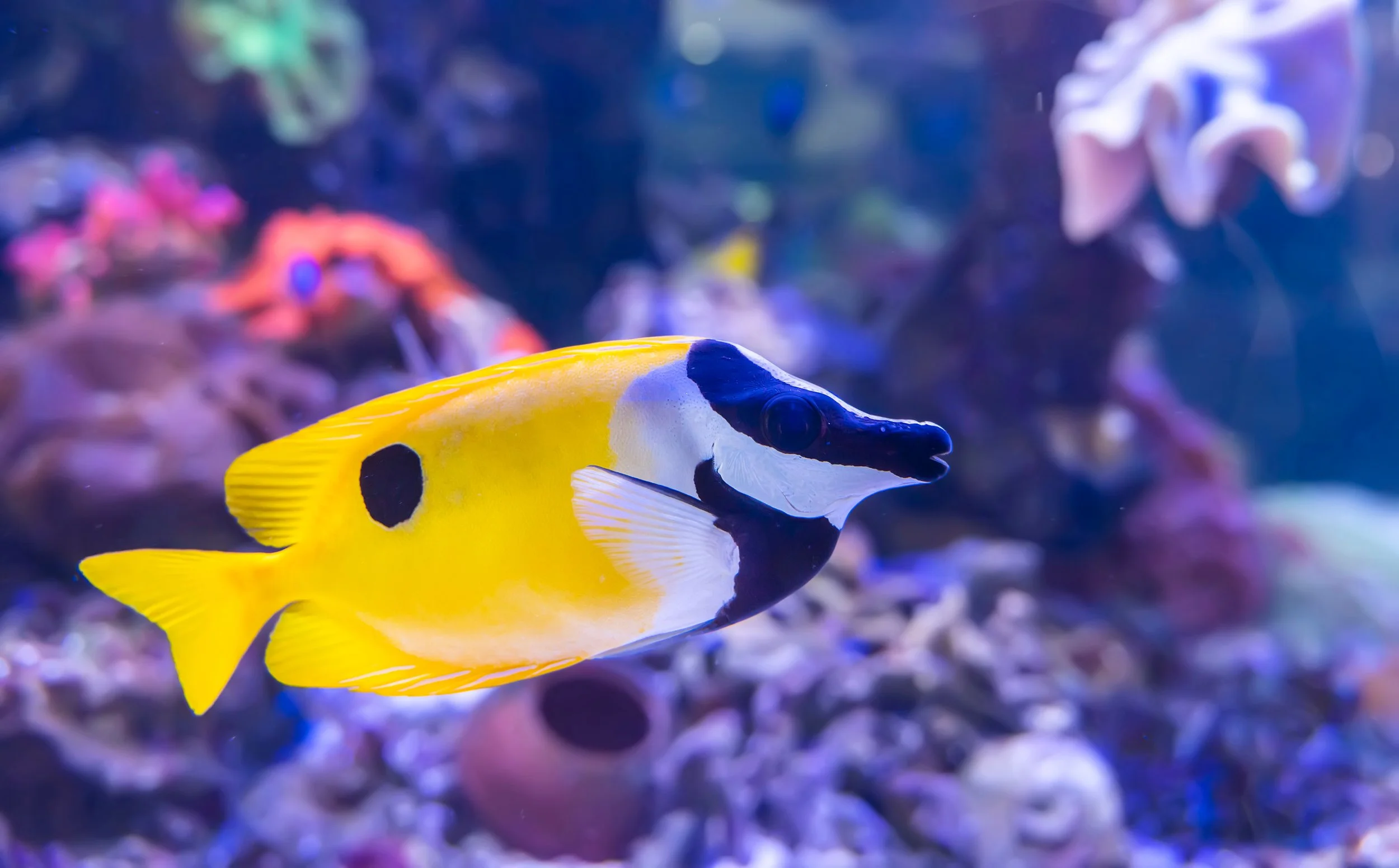
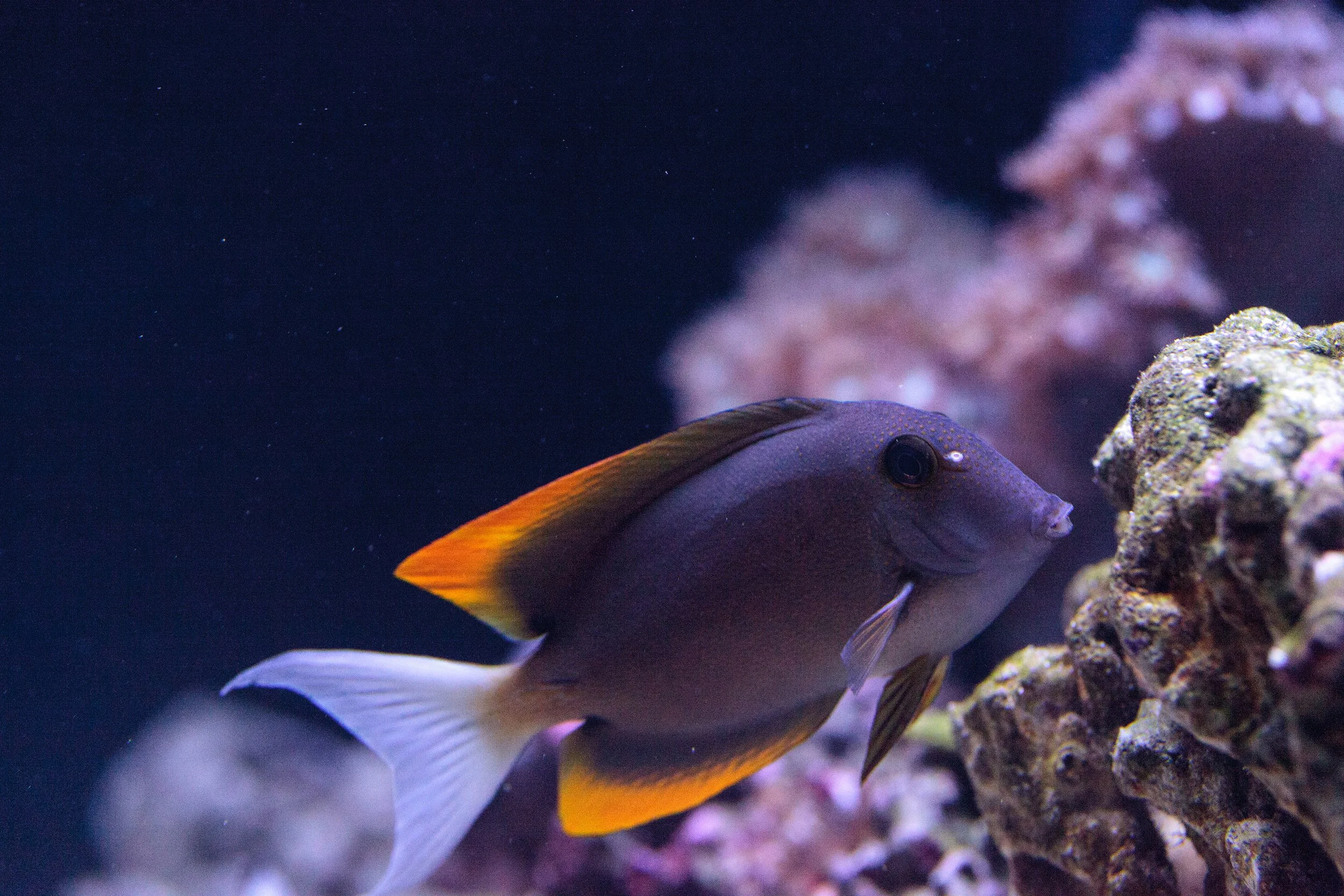
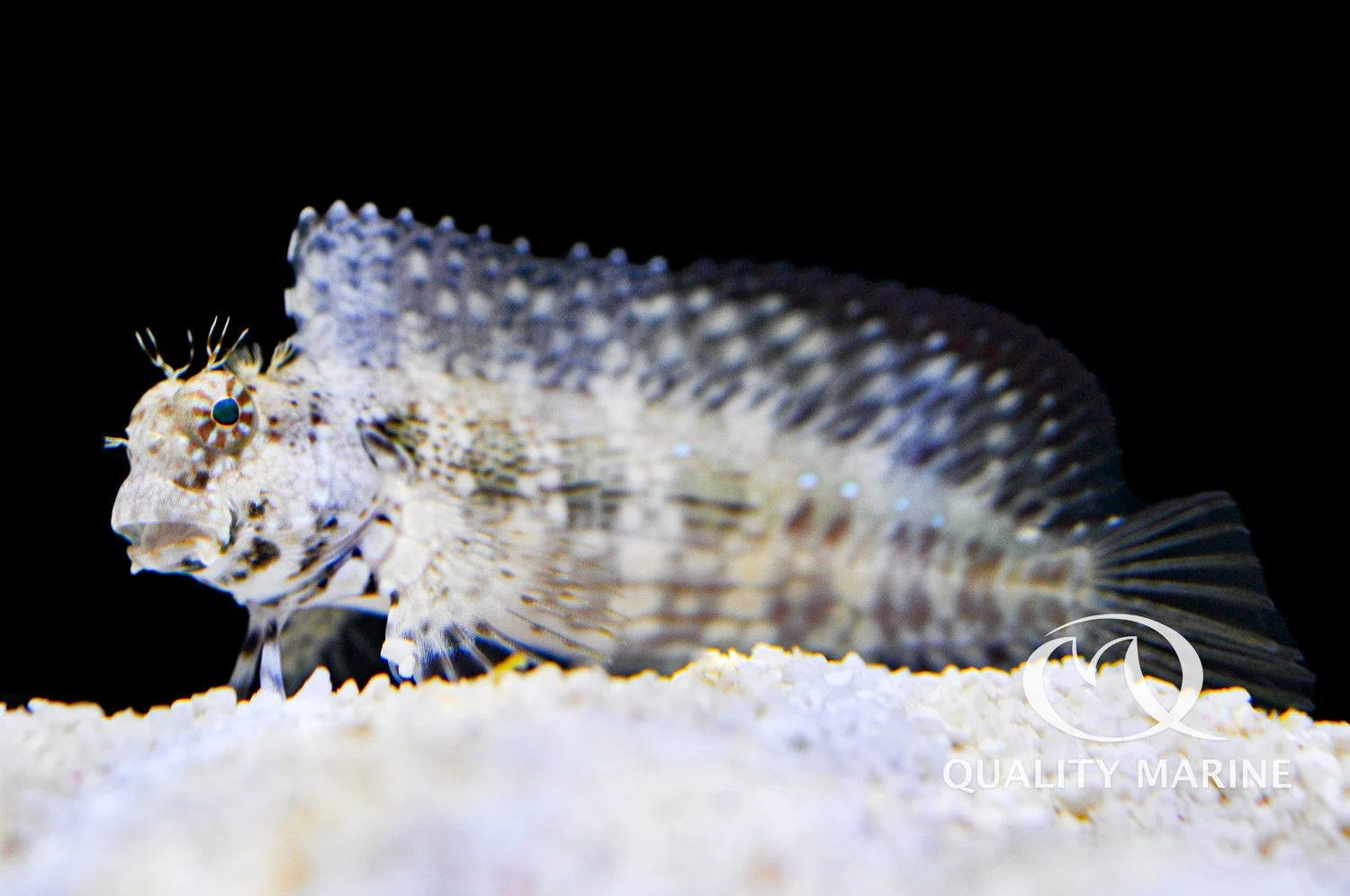
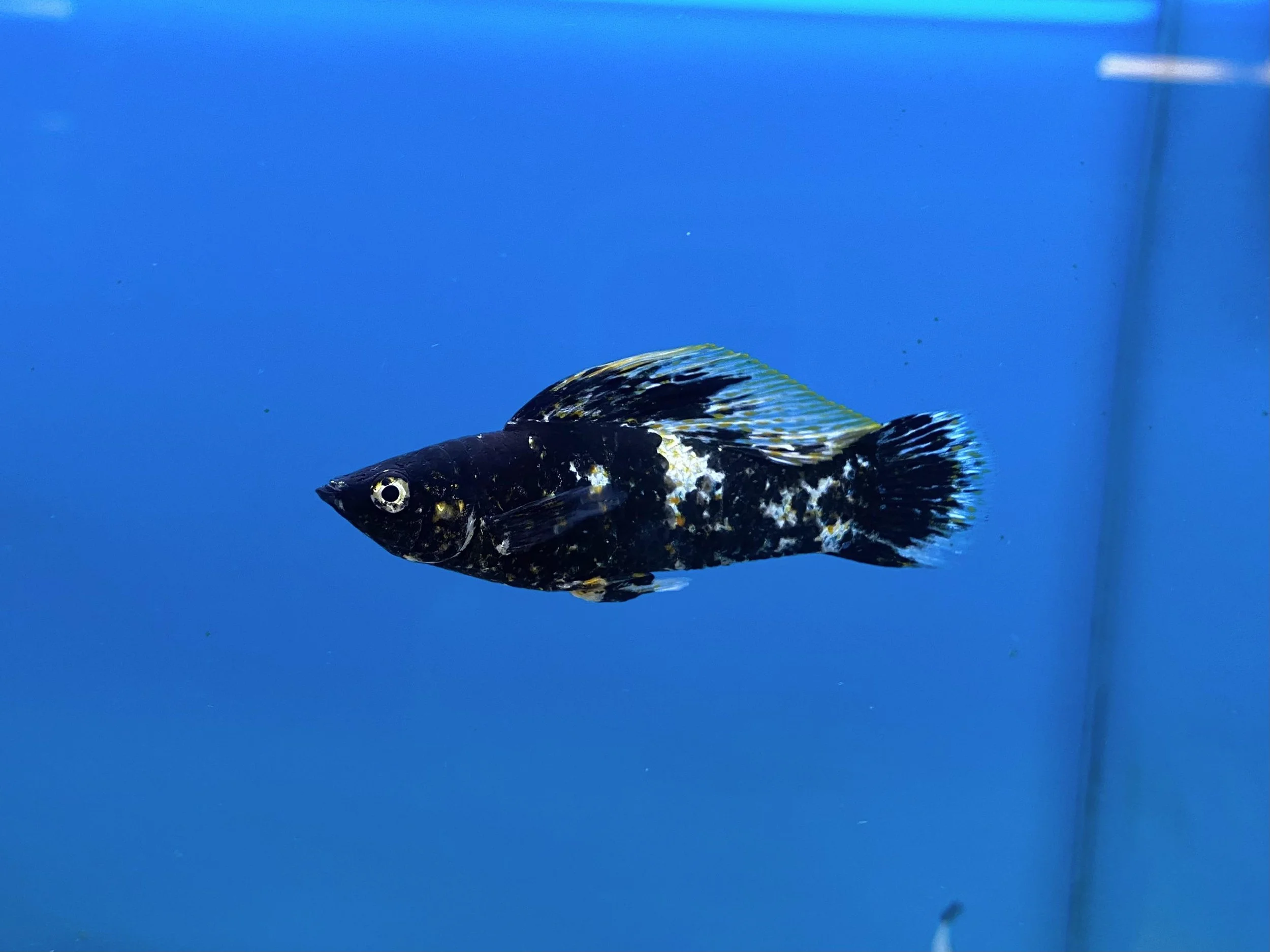
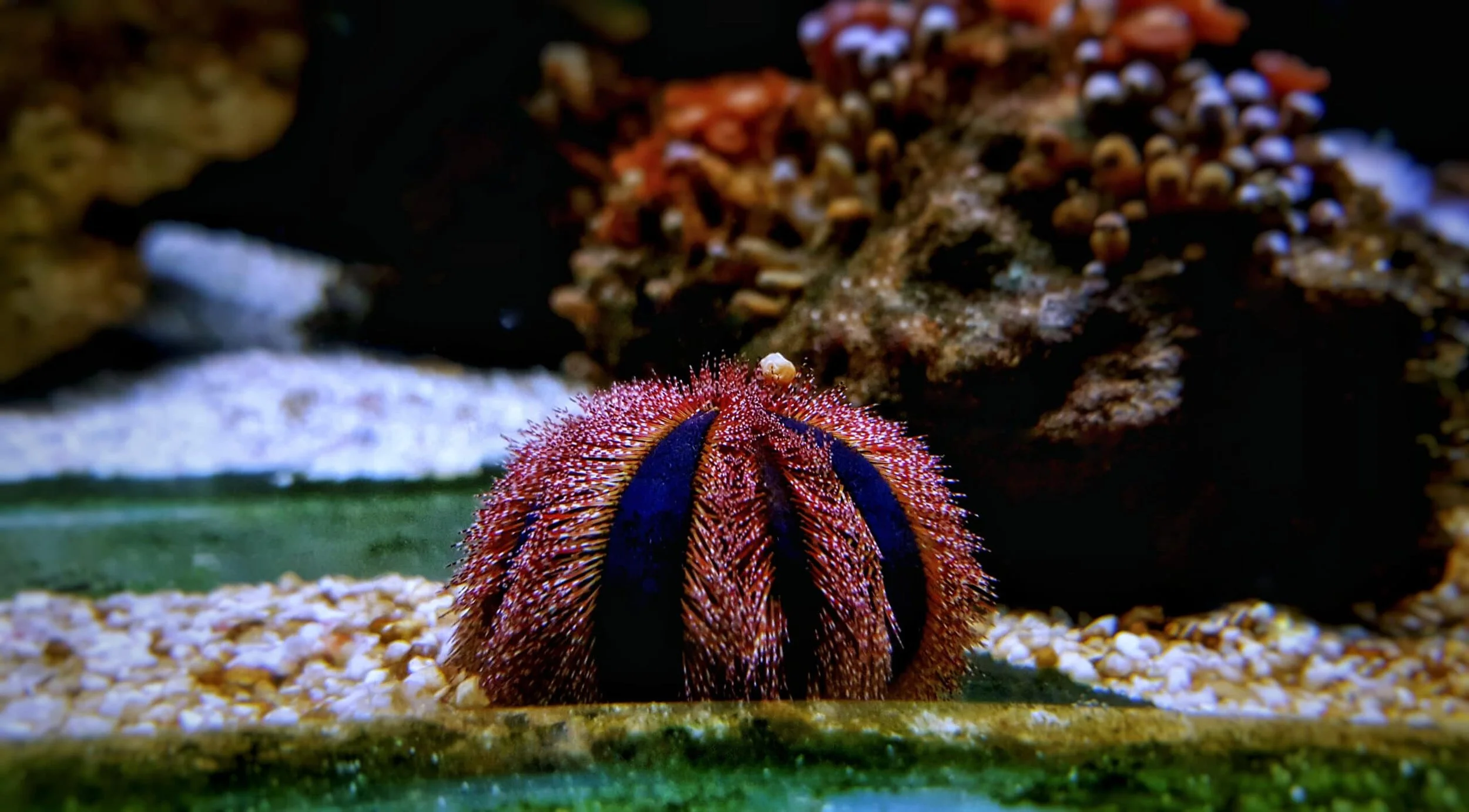
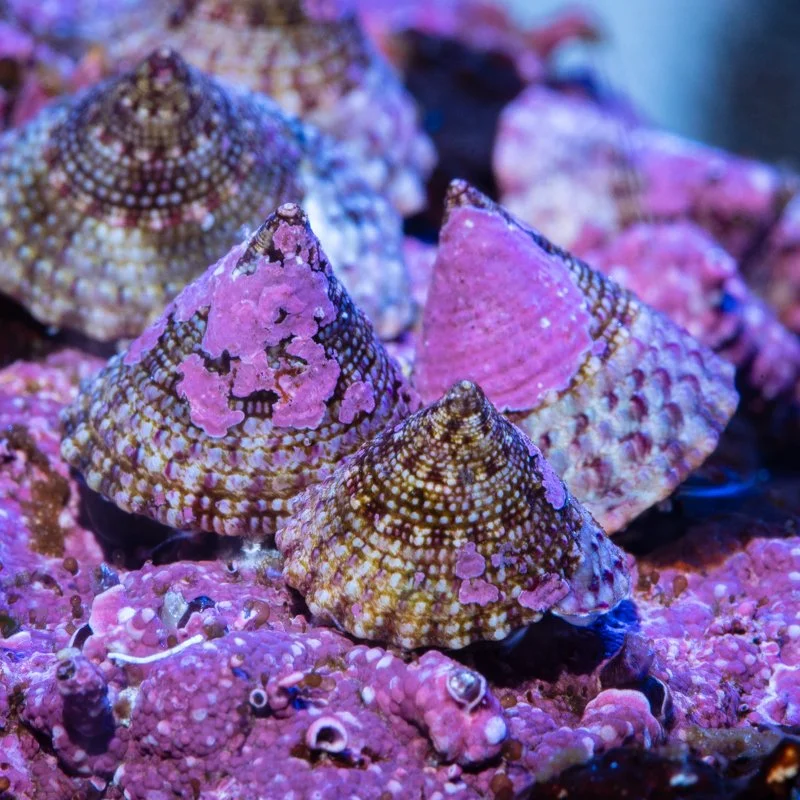
The Real Solution: Grazing Before Hair Algae Takes Hold
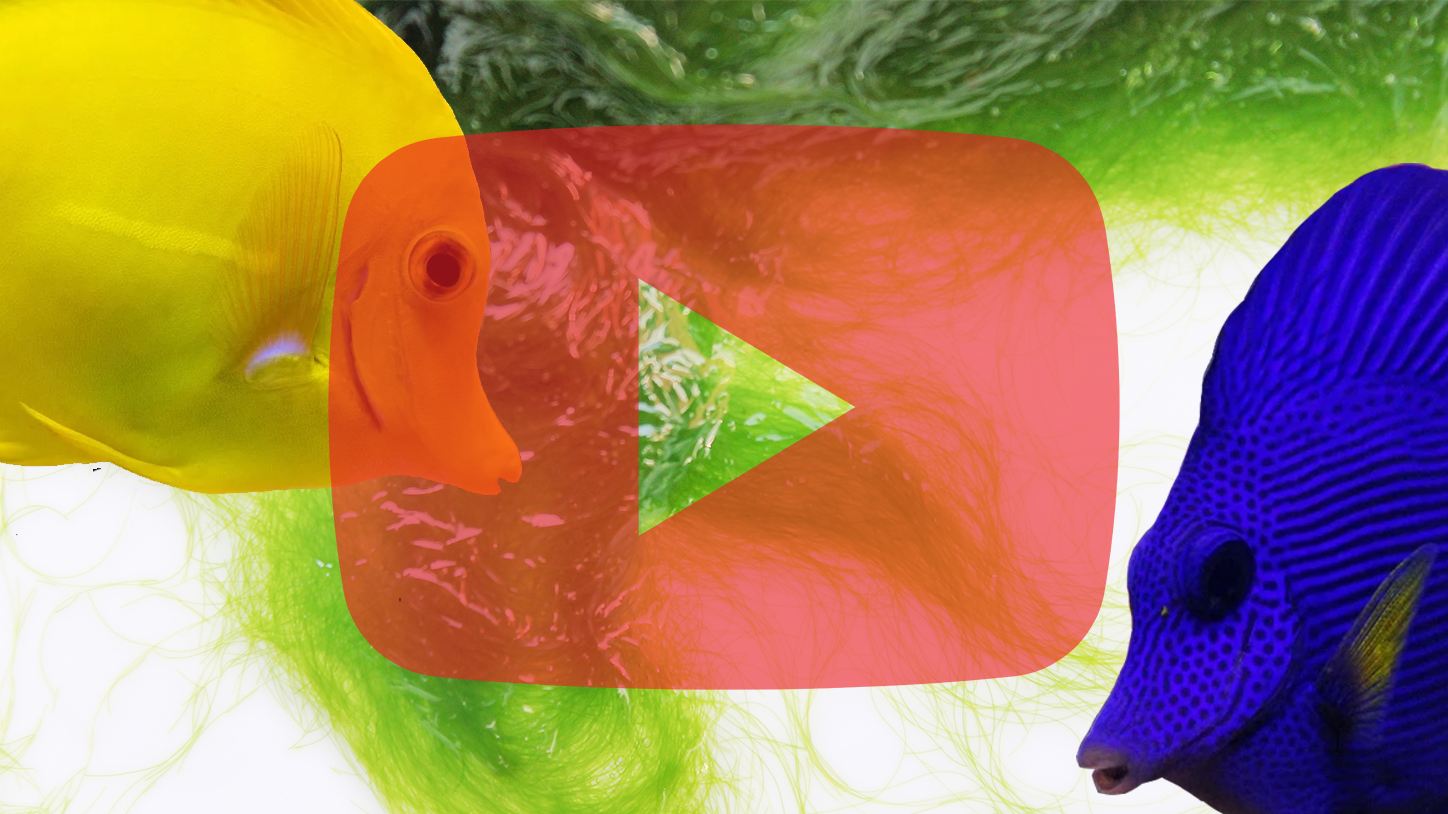
Natural reefs do not depend on starving every photosynthetic organism out of existence. They have organisms that consume algae before it grows into a noticeable problem.
That is the same outcome we want in a reef tank. Hair algae may begin to grow, but something should eat it before it becomes long, dense, and obvious on the rockwork.
In practical terms, successful hair algae prevention is less about chasing a completely algae-free system and more about keeping algae under control through a balanced reef environment. The resources that allow coral to grow will often allow algae to grow as well. The difference is whether that algae is kept grazed down before it can take over.
However, that does not mean we should allow nutrient pollution to get out of control. Stable, controlled nutrient levels are an important part of long-term coral health and reef tank success.
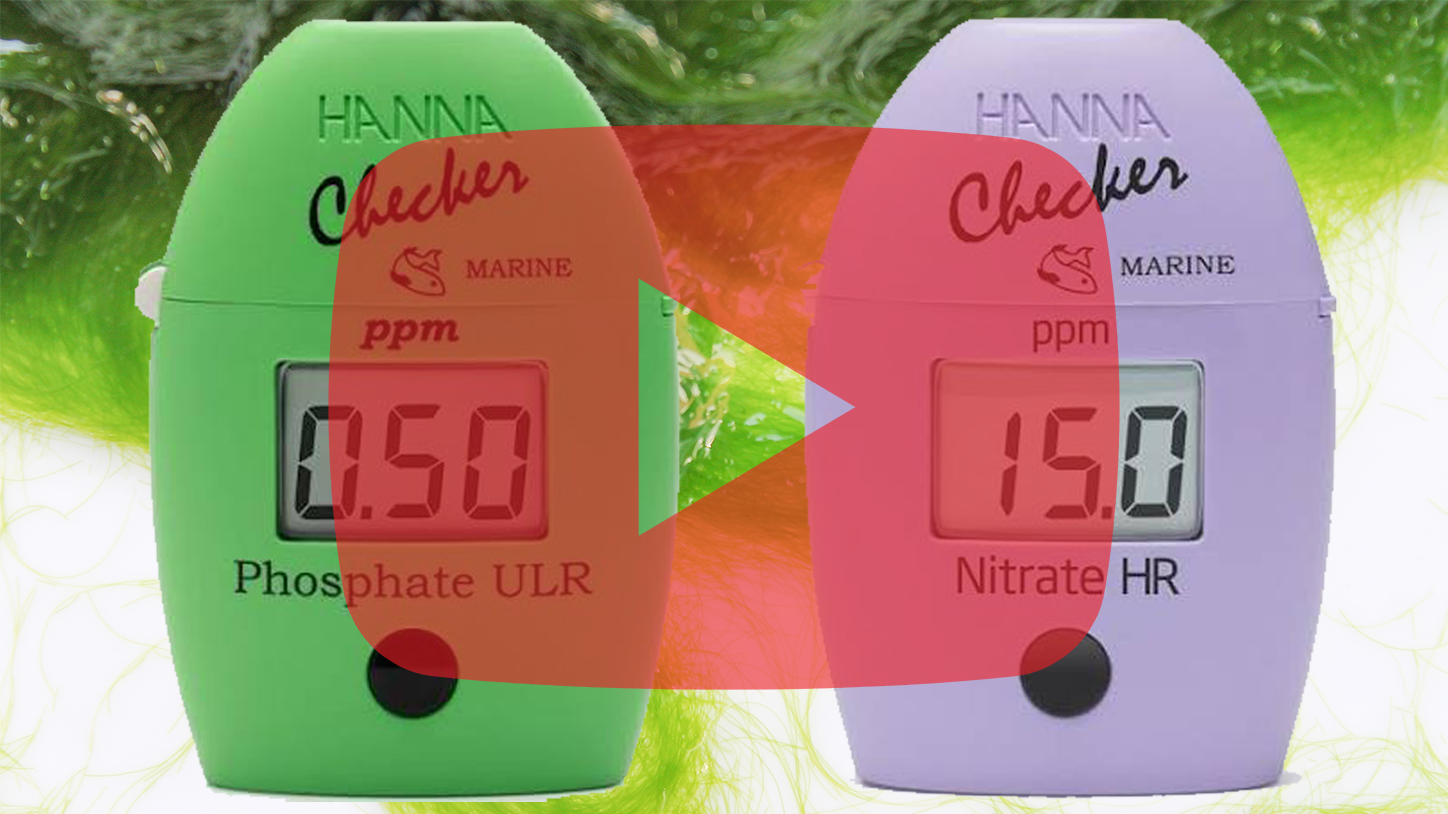
SR Preferred Solutions For Inorganic N/P Nutrient Testing
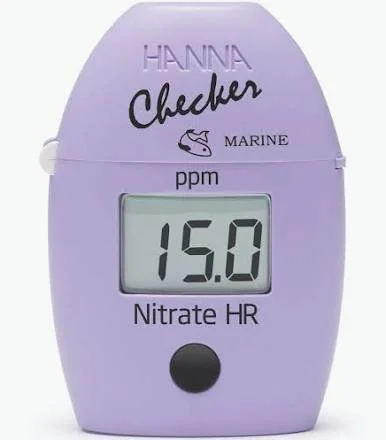
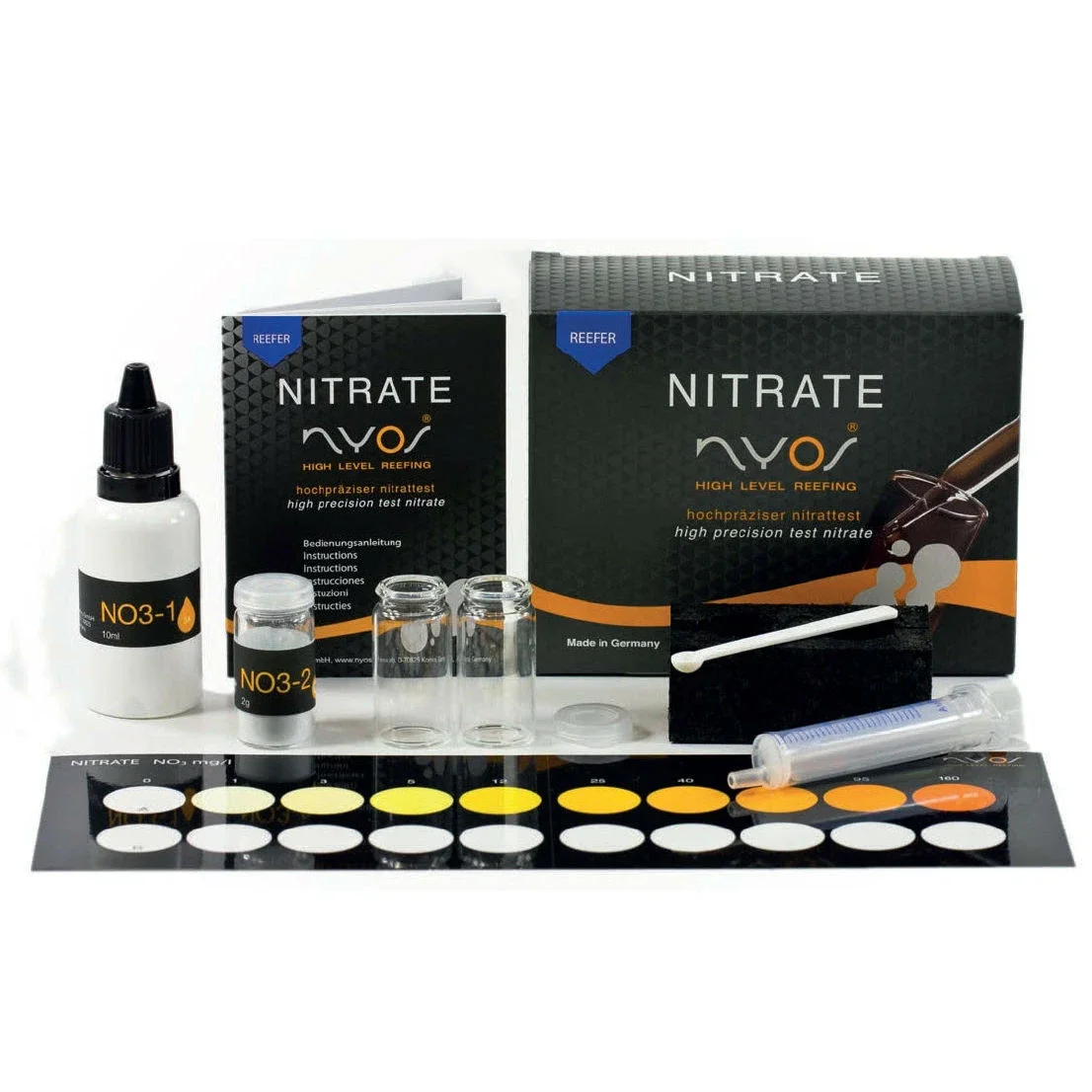
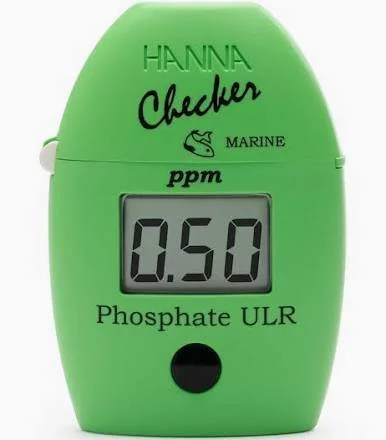
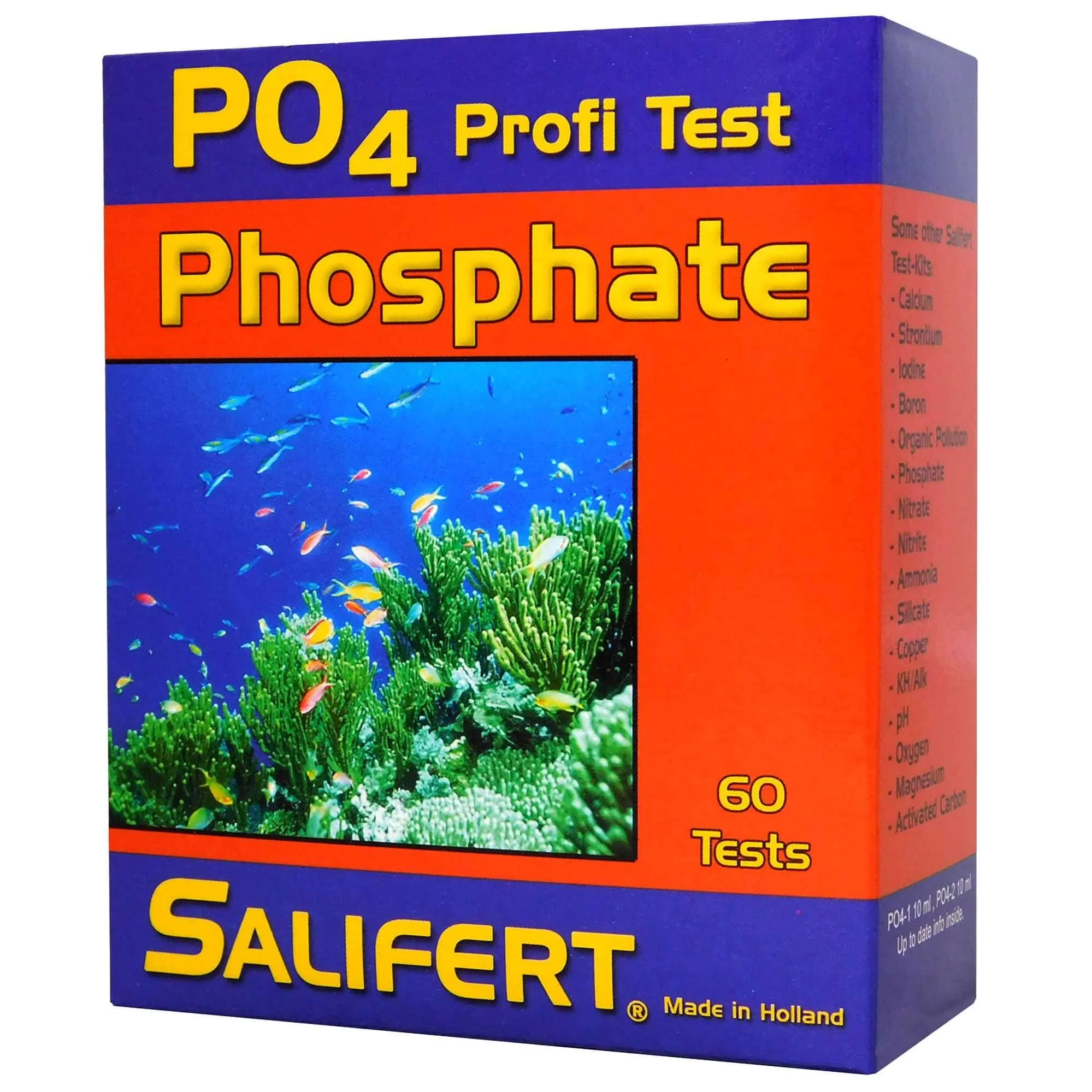
*Serious Reefs earns a small commission from these affiliate links. If you like what we do, clicking one is an easy way to help support SR at no cost to you. :)
There Are Nuclear Options
There are algaecides, oxidants, and other treatments that can kill hair algae in a reef tank, but they can also affect corals and other organisms, often less aggressively than they affect the algae.
Think of these as the pound of cure when the ounce of prevention has failed: tools to consider when other approaches are not working and the algae itself is beginning to threaten coral health.
Hair Algae: Pounds of Cure
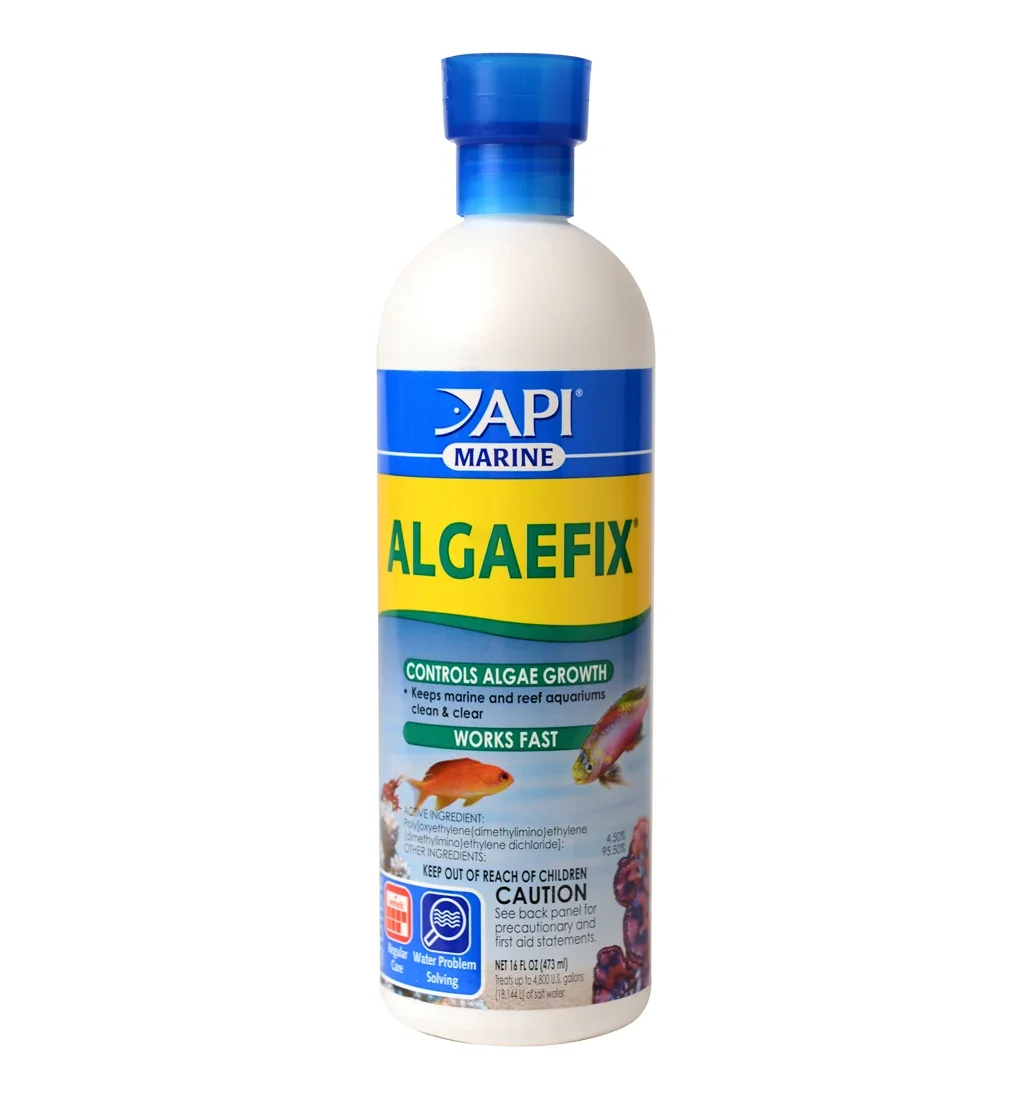
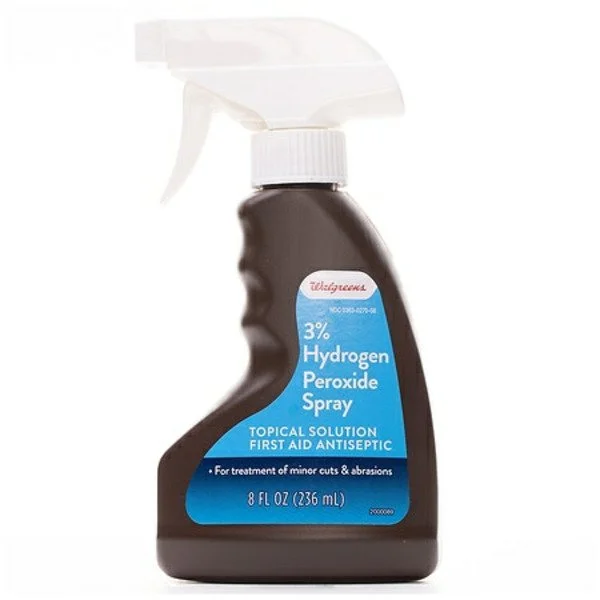
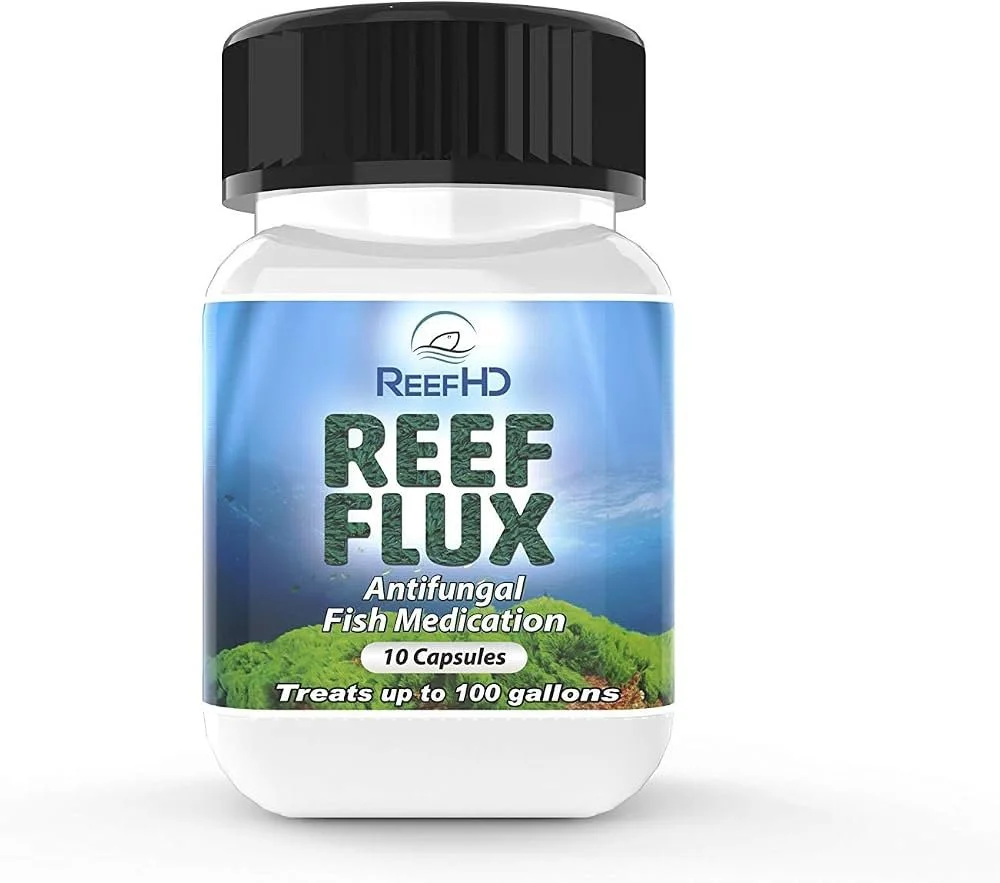
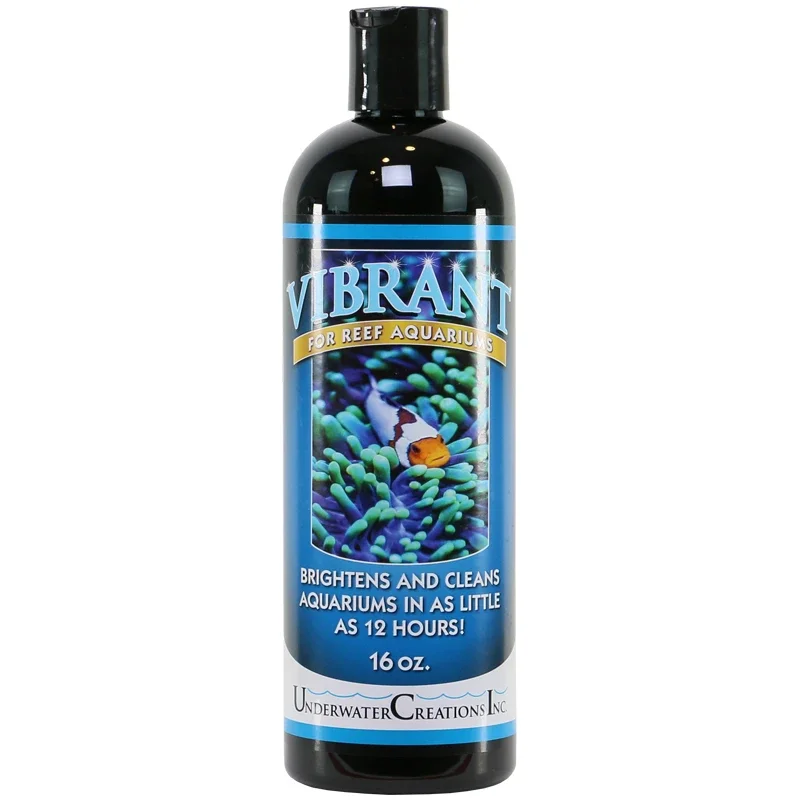
*Serious Reefs earns a small commission from these affiliate links. If you like what we do, clicking one or bookmarking this link is an easy way to help support SR. :)
Hair Algae FAQ


When hair algae has taken over and nothing else seems to make a dent, hydrogen peroxide can be one of the most effective direct treatment tools we have. This is not another heavy hitter that works primarily as a poison. Peroxide works differently because it is an oxidant.
Used carefully and directly on the problem area, it can wipe out hair algae remarkably fast. In many cases, algae that has been treated can be completely gone by the following day.