
What Eats Hair Algae in a Reef Tank?
Hair algae can be one of those reef tank problems that seems to disappear before it ever becomes a visible problem. It is still there, but the right fish may be cruising the rocks all day, pulling it off as fast as it grows.
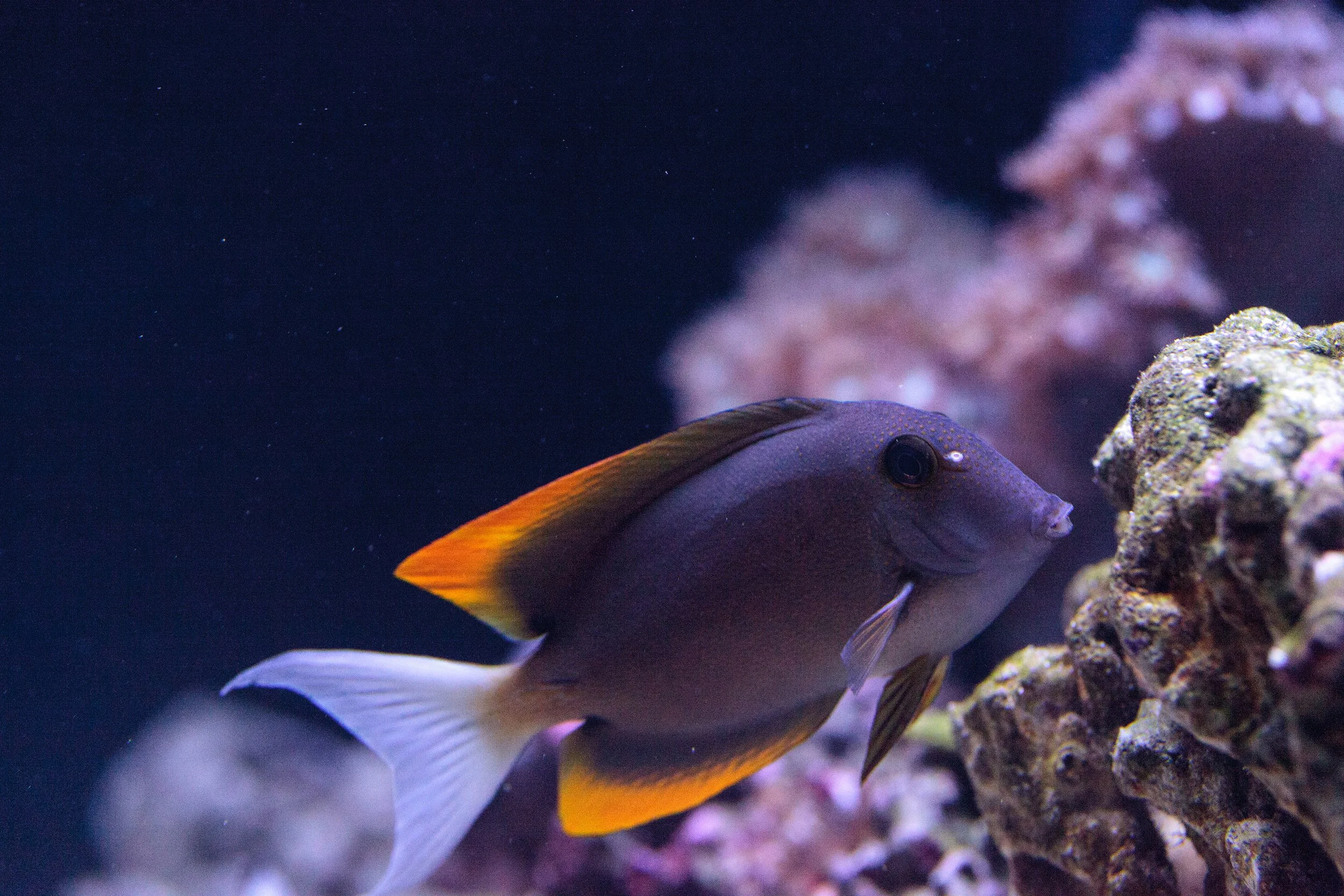
In a moderate to larger reef tank, tangs are usually the first answer. They are active, constant grazers, and they can make a serious dent in hair algae before it gets the chance to take over the aquascape.
Hair Algae Guide | Reef Tank Guides
What Eats Hair Algae in a Reef Tank?
Key Takeaways
Tangs can prevent hair algae from becoming visible by grazing rockwork continuously.
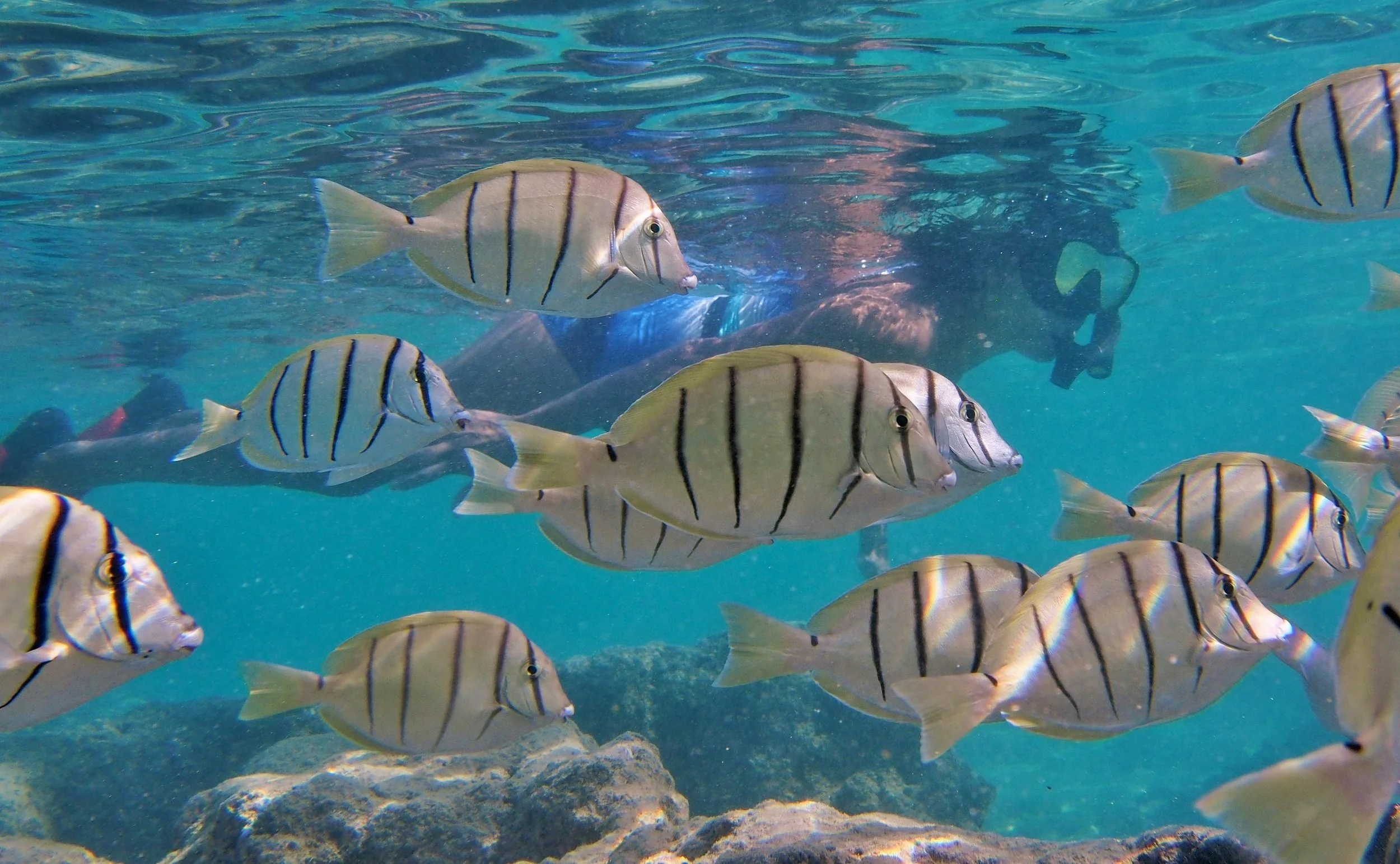
Bristletooth tangs scrape more closely along rock surfaces where algae attaches.
Rabbitfish are especially strong algae eaters when tangs are not keeping up.
Tank length matters more than gallon labels for active lateral-swimming fish.
Tangs Are the Everyday Hair Algae Grazers
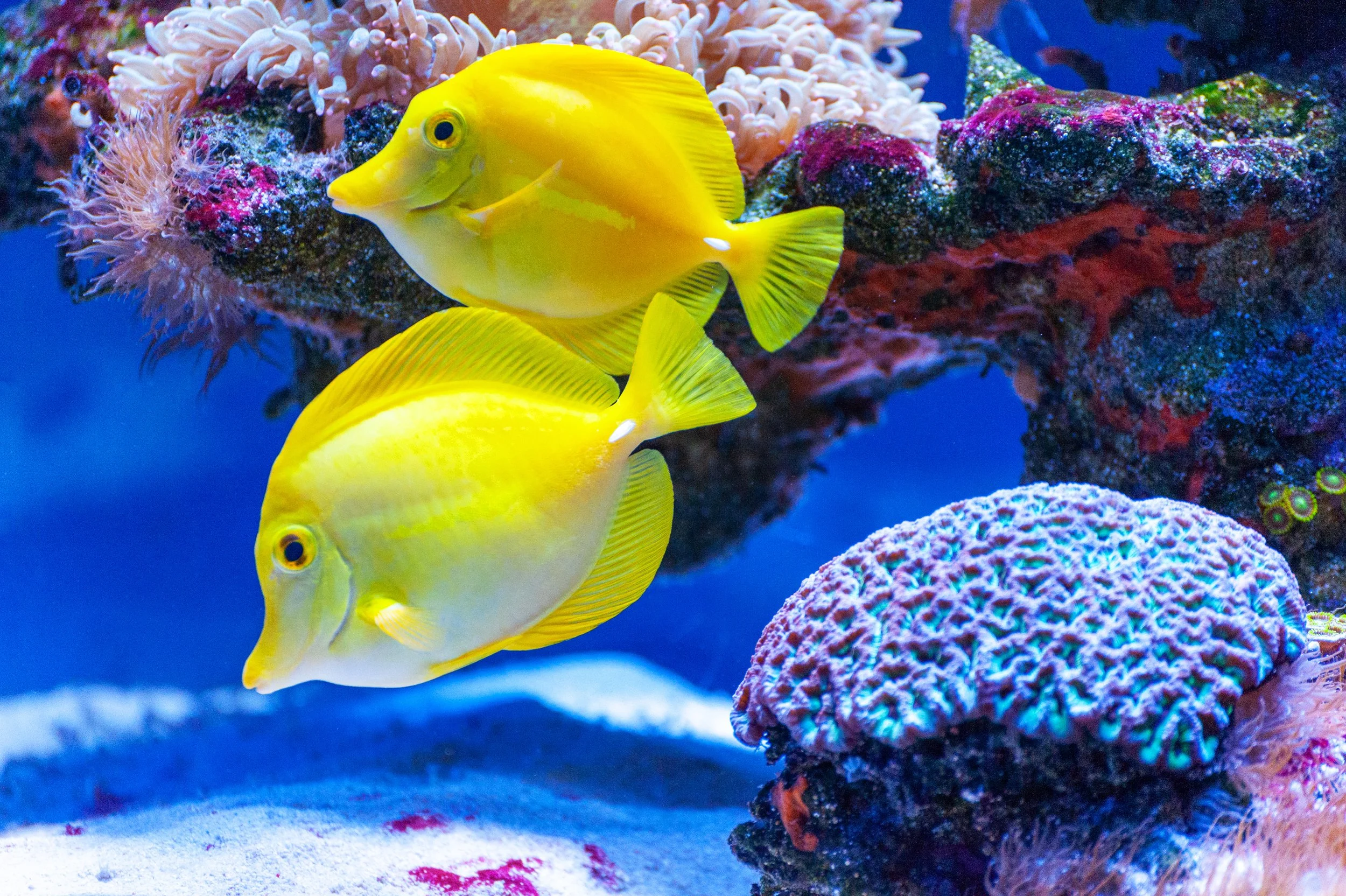
Purple tangs and yellow tangs are classic examples. These fish spend their days moving around the tank and tugging algae from the rockwork. Their grazing behavior is not a one time cleanup effort. It is ongoing maintenance.
That is the real advantage of adding an algae eating fish to a suitable reef tank. Rather than waiting for hair algae to become a thick, obvious mess, the fish can keep picking at new growth continuously.
For many tanks, that constant grazing pressure is what keeps hair algae from ever becoming the problem we notice.
Bristletooth Tangs Can Scrape Closer to the Rock
Bristletooth tangs are another popular option, especially when we want a fish that can work the rock surface a little differently. Their mouths are shaped for scraping, allowing them to get closer to the algae growing along the rock.
That matters because hair algae is not just the visible strands waving in the current. The algae is attached to the surface beneath it. A fish that can scrape and graze tightly along the rock can help remove more of that growth at its base.
When standard grazing tangs are not keeping up, a bristletooth tang may be a better fit for the type of algae coverage we are dealing with.
Rabbitfish Are the Heavy Hitters for Aggressive Algae
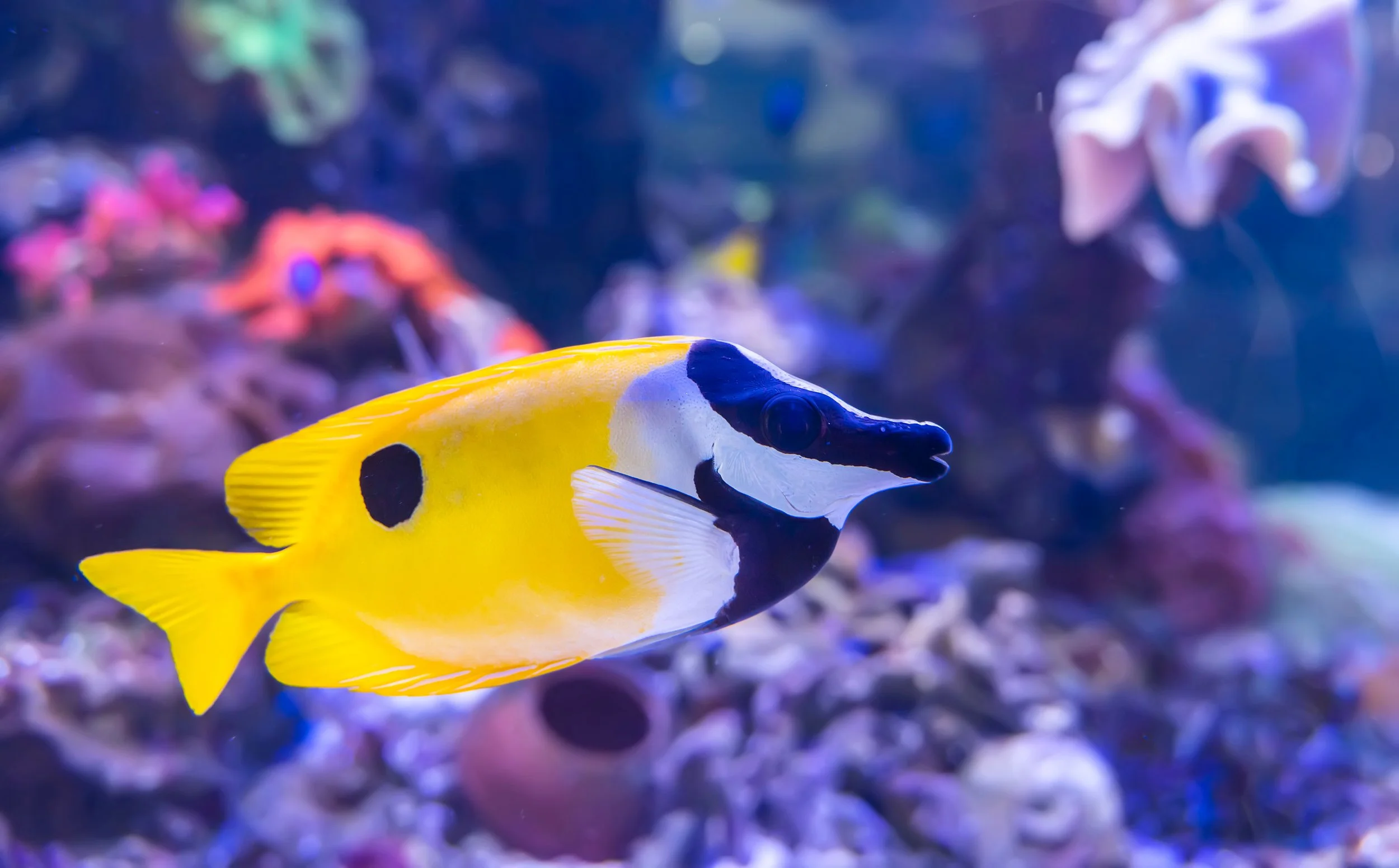
If the algae is more aggressive, or the tangs simply are not doing enough, rabbitfish can be serious algae eaters. Foxfaces, bicolor rabbitfish, and majestic rabbitfish are all known for being ravenous grazers.
These fish are often the next level when the goal is not merely keeping a little new growth in check, but putting consistent feeding pressure on a more established algae problem.
That does not mean they belong in every tank. Rabbitfish get larger and need more room, so their effectiveness has to be balanced with their long-term space requirements.
Rabbitfish also have venomous dorsal spines and should be handled with appropriate caution
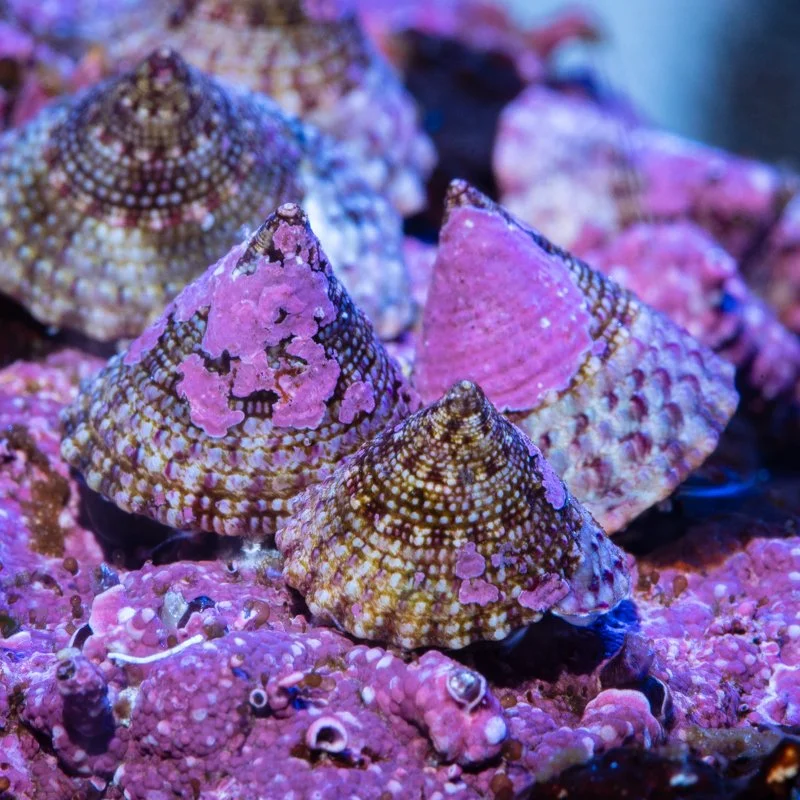
Natural Solutions That Keep Hair Algae In Check
Tank Length and Swimming Behavior Matter More Than Old Gallon Rules
When we say a moderate or larger tank, we are not talking about old-school minimum gallon recommendations. A better approach is to think about the fish's actual behavior.
Tangs and rabbitfish are lateral swimmers. They need room to move back and forth across the aquarium, not just a certain number of gallons stacked vertically.
For most tangs discussed here, we are generally looking at a minimum four-foot tank footprint. Rabbitfish can outgrow that space, and a five- to six-foot tank is a better long-term home for them.
That is why a 60 breeder, 75 gallon, 90 gallon, and even some 120 gallon setups can function as very similar habitats for these fish. The total water volume may differ, but the available swimming length and layout can be far more important for a fish built to roam horizontally.
SR Preferred Solutions For Inorganic N/P Nutrient Testing
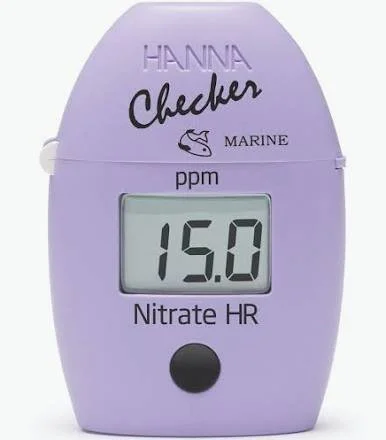
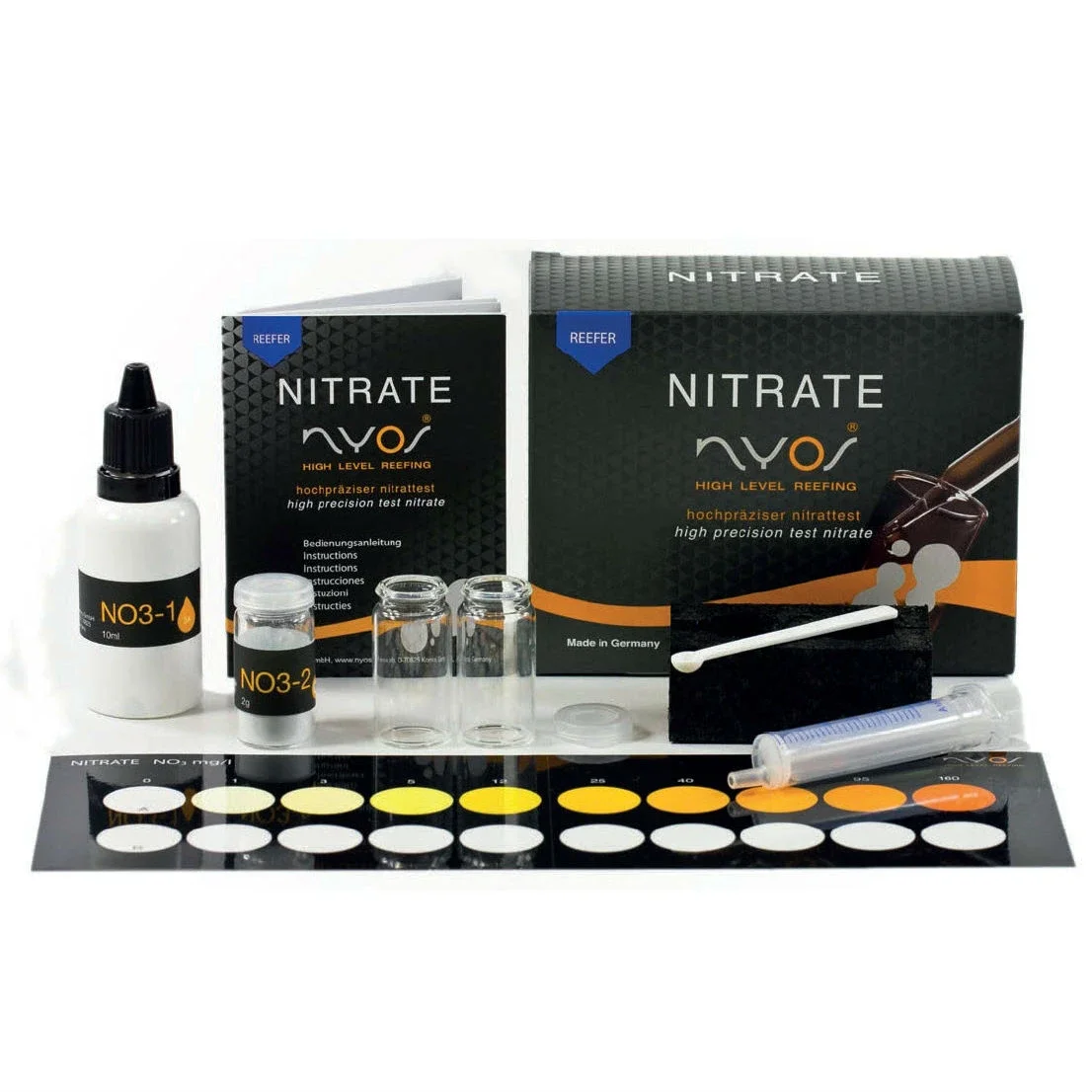
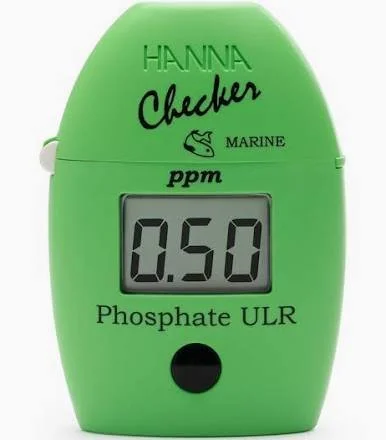
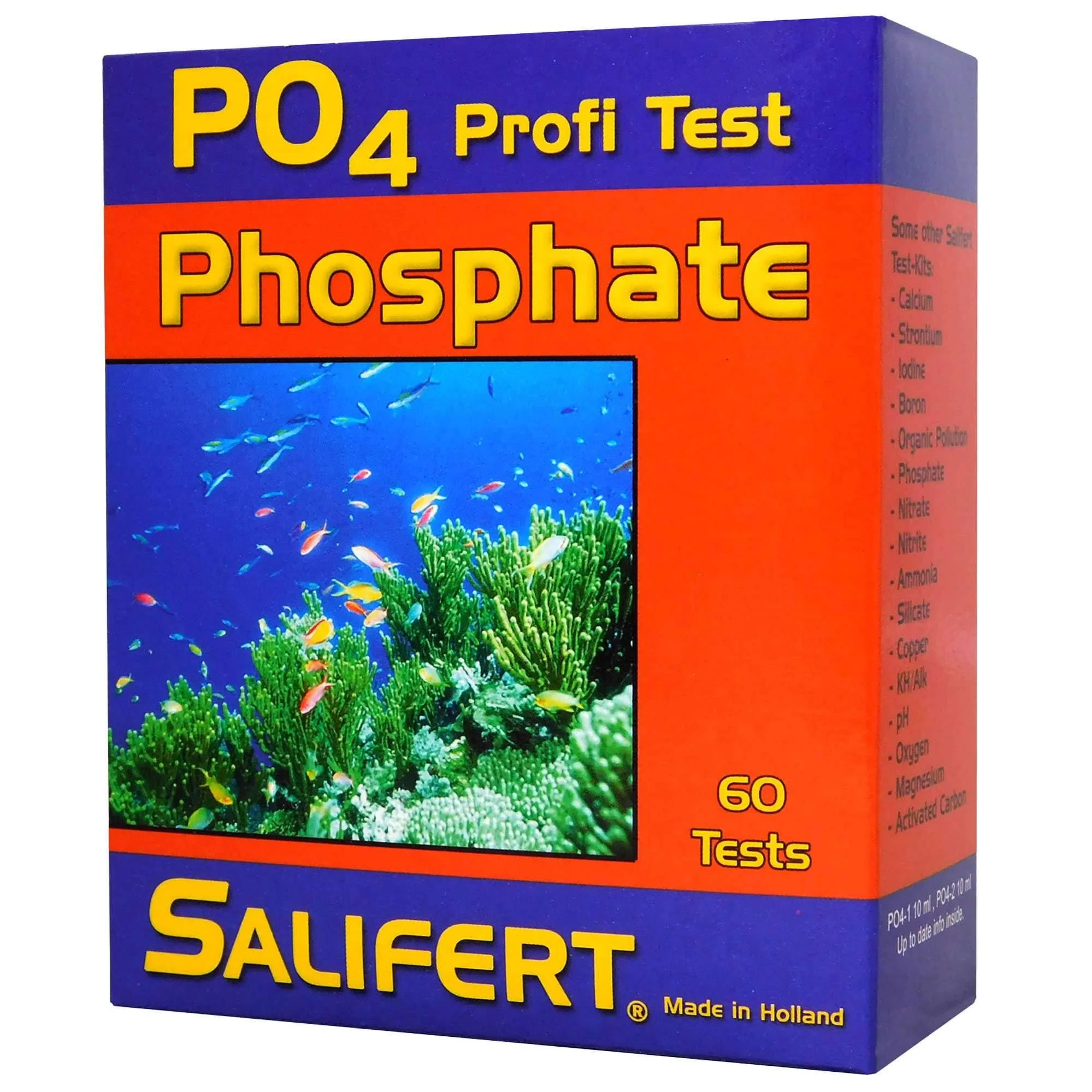
*Serious Reefs earns a small commission from these affiliate links. If you like what we do, clicking one is an easy way to help support SR at no cost to you. :)
What About Hair Algae in a Nano Reef?
This is where the question gets harder. The most effective hair algae grazers, including tangs and rabbitfish, are not appropriate choices for nano reefs because they need substantially more horizontal swimming space.
In a nano tank, we cannot simply rely on the same fish that work in larger reef systems. The algae-eating options become more limited, and the stocking decision has to respect the fish's adult behavior and space needs first. Check out the next video in this series below for nano solutions.
Hair Algae: Pounds of Cure
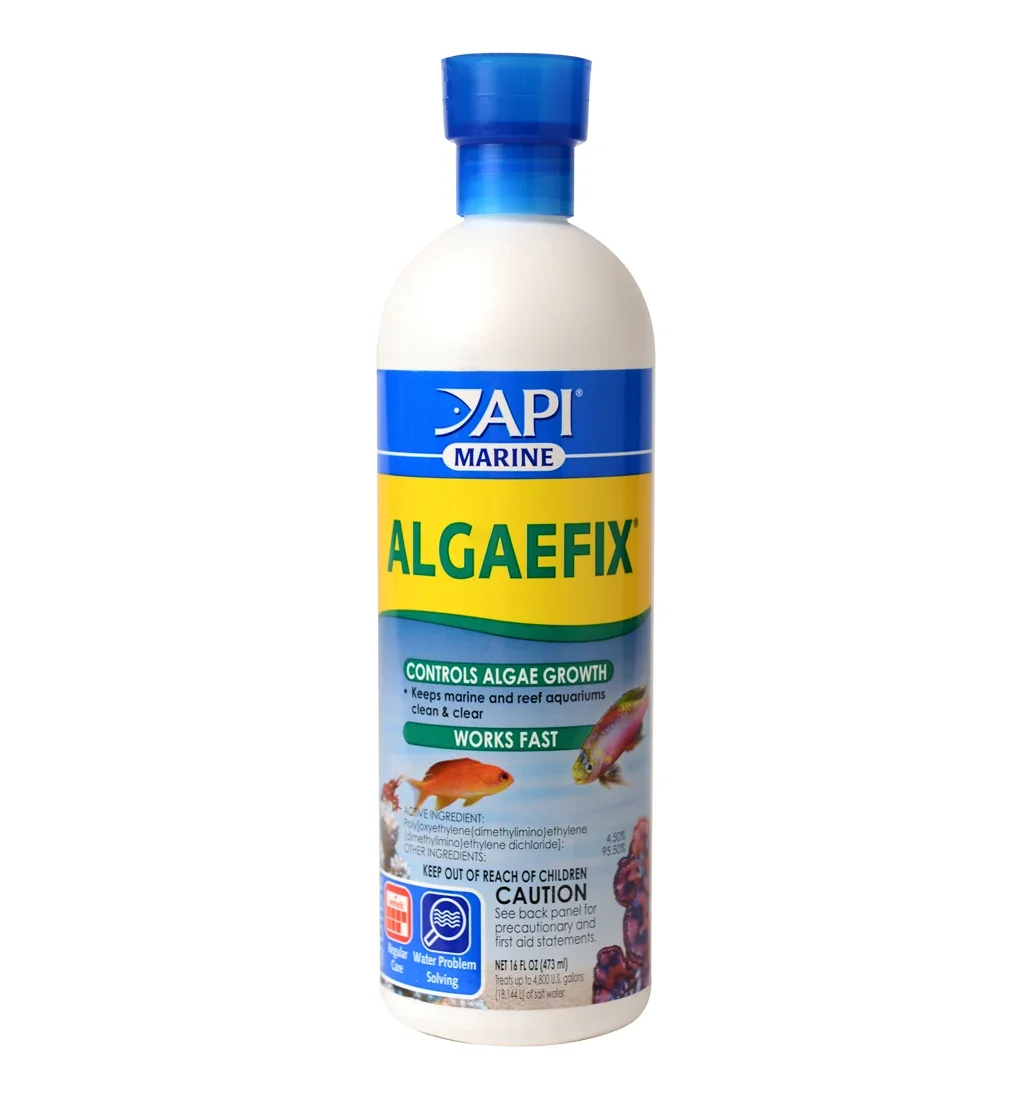
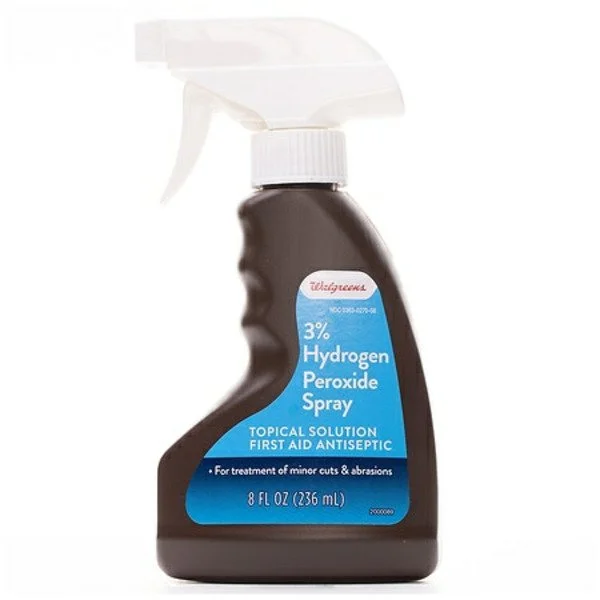
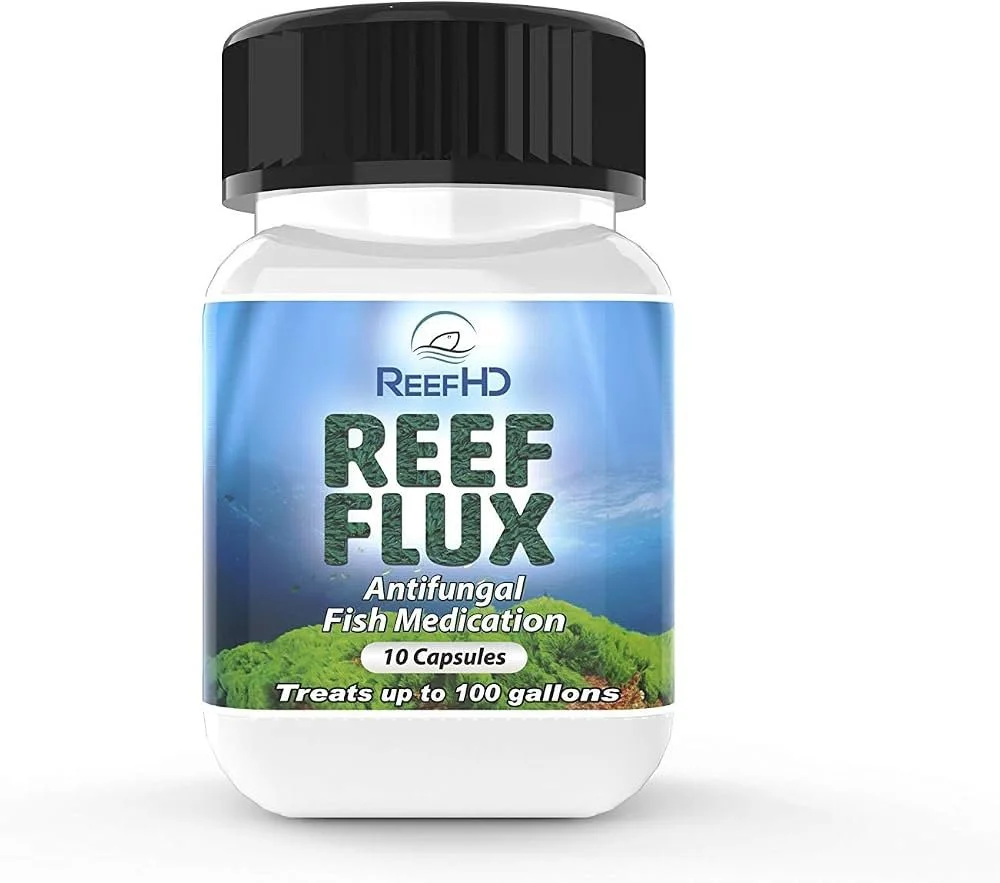
*Serious Reefs earns a small commission from these affiliate links. If you like what we do, clicking one or bookmarking this link is an easy way to help support SR. :)
Hair Algae FAQ


When hair algae has taken over and nothing else seems to make a dent, hydrogen peroxide can be one of the most effective direct treatment tools we have. This is not another heavy hitter that works primarily as a poison. Peroxide works differently because it is an oxidant.
Used carefully and directly on the problem area, it can wipe out hair algae remarkably fast. In many cases, algae that has been treated can be completely gone by the following day.