
How to Eliminate Hair Algae: Reef Flux & Fluconazole Edition
When crabs, snails, and herbivorous fish are not making a dent in an algae outbreak, it is time to consider a heavier-duty solution. But before reaching for a treatment, we need to make sure we are fighting the right problem.
A reef tank that appears to be overrun with hair algae may actually have bryopsis, a far more aggressive algae that often needs a different approach. Fluconazole, the active ingredient in Reef Flux, can be an effective tool for bryopsis when ordinary algae control methods have failed.
Hair Algae Guide | Reef Tank Guides
How to Eliminate Hair Algae: Reef Flux & Fluconazole Edition
Key Takeaways
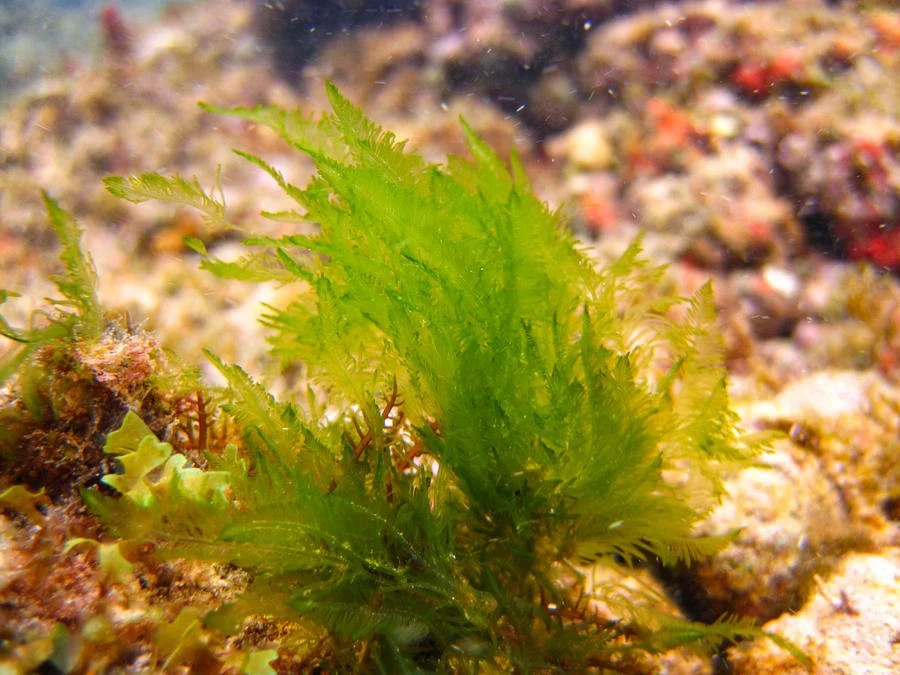
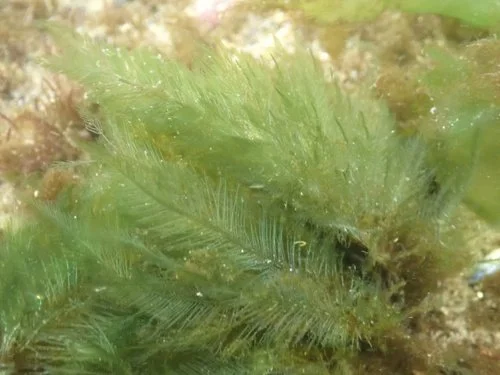
Bryopsis resembles hair algae but has a more fern-like, feathery appearance.
Fluconazole can rapidly kill bryopsis when natural grazers fail to control it.
Manually remove algae first to limit pollution from the treatment-related die-off.
Monitor nutrients and use water changes as necessary after bryopsis begins dying.
First, Make Sure Your Hair Algae Isn't Actually Bryopsis
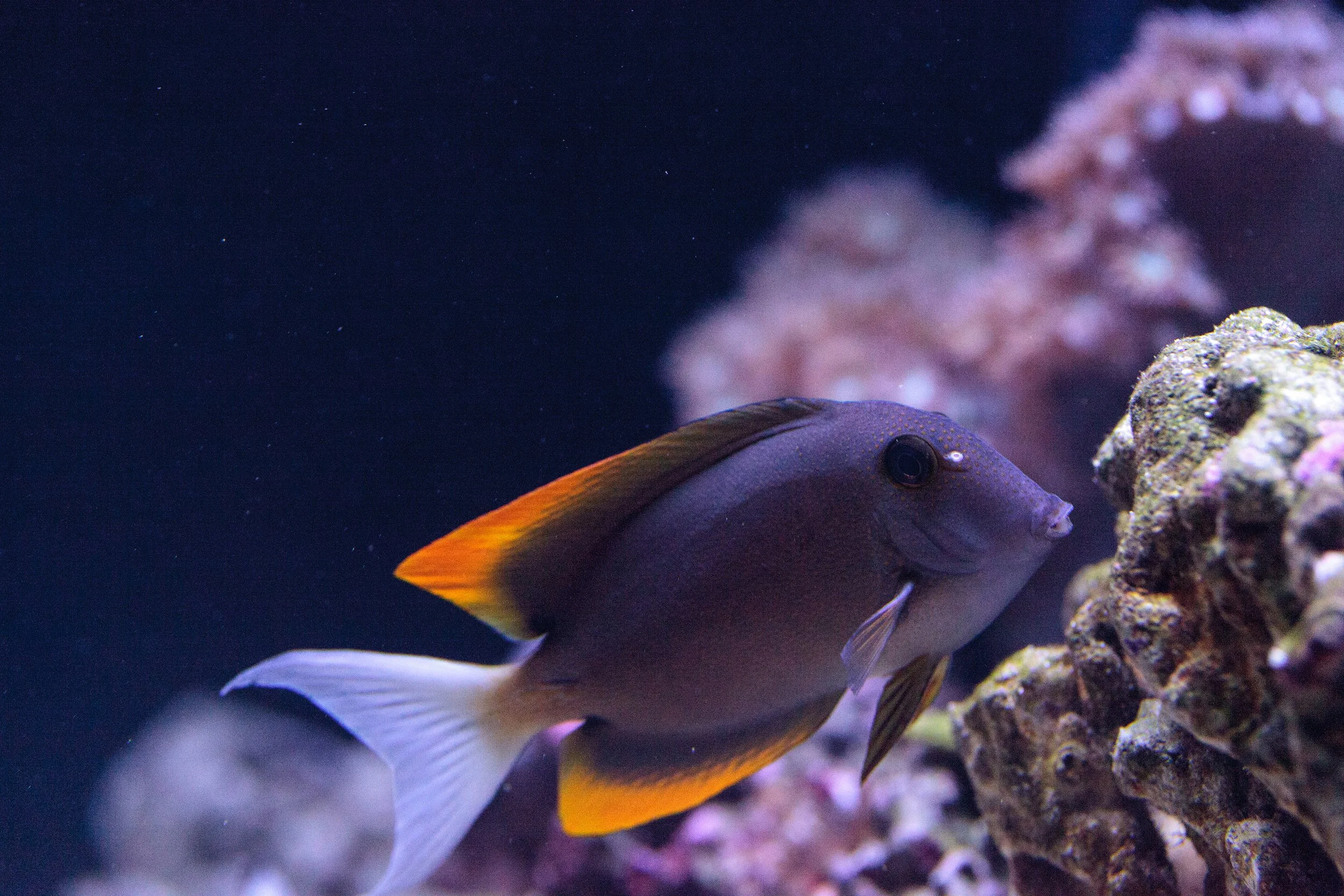
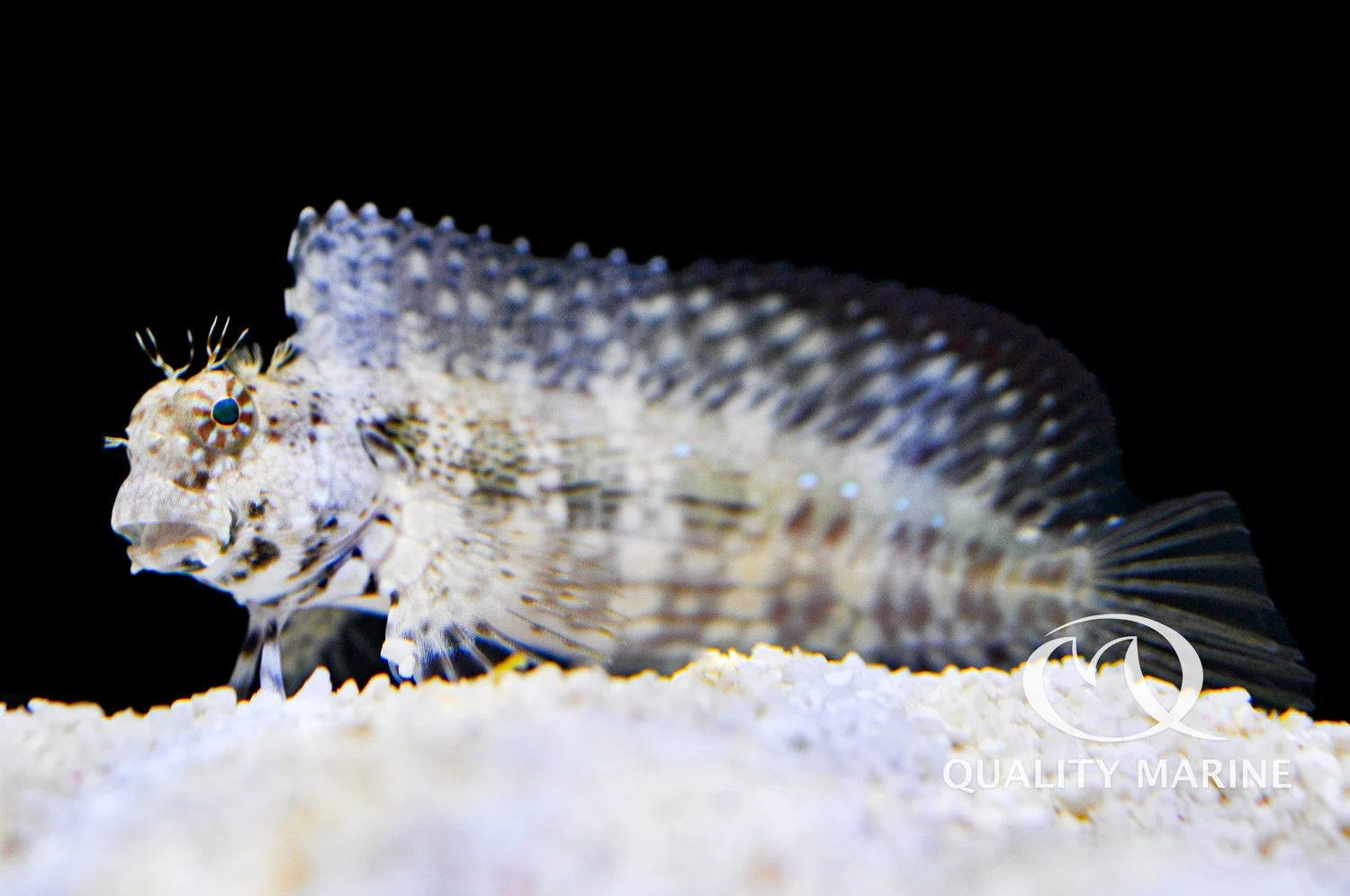
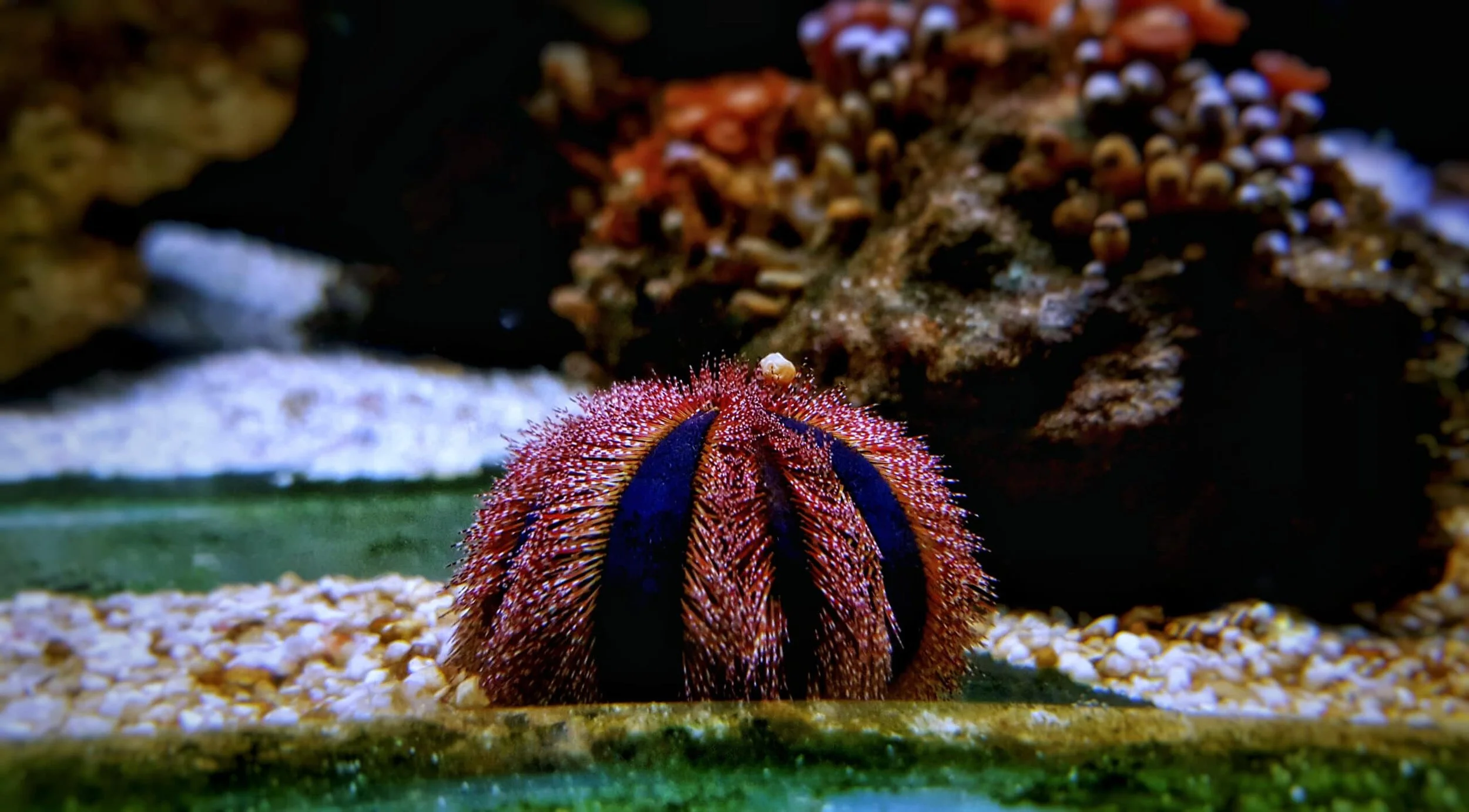
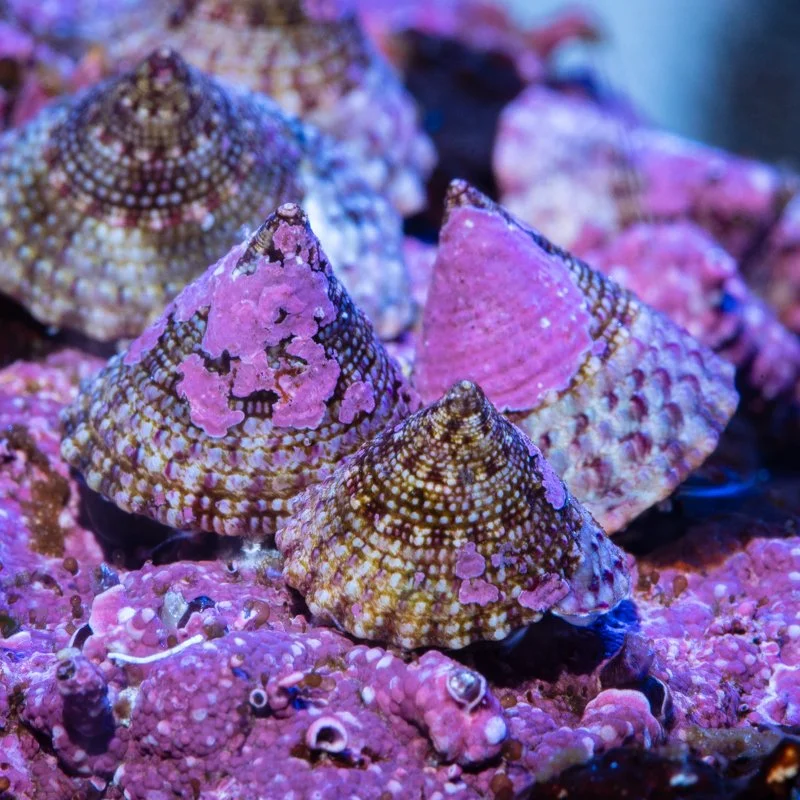
Prevention and natural control are always the preferred starting points. A healthy clean-up crew, including crabs and snails, plus fish that graze on nuisance algae, can often keep ordinary hair algae in check.
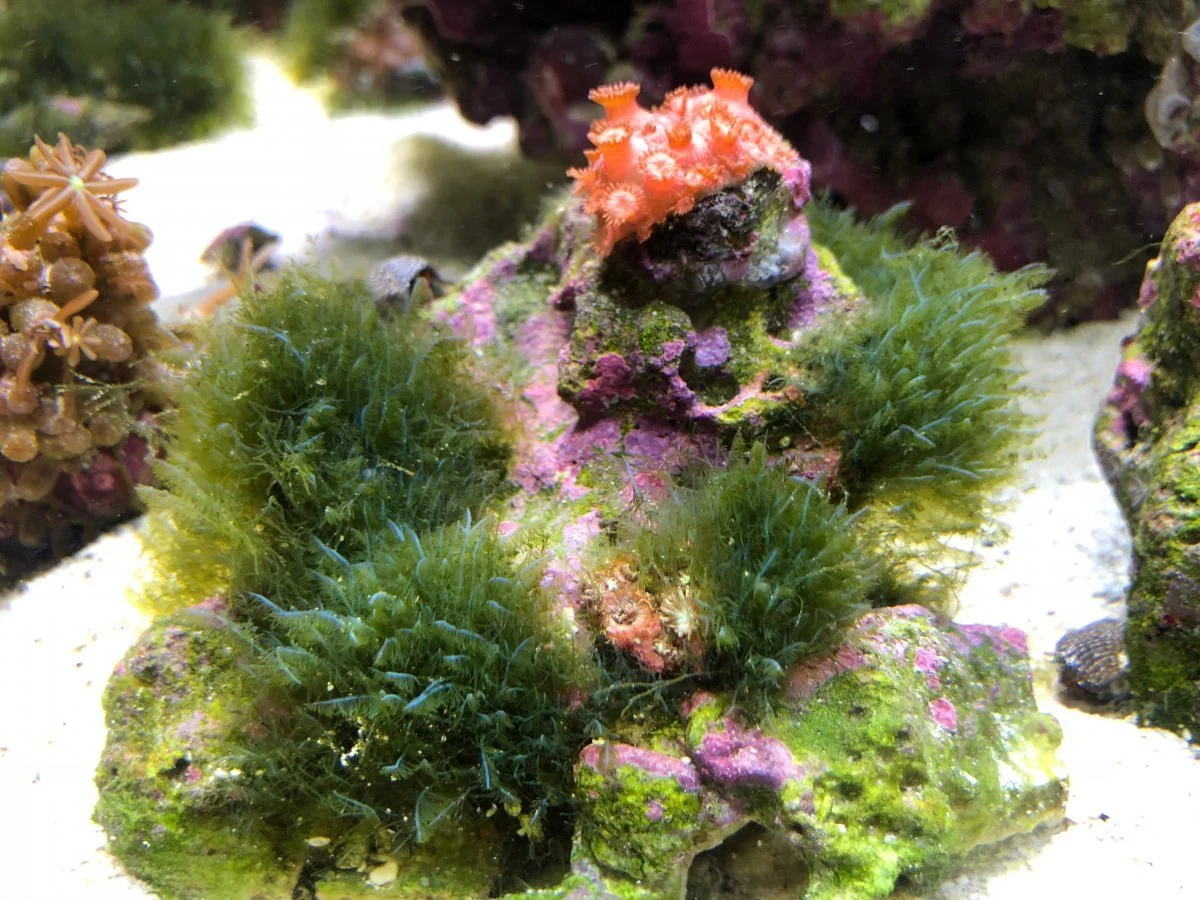
When those animals are not working and the growth keeps taking over, however, we should take a closer look at the algae itself. Bryopsis can resemble hair algae from across the tank, but it has a more distinct structure under close inspection.
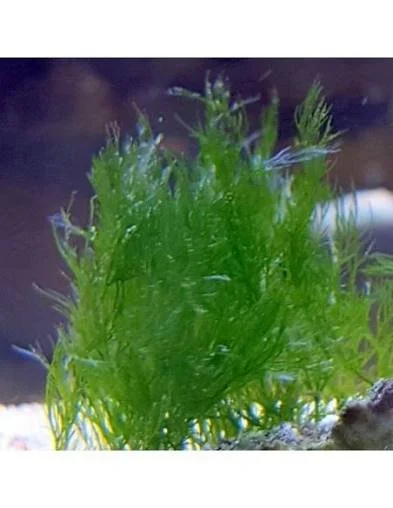
Hair algae usually looks like simple strands or tufts. Bryopsis tends to look more fern-like, with feathery branching along the growth. That difference matters because bryopsis is often much more persistent and aggressive than typical green hair algae. Fewer fish and inverts will eat Bryopsis as well.
If the usual grazers are ignoring the problem and the algae has that tiny fern-like appearance, fluconazole may be the more appropriate next step.
When Fluconazole Makes Sense
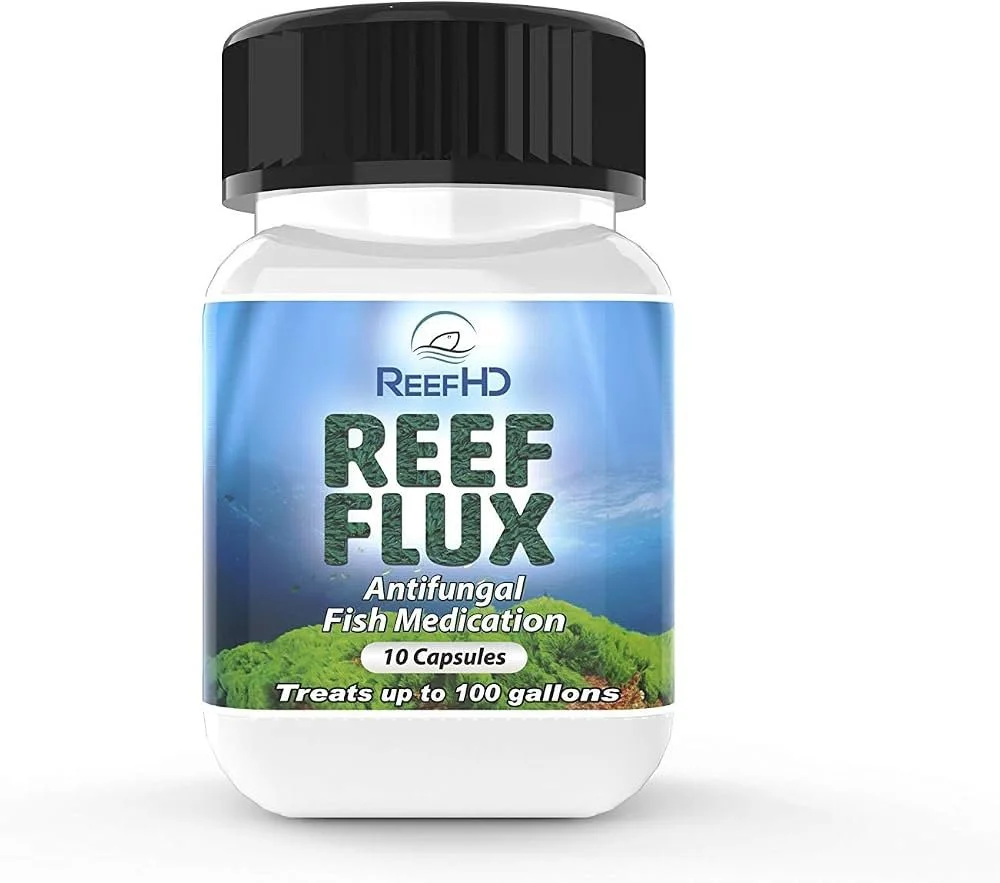
Fluconazole is the active ingredient in medications such as Reef Flux. We consider it a pounds-of-cure option, not the first thing to reach for when a little algae appears.
When we have a genuine bryopsis outbreak and fish are not solving it, fluconazole has been a reliable treatment in our experience. It is designed to hit the algae hard, and it can rapidly kill bryopsis that has resisted clean-up crews and grazing fish.
That rapid die-off is exactly why treatment needs to be handled carefully. Killing a large mass of algae does not make the nutrients disappear. Instead, that dead material can quickly become pollution inside the aquarium.
Prepare the Tank Before Treating Bryopsis
The most important step is simple: manually remove as much bryopsis as possible before treatment.
Do not leave every patch in place just because fluconazole can kill it. The more algae we physically remove first, the less decaying material the tank has to process afterward. This gives the aquarium a better chance of staying stable while the treatment handles what remains.
Before proceeding, take the time to remove accessible growth from rockwork, equipment, and other surfaces. The goal is to reduce the biomass, not to depend entirely on the medication to clear a fully packed tank.
Manual removal can be the difference between an effortless application and one where the rapid increase in pollution overwhelms the corals.
Consider Coral Stress Before You Treat
Fluconazole can be useful, but it is not consequence-free in every situation. If corals are already stressed, treatment may add to that stress.
At the same time, a severe bryopsis infestation is stressful in its own right. It can overgrow the tank, compete for space, and make it difficult to restore normal conditions. We need to weigh the condition of the corals against the damage that continued bryopsis growth is already causing.
pecifically, fluconazole affects algae, and it may also affect the symbiotic algae living within corals. If the coral and its zooxanthellae are already stressed, their energy reserves may already be limited, and treatment could potentially push them over the edge.
We have not personally experienced this, but it is a risk worth considering before treatment.
This is why manual removal, nutrient monitoring, and water changes matter so much. The goal is not merely to kill algae. The goal is to eliminate bryopsis while giving the rest of the reef the best possible chance to remain stable.
Natural Solutions That Keep Hair Algae In Check
Monitor Nutrients After the Algae Dies
Once fluconazole begins working, dying bryopsis can release nutrients back into the water. This is where an algae treatment can create a second problem if we are not paying attention.
Keep an eye on nutrient levels after treatment, particularly as the algae starts to break down. If nutrients rise or the tank shows signs that it is struggling with the added organic load, perform water changes as needed.
Remove as much bryopsis manually as possible before treatment.
Expect dead algae to add pollution to the system.
Monitor nutrients closely as the algae dies back.
Use water changes when necessary to help maintain water quality.
The treatment may solve the bryopsis, but stable reefkeeping still comes down to managing what the treatment leaves behind.
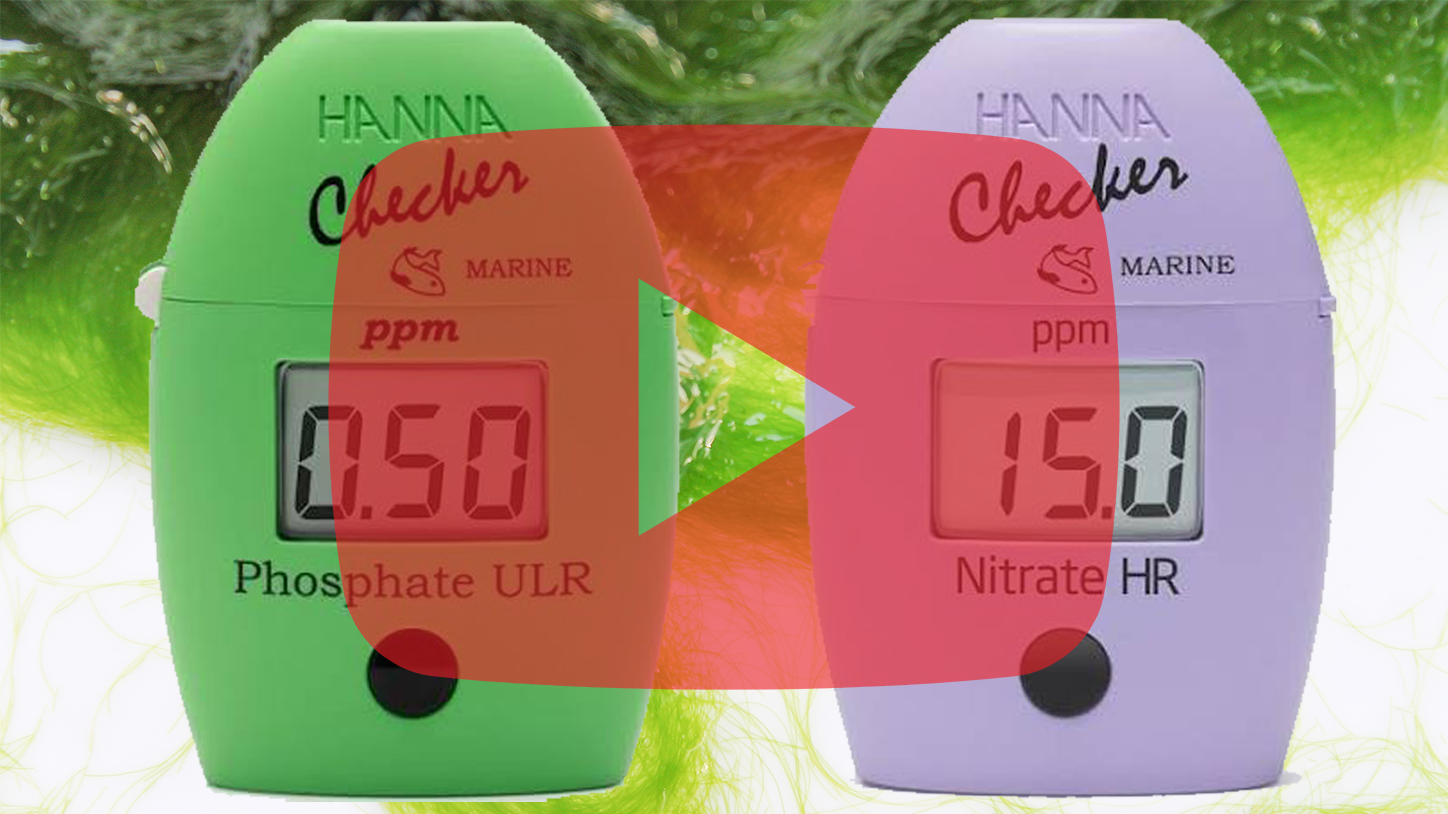
SR Preferred Solutions For Inorganic N/P Nutrient Testing
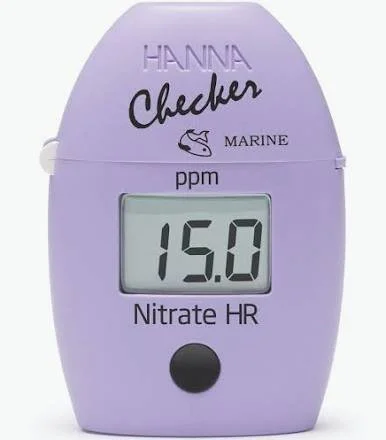
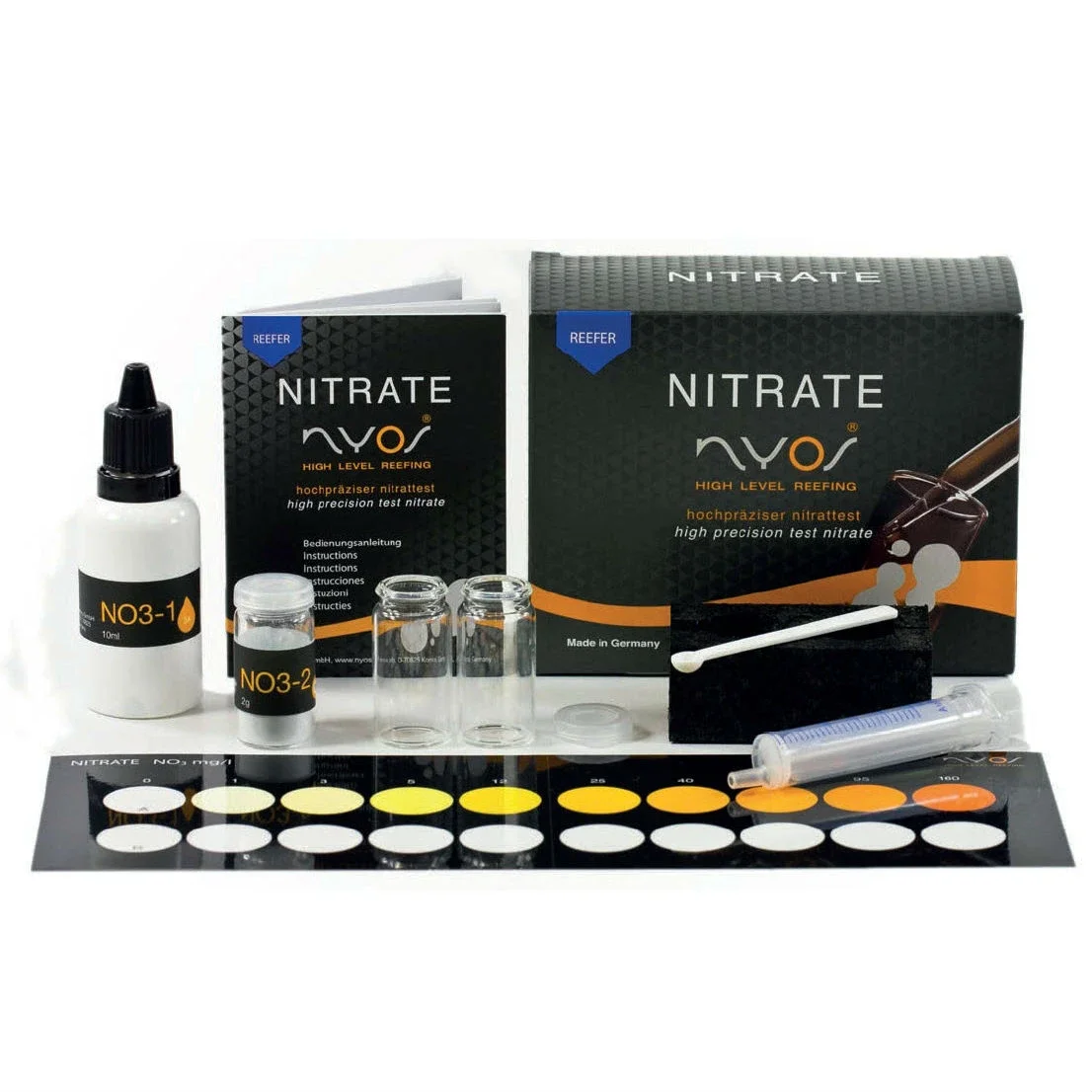
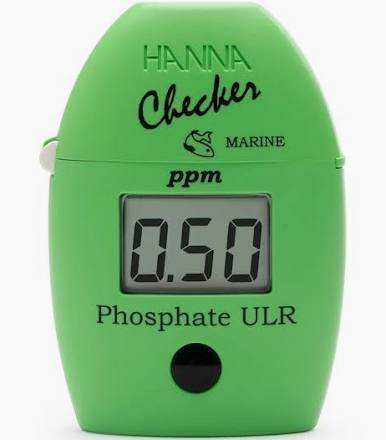
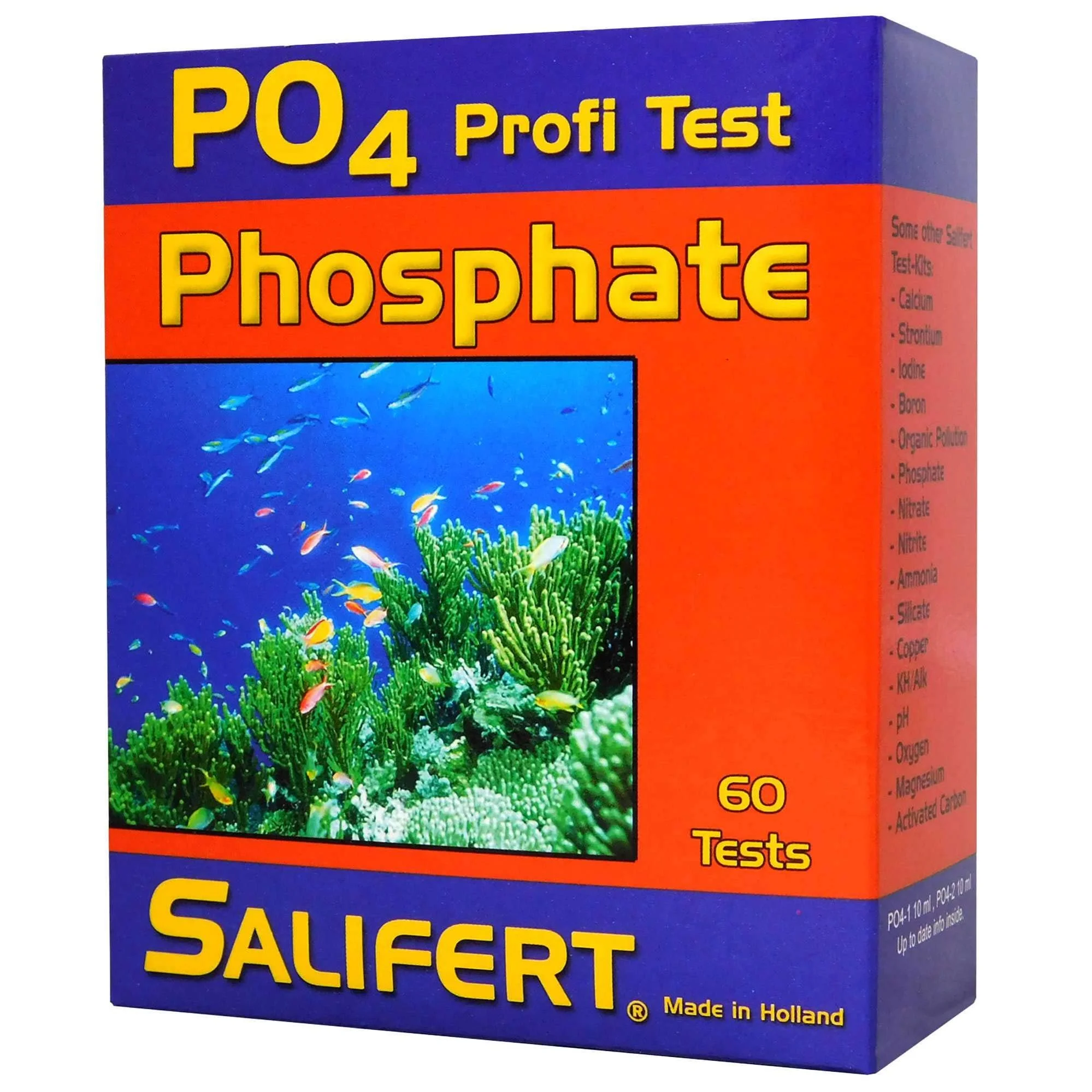
*Serious Reefs earns a small commission from these affiliate links. If you like what we do, clicking one is an easy way to help support SR at no cost to you. :)
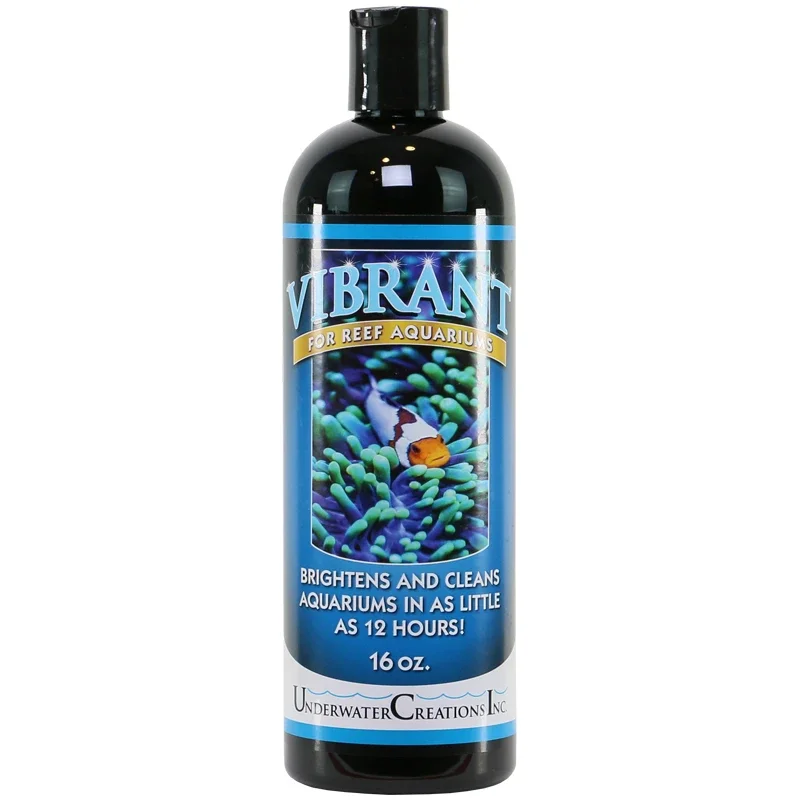
Another Option: Algae Fix or Vibrant
If fluconazole is not the direction we want to take, products such as Algae Fix or Vibrant are another option to consider. The right choice depends on what is growing in the aquarium and how the tank is responding to the outbreak.
Check out the other options and videos below.
Hair Algae: Pounds of Cure
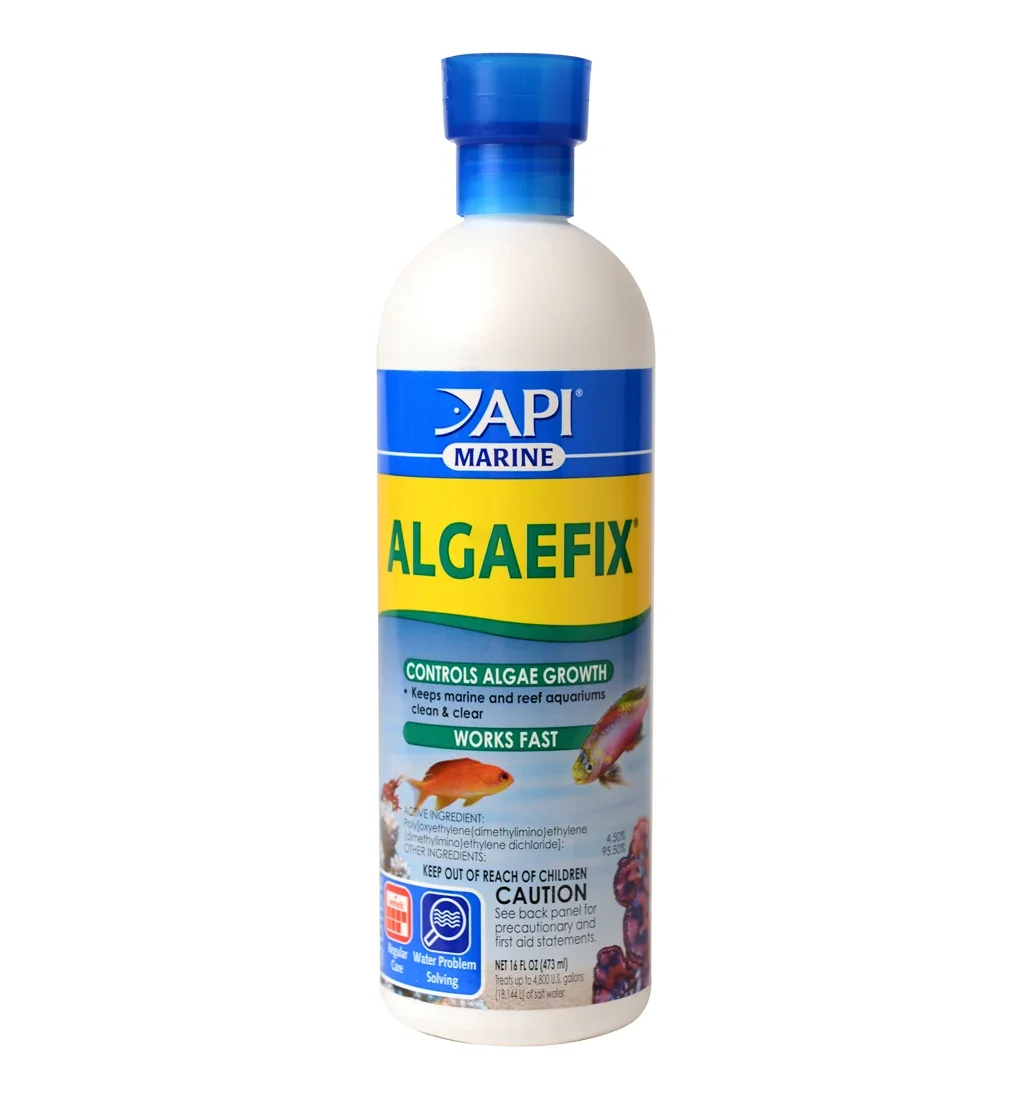
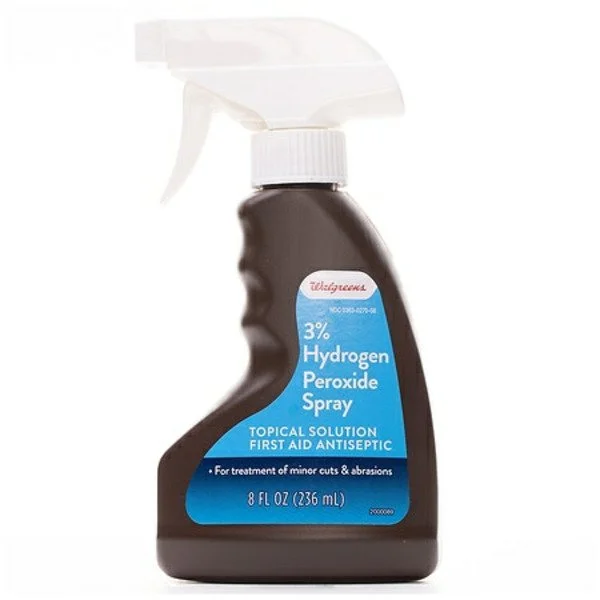
*Serious Reefs earns a small commission from these affiliate links. If you like what we do, clicking one or bookmarking this link is an easy way to help support SR. :)
Hair Algae FAQ


When hair algae has taken over and nothing else seems to make a dent, hydrogen peroxide can be one of the most effective direct treatment tools we have. This is not another heavy hitter that works primarily as a poison. Peroxide works differently because it is an oxidant.
Used carefully and directly on the problem area, it can wipe out hair algae remarkably fast. In many cases, algae that has been treated can be completely gone by the following day.