
What Eats Hair Algae in a Nano Reef Tank?
Hair algae is one of those problems that can feel especially brutal in a nano reef. In a larger system, we have access to plenty of herbivorous fish that can keep it under control. In a smaller tank, though, many of those bigger algae eaters simply are not an option.
The good news is that we still have a few solid tools for dealing with hair algae in a nano reef. The best approach is usually to combine the right cleanup crew with a little hands-on help.
Hair Algae Guide | Reef Tank Guides
What Eats Hair Algae in a Nano Reef Tank?
Key Takeaways
Nano reefs have fewer suitable herbivorous fish options than larger reef aquariums.
Saltwater-acclimated freshwater mollies can consume hair algae remarkably quickly.
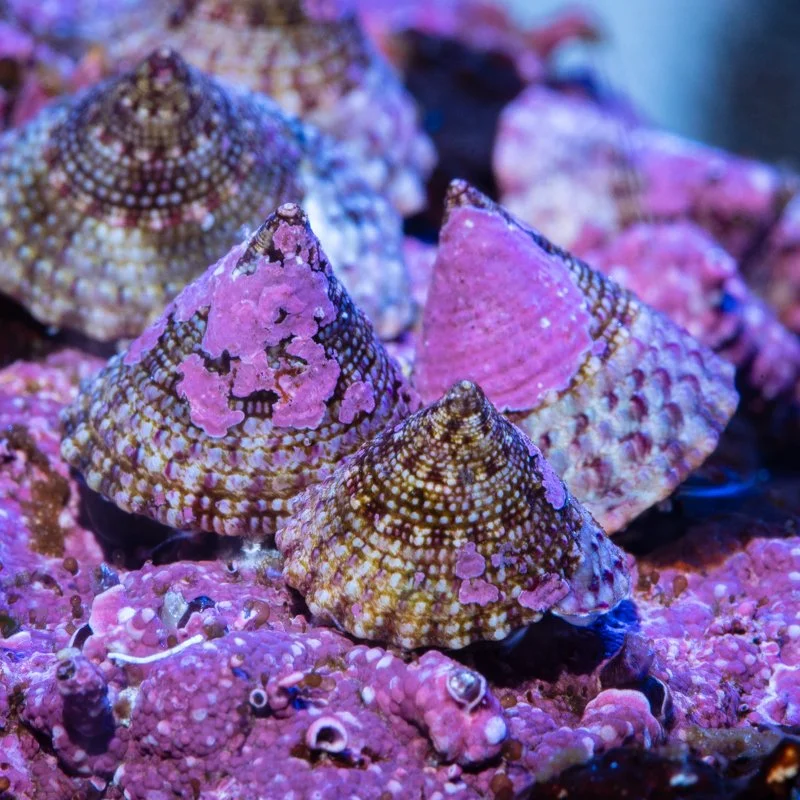
Astraea and Trochus snails are useful hair algae grazers for small reef tanks.
Placing snails directly on algae patches helps them target the problem sooner.
Fish That Can Help Control Hair Algae
A few smaller fish can contribute to algae control without requiring the space of the usual larger herbivores. Depending on the tank and livestock plan, options include:
Lawnmower blenny: A well-known algae grazer that can be useful when hair algae is established.
Rainford's goby: A small goby that may help pick at algae while adding personality to the reef.
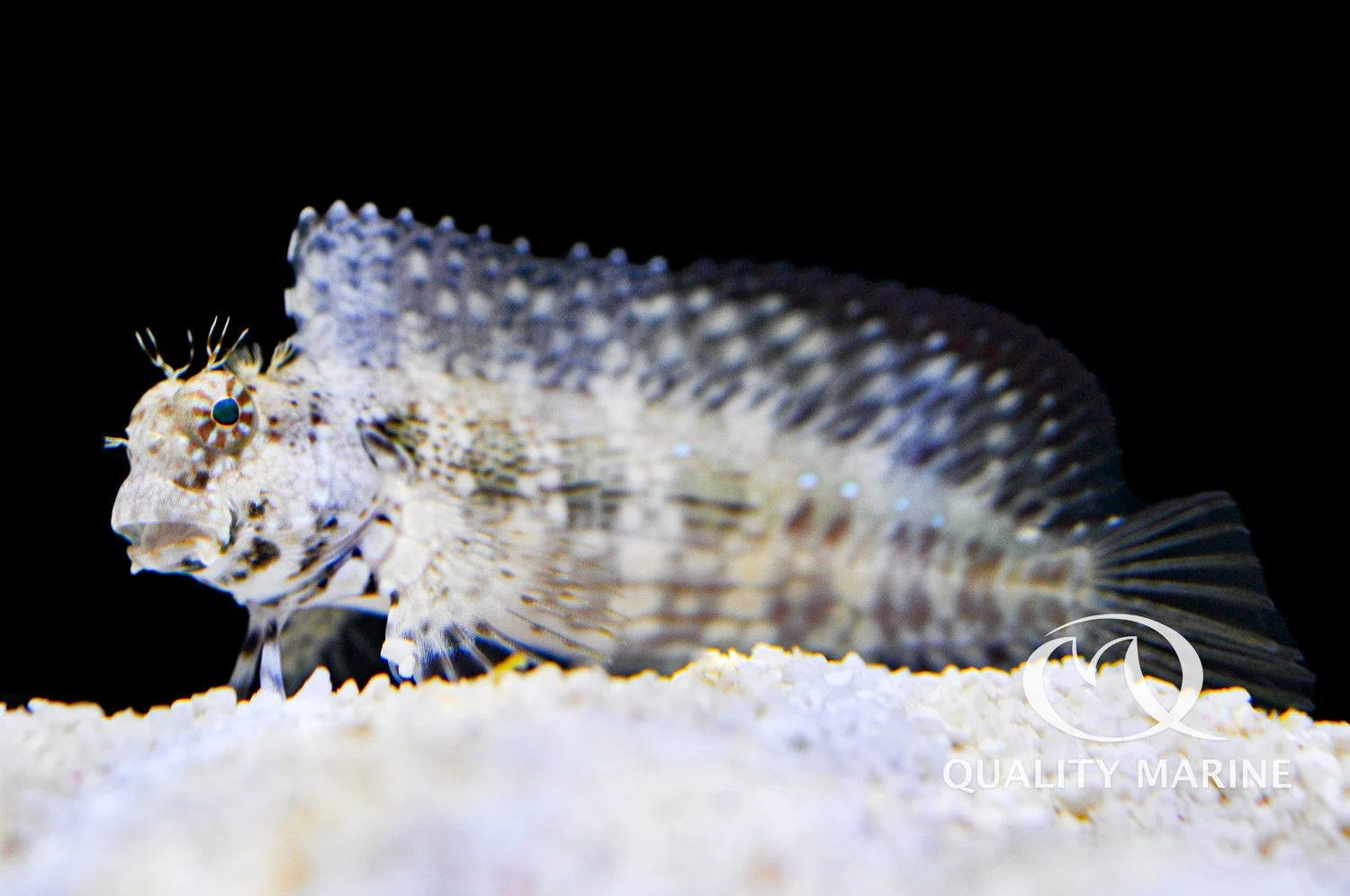
Tailspot blenny: Another compact option that can graze algae in an appropriately stocked nano system.
These fish can help keep algae pressure down, but they are not magic. A serious outbreak can outgrow what a single small grazer can reasonably handle. That is where one of the most effective nano reef algae eaters comes in.
Snails and Crabs Are Still Essential
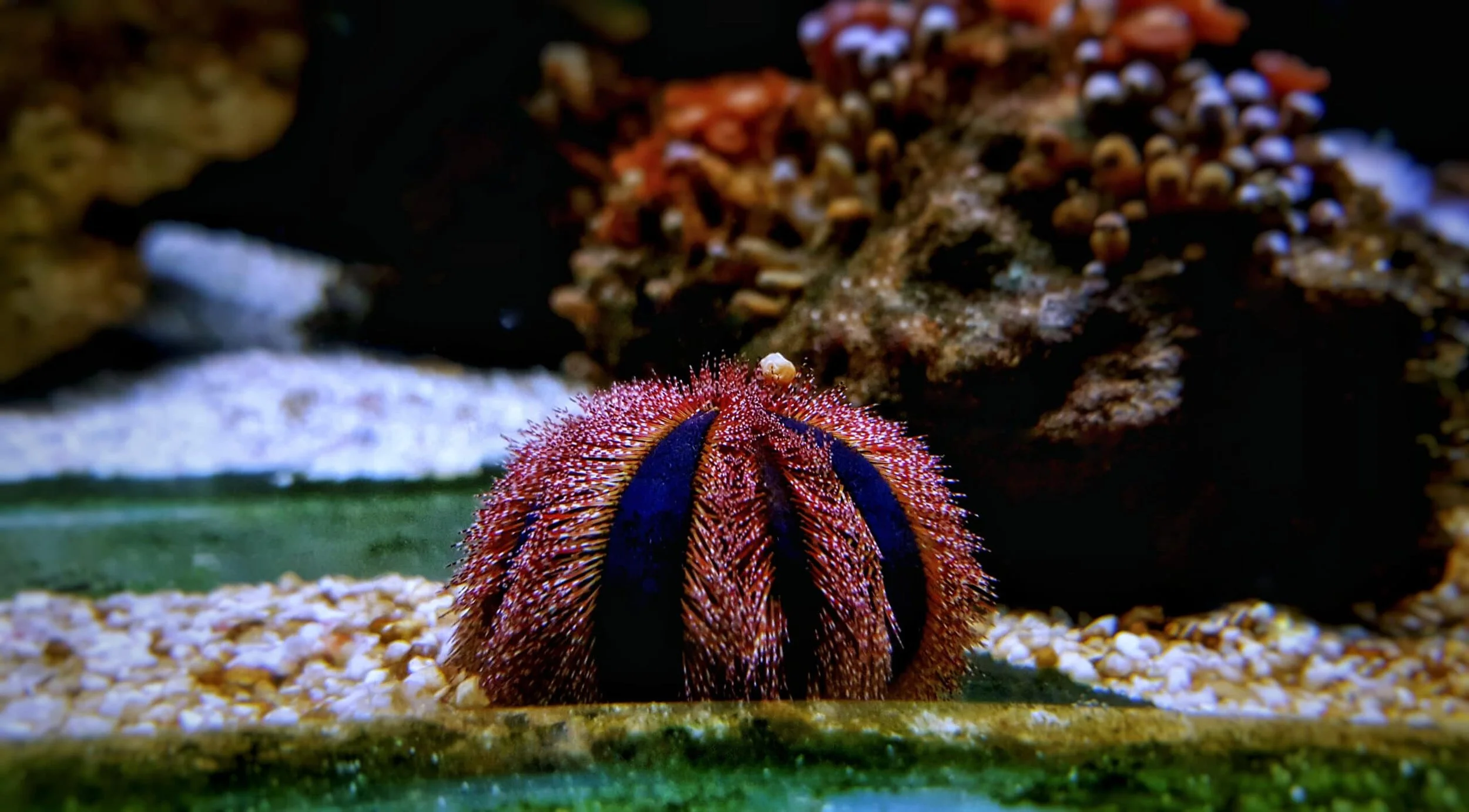
Fish are helpful, but we should not overlook the cleanup crew. Crabs and snails are still some of our best allies against hair algae in a nano reef tank.
For snails, two especially useful choices are:
Astraea snails: Reliable grazers that can work over algae-covered rock surfaces.
Trochus snails: Active algae eaters that are a strong addition to many reef cleanup crews. These snails can flip themselves over when they fall which makes them attractive.
Sometimes the snails are not ignoring the algae because they will not eat it. They may simply not be reaching the exact patch we want handled. When that happens, give them a hand. Pick up the snail and place it directly on the hair algae.
It is a simple move, but it can make a real difference. Instead of hoping a snail eventually finds the problem area, we can put it straight to work.
Natural Nano Tank Solutions That Keep Hair Algae In Check
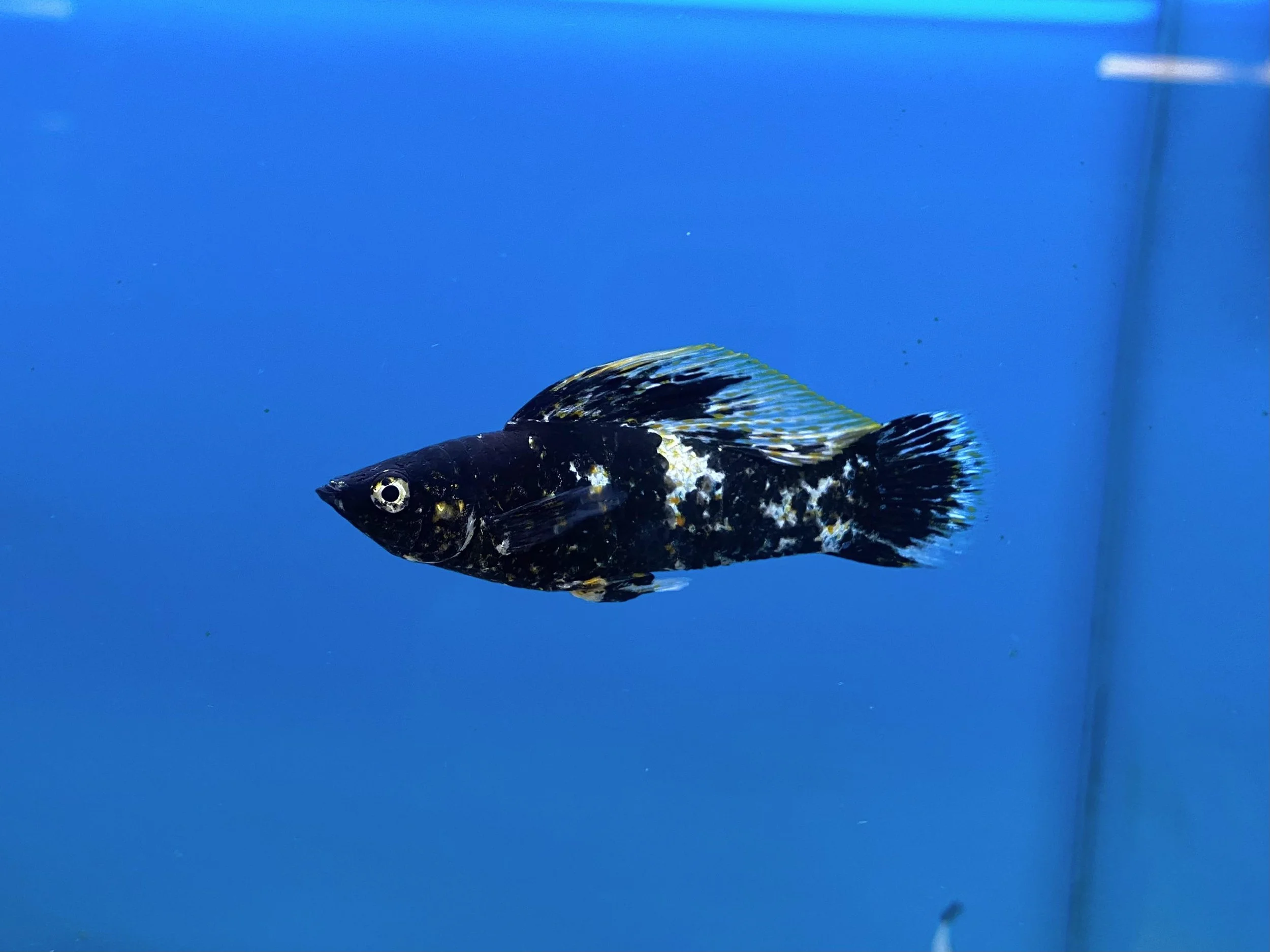
The Freshwater Molly Hack for Nano Reefs
One of the best little secrets for hair algae is the freshwater molly. Mollies can be acclimated to saltwater, and once acclimated, they can absolutely tear through algae.
They are so effective that a molly placed into a nano reef with a major hair algae problem can make a visible difference in just days. For a tank where algae has spread across the rockwork, this can be a much more practical option than trying to fit a larger herbivorous fish into a small aquarium.
Saltwater fish distributors have caught on to this as well. Some now offer mollies that have already been acclimated to marine conditions. It is worth asking a trusted local fish store whether they can source pre-acclimated saltwater mollies.
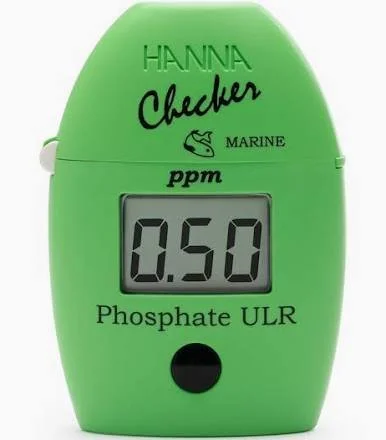
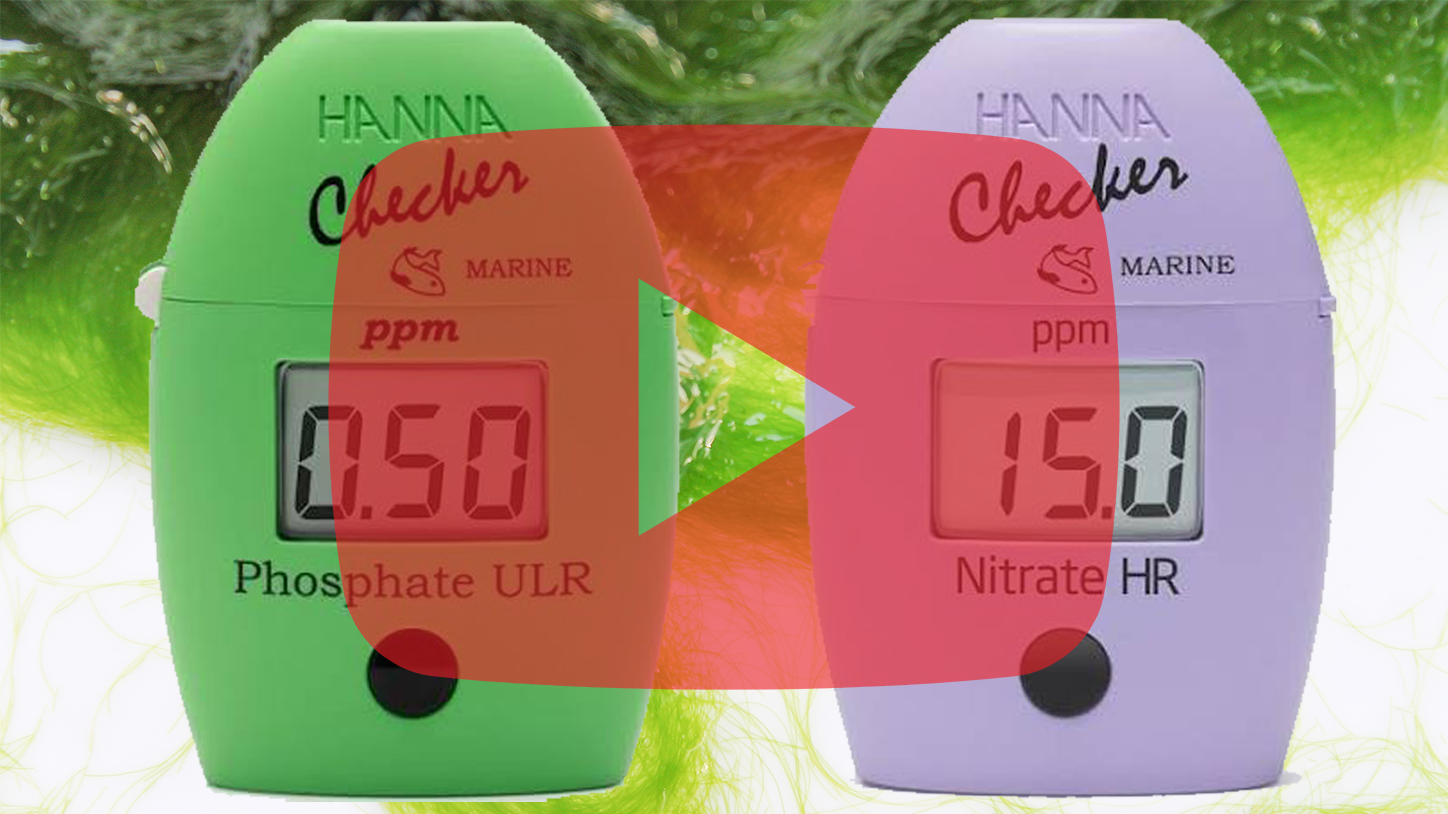
SR Preferred Solutions For Inorganic N/P Nutrient Testing
*Serious Reefs earns a small commission from these affiliate links. If you like what we do, clicking one is an easy way to help support SR at no cost to you. :)
When Grazers Are Not Enough
Algae eaters are the first line of defense, especially in a nano reef where every livestock choice matters. But there are times when an outbreak has reached the point where cleanup crew animals alone are not enough.
When the lawnmower blenny, gobies, mollies, crabs, and snails are not making a dent, it is time to move beyond the preventative approach and address the outbreak directly. At that point, we need more than an algae eater. We need a cure. Check out the videos below for more options.
Hair Algae: Pounds of Cure
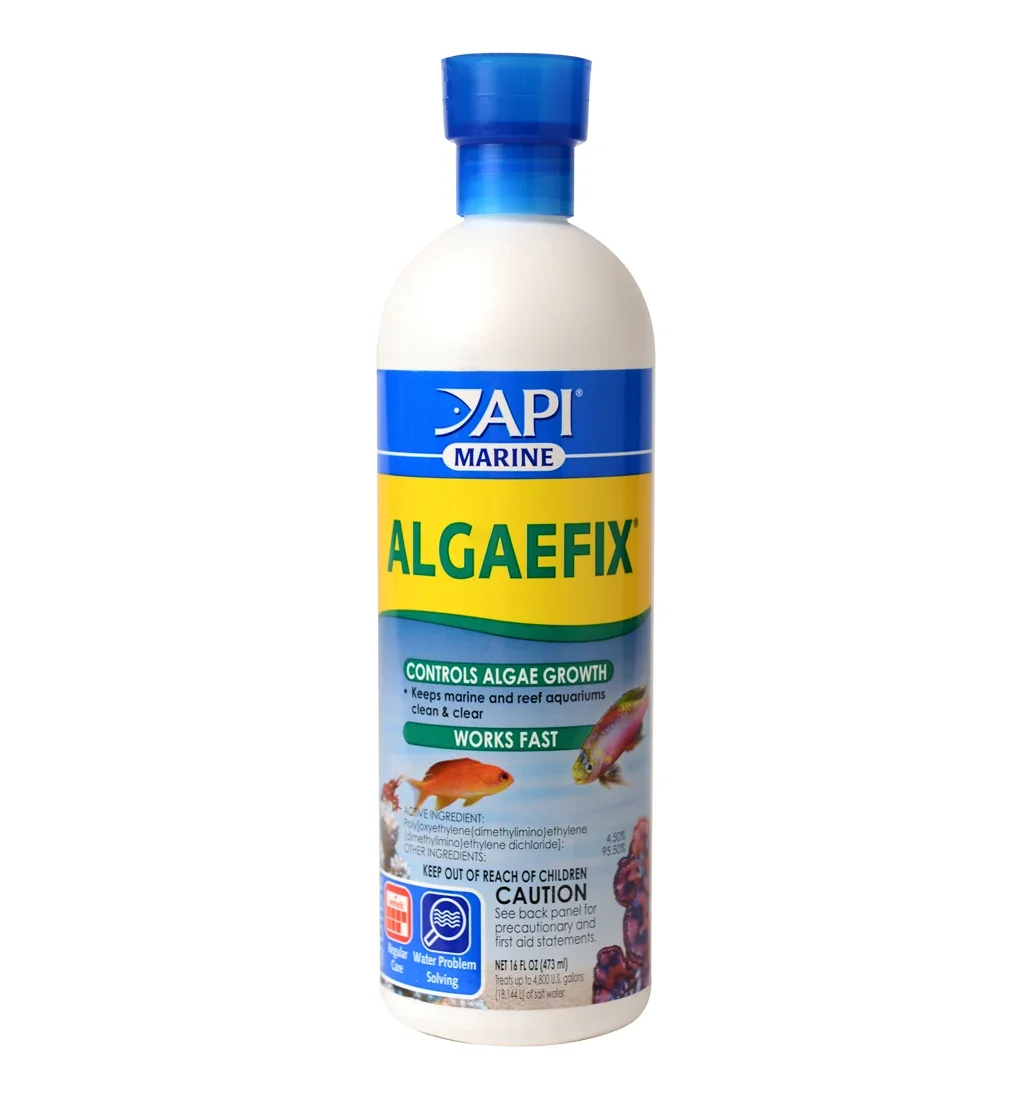
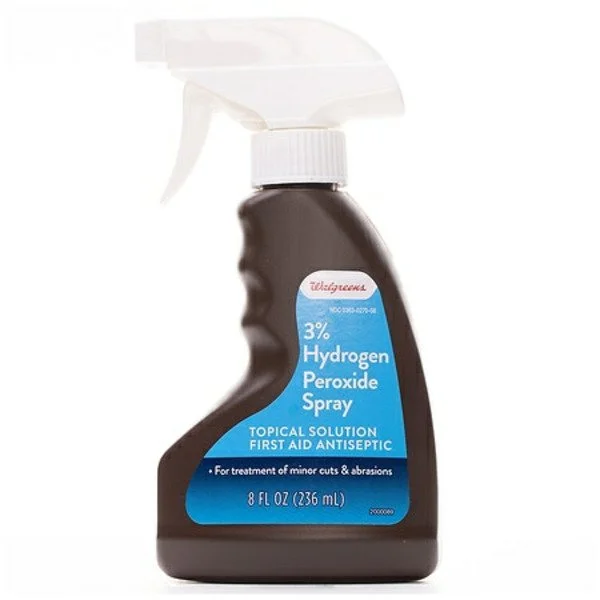
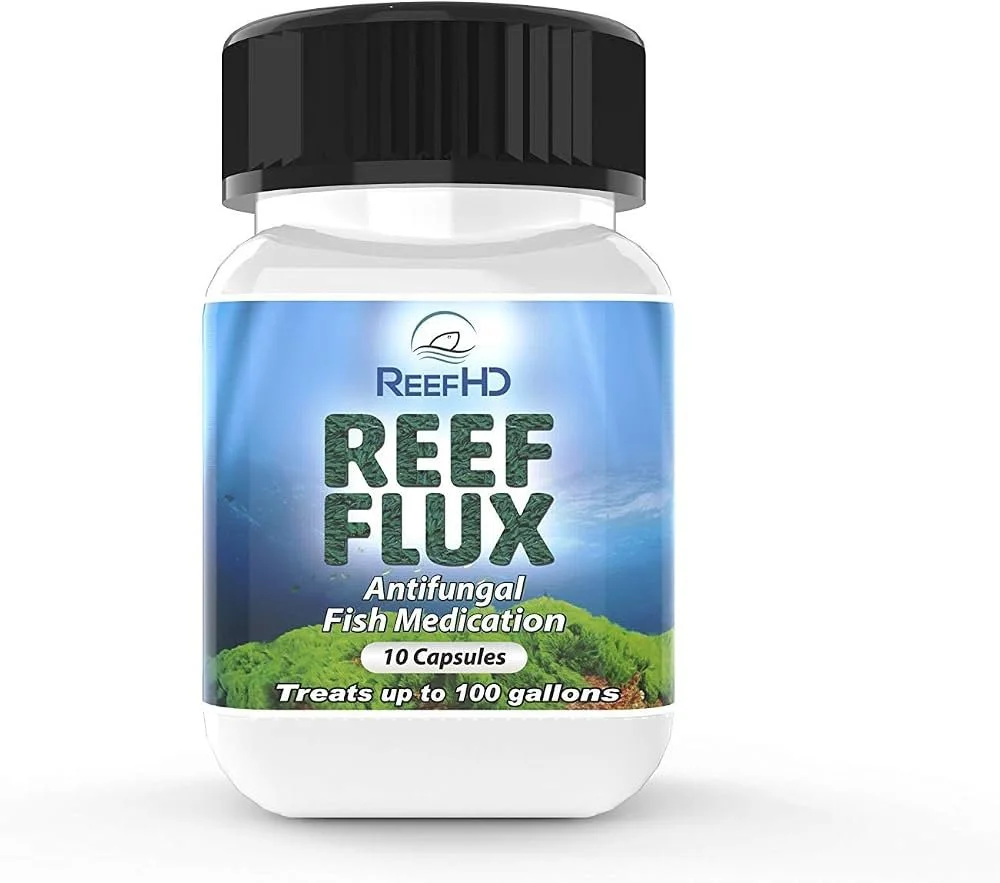
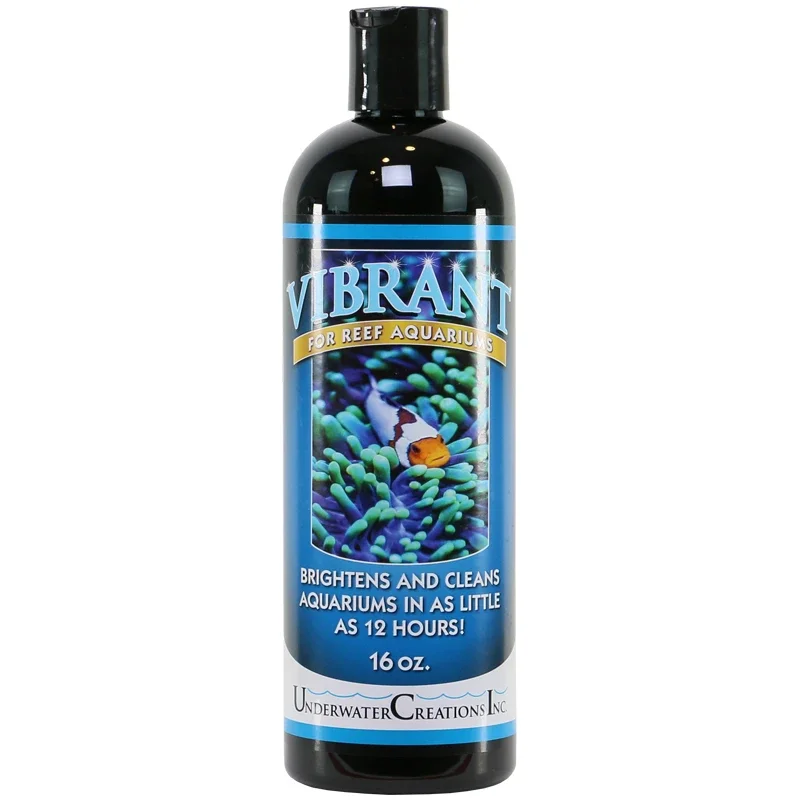
*Serious Reefs earns a small commission from these affiliate links. If you like what we do, clicking one or bookmarking this link is an easy way to help support SR. :)
Hair Algae FAQ


When hair algae has taken over and nothing else seems to make a dent, hydrogen peroxide can be one of the most effective direct treatment tools we have. This is not another heavy hitter that works primarily as a poison. Peroxide works differently because it is an oxidant.
Used carefully and directly on the problem area, it can wipe out hair algae remarkably fast. In many cases, algae that has been treated can be completely gone by the following day.