
Protein Skimmer FAQ
Green Hair Algae: 60 Second Solutions


When hair algae refuses to quit, an algaecide can be a practical second-line option. Products such as API Marine AlgaeFix and Vibrant are designed to do exactly what the name suggests: kill algae directly.
This is not necessarily the first route we would take in every reef tank, but it can be an effective tool when algae has become stubborn, persistent, and difficult to control through other methods.
When crabs, snails, and herbivorous fish are not making a dent in an algae outbreak, it is time to consider a heavier-duty solution. But before reaching for a treatment, we need to make sure we are fighting the right problem.
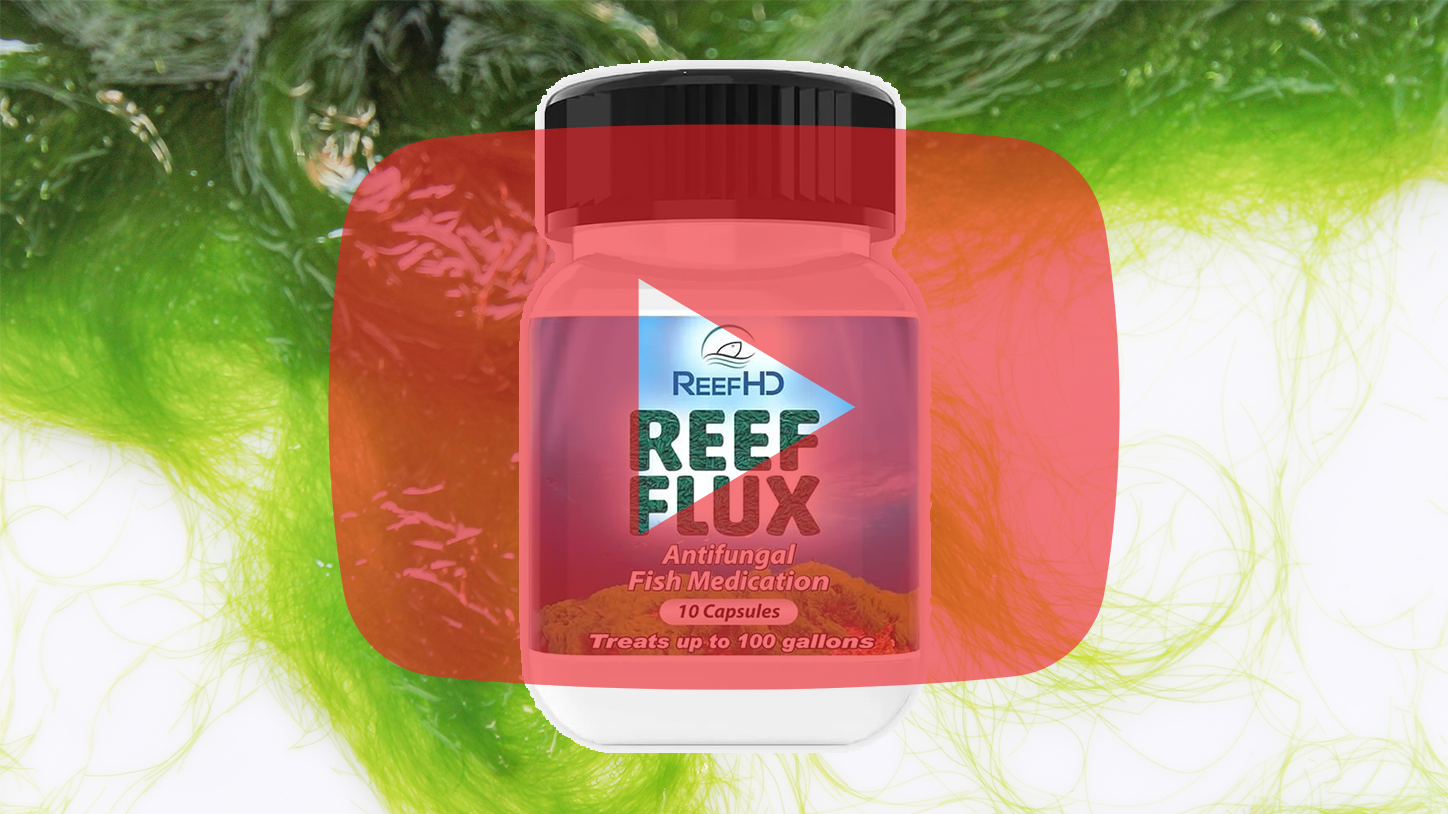
A reef tank that appears to be overrun with hair algae may actually have bryopsis, a far more aggressive algae that often needs a different approach. Fluconazole, the active ingredient in Reef Flux, can be an effective tool for bryopsis when ordinary algae control methods have failed.
Hair algae is one of those problems that can feel especially brutal in a nano reef. In a larger system, we have access to plenty of herbivorous fish that can keep it under control. In a smaller tank, though, many of those bigger algae eaters simply are not an option.
The good news is that we still have a few solid tools for dealing with hair algae in a nano reef. The best approach is usually to combine the right cleanup crew with a little hands-on help.
Hair algae can be one of those reef tank problems that seems to disappear before it ever becomes a visible problem. It is still there, but the right fish may be cruising the rocks all day, pulling it off as fast as it grows.
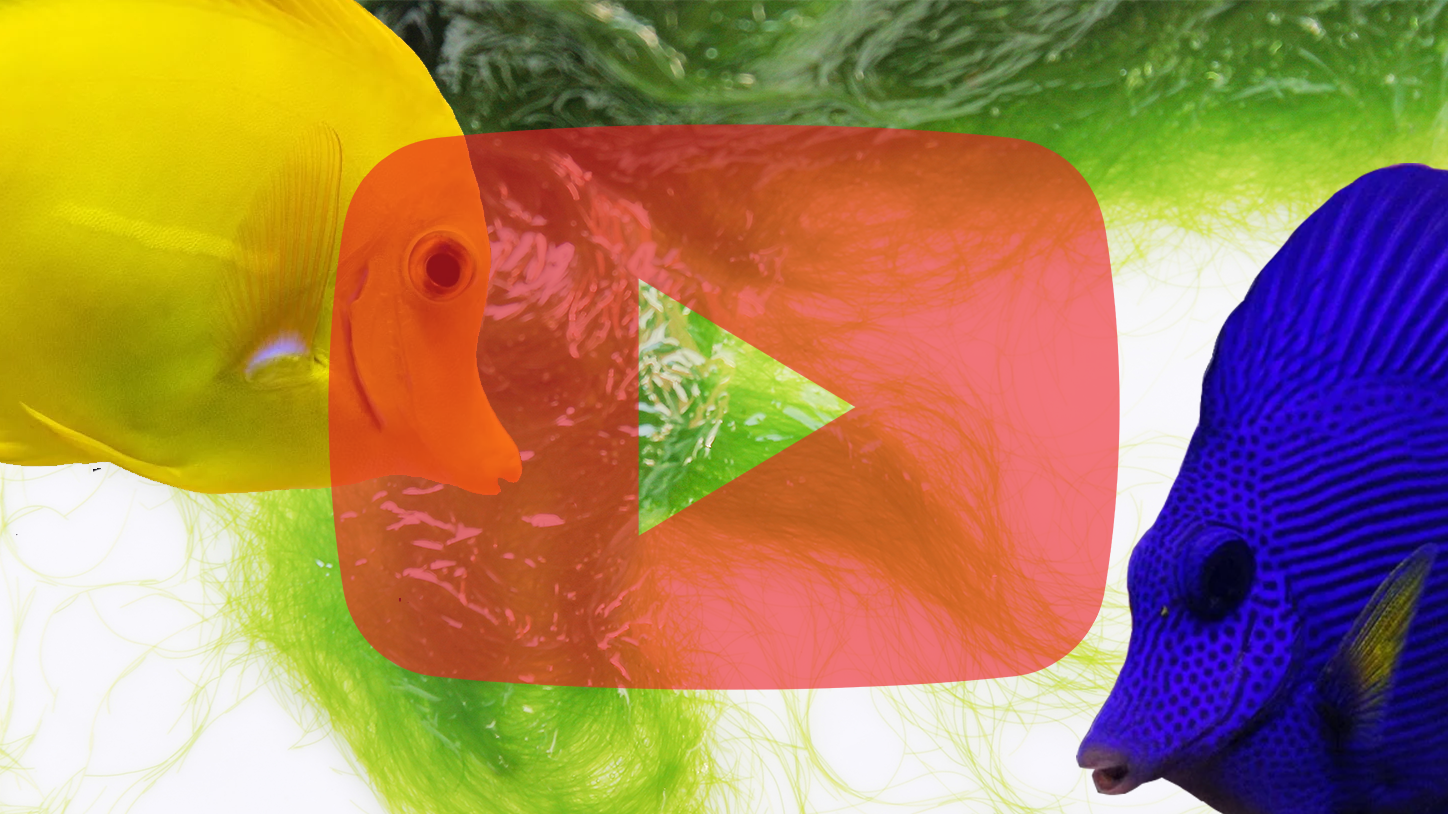
In a moderate to larger reef tank, tangs are usually the first answer. They are active, constant grazers, and they can make a serious dent in hair algae before it gets the chance to take over the aquascape.
Hair algae grows in a reef tank for the same basic reason coral does: the conditions support photosynthetic life are there. It needs light, carbon dioxide, and inorganic nutrients, especially inorganic N/P nitrogen and phosphorus.
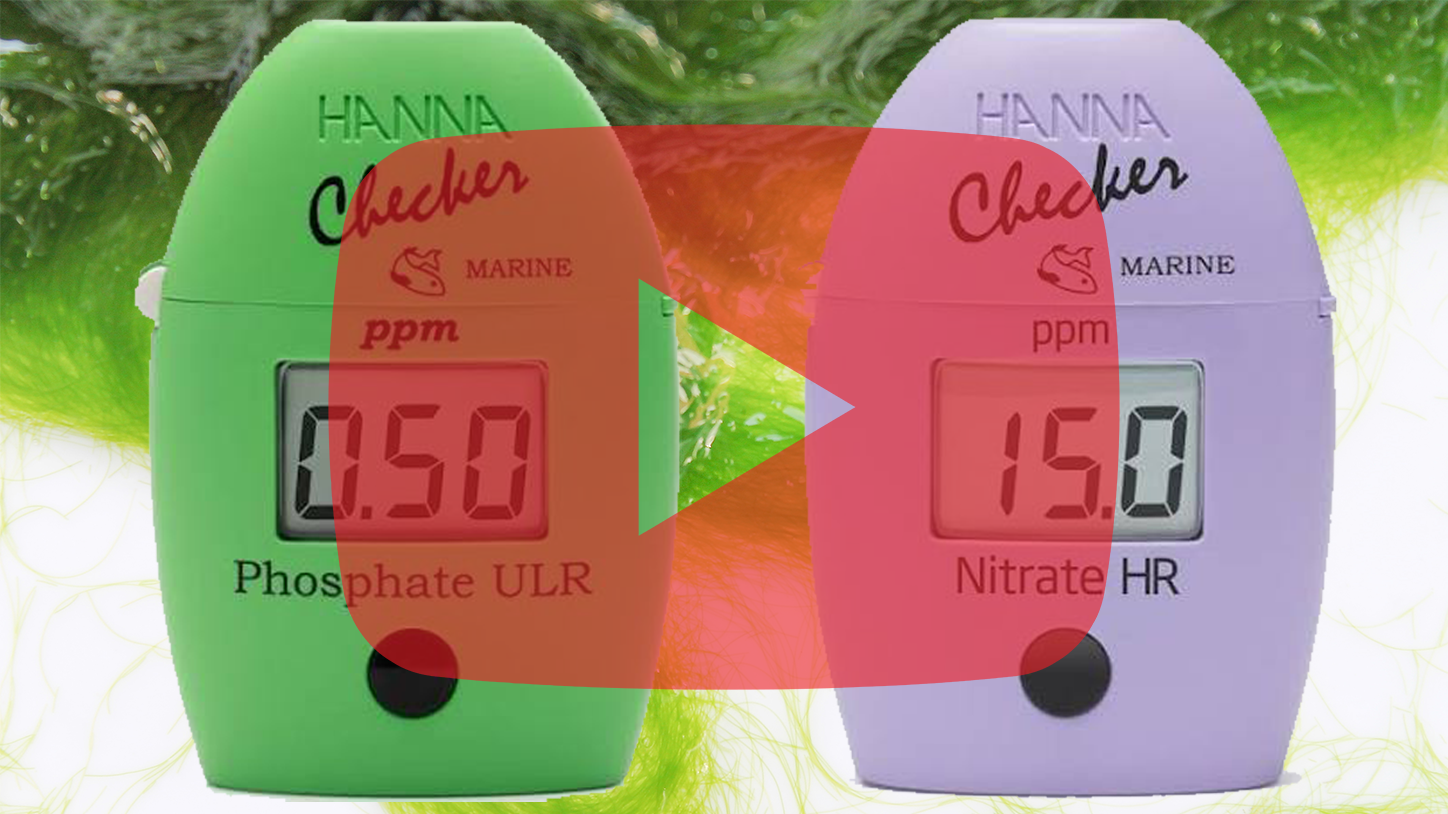
Getting a zero reading for nitrate and phosphate while hair algae is growing all over the tank feels backwards. If the nutrients are supposedly zero, what is the algae living on?
The quick answer is simple: if we have fish in the aquarium and we feed them, we are adding nitrogen and phosphorus every day. Those nutrients are in the system, even when our test kits cannot detect them. So what are we supposed to do
When hair algae has taken over and nothing else seems to make a dent, hydrogen peroxide can be one of the most effective direct treatment tools we have. This is not another heavy hitter that works primarily as a poison. Peroxide works differently because it is an oxidant.
Used carefully and directly on the problem area, it can wipe out hair algae remarkably fast. In many cases, algae that has been treated can be completely gone by the following day.